Buy Life Science and Laboratory Products in Nigeria.
Buy life science and research laboratory equipment in Nigeria through Franance. Browse reviewed instruments and materials, retain exact manufacturer references and request an itemised quotation.
Buy Life Science and Research Laboratory Equipment in Nigeria
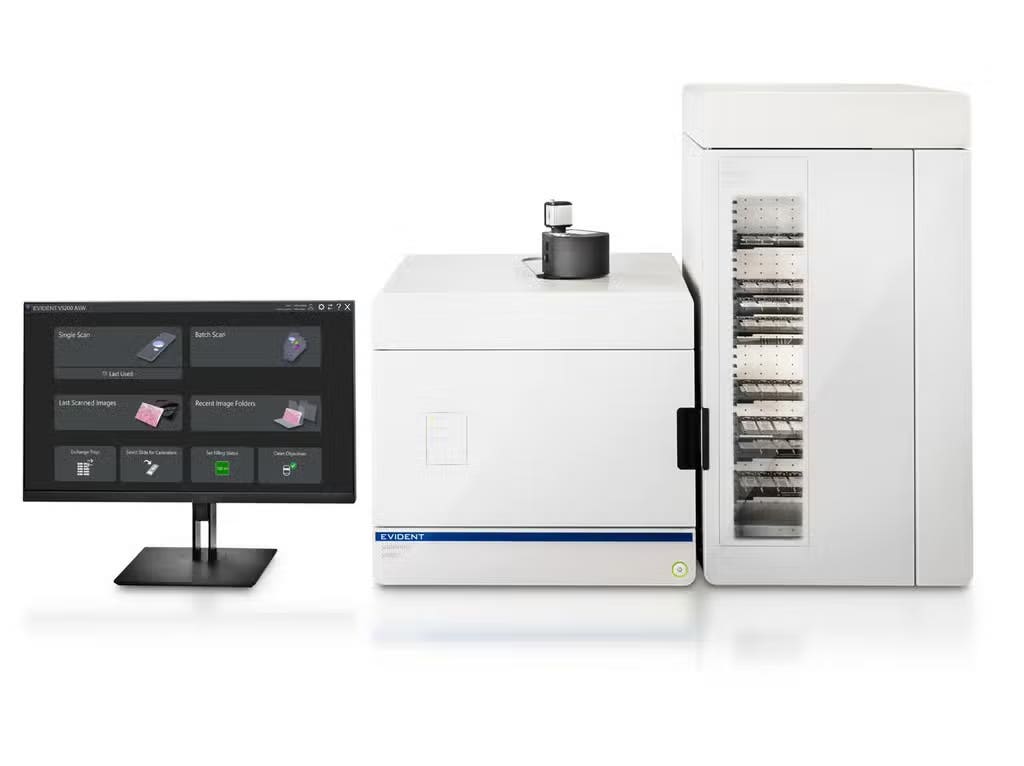
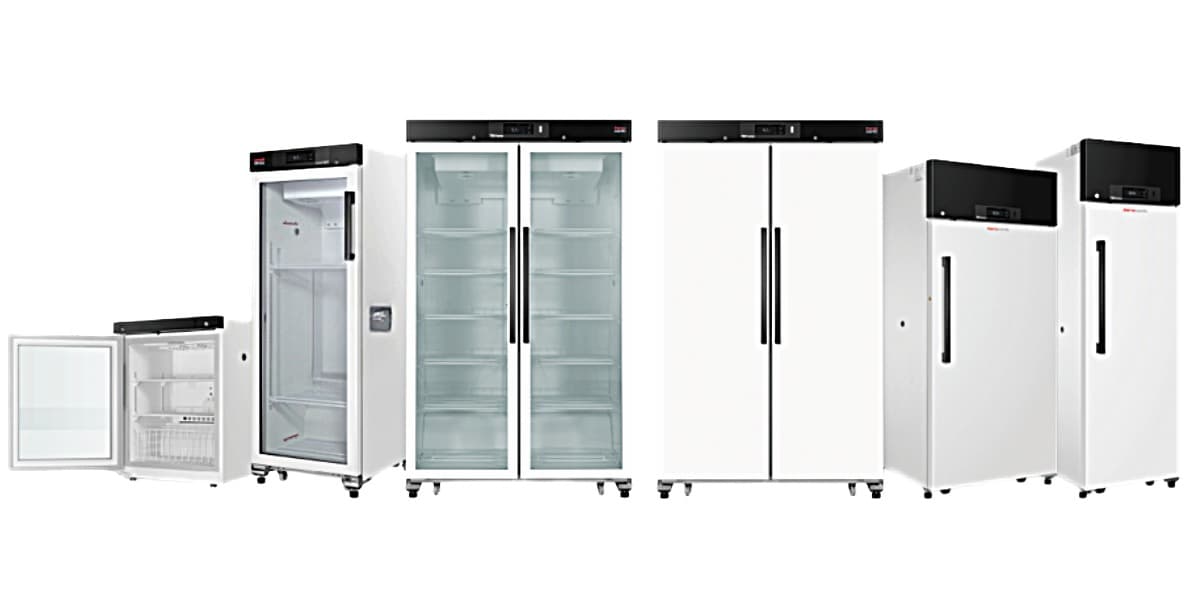
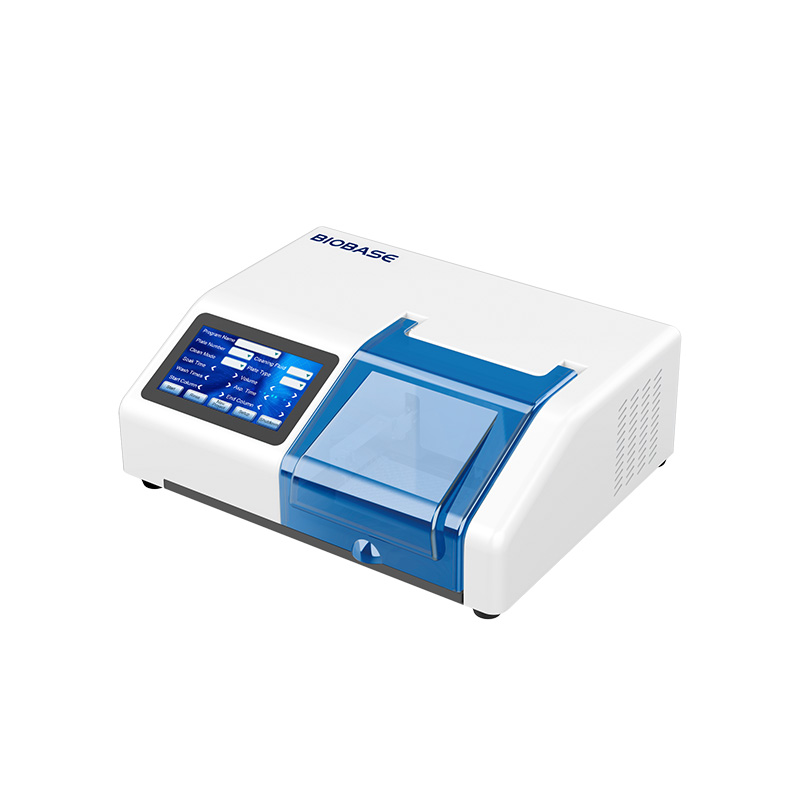
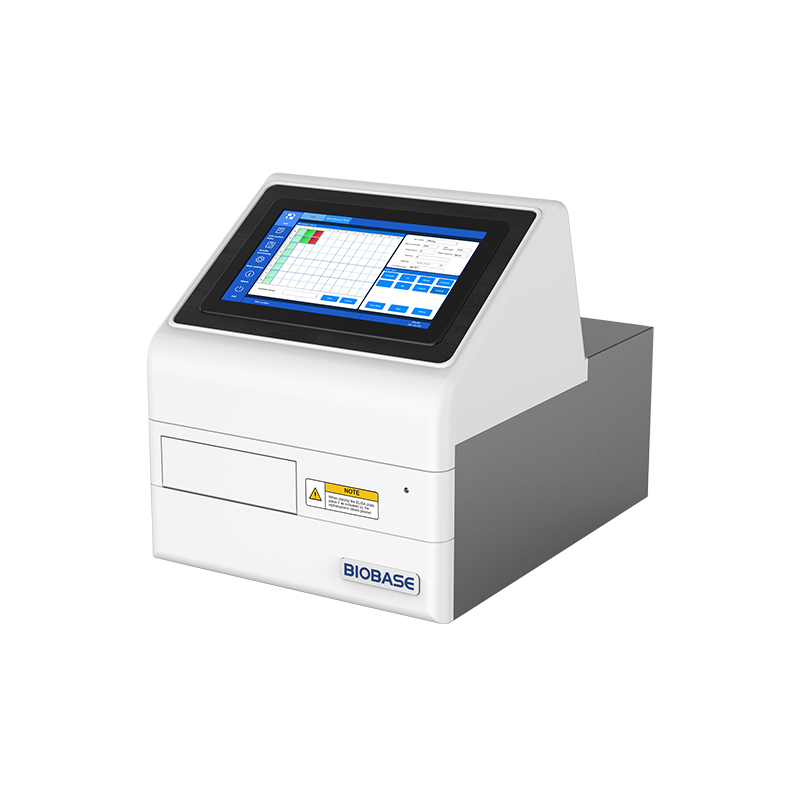
Buy life science and research laboratory equipment in Nigeria through Franance. Browse the actual instruments and materials by category, identify the model or catalogue reference your team requires and request an itemised quotation. The current selection spans research PCR, controlled-gas incubation, biological safety cabinets, centrifugation, pipettes, a named buffer reagent, ovens, laboratory water purification, UV-Vis measurement and liquid chromatography. These are distinct purchasing requirements with their own product guides. Use this hub to coordinate the wider laboratory schedule while keeping every instrument, material and requested service identifiable.
Where can I buy life science equipment in Nigeria?
Request life science equipment from Franance with the exact manufacturer references, approved requirements, quantities and delivery location. Include the supporting materials, accessories and technical work that form part of your laboratory project.
If the equipment schedule is still being developed, identify the functions your team needs and which decisions require review. Ask the proposal to show actual instruments and package contents rather than one undefined laboratory bundle. The responsible scientific and technical reviewers can then assess the same configuration that procurement is pricing.
Browse the category listings and individual product guides to assemble the enquiry. Franance can discuss equipment, materials, documents and separately requested installation or acceptance work. Availability, prices and commercial terms are confirmed for the actual proposal. The website begins a quotation discussion without online payment. A visible catalogue entry is a reviewed product reference, not a statement that every model is immediately stocked at every Nigerian location.
Which life science products are currently listed?
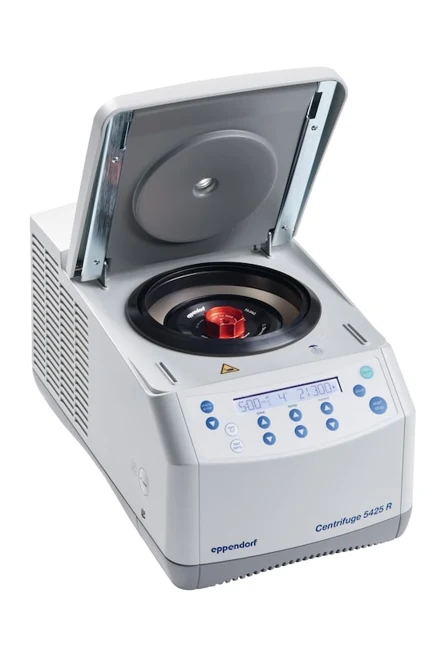
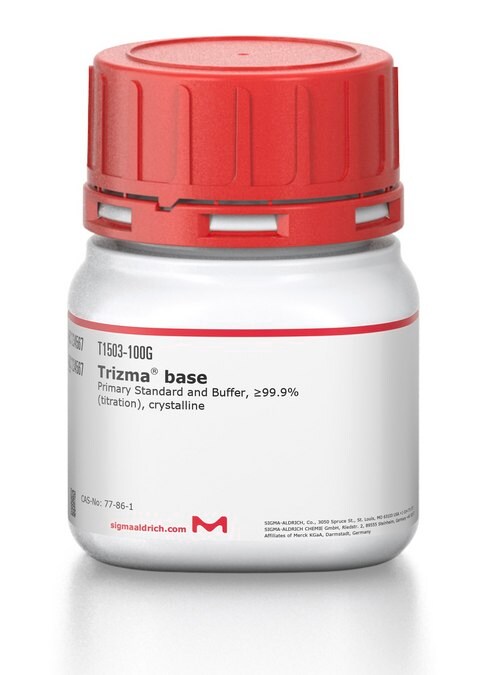
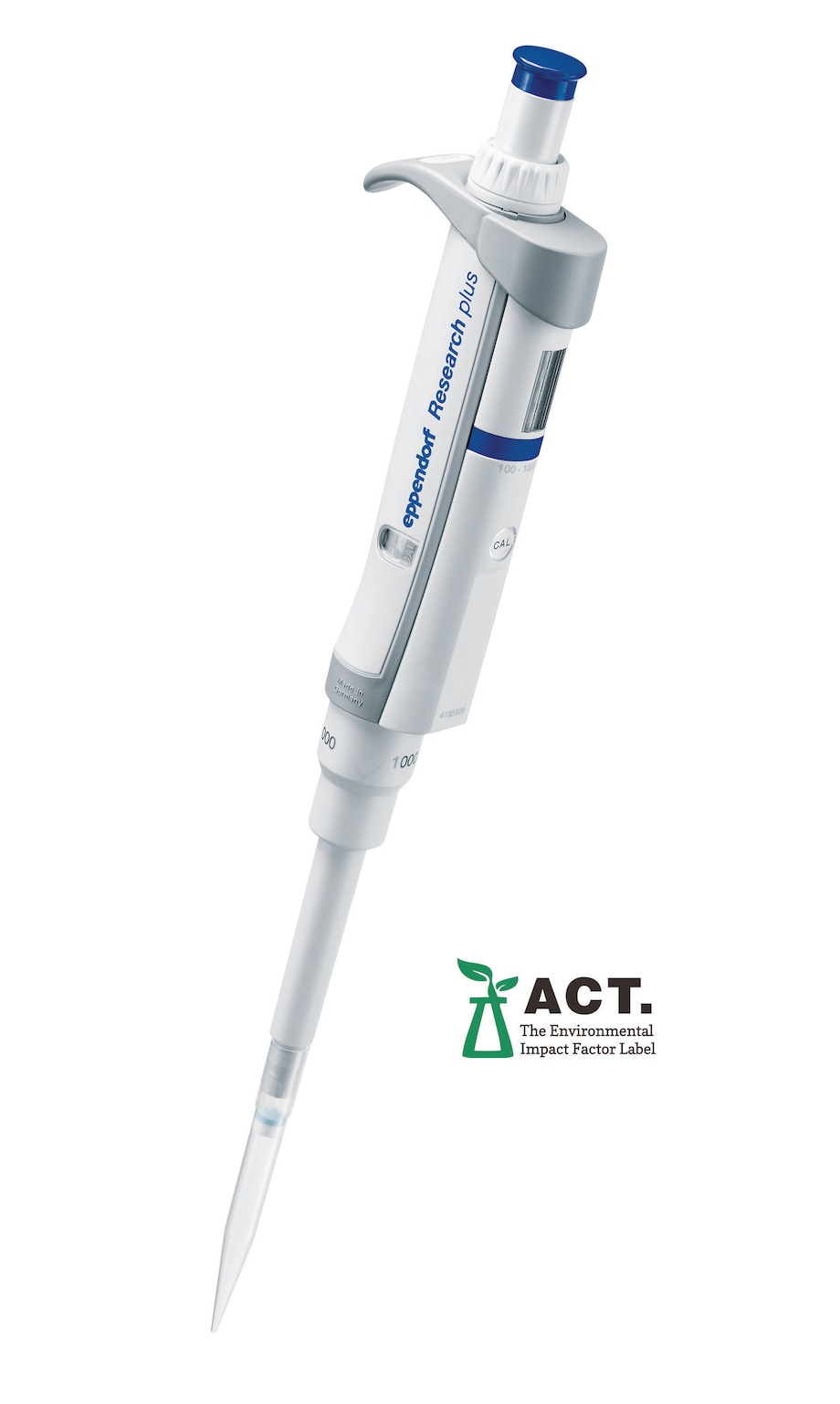
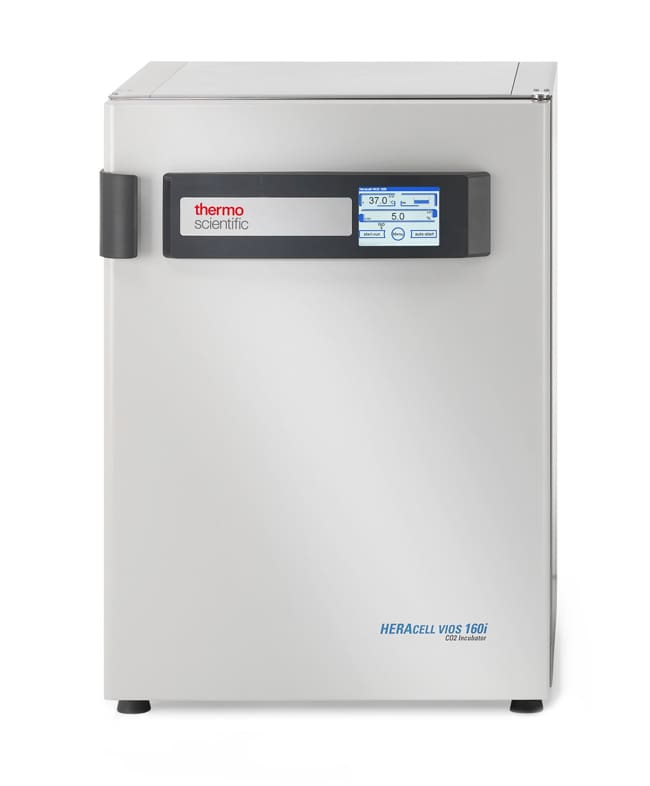
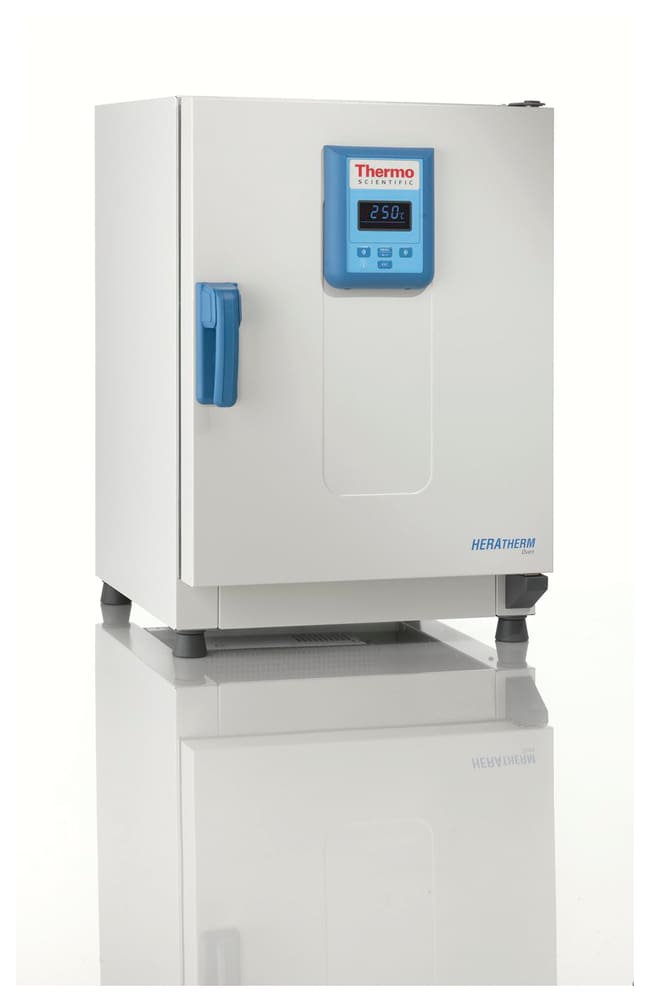
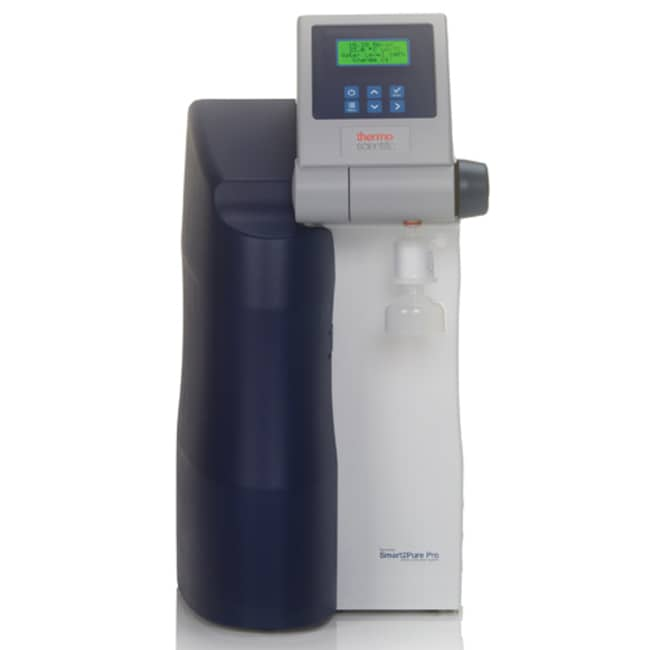
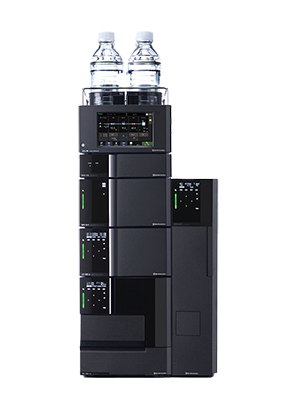
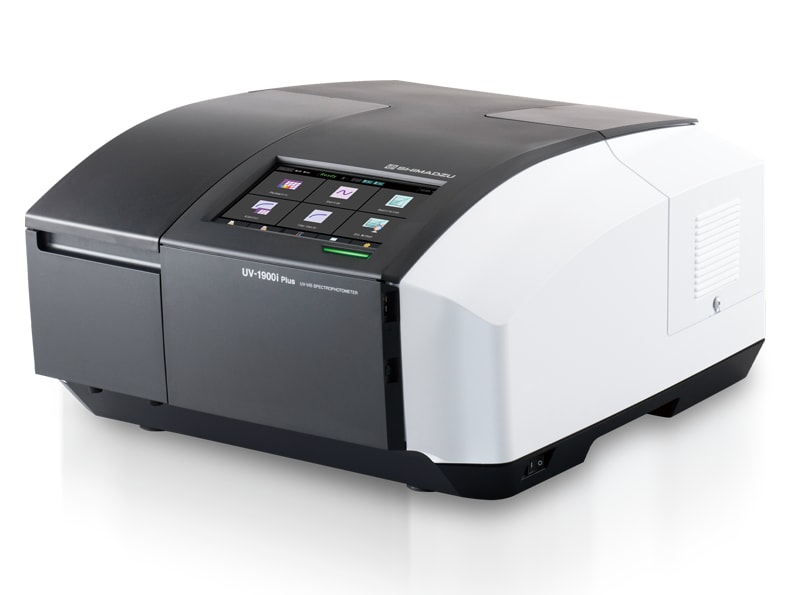
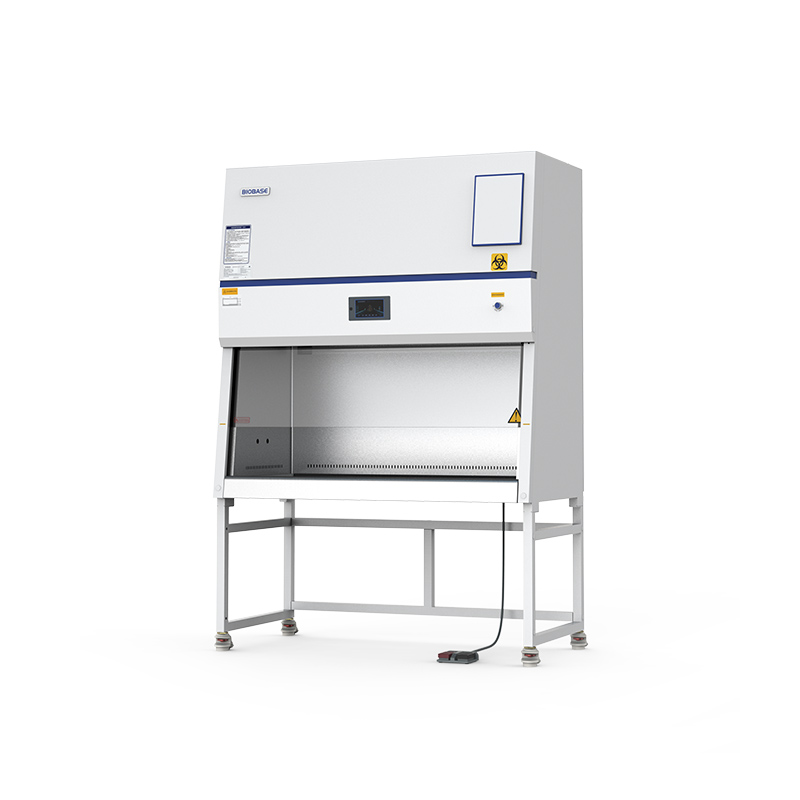
The current selection includes Applied Biosystems QuantStudio 5, Thermo Scientific Heracell VIOS 160i, BIOBASE BSC-1100IIA2-Pro, Eppendorf Centrifuge 5425, Research plus 100–1000 µL, Sigma-Aldrich Trizma Base T1503, Heratherm oven 51028139, Barnstead Smart2Pure Pro 50157873, Shimadzu UV-1900i Plus and Nexera XS.
Each record serves a specific equipment or material requirement. Review its guide and exact category rather than treat the list as an interchangeable collection of general laboratory products. Some entries describe a model range requiring an actual offered configuration; others identify a specific catalogue code or material.
This is an initial reviewed inventory, not exhaustive manufacturer coverage. Send Franance other exact references with your requirement and quantity for discussion. Ask proposed alternatives to retain their own identity and supporting information before technical approval. A broader enquiry can include additional items, but the final quotation should still show what is actually being proposed rather than imply that every possible model is already listed or confirmed available.
How should I organise a complete research laboratory purchasing schedule?
Create separate lines for instruments, compatible materials, accessories, site work and acceptance requirements. Retain the exact manufacturer identity and catalogue code wherever the laboratory has already approved a particular item.
For an instrument, describe the required configuration and supporting package. For a material, identify the actual product, grade or format the team has specified and its supplied quantity. For technical work, state the requested deliverables and responsible site contacts. An equipment name alone should not hide consumables, software, documentation or utilities needed by the proposed installation.
Ask Franance to identify alternatives separately and explain their differences for review. The institution's scientific and purchasing teams should compare the same accepted schedule rather than approve an undefined bundle through one broad department heading. Keep that schedule available for receiving and later purchases, so future accessory or material enquiries can refer back to the actual equipment and products installed or supplied.
How should I organise a complete research laboratory purchasing schedule? — review checklist
Purchasing line
Identity and scope to retain
Instrument
Actual manufacturer, model, configuration and catalogue number
Material
Exact product reference, approved specification and supplied format
Accessories and utilities
Compatible components, site requirements and responsibilities
Technical work
Requested installation, familiarisation, verification and records
What should I specify for cell-culture and laboratory cabinet equipment?
Identify the required instrument role and the laboratory's approved configuration. Controlled-gas incubation and a biological safety cabinet are separate equipment requirements, even when they form part of a wider research workflow.
The current Heracell VIOS 160i guide addresses chamber, sensor, gas-control and package distinctions. The BIOBASE record has its own cabinet identity and manufacturer information. Review each product separately instead of assuming that one instrument supplies the functions or supporting requirements of the other.
Provide the actual site layout, required accessories and any installation or acceptance scope for each item. Your responsible team should assess intended use and applicable documentation. Franance can discuss the equipment and requested work without prescribing a biological procedure or promising a research result. Keep the accepted instrument references, site responsibilities and handover records distinct in the proposal so the overall laboratory project remains coordinated without losing the identity of its individual purchases.
How should centrifuges, pipettes and sample-preparation items be compared?
Use the actual model and required accessories for each equipment role. The current Eppendorf Centrifuge 5425 and Research plus 100–1000 µL pipette have different product guides and configuration questions; their shared brand does not define one combined package.
For a centrifuge enquiry, ask the proposed instrument and compatible rotor or accessory scope to remain explicit. For liquid handling, identify the required instrument format, volume identity and compatible materials your team wants reviewed. Do not infer a different model function or accessory bundle from a broad manufacturer family name.
If the institution retains existing equipment or supplies, provide their exact references for compatibility review. Franance can discuss the proposed instruments, accessories and any requested calibration or familiarisation scope. Your laboratory should determine method suitability and acceptance. Retain the accepted configuration and component schedule so receiving and future purchases refer to the actual product rather than a shortened brand-only description.
What belongs in a PCR and molecular-research equipment enquiry?
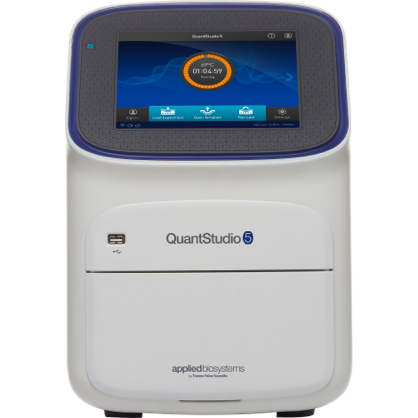
Specify the actual instrument configuration, intended research requirement, compatible materials and analysis package. The listed QuantStudio 5 guide distinguishes the manufacturer's research-use references and the supporting questions for a proposed real-time PCR purchase.
Ask for the fixed-block format, actual instrument code and any requested computer, software or implementation work. If the institution plans to retain existing supplies or a workstation, identify them for review. A family name should not be treated as evidence that every consumable, block or software environment is interchangeable.
Keep the instrument's stated intended use visible. Research-use equipment should not be converted into a diagnostic claim because a familiar technique appears in its product description. Franance can discuss the identified configuration and supporting documentation, while your scientific and technical reviewers assess the approved requirement. The quotation should make the actual equipment and responsibilities clear without promising a particular experimental result or assuming every laboratory process has been validated by the purchase.
How do reagents and buffers fit into the equipment catalogue?
Treat reagents and buffers as identifiable material purchases with their own references and supplied formats. The current named example is Sigma-Aldrich Trizma Base T1503, which has a separate guide rather than being an unspecified accessory bundled with every instrument.
Send the exact product reference and quantity the laboratory has approved. Where a material specification includes a grade, pack size or supporting document requirement, keep that information in the enquiry and ask the proposal to identify the actual offered item. A similar chemical name is not enough to approve a different product or supplied format.
Distinguish initial project materials from recurring supply. Franance can discuss the requested references and proposed commercial scope, with any alternative shown separately for review. The responsible laboratory team determines suitability for its method. Retain the accepted material identity and documents with the purchasing record so later orders do not rely on a broad buffer description or assume that one visible product covers every reagent requirement.
What laboratory utilities should be planned alongside the instruments?
Identify heating and drying, research-water, electrical, space and other relevant site requirements separately. Supporting equipment can be essential to a project, but each item still needs its own reviewed specification and supply schedule.
The current Heratherm 51028139 oven addresses a specific heating-and-drying requirement. Smart2Pure Pro 50157873 has a documented research-water package with feedwater and installation questions. Keep oven capacity and convection distinct from incubation, and water production, storage and dispensing distinct from one another.
Provide site details and responsible facilities contacts before the proposal is agreed. Ask additional connection equipment, mounting, furniture and preparation work to be itemised rather than inferred from product photographs. Franance can discuss the instruments and requested supporting scope. Your technical team should assess actual utilities and installation readiness using the applicable manufacturer information, with the agreed responsibilities retained alongside the laboratory equipment schedule.
How should spectroscopy and chromatography equipment be specified?
Identify the actual instrument and supporting configuration for each analytical requirement. The current UV-1900i Plus is a standalone UV-Vis spectrophotometer, while Nexera XS is a modular liquid-chromatography system; one should not be treated as the other because a detector or measurement principle shares familiar terminology.
For the spectrophotometer, provide the required optical and sample-accessory scope and whether a PC package is needed. For Nexera XS, retain the actual pump, autosampler, detector, column-oven, software and supporting-material schedule. Manufacturer figures keep their relevant conditions; a maximum pressure is not an unconditional value at every flow, and spectral bandwidth is not the same specification as wavelength accuracy.
Franance can discuss the identified equipment and requested documentation. Your laboratory should review intended use and acceptance, retaining the research-use context of the analytical sources. Keep any additional instrument, integration or verification work explicit in the proposal so a broad analytical package does not obscure separate purchasing requirements.
What determines life science equipment prices in Nigeria?
Request an itemised Franance quotation for the actual products, configurations, quantities and destination. Include compatible materials, accessories, documentation and requested technical work so the commercial response matches the laboratory's approved scope.
Compare complete references and supplied formats before comparing totals. Another instrument version, a different material pack or a reduced accessory package can change the proposed supply. Ask optional additions and alternatives to be shown separately so budget discussions do not obscure the accepted base requirement.
Request quotation validity, proposed availability, applicable warranty, delivery charges and payment requirements in writing. Foreign regional prices are not a confirmed Nigerian offer, and a visible product record does not establish immediate local stock. Franance will follow up about the actual enquiry and proposed terms. Your scientific, technical and purchasing teams should review the identified products and commercial schedule together. The website collects no online payment through the quote-order route.
What installation, documentation and acceptance work should I request?
State the institution's requirements for delivery, site work, familiarisation, verification and supporting records before the quotation is accepted. Ask for the actual provider, responsibilities and deliverables rather than assume an equipment-only purchase includes every task.
At receiving, compare the references, configurations, materials and quantities with the approved schedule. Resolve a proposed substitute or discrepancy before treating it as an accepted equivalent. Keep the relevant equipment and material documentation available for laboratory review, maintenance and later purchasing.
Instrument acceptance and method suitability are related but distinct responsibilities. Your laboratory should define its own approved review and release requirements using the applicable instructions and intended work. Franance can discuss the proposed equipment and requested support scope without implying that delivery validates every research or diagnostic process. Clear records help the institution retain the actual configuration and responsibilities instead of reducing the installation to a collection of broad manufacturer names.
Can Franance discuss research laboratory delivery across Nigeria?
Yes. Send the facility name, full address, city and state with the actual references and quantities. Enquiries can be discussed for Abuja, Lagos, Ibadan, Port Harcourt, Enugu and other Nigerian destinations, with arrangements confirmed for the proposal.
For several laboratories, identify allocations and receiving contacts separately. Explain the receiving route, installation location, utilities readiness and any project deadline. Ask the quotation to show packing, delivery responsibilities, proposed timing and separately requested on-site work rather than assume identical arrangements for every product and destination.
Use the category guides to organise your list and the product pages to retain exact identities in the quote order. Franance will follow up by phone or email about the proposed supply. Review the products, documents, supporting work and commercial terms together, then keep the accepted schedule for receiving and future purchases. National catalogue coverage describes the enquiry scope without promising stock in every state or a guaranteed dispatch date.
Common questions
Does this initial selection cover every life-science manufacturer product?
No. The ten reviewed references establish initial inventory. Send Franance other exact products and approved requirements for a separate enquiry.
Does an equipment purchase include every validation or installation task?
Specify instruments, site preparation, technical work and acceptance records separately. The quotation should identify actual responsibilities and deliverables.
Request your laboratory equipment schedule.
Send Franance exact instrument and material references, quantities, supporting requirements and destination in Nigeria.


 PCR & qPCR Systems
 DNA/RNA Sequencers
 Laboratory plastics and consumables
 Buy Cell Culture Media in Nigeria
 Laboratory Dispersers
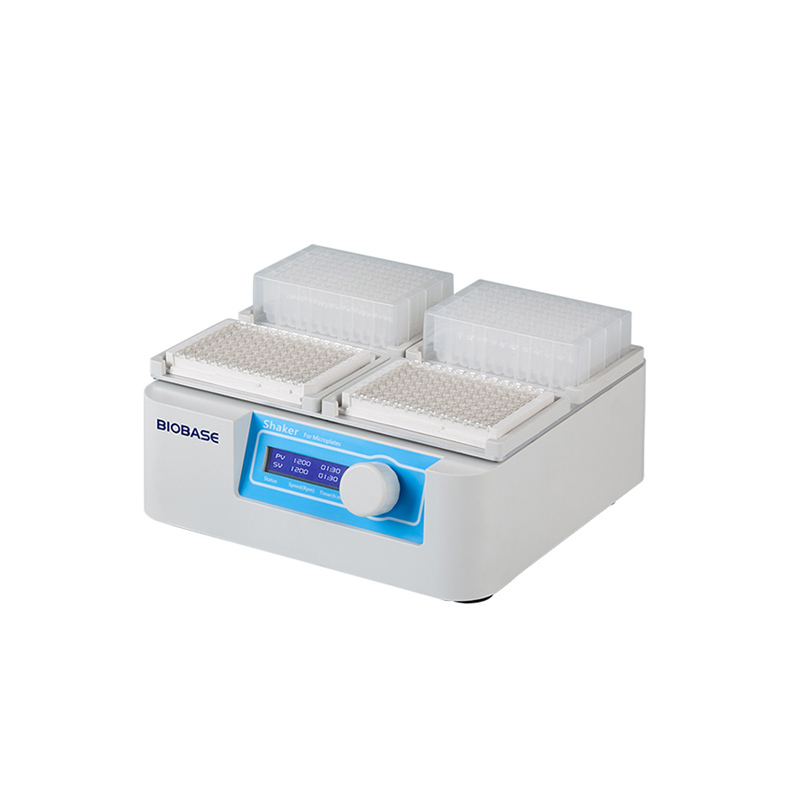 Microplate Mixers and Shakers
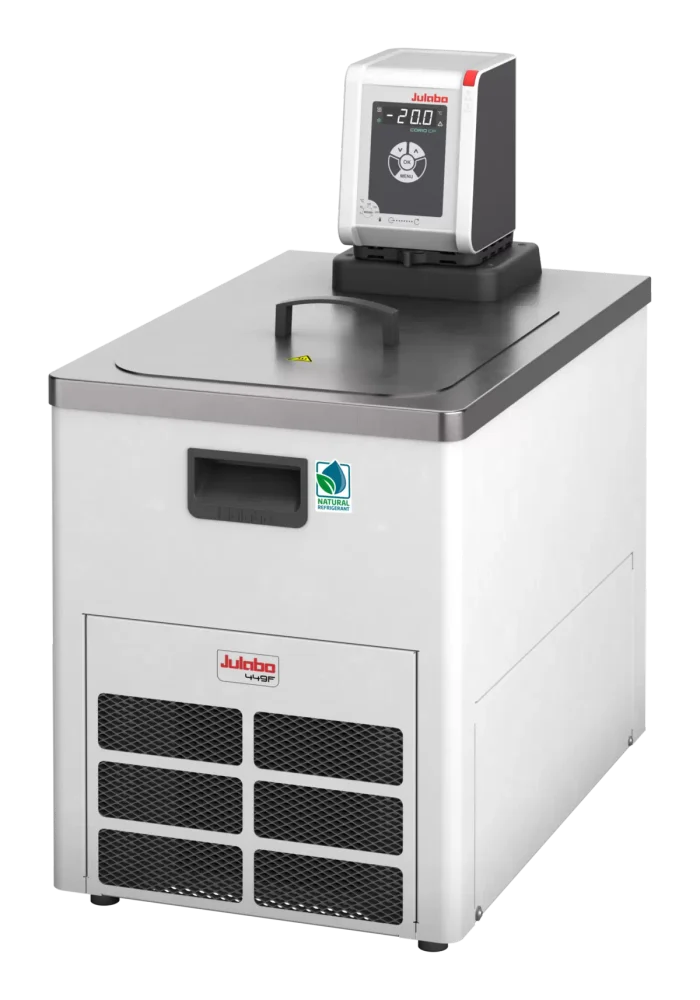 Laboratory circulators and chillers
 Precision Balances
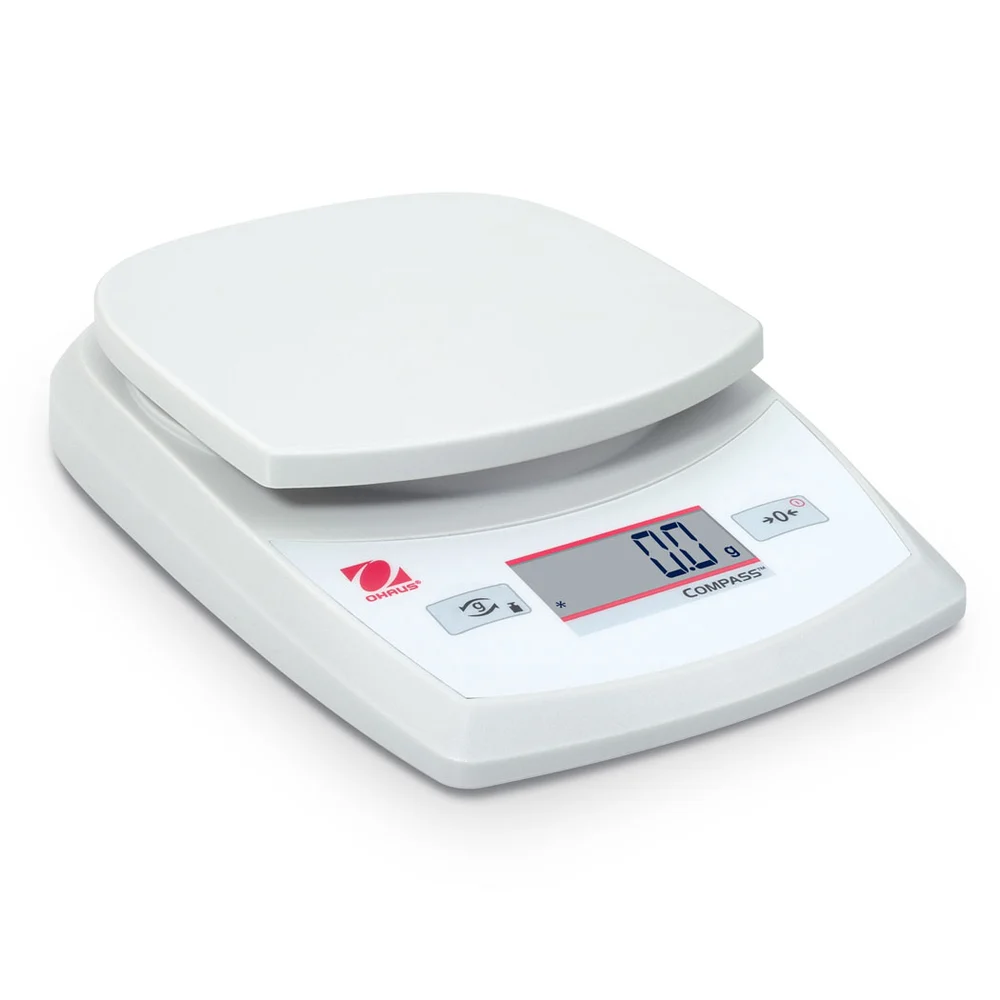 Portable Balances
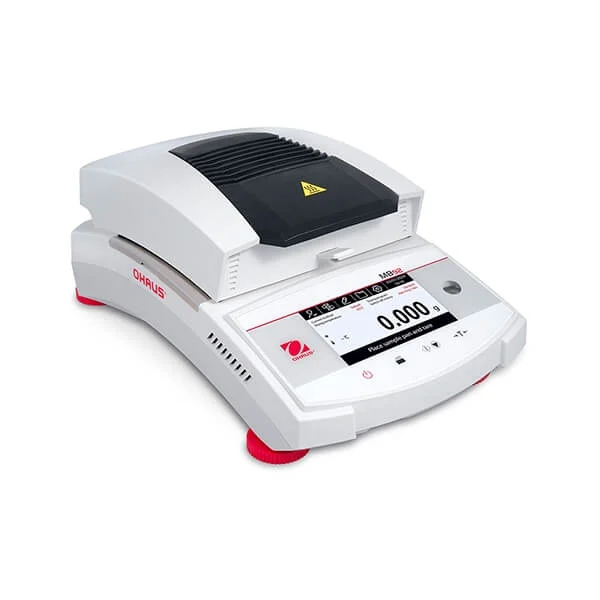 Moisture Analyzers
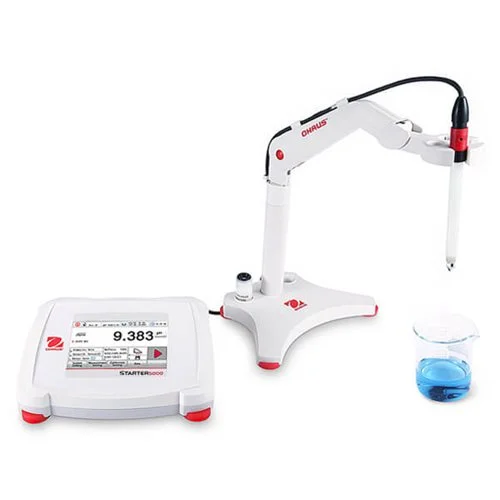 Water Analysis Meters
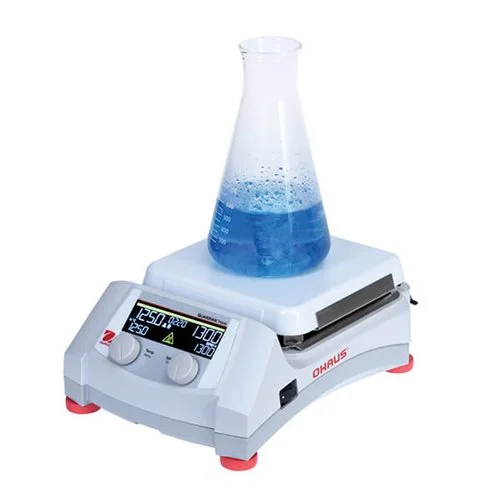 Laboratory Hotplates and Stirrers
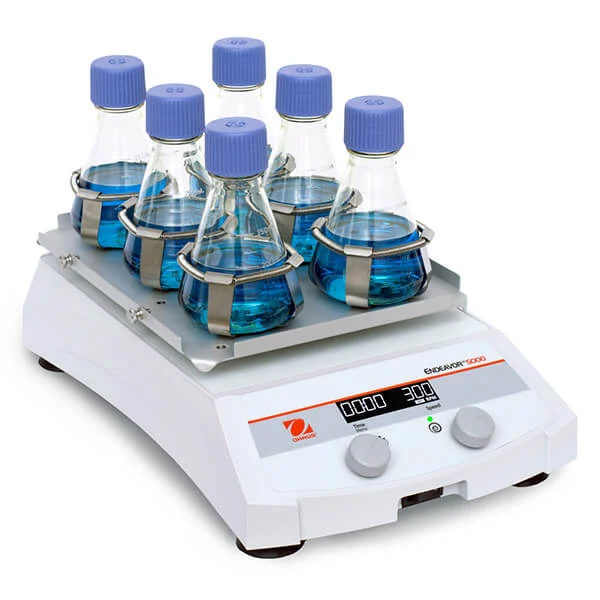 Laboratory Shakers and Rotators