
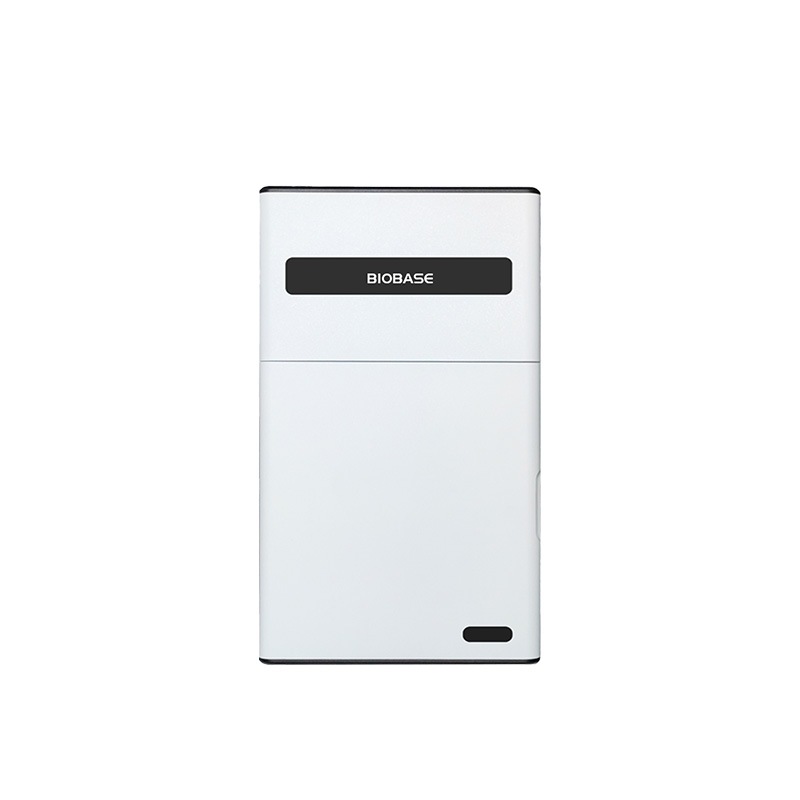
BK-ACG600 Chemiluminescence Gel Imaging System
Chemiluminescence gel imaging and documentation system
Price on request

Medical equipment and biomedical engineering.
Abuja, Nigeria.
Buy gel documentation systems in Nigeria through Franance by matching the imaging instrument to the laboratory's actual gel, blot, detection and data workflow. The current catalogue lists Bio-Rad ChemiDoc Go 12018025 and BIOBASE BK-ACG600 and BK-ACG900. Compare the exact model listings, confirm trays, illumination, filters, software and site requirements, then request a quotation for the intended configuration.
4 models
Chemiluminescence gel imaging and documentation system
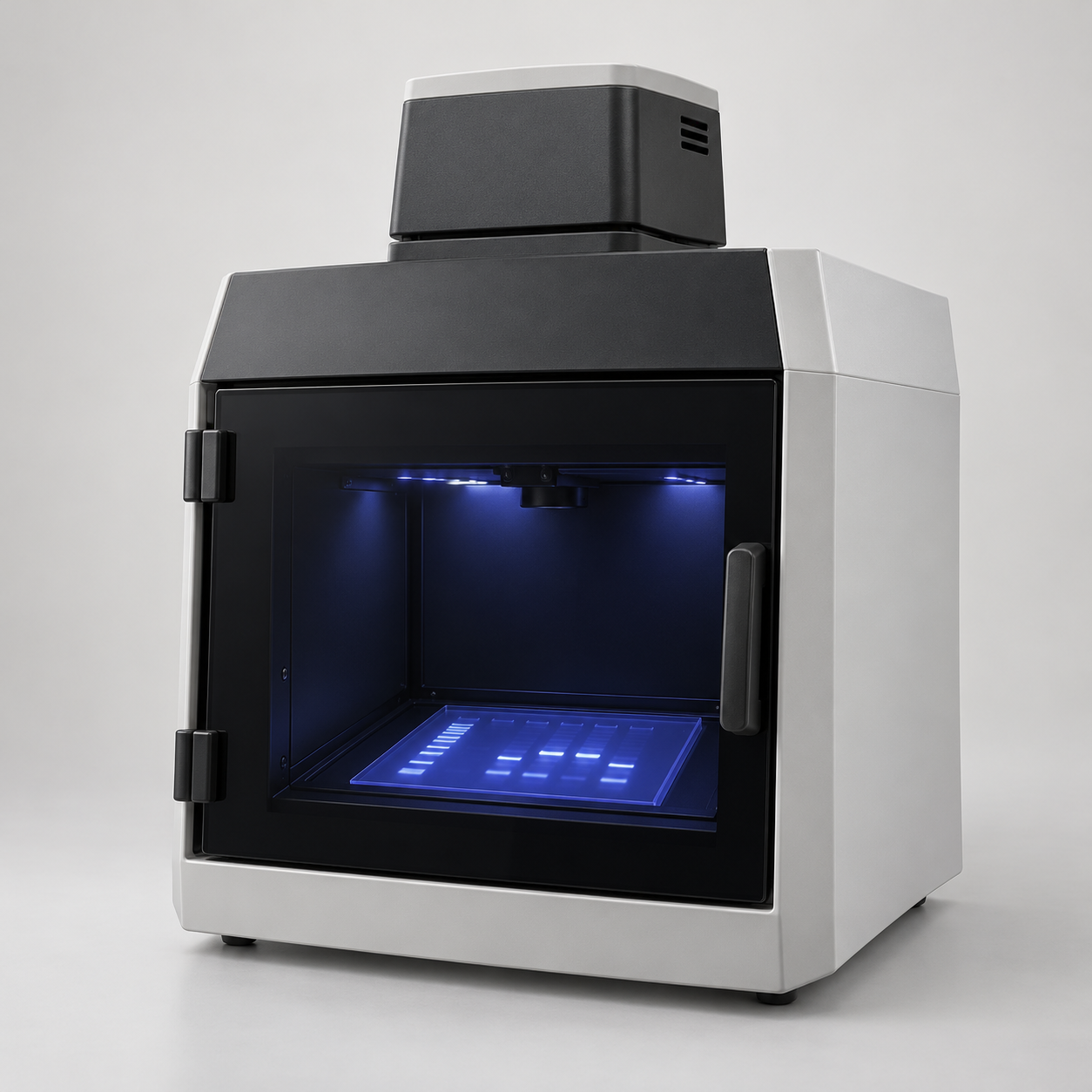
Automatic chemiluminescence gel imaging system
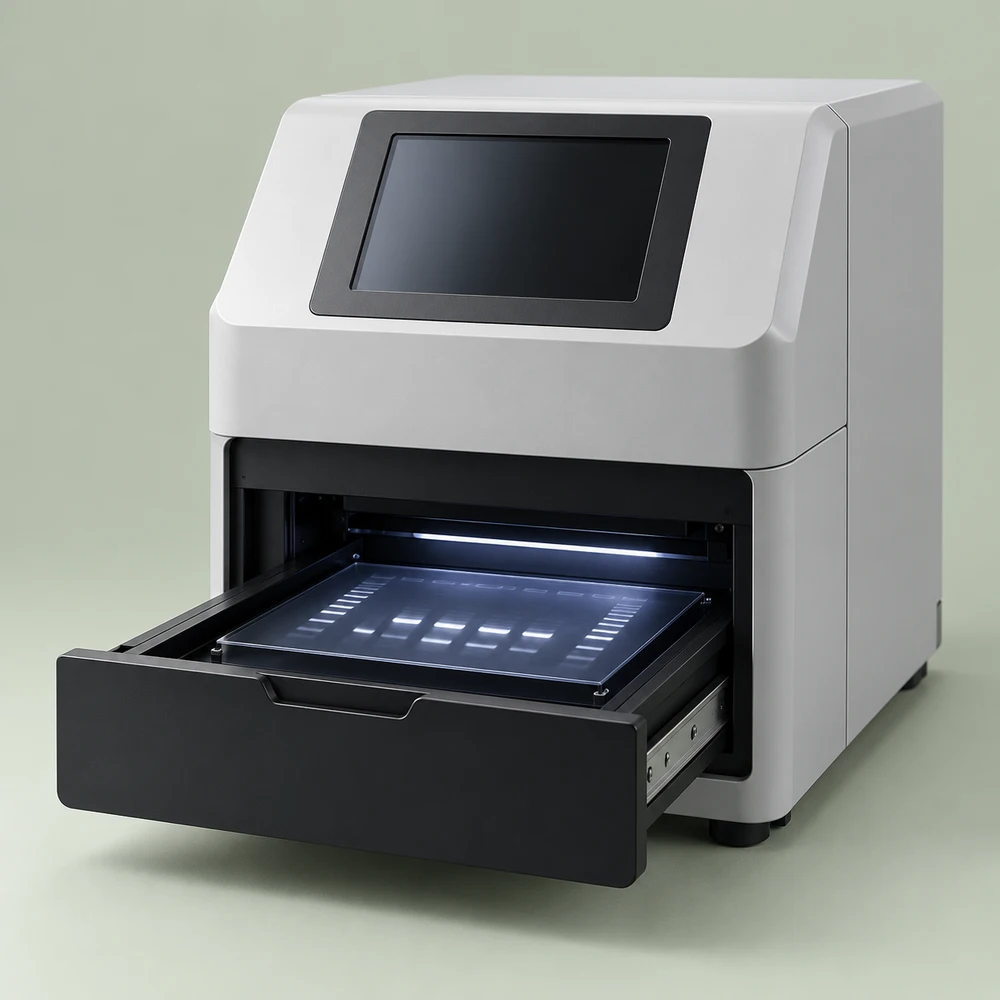
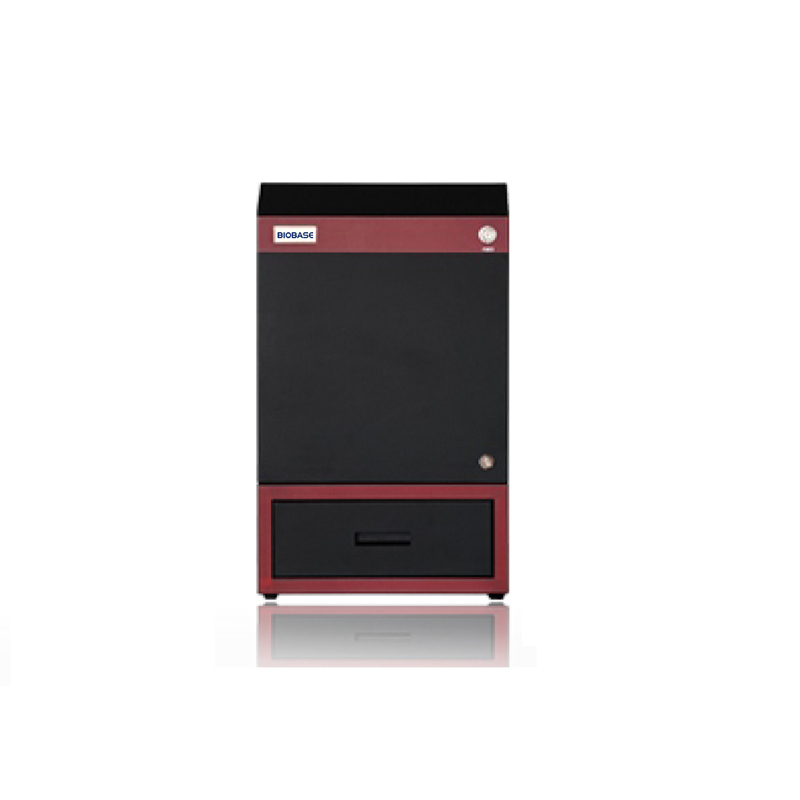
Automatic Gel Imaging and Analysis System
Franance can receive a quotation request for the three currently listed models and confirm the offered model, package, supply terms and support scope. The gel documentation systems category is the main catalogue route. For a narrower comparison, use each model-filtered listing above. A filter identifies a catalogue record; it does not confirm stock, delivery time, installation, warranty territory or a particular accessory. Ask for those details in the written offer.
Read moreA gel documentation system captures and stores images of gels or membranes after the laboratory has performed the separation, staining, transfer or detection steps. Depending on the configuration, the instrument may use transmitted or reflected illumination, a camera, filters and software to acquire an image. It does not run electrophoresis, transfer proteins, prepare samples, supply reagents or independently establish that an experimental method is valid.
Read moreFranance’s current category assigns three records. The Bio-Rad ChemiDoc Go Imaging System uses catalog number 12018025. Bio-Rad describes the system for selected blot and gel imaging applications and specifies an internal computer, touchscreen, camera, Image Lab Touch Software and a UV/Stain-Free tray in its ordering information. The white and blue trays are separately ordered accessories. Consult the manufacturer’s ChemiDoc Go ordering and specifications bulletin and instrument user guide for the current scope and operating requirements.
Read moreBuy gel documentation systems in Nigeria through Franance by matching the imaging instrument to the laboratory’s actual gel, blot, detection and data workflow. The current catalogue lists the Bio-Rad ChemiDoc Go Imaging System 12018025 and BIOBASE BK-ACG600 and BK-ACG900 systems. They are image-capture platforms for selected nucleic-acid, protein-gel and blot work; they do not perform electrophoresis, prepare samples, supply stains or validate an assay. Review the exact model listings for Bio-Rad ChemiDoc Go, BIOBASE BK-ACG600 and BIOBASE BK-ACG900, then send Franance the required configuration and delivery location for a quotation.
Franance can receive a quotation request for the three currently listed models and confirm the offered model, package, supply terms and support scope. The gel documentation systems category is the main catalogue route. For a narrower comparison, use each model-filtered listing above. A filter identifies a catalogue record; it does not confirm stock, delivery time, installation, warranty territory or a particular accessory. Ask for those details in the written offer.
Before requesting a quote, identify the laboratory’s actual imaging tasks. Examples include visible-light imaging of stained nucleic-acid gels, fluorescent gel imaging, chemiluminescent blot capture or colorimetric blot imaging. Record the dyes, stains, blot detection substrate and protocols in use. The instrument must have a compatible illumination source, emission filter, tray and image-acquisition workflow for the intended application. A broad phrase such as “DNA and protein imaging” is not enough to establish compatibility with every stain or detection reagent.
A gel documentation system captures and stores images of gels or membranes after the laboratory has performed the separation, staining, transfer or detection steps. Depending on the configuration, the instrument may use transmitted or reflected illumination, a camera, filters and software to acquire an image. It does not run electrophoresis, transfer proteins, prepare samples, supply reagents or independently establish that an experimental method is valid.
The term “gel doc” covers different combinations of camera, optics, illumination, sample area, filter set, tray, onboard or external computer and software. Some instruments also target chemiluminescent western blots, while others focus on simpler visible-light gel recording. Compare the intended acquisition methods and full included package rather than assuming the category name means the same feature set across all brands.
Franance’s current category assigns three records. The Bio-Rad ChemiDoc Go Imaging System uses catalog number 12018025. Bio-Rad describes the system for selected blot and gel imaging applications and specifies an internal computer, touchscreen, camera, Image Lab Touch Software and a UV/Stain-Free tray in its ordering information. The white and blue trays are separately ordered accessories. Consult the manufacturer’s ChemiDoc Go ordering and specifications bulletin and instrument user guide for the current scope and operating requirements.
The BIOBASE BK-ACG600 and BK-ACG900 are separate models in the manufacturer’s automatic chemiluminescence imaging range. BIOBASE lists nucleic-acid gel, protein gel and chemiluminescence applications for the family, and lists different camera-resolution figures for the two model numbers. Its BK-ACG600/BK-ACG900 product specification also gives family-level figures for imaging area, exposure, filter and electrical input. Confirm the exact model’s configuration and the latest datasheet with Franance before relying on any specification for procurement or protocol planning.
Create a method-to-instrument checklist. For each method, state the sample type, gel or membrane dimensions, stain or detection chemistry, required illumination, excitation or emission requirements, expected signal range, and whether images need one channel or multiple channels. For chemiluminescence, specify the substrate and blot format. For fluorescent work, provide fluorophore names and excitation/emission information from the method or reagent documentation. For DNA gels, identify the stain and the illumination approach already used by the laboratory.
Then ask Franance to map each required method to the exact model, tray, light source and filter in the written quote. Manufacturer application lists are useful starting points, but they do not guarantee that every dye, substrate, membrane or protocol is supported. Confirm compatible imaging modes from model-specific documentation and test an existing representative sample during a demonstration or acceptance process where available. The laboratory should determine its own exposure, image processing and record-keeping procedure.
The Bio-Rad listing is a specifically identified package, ChemiDoc Go 12018025. The official Bio-Rad ordering information names software and selected included hardware and distinguishes optional trays. It is therefore possible to check the quoted package against a manufacturer catalog number and accessory list. Confirm whether the current offer matches that package and whether any optional tray is needed for the laboratory’s methods.
The BIOBASE records distinguish BK-ACG600 and BK-ACG900 within one product family. The manufacturer’s current family page lists separate model specifications, including different camera-resolution values, and shared family specifications. Do not assume the two records differ only in resolution or that one includes the same lens, filter, software, workstation or accessories as the other. Ask for a model-specific bill of materials, datasheet, software details and confirmation of the exact model offered. A quotation should not silently substitute one SKU for another.
There is no universally best instrument based only on camera megapixels or a claim of automatic exposure. The appropriate comparison is whether the exact package supports the laboratory’s methods, sample dimensions, required detection channels, image export and service expectations at a workable total cost.
Image capture depends on the optical path as well as the detector. Confirm the camera or detector type, lens, filter wavelength or filter set, illumination sources, transmitted versus reflected geometry, sample area and available trays. Ask which requested stain or detection substrate has documented compatibility and which combination is included versus optional. If the current workflow uses several methods, request a method-by-method configuration table.
For Bio-Rad ChemiDoc Go 12018025, the manufacturer’s catalog information identifies the included UV/Stain-Free tray and names separately ordered white and blue trays. Verify whether the laboratory needs those additional trays and whether its specific protocols are covered by the selected configuration. For BIOBASE, ask the supplier to confirm the standard and optional filter choices and the illumination method for each use. Do not infer compatibility from a filter’s nominal wavelength alone; fluorophore, excitation, emission, tray and acquisition method all matter.
Also check practical dimensions. Confirm the largest gel or membrane to image and compare it with the manufacturer-documented image area. Ask about the drawer or chamber opening, tray dimensions and sample thickness if those affect the lab’s samples. A stated image area is not necessarily the same as a guaranteed usable area for every imaging mode.
Before purchase, establish who will acquire images and where the data must go. Ask whether software is onboard or requires a separate PC, what licence and version are included, which file formats can be exported, and whether export is available through USB, network connection or another documented route. Confirm storage capacity, user access, backup responsibility and whether the lab needs raw or metadata-preserving files as part of its normal records.
Bio-Rad identifies Image Lab Touch Software as part of the ChemiDoc Go 12018025 package. Bio-Rad’s user documentation describes the system’s onboard computer and USB ports; users should consult the manual for current data movement and system use. For BIOBASE BK-ACG600 and BK-ACG900, the catalogue descriptions call for software and computer needs to be confirmed. Request the exact software name, included licence, supported operating system, workstation specifications and data-transfer instructions in writing.
Neither an instrument’s ability to save an image nor image-analysis software by itself establishes experimental validity, quantitative comparability or regulatory suitability. The lab remains responsible for its method, controls, image handling and retention practices.
Confirm the exact instrument’s voltage, frequency, power connector, grounding needs, operating temperature, humidity, ventilation and bench footprint from the current manufacturer manual. Bio-Rad publishes operating voltage and environmental conditions for ChemiDoc Go in its technical bulletin. BIOBASE’s product page lists a 100–240 V, 50/60 Hz input for the BK-ACG600/BK-ACG900 family. Treat these as manufacturer-published specifications, then confirm the current document for the quoted model and any local power-conditioning recommendation.
The facility should identify the proposed room and bench, access route, delivery lift or stairs, receiving arrangements, available outlets, network access if needed, ambient conditions and any safety controls required by its imaging method. If the laboratory uses UV illumination or hazardous stains, it should review the instrument manual and its own chemical and light-safety procedures. Do not infer that an enclosure removes the need for those procedures.
Ask whether commissioning, installation, user training and method handover are included, who performs each task, and whether travel or site preparation is chargeable. No Nigerian installation or service coverage is implied by a manufacturer product page.
Send Franance the destination city and facility, quantity, exact requested manufacturer and model, required gel/blot applications, sample size, stains or substrates, illumination and filter needs, desired trays, software, workstation and data-export requirements. Include electrical conditions, bench/access constraints, expected installation and training scope, and any procurement deadline. If more than one instrument is acceptable, rank the requirement as essential, preferred or optional.
Request a written response identifying the exact catalog or model number, included accessories, separately priced options, software and licence, delivery scope, installation and training, warranty duration and territory, exclusions, lead time, payment terms and local after-sales contact. Ask the supplier to flag any requirement it cannot document. Confirm whether quotation pricing is in naira or another currency and whether taxes, freight, customs-related charges or installation are included. Availability, pricing and commercial terms must be confirmed for the actual order; this guide does not claim current stock or a fixed price.
Choose the exact model-filtered listing, then contact Franance with the specification checklist and delivery details. The catalogue supports enquiry and quotation requests; it does not represent an online purchase or confirm a completed order. Franance can respond to the submitted requirements with a quote for review. Before accepting, check that model number, options, quantities, delivery destination, commercial terms and service commitments are stated clearly. Resolve substitutions and exclusions before issuing a purchase order.
If the quotation is for BK-ACG600 or BK-ACG900, ensure the model is explicitly named in every revision. If it is for ChemiDoc Go, match the offered system to 12018025 and list any extra trays or accessories separately. Keep the approved quotation and final equipment configuration with the laboratory’s procurement records.
This guide uses the Bio-Rad ChemiDoc Go product specifications and ordering information, ChemiDoc Go instrument user guide, and BIOBASE BK-ACG600/BK-ACG900 manufacturer product page. The source pages describe manufacturer-stated product information; they do not establish current Nigerian inventory, price, regulatory status, third-party reagent compatibility, local warranty, support or delivery conditions. Confirm the latest model-specific documents and all commercial terms in the quotation.
The category currently lists Bio-Rad ChemiDoc Go Imaging System 12018025, BIOBASE BK-ACG600 and BIOBASE BK-ACG900. Use the exact model-filtered listings and confirm the offered configuration in the quotation.
No such inclusion is implied by these imaging-system listings. Confirm the complete bill of materials; electrophoresis, sample preparation, stains, substrates and other laboratory equipment may be separate requirements.
They are distinct model records in one BIOBASE product family, and the manufacturer lists model-specific differences. Confirm the exact model, current specification, options and included accessories before ordering.
No. Confirm the exact reagent, illumination, filter, tray and acquisition mode against current model documentation and the laboratory protocol.
Tell Franance the exact model, gel and blot workflows, stains or substrates, trays, illumination and filter needs, software and data-export requirements, delivery destination and site conditions. Ask for the included accessories, installation, training, warranty and service terms in writing.
Request a gel imaging quoteAdd the models you need to a quote order, or send us your equipment list.