

Buy Fume Hoods in Nigeria.
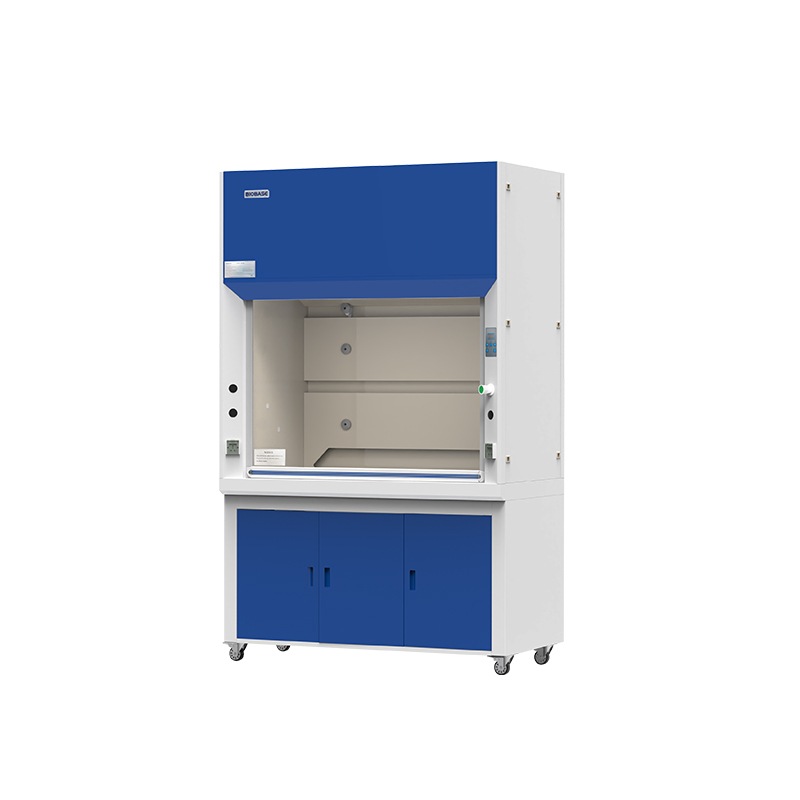
Buy laboratory fume hoods in Nigeria through Franance by matching the hood to the chemical risk assessment, exhaust design and room where it will operate. The current category lists BIOBASE FH1000(E), Esco Frontier Mono EFH-4A8 and Labconco Protector Premier 4 ft 100400020. Esco and Labconco configurations require external/remote blowers and ductwork; Labconco 100400020 also has no service fixtures. Treat the hood, blower, exhaust route, services, installation and verification as a coordinated facility system. A fume hood is not a biological safety cabinet or clean bench. Franance supplies quote orders and follows up by phone or email; online payment is not available.
Products
11 models
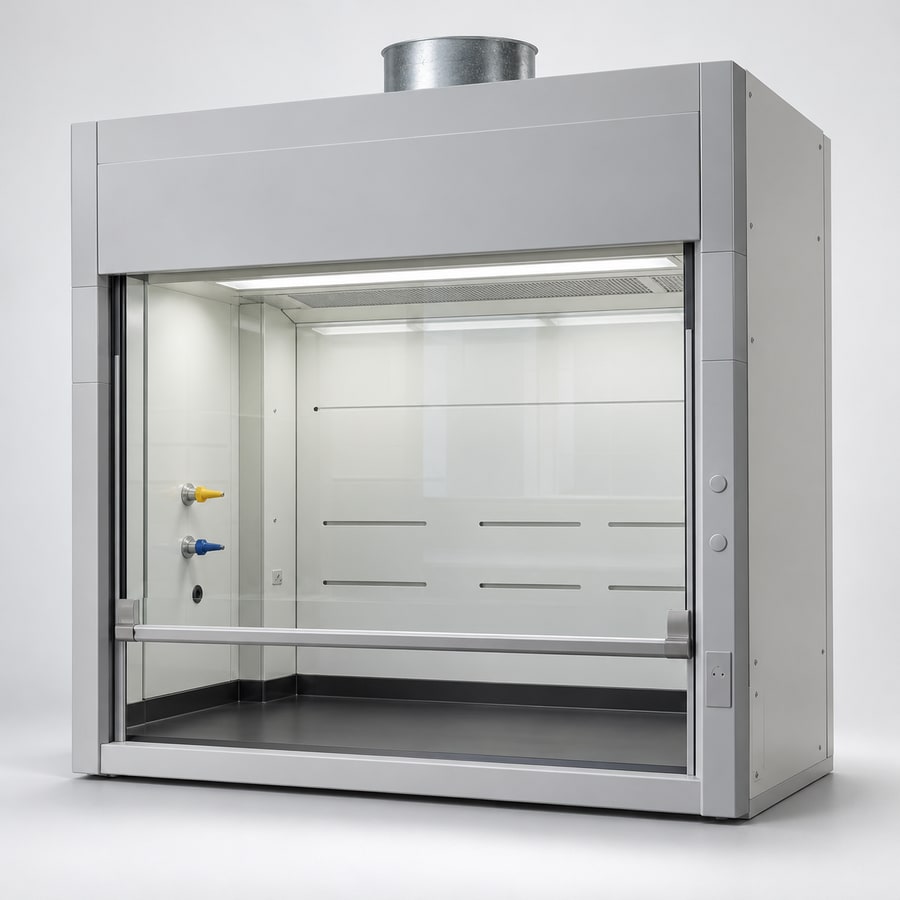
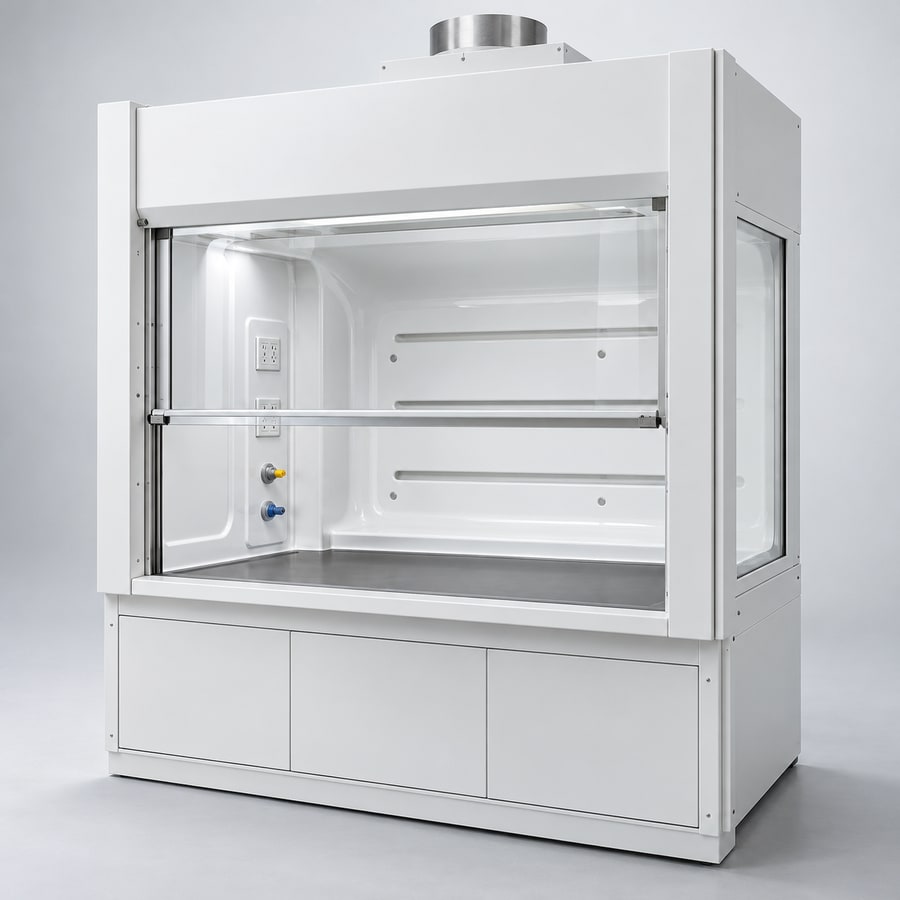
Protector Premier 4 ft Laboratory Fume Hood 100400020
Four-foot high-performance ducted laboratory fume hood
Price on request
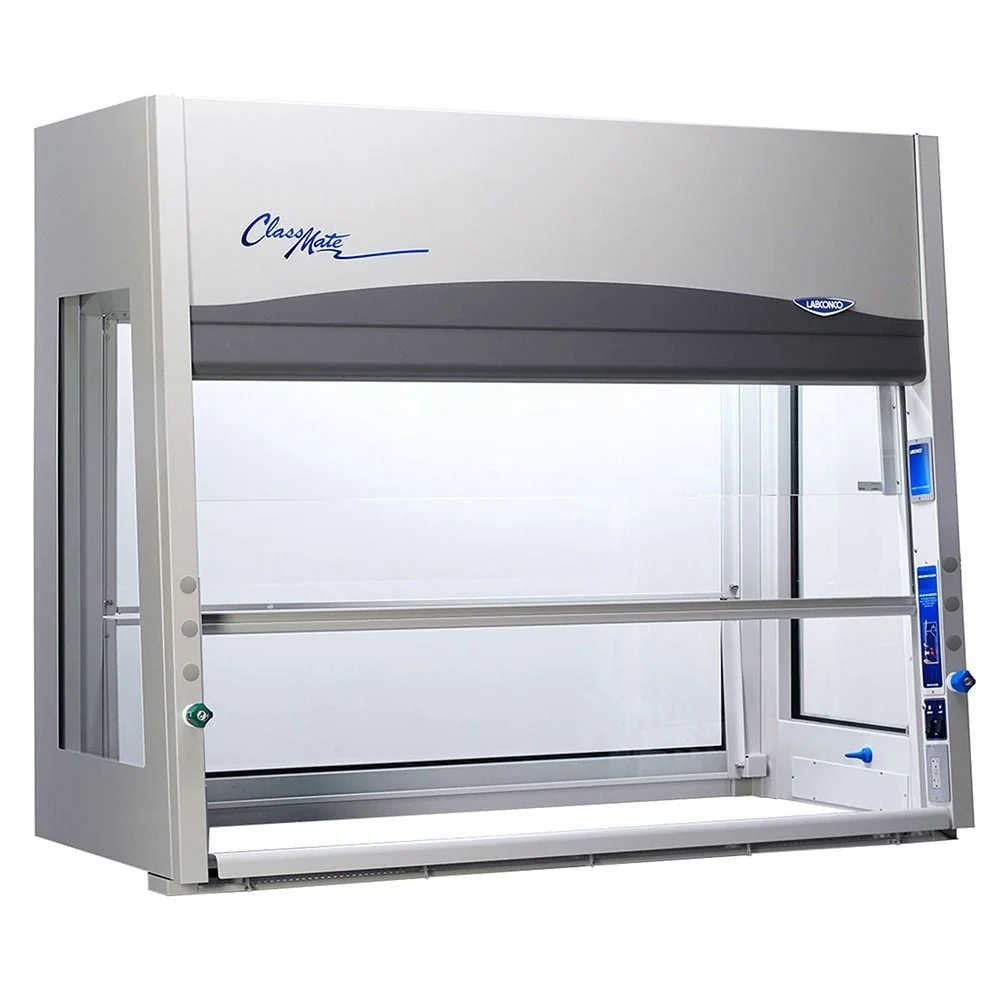
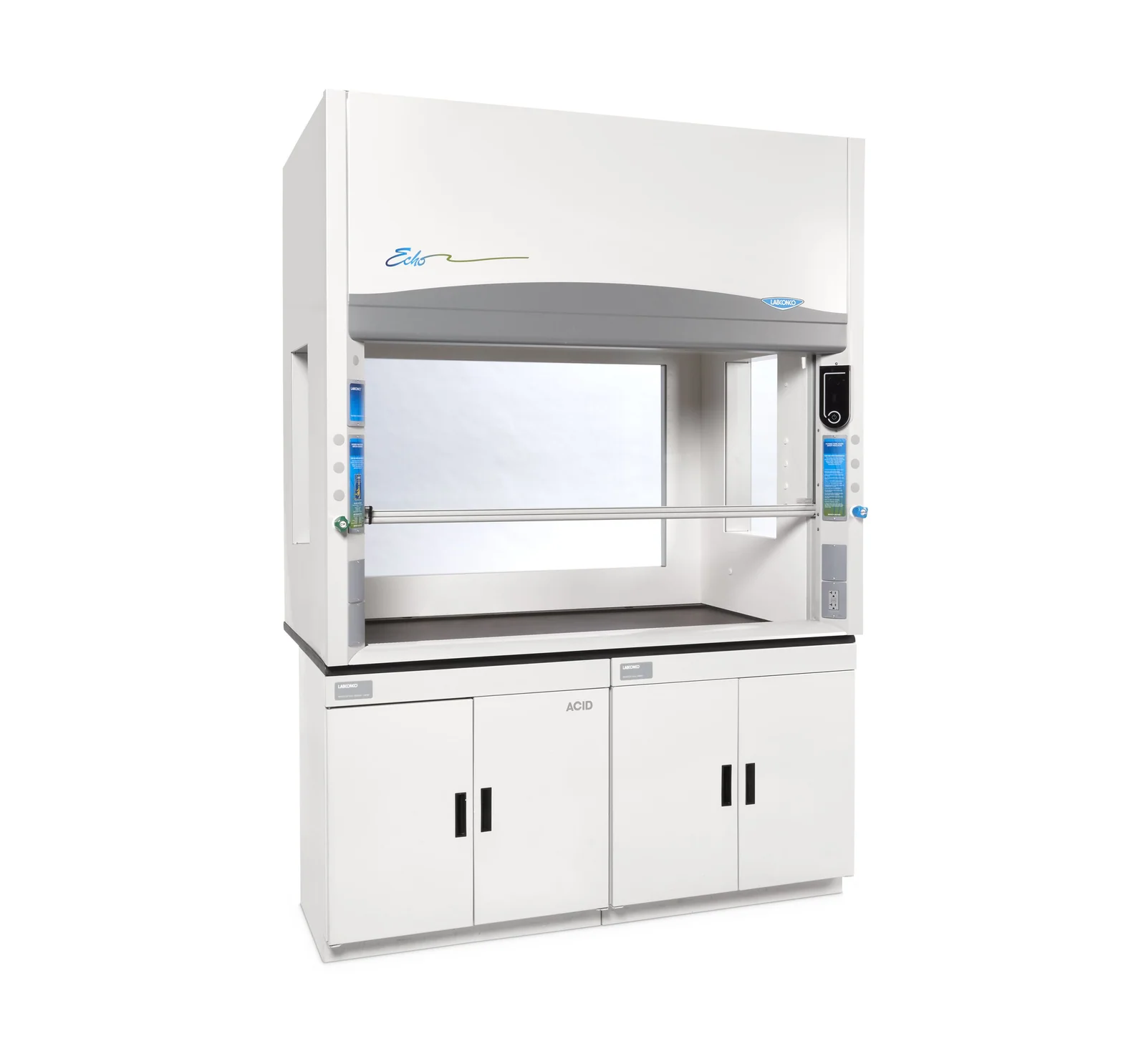
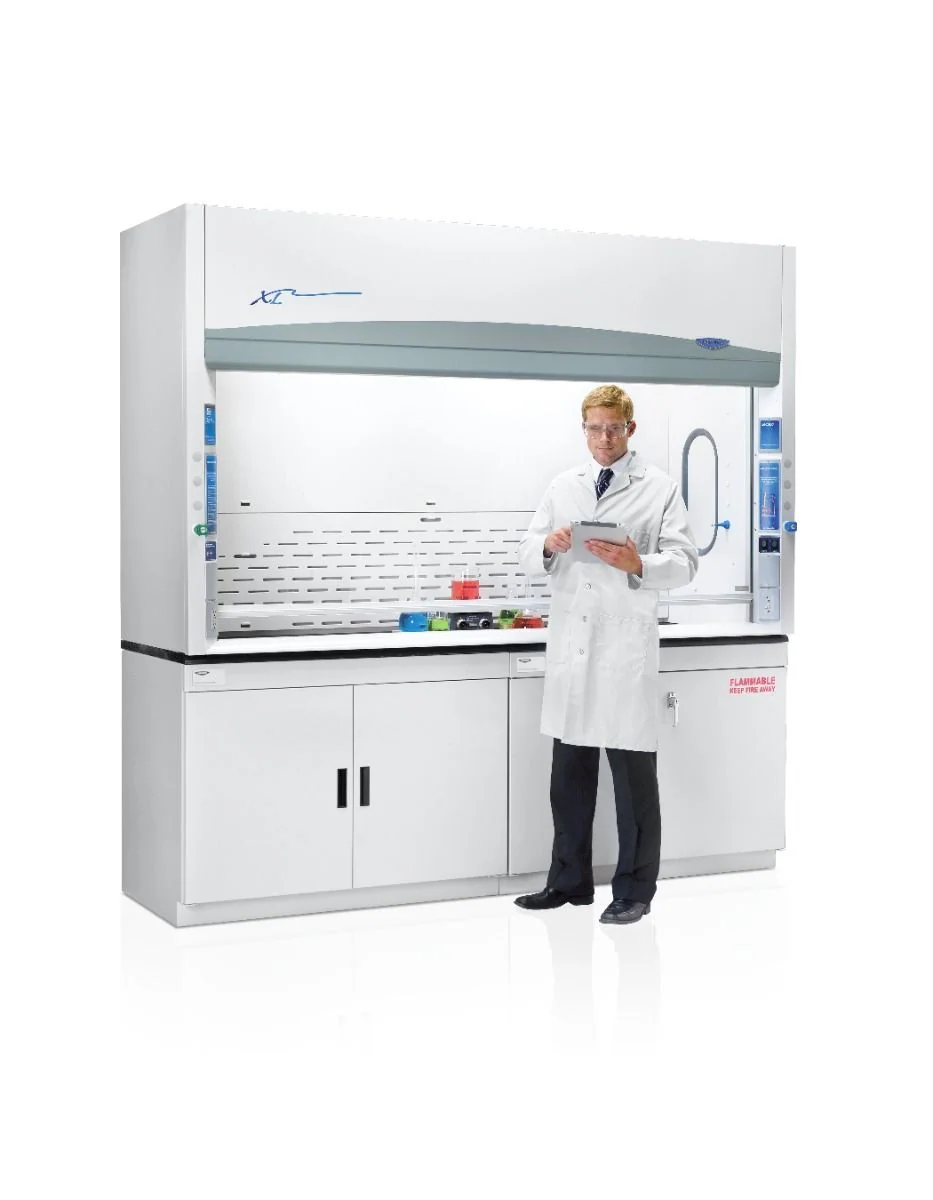
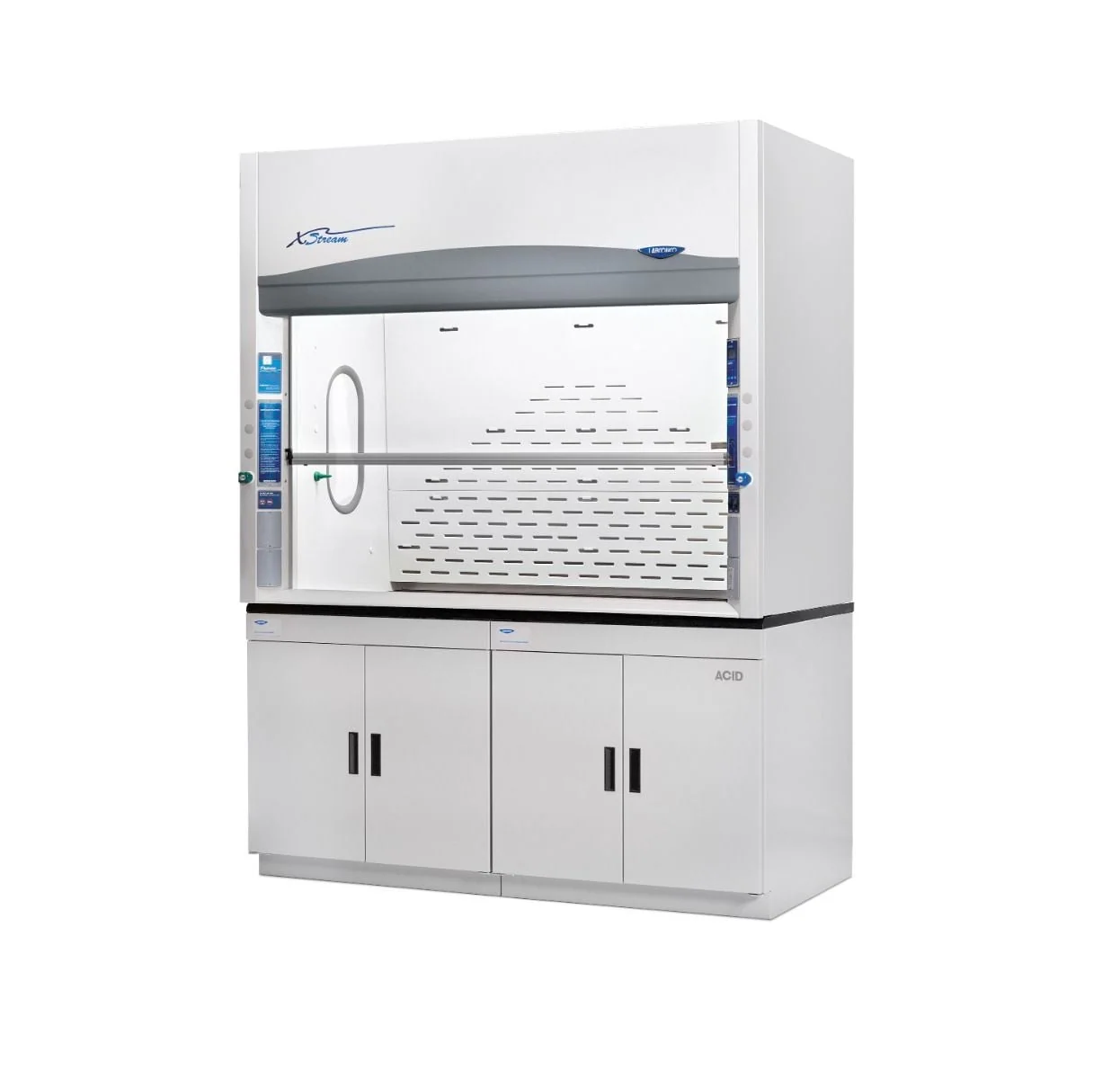
Which fume hoods can I request in Nigeria?
The current live category contains three distinct assigned models. These exact brand, category and model filters return each matching result: BIOBASE FH1000(E) Laboratory Fume Hood, Esco Frontier Mono EFH-4A8 Ducted Fume Hood, and Labconco Protector Premier 4 ft Laboratory Fume Hood 100400020. Read the included/excluded details carefully; the catalog titles do not establish that a blower, ductwork, bench, fixtures, installation or test is included.
Read moreHow is a chemical fume hood different from a biological safety cabinet or clean bench in Nigeria?
A chemical fume hood is a ventilated enclosure designed around inward airflow and exhaust. OSHA's laboratory standard defines a laboratory-type hood as an enclosure that draws air from the laboratory and prevents or minimizes escape of air contaminants into the laboratory during chemical manipulations. The exact performance of a selected hood depends on its design, exhaust, installation, room airflow, sash position, operation and maintenance. This guide does not certify a proposed hood or set required face velocity.
Read moreWhich BIOBASE FH1000(E) fume hood is listed in Nigeria?
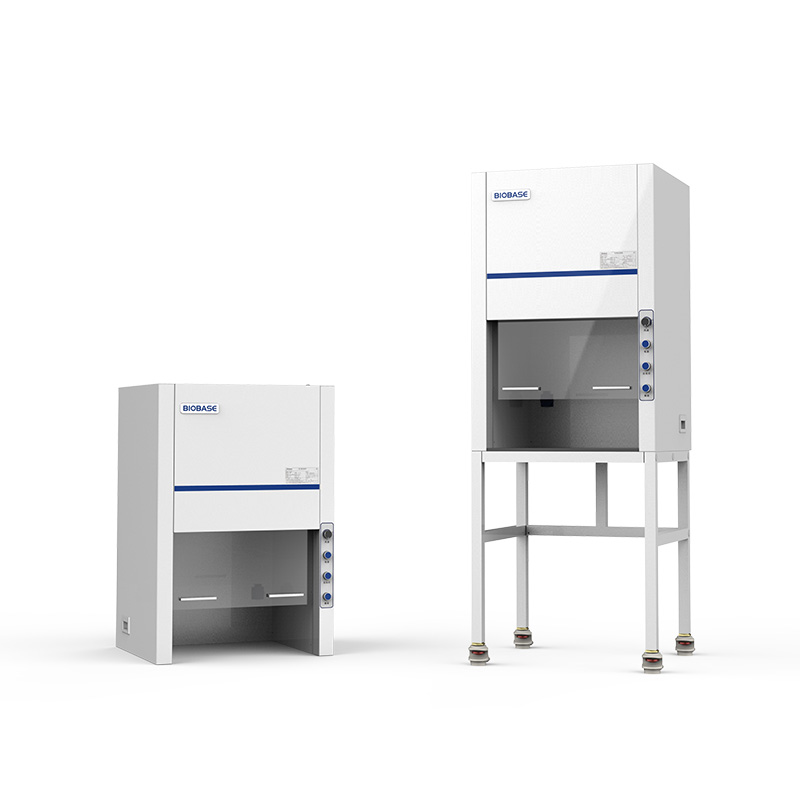
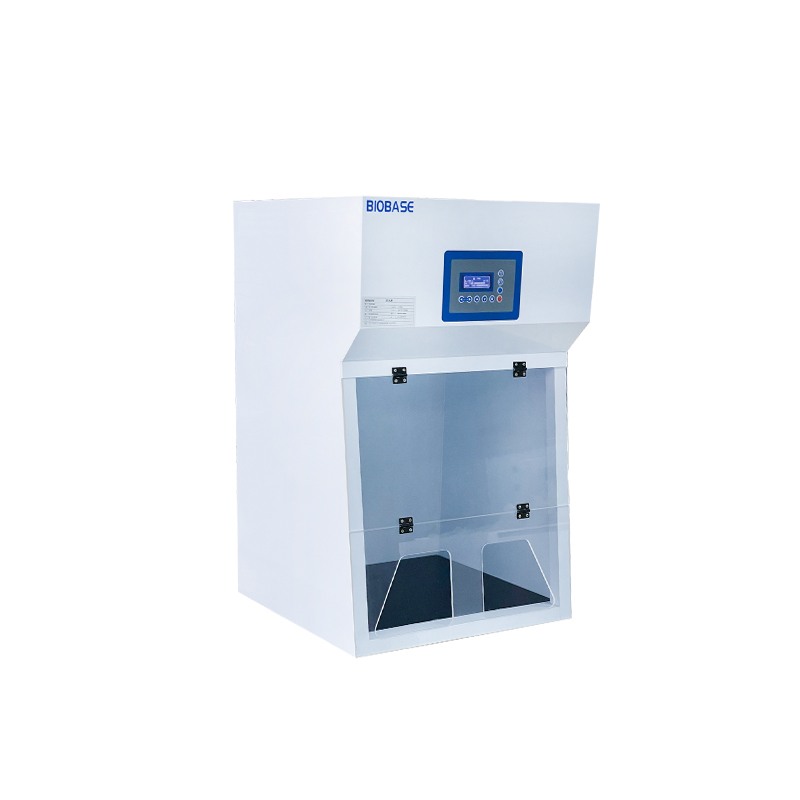
Franance lists the BIOBASE FH1000(E) filtered result. BIOBASE's official FH(E) series page identifies FH1000(E) as a laboratory fume hood with adjustable front glass. Its published specification lists 0.3–0.8 m/s air velocity, 570 m³/h exhaust volume, built-in PP centrifugal blower, external dimensions of 1000 × 800 × 2515 mm and a stated 110/220 V ±10%, 50/60 Hz power supply. Treat these as manufacturer information for the named model; they do not demonstrate performance after installation in a particular room.
Read moreBuy Fume Hoods in Nigeria
Buy laboratory fume hoods in Nigeria through Franance by matching the hood to the chemical risk assessment, exhaust design and room where it will operate. The current Fume Hoods category lists three ducted hood models: BIOBASE FH1000(E), Esco Frontier Mono EFH-4A8 and Labconco Protector Premier 4 ft, catalog 100400020. The Esco and Labconco product configurations require an external/remote blower and ductwork; the Labconco record also specifies no service fixtures. Treat the enclosure, blower, exhaust route, services, installation and performance checks as a coordinated facility system. A chemical fume hood, biological safety cabinet (BSC) and clean bench serve different purposes. CDC/NIH biosafety guidance distinguishes these cabinet designs, and OSHA defines a laboratory-type hood around airflow that draws contaminants away from the laboratory worker. A fume hood is not automatically a BSC, sterile workspace, or universal protection for any chemical or process. Have the facility's safety and ventilation professionals specify the required equipment class and review the complete installation before ordering.
Which fume hoods can I request in Nigeria?
The current live category contains three distinct assigned models. These exact brand, category and model filters return each matching result: BIOBASE FH1000(E) Laboratory Fume Hood, Esco Frontier Mono EFH-4A8 Ducted Fume Hood, and Labconco Protector Premier 4 ft Laboratory Fume Hood 100400020. Read the included/excluded details carefully; the catalog titles do not establish that a blower, ductwork, bench, fixtures, installation or test is included.
The BIOBASE FH1000(E) listing describes an adjustable-sash laboratory fume hood with a built-in PP centrifugal blower. The manufacturer lists air velocity and exhaust-volume figures for this model. Esco EFH-4A8 is a 4 ft ducted chemical fume hood for 220–240 VAC, 50/60 Hz, with an external blower sold separately. Labconco 100400020 is a 4 ft remote-blower hood with 208–230 V, 50/60 Hz requirements and no blower or service fixtures in the listed configuration. Verify the exact market version and submittal before specifying utilities or making a purchase.
If your requirement is biological containment, sterile product protection, or both, compare the separate biological safety cabinet category or laminar-flow hood category with a qualified safety professional. Do not choose among the three fume-hood listings based on a BSC or clean-bench need.
How is a chemical fume hood different from a biological safety cabinet or clean bench in Nigeria?
A chemical fume hood is a ventilated enclosure designed around inward airflow and exhaust. OSHA's laboratory standard defines a laboratory-type hood as an enclosure that draws air from the laboratory and prevents or minimizes escape of air contaminants into the laboratory during chemical manipulations. The exact performance of a selected hood depends on its design, exhaust, installation, room airflow, sash position, operation and maintenance. This guide does not certify a proposed hood or set required face velocity.
A biological safety cabinet is designed for biological work and its protection characteristics depend on class and type. The CDC/NIH Biosafety in Microbiological and Biomedical Laboratories (BMBL), 6th edition describes biological safety cabinets and clean benches separately. Some BSC types provide personnel, product and/or environmental protection through defined airflow and filtration design; the precise protections vary by cabinet type. A chemical fume hood must not be substituted for a BSC merely because both have a sash and exhaust connection.
A clean bench directs filtered air across the work area to protect the product or work surface; it is not a general-purpose personnel containment enclosure. The BMBL illustrates a horizontal laminar-flow clean bench with filtered air moving out through its front opening. If work involves hazardous biological material, volatile chemicals or both, a clean bench should not be selected as a substitute for the containment device and risk controls determined by the relevant biosafety and chemical assessments.
Use the facility's chemical hygiene plan, biosafety risk assessment and engineering design review to define the equipment. The CDC/NIH guidance is a technical reference, not Nigerian law or a project-specific approval. Confirm local codes, institutional requirements and applicable standards with the responsible Nigerian safety and engineering professionals.
Which BIOBASE FH1000(E) fume hood is listed in Nigeria?
Franance lists the BIOBASE FH1000(E) filtered result. BIOBASE's official FH(E) series page identifies FH1000(E) as a laboratory fume hood with adjustable front glass. Its published specification lists 0.3–0.8 m/s air velocity, 570 m³/h exhaust volume, built-in PP centrifugal blower, external dimensions of 1000 × 800 × 2515 mm and a stated 110/220 V ±10%, 50/60 Hz power supply. Treat these as manufacturer information for the named model; they do not demonstrate performance after installation in a particular room.
Before requesting a quote, have the facility reviewer define the process and chemical inventory, the required working opening, room location, proposed exhaust/discharge arrangement, available electrical supply, sash operation, utilities and any sink or worktop requirements. Ask whether this specific configuration is intended for the hazards and tasks in your assessment. Confirm whether any pipework, service fixtures, duct termination, installation, airflow measurement and commissioning are included or excluded. Do not assume the built-in blower removes the need for an exhaust route or room ventilation review.
Request the model submittal and operating instructions, applicable airflow or alarm details, dimensions and connection points. If the laboratory needs a documented acceptance test, state the test method and the responsible party in the specification. A catalogue airflow range is not a substitute for project design, balancing or field verification.
Which Esco Frontier Mono EFH-4A8 fume hood can I request in Nigeria?
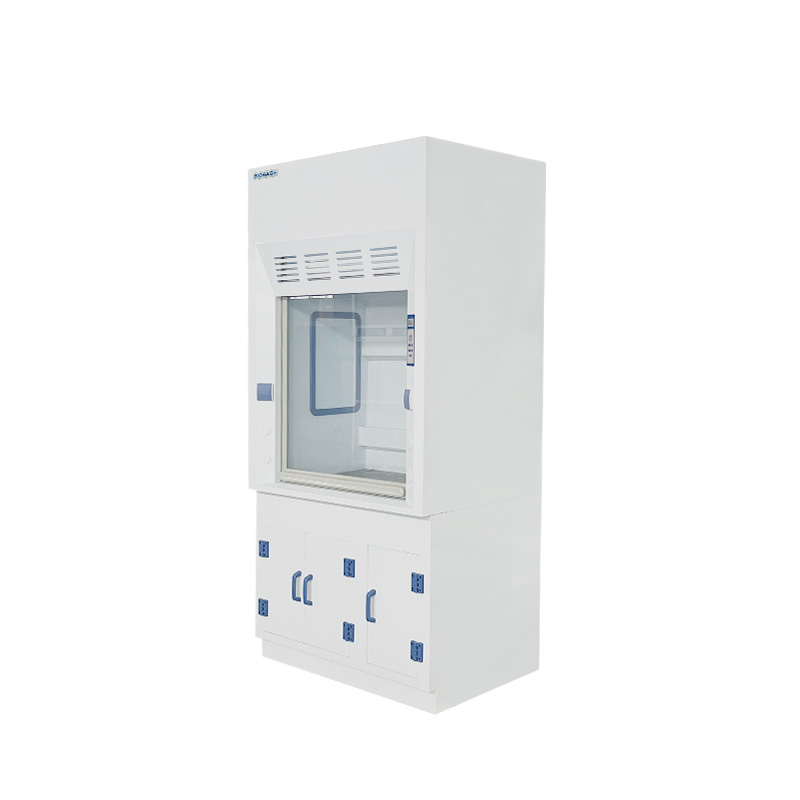
The assigned Esco model is Frontier Mono EFH-4A8, item code 2090135. Esco's Frontier Mono product information identifies the unit as a ducted chemical fume hood. The Franance record describes the assigned configuration as a 4 ft / 1.2 m hood for 220–240 VAC, 50/60 Hz and states that an external blower is required and sold separately.
For this model, request a complete ventilation scope. Ask who selects and supplies the blower, how the system airflow is designed for the room and duct route, which duct material and discharge arrangement are specified, what balancing and performance tests are included, and how alarms or monitoring are provided. Confirm the precise model suffix and item code, because related Frontier products or width/configuration options may have different dimensions and utilities. Ask Esco or its authorized representative to confirm any performance data, connection points, services and compatibility against the final proposal.
The brand page or product title is not enough to verify a turnkey arrangement. Ask Franance to itemize hood, blower, ductwork, transition pieces, exhaust outlet, services, base or bench, installation, controls, commissioning and documentation separately. Identify any facility-supplied work and dependencies before comparing prices.
Which Labconco Protector Premier 4 ft fume hood is listed in Nigeria?
Open the Labconco Protector Premier catalog 100400020 result. Labconco's official product information for the 4 ft remote-blower hood identifies the Protector Premier configuration and its 208–230 V, 50/60 Hz supply. The assigned listing states that this item is supplied without a blower and without service fixtures; the remote blower and ductwork are required separately. The manufacturer describes the Premier line's molded fiberglass-reinforced polyester liner and use in general chemistry involving fumes and vapours.
Make the quote request explicit about the blower, duct design, connections, work surface, base, water/gas/electrical fixtures, service outlets and airflow monitor. Confirm which configuration, sash, liner and voltage details apply to catalog number 100400020 specifically. Ask the supplier to identify whether these elements are included, optional, separately supplied or facility-provided. If a new laboratory installation is involved, ask for drawing/submittal review and coordinated duct/room design before equipment is ordered.
Do not assume the line's general application language means suitability for every chemical, corrosive, flammable, heated or high-volume process. The responsible safety professional must review the actual chemicals, procedures and engineering controls. The hood model is one component in that assessment.
What facility design details should I confirm before buying a fume hood in Nigeria?
Fume hoods can require significant exhaust and make-up air coordination. Provide the proposed room, hood location, ceiling height, access route, available footprint, duct path, roof or wall discharge point, building HVAC information and planned exhaust fan location. Confirm nearby doors, windows, supply diffusers and traffic that could affect airflow at the hood opening. Have a qualified ventilation engineer assess these interactions and document the design; do not derive a fan size or duct specification from the product listing alone.
List all utilities required for the process and state whether they should be inside the hood: electrical outlets, water, gas, vacuum, drains, sinks, alarm or monitoring connections. Their inclusion varies by model and configuration. Ask which services are factory-fitted, which are supplied loose, and which must be installed by the facility. Verify that wetted/exposed materials suit the planned chemical inventory and that the work surface, liner and accessories have been selected for the proposed use.
For Nigerian facilities, identify the local voltage and frequency, circuit capacity, earthing and backup-power policy, plus the practical arrangements for exhaust power, make-up air and equipment shutdown. Provide the site address and access constraints, including delivery height, stairs, lift capacity and loading access. A 4 ft hood or 1000 mm model dimension does not establish that it will pass through doors or fit the prepared bench. Request a measured site plan, confirmation of equipment dimensions and a written installation responsibility matrix.
What should I verify about exhaust, blower and commissioning?
First identify whether the selected model has an integral blower or requires a remote/external one. BIOBASE's listing describes a built-in blower; the assigned Esco and Labconco configurations require a separate external or remote blower. This difference changes the procurement scope but does not by itself determine that one design is appropriate. Confirm the hood, fan, controls, ducts, exhaust terminal and make-up air as a coordinated system designed for the facility and hazard assessment.
Before purchase, request design airflow and static-pressure requirements, blower curve/reference, duct route, material, discharge, controls/interlocks, noise considerations, maintenance access and any exhaust monitoring requirements. Have the designer state which assumptions the proposal uses. Confirm installation, balancing, testing, alarm checks and handover documentation. OSHA's laboratory guidance notes chemical hoods should be maintained, monitored and routinely tested; it does not make this website guide a test specification or determine local compliance.
Ask what field test or acceptance report will be provided, who performs it, what acceptance criteria are used and who signs off. Include retesting after changes to the fan, ductwork or building HVAC if the design professional requires it. A manufacturer's airflow value, hood certification label or quote statement does not by itself demonstrate containment at your installed site.
How should I compare fume hood performance and documentation?
Compare the exact model submittals against the facility's written performance specification. Confirm the hood dimensions and working opening, sash type and travel, airflow and exhaust requirements, blower, control/alarm package, internal liner and work surface materials, utilities, noise, lighting and accessories. Check every performance claim against a model-specific document and its stated conditions. Avoid comparing an airflow volume from one source with a face-velocity value from another as if they establish equivalent containment.
For the quote, request the product datasheet, installation and operating manual, assembly drawings, electrical details, blower and duct submittal, material compatibility information, control and alarm documents, and test or certification records that are applicable to the exact offered configuration. Have the safety and engineering reviewers determine which standards, test methods and local approvals apply. Do not claim ASHRAE 110, EN 14175, or another performance standard unless the manufacturer evidence identifies the relevant model, configuration and test scope and the project reviewer confirms the requirement.
Separate factory information from field acceptance evidence. Factory product data describes a product under its documented conditions; field verification concerns the installed system, room, duct, fan and operating environment. Ask for both where the institution requires them. Keep the approved specification, deviations, drawings, test results and handover records with the equipment file.
What should a Nigeria fume hood quotation include?
Send Franance the exact manufacturer and model, quantity, chemical/process risk summary at a non-confidential level, hood width and location, room drawing, exhaust and make-up-air information, electrical and other utility requirements, desired fixtures and monitoring, installation destination city/state, access constraints, and the tests and documents required by your facility. Ask for a technical review before treating any product as suitable. Share the relevant chemical compatibility information with the responsible safety professional and supplier through an appropriate procurement channel.
Request the offer to identify the exact hood reference and voltage version, blower and fan arrangement, ductwork and discharge scope, base and work surface, service fixtures, controls, lighting, installation, balancing, commissioning, testing, training, warranty, documentation, lead time, delivery, after-sales contact and exclusions. Ask for any alternate model or configuration to be marked as a deviation, with manufacturer evidence. For a new build or retrofit, assign who owns duct and HVAC design, building works, electrical work, fan supply, acceptance tests and maintenance.
Franance handles quote orders and follows up by phone or email; the catalogue is not an online checkout. Use the contact page to request a fume hood quotation in Nigeria. A complete equipment-and-installation schedule lets the laboratory, safety team, facility engineer and procurement reviewer assess the same proposal before an order is agreed.
Where can I compare fume hoods and related containment equipment in Nigeria?
Browse the full Fume Hoods category, then compare the BIOBASE FH1000(E), Esco Frontier Mono EFH-4A8, and Labconco Protector Premier 100400020 filtered results. For different equipment purposes, see the separate Biological Safety Cabinets, Laminar Flow Hoods, and Life Science & Research Equipment categories.
If you need chemical exhaust, define the process and engineering design requirements. If you need biological containment or a clean product workspace, tell the safety reviewer that directly and evaluate the relevant cabinet type instead. Franance can prepare a quotation from the requested make/model, site information and system scope; verify the offered configuration, installation and support in writing before purchase.
Common questions
Which fume hoods are listed by Franance?
The live category lists BIOBASE FH1000(E), Esco Frontier Mono EFH-4A8 and Labconco Protector Premier 4 ft catalog 100400020. Confirm the exact offer and included accessories in a quote.
Can I use a fume hood instead of a biological safety cabinet?
Do not assume so. A chemical fume hood, BSC and clean bench have distinct airflow purposes and protection characteristics. Have your chemical and biosafety risk assessments and facility professionals identify the required equipment.
Does the Esco or Labconco fume hood include its blower?
The assigned Esco EFH-4A8 record says an external blower is sold separately. The Labconco 100400020 configuration is listed without a blower and service fixtures. Verify blower, ductwork and all installation scope in the quotation.
Can Franance quote a fume hood for a Nigerian laboratory?
Yes. Provide the exact model, site and exhaust information, utilities, process requirements, accessories, quantity and desired testing/installation scope. Franance follows up by phone or email; the catalogue is not an online checkout.
Does the product page prove a hood will contain my process after installation?
No. Manufacturer data does not establish installed performance or suitability for a particular process. The facility's safety and ventilation professionals should assess the application, design and site acceptance requirements.
Request a fume hood quotation from Franance.
Send the exact hood model, room drawing, hazard/process requirements, exhaust and utility details, accessories, installation scope, quantity and delivery location. Ask for blower, ductwork, testing and support inclusions to be itemized. Franance will follow up by phone or email.
Request a fume hood quotationNeed an equipment quote?
Add the models you need to a quote order, or send us your equipment list.