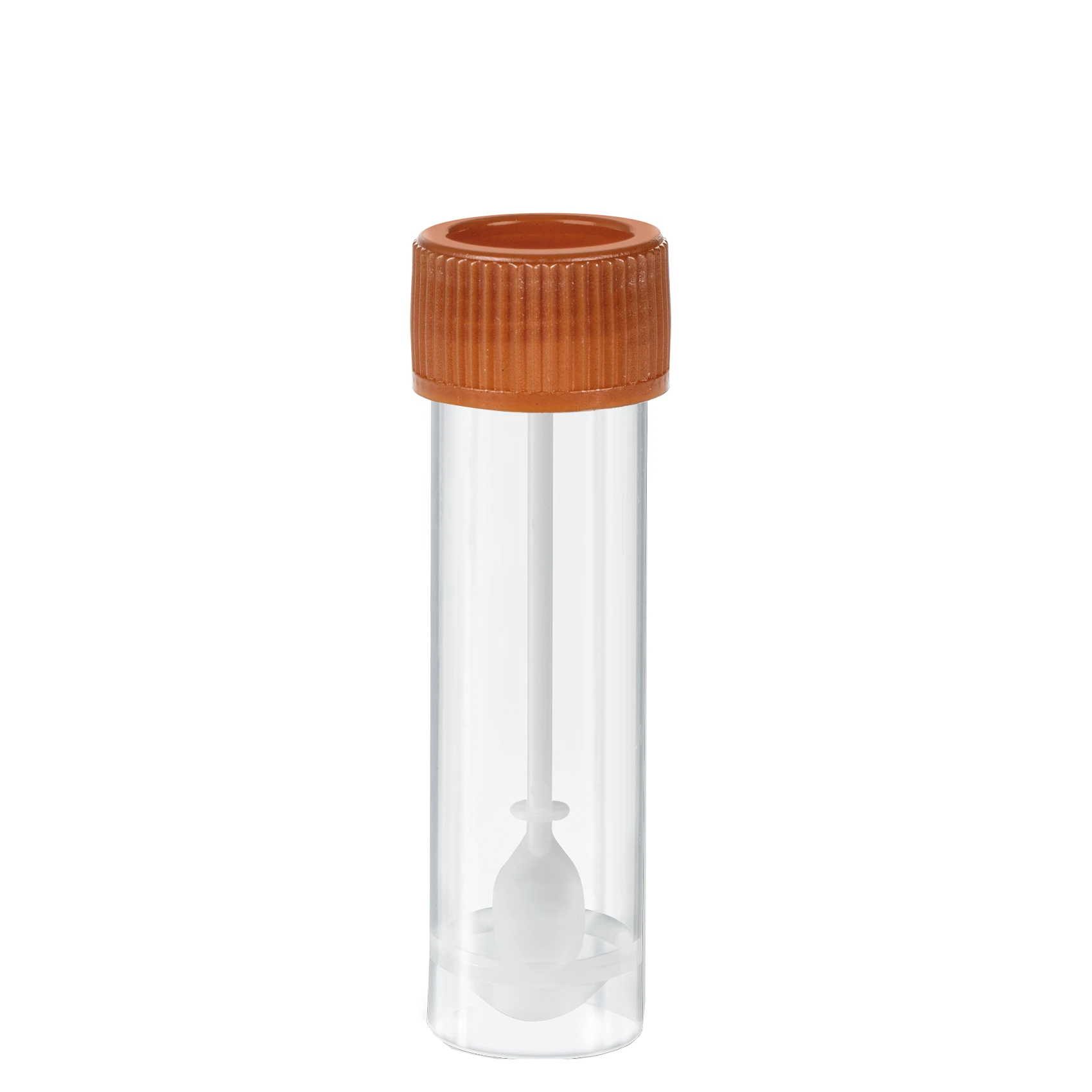
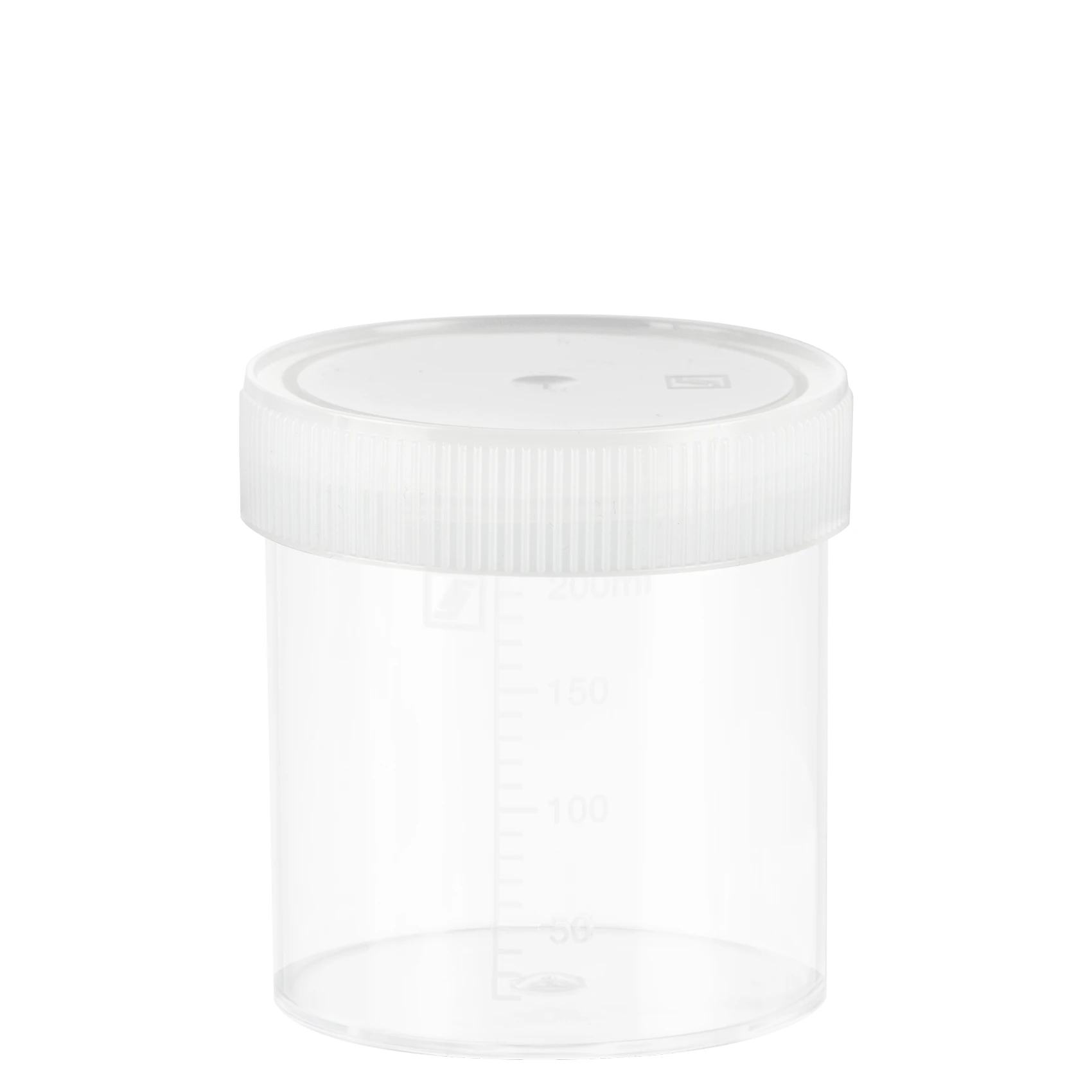
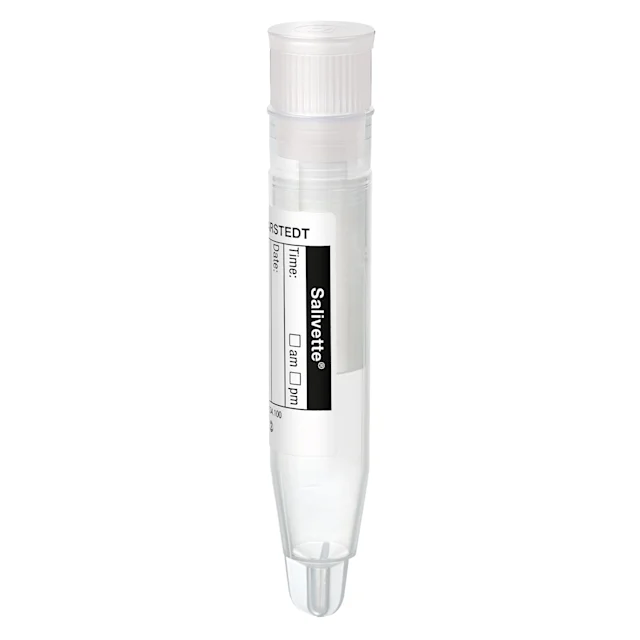
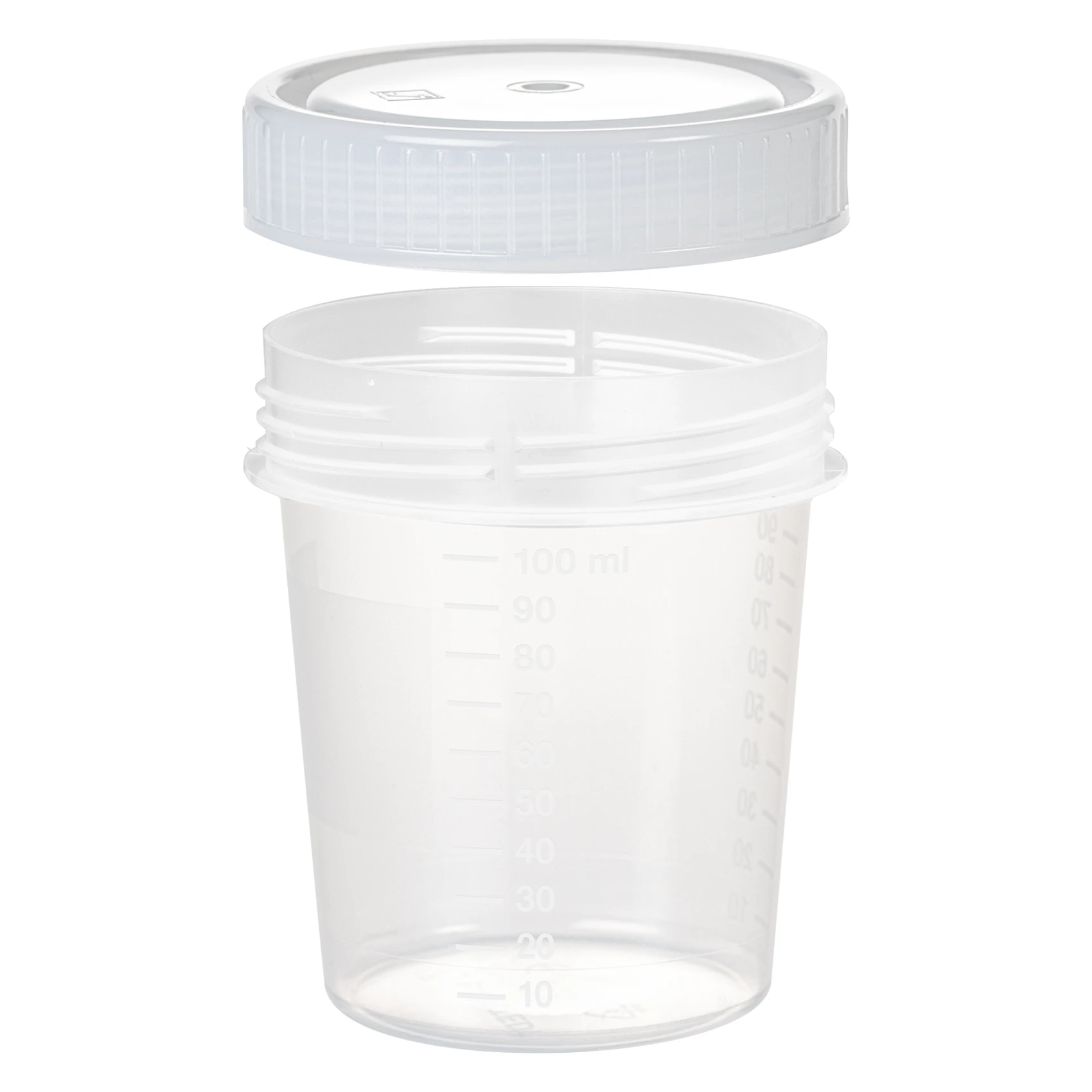
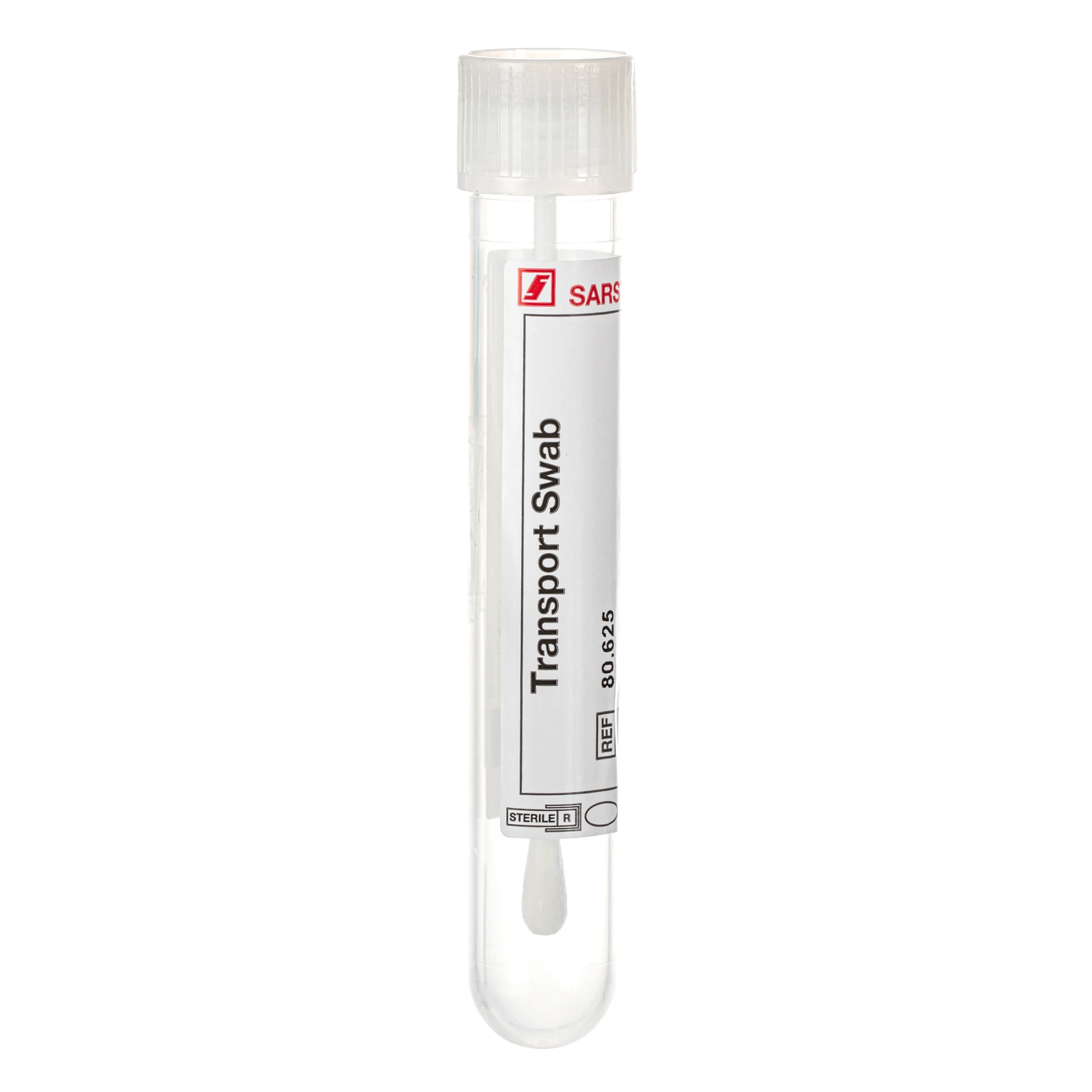
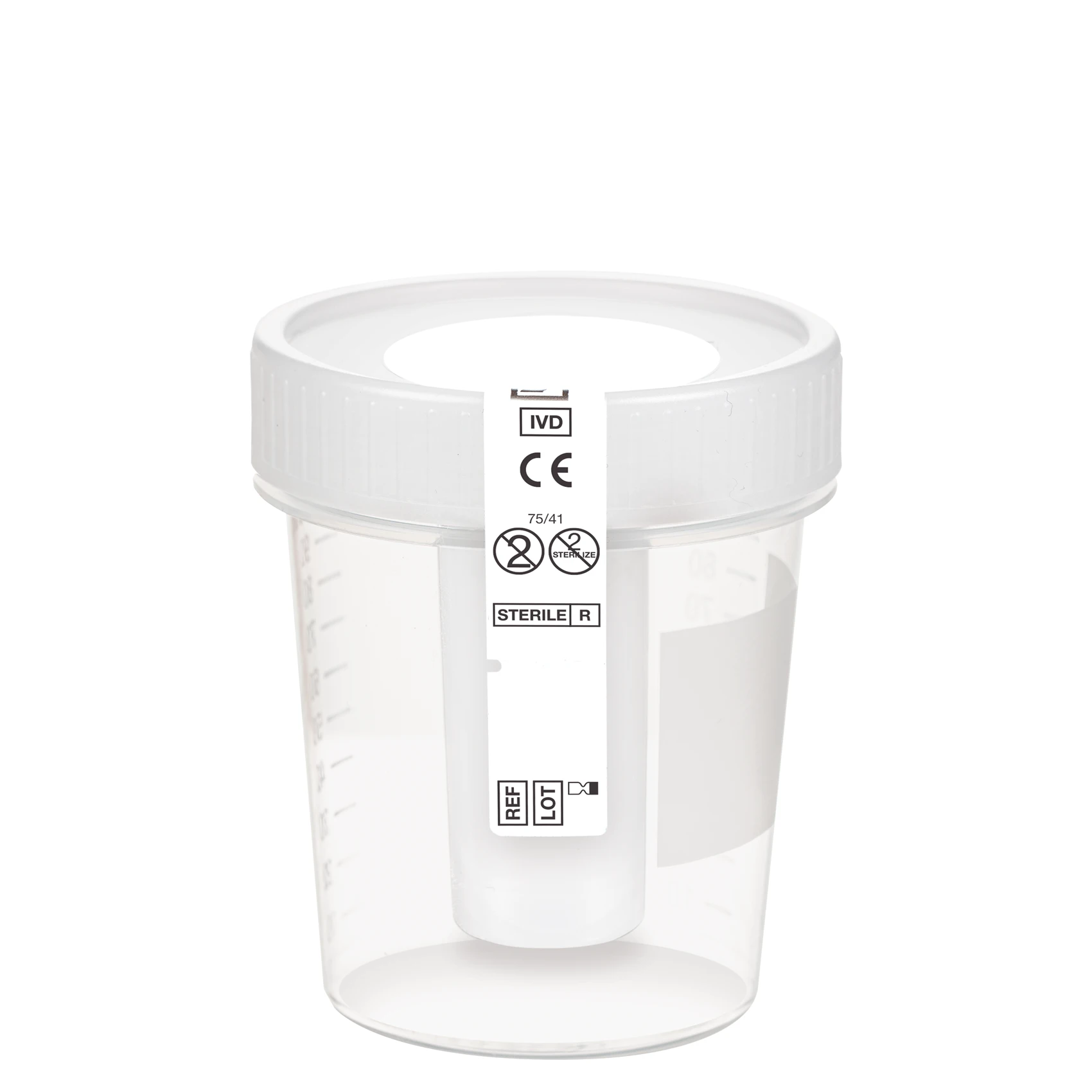
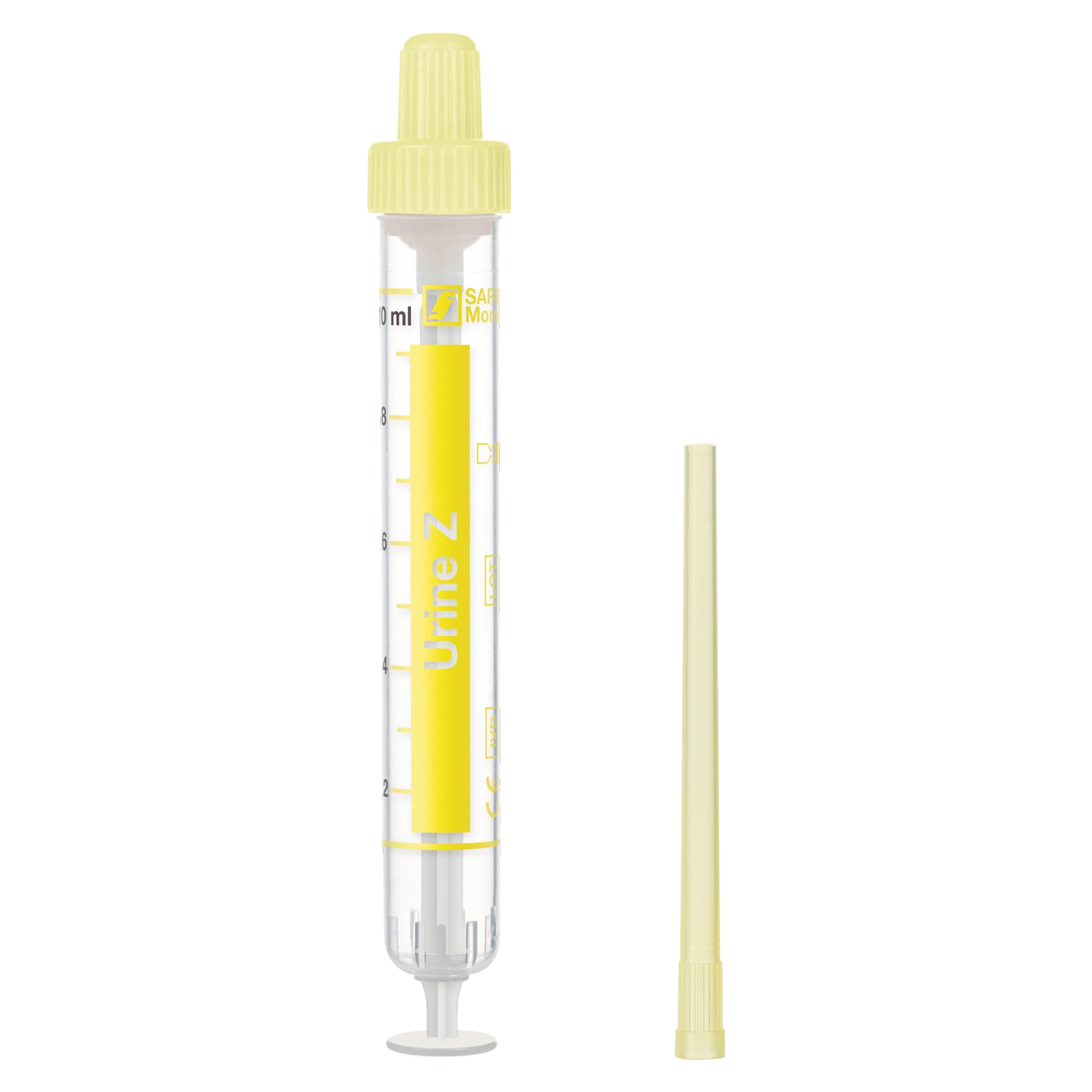
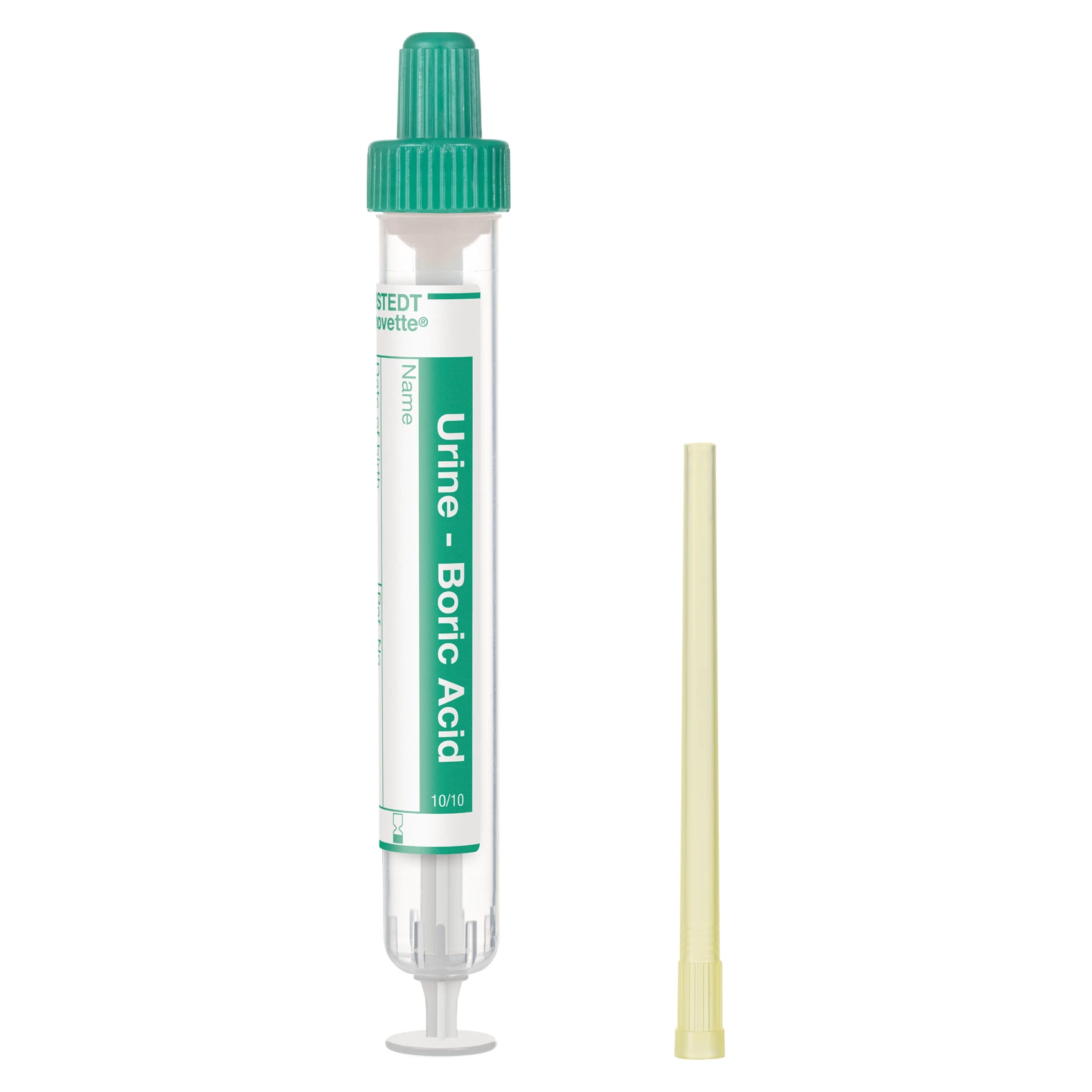
Buy Laboratory plastics and consumables in Nigeria.
Buy laboratory plastics in Nigeria through Franance by specifying the exact manufacturer reference, material, format, purity or surface treatment, sterile status and pack quantity your workflow requires. This category groups laboratory tubes, PCR plates and consumables, and cell-culture dishes while keeping those product classes distinct. Send a complete schedule and Nigerian delivery location for a quote order; Franance follows up by phone or email.
Buy Laboratory Plastics in Nigeria: tubes, PCR consumables and culture dishes
Buy laboratory plastics in Nigeria through Franance by specifying each exact manufacturer reference, material, format, purity or surface treatment, sterile status and pack quantity. Laboratory tubes, PCR plates and sealing products, and cell-culture dishes serve different tasks. This category groups them in one useful catalogue page while preserving the distinctions buyers and laboratory staff need to check. Send a complete schedule with a Nigerian delivery location and request a quotation; Franance follows up by phone or email.
The catalogue is not an online checkout or a live stock feed. A product name or category match does not establish that a particular reference is locally available, accepted by your method, sterile, suitable for a regulated process or compatible with a specific instrument. Verify each exact item using current manufacturer documentation and your laboratory's approved procedures. Confirm availability, price, delivery and applicable documents in the quote for your destination.
Where can I buy laboratory plastics in Nigeria?
Send Franance a quote order listing the manufacturer, exact catalogue number, product family, required format and quantity for each laboratory plastic. Include the instrument or workflow where compatibility matters, any required purity or surface specification, sterile presentation, pack unit, documentation and the delivery city and state. The sales team can follow up by phone or email to review the requested products and prepare the quotation process.
Build the enquiry from the laboratory's approved list rather than a broad phrase such as plasticware. One line may be a capped sample tube; another may be a PCR plate with a particular skirt, well colour and optical requirement; another may be a tissue-culture-treated dish with a defined culture area. Those descriptions are not substitutes for the actual maker and catalogue code. If you are open to alternatives, state that separately and identify who may approve them.
This focused category sits under Life Science and research equipment, with adjacent equipment and laboratory-reagent categories linked for navigation. It organizes a small, diverse assortment without creating thin pages for every shape and pack size. A product page identifies the named product, while the category guide explains how to write a complete purchase request. Public listings should not be interpreted as confirmation of local inventory, regulatory status or delivery timing.
Which laboratory consumable class do I need?
Begin with the task and sample path. General laboratory tubes hold, mix, centrifuge or store samples, depending on their design and specification. PCR tubes, plates and seals are designed for thermal cycling or real-time amplification workflows and must match the instrument geometry and method. Cell-culture dishes provide a culture vessel whose surface and dimensions matter to the cell workflow and imaging setup. These are separate product classes even if all use plastic materials.
For a laboratory tube, decide whether the closure, volume, sterility, purity grade, light protection, low binding or traceability attribute is required by your process. For PCR consumables, define the reaction format, well count and profile, plate skirt, sealing method, optical requirement where relevant, and thermal cycler compatibility. For culture dishes, confirm diameter, height, culture area, surface treatment, venting or closure needs, sterile status and pack size. Let the method owner define the required properties.
Do not select a product only because it fits a familiar label. A general-purpose microcentrifuge tube, a sample storage tube, a PCR tube and a venous blood collection tube have different purposes and specifications. Clinical collection tubes are placed in the separate Blood Collection Tubes category under Clinical Laboratory; they should not be merged with research tubes or PCR consumables. Ask the laboratory to resolve unclear use cases before a quotation is requested.
How do I select laboratory tubes for a research workflow?
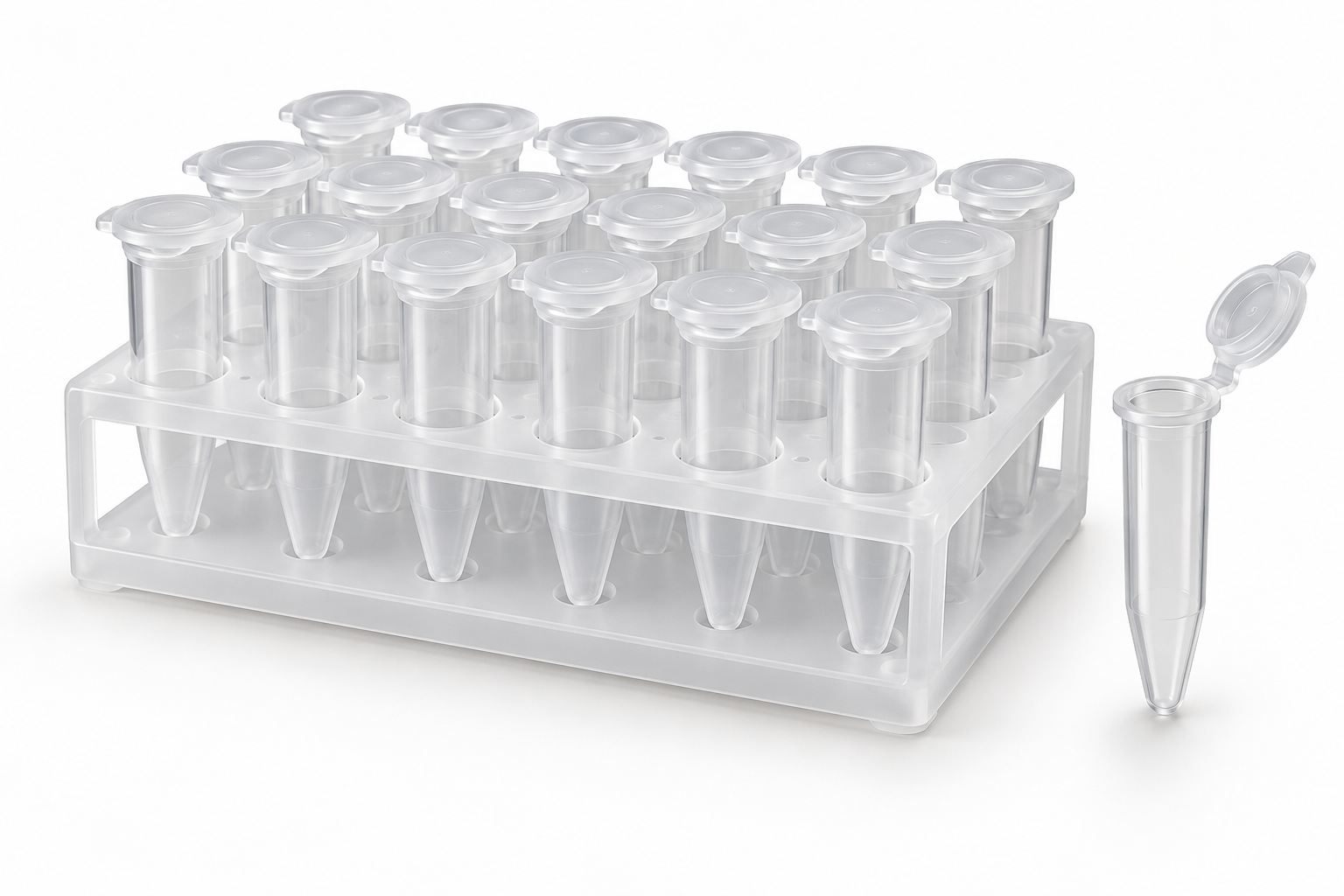
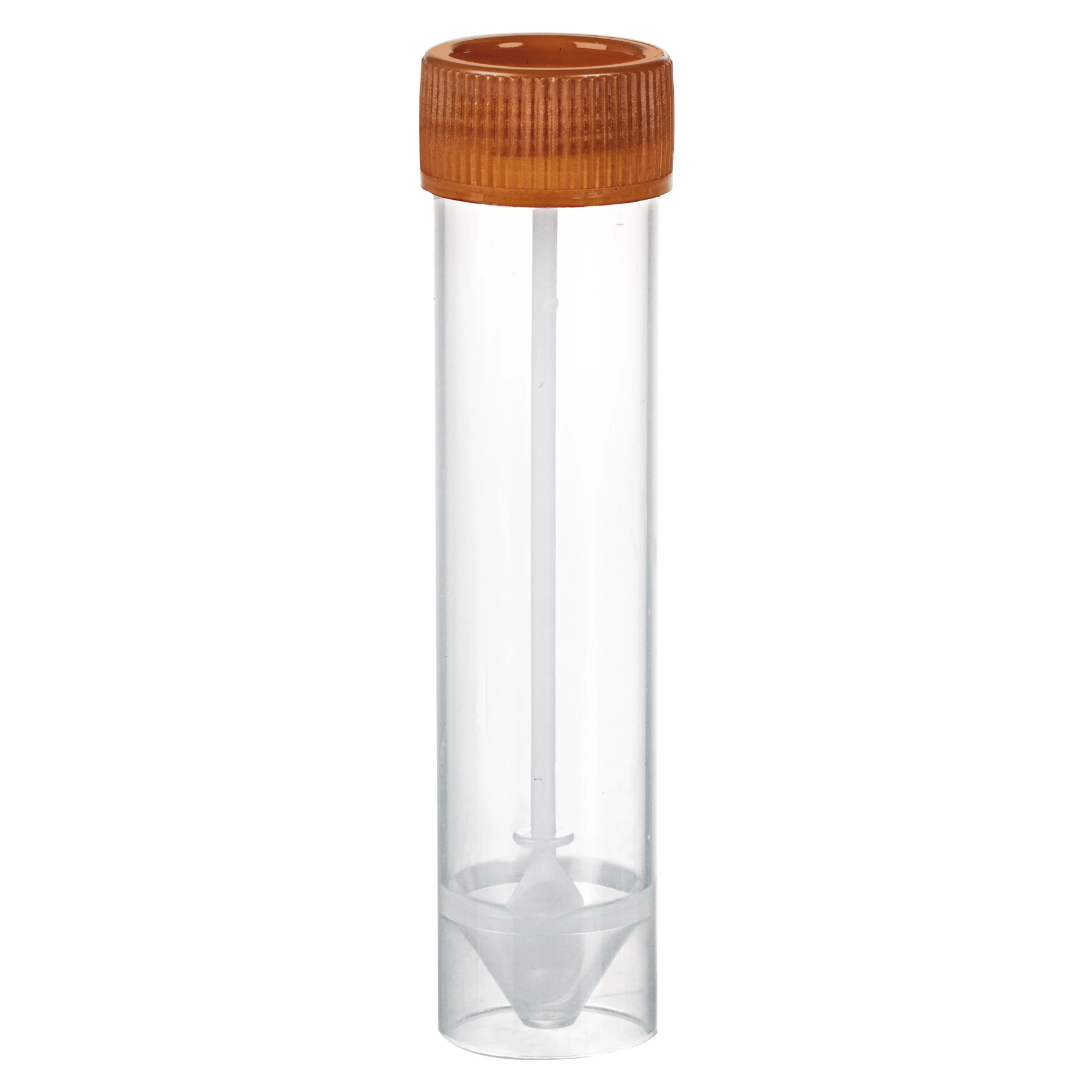
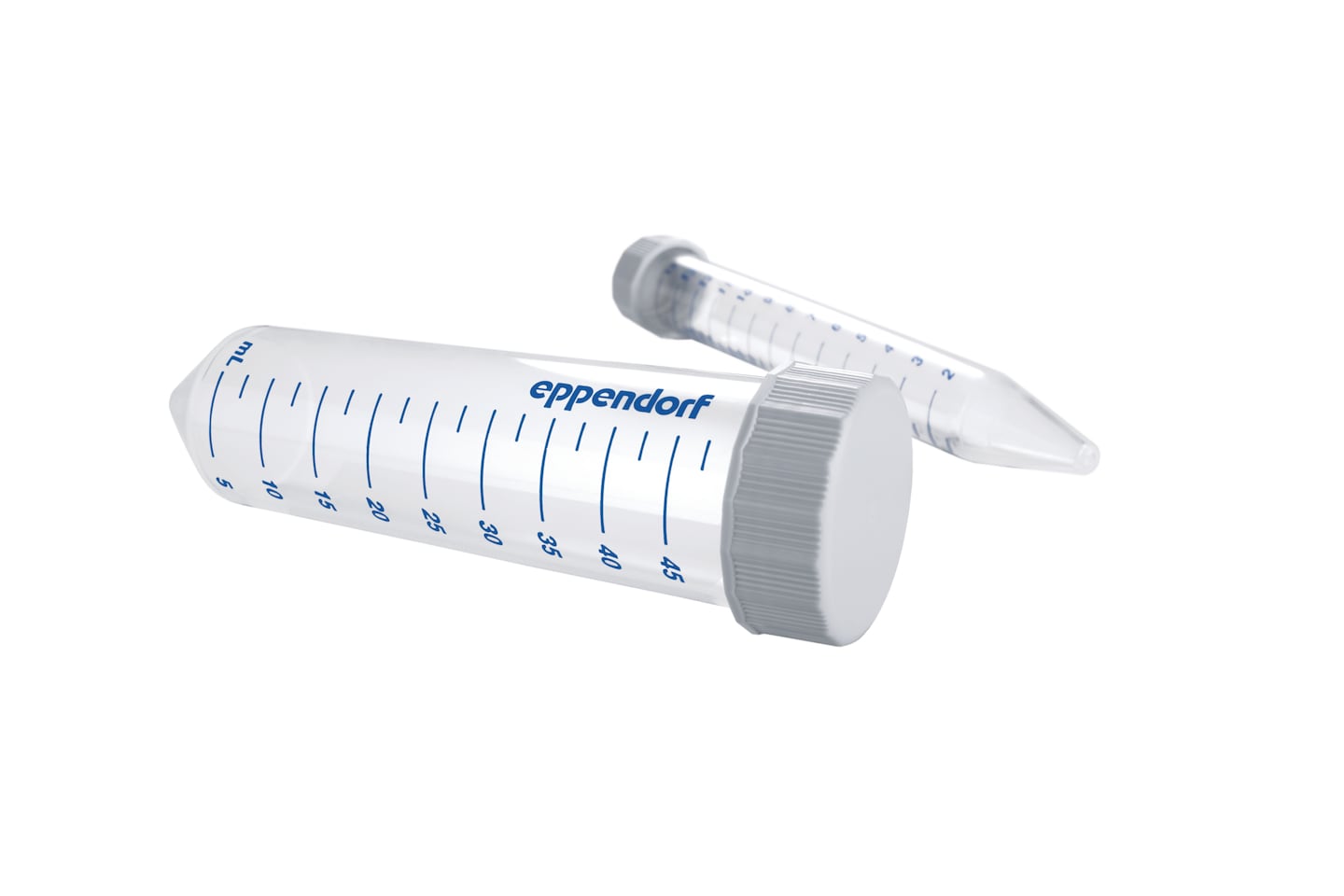
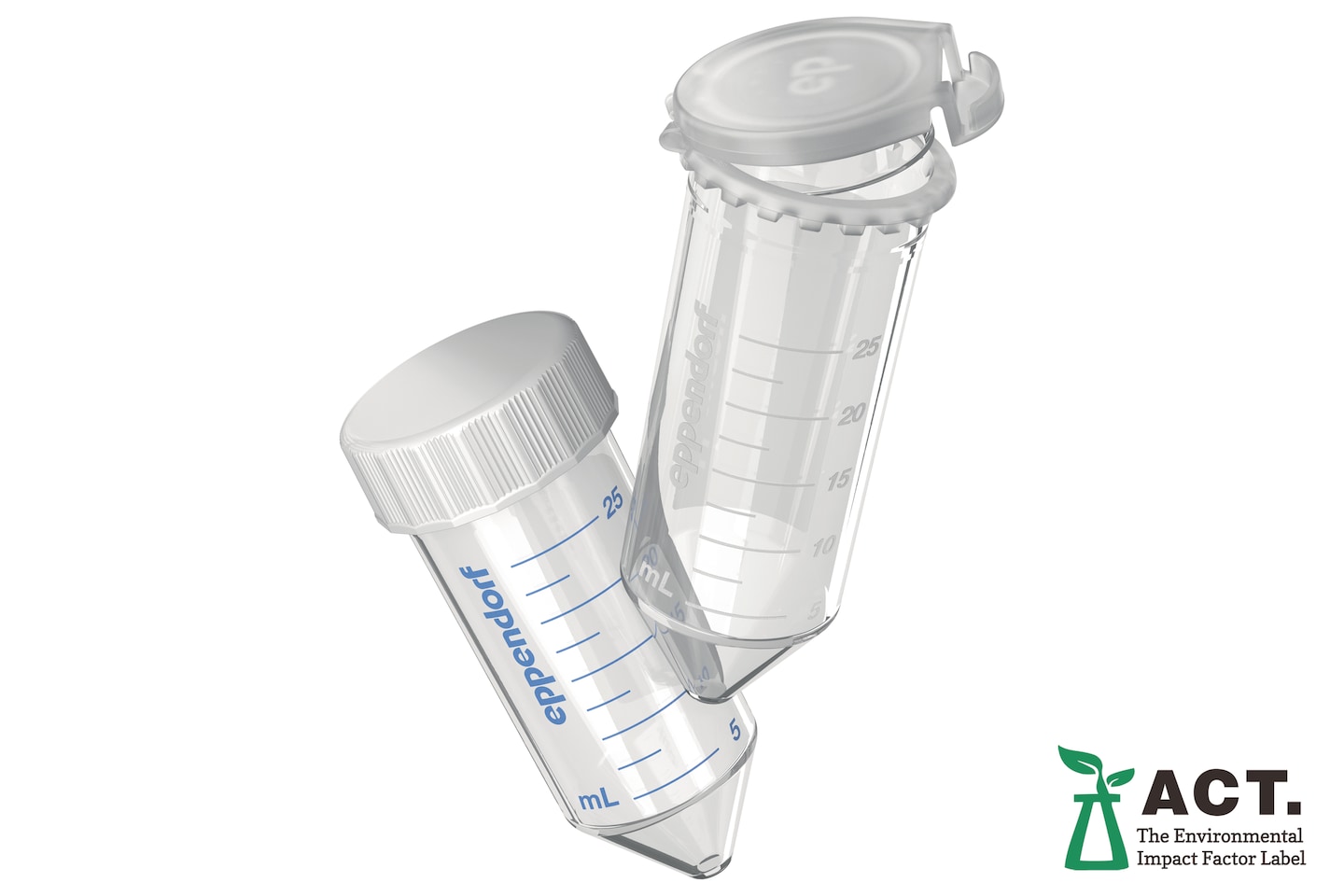
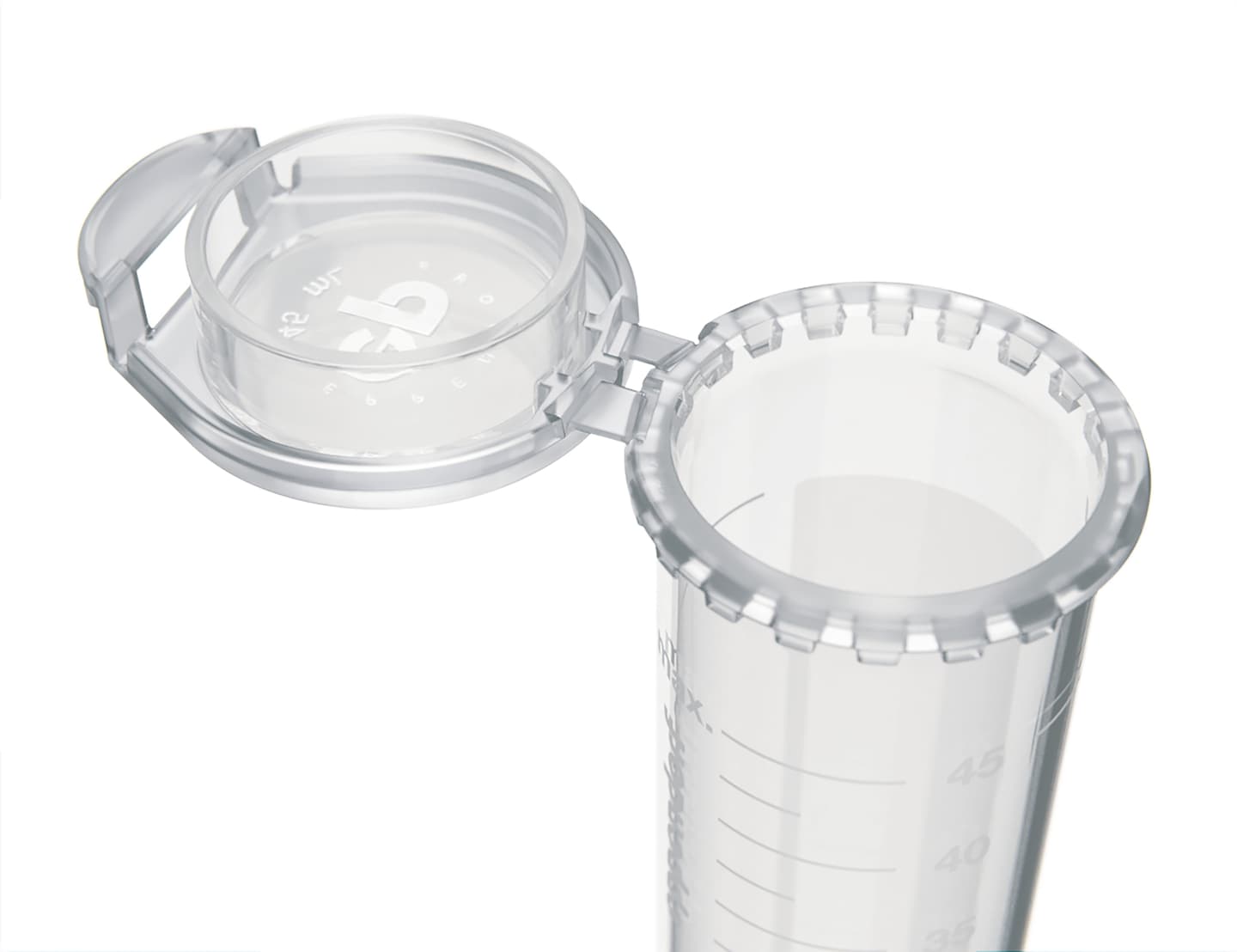
Identify the exact task and instrument first. Check whether the sample will be mixed, centrifuged, stored, heated or handled robotically. Then specify material, nominal volume, dimensions, closure style, cap configuration and any required performance claim such as sterility, low binding, DNA/RNA cleanliness or a named purity grade. Eppendorf's tube portfolio groups products around differences such as sterility, sample identification, recovery and purity grades, illustrating why one tube family cannot stand in for all others.
Use the manufacturer's data sheet or current product page for the actual reference. Capture how the manufacturer defines the product and the unit being purchased. If a tube is sold in bags, racks, cases or another pack format, list the exact ordering code and number of packs. Keep reusable holders, racks, rotor adapters and related accessories as separate items unless the quoted kit explicitly includes them. Compatibility with a centrifuge, capper or automated handler should be confirmed from the relevant current equipment and consumable documentation.
For sensitive workflows, ask the responsible laboratory scientist to define which contamination or material properties are critical. A purity label from one manufacturer is not automatically equivalent to a similarly named claim from another. Do not infer that a product is sterile, nuclease-free or suitable for a particular assay from its appearance or generic name. The quotation should maintain the requested reference and identify any substitution for separate review.
What details matter when buying PCR plates and consumables?
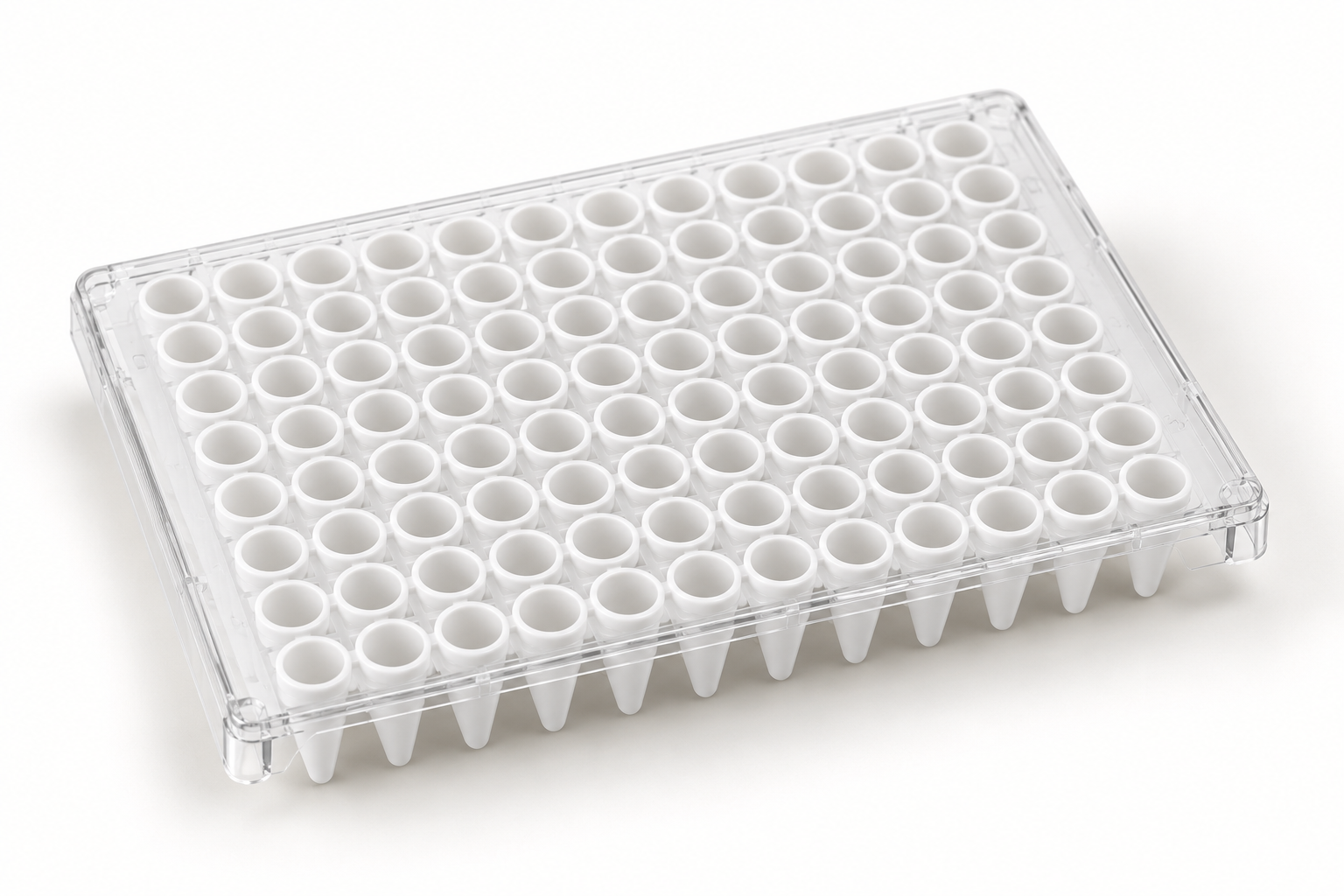
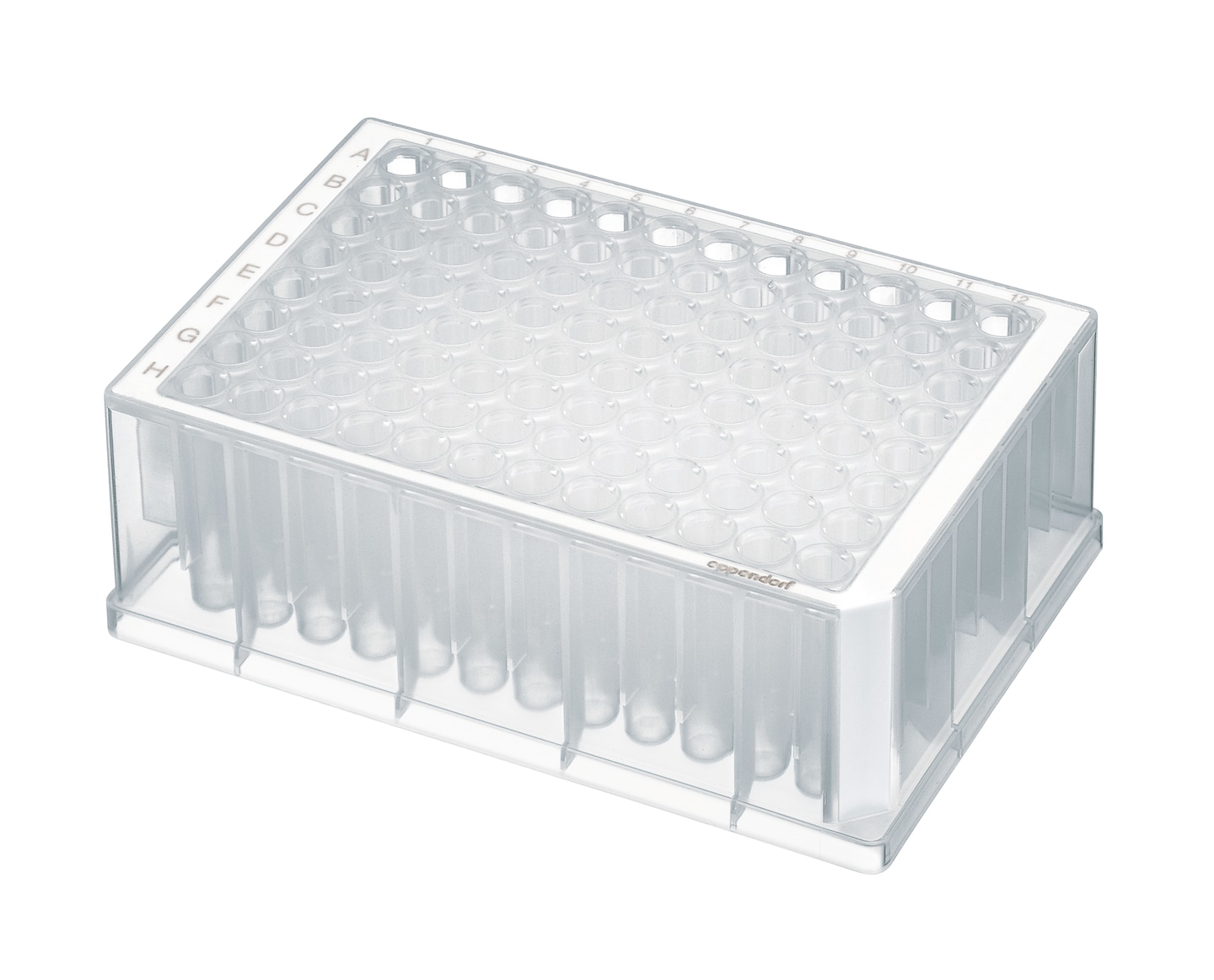
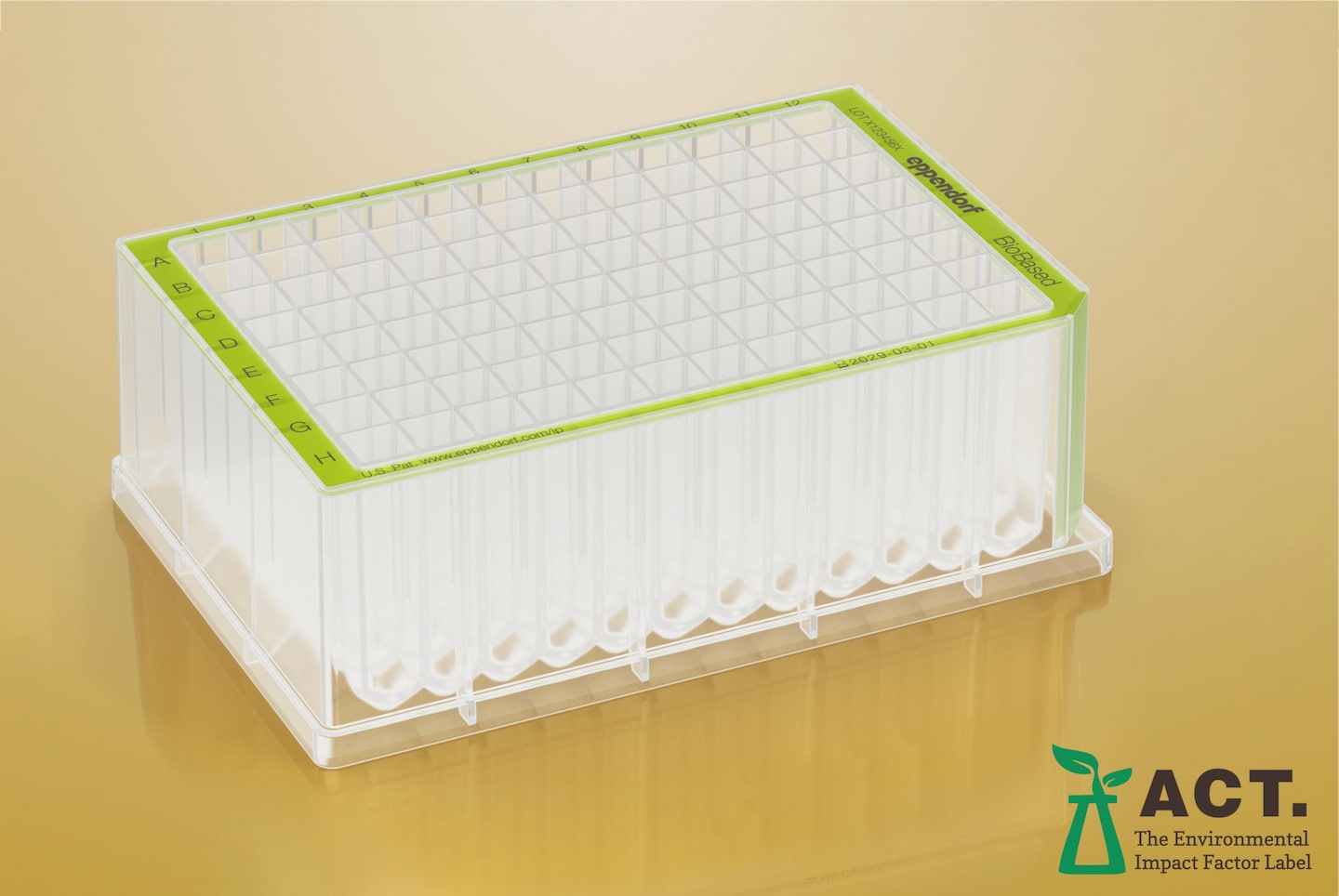
PCR consumables include plates, tubes, strips and sealing materials. Eppendorf's published range includes 96- and 384-well formats and different purity grades, colour and cap or seal choices. The selected plate must match the thermal cycler's block and the laboratory's validated setup. For real-time PCR, optical properties and how the instrument detects fluorescence may affect plate and seal selection. The exact method and instrument documentation govern the choice; this guide does not prescribe an assay configuration.
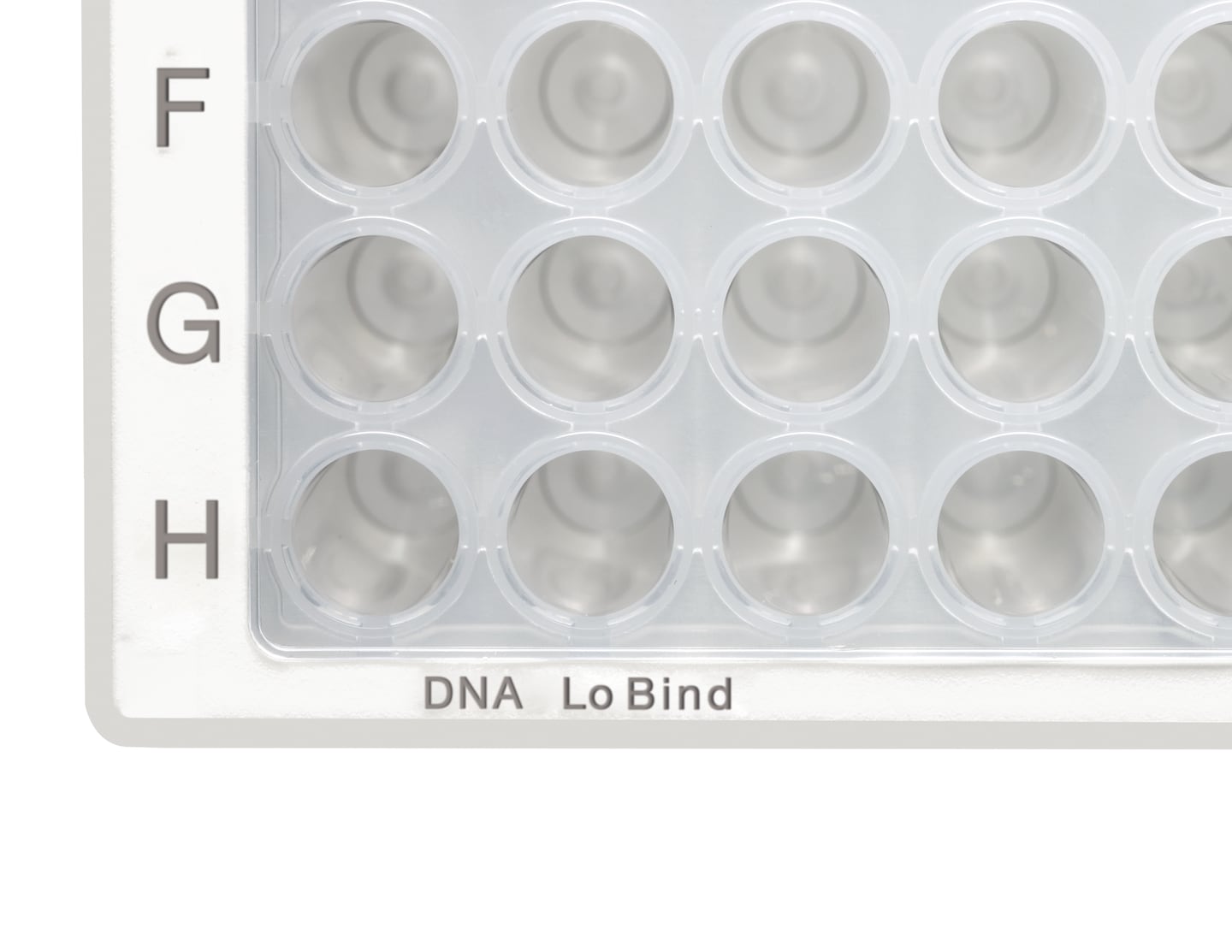
Specify the plate's catalogue number, well count, reaction volume as designated by the manufacturer, plate profile, skirt type, well and frame material, colour, purity certification and whether a lid is included. State whether the required consumable is PCR-clean, a forensic grade or another named grade only when your method requires it. Identify the compatible instrument model and optical workflow so the proposed item can be checked. Do not assume that a plate of the same well count has equivalent height, geometry, frame or optical properties.
Sealing materials should be part of the schedule too. Distinguish adhesive films, foils, cap strips and lids; specify optical clarity or other requirements from the instrument and method. A plate may be compatible with multiple seals, but that should be supported by manufacturer documentation. Ask the laboratory to verify required evaporation control, sealing procedure, automation handling and reagent compatibility within its own validated workflow.
How do I choose cell-culture dishes?
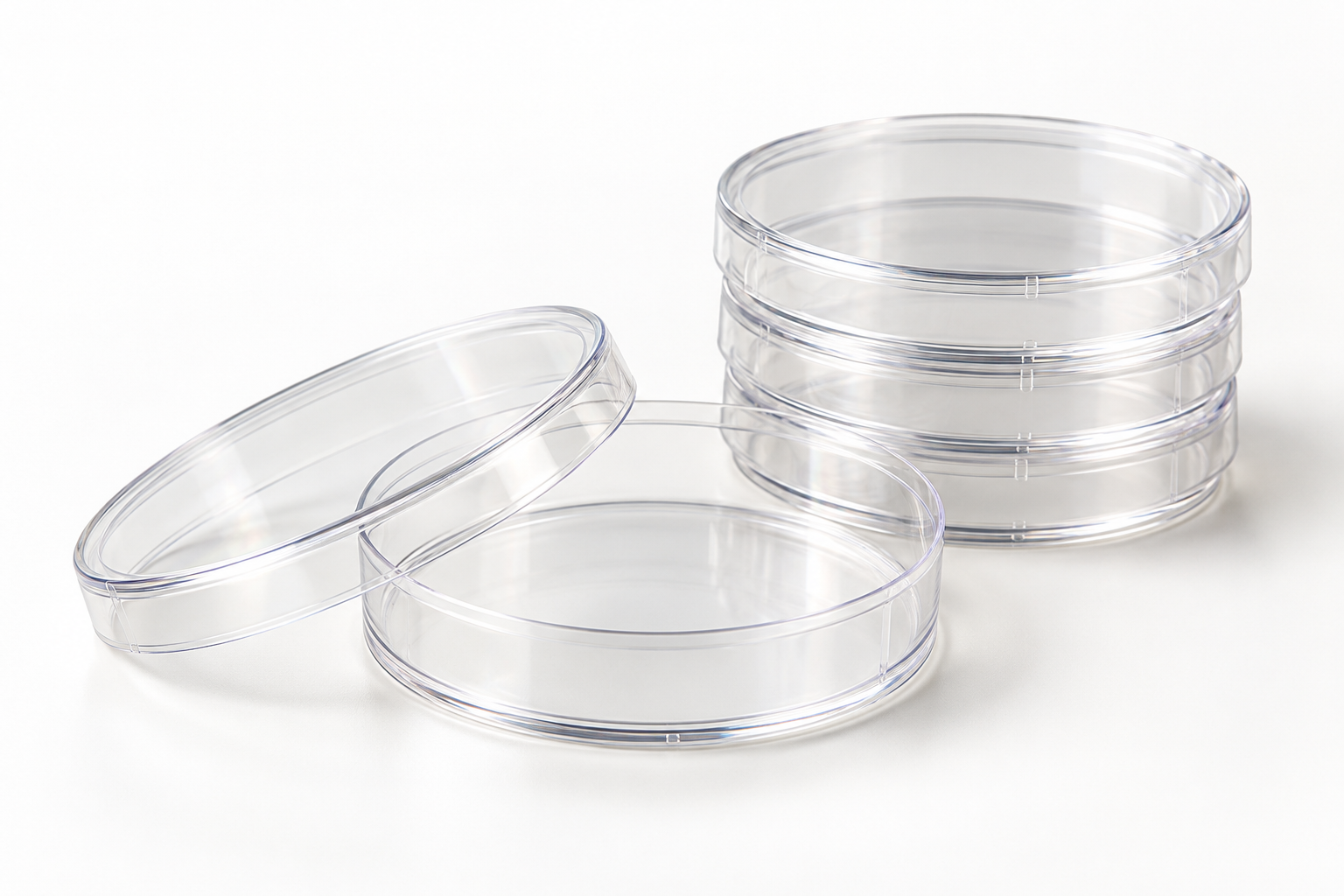
Start with the culture protocol and observation method. Provide the dish diameter, height or working geometry, culture area, surface treatment, vented or non-vented lid requirement, sterile status and pack quantity. If microscopy or imaging is planned, have the laboratory confirm that the dish surface and optical arrangement meet its method. A tissue-culture-treated surface, a low-attachment surface and an untreated plastic vessel are not the same product requirement.
Thermo Fisher lists Nunc EasYDish catalog number 150460 as a 35 mm dish with an 8.8 cm² culture area. Its product information includes other diameters and geometry options, so the family name alone is not enough to identify the needed format. Confirm the reference and whether your requested size is sold in a pack or case. Other dish families may differ in dimensions, surface, lid and packaging even when their nominal diameter appears similar.
Check if the exact surface treatment, lot testing or documentation is required by the cell workflow. A manufacturer's product page may describe claims for one exact family and item; do not transfer them automatically to a different vessel. Verify whether the selected dish is intended for the relevant culture protocol and whether your downstream imaging, handling and storage setup is appropriate. Laboratory staff should own that technical assessment.
Are laboratory plastics compatible across brands and instruments?
Not automatically. Similar dimensions do not establish fit or equivalent performance. Instrument blocks, rotors, automation grippers, seals and optical readers can have model-specific requirements. Compare the complete manufacturer reference and technical documents for both the instrument and consumable. If no compatibility statement is available, ask the instrument or consumable manufacturer for confirmation before treating a proposed alternative as accepted.
For PCR plates, check plate height, skirt, well arrangement and sealing against the exact cycler and protocol. For tubes, verify rotor, adapter, closure and handling requirements. For cultureware, compare area, surface, lid and viewing conditions against the cell method. Keep cross-brand substitutions under review by the technical owner. A seller may help identify a product reference and obtain a quotation, but the institution determines whether the alternative meets its method.
Document decisions in the purchasing schedule so the person receiving the order can match the delivered item to the approved specification. Record the accepted manufacturer and catalogue number, permitted alternatives, relevant compatibility evidence and who approved it. That simple control reduces the chance of a visually similar but technically different item being substituted without review.
How should I interpret purity, sterility and surface claims?
Treat every claim as specific to an exact manufacturer item and its current documentation. PCR-clean, low binding, nuclease-free, sterile and cell-culture treated describe different attributes. One does not imply the others. For example, a PCR-clean plate is not automatically sterile. A cell-culture dish with a treated surface is not automatically fit for every cell type or protocol. Ask for the exact product documentation and retain only claims it actually makes.
Check the supplied grade, pack and lot documentation where it matters. If the laboratory requires certificates, batch traceability or a specified expiry window, name those requirements in the enquiry. Do not rely on a category-level statement to apply to every product on the page. A manufacturer's family page may cover multiple grades and configurations; inspect the ordering information for the exact code.
Use a risk assessment and institutional procedures for handling samples and consumables. WHO's Laboratory biosafety manual provides a framework for laboratory biosafety, but the applicable controls depend on the work, material and local context. This catalogue guide is not a biosafety protocol and does not set decontamination, storage or disposal methods. Follow the laboratory's approved procedure and applicable Nigerian requirements.
What information should be included in a plastics quotation request?
For each line, include manufacturer, full catalogue reference, product name, material or grade, shape and dimensions or well count, relevant surface treatment or purity claim, sterile state, packaging and quantity. Add instrument model or workflow when compatibility needs verification. If you accept alternatives, identify them and state who will assess and approve them. Avoid asking for equivalents without defining what properties must be retained.
Provide the laboratory or project name, receiving city and state in Nigeria, named contact, delivery access and any handling or timing constraints. For a multi-site shipment, allocate each line to its destination. List document requirements, dating constraints, quality records, certificates and receiving checks. The supplier's written quote should identify what exact products and quantities are included, any proposed substitutions, confirmed availability, commercial terms, expected delivery information and exclusions.
For research-grade reagents or cell products sent together with plastics, keep those items as separate schedule lines. Their storage, transport and regulatory considerations may differ from empty laboratory vessels. Do not imply that grouping items in a single request changes their status or requirements. Have the appropriate laboratory and procurement reviewers assess the actual product documentation and delivery plan.
How can I compare laboratory plastic quotations fairly?
Compare like-for-like exact references and pack quantities. Normalize offers to the same unit only after confirming how many pieces each case or pack contains. Check material, format, purity certification, sterility, surface treatment and included accessories. If an offer proposes a different item, show it as an alternative rather than silently treating it as identical. The technical reviewer should document acceptance before procurement proceeds.
Review delivery, freight, taxes, stated availability, document scope and any applicable dating expectations in addition to unit price. A foreign manufacturer catalogue or online listing does not demonstrate that the product can be supplied to the intended Nigerian address on a particular date. Confirm local terms in writing. For recurring purchases, use a standard schedule that retains exact references and a separate destination allocation, then recheck each order's supplied batch and pack details.
Franance processes quote orders and follows up by phone or email. The website does not accept online payment. A written, itemized quotation lets laboratory staff confirm technical identity and purchasing staff compare the actual commercial offer without losing track of specified materials or pack sizes.
How do I request a laboratory plastics quote from Franance?
Send the full product schedule, quantities, destination in Nigeria, required documents and named contact. State instrument and workflow details wherever fit or compatibility matters. Attach the relevant approved specification or product reference list if available. Identify alternatives only if the laboratory permits them and provide the approval contact who can review them.
Franance will review the request and follow up by phone or email about the quotation. Before accepting, verify each item code, format, pack, material, grade, sterile status and any manufacturer-specific claim. Check that the offered destination, availability, delivery terms and documents are written in the quote. Resolve a mismatch with the technical owner before purchase rather than relying on a similar product name.
The page intentionally combines laboratory tubes, PCR consumables and culture dishes because it is a concise starting point for a mixed laboratory plastics assortment. It does not create a separate page for every plate profile, tube size or dish diameter. If future inventory forms a substantial and distinct range, those classes can be separated into subcategories with their own listings and useful guidance. Until then, clear headings and exact products keep the taxonomy compact and avoid thin, empty pages.
Common questions
Are all laboratory plastics interchangeable?
No. Confirm the exact material, geometry, purity, sterility, surface treatment, closure and instrument or method compatibility for every item. Similar names or dimensions do not establish interchangeability.
Does Franance sell these products online?
No. The catalogue supports quotation orders. Send exact references, quantities and Nigerian delivery details; Franance follows up by phone or email.
Can a PCR-clean product be assumed to be sterile?
No. Purity claims and sterility are distinct product attributes. Verify the exact manufacturer reference and documentation for the requirement your workflow specifies.
Request a laboratory plastics quotation from Franance.
Send exact catalogue references, material and purity requirements, format, quantities, documents and delivery details for your laboratory in Nigeria. Franance will review the quote order and follow up by phone or email.