

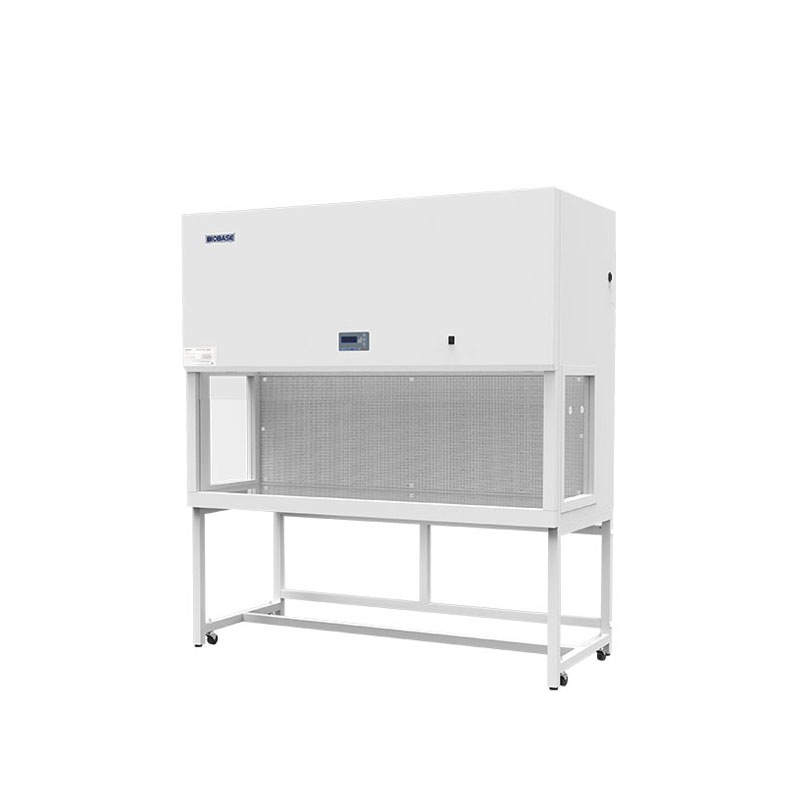
Buy Laminar Flow Hoods in Nigeria.
Buy a horizontal laminar-flow clean bench in Nigeria through Franance when the work requires filtered airflow to protect a suitable product or sample. Compare the two listed BIOBASE models, BBS-H1300 and BBS-H1300-I, then request a quotation for the exact configuration, application, site and installation needs. A clean bench is not a biological safety cabinet or chemical fume hood.
Products
6 models
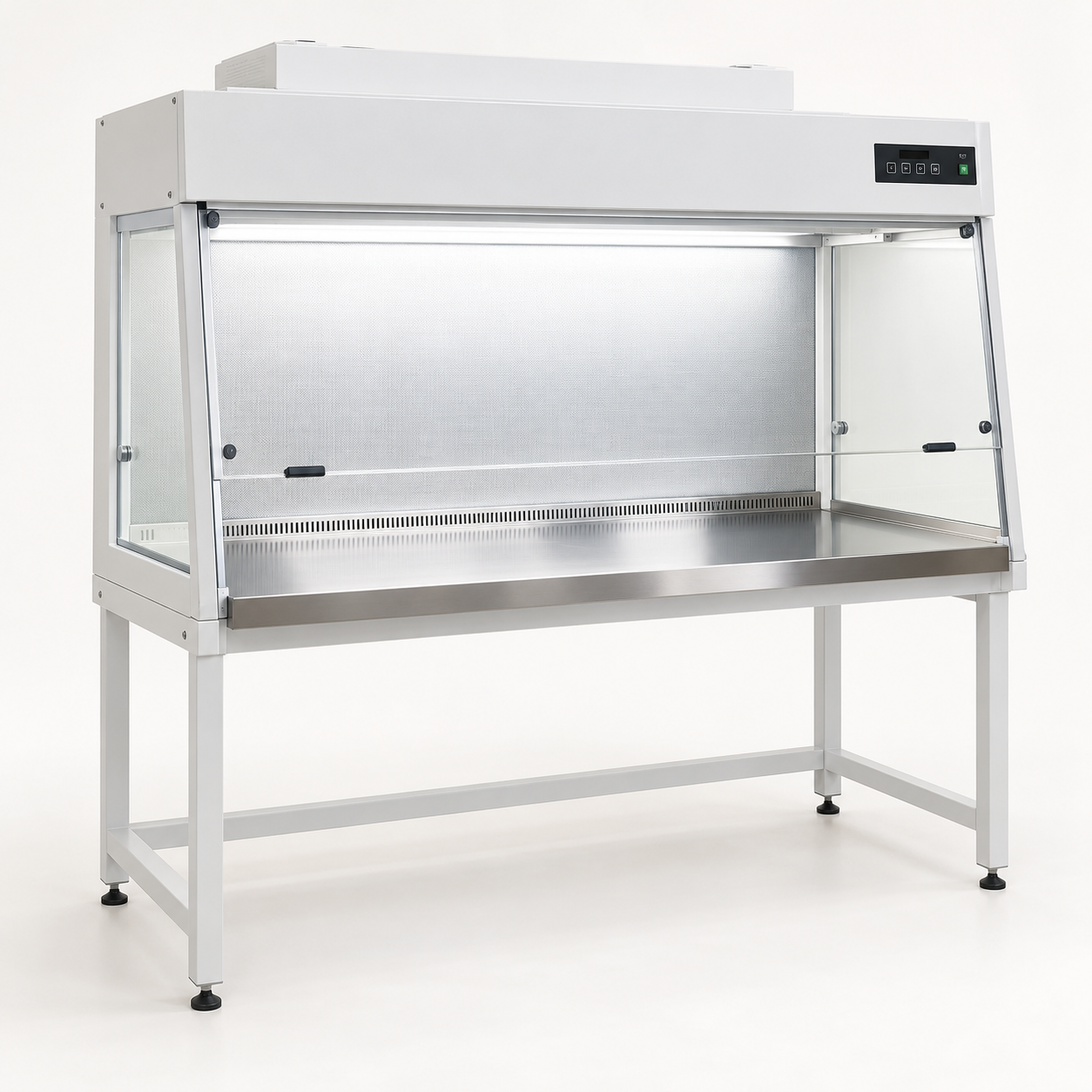
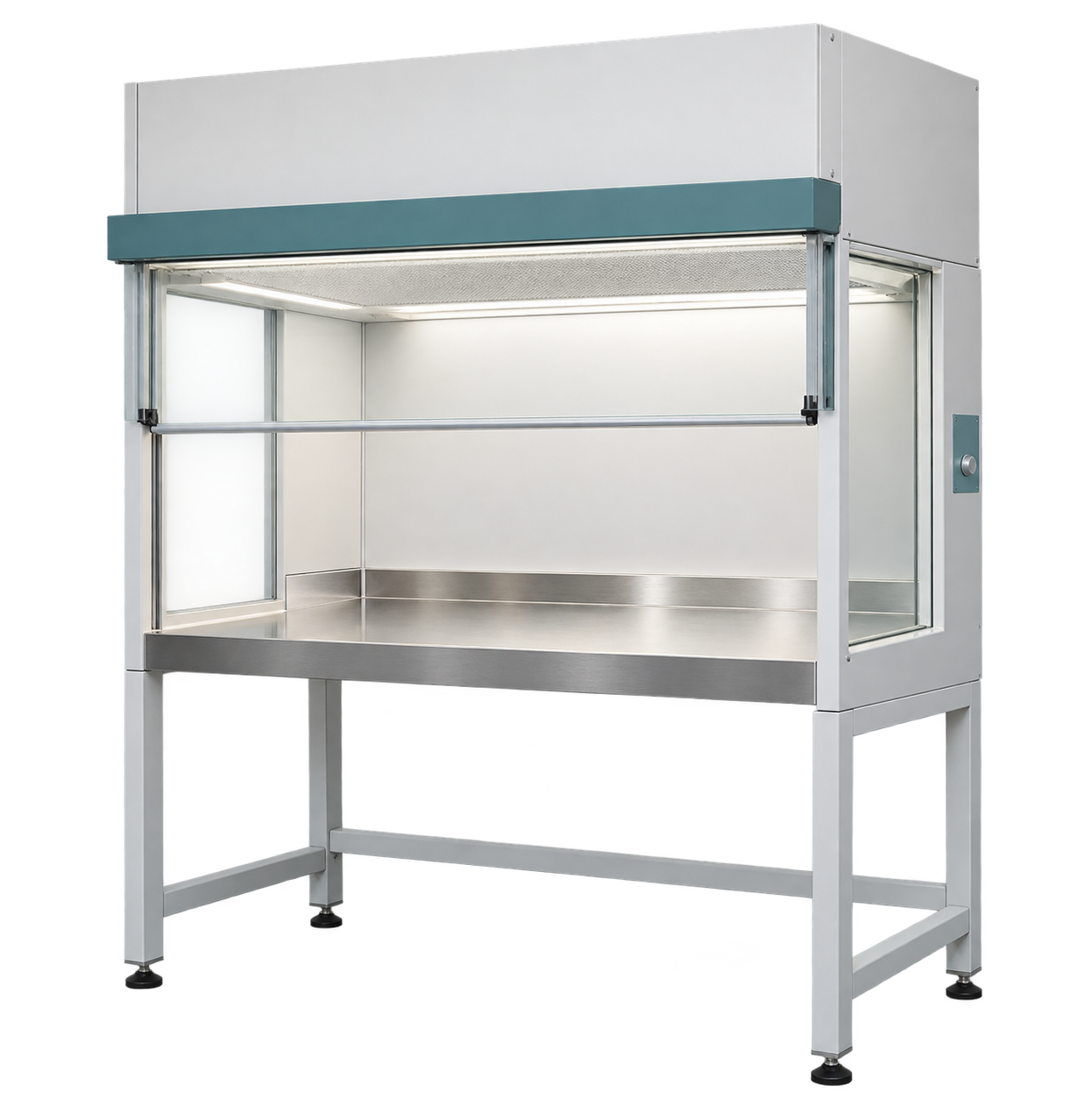
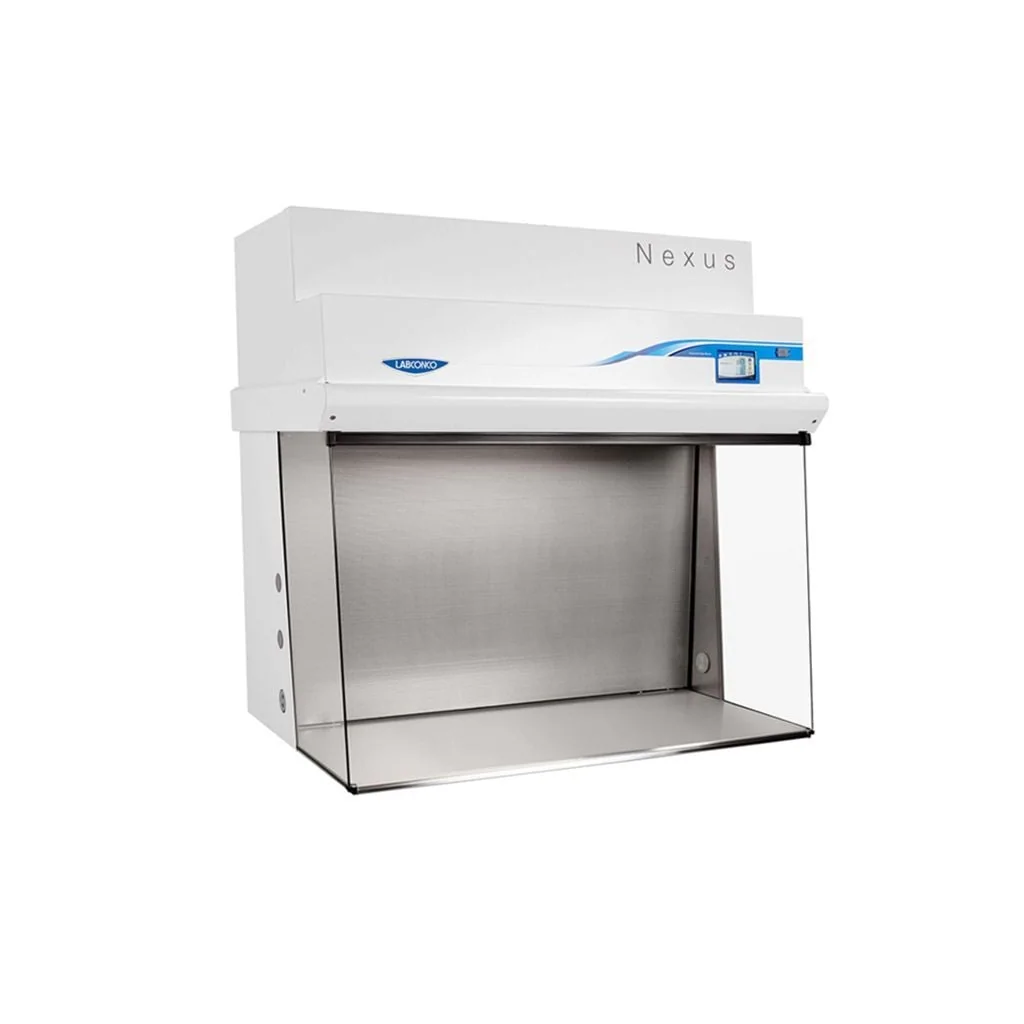
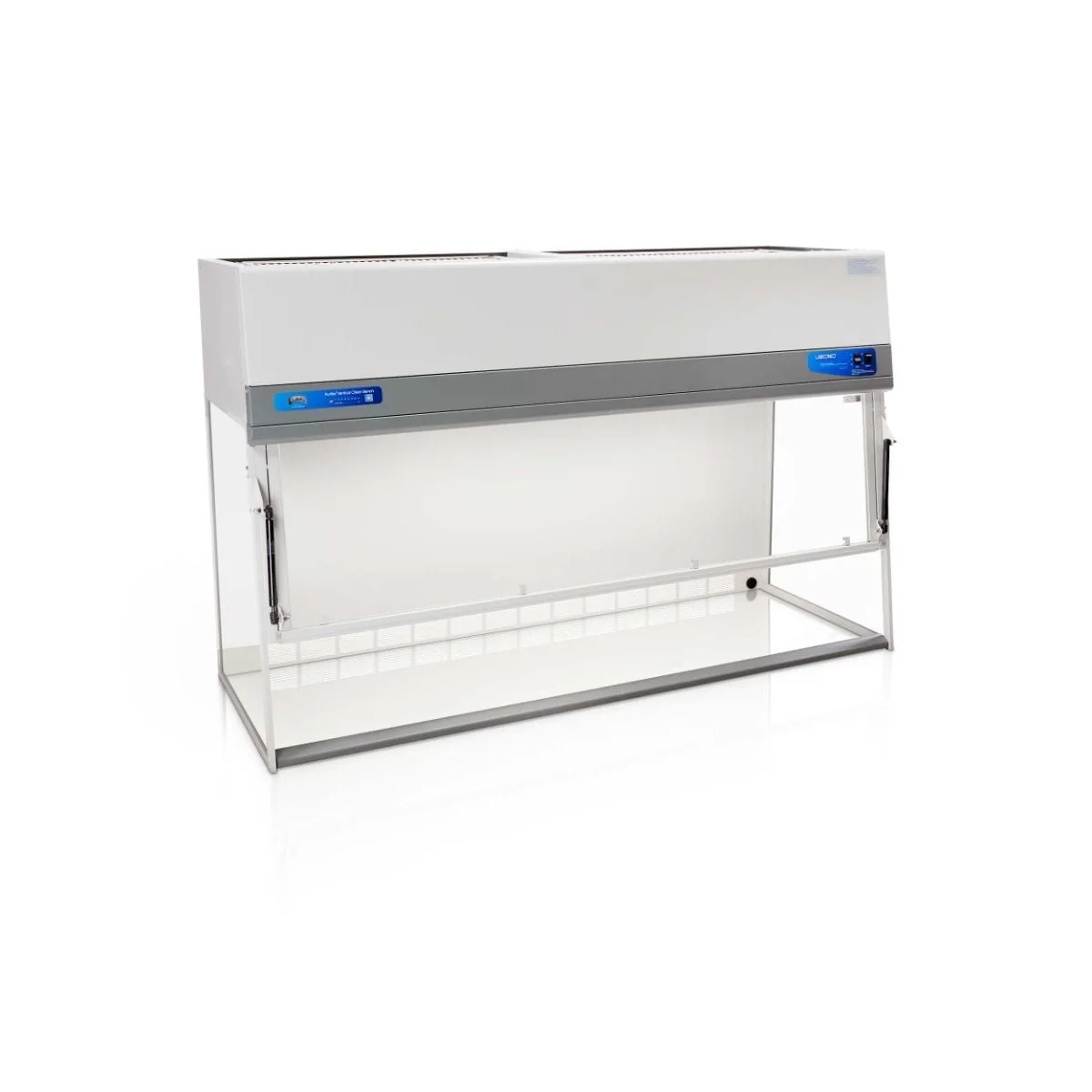
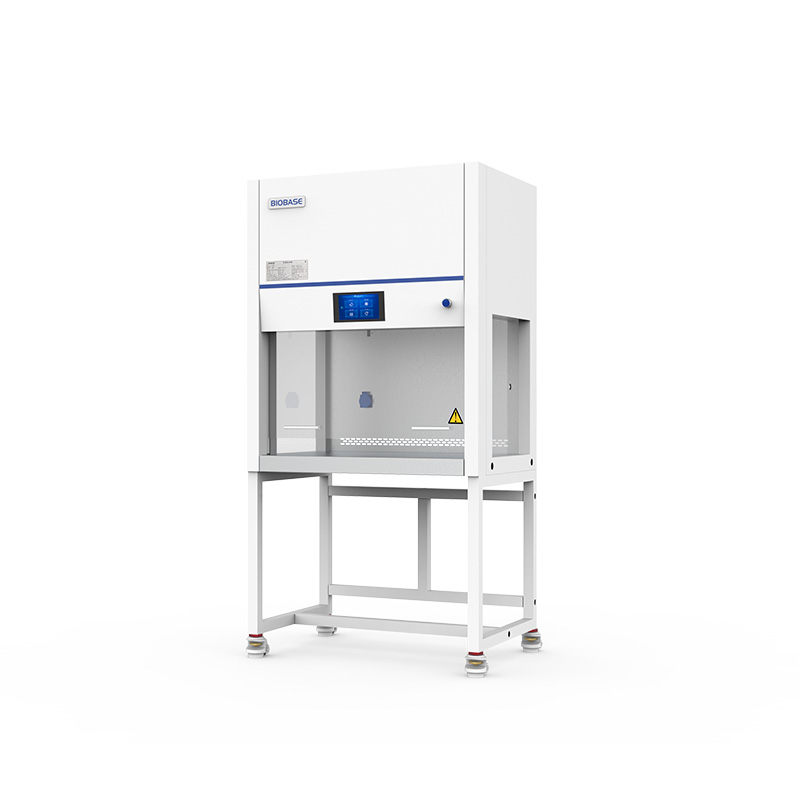
Where can I buy laminar flow clean benches in Nigeria?
Start with the laminar-flow clean bench category, which currently contains two BIOBASE models. The BBS-H1300 listing and BBS-H1300-I listing each filter to its named model. You can also review their individual details for the BBS-H1300 and BBS-H1300-I.
Read moreWhat does a horizontal laminar-flow clean bench do?
A horizontal clean bench directs filtered air across the work area toward the opening and user. BIOBASE describes both listed products as sample-protection equipment. The manufacturer lists a horizontal unidirectional airflow pattern, and for the BBS-H1300-I it specifies an airflow velocity of 0.30–0.5 m/s and a HEPA filter efficiency of 99.995% at 0.3 μm. These are manufacturer-published figures; they do not by themselves establish the performance of an installed unit, room, process or product.
Read moreWhich BIOBASE models are listed?
The current catalogue assigns two models to life-science/laminar-flow-hoods, both under BIOBASE. The BBS-H1300 has manufacturer-listed external dimensions of 1300 × 820 × 2040 mm and internal dimensions of 1200 × 500 × 570 mm. BIOBASE’s page also lists an average airflow velocity of 0.3–0.5 m/s, HEPA filtration at 99.995% for 0.3 μm, and sample protection only. Review the BBS-H1300 model filter and catalogue listing.
Buy laminar flow clean benches in Nigeria
Buy a horizontal laminar-flow clean bench in Nigeria through Franance when the work requires a filtered, clean work zone to protect a suitable product or sample. Franance currently lists two BIOBASE models in this category: the BBS-H1300 and BBS-H1300-I. Compare their verified dimensions and exact configuration, then request a quotation with your application, room measurements, power variant, installation access and qualification requirements. These are clean benches, not biological safety cabinets (BSCs), chemical fume hoods or general-purpose containment devices.
Where can I buy laminar flow clean benches in Nigeria?
Start with the laminar-flow clean bench category, which currently contains two BIOBASE models. The BBS-H1300 listing and BBS-H1300-I listing each filter to its named model. You can also review their individual details for the BBS-H1300 and BBS-H1300-I.
Franance handles these as quotation orders. Send the model, intended clean-work task, required work-zone size, site and destination. Franance can follow up by phone or email to clarify the requested configuration and commercial terms. The listing is a starting point for a request; confirm availability, exact factory configuration, shipping, installation and service in the quotation rather than assuming these details from the model name.
What does a horizontal laminar-flow clean bench do?
A horizontal clean bench directs filtered air across the work area toward the opening and user. BIOBASE describes both listed products as sample-protection equipment. The manufacturer lists a horizontal unidirectional airflow pattern, and for the BBS-H1300-I it specifies an airflow velocity of 0.30–0.5 m/s and a HEPA filter efficiency of 99.995% at 0.3 μm. These are manufacturer-published figures; they do not by themselves establish the performance of an installed unit, room, process or product.
The airflow direction is essential to selection. A clean bench may help maintain a cleaner work zone for an appropriate non-hazardous process, but it sends cabinet air out through the front opening. It does not capture hazardous material away from the operator. A clean bench should therefore be considered only after the user has defined the material, task and required protection, and the responsible biosafety or occupational-safety lead has determined that product protection alone is appropriate.
Which BIOBASE models are listed?
The current catalogue assigns two models to life-science/laminar-flow-hoods, both under BIOBASE. The BBS-H1300 has manufacturer-listed external dimensions of 1300 × 820 × 2040 mm and internal dimensions of 1200 × 500 × 570 mm. BIOBASE’s page also lists an average airflow velocity of 0.3–0.5 m/s, HEPA filtration at 99.995% for 0.3 μm, and sample protection only. Review the BBS-H1300 model filter and catalogue listing.
The BBS-H1300-I is a separate model record, not a suffix to overlook. BIOBASE lists external dimensions of 1300 × 820 × 1940 mm and internal dimensions of 1200 × 520 × 570 mm, with horizontal single-sided airflow, airflow velocity of 0.30–0.5 m/s and one HEPA filter rated 99.995% at 0.3 μm. Its page also presents an ISO level 5 / Class 100 clean-level claim. That is the manufacturer’s published claim, not independent evidence that a particular installation or room has been qualified. Review the BBS-H1300-I model filter and catalogue listing.
Both records are under the same brand and category, but the internal dimensions differ. Confirm the precise model code, external envelope, working opening, accessories, electrical version and included documentation on the quote. Do not substitute one model’s values or options for the other’s.
Is a clean bench a biological safety cabinet?
No. The CDC/NIH Biosafety in Microbiological and Biomedical Laboratories (BMBL), sixth edition, says clean benches are not BSCs: their filtered airflow is discharged across the work surface toward the user, providing product protection rather than personnel or environmental protection. BMBL advises that clean benches should never be used for cell culture, drug formulation, or work with potentially infectious or otherwise hazardous materials. Follow your institution’s current risk assessment and applicable local requirements; the BMBL is authoritative guidance, not a substitute for site-specific decisions.
If the task could expose staff or the environment to infectious agents, biological toxins, hazardous drugs or contaminated aerosols, do not select a clean bench on the basis of its HEPA specification. A BSC is a different equipment class, designed around containment objectives and tested configurations. Use the facility’s biosafety professional to determine what class and installation are needed for the actual procedure. The separate biological safety cabinet category and Class II microbiology safety cabinet category contain distinct catalogue scopes; category placement does not itself verify suitability for a hazard.
How is a clean bench different from a chemical fume hood?
A chemical fume hood is intended for chemical-vapour and related exposure control, with air exhausted from the work enclosure according to its design and installation. A horizontal clean bench instead provides filtered airflow toward the open front and the operator. It is not an exhaust control for volatile chemicals, and its HEPA filter specification does not make it suitable for chemical vapours.
Do not use either type as a generic substitute for the other. Define whether the task requires product cleanliness, biological containment, chemical exhaust or a combination of controls, and have the appropriate safety professional assess it. Franance lists chemical fume hoods separately from clean benches and BSCs. Confirm the proposed equipment type and operating limits with the supplier and facility safety lead before requesting a quote.
How should I match a clean bench to the work?
First write down the work, materials and objective: what needs protection, what contaminants matter, and whether any operator or environmental protection is required. A clean bench is relevant only where the documented assessment finds that a clean work zone and product protection are sufficient. If the process involves potentially hazardous biological material, viable samples that could expose personnel, hazardous drugs, volatile chemicals or unknown aerosols, stop and obtain a containment assessment rather than making an assumption from the words “laminar flow.”
Next compare the clear internal work-zone dimensions with the largest apparatus, containers and routine hand movements. The BBS-H1300’s internal width/depth/height are manufacturer-listed as 1200/500/570 mm; the BBS-H1300-I is listed as 1200/520/570 mm. Also account for the work opening, sash position, operator reach, cable or utility routing, and the space needed to move items without disrupting the intended clean workflow. Ask for the current drawing and installation manual for the exact configuration; dimensions on a product page are not a substitute for a site drawing.
Finally, define the facility’s acceptance and qualification needs before purchase. Ask the manufacturer or qualified installer which installation checks, filter integrity tests, airflow measurements, certification documents and recurring maintenance apply to this model and intended use. Do not infer cleanroom classification or process suitability from a cabinet marketing label alone.
What power, room and installation details should I confirm?
The BIOBASE BBS-H1300 page lists 220 V ±10%, 50/60 Hz as standard and 110 V ±10%, 60 Hz as an option. The BBS-H1300-I authored product record identifies 220 V ±10%, 50/60 Hz as standard and 110 V ±10%, 60 Hz as optional; verify the specific offering and nameplate before ordering. In Nigeria, ask the facility electrician and supplier to confirm the delivered voltage/frequency, current and plug or hard-wiring arrangement, protective earthing, circuit capacity, backup power suitability and any voltage conditioning recommended by the manufacturer. Never infer local electrical compatibility from the product category.
Measure delivery routes, door widths, lift and corridor clearances, ceiling height and the final room layout against the manufacturer’s packaged and installed dimensions. Allow access to the rear, top and service panels as the installation manual requires. Confirm floor loading and anchoring if applicable. Locate the unit only in a position approved by the manufacturer or installer; nearby doors, supply-air diffusers, fans and heavy foot traffic can affect airflow at the opening. Do not invent a clearance distance—request the exact siting instructions for the selected model.
The BBS-H1300 page lists items such as LED and UV lamps, a gas tap and waterproof sockets, and says an electric height-adjustable base is optional. The BBS-H1300-I listing includes a different package description, including a front motorized window, base stand, lighting and utility details. Accessories and utilities must be verified against the current quotation and manual. Specify whether water, gas, drain, extra electrical outlets or a particular stand are actually required by the approved workflow; these are not interchangeable and should be planned before delivery.
What should a Nigeria clean bench quotation include?
Give Franance the exact model code and product-detail link, facility name, city and state, intended non-hazardous process, quantity, target delivery date and contact details for the procurement and technical leads. Attach or summarize the room drawing, delivery route, installation location, clearances, power supply and any facility restrictions. State whether the project is a replacement, new laboratory fit-out or expansion because delivery and installation requirements may differ.
Ask the written quote to identify the exact supplied model and electrical variant; external and internal dimensions; included base, sash, lights, sockets, taps and accessories; filter specification and documentation; and any requested installation, airflow testing, filter integrity testing, commissioning, certification, training, warranty or maintenance scope. Ask which items are included, excluded or separately priced. Confirm packing, freight, customs or destination responsibilities, delivery estimate, payment terms and warranty/service contact in writing. The product records do not establish Nigerian stock, lead time, warranty, local service coverage or final price, so those details require supplier confirmation.
For clean-work assurance, ask who performs post-installation checks and what report is supplied. Define acceptance criteria before order placement with the facility’s quality, engineering and safety leads. If you require a particular cleanroom classification or process qualification, specify the standard, test method, point of use and responsible party. Neither the presence of a HEPA filter nor a manufacturer clean-level claim alone demonstrates that the completed room and process meet those requirements.
What maintenance and service should I plan for?
Request the model-specific operating and maintenance manual, filter replacement instructions, alarm or indicator explanations, cleaning guidance, and recommended service intervals. Ask which tests require a qualified technician and what consumables or replacement filters are available for the exact model. Clarify who may install or replace filters, whether the unit needs re-certification after maintenance or relocation, and how records should be retained under your laboratory’s procedures. The answers must come from the selected model documentation and service provider; generic clean-bench advice should not be treated as the manufacturer’s schedule.
Plan maintenance access and downtime with the lab before commissioning. Keep a record of the serial number, supplied configuration, installation report, filter information, test results and service contacts. If a unit is moved, repaired or has a changed airflow condition, ask the manufacturer or qualified service provider which rechecks are required before returning it to work. This guide does not claim that either model meets any particular Nigerian regulatory approval, laboratory accreditation requirement or local service arrangement.
How do I place a clean bench quote order in Nigeria?
Choose the BBS-H1300 or BBS-H1300-I, then send the model, process, dimensions, voltage, installation and documentation needs through a clean bench quotation request. Franance will contact you to clarify the request. Review the final configuration and scope in writing before placing the order; there is no online checkout.
Manufacturer sources and scope limits
The model specifications and purpose stated here are drawn from BIOBASE’s BBS-H1300 product page and BBS-H1300-I product page. The safety distinction is grounded in the CDC/NIH BMBL, sixth edition, particularly its discussion of clean benches and biological safety cabinets. CDC’s BMBL overview describes the publication as biosafety guidance. Always check current model-specific manuals and a qualified local risk assessment before purchase or use.
Specifications and options can change, and the two models’ product pages are not substitutes for the current technical submittal. Manufacturer claims are attributed to BIOBASE and have not been independently tested for this guide. Nothing here establishes suitability for a particular hazardous process, room qualification, Nigerian regulatory approval, availability, price or service coverage. Confirm those items directly with the supplier, installer and responsible facility professionals.
Common questions
Does a laminar-flow clean bench protect the operator?
No. BIOBASE describes these listed units as sample-protection equipment. CDC/NIH BMBL explains that clean-bench airflow is discharged toward the user and does not provide personnel or environmental protection.
Can I use a clean bench for infectious samples or volatile chemicals?
Do not assume so. BMBL warns against clean-bench use for cell culture, drug formulation and potentially hazardous materials. Consult the facility biosafety or occupational-safety lead to select an appropriate containment or exhaust device for the assessed task.
Are the BBS-H1300 and BBS-H1300-I the same configuration?
No. BIOBASE lists different internal and external dimensions and model-specific features. Confirm the exact suffix, electrical variant, accessories, installation drawing and current quotation before ordering.
Request a laminar-flow clean bench quotation in Nigeria.
Tell Franance which BIOBASE model you need, the approved clean-work application, exact site and power conditions, required accessories, delivery destination and requested installation or qualification scope. Ask for the exact offered configuration and inclusions in writing.
Request a clean bench quoteNeed an equipment quote?
Add the models you need to a quote order, or send us your equipment list.