

Buy Water Analysis Meters in Nigeria.
Select a water-analysis meter by the parameter to measure, the field or bench setting, the exact OHAUS model, sensor or electrode compatibility, and the records required. This category brings together pH, conductivity, dissolved-oxygen, turbidity and colorimetric instruments. Those measurement classes are related but are not substitutes; name the required parameter and method before comparing product families.
Products
18 models
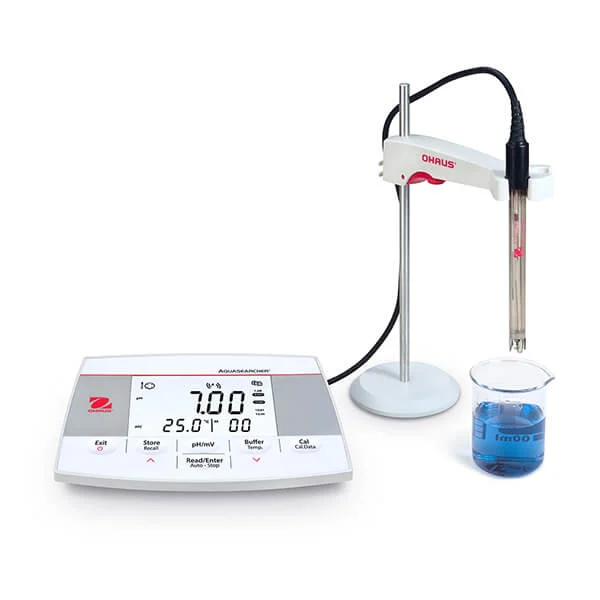
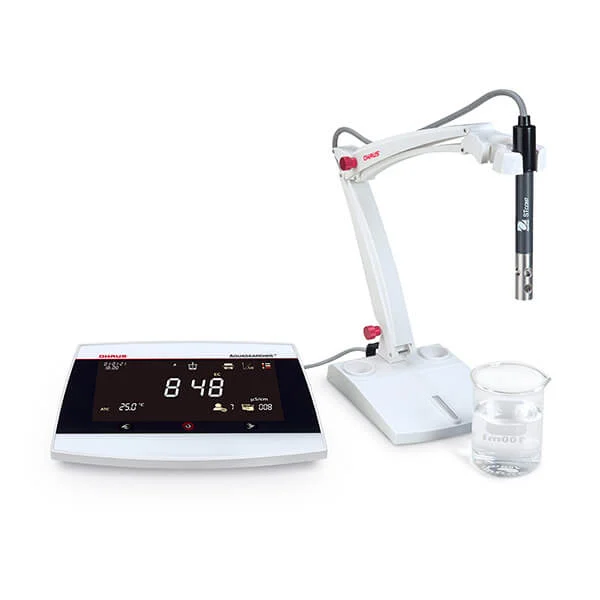
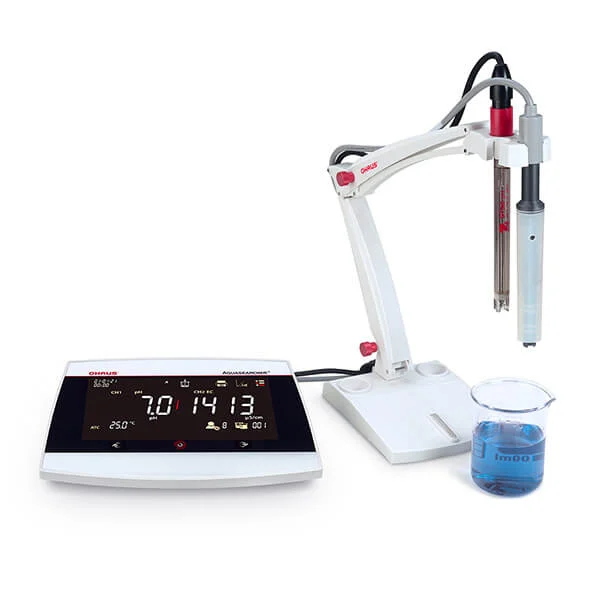
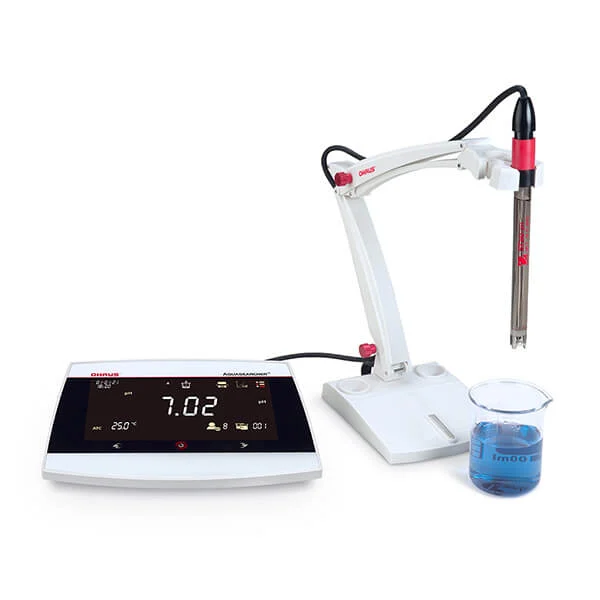
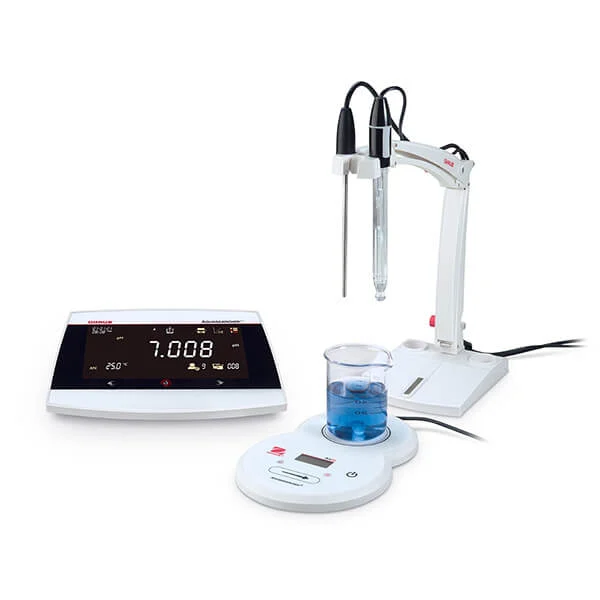
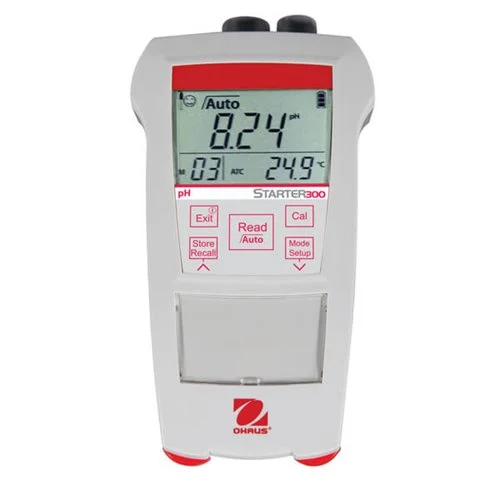
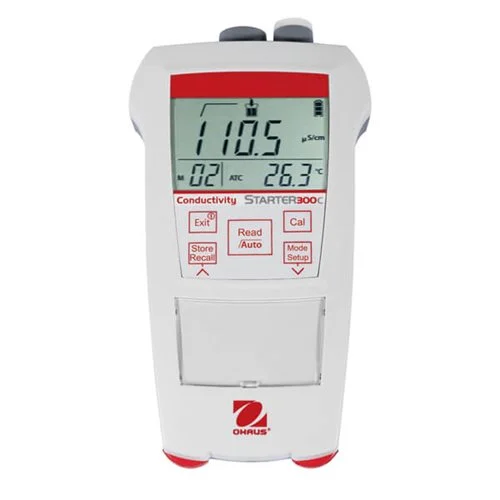
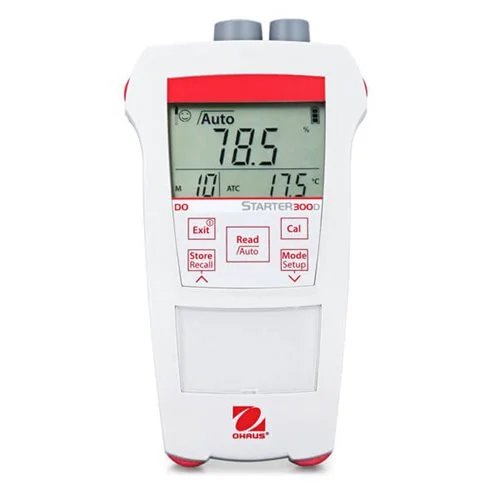
What instruments are included in water analysis meters?
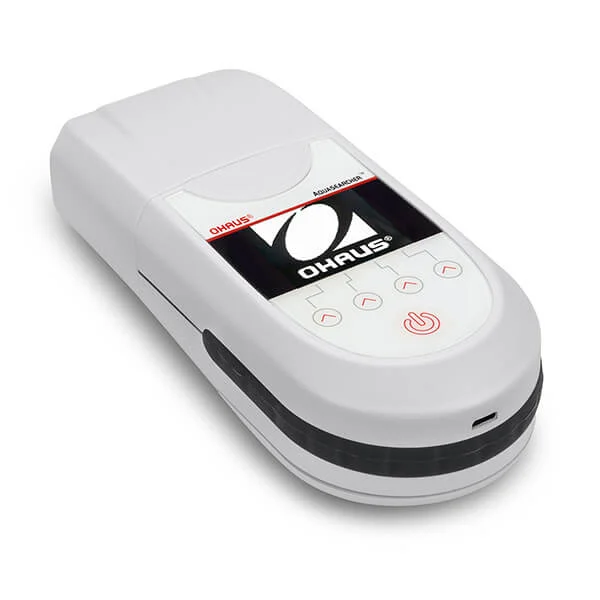
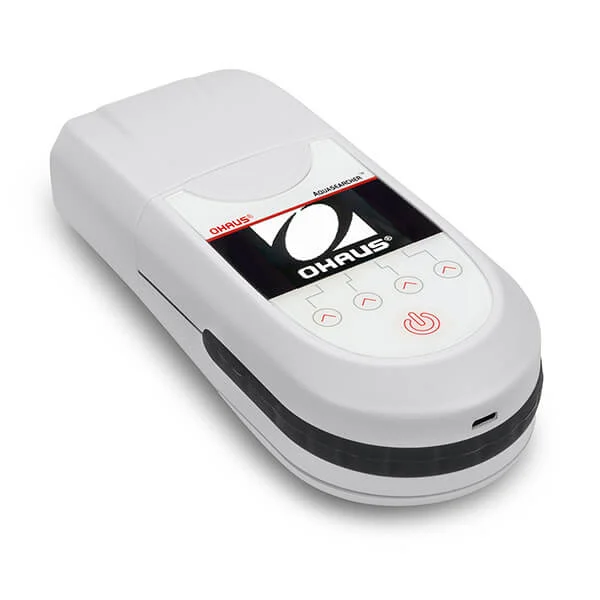
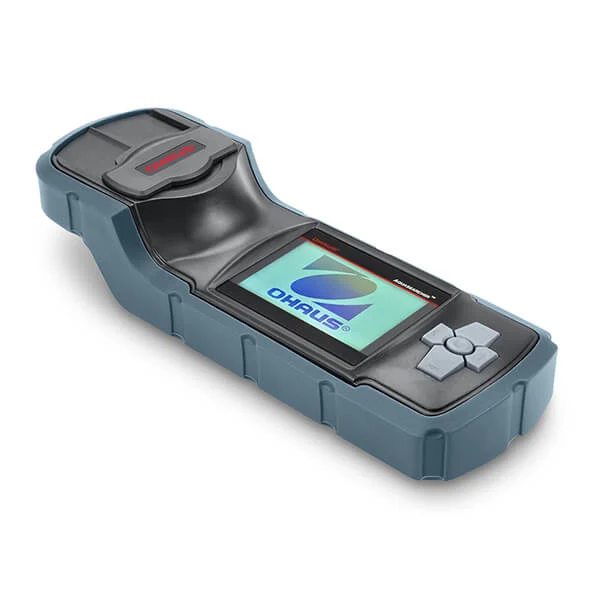
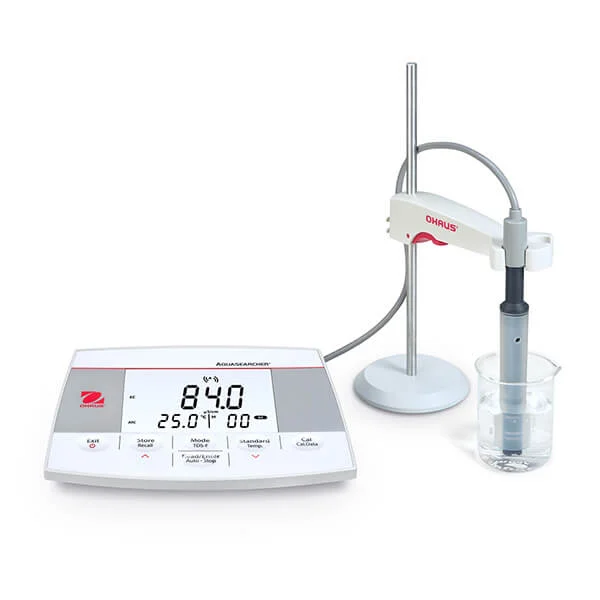
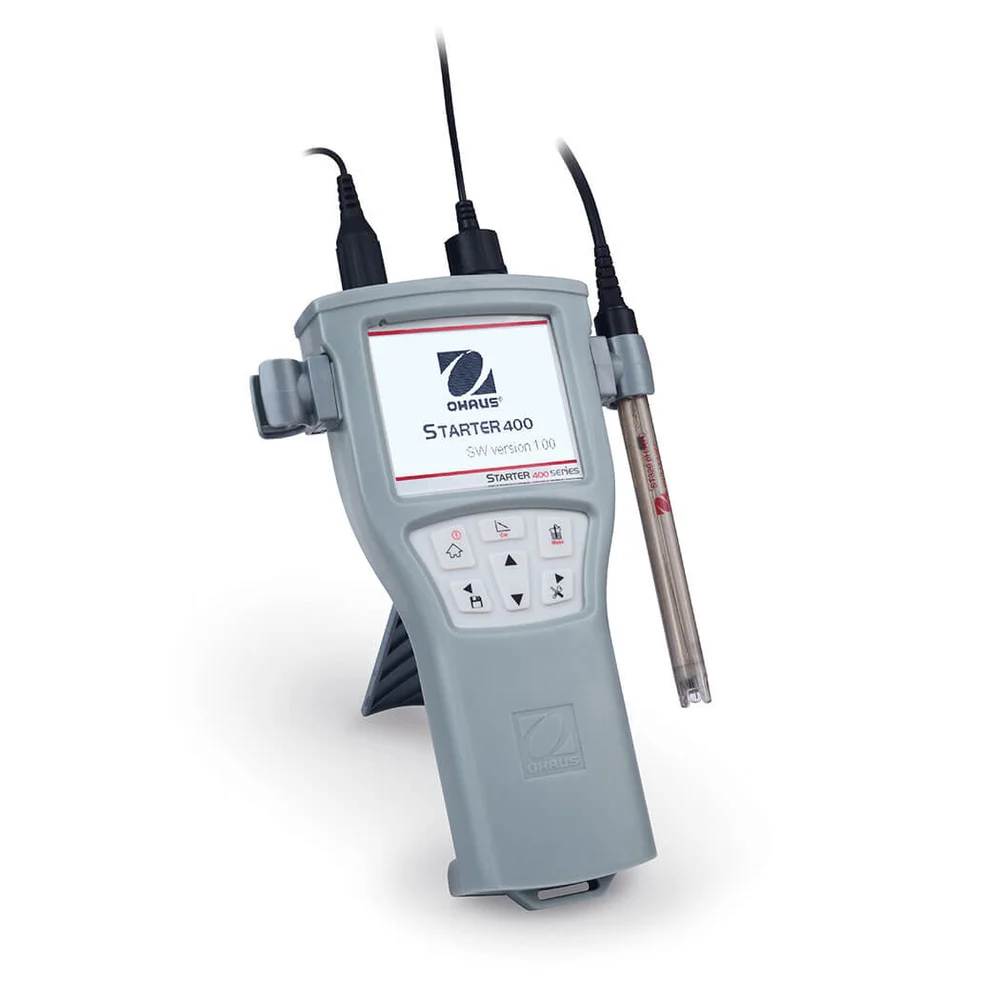
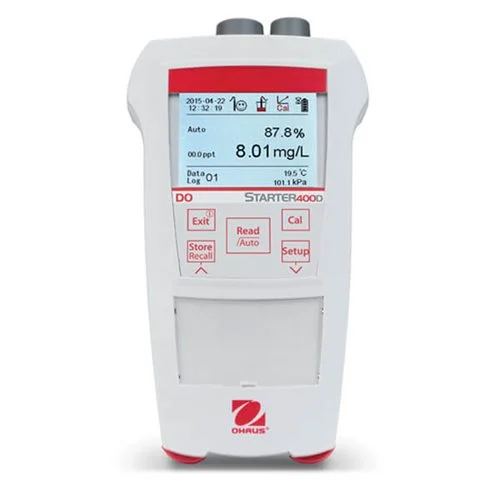
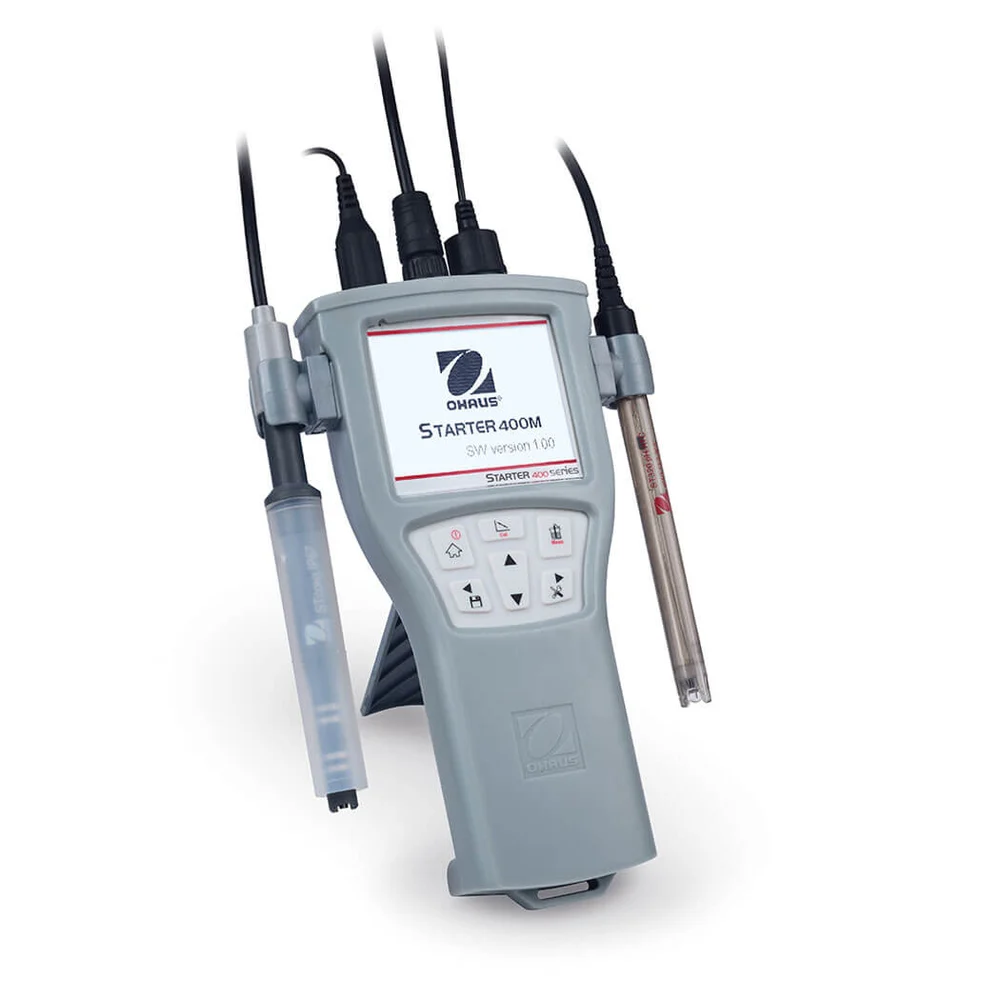
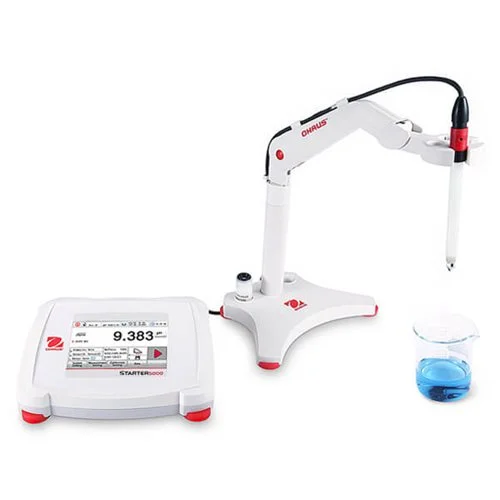
The OHAUS listings represented here include AQUASEARCHER and Starter bench or portable electrochemical meters, AP30 turbidimeters and the AP50 portable colorimeter. Product descriptions identify different measurement classes including pH, conductivity, dissolved oxygen, turbidity and colorimetry. Choose by the requested measurement and model page, not by the broad water-analysis label.
Read moreWhere can I buy water-analysis meters in Nigeria?
Franance lists OHAUS bench and portable water-analysis meters, AP30 turbidimeters and the AP50 portable colorimeter. Begin with the water-analysis category, choose the required parameter and exact meter or optical instrument, then add the selected listing and quantity to the quote cart. State probe/electrode needs, data requirements and destination city/state. Ask the written offer to specify exact references and included components; the cart does not take payment.
Read moreWhat should be specified for a portable Starter meter?
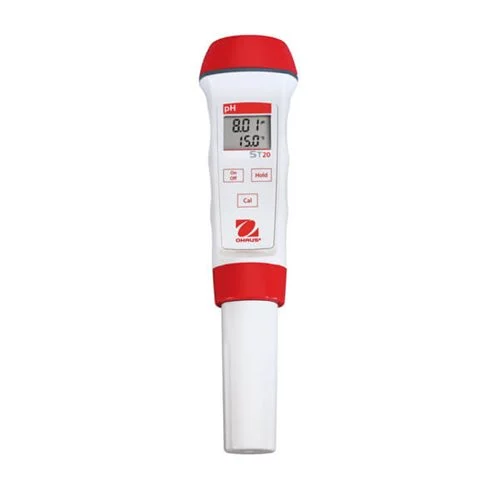
Portable Starter families include separate pH, conductivity and dissolved-oxygen listings, along with pen meters that cover model-dependent combinations such as ORP, salinity or total dissolved solids. OHAUS’s Starter Pen page lists combinations and ranges by individual model. Do not interpret a portfolio list of possible parameters as support for every parameter on every pen.
Read moreBuy water analysis meters in Nigeria
Select a water-analysis meter by the parameter to measure, the field or bench setting, the exact OHAUS model, sensor or electrode compatibility, and the records required. This category brings together pH, conductivity, dissolved-oxygen, turbidity and colorimetric instruments. Those measurement classes are related but are not substitutes; name the required parameter and method before comparing product families.
What instruments are included in water analysis meters?
The OHAUS listings represented here include AQUASEARCHER and Starter bench or portable electrochemical meters, AP30 turbidimeters and the AP50 portable colorimeter. Product descriptions identify different measurement classes including pH, conductivity, dissolved oxygen, turbidity and colorimetry. Choose by the requested measurement and model page, not by the broad water-analysis label.
A meter, electrode, probe and accessory may be separate items. Confirm which components are included for the exact model and which measurement ranges or parameters are supported. An electrode marketed for one range or instrument should not be assumed compatible with another meter without manufacturer confirmation.
Where can I buy water-analysis meters in Nigeria?
Franance lists OHAUS bench and portable water-analysis meters, AP30 turbidimeters and the AP50 portable colorimeter. Begin with the water-analysis category, choose the required parameter and exact meter or optical instrument, then add the selected listing and quantity to the quote cart. State probe/electrode needs, data requirements and destination city/state. Ask the written offer to specify exact references and included components; the cart does not take payment.
What should be specified for a portable Starter meter?
Portable Starter families include separate pH, conductivity and dissolved-oxygen listings, along with pen meters that cover model-dependent combinations such as ORP, salinity or total dissolved solids. OHAUS’s Starter Pen page lists combinations and ranges by individual model. Do not interpret a portfolio list of possible parameters as support for every parameter on every pen.
Name the exact measurement and model, then check the product details for its range, accuracy, resolution, temperature feature, sensor, housing and power. The official page describes the pen-meter housing as IP67; confirm that statement applies to the exact model and intended environment. State the required electrode or probe and ask whether it is included. Select compatible standards or accessories through the approved method, not from a generic accessory image.
How should I compare the AQUASEARCHER AB23, AB33 and AB41 families?
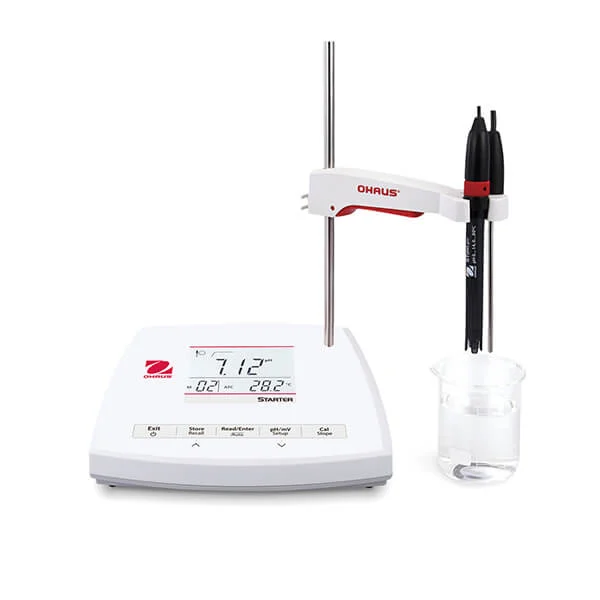
The OHAUS catalogue distinguishes AB23 pH and conductivity bench meters, AB33 pH, conductivity and multi-parameter families, and the more advanced AB41PH bench meter. The intended parameter and requested record capability should lead the choice. An “advanced” or “research-grade” description is not itself a numeric range or an assurance that a method is validated.
Use each model’s product page to compare supported parameters, range, resolution, accuracy, display, memory, interface and electrode requirements. If the requirement includes pH and conductivity, determine whether one multi-parameter model meets it or whether separate meters are preferred. Ask for the exact meter and electrode references on the proposal, then check the configuration against the laboratory’s method and documentation requirements.
Which parameter and measurement range should I specify?
State whether the requirement is pH, conductivity, dissolved oxygen, turbidity, colorimetric measurement or another parameter explicitly listed for the model. Provide the expected sample range, required resolution or tolerance, units and any method reference. That information lets the technical reviewer compare an instrument’s published range to the actual requirement.
Do not combine different parameters into one generic request for a “water meter.” A pH instrument, conductivity meter, DO meter, turbidimeter and colorimeter rely on different sensing or measurement arrangements. If a multi-parameter instrument is being considered, list every required parameter and have the supplier confirm the model supports each one.
What should I check about electrodes, probes and standards?
Identify the electrode, probe or sensor required by the method, including the manufacturer reference if known. Confirm measurement range, sample compatibility, connector and any temperature or compensation feature stated in the model documentation. Ask which component is included and whether replacement or additional sensors must be quoted separately.
The correct calibration solutions, standards or accessories depend on the measurement method and laboratory procedures. Use current manufacturer documentation and the organization’s approved method to determine those items. This guide does not give test procedures or prescribe calibration steps. Ask the offer to list standards or accessories only when their exact part number and scope have been verified.
How do pH, conductivity and dissolved-oxygen meters differ?
A pH meter, conductivity meter and dissolved-oxygen meter answer different measurement questions and use different sensing components. OHAUS AQUASEARCHER listings separate pH models such as AB23PH and AB41PH from conductivity-oriented AB23EC and AB33EC; Starter portable products include pH, conductivity and DO models. Some multi-parameter families list more than one measurement, but support should be confirmed for the specific model and probe combination.
For a procurement brief, name the parameter, required range, units, resolution or tolerance, sample context and whether the instrument is bench or portable. Then identify the electrode or sensor needed. A general request for a “water meter” is insufficient to compare products, and one sensor should not be assumed to work with every instrument. Use the model page and accessory documentation to verify the combination.
When should I compare a turbidimeter with a colorimeter?
A turbidimeter and colorimeter are separate optical instrument classes. OHAUS lists AP30TURH and AP30TURL as portable turbidimeters and AP50 as a portable colorimeter. The parameter and the required method should determine which class is appropriate. A similar handheld enclosure or shared “water analysis” navigation does not make their optics, accessories or reported outputs equivalent.
Identify the required measurement, range and method reference before comparing. Ask which sample container, cuvette or accessory is needed and whether it is part of the quoted package. Verify the exact OHAUS model’s stated wavelength or optical specification only when it is documented for that model. Do not infer an intended regulatory use or suitability from broad product marketing language.
How should probe, electrode and meter compatibility be checked?
Start with the meter model and parameter, then identify the exact electrode or probe reference recommended for that pairing. Check connector, measurement range, temperature compensation, required cable, included sensor and replacement availability. For a multi-parameter bench meter, confirm whether each parameter requires a separate electrode and whether the displayed channels are supported in the offered configuration.
The quotation should list the meter and each sensor or electrode as explicit references. If the method specifies a particular probe, include that requirement and request written compatibility confirmation from the manufacturer or supplier. Do not assume the electrode pictured with a meter is included, or that an electrode marketed within OHAUS’s broader portfolio fits every Starter or AQUASEARCHER model.
What records and field accessories belong in the selection?
Decide whether the instrument needs internal result memory, a connection to a computer, a printer or a standalone display. For field work, check the exact portable meter’s batteries, waterproofing or ingress statement and protective case; for a bench system, check the available interfaces and electrode stand or holder if needed. These are model-specific selection points, not universal water-meter features.
Ask for the relevant data output details and accessory compatibility from the exact manufacturer documents. If the record is controlled, state required identifiers, units and export behavior. For field use, identify transport needs and any standards or buffers specified by the laboratory’s approved method. This guide does not prescribe sampling, calibration or measurement procedures; those belong to current manufacturer documentation and the approved method.
How should I confirm sample and site compatibility?
Describe the sample type, measurement location, expected conditions and method. Ask the responsible technical reviewer to confirm that the model, sensor or optical accessories are appropriate. For portable measurements, state the environment and transport requirements; for bench measurement, state the available surface, power and connection constraints.
Do not infer suitability for drinking water, wastewater, process water or any other regulated decision from a broad product title. The specific method, sample range, required approvals and local rules must be reviewed by the buyer. The manufacturer listing establishes product features; it does not establish regulatory acceptance or laboratory validation for a particular use.
How should range, resolution and accuracy guide a meter shortlist?
Measurement range defines the values an instrument is specified to cover; resolution is the smallest displayed increment; accuracy or error describes closeness under stated conditions. These are not interchangeable. The required parameter should be stated with its units and expected range, then compared to the exact meter and sensor specification. A wider range alone does not establish that an instrument meets a tighter accuracy requirement.
Ask for the model’s current datasheet and confirm the measurement range, resolution and accuracy for the selected parameter and probe. If requirements include pH and temperature or conductivity and salinity, verify how each value is measured and reported. The laboratory’s technical owner should confirm whether the published specification is adequate for the method and intended decision.
How do the AP30TURH and AP30TURL turbidity ranges compare?
OHAUS lists AP30TURH for a turbidity range of 0–1,000 NTU and AP30TURL for 0–200 NTU. The manufacturer’s product data also state different accuracy expressions for the two families. That makes the “H” and “L” models meaningful range choices, not colour or package variants. Check which range covers the defined requirement and whether the accuracy statement is suitable at the values that matter.
The AP50 is a portable colorimeter, a different optical instrument class from either AP30 turbidimeter. Compare the exact parameter, stated range, method and sample-container requirement rather than selecting by handheld form. The product source pages should be used for model-specific optical details; this category guide does not establish compliance or suitability for a regulatory method.
What does the AB41PH example show about meter resolution?
OHAUS lists the AB41PH with a pH resolution of 0.001 and the AB23PH with 0.01 pH resolution. The AB41PH page also lists a different pH range and accuracy statement. This makes the model comparison concrete, but it does not mean that higher displayed resolution alone is more accurate or appropriate for every method.
Compare range, resolution and accuracy as separate criteria, with the chosen electrode and temperature requirements included. Confirm the specification for the exact product reference and ask whether the electrode is included. Use the analytical method and the technical owner’s acceptance limits to decide whether the AB41PH, AB23PH or another meter is suitable.
Common questions
Is a turbidimeter interchangeable with a colorimeter?
No. OHAUS lists AP30TURH and AP30TURL as turbidimeters and AP50 as a colorimeter; choose by the required parameter and method.
Do AP30TURH and AP30TURL have the same range?
No. OHAUS lists 0–1,000 NTU for TURH and 0–200 NTU for TURL. Confirm the exact source specification.
Does a multi-parameter meter include every electrode?
Do not assume so. Ask for the exact meter, electrode references, compatibility and included components.
Does higher pH display resolution alone establish suitability?
No. Compare range, resolution, accuracy, electrode and method requirements together.
Request an OHAUS water analysis meters quotation.
Send the exact model, requirements, quantity and delivery destination through the Franance quote cart. Review the written configuration and commercial terms before confirming an order.
Request a quotationNeed an equipment quote?
Add the models you need to a quote order, or send us your equipment list.