
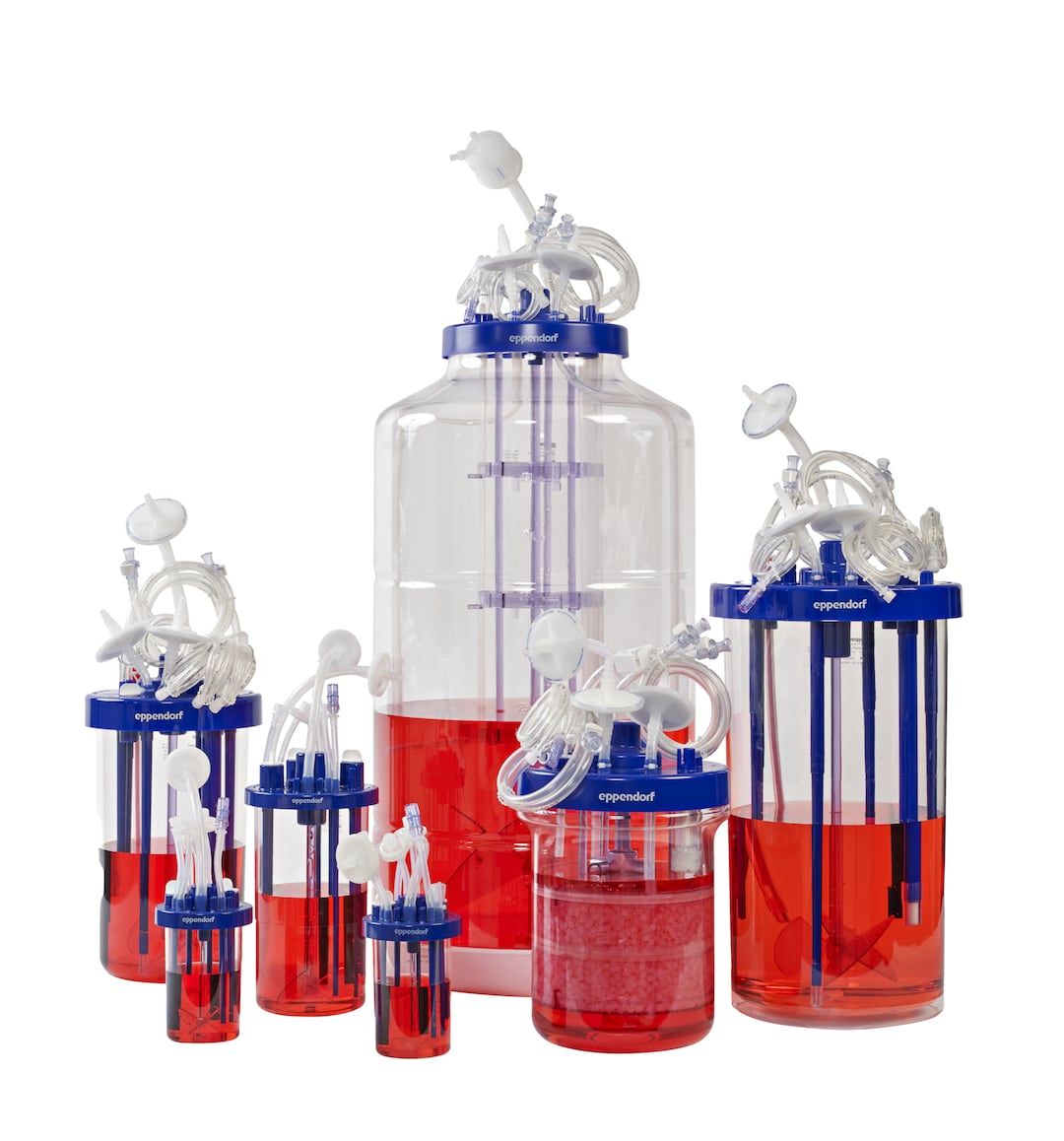
BioBLU 3c Single-Use Bioreactor
Rigid-walled stirred-tank single-use bioreactor for cell culture
Price on request

Medical equipment and biomedical engineering.
Abuja, Nigeria.
Buy a laboratory bioreactor or fermenter in Nigeria by matching vessel design, working volume, culture type, impeller/sparger, sensors, controller and site interfaces to the process brief. Franance currently lists Eppendorf BioBLU 3c for cell-culture applications and BioBLU 3f for microbial fermentation. These product records identify single-use vessels, not complete bioprocess systems, and do not validate a process or assure scale-up outcomes.
37 models
Rigid-walled stirred-tank single-use bioreactor for cell culture
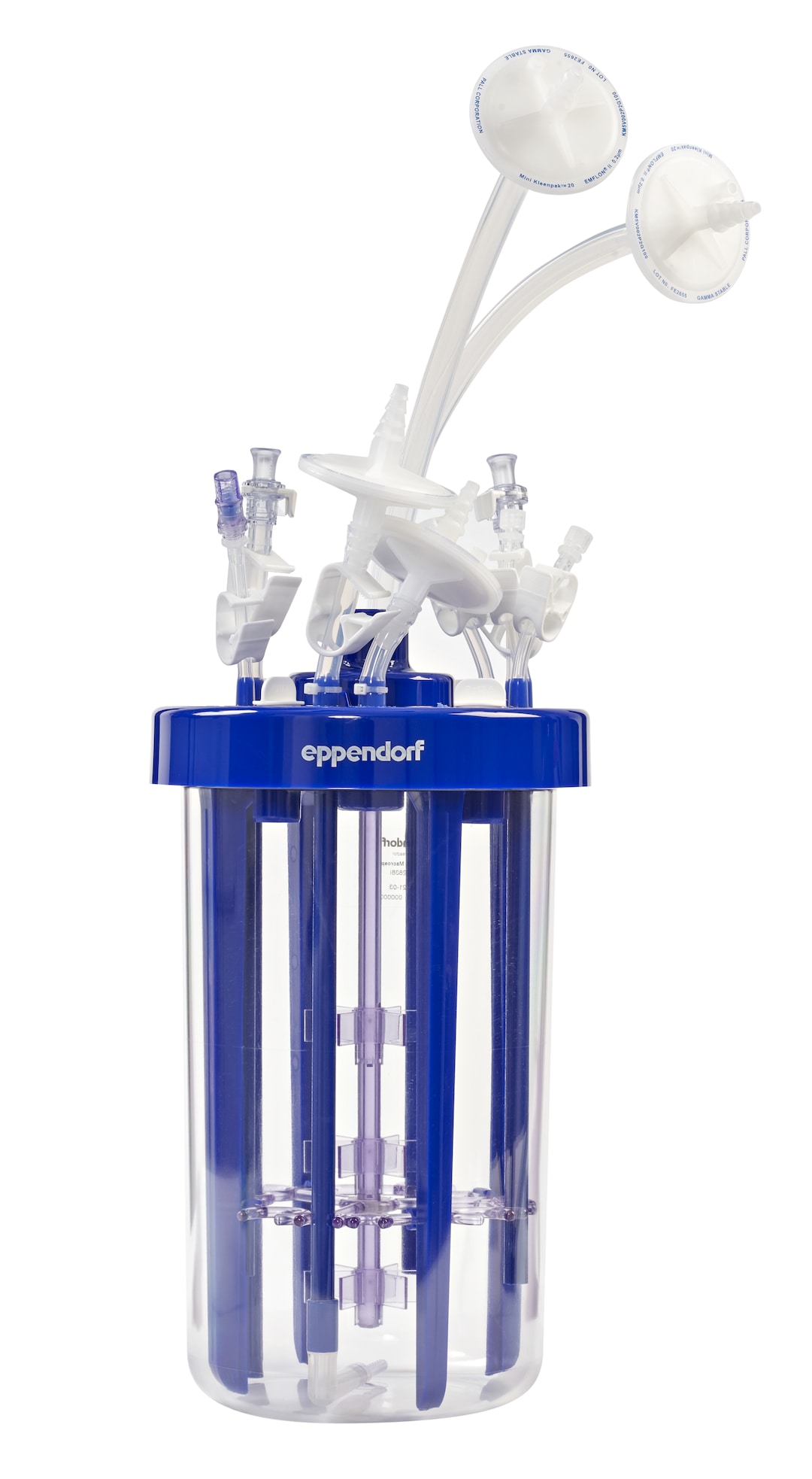
Rigid-walled stirred-tank single-use fermentor for microbial process development
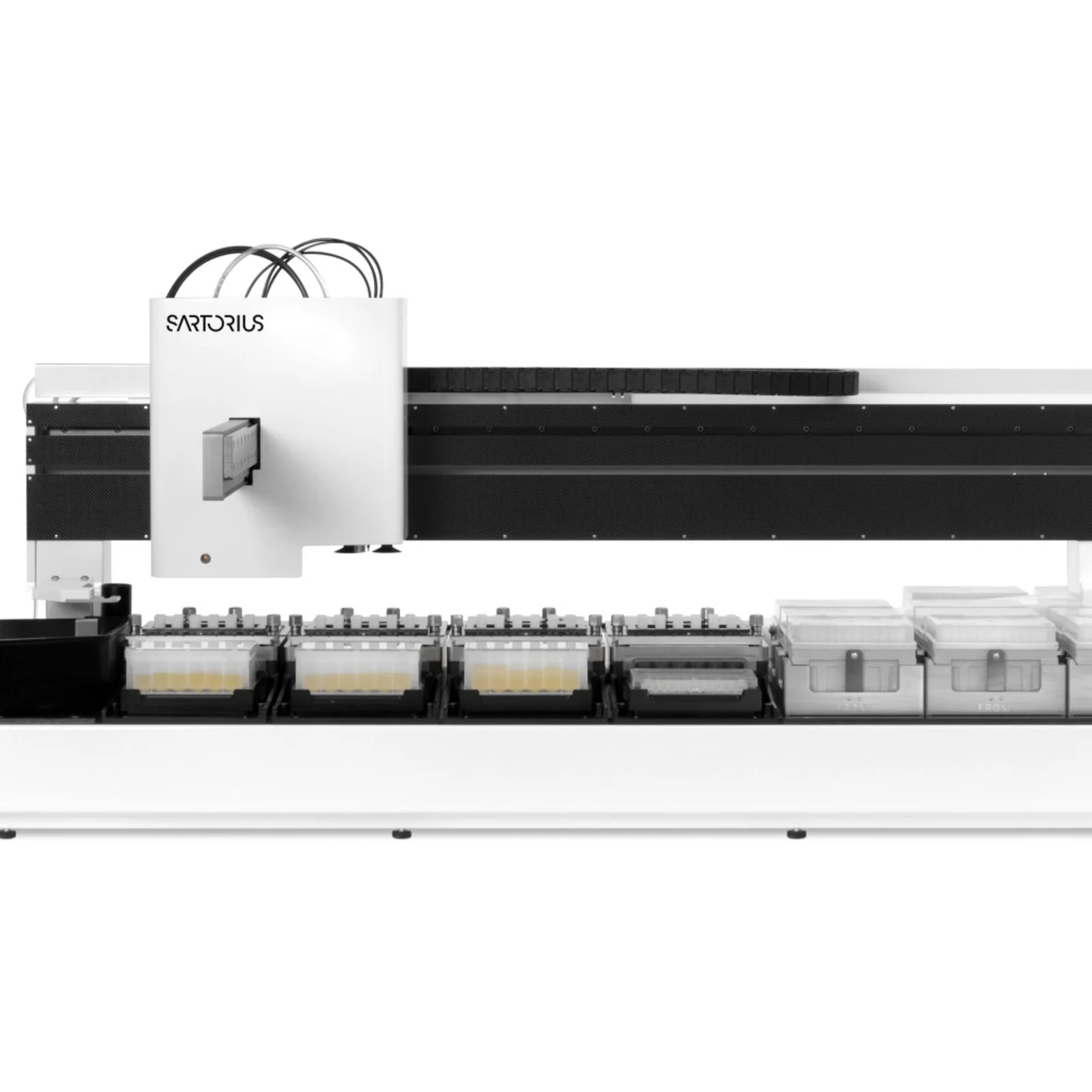
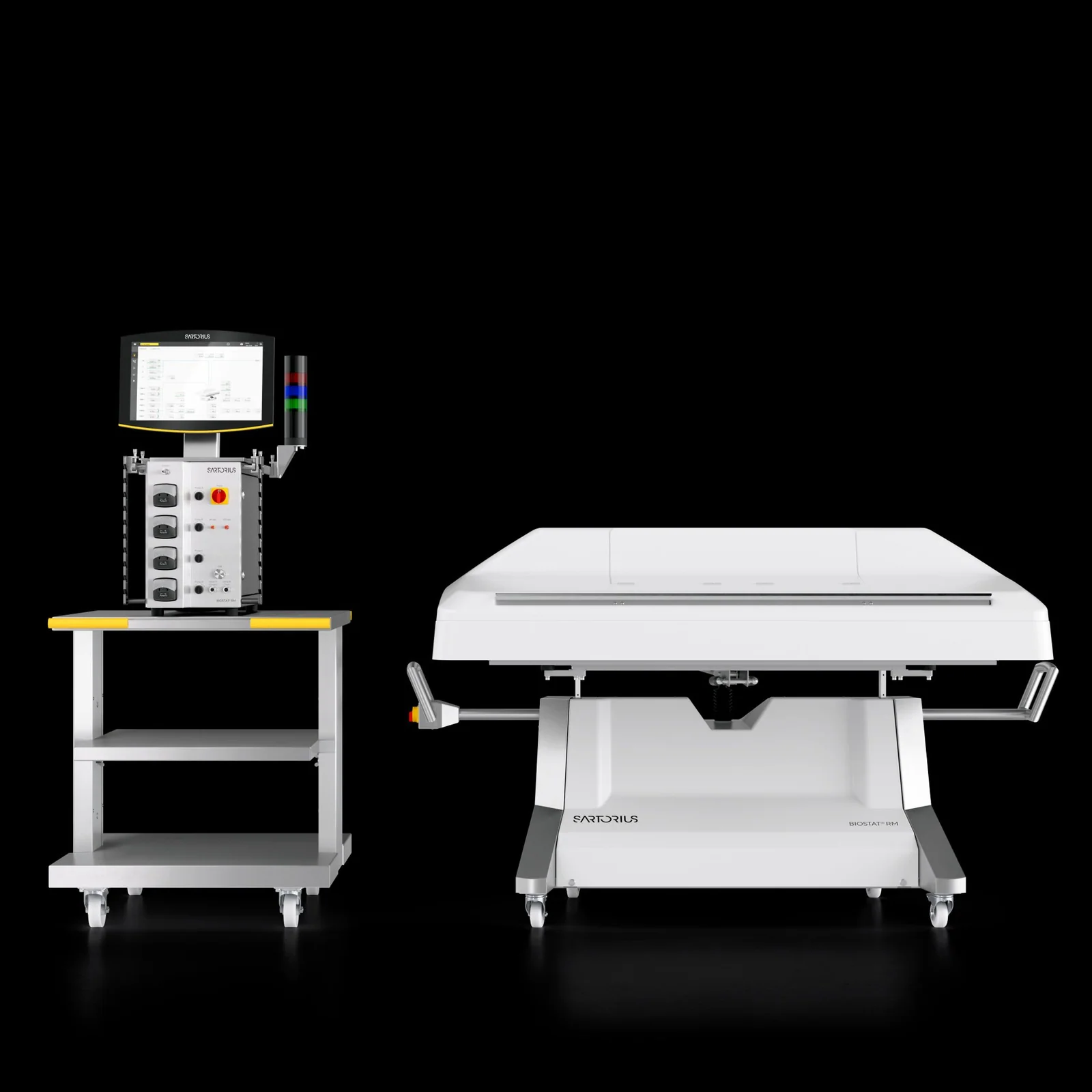
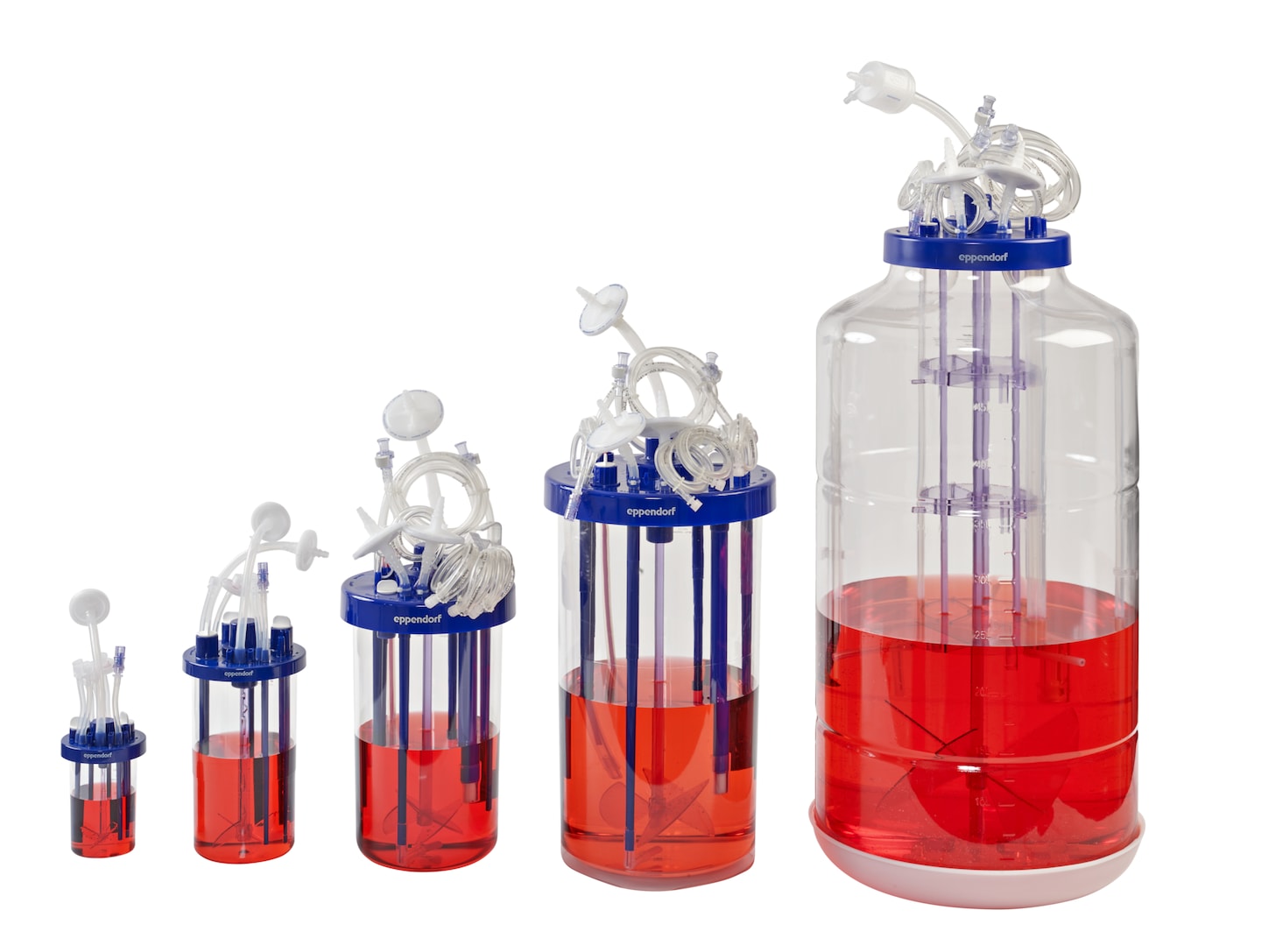
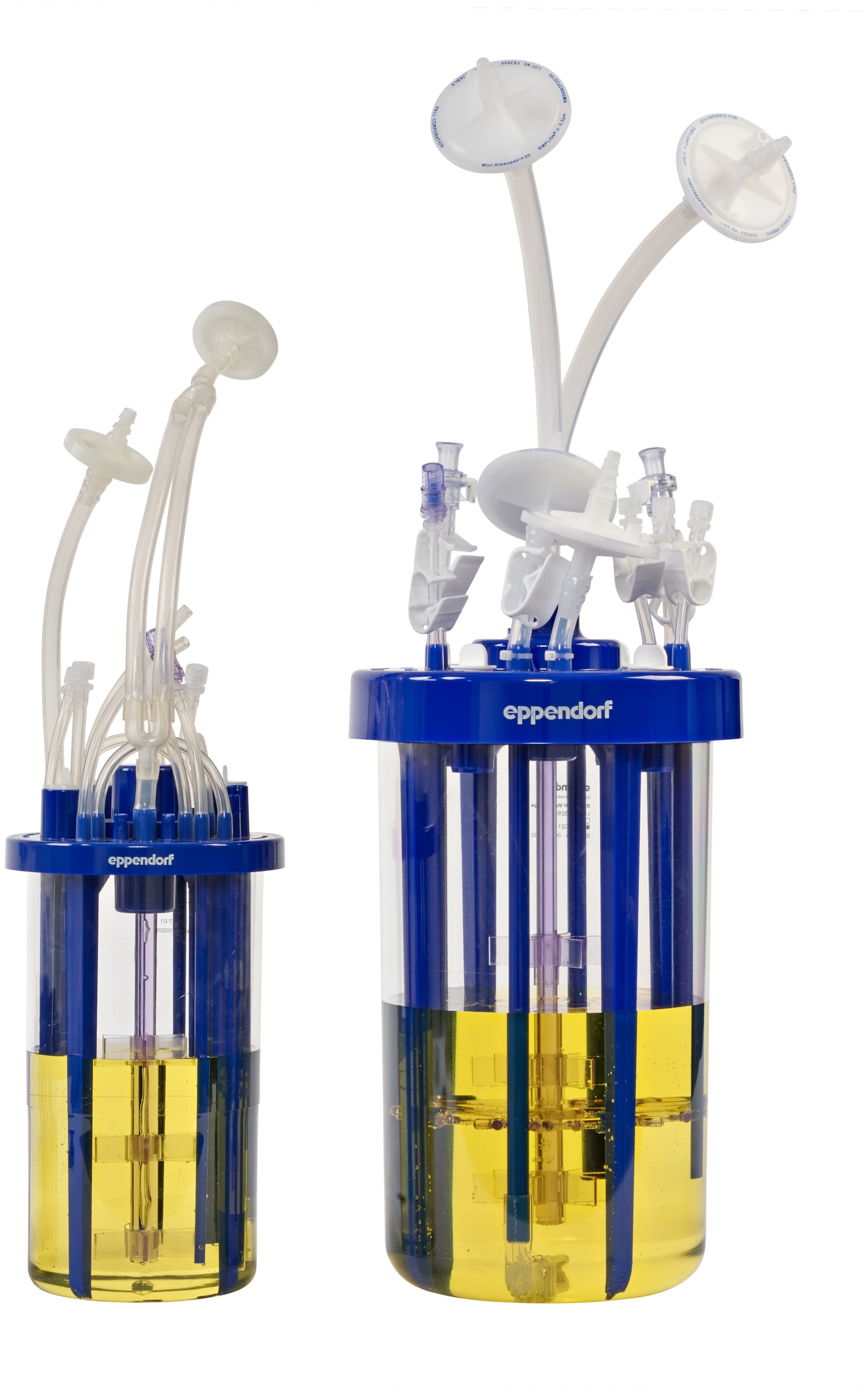
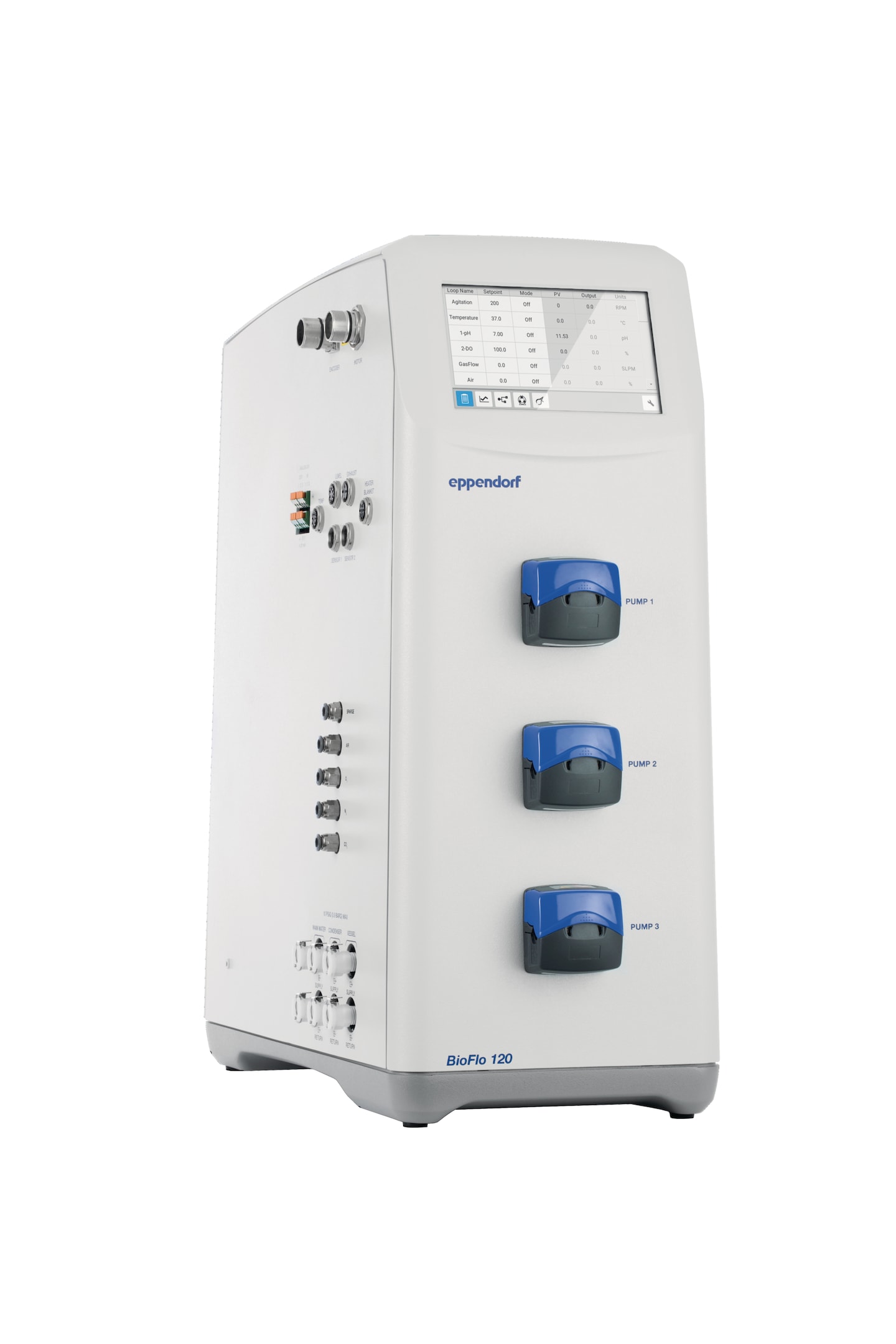
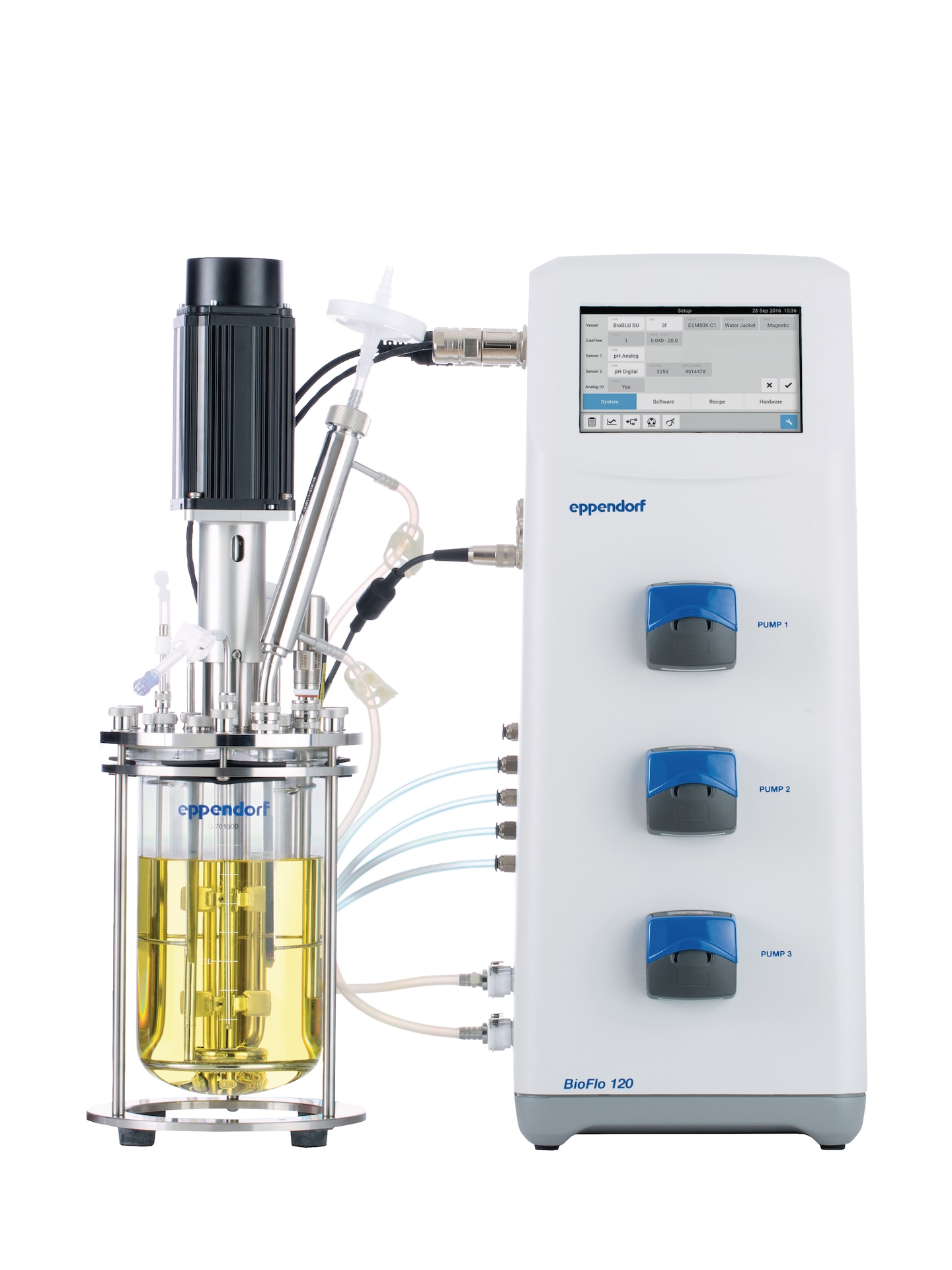
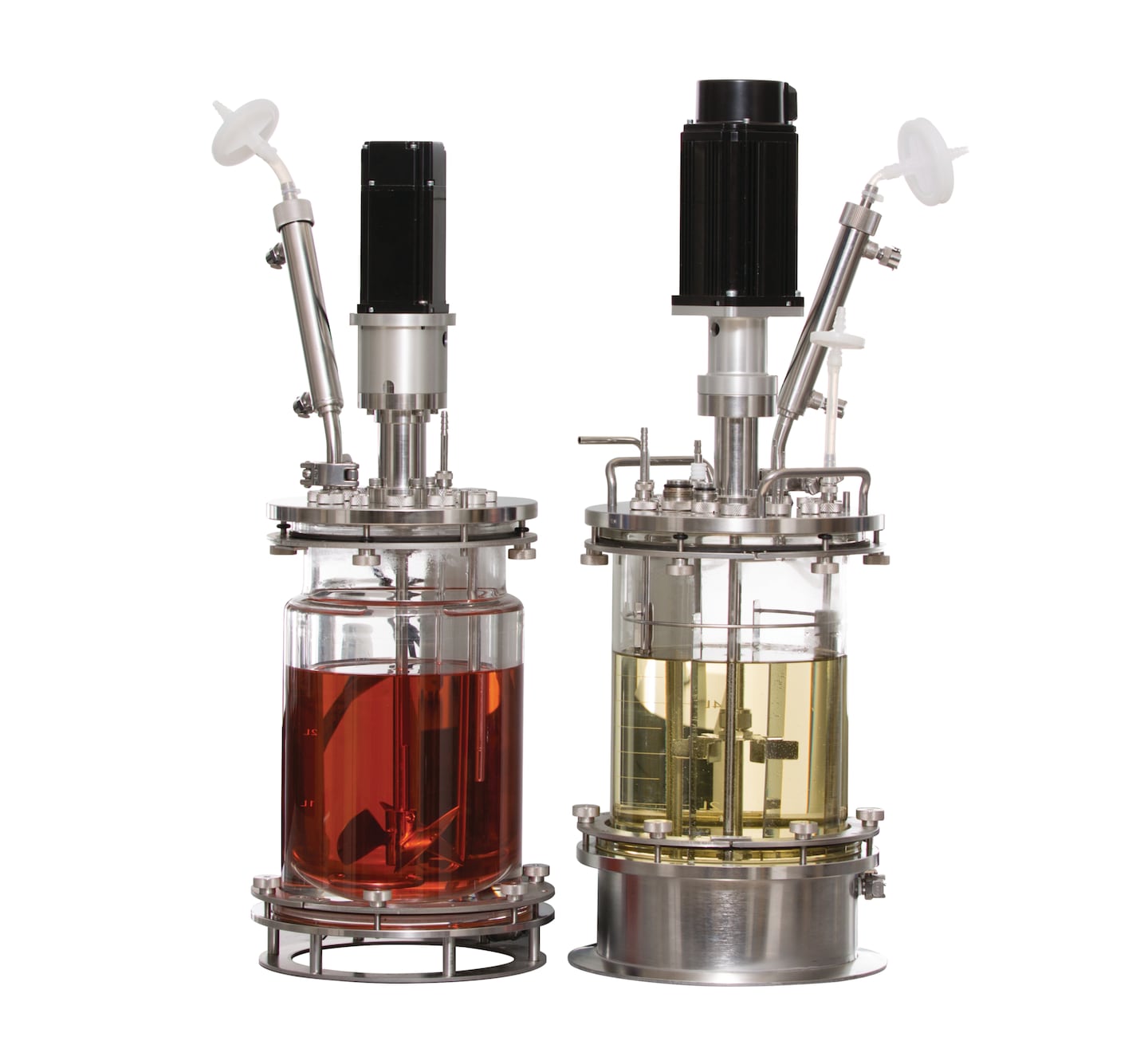
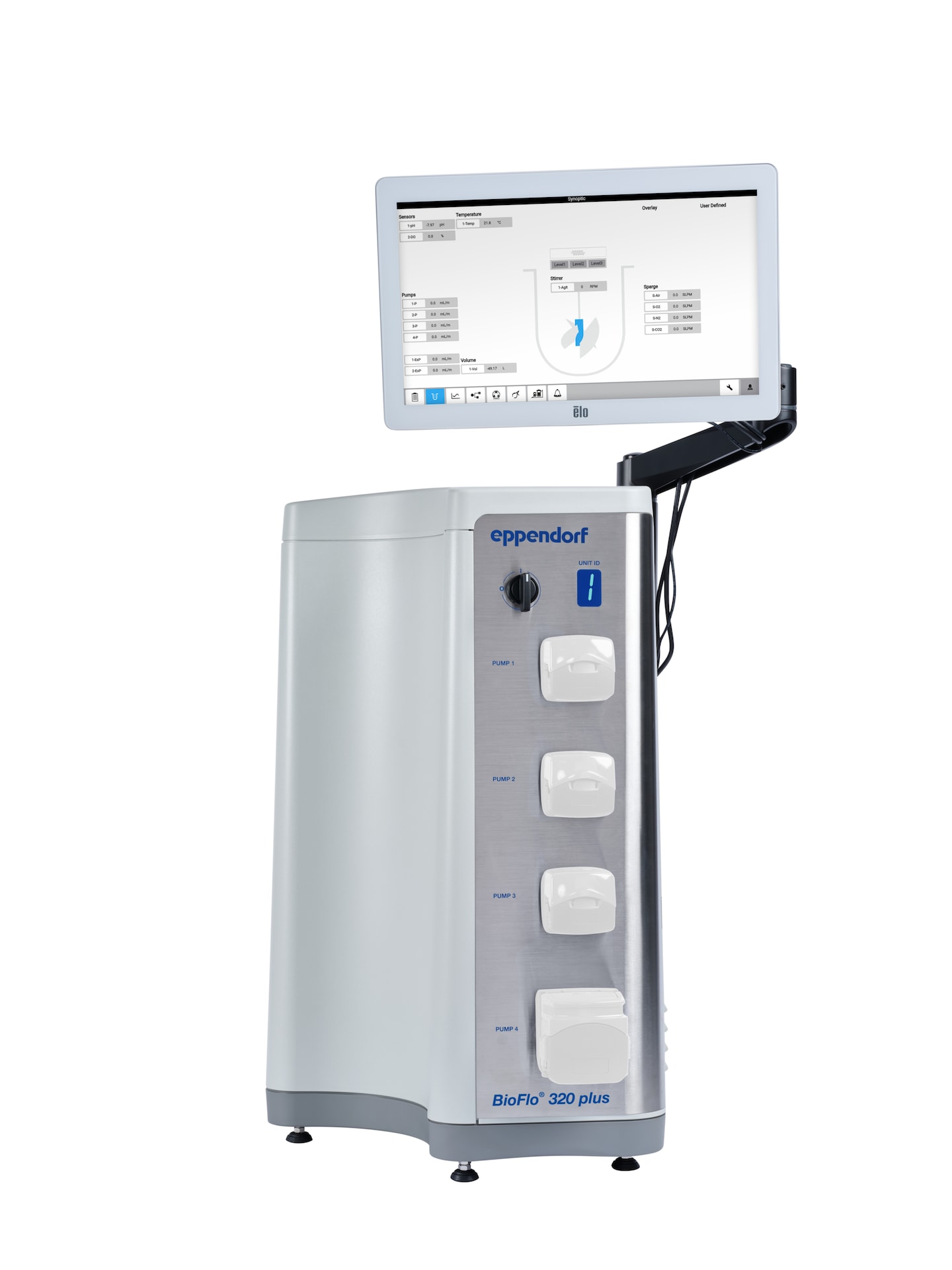
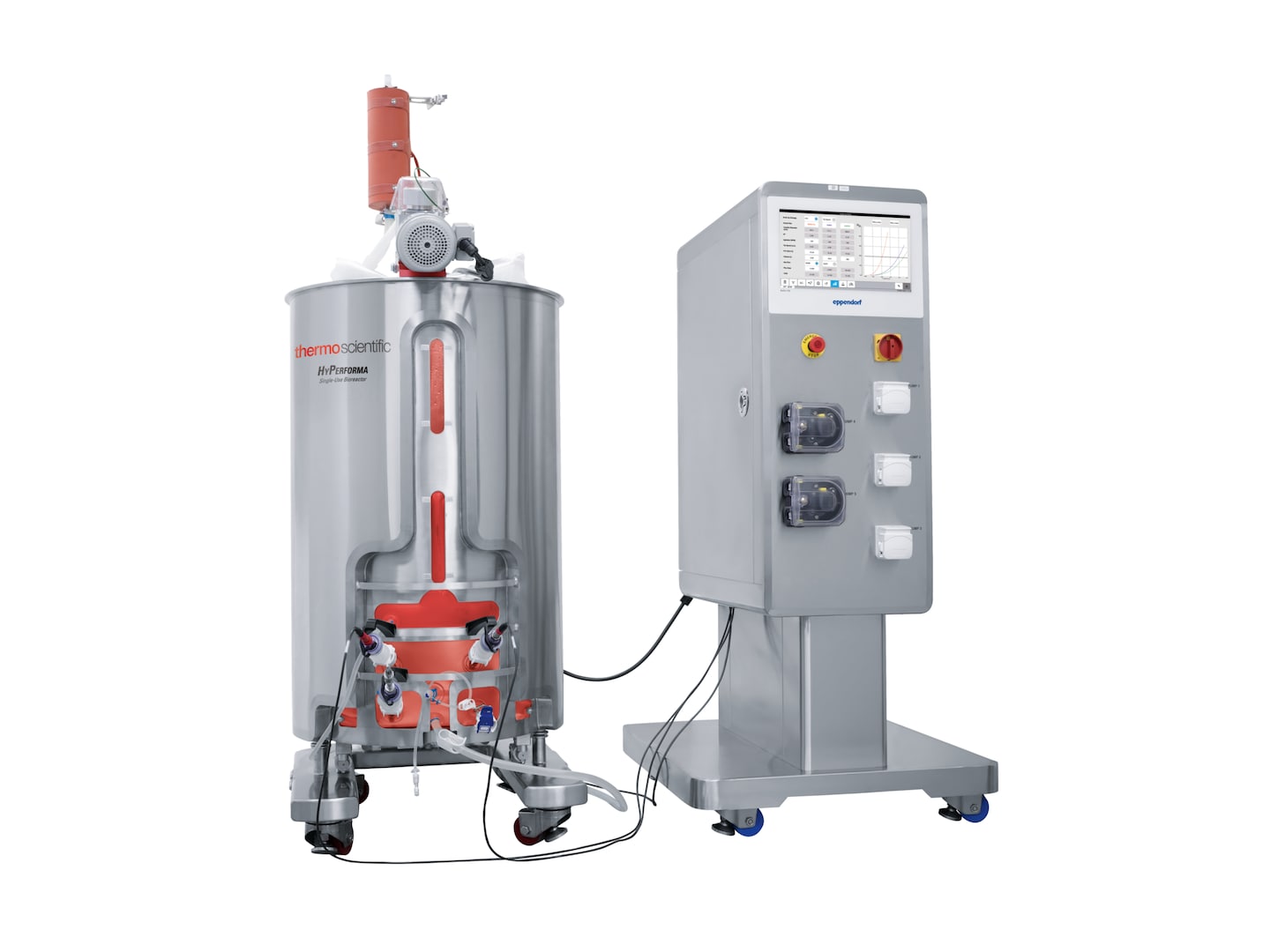
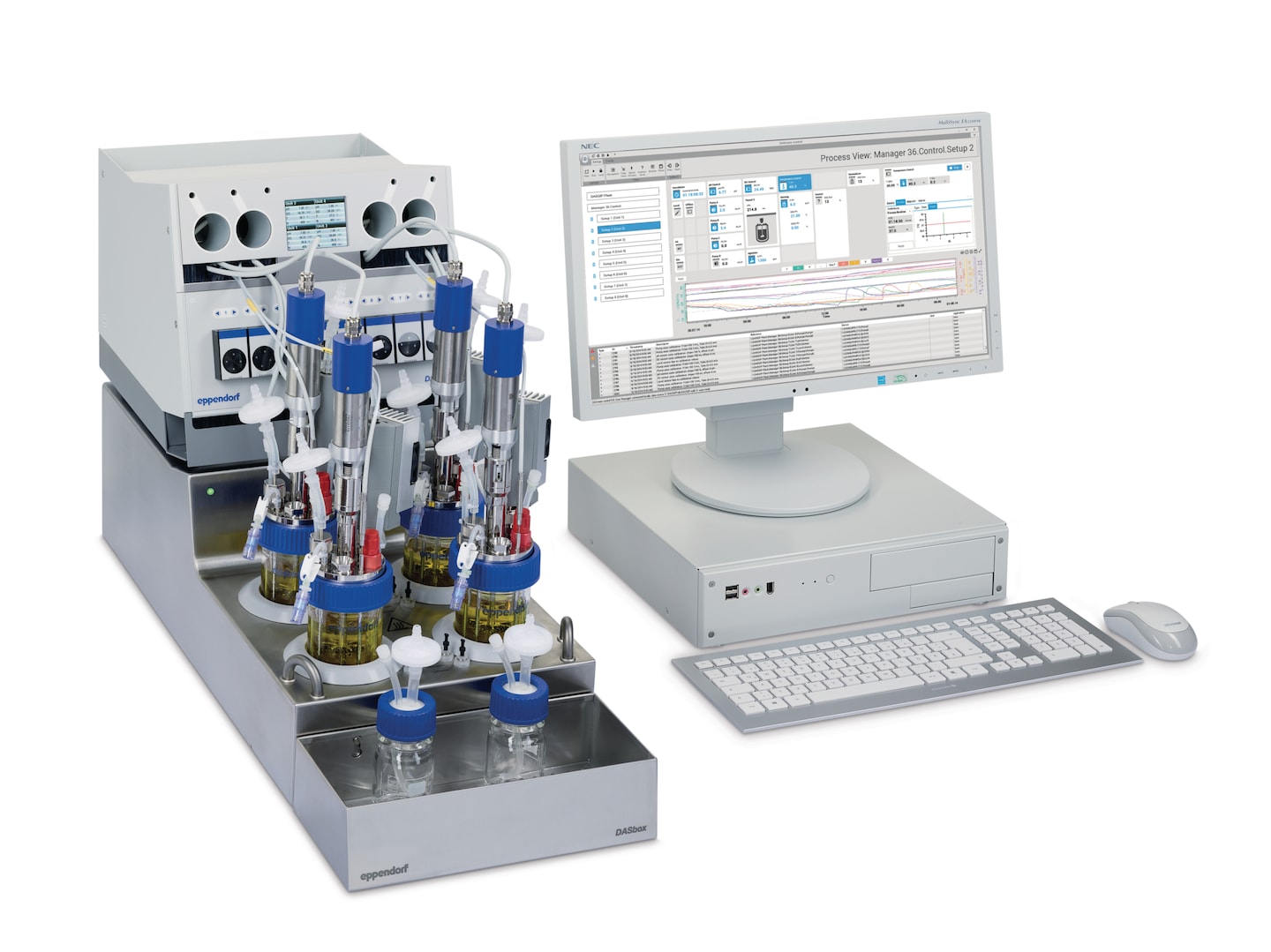
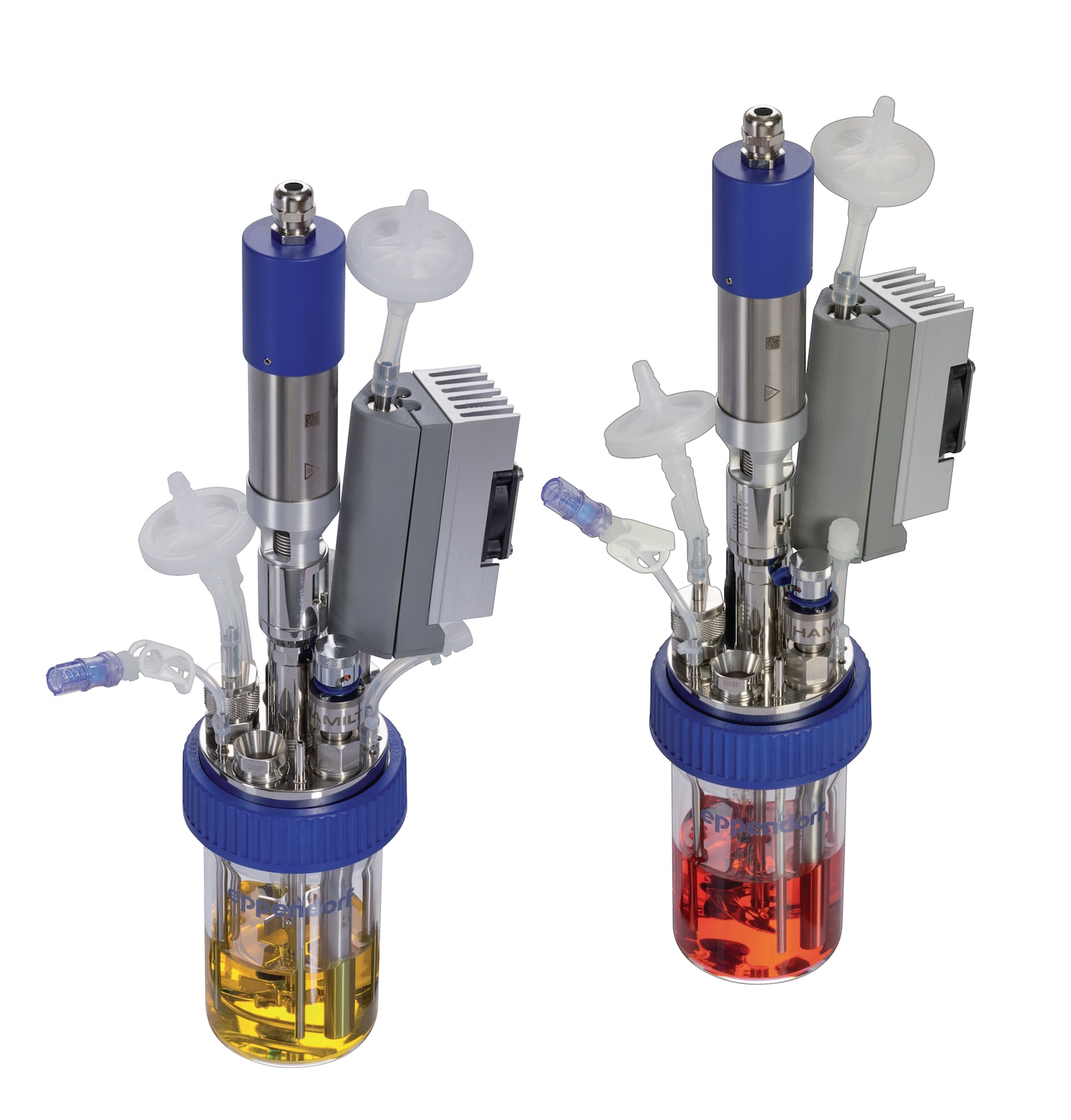
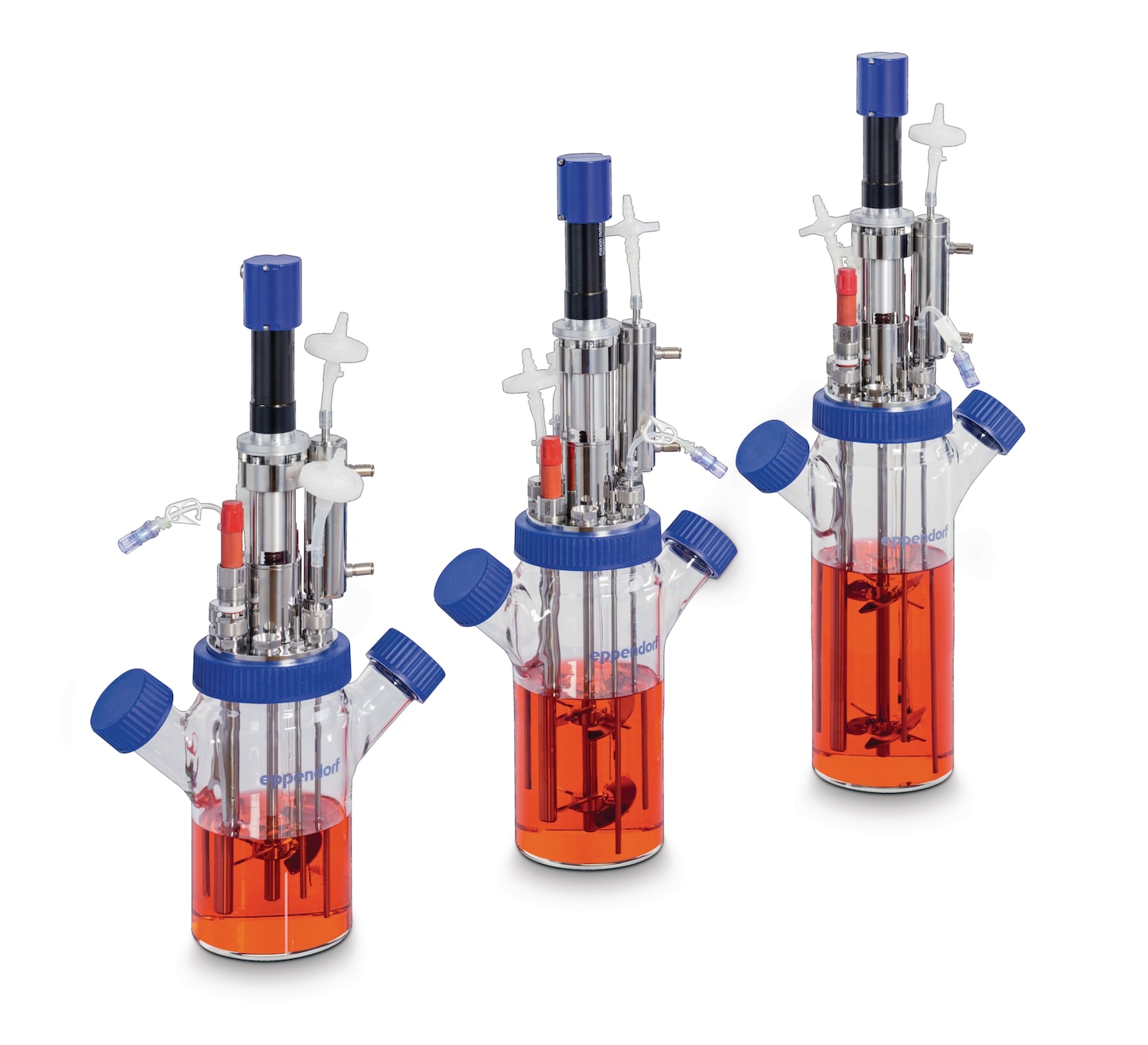
Bioreactor and fermentation equipment
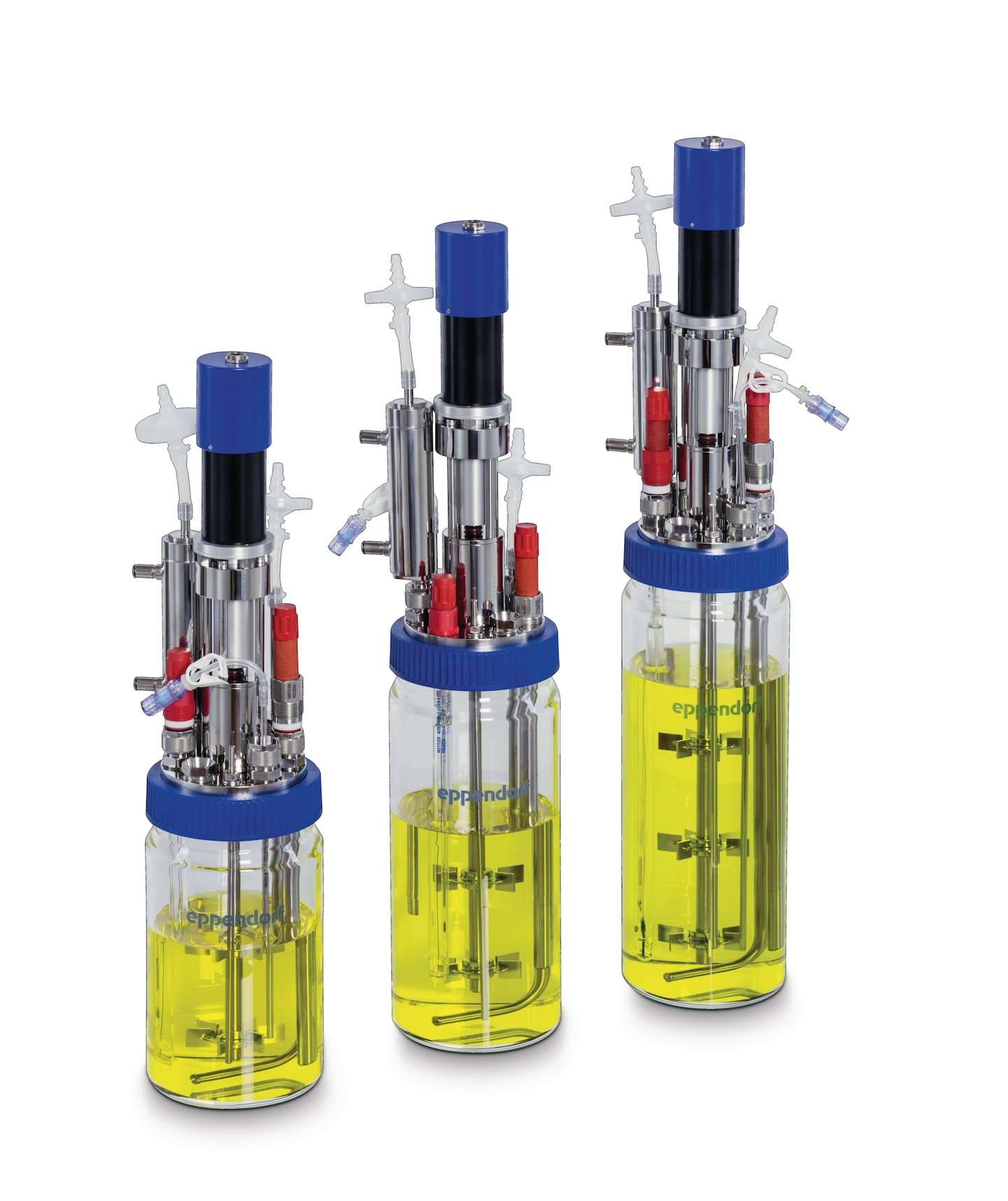
Bioreactor and fermentation equipment
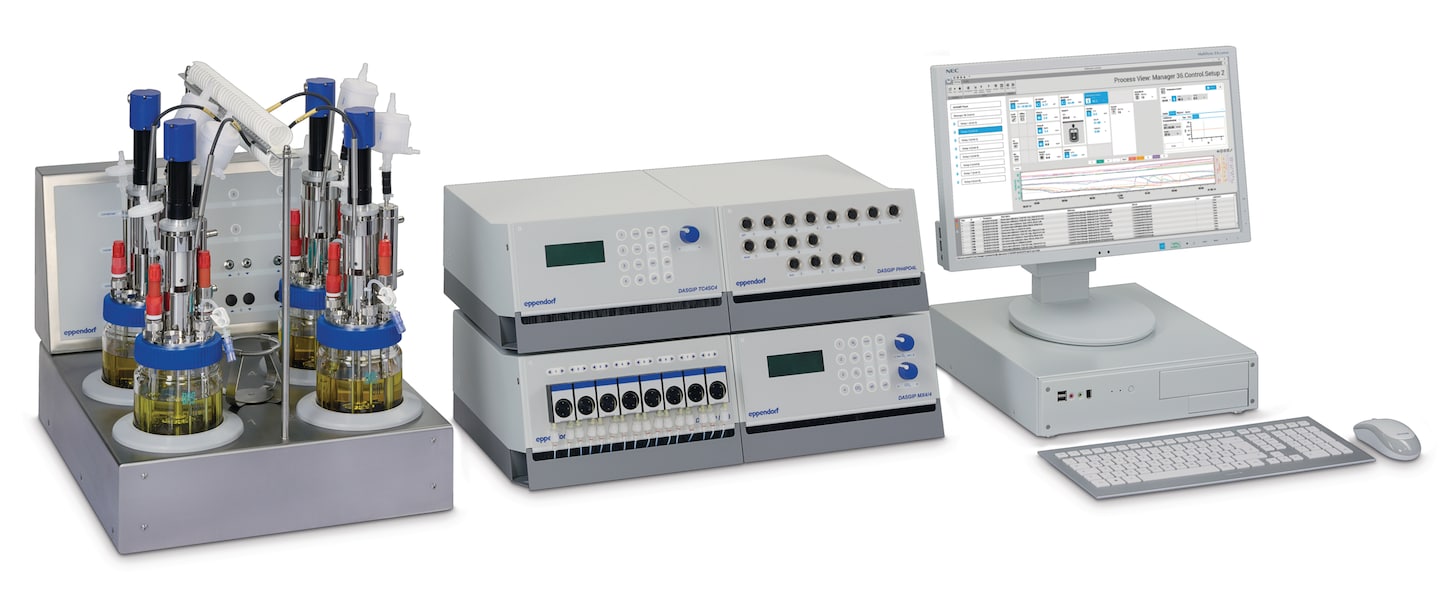
Bioreactor and fermentation equipment
Bioreactor and fermentation equipment
Browse the Bioreactors & Fermenters category. It currently contains two Eppendorf products. The BioBLU 3c catalogue-number filter and BioBLU 3f catalogue-number filter each apply the Eppendorf brand, this category and an exact configuration reference. The numeric catalogue reference avoids ambiguity between similar 3c/3f product-family names. Open the BioBLU 3c catalogue listing and BioBLU 3f catalogue listing to review their records.
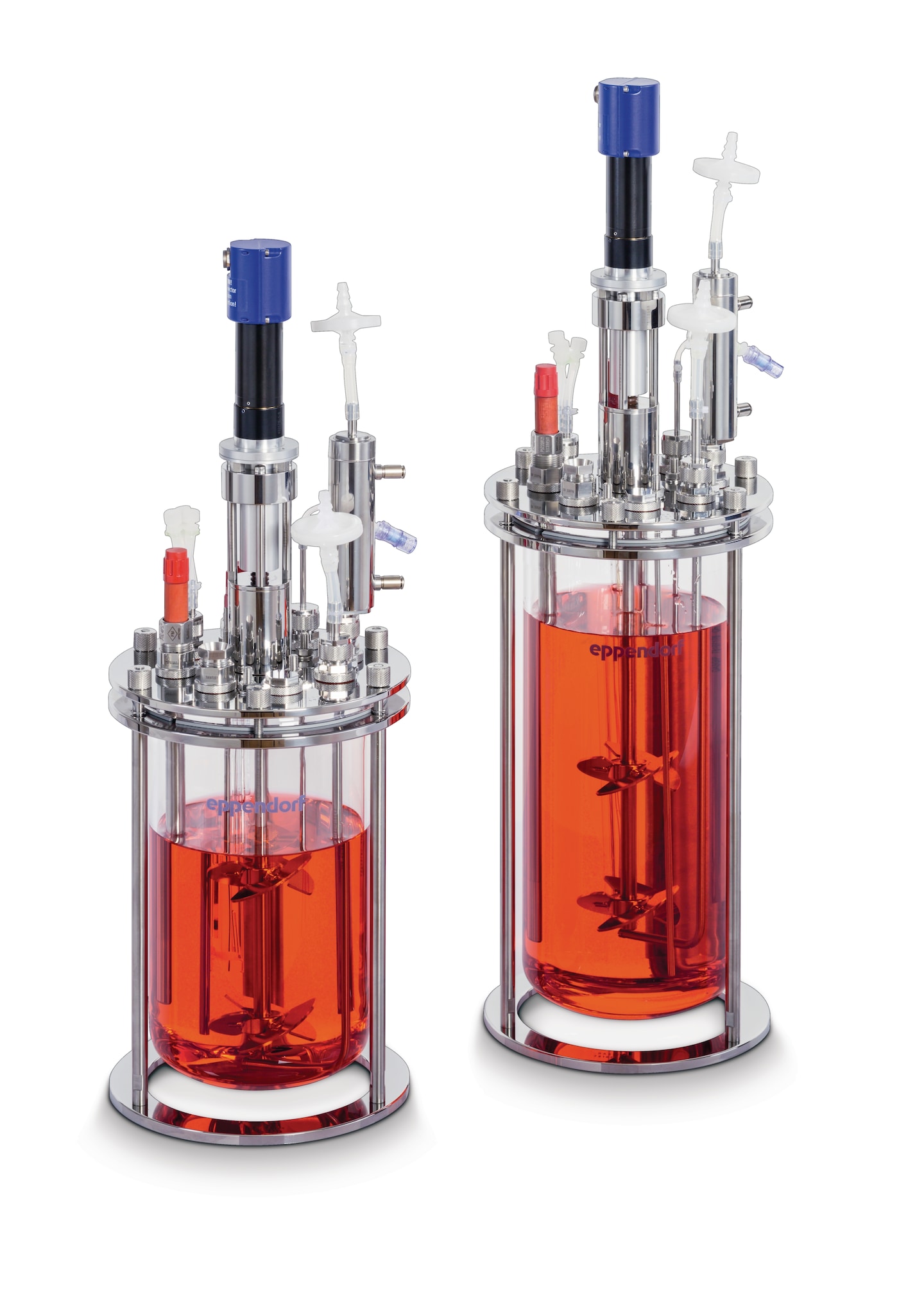
Read moreThe first listing is the Eppendorf BioBLU 3c Single-Use Bioreactor, reviewed against catalogue number 1386125000. Eppendorf's c-line is a rigid-wall stirred-tank single-use vessel family for mammalian and insect cell cultivation. The manufacturer gives the BioBLU 3c working-volume range as 1.25–3.75 L. For catalogue number 1386125000, Eppendorf lists a macrosparger, one pitched-blade impeller, optical pH, X-ray irradiation and a one-piece package. Verify the exact current item, included accessories and regional order code in the quotation.
Read moreBioBLU 3c is the cell-culture vessel listed in this category. Eppendorf describes the BioBLU c family for mammalian and insect cells in suspension, on microcarriers or as cell aggregates, while the 3c size covers a 1.25–3.75 L working-volume range. Those descriptions help identify the product family; they do not establish suitability for a particular cell line, culture medium, process mode or target output. The process owner should define the application and confirm it against the manufacturer's technical documentation.
Read moreBuy a laboratory bioreactor or fermenter in Nigeria by matching the vessel design, working-volume range, culture type, impeller and sparger configuration, sensors, controller and site interfaces to the process-development brief. Franance currently lists two Eppendorf BioBLU 3 L single-use vessels: BioBLU 3c for cell-culture applications and BioBLU 3f for microbial fermentation. These are vessel records, not complete bioprocess systems. A controller, drive, gas supply, sensors or other process equipment must be identified separately unless the written quotation states it is included. The two listings share an approximate 1.25–3.75 L working-volume range, but they are built for different process roles. The 3c record is a cell-culture vessel with a macrosparger, pitched-blade impeller and optical pH in catalogue configuration 1386125000. The 3f record is a microbial fermentor with a macrosparger, three Rushton-type impellers, no pH and non-sterile/autoclavable status in catalogue configuration 1386000900. Those configuration details matter more than the shared BioBLU 3 name. Franance takes quote orders rather than online payment. Use the exact model filters, then submit the process and installation requirements for review. The listings do not validate a process, guarantee scale-up comparability, establish regulatory suitability or confirm Nigerian availability or service.
Browse the Bioreactors & Fermenters category. It currently contains two Eppendorf products. The BioBLU 3c catalogue-number filter and BioBLU 3f catalogue-number filter each apply the Eppendorf brand, this category and an exact configuration reference. The numeric catalogue reference avoids ambiguity between similar 3c/3f product-family names. Open the BioBLU 3c catalogue listing and BioBLU 3f catalogue listing to review their records.
These filters identify the products Franance currently assigns to this category; they are not complete market inventories. The exact manufacturer catalogue number and its supplied configuration should be stated in every offer. If you need a vessel/controller combination, request an itemised system proposal instead of assuming the vessel page represents a complete instrument.
The first listing is the Eppendorf BioBLU 3c Single-Use Bioreactor, reviewed against catalogue number 1386125000. Eppendorf's c-line is a rigid-wall stirred-tank single-use vessel family for mammalian and insect cell cultivation. The manufacturer gives the BioBLU 3c working-volume range as 1.25–3.75 L. For catalogue number 1386125000, Eppendorf lists a macrosparger, one pitched-blade impeller, optical pH, X-ray irradiation and a one-piece package. Verify the exact current item, included accessories and regional order code in the quotation.
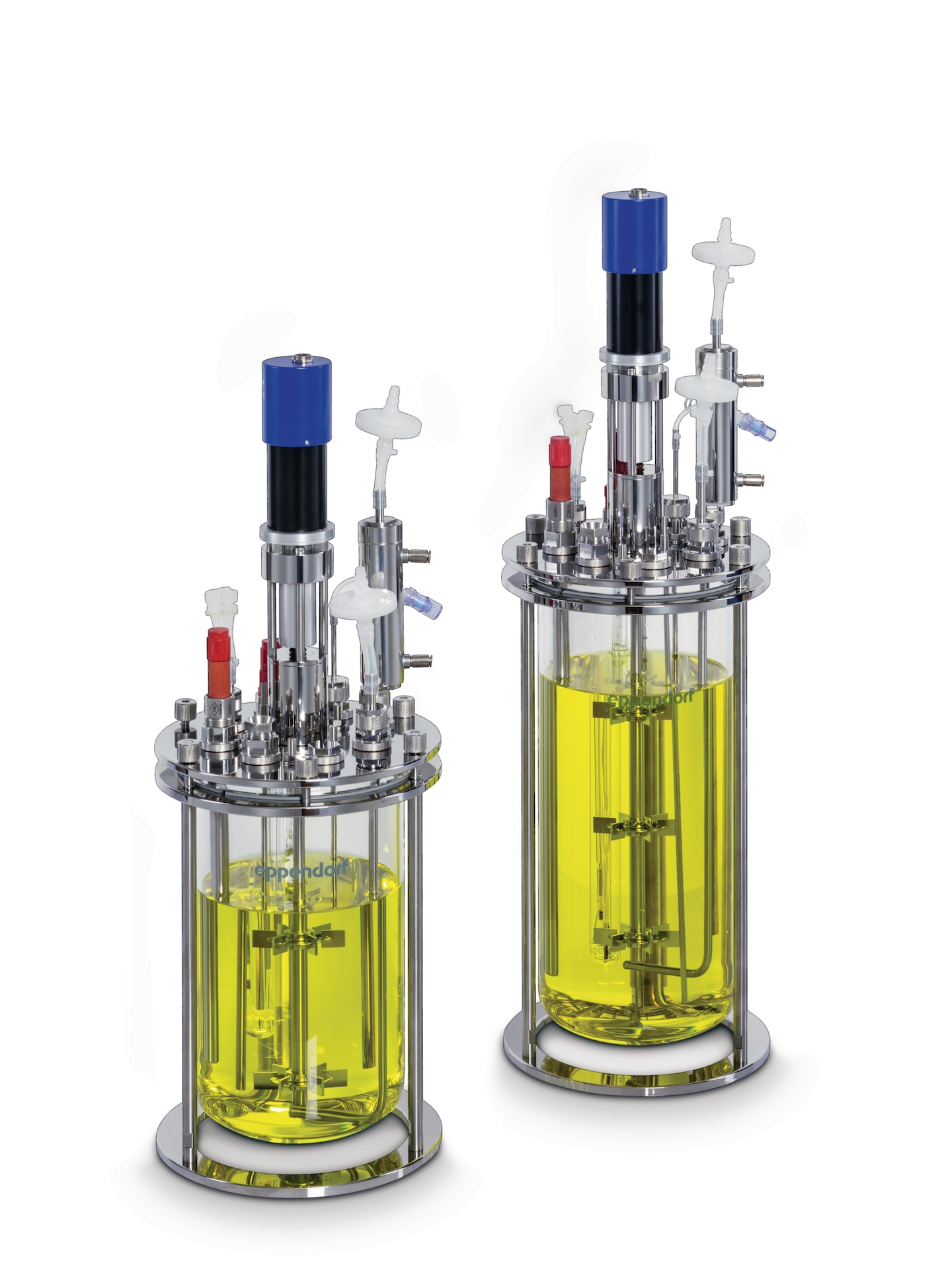
The second listing is BioBLU 3f Single-Use Bioreactor, catalogue number 1386000900. Eppendorf positions the f-line for microbial fermentation, including bacteria, yeasts and fungi, and lists the 3f working-volume range as 1.25–3.75 L. Its exact record is macrosparger, three Rushton-type impellers, no pH, non-sterile and one piece. Eppendorf states that the 3f is not presterilized and is autoclavable. Do not infer that it arrives sterile because other BioBLU f models are supplied sterile.
The category's two product records are intentionally specific. They do not include every Eppendorf BioBLU model, every configuration, or every controller and accessory. Confirm the exact catalogue number, disposable-vessel pack size, sterilization status, sensors and ports before procurement.
BioBLU 3c is the cell-culture vessel listed in this category. Eppendorf describes the BioBLU c family for mammalian and insect cells in suspension, on microcarriers or as cell aggregates, while the 3c size covers a 1.25–3.75 L working-volume range. Those descriptions help identify the product family; they do not establish suitability for a particular cell line, culture medium, process mode or target output. The process owner should define the application and confirm it against the manufacturer's technical documentation.
For the reviewed 1386125000 configuration, the product record identifies a macrosparger, one pitched-blade impeller and optical pH. Eppendorf's c-line page describes optical pH sensing, port arrangements and compatibility with small and bench-scale bioprocess controllers. The controller, sensor module, drive, calibration equipment, tubing, gas handling and other platform components are separate system decisions. Confirm what the selected controller supports, which modules are installed and what is included.
Clarify whether the process is batch, fed-batch, perfusion or another mode; what working-volume range is used; what the vessel must support for additions, sampling and harvest; and which pH, dissolved oxygen and temperature measurement and control capabilities are needed. Request the exact vessel drawing, headplate layout, port and connector specifications, and controller interface documentation. Do not assume a spare port, optical sensor spot or software control function is part of the selected package without confirmation.
BioBLU 3f is the microbial-fermentation model in this pair. Eppendorf describes the f-line for bacteria, yeasts and fungi and lists the 3f working-volume range as 1.25–3.75 L. The exact catalogue reference 1386000900 is listed with a macrosparger, three Rushton-type impellers, no pH, non-sterile status and one piece. Eppendorf says the 3f is not presterilized and is autoclavable; this status differs from certain smaller f-line vessels identified as delivered sterile. Confirm the vessel preparation requirements and autoclave process with Eppendorf and the site's technical lead.
The lack of pH in the reference configuration is a purchasing detail, not a statement about whether the process needs pH monitoring. If the process requires pH, dissolved oxygen, temperature, foam, mass or off-gas measurement, state each parameter and ask for the appropriate controller, probes, adapters, calibration and software configuration. Confirm whether the vessel ports and controller can support the sensors and additions in the intended workflow.
Eppendorf describes three Rushton-type impellers and a macrosparger for this 3f configuration. Those component labels do not promise a particular oxygen transfer rate, mixing time, productivity, cell density or scale-up outcome. Ask the process engineer and manufacturer to assess expected operating conditions, gas flow, agitation range, exhaust handling and heat removal for the specific microbial process and its safety constraints.
Choose 3c when the requirement is the listed cell-culture vessel configuration: 1386125000, macrosparger, one pitched-blade impeller, optical pH and X-ray irradiation. Choose 3f when the requirement is the listed microbial fermentor configuration: 1386000900, macrosparger, three Rushton-type impellers, no pH, and a vessel stated as non-sterile and autoclavable. Both product records cover the 3 L class; they are not variants that can be swapped without reviewing process requirements.
The c and f families have different intended application areas and internal configurations. A buyer should not assume that a controller recipe, sensor package, impeller arrangement, sparger, vessel ports, materials or sterilization status transfer from one family to the other. Verify each point against the exact product reference, current vessel documentation and controller version. Eppendorf's statements about family compatibility do not mean every third-party controller automatically supports every BioBLU configuration.
Also distinguish “single-use” from “complete system.” A single-use vessel is a process-contact item; it still relies on compatible drive and control equipment and, depending on configuration, sensors, gas delivery, exhaust, feed, sample and harvest connections. Request an equipment list showing vessel and consumables separately from reusable controller hardware, accessories, installation and software.
Eppendorf lists a 1.25–3.75 L working-volume range for both BioBLU 3c and 3f. Treat this as a manufacturer-stated range for the vessel family, not a recommended fill volume for every organism, cell line, formulation or operating mode. Define the minimum and maximum liquid volume for your process and ask the manufacturer whether the exact configuration can support the vessel fill, mixing and sensor requirements at those points.
Prepare a scale-up brief using the features relevant to your process: vessel working volume, aspect ratio and headplate arrangement, impeller count and type, sparger configuration, gas flow, agitation range, pH and dissolved oxygen measurement/control, temperature management, feed and sample ports, harvest path, and exhaust treatment. Eppendorf's product-family materials give vessel configuration and controller compatibility. The process engineering team still needs to evaluate whether those features are suitable for the biological and operating requirements.
A matching nominal working-volume range does not prove equivalent biological behavior across vessels, scales or manufacturers. ISPE bioprocess discussion highlights that geometry, impellers, spargers, gas handling and control strategies can affect performance and that engineering similarities alone do not guarantee biological equivalence. Treat scale-up as an experimental and process-development question. Do not buy on a claim that the same vessel number or geometric descriptor guarantees comparable yields or culture outcomes.
First determine whether the facility already has a compatible bioprocess controller and drive. Eppendorf lists small and bench-scale Eppendorf and selected third-party controllers as compatible with BioBLU family vessels, and its BioBLU brochure lists controller platforms by name. Compatibility depends on the precise vessel, controller model, modules, software, firmware, motor, sensor interface and adapters. Ask the manufacturer to confirm the proposed combination in writing.
Request an itemised system architecture: vessel part number and pack quantity; controller and drive; pH/DO/temperature modules and sensors; sparger and gas connections; pump heads and tubing; feed, sampling and harvest accessories; exhaust condenser or treatment; calibration equipment; software and data interfaces; and installation or training. For 3c, confirm the optical pH reader/module for the selected controller and whether a dissolved-oxygen sensor or module is in the package. For 3f, remember catalogue 1386000900 is identified as no pH and non-sterile; specify any pH capability or sterilization preparation separately.
If you expect to use your own controller or a third-party system, provide the manufacturer and model, installed modules, connector types, firmware/software version and vessel family. Ask for controller-vessel compatibility and any required adapter kit. A generic claim of compatibility across a product family is not a connection specification or assurance that an existing platform is ready to run the planned process.
A vessel-only offer is not a room installation specification. For the complete setup, request electrical requirements for the controller, drive, pumps and auxiliaries; voltage, frequency, phase and plug; heat rejection; gas sources and purity; pressure regulation; exhaust and condensation needs; water or cooling connections if required; drainage; and network or data export needs. The exact utility list depends on the selected controller, vessel, modules and process. Confirm each item against manufacturer installation manuals.
Measure bench space, equipment footprint, service access, clearance, load-bearing surface, room ventilation and route from receiving to installation. Consider the location of gas cylinders or central gas supply, safe line routing, exhaust treatment and operator access. If the room needs backup power or power conditioning, determine the electrical load for the entire configured system rather than using the disposable vessel record as a proxy.
Include the delivery address in Nigeria, laboratory type, site contact and installation timing in the enquiry. Ask what installation, controller setup, calibration, commissioning, operator training and maintenance support are available for that destination and who provides each service. Franance's product records do not establish local stock, warranty, response times, spare-parts availability or service network.
Product specifications describe hardware, not a validated bioprocess. The vessel's working-volume range, sensor option, impellers and sparger cannot establish a process's control strategy, yield, product quality, sterility, reproducibility or regulatory acceptance. The research or manufacturing organization must define the process, development evidence, acceptance criteria and control strategy for its intended use.
For R&D, identify the biological material, process mode, target operating range, measurements, sampling schedule, data requirements and questions that remain experimental. Ask the manufacturer to provide technical documents for the equipment configuration, and record what is outside the supplier's scope. For regulated manufacturing, involve quality, engineering and regulatory teams early. FDA's process validation guidance applies to process validation for human and animal drugs and biological products; it is not an equipment certificate or proof that the listed vessels meet any particular facility's requirements.
For scale-up or technology transfer, compare the actual process operating space at each scale and configuration. Record geometry, impeller and sparger design, gas handling, sensors, control loops, additions and exhaust. Verify the evidence needed for the organization's intended use instead of assuming same-family equipment ensures equivalence. Do not use this product guide as a protocol, a validation report or a recommendation for process parameters.
Provide the exact Eppendorf product and reference: BioBLU 3c catalogue 1386125000 or BioBLU 3f catalogue 1386000900. Include intended culture type, process-development or production use, minimum and maximum working volumes, operating mode, vessel package quantity, headplate and sensor needs, controller model and installed modules, software, adapters, gas and exhaust arrangements, process-contact accessories and delivery location. Identify any requirements for sterilization status, autoclaving, aseptic handling, pH/DO/temperature measurement, sampling and harvest.
Ask the quote to separate vessel or disposable pack from reusable controller, drive, sensors, pumps, cables, connectors, software, accessories, installation, training and service. Require confirmation of exact catalogue number, sterile or non-sterile status, included components, regional supply and any compatibility assumption. Ask for lead time, shipping, duties/taxes, warranty, local service, maintenance, spares and exclusions as written terms; do not infer them from a manufacturer's family page or example configuration.
Franance uses a quotation-order flow. Submit an enquiry and the team follows up by phone or email to confirm technical and commercial details. The listing itself does not provide online checkout, reserve a vessel or confirm availability. Ensure all configuration choices and system dependencies are resolved in the written offer before order approval.
Eppendorf's BioBLU c product page describes the c-line application range and working-volume sizes, and lists catalogue 1386125000 as a 3c configuration with macrosparger, one pitched-blade impeller, optical pH and X-ray sterilization. Eppendorf's BioBLU f product page lists 1386000900 with macrosparger, three Rushton-type impellers, no pH and non-sterile status; it gives the 3f volume range and says the 3f is autoclavable but not presterilized. The BioBLU single-use bioreactor brochure provides additional vessel/controller information. Confirm current configuration with the manufacturer before purchase.
The FDA Process Validation: General Principles and Practices guidance describes principles for manufacturing human and animal drugs and biological products. It is included only to clarify the scope of process validation discussion, not to suggest that the vessels are FDA-approved or that the guide establishes validation requirements for every research lab. The ISPE scale-up discussion emphasizes that engineering similarity alone does not assure biological equivalence; it is a professional discussion article, not a binding standard or validated scale-up protocol.
Open the BioBLU 3c listing filter or BioBLU 3f listing filter, then check the matching product details. Send Franance the exact catalogue number, process purpose, controller and drive details, sensors, accessories, volume range, utilities and Nigeria destination. Ask for a written quote that names the vessel and distinguishes it from all system equipment and services.
If you are still selecting between 3c and 3f, describe the cell or organism type and process question rather than asking for one universal “bioreactor.” The team can clarify the requested configuration with you, while your process owner and qualified technical stakeholders remain responsible for suitability, process design, validation and approval.
The Franance product records are for specific single-use vessel configurations. A controller, drive, sensors, software, gas delivery, pumps and accessories should be identified separately unless a written quotation explicitly includes them.
The cited Eppendorf information identifies catalogue 1386000900 as non-sterile and states that BioBLU 3f is not presterilized and is autoclavable. Confirm preparation, packaging and supplied status for the exact offer.
No. The range is a manufacturer-stated working-volume range. The models differ in intended process family and hardware configuration, and the same nominal range does not establish process equivalence, suitability or scale-up performance.
Tell Franance the exact BioBLU vessel catalogue number, culture/process purpose, volume range, controller and drive, sensor modules, accessories, utility needs, quantity and delivery destination. Ask the quote to distinguish disposable vessel items from reusable system equipment, installation and service, and confirm the exact configuration in writing.
Request a bioreactor quoteAdd the models you need to a quote order, or send us your equipment list.