

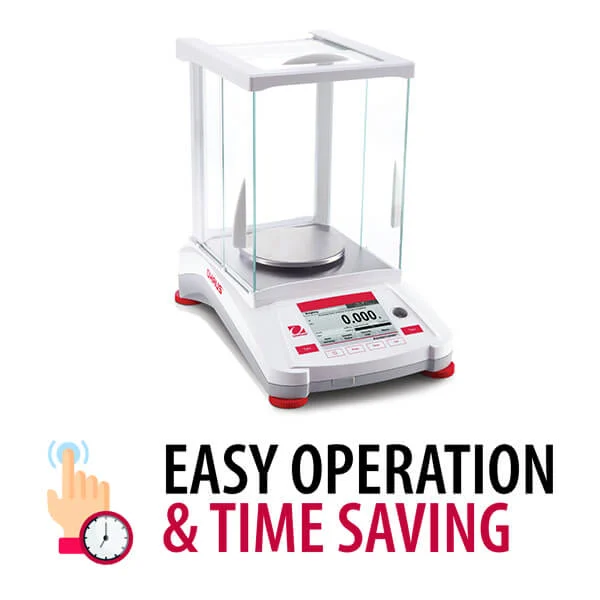
Buy Precision Balances in Nigeria.
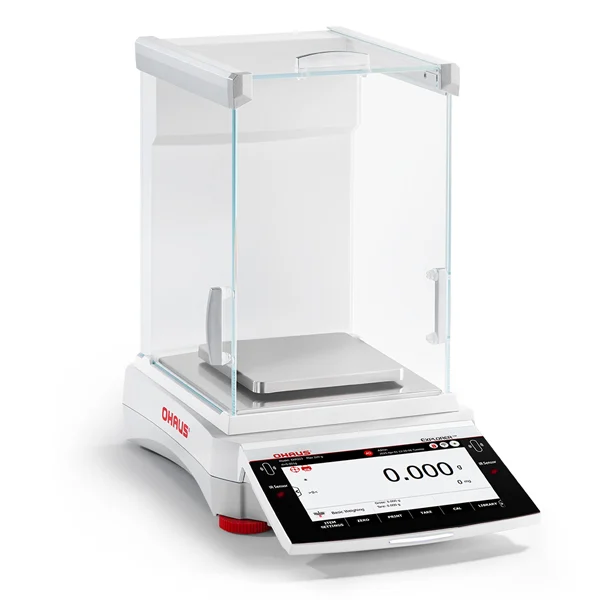
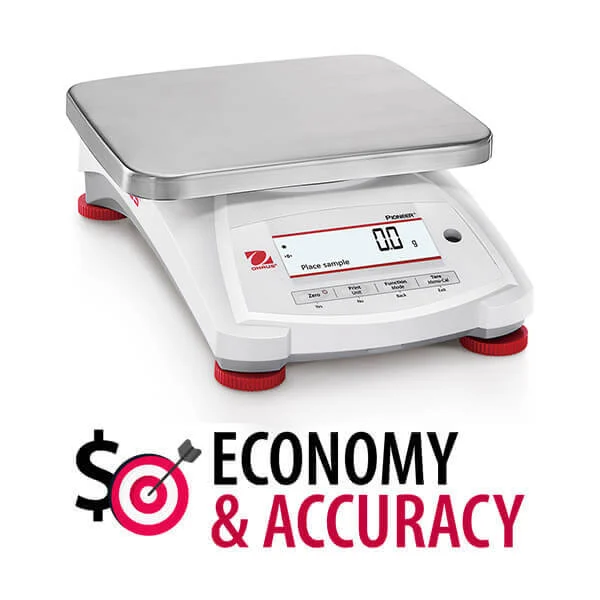
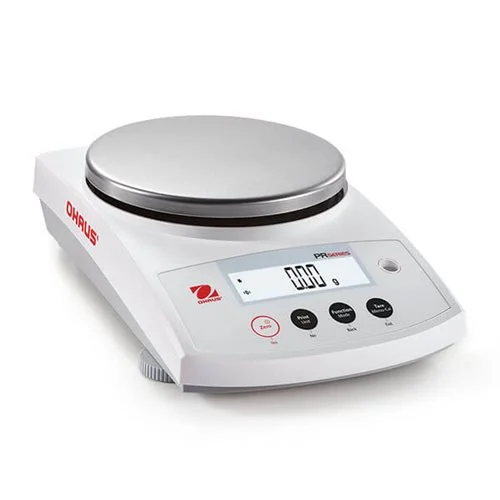
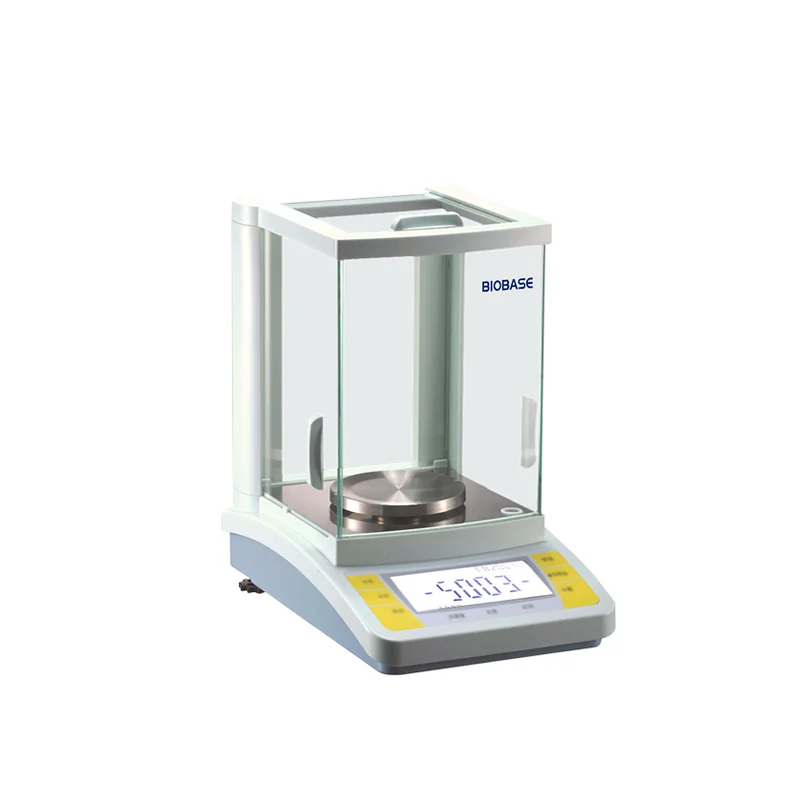
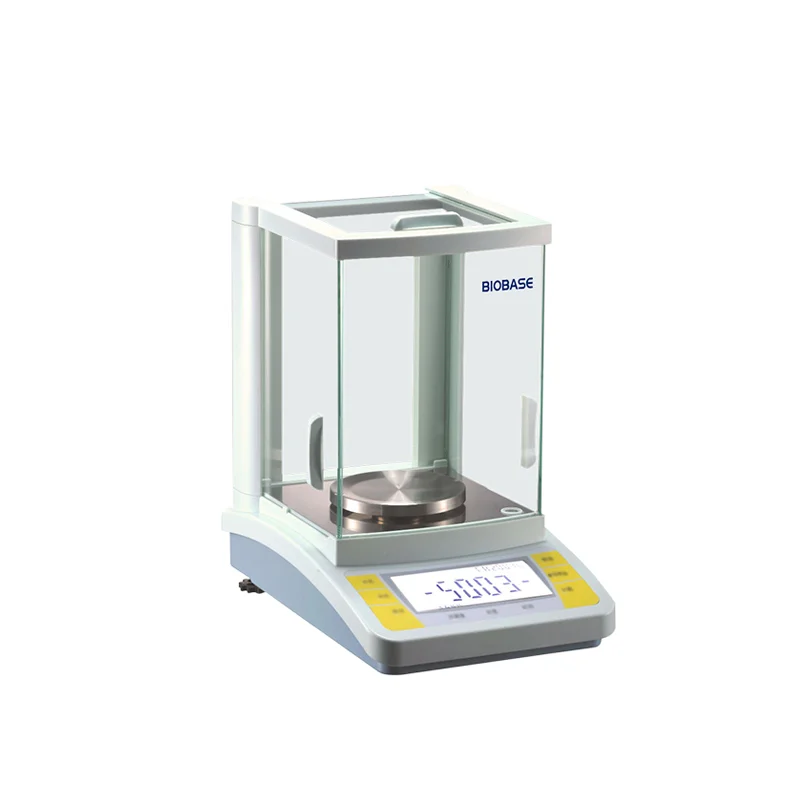
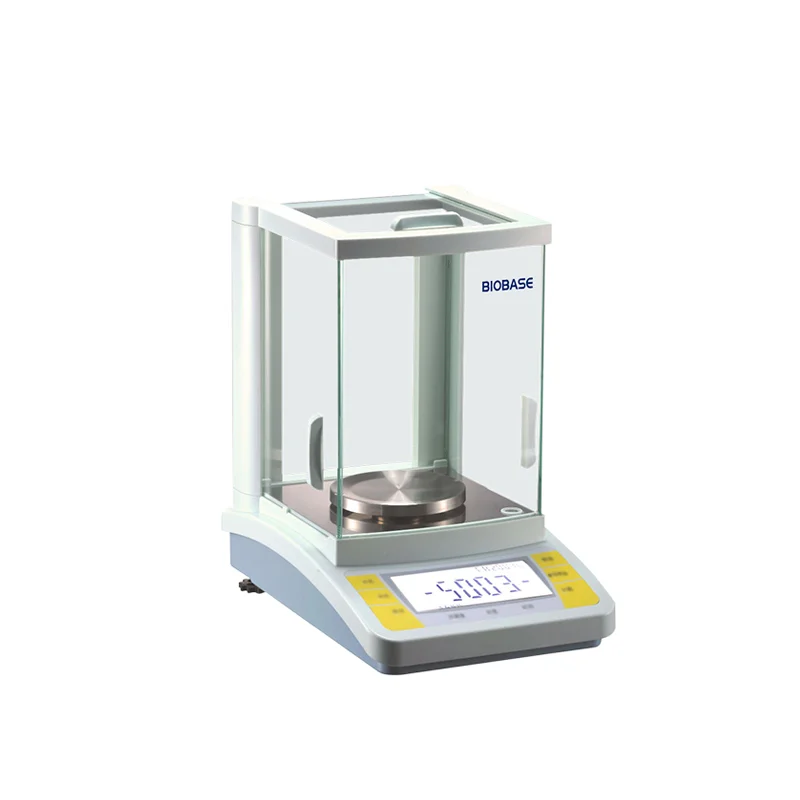
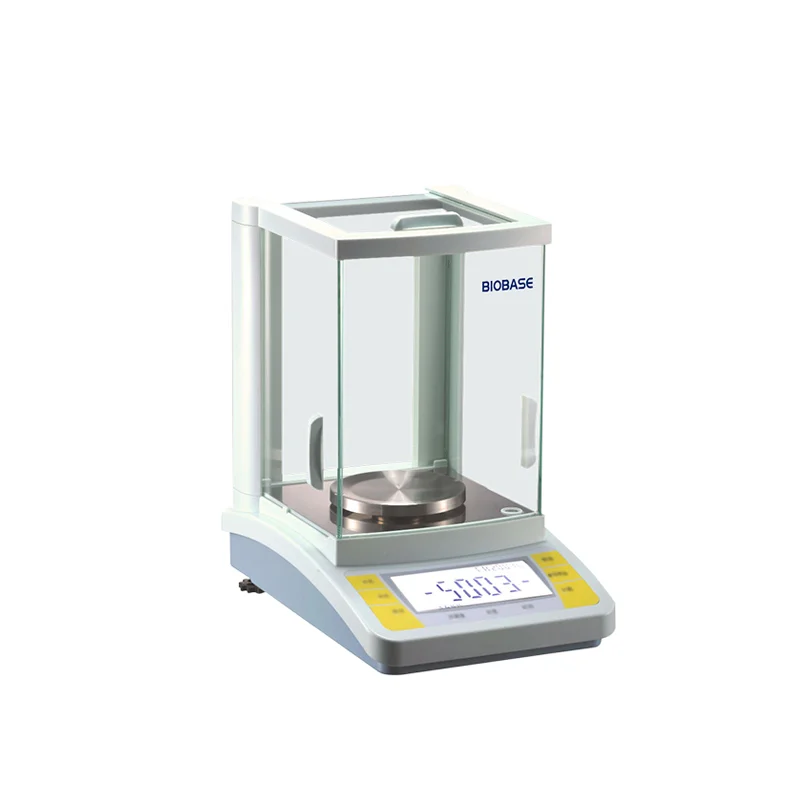
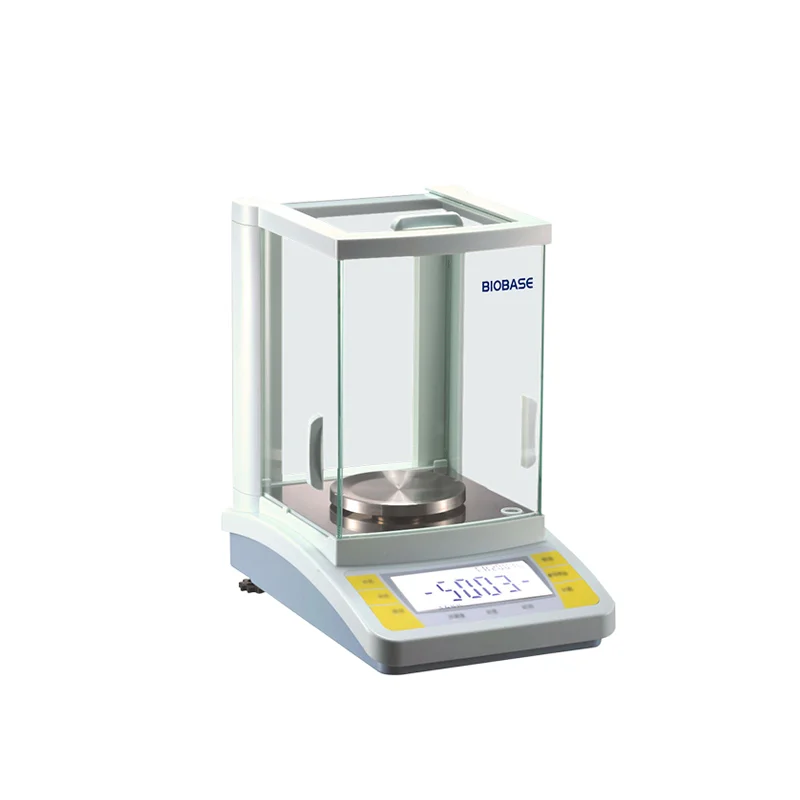
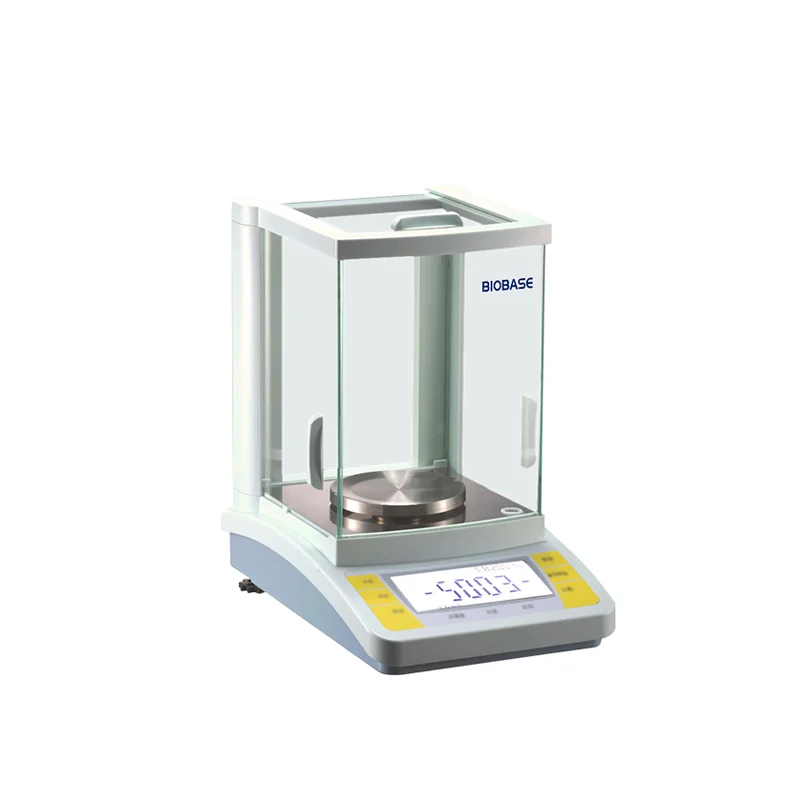
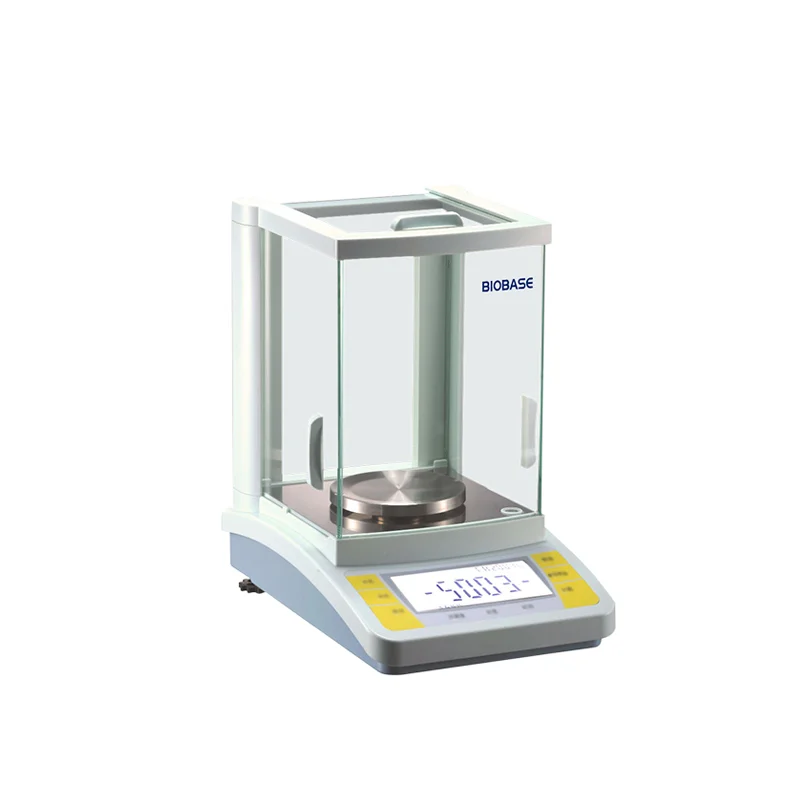
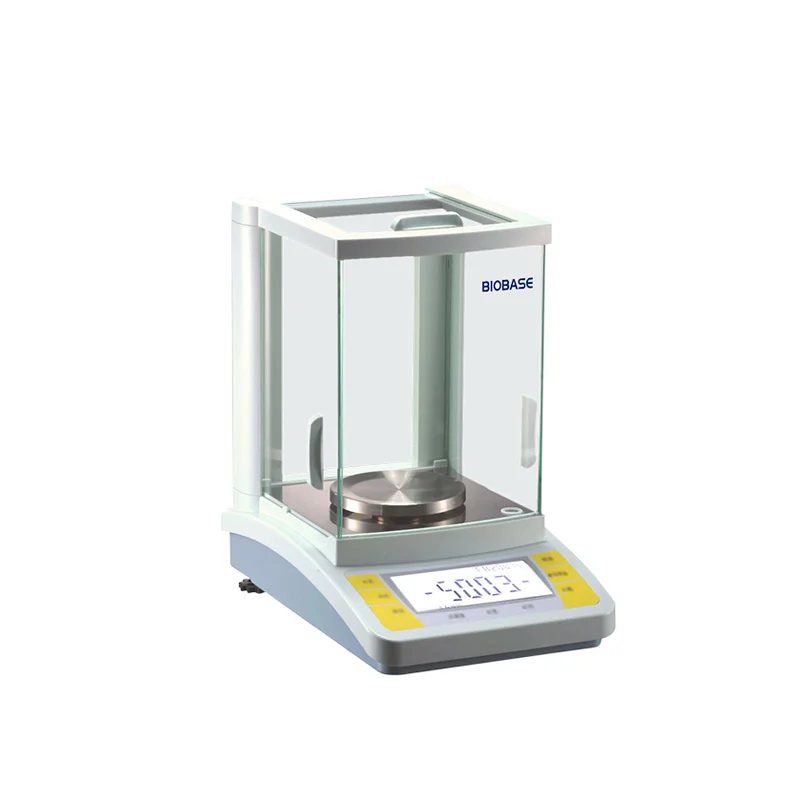
Compare OHAUS precision balances by the named family, stated capacity and readability, weighing-pan format, calibration features and the way the instrument will be used. The Franance listings include Adventurer, Explorer, Pioneer and PR precision families. A product-family page can cover multiple configurations, so confirm the exact order reference and included components in the written quotation.
Products
16 models
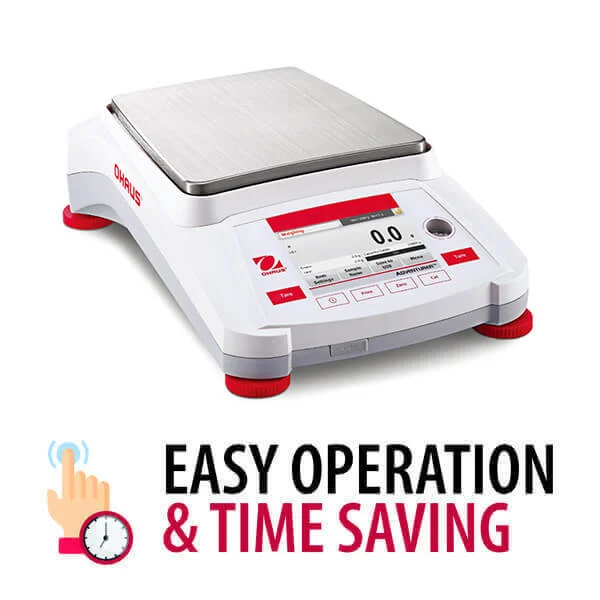
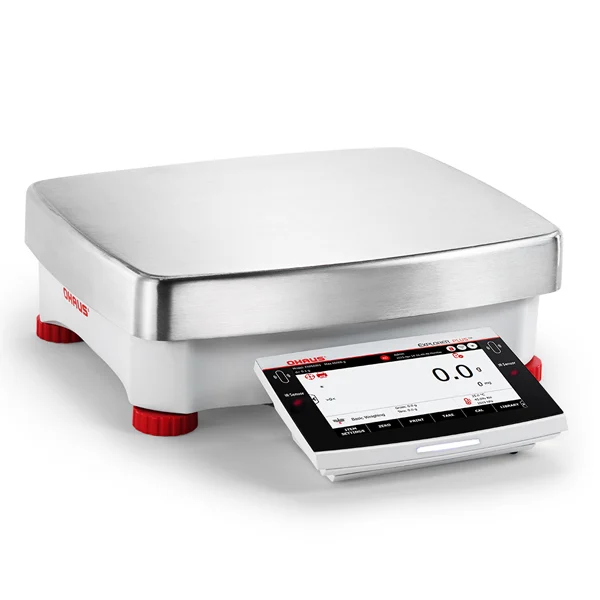
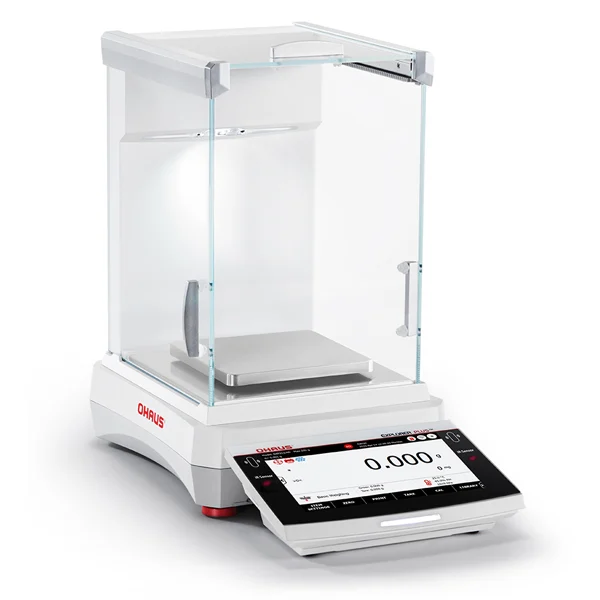
What does a precision balance category include?
Precision balances are instruments selected for mass measurement where the buyer needs a defined capacity and readability. OHAUS groups distinct families such as Adventurer, Explorer, Pioneer and PR under precision balances. That classification helps narrow the equipment type, but it does not identify one universal specification. A model family may contain alternatives with different capacities, display or calibration arrangements. Read the product page and the quotation together.
Read moreWhere can I buy precision balances in Nigeria?
Franance lists OHAUS precision balance families for Nigerian buyers. Start with the OHAUS precision-balance category, compare the named family and exact source details, then add the product and quantity to the Franance quote cart. Include capacity, readability, pan size, calibration, interface and destination city/state. The written quotation should identify the precise order reference, package and commercial terms. This is a request for a quotation; the cart does not take payment.
Read moreHow do room conditions affect a precision balance comparison?
Environmental limits are part of the model specification, not a housekeeping detail. Temperature range, humidity, airflow, vibration and bench stability can affect how a balance settles and the quality of a comparison. Check the exact model’s documented operating conditions and identify the room conditions your facility can maintain.
Read moreBuy precision balances in Nigeria
Compare OHAUS precision balances by the named family, stated capacity and readability, weighing-pan format, calibration features and the way the instrument will be used. The Franance listings include Adventurer, Explorer, Pioneer and PR precision families. A product-family page can cover multiple configurations, so confirm the exact order reference and included components in the written quotation.
What does a precision balance category include?
Precision balances are instruments selected for mass measurement where the buyer needs a defined capacity and readability. OHAUS groups distinct families such as Adventurer, Explorer, Pioneer and PR under precision balances. That classification helps narrow the equipment type, but it does not identify one universal specification. A model family may contain alternatives with different capacities, display or calibration arrangements. Read the product page and the quotation together.
Do not assume that every precision balance is interchangeable with an analytical or semi-micro model. Analytical balance listings are kept in a separate category because the named equipment class and measurement range differ. If the requirement is expressed only as “laboratory balance,” ask the technical owner to state the intended capacity, readability, sample dimensions and workflow before comparing prices.
Where can I buy precision balances in Nigeria?
Franance lists OHAUS precision balance families for Nigerian buyers. Start with the OHAUS precision-balance category, compare the named family and exact source details, then add the product and quantity to the Franance quote cart. Include capacity, readability, pan size, calibration, interface and destination city/state. The written quotation should identify the precise order reference, package and commercial terms. This is a request for a quotation; the cart does not take payment.
How do room conditions affect a precision balance comparison?
Environmental limits are part of the model specification, not a housekeeping detail. Temperature range, humidity, airflow, vibration and bench stability can affect how a balance settles and the quality of a comparison. Check the exact model’s documented operating conditions and identify the room conditions your facility can maintain.
OHAUS lists the Explorer EX6202 working environment as 10–30°C and up to 85% relative humidity, non-condensing. This is a product-specific example and should not be generalized to Adventurer, Pioneer or PR models. Ask for the proposed model’s current limits and consider the room, bench, drafts and nearby equipment when the technical owner reviews the selection.
How should I compare OHAUS precision balance families?
Begin with the intended task and the measured load, including the container or fixture that will sit on the pan. Compare the family-specific capacity and readability, pan dimensions, stabilization or settling information where published, display and interface options, and any stated calibration features. Use the source page for the selected family; a value shown for one family should not be copied to another.
The listings include Adventurer Precision and High Capacity, Explorer Precision and High Capacity, Explorer Plus Precision and High Capacity, Pioneer Precision High Capacity and PR Series Precision. Those names represent useful starting points, not proof that every model in a family has the same capacity or option set. Ask the quotation to state the exact reference and the specifications for that reference.
Which capacity and readability should I specify?
Give the maximum routine load, the smallest change that must be distinguished, and the mass of any container or accessory used during measurement. The balance must have a suitable capacity with enough margin for the complete load, while its readability must match the decision the measurement supports. Readability is a display increment; it is not a guarantee of accuracy for every sample or condition.
Where multiple family values are published, retain the model-specific context. A family-level listing can summarize several available values and may not establish which one is included in a particular offer. Identify any tolerance, repeatability, linearity or uncertainty requirement separately and ask whether the proposed model documentation supports that requirement. Do not substitute a finer display increment for a documented measurement-performance specification.
What do readability, repeatability and linearity tell a balance buyer?
Readability is the smallest displayed increment; repeatability describes the spread of repeated results under stated conditions; linearity describes deviation across the weighing range. These terms answer different questions. A finer readability does not automatically mean lower repeatability error or better linearity. Match each requirement to the use case and to the manufacturer’s model-specific values.
OHAUS lists a Pioneer PX12001 example with 12,000 g capacity and 0.1 g readability, alongside typical repeatability of 0.1 g and linearity of ±0.2 g. An Explorer EX6202 example has 6,200 g capacity and 0.01 g readability, with typical repeatability 0.01 g and linearity ±0.02 g. These examples illustrate why model-specific data matter; they do not describe every member of either family. Ask for the exact offered model’s datasheet and acceptance values.
How should minimum weight affect model selection?
If a process weighs small amounts, examine minimum weight or the applicable weighing uncertainty rather than selecting by capacity and display increment alone. OHAUS publishes “Minimum Weight (USP, 0.1%, typical)” for some balance models. That is a model-specific reference point with a stated convention, not a universal guarantee for every sample, environment or method.
For example, the official PX12001 page lists 160 g as a typical USP 0.1% minimum weight, while the EX6202 page lists 16 g. The difference shows why the instrument’s entire measurement range matters. Ask the technical owner to define the minimum net sample mass and acceptable uncertainty, then compare that requirement with the exact model and the site conditions. Do not extrapolate these example figures to another model.
What calibration and adjustment features should I compare?
Distinguish an internal adjustment mechanism from external calibration or verification using reference weights. Product families may offer different arrangements, and some features vary by model. Confirm what “internal calibration” means for the selected instrument, whether it is automatic or user-initiated, what external weights or services are needed, and which records your quality process accepts.
The Pioneer PX12001 page identifies InCal as semi-automatic internal calibration, while OHAUS lists other features such as user-selectable span calibration points on some families. These labels do not establish a delivered calibration certificate. Ask the quotation to name the offered model and any calibration service, reference weights, certificate or commissioning work as separate items. Have the quality owner confirm traceability and acceptance before purchase.
Which interface and record requirements should be settled before ordering?
If weighing results must enter a computer, printer or laboratory system, state the destination, data format, connection and required fields. An interface listed for one balance is not guaranteed on every related family. Confirm whether the model supports USB, RS-232 or another specified connection, which cable or accessory is needed, and whether the workflow is supported by current manufacturer software.
OHAUS lists both USB and RS-232 communication for the PX12001 example. That is useful evidence for that exact product page, but it does not confirm the receiving software or a complete validated data path. Ask for the applicable interface guide, cable reference and output details. If time, user or project identifiers are needed, verify whether the exact model can provide them and document any configuration or software dependency.
How do pan geometry and sample clearance affect a precision balance?
Pan dimensions, sample footprint and any enclosure around the pan affect whether an instrument can hold the intended load. Compare the exact model’s pan with the container or object, and check clearances for tall vessels, accessories and placement. Do not use a family-level pan dimension as a substitute for the selected model’s specification.
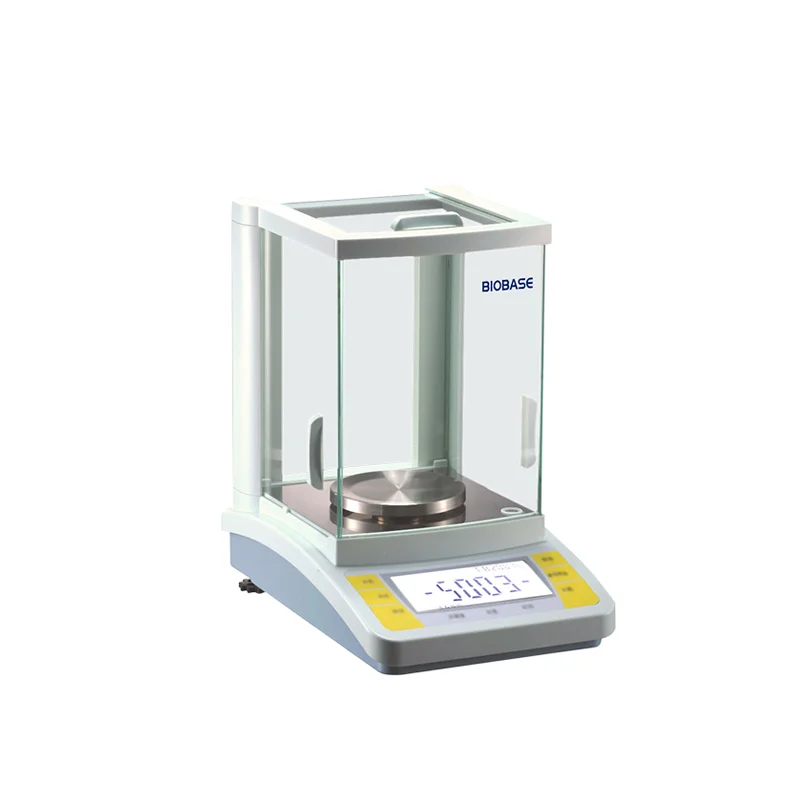
Some precision models use a draft shield or other enclosure, while high-capacity variants may use a larger platform or different construction. Ask the supplier to identify the proposed order reference and document the pan dimensions and included shield or cover. If the sample or fixture is unusual, provide its dimensions and request technical confirmation before the balance is selected.
How should a weigh-below hook affect installation planning?
Some balance applications need the load to hang below the weighing pan rather than rest on top. If this is required, confirm that the exact model includes or supports a weigh-below hook, and review the support, clearance and accessories needed for that arrangement. Do not assume the feature is present throughout a family.
OHAUS lists weigh-below-hook construction for the Pioneer PX12001 example. That fact applies to the cited model page; it should not be generalized to all Pioneer, Explorer or Adventurer models. Identify the suspended load, required clearance and any fixtures, then ask the quote to name the exact model and compatible support. The installation still needs to follow the manufacturer’s current documentation.
How should stabilization time be compared with repeatability?
OHAUS lists one-second stabilization times for the PX12001 and EX6202 examples, but that figure should be read alongside the balance’s capacity, readability, repeatability and linearity. The PX12001 is listed at 12,000 g capacity with 0.1 g readability; the EX6202 is listed at 6,200 g with 0.01 g readability. Their stated linearity and repeatability figures also differ. A short displayed stabilization time does not establish that a weighing result meets a process tolerance. Ask which exact model, conditions and measurement criteria the quoted performance refers to, then compare that evidence with the time and uncertainty limits of the intended work.
Common questions
Can readability be used as a substitute for repeatability?
No. Readability is the display increment; repeatability and linearity describe different performance characteristics. Compare each value for the exact model.
What does a minimum-weight figure mean?
It is a model- and convention-specific reference, not a universal guarantee for every sample or environment. Confirm it against the intended use and current documentation.
Does internal calibration provide a calibration certificate?
No. An adjustment feature is distinct from a certificate for the delivered instrument. Request the exact calibration record or service if needed.
Can I hang a load below any precision balance?
No. Confirm that the selected model supports the required weigh-below arrangement and accessories.
Request an OHAUS precision balances quotation.
Send the exact model, requirements, quantity and delivery destination through the Franance quote cart. Review the written configuration and commercial terms before confirming an order.
Request a quotationNeed an equipment quote?
Add the models you need to a quote order, or send us your equipment list.