
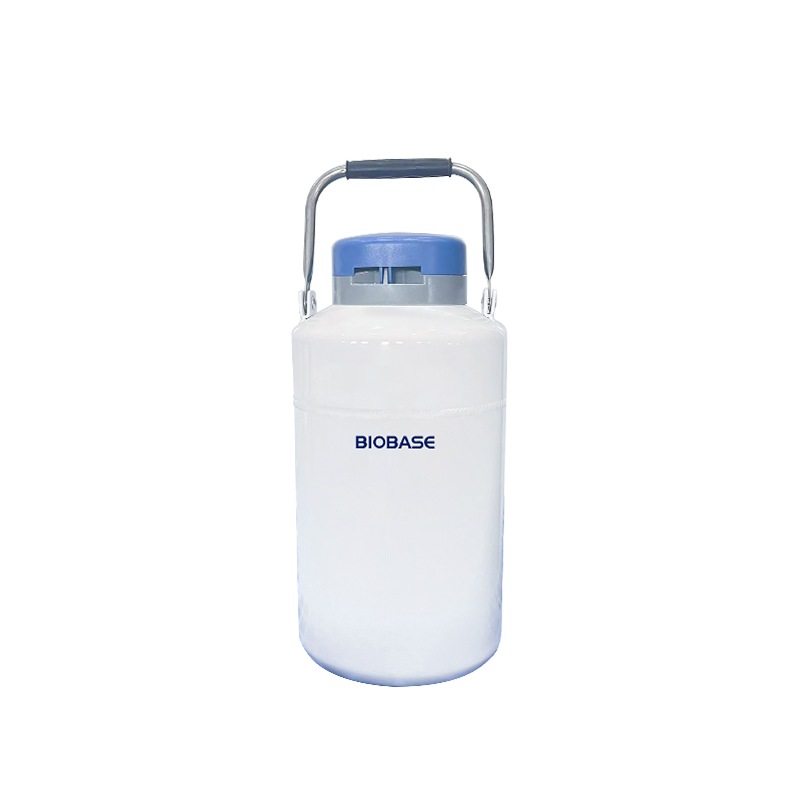
YDS-35 Static Liquid Nitrogen Storage Container
Static liquid-nitrogen cryogenic storage container
Price on request

Medical equipment and biomedical engineering.
Abuja, Nigeria.
Buy cryogenic storage containers in Nigeria through Franance. This category currently lists two BIOBASE static liquid-nitrogen containers: YDS-65-216S and the YDS-35 series. Confirm the exact model variant, canisters, racks, sample fit, monitoring and room requirements before requesting a quotation. Manufacturer static holding figures are not guarantees of sample-protection duration or operational refill intervals.
6 models
Static liquid-nitrogen cryogenic storage container
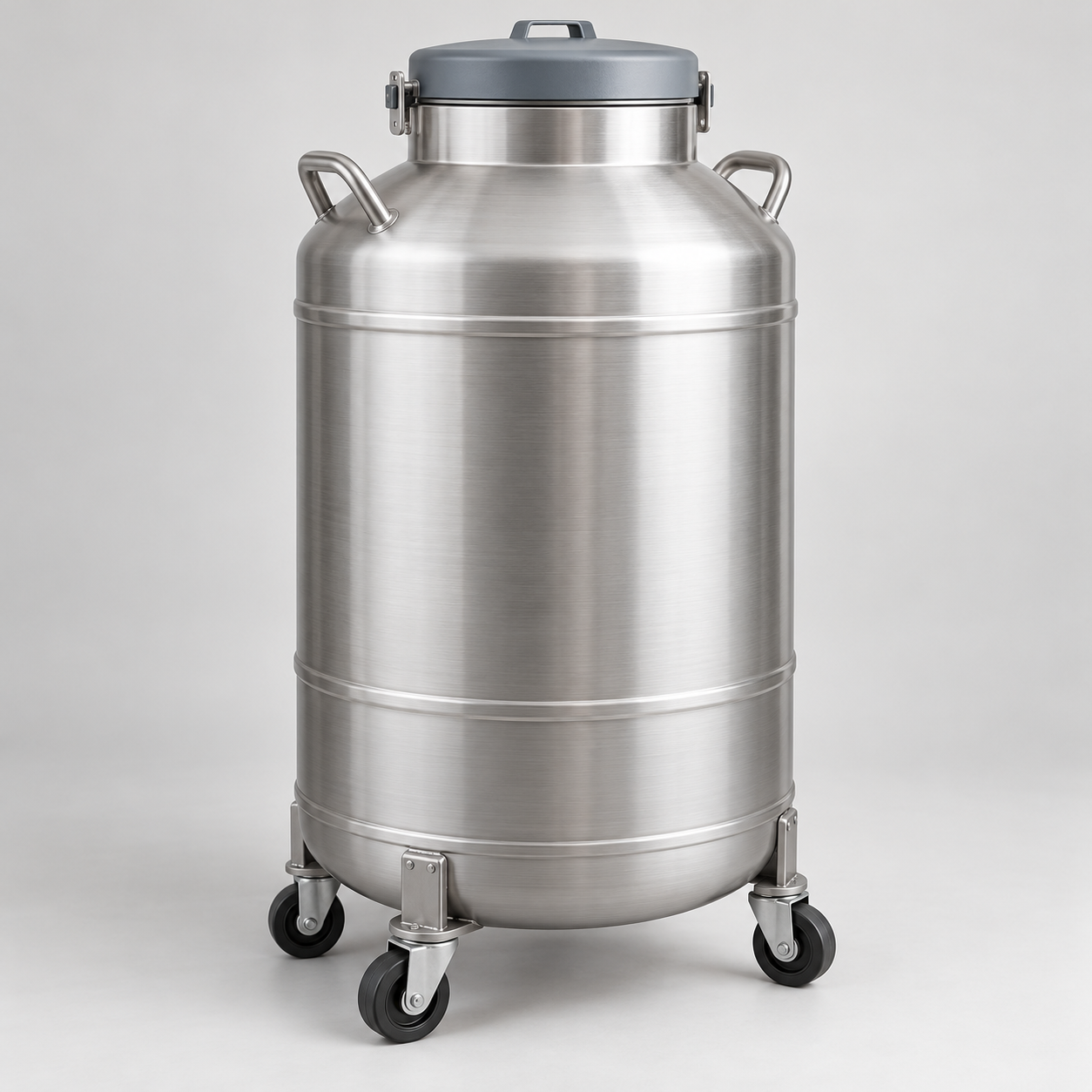
Static liquid-nitrogen cryogenic storage container
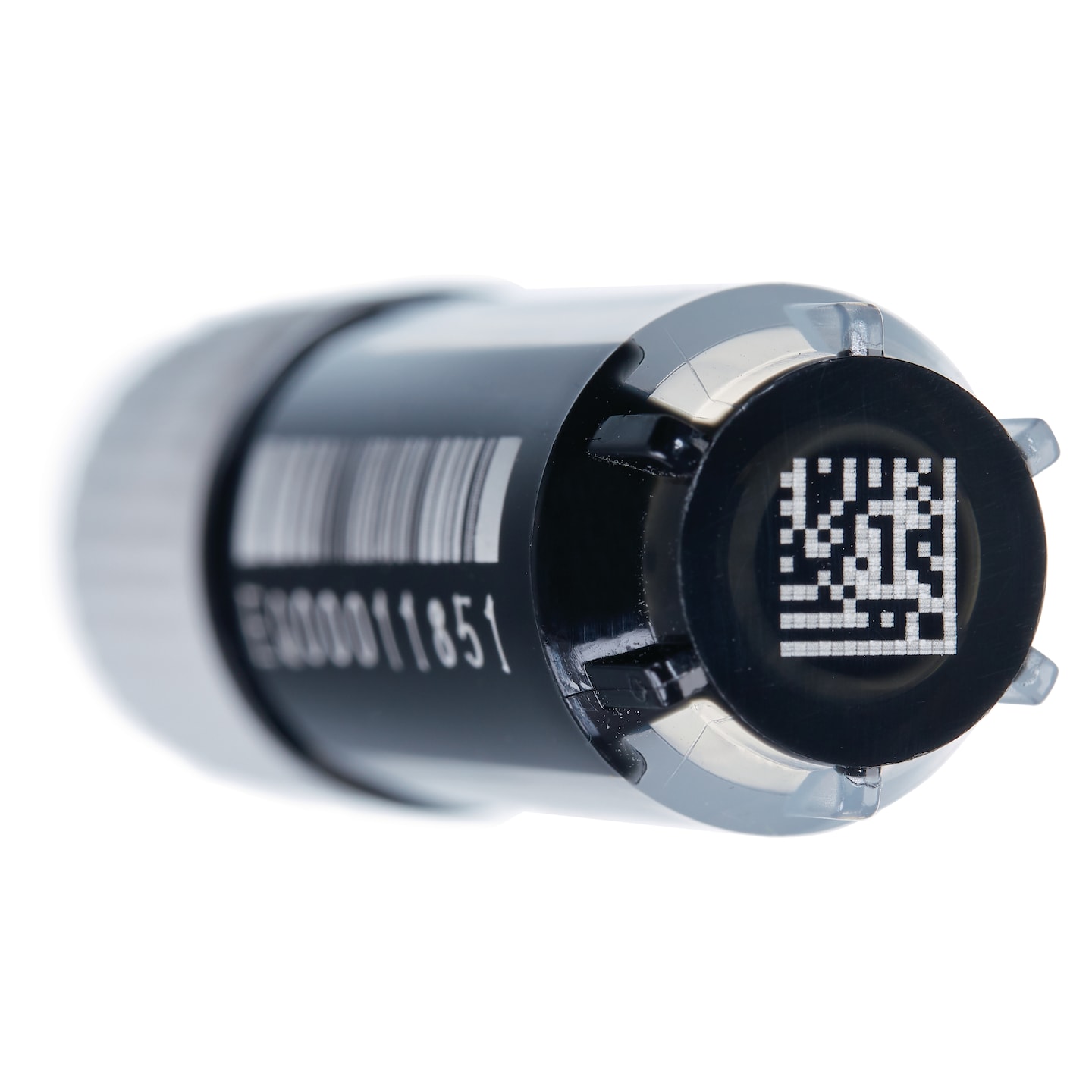
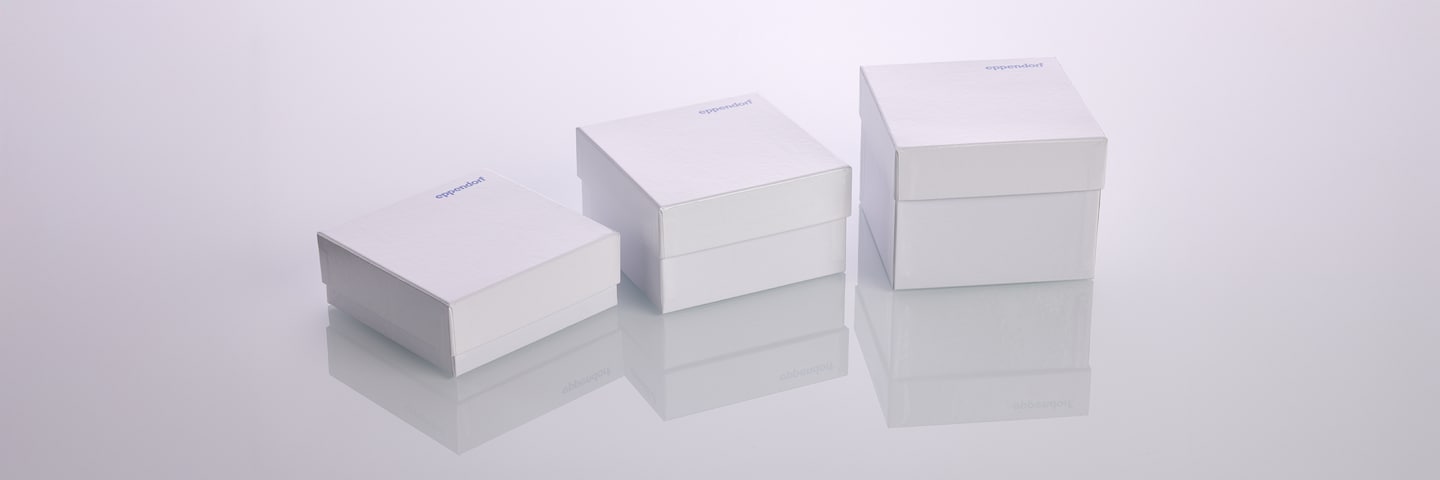
Laboratory freezer cardboard boxes and dividers
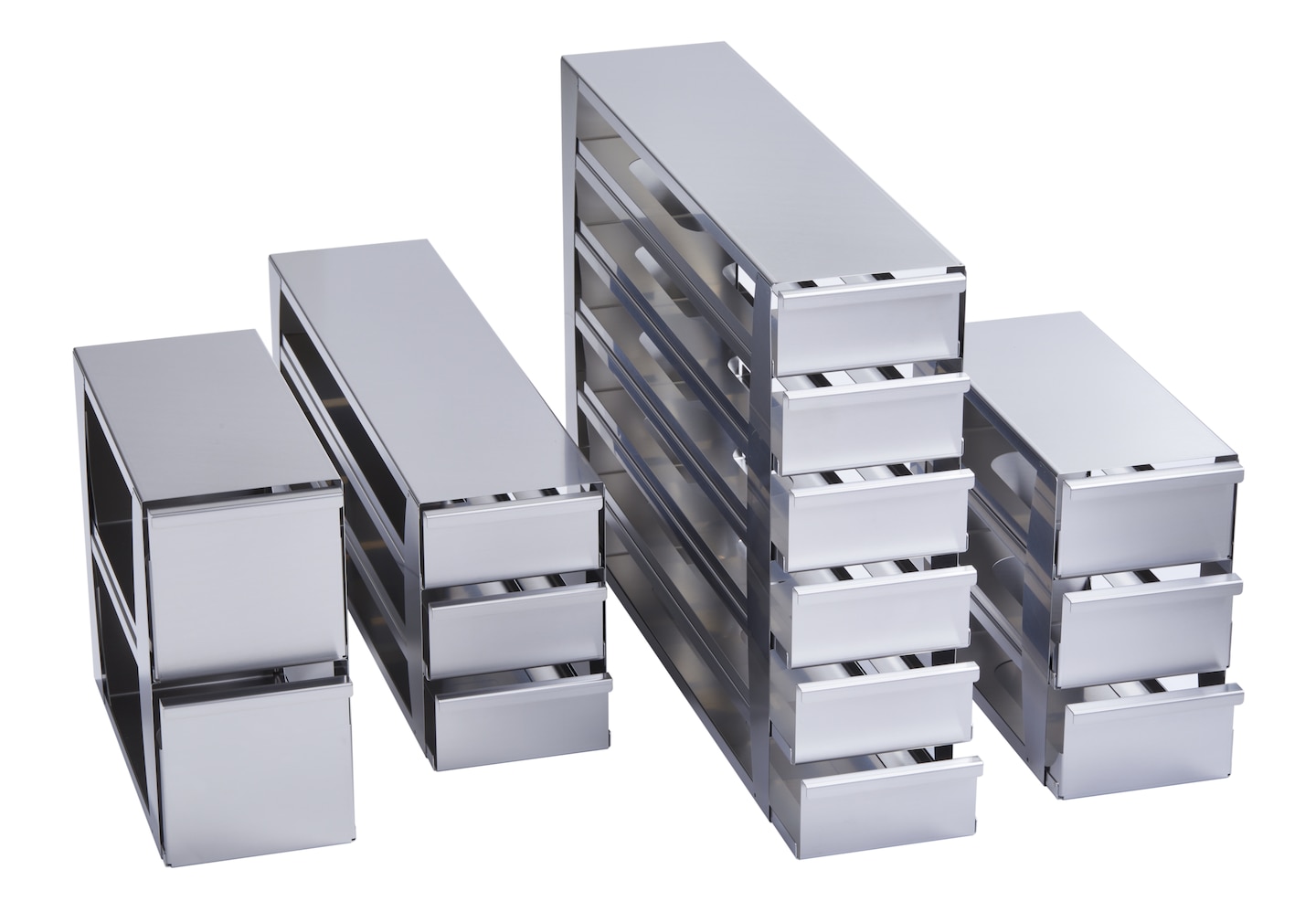
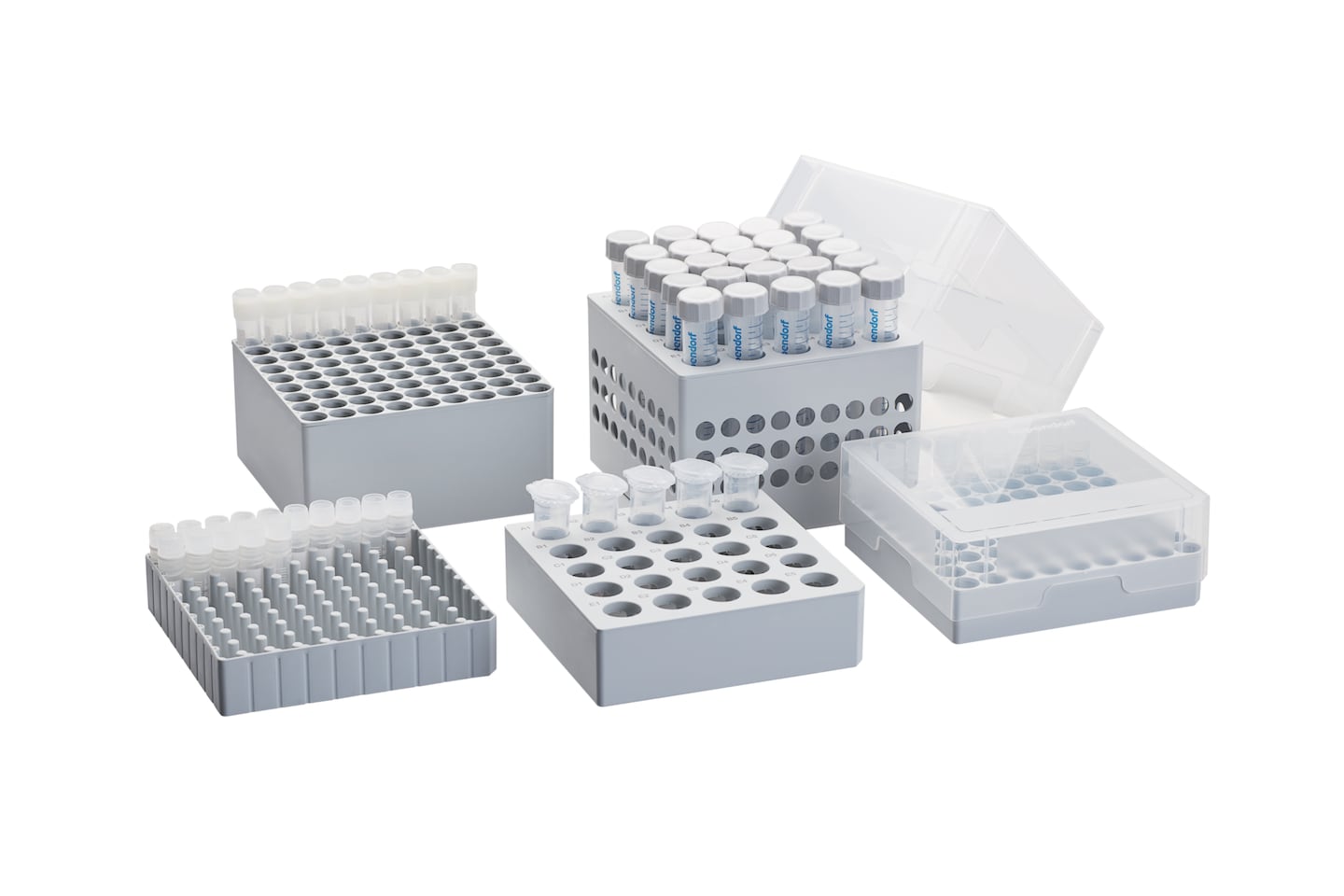
You can request a Franance quotation for the current Cryogenic Storage (Liquid Nitrogen) category. Its two assigned products are BIOBASE YDS-65-216S and the YDS-35 series. Both are listed as static liquid-nitrogen storage containers. The exact YDS-35 variant, neck, canister and rack configuration must be confirmed before specifying sample capacity.
Read moreThe YDS-65-216S is a specific 65 L static storage configuration. BIOBASE’s product-family table lists the YDS-65-216S with a 216 mm caliber, 684 mm outside diameter and 770 mm height. The same table gives a static evaporation figure of 0.78 L/day and a static holding-time figure of 83 days. These manufacturer-listed test figures should be treated as configuration data under the stated static test basis, not as a guaranteed operational replenishment interval or sample protection time.
Read moreA static liquid-nitrogen storage vessel holds cryogen and uses an insulated container design. A ULT freezer is powered refrigeration equipment with a chamber, operating temperature range, refrigeration system, electrical demand and alarm or monitoring configuration to specify. A laboratory refrigerator is intended for a different temperature range and use. Their utilities, monitoring, operating procedures and sample-container compatibility are not interchangeable.
Read moreBuy cryogenic storage containers in Nigeria through Franance by matching the storage method, sample inventory, canister or rack configuration, liquid-nitrogen supply and room plan to your laboratory’s requirements. Franance currently lists two BIOBASE static liquid-nitrogen container records: the YDS-65-216S configuration and the YDS-35 series. The YDS-65 record identifies a 65 L vessel with a 216 mm neck and manufacturer-listed static evaporation and holding figures. The YDS-35 listing is a product series whose exact neck and rack variant must be specified. Neither catalogue record establishes that a particular sample inventory fits, how long your samples will remain protected under local operating conditions, or that a site is safe for installation. Cryogenic containers, ultra-low-temperature (ULT) freezers and laboratory refrigerators are different equipment classes. The two products in this category are static LN2 storage containers, not powered ULT freezers or general laboratory refrigerators. Select and install cryogenic equipment only after the laboratory defines its sample requirements and the responsible safety and facilities teams assess liquid-nitrogen handling, ventilation, monitoring, access and replenishment.
You can request a Franance quotation for the current Cryogenic Storage (Liquid Nitrogen) category. Its two assigned products are BIOBASE YDS-65-216S and the YDS-35 series. Both are listed as static liquid-nitrogen storage containers. The exact YDS-35 variant, neck, canister and rack configuration must be confirmed before specifying sample capacity.
These links filter the brand and category by the model or series identifier. They identify catalogue records, not stock, a local delivery commitment, installation, warranty or service coverage. Include the destination and project context in your enquiry so the quotation can state what is being offered and what remains the facility’s responsibility.
The YDS-65-216S is a specific 65 L static storage configuration. BIOBASE’s product-family table lists the YDS-65-216S with a 216 mm caliber, 684 mm outside diameter and 770 mm height. The same table gives a static evaporation figure of 0.78 L/day and a static holding-time figure of 83 days. These manufacturer-listed test figures should be treated as configuration data under the stated static test basis, not as a guaranteed operational replenishment interval or sample protection time.
The BIOBASE YDS-35 static-storage series is a family with differing neck and canister configurations. The current product record does not identify a single selected neck, rack or canister. Ask for the exact orderable variant and its current technical sheet before comparing capacity, dimensions, accessories or listed evaporation data. Do not assume all YDS-35 variants have the same usable sample capacity.
A static liquid-nitrogen storage vessel holds cryogen and uses an insulated container design. A ULT freezer is powered refrigeration equipment with a chamber, operating temperature range, refrigeration system, electrical demand and alarm or monitoring configuration to specify. A laboratory refrigerator is intended for a different temperature range and use. Their utilities, monitoring, operating procedures and sample-container compatibility are not interchangeable.
The current two BIOBASE product records are static LN2 containers. They do not represent -80 °C freezers, biomedical refrigerators, vaccine refrigerators, blood-bank refrigerators or plasma freezers. If your target is a powered freezer or refrigerator, use its relevant category and assess temperature mapping, electrical supply, backup, alarm response and maintenance separately. Do not treat a nominal vessel capacity in litres as a direct comparison with a freezer’s chamber volume or as a count of vials that will fit.
Also distinguish storage from transport. The assigned YDS records are classified as static storage containers. If you intend to move a charged vessel, ask the manufacturer for the exact model’s permitted transport use, closure and movement requirements, and applicable handling instructions. Do not infer transport suitability from the general phrase “liquid-nitrogen container.”
Start with the sample inventory rather than the vessel’s headline volume. List sample type and dimensions, the container or vial format, rack or cane arrangement, number of samples now, expected growth, retrieval frequency, batch structure and any need to segregate collections. Obtain the manufacturer’s canister and rack drawings for the specific variant and confirm the internal usable geometry. Ask for a written capacity calculation that names the vial format, rack arrangement, canisters and assumptions.
A vessel’s liquid capacity, neck diameter and manufacturer’s example vial count describe different things. Liquid capacity is not equivalent to sample positions. A wide neck may affect access and arrangement, while a narrower opening may constrain compatible racks or retrieval. Confirm whether the quoted unit includes the needed canisters, racks, dividers, boxes, level indicator, protective sleeve and cover. Treat optional and standard accessories separately in the quote.
Plan for operational space as well as sample positions. Consider how staff identify and retrieve specimens, maintain inventory records, segregate materials, perform replenishment, inspect the container and transfer racks without blocking egress. Ask for the filled or operating weight and dimensions, floor-loading assumptions and clearance requirements for the exact configuration. Have facilities staff confirm route dimensions from delivery access to the intended room.
BIOBASE’s YDS-65-216S table lists a static evaporation loss of 0.78 L/day and a static holding time of 83 days. The YDS-35 product family has variant-specific data that must be checked against the exact configuration. These values are manufacturer specifications under a static test basis; the result in use can depend on the model variant, fill, lid or neck arrangement, accessory configuration, handling frequency and operating environment. Confirm the test conditions and current specification with BIOBASE before using a figure for planning.
Do not translate a listed static holding-time figure into “samples are safe for this many days,” a guaranteed interval between refills, or a service promise. A holding figure is a vessel performance specification, while sample protection depends on the storage location and method, required sample conditions, inventory procedures, monitoring, response arrangements and replenishment. Establish the facility’s own fill and monitoring schedule from the exact product documentation and observed operation, with a reserve and contingency plan approved by the responsible laboratory team.
If a quote proposes a different model or variant, compare only the corresponding specification sheet. Ask whether quoted values refer to static or working conditions, how the data were measured, and which accessories or test assumptions apply. Record the exact model suffix on procurement documents so data from a neighboring YDS configuration are not accidentally used.
A static vessel depends on LN2 replenishment. Before selecting a size, document who supplies nitrogen, delivery format, expected replenishment frequency based on verified operating data, storage and handling responsibilities, delivery access, safe transfer arrangements and continuity if a delivery is delayed. Ask vendors to state whether any supply, fill, transfer equipment or commissioning support is included; do not infer these services from the vessel listing.
Do not use the static evaporation rate as the facility’s consumption forecast. Operational use can differ, and the YDS-35 series needs variant-specific data. Ask BIOBASE or the quoted supplier for the specification basis and then plan a site-specific operating buffer. Where possible, monitor actual consumption and level under the facility’s procedure after installation, and use those observations to refine a qualified schedule. Ensure staff have documented responsibilities for monitoring and escalation.
For Nigerian facilities, include the city and site in the enquiry, available LN2 suppliers or delivery constraints, receiving hours, access and unloading requirements, and any seasonal or utility conditions that affect the room or supply route. These details help scope a quotation but do not establish local nitrogen availability or ongoing replenishment by Franance.
The YDS product family materials describe optional level-related accessories, and BIOBASE lists optional liquid-level monitoring for some LN2 container models. An accessory shown as optional is not automatically included in a quotation. Confirm compatibility with the exact YDS variant, what it measures, its display or alarm functions, power and connectivity needs, calibration or checking requirements, data retention and any local alarm annunciation.
Separate liquid-level indication from temperature monitoring and sample monitoring. A level display does not by itself demonstrate that every sample location meets a required condition or that an alarm reaches an accountable person. Ask what measurement locations are available, what thresholds can be configured, how alarms are tested, and what happens during power or communication failure if the accessory uses electronics. Have the facility define alarm response, escalation, documentation and after-hours coverage.
If the lab requires remote monitoring, exportable records or integration into a building or laboratory system, specify the needed interface and evidence. Confirm whether the proposed accessory supports it or whether separate equipment is needed. Do not assume network connectivity, data logging or alarms from the container’s model name.
Liquid nitrogen can cause cold-contact injuries and rapidly expands to nitrogen gas. Nitrogen can displace oxygen and create an asphyxiation hazard without warning. CDC laboratory safety guidance advises against keeping dewars or nitrogen containers in confined spaces and explains the importance of appropriate handling and protective equipment. OSHA incident reports also document fatal oxygen-deficiency events involving LN2 in inadequately ventilated areas. These sources establish why facilities must conduct a competent site risk assessment; they do not certify a room or prescribe a universal design for every installation.
Before ordering, involve the laboratory safety officer, facilities engineering and other responsible staff to assess room volume, ventilation, potential releases during normal filling or a failure, oxygen-deficiency monitoring, audible and visual alarms, emergency actions, access control and evacuation. Their assessment should consider how people enter, work in and rescue from the space; a monitor alone is not a safety plan. Determine whether emergency alarms can be heard or seen in occupied areas and how they are tested and maintained. Use competent local professionals to set appropriate design and operating controls.
Plan personal protective equipment, handling training, transfer procedures and inspection using current manufacturer instructions and institutional rules. Confirm that the selected vessel is intended for the operation, remains properly vented and can be moved or filled only as permitted by its documentation. Do not seal, modify or obstruct a cryogenic vessel or its venting features. The product record does not establish that a quoted container includes safety alarms, ventilation or PPE.
Provide sample type and inventory, container or vial dimensions, current and projected quantities, retrieval pattern, storage method requirements, intended site, exact model or series, and any preferred canisters or racks. State whether you are evaluating YDS-65-216S or the YDS-35 series. For YDS-35, request the exact neck/rack variant before asking for a final capacity comparison.
Ask the quotation to list model suffix, usable sample configuration, accessories, outside dimensions, empty and filled weights, static-test specifications and their conditions, monitoring options, included documentation, warranty, delivery, installation or commissioning responsibilities, training and service arrangements. Require all excluded items to be stated. If oxygen monitoring or ventilation is required by the facility assessment, quote it as a separately scoped site-safety system and define who designs, installs, tests and maintains it.
For LN2 supply, request clarity on what is or is not provided and ask the supplier to confirm availability, fill arrangements, transport, lead time and applicable terms for the destination. Ask how a proposed substitution differs in neck, rack, canister, capacity, measurement and accessories. Confirm the final approved configuration in writing before purchase.
Compare the models against the same sample and site requirements. YDS-65-216S has a published specific variant and published capacity/dimension information in the manufacturer’s family table, so it can be evaluated against a defined rack and sample plan. YDS-35 is a series listing that requires variant resolution first. A larger nominal liquid capacity does not establish that a configuration is better for your laboratory; neck access, rack fit, usable samples, replenishment logistics, room plan and intended storage procedure matter.
Use the manufacturer documents to confirm technical data, and have the laboratory document what the samples require. Where the requested conditions need an electrically controlled temperature, automated alarm, backup power or other feature not documented for a static vessel, compare a different equipment class rather than assuming the cryogenic container supplies it. Franance can help route the required configurations for quotation, while BIOBASE and the facility’s technical and safety teams must verify compatibility and operational scope.
No. These listings are static liquid-nitrogen containers. A ULT freezer and a laboratory refrigerator have different operating principles, chamber specifications, utilities, monitoring and maintenance requirements. Choose the equipment class from the sample protocol and facility requirements. A product’s placement in cryogenic storage does not establish equivalence to -80 °C or another specified powered-storage condition.
Likewise, a manufacturer-listed static hold figure is not a validated sample-hold claim. Confirm sample suitability and storage method with the laboratory’s responsible scientific and quality personnel and the manufacturer documentation for the exact product and configuration.
Tell Franance which BIOBASE series you are considering, the exact model or unresolved variant, sample and rack formats, current and future inventory, monitoring needs, LN2 supply constraints, facility city and room-planning status. Include any outstanding safety or engineering review so the quotation can separate vessel supply from monitoring, installation, commissioning and site controls. Ask for the current technical sheet and a written confirmation of the offered configuration.
The catalogue provides a way to request a quotation for YDS-65-216S or YDS-35. It does not establish local stock, duration of sample protection, safety of a particular room, LN2 supply continuity, warranty or service coverage. Confirm the final model, technical data, supply and safety responsibilities in writing before procurement.
The category currently lists BIOBASE YDS-65-216S and a YDS-35 static storage series record. The YDS-35 neck and rack variant must be confirmed before usable sample capacity can be compared.
No. It is a manufacturer-listed static holding-time specification for YDS-65-216S, not a sample-protection promise or a guaranteed refill interval under local use. Confirm test conditions and plan monitoring and replenishment for the actual site and configuration.
No. They are static liquid-nitrogen storage containers. ULT freezers and laboratory refrigerators are different equipment classes with their own temperature, power, monitoring and maintenance requirements.
The guide cannot assess a specific room. Liquid nitrogen can displace oxygen; the facility should have competent safety and facilities personnel evaluate ventilation, oxygen-deficiency monitoring, alarms, access and emergency response before installation.
Share your sample format and inventory, exact YDS model or variant, rack and monitoring needs, LN2 supply assumptions, site location and safety review status. Ask for current model-specific documentation and a written confirmation of the offered configuration.
Request a quotationAdd the models you need to a quote order, or send us your equipment list.