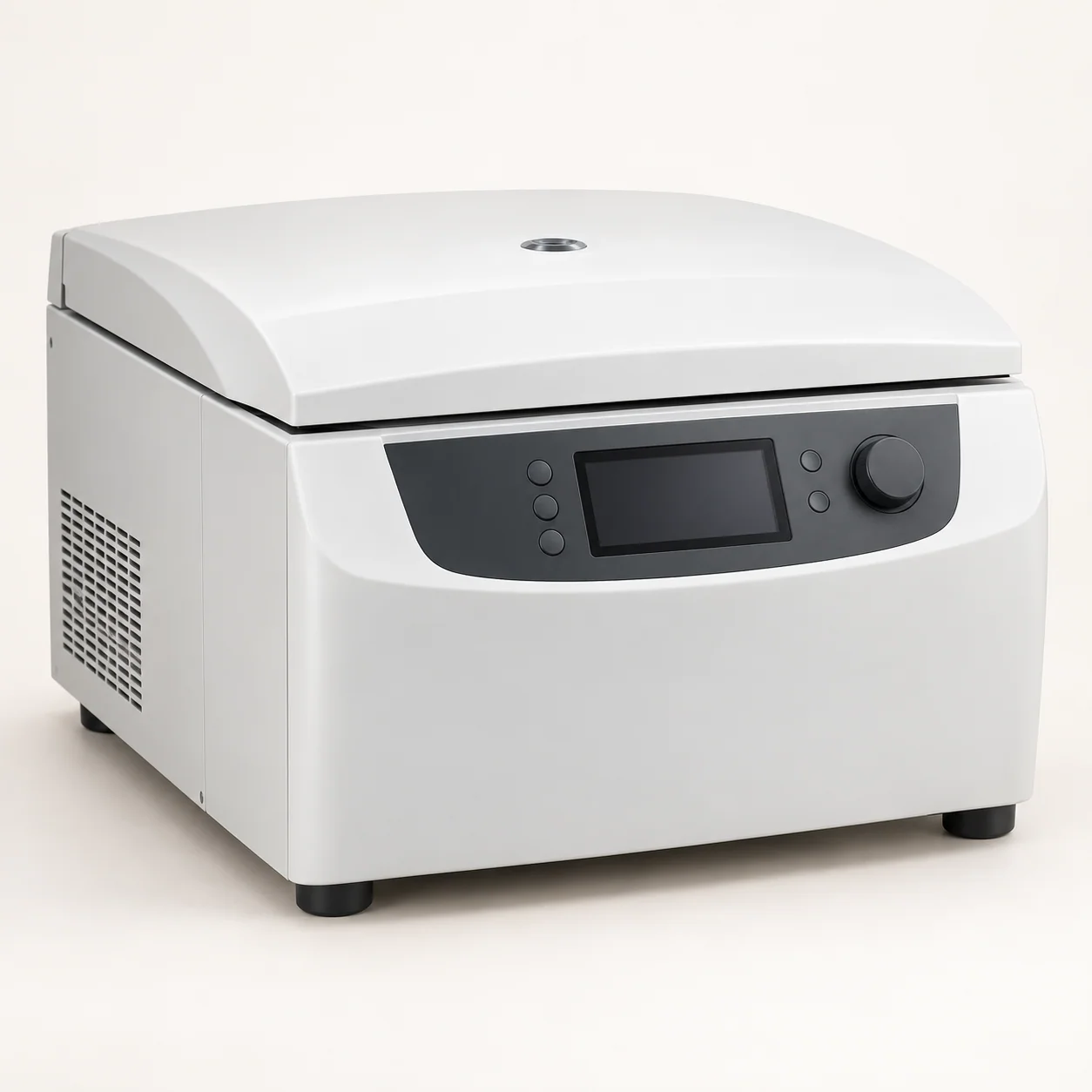
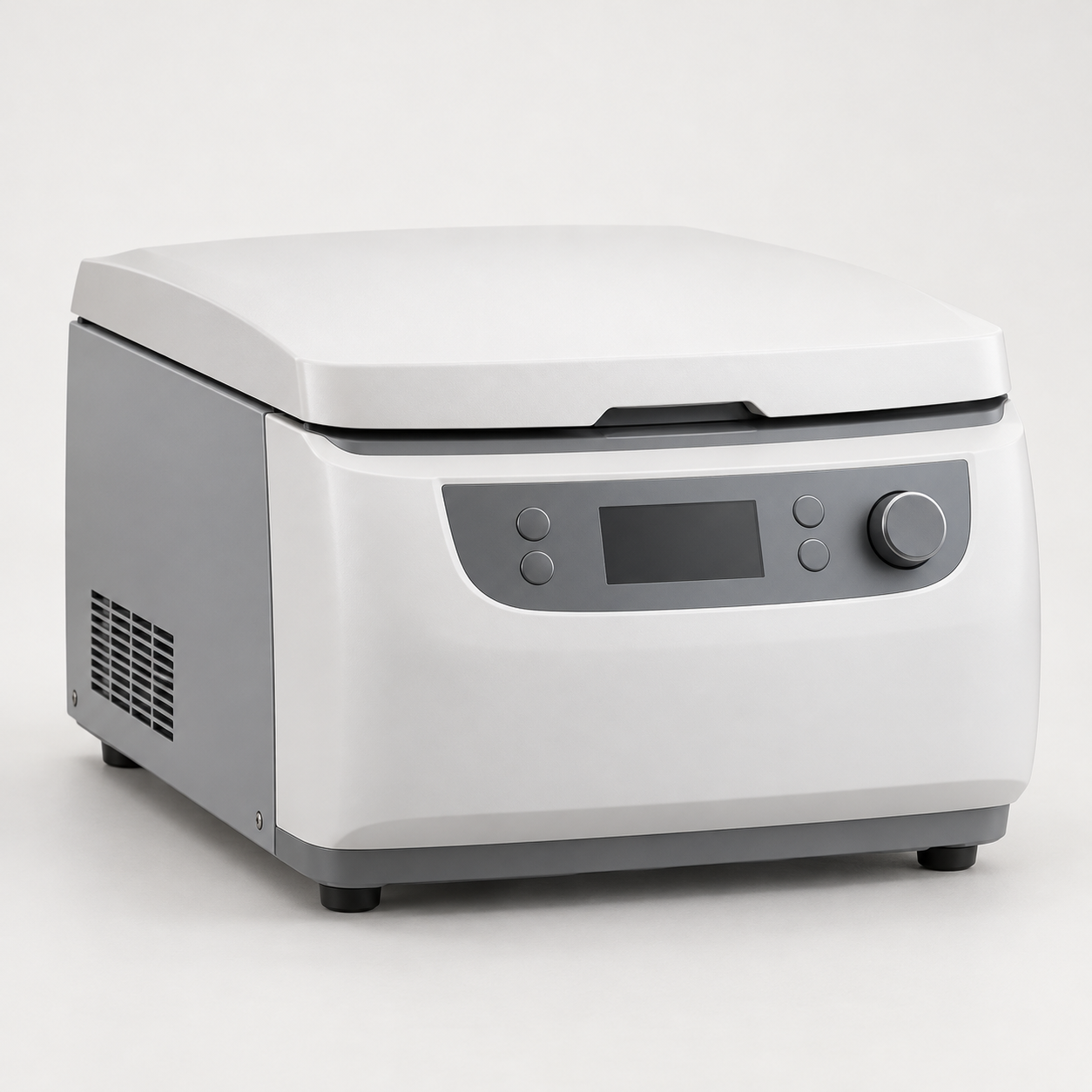
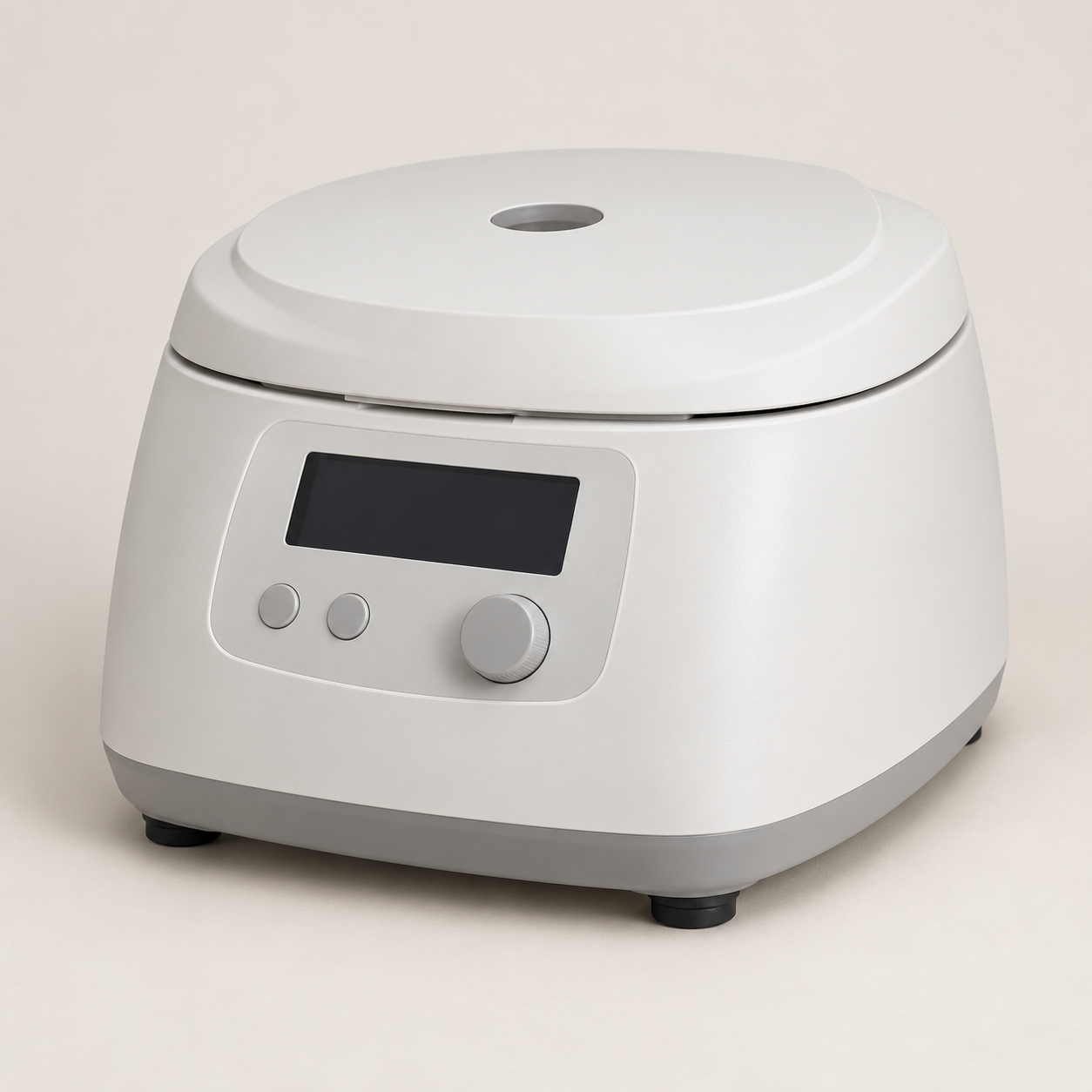
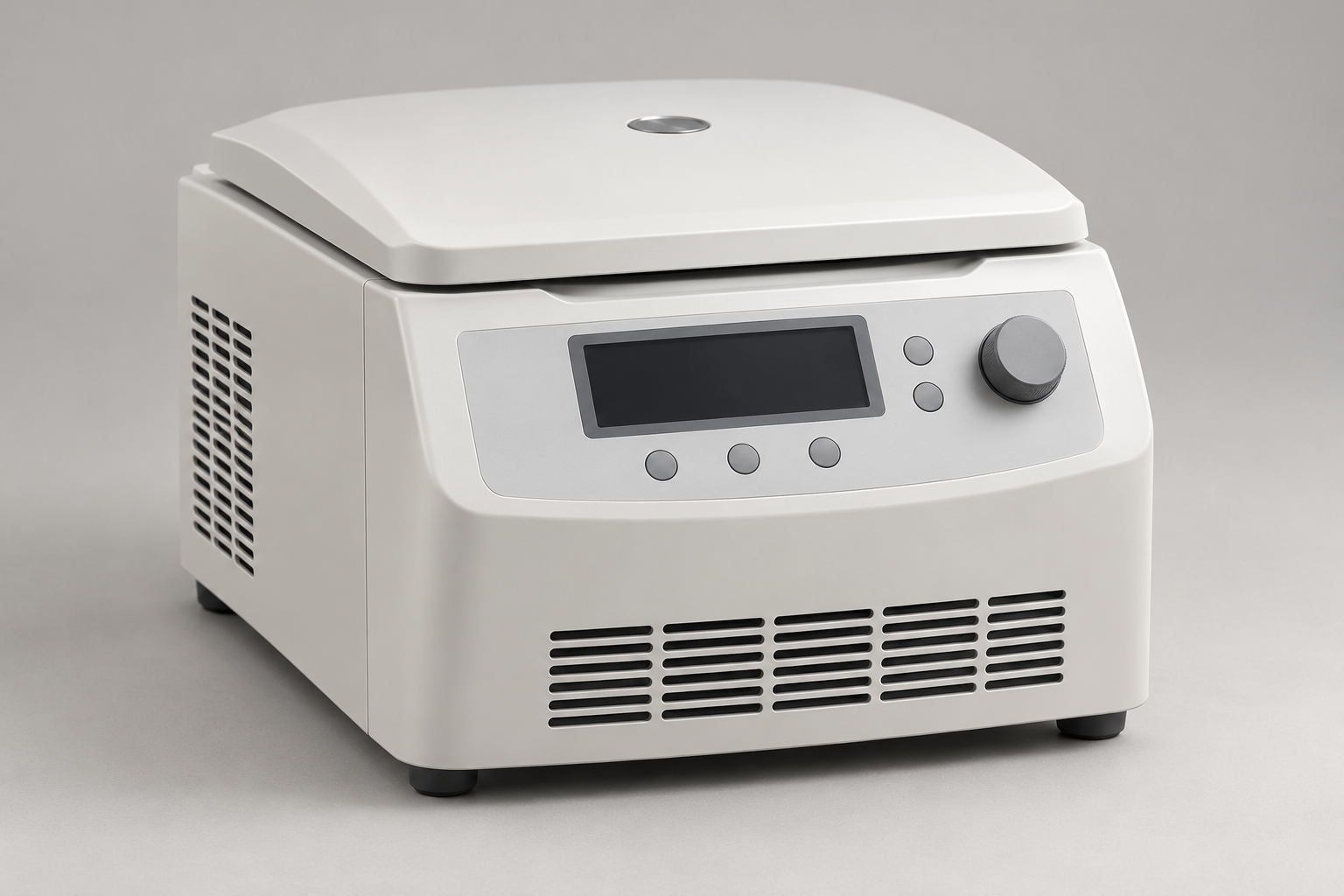
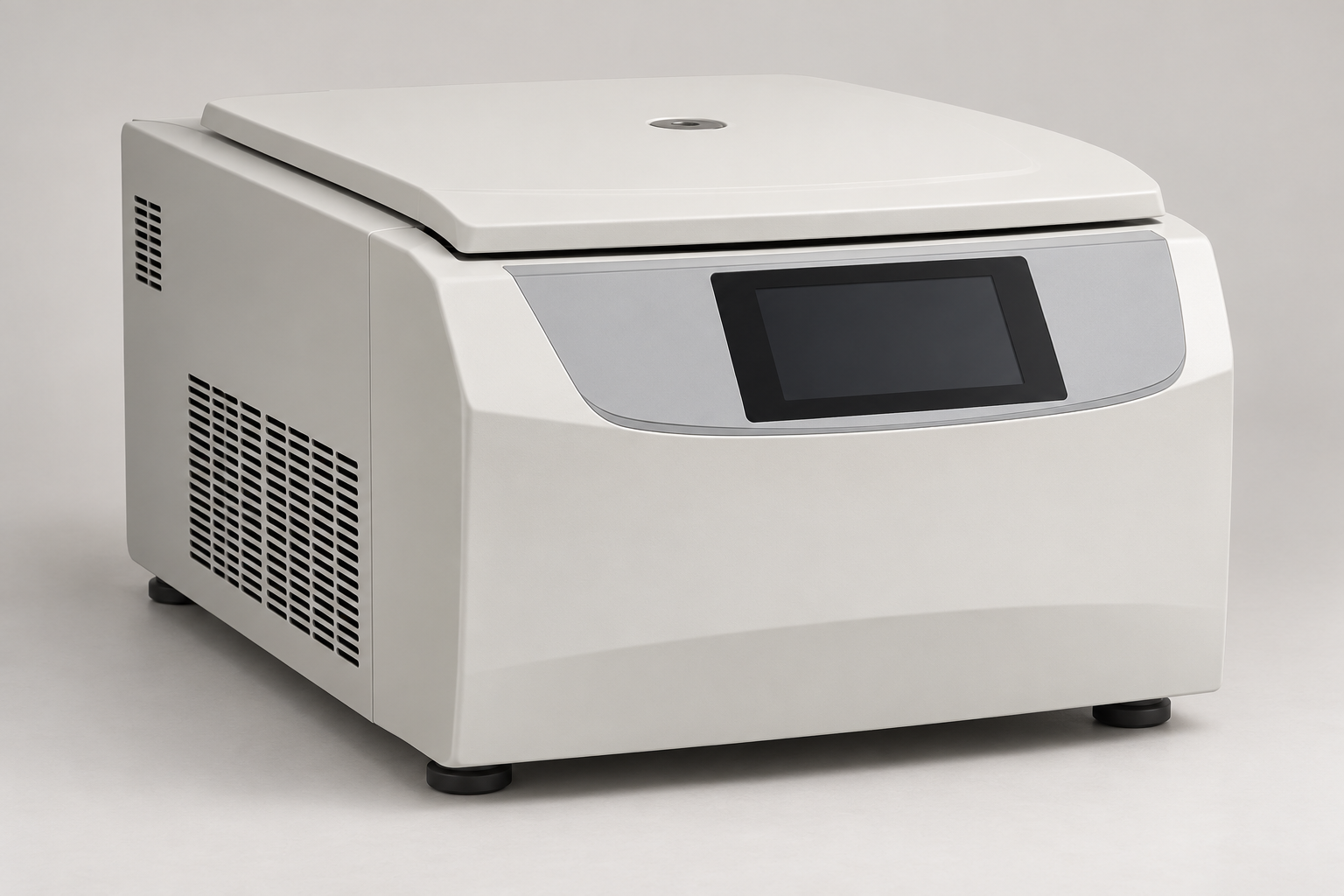
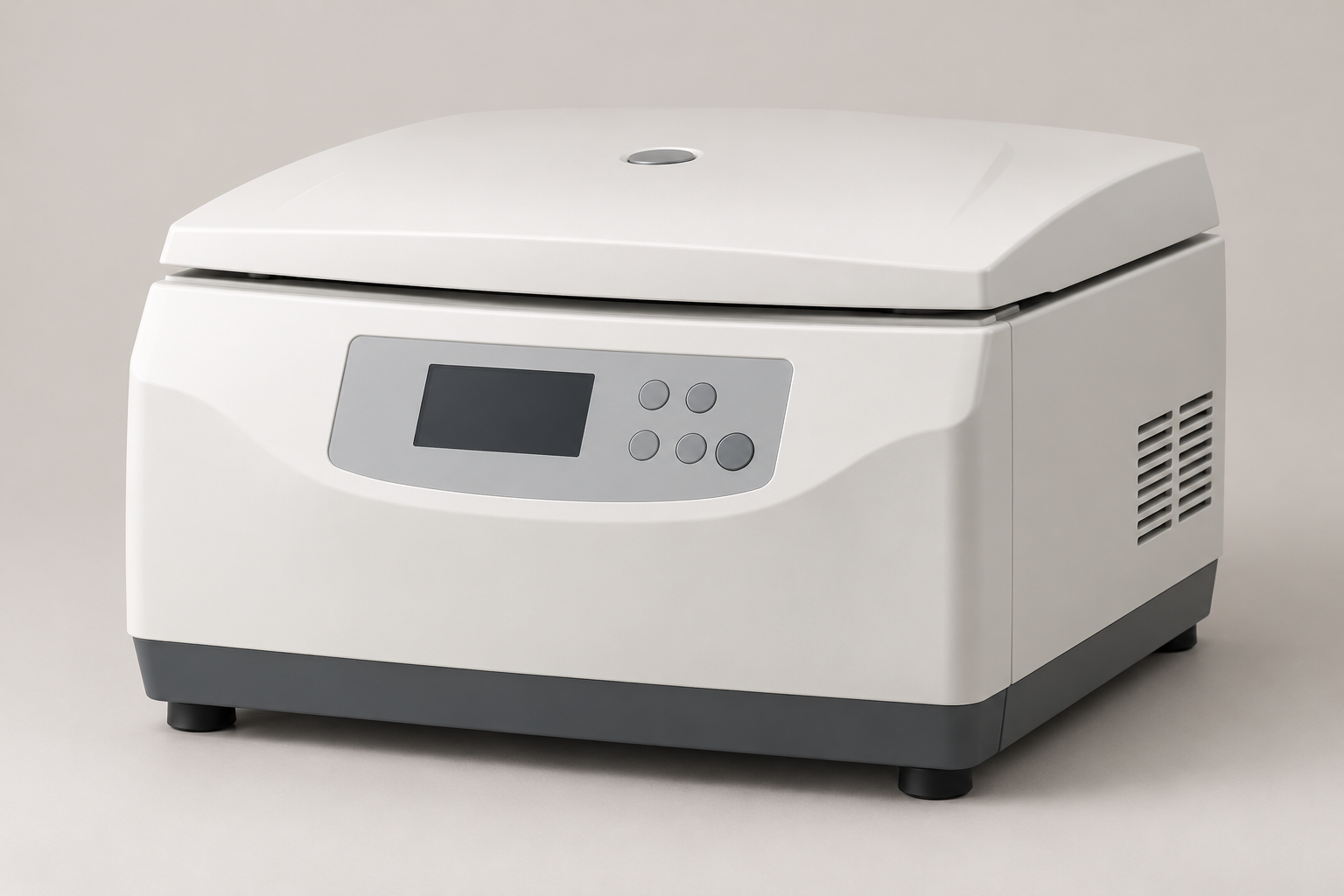
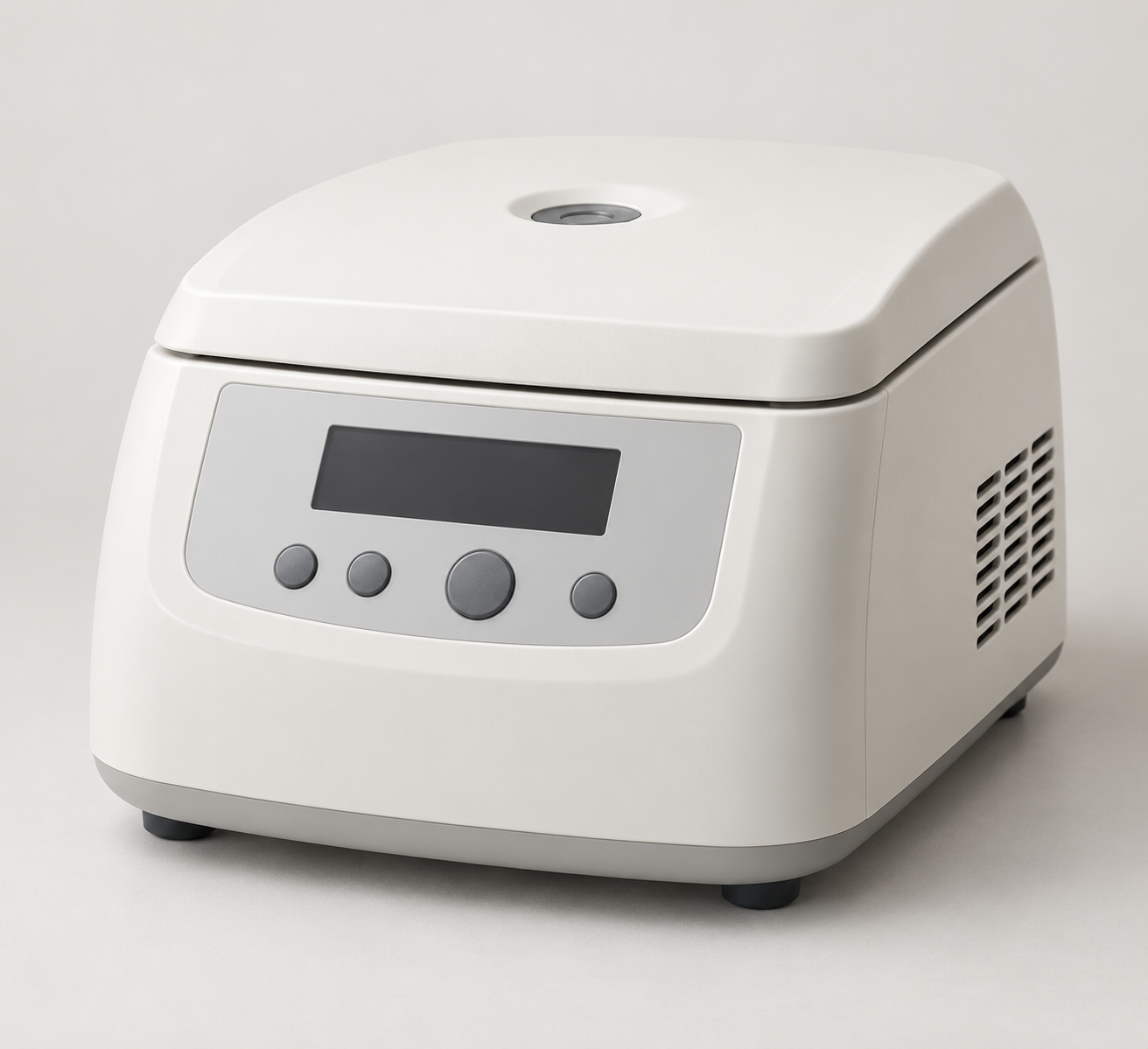
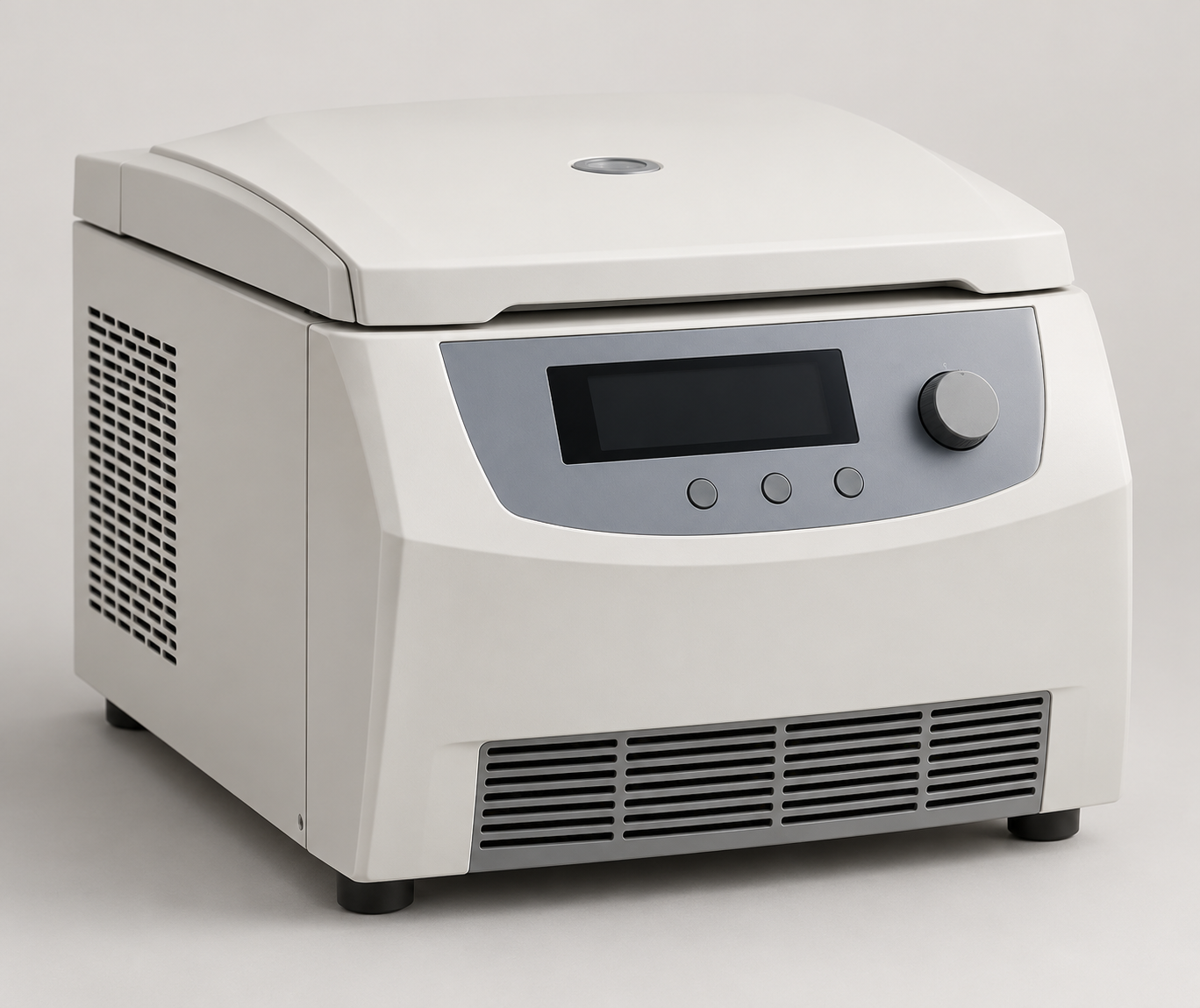
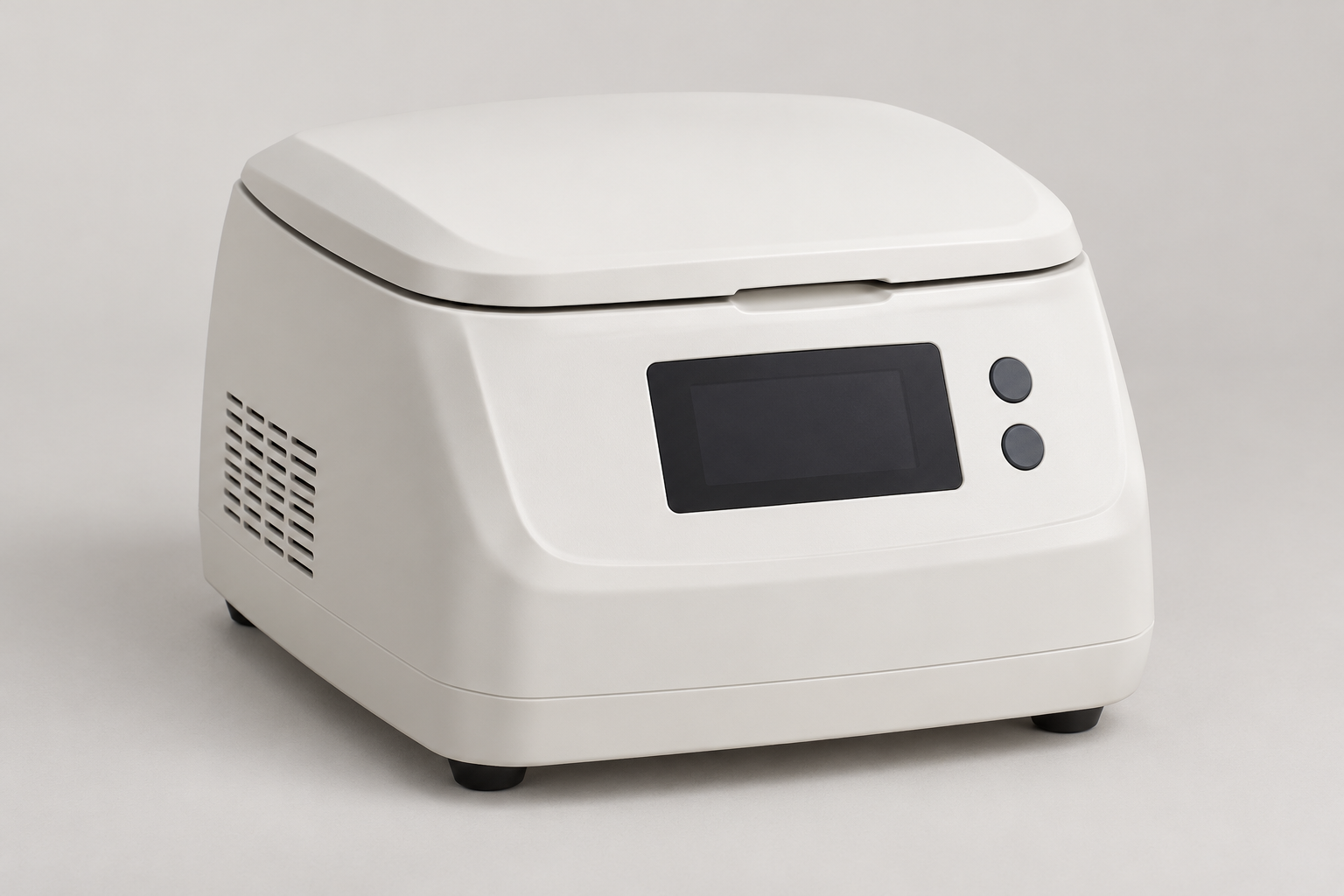
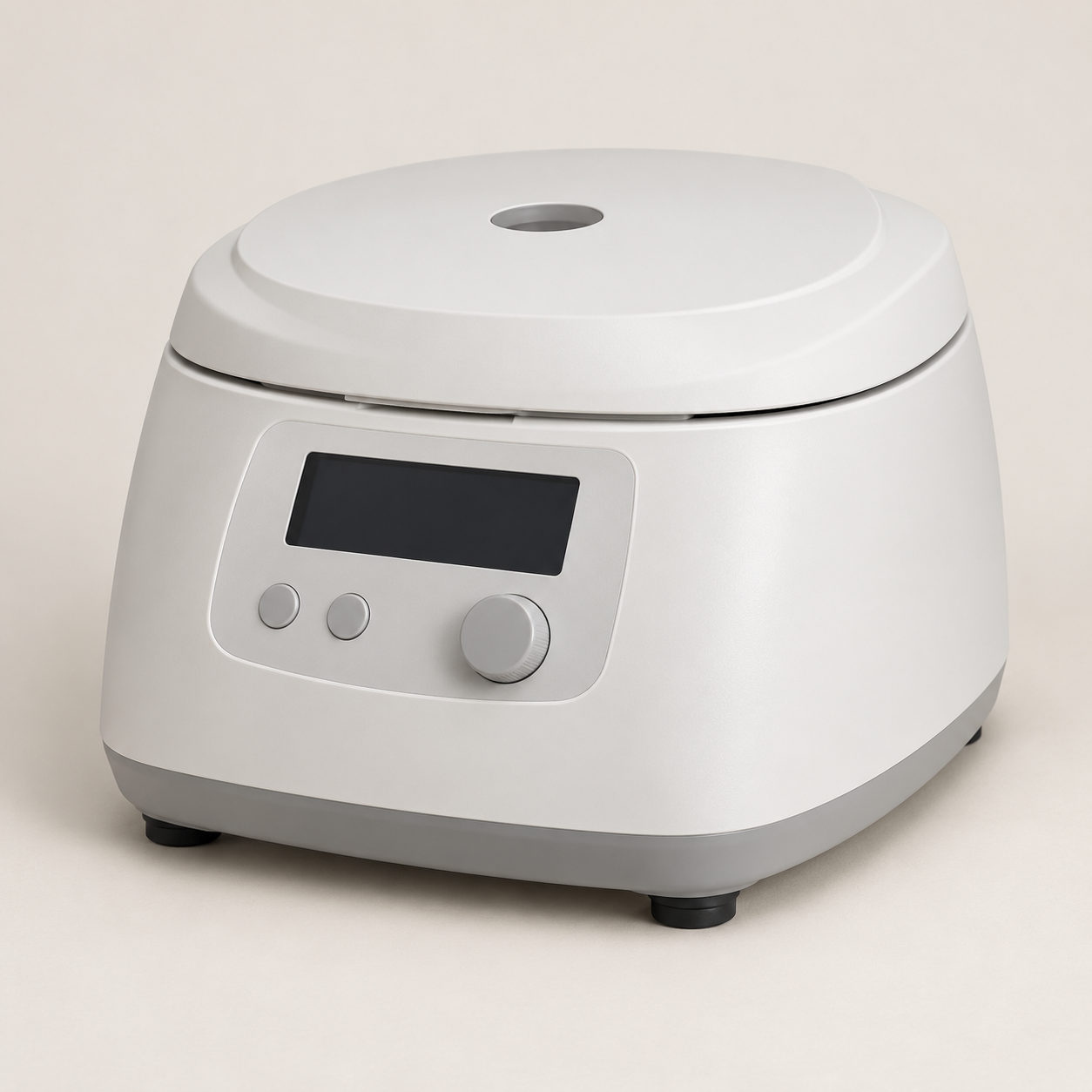
Buy research-grade centrifuges in Nigeria through Franance. Compare five listed models by exact model, temperature-control class, vessel and rotor requirements, electrical version and destination laboratory, then request a written quotation.
Buy research-grade centrifuges in Nigeria through Franance by specifying the exact instrument, rotor and vessel configuration, temperature-control requirement, electrical version and destination laboratory. The current category lists five models: Eppendorf Centrifuge 5425, Eppendorf Centrifuge 5430 (non-refrigerated), Eppendorf Centrifuge 5804 R, Eppendorf Centrifuge 5810 R and Thermo Scientific Sorvall Legend XFR. Browse all centrifuges (research grade) or open a model-filtered list to compare the catalogue records.
The category describes a procurement grouping, not a determination that a device is suitable for a particular research protocol, diagnostic test or regulated workflow. Laboratory staff should approve the intended application and proposed assembly against the current instrument and rotor documentation. Franance accepts quote-order enquiries rather than online payment; a team member follows up by phone or email to clarify scope and provide a written quotation.
Which research-grade centrifuges can I request a quote for in Nigeria?
The live catalogue assigns five products directly to this category. Use the exact model references to compare the available records:
The list reflects the product records currently assigned to this category. It is not a complete statement of either manufacturer's global portfolio, and it does not confirm Nigerian stock, country-specific ordering status or a particular package. Confirm the instrument name, exact rotor, adapters, included accessories and any options in Franance's written offer.
What does research-grade mean for centrifuges in Nigeria?
“Research grade” here is the name of a Franance catalogue category. It helps distinguish these listed laboratory instruments from the separate general laboratory centrifuge category, which currently features a different product record, and from centrifuges selected for a particular clinical laboratory or diagnostic workflow. The label alone does not certify intended use, regulatory status or suitability for a protocol.
Research laboratories work with many sample formats and procedures, so purchasing decisions should be based on the approved application and exact compatible assembly. A compact microcentrifuge, a multipurpose benchtop instrument and a high-capacity refrigerated floor-standing centrifuge serve different equipment roles. They should not be treated as interchangeable simply because each spins samples or shares a broad centrifuge family name.
Clinical laboratory procurement has its own workflow, quality-system, throughput and regulatory considerations. If the intended application is diagnostic or clinical, identify that context in the enquiry and have the laboratory's responsible personnel determine whether the proposed device and configuration are appropriate. This category page is not a substitute for intended-use statements, institution procedures or review of applicable local requirements.
How do the Eppendorf 5425 and 5430 differ?
The Eppendorf Centrifuge 5425 is a compact microcentrifuge in the current Franance list. Eppendorf describes the 5425 and refrigerated 5425 R family as a 24-place microcentrifuge platform, but the Franance product record is for the non-refrigerated 5425. Do not treat a family page that mentions “5425 R” as confirmation that refrigeration is included in the listed 5425 model. The manufacturer’s 5425/5425 R product information distinguishes the two versions and lists performance figures in relation to specified rotors.
The Eppendorf Centrifuge 5430 is also non-refrigerated in this category. Eppendorf describes its 5430/5430 R family as combining a compact footprint with a broad rotor range and multipurpose capability. That family-level description does not mean all rotors or refrigerated features are included. Confirm the exact 5430 configuration and use only current manufacturer documentation for the 5430, not specifications for the 5430 R. Compare the manufacturer's 5430/5430 R page with the exact model requested.
For an enquiry, give the laboratory’s vessel schedule and ask Franance to identify the proposed rotor, adapters, lids and supported configuration as separate quotation lines. A rotor accessory or temperature-control feature must not be assumed from a shared family page or image. If the laboratory needs refrigeration, state that explicitly so a non-refrigerated 5425 or 5430 is not offered as though it met that requirement.
When should I compare the 5804 R and 5810 R in Nigeria?
The Eppendorf 5804 R and 5810 R are refrigerated benchtop models in the current category. Eppendorf positions the 5804/5804 R for medium-throughput work and the 5810/5810 R as a versatile larger platform. The manufacturer's 5804/5804 R information and 5810/5810 R information describe model-family options, rotor compatibility and technical limits. Use those documents to identify the exact proposed model and supported assembly rather than comparing only nominal capacity.
Both model records include an “R” suffix, which identifies the refrigerated versions in these families. The distinction matters for the lab's equipment schedule, but the suffix does not by itself establish a required sample temperature, temperature uniformity under a particular load or compatibility with every rotor. Those are requirements for the laboratory to specify and verify using the manufacturer's current data and its own approved procedures.
When comparing these benchtop instruments, include the largest vessel format and total batch size, rotor arrangement, available bench footprint, lid clearance, access route, mass, electrical connection and requested services. Ask the supplier to state which rotor and adapters are included, whether any temperature-control option is part of the offered configuration, and which accessories are separately priced. Have qualified laboratory and facilities staff assess the installation location and utilities.
What is the Sorvall Legend XFR and how does it differ from benchtop models?
The Sorvall Legend XFR is the high-capacity refrigerated model in this category, listed by its exact Thermo Scientific catalogue number, 75004538. Thermo Fisher's official catalogue page identifies that number as a refrigerated Legend XFR with 230 V, 50 Hz electrical requirements. The page describes the Legend XT/XF family and reports a 4 × 1,000 mL capacity, 15,200 rpm maximum speed and 25,314 × g maximum RCF in the context of its specified rotor/configuration. The rotor and adapters are not all included automatically; confirm exactly what the quote includes.
The Legend XFR should be evaluated as a larger floor-standing instrument with its own access, room, electrical and service requirements. It is not a like-for-like substitute for a compact 5425 or 5430 microcentrifuge, or for the Eppendorf refrigerated benchtop systems. Published maximum capacity and speed are not guaranteed simultaneously across every rotor, adapter or load. Ask for documentation covering the actual proposed assembly and intended use.
The catalog number also matters commercially. Include “75004538” in the enquiry and require it to appear on the quotation. If the laboratory has a particular rotor configuration in mind, include its exact reference or vessel requirements; do not assume the family image or listed default rotor is the package required by the project.
How should I choose refrigerated or non-refrigerated centrifuges?
Start with the laboratory's approved equipment requirement. State whether active refrigeration is required, optional or not needed, and identify the sample workflow that led to that requirement. The five assignments include non-refrigerated Eppendorf 5425 and 5430 models, refrigerated Eppendorf 5804 R and 5810 R benchtop models, and the refrigerated Thermo Scientific Sorvall Legend XFR. The model names should be preserved exactly in the specification and quotation.
Do not infer a target temperature or safe operating condition from the general category. The responsible laboratory team should set protocol and sample constraints, then review current manufacturer instructions for the instrument, rotor, adapters and load. A refrigeration feature does not guarantee a particular outcome for every load, and non-refrigerated equipment should not be presented as satisfying a refrigeration requirement without documented approval.
For a multi-instrument project, record the required capacity, temperature-control class, vessel formats and duty needs for each room or workflow separately. This helps prevent one model family from being copied across applications that have different requirements. Ask Franance to quote each exact model and included assembly as its own line, with alternatives clearly marked for technical review rather than silently substituted.
What rotor and vessel information should I provide?
The rotor and vessel assembly is central to a meaningful centrifuge quotation. Send the laboratory's approved vessel schedule, including the manufacturer and reference where known, dimensions, quantity per run, and any special buckets, adapters or lids required. Ask Franance to identify the proposed rotor reference, its approved vessel combinations and the accessories included or excluded. Have qualified laboratory staff compare the answer with the exact instrument manual and rotor documentation.
Maximum rpm, relative centrifugal force, capacity and temperature range belong to a particular instrument, rotor and configuration. A headline maximum should not be assumed to apply to every accessory or vessel. Ask the supplier to provide the relevant technical documents for the quoted assembly and identify any limits or conditions stated by the manufacturer. This guide does not provide operating settings, balancing steps, sample preparation directions or protocol advice.
Also state whether the lab needs spare rotors, adapters, buckets or lids, and list each requested item separately. If a current centrifuge is being replaced, provide its model and accessory references but do not assume the existing components are transferable. Compatibility should be checked by the manufacturer or qualified supplier for the exact part numbers and instrument version.
What should a research-grade centrifuge quotation in Nigeria include?
Send Franance the exact model or approved specification, quantity, destination facility, city and state, electrical version, requested rotor and adapter package, and any requested installation, orientation, training, warranty or maintenance scope. For the Sorvall Legend XFR, include catalog number 75004538 and confirm the destination electrical configuration. For all models, state whether quotation should include instrument only or a full accessory package.
Ask the written offer to identify the manufacturer reference, instrument version, rotor and accessory references, what is included, what is optional, country-specific availability, delivery estimate, warranty, installation or training terms and any exclusions. If technical alternatives are proposed, ask Franance to keep each alternative separate and provide manufacturer documentation so your laboratory can approve it before purchase.
Franance's catalogue supports quote-order enquiries; it does not take online payment for these items. Submit a research-grade centrifuge quote request. Franance will follow up by phone or email to clarify the model, configuration, quantity and destination, then confirm pricing and commercial scope in a written quotation. An enquiry is not a confirmed order or confirmation of stock.
Can Franance quote centrifuges for every state in Nigeria?
You can enquire for a facility in any Nigerian state. Include the facility name, city, state, number of instruments, receiving access constraints and any requested installation or service work. Franance will confirm availability, delivery terms and any local service scope for that destination in the written offer. The catalogue does not promise local stock, fixed delivery dates, or uniform installation and support coverage across all locations.
Equipment placement and utilities are facility-specific. For benchtop or floor-standing equipment, ask the relevant laboratory and facilities teams to approve the proposed dimensions, access path, electrical configuration and service requirements. These checks should use the exact model and current manufacturer documents; an international product page alone does not establish suitability for a Nigerian site.
Can I buy research-grade centrifuges online from Franance?
No. Franance does not take online payment for these centrifuges. Choose the exact model or send the laboratory's approved requirements, then submit a quote-order enquiry. Franance follows up by phone or email to clarify rotor configuration, vessel compatibility, temperature control, quantity, destination and requested services. The written quotation confirms price, availability and agreed scope.
Start with life science and research equipment, then browse the centrifuges (research grade) category and exact product listings above. For a separate general laboratory centrifuge requirement, review laboratory centrifuges; clinical or diagnostic requirements should be identified explicitly and assessed by the responsible laboratory team. Use exact model and accessory references so the supplier can quote the equipment the facility actually specified.
Common questions
Which research-grade centrifuge models are currently listed?
Five models are currently assigned to this category: Eppendorf 5425, Eppendorf 5430 non-refrigerated, Eppendorf 5804 R, Eppendorf 5810 R, and Thermo Scientific Sorvall Legend XFR catalog 75004538. Confirm the exact configuration and availability in a written quotation.
Does the Eppendorf 5430 listing include refrigeration?
No. Franance's current record is the non-refrigerated Eppendorf Centrifuge 5430. Eppendorf's family page also describes a separate 5430 R refrigerated variant; do not assume that variant is included.
Can I buy research-grade centrifuges online from Franance?
No. Submit a quote-order enquiry with the exact model, rotor and accessory needs, quantity and delivery location. Franance follows up by phone or email and confirms the commercial terms in writing.
Request research-grade centrifuges from Franance.
Send exact model references, the approved rotor and vessel schedule, temperature-control needs, quantity, electrical configuration, destination city and state, and requested service scope. Franance will follow up on the quote order and confirm availability and terms in writing.


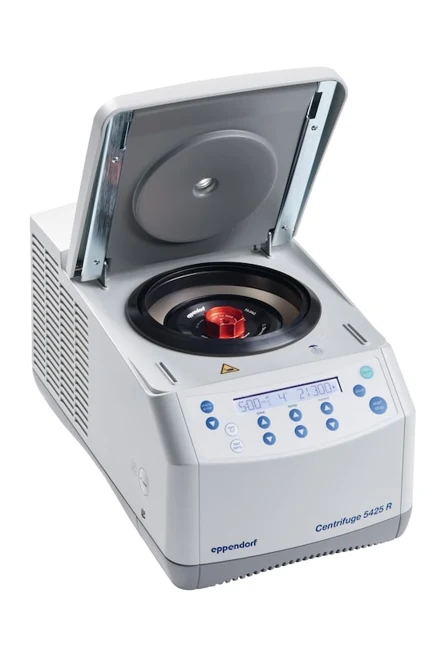
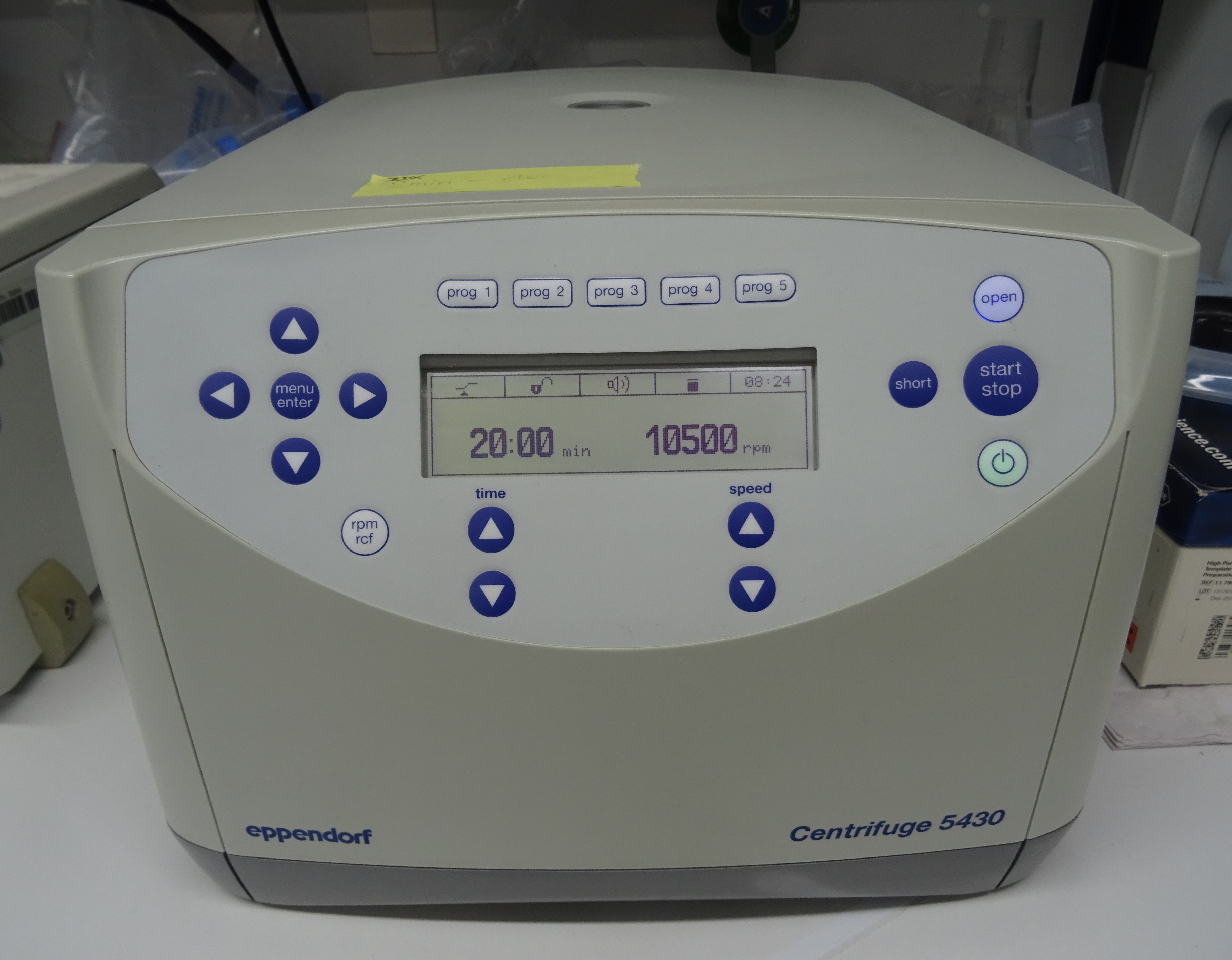 Photo by Karbohut · CC BY-SA 4.0
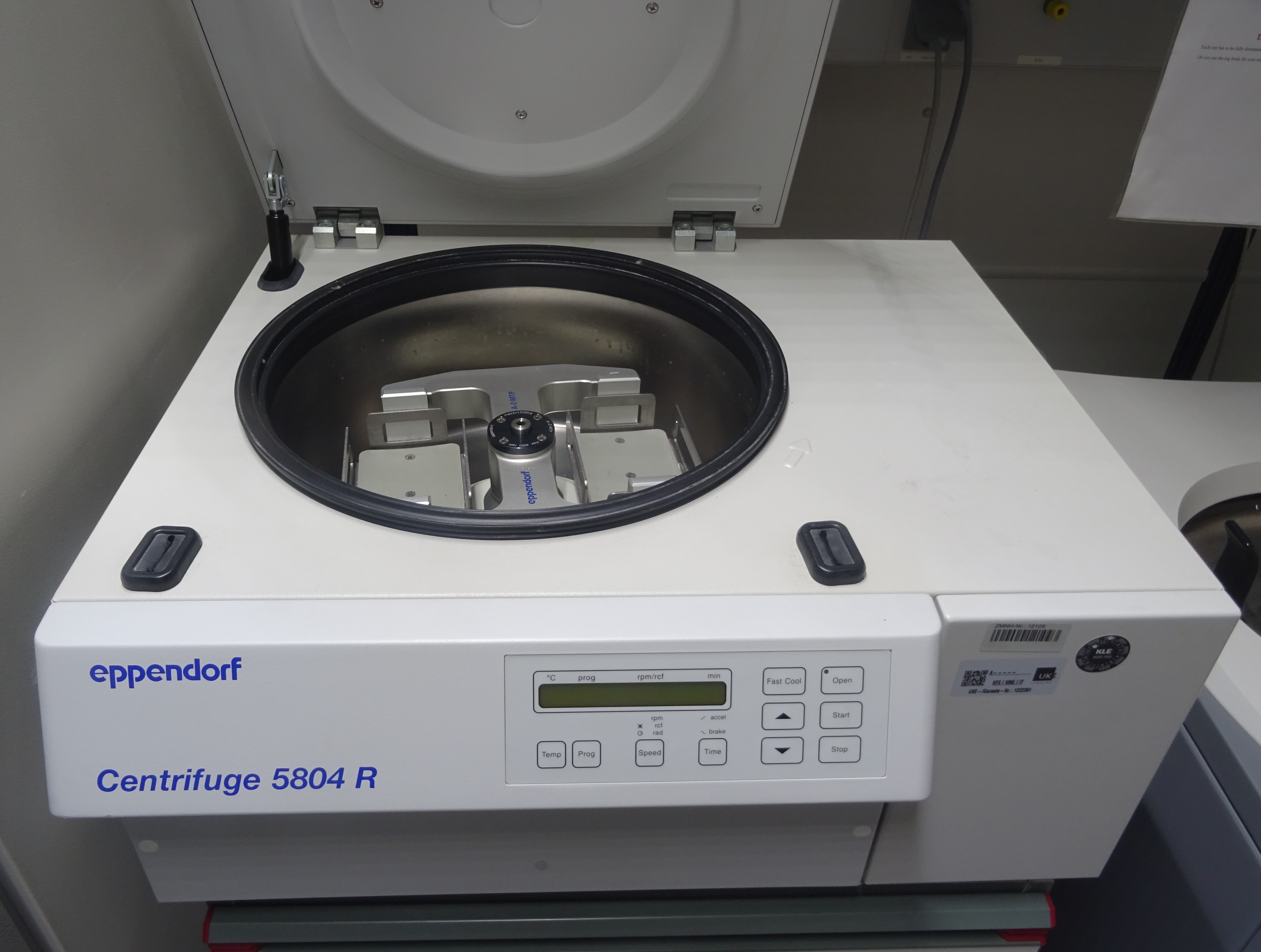 Photo by Karbohut · CC BY-SA 4.0
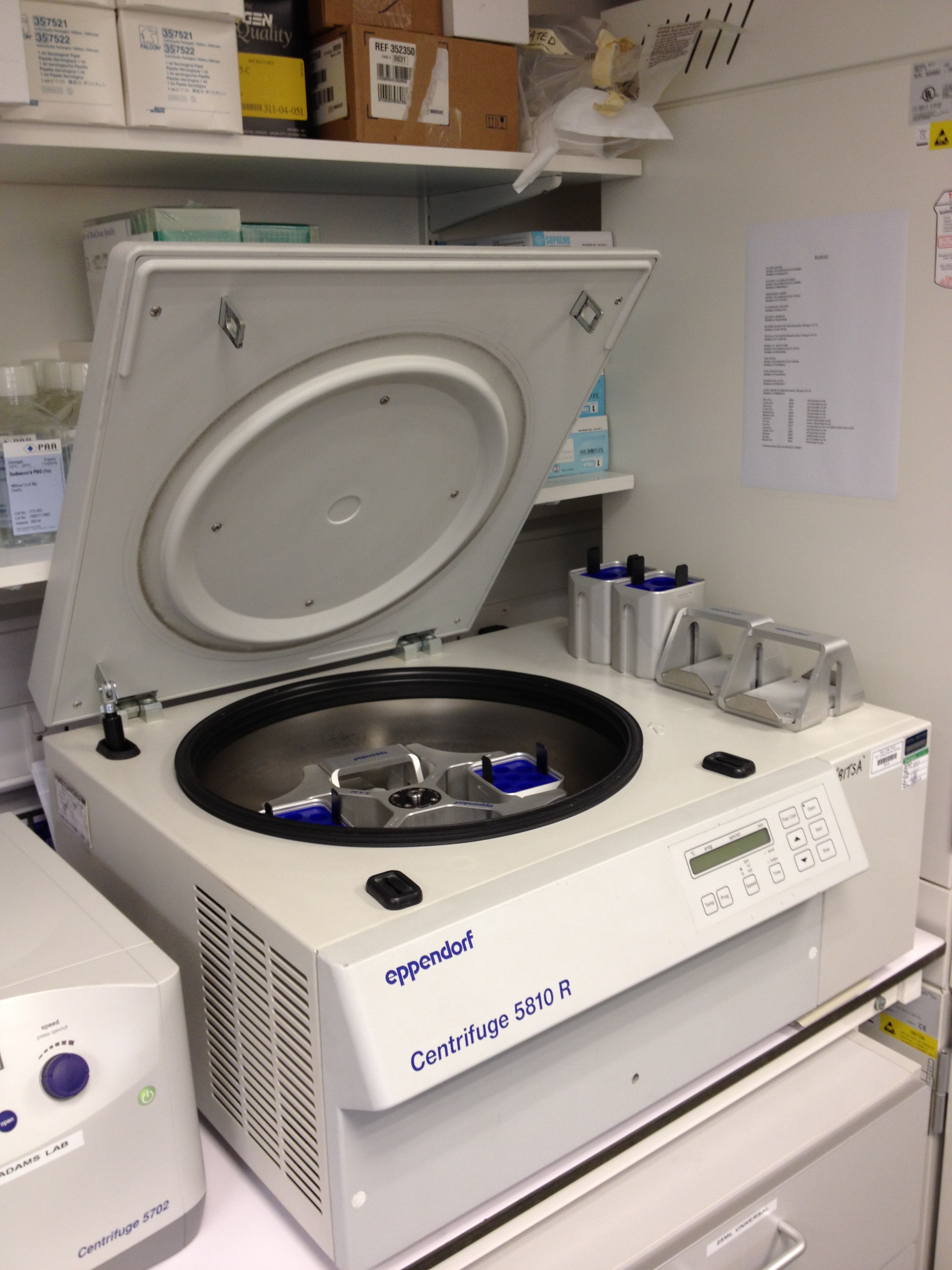 Photo by Rockpocket · CC BY-SA 3.0