
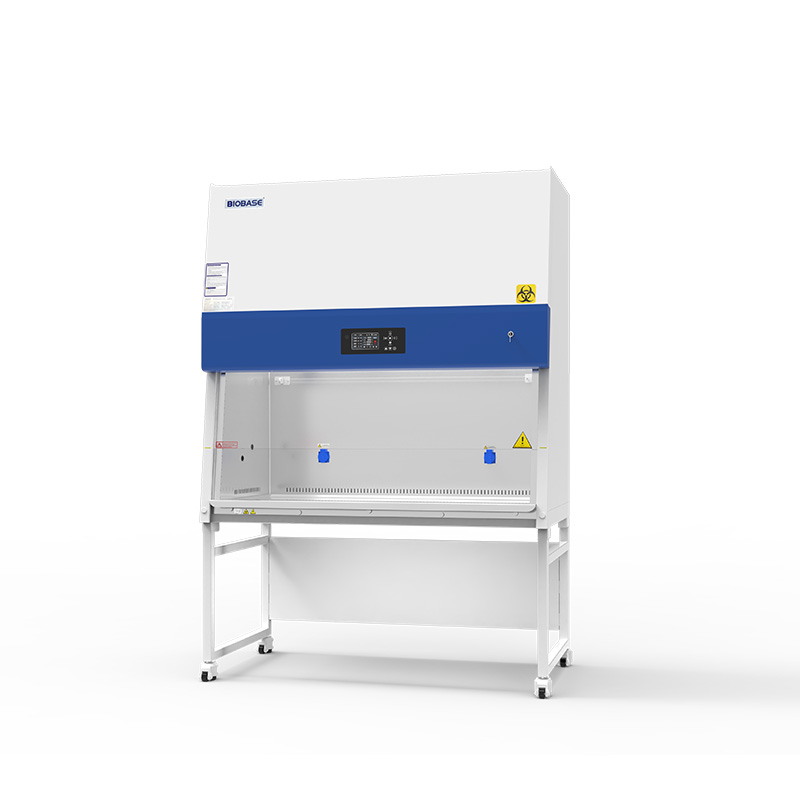
BSC-1100IIA2-X Class II A2 Biological Safety Cabinet
Class II A2 biological safety cabinet
Price on request

Medical equipment and biomedical engineering.
Abuja, Nigeria.
Buy Class II biological safety cabinets in Nigeria through Franance. The current category lists three distinct configurations: Labconco Logic Type A2 catalog 302410052, Thermo Scientific HeraSafe 2030i catalog 51032328 and BIOBASE BSC-1100IIA2-X. Specify the institution's approved cabinet requirement, exact model or criteria, room and access details, services, documentation and requested assessment scope. Confirm the offered configuration and site responsibilities before placing a quote order.
10 models
Class II A2 biological safety cabinet
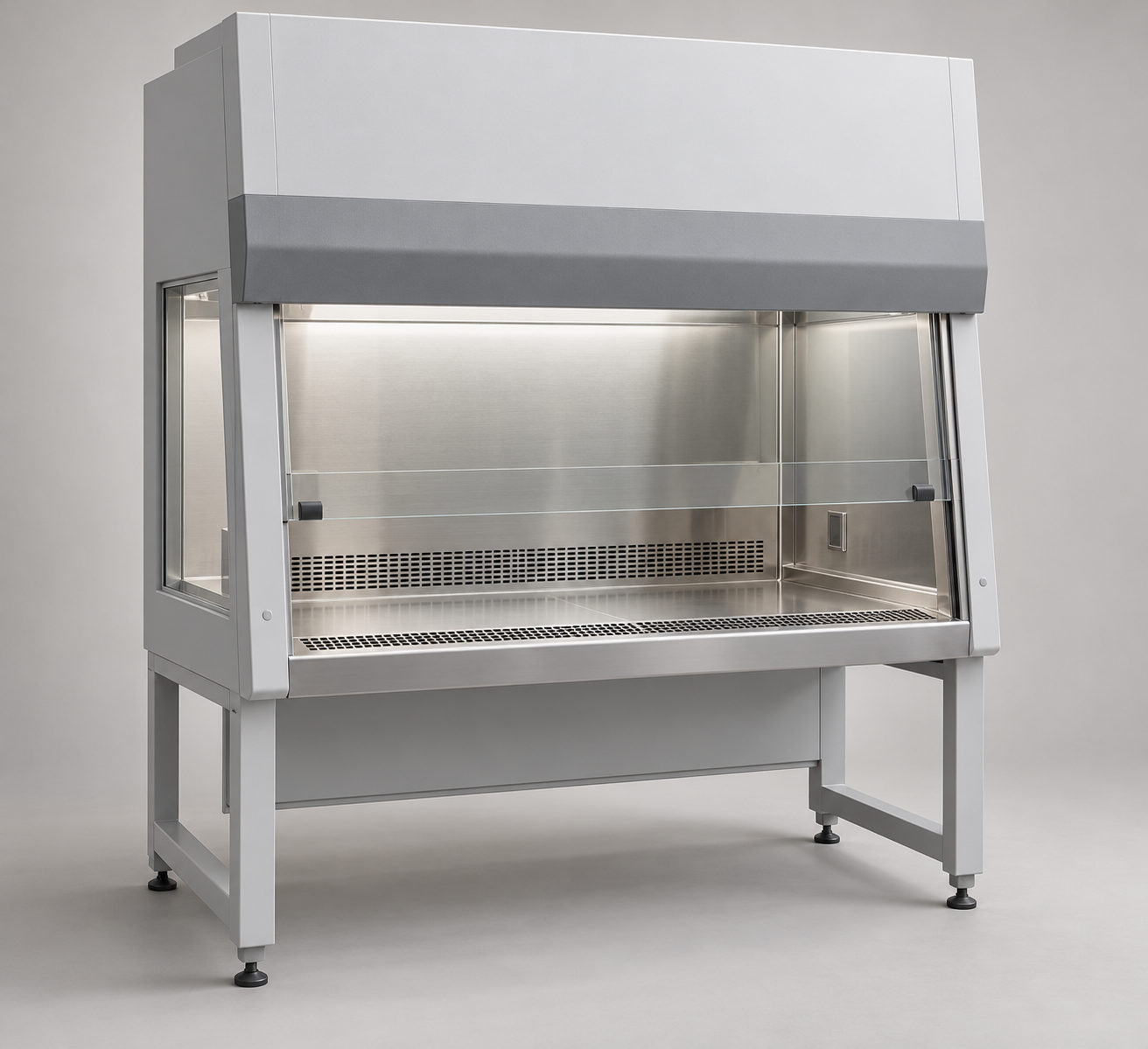
Class II biological safety cabinet
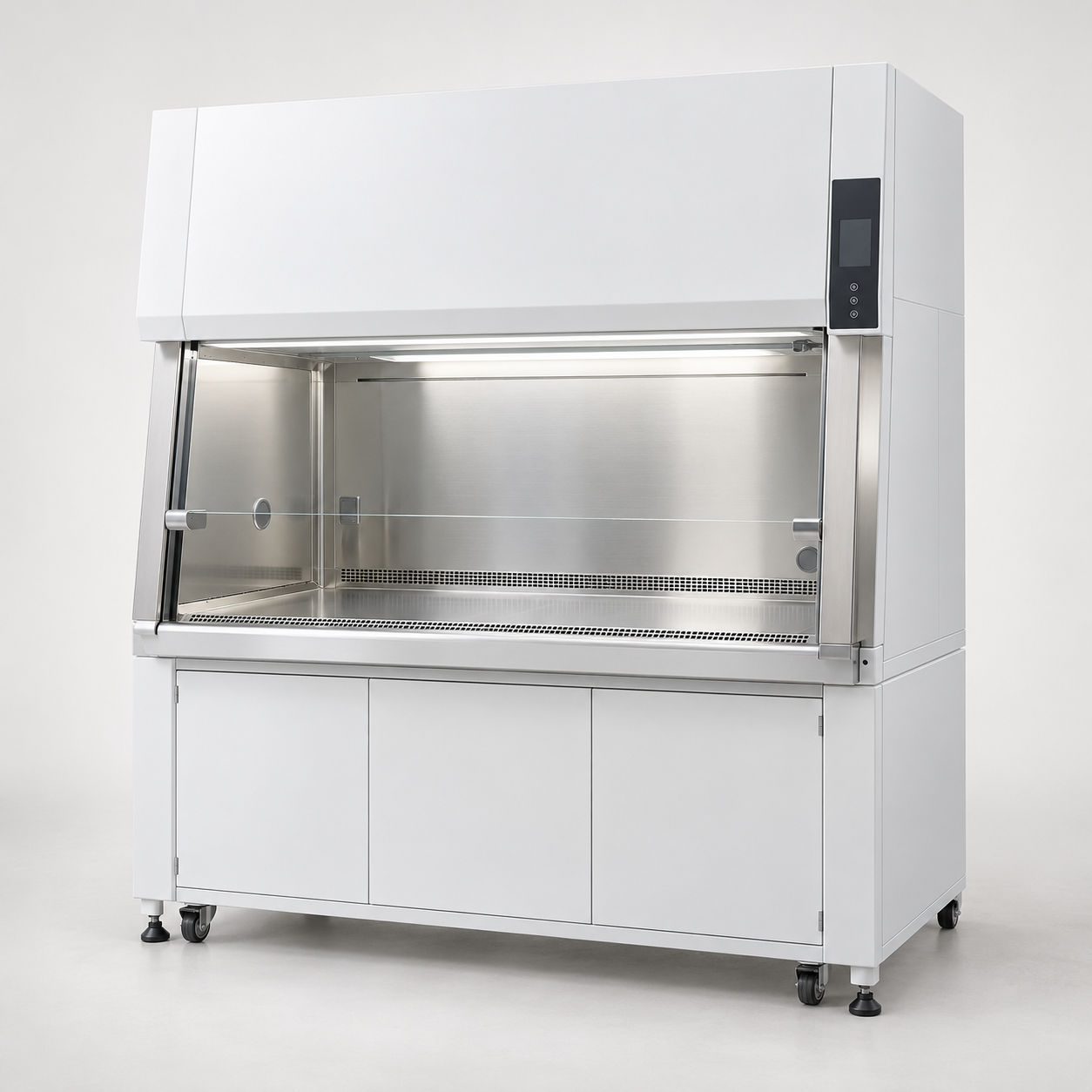
Class II, Type A2 biological safety cabinet
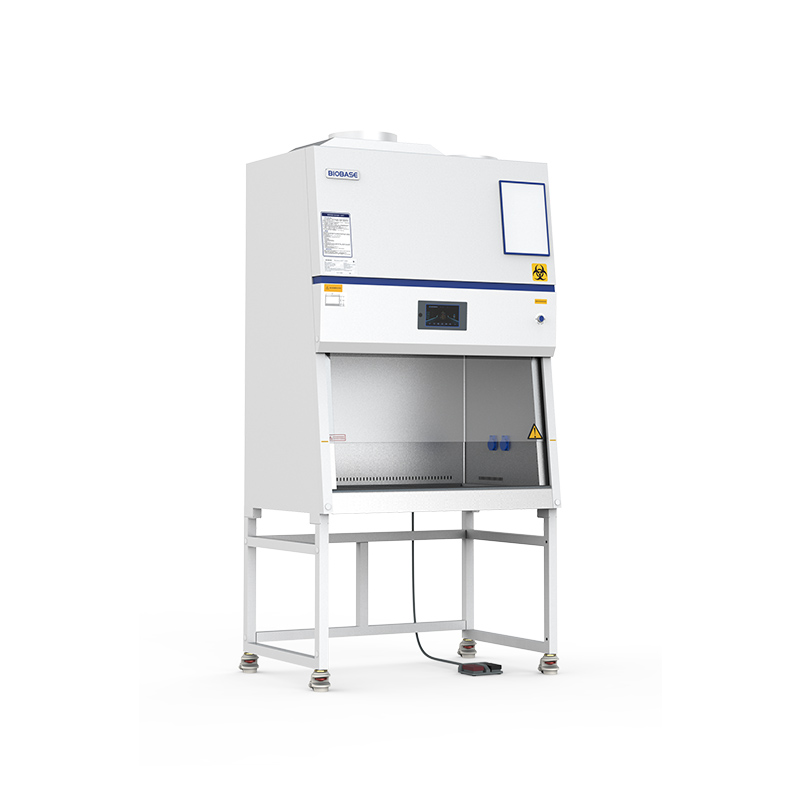
Class II B2 biological safety cabinet
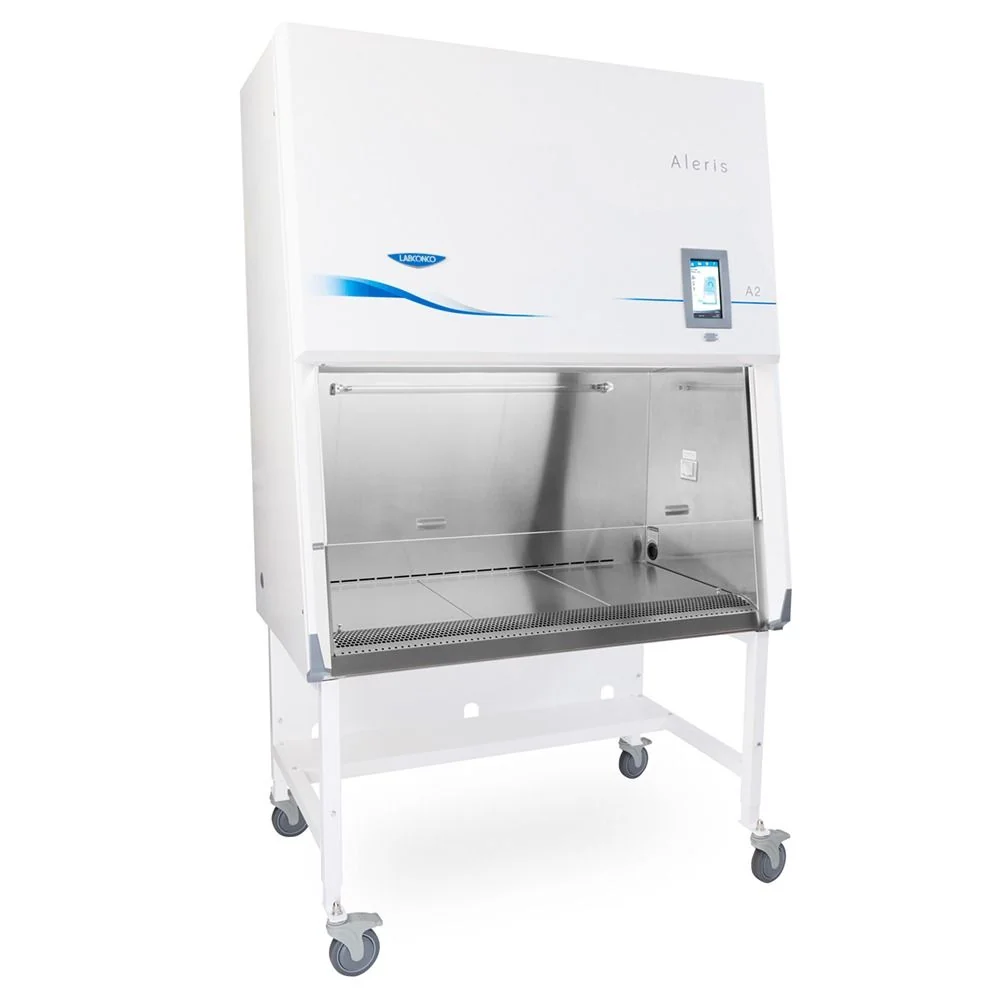
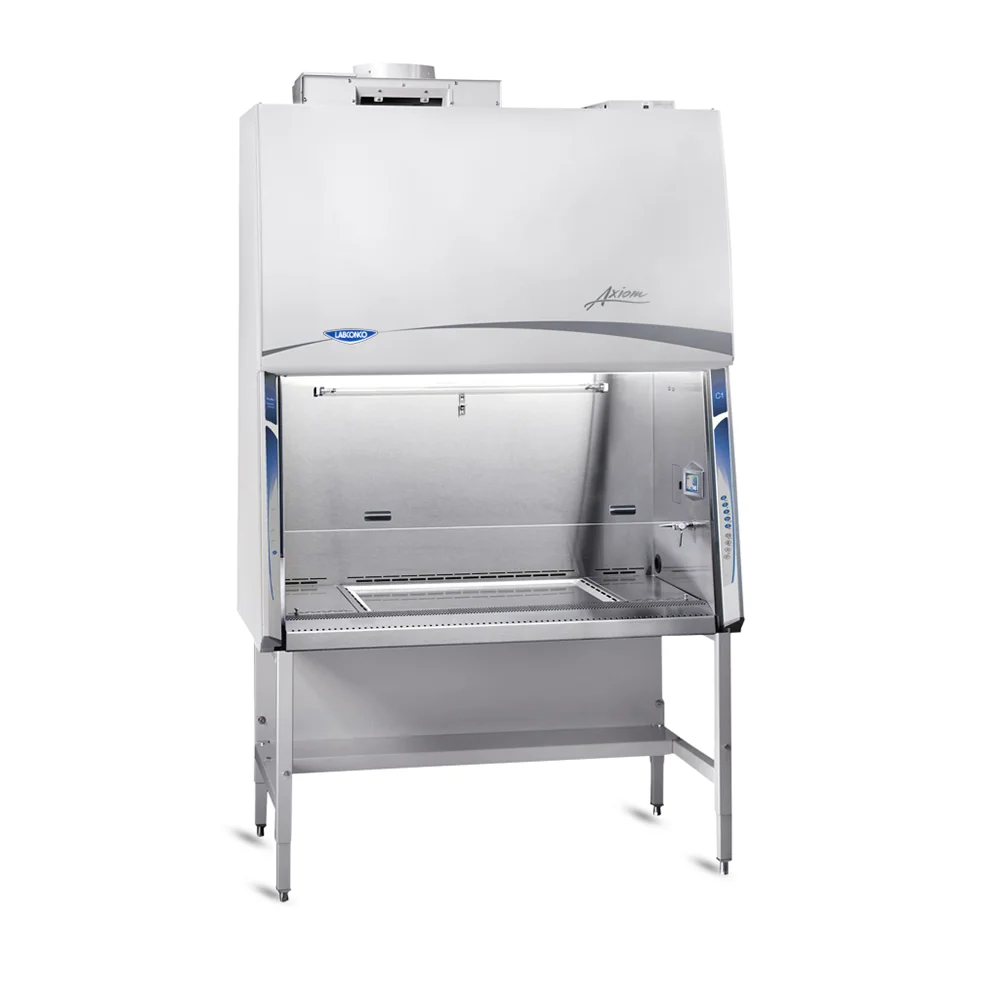
Purifier Axiom Class II Type C1 Biosafety Cabinet
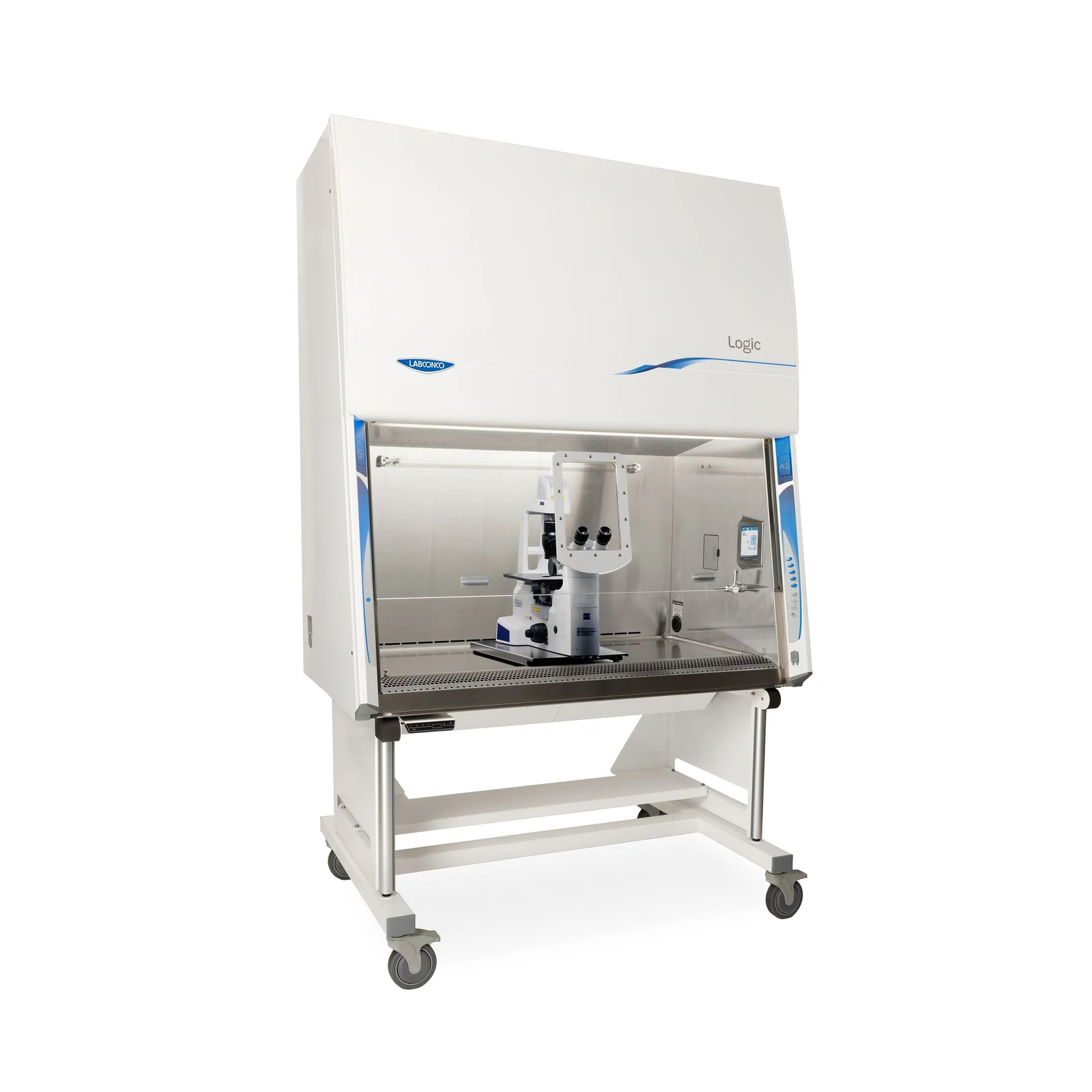
Cell Logic Class II Type A2 Biosafety Cabinet
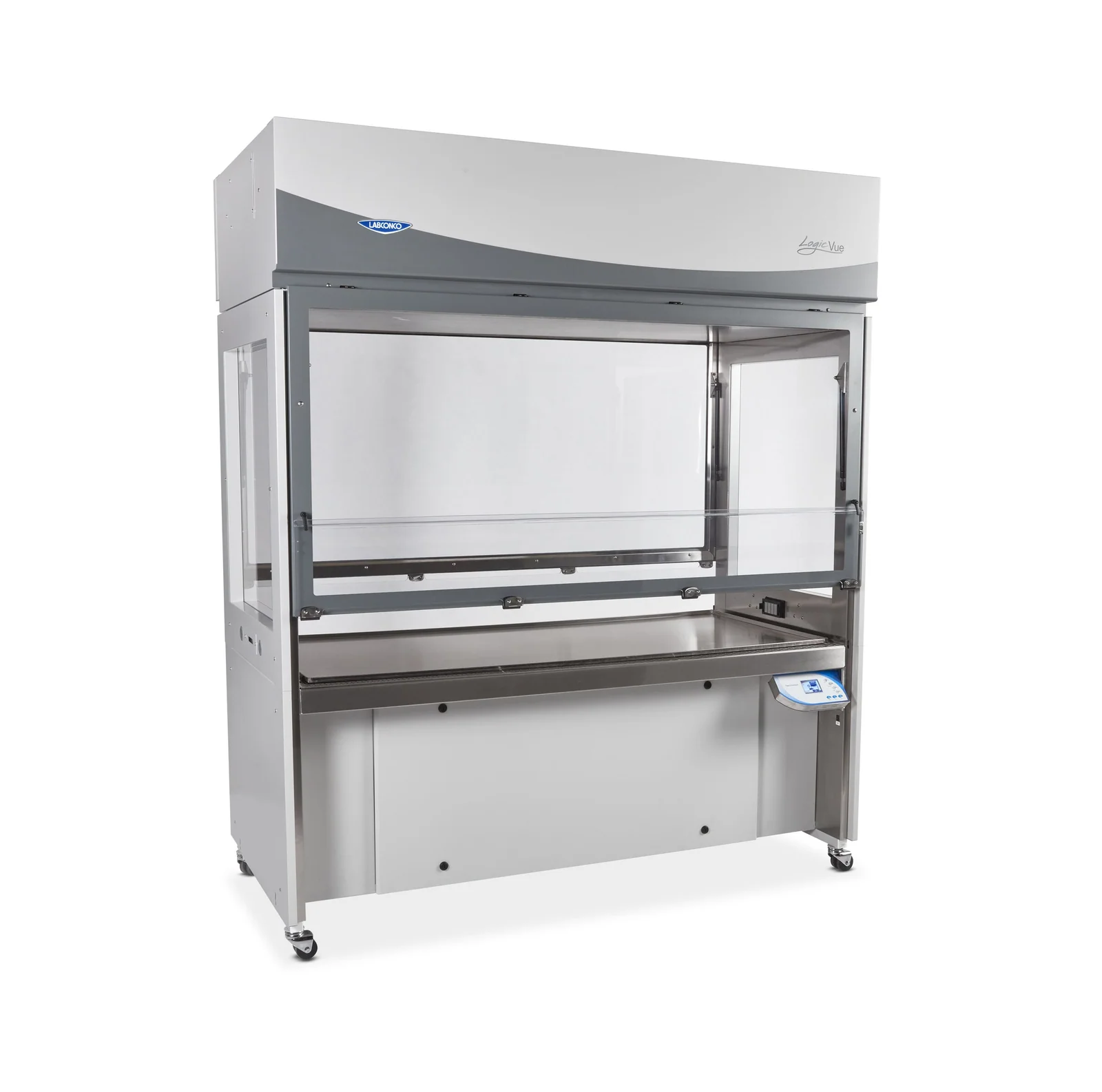
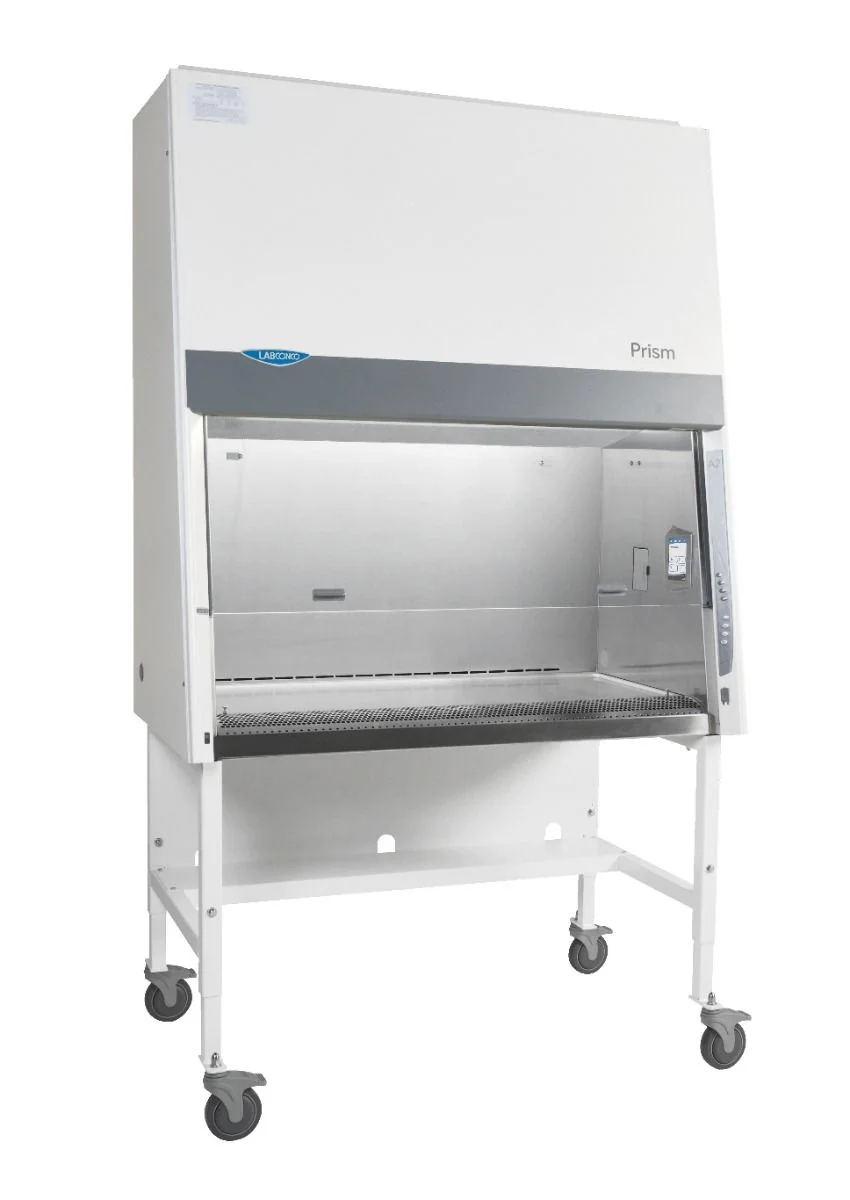
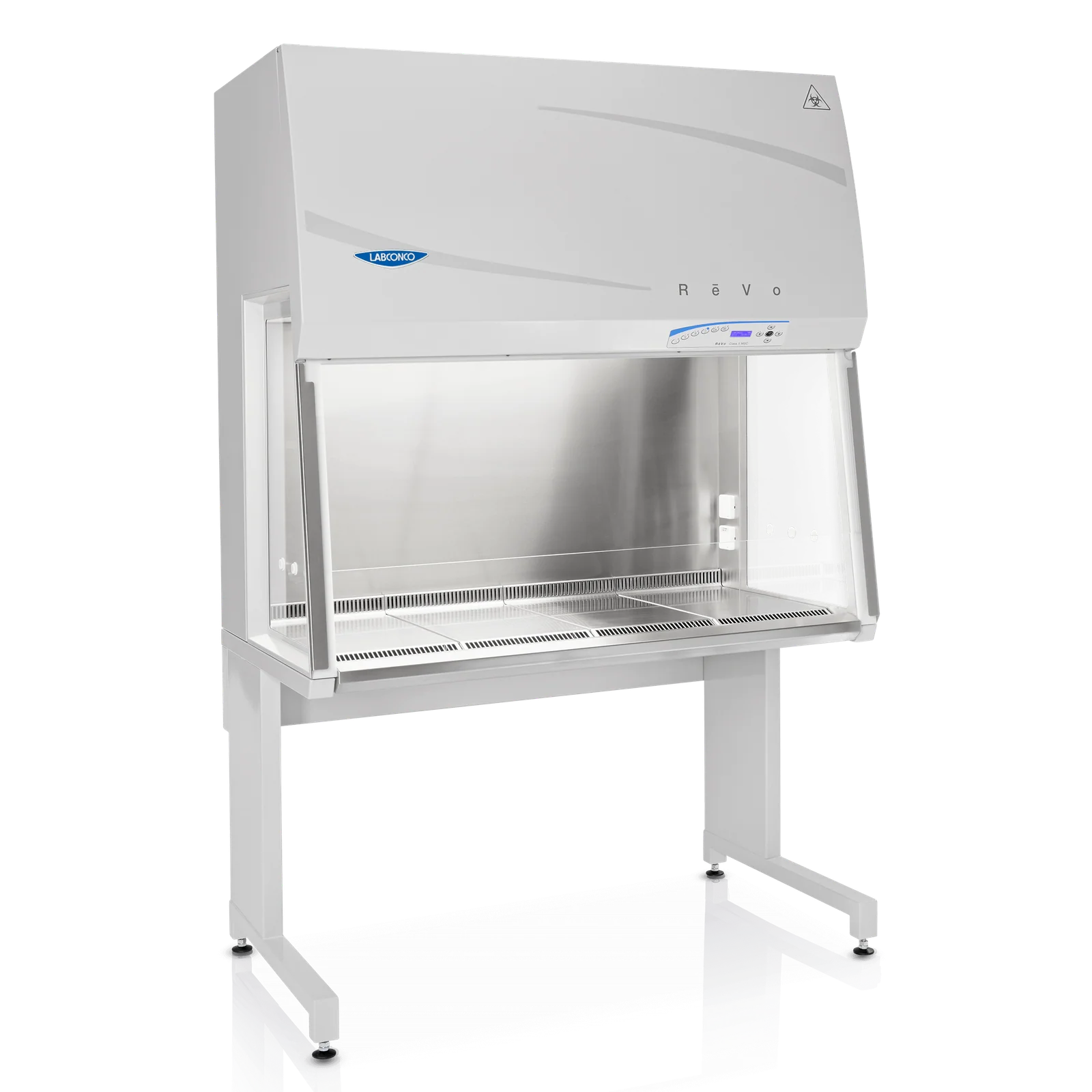
ReVo Class II Type A2 Microbiological Safety Cabinet
Browse the Class II cabinet listings and request a quote from Franance for the exact model or approved technical specification. State whether the enquiry is for a new laboratory, an expansion or a replacement, and provide the quantity and delivery location. Include the institutional contact responsible for biosafety, the facilities contact and the procurement lead so technical and commercial questions can be answered together.
Read moreA biological safety cabinet is a primary-containment device whose airflow and filtration are designed to manage exposure risks around work performed inside it. Class II cabinets combine inward airflow at the front opening with filtered airflow over the work area; the details vary by cabinet type and model. WHO’s biological-safety-cabinet monograph describes Class II types and explains that cabinet type, exhaust arrangement and intended use must be considered together.
Read more“Class II” identifies a broad cabinet class, not one universal airflow or exhaust arrangement. Within Class II, A1, A2, B1, B2 and C1 types have different design details and ventilation interfaces. WHO’s 2020 cabinet monograph provides a comparative table and notes, for example, that Type A2 commonly recirculates part of its filtered air while exhausting the remainder; exact operating values and room connections are product- and installation-specific. Do not infer the correct type from a room label or a generic phrase such as “biosafety cabinet.”
Read moreRequest a quotation for a Class II biological safety cabinet through Franance with the laboratory’s approved containment specification, exact model or performance criteria, room details and requested technical scope. The current Franance category has three assigned models: Labconco Logic Type A2 (catalog 302410052), Thermo Scientific HeraSafe 2030i (catalog 51032328, listed as 0.9 m), and BIOBASE BSC-1100IIA2-X. Confirm what is actually being offered, which documents apply to that configuration, and which delivery, installation and field assessment activities are included. Franance handles quote orders and follows up by phone or email; there is no online payment. A cabinet’s class or model name is only one part of a laboratory’s biosafety system. The responsible institution determines the requirement through a documented risk assessment and professional review. This guide helps Nigerian laboratories organize a purchase enquiry; it does not select equipment for a procedure, establish containment suitability, certify a unit, approve an installation or replace the facility’s biosafety programme.
Browse the Class II cabinet listings and request a quote from Franance for the exact model or approved technical specification. State whether the enquiry is for a new laboratory, an expansion or a replacement, and provide the quantity and delivery location. Include the institutional contact responsible for biosafety, the facilities contact and the procurement lead so technical and commercial questions can be answered together.
The three current product records are distinct configuration references, not a blanket claim that all three are interchangeable or suitable for the same procedure. Use the model’s full name and catalogue number in a tender response or quote comparison. If the institution accepts alternatives, identify which requirements are mandatory and which may be varied, then have each proposed change reviewed against the original approved specification.
Franance can follow up by phone or email to clarify the quote order. Ask the written offer to identify the exact cabinet, manufacturer documents, included accessories, delivery terms and any requested site work. A category listing does not verify local stock, a delivery date, an authorized-distributor relationship, a local service response, or certification of a particular cabinet at a Nigerian site.
A biological safety cabinet is a primary-containment device whose airflow and filtration are designed to manage exposure risks around work performed inside it. Class II cabinets combine inward airflow at the front opening with filtered airflow over the work area; the details vary by cabinet type and model. WHO’s biological-safety-cabinet monograph describes Class II types and explains that cabinet type, exhaust arrangement and intended use must be considered together.
This equipment has a different purpose from a clean bench or a chemical fume hood. A clean bench may direct filtered air to protect a product without providing the same personnel-containment function; a chemical hood is designed for appropriate chemical-vapour control and ventilation. A clear sash, HEPA filter or “laminar flow” wording alone does not establish that equipment meets a laboratory’s approved biological-containment requirement. Ask the laboratory biosafety officer or other responsible reviewer to name the required device and criteria explicitly.
A cabinet is also one control within a wider biosafety programme. Procedures, training, room conditions, maintenance, decontamination and institutional oversight affect the overall system. Do not treat a product page, manufacturer description or cabinet class as a procedure-specific approval. The institution’s current risk assessment and operating policies remain the basis for deciding what equipment and controls are required.
“Class II” identifies a broad cabinet class, not one universal airflow or exhaust arrangement. Within Class II, A1, A2, B1, B2 and C1 types have different design details and ventilation interfaces. WHO’s 2020 cabinet monograph provides a comparative table and notes, for example, that Type A2 commonly recirculates part of its filtered air while exhausting the remainder; exact operating values and room connections are product- and installation-specific. Do not infer the correct type from a room label or a generic phrase such as “biosafety cabinet.”
Two assigned records explicitly identify the A2 type in their model or configuration: the Labconco Logic 4-foot Type A2 cabinet and BIOBASE AC Series BSC-1100IIA2-X. The Thermo Scientific record identifies a HeraSafe 2030i Class II cabinet with catalogue option 51032328, listed by the manufacturer as a 0.9 m configuration with EN 12469 certification. Thermo’s other market configurations are described with different certification bases, including NSF listings for specified North American versions. Confirm the type, country variant, applicable certificate and exact suffix for the unit actually offered; do not transfer certification from one size or market version to another.
The intended work and the facility design determine whether a specific cabinet type is appropriate. In particular, do not assume that an A2 cabinet can handle volatile toxic chemicals or radionuclides simply because it is a biological safety cabinet. Have qualified biosafety and facilities personnel assess the application, exhaust connection and applicable guidance. If a proposed cabinet type differs from the approved requirement, pause the commercial comparison until that change is reviewed and recorded.
The current leaf lists three models. Open each exact filtered result and compare the manufacturer’s current information with the institution’s approved specification:
- Labconco Logic 4 ft, Type A2, catalog 302410052 is listed as a four-foot cabinet with a ten-inch sash opening and 230 V, 50/60 Hz Great Britain configuration. Labconco identifies its Logic Type A2 family as providing personnel, product and environmental protection from hazardous particulates. Confirm the offered catalog configuration, stand, accessories, plug and site interfaces.
- Thermo Scientific HeraSafe 2030i, catalog 51032328 is listed by Thermo Fisher as a 0.9 m unit with a stated accessory configuration. The product family has motorized sash and electronic monitoring features, but regional variants, certification, electrical supply, outlets and included items differ. Request the current datasheet and IFU for the exact catalogue number being quoted.
- BIOBASE BSC-1100IIA2-X belongs to the manufacturer’s AC Series A2 line. BIOBASE lists multiple widths in the same family, with differing dimensions, weights and electrical details; the 1100 designation must not be substituted with a 1300, 1500, 1800 or 2000 model without review.
These assignments describe only the current catalogue entries. They do not enumerate every cabinet model the manufacturers make or confirm that every manufacturer configuration can be supplied in Nigeria. The enquiry should name the required exact model rather than relying on a neighbouring model in a product-family image or brochure.
Before selecting a location, provide the facilities team with the proposed cabinet’s current external dimensions, installation clearances, weight, delivery packaging and service access requirements. Check doorways, corridors, lifts, floor loading and the route from receiving to the laboratory. A nominal working width does not describe the full footprint, stand, service clearance or movement envelope. Request the drawing and transport information for the exact offered model and configuration.
Class II cabinet airflow interacts with the room. Doors, supply-air diffusers, air-conditioning discharge, nearby traffic and pressure relationships can affect the environment around the front opening. The institution’s facilities and biosafety reviewers should assess the intended position against manufacturer installation instructions and room design. This guide does not determine a safe location, acceptable room airflow or exhaust solution.
Clarify whether the proposed cabinet returns filtered exhaust to the room or requires a canopy/thimble connection or another exhaust arrangement. Do not infer the required connection from an A2 label: individual products and operating configurations need to be assessed against their instructions and intended work. Include any building exhaust, electrical supply, plug, dedicated circuit or other services as explicit project questions. Ask who is responsible for site preparation, connection, installation, post-installation testing and written handover.
For Nigeria delivery, provide the full facility address and city/state, receiving hours, access restrictions, unloading arrangements and any coordination requirements for the room. Confirm the actual delivery scope and cost in the written quotation. A manufacturer’s international product page is not evidence of local installation coverage or project readiness.
Ask for the current manufacturer product documentation and instructions for the exact catalogue number, market version and options proposed. If the institution requires a particular design or performance standard, name it in the enquiry and ask the supplier to state which documents support the offered configuration. Manufacturer model information, a product-family brochure and an installed-unit test record answer different questions; none should be silently substituted for another.
NSF/ANSI 49 covers design, construction, performance and field-certification testing for Class II biological safety cabinetry. NSF’s official certification programme explains that the standard includes tests and information on installation, field certification and decontamination. WHO and CDC guidance likewise emphasize suitable installation and operational verification. CDC’s BMBL 6th edition states that cabinet integrity should be validated before service and following repair or relocation, and discusses recurring field testing. Treat those publications as guidance to discuss with the facility’s biosafety officer, not as proof that a particular offered cabinet is NSF-listed or that any named interval is the applicable Nigerian legal requirement.
Ask the quote to specify whether delivery includes installation, commissioning, field testing, certification, documentation, operator familiarisation or only supply. Identify the organization and qualified personnel who would perform any testing, the standard and scope they would use, what records would be issued, and any site prerequisites or exclusions. Confirm whether the institution requires an accredited field certifier and what evidence it expects. Do not advertise an unverified certification or treat a certificate for another model, size or country configuration as covering the unit offered.
The final purchase file should connect the accepted equipment identity with the applicable manufacturer documents, agreed installation/service scope and the institution’s own review and acceptance records. The cabinet label alone cannot show that the installed unit has passed the facility’s required assessment.
Compare usable work area, external size, sash opening, base or stand, service outlets and accessory package as separate line items. Ask each offer to provide dimensions and options for the exact model, rather than comparing “four foot” or “1100” as if those labels guarantee identical internal space. Identify whether the stand, taps, electrical outlets, work tray, UV accessories, armrests, cable portals or other options are included, optional or unavailable for the quoted version.
The Labconco product record identifies a 4-foot, 10-inch-sash, 230 V, 50/60 Hz Great Britain catalogue configuration; verify site compatibility and the complete electrical connection. Thermo’s assigned 51032328 option describes a 0.9 m configuration, but manufacturer availability and electrical details depend on the country catalogue. BIOBASE’s AC Series includes several widths and model-specific dimensions and electrical loads; confirm the exact BSC-1100IIA2-X offer. Do not estimate electrical demand or modify plugs, wiring or protection based on a generic series description; refer the site connection to qualified electrical staff and the current manufacturer documents.
Separate standard components from the optional project package. Ask for quantities and part numbers for accessories, service fixtures and replacement filters or other maintenance items where applicable. Confirm filter type and replacement process from the exact manual, not from another cabinet’s description. A UV lamp, where offered, is not a substitute for risk controls, appropriate cleaning, decontamination or the institution’s biosafety procedures. Confirm whether spare parts, consumables and service support are available for the specific model and destination before purchase approval.
Request an itemized Franance quotation for the specified model and project scope. Cabinet width and configuration, options, electrical variant, quantity, freight, delivery location, installation, exhaust work, field testing, documentation and service arrangements can all change what is included in the offer. A cabinet-only quotation cannot be compared fairly with a proposal that also includes site work or testing.
Ask the supplier to show the base cabinet and each selected option separately, identify any excluded services and clarify which details remain subject to site assessment. Confirm currency, quote validity, payment terms, taxes or other charges, delivery terms, stated lead time and warranty/service conditions in writing. The quote should identify the exact model and catalogue number; a general family name can conceal different sizes, power requirements or documents.
Do not treat an international list price, a price for a different country configuration or an online estimate as a current landed Nigerian price. Franance will confirm commercial terms by phone or email as part of the quote order. The current product listing does not establish stock or delivery timing.
Send Franance the approved cabinet type or technical specification, exact preferred model, quantity and facility address. Include the laboratory’s intended context at a high level, the responsible biosafety contact and the documents or performance criteria the institution requires. You do not need to send confidential agent or specimen details unless the institution’s approved procurement process requires them through an appropriate channel.
Attach or reference the room layout, access constraints, service information and any exhaust design available for review. State the electrical supply and plug requirements, base and accessory needs, desired delivery, installation, commissioning and field-certification scope, and required handover records. Ask the quote to distinguish items included from those that require site survey, separate contractor work or follow-up approval.
For each proposed model, request its exact catalogue number and market variant, current technical data, IFU, relevant conformity or certification documentation, option schedule, warranty and service terms. If the supplier proposes an alternative, request a written comparison against the approved requirements and have it reviewed by the institutional biosafety and facilities leads before changing the specification. Keep unresolved technical questions visible; do not let a generic “Class II” label stand in for an approved configuration.
Franance uses quote orders rather than an online checkout. Send the model or approved criteria, quantity, address and requested technical scope, then review the response with the responsible laboratory and facilities personnel. The quote should confirm the exact product, configuration, included accessories, price, delivery and any installation or assessment responsibilities before the institution places an order.
Do not place a purchase based solely on the catalogue title if the laboratory has not confirmed the containment requirement, room suitability, applicable documents and acceptance scope. Keep the accepted model and service schedule with the procurement record. The manufacturer’s current instructions and the institution’s biosafety programme govern use and operational decisions; this buying guide does not provide operating procedures or authorize laboratory work.
Use the Class II cabinet category to review the three assigned models, then contact Franance with the preferred catalogue number or approved performance specification. Include the quantity, Nigeria delivery destination, room and access information, electrical and exhaust questions, requested installation and field-assessment scope, accessories and documentation requirements. Ask that any substitute be reviewed against the same criteria before it is quoted as an equivalent.
Franance will follow up by phone or email to clarify the quotation. Review technical details with the institution’s biosafety and facilities leads and verify the exact documents for the proposed variant. Agree the equipment, included work, commercial terms and acceptance responsibilities in writing before placing the quote order.
Three products are currently assigned: Labconco Logic Type A2 catalog 302410052, Thermo Scientific HeraSafe 2030i catalog option 51032328 and BIOBASE BSC-1100IIA2-X. Confirm the exact current market configuration in the quotation.
No. The laboratory's responsible biosafety personnel must assess the work and determine suitable controls. The cabinet name does not establish procedure suitability, installed performance or facility approval.
No. These are different equipment types and should not be substituted based on appearance or filtered-air wording. Have the institution's approved requirement reviewed before accepting an alternative.
No. Dimensions, airflow and exhaust interfaces, electrical versions, options, certificates and instructions vary. Verify the exact model/catalog number and applicable documentation for the offered unit.
The category does not establish that. Ask the written quote to state whether site assessment, installation, testing, certification, documentation and handover are included, who performs them and which requirements apply.
No. Franance accepts quote orders and follows up by phone or email. Review the exact model, scope and commercial terms in the written quotation before ordering.
Send Franance the institution-approved cabinet requirement, exact model or criteria, room and service details, accessory schedule, quantity, destination and requested installation or field-assessment scope. Confirm documents, responsibilities and commercial terms in writing before placing the quote order.
Request a cabinet quotationAdd the models you need to a quote order, or send us your equipment list.