

Buy Clinical Laboratory Equipment in Nigeria.
Buy clinical laboratory equipment in Nigeria through Franance. Explore core analysers including haematology, chemistry, immunoassay, coagulation and urinalysis, alongside critical-care laboratory equipment, microbiology and general laboratory equipment.
Equipment groups
Products
885 models
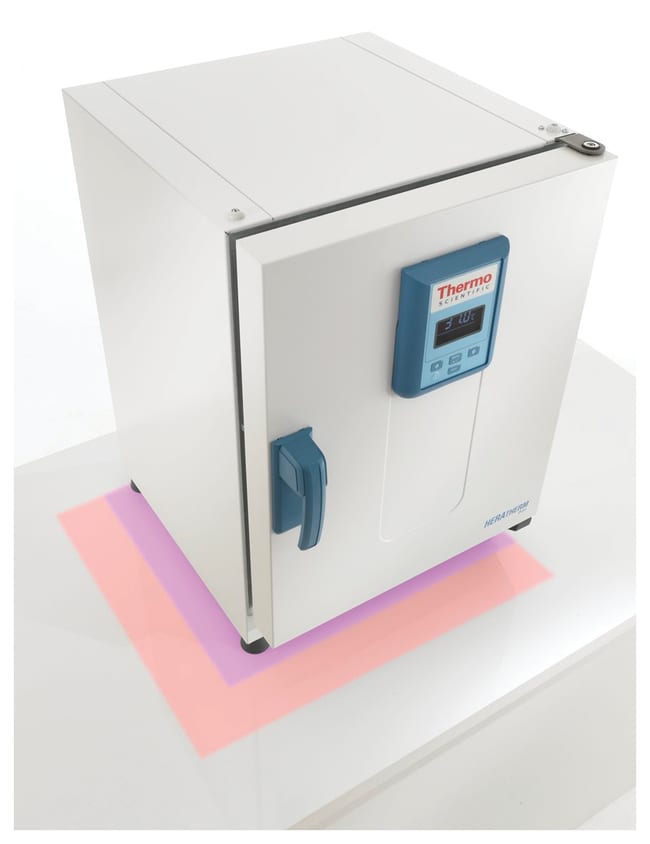
Thermo Scientific Heratherm 75 L Laboratory Incubator 51028130
General-protocol microbiological incubator
Price on request
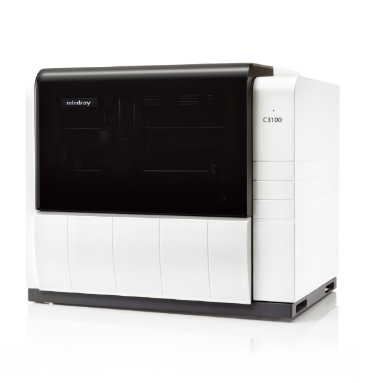
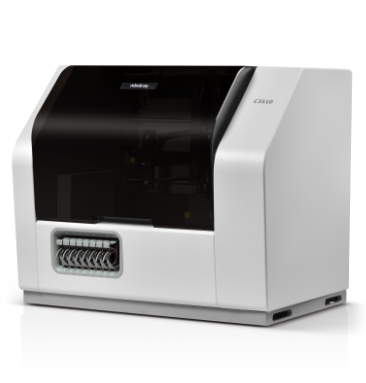
C3510 Coagulation Analyser
Automated coagulation analyser with mechanical and optical channels
Price on request
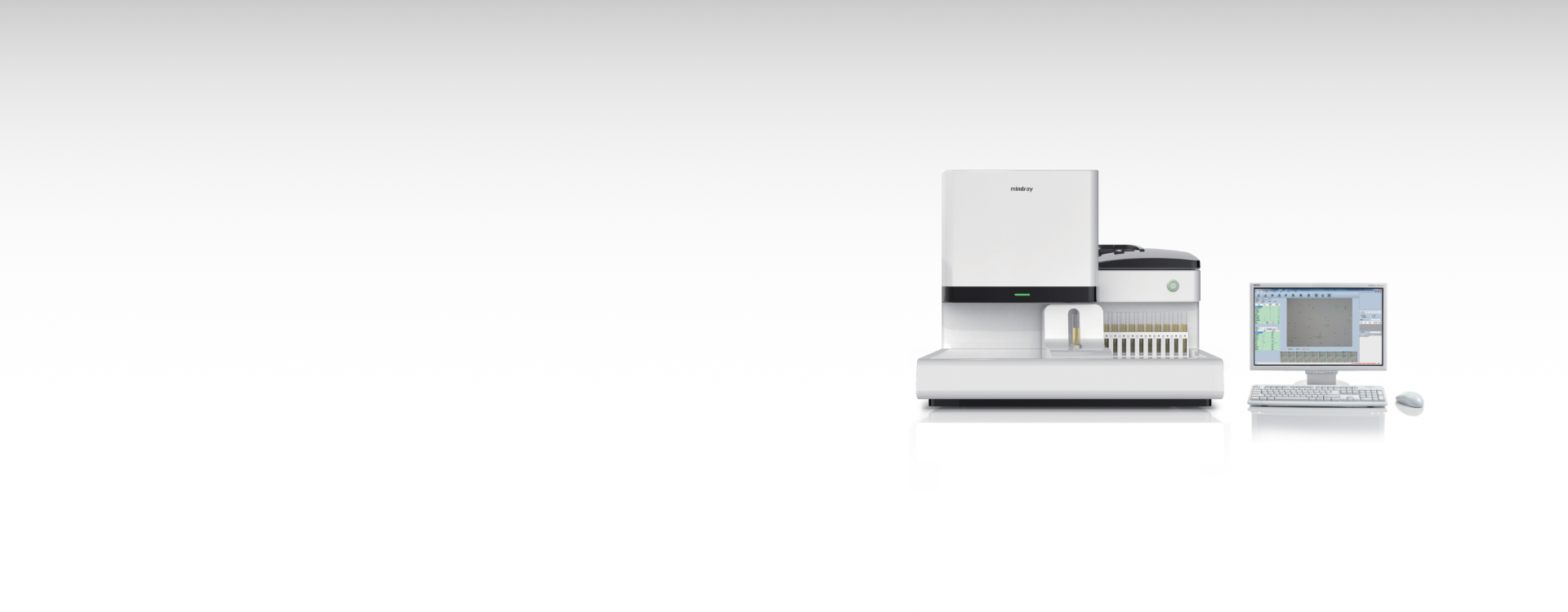
UA-5600 Automatic Dry Chemistry Urine Analyzer
Automatic dry-chemistry urine analyser
Price on request
EU 8600/EU 8600 GT Fully Automated Urinalysis Line
Modular fully automated urinalysis line
Price on request
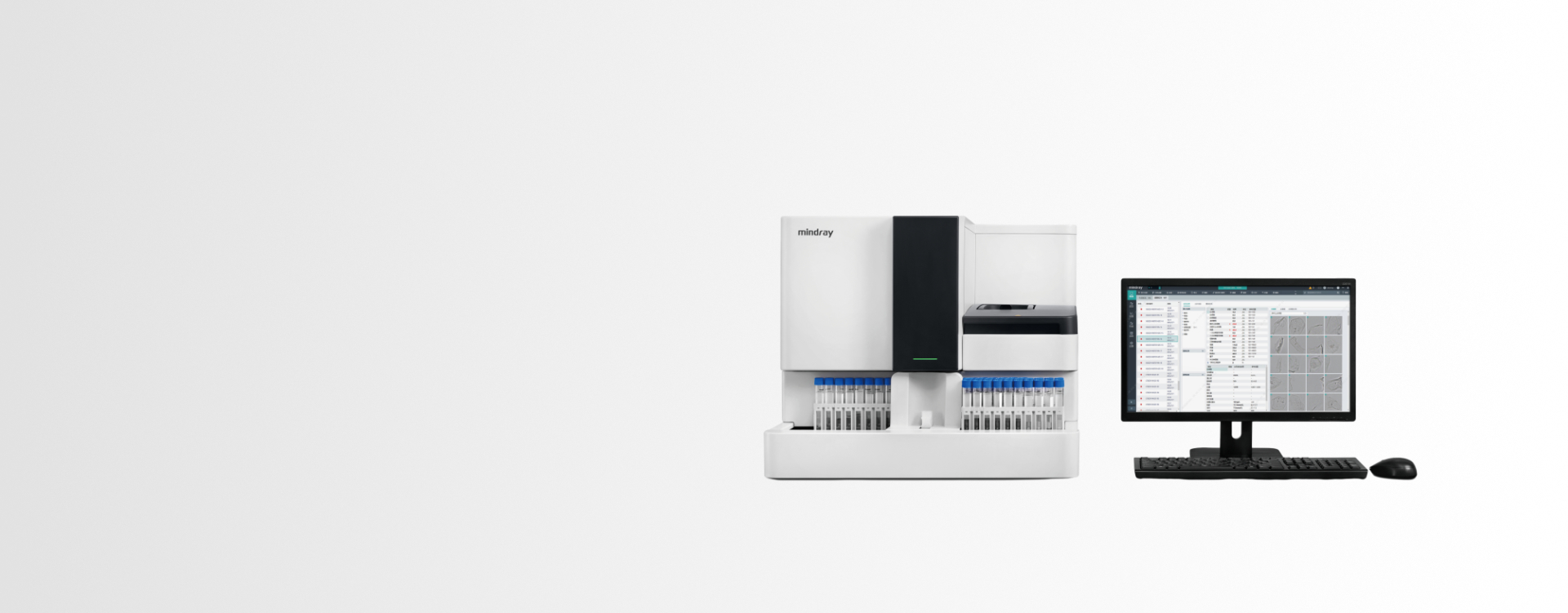
EU-5600 Pro/EU-5300 Pro Automated Urinalysis System
Integrated automated urinalysis system
Price on request
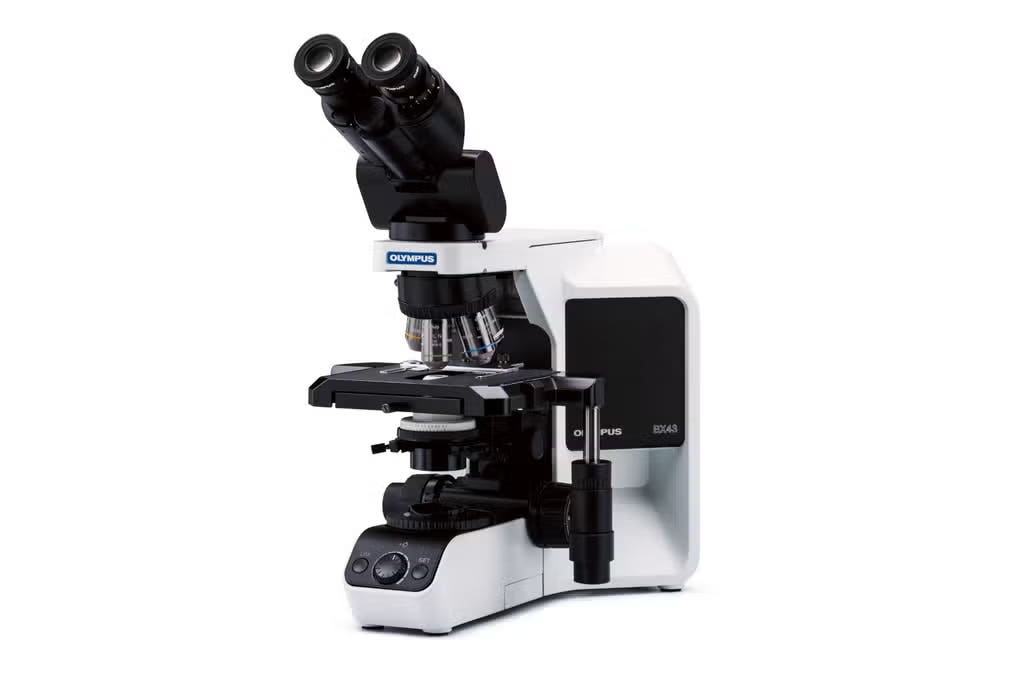
BX43 Upright Microscope
Modular upright manual microscope for routine pathology and clinical research microscopy
Price on request
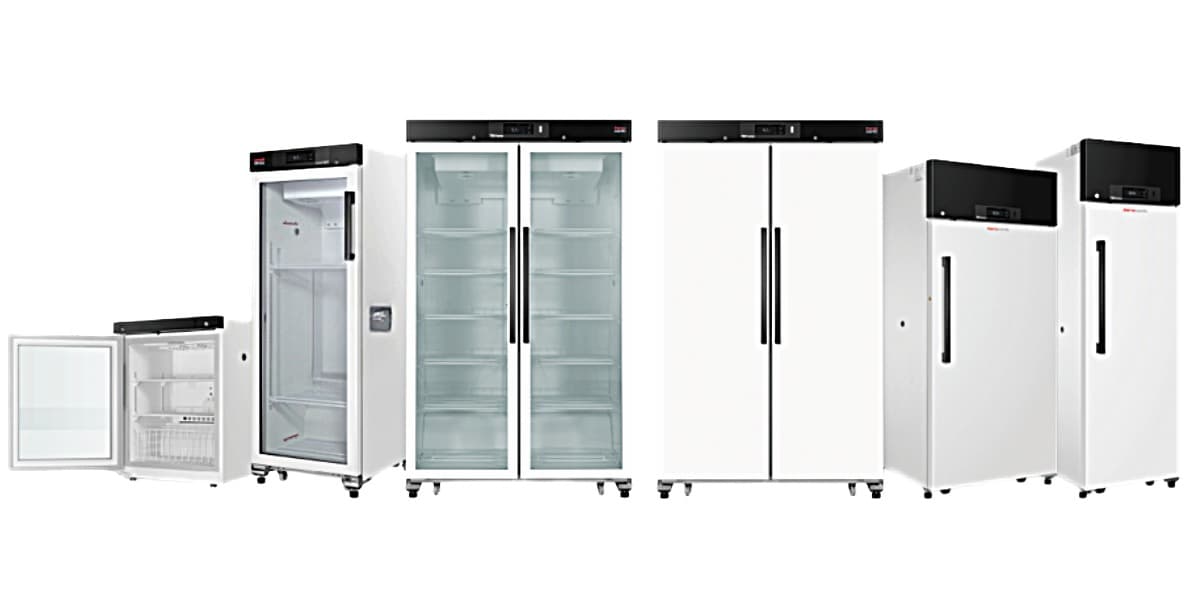
Thermo Scientific TSX Flex Series 341 L Laboratory Refrigerator
High-performance laboratory refrigerator
Price on request
Where can I buy clinical laboratory equipment in Nigeria?
Request a laboratory equipment quotation from Franance with your approved specification or named product list. Include the quantity of each item, intended facility and delivery location and identify the contacts coordinating technical and purchasing questions.
Read moreHow is clinical laboratory equipment organised for buyers in Nigeria?
Start with the function your laboratory is equipping, then narrow the category and review the named product. The department separates core analysers, critical-care laboratory equipment, microbiology and molecular equipment, and general laboratory equipment to give the purchase a clearer context.
Read moreWhich laboratory analysers are currently listed in Nigeria?
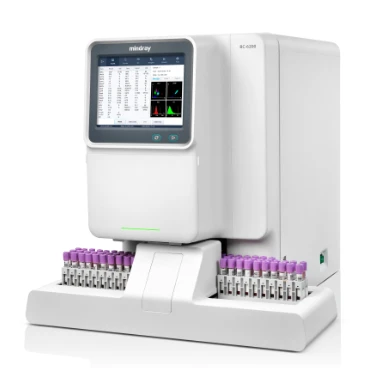
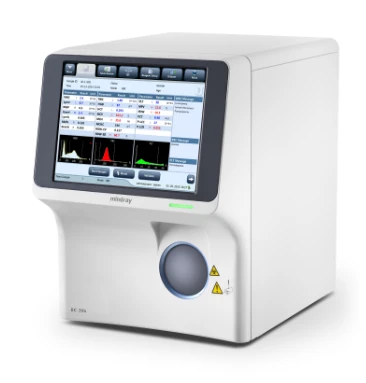
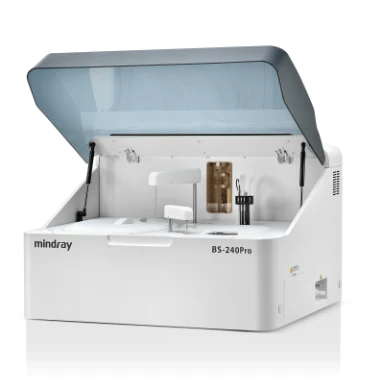
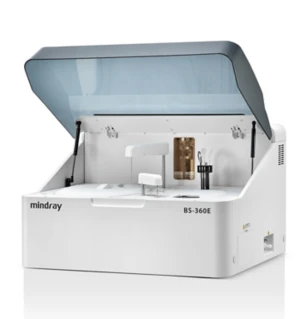
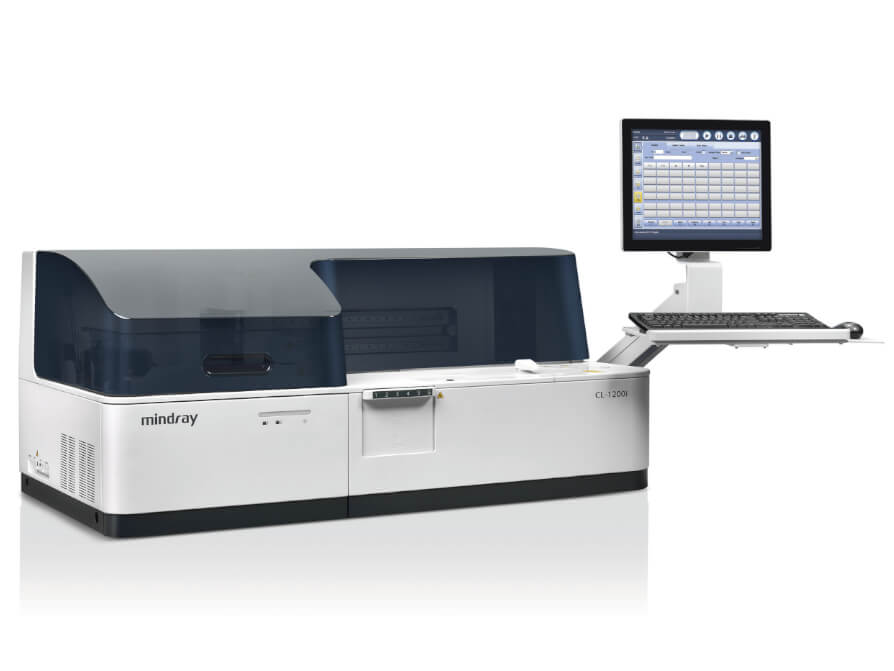
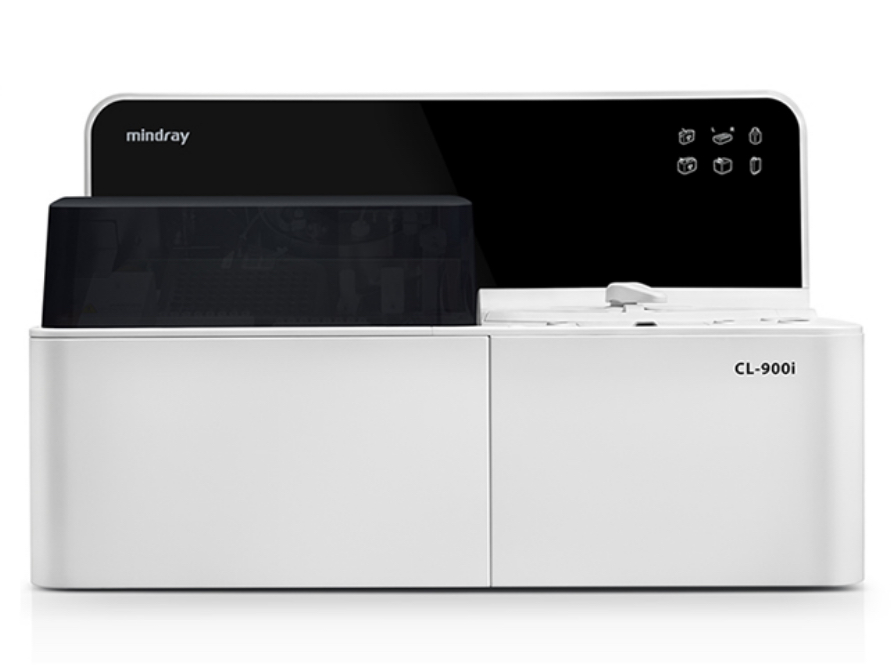
The current core-analyser references are Mindray BC-30s, BC-5150, BC-6200, BS-240Pro and BS-360E, alongside Ozelle EHBT-75 and EHBT-50. The department now also includes CL-900i and CL-1200i immunoassay systems and C3510 and C3100 coagulation instruments. Their individual guides keep the instrument identity and relevant equipment group clear when preparing a quotation.
Read moreBuy clinical laboratory equipment in Nigeria: analysers, microbiology and procurement guide
Buy clinical laboratory equipment in Nigeria through Franance. Browse the equipment groups and individual product guides, then request an itemised quotation for the instruments, materials and technical work your laboratory requires. Send the approved equipment specification, quantities, destination and relevant contacts so the proposal addresses the actual purchasing schedule. This department brings together core analysers, critical-care laboratory equipment, microbiology and molecular equipment, and general laboratory equipment categories. The current twenty named products span Mindray and Ozelle analysers, Oxoid culture medium, Remel identification panels, a Heratherm incubator, Siemens RAPIDPoint 500e and Eppendorf Centrifuge 5702. Mindray UA-66, UA-5600 and UA-600/600T cover strip chemistry; EH-2090 covers urine sediment; EU Pro and EU 8600 cover integrated and modular automation. Use the appropriate category and brand routes to distinguish complete instruments, assay-related kits and culture-media supplies instead of treating every laboratory listing as the same kind of purchase.
Where can I buy clinical laboratory equipment in Nigeria?
Request a laboratory equipment quotation from Franance with your approved specification or named product list. Include the quantity of each item, intended facility and delivery location and identify the contacts coordinating technical and purchasing questions.
You can enquire about one analyser, a replacement product or a schedule covering several laboratory functions. For a new service, send the intended equipment plan and relevant site requirements. For a replacement, identify the installed model and the retained materials, accessories or reporting connections that need assessment.
Franance can discuss the main equipment, supporting materials and requested technical work together before preparing the proposal. If your institution uses a tender, attach its criteria and required documents and mark acceptable alternatives. Ask the resulting quotation to identify the actual references, quantities, inclusions and exclusions so your reviewers can assess a defined package and procurement can compare the same scope across proposals.
How is clinical laboratory equipment organised for buyers in Nigeria?
Start with the function your laboratory is equipping, then narrow the category and review the named product. The department separates core analysers, critical-care laboratory equipment, microbiology and molecular equipment, and general laboratory equipment to give the purchase a clearer context.
Within core analysers, haematology and chemistry are different equipment requirements. Microbiology also involves distinct purchases such as identification systems and culture media. A shared laboratory heading does not establish that instruments, reagent kits and prepared or dehydrated materials can be compared using the same quantities or specification.
Use the product page for the exact model or catalogue reference and the brand page for related equipment from that manufacturer. The category buying guide helps organise the wider requirement, while filtered listings show products actually assigned to the selected range. Where the current catalogue has no named model for your requirement, send its full reference or approved criteria to Franance as a separate enquiry rather than assuming an unrelated listed product is an equivalent substitute.
Which laboratory analysers are currently listed in Nigeria?
The current core-analyser references are Mindray BC-30s, BC-5150, BC-6200, BS-240Pro and BS-360E, alongside Ozelle EHBT-75 and EHBT-50. The department now also includes CL-900i and CL-1200i immunoassay systems and C3510 and C3100 coagulation instruments. Their individual guides keep the instrument identity and relevant equipment group clear when preparing a quotation.
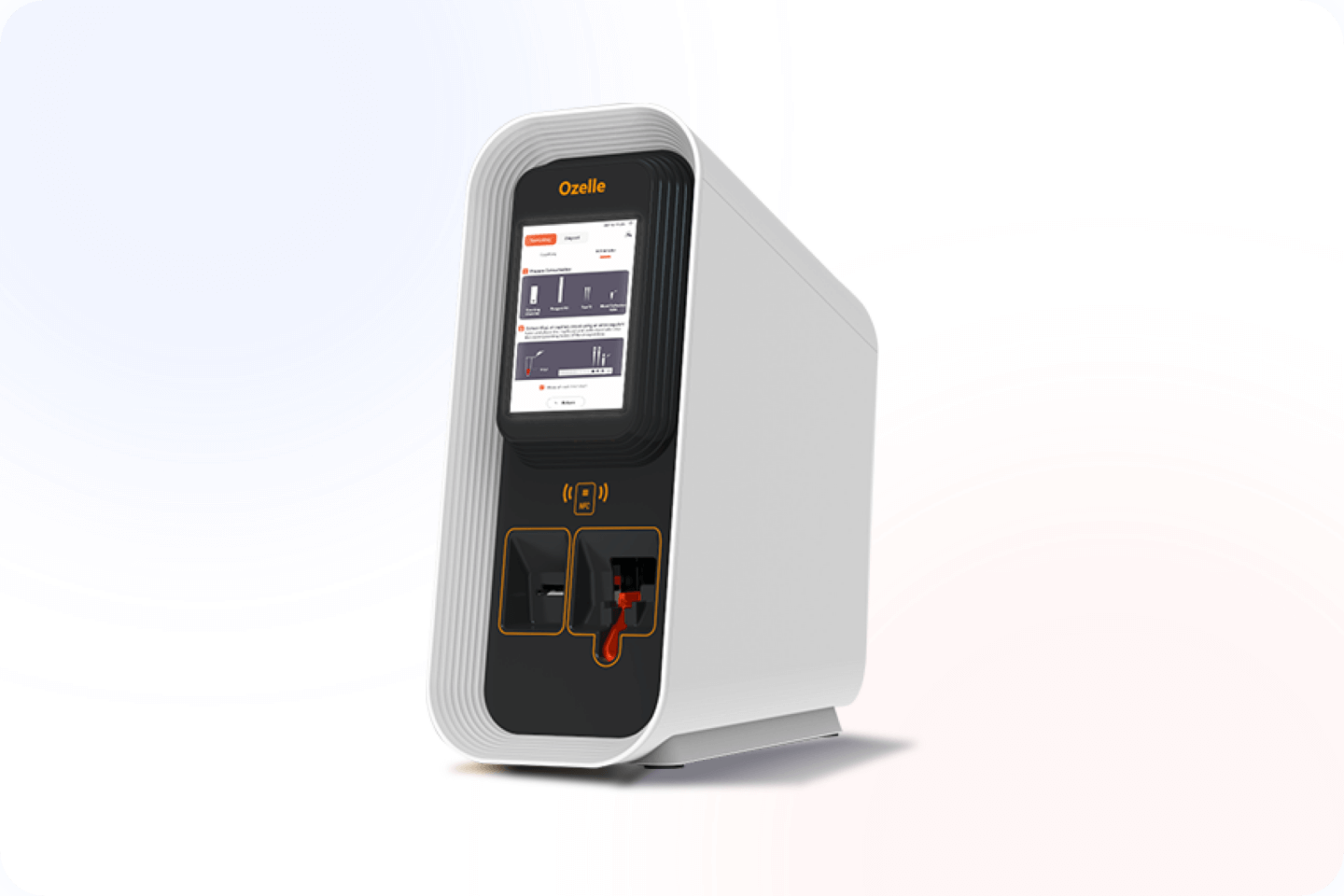
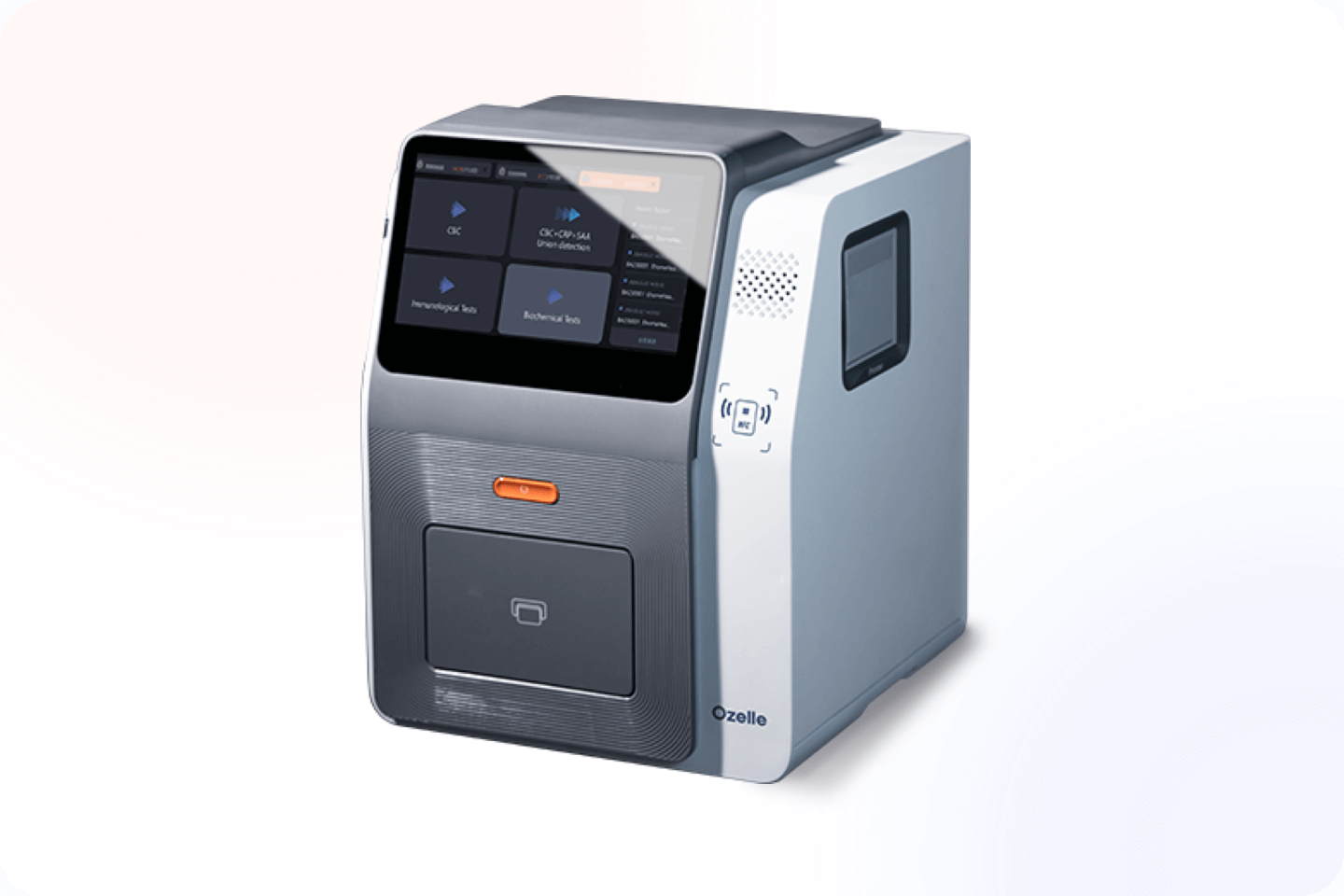
BC-30s belongs to the 3-part haematology range; BC-5150 and BC-6200 belong to the 5-part range. The BS references are chemistry analysers. Ozelle's EHBT-75 is its human haematology reference and EHBT-50 is a multi-functional platform whose actual assay and kit schedule needs definition.
These distinctions help the laboratory compare the actual proposed equipment against its approved requirement. Do not assume every analyser has the same parameters, assay menu, supporting materials or reporting arrangement. If your institution is comparing several models, keep separate model-specific responses with their own inclusions and documents. Franance can receive those requirements together while retaining the differences needed for technical and purchasing review.
| Current analyser references | Equipment group |
|---|---|
| Mindray BC-30s | 3-part haematology |
| Mindray BC-5150 and BC-6200 | 5-part haematology |
| Mindray BS-240Pro and BS-360E | Automated clinical chemistry |
| Ozelle EHBT-75 | Human haematology; broader core family |
| Ozelle EHBT-50 | Multi-functional platform; actual assay and kit schedule to be specified |
| Mindray CL-900i and CL-1200i | Chemiluminescence immunoassay; separate capacities and actual assay schedule |
| Mindray C3510 and C3100 | Coagulation; distinct detection and workload descriptions |
How should I choose between haematology, chemistry and multi-functional equipment in Nigeria?
Have the laboratory define its approved testing requirement before selecting the instrument class. Ask for a response identifying the proposed model, applicable method or assay scope, compatible materials and any requested reporting and technical services.
An equipment class is a useful filter, but it does not complete the technical assessment. A multi-functional platform needs an actual offered assay and kit schedule, while haematology and chemistry instruments have their own supporting-material and reporting questions. Retain the applicable current documents and ask the responsible reviewers to assess the proposed combination.
Where alternatives are allowed, identify what changes between the equipment packages rather than comparing only model names or headline amounts. Keep the institution's essential criteria visible and resolve differences before approval. This buying guide helps organise the enquiry; clinical decisions, method acceptance and interpretation of results remain with the appropriate laboratory professionals and the institution's approved arrangements.
What should I buy for microbiology and culture-media requirements in Nigeria?
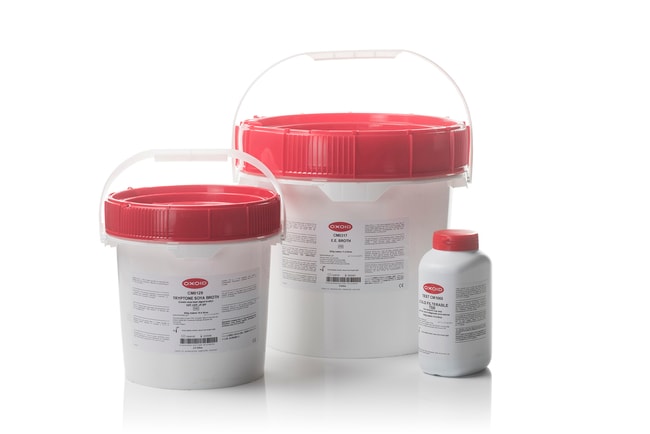
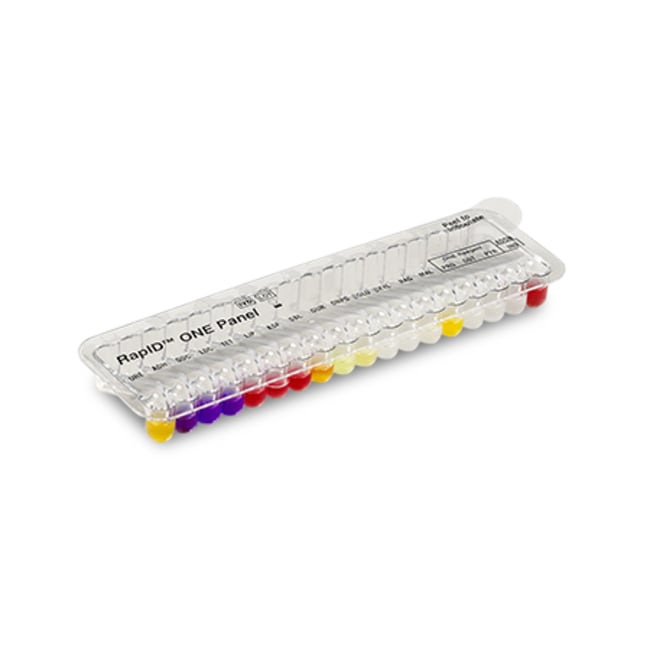
Request the exact product or catalogue reference and purchasing format. The current Remel RapID ONE identification-kit reference, Oxoid Columbia Blood Agar Base supply and Heratherm 51028130 general incubator are different purchases and need separate specifications and quantity units.
RapID ONE is a manual identification-system kit with a defined manufacturer scope and separately identified supporting references. Columbia Blood Agar Base CM0331B is a dehydrated-medium base, rather than a pack of ready-prepared plates or a supplied blood supplement. Use the individual guides and applicable instructions to organise the actual materials your laboratory wants quoted.
Have laboratory staff review the intended use, compatibility and supporting-material requirements for each reference. State kit, panel, pack or container quantities clearly and ask the proposal to identify what is included and what needs separate lines. A broad request for microbiology supplies leaves those important differences unresolved. Franance can discuss the named references and proposed package with your institution without treating a kit, culture medium and automated instrument as interchangeable equipment.
| Current microbiology reference | Define the actual purchasing format |
|---|---|
| Oxoid Columbia Blood Agar Base CM0331B | Dehydrated-medium base, distinct from prepared plates and supplements |
| Remel RapID ONE R8311006 | Identification-system kit and separately required supporting references |
| Heratherm 51028130 | 75 L, 230 V general-protocol gravity-convection incubator |
How should I specify reagents, kits and recurring laboratory supplies in Nigeria?
Prepare a supporting-material schedule with exact compatible references, purchasing units and quantities. Link each material to the relevant instrument or approved method requirement and distinguish initial allocations from any proposed recurring procurement arrangement.
For instruments, ask what reagents, controls, calibration materials and other supporting items are included. For kits or media, identify the actual format and the laboratory's separately required items. A product family or shared manufacturer name does not define a complete material package for every intended application.
Discuss the expected quantities and proposed supply terms with Franance and have relevant storage and expiry information reviewed for the actual items being offered. Keep instrument counts distinct from kit counts, panel counts and container quantities. A defined schedule makes commercial comparisons clearer and provides precise references for later enquiries, receiving checks and inventory planning instead of relying on an uncertain description such as laboratory consumables.
How do I compare laboratory workload and capacity in Nigeria?
State the expected demand and the actual technical criterion your institution needs addressed. Compare the proposed model using its applicable units and configuration rather than treating every brochure number as the same measure of laboratory capacity.
A tray-position count, instrument tests per hour, samples per hour and the department's completed reports describe different things. A multi-assay platform also needs its actual test or panel scope defined. Ask the response to retain those distinctions, and provide any tender criterion in its exact wording so the reviewers can assess the same requirement.
Identify the instrument's intended role and explain whether the purchase replaces equipment, expands capacity or supports another service arrangement. Have the laboratory consider staffing, supporting work, quality activities and reporting processes alongside the instrument reference. If an evaluation or demonstration is required, define its purpose and responsibilities before approval so the equipment proposal addresses the institution's actual purchasing decision.
What site and reporting requirements should I review for a Nigerian laboratory?
Request current site requirements for each actual instrument and describe the reporting environment you want it to support. Have laboratory, facilities and information-system staff review the intended location and proposed technical work together.
For a new service, include relevant layout, access and readiness information and ask equipment supply to be distinguished from site preparation. For a replacement, identify retained peripherals or connections that need assessment. Existing equipment in the room does not automatically establish readiness for a different model and supporting package.
If an electronic reporting interface is requested, name the actual destination system and ask which assessment, configuration and acceptance work are included. Identify any contribution needed from another provider. Keep those responsibilities and exclusions with the equipment schedule. This helps procurement and receiving teams coordinate the complete installation instead of assuming that the instrument line alone covers every site and reporting dependency.
What quality and acceptance requirements belong in a laboratory purchase in Nigeria?
Have the institution identify its required equipment, method, documentation and quality-material review before the purchasing schedule is approved. Include any requested technical attendance, familiarisation and acceptance support in the Franance enquiry.
Ask the proposal to distinguish equipment and material supply from the laboratory's professional acceptance tasks. State the required documents, any demonstration and the records your institution expects at handover. Keep the responsible staff and provider roles visible so delivery of items and acceptance of the intended laboratory arrangement are treated as separate milestones.
Retain the accepted instrument, software and material identities together and review proposed changes before approval. WHO's equipment-management and purchasing framework also treats selection, acquisition, maintenance and inventory documentation as connected responsibilities. Use that broader management approach to organise the procurement record without turning a buying guide into operating instructions, calibration rules or result-interpretation advice for a particular laboratory method.
How much does clinical laboratory equipment cost in Nigeria?
Get a current itemised quotation from Franance for the actual instruments, materials and requested services. Compare equivalent purchasing schedules before comparing totals so differences in models, quantities and included work remain visible.
Separate main equipment, optional modules, initial materials, delivery and technical-work lines. A price for one analyser does not define the same scope as a proposal including reagents and attendance at setup. A kit amount also needs its panel or purchasing-unit allocation clear. Ask alternatives to be identified separately so procurement can assess the amount alongside the actual package being offered.
Request the currency, quotation validity, payment requirements, proposed timing and warranty or support terms in writing where applicable. Assess continuing purchasing needs using the actual material references and institutional assumptions. The website records a quote order without online payment, and Franance follows up about the requirement and proposed terms before your institution agrees a purchase.
Can Franance quote laboratory equipment delivery and support across Nigeria?
Yes. Send the full facility address, city and state and identify the delivery and technical work you want included. Give the receiving contact, intended procurement date and any access or readiness requirements relevant to your laboratory.
For Abuja, Lagos, Port Harcourt, Ibadan, Kano and other Nigerian destinations, the actual address and package define the proposed arrangement. Ask the quotation to identify charges, proposed timing and responsibilities. Where instruments, kits and media require different handling arrangements, have those requirements reviewed for the exact supplied items.
For several sites, allocate equipment and material quantities and requested technical work to each location. A shared purchasing schedule can still involve different readiness and handover requirements at individual laboratories. Keep the accepted delivery and attendance scope with the quotation so purchasing, facilities and receiving teams coordinate around the same documented plan rather than a general statement of national coverage.
How do I prepare a complete clinical laboratory equipment quote order in Nigeria?
Send Franance a named product list or approved specification with quantities, supporting materials, workload context, reporting needs and destination. Include requested setup or support work and contact details for technical and purchasing follow-up.
Organise a larger schedule by laboratory function and identify exact models or catalogue references on each line. Mark mandatory criteria, permitted alternatives and required documents. Keep instrument counts and material purchasing units clear so your team can assess the actual proposed package without combining unrelated products or losing track of an important supporting item.
Before approving supply, review the written references, quantities, configuration, inclusions, exclusions and commercial terms. Resolve substitutions with the relevant reviewers and retain the accepted schedule for receiving checks and future enquiries. A quote order starts the purchasing conversation with Franance. It does not take payment, reserve equipment or replace the institution's technical assessment and commercial approval of the actual laboratory package.
How do I buy blood gas laboratory equipment in Nigeria?
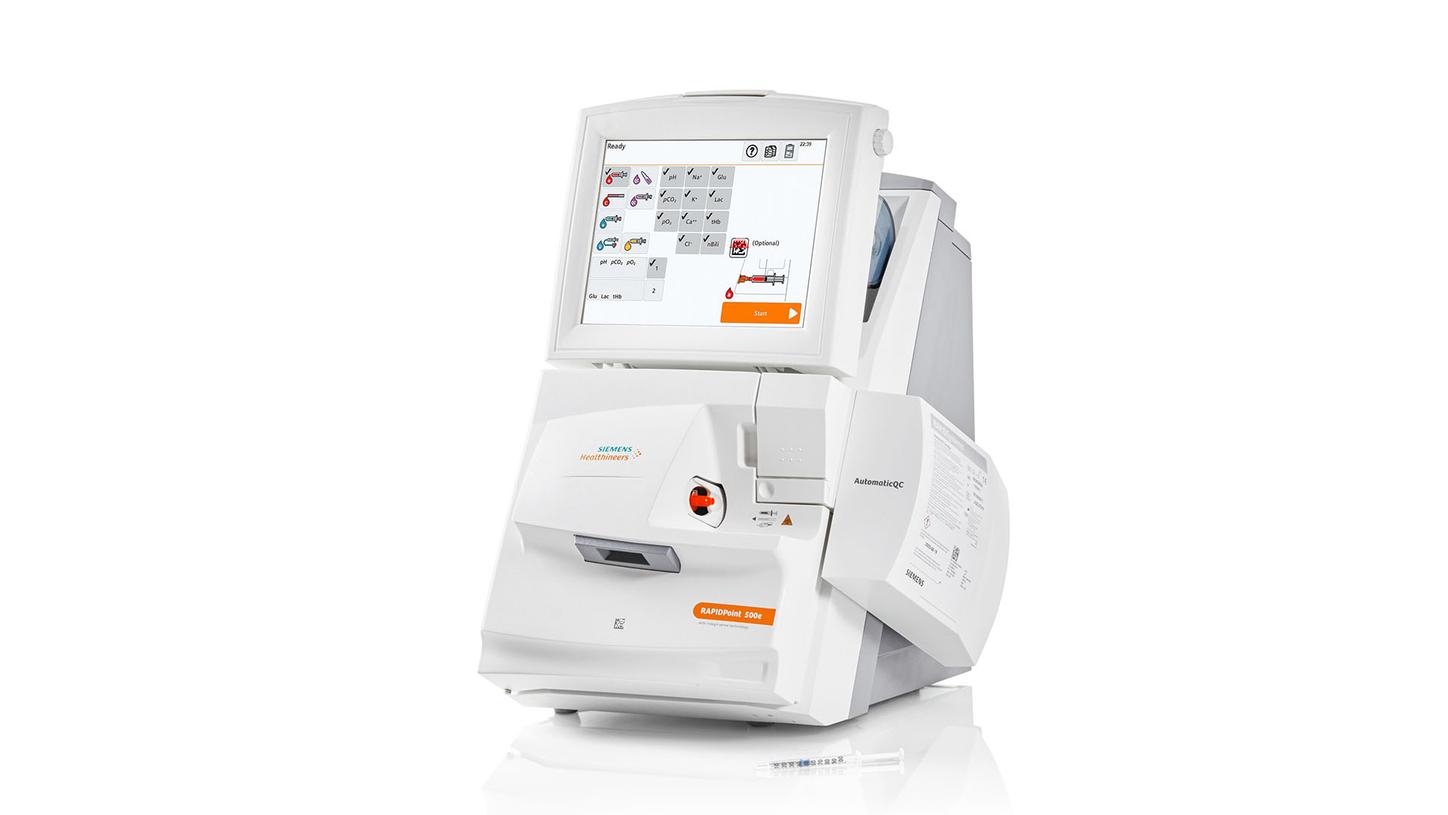
Request the approved blood-gas instrument and parameter configuration from Franance with compatible material references and quantities. RAPIDPoint 500e is the current named blood-gas analyser, linked through the critical-care laboratory family and Siemens Healthineers brand routes.
Keep its actual cartridge allocation, quality materials and reporting scope explicit. A manufacturer-described connection does not establish implementation with the institution’s installed software, and automated instrument features do not complete every institutional responsibility. Ask for the actual offered configuration and requested technical work to be identified.
A dedicated electrolyte-analyser requirement remains a separate buying intent; electrolyte functions in a blood-gas menu do not automatically establish an equivalent standalone instrument. Use the narrower guide to preserve the approved requirement and ask the responsible reviewers to assess the actual proposal.
How do I buy general laboratory centrifuges in Nigeria?
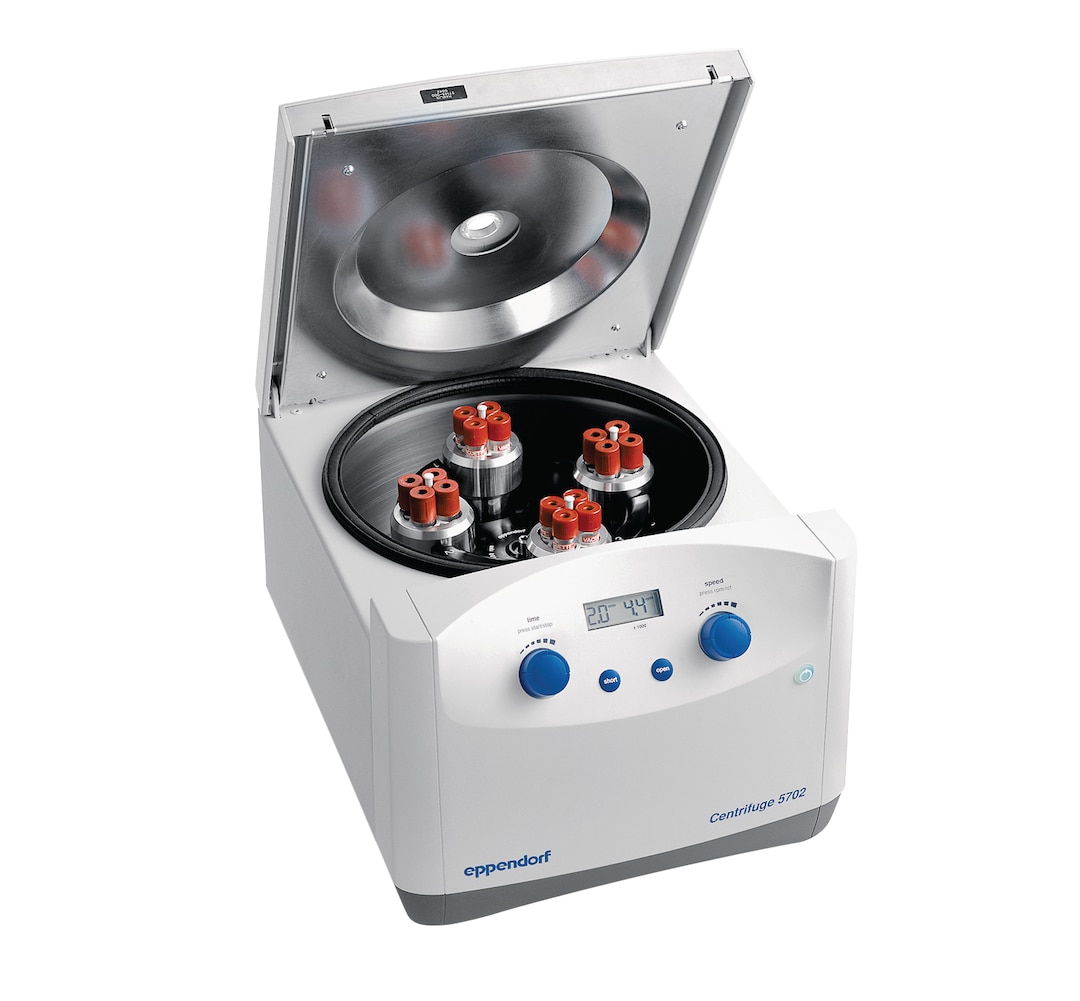
Request Eppendorf Centrifuge 5702 or another exact approved reference from Franance with a defined rotor and vessel schedule. The current 5702 record retains its non-refrigerated identity, distinct from related temperature-control versions.
Identify rotor, buckets, adapters, electrical version and any separately requested documents or technical attendance. A maximum speed or load specification does not establish compatibility with every vessel, and an illustrative image does not define included accessories. Have the laboratory assess the actual assembly and applicable documents.
Use the General Laboratory Equipment and Laboratory Centrifuges guides to retain this purchase within the department hierarchy. Other microscope, cold-storage and autoclave requirements should keep their own model and specification lines; those branches are not presented as fully populated merely because they appear in the navigation.
How do I buy immunoassay equipment in Nigeria?
Request the actual immunoassay model and approved assay schedule from Franance. CL-900i and CL-1200i now have separate full product guides and a dedicated category guide, preserving their different sample and reagent capacities despite the shared published maximum test rate.
Keep compatible material references, quantities, workstation and reporting scope explicit. International brochure menu footnotes do not establish current Nigerian availability or approval of every printed assay. Have the responsible reviewers assess the offered configuration and applicable documents.
The brand-filtered listing connects the actual Mindray products to the national equipment guide. It does not turn related ELISA equipment or another manufacturer’s platform into an interchangeable material package.
How do I buy coagulation equipment in Nigeria?
Send Franance the approved coagulation assay and workload criterion with the full proposed model. C3510 and C3100 have distinct documented detection and capacity descriptions and should remain separate references in a technical comparison.
C3510’s test and sample-panel examples use different bases; C3100’s 200-tests/hour statement is explicitly for PT items. Preserve those qualifications instead of treating a maximum test rate as a guaranteed number of complete reports.
Request the actual compatible materials, software functions, reporting implementation and technical attendance. Use the narrower coagulation guide and product pages to retain those questions as the department enquiry becomes an itemised commercial proposal.
Which urine analysers can I request in Nigeria?
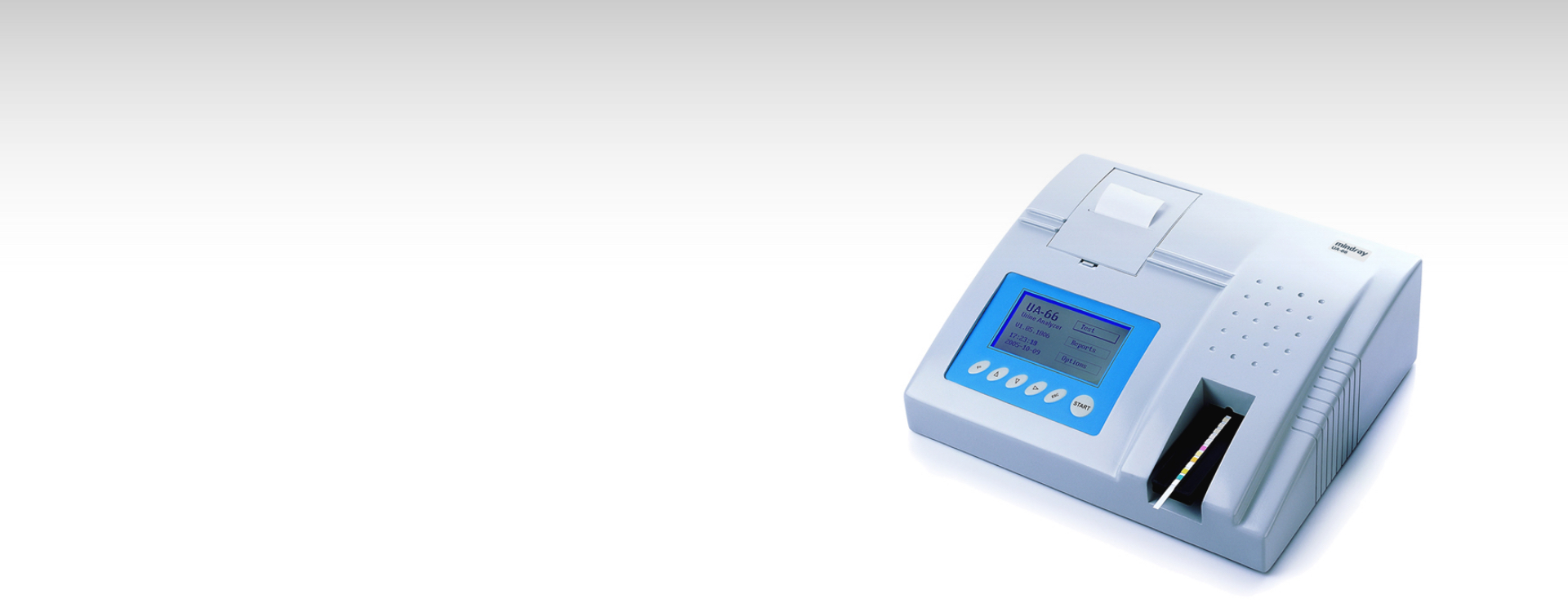
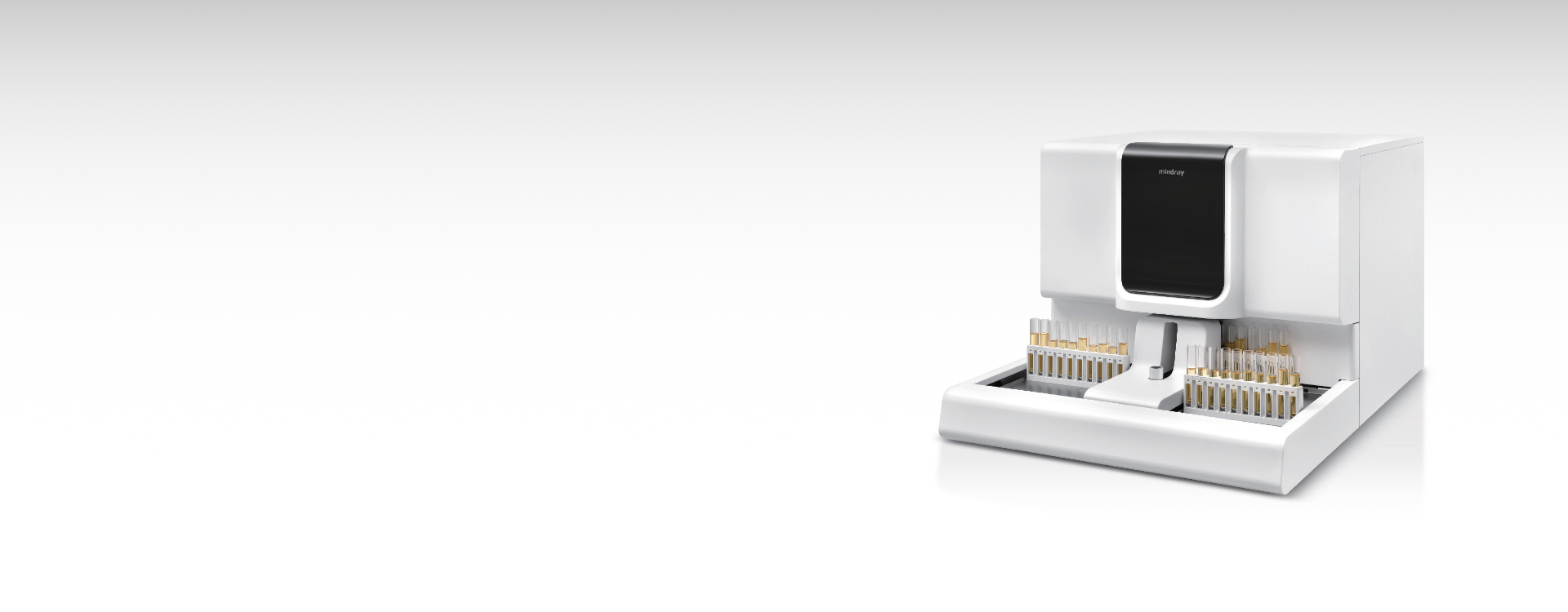
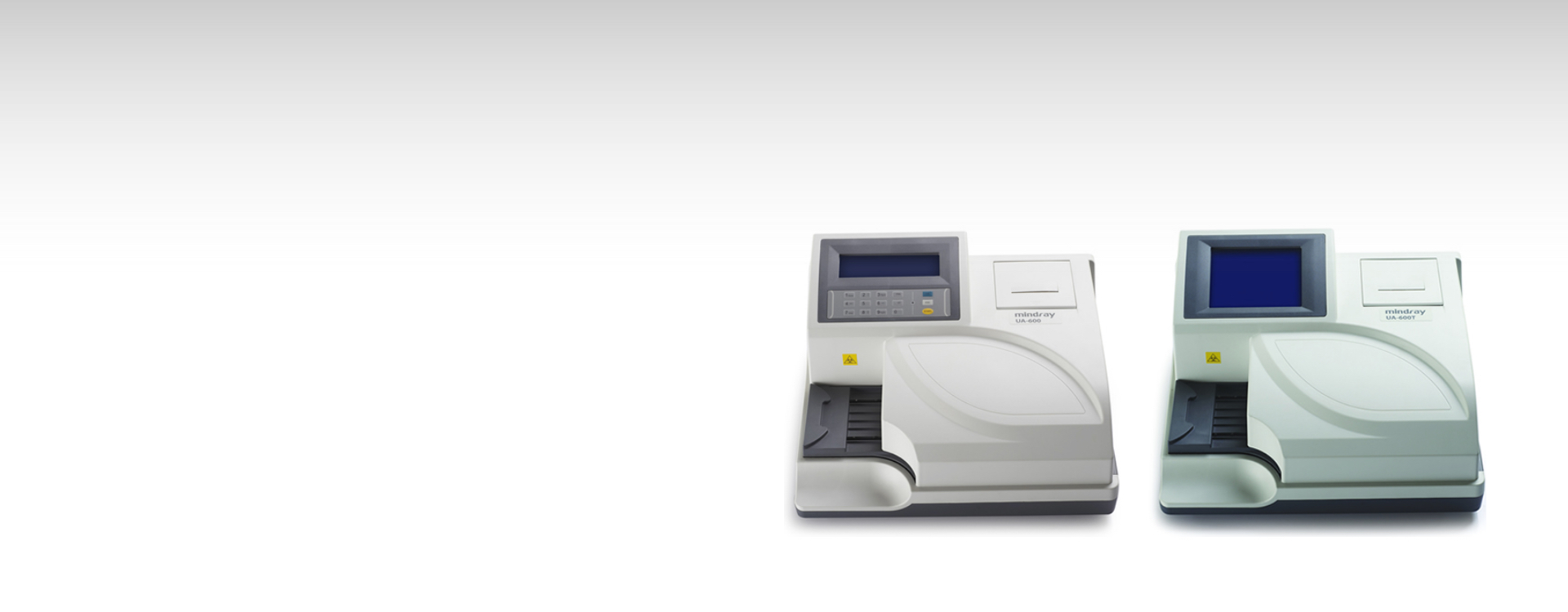
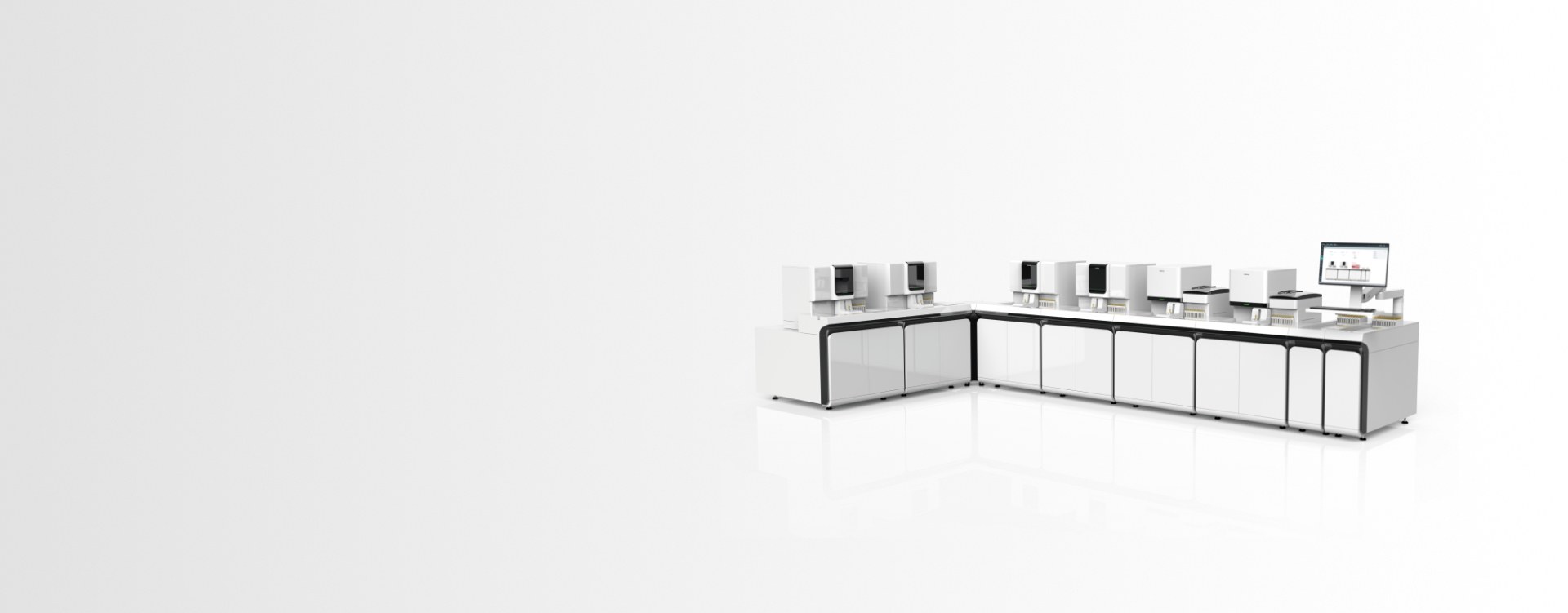
The current named urinalysis products include Mindray UA-66, UA-5600, UA-600/600T, EH-2090, EU-5600 Pro/EU-5300 Pro and EU 8600/EU 8600 GT. The first three are urine chemistry references; EH-2090 is a urine sediment analyser. Mindray lists UA-600/600T at 600 strips per hour and EH-2090 at 120 tests per hour, while UA-66, UA-5600 and EU Pro throughput was not stated on their reviewed English pages. EU 8600 lists 240/480 tests per hour only for its published module layouts. Confirm model-specific functions, compatible materials, documentation and configuration before comparing offers.
See the urinalysis analyser buying guide, Mindray-filtered urinalysis products, UA-66, UA-5600, UA-600/600T and EH-2090, EU Pro and EU 8600. Franance can discuss quantities, supplies, reporting scope and destination in your quote request.
| Urine analyser | Published equipment distinction |
|---|---|
| Mindray UA-66 | Cold-light source, result storage, printer and RS232 listed |
| Mindray UA-5600 | Strip options and colour, turbidity and specific-gravity module described |
| Model selection | Confirm exact strip compatibility, current documentation and quotation scope |
| EU-5600 Pro/EU-5300 Pro | Integrated chemistry, formed elements and RBC phase; confirm exact model |
| EU 8600/EU 8600 GT | 240 tests/hour at 1+2 modules; 480 tests/hour at 2+4 modules |
Common questions
Can Franance quote several laboratory functions together?
Send one equipment and material schedule organised by laboratory function, with exact references, quantities, approved requirements and destinations.
Are instruments, kits and culture media quoted in the same units?
Use the actual purchasing unit for each reference. Instrument counts, kits, panels and containers should remain separate in the schedule.
Request your laboratory equipment quotation.
Send Franance the approved equipment and material schedule, quantities, reporting and site requirements, destination and requested technical work in Nigeria.
Request a laboratory quoteNeed an equipment quote?
Add the models you need to a quote order, or send us your equipment list.