Buy vaccine and pharmacy cold-chain equipment in Nigeria through Franance. This category currently lists ten products across solar vaccine refrigerators, pharmacy refrigerators, medical cold rooms and temperature data loggers. Choose against the stored product's labelled conditions, exact usable capacity, power reliability, monitoring requirements and the site plan, then request a written quotation.
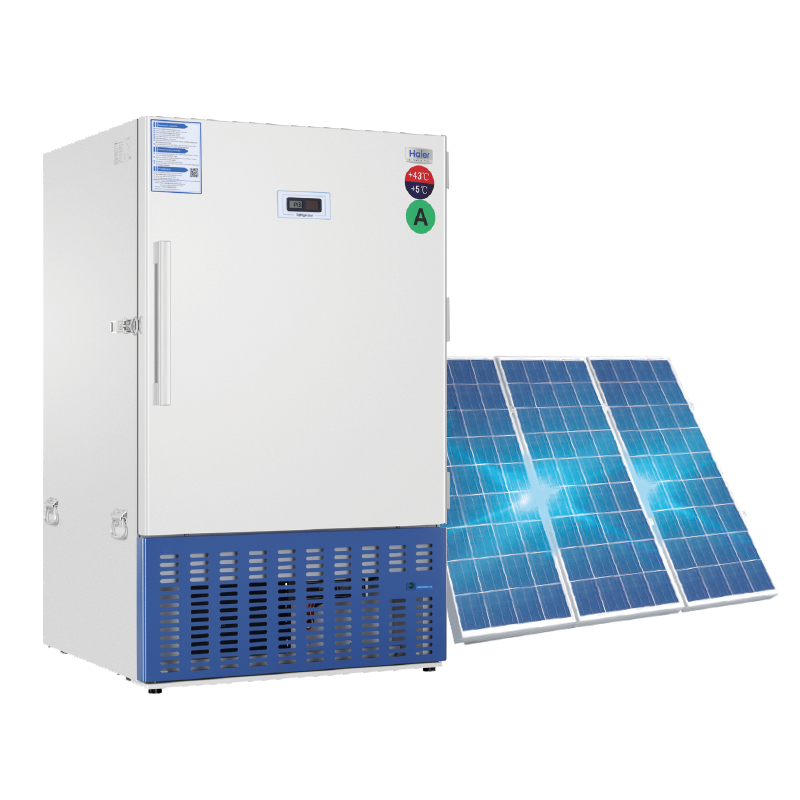
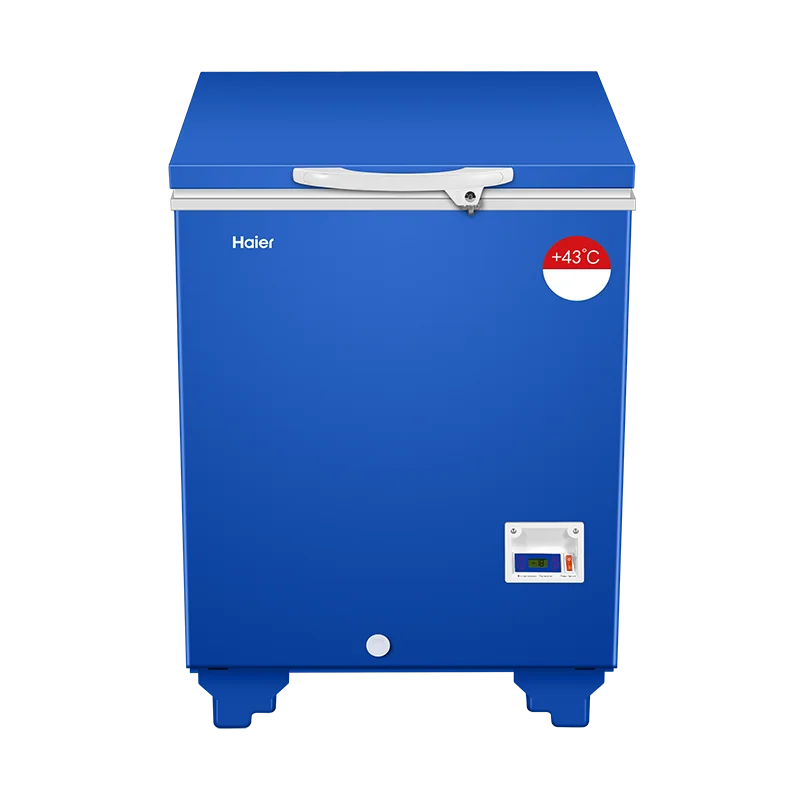
Haier Biomedical’s manufacturer pages describe three listed HTC models as solar direct-drive vaccine refrigerators. The HTC-40 is a chest-type model with 40 L gross volume and 22.5 L vaccine storage capacity; Haier lists 2–8°C operation and a holdover figure of 122 hours 18 minutes at 43°C. The upright HTC-120 is listed at 120 L gross volume, 100 L vaccine capacity and 112 hours 24 minutes holdover at 43°C. The HTC-240 is listed at 240 L gross volume, 200 L vaccine capacity and 95 hours 23 minutes holdover at 43°C. These are manufacturer specifications for the named models, not a promise of performance at every site or under every load and operating condition.
Read more
Buy Vaccine and Pharmacy Cold-Chain Equipment in Nigeria
Buy vaccine and pharmacy cold-chain equipment in Nigeria through Franance by starting with the product’s required storage conditions, usable capacity and the facility’s power and monitoring plan. The current vaccine and pharmacy cold-chain category has ten assigned products across four groups: vaccine refrigerators, pharmacy refrigerators, medical cold rooms and temperature data loggers. The products have different purposes. A model name or a manufacturer’s stated temperature range does not by itself establish that the equipment is suitable for a specific vaccine, medicine, programme, site or regulatory requirement.
For a quotation, share the exact model or room brief, product type and temperature requirements, required usable volume, monitoring and alarm needs, facility location, utilities, installation path and service expectations. Franance handles quote orders rather than online payment and will confirm availability and commercial terms in writing. Validate the proposed configuration and site performance with the facility’s responsible technical and quality teams before loading regulated products.
What vaccine and pharmacy cold-chain equipment does Franance list?
The cold-room group contains Haier Biomedical HRZK-10G and a BIOBASE Modular Cold Room. The logger group contains Haier Biomedical HETL-01 and Thermo Scientific Smart-Tracker ST100-101. Use these filtered records to compare the exact listed item, then check the manufacturer's current technical documents and the quotation. A catalogue listing is not a confirmation of stock, WHO PQS status, NAFDAC registration, validation, installed performance or suitability for a specific product.
How should I choose between refrigerators, solar units, cold rooms and loggers?
First distinguish storage use. Vaccines require the storage conditions assigned to each product and the relevant immunization programme procedures; many routine refrigerated vaccines are managed at 2–8°C, while some products have different requirements. Do not assume all vaccines tolerate the same conditions, and do not put vaccines in a general-purpose or domestic refrigerator. WHO’s E003 refrigerator and freezer guidance explains that purpose-designed vaccine appliances are tested for vaccine storage and warns against using domestic refrigerators for vaccines.
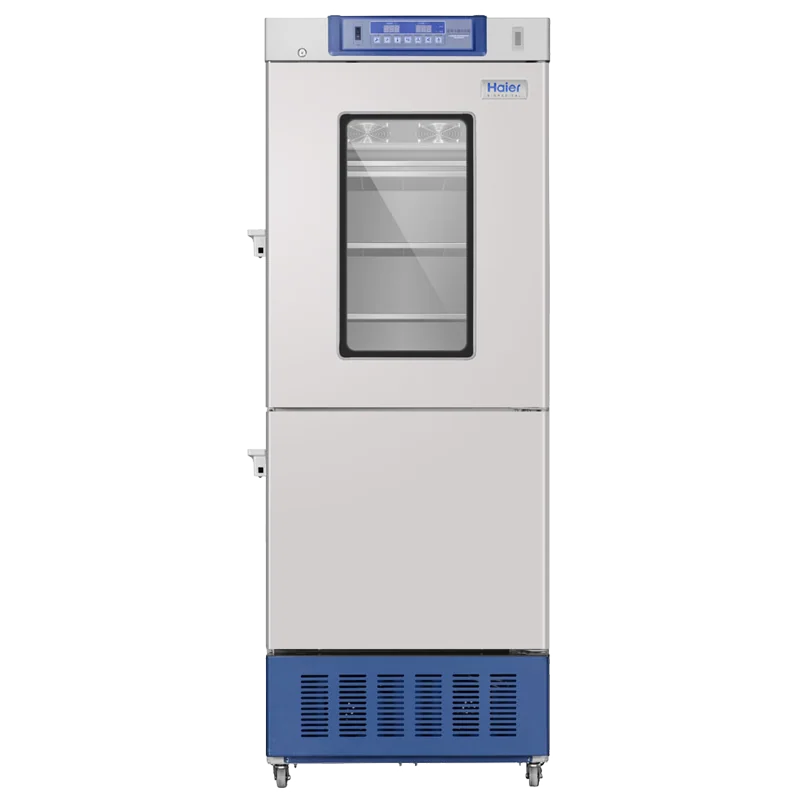
Pharmacy refrigerators are intended for temperature-sensitive pharmaceuticals and biologics according to their specifications and the stored product’s approved label. Confirm whether the facility needs locked access, glass-door visibility, drawers or shelves, internal monitoring, alarms, audit records, remote alerts, or a particular usable-volume calculation. These products are not necessarily qualified for every vaccine programme just because the range is 2–8°C.
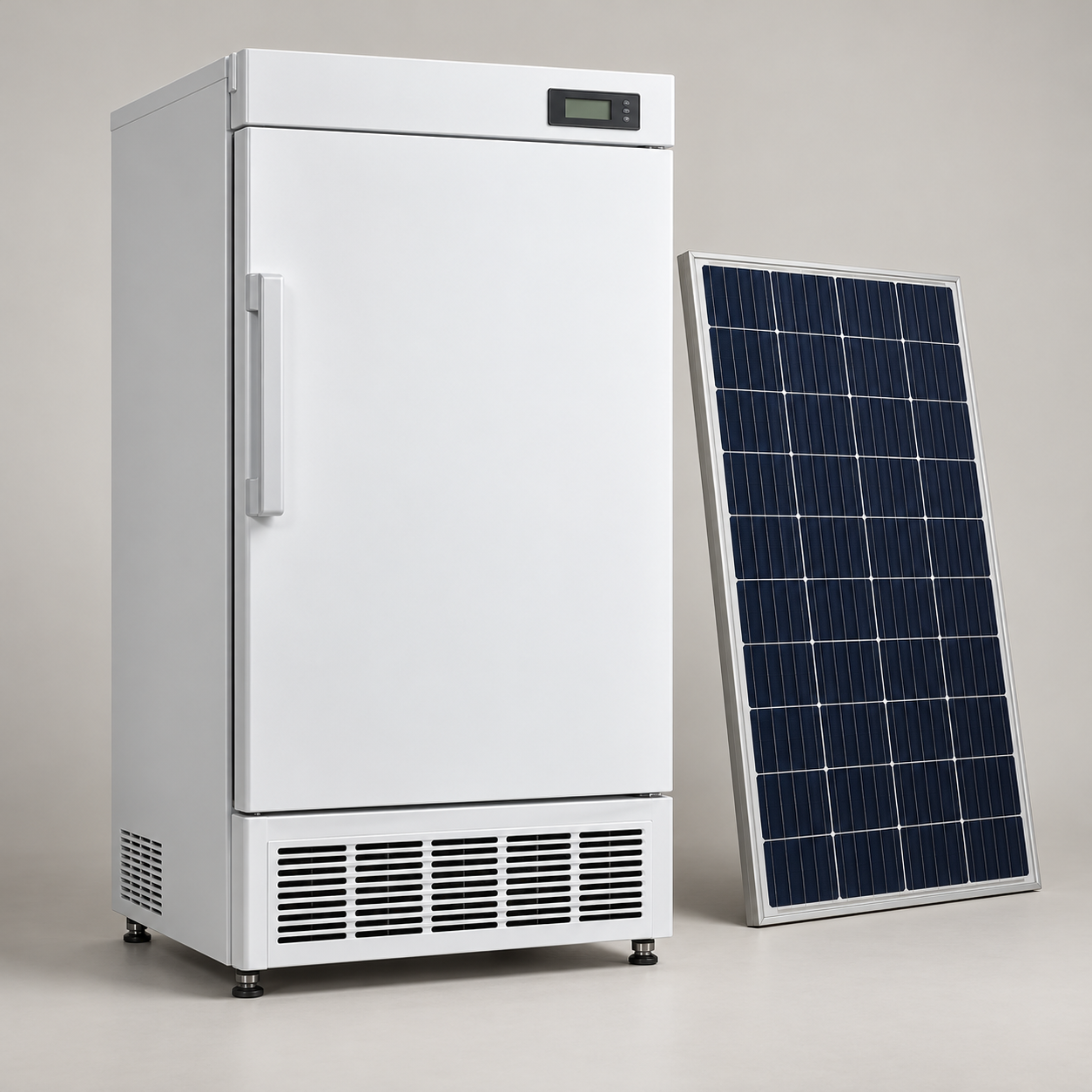
Choose a solar direct-drive refrigerator when the use case, location and sunlight conditions suit the exact model and its manufacturer-matched solar kit. A cold room is a project system for larger inventory or centralized storage; its panel dimensions, refrigeration plant, interior layout, door openings, monitoring, backup and commissioning have to be designed together. A data logger provides temperature records or alerts according to its sensor, memory and connectivity; it is not refrigeration equipment and cannot compensate for inadequate cooling, poor response procedures or a missing power plan.
UNICEF’s cold-chain procurement guidance treats capacity planning, applicable technology, deployment and associated services as procurement decisions. WHO’s prequalification catalogue is product-specific. If WHO PQS is a requirement, verify the precise model reference, category, operating limits and current status in the current WHO prequalified product catalogue. Do not infer a product’s prequalification from its manufacturer, model family, an older certificate or another configuration.
Which solar vaccine refrigerators are listed?
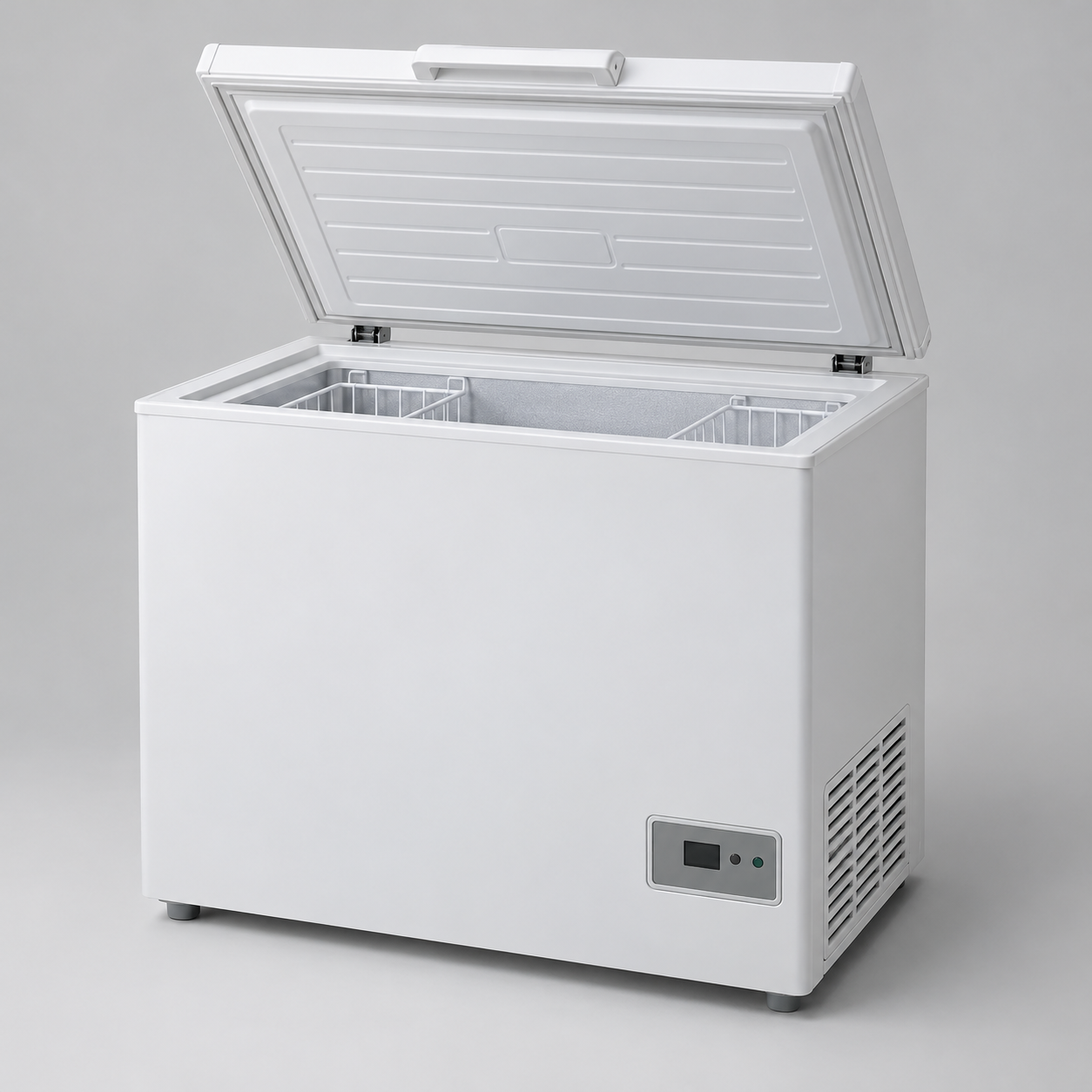
Haier Biomedical’s manufacturer pages describe three listed HTC models as solar direct-drive vaccine refrigerators. The HTC-40 is a chest-type model with 40 L gross volume and 22.5 L vaccine storage capacity; Haier lists 2–8°C operation and a holdover figure of 122 hours 18 minutes at 43°C. The upright HTC-120 is listed at 120 L gross volume, 100 L vaccine capacity and 112 hours 24 minutes holdover at 43°C. The HTC-240 is listed at 240 L gross volume, 200 L vaccine capacity and 95 hours 23 minutes holdover at 43°C. These are manufacturer specifications for the named models, not a promise of performance at every site or under every load and operating condition.
Compare usable vaccine capacity with current and forecast stock, packaging volume, replenishment frequency and the facility’s stock-management approach. A larger gross chamber does not mean all of that volume is usable vaccine storage. Confirm baskets, lock, sensor or logger provision, operating ambient range, solar array kit, mounting structure, cabling, controller, installation and user training in the offered configuration.
WHO recommends a solar site evaluation before committing to installation. Confirm year-round solar resource, array shading, dust and other local conditions, safe mounting, building work, security and access for trained servicing. The WHO E003 guidance stresses the matched solar system, site evaluation and a competent long-term service network. Do not connect unrelated facility loads to the solar system unless the exact approved system supports that arrangement; protecting reliable refrigeration power is central to the design.
Which pharmacy refrigerators are listed?
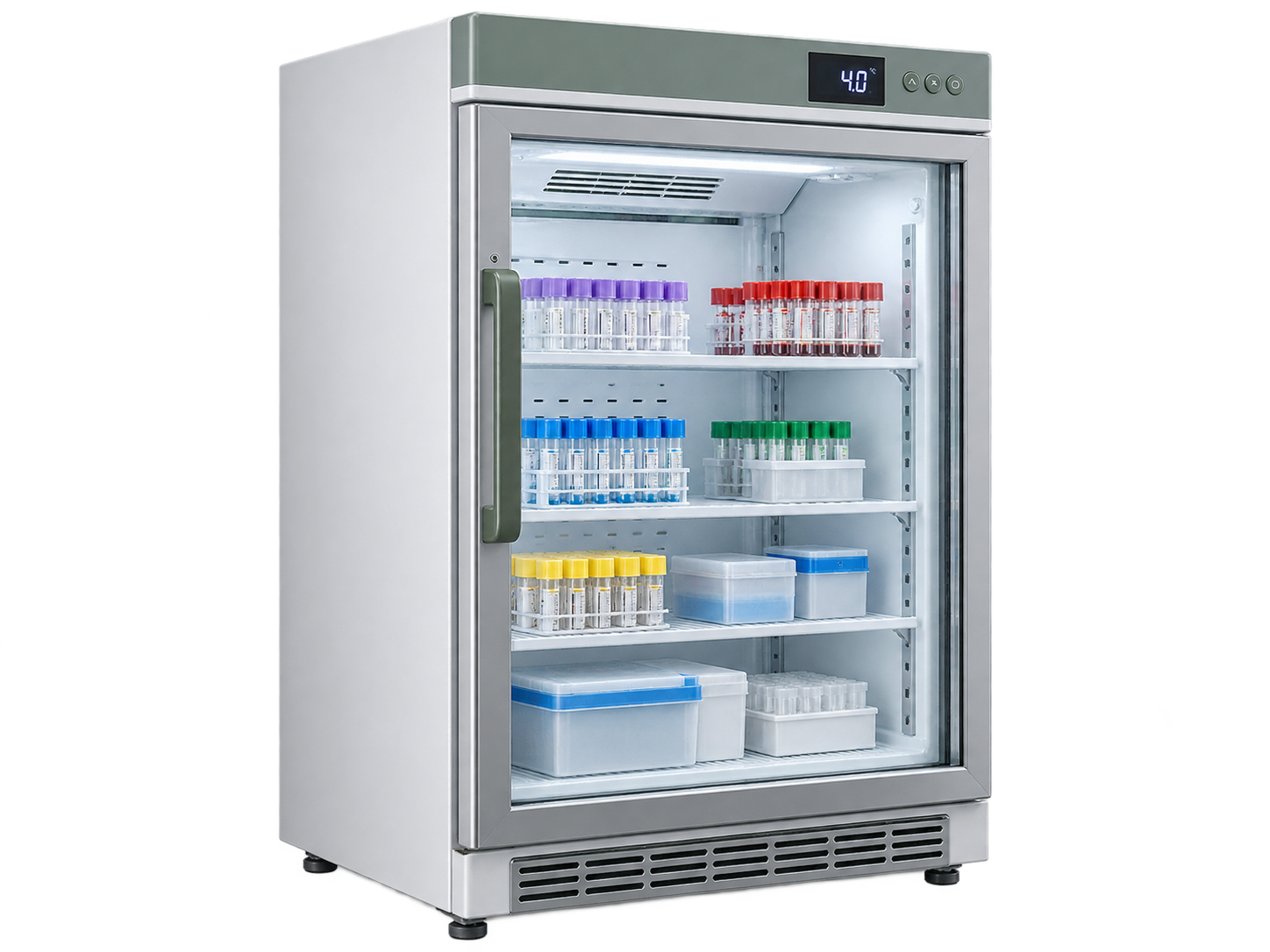
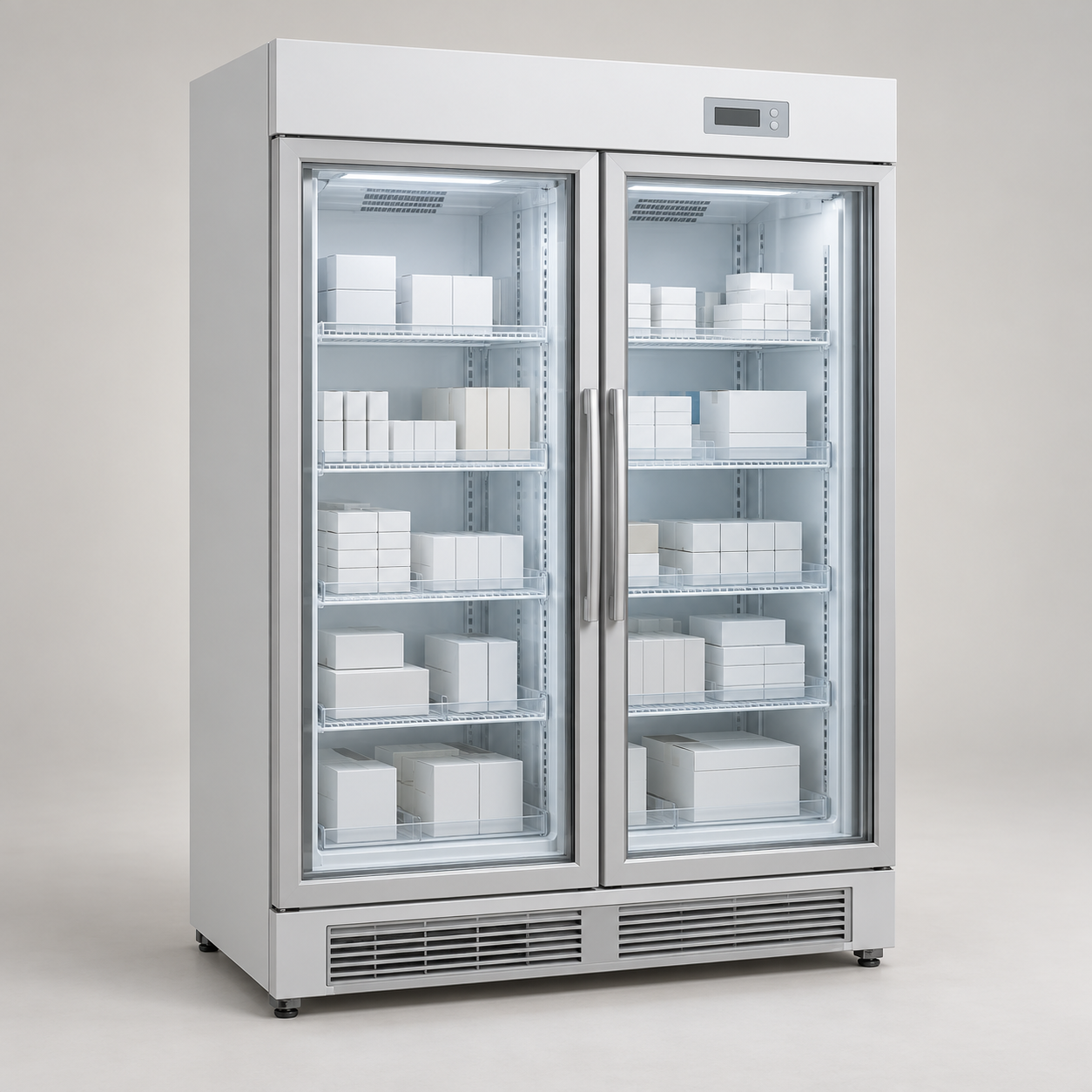
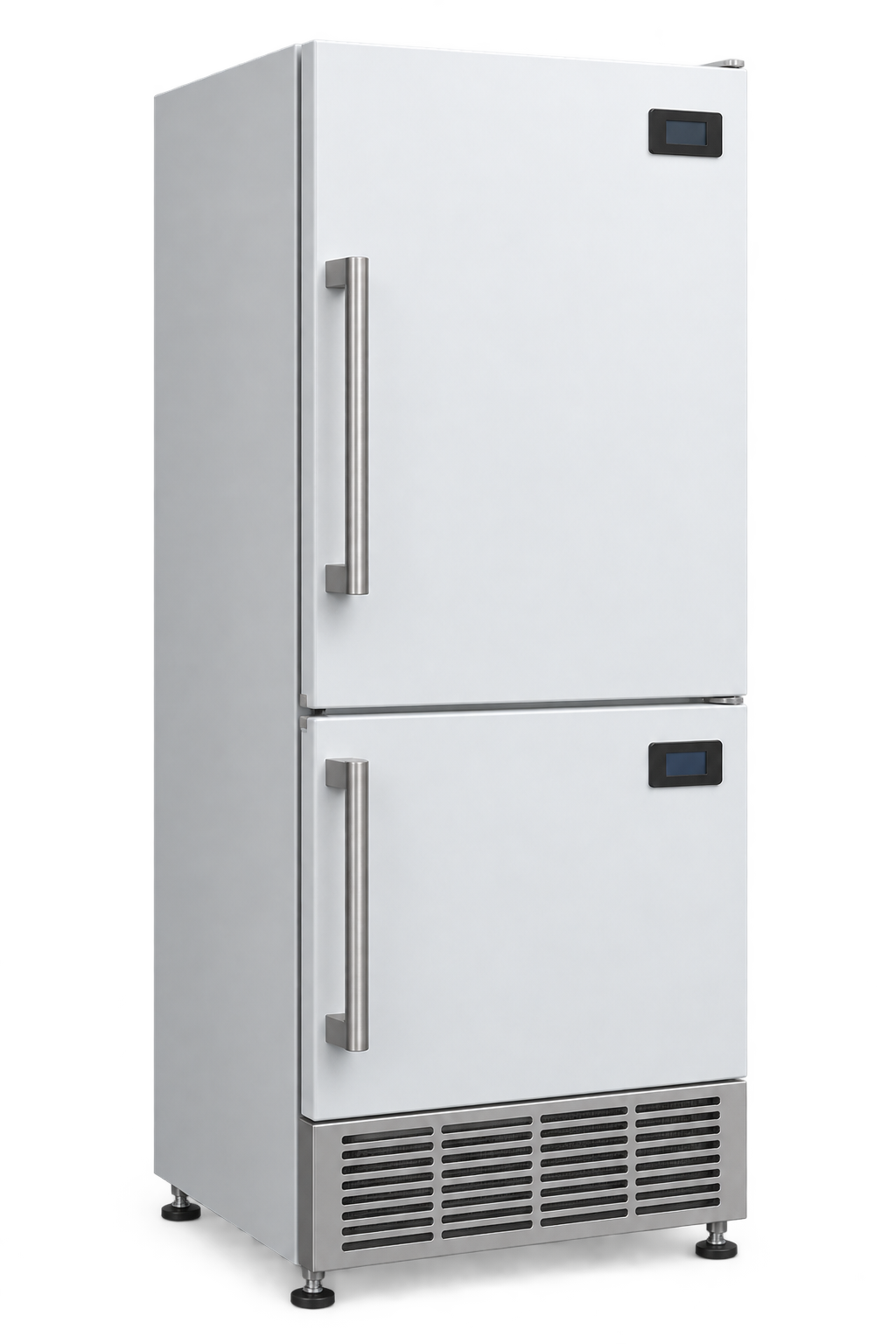
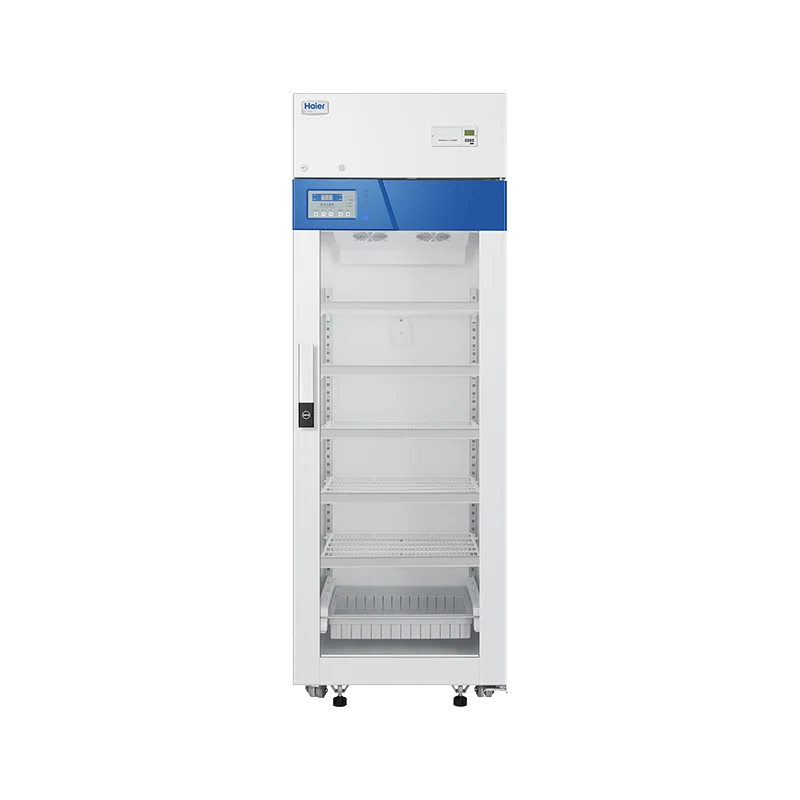
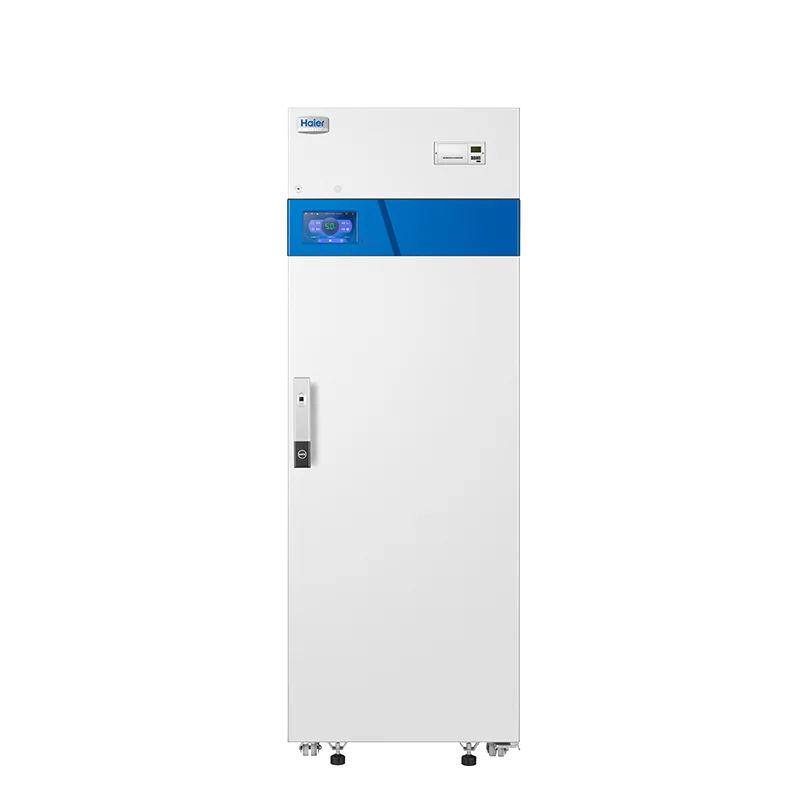
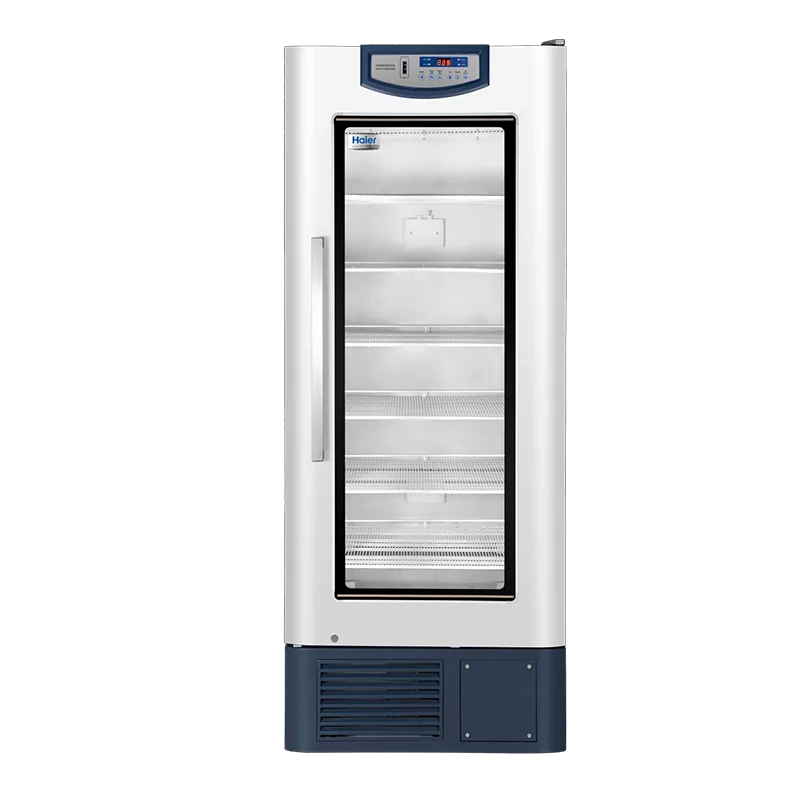
The Haier Biomedical HYC-509T is listed by the manufacturer as a single-glass-door pharmacy refrigerator with 509 L capacity, six shelves, LCD/touchscreen controls and a 2–8°C range. The HYC-1099T is a double-glass-door 1,099 L model with twelve shelves and a 2–8°C range. Haier publishes 220–240 V and 50/60 Hz for these models. Confirm exact electrical variant, plug, standard accessories, recorder/USB, alarm outputs and optional printer for the offered unit.
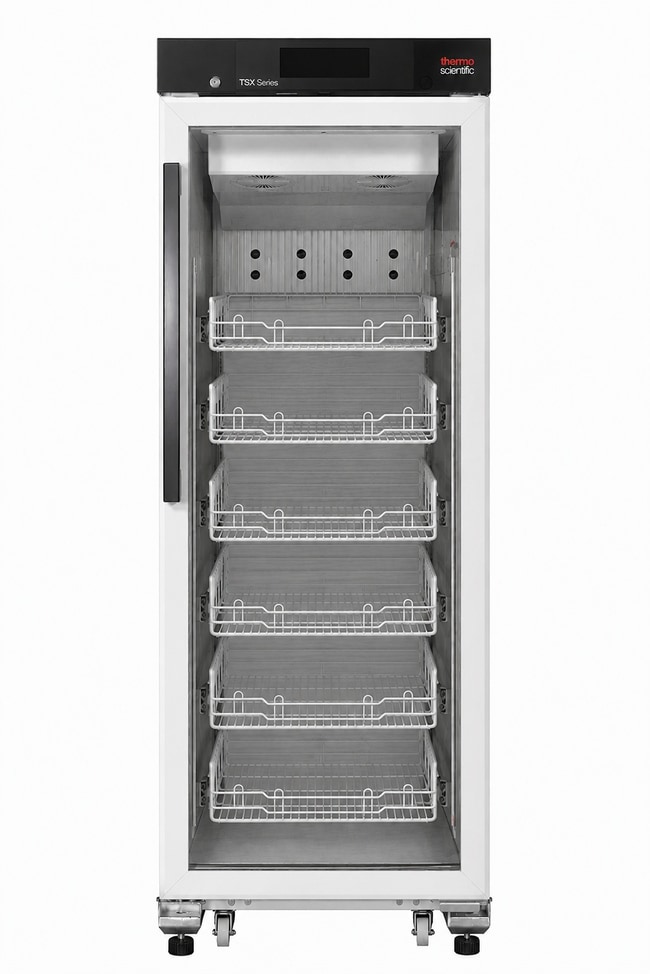
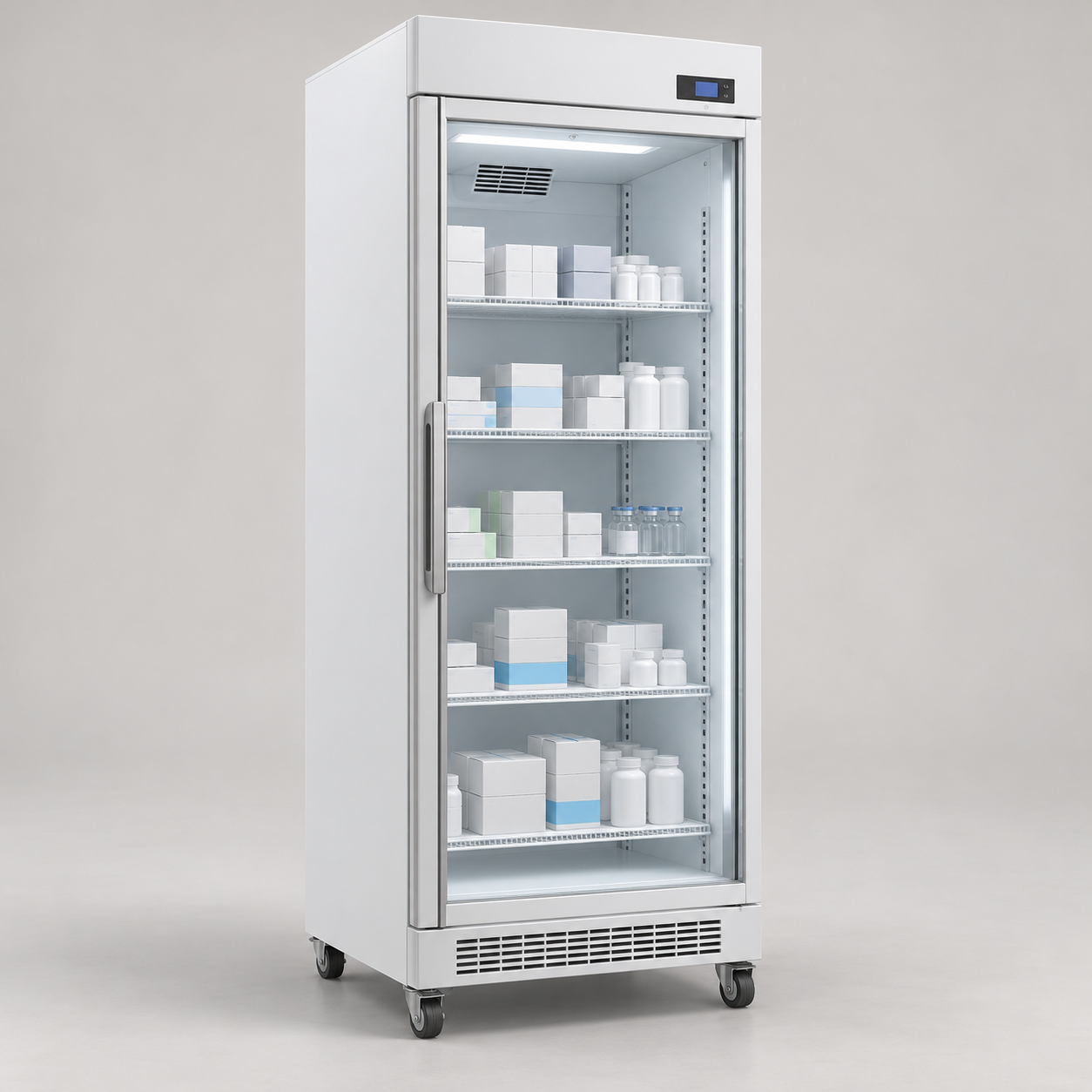
The Thermo Scientific TSX2-1205PV is listed as a 341 L, 220 V, single-door TSX Assure high-performance pharmacy refrigerator. Thermo Fisher describes the product family for vaccines, pharmaceuticals, chemotherapeutics and other temperature-sensitive materials needing controlled refrigeration, with touchscreen controls and onboard USB data logging. Check model-specific frequency, plug, installed options, software or remote-monitoring compatibility, warranty and local service before ordering.
Select by product-label requirements and operating practice, not capacity alone. Request internal shelf or drawer layout, usable volume, temperature distribution data, alarm set points and outputs, door-lock arrangement, access history, display units, recovery after a door opening and the documentation supplied with the exact model. A refrigerator’s display reading is not a substitute for calibrated monitoring and records under facility procedures.
When is a medical cold room appropriate?
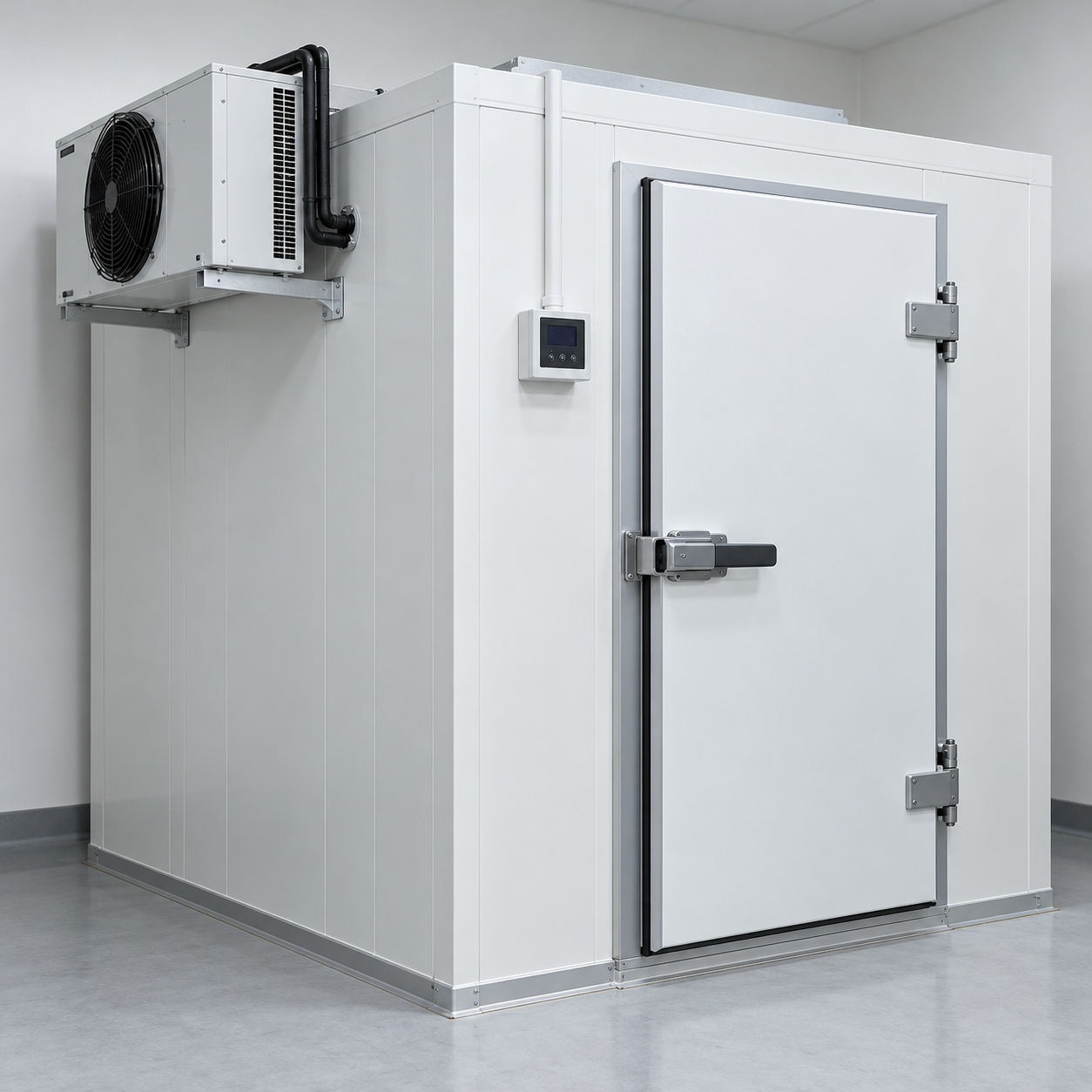
A walk-in room can suit centralized stores or larger inventory, but it is a site-engineered project rather than a plug-in refrigerator. The Haier Biomedical HRZK-10G is described by its manufacturer as a 10 m³ medical cold room with a 2–8°C internal range and 220 V / 50 Hz supply. Haier describes a modular, customized system with controls that can switch between primary and standby refrigeration machines. Verify the current model table and all included equipment, options and installation details for the actual quotation.
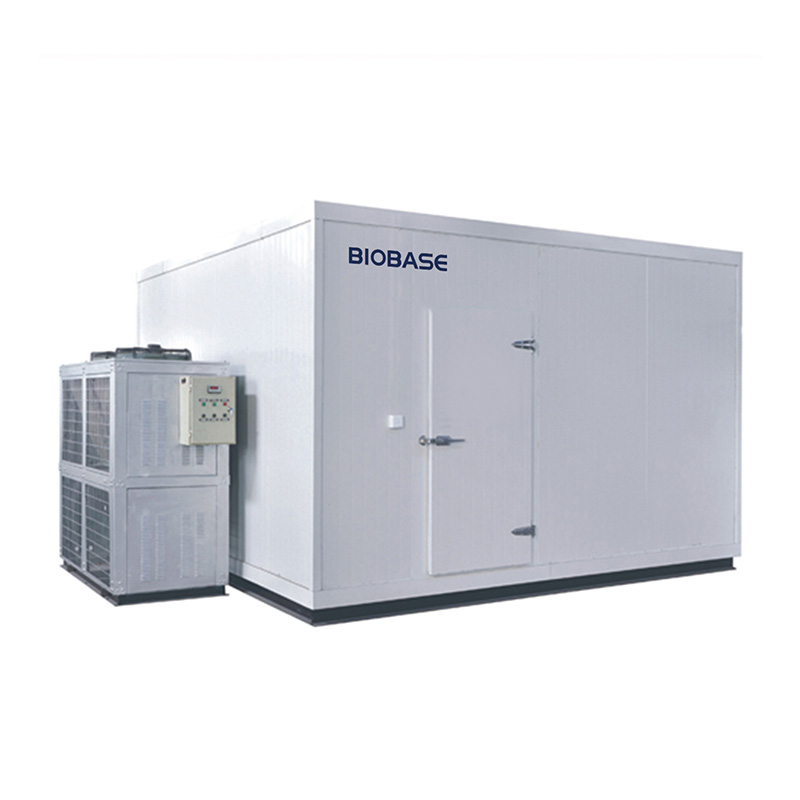
The BIOBASE Modular Cold Room is a configurable medicine-storage system with insulated panels. BIOBASE lists panel-thickness options but does not publish a fixed capacity, precise operating range or one standard configuration on the referenced product page. Treat it as a design brief requiring a written specification; do not assume that the product label means a validated 2–8°C room.
For either room, specify usable volume and shelf layout, target set point and allowable distribution, stored products and packaging, expected loading and unloading, door size and traffic, floor and wall interfaces, insulation/panel construction, refrigeration duty at local ambient conditions, defrost, condensate/drainage, lighting, emergency release, alarms, temperature records, redundant cooling or backup power, and installation/commissioning scope. Identify whether building work, floor insulation, generator, stabilizer, cabling, monitoring network, cold-room shelving or training are included or excluded. The WHO E001 cold-room guidance and UNICEF’s walk-in cold-room procurement guidance provide procurement considerations; they do not certify a proposed Nigerian project design.
What should a temperature data logger do?
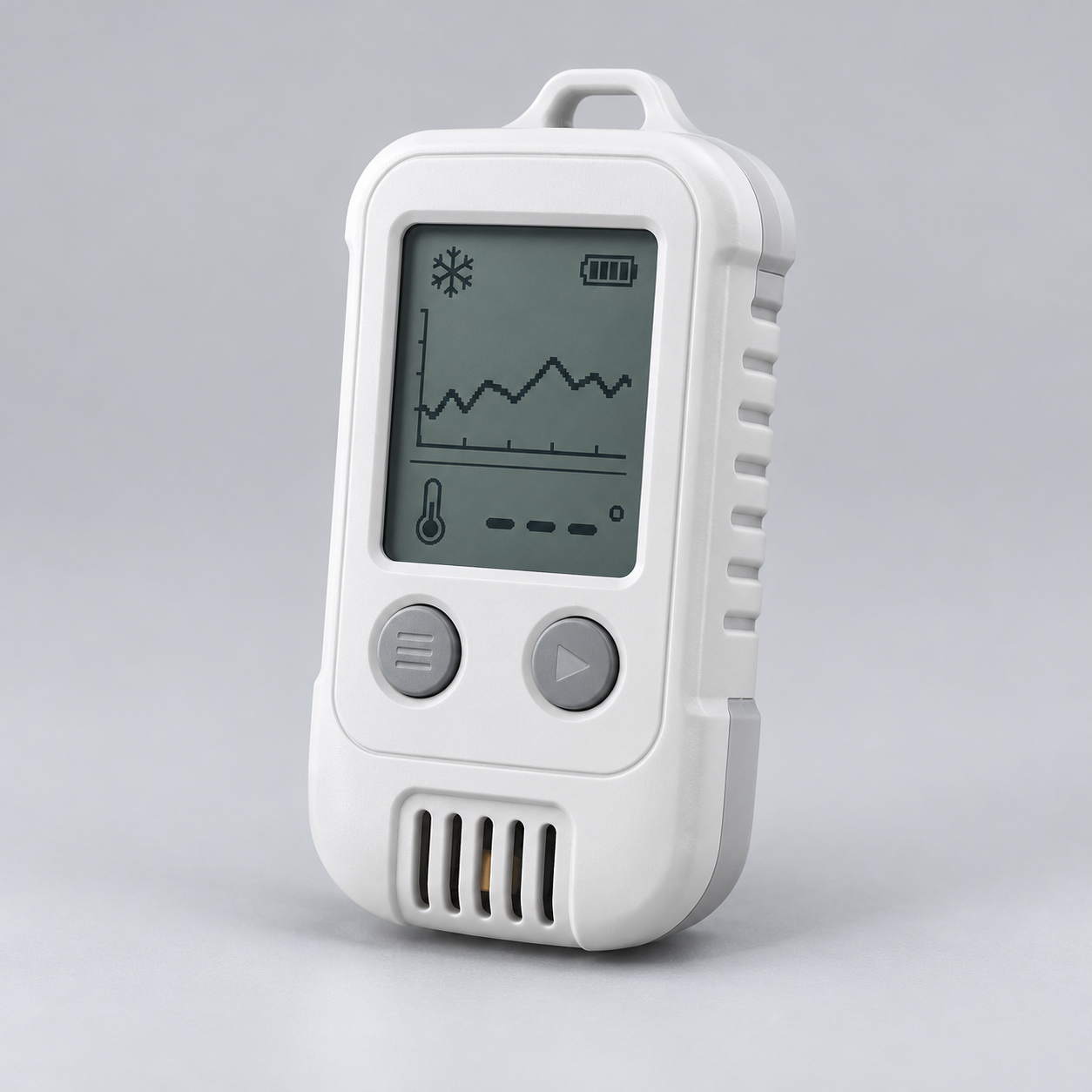
The Haier Biomedical HETL-01 is described as a 30-day electronic refrigerator logger with LCD, 2–8°C vaccine-monitoring use, six-minute recording interval, high/low visual alarms and USB CSV export. Haier identifies WHO PQS code E006/042. However, the linked WHO product data sheet states a validity date of 31 May 2026. Because that date has passed, the current PQS status must be checked in WHO’s live catalogue before anyone claims it is currently prequalified or relies on that status for procurement.
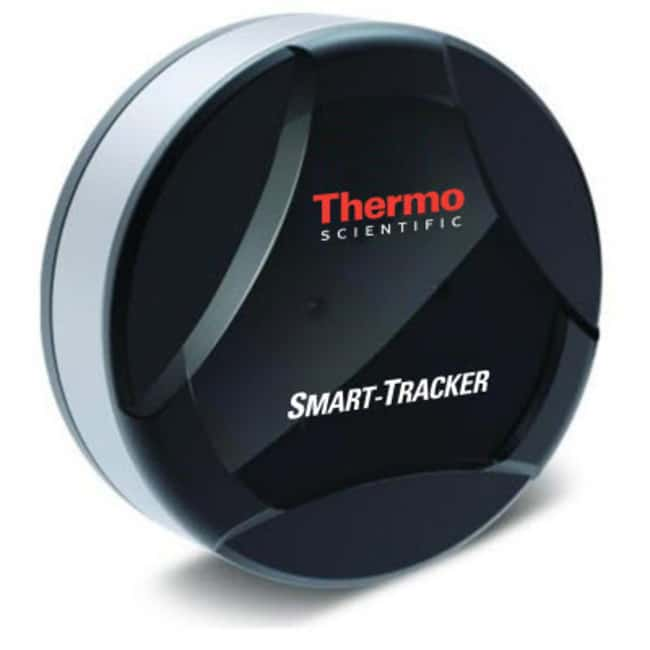
The Thermo Scientific Smart-Tracker ST100-101 is a wireless module with an internal probe, Bluetooth retrieval, a stated measurement range of −40°C to +85°C, memory for 4,000 readings and a manufacturer-listed 5°C calibration point. Thermo Fisher identifies uses including refrigerator, blood-bank refrigerator, cold-storage and transport monitoring. Confirm the current calibration certificate, accuracy, report workflow, app compatibility and whether alerts are local or remote for the exact version. Do not assume Bluetooth retrieval means continuous remote monitoring.
Specify the monitoring task: routine refrigerator checks, continuous records, cold-room mapping, transport monitoring, excursion detection, remote alerts or equipment-status monitoring. Then confirm probe type and placement, accuracy over the relevant range, calibration traceability and due date, logging interval, alarm thresholds and delay, memory, battery life, data retrieval/export, timestamps, software/licence, connectivity coverage, user permissions and record retention. Follow WHO’s E006 device guidance, which differentiates logger and equipment-monitoring use cases. A single logger may not satisfy every required monitoring task.
How should temperature mapping and commissioning be planned?
Temperature mapping and acceptance should be planned for the actual appliance or room, operating configuration, expected load and intended use. Have the facility’s qualified technical and quality teams define an approved protocol, sensor number and placement, calibration status, logging interval and study conditions. For a room, assess spatial variation across representative locations, including likely warm/cold areas and relevant door or airflow zones. For upright or chest refrigerators, follow the manufacturer’s approved sensor placement and avoid blocking circulation. Document the test configuration, load state, door openings, ambient conditions, power events, set points and alarm challenges that the approved protocol requires.
Mapping can identify distribution and stability under the tested conditions; it does not prove the unit will remain in range under every future load, seasonal ambient condition, maintenance state or outage. Re-map or re-qualify after material changes when the site quality system requires it. Independently verify displayed and logged readings against calibrated references, check alarms and response escalation, and record commissioning results before placing regulated stock into service. Do not interpret a product-family datasheet, isolated holdover figure or WHO PQS listing as site acceptance evidence.
WHO’s device categories set product-specific performance expectations and verification procedures; they do not replace facility acceptance. For Nigerian regulated products, review the current NAFDAC Good Cold Chain Management guidance and applicable product-label conditions with the responsible quality or regulatory lead. The NAFDAC site links the national vaccine and biopharmaceutical cold-chain guidance; confirm the currently effective document and any updates before applying it to a project.
What Nigeria power, site and procurement details should I prepare?
For a mains-powered refrigerator, identify the actual facility supply, voltage and frequency, phase, socket, dedicated circuit, earthing, protection against voltage disturbance, generator or backup coverage and restart behavior. Haier lists 220–240 V / 50–60 Hz for HYC models, while Thermo’s TSX2-1205PV listing specifies 220 V and 50/60 Hz. Confirm exact variant and current manufacturer data; never assume that the plug or electrical accessories match the site. Consider ambient heat, room ventilation and clearance, access for cleaning and maintenance, door swing, security, stairs/lifts and the delivery route.
For solar equipment, state the facility address and available roof or ground array location, shading, security, orientation constraints, solar installation scope, any generator or grid coexistence and expected service response. Request the matched kit and a documented site assessment, not a panel size guessed from refrigerator capacity. Include battery requirements only where the manufacturer’s exact system specifies batteries; solar direct-drive appliances and battery-powered solar systems are not interchangeable.
For a cold room, share room dimensions, measured access path, floor level and construction, available service clearances, intended shelf and product volumes, ambient conditions, heat sources, drainage/condensate arrangements, electrical capacity, backup source, alarm coverage and data network. Identify who supplies building preparation, installation, commissioning, temperature mapping, training, preventive maintenance and emergency repairs.
For all equipment, include facility name, Nigerian state and city, quantity, receiving hours, procurement timeline and technical contact. Ask Franance to confirm exact model, manufacturer reference, accessories, current PQS or other required documentation for that precise model, applicable product registration documentation, price and currency, taxes, freight, delivery, installation, commissioning, training, warranty, consumables, spare parts, service coverage and exclusions in a written quote. No current Nigerian stock, regulatory approval or service entitlement is implied by this guide.
What should I verify before accepting a cold-chain system?
Review the exact manufacturer's installation and operating instructions, product data sheet, accessories, warranty, maintenance schedule, calibration or monitoring information and any required product-specific prequalification. If WHO PQS is mandatory, use the current WHO product record and ensure the reference and specification match exactly. Confirm that the temperature range, volume, power system and accessories meet the stored-product and programme requirements. For rooms, review engineered drawings and the included refrigeration plant and controls before construction or delivery.
At site acceptance, follow the approved installation and commissioning protocol. Record model and serial numbers, configuration, utility measurements, sensor calibration certificates, logger settings, temperature-mapping method and results, alarm tests, backup-power response, staff training, deviations, corrective actions and release authorization. Define who reviews routine records, responds to alarms, documents excursions, decides whether stock remains usable and contacts service. These are facility responsibilities; equipment supply alone does not establish compliance.
Where can I browse vaccine and pharmacy cold-chain products?
Request a vaccine or pharmacy cold-chain quotation in Nigeria
Send Franance the intended storage use, exact model or cold-room brief, storage conditions and usable capacity, stock profile, monitoring and alarm requirements, power and site details, facility destination, quantities, commissioning and temperature-mapping expectations, training and after-sales requirements. Identify any WHO PQS, NAFDAC or internal quality documentation required and ask the supplier to confirm the exact current model status and included services in writing. Request a cold-chain equipment quotation.
Common questions
Which cold-chain products are listed by Franance?
The current category has ten assigned products: three Haier solar direct-drive vaccine refrigerators, three pharmacy refrigerators, two medical cold rooms and two temperature data loggers. Use the exact model links to open the assigned records.
Does a 2–8°C range prove that a refrigerator is suitable for vaccines?
No. Suitability depends on the exact vaccine and programme requirements, appliance performance, required monitoring, operating conditions, current product documentation and facility acceptance. Check the exact model and its current WHO PQS status when required; do not use a domestic refrigerator for vaccines.
Does the Haier HETL-01 currently have WHO PQS status?
The WHO E006-042 data sheet available during research shows a validity date of 31 May 2026, which has passed. Check the current live WHO record and confirm with the manufacturer before claiming or relying on current prequalification.
Does temperature mapping replace routine monitoring?
No. Mapping evaluates distribution under a defined test configuration and protocol. The facility still needs approved monitoring, alarm response, records, maintenance and excursion procedures for ongoing use.
Can Franance confirm installation or service in my Nigerian city?
Provide the facility name, city, state, site and power information, quantity and required scope. Franance must confirm availability, delivery, installation, commissioning, warranty and service terms for the specific quotation.
Request a vaccine and pharmacy cold-chain quotation from Franance.
Send the exact model or project brief, required product storage conditions, usable capacity, monitoring and alarm functions, site and power details, destination city and state, and requested installation, mapping, training and service scope. Franance will follow up and confirm the proposed configuration and terms in writing.