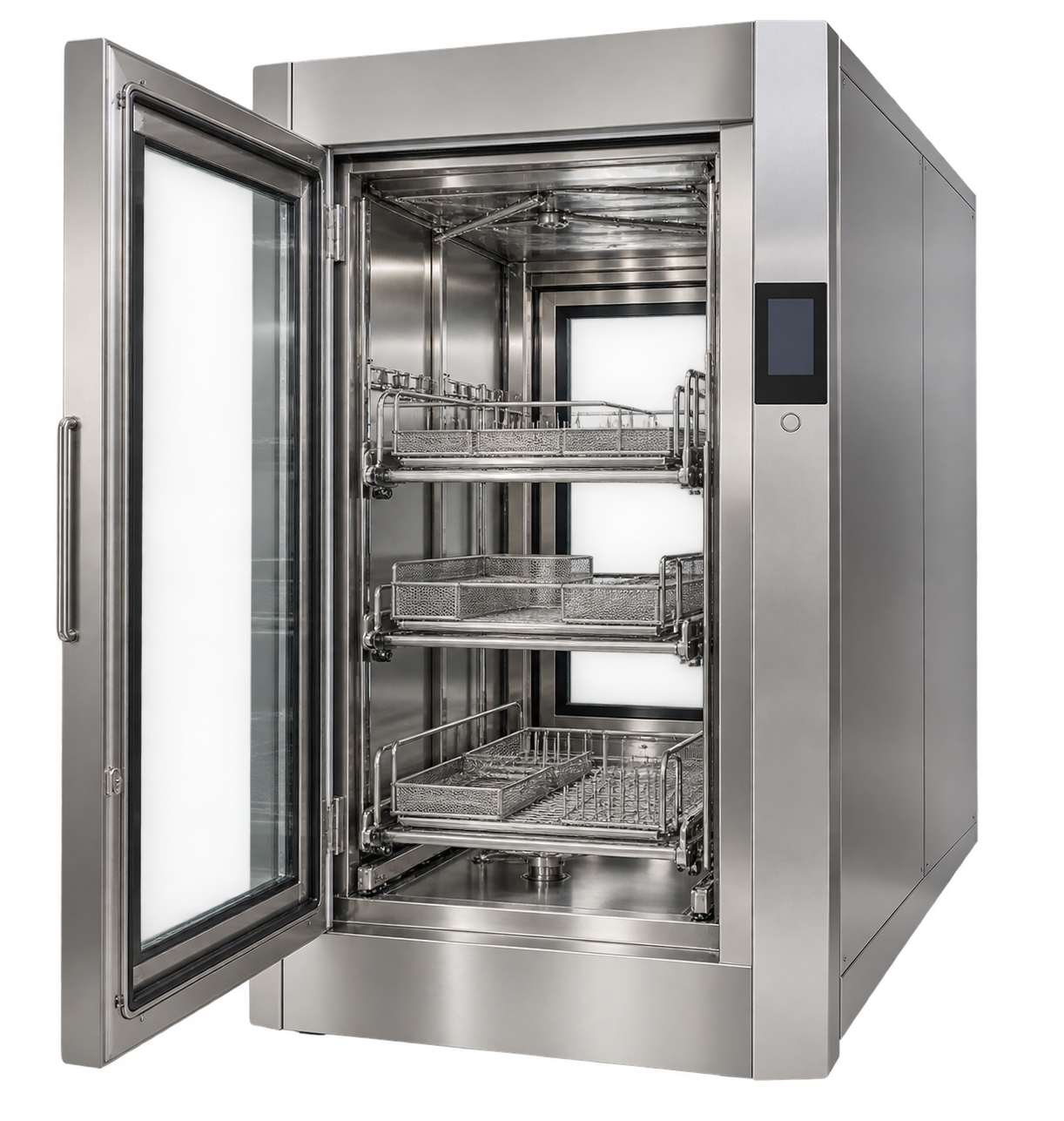
Buy sterilizers and washers in Nigeria through Franance. Compare 23 listed models across tabletop, vertical and horizontal autoclaves, floor sterilizers, washer-disinfectors, ultrasonic cleaners and low-temperature systems, then request a written quotation for your facility.
Franance’s Sterilizers & Washers category brings together 23 listed models across eight subcategories: tabletop, vertical and horizontal steam autoclaves; floor autoclaves; washer-disinfectors; ultrasonic cleaners; and low-temperature and plasma sterilizers. The range includes compact and laboratory systems as well as larger sterile-processing equipment. Choose the equipment class from the facility’s approved reprocessing workflow, then compare the exact model, load format, configuration, utilities, accessories and service scope before requesting a written quotation.
This is a purchasing guide, not a reprocessing protocol or a recommendation for a clinical load. A machine’s category, cycle name or product page does not prove that a particular instrument can be processed in that system. The facility’s infection-prevention, sterile-processing, clinical engineering and procurement teams must follow current instructions for use from both the instrument and processing-equipment manufacturers and apply the facility’s approved procedures. Franance handles quote orders: after receiving an enquiry, its team follows up by phone or email and confirms price and scope in writing; there is no online checkout.
Which sterilizers and washers can I request a quotation for in Nigeria?
The current category contains 23 catalogue products. These links open exact model-filtered results within the category:
The catalogue assignments describe the browsing structure; they do not confirm Nigerian stock, model availability, regulatory status, a supplied accessory package or suitability for a specific instrument. Ask for the exact manufacturer reference and current regional documentation in the quote response.
Those paths reflect catalogue relationships, not a linear instruction sequence. A washer-disinfector and an ultrasonic cleaner perform cleaning-stage roles; an autoclave or low-temperature sterilizer performs a different process. Packaging and storage equipment is in a separate Sterilization packaging and storage category. A facility may need multiple equipment classes, and the responsible team should define the validated workflow and loading requirements before selecting a system.
What is the difference between a washer, ultrasonic cleaner and sterilizer?
A washer-disinfector automates a programmed cleaning and thermal-disinfection process for compatible loads. An ultrasonic cleaner uses cavitation in a cleaning solution as part of an instrument-cleaning workflow; it is not a sterilizer. A steam autoclave uses a validated steam cycle for loads that are compatible with the device, packaging, sterilizer and approved process. Low-temperature systems use a different sterilant and process intended for compatible heat- or moisture-sensitive devices. These roles are related but not interchangeable.
CDC guidance says reusable instruments must be cleaned before disinfection or sterilization and that automatic washers and washer-disinfectors should be operated according to the equipment manufacturer’s recommendations. CDC also explains that steam is preferred for critical instruments that tolerate heat, steam, pressure and moisture, while low-temperature technologies are used for compatible heat- or moisture-sensitive devices. These are general procurement distinctions, not a cycle prescription. Follow the current instrument and processor instructions and the facility’s approved procedures.
When comparing washer-disinfectors, identify the instrument families and load carriers to be processed, the desired single-door or pass-through arrangement, chamber and tray capacity, available wash carts, documented cycle records and facility utilities. For ultrasonic cleaners, document the intended pre-cleaning role, basket or lumen accessories, tank capacity, cycle control, cleaning chemistry and any downstream washer requirements. For sterilizers, specify the approved sterilization technology, compatible packaged or unwrapped loads as stated by manufacturers, chamber and loading format, cycle documentation and any necessary accessories.
Which tabletop, vertical and horizontal autoclave should I compare?
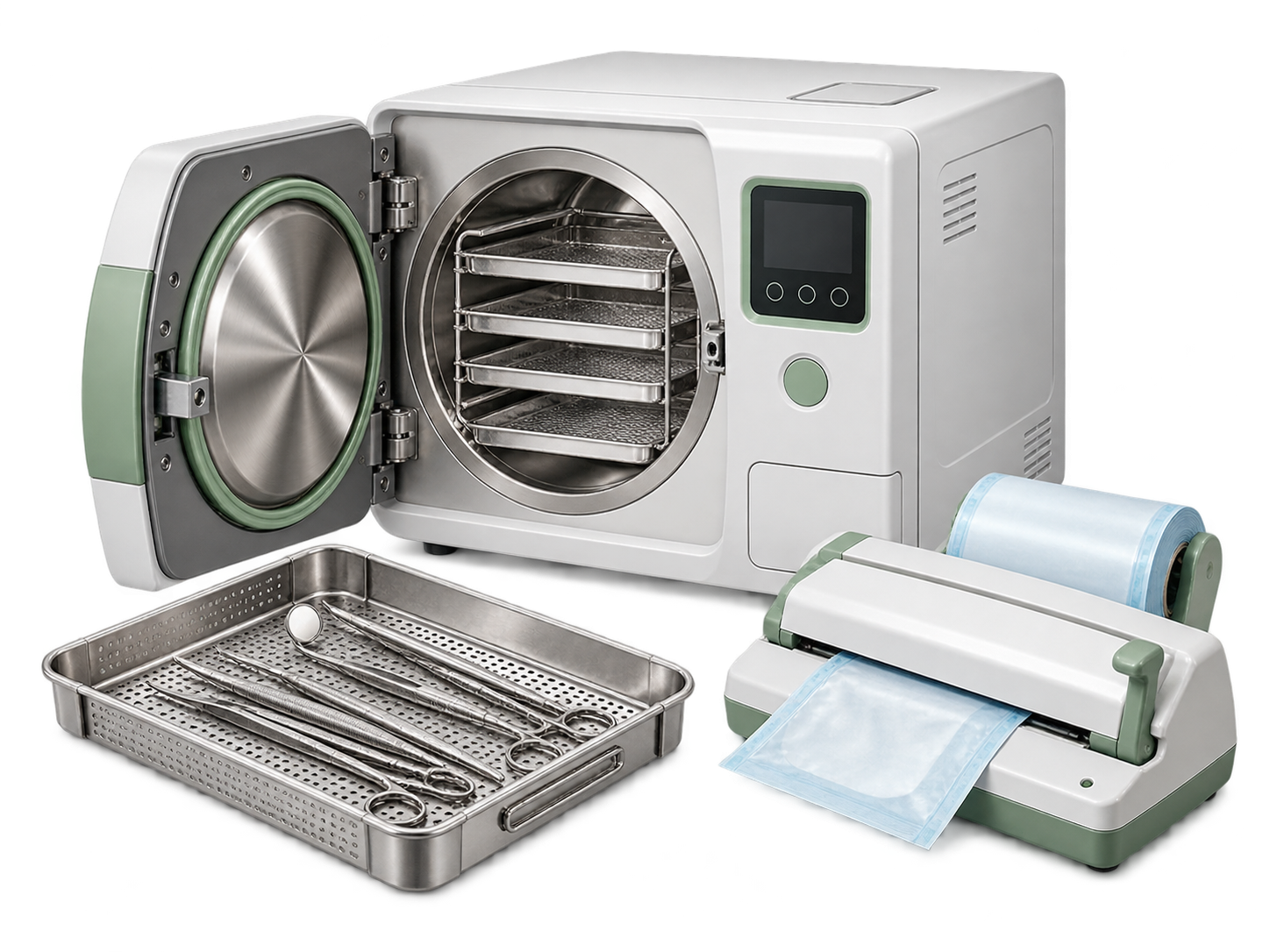
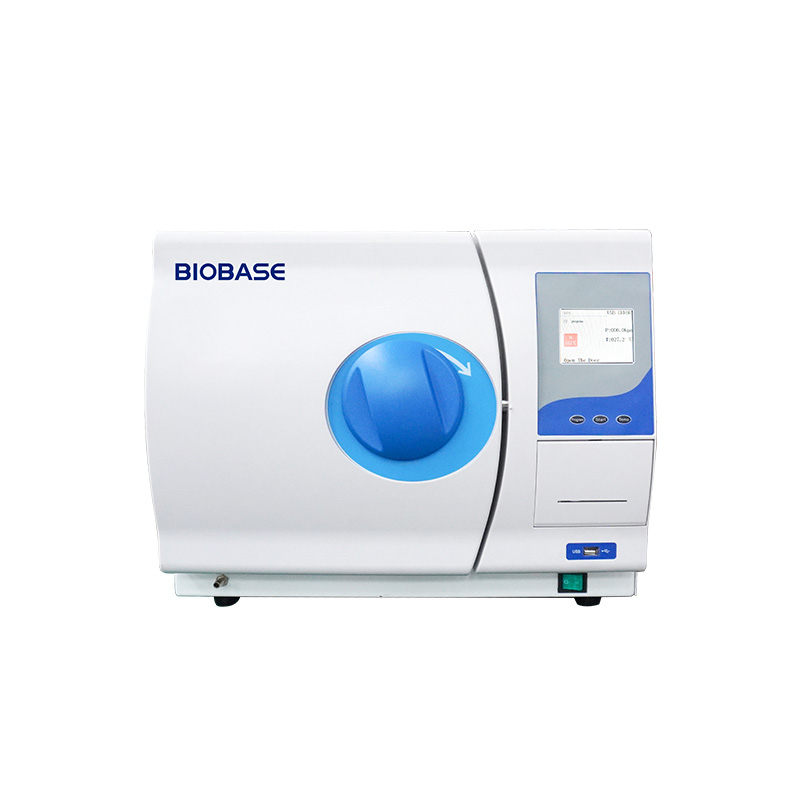
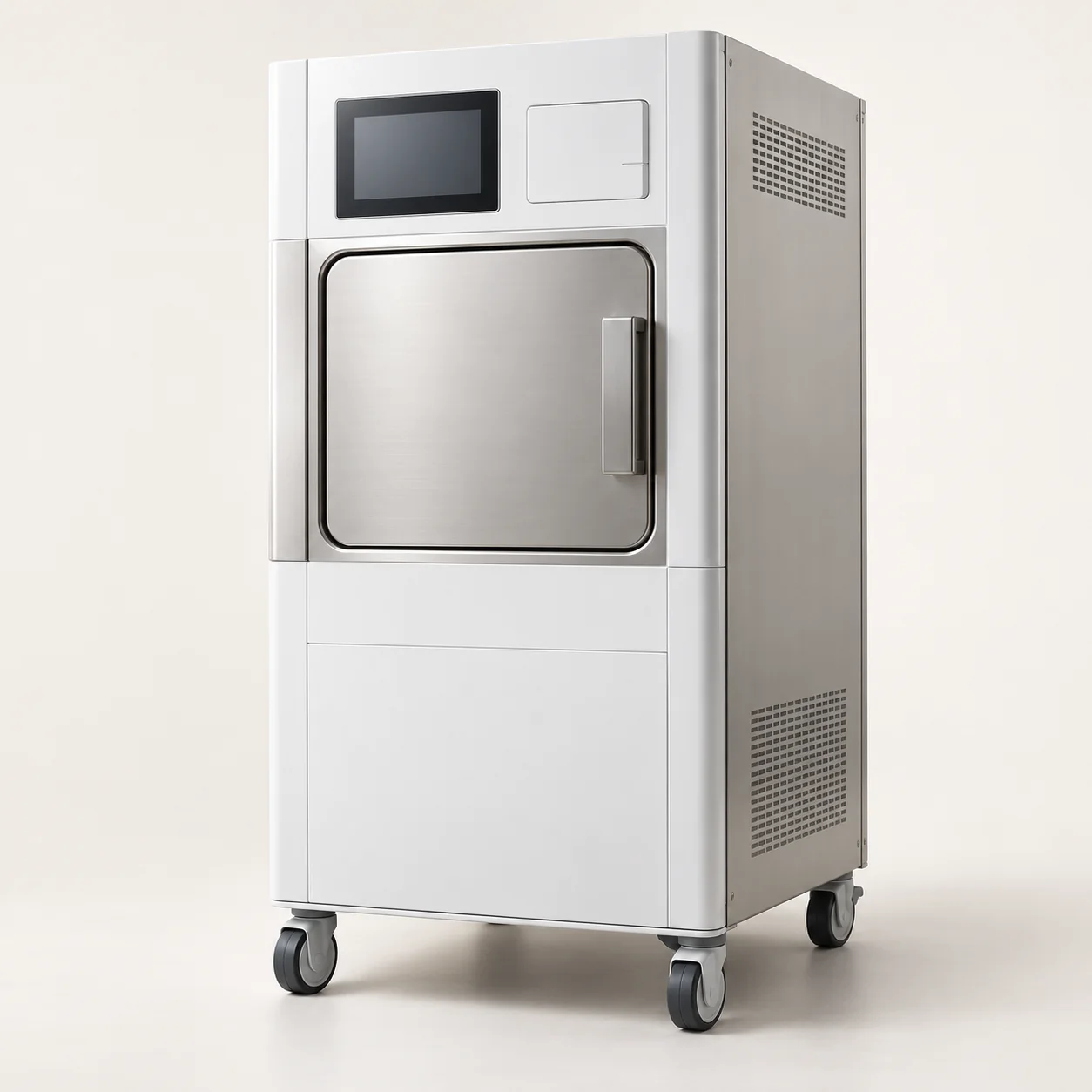
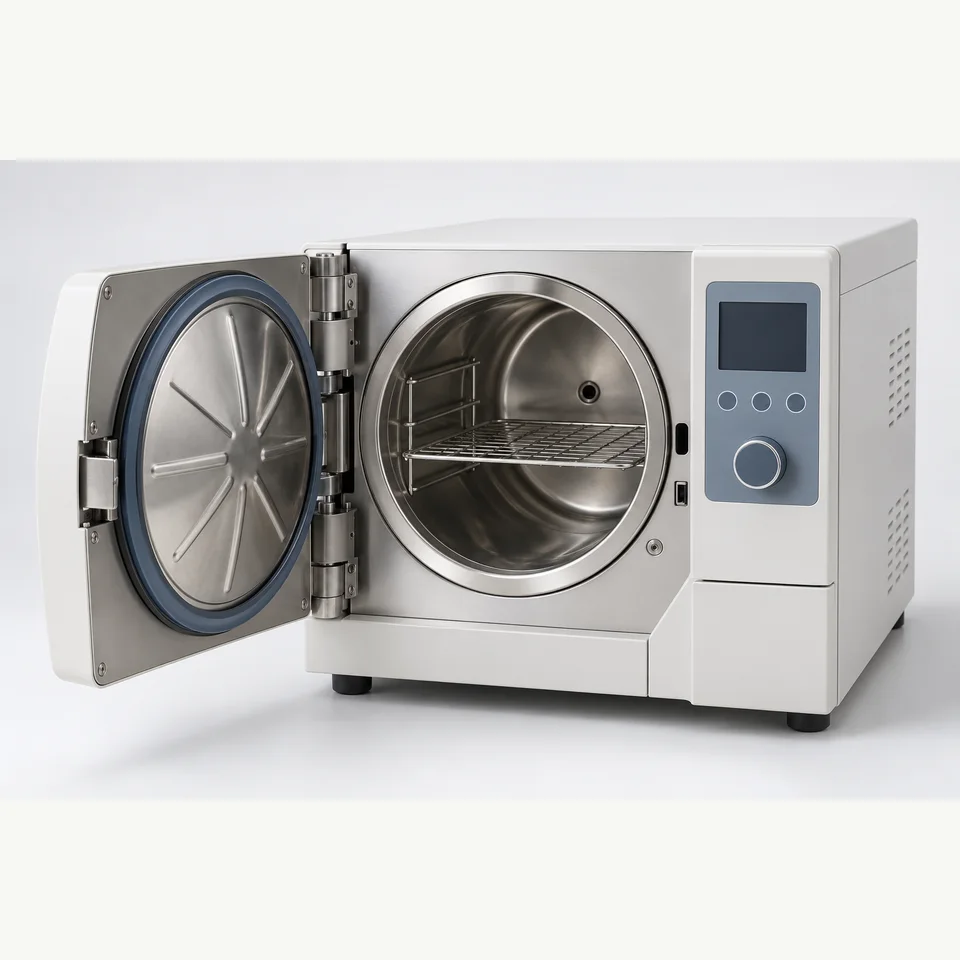
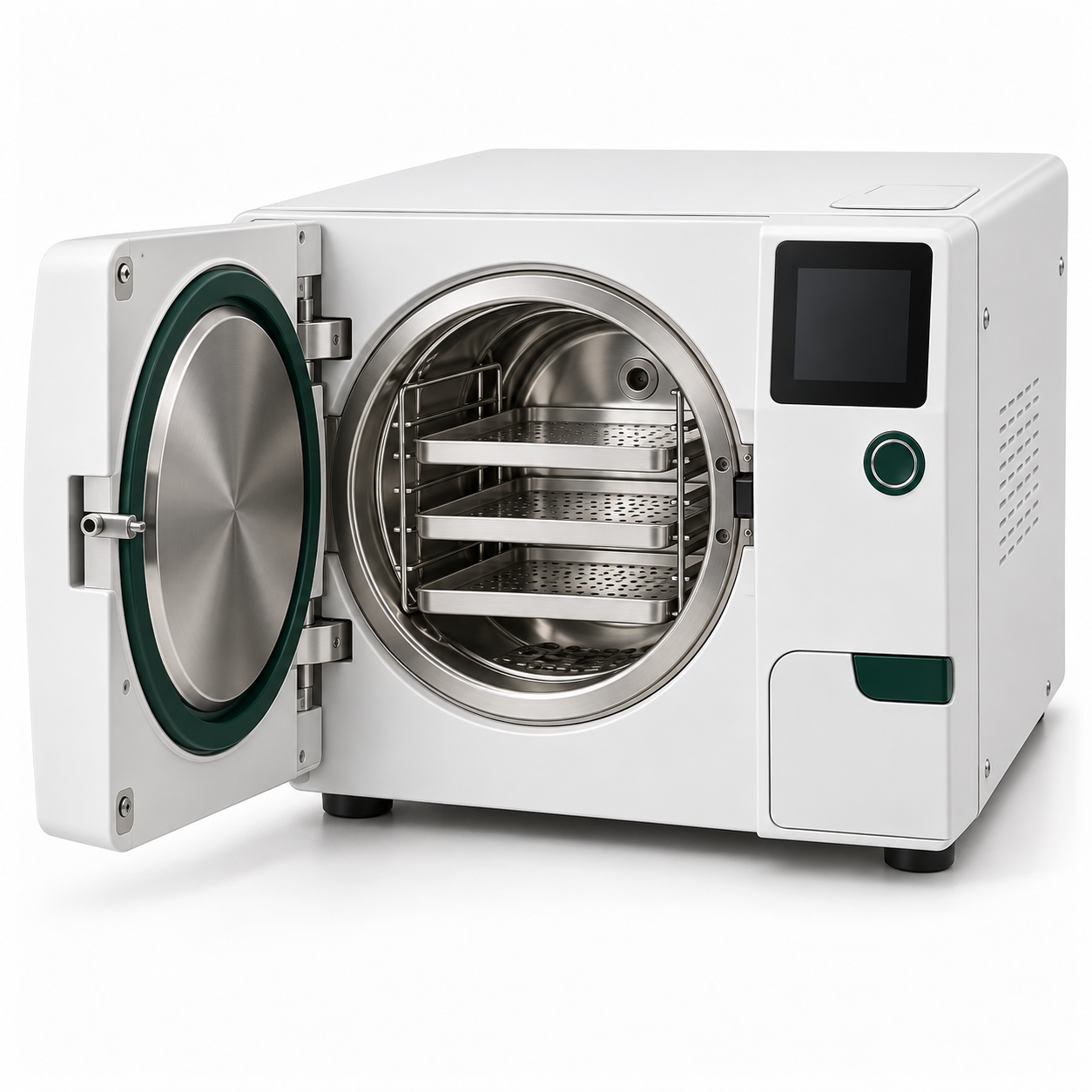
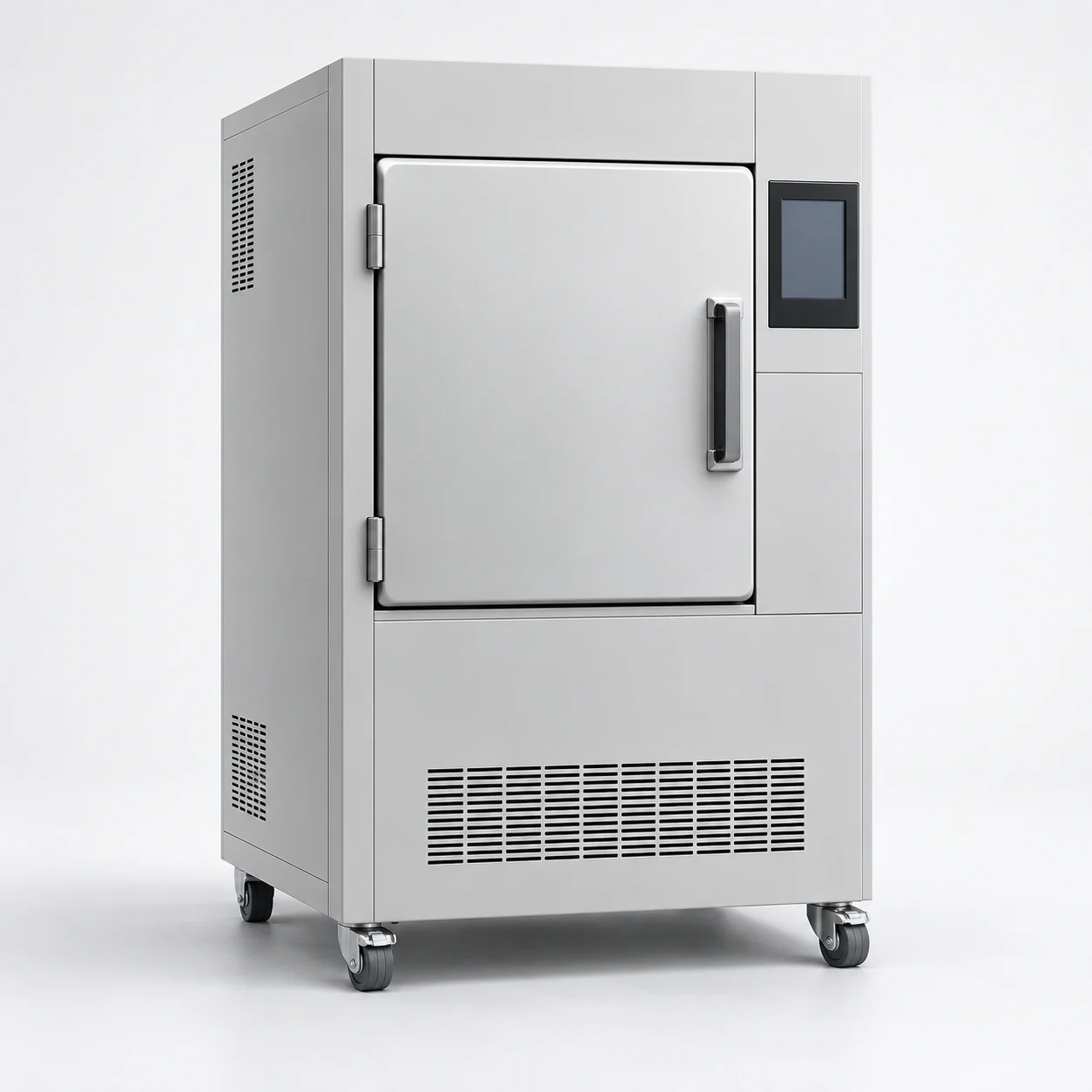
Compare by intended facility workflow and validated loading requirement, not by form factor alone. The tabletop category includes BIOBASE’s BKM-K18N, which BIOBASE describes as a Class N model, and the BKM-K18B Class B model, plus Tuttnauer’s T-Edge 10 / 11 Class B range. These are compact units, but class names and manufacturer descriptions do not independently determine whether a particular instrument or wrapped load is permitted. Verify compatibility in current instructions for use.
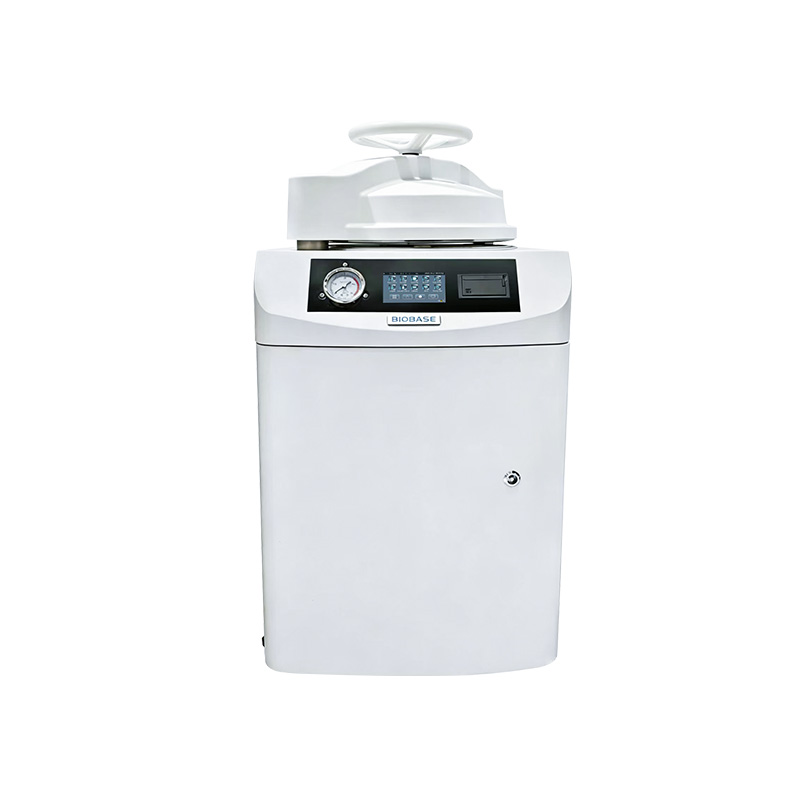
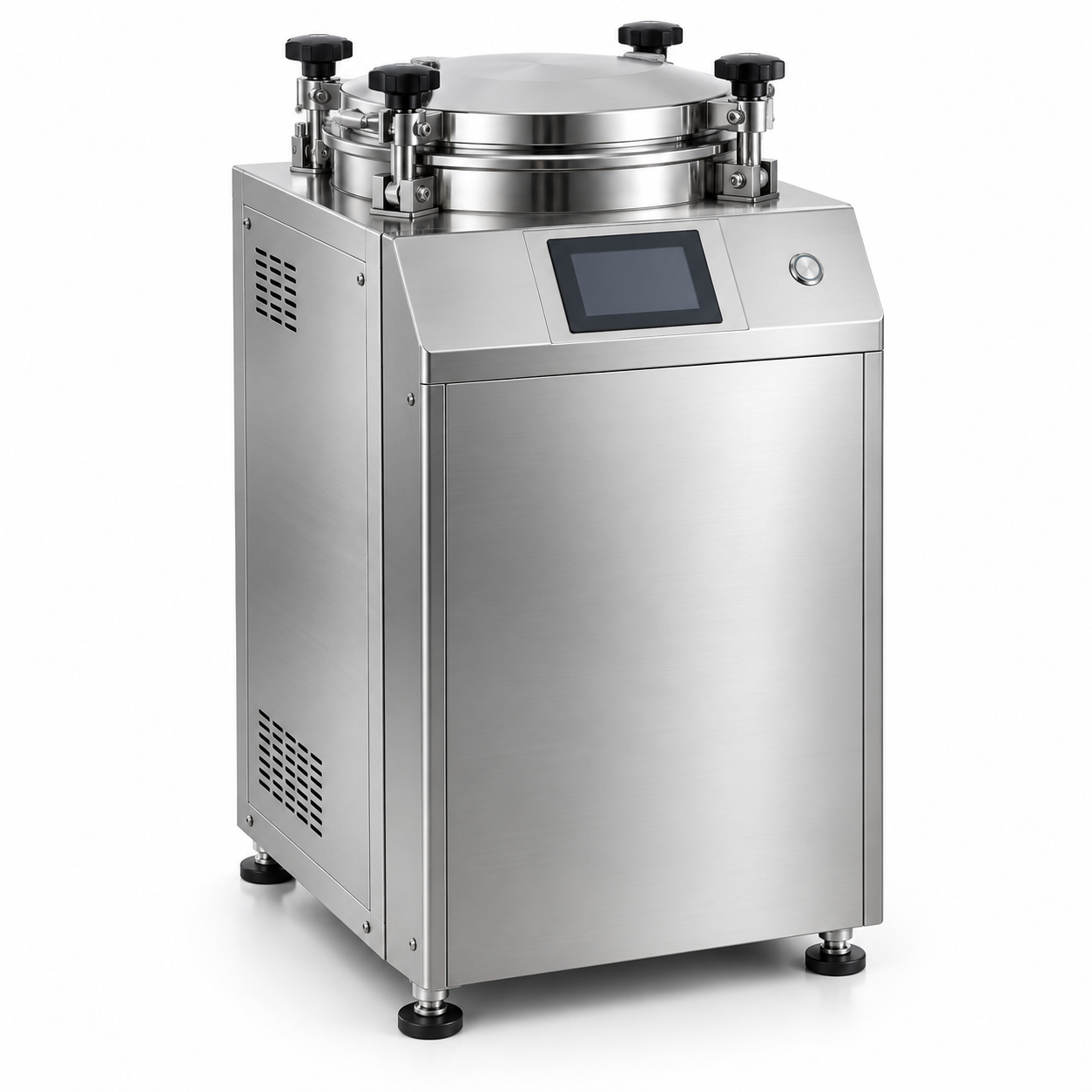
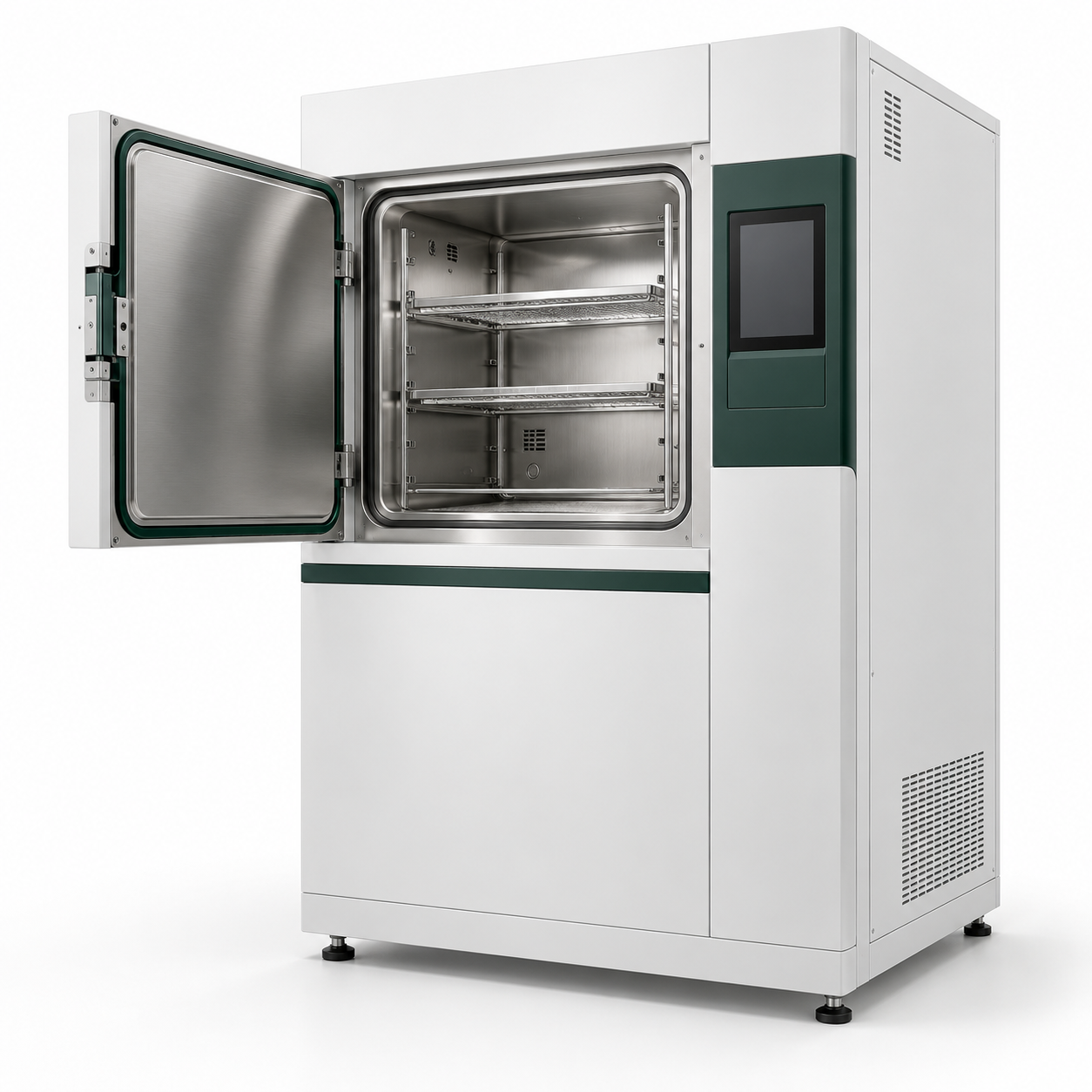
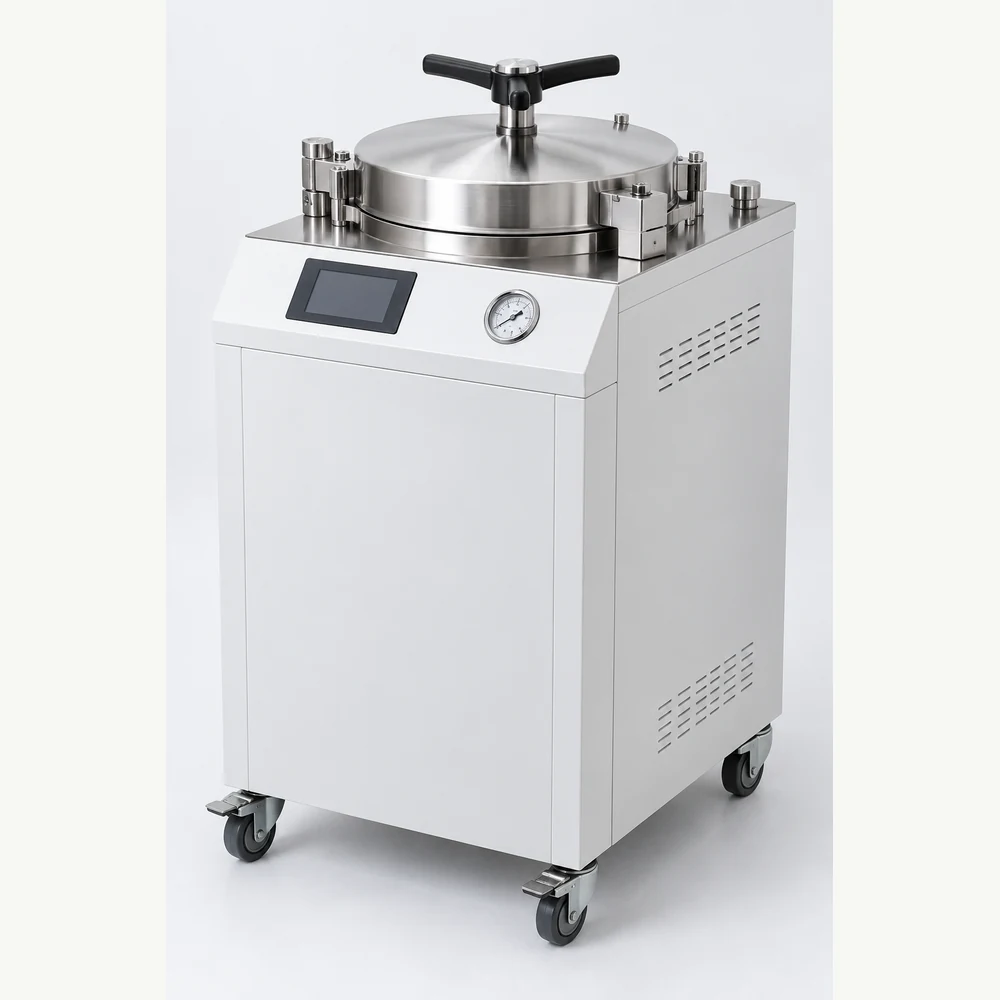
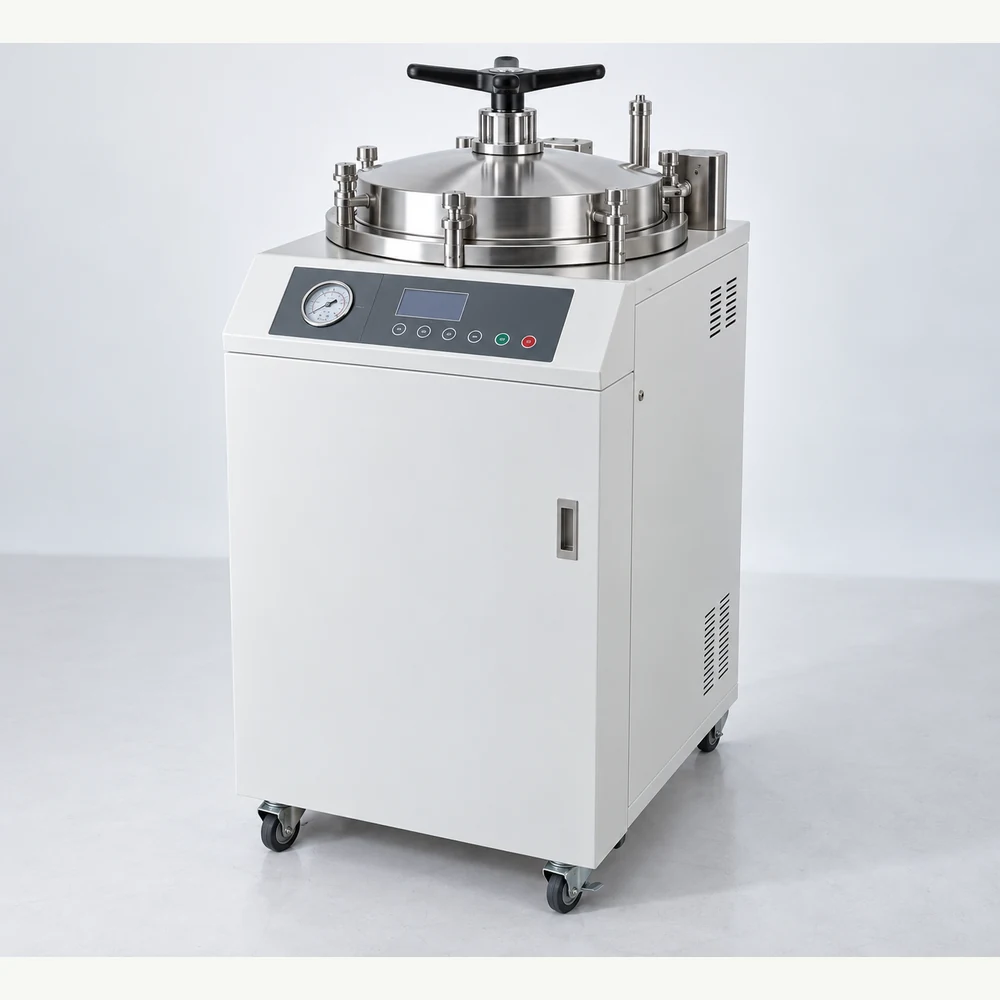
The vertical group has four listings: BIOBASE BKQ-L60, Systec VX-75, Tuttnauer 3870ELV-D and Tuttnauer 5075ELV-D. Systec describes the VX line as vertical floor-standing laboratory autoclaves and lists the VX-75 as a nominal 75-litre model. Tuttnauer identifies its 3870ELV-D and 5075ELV-D as vertical laboratory models. BIOBASE identifies the BKQ-L60 in its vertical-autoclave range. Laboratory sterilizers may have different intended applications and documentation from a hospital CSSD sterilizer, so confirm the product’s intended market and permitted load types.
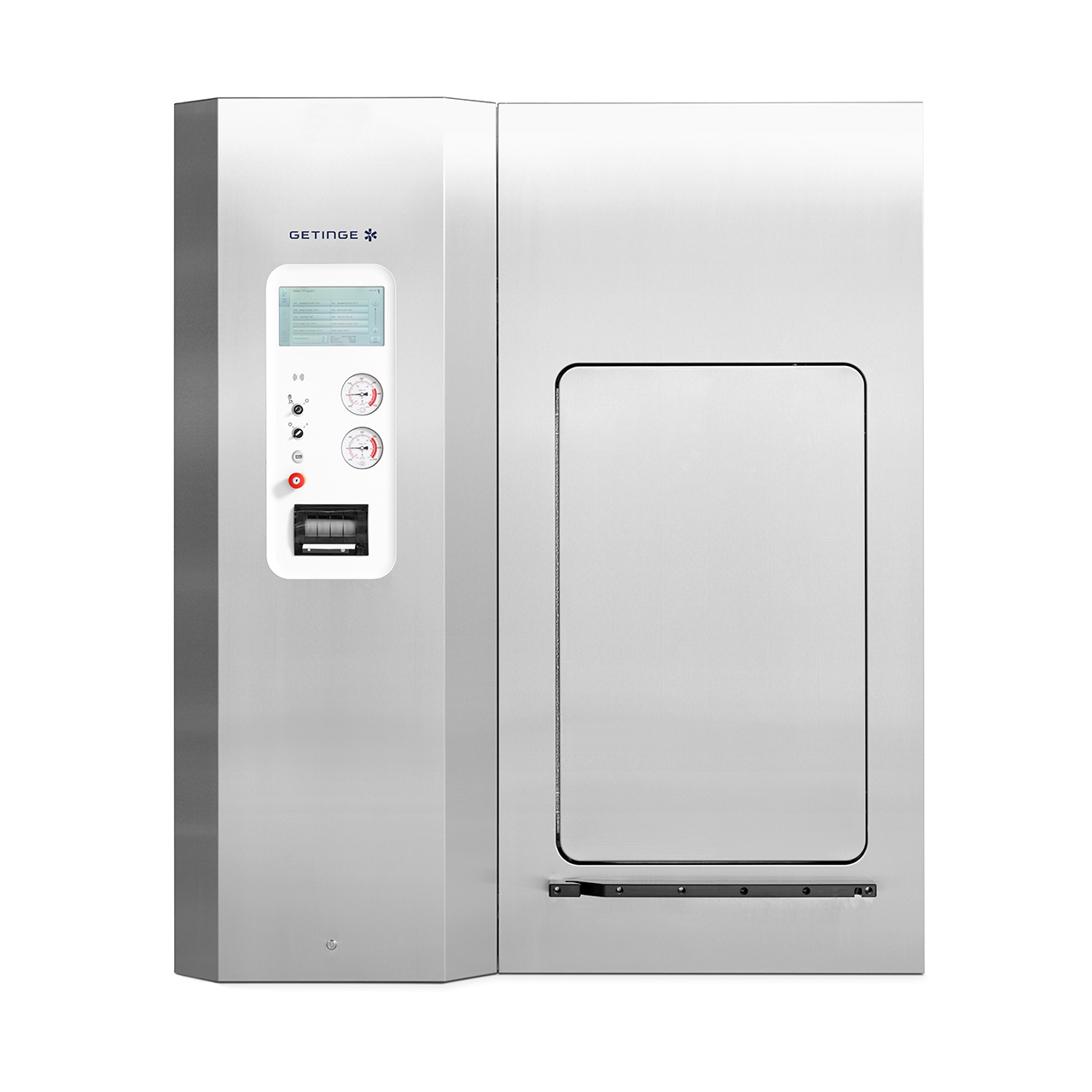
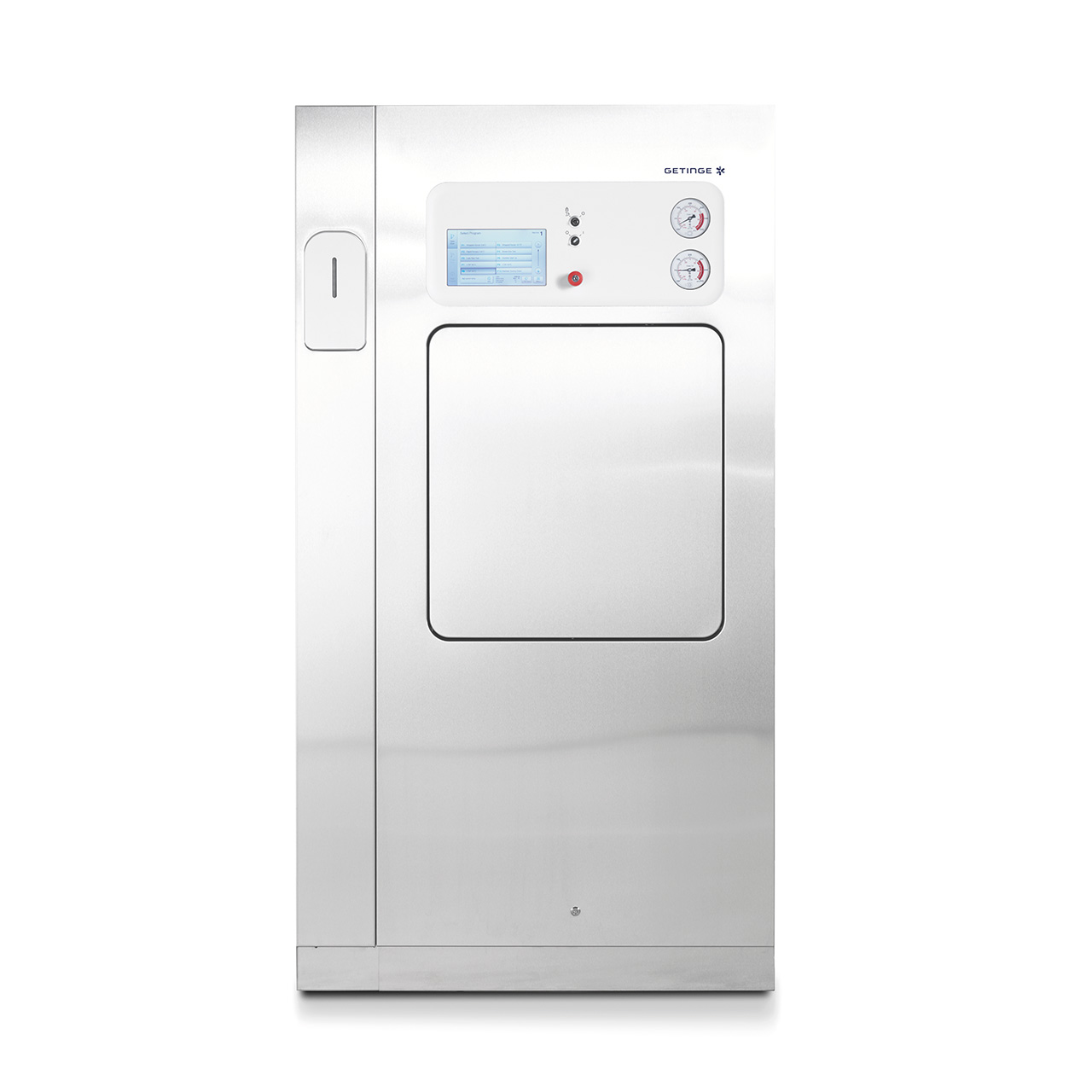
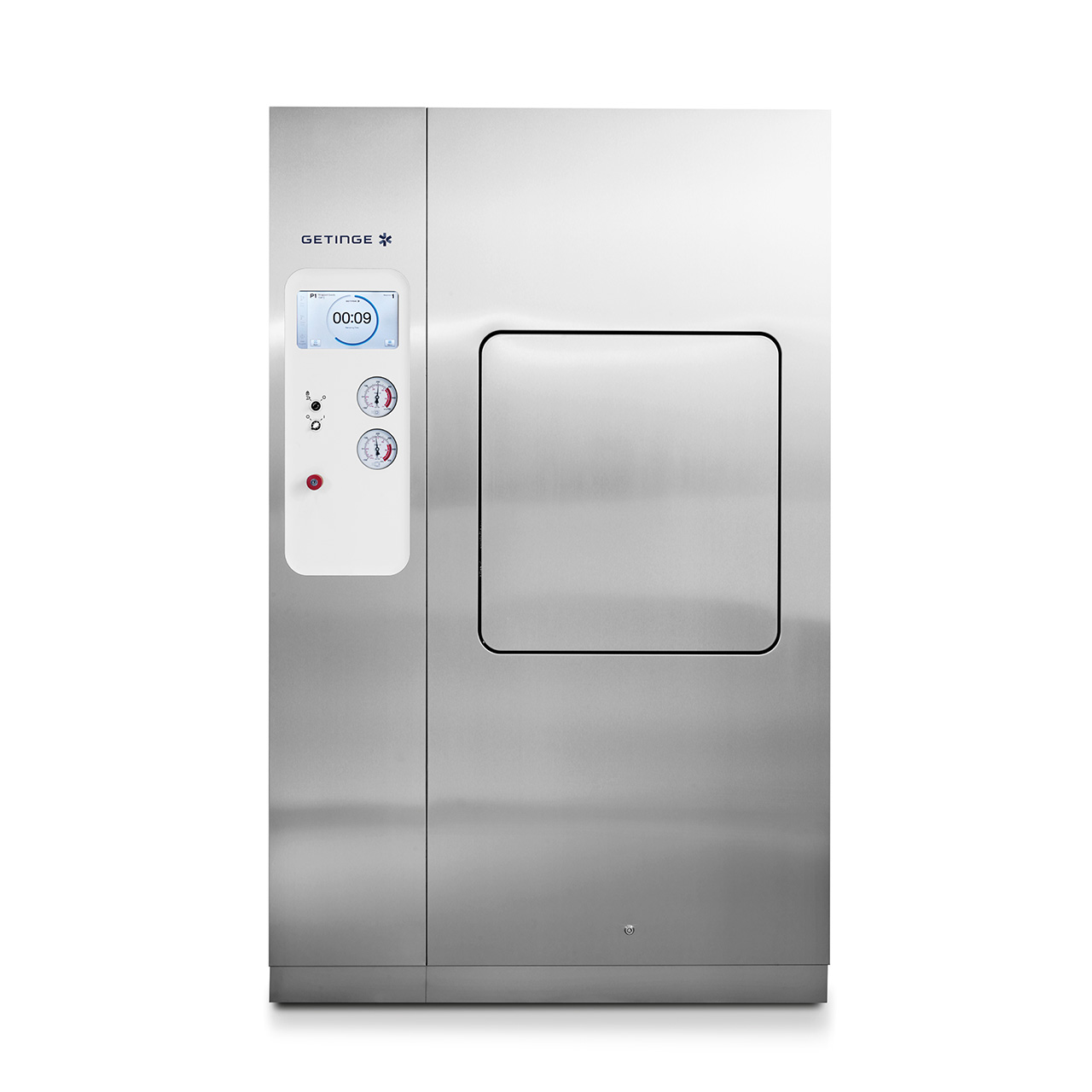
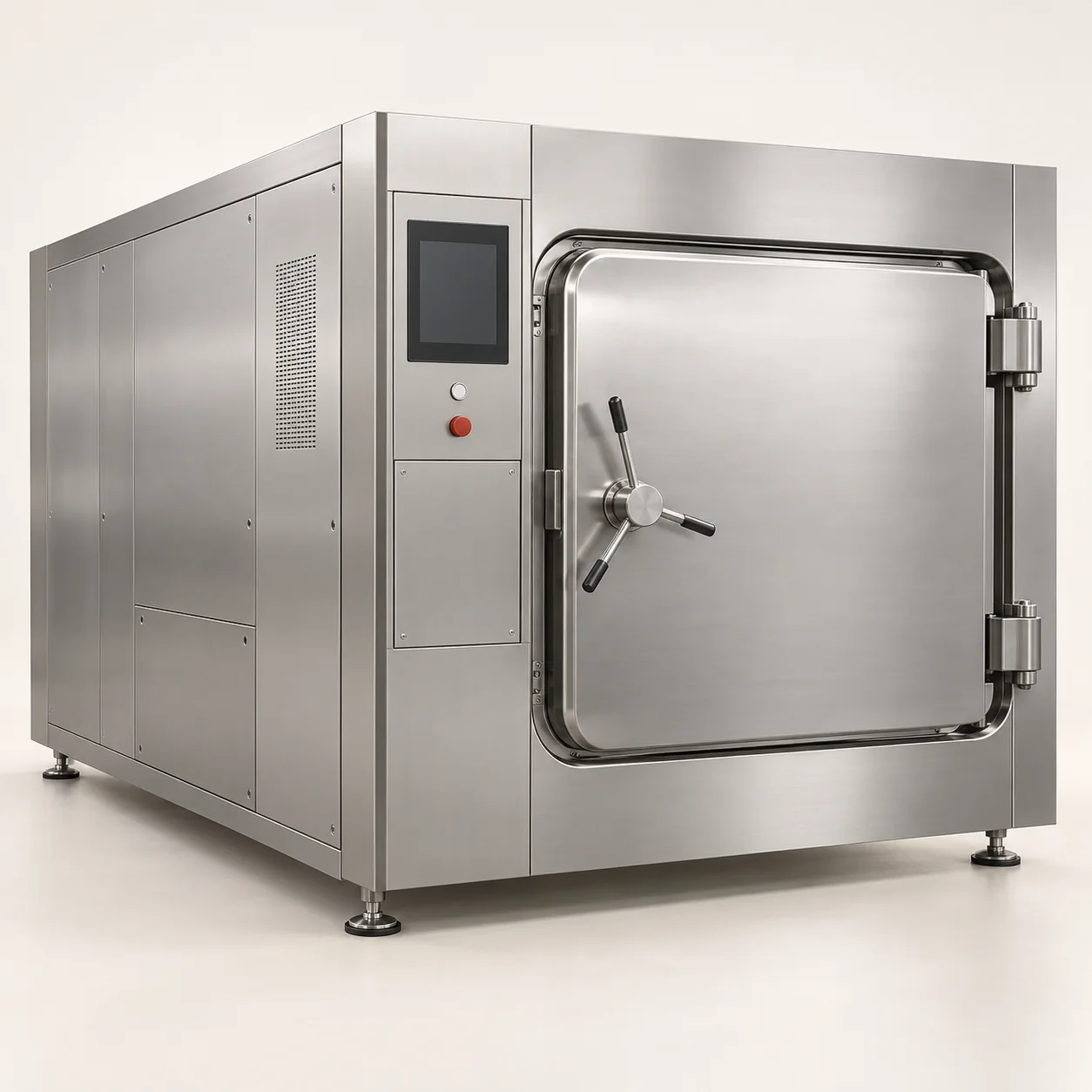
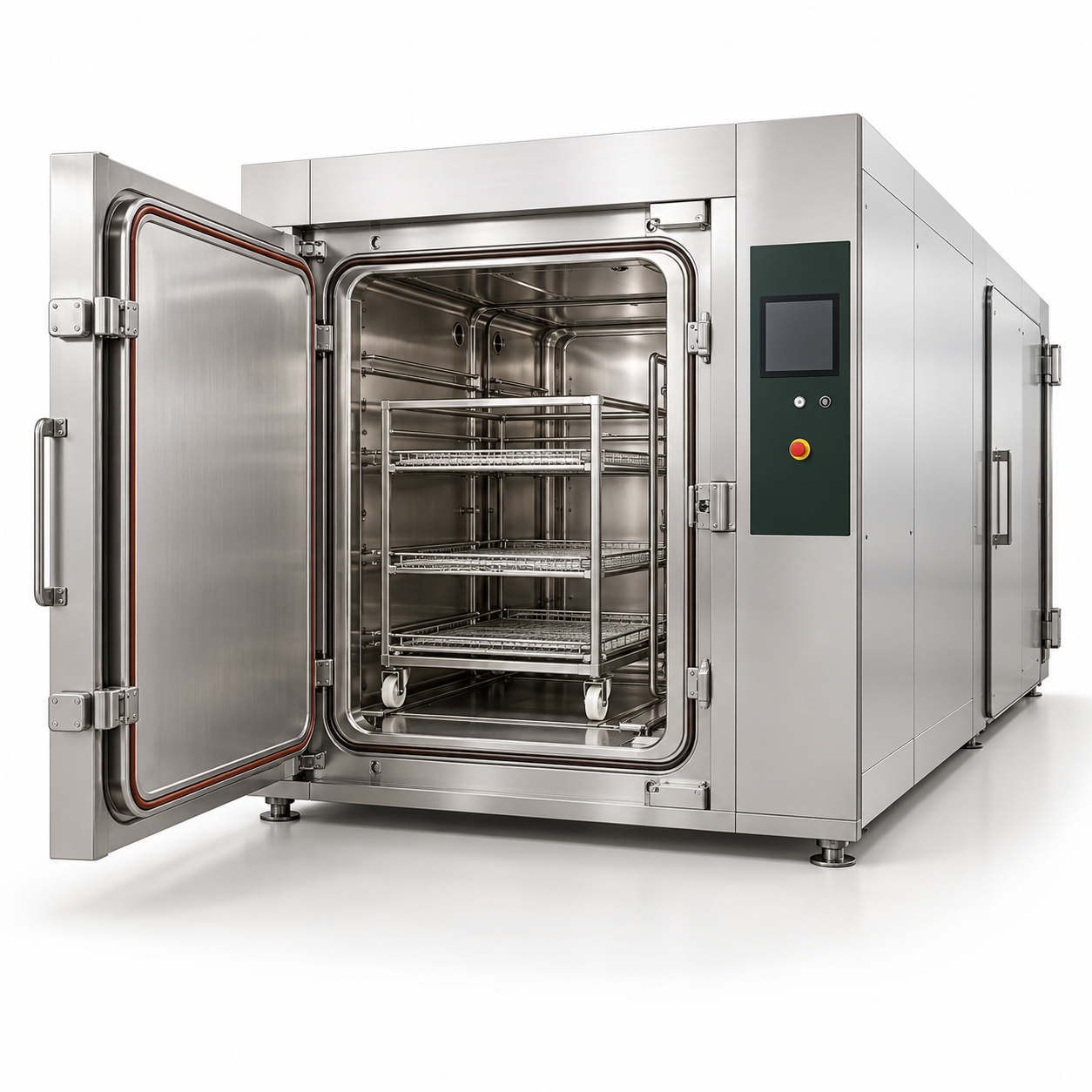
The horizontal and floor group includes Getinge GSS610H, GSS67H and GSS67N, Tuttnauer 5596, and STERIS AMSCO 600. Getinge describes GSS610H and GSS67H as high-capacity steam sterilizers; GSS67N is a mid-size steam sterilizer. Tuttnauer identifies 5596 as a 250-litre hospital autoclave, while STERIS describes AMSCO 600 as a medium steam sterilizer. Ask the supplier to identify the exact chamber model, door arrangement, loading system, trolley and basket compatibility, cycle options, utilities, site interface requirements and documentation. Confirm service access and room fit with qualified facility teams before ordering.
How do I compare low-temperature and plasma sterilizers?
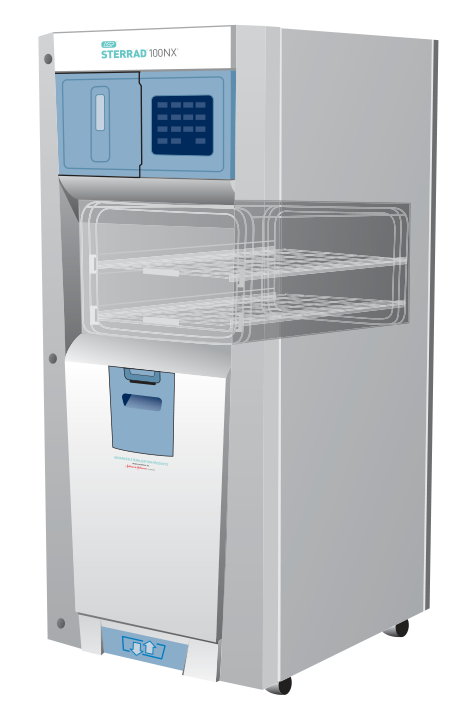
Start with the device manufacturer’s instructions and the facility’s approved reprocessing method. The category lists Getinge GSS67F, STERIS V-PRO maX 2, ASP STERRAD 100S, ASP STERRAD 100NX and ASP STERRAD NX. Getinge describes GSS67F as combining steam sterilization with low-temperature formaldehyde sterilization. STERIS describes V-PRO maX 2 as a low-temperature system for terminal sterilization of medical devices. ASP identifies STERRAD systems as hydrogen-peroxide gas-plasma technology; its product family distinguishes the 100NX, NX and 100S models.
These product families have different processes, cycle ranges, load compatibility rules, consumables and installation requirements. Do not infer that a device can be processed in a system because both are described as low-temperature, because the machine appears in a sterilizer category, or because a similar model is used elsewhere. Request current compatibility and cycle documentation for the exact device, model edition, packaging, adapters and sterilizer configuration. The facility’s qualified sterile-processing and clinical engineering teams must make that assessment.
Compare the exact sterilizer model, cycle and load capacity, supported devices and lumens according to manufacturer documentation, sterilant consumables and their procurement requirements, cycle-record integration, maintenance, required accessories, service terms and country-specific availability. For hydrogen-peroxide systems, include recurring consumables and any dedicated adapters or accessories in the quotation. For a combination system such as GSS67F, ask which process is available in the quoted system and what options, consumables and service are included.
See the low-temperature sterilizer listing and plasma sterilizer listing to keep the different catalogue groupings visible. Their overlap reflects product attributes and taxonomy; it does not establish that their processes are equivalent.
Which washer-disinfector or ultrasonic cleaner fits a CSSD workflow?
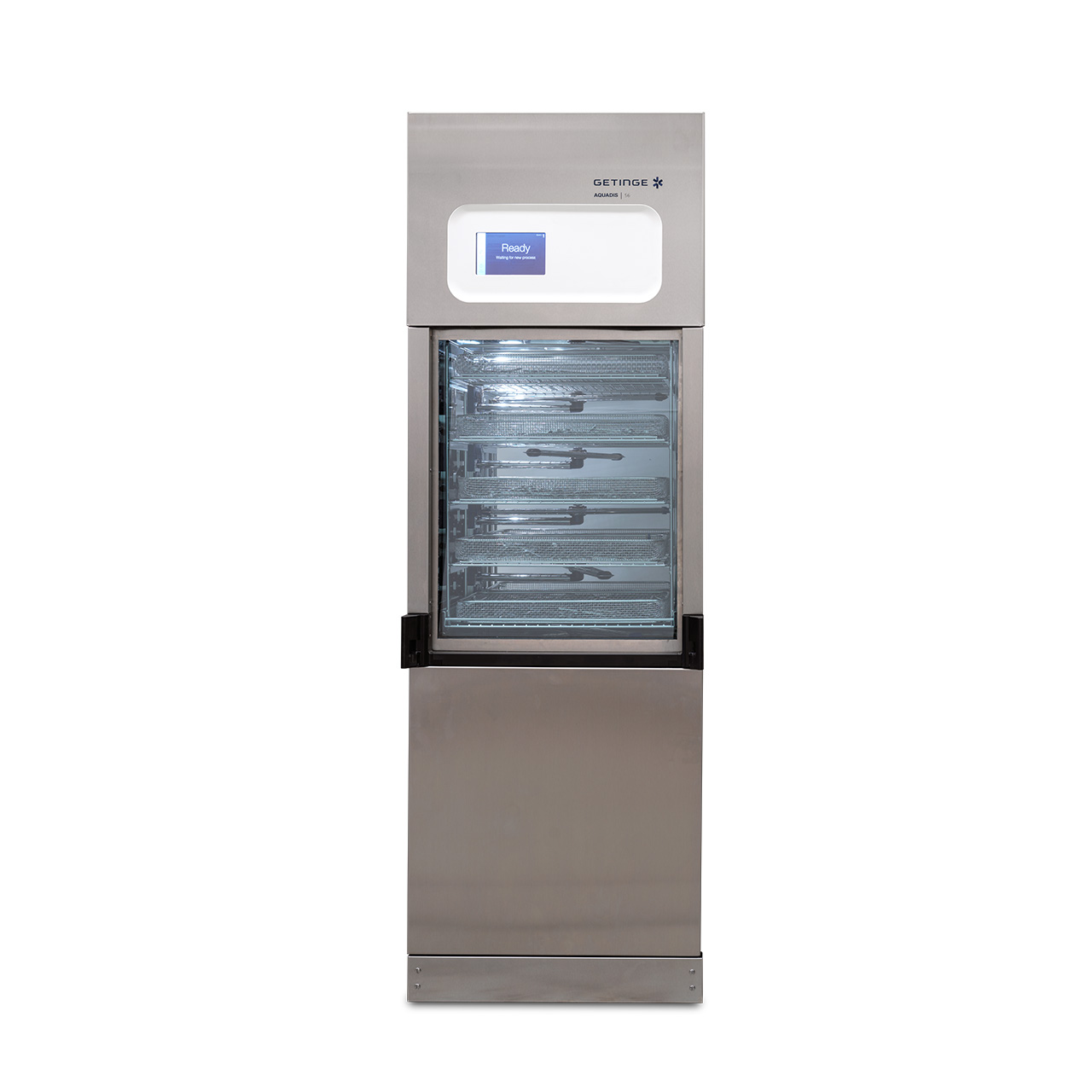
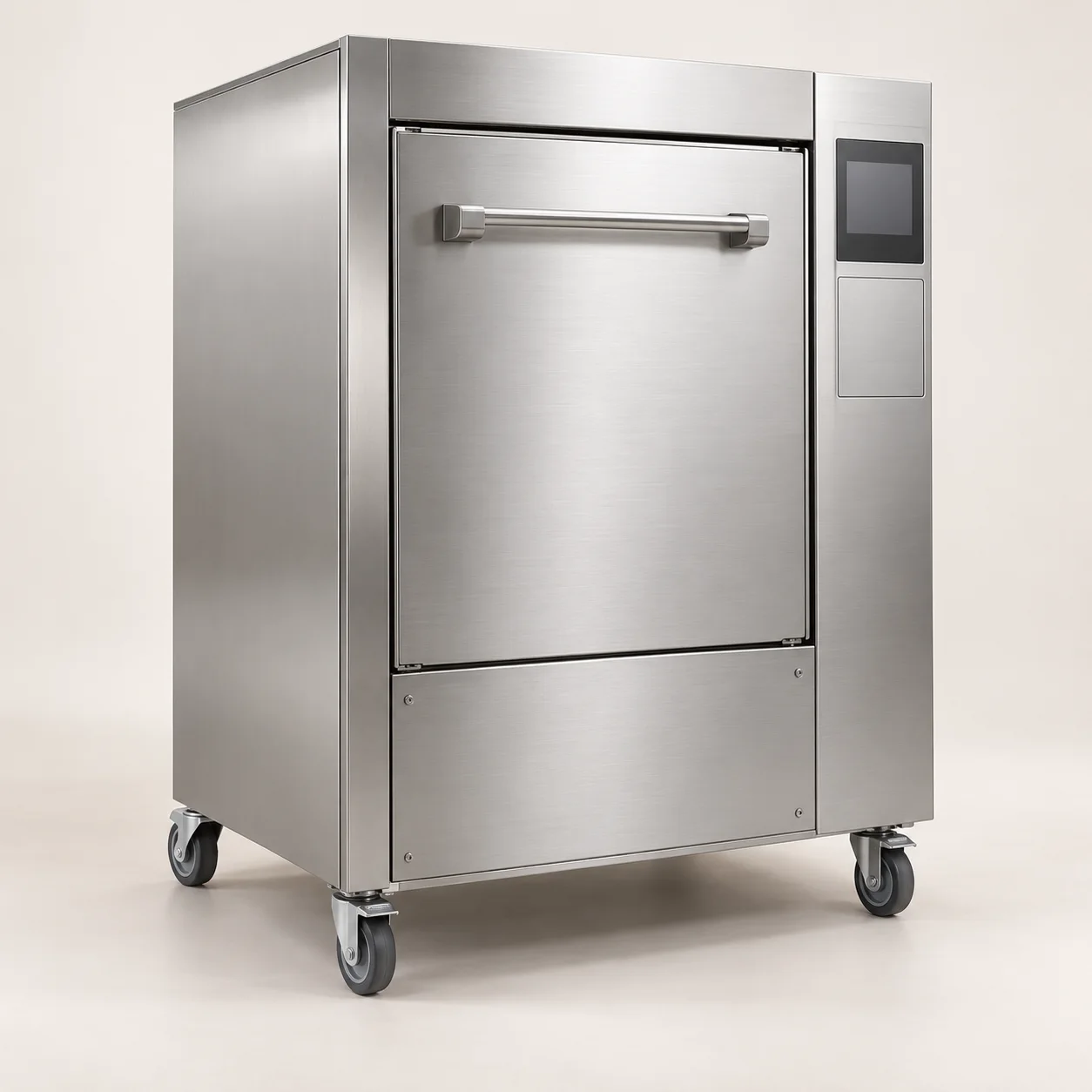
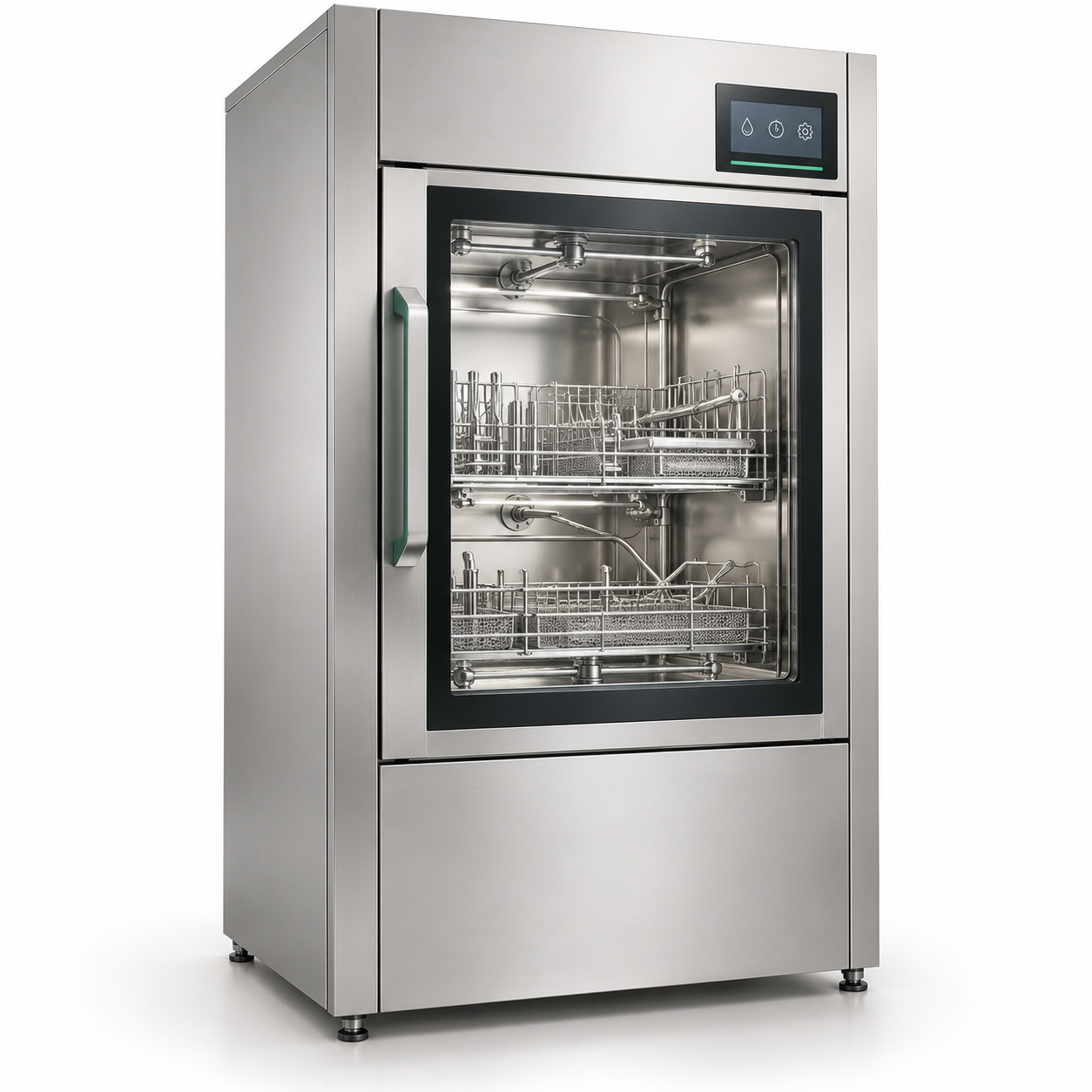
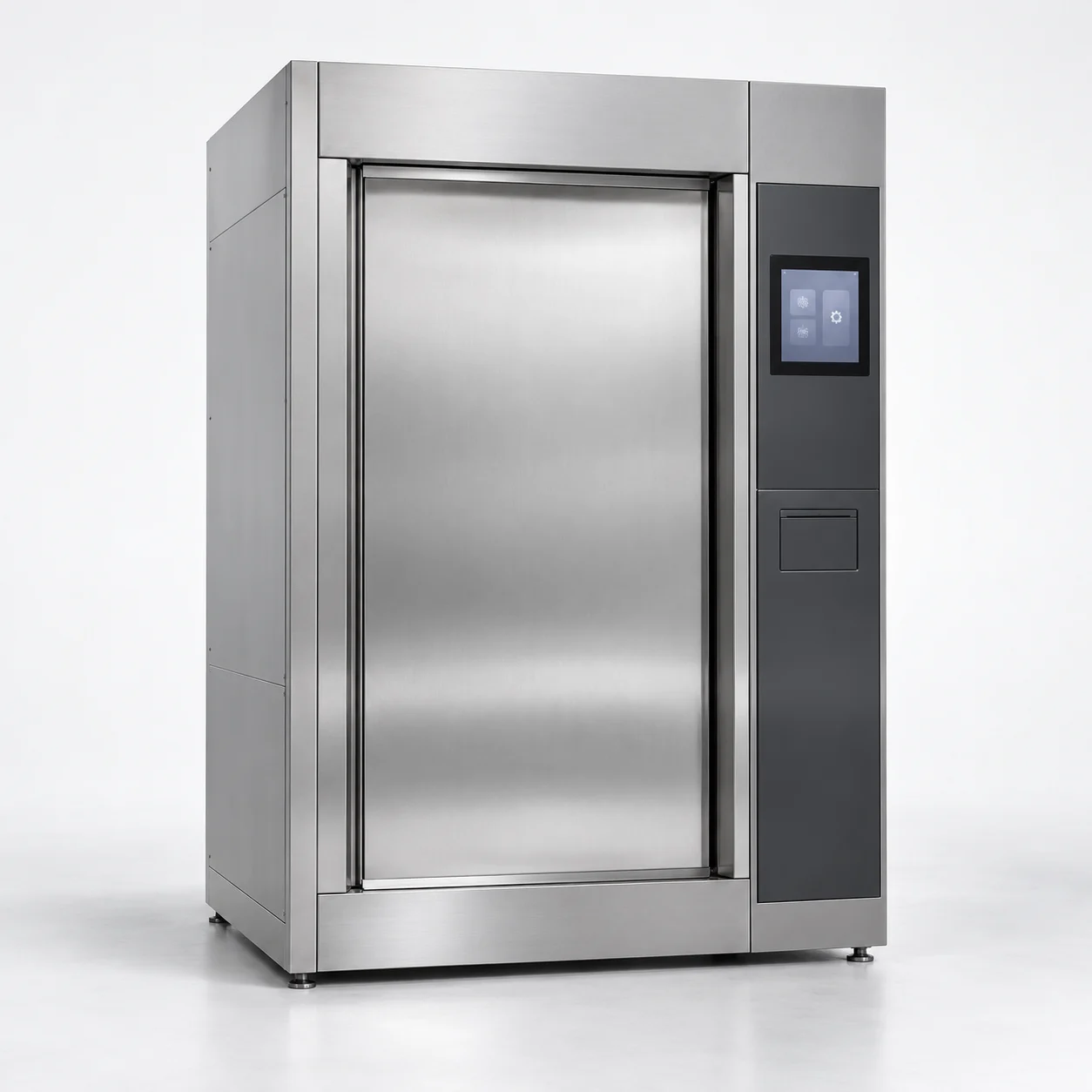
The three washer-disinfector listings are Getinge Aquadis 44, Aquadis 56 and S-8668. Getinge describes the Aquadis 44 as a medium-capacity washer-disinfector with single- and double-door configurations. Aquadis 56 is offered in 56M and 56A variants in the manufacturer’s information; confirm the exact door configuration, pass-through arrangement, carts and trays. S-8668 belongs to Getinge’s 86-series, which the manufacturer positions for high-throughput reprocessing. Chamber and tray capacity are only useful if the compatible loading equipment and facility workflow match.
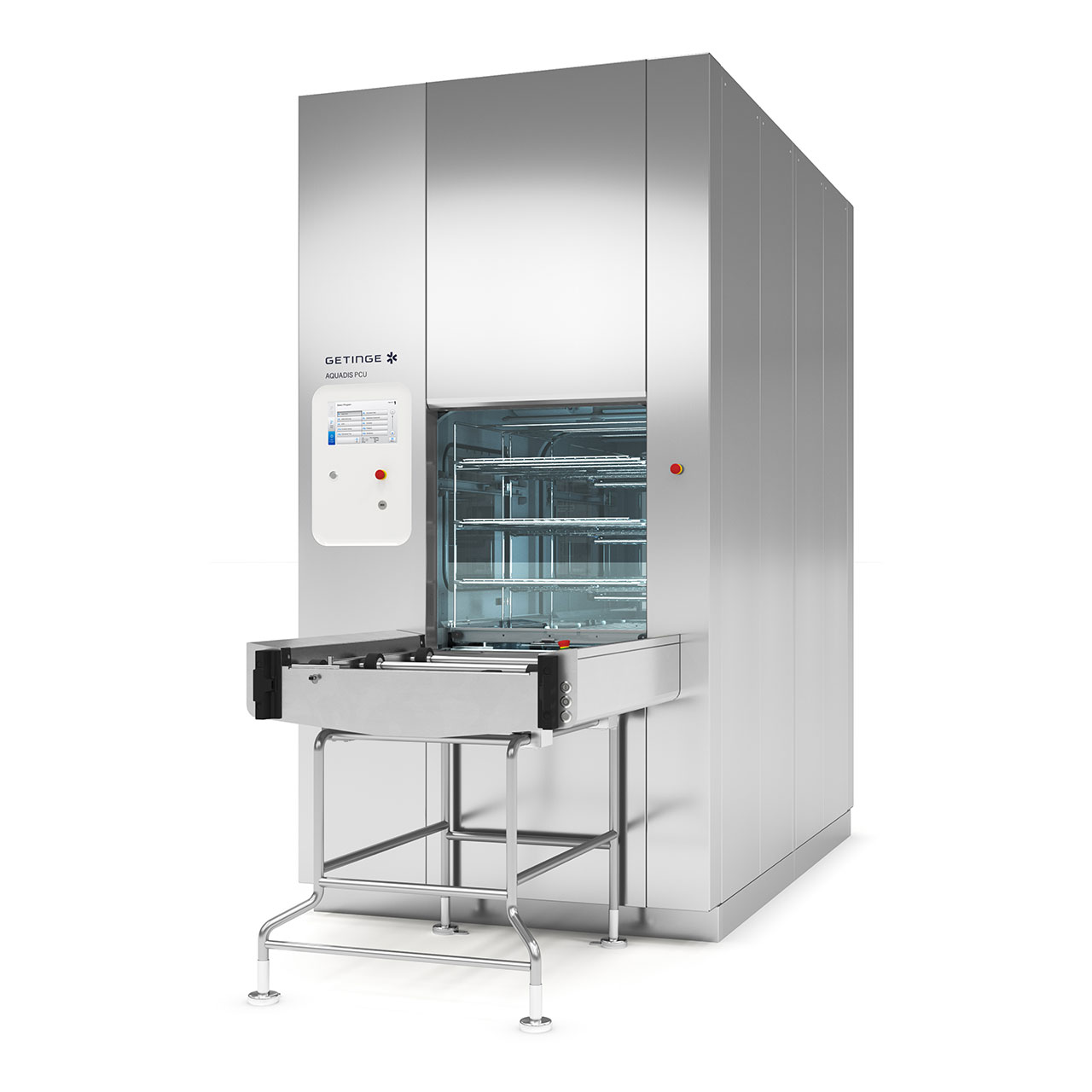
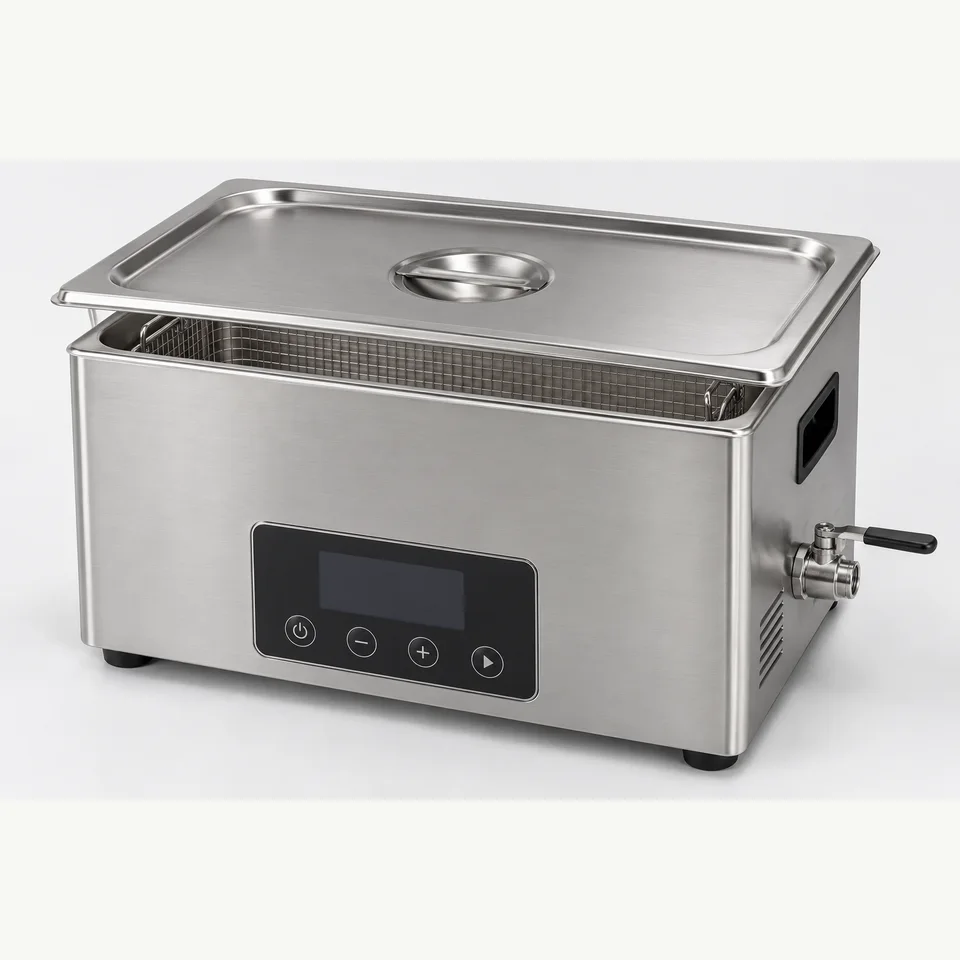
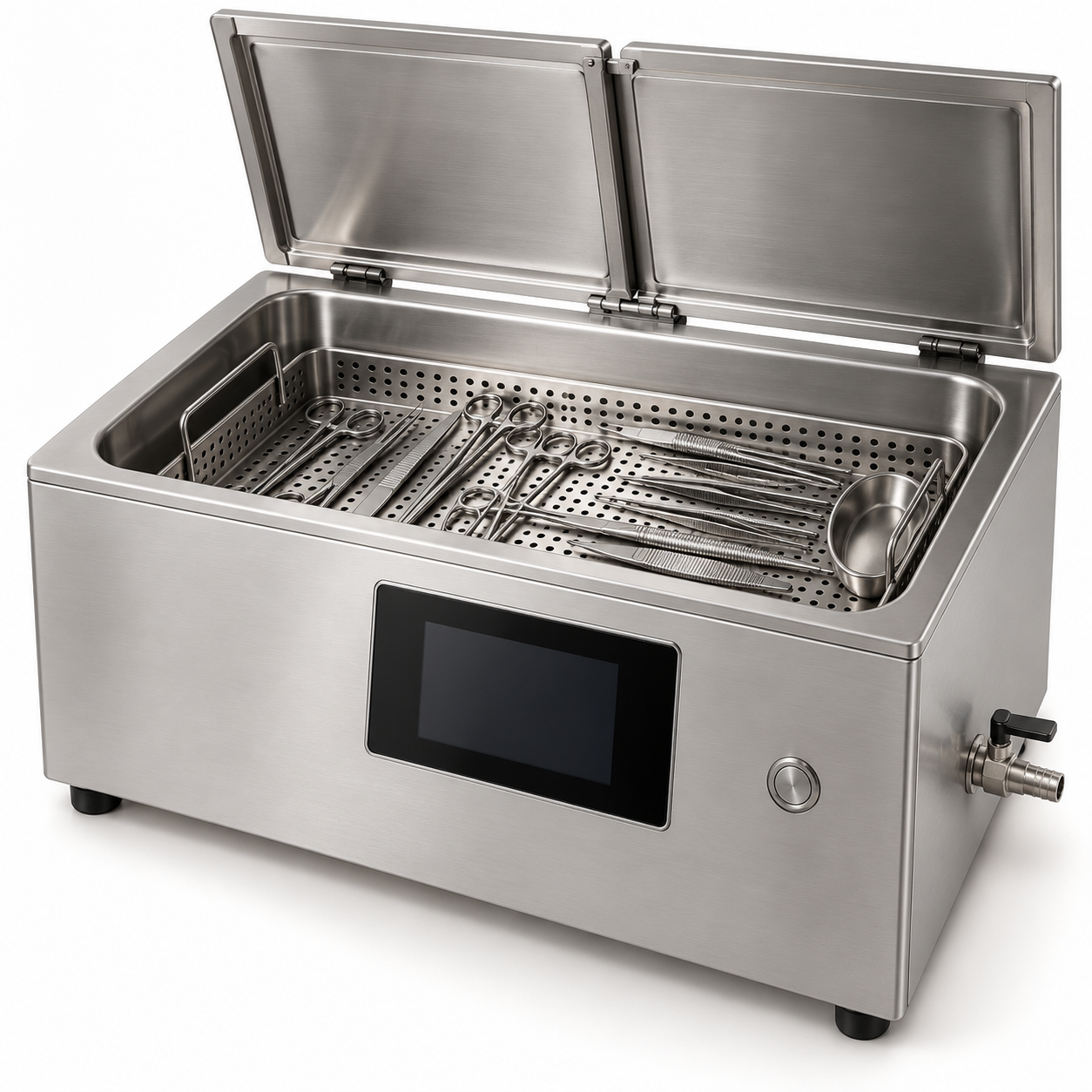
The ultrasonic group contains Getinge Aquadis PCU, BIOBASE UC-30SDG and Getinge Ultra Clean Systems 1100. These differ in scale and role: Aquadis PCU is a larger pre-cleaning ultrasonic system; the UC-30SDG is listed as an instrument cleaner; Model 1100 is a tabletop cleaner. The listing name does not specify every tank, lid, basket, lumen connection or workflow accessory. Ask for the exact supplied configuration and cleaning-agent compatibility before comparing totals.
For both equipment classes, document throughput assumptions, available space, door orientation and pass-through needs, the dimensions and weight of typical carriers, approved instrument families, detergent or other chemistry, water quality and supply, drainage, electrical connection and data-record requirements. These are quotation and planning items, not site engineering instructions. Have qualified facility personnel review utility and room requirements against the current manufacturer planning documents. Ask for a layout drawing, connection schedule and accessory list with the proposed system.
Browse washer-disinfectors and ultrasonic cleaners separately. If both are required, submit them as separate line items and ask the supplier to describe how the offered models, carts, carriers and utilities fit the facility’s approved workflow.
What should a sterilizer or washer quotation include?
Give Franance enough detail to return a specific quote order rather than a generic equipment price. Include the product category and exact brand/model or approved technical specification; quantity; intended facility and department; destination city and state in Nigeria; load-carrier and accessory requirements; compatible instruments or load types as defined by the facility; required cycle documentation and data interfaces; and any requested delivery, installation, commissioning, training, warranty or service scope.
For a washer, list the required chamber and tray format, single-door or pass-through arrangement, wash carts, baskets, lumen connections, detergent dosing or chemistry requirements, drying expectations, utility information and cycle-record needs. For an autoclave or low-temperature sterilizer, identify the technology, exact model, chamber size, load carriers, packaging workflow, cycle families and approved instrument compatibility documentation. Include recurring sterilant, water-treatment or cleaning-chemistry requirements where they apply. Do not include patient-identifying information.
Ask Franance’s written offer to separate the base equipment, options, accessories, consumables, freight, installation, training, warranty and service. It should identify the exact manufacturer reference and regional configuration, what is included and excluded, quote validity, estimated delivery, documentation, commissioning scope and unresolved compatibility questions. Franance can then follow up by phone or email and clarify the order before confirming commercial terms in writing.
Start with a quotation request for sterilizers and washers. If the project covers several facility locations, list each site, equipment quantity and requested services separately so the destination-specific scope can be reviewed.
Can Franance quote equipment for delivery across Nigeria?
You can submit an enquiry from any Nigerian state. Provide the delivery city, state, facility type, receiving conditions, quantity and whether you need installation, commissioning or staff training. Franance will confirm availability, delivery arrangements, estimated timing and service scope for that specific quotation. The product catalogue does not guarantee stock or a fixed delivery schedule in every location.
For a multi-site project, provide a separate line for each destination and equipment configuration. Ask the written quote to distinguish shipping, site work, utilities coordination, installation, acceptance and training where requested. Country-specific availability and manufacturer terms vary; confirm them for the exact model rather than assuming an international product page establishes Nigerian supply.
Can I buy sterilizers or washers online from Franance?
No. Franance does not take online payment for these products. Use the listings to select the equipment class and model, then submit a quote-order enquiry. Franance contacts you by phone or email to clarify the specification, quantity, destination and requested scope. The written offer confirms price, availability and agreed terms; submitting the enquiry is not an online purchase or a confirmed order.
How many products are in Franance's Sterilizers & Washers category?
The live catalogue scope includes 23 product records across tabletop, vertical and horizontal steam autoclaves, floor autoclaves, washer-disinfectors, ultrasonic cleaners, low-temperature sterilizers and plasma sterilizers. Use the filtered model links to check each listing.
Is an ultrasonic cleaner a sterilizer?
No. It is a cleaning-stage system and does not replace a sterilizer. The facility's approved process and each device manufacturer's current instructions define the required processing steps.
Are low-temperature sterilizers interchangeable with steam autoclaves?
No. They use different processes and have model-specific load and compatibility requirements. The facility's qualified sterile-processing team must confirm a device's permitted process from current manufacturer documentation.
What details should I send for a quotation in Nigeria?
Provide the exact model or approved specification, quantity, facility and destination city/state, load carriers and required accessories, requested installation or training scope, and any documentation or service requirements. Franance confirms availability, price, delivery and agreed terms in writing.
Can I pay for a sterilizer online at Franance?
No. Submit a quote-order enquiry. Franance follows up by phone or email and confirms price, availability, delivery and agreed scope in a written quotation.
Request a sterilizers and washers quotation from Franance.
Send the exact product or approved requirement, configuration, quantity, facility, Nigerian delivery city and state, required accessories and requested service scope. Franance will follow up on your quote order and confirm commercial terms in writing.