

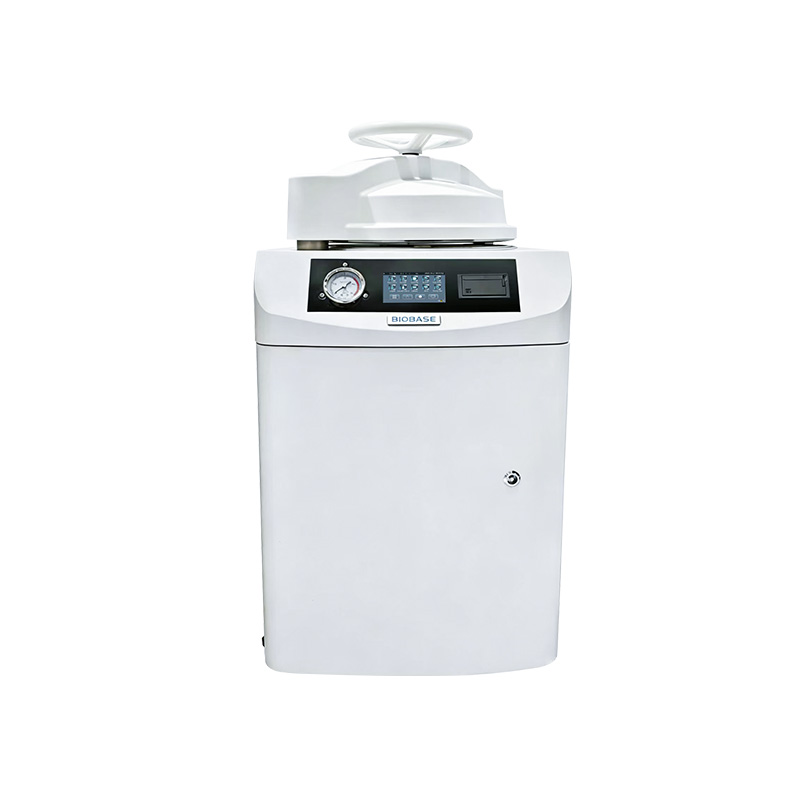
Buy Steam Autoclave Sterilizer (Vertical) in Nigeria.
Browse steam autoclave sterilizer (vertical) and request a quotation for your facility in Nigeria. Include the configuration, quantity and delivery location you need.
Products
19 models
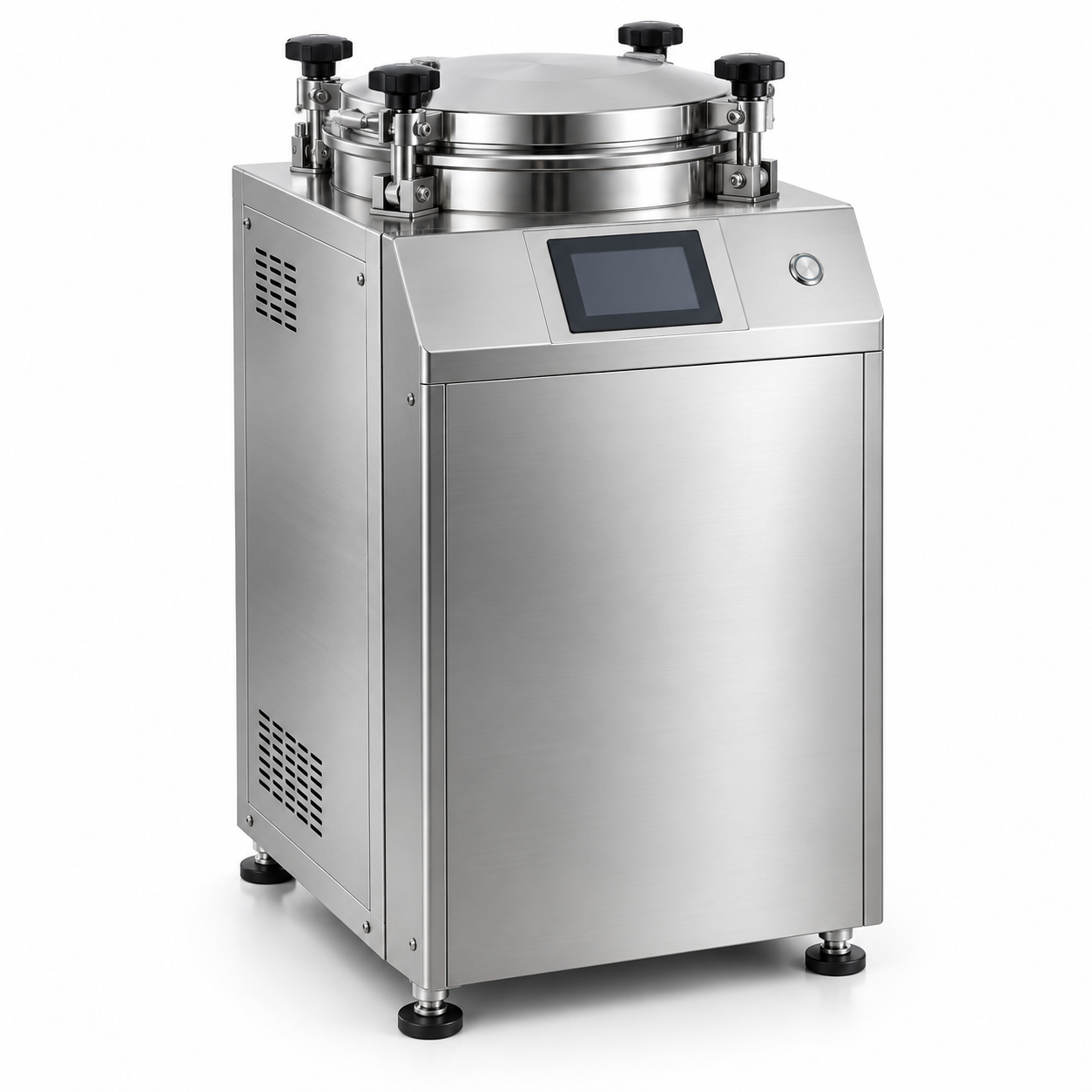
VX-75 Vertical Laboratory Autoclave
Vertical floor-standing laboratory steam autoclave
Price on request
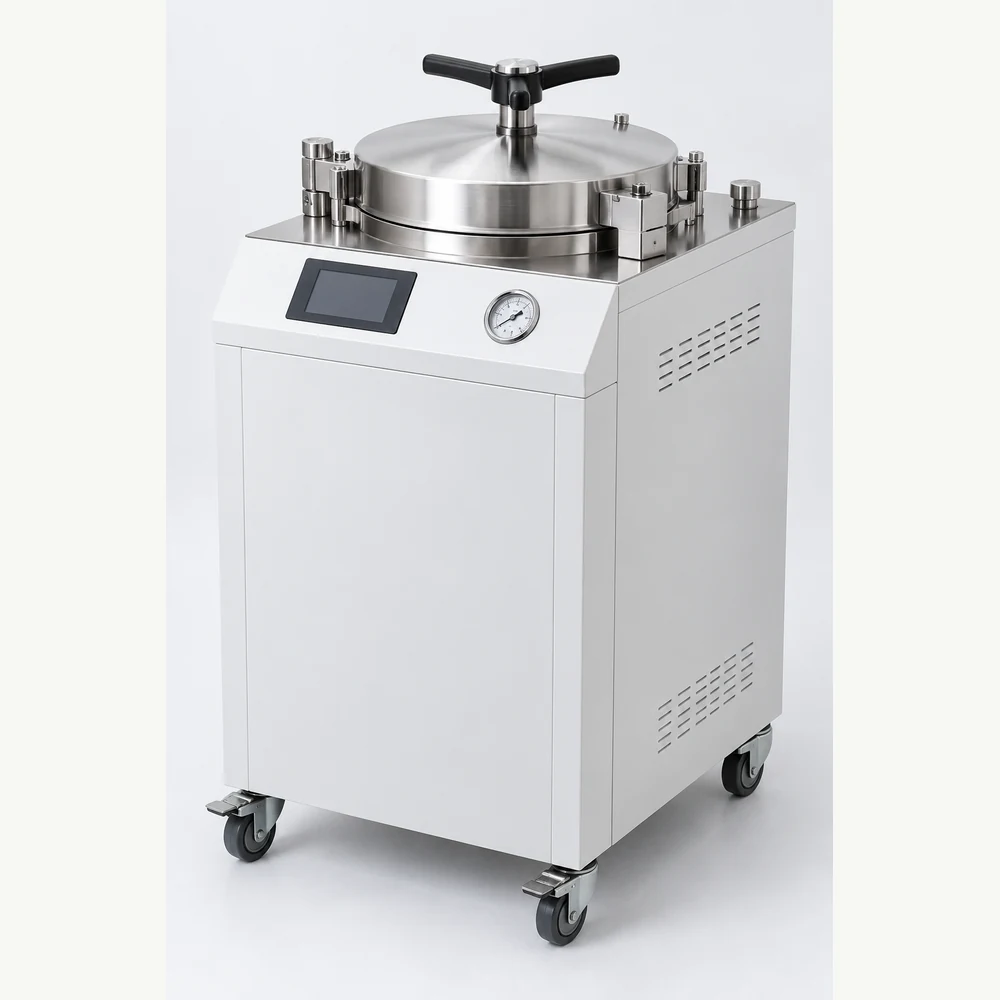
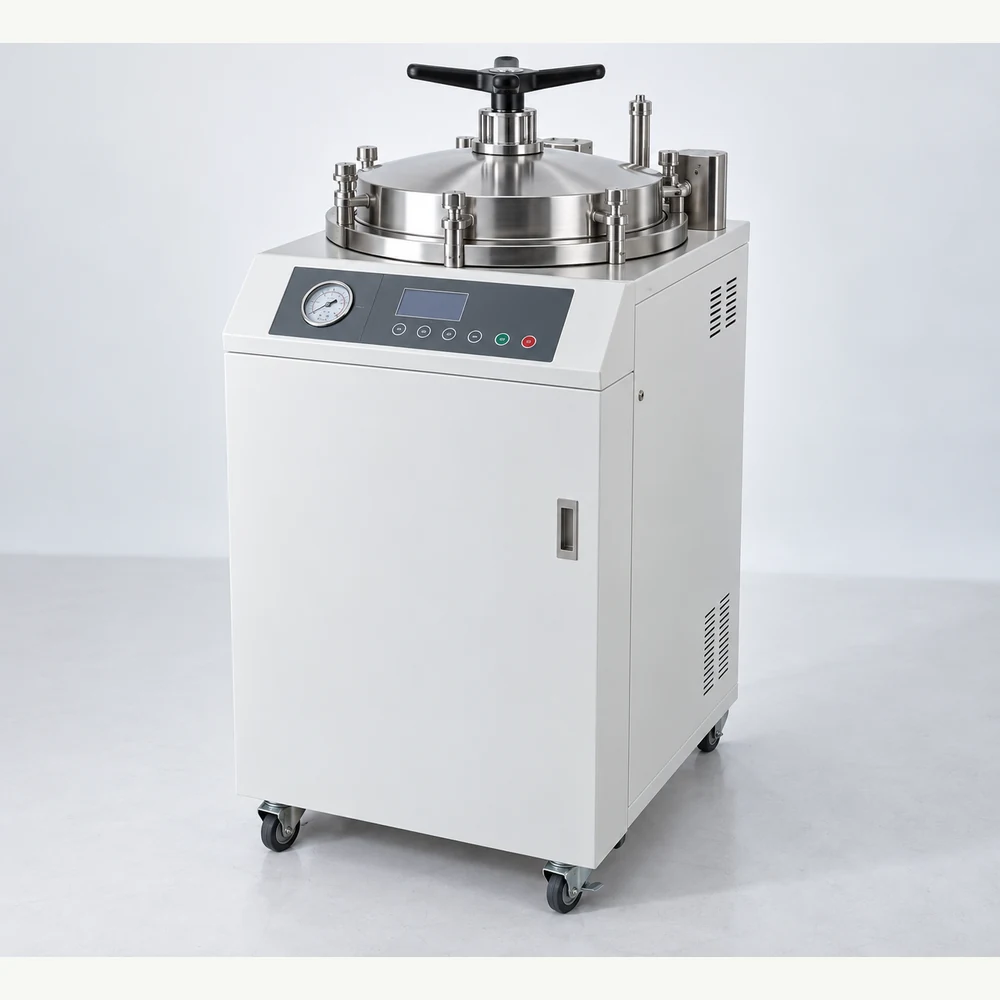
VE-40 E-CONOMIC Vertical Floor-Standing Autoclave
Vertical floor-standing laboratory autoclave
Price on request
Where can I buy a vertical steam autoclave sterilizer in Nigeria?
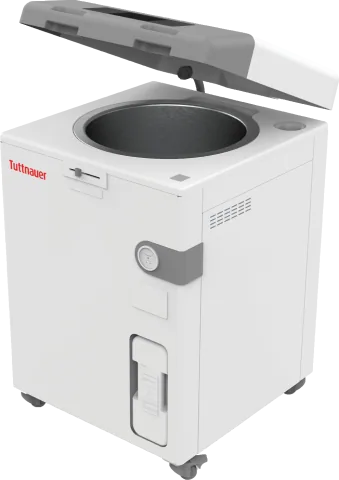
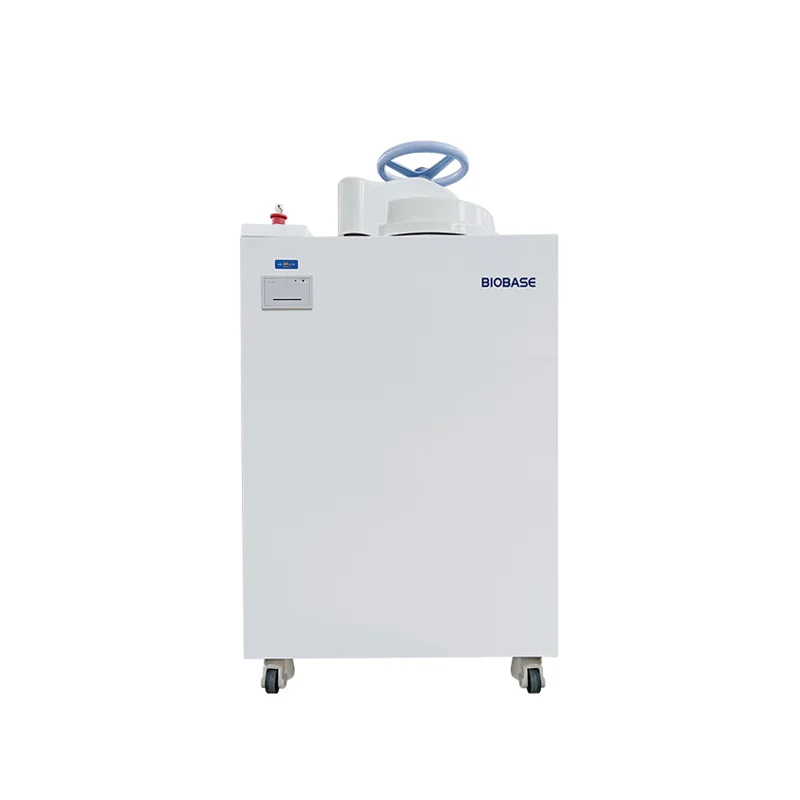
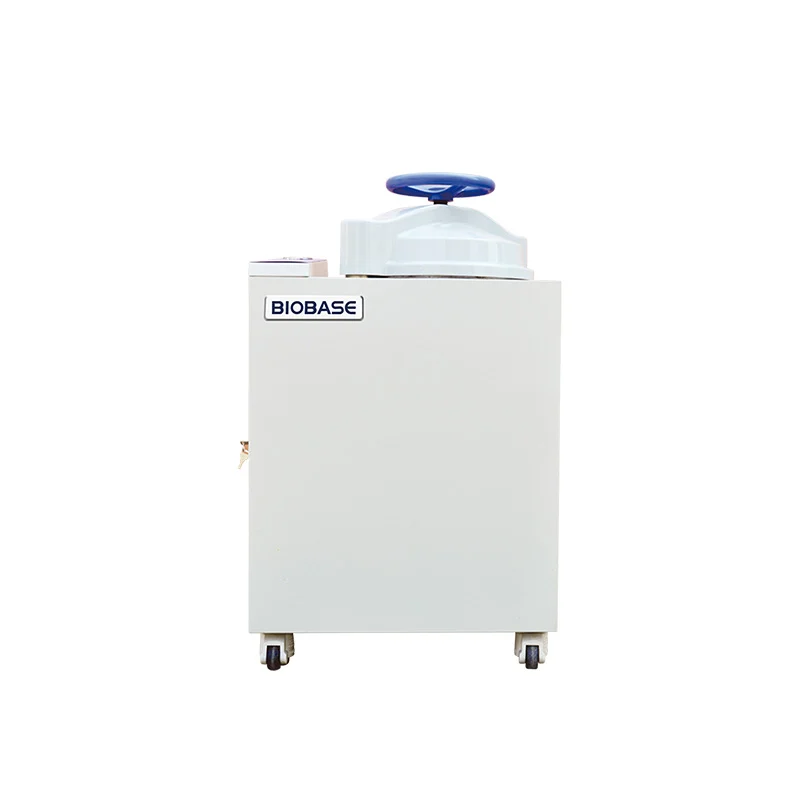
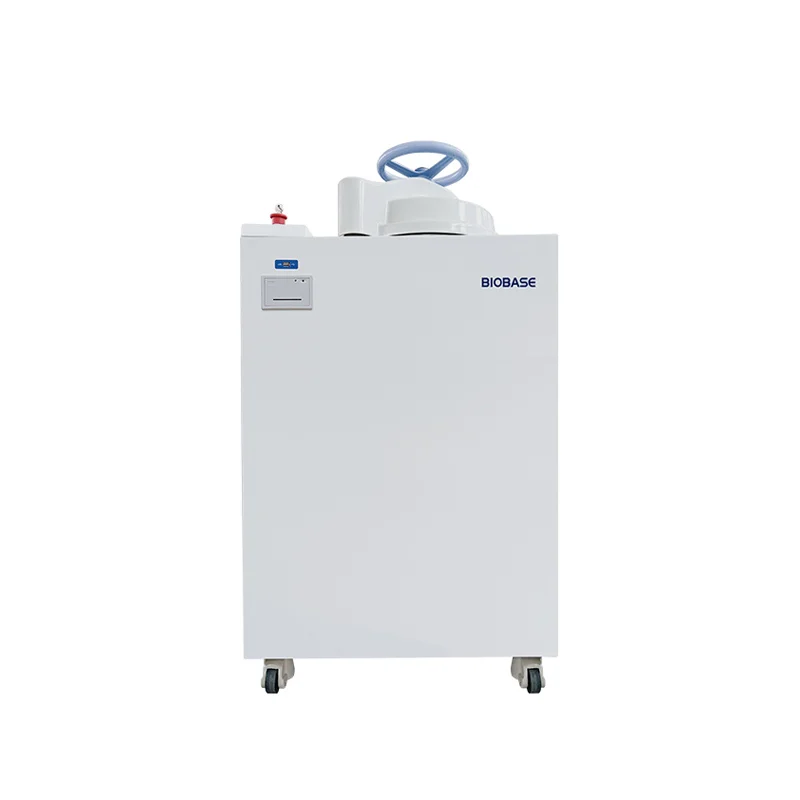
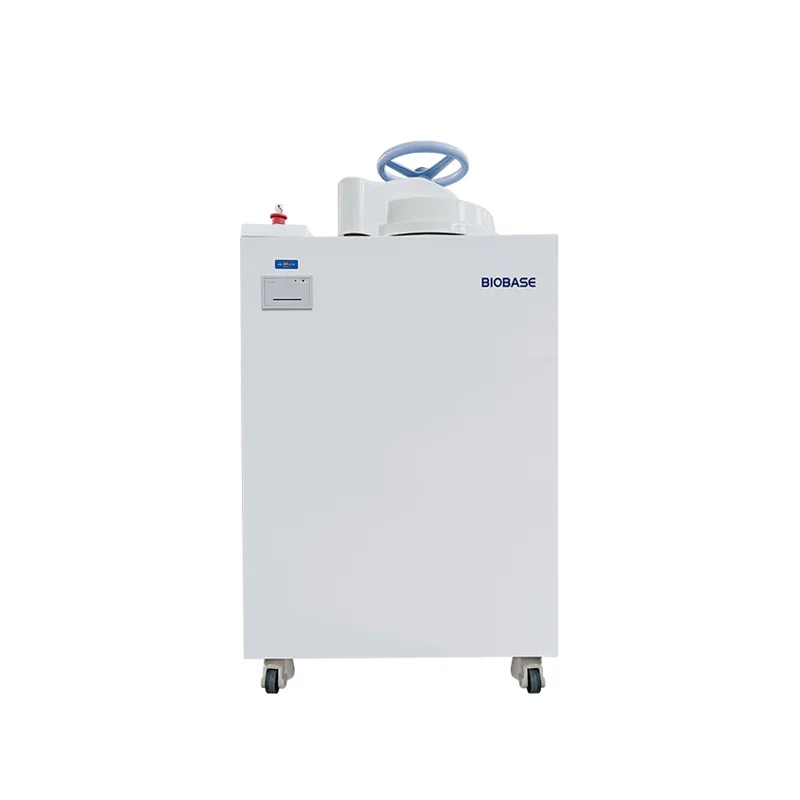
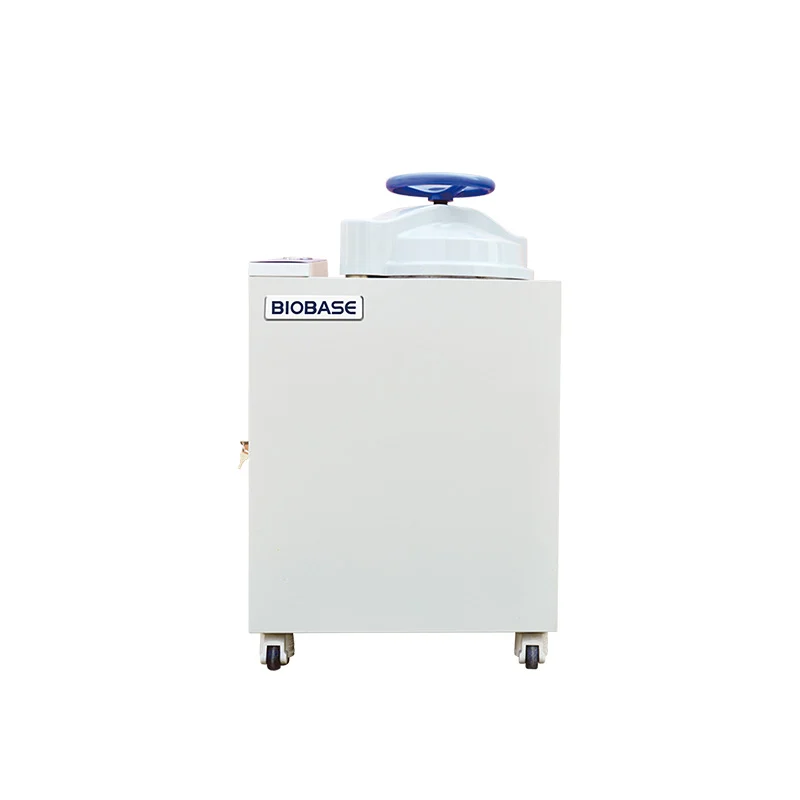
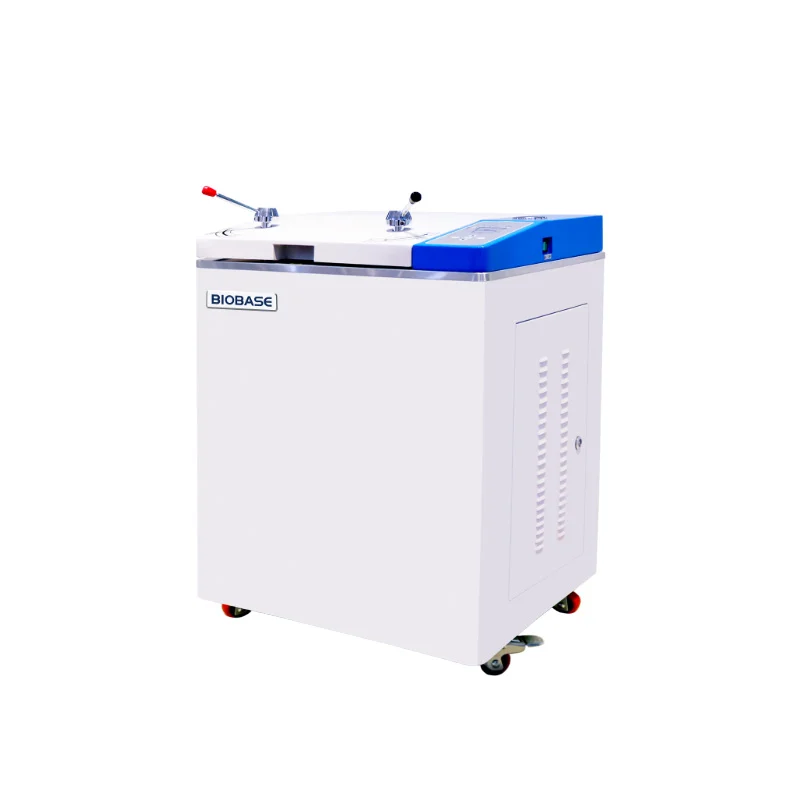
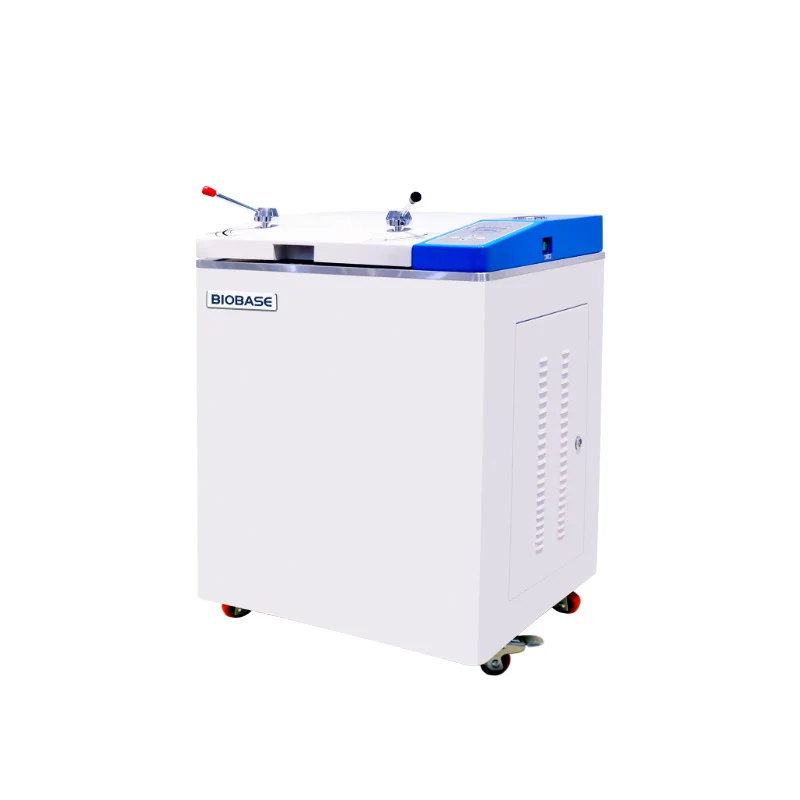
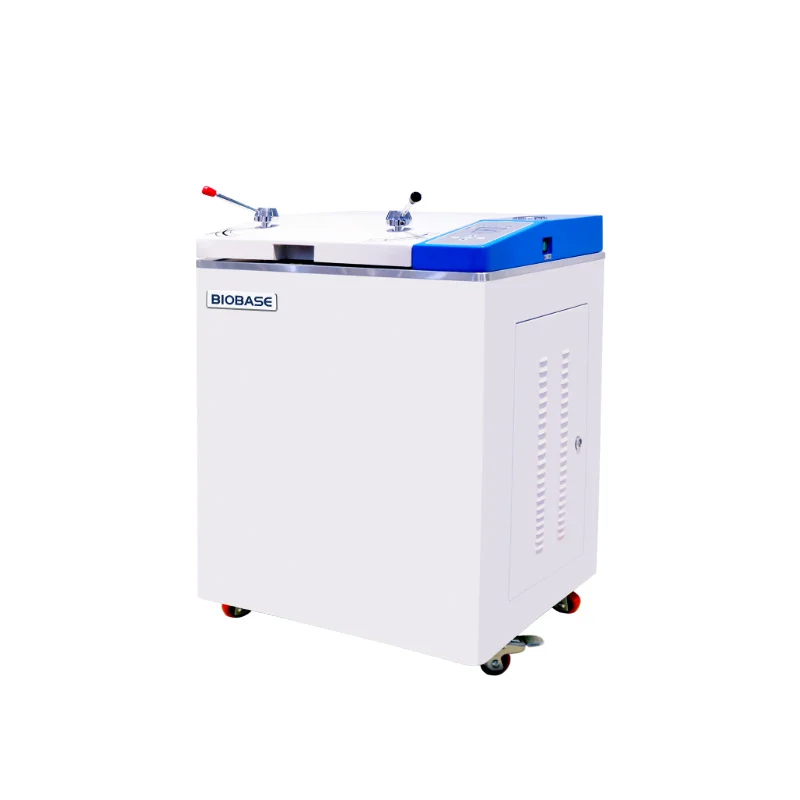
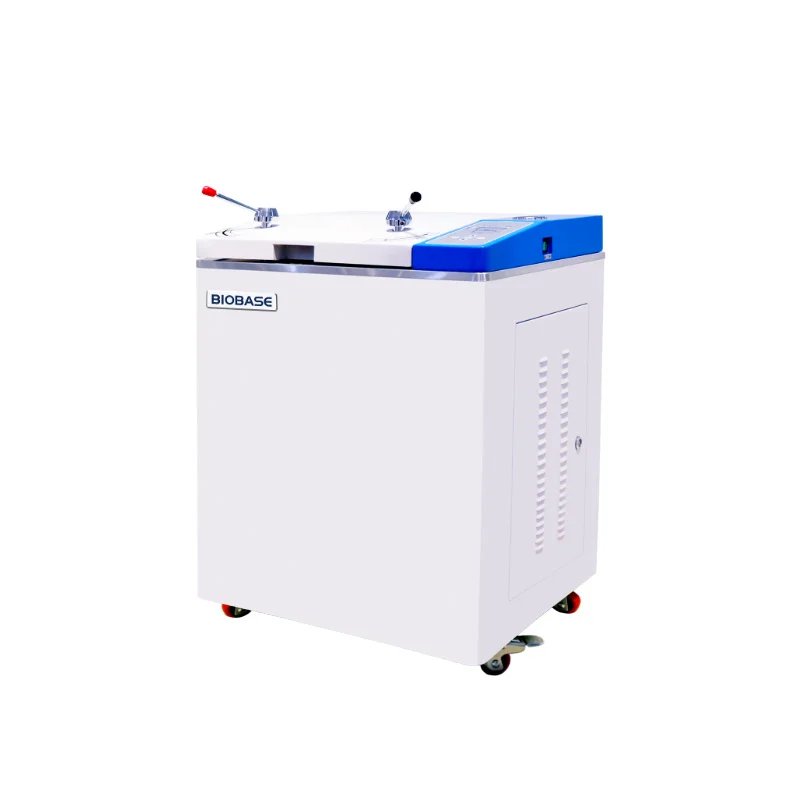
Review Franance’s vertical autoclave category listing. The four model-filtered brand listings are BIOBASE BKQ-L60, Systec VX-75, Tuttnauer 3870ELV-D and Tuttnauer 5075ELV-D. These links narrow the catalogue; they do not establish online availability. Tell Franance which model or specification you want quoted, how many units you need, and the full delivery destination.
Read moreWhat is a vertical steam autoclave sterilizer?
A vertical autoclave is loaded through a top-opening chamber and uses pressurised steam for the process defined by its manufacturer and approved for the intended load. “Vertical” describes the machine layout, not a universal cycle capability. It does not by itself mean the unit is suitable for a hospital CSSD, all surgical instruments, wrapped loads, porous goods, liquids, waste, or validated sterile-service cycles.
Read moreWhich vertical steam autoclaves are listed by Franance?
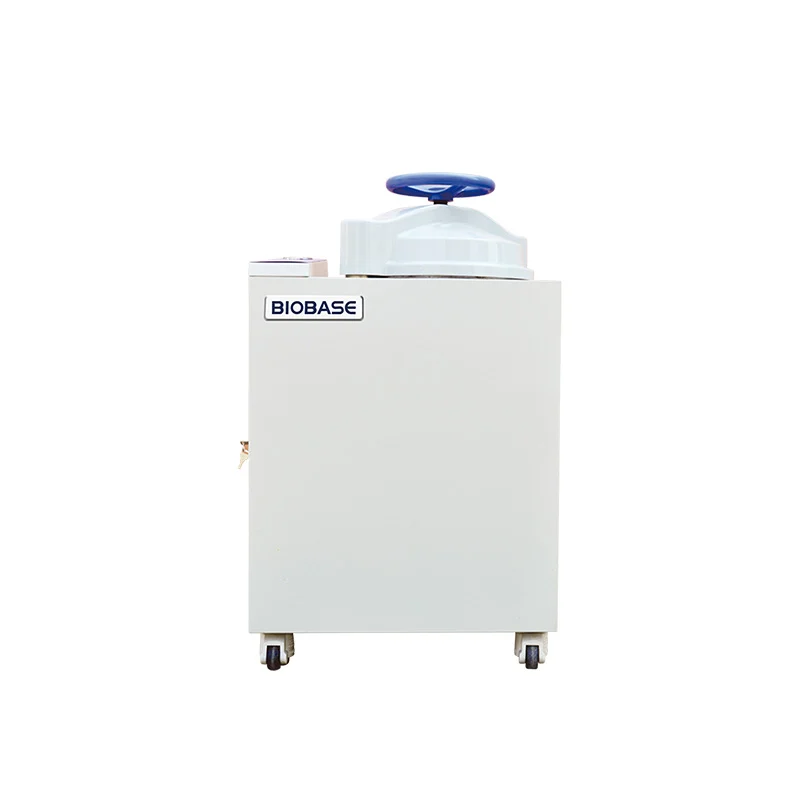
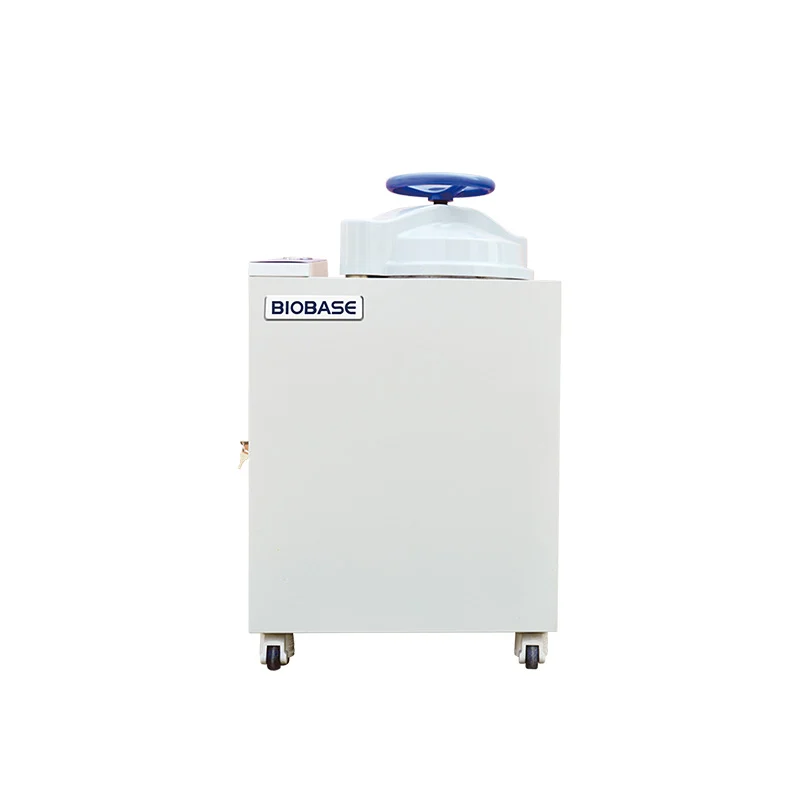
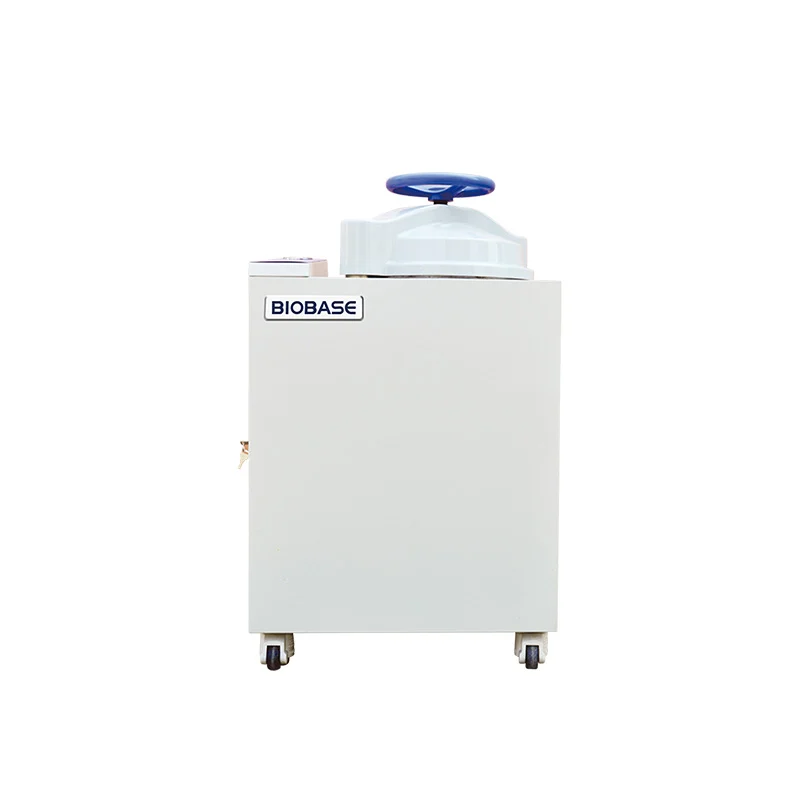
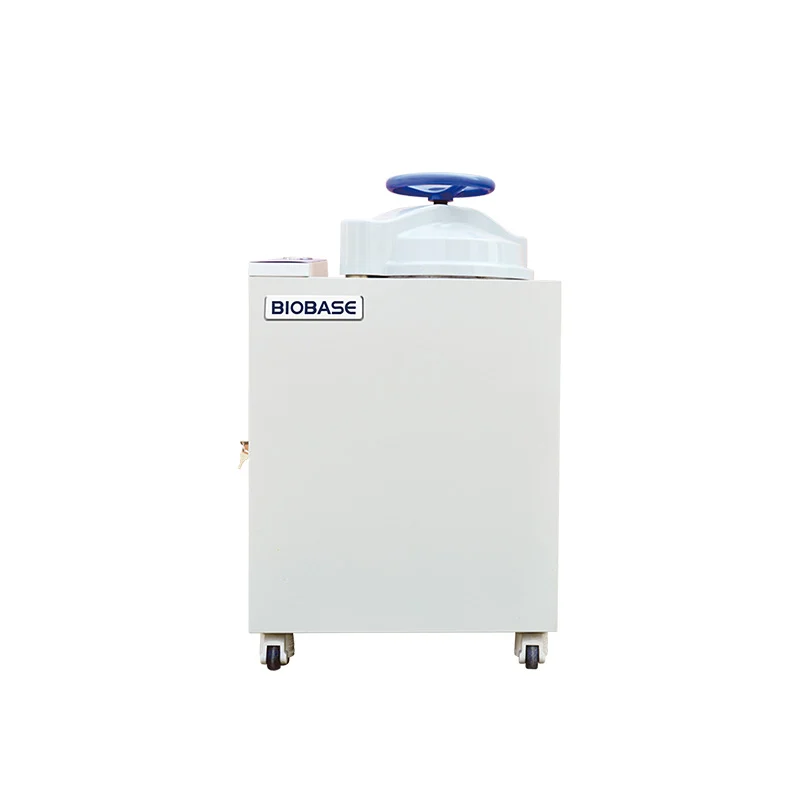
Four current models are assigned to this catalogue category. BIOBASE BKQ-L60 has a manufacturer-listed 60 L capacity and chamber measuring 386 × 517 mm. BIOBASE lists basket, printer, USB and a mobile temperature sensor among standard accessories on its series page; the exact BKQ-L60 package and regional electrical variant still need written confirmation. The manufacturer lists 4.4 kW consumption and standard 220 V, 50/60 Hz for BKQ-L60, with a 110 V option. Have the facility’s electrical professional check the actual supply, protection, wiring and connection requirements against the current datasheet and quoted version.
Read moreBuy Vertical Steam Autoclave Sterilizers in Nigeria: Compare Capacity, Cycles and Site Requirements
Buy a vertical steam autoclave sterilizer in Nigeria through Franance by matching the chamber and cycle configuration to the loads your facility is authorised to process. The current catalogue assigns four floor-standing, top-loading models to this category: BIOBASE BKQ-L60 (60 L), Systec VX-75 (75 L nominal / 85 L total usable space), Tuttnauer 3870ELV-D (85 L) and Tuttnauer 5075ELV-D (160 L). Start with the vertical steam autoclave listing, then submit a quote order specifying load types, chamber dimensions, cycle needs, utilities and destination. Franance follows up by phone or email; there is no online checkout. These models are not interchangeable simply because each is called a vertical autoclave. Manufacturer data identifies different volumes, chamber dimensions, program options, electrical variants and optional equipment. Some listed product records are laboratory autoclaves; a healthcare Central Sterile Services Department (CSSD) must verify that the exact model and configuration meet its approved instrument reprocessing, validated cycle, documentation, throughput and applicable local requirements. Listing a model does not confirm stock, registration, cycle suitability, vacuum equipment, water quality, installation or service availability in Nigeria.
Where can I buy a vertical steam autoclave sterilizer in Nigeria?
Review Franance’s vertical autoclave category listing. The four model-filtered brand listings are BIOBASE BKQ-L60, Systec VX-75, Tuttnauer 3870ELV-D and Tuttnauer 5075ELV-D. These links narrow the catalogue; they do not establish online availability. Tell Franance which model or specification you want quoted, how many units you need, and the full delivery destination.
What is a vertical steam autoclave sterilizer?
A vertical autoclave is loaded through a top-opening chamber and uses pressurised steam for the process defined by its manufacturer and approved for the intended load. “Vertical” describes the machine layout, not a universal cycle capability. It does not by itself mean the unit is suitable for a hospital CSSD, all surgical instruments, wrapped loads, porous goods, liquids, waste, or validated sterile-service cycles.
Do not confuse a top-loading floor-standing model with a tabletop or benchtop sterilizer. Tuttnauer, for example, lists vertical ELV models separately from front-loading benchtop EL-D models. BIOBASE BKQ-L60 is also a 60-litre vertical model; that capacity does not make it a tabletop unit. Confirm the manufacturer’s exact model code, external dimensions, chamber access clearance, loading method and service access when planning a room.
Which vertical steam autoclaves are listed by Franance?
Four current models are assigned to this catalogue category. BIOBASE BKQ-L60 has a manufacturer-listed 60 L capacity and chamber measuring 386 × 517 mm. BIOBASE lists basket, printer, USB and a mobile temperature sensor among standard accessories on its series page; the exact BKQ-L60 package and regional electrical variant still need written confirmation. The manufacturer lists 4.4 kW consumption and standard 220 V, 50/60 Hz for BKQ-L60, with a 110 V option. Have the facility’s electrical professional check the actual supply, protection, wiring and connection requirements against the current datasheet and quoted version.
Systec VX-75 is described by Systec as a vertical floor-standing model with 75 L nominal and 85 L total usable space, with 400 × 600 mm usable chamber dimensions. Systec lists 380–400 V, 50/60 Hz, 16 A for the VX-65 to VX-150 range, but says country-specific deviations are possible and other supplies may be available on request. A Systec series page includes programs such as solids, waste, liquids, cleaning, vacuum test and Bowie-Dick test. Confirm what those program entries mean for the exact VX-75 configuration: a listed vacuum test is not proof that a vacuum pump, pre-vacuum cycle, drying option or every load process is included.
Tuttnauer 3870ELV-D is a top-loading laboratory autoclave with an 85 L chamber; 5075ELV-D has a 160 L chamber. Tuttnauer describes both with eight factory-set programs and optional features that may include cooling, drying, biohazard or waste functions and F₀ control. Its published ELV-D information describes vacuum-pump and steam-generator configurations separately: those options can enable additional pre-vacuum or pre- and post-vacuum cycles for specified load types. Confirm which pump, steam generator, cooling, drying and cycle features are actually selected on the proposed model.
How should I choose chamber capacity?
Start with a real load schedule, not only the nominal litre figure. List the trays, baskets, containers, instruments, glassware, liquids, media or other materials that the responsible infection-control or laboratory team has approved for the process. Measure the largest item and its loading carrier, consider the number of batches per shift, and account for loading clearance, separation and steam circulation. Ask the manufacturer or authorised supplier for the usable chamber dimensions and compatible basket arrangement for the exact unit.
Nominal volume can hide important differences. In the current catalogue, BIOBASE BKQ-L60 is 60 L; Systec VX-75 is 75 L nominal and 85 L total usable space; Tuttnauer 3870ELV-D is 85 L; and Tuttnauer 5075ELV-D is 160 L. These figures are not direct throughput comparisons. Chamber diameter, depth, load carriers, cycle duration, heating and cooling options, operator workflow and required validation all affect usable capacity. Do not assume that equal litres mean an identical load or that a larger chamber is automatically more productive.
For a CSSD, have the CSSD lead, infection prevention team, biomedical engineer and procurement owner approve the requirement. Verify that the selected sterilizer is intended for the required healthcare instrument and packaging workflow. If the approved workload includes wrapped, hollow or porous items, ask the supplier to identify the exact air-removal method and validated cycle options. If the requirement is only laboratory media, liquids or waste, make that scope explicit rather than applying a healthcare instrument workflow by assumption.
| Listed model | Published chamber information |
|---|---|
| BIOBASE BKQ-L60 | 60 L; 386 × 517 mm chamber |
| Systec VX-75 | 75 L nominal / 85 L total usable; 400 × 600 mm chamber |
| Tuttnauer 3870ELV-D | 85 L chamber |
| Tuttnauer 5075ELV-D | 160 L chamber |
What is the difference between gravity displacement and vacuum cycles?
In a gravity-displacement process, steam entering the chamber displaces air through the arrangement designed into the sterilizer. A pre-vacuum system actively removes air before steam exposure and may support specified porous, wrapped or hollow loads when the exact model, accessories and cycle are designed and validated for them. Vacuum may also support post-vacuum drying on systems configured for that function. Neither cycle name nor pressure/temperature range alone establishes that a load has been correctly processed.
For this four-model set, the product information does not justify treating all machines as having the same air-removal configuration. BIOBASE’s BKQ-L60 page lists program families and safety features but does not establish a specific vacuum pump configuration for the assigned model. Systec lists vacuum testing and Bowie-Dick among programs on its VX series page, but the buyer should separately confirm air-removal hardware, pre-vacuum cycles, drying and intended load scope for the VX-75 offer. Tuttnauer describes a vacuum pump and steam generator as optional configurations that add particular cycle capabilities. Ask for an exact option list and cycle matrix. Do not infer vacuum hardware from a test-program label or a model’s vertical format.
What should CSSD and laboratory teams check before selecting cycles?
Different loads have different processing needs. Liquids may need controlled exhaust and cooling; glassware, wrapped packs, hollow instruments, porous materials and biological waste may need different cycles, carriers, air removal, filtration, drying or safety provisions. Culture media may require an isothermal or special program. A cycle listed by a manufacturer is not automatically suitable for every material or load arrangement. Facility owners must define their approved process with qualified infection-control, laboratory and technical personnel and follow the current manufacturer instructions.
For healthcare sterile processing, include cycle monitoring, load identification, record retention, maintenance and response procedures in the equipment specification. WHO AFRO CSSD guidance describes physical, chemical and biological monitoring in relation to sterilization-cycle assurance. CDC guidance similarly discusses a combination of monitoring methods and cycle records. These references support procurement planning; local policies, the device instructions, current standards and competent facility governance determine the actual required practice. Do not treat a printer, USB export or screen display as a substitute for a validated monitoring and release programme.
What room, utilities and services should be included?
Send the supplier the installation address, state and city, room plan or survey status, floor and loading access, door and corridor constraints, ceiling clearance for top loading, drainage, water supply and quality requirements, ventilation or heat considerations, and electrical service details. Confirm whether the machine has an integral steam generator, depends on an external steam source or requires particular feedwater and cooling arrangements. Those needs vary by model and selected options. Do not use a generic autoclave checklist as a substitute for the exact manufacturer site-planning document.
Clarify who surveys and prepares the space, who connects utilities, and which party installs, commissions, tests, validates or qualifies the system. Request training for operators and technical staff, maintenance documentation, spare parts assumptions, warranty scope and the service route available for the destination. For CSSD projects, coordinate the autoclave with clean and dirty workflows, work surfaces, loading/unloading areas, storage, traceability systems and other sterile-processing equipment. A vertical top-opening machine needs safe access above the chamber for loading; a floor plan should account for the operator, baskets, lift aids where needed, door clearance and maintenance access.
What should a vertical autoclave quote in Nigeria specify?
Ask for an itemised quote naming the manufacturer, exact model and regional variant; chamber dimensions and usable capacity; included baskets, racks, printer or data interfaces; cycle list; air-removal method; vacuum pump and steam-generator status; cooling, drying, filtration and other selected options; utility requirements; and all included software or documentation. Ask for excluded items too. If the machine is for a CSSD or other regulated healthcare workflow, request device and regulatory documentation relevant to the exact product and supply route. NAFDAC publishes current medical-device guidelines; the product listing itself is not proof of registration or approval.
Include the quantity, full facility address, state and city, target delivery date, room-readiness status and requested installation, commissioning, acceptance, validation/qualification, training, warranty and ongoing service. Ask Franance to confirm availability, freight, taxes, installation responsibility, location-specific service and lead time in writing. If the quote is for a laboratory, describe the actual materials and containers; if for CSSD, identify the approved sterile-service load types and cycle requirements. Avoid sending patient-identifiable information with an enquiry.
How much does a vertical autoclave cost in Nigeria?
The catalogue does not publish a fixed price for these complete system configurations. The quotation can depend on chamber size, selected cycles and hardware, utilities, baskets and accessories, installation, validation or qualification scope, delivery destination, training, warranty and service. Request an itemised written offer for the exact site and approved load schedule. Compare like-for-like configurations rather than comparing a model’s name or litre value alone.
How do I request a Franance vertical autoclave quote?
Choose a model or send your approved technical specification through the vertical autoclave listing. Include load types, batch volume, chamber and carrier dimensions, required cycle and air-removal capabilities, utility details, quantity, full location and timeline. State whether you need installation, commissioning, testing, qualification, training, records, warranty or ongoing support. Franance will contact you by phone or email to clarify the quote order and discuss a proposal; the site does not take online payment.
Request a vertical steam autoclave quotation in Nigeria
Use the exact model-filtered routes above to identify a current catalogue reference, then ask Franance to quote the equipment and project scope for your facility. Have your CSSD, infection-control, laboratory, engineering and procurement leads agree the requirements before comparing offers. Request a vertical steam autoclave quote from Franance.
Common questions
Can I buy a vertical autoclave online from Franance?
No. Franance takes quote orders; send the model, quantity, load and cycle requirements, utilities and destination, then the team follows up by phone or email.
Does vertical mean the autoclave has a vacuum pump?
No. Vertical describes the loading and machine layout. Confirm whether the exact offered configuration includes a vacuum pump, pre-vacuum or post-vacuum cycle, steam generator and drying options.
Are all four listed vertical autoclaves suitable for a hospital CSSD?
The category does not establish CSSD suitability. Confirm the exact model, intended load types, validated cycle capabilities, documentation, local requirements and service scope with qualified facility stakeholders and the supplier.
How do I choose between 60 L, 85 L and 160 L models?
Provide the actual load schedule, largest item and carrier dimensions, batches per shift and approved cycle requirements. Compare usable chamber geometry, accessories, cycle duration and site needs, not volume alone.
What should I include in a Nigeria quote request?
Include model, load types, chamber and basket requirements, cycle and air-removal needs, utilities, quantity, facility state and city, site status, delivery timing, installation, qualification, training and service requirements.
Request a vertical steam autoclave quotation from Franance.
Send the exact model or specification, approved load schedule, cycle and utility requirements, quantity, facility destination and requested project services. Ask the written offer to identify the selected hardware, cycle options, installation scope, documentation and location-specific support.
Request a vertical autoclave quoteNeed an equipment quote?
Add the models you need to a quote order, or send us your equipment list.