

Buy Packaging & Storage in Nigeria.
Buy sterilization packaging and storage equipment in Nigeria through Franance. The current category lists nine models: rotary pouch and reel sealers, instrument trays and baskets, and sterile storage cabinets. Match each item to the approved facility workflow, compatible packaging, equipment and exact model documentation, then request a written quotation.
Browse this range
Products
16 models
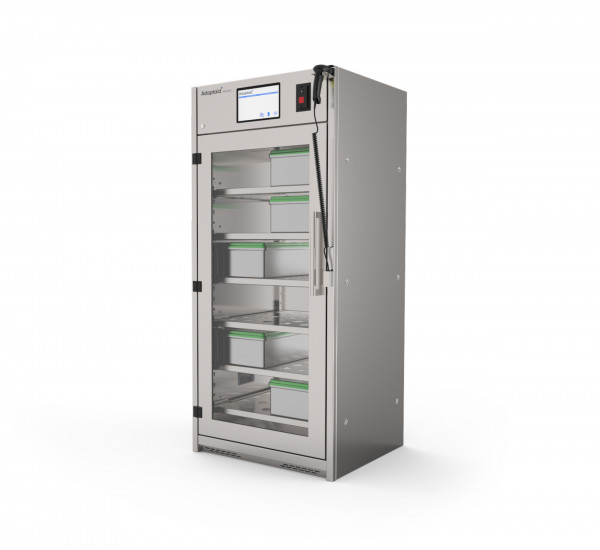
Adaptaid MEDICASE EDS-024-3027T HEPA Sterile Storage Cabinet
HEPA-ventilated sterile storage cabinet
Price on request
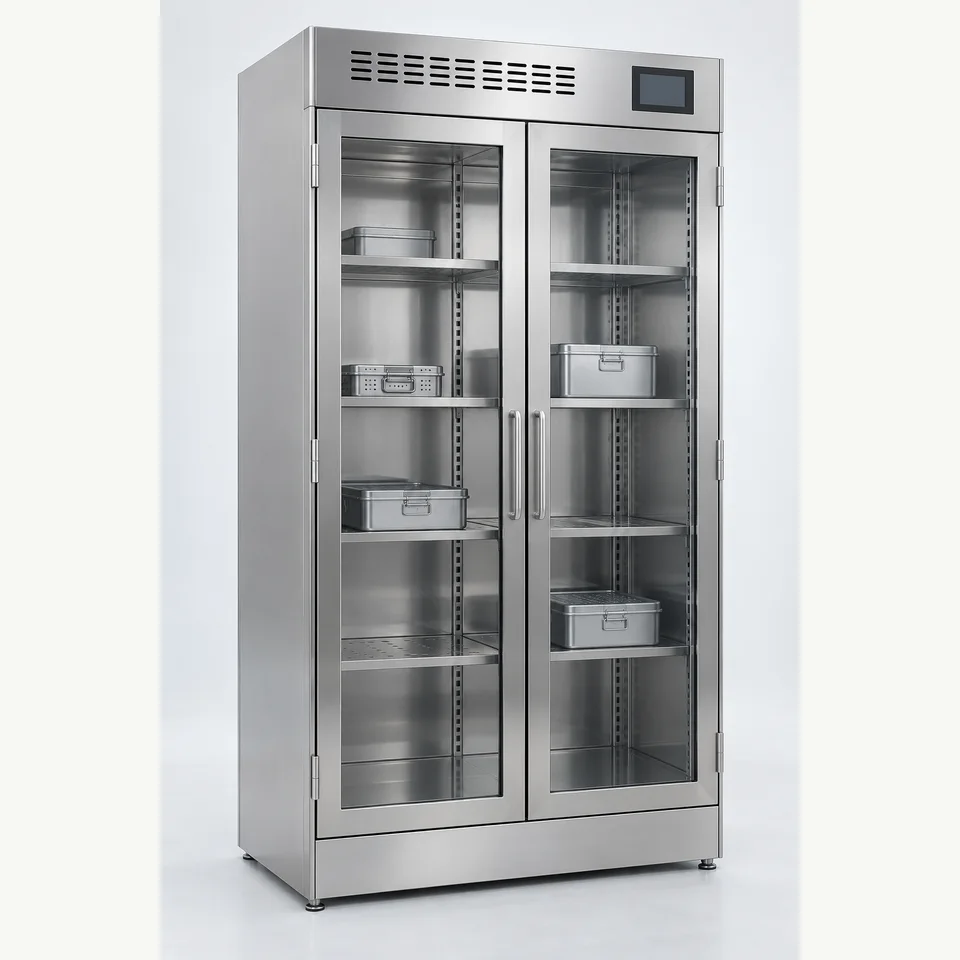
Adaptaid MEDICASE EDS-024-4227 HEPA Sterile Storage Cabinet
HEPA-ventilated sterile storage cabinet
Price on request
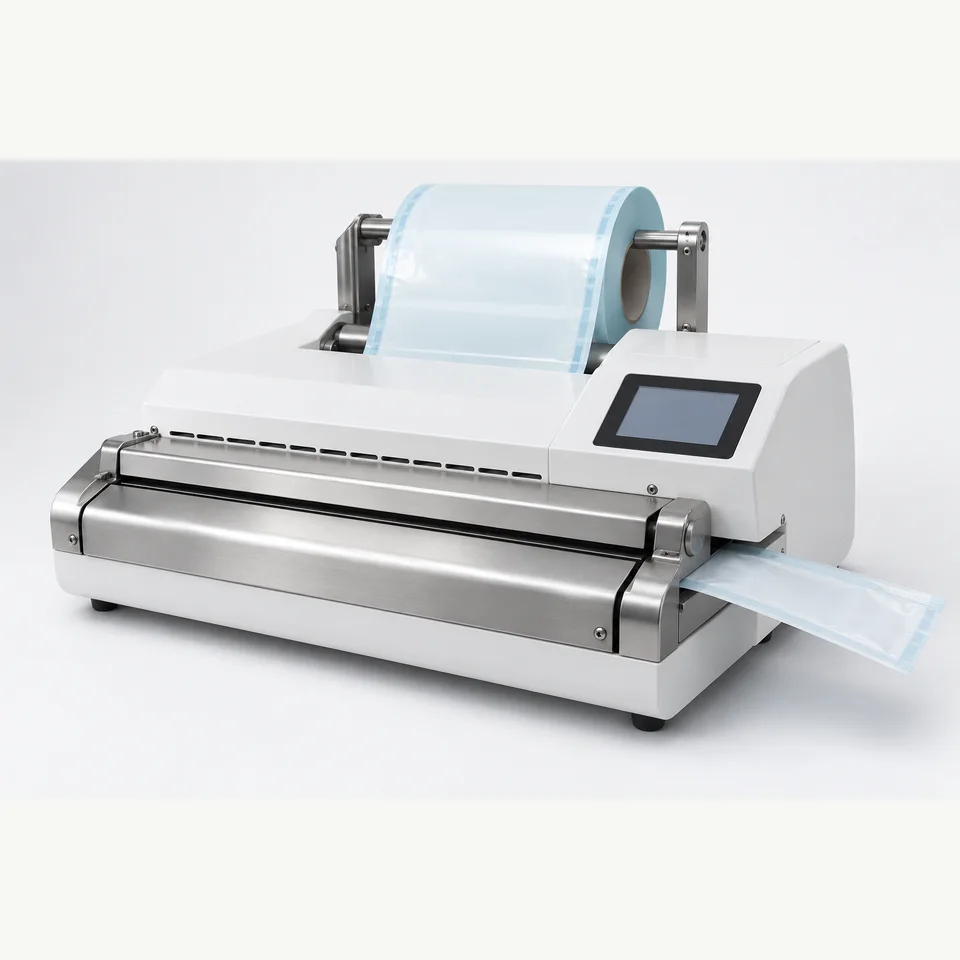
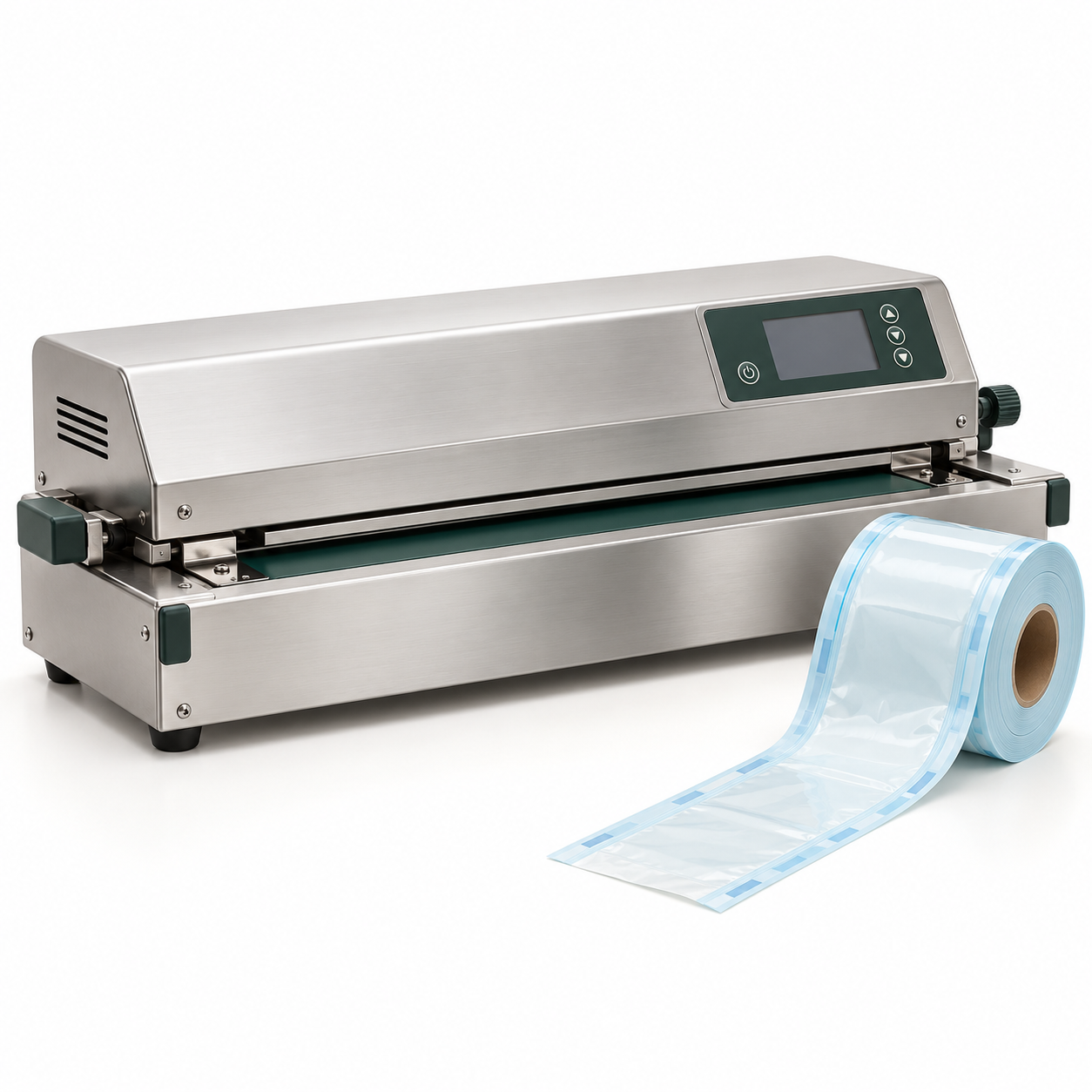
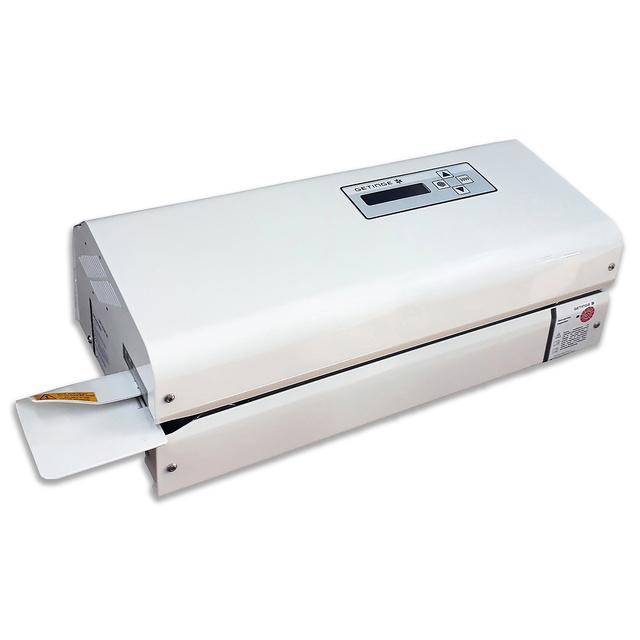
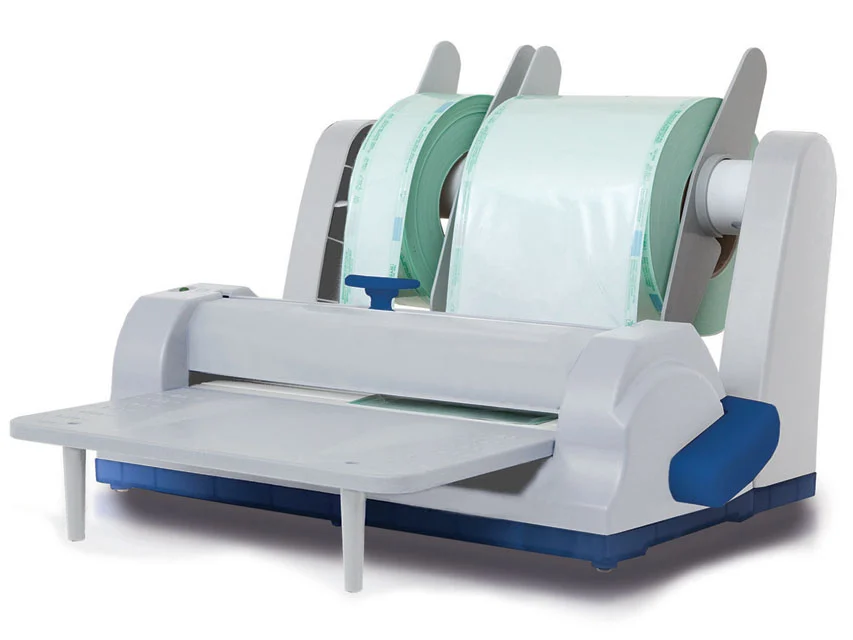
hm 850 DC-V Medical Pouch and Reel Band Sealer
Validatable rotary band sealer for sterile barrier packaging
Price on request
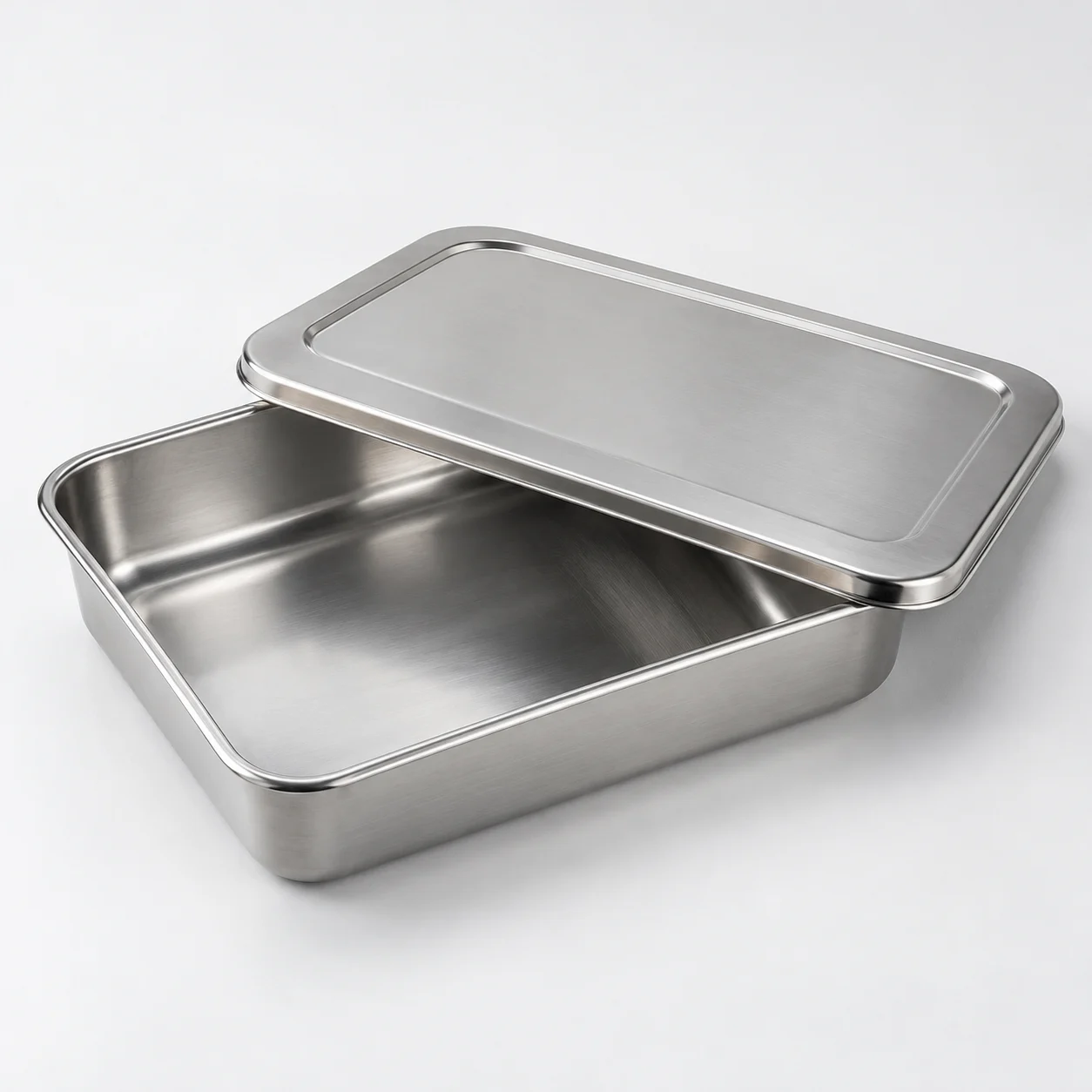
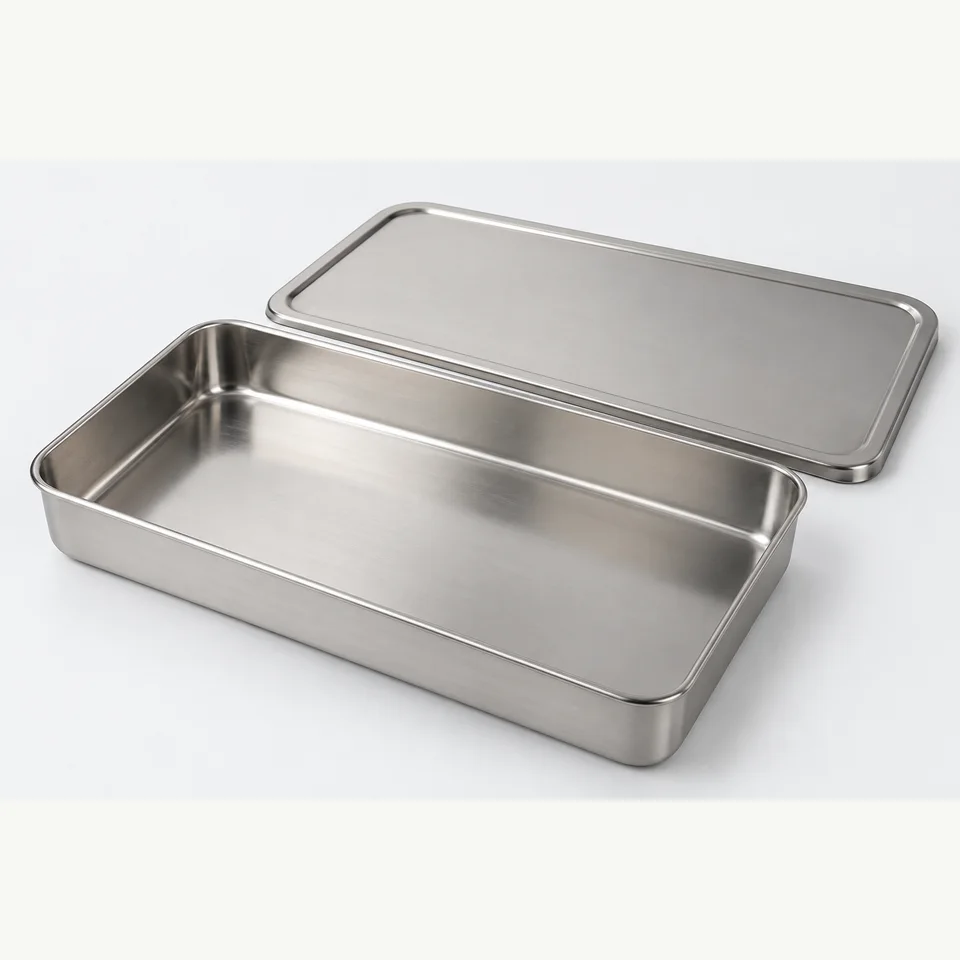
PW1002 Stainless Steel Instrument Tray with Cover
Stainless-steel instrument tray and cover
Price on request
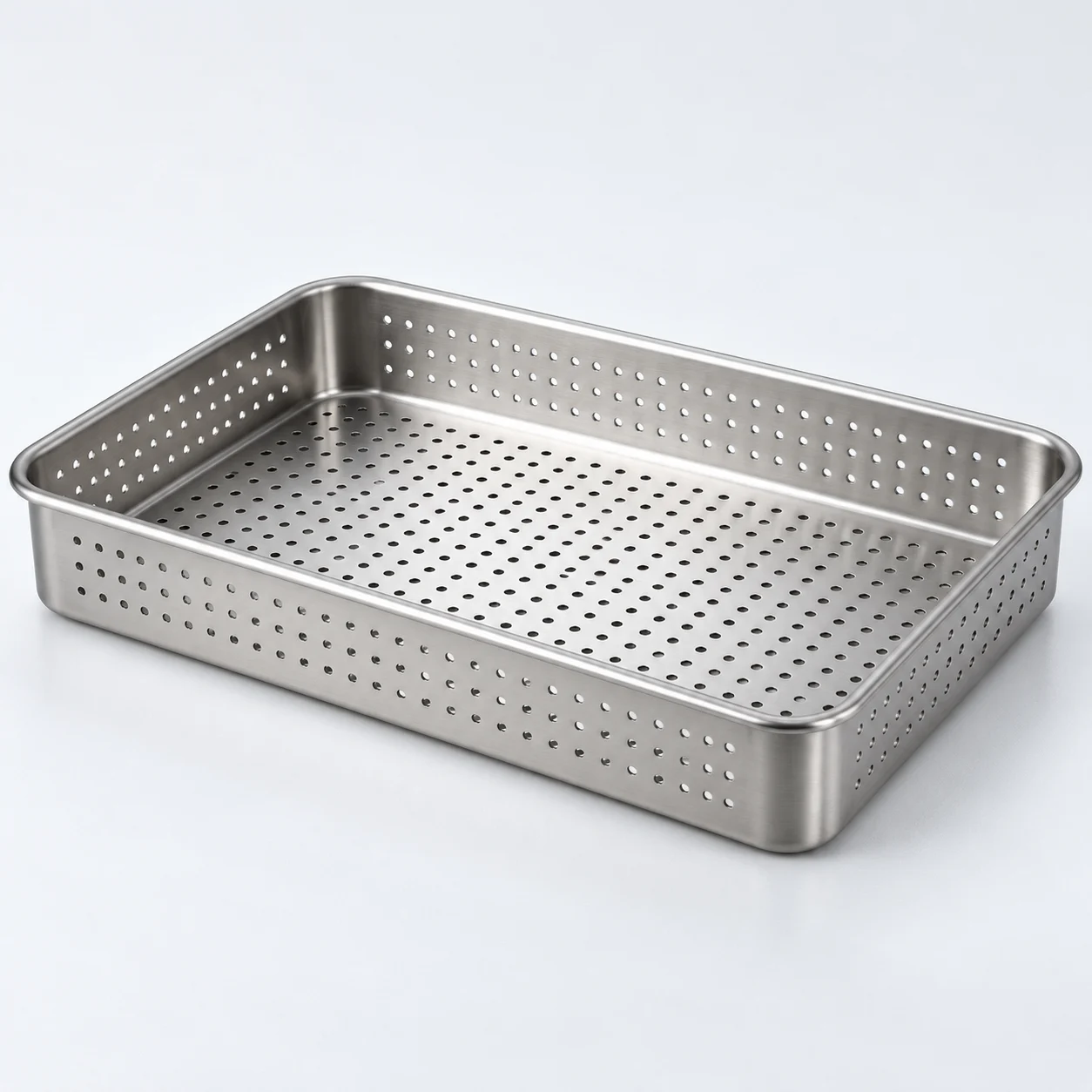
PW1002HPT Perforated Stainless Steel Instrument Tray
Perforated stainless-steel instrument tray
Price on request
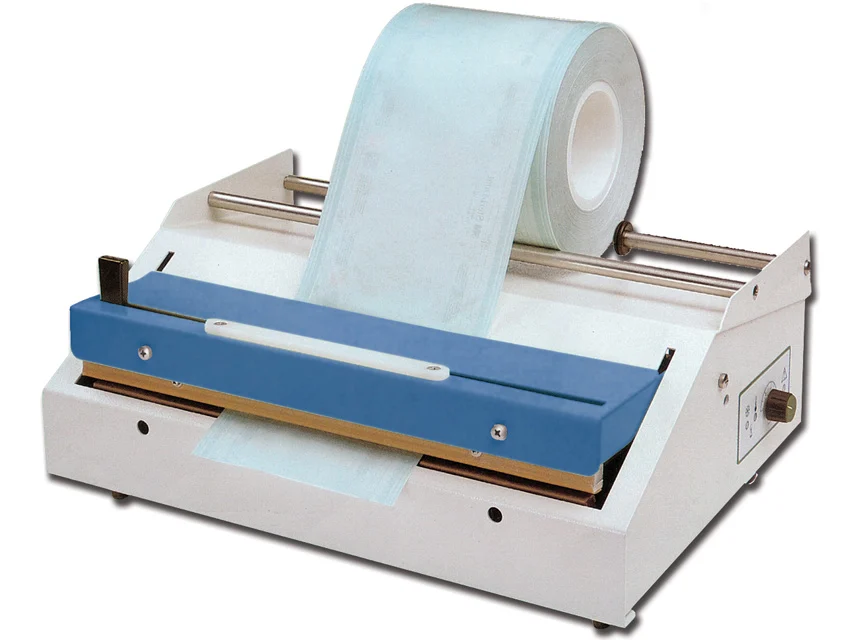
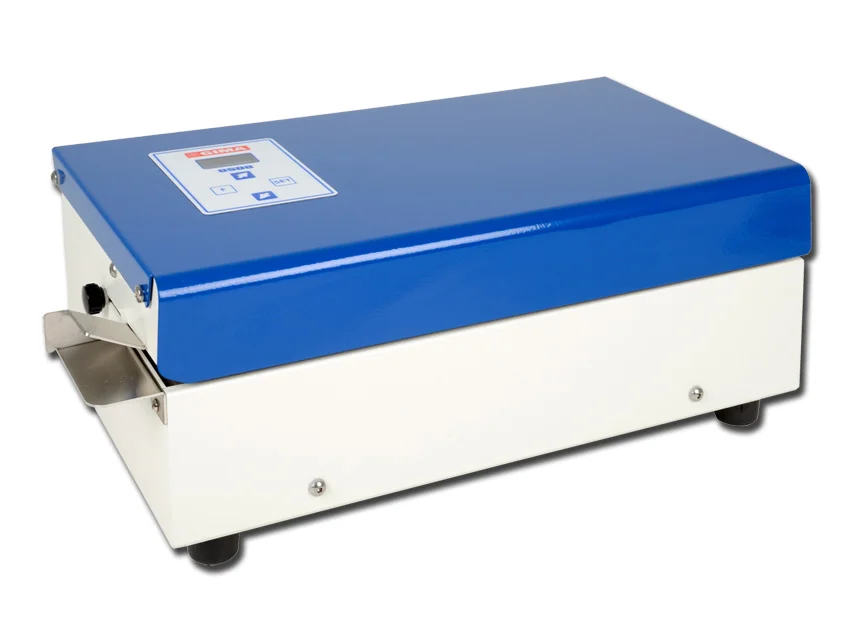
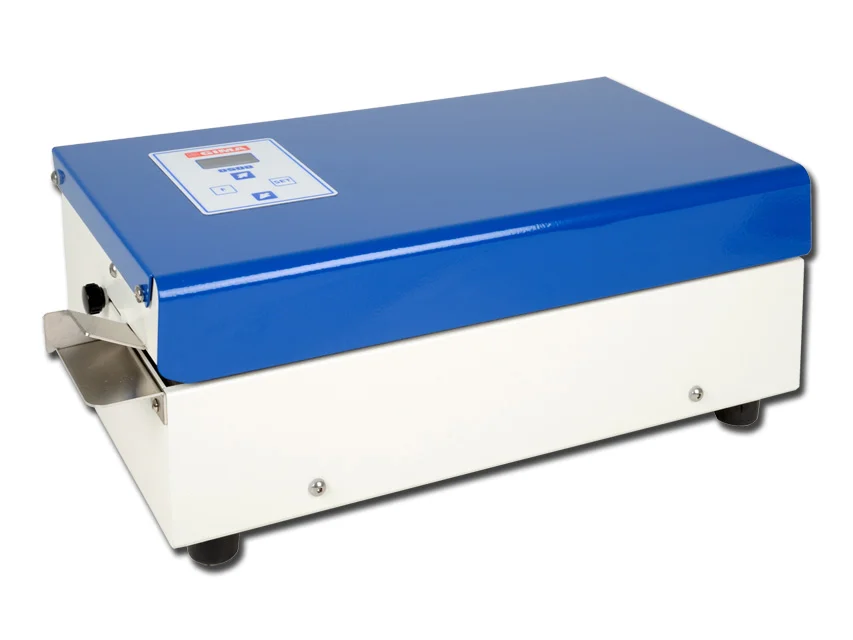
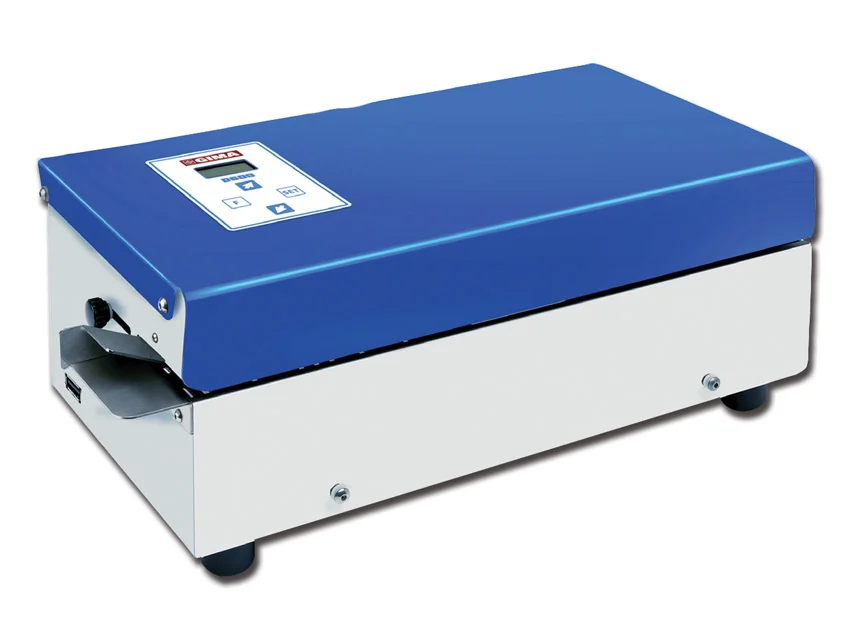
D-600 DIGITAL SEALING MACHINE with validation system (35915)
Medical pouch heat sealer
Price on request
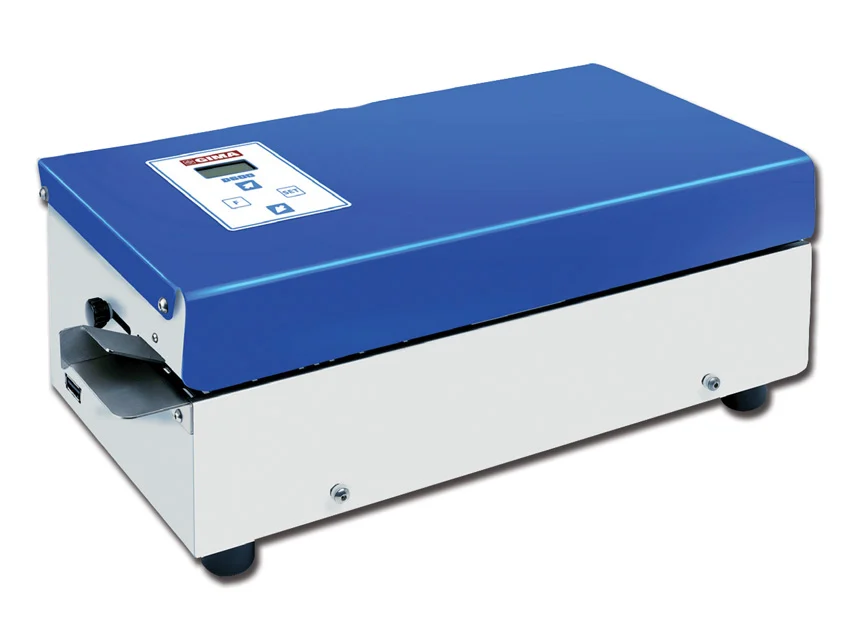
D-700 DIGITAL SEALING MACHINE with validation system and printer (35916)
Medical pouch heat sealer
Price on request
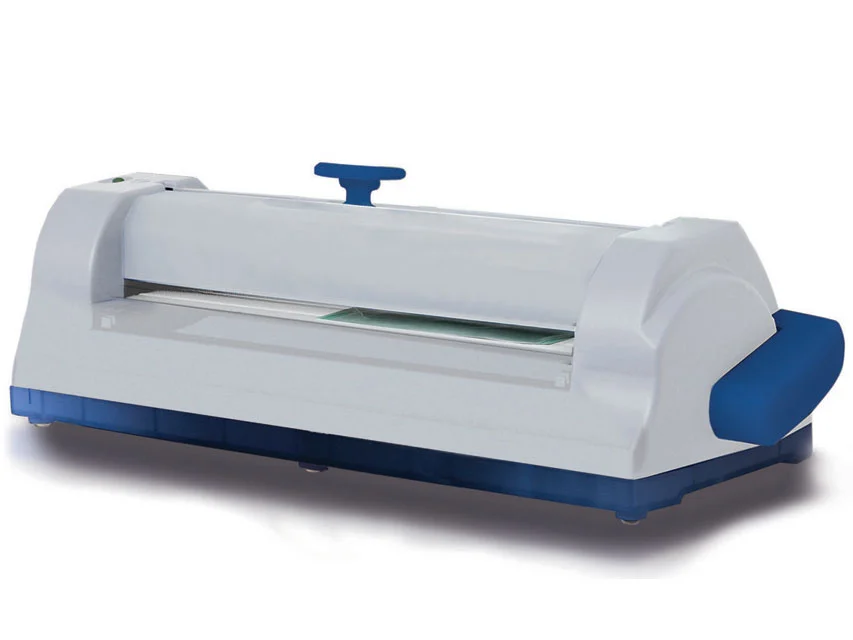
Which packaging and storage products are listed by Franance?
Three rotary sealer records are assigned: hawo hm 850 DC-V Medical Pouch and Reel Band Sealer, Getinge ProSeal Plus Rotary Sterilization Pouch Sealer, and Getinge Pack Rotary Sealer. The exact Getinge Pack order number in the catalogue is 6005500472; the ProSeal Plus order number is 6003000770.
Read moreHow do packaging and storage fit into the reprocessing workflow?
Reprocessing involves sequential steps that can include collection, cleaning, inspection, assembly, packaging, sterilization, release, storage and distribution. The WHO aide-memoire on decontamination and reprocessing describes validation and quality-control procedures at each step as important to ensure the equipment and processes function correctly. Packaging and storage products support parts of that workflow, but they do not replace cleaning, inspection, sterilizer cycle development, load configuration, sterilization monitoring, release criteria, or staff training.
Read moreWhich pouch or reel sealer should I compare?
Start with the exact pouch or reel material, dimensions, expected sealing volume, traceability requirements and applicable process documentation. hawo describes the hm 850 DC-V as a rotary sealer for sealable pouches and reels and lists automatic monitoring of sealing temperature and contact pressure, with a warning and process stop if preset parameters deviate. It also lists a printer and data interfaces. Getinge describes ProSeal Plus as a high-volume rotary sealer with adjustable settings and model-specific operating options. Getinge Pack is a separate rotary sealer, with manufacturer-listed packaging material compatibility and operating characteristics for that model.
Read moreBuy Sterilization Packaging and Storage Equipment in Nigeria
Buy sterilization packaging and storage equipment in Nigeria through Franance by identifying what each item must do in your reprocessing workflow. The current Packaging & Storage category has nine assigned products in three practical groups: rotary pouch/reel sealers, instrument trays and baskets, and sterile storage cabinets. A sealer closes compatible sterile-barrier packaging; a tray or basket organizes or protects instruments; a cabinet stores already processed loads. None of these products, individually or together, proves that a sterilizer cycle or the facility’s reprocessing process is validated. Franance accepts quote orders rather than online payments. Provide the instruments and packaging materials involved, sterilizer and cycle information, throughput, dimensions, room conditions, electrical supply and facility destination. Franance can follow up by phone or email. Price, availability, included accessories, delivery, installation, warranty and support must be confirmed in a written offer for Nigeria.
Which packaging and storage products are listed by Franance?
Three rotary sealer records are assigned: hawo hm 850 DC-V Medical Pouch and Reel Band Sealer, Getinge ProSeal Plus Rotary Sterilization Pouch Sealer, and Getinge Pack Rotary Sealer. The exact Getinge Pack order number in the catalogue is 6005500472; the ProSeal Plus order number is 6003000770.
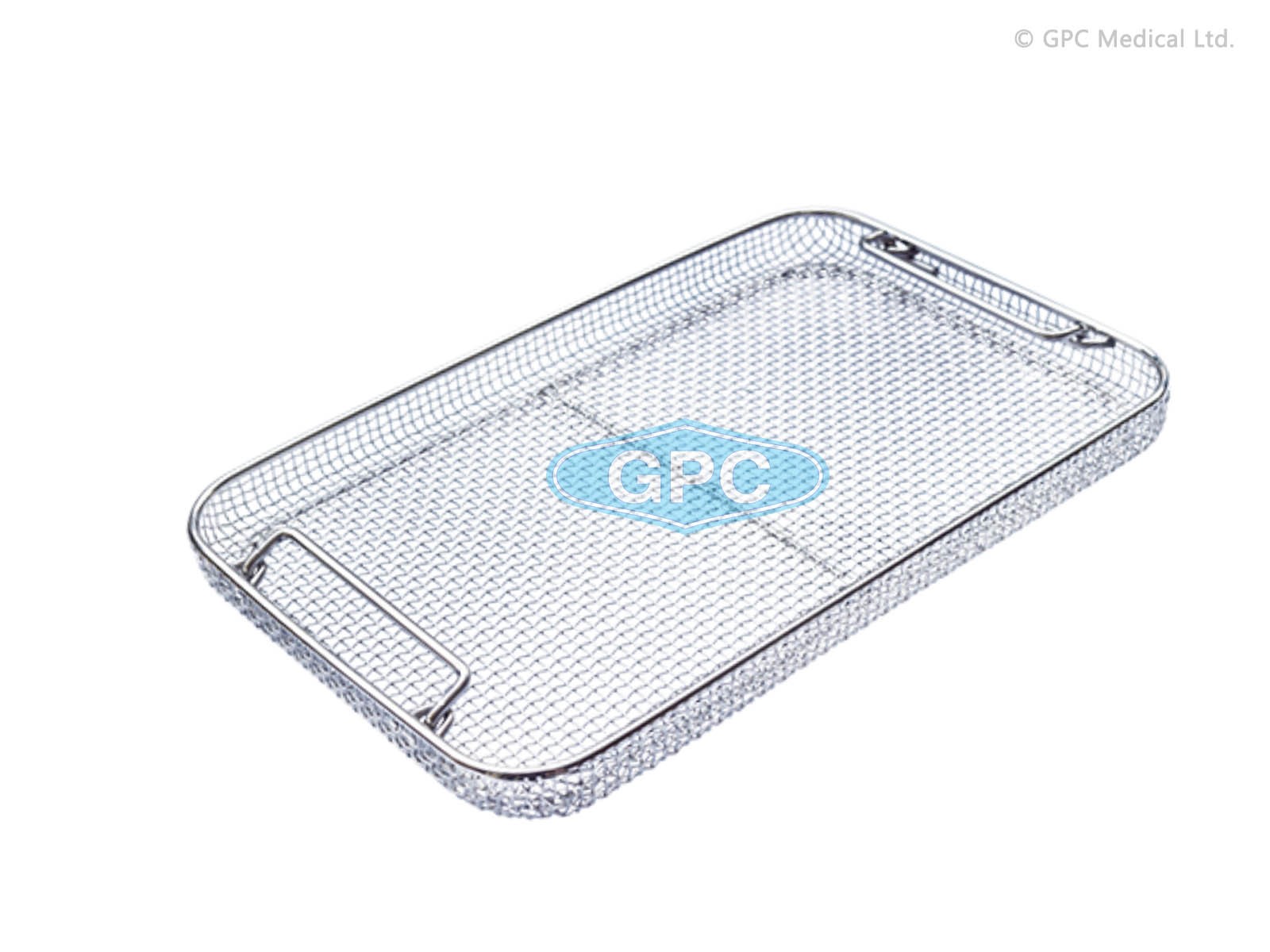
Four instrument tray and basket records are assigned: GPC Medical ITS35 tray with cover, GPC Medical MT659 wire-mesh tray, STERIS PW1002 tray with cover, and STERIS PW1002HPT perforated tray.
Two Adaptaid MEDICASE sterile storage cabinets are assigned: EDS-024-3027T, single-door with traceability and EDS-024-4227, double-door without traceability. These records describe distinct configurations. A catalogue link locates an assigned model; it does not confirm stock, technical approval, packaging compatibility or suitability for a particular facility.
How do packaging and storage fit into the reprocessing workflow?
Reprocessing involves sequential steps that can include collection, cleaning, inspection, assembly, packaging, sterilization, release, storage and distribution. The WHO aide-memoire on decontamination and reprocessing describes validation and quality-control procedures at each step as important to ensure the equipment and processes function correctly. Packaging and storage products support parts of that workflow, but they do not replace cleaning, inspection, sterilizer cycle development, load configuration, sterilization monitoring, release criteria, or staff training.
Separate the roles when writing a specification. A pouch or reel sealer closes compatible packaging. The sterile barrier material and seal must be appropriate for the device, sterilization method and downstream handling. A tray or basket holds, organizes or protects instruments; a lid or perforated structure is not automatically a validated sterile barrier. A sterile storage cabinet holds processed packages or containers in the cabinet configuration described by its manufacturer; it does not reprocess or sterilize its contents. Keep the site’s approved procedures, equipment instructions and quality system in control of the entire pathway.
Which pouch or reel sealer should I compare?
Start with the exact pouch or reel material, dimensions, expected sealing volume, traceability requirements and applicable process documentation. hawo describes the hm 850 DC-V as a rotary sealer for sealable pouches and reels and lists automatic monitoring of sealing temperature and contact pressure, with a warning and process stop if preset parameters deviate. It also lists a printer and data interfaces. Getinge describes ProSeal Plus as a high-volume rotary sealer with adjustable settings and model-specific operating options. Getinge Pack is a separate rotary sealer, with manufacturer-listed packaging material compatibility and operating characteristics for that model.
Do not assume that every sealer supports every roll, pouch, paper/film laminate, Tyvek or non-woven material. Confirm the selected packaging manufacturer’s instructions for the material, width, thickness, sterilization method and seal profile. Then confirm the precise sealer’s operating range and accessories. The Getinge ProSeal Plus and Getinge Pack must not be treated as one model: their order numbers, adjustable parameters, seal width and operating specifications differ. Ask for the offered model name, order code, power variant, print/documentation options, transfer roller or cutter, and all other included accessories on the quote.
What do “validatable” and ISO 11607-2 mean for a sealer?
Manufacturers describe the hawo hm 850 DC-V and Getinge ProSeal Plus sealing processes as validatable or designed in relation to ISO 11607-2. The FDA recognized-consensus-standards database lists ISO 11607-1 for requirements on materials, sterile barrier systems and packaging systems, and ISO 11607-2 for validation requirements for forming, sealing and assembly processes. That standard scope helps explain why sealer performance and packaging materials require a controlled process.
The word “validatable” does not mean that the machine, a particular pouch or a facility sealing process is already validated for your instruments, packaging, operators, workflow and intended sterilization cycle. It does not validate the sterilizer, load configuration or sterile-barrier system as used at your site. The facility must establish and document the applicable installation, operating and performance qualification or other required process validation according to its approved quality system, current manufacturer instructions and governing requirements. Request the manufacturer's validation protocol, service and calibration requirements, change control guidance and the evidence needed for your local records. Franance’s catalogue is not a validation certificate.
How should I choose instrument trays and baskets?
Choose the exact tray role first: an organizer for loading, a basket for containing a set, a protective tray for handling, or a manufacturer-validated containment or sterile-barrier system. These functions are not interchangeable. The instrument tray category includes GPC Medical ITS35 and MT659, plus STERIS PW1002 and PW1002HPT. GPC lists the ITS35 family as a stainless-steel tray with cover in multiple size codes, and MT659 as a wire-mesh tray/basket with model-specific size variants. STERIS lists PW1002 and PW1002HPT among its instrument tray products; confirm dimensions and exact construction against the quoted item documentation.
Ask for the exact size and item code, external and usable internal dimensions, material grade, cover or handle contents, finish, weight, load capacity, rack fit and instructions for use. For GPC, “ITS35” and “MT659” identify families; specify the actual dimensional variant and confirm which size is offered. For STERIS, PW1002 and PW1002HPT are distinct product references. Do not infer that a tray cover is a complete rigid sterilization container, or that perforation alone proves process compatibility. Confirm with the instrument, tray, washer, sterilizer and packaging manufacturers that the selected combination is permitted and fits the approved load.
The current dedicated instrument tray and basket guide goes deeper on these exact four products, dimensions and the distinction between an organizer and a sterile barrier. Use that guide with the manufacturer’s instructions and facility process documents when preparing an item schedule.
What should I check in a sterile storage cabinet?
Confirm the cabinet’s intended contents, door arrangement, shelf count and size, traceability features, ventilation, filters, electrical and alarm requirements, monitoring, cleaning access and maintenance needs. Adaptaid’s MEDICASE product range describes stainless-steel cabinets with HEPA filtration and positive cabinet pressure. Its published model table distinguishes a single-door traceability model from a double-door configuration; the two catalogue items also differ in width and included shelves. Check the exact code rather than assuming the traceability feature is fitted to every cabinet.
Plan the cabinet around actual package and container dimensions, storage volume, clean workflow, staff access and room layout. Obtain outer and usable interior dimensions, shelf loading limits, filter specifications, power requirements, heat or ventilation needs, door-opening clearances, floor loading, delivery path and commissioning instructions. Ask the manufacturer to confirm what the positive-pressure and HEPA features claim for the cabinet, which filters and alarms are included, and what maintenance is required. Do not describe a HEPA cabinet as sterilizing its contents or guaranteeing sterility after a package has been damaged or stored outside the facility’s controlled procedure.
How should sterile packs be stored and assessed before use?
Storage procedures should protect packaging integrity from moisture, dust, unnecessary handling, crushing, puncture, excessive stacking, sunlight, pests and environmental extremes. The WHO aide-memoire advises storing processed instruments in a dry, clean, dust-free environment and identifies handling, inspection and storage as workflow steps. CDC guidance discusses event-related contamination and recommends evaluating package integrity before use; it identifies wet, torn or punctured packs as compromised and directs reprocessing when package integrity has been compromised. These are authoritative infection-control references, but the facility must apply its own approved procedures and confirm which national or local requirements govern its practice.
Set storage conditions using current packaging, instrument, cabinet and facility instructions. Maintain any required room temperature/humidity monitoring and records; do not apply an isolated number from a different product or context as a universal Nigerian rule. Establish a clear process for quarantine and disposition of packs with damaged seals, wet packaging, punctures, dropped packs or uncertain identity. Use traceability records to connect package identity and processing records where required. A cabinet’s environmental features do not repair a broken sterile barrier, and a reprocessing team should make release and reprocessing decisions under its validated procedures.
What Nigeria facility and procurement details should I prepare?
For sealers, provide the facility’s voltage, frequency, plug/receptacle, available circuit and room conditions; exact pouch/reel material and width; expected throughput; printer, batch record or tracking interface; and requested installation, qualification and training scope. Getinge Pack has manufacturer-listed voltage variants, so identify the exact power version. Ask the supplier to confirm current voltage/frequency and plug configuration for Nigeria instead of assuming a variant from the model name. Include the intended room, bench space, transfer rollers or cutter, package feed direction, operator access, cleaning requirements and availability of consumables.
For trays, send the instrument-set schedule, requested material and dimensions, size/item codes, intended washer/sterilizer racks, packaging method and facility process instructions. For storage cabinets, provide expected sterile-container and pack volumes, size distribution, traceability needs, available floor space, door and shelf clearances, room environment, electrical connection and delivery route. For every category, include facility name, destination city and state, quantity, procurement timeline, import and delivery scope, and any required technical documents or quality records.
Ask for a written quotation that identifies exact manufacturer reference, product configuration, size, materials, voltage variant, accessories, included records, price and currency, quote validity, taxes, freight, lead time, warranty, installation, qualification or validation support, commissioning and local service terms. Ask the supplier to state exclusions. A product page, search result, or manufacturer claim does not prove availability or after-sales service in Nigeria.
What should be documented for validation and quality assurance?
Use the responsible sterile-processing and quality teams to define which process validations and routine monitoring records apply to the sealer, packaging materials, sterilizer cycles, loading, storage and traceability. For sealing, request manufacturer protocols and keep the facility’s documented qualifications, calibration/service records, process limits, routine seal checks, batch records, alarm actions, operator training, packaging-lot records and change-control history as required by the quality system. For sterile storage, document environmental monitoring, cabinet filter and service records, access or traceability logs where used, package inspection and quarantine/disposition procedures. The WHO aide-memoire emphasizes validation and quality control throughout reprocessing.
Separately validate and monitor the sterilization process. A sealer does not sterilize the package; a tray or basket does not prove sterilant penetration; a HEPA storage cabinet does not validate a sterilizer cycle or restore a compromised package. WHO describes validation and quality control across reprocessing steps. Follow the sterilizer and device manufacturers’ instructions and the site’s current approved validation, load release and monitoring procedures. This guide supports procurement planning only and cannot replace process validation or clinical governance.
Where can I browse packaging and storage products?
Browse the Packaging & Storage parent category, then narrow the list to medical pouch/reel sealers, instrument trays and baskets, or sterile storage cabinets. The exact nine model-filtered links appear in this guide. Brand filters are available for hawo sealers, Getinge sealers, GPC instrument trays, STERIS trays, and Adaptaid sterile storage cabinets.
Request a packaging and storage quotation in Nigeria
Send Franance the target item and exact model or size, packaging material or instrument schedule, sterilizer and facility workflow details, room and electrical information, throughput, destination state and city, quantities, required validation documentation, installation and training scope, and service expectations. Ask the written offer to itemize each accessory, compatible consumables, included technical documents and exclusions. Confirm all current manufacturer requirements and validate the processes through your facility’s approved quality system. Request a sterilization packaging and storage quote.
Common questions
Which packaging and storage products does Franance list?
The category currently contains nine assigned records: three rotary pouch/reel sealers, four instrument trays or baskets, and two sterile storage cabinets. Open the exact filtered model links to compare the assigned equipment.
Does a sealer marked validatable mean our process is validated?
No. A manufacturer’s validatable design or process claim does not validate the machine at your facility, your packaging material, operators, workflow, sterilizer cycles or loads. The facility’s responsible quality and sterile-processing teams must establish and document applicable validation and routine controls.
Does an instrument tray or HEPA cabinet keep a pack sterile by itself?
No. A tray or basket organizes and protects instruments but is not automatically a sterile-barrier system. A cabinet stores processed items under its specified conditions; it cannot sterilize contents or repair compromised packaging. Confirm the required barrier and handling procedure.
What should I include when requesting a quote in Nigeria?
Send the exact model, variant and quantity; packaging material and sterilization method; tray or cabinet dimensions and volume; sealer throughput, power and options; facility room and utility details; destination city and state; and requested delivery, installation, training, qualification and service scope. Ask for all inclusions and exclusions in writing.
Can I buy these products online?
No. Franance handles quotation orders rather than online payment. Submit your requirements and Franance will follow up by phone or email; the written quote confirms availability and commercial terms.
Request a packaging and storage quotation from Franance.
Send the exact model and variant, required quantities, compatible packaging and workflow details, site utilities and room information, destination city and state, and requested installation, training, documentation and service scope. Franance will follow up and confirm availability and offer-specific terms in writing.
Request a quotationNeed an equipment quote?
Add the models you need to a quote order, or send us your equipment list.