
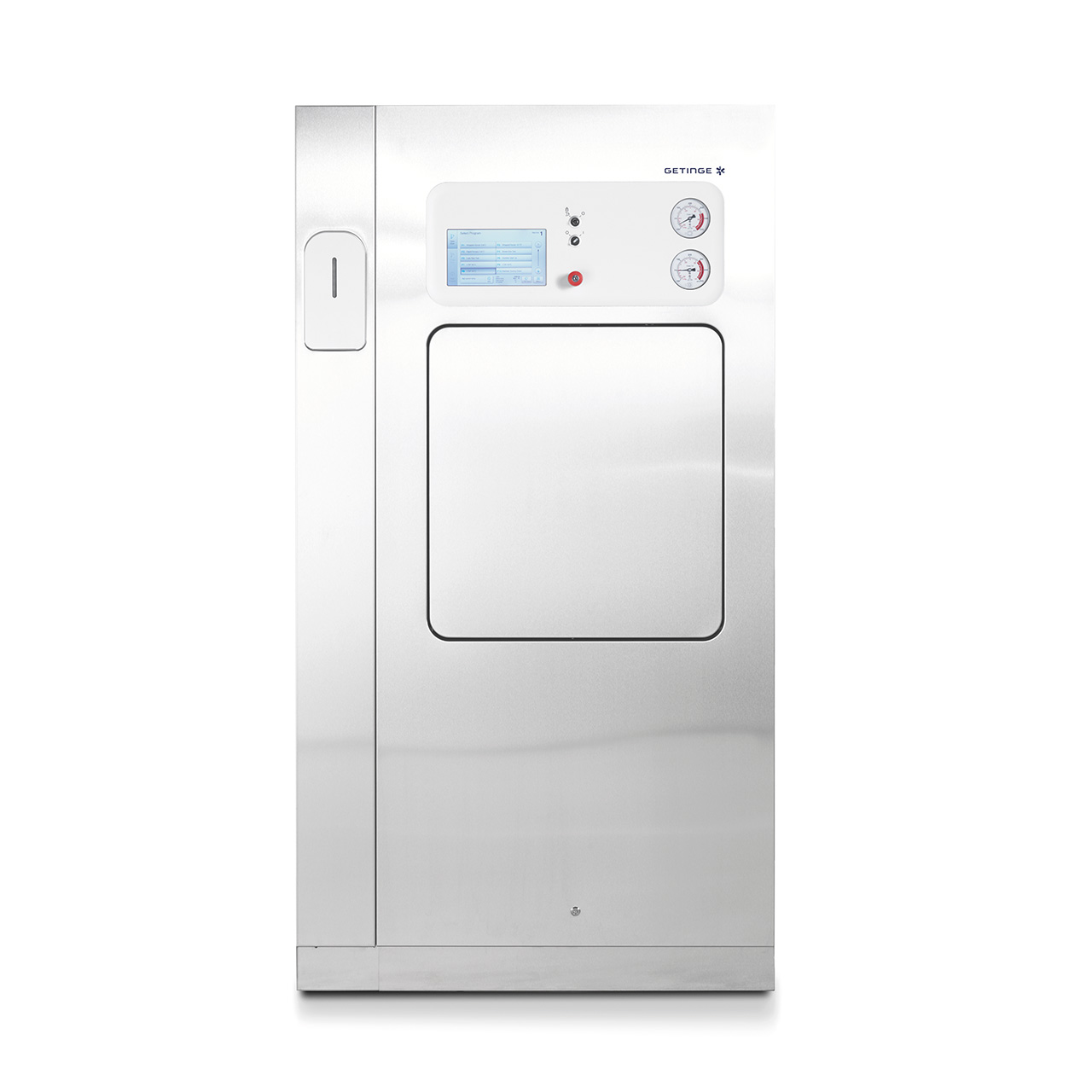
GSS67F Steam and Low-Temperature Sterilizer
Combined steam and low-temperature formaldehyde sterilizer
Price on request

Medical equipment and biomedical engineering.
Abuja, Nigeria.
Buy low-temperature sterilizers in Nigeria through Franance. Compare ASP STERRAD 100S, STERIS V-PRO maX 2 and Getinge GSS67F by process chemistry, device compatibility, cycle documentation, consumables, facility utilities and service scope, then request a written quotation.
3 models
Combined steam and low-temperature formaldehyde sterilizer
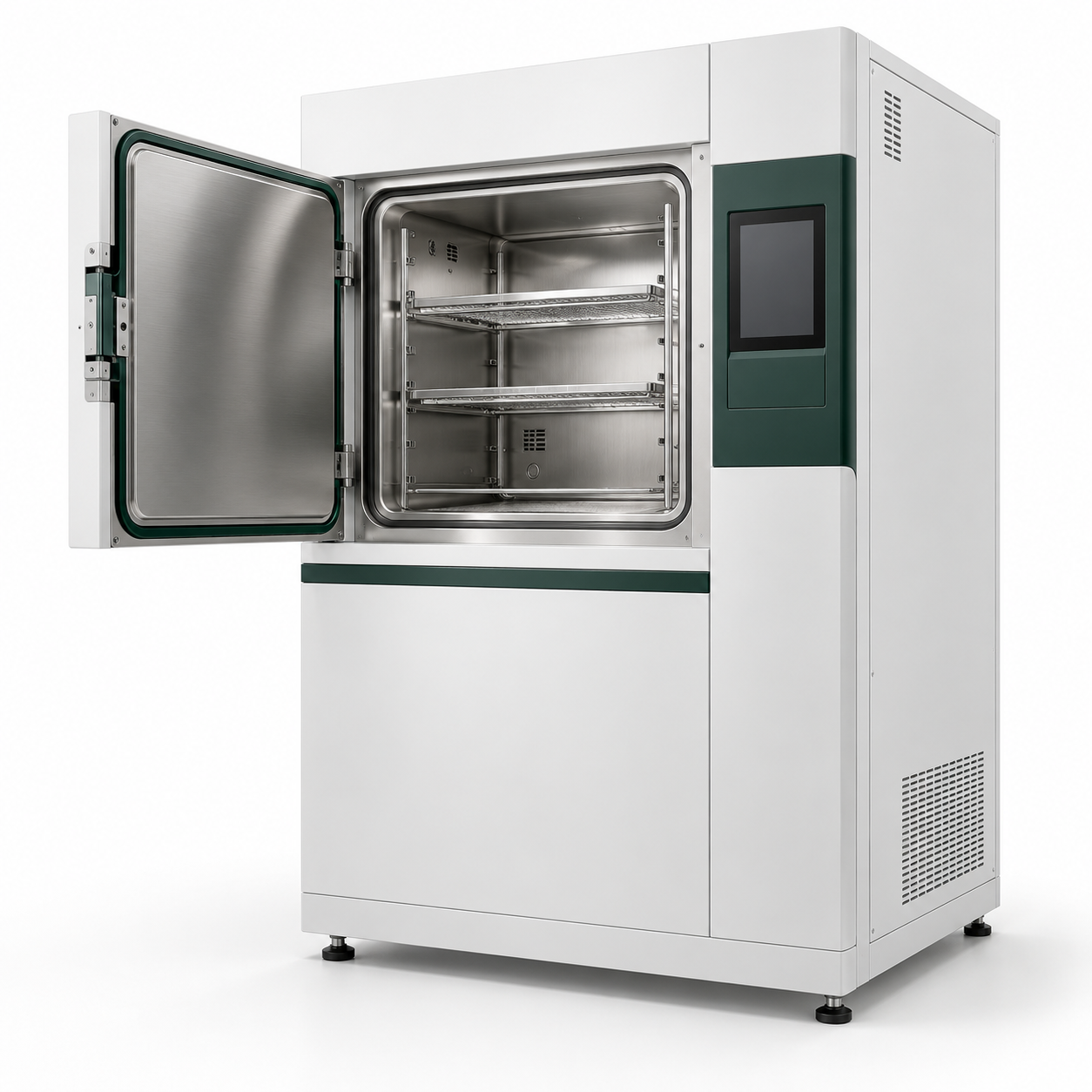
Vaporized hydrogen peroxide low-temperature sterilizer
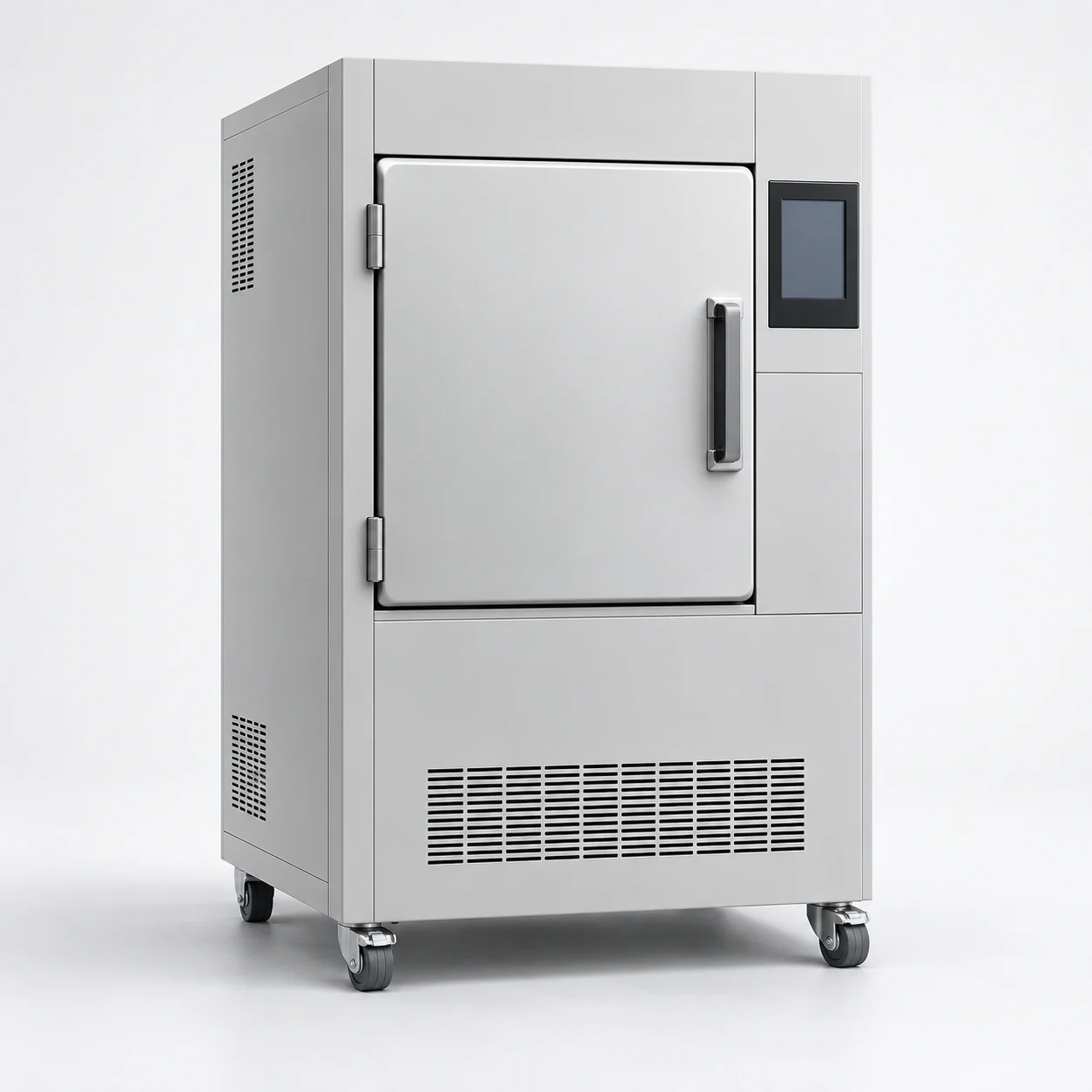
Low-temperature hydrogen peroxide gas-plasma sterilization system
The current category has three assigned products. Use each exact brand and model filter to check the corresponding live catalogue entry:
Read moreStart with the instrument manufacturer’s reprocessing instructions, not with a sterilizer brochure. The US Centers for Disease Control and Prevention (CDC) states that steam is preferred for critical instruments that tolerate heat, steam, pressure and moisture, and recommends low-temperature technologies for critical patient-care equipment that is heat- or moisture-sensitive. That guidance does not identify a cycle for an individual instrument or replace Nigerian requirements, device instructions or the facility’s validated procedures.
Read moreASP identifies STERRAD 100S as a low-temperature hydrogen peroxide gas-plasma sterilization system and lists Short and Long sterilization cycles. Its product literature describes selected device types, including flexible and rigid endoscopes, cameras, light cables, batteries and microsurgical instruments. It also lists STERRAD 100S cassette consumables. The current ASP product page says that consumable literature varies by region and users should consult its instructions-for-use library for the relevant country and product.
Read moreFranance lists three low-temperature sterilizer models for Nigerian facilities: ASP STERRAD 100S, STERIS V-PRO maX 2 and Getinge GSS67F. Request a quotation against the exact device inventory, process requirement, consumables, facility utilities and Nigerian destination. The first two listed systems use hydrogen peroxide technology; Getinge GSS67F is a combined steam and low-temperature formaldehyde sterilizer. Confirm the exact compatible devices, cycle, regional configuration and installation requirements from current manufacturer documentation before purchase. Low-temperature sterilization serves a different role from steam sterilization and from cleaning in a washer-disinfector. It is considered when a critical device cannot tolerate an otherwise appropriate heat-and-moisture process, and only when the particular device, packaging and load are compatible with the particular sterilizer cycle. It does not remove the need for cleaning, inspection, process monitoring or facility validation. Franance handles enquiries as quote orders and follows up by phone or email; a listing does not promise stock, price or Nigerian service coverage.
The current category has three assigned products. Use each exact brand and model filter to check the corresponding live catalogue entry:
- ASP STERRAD 100S exact listing
- STERIS V-PRO maX 2 exact listing
- Getinge GSS67F exact listing
ASP describes STERRAD 100S as a hydrogen peroxide gas-plasma system with Short and Long cycles. STERIS describes V-PRO maX 2 as a vaporized hydrogen peroxide system with several cycle types. Getinge describes GSS67F as a combined steam and low-temperature formaldehyde system. These product descriptions refer to distinct systems and process chemistries; their category membership does not make the models equivalent or establish that a particular instrument is compatible.
The Low-Temperature Sterilizers category sits under Sterilizers and Washers. Getinge GSS67F also appears in the horizontal steam autoclave category and floor autoclave category, reflecting its combined functions. ASP STERRAD 100S is also indexed under plasma sterilizers.
Start with the instrument manufacturer’s reprocessing instructions, not with a sterilizer brochure. The US Centers for Disease Control and Prevention (CDC) states that steam is preferred for critical instruments that tolerate heat, steam, pressure and moisture, and recommends low-temperature technologies for critical patient-care equipment that is heat- or moisture-sensitive. That guidance does not identify a cycle for an individual instrument or replace Nigerian requirements, device instructions or the facility’s validated procedures.
Build an inventory of devices the service cannot process by its current methods, including manufacturer, model, materials, lumen configuration, dimensions, accessories, packaging instructions and the reason the currently used method is unsuitable. Ask the device manufacturer for its approved reprocessing methods and ask the sterilizer manufacturer to verify compatibility with the exact device, packaging, cycle and loading configuration. A broad description such as “flexible scope compatible” is not proof for every scope or lumen design.
Use a low-temperature system only when there is a documented equipment and process case for it. If most loads are heat-stable, the facility may need steam capacity rather than an additional low-temperature process. If a product record advertises a certain instrument family, still verify the exact device model and IFU. The CDC sterilization recommendations explain the distinction between steam and low-temperature methods.
ASP identifies STERRAD 100S as a low-temperature hydrogen peroxide gas-plasma sterilization system and lists Short and Long sterilization cycles. Its product literature describes selected device types, including flexible and rigid endoscopes, cameras, light cables, batteries and microsurgical instruments. It also lists STERRAD 100S cassette consumables. The current ASP product page says that consumable literature varies by region and users should consult its instructions-for-use library for the relevant country and product.
For procurement, ask which devices in the facility’s inventory are listed as compatible in the current STERRAD 100S documentation, what dimensional or material restrictions apply, which packaging is permitted and which cycle applies to each validated load. Do not infer that every endoscope, battery or lumened instrument can be processed. Request the model’s current IFU and the device-specific compatibility evidence. Ask for the current cassette reference, cycles per cassette and biological or chemical monitoring products in the proposed supply package.
ASP’s product literature lists five cycles per cassette in its current India product information, but the supplier should confirm the regional consumable and package details for the offer. Ask about expected cassette usage based on the facility’s documented load plan; do not translate a published cassette yield into a guaranteed cost per case. View the exact STERRAD 100S catalogue listing, ASP’s official STERRAD 100S page, and its instructions and consumables resources.
STERIS identifies V-PRO maX 2 as a vaporized hydrogen peroxide low-temperature sterilization system. Its product page describes Lumen, Non Lumen, Flexible, Fast Non-Lumen and 3D Specialty cycles. STERIS provides a device compatibility matrix and current operator documentation. The cycle names do not by themselves show that any one instrument, lumen or load is permitted. Review the exact matrix and operator manual for the device models, dimensions, preparation and packaging in your facility inventory.
Specify the actual equipment list and ask STERIS or the supplier to confirm each device and load configuration in writing. Clarify applicable lumen limits, materials, channels, device preparation, load size, tray or pouch, sterilant supply, indicators, biological monitoring and electronic records. Ask whether the proposed unit is the outside-North-America configuration and obtain the matching manual, electrical details and installation specification. Regional manuals are listed separately by STERIS.
STERIS lists compatible monitoring and consumable products such as VAPROX HC sterilant and Celerity indicators on its product literature. Confirm current regional availability, compatibility, consumable references and required quantities. Do not calculate processing capacity from an advertised cycle time alone; workload, loading, preparation, validation, monitoring, and local operating procedures affect actual throughput. View the exact V-PRO maX 2 listing, STERIS V-PRO maX 2 product information, and its V-PRO device compatibility matrix.
Getinge describes GSS67F as combining high-temperature steam sterilization with low-temperature formaldehyde sterilization. Its product page calls the low-temperature process formalin, or formaldehyde dissolved in water. This is a different process from the hydrogen peroxide systems described for STERRAD 100S and V-PRO maX 2. GSS67F is therefore a dual-process product in the catalogue: its low-temperature assignment does not remove its steam function.
Decide whether this combined capability matches the facility’s device inventory, existing central sterile services workflow, room design, utilities, staff competency, process monitoring and maintenance plan. Getinge describes processing endoscopes and many kinds of surgical instruments in one system, but this statement is not an approval for every instrument or load. Ask for current model-specific documentation that verifies the instrument, process, packaging, cycle and installation conditions.
Formaldehyde use also requires a facility-specific review of chemical handling, staff exposure controls, storage, waste, ventilation or extraction if specified, emergency procedures and applicable local occupational requirements. CDC recommends a program for monitoring occupational exposure to regulated chemicals such as formaldehyde and ethylene oxide. Do not assume a manufacturer’s broad product description establishes site suitability or exposure compliance. View the exact GSS67F listing, Getinge GSS67F product information, and the CDC recommendations.
A washer-disinfector is used for cleaning and disinfection, not as a substitute for terminal sterilization of critical devices. Cleaning removes soil and residue that can interfere with subsequent processes; a sterilization cycle is a separate reprocessing step. CDC recommends meticulous cleaning before high-level disinfection or sterilization and says automatic washer-disinfectors should be used according to their manufacturer instructions.
The sterilization workflow therefore extends beyond buying a cabinet. The department needs suitable point-of-use handling, cleaning equipment and detergents, rinse and drying steps, inspection, preparation, packaging, a compatible sterilization process, load monitoring, release documentation, storage and traceability. Some low-temperature systems require very specific drying, packaging or load restrictions. These requirements must come from the device and sterilizer manufacturers and from the facility’s procedures.
If your project is mainly about automated cleaning and disinfection, review the washer-disinfector category. If your need is pre-cleaning of instruments, review CSSD ultrasonic cleaners. For heat-stable devices and compatible loads, compare tabletop steam autoclaves, vertical steam autoclaves or horizontal steam autoclaves. Ask the sterile processing lead to define the entire process before choosing one equipment class.
Compatibility must be checked across multiple linked components: the instrument, the sterilizer and cycle, cleaning and drying preparation, packaging, accessories and loading configuration. Obtain the instrument manufacturer’s current reprocessing instructions and a device-specific compatibility confirmation for the exact low-temperature process. Match the device model and part number, materials, lumen dimensions, number of channels, valves, accessories and any limits named in the IFU or compatibility database.
Do not infer compatibility from material alone, a related model, another sterilizer, or a cycle name. A rigid scope and a flexible scope may have different limits; two instruments made by the same manufacturer can require different processes. Narrow lumens and device complexity require particular attention because sterilant contact and penetration matter. CDC emphasizes following the instructions of the instrument, sterilizer and packaging manufacturers together.
Keep a controlled compatibility register for the devices the facility intends to process. Record source document, revision date, model, cycle, packaging, load restrictions, preparation steps and approval. Ask the supplier to help locate current documentation but keep clinical and sterile-processing governance with the facility. If a device is absent from the matrix or its instructions conflict, treat the question as unresolved and seek written manufacturer guidance before including it in the validated load.
Request the site-planning documents for the exact model and regional configuration. Confirm footprint, service clearances, door and corridor access, floor loading, chamber and trolley dimensions, delivery route, electrical input, plug, circuit requirements, heat output, ambient conditions, water or drainage needs if any, ventilation and environmental controls. Do not assume identical requirements across hydrogen peroxide and formaldehyde systems or across product variants. For Getinge GSS67F, ask specifically how the formaldehyde process affects site controls and staff safety planning.
Map the low-temperature sterilizer into the CSSD work sequence: dirty receipt, cleaning, rinse, drying, inspection, packaging, sterilization, monitoring, release and sterile storage. Confirm how it will interface with instrument tracking or load records if required. Ask who supplies installation, commissioning, initial testing, staff training, preventive maintenance, calibration or verification, emergency service and spare parts. Ask for local support route, response expectations and warranty exclusions in writing.
For Nigerian facilities, provide the city and state, facility power conditions, delivery access, expected loads and required start date. Request confirmation of regional machine configuration, consumable supply and any applicable registration or conformity documents. A global or regional manufacturer product page does not establish Nigerian stock, shipment, installation, price, regulatory status or service coverage.
Compare the recurring package, not only the capital equipment. List sterilant or cassettes, biological indicators, chemical indicators, challenge devices, compatible packaging, trays, load cards, printer or data-record supplies, maintenance kits, calibration or verification items and replacement components. Confirm each reference number, pack size, shelf life, storage conditions, supply route, required quantity and current regional availability.
ASP identifies a STERRAD 100S cassette and biological indicator in its product literature. STERIS lists VAPROX HC sterilant and Celerity indicators and challenge packs for V-PRO maX 2. Getinge’s GSS67F product page lists related indicators for its formaldehyde process. Do not treat consumables as interchangeable across brands or processes. Confirm compatible indicators and monitoring procedures for the exact cycle and product configuration.
Prepare a lifecycle comparison using facility workload, the device-compatible cycle mix, actual validated load capacity, consumable usage, staff time, utilities, installation, verification, planned maintenance, repairs, support and replacement timing. Request a transparent assumptions schedule from Franance. Published cycles per cassette or short cycle times do not independently determine cost per load, throughput or service performance.
The facility’s sterile processing governance should define process validation, operator training, load release criteria, monitoring, traceability and corrective action using applicable standards, national requirements and current manufacturer instructions. This guide does not prescribe cycle parameters or validation protocols. CDC describes testing sterilizers with biological and chemical indicators at installation, after relocation or major repair, and after a sterilization failure; the facility should follow its applicable requirements and exact model instructions.
Ask the supplier to specify any installation qualification, operational checks, performance qualification, initial testing, training and documentation included in the offer. Confirm who provides qualified personnel, which indicators and challenge devices are required, what records are generated, and whether any electronic record system is included. Ask how the facility will retain load data, instrument compatibility evidence, maintenance history and training records.
For each proposed load, the facility must verify instrument preparation, packaging, placement, cycle and indicator requirements under the applicable validated process. Do not treat an equipment purchase, successful display message or marketing statement as process validation. The CDC’s sterilizing practices guidance discusses cycle verification and monitoring; use it as a reference alongside current local rules and manufacturer instructions.
Send a facility-specific brief so Franance can review the correct equipment and supply scope:
1. Exact model: ASP STERRAD 100S, STERIS V-PRO maX 2 or Getinge GSS67F.
2. Instrument inventory with manufacturer, model, material, lumen dimensions, accessories, current reprocessing instructions and the reason low-temperature processing is required.
3. Required process chemistry and candidate cycle only where the device manufacturer’s documentation supports it; do not prescribe a cycle from a product title.
4. Packaging, trays, indicators, challenge devices, sterilant or cassette references, and expected replenishment quantities.
5. Facility name, CSSD location, Nigerian city and state, site power, delivery route, room plan, utilities and requested commissioning date.
6. Requested site survey, installation, acceptance testing, validation support, operator training, maintenance, warranty, spare parts and service response.
7. Documentation required for local regulatory review, facility procurement, infection prevention, occupational safety and recordkeeping.
Ask the quotation to state model and regional configuration, included and excluded components, exact consumable references, site assumptions, delivery, installation and commissioning responsibilities, price validity, warranty, local service and the named technical contact. For Getinge GSS67F, identify whether the requirement includes both steam and formaldehyde processing and which site controls are in scope. For the hydrogen peroxide systems, confirm the exact validated device list and cycle restrictions. Franance follows up by phone or email and confirms the proposed package and destination-specific terms in writing.
Review the STERRAD 100S listing, V-PRO maX 2 listing or Getinge GSS67F listing, then request a low-temperature sterilizer quotation from Franance.
No. Franance handles these equipment enquiries as quote orders rather than online checkout. Submit the exact model, instrument compatibility requirements, consumables, utilities, quantity and Nigerian destination. Franance will follow up by phone or email, clarify the requested configuration and confirm availability and commercial terms in writing.
Use the Low-Temperature Sterilizers category to compare the three current catalogue entries. Use the neighboring steam-autoclave categories for compatible heat-stable loads, and the washer-disinfector category for cleaning and disinfection equipment. Confirm the intended reprocessing process with the facility’s sterile processing and biomedical engineering teams before placing a quote order.
The current live category contains ASP STERRAD 100S, STERIS V-PRO maX 2 and Getinge GSS67F. Live brand/category/model-filter queries return one result for each product.
Both are described as hydrogen peroxide low-temperature systems, but their cycle sets, device compatibility resources, consumables and instructions are manufacturer-specific. Confirm every device and load against the exact current system documentation.
Getinge describes GSS67F as a combined steam and low-temperature formaldehyde sterilizer. It is distinct from the listed hydrogen peroxide systems; confirm process and compatibility details for the offered configuration.
No. Cleaning and disinfection equipment is a separate step and equipment role. Follow the device and equipment manufacturers' instructions for cleaning before sterilization and for the full validated reprocessing workflow.
No. Submit a quote order. Franance follows up by phone or email and confirms availability, configuration and commercial terms in writing.
Provide the exact model and regional configuration, instrument compatibility evidence, process and cycle requirements, consumables, utilities, installation scope, quantity, facility and Nigerian destination. Franance will follow up by phone or email and confirm the proposed package and destination-specific commercial terms in writing.
Request a quotationAdd the models you need to a quote order, or send us your equipment list.