

Buy Ultrasonic Cleaner (CSSD) in Nigeria.
Browse ultrasonic cleaner (cssd) and request a quotation for your facility in Nigeria. Include the configuration, quantity and delivery location you need.
Products
5 models
UC-30SDG Ultrasonic Cleaner for Instrument Cleaning
Dual-frequency ultrasonic cleaner
Price on request
Ultra Clean Systems 1100 Tabletop Ultrasonic Cleaner
Tabletop ultrasonic surgical instrument cleaner
Price on request
Where can I buy an ultrasonic cleaner for CSSD in Nigeria?
Start with the ultrasonic cleaner category in Nigeria and compare the currently listed Getinge Aquadis PCU, Getinge Ultra Clean Systems 1100 and BIOBASE UC-30SDG. These catalogue records are a starting point for a procurement enquiry; a listing does not establish that a model is in stock, registered for a particular transaction, or suitable for a specific instrument or process.
Read moreWhich ultrasonic cleaner models does Franance list?
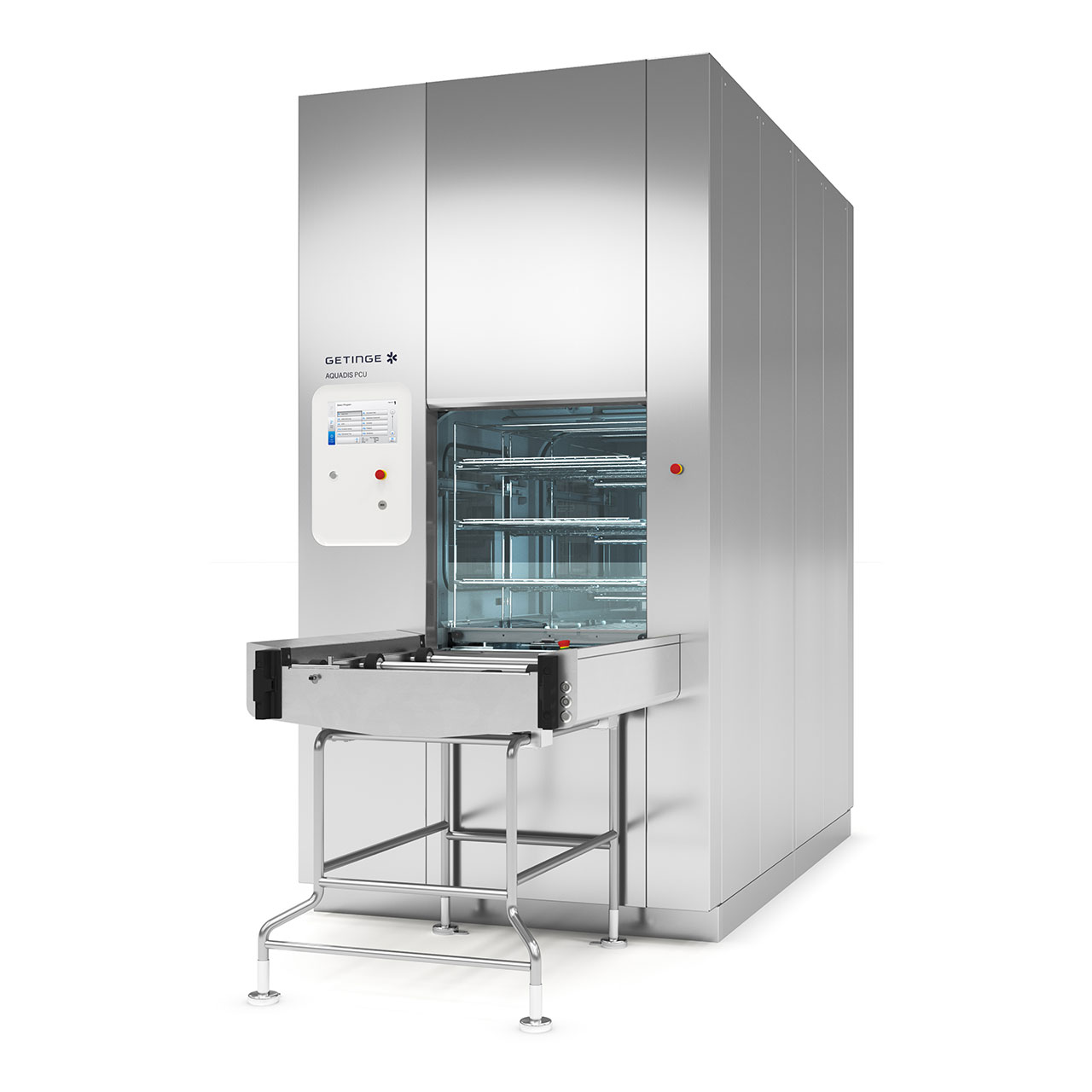
The category currently lists three products. Getinge describes Aquadis PCU as a modular pre-cleaning ultrasonic system. Its WU configuration is listed with a chamber accommodating a wash cart of up to 18 DIN trays and manufacturer-stated throughput up to 90 DIN trays per hour. It is a large workflow installation, not a benchtop tank; ask for the correct facility layout, cart and tray configuration, utilities and service access for the offered model.
Read moreWhat does an ultrasonic cleaner do in a CSSD workflow?
Ultrasonic cleaning uses sound energy in a liquid bath to help remove soil from compatible instruments, including complex surfaces that may be difficult to reach by hand. It is one possible mechanical cleaning step in a wider reprocessing pathway. It does not by itself disinfect or sterilize instruments, and a cycle setting or cleaner listing does not establish a validated clinical process.
Read moreBuy an Ultrasonic Cleaner for CSSD in Nigeria: Compare Capacity, Workflow and Support
Buy an ultrasonic cleaner for a central sterile services department (CSSD) in Nigeria by matching the unit to the instruments, cleaning workflow, validated instructions, utilities and daily throughput your facility actually needs. Franance currently lists Getinge Aquadis PCU, Getinge Ultra Clean Systems 1100 and BIOBASE UC-30SDG models in this category. Their sizes and intended workflows differ substantially: the Aquadis PCU is a large pre-cleaning system, while the 1100 and UC-30SDG are tabletop units. Confirm the exact model, regional configuration, accessories, regulatory documents, availability and scope in a written quotation. Franance takes quote orders and follows up by phone or email; there is no online checkout.
Where can I buy an ultrasonic cleaner for CSSD in Nigeria?
Start with the ultrasonic cleaner category in Nigeria and compare the currently listed Getinge Aquadis PCU, Getinge Ultra Clean Systems 1100 and BIOBASE UC-30SDG. These catalogue records are a starting point for a procurement enquiry; a listing does not establish that a model is in stock, registered for a particular transaction, or suitable for a specific instrument or process.
Franance can help route a quote enquiry once you share the facility and delivery city or state, the instrument types and volumes, whether the unit is for CSSD or a smaller procedure area, and any known space, water, drainage and electrical constraints. Include the desired delivery date and whether you are procuring equipment only or need related installation, commissioning, staff orientation or service. Ask for a written offer with the precise model and configuration, accessories, delivery terms, exclusions, warranty terms and support assumptions.
Which ultrasonic cleaner models does Franance list?
The category currently lists three products. Getinge describes Aquadis PCU as a modular pre-cleaning ultrasonic system. Its WU configuration is listed with a chamber accommodating a wash cart of up to 18 DIN trays and manufacturer-stated throughput up to 90 DIN trays per hour. It is a large workflow installation, not a benchtop tank; ask for the correct facility layout, cart and tray configuration, utilities and service access for the offered model.
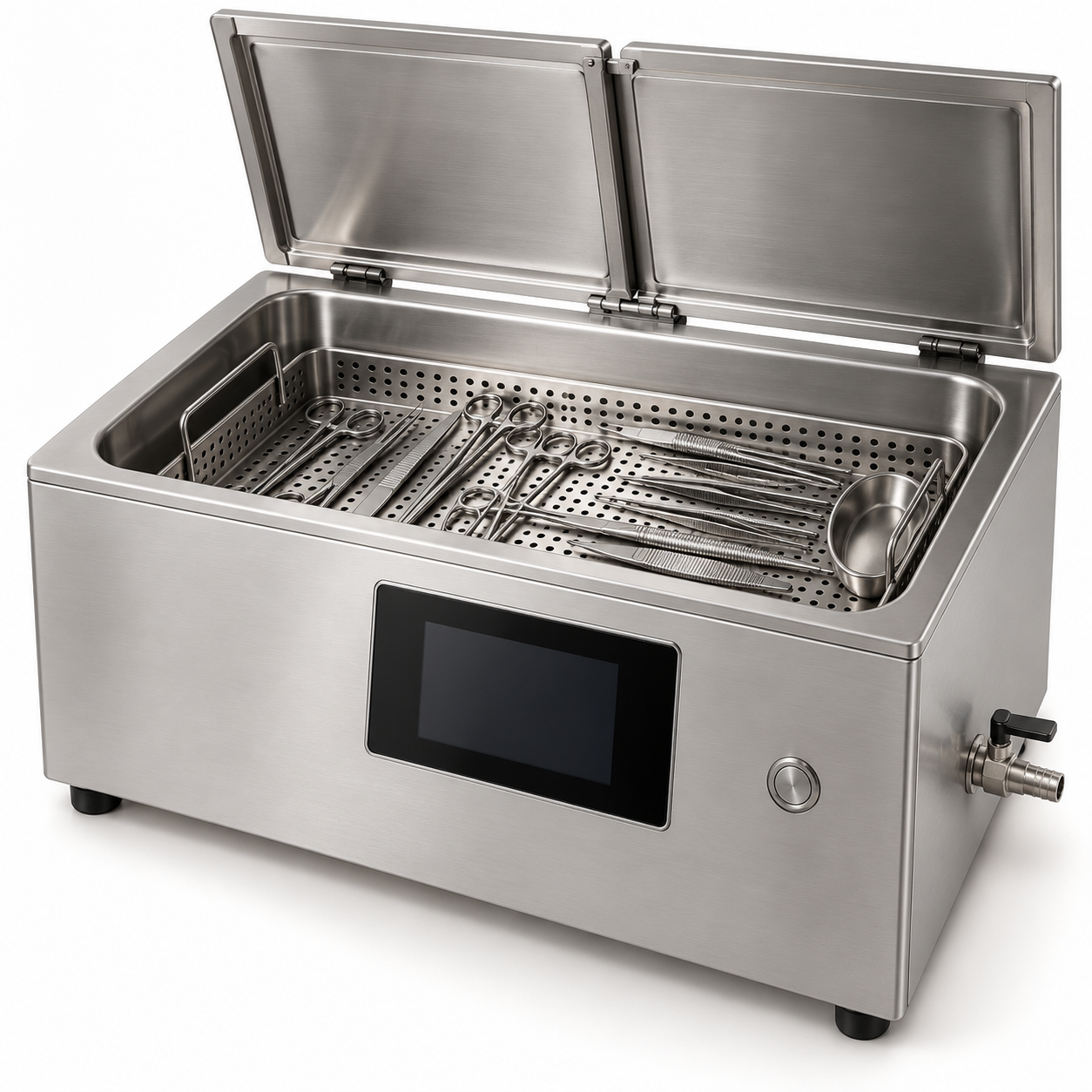
Getinge's Ultra Clean Systems 1100 is a compact tabletop surgical-instrument ultrasonic cleaner. Manufacturer material describes a 5.75-gallon basin, up to 12.5 lb total instrument weight, a configurable cleaning cycle, and 12 dedicated irrigation ports for lumen processing. Verify these values and the exact supplied electrical configuration against the current manual and quotation before planning a site or cycle.
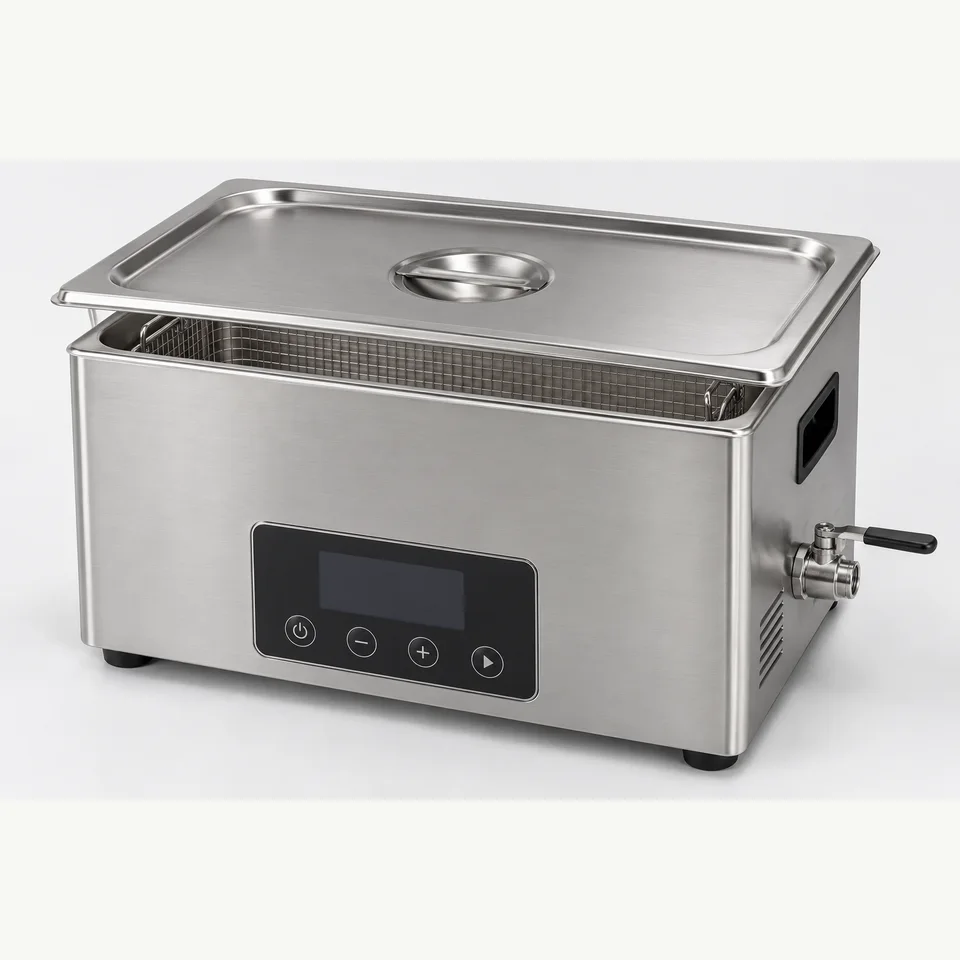
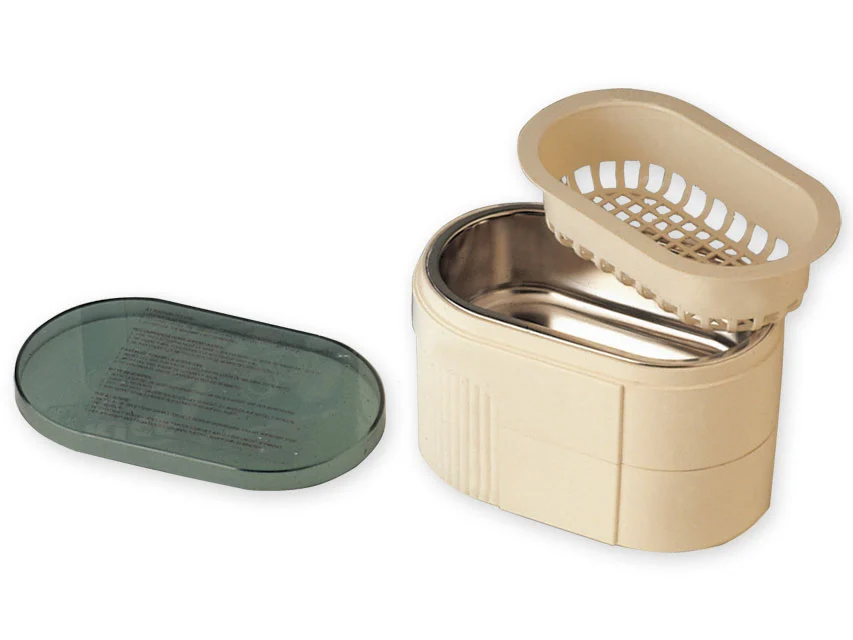
BIOBASE lists the UC-30SDG as a 13-litre double-adjustable-frequency ultrasonic cleaner. The manufacturer’s range page lists 45/80 kHz frequency settings, a 1–480 minute timer, a 0–80 °C heating range, 300 W ultrasonic power, 400 W heating power, a basket and lid. Confirm that the current product-specific manual supports the intended instrument and detergent workflow; a published feature list is not proof of process validation.
The three products are not interchangeable. Compare intended use, daily load, chamber or tank size, loading method, lumen irrigation, cycle controls, utilities, consumables and downstream equipment. Request current manufacturer documentation for the exact model and accessories. Do not assume that product names, title text or a prior configuration confirm present stock, model revisions or local service.
What does an ultrasonic cleaner do in a CSSD workflow?
Ultrasonic cleaning uses sound energy in a liquid bath to help remove soil from compatible instruments, including complex surfaces that may be difficult to reach by hand. It is one possible mechanical cleaning step in a wider reprocessing pathway. It does not by itself disinfect or sterilize instruments, and a cycle setting or cleaner listing does not establish a validated clinical process.
WHO describes decontamination as a sequence that includes cleaning, disinfection and/or sterilization, with infrastructure and quality checks required at each applicable step. WHO guidance stresses that if a device has not been cleaned, it cannot be effectively disinfected or sterilized. Manual pre-cleaning, disassembly, appropriate detergent, inspection, rinsing and drying may still be required according to the device and equipment instructions. The facility’s infection-prevention and CSSD leads should define which instruments may enter the ultrasonic cleaner and where the unit sits in the dirty-to-clean workflow.
Keep the physical flow controlled: receive and contain used instruments safely; prepare and clean them in the designated dirty area; inspect and process them according to validated instructions; then transfer them through the defined clean-side workflow. Do not place a benchtop machine wherever a spare power outlet exists. Plan staff movement, splash control, dirty/clean zoning, work surfaces, drainage and the separation of cleaned equipment from contaminated returns.
How do I choose a capacity and configuration for my facility?
Start by measuring actual instrument sets and workload, not by choosing the largest tank or the highest advertised throughput. Record the number of sets or trays per shift, peak arrival periods, types of instruments, number of reusable devices with lumens, cleaning steps already in use and planned service expansion. Estimate basket or rack loading without crowding; the devices must be positioned as the manufacturer instructs so that detergent and ultrasonic action reach the surfaces intended for cleaning.
Match capacity to the working sequence. A small clinic or procedure area may need a compact benchtop unit, while a high-volume CSSD with cart-based handling may require a larger pre-cleaning installation. Compare the usable chamber dimensions and weight limits, not only nominal litres or DIN-tray counts. Include loading and unloading space, trolley turns, lift or door clearance, worktop height, staff ergonomics and room to inspect and maintain the equipment.
For lumened instruments, ask specifically how irrigation is delivered, which connectors or trays are required, what lumen sizes and device families are supported and how flow is checked. A general ultrasonic bath should not be assumed to flush every lumen. Obtain written compatibility guidance from the instrument and cleaner manufacturers and make the proposed accessories part of the bill of materials. Do not exceed the stated load or substitute a generic adapter without approval.
Which instruments, detergents and cycle settings are compatible?
Compatibility is device-specific. Before specifying a model, compile the instrument instructions for use (IFU), including any limitations on immersion, ultrasonic exposure, temperature, detergent chemistry, disassembly, lumen flushing and drying. Some devices, coatings, adhesives, optics, powered components or delicate assemblies may be damaged by an unsuitable method. Consult the instrument manufacturer whenever the IFU is unclear; do not infer suitability simply because a device fits inside the basket.
Select detergent and water according to the cleaner and instrument IFUs and the facility’s approved process. Ask the equipment supplier to identify water-quality requirements, chemical compatibility, concentration guidance from the manufacturer, rinsing needs and the procurement units for detergents and other consumables. The supplier quote should identify supplied accessories and any consumables included for initial installation, while the facility should establish a safe ongoing replenishment and storage plan.
Document the validated cycle and its controls. Confirm what the operator selects or verifies, how cycle completion and alarms are shown, how records are retained, which parameters require routine checking and who approves a change. Do not transfer a cycle from one model or instrument family to another without process review. The clinical and CSSD leads should approve the local procedure, staff training and quality-control approach before routine use.
What site utilities and layout should I check before ordering?
Request the exact manufacturer site-planning document before preparing the room. Verify the equipment footprint, service clearances, installed weight, loading access, bench or floor support, ambient conditions and any ventilation requirements. A large cart-based installation such as Aquadis PCU needs delivery-route and room-layout planning; a tabletop machine still needs stable worktop space, operator clearance and an appropriate place for accessories and chemicals.
Confirm the electrical supply for the precise regional variant: voltage, phase, frequency, maximum load, plug or hard-wiring requirements, earthing and protective devices. Do not assume that a model shown on an overseas page has the same electrical configuration supplied in Nigeria. Ask the quotation to state the configuration and have the facility’s qualified electrician verify compatibility with the destination site.
Establish water feed, water quality, drainage, filling and emptying method, splash protection and any required hot-water connection from the manufacturer’s instructions. Plan how staff will handle hot liquid, wet baskets and chemical containers safely. Include floor or bench spill management, sink access and separation from clean instrument storage. If the equipment integrates with a cart, washer-disinfector or other downstream system, document the hand-off dimensions and responsibilities.
What documentation, safety checks and Nigerian requirements should I request?
Request the current product specification, model-specific IFU, installation requirements, maintenance schedule, accessories list, detergent compatibility information and relevant quality or conformity documents. Ask for applicable regulatory evidence for the exact product and intended transaction in Nigeria; do not treat a product webpage, brand logo or this guide as proof of NAFDAC registration. NAFDAC’s published medical-device guidance describes registration requirements for devices imported, advertised, sold, distributed or used in Nigeria, subject to the applicable rules. Ask the supplier to identify the exact documentation and its status for the offer.
Before ordering, define who is responsible for delivery, installation, commissioning, electrical and plumbing work, process verification, user training and handover records. The installation acceptance checklist should match the manufacturer’s requirements and facility procedures. Staff should know the correct loading pattern, approved chemicals, PPE, manual pre-cleaning, cycle operation, cleaning and inspection steps, alarms, fault reporting and the actions to take when a cycle fails. Keep training and maintenance records under the facility’s quality system.
The Nigeria Centre for Disease Control and Prevention’s national infection prevention guidance and the WHO Africa CSSD guideline provide broader context for facility reprocessing programmes. The responsible infection-prevention, CSSD, biomedical engineering and procurement professionals should determine how current national rules, institutional procedures and manufacturer IFUs apply. This buying guide is procurement information, not clinical advice, equipment validation, a regulatory determination or a substitute for device-specific instructions.
What affects the price and ongoing cost of an ultrasonic cleaner in Nigeria?
Price depends on more than the tank or chamber. The model, capacity, cycle and control features, lumen irrigation, chamber accessories, wash carts, baskets, installation scope, utilities, freight, import and clearance assumptions, taxes, exchange rate, delivery city and project timing may all affect the total. A pre-cleaning system for a cart-based CSSD cannot be compared fairly with a small countertop machine by initial purchase price alone.
Estimate lifecycle requirements with the facility team: detergents and water, electricity, preventive maintenance, replacement parts, service response, staff time, downtime and any separate equipment in the overall process. Ask the supplier to distinguish equipment, accessories, site work, commissioning, training and ongoing maintenance as separate quote lines. Confirm warranty start and duration, coverage and exclusions, travel and labour treatment, consumables, repair process and whether support is delivered locally or remotely.
Franance does not offer online checkout for these catalogue products. Request a quote order and provide the product or model, instrument workflow, required capacity, quantity, destination and requested services. Franance will follow up by phone or email with a written quotation; confirm the validity period, currency, delivery and payment terms directly in that offer.
How do I request an ultrasonic cleaner quotation from Franance?
Send the facility name and city/state, intended CSSD or procedure-area workflow, instrument types and approximate daily load, tray or basket requirements, lumen needs, preferred product, available electrical and water services, drainage and space constraints, quantity, desired timeline and whether you need installation, commissioning, training or service. If the site or process is still being designed, say what is unknown and request a technical scoping discussion rather than guessing at a model.
Ask Franance to confirm the brand and exact model code, regional electrical configuration, included chamber or tank, basket, tray, cart and lumen accessories, current product documentation, applicable Nigerian regulatory evidence, delivery basis, installation scope, acceptance checks, training, warranty and support. Have your CSSD and infection-prevention leads confirm compatibility and local procedures before approving the final configuration.
You can request an ultrasonic cleaner quotation from Franance. Include the requested delivery location and a reliable phone number or email so the team can follow up. The written offer should state inclusions, exclusions, price basis, availability and any assumptions; the category page itself does not make those commercial commitments.
Common questions
Does an ultrasonic cleaner sterilize instruments?
No. Ultrasonic cleaning is a cleaning step, not sterilization. Follow the instrument IFU and validated facility reprocessing workflow for all subsequent steps.
Which ultrasonic cleaner models does Franance list?
The current category lists Getinge Aquadis PCU, Getinge Ultra Clean Systems 1100 and BIOBASE UC-30SDG. Confirm the exact regional model, accessories and suitability in a written quotation.
Can I pay for an ultrasonic cleaner online from Franance?
No. Franance accepts quote orders and follows up by phone or email with a written quotation; there is no online checkout.
Does the listing confirm stock or NAFDAC registration?
No. Current availability, configuration and applicable regulatory documentation must be confirmed for the exact model and transaction.
Request an ultrasonic cleaner quotation from Franance.
Send your facility and delivery location, instrument types and daily load, CSSD workflow, preferred model, utilities and site constraints, quantity, timeline and requested installation or support. Ask Franance to confirm the exact configuration, accessories, current product and regulatory documents, availability, quote basis, warranty, delivery and exclusions in writing.
Request an ultrasonic cleaner quoteNeed an equipment quote?
Add the models you need to a quote order, or send us your equipment list.