

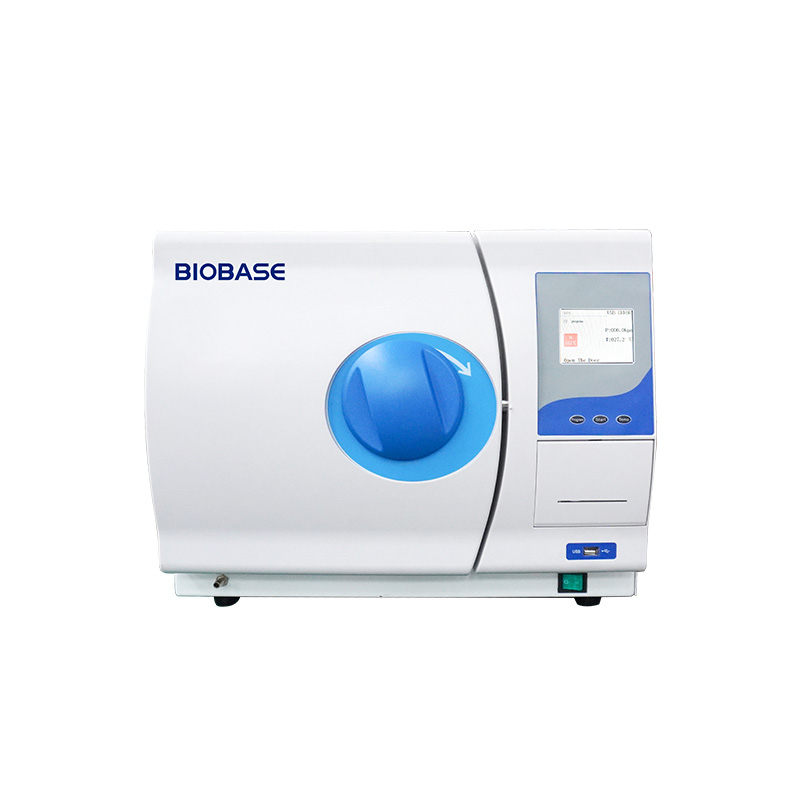
Buy Steam Autoclave Sterilizer (Tabletop) in Nigeria.
Buy tabletop steam autoclaves in Nigeria through Franance by matching the sterilizer to the instruments, packaging and validated process your facility needs. The current category lists BIOBASE BKM-K18N Class N, BIOBASE BKM-K18B Class B, and Tuttnauer T-Edge 10 / 11 Class B. Confirm the exact model, utilities, installation and documentation in a written quotation. Franance accepts quote requests and follows up by phone or email; there is no online checkout.
Products
7 models
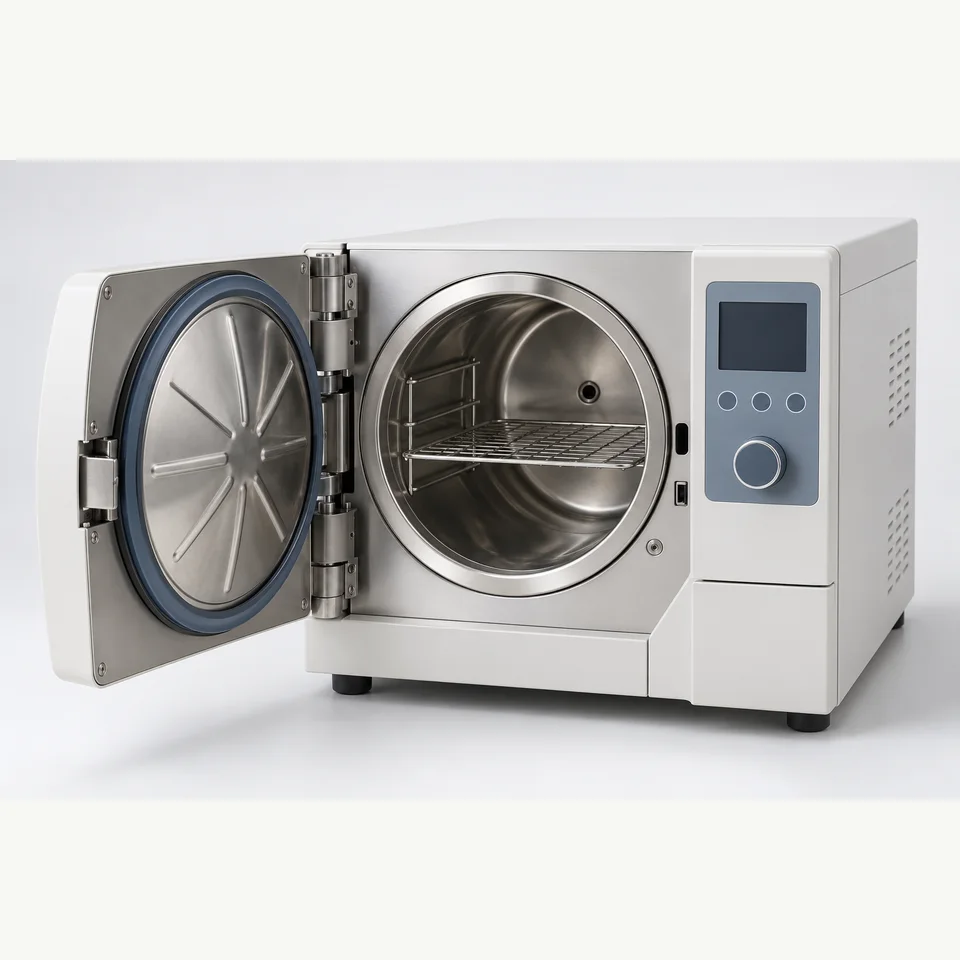
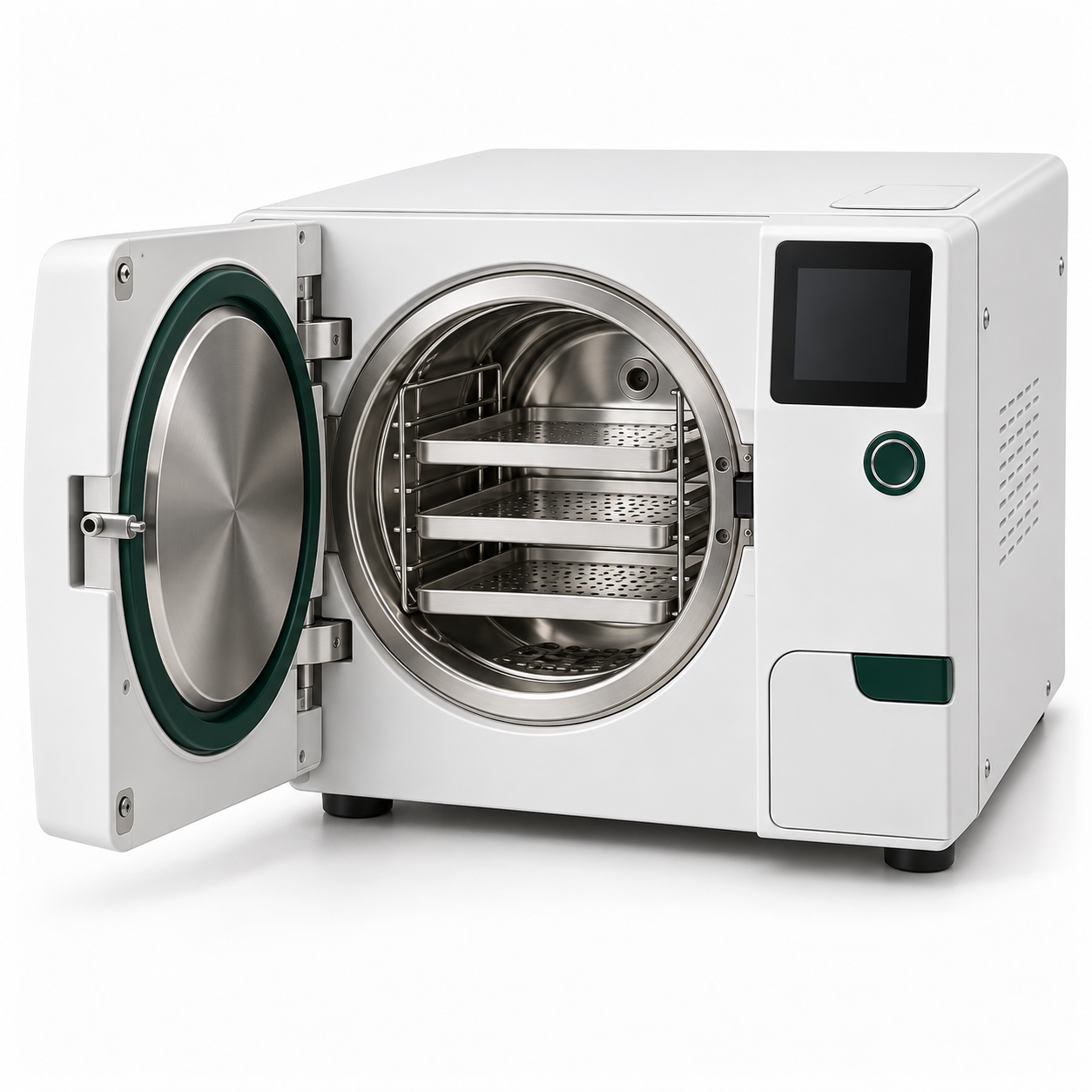
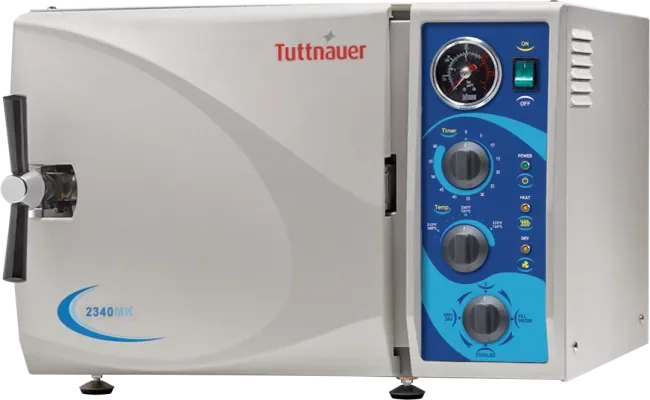
M and MK Semi-Automatic Tabletop Autoclaves
M and MK Semi-Automatic Tabletop Autoclaves
Price on request
Which tabletop steam autoclaves can I request in Nigeria?
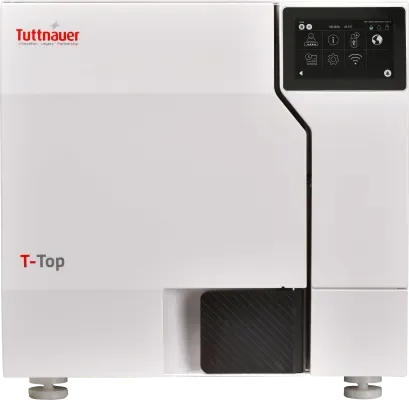
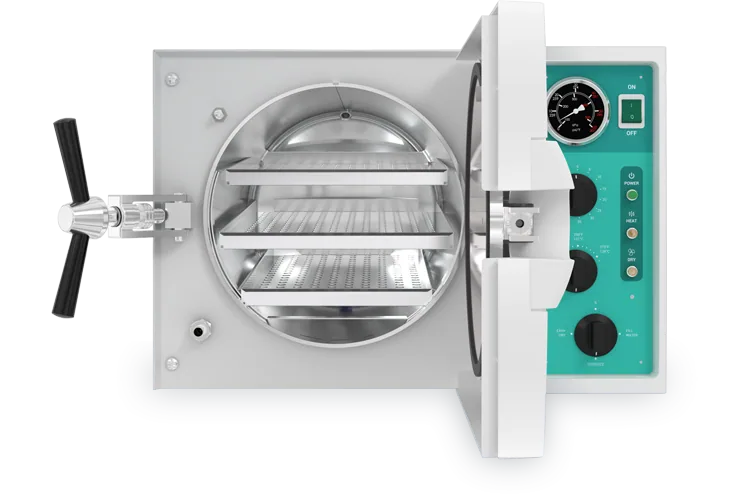
Franance’s tabletop steam autoclave category currently has three assigned records. The BIOBASE BKM-K18N is an 18-litre Class N model. BIOBASE’s Class N product page describes gravity displacement and identifies bare metal instruments, unencapsulated solid instruments and glassware among the intended loads. The catalogue record names BKM-K18N; the manufacturer page also covers BKM-K23N, so its 23-litre specifications must not be attributed to the listed 18-litre model.
Read moreWhat does a tabletop steam autoclave do?
A steam autoclave exposes a compatible load to saturated steam under controlled temperature, pressure and time as part of a sterilization process. Its performance depends on the machine, the cycle, the load, packaging, loading pattern, utilities, maintenance and process controls. A display that reaches a set temperature is not, by itself, proof that a particular load has been sterilized or that the facility’s process is validated.
Read moreHow do Class N and Class B tabletop autoclaves differ?
The main procurement distinction is the load and air-removal process specified for the exact sterilizer. Class N equipment is commonly associated with a narrower load scope, such as unwrapped solid instruments; Class B models use vacuum stages intended to support air removal from a broader set of loads. A class label is a technical classification, not a universal guarantee that every packaged, hollow or porous item can be processed. Confirm the applicable standard, manufacturer instructions, load type and cycle for the exact offered model.
Read moreBuy Tabletop Steam Autoclaves in Nigeria
Buy a tabletop steam autoclave in Nigeria through Franance by matching the sterilizer to the instruments, packaging and validated process your facility needs, then confirming the exact model, utilities, installation and documentation in a written quotation. The current category lists three product records: BIOBASE BKM-K18N Class N, BIOBASE BKM-K18B Class B, and Tuttnauer T-Edge 10 / 11 Class B. These are not interchangeable merely because they are compact steam sterilizers. Franance accepts quotation requests and follows up by phone or email; adding a model to a quote order does not complete an online purchase or confirm stock.
Which tabletop steam autoclaves can I request in Nigeria?
Franance’s tabletop steam autoclave category currently has three assigned records. The BIOBASE BKM-K18N is an 18-litre Class N model. BIOBASE’s Class N product page describes gravity displacement and identifies bare metal instruments, unencapsulated solid instruments and glassware among the intended loads. The catalogue record names BKM-K18N; the manufacturer page also covers BKM-K23N, so its 23-litre specifications must not be attributed to the listed 18-litre model.
The BIOBASE BKM-K18B filtered listing is an 18-litre Class B unit. BIOBASE describes a pulse-vacuum process and a family containing manual- and automatic-door variants. The listed K18B is not the Z18B automatic-door model. The Tuttnauer T-Edge filtered listing groups T-Edge 10 and T-Edge 11. Tuttnauer publishes nominal chamber volumes of 23 and 27.2 litres respectively. Ask Franance to identify the exact offered model and configuration in its quote.
The category is a starting point for a technical enquiry, not evidence that a model is currently available in Nigeria or suitable for every facility. Review the individual product records and provide your actual load and workflow before deciding which option to quote.
What does a tabletop steam autoclave do?
A steam autoclave exposes a compatible load to saturated steam under controlled temperature, pressure and time as part of a sterilization process. Its performance depends on the machine, the cycle, the load, packaging, loading pattern, utilities, maintenance and process controls. A display that reaches a set temperature is not, by itself, proof that a particular load has been sterilized or that the facility’s process is validated.
Before selecting a unit, identify what the facility needs to process: unwrapped instruments for immediate use, wrapped instruments intended for storage, porous materials, hollow devices or other loads. Device manufacturers’ reprocessing instructions determine whether moist heat is appropriate and what preparation and cycle constraints apply. Staff responsible for infection prevention and sterile processing should define the intended use and acceptance process. Do not use the category description, a model name or a generic cycle label to override those instructions.
BIOBASE describes its BKM-K18N gravity-displacement Class N family for specified solid, unencapsulated loads and glassware. The BIOBASE BKM-K18B page describes a pulse-vacuum Class B family. Tuttnauer describes the T-Edge 10/11 as Class B tabletop autoclaves with pre- and post-vacuum functions. Those manufacturer descriptions help distinguish designs, but they do not prove that any individual instrument or packaging system is compatible. Obtain current instructions for the exact model and intended load, and ask the responsible technical team to review them before procurement.
How do Class N and Class B tabletop autoclaves differ?
The main procurement distinction is the load and air-removal process specified for the exact sterilizer. Class N equipment is commonly associated with a narrower load scope, such as unwrapped solid instruments; Class B models use vacuum stages intended to support air removal from a broader set of loads. A class label is a technical classification, not a universal guarantee that every packaged, hollow or porous item can be processed. Confirm the applicable standard, manufacturer instructions, load type and cycle for the exact offered model.
Within the current catalogue, BIOBASE BKM-K18N is the Class N entry, while BIOBASE BKM-K18B and Tuttnauer T-Edge 10/11 are listed as Class B. BIOBASE publishes its K18N as gravity-displacement and K18B as pulse-vacuum. Tuttnauer’s product page describes pre/post vacuum. Do not assume both Class B families use identical programs, drying performance, capacity, controls or documentation. Ask the supplier to provide the full model designation, current datasheet, instructions for use and exact configuration.
The right choice depends on the facility’s intended loads and documented reprocessing workflow, not simply the bigger chamber or more feature-rich display. If the facility handles wrapped or hollow devices, confirm that the specific device instructions permit the proposed process and that the exact sterilizer cycle and load configuration are supported. Where requirements are unclear, the facility’s infection-control, sterile-services and biomedical engineering leads should resolve them before a purchase order is raised.
How should I compare the three listed models?
Compare the exact model, load compatibility, usable chamber dimensions, tray layout, vacuum and drying functions, cycle documentation, electrical demand, water requirements, installation footprint and service plan. The published volume is not the same as usable load capacity: instruments and trays must fit correctly, permit steam access and comply with the manufacturer’s loading instructions.
BIOBASE identifies BKM-K18N as an 18 L model with manual door and gravity displacement; its current product page gives a 1.6 kW consumption figure and standard 220 V, 50/60 Hz supply, with an optional 110 V version. The BKM-K18B page also identifies an 18 L manual-door model but describes pulse vacuum, a vacuum pump, printer and USB as standard family features, and lists 3 kW consumption and standard 220 V, 50/60 Hz supply with optional 110 V. Verify these figures against the current quotation and exact regional model; do not assume optional voltage is the standard Nigerian configuration.
Tuttnauer’s published T-Edge 10/11 technical brochure lists 23 L and 27.2 L chamber volumes, five trays, and a 230 V single-phase supply for both. Its stated external dimensions and weight differ by model. These values are manufacturer-published family data, not a confirmed offer. Confirm power frequency, phase, plug and protection requirements at the actual Nigerian site before ordering. A nominal voltage alone does not establish electrical compatibility.
What loads and cycle requirements should I define?
Give the supplier a representative, non-identifying list of the devices and packaging the facility expects to process, with manufacturer and model references where available. Identify whether the load is solid, hollow, porous, wrapped or unwrapped, the typical basket or tray arrangement, expected cycle frequency, and the intended storage or immediate-use pathway. Include cleaning and inspection equipment elsewhere in the workflow; an autoclave does not replace those steps.
Ask the device manufacturer’s instructions to be checked against the sterilizer’s current instructions and available cycles. Confirm the cycle parameters, load limitations, drying requirements, packaging compatibility and any test procedures specified for the facility. Do not request a cycle solely by naming a temperature: exposure time, air removal, load configuration, steam quality and drying may also matter. Never transfer a cycle time from one brand or model to another.
Where more than one load type is processed, list each one separately. Ask the proposed quotation to identify which loads and cycles are within the exact configuration offered and which need additional accessories or separate equipment. If a load is not clearly covered by current product documentation, treat it as unresolved and obtain written manufacturer or qualified technical guidance before including it in the facility’s process.
What utilities and room conditions should I check in Nigeria?
Before quotation, document the installation location and available utilities: measured electrical supply, phase and frequency; circuit capacity and protection; water source and quality requirements; drainage; ventilation; ambient temperature; counter or stand strength; clearances; and safe access for operation and maintenance. Requirements vary by model and market variant, so use the exact current installation manual rather than a generic online specification.
The BIOBASE pages show different power figures and optional supply variants for the listed families. Tuttnauer publishes a 230 V single-phase supply for T-Edge 10/11. These are starting points for engineering review, not confirmation that a unit can be connected to an existing outlet. Provide the site’s electrical details and ask the quotation to state any required dedicated circuit, connector, water treatment, drainage, ventilation or building work. Identify who supplies and completes each item.
For facilities outside major urban centres, include the delivery address, route or access constraints, receiving arrangements, floor and doorway dimensions, stairs or lift limitations and any restrictions on working hours. Ask Franance to confirm delivery and installation terms for the actual destination. This guide does not promise local installation, service availability, shipment timing or a particular import or regulatory status.
What validation, monitoring and documentation should be planned?
The facility needs a defined process around the machine: approved cycles, staff training, load preparation, routine monitoring, maintenance, records, review of failed cycles and release criteria. The equipment alone does not create an approved sterilization service. Assign responsibilities for acceptance, installation checks, process qualification or validation as applicable, routine control, periodic review and record retention before commissioning.
ISO 17665:2024 sets requirements for development, validation and routine control of moist-heat sterilization processes for medical devices. The standard concerns the process, not simply the purchase of an autoclave. Have the facility’s quality and technical leads determine which standards and national or institutional requirements apply, which editions govern the project, and what evidence is needed for the specific loads and intended service.
Ask the quotation to identify available cycle records, printer or data-export features, user controls, alarms, test programs, service access and the documents supplied with the exact model. BIOBASE describes USB records and optional printing for the K18N family, and a printer and USB as standard for its K18B family. Tuttnauer describes documentation and traceability options for T-Edge. Confirm exact included features and software or consumable needs in writing. Do not treat a USB port, printed record or manufacturer claim as a substitute for a facility-defined monitoring and release process.
What should a Nigerian tabletop autoclave quotation include?
Send Franance the exact model or acceptable alternatives, intended loads and packaging, quantity, preferred capacity, installation city and state, facility contact and required delivery date. Provide a site utility summary and identify whether the request includes installation, training, maintenance, validation support, accessories or service. If multiple models are acceptable, state the technical criteria that alternatives must meet rather than leaving equivalence undefined.
Ask for an itemised offer naming the manufacturer, exact model, door and voltage configuration, chamber and tray package, included accessories, required consumables, current datasheet, instructions for use, warranty terms, price basis, freight, delivery, installation scope and exclusions. Ask whether the offer is new, refurbished or another condition and how that condition is documented. Request current availability, quote validity and destination-specific commercial terms; none is confirmed by the catalogue page.
For the proposed cycle scope, request written confirmation of the load types the exact model is intended to process, the manufacturer’s supporting documents, available records and the site requirements that must be met. Have the facility’s designated technical and infection-control leads review the proposed equipment and process before approval. The final order should identify all accepted assumptions and unresolved compatibility questions.
How do I buy a tabletop steam autoclave in Nigeria through Franance?
Choose a product record from the tabletop autoclave category or submit a general tabletop autoclave quotation request. Include the exact product reference, facility location, intended loads, quantity and site information. Franance follows up by phone or email to clarify the request and provide a written quotation.
The request is not an online checkout. It does not reserve a model, establish stock, fix a final price or confirm the quote’s technical suitability. Review the final offer against your facility requirements and obtain the approvals required by your organisation before accepting it. If Franance proposes an alternative, ask for the complete model reference and supporting documentation and repeat the compatibility review rather than relying on the category name alone.
What is verified about the listed tabletop autoclaves?
The live category identifies three assigned products: BIOBASE BKM-K18N, BIOBASE BKM-K18B and Tuttnauer T-Edge 10 / 11. BIOBASE’s Class N page describes its 18/23-litre family, gravity displacement and specified solid unwrapped loads. BIOBASE’s Class B page describes pulse vacuum and provides family-level model, capacity, power and feature information. Tuttnauer’s T-Edge product page describes the T-Edge 10 and 11 as pre/post-vacuum Class B tabletop sterilizers; its brochure supplies dimensions and other technical data.
The current catalogue and family pages do not establish the offered serial/configuration, exact included accessories, current stock, Nigerian price, delivery, installation, warranty, local support, regulatory status or suitability for a particular load. Confirm all of these in a written quote and current product documents. Manufacturer data may vary by market or revision; the exact proposed reference controls.
Common questions
Can a Class N autoclave process every packaged instrument?
No universal compatibility is implied. Check the instrument and packaging instructions against the exact sterilizer's current cycle and load documentation.
Are BIOBASE BKM-K18B and BKM-Z18B the same model?
No. The manufacturer lists K18B as the manual-door variant and Z18B as a separate automatic-door variant. Confirm the exact reference in the quotation.
Does buying a tabletop autoclave validate our sterilization process?
No. The facility needs a defined, appropriately validated and routinely controlled process for its equipment and intended loads.
Can I buy a tabletop autoclave online from Franance?
No. Submit a quotation request with the exact model, intended load, site and delivery requirements. Franance follows up by phone or email.
Request a tabletop autoclave quotation from Franance.
Send the exact model, intended loads, site utilities, quantity and Nigerian delivery destination. Franance will follow up by phone or email to clarify the quote order.
Request a tabletop autoclave quoteNeed an equipment quote?
Add the models you need to a quote order, or send us your equipment list.