
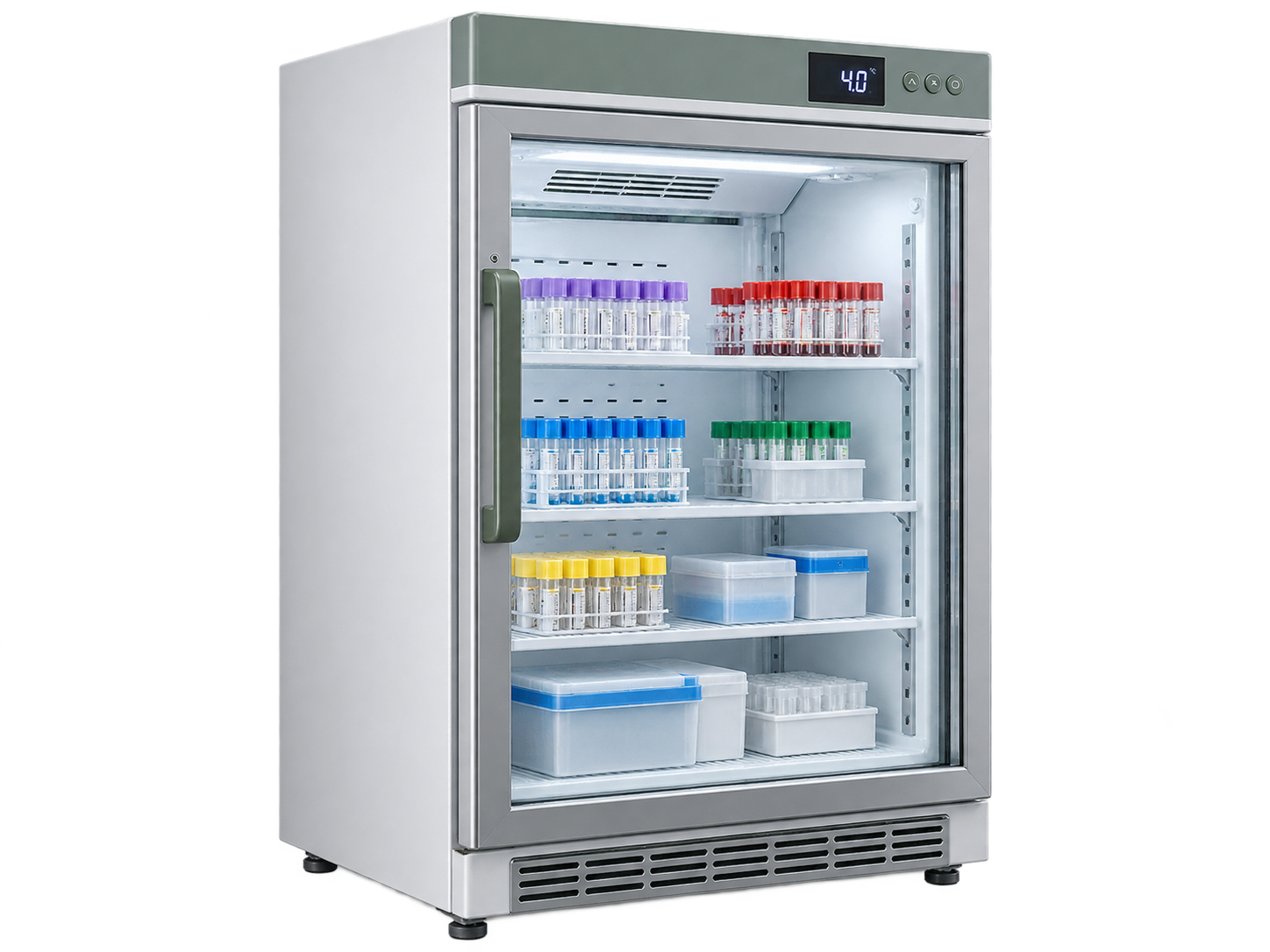
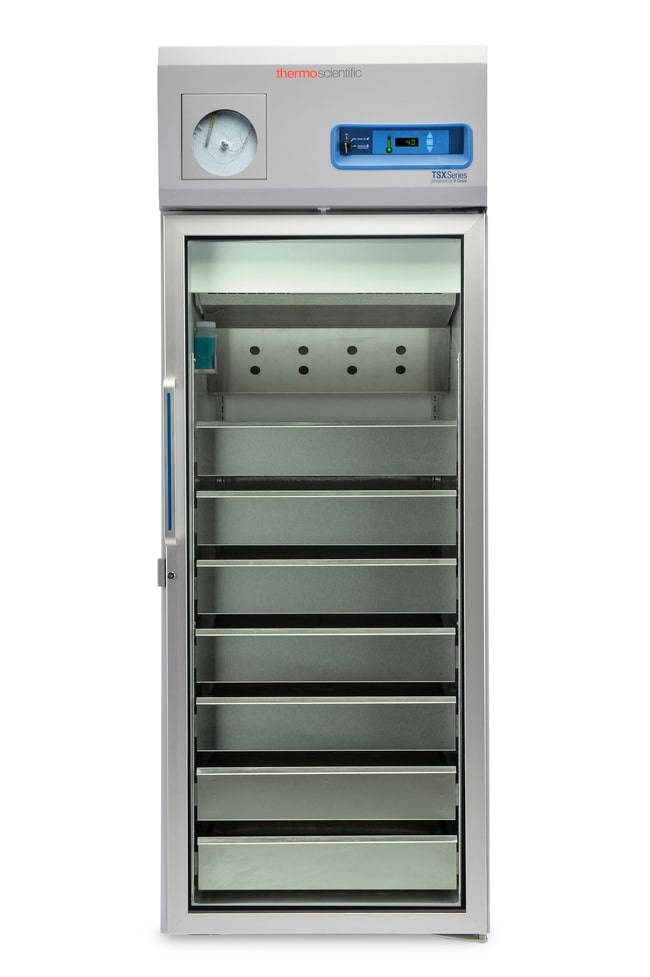
Thermo Scientific TSX2304BV 23 cu ft Blood Bank Refrigerator
High-performance blood-bank refrigerator
Price on request

Medical equipment and biomedical engineering.
Abuja, Nigeria.
Refrigeration and temperature monitoring for medical storage.
39 models
High-performance blood-bank refrigerator
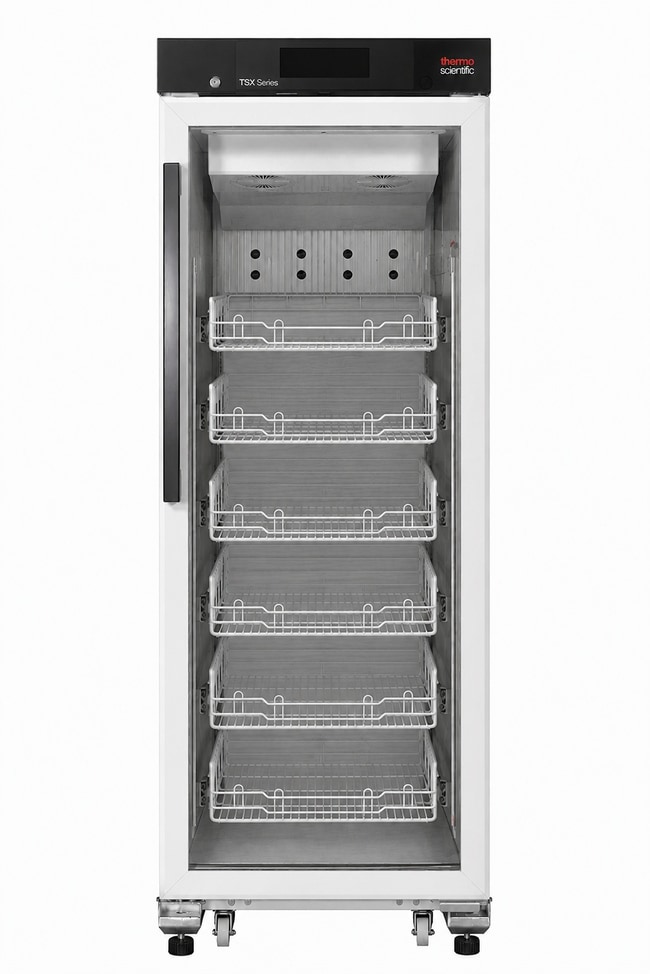
High-performance pharmacy refrigerator for vaccine and pharmaceutical cold storage
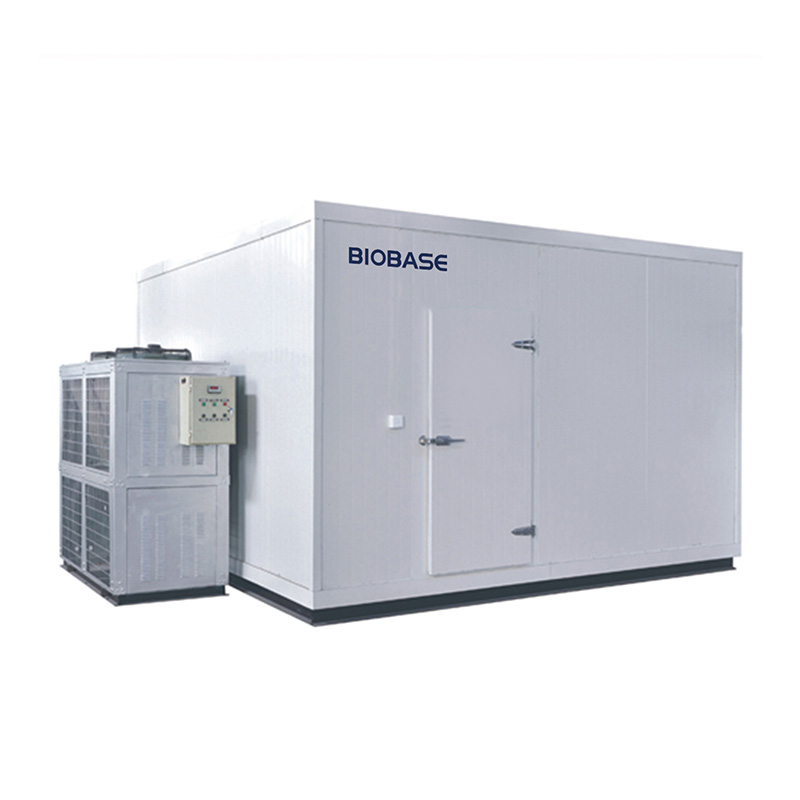
Configurable modular cold-storage room for medicine storage
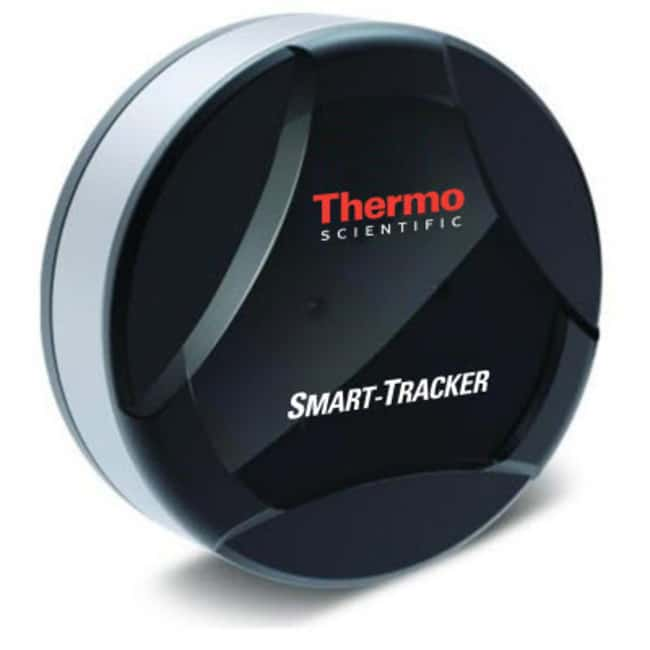
Wireless temperature data logger with internal probe
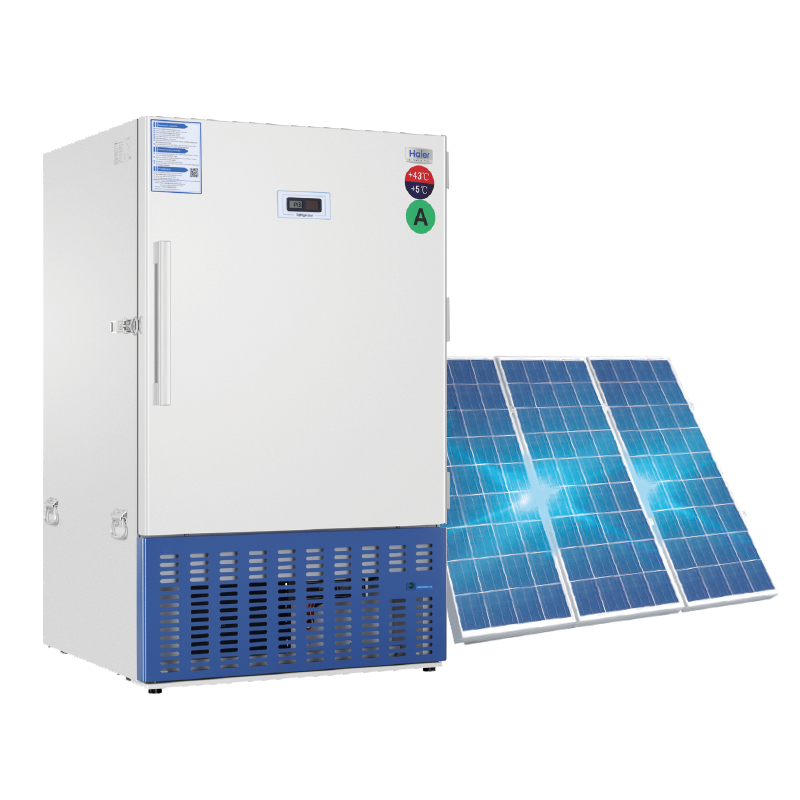
Solar direct drive upright vaccine refrigerator
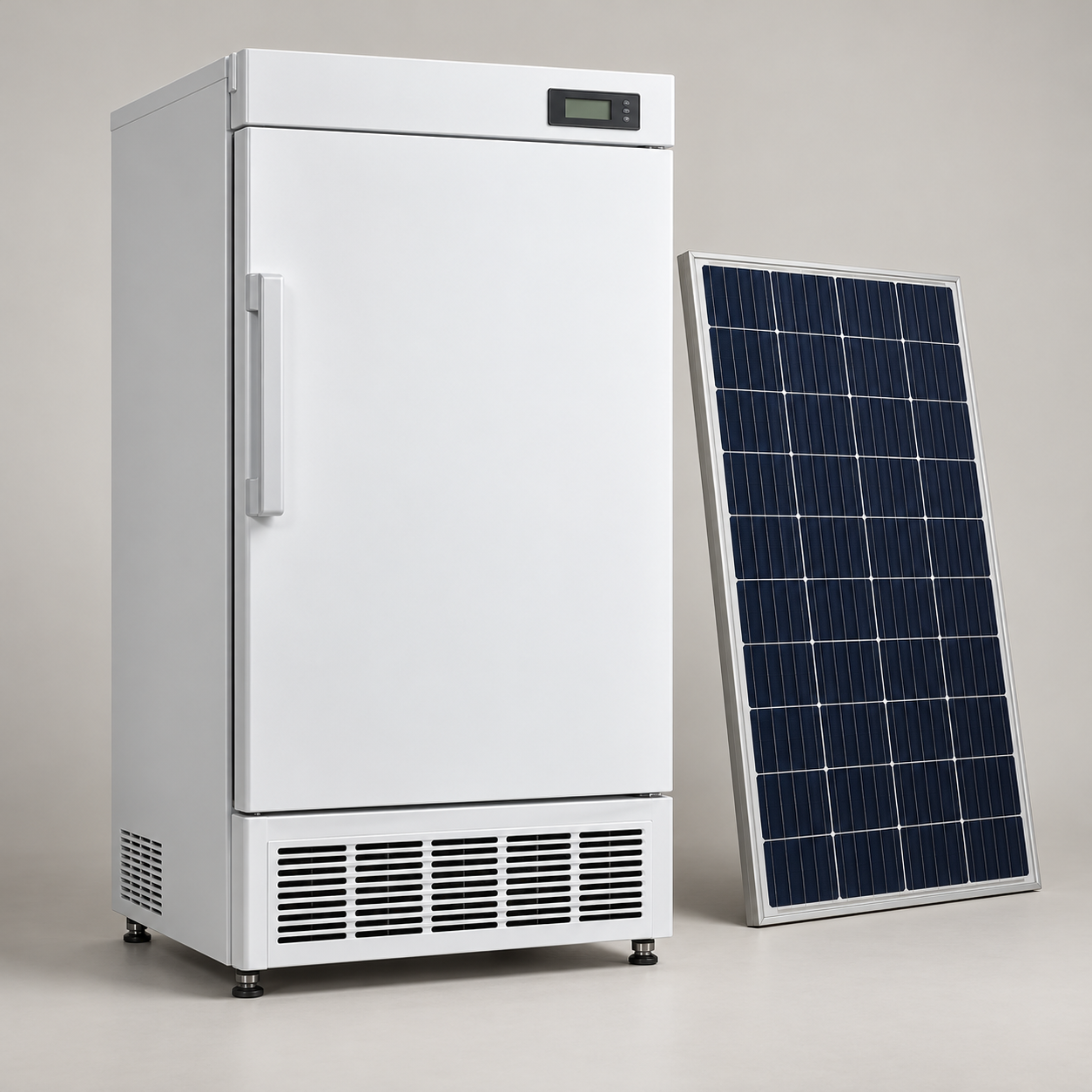
Upright solar direct drive vaccine refrigerator
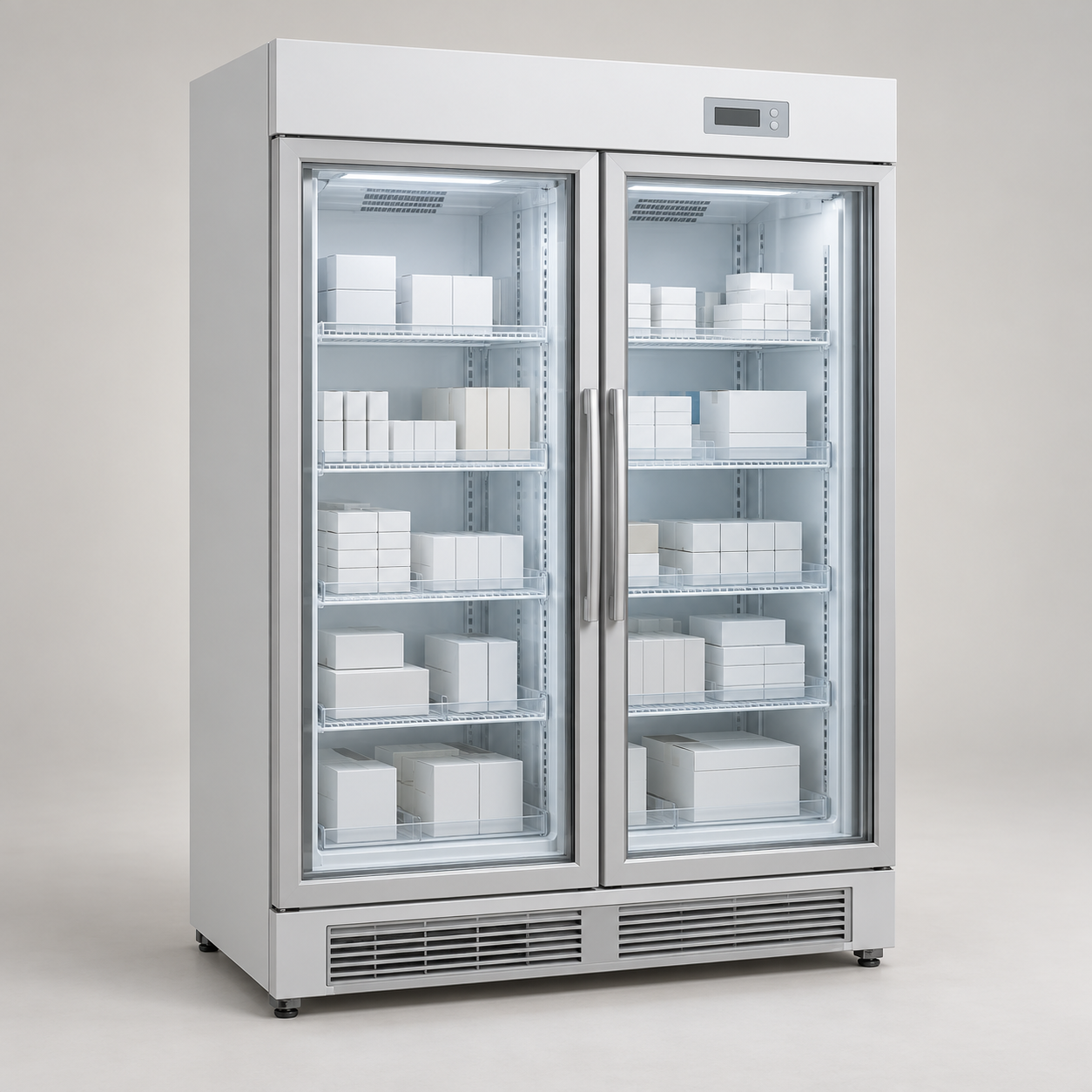
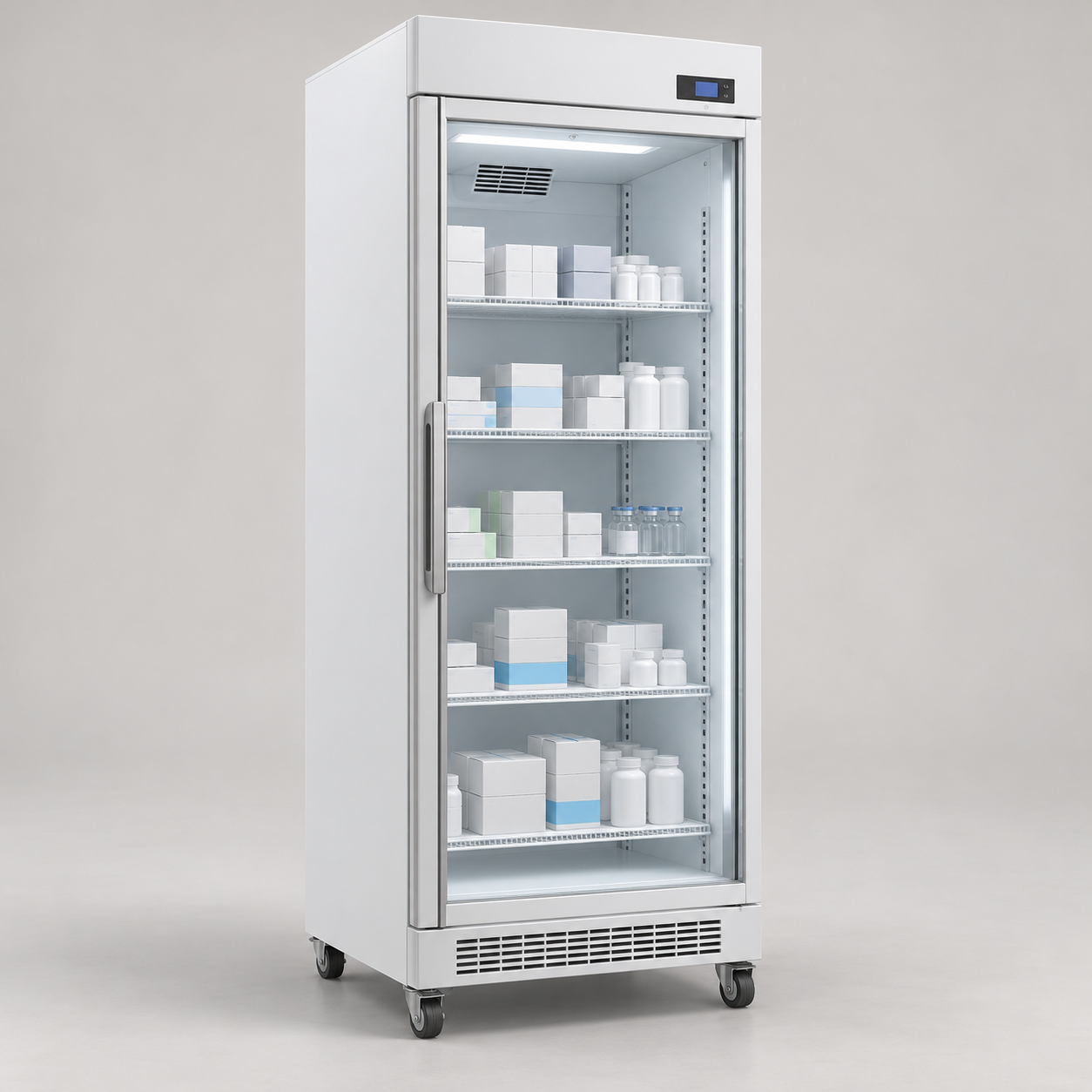
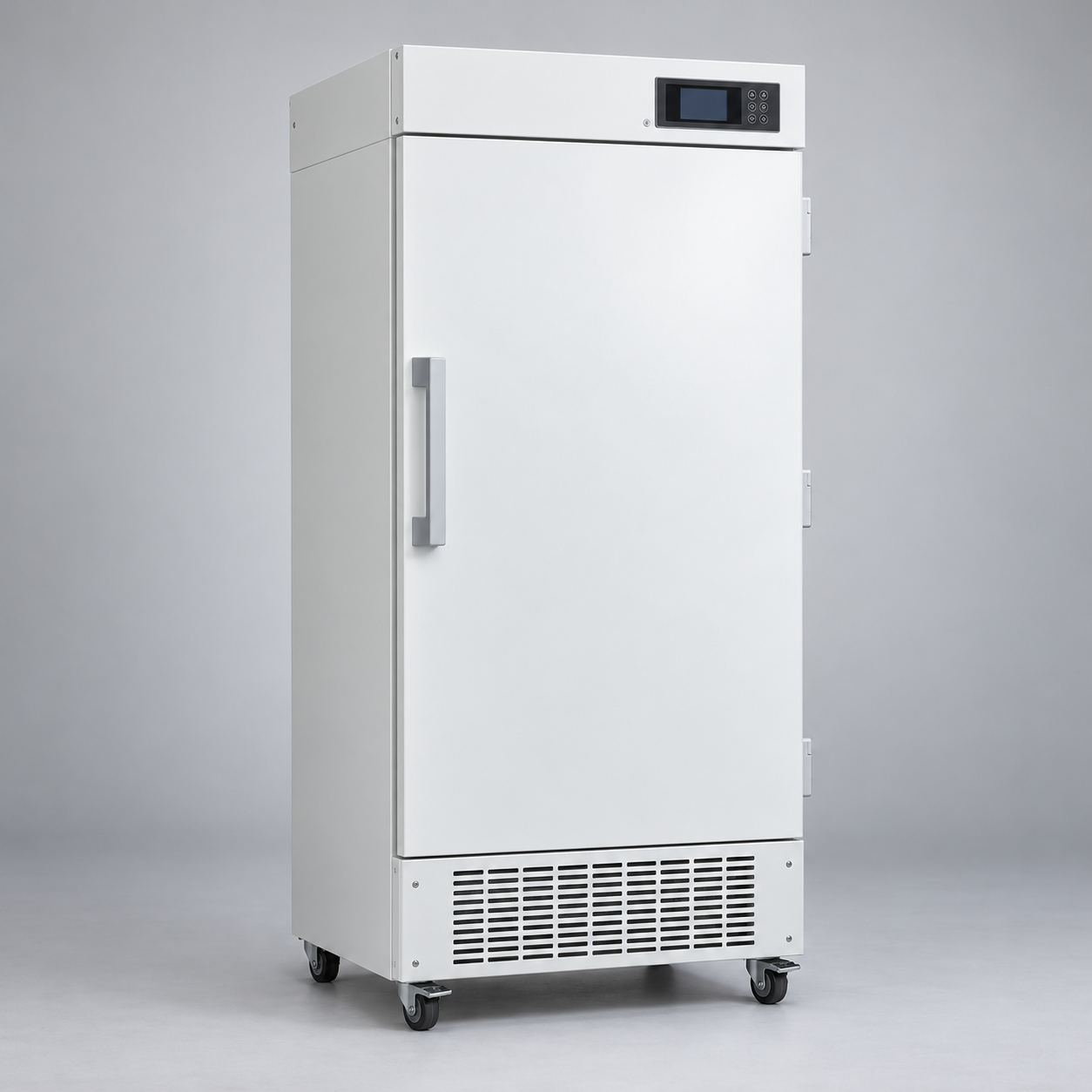
Advanced pharmacy refrigerator with LCD touchscreen
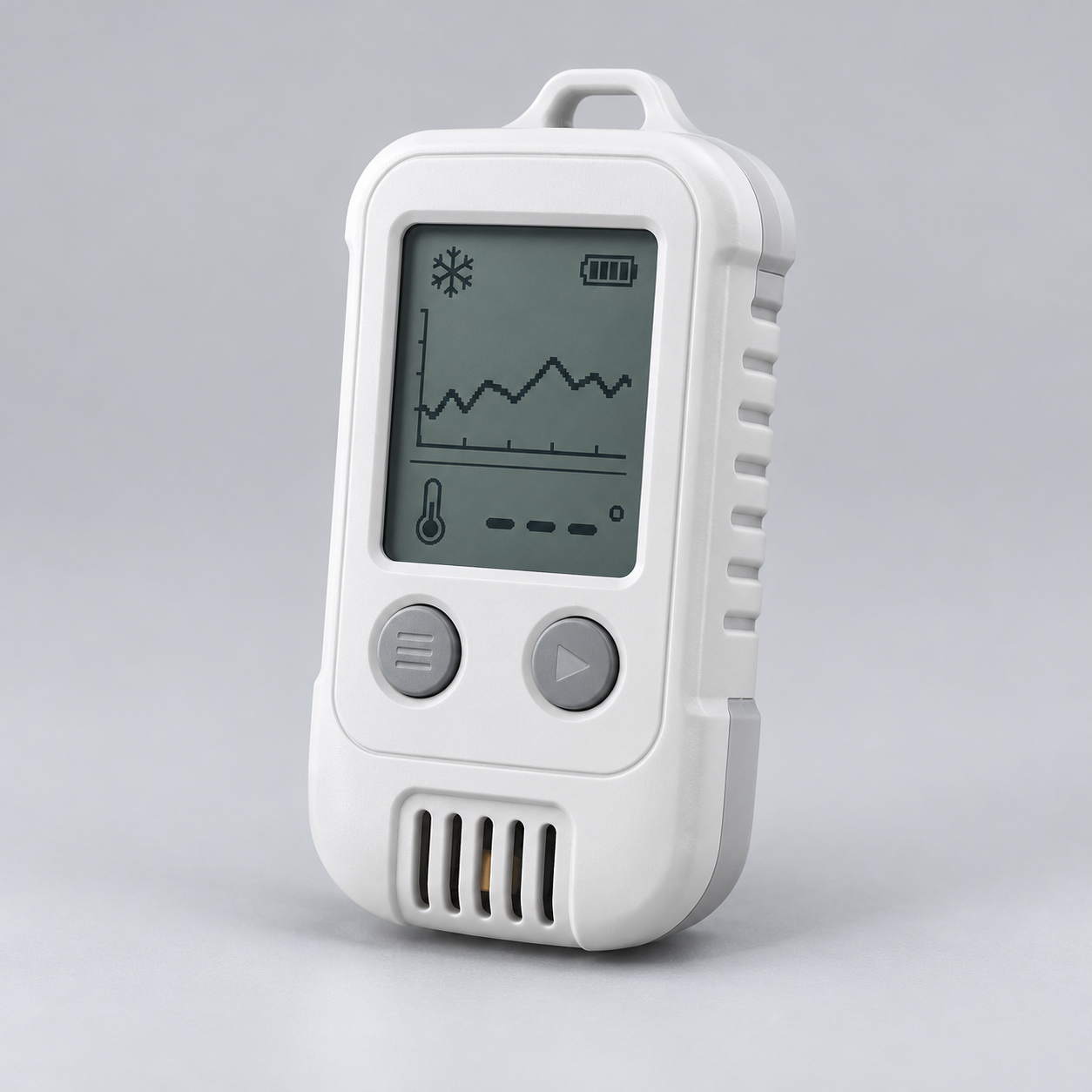
Electronic temperature data logger for vaccine cold-chain monitoring
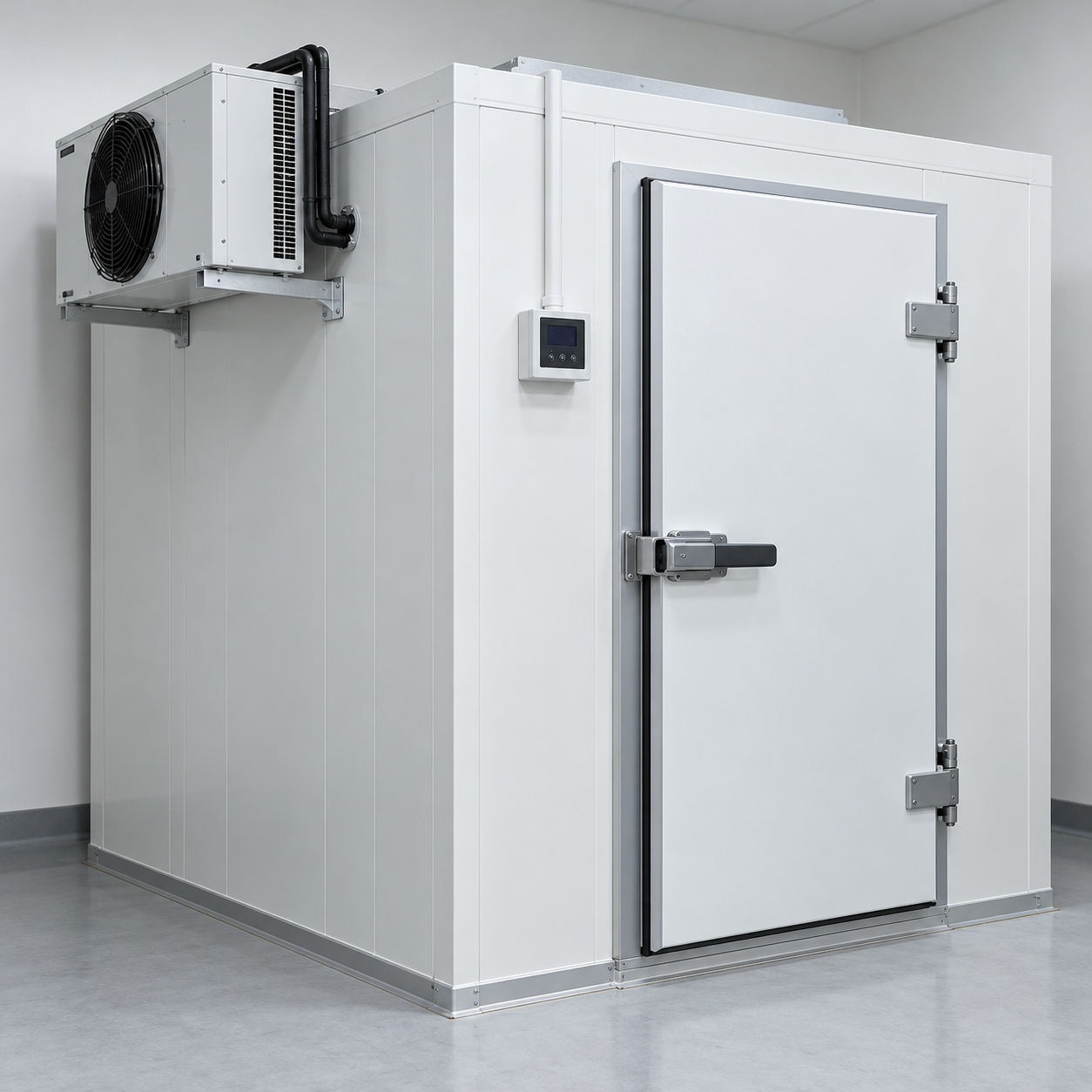
Modular medical cold room for vaccine and medicine storage
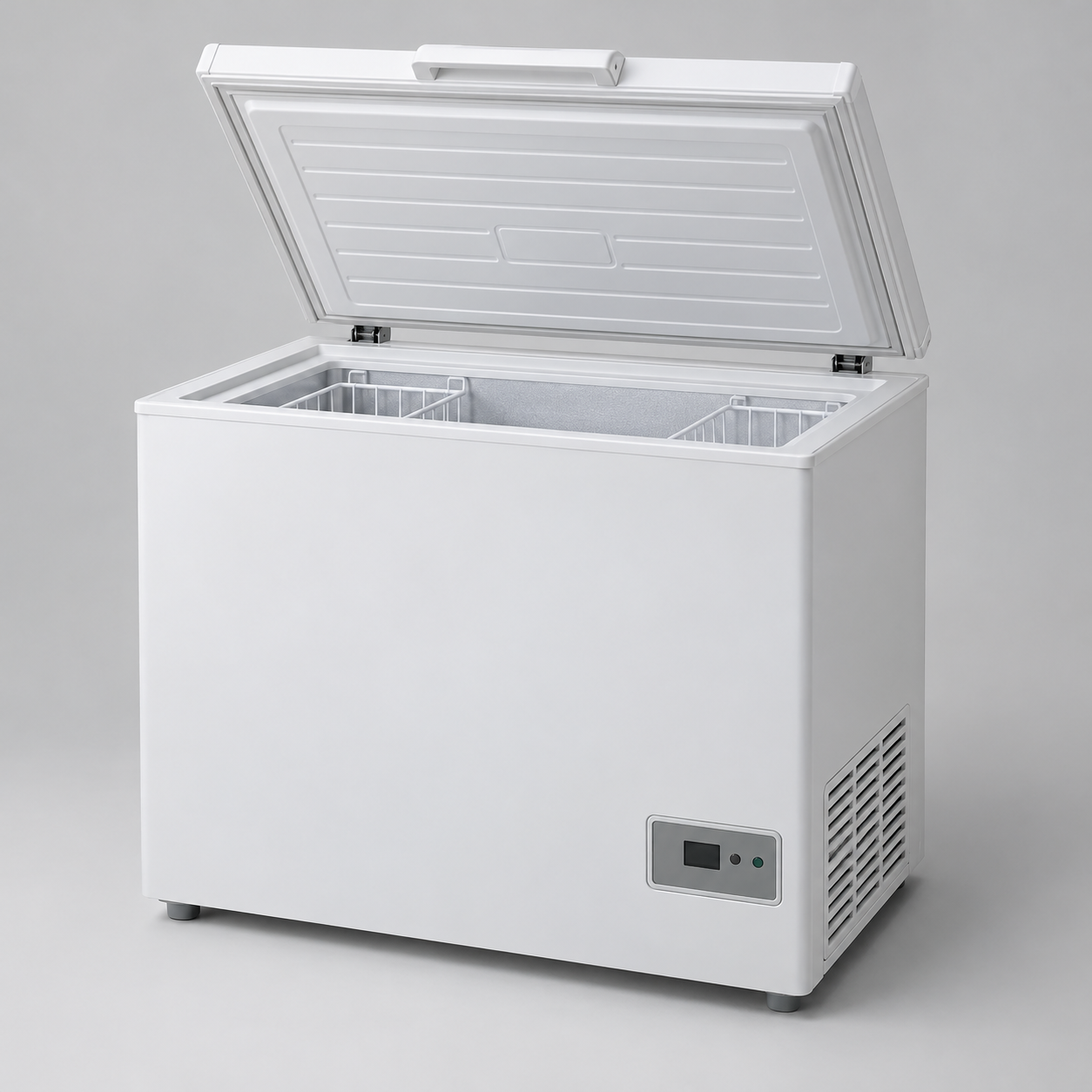
Chest-format solar direct-drive vaccine refrigerator
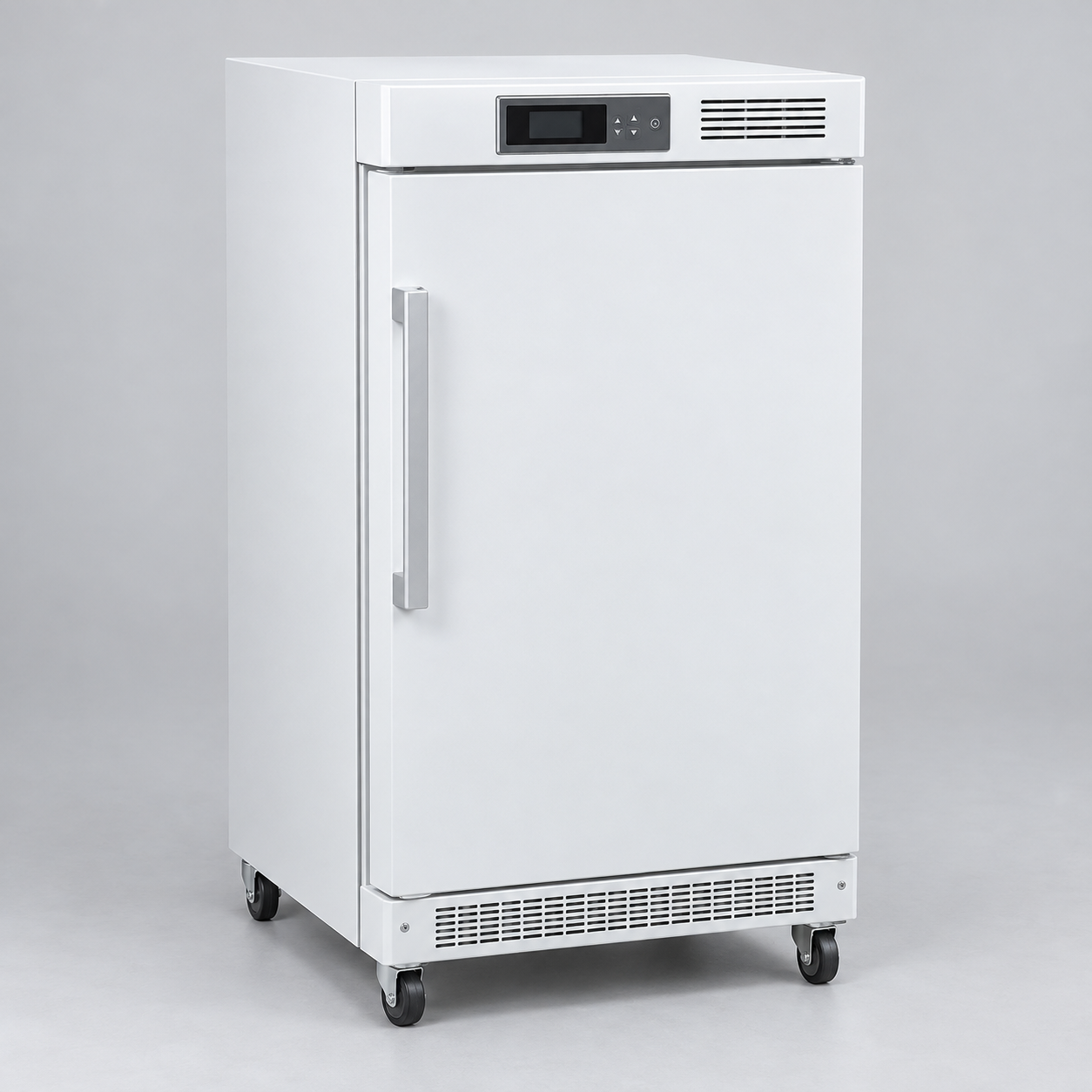
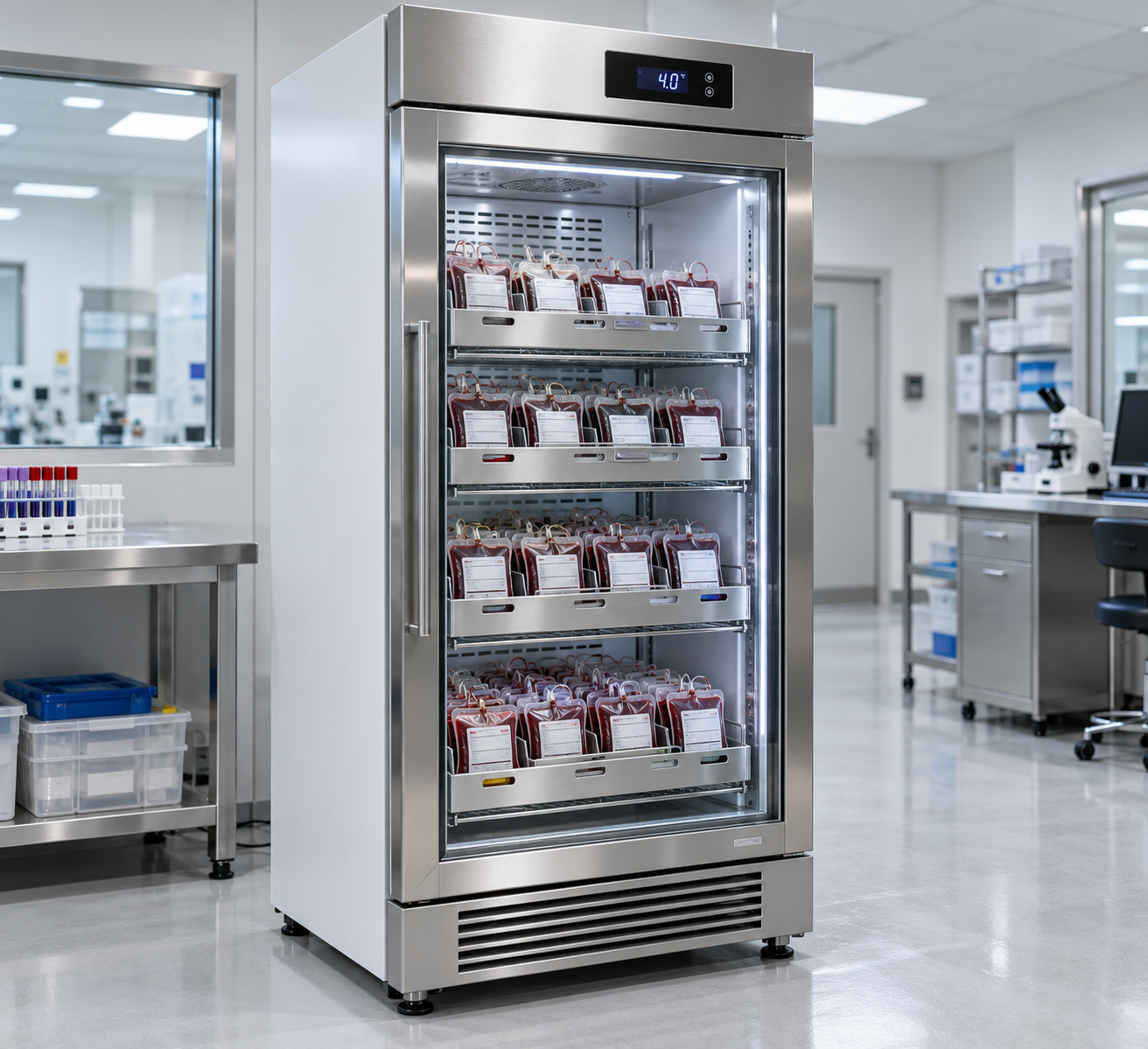
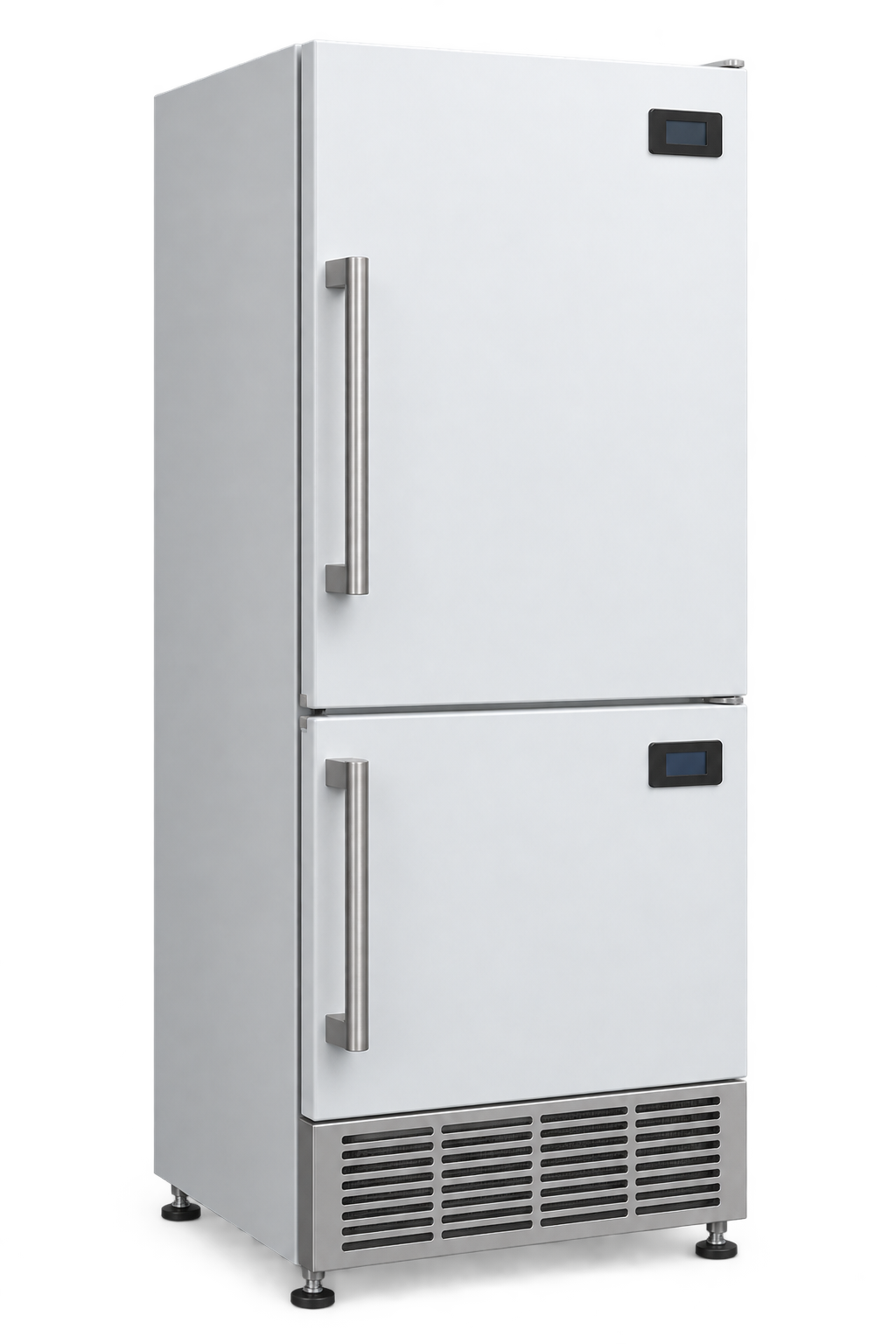
MPR-N650FH Pharmaceutical Refrigerator with Freezer
pharmaceutical refrigerator-freezer
pharmaceutical refrigerator-freezer
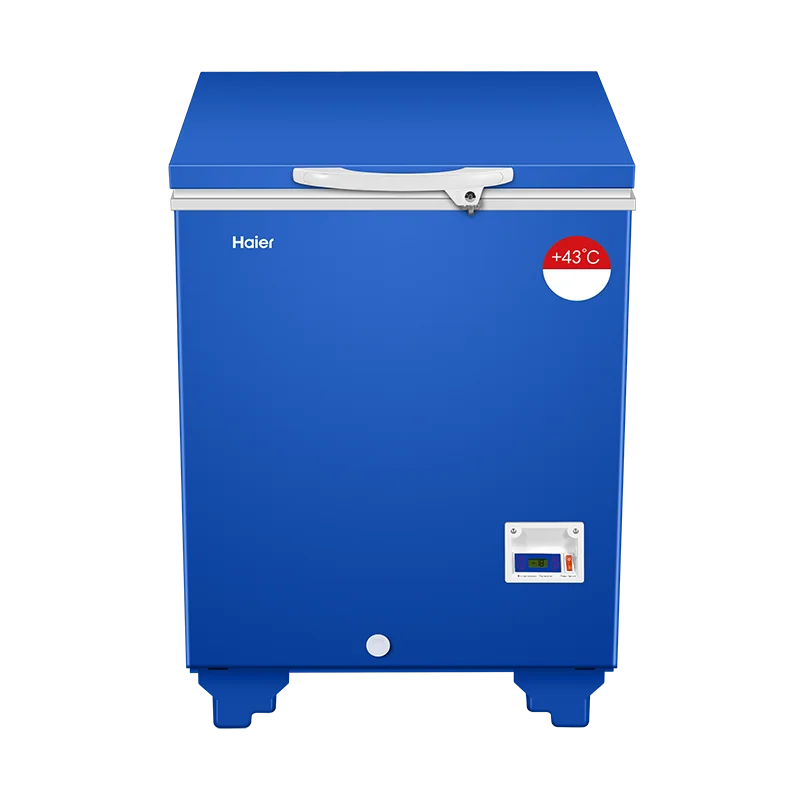
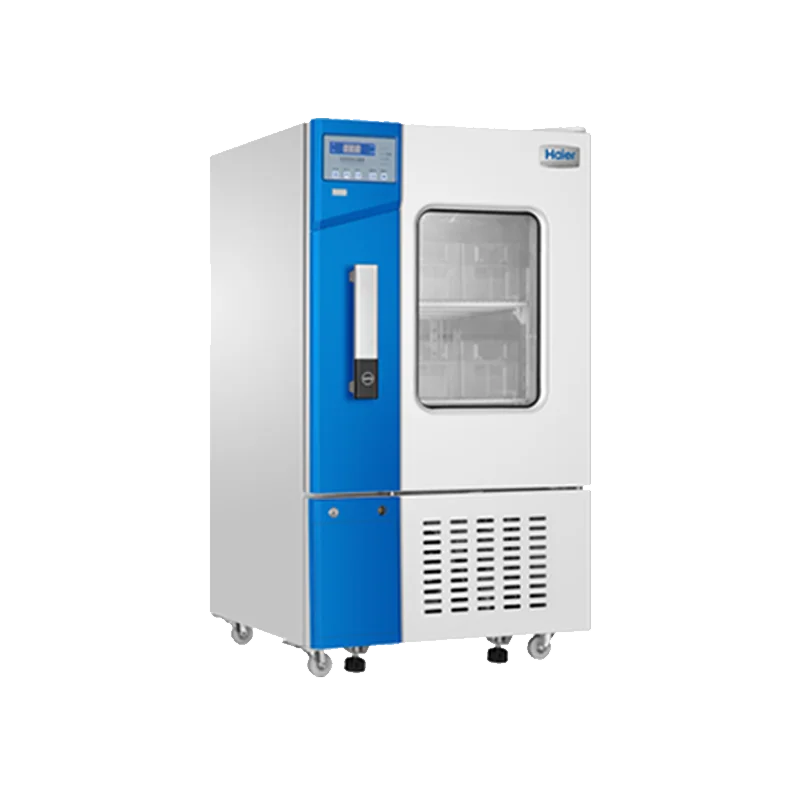
HXC Advanced LED Blood Bank Refrigerator Family
Browse the medical refrigeration equipment category, then choose the relevant child category. The vaccine and pharmacy cold-chain group contains vaccine and pharmacy refrigerators, solar direct-drive vaccine refrigerators, medical cold rooms and temperature loggers. The blood-bank refrigeration group contains blood-bank refrigerators and plasma freezers.
Read moreFirst identify the material and its approved storage instructions. Vaccine and pharmacy refrigerators support refrigerated products with specific labelled conditions. Solar direct-drive vaccine refrigerators are designed around a solar power setup for sites where grid power may be unreliable or absent. A cold room serves larger or project-defined storage volume and requires site design. A temperature logger monitors conditions but does not control the refrigerator by itself. A blood-bank refrigerator and a plasma freezer have separate temperature ranges and storage workflows. Do not select a unit only by its advertised volume or exterior dimensions.
Read moreThe vaccine and pharmacy refrigerator listing has three current assignments: Haier Biomedical HYC-509T, Haier Biomedical HYC-1099T and Thermo Scientific TSX Assure TSX2-1205PV. The Haier records describe upright pharmacy refrigerators in the +2°C to +8°C range: HYC-509T is a 509 L single-door unit, while HYC-1099T is a 1,099 L double-door unit. Thermo Fisher identifies TSX2-1205PV as a 341 L pharmacy refrigerator with a 220 V configuration. These labels and capacities help distinguish the listings; verify the exact offered specification, power connection and intended application before purchase.
Read moreBuy medical refrigeration equipment in Nigeria through Franance by matching the equipment to the material being stored, the required temperature range, usable capacity, monitoring plan, power conditions and facility project. The current medical-refrigeration catalogue has 14 assigned products across six child categories: vaccine and pharmacy refrigerators, solar direct-drive vaccine refrigerators, medical cold rooms, temperature data loggers, blood-bank refrigerators and plasma freezers. These products perform different jobs. A vaccine refrigerator is not a blood-bank refrigerator; a plasma freezer is not an ordinary refrigerator; a cold-room project is not a plug-in cabinet; and a logger records conditions but does not cool anything. Franance accepts quote orders rather than online payment. Choose a category or exact model listing, send the requested model and configuration, destination, quantity and project requirements, and the team will follow up by phone or email. A listing does not establish current stock, Nigerian availability, regulatory status, price, delivery, installation or service coverage. Confirm each point for the actual offer.
Browse the medical refrigeration equipment category, then choose the relevant child category. The vaccine and pharmacy cold-chain group contains vaccine and pharmacy refrigerators, solar direct-drive vaccine refrigerators, medical cold rooms and temperature loggers. The blood-bank refrigeration group contains blood-bank refrigerators and plasma freezers.
For exact models, the catalogue has filters for Haier HYC-509T, Haier HYC-1099T, Thermo Scientific TSX2-1205PV, Haier HTC-40, Haier HTC-120, Haier HTC-240, Haier HRZK-10G, BIOBASE Modular Cold Room, Haier HETL-01, Thermo Scientific Smart-Tracker ST100-101, Haier HXC-106, Thermo Scientific TSX2304BV, Haier DW-30L528D and Thermo Scientific TSX2330LV.
First identify the material and its approved storage instructions. Vaccine and pharmacy refrigerators support refrigerated products with specific labelled conditions. Solar direct-drive vaccine refrigerators are designed around a solar power setup for sites where grid power may be unreliable or absent. A cold room serves larger or project-defined storage volume and requires site design. A temperature logger monitors conditions but does not control the refrigerator by itself. A blood-bank refrigerator and a plasma freezer have separate temperature ranges and storage workflows. Do not select a unit only by its advertised volume or exterior dimensions.
The category names are useful for catalogue navigation; the facility’s standard operating procedures and the stored product’s manufacturer instructions define the required conditions. Confirm whether the application requires a WHO-prequalified vaccine appliance or logger, a particular data-recording method, an alarm interface, a validated temperature range, a specific holdover performance, or an approved power design. WHO’s E003 guidance explains that refrigeration technologies and energy sources have different benefits and limitations and warns against using domestic refrigerators for vaccine storage. Check the applicable current technical specification and product data sheet for each procurement.
The vaccine and pharmacy refrigerator listing has three current assignments: Haier Biomedical HYC-509T, Haier Biomedical HYC-1099T and Thermo Scientific TSX Assure TSX2-1205PV. The Haier records describe upright pharmacy refrigerators in the +2°C to +8°C range: HYC-509T is a 509 L single-door unit, while HYC-1099T is a 1,099 L double-door unit. Thermo Fisher identifies TSX2-1205PV as a 341 L pharmacy refrigerator with a 220 V configuration. These labels and capacities help distinguish the listings; verify the exact offered specification, power connection and intended application before purchase.
A pharmacy refrigerator listing should not be treated as proof that a unit is suitable for every vaccine programme or biologic. Ask which products the facility plans to store and compare their labelled conditions with the equipment’s verified temperature control, monitoring, alarms, recording and qualification documentation. Separate usable storage capacity from gross cabinet capacity. Request shelf or basket layout, loading limits, door configuration, access control and how the facility will monitor, document and respond to excursions. For pharmacy applications, request a temperature mapping and operational qualification plan if required by the facility’s quality system.
The solar vaccine refrigerator listing contains three Haier Biomedical models. HTC-40 is a chest-type unit with 40 L gross and 22.5 L vaccine storage capacity in the product record. HTC-120 is an upright 120 L gross, 100 L vaccine-capacity model. HTC-240 is an upright 240 L gross, 200 L vaccine-capacity model. Haier’s product family describes solar direct-drive use for remote areas with power shortages and a +2°C to +8°C range; model-specific capacity, holdover and ambient figures differ.
Solar direct drive is not a generic refrigerator plus any available solar panel. WHO recommends that the selected appliance and matched solar power system meet the relevant WHO IMD-PQS requirements when PQS is part of the procurement specification. Site evaluation matters: year-round solar resource, shading, placement, security, ambient conditions, installation and a reachable qualified service network affect the project. WHO guidance also says to use only the nominated or larger solar array specified for the relevant product data sheet. Do not infer WHO prequalification from the words “solar vaccine refrigerator” or from a product-category assignment. Ask Franance for the exact model’s current PQS data, matched panel kit, approved system configuration and site-evaluation scope.
For a remote facility, state the location and access conditions, power availability, expected storage workload, required holdover performance and maintenance contact. Ask the supplier to confirm whether panels, mounting hardware, cabling, controller, installation, training, service and replacement parts are included. Keep other facility loads separate unless the appliance’s approved energy harvesting arrangement explicitly supports them. Use the manufacturer’s current installation guide and a qualified site assessment rather than calculating a solar array from nominal refrigerator volume.
The medical cold-room listing contains Haier Biomedical HRZK-10G and the BIOBASE Modular Cold Room. Haier identifies HRZK-10G as a 10 m³ medical cold room with a manufacturer-listed 2°C to 8°C range and describes a modular customized system with PLC controls and main/standby refrigeration switching. BIOBASE describes a modular cold-room product with configurable panel thicknesses and a broad temperature range. The BIOBASE listing is a project-configured product without a fixed model number in the catalogue record; do not assume its medicine-storage application means the requested temperature, redundancy or cold-chain qualification is already included.
A cold room is a facility project. Define the room’s required internal operating range, usable volume, product load, incoming temperature, storage layout, access and anticipated growth. Specify whether the request is for a complete insulated room, refrigeration equipment, controls, alarms, shelving, backup capacity, remote monitoring or a turnkey installation. Ask the supplier to document thermal performance, recovery after door openings, alarm behaviour, power draw, standby configuration, environmental limits and the acceptance test proposed for the actual room. Have qualified project professionals assess floor loading, access, ventilation, drainage, electrical supply, backup power, fire and building interfaces, and the installation sequence. This guide does not prescribe a room design or engineering specification.
Request a drawing, equipment schedule, bill of materials and clear responsibility split between supplier and facility contractor. Confirm what is excluded, including building works, electrical upgrades, generator or solar backup, data connectivity, commissioning, temperature mapping, training and ongoing maintenance. If stored products require a regulated cold chain, ask the facility quality owner to approve the exact room design, monitoring plan and documented acceptance criteria before procurement.
The temperature data logger listing has Haier Biomedical HETL-01 and Thermo Scientific Smart-Tracker ST100-101. Haier describes HETL-01 as a stand-alone electronic temperature logger intended for vaccine storage monitoring, with an LCD, visual alarms, USB CSV export and a manufacturer-listed WHO PQS code E006/042. Confirm that listing and its current product data sheet against the WHO catalogue when PQS status is a purchasing condition. Thermo Fisher describes ST100-101 as a wireless Smart-Tracker module with an internal probe, Bluetooth, a five-degree calibration point and memory for 4,000 readings, for uses including refrigeration and transport monitoring.
These devices are not interchangeable by feature name. Decide whether the facility needs continuous records, a local display, audible or visual alarms, remote notification, central review, downloadable reports, a specific recording interval, calibrated accuracy, sensor placement or a defined audit trail. Specify how data will be collected, protected, reviewed and retained, who receives alarm notifications, what happens during a network outage and how calibration or verification is documented. A logger that records temperature does not automatically provide a validated refrigerator, corrective-action process or staffed response.
The blood-bank refrigerator listing includes Haier Biomedical HXC-106 and Thermo Scientific TSX2304BV. Haier lists HXC-106 as a 106 L blood-bank refrigerator with 4 ± 1°C control and capacity for 54 standard 400 mL blood bags. Thermo Fisher lists TSX2304BV as a 23 cu ft blood-bank refrigerator with a 4°C setpoint and 3°C to 7°C range; the product variant has a CEE 7/7 plug and 208–230 V at 50 Hz. Verify that the selected electrical variant suits the installation and the product's current manufacturer instructions.
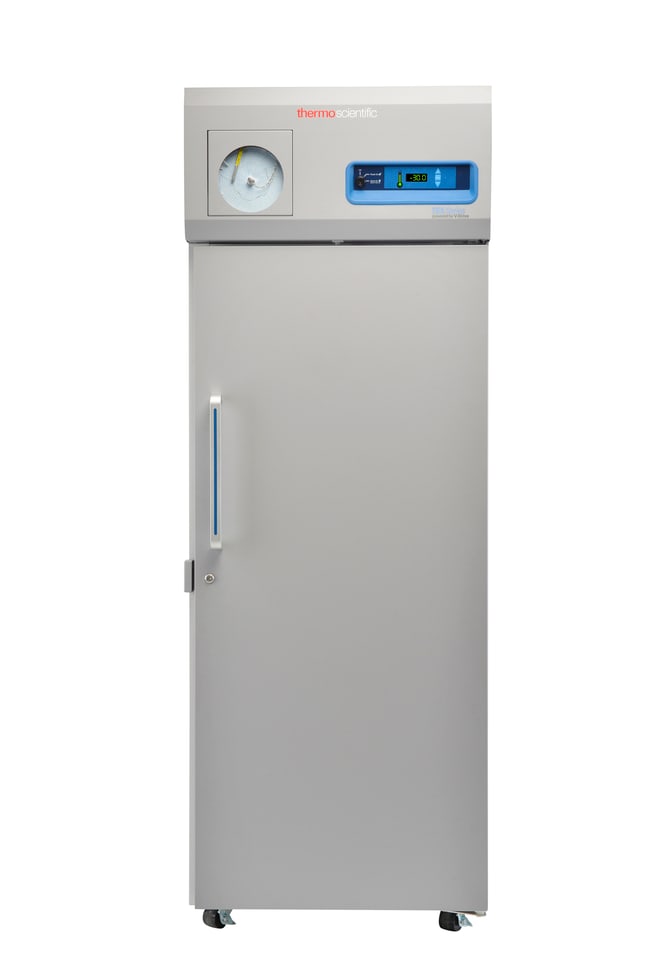
The plasma freezer listing includes Haier Biomedical DW-30L528D and Thermo Scientific TSX2330LV. Haier lists DW-30L528D as a 531 L direct-cooling upright freezer with a stated -30°C class and a model range of -10°C to -30°C. Thermo Fisher lists TSX2330LV as a 650 L TSX plasma freezer with a -30°C setpoint and a manufacturer-listed operating range of -35°C to -15°C. Compare the exact operating range and setpoint from the technical sheet rather than treating freezers as interchangeable based on a “plasma” label.
Blood-component storage is distinct from vaccine and pharmacy storage. The facility’s transfusion and laboratory governance requirements define storage conditions, inventory controls and alarm response. Ask for internal configuration, drawer or shelf layout, access control, chart-recorder or electronic monitoring options, alarm outputs, temperature recovery, data records and the required external monitoring connection. Confirm which power, door, caster and alarm options are included and request an acceptance or qualification protocol that the facility can review.
Build a comparison schedule around the use case, not a single headline capacity. Record the stored material, required temperature band, manufacturer/model, usable capacity, storage geometry, temperature uniformity or stability documentation, monitoring and alarms, energy source, electrical variant, ambient limits, backup approach and manufacturer-approved accessories. Add installation, qualification, training, warranty, service, spare parts, response expectations and documentation as separate procurement items.
For solar equipment, include the matched panel kit, site survey and service plan. For a cold room, evaluate the complete project and identify the scope boundary. For loggers, include the measurement range, accuracy, calibration and record export method. For blood-bank refrigerators and freezers, compare the exact setpoint and operating range, capacity and monitoring outputs against the facility’s requirements. WHO’s medical-device specification guidance recommends documenting technical characteristics, utilities, accessories, training, installation, warranty and maintenance. It provides a procurement framework; the institution must supply its own application-specific acceptance criteria.
Ask the supplier for the manufacturer’s current technical sheet, user and installation instructions, model identity, product configuration and applicable conformity or registration documentation for the proposed supply route. When WHO PQS is required for a vaccine cold-chain appliance or logger, check the exact model and current listing in the WHO Prequalification of Immunization Devices catalogue. WHO PQS eligibility is a product-specific procurement check; do not assume a brand or model family is qualified because another configuration is listed.
NAFDAC publishes guidance for good cold-chain management of vaccines and biopharmaceutical products and good storage and distribution practice. Its published 2021 cold-chain guidance states the applicable product storage range should follow the product’s assigned conditions, and notes that records and handling procedures matter. The document’s stated review date is October 2026, so confirm the current version and requirements with NAFDAC or your responsible compliance lead before relying on it. These rules govern the handling and storage of regulated products; they do not certify a particular refrigerator or replace a facility’s own quality system. Confirm the specific device and stored-product requirements with the responsible regulator, facility quality owner and supplier.
The catalogue does not publish a fixed price for these systems. A cabinet’s price depends on model, capacity, electrical variant, monitoring, alarms, accessories, installation, delivery, warranty and support. Solar equipment adds a matched solar system and site assessment. A medical cold room is scoped around room size, insulation, refrigeration redundancy, controls, alarms and building work. Data loggers differ in probes, recording, communications, calibration and data-management needs. Request an itemised quotation for the exact equipment and destination instead of comparing an unconfigured headline price.
Send Franance the category or exact model, stored material and required conditions, quantity, facility name, state and city, full delivery destination, electrical and site information, project timeline and the contact responsible for technical follow-up. For a solar vaccine system, include solar resource or location details and ask for a site evaluation. For a cold room, provide intended volume, layout and required temperature range. For a logger, state the monitoring, alarm and record-export requirements. For blood-bank or plasma equipment, identify the required temperature range, capacity and monitoring scope.
List installation, commissioning, acceptance or qualification, training, warranty, spare parts and service as separate requests. Ask Franance to confirm current availability, supply route, applicable documents, price, delivery timing, charges and responsibility for each project stage in writing. The team will follow up by phone or email to clarify the quote order. Online checkout and payment are not part of this process. Submit no patient-identifiable or confidential donor information in a catalogue enquiry.
Use the medical refrigeration category to choose a child category and exact model filters above. Send Franance the required equipment, configuration, quantity, destination and technical project scope. Ask the written offer to identify the offered model, temperature performance, utilities, monitoring, applicable documentation, delivery and installation terms, training, warranty and support. For temperature-sensitive products, have the facility’s responsible quality and technical staff verify that the offer meets the stored product’s instructions and the applicable current requirements before ordering.
No. Franance accepts quote orders. Submit the model, configuration, quantity and destination; the team follows up by phone or email to clarify the request and discuss a quotation.
WHO E003 guidance warns against domestic refrigerators for vaccine storage because their performance can compromise cold-chain integrity. Specify the required vaccine equipment and confirm exact qualification and operating conditions.
No. Specify the exact appliance and matched solar power system, verify the current WHO PQS product data when required, and request a site evaluation, installation and service plan.
No. The catalogue separates refrigerated blood-component units from plasma freezers with lower operating temperature ranges. Match the exact equipment to facility procedures and the stored product requirements.
No. A logger records or monitors conditions; it does not refrigerate storage or by itself ensure an alarm is acted on. Specify sensor, recording, notification, data review and response arrangements separately.
No. Provide the full destination and ask Franance to confirm availability, delivery, installation, service responsibility, timing and charges in a written quotation.
Send the stored material, required conditions, exact model, quantity, destination and technical project scope. Ask the written offer to confirm configuration, applicable documentation, availability, price, delivery, installation, monitoring, training and service terms.
Request a medical refrigeration quoteAdd the models you need to a quote order, or send us your equipment list.