
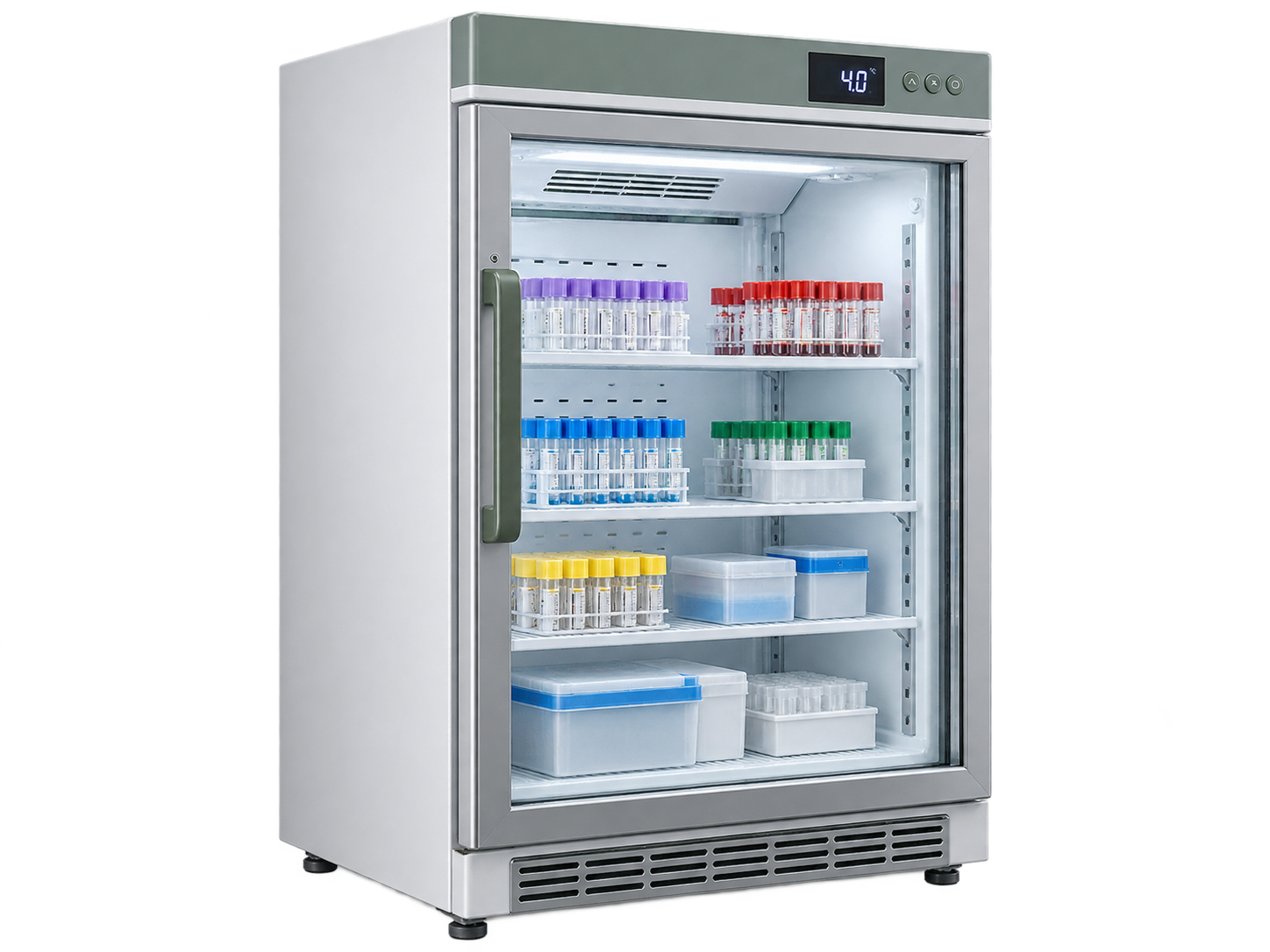
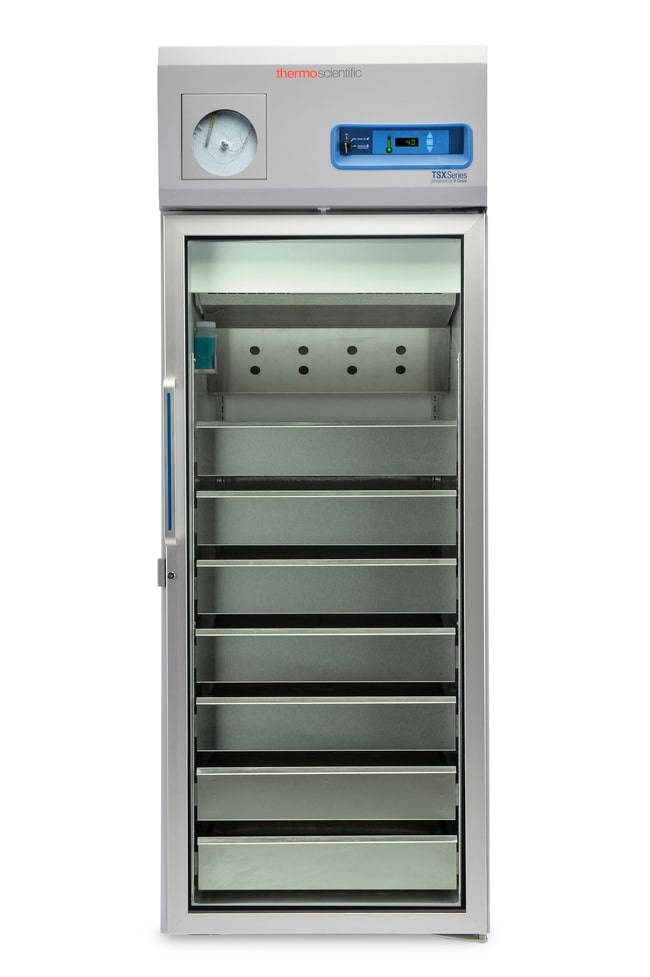
Thermo Scientific TSX2304BV 23 cu ft Blood Bank Refrigerator
High-performance blood-bank refrigerator
Price on request

Medical equipment and biomedical engineering.
Abuja, Nigeria.
Buy blood bank refrigerators and plasma freezers in Nigeria through Franance. The current catalogue contains four models across separate refrigerator and freezer roles. Compare working capacity, temperature range and setpoint, monitoring, power and service against your blood-bank protocol; a category label or brochure does not establish compliance or safe storage for your facility.
10 models
High-performance blood-bank refrigerator
HXC Advanced LED Blood Bank Refrigerator Family
HXC-279 Vehicle-Mounted Blood Bank Refrigerator
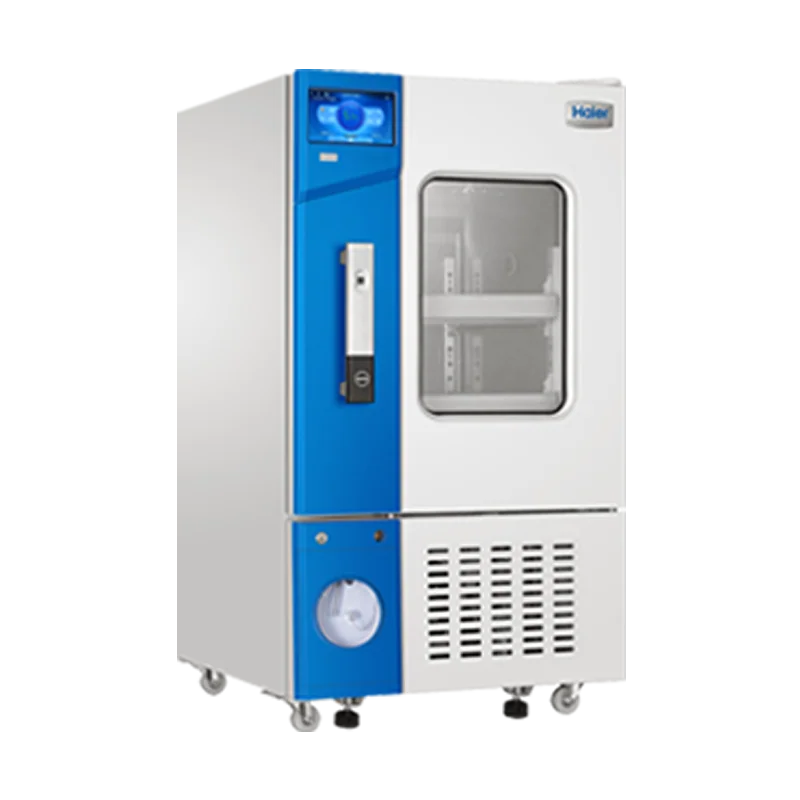
HXC-T Touchscreen Blood Bank Refrigerator Family
Use Franance’s Blood Bank Refrigeration catalogue to compare the current refrigerator and freezer listings, then request a quote for the required model and configuration. Franance’s process is quotation-led: submit your facility requirements, and the team can follow up by phone or email to clarify the order. The site does not take online payment for these products.
Read moreThe current category has four catalogue assignments. The blood bank refrigerator subcategory lists Thermo Scientific TSX2304BV and Haier Biomedical HXC-106. The plasma freezer subcategory lists Thermo Scientific TSX2330LV and Haier Biomedical DW-30L528D.
Read moreA blood bank refrigerator is intended for controlled refrigerated storage; it is not interchangeable with a plasma freezer. This category currently lists two models. WHO’s blood cold-chain procurement guide gives generic equipment-selection guidance for blood storage and discusses a +2°C to +6°C selection range. Treat that as a procurement reference to reconcile with current national and facility procedures, not as a product certification or a substitute for your blood-bank team’s requirements.
Read moreHospitals, blood banks and laboratories need to select refrigeration around the blood component, the written storage protocol and the facility’s monitoring and response plan. Franance helps Nigerian facilities compare listed blood bank refrigerators and plasma-freezer equipment, collect configuration details and submit a quotation request. The current catalogue has four assigned models across two equipment classes. A product title or category assignment alone does not demonstrate that a model meets a facility’s protocol, a regulatory requirement or an installation’s performance needs. Start with your blood-bank, quality and biomedical-engineering teams. Confirm the required temperature range, capacity, permitted excursions, alarms, monitoring, recording and contingency plan in writing. Then compare those requirements with the exact manufacturer documentation and regional electrical variant offered. These are storage appliances; this category does not include transport boxes or prove the condition of any unit after installation.
Use Franance’s Blood Bank Refrigeration catalogue to compare the current refrigerator and freezer listings, then request a quote for the required model and configuration. Franance’s process is quotation-led: submit your facility requirements, and the team can follow up by phone or email to clarify the order. The site does not take online payment for these products.
Include your Nigerian delivery destination, facility type, intended component, required protocol and model preferences. Ask for confirmation of the exact part number, electrical configuration, documentation, included accessories, installation scope, warranty, availability, lead time and itemized price. Delivery, installation and local service availability need to be confirmed for your location; do not assume they are included in a product listing.
The current category has four catalogue assignments. The blood bank refrigerator subcategory lists Thermo Scientific TSX2304BV and Haier Biomedical HXC-106. The plasma freezer subcategory lists Thermo Scientific TSX2330LV and Haier Biomedical DW-30L528D.
The manufacturer documentation uses different model descriptions and temperature specifications. In particular, Haier’s model-specific sheet calls DW-30L528D a “-30°C Biomedical Freezer” with a stated operating range of -10°C to -30°C, while the local catalogue assigns it to plasma freezers. That assignment is useful for finding the listing, but it is not proof that the product meets a plasma-storage protocol. The same principle applies to every model: compare documented performance to your facility’s written requirements.
A blood bank refrigerator is intended for controlled refrigerated storage; it is not interchangeable with a plasma freezer. This category currently lists two models. WHO’s blood cold-chain procurement guide gives generic equipment-selection guidance for blood storage and discusses a +2°C to +6°C selection range. Treat that as a procurement reference to reconcile with current national and facility procedures, not as a product certification or a substitute for your blood-bank team’s requirements.
The two listed refrigerator models have different documented capacities and specifications. Review the manufacturer’s exact product variant, storage layout, control range, monitoring features and electrical requirements. Select only after the responsible facility staff have documented the required operating range, alarms and response process.
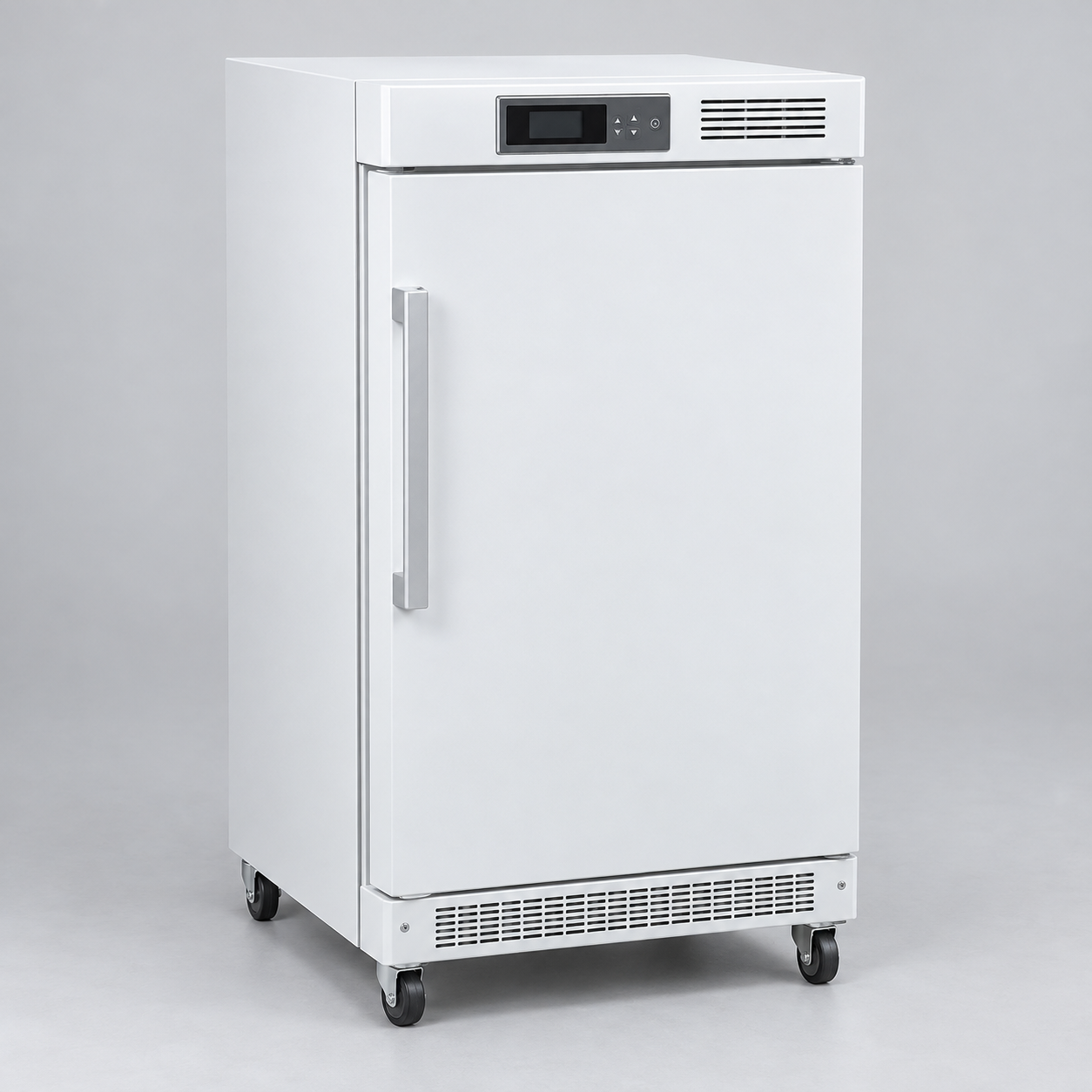
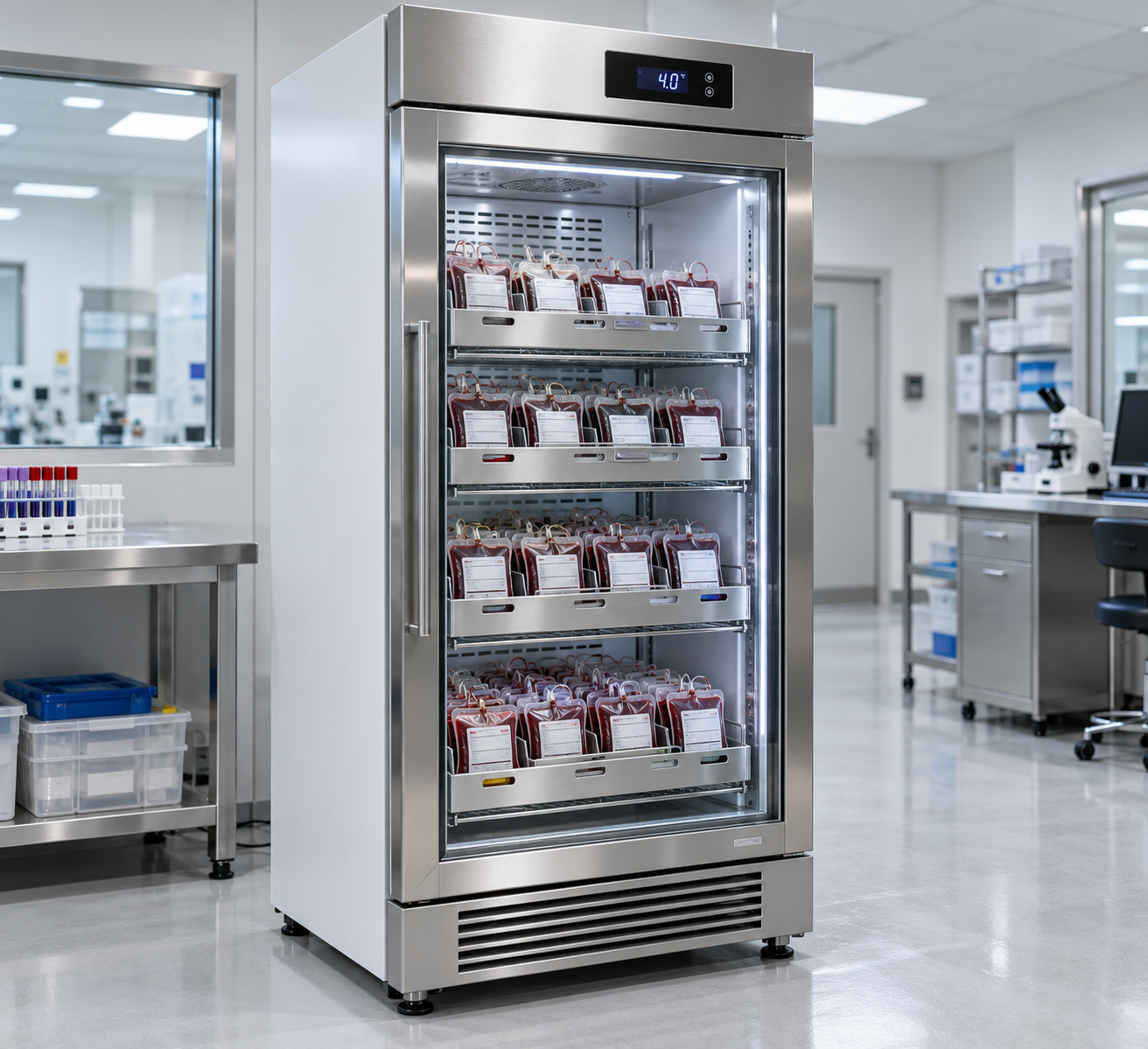
Thermo Scientific identifies model TSX2304BV as a 23 cu ft blood bank refrigerator, approximately 650 L. Its published product details list a 3°C to 7°C control range and a 4°C setpoint, with a 208–230 V, 50 Hz electrical configuration and CEE 7/7 plug for the listed variant. Confirm these details against the exact unit quoted for Nigeria because product configurations and regional specifications can vary.
Review the refrigerator’s monitoring and alarm options with the manufacturer or authorized supplier, including what is standard and what must be ordered separately. Thermo’s product information is not evidence of post-installation performance at your site. Compare the listed range with your applicable blood-component protocol before ordering; the published range is not identical to WHO’s generic +2°C to +6°C selection guidance.
- View the TSX2304BV filtered listing
- Open TSX2304BV catalogue listing
- Read Thermo Scientific’s TSX2304BV information
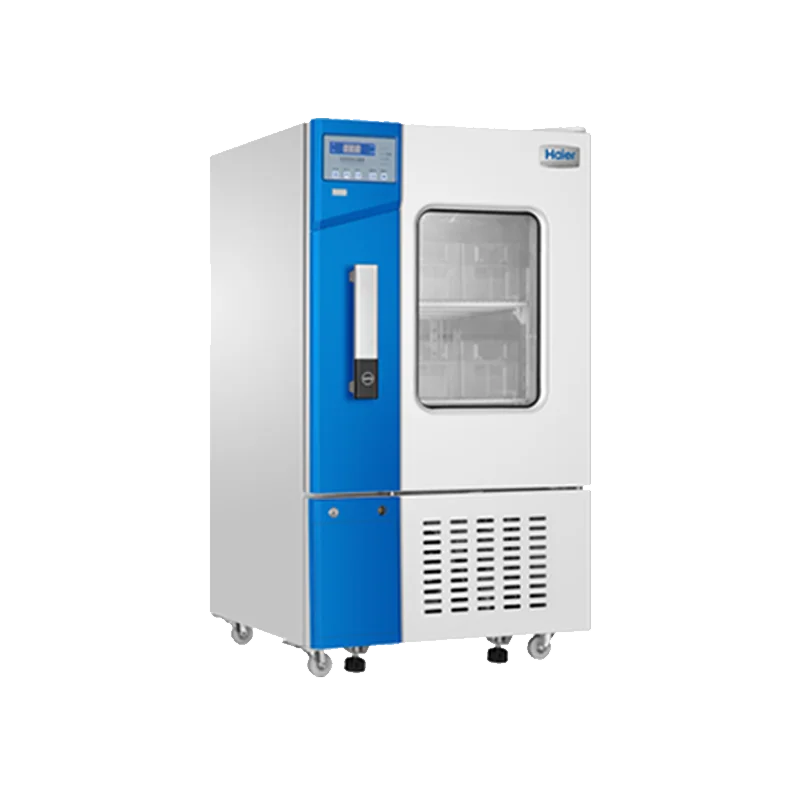
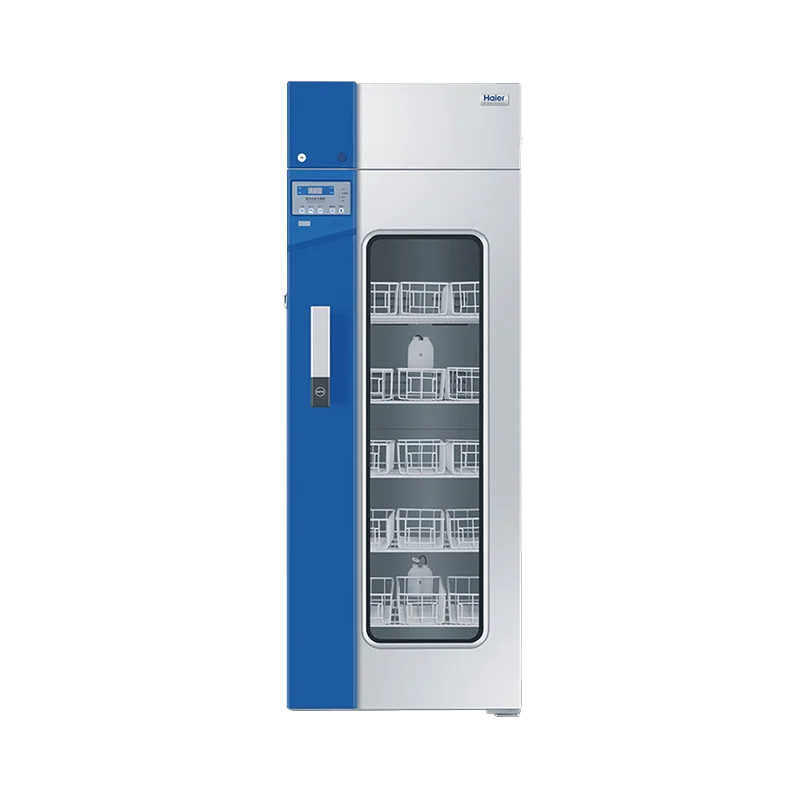
Haier lists HXC-106 as a 4°C blood bank refrigerator. Its model page states a 4 ± 1°C temperature-control specification and 0.1°C temperature accuracy. Haier’s range materials identify 106 L capacity and a stated capacity of 54 blood bags at 400 mL each. Confirm the exact voltage and frequency, basket arrangement and supplied configuration in the quotation; manufacturer regional listings can differ.
Do not translate a manufacturer’s control specification into a guarantee of safe storage or protocol compliance. Ask for the current model-specific manual, alarm details, monitoring and recording options, and installation and acceptance documentation. Your facility should define its own alarm thresholds, monitoring checks and response responsibilities.
- View the HXC-106 filtered listing
- Open HXC-106 catalogue listing
- Read Haier Biomedical’s HXC-106 information
Plasma storage is a freezer application with requirements distinct from refrigerated blood-component storage. WHO’s cited equipment procurement guide gives generic selection guidance of -35°C or colder for plasma freezers. Apply current local policy and the facility’s approved procedure when defining the required range, setpoint and excursion limits. Check the exact model’s published range rather than relying on a generic “plasma freezer” label.
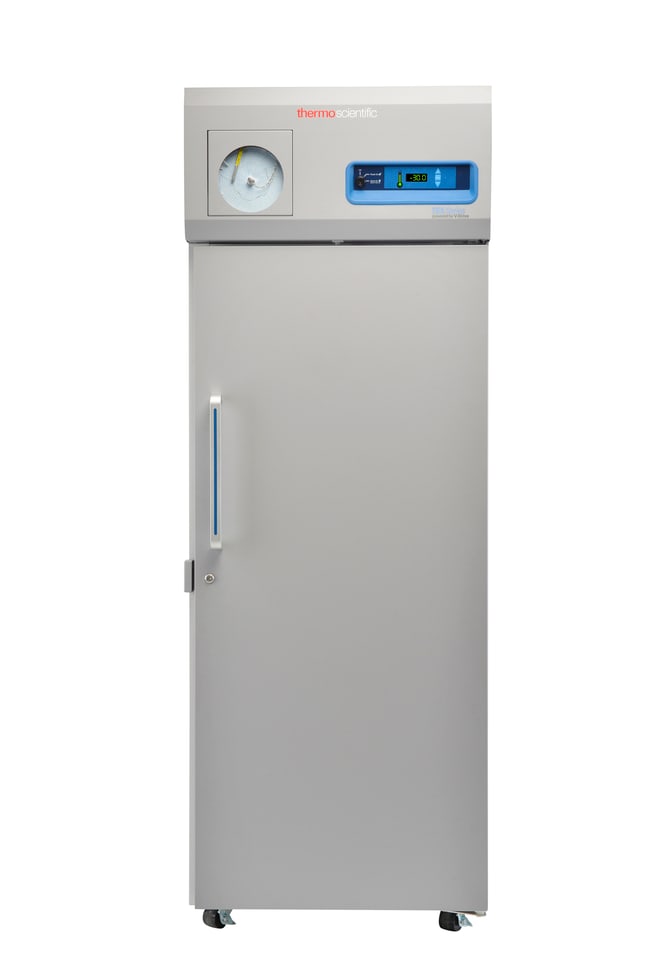
The current catalogue has two freezer assignments. Thermo Scientific TSX2330LV is documented with a -35°C to -15°C range and -30°C setpoint. Haier DW-30L528D has a manufacturer-documented range of -10°C to -30°C. Those stated ranges do not establish that either model satisfies every facility’s required plasma-storage limits; have the responsible technical and quality teams review the documentation and obtain written confirmation for the exact offered configuration.
Thermo Scientific lists TSX2330LV as a 23 cu ft, approximately 650 L plasma freezer with a -35°C to -15°C operating range and -30°C setpoint. The listed product variant shows 208–230 V and 50/60 Hz, with a CEE 7/7 plug and recording features described in Thermo’s product material. Verify the exact supply variant, recorder configuration and current documentation in the quote.
The WHO guide cited here uses -35°C or colder as generic plasma freezer selection guidance. Thermo’s listed operating range extends from -35°C to -15°C and its setpoint is -30°C. Do not infer from the category name or one endpoint that the model meets a particular protocol. Ask the facility’s blood-bank and quality leads to define requirements and request a written, model-specific comparison from the supplier before procurement.
- View the TSX2330LV filtered listing
- Open TSX2330LV catalogue listing
- Read Thermo Scientific’s TSX2330LV specification
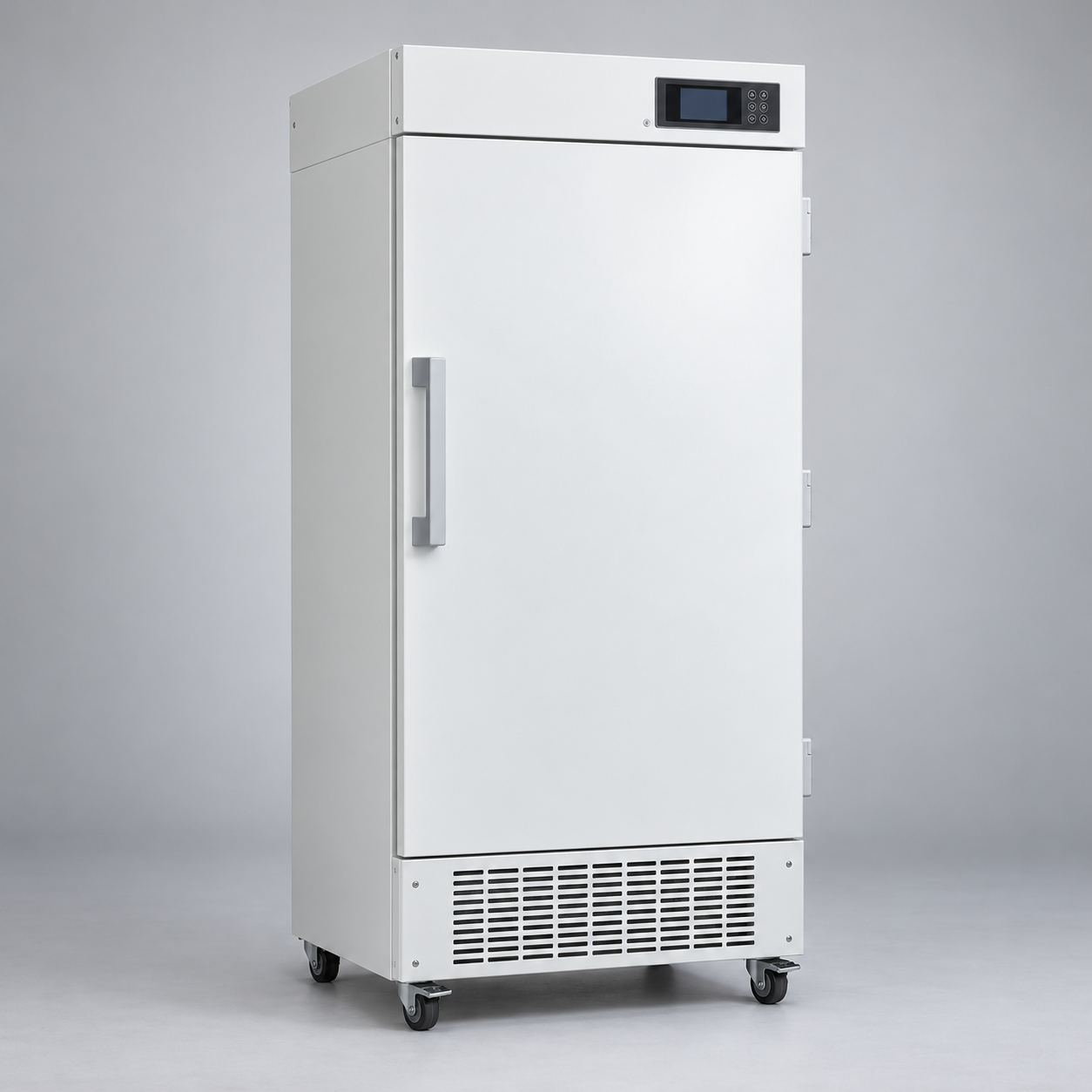
The local catalogue assigns DW-30L528D to the plasma-freezer category, but Haier’s model-specific technical sheet describes it as a “-30°C Biomedical Freezer.” The sheet lists a 531 L capacity and a -10°C to -30°C temperature range, with electrical variants shown for different markets. Its product-family page describes a direct-cooling freezer. Use the official datasheet for model-specific details and confirm the offered electrical variant and options.
This distinction matters for procurement: Haier’s sheet does not, by itself, establish suitability for a facility’s plasma-storage procedure. The stated maximum cold temperature is -30°C, while WHO’s cited generic selection guidance is -35°C or colder. The guide therefore makes no claim that the model meets that selection target or any local requirement. Have the responsible facility team assess the intended use and obtain written technical confirmation before treating this listing as suitable.
- View the DW-30L528D filtered listing
- Open DW-30L528D catalogue listing
- Read Haier’s DW-30L528D technical sheet
A refrigerator or freezer holds products at its documented operating conditions while installed and powered. Transport equipment is a separate part of the cold-chain system: a validated container, coolant arrangement and route plan may be required to manage movement between locations. None of the four products in this category is a transport box. A storage appliance’s product page does not establish transport performance, and a transport container does not replace the required storage appliance.
WHO describes blood cold chain as a controlled system that includes storage and transport. Before procurement, map the actual workflow: receipt, storage, monitoring, dispatch, transport and receiving checks. Identify which team owns each step, what records are required and what happens after an alarm, outage or excursion. Procure transport containers separately and assess their complete packout and route against the applicable procedure; do not assume a generic cooler is adequate.
Start with the facility’s written component-specific temperature requirement and the responsible team’s approved excursion limits. Estimate routine and peak inventory using the actual containers or bag sizes, shelving and segregation practices. Add reserve capacity only after confirming how it affects usable storage and air circulation. A headline litre figure or bag count is not a substitute for checking the supplied interior layout and loading plan.
Ask the supplier to document the exact model’s setpoint, operating range, temperature uniformity or distribution data when available, monitoring points, alarm types, recorder options and data export or interface details. WHO’s procurement guidance recommends considering capacity, ambient environment, power continuity, hold-over, temperature monitoring and alarms, maintenance and repair access. These are selection questions, not performance claims about the listed models. Confirm alarm escalation, calibration checks, record retention and excursion handling in facility procedures.
Before requesting a quote, share the destination state and city, room access and dimensions, doorway and lift constraints, expected ambient conditions, ventilation clearances and installation location. Confirm the appliance’s voltage, frequency, plug, current draw and any dedicated-circuit or earthing requirements with the manufacturer and a qualified facility electrical professional. Nigeria’s power quality and backup arrangements vary by site, so document the facility’s supply and contingency plan rather than assuming a listed voltage or plug is a complete site assessment.
Agree who will deliver, position, install, commission and check the unit. Ask what acceptance tests, temperature mapping or validation support are available, which party performs them, and which documents will be supplied. Establish who responds to alarms and outages, whether spare parts and trained service support are available near the destination, response times, warranty exclusions and preventive-maintenance requirements. Validate the actual installed equipment under the facility’s procedures before use; no guide or catalogue page can certify a site installation.
For a useful quotation, identify: refrigerator or freezer role; component and written storage protocol; model or acceptable alternatives; inventory volume and pack sizes; required capacity; target range, setpoint and excursion limits; monitoring, alarm, recording and interface requirements; and the documentation needed for technical review. Include the facility name, state/city, room access, ambient conditions, electrical supply, backup, delivery deadline and any installation or acceptance-support requirements.
Ask the quotation to state the manufacturer and exact model/part number, regional power variant, included and optional accessories, current product documents, itemized price, currency and applicable charges, availability, lead time, delivery terms, installation scope, training, warranty and local service arrangements. For a model whose documented range may not match the requirement, request a written response addressing that gap. Franance can follow up on the submitted quote by phone or email to clarify requirements and order details.
Primary references for this guide are the manufacturers’ product pages and model-specific technical data linked above, together with the World Health Organization’s blood cold chain overview, equipment selection and procurement guide and safe blood cold-chain equipment manual. Manufacturer data can change by market, revision and ordered configuration. Confirm the latest documents with the supplier for the actual model offered.
WHO’s procurement publication is a general reference, not a substitute for current Nigerian requirements, a facility’s approved blood-bank procedure, professional engineering advice or regulatory review. The local category assignments describe catalogue organization. They do not establish regulatory registration, compliance, validated operation, safe storage, Nigerian stock, local service coverage or model suitability for an individual site. Confirm each point with the relevant manufacturer, supplier and facility team before ordering.
No. They are distinct storage roles with different temperature ranges and protocols. Select using the component-specific facility requirements and confirm the exact manufacturer range, setpoint and documentation for the model offered.
The local catalogue places it under plasma freezers, but Haier's model-specific technical sheet calls it a -30°C biomedical freezer and gives a -10°C to -30°C range. Verify in writing whether its documented performance meets the blood-bank protocol before procurement.
No transport box is among these four assigned products. Storage refrigerators and freezers are not transport equipment. Specify transport separately and validate the container, packout and route against the applicable blood cold-chain requirements.
Ask for the exact model and electrical variant, storage capacity, documented temperature range and setpoint, alarm/monitoring and recorder options, delivery and installation scope, warranty and local service, availability, lead time and itemized price.
Send the exact equipment role and model, required component-specific storage protocol, stock capacity and pack sizes, facility and Nigerian destination, power details, monitoring and alarm requirements, installation/acceptance needs, training, maintenance, warranty and service expectations. Ask for written confirmation of the offered model's specifications and regional variant, included accessories, availability, lead time, exclusions and price.
Request a blood-bank equipment quoteAdd the models you need to a quote order, or send us your equipment list.