
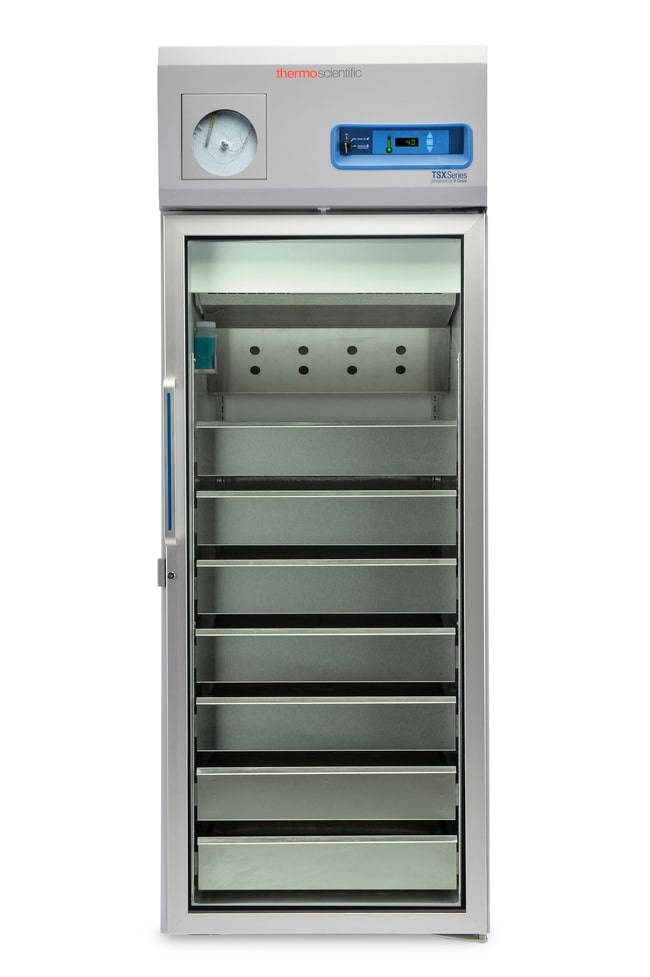
Thermo Scientific TSX2304BV 23 cu ft Blood Bank Refrigerator
High-performance blood-bank refrigerator
Price on request

Medical equipment and biomedical engineering.
Abuja, Nigeria.
Franance lists Haier Biomedical HXC-106 and Thermo Scientific TSX2304BV blood bank refrigerators for quotation in Nigeria. Compare each exact model's published temperature range, capacity, monitoring and electrical variant with your blood service's written protocol before requesting a quote.
8 models
High-performance blood-bank refrigerator
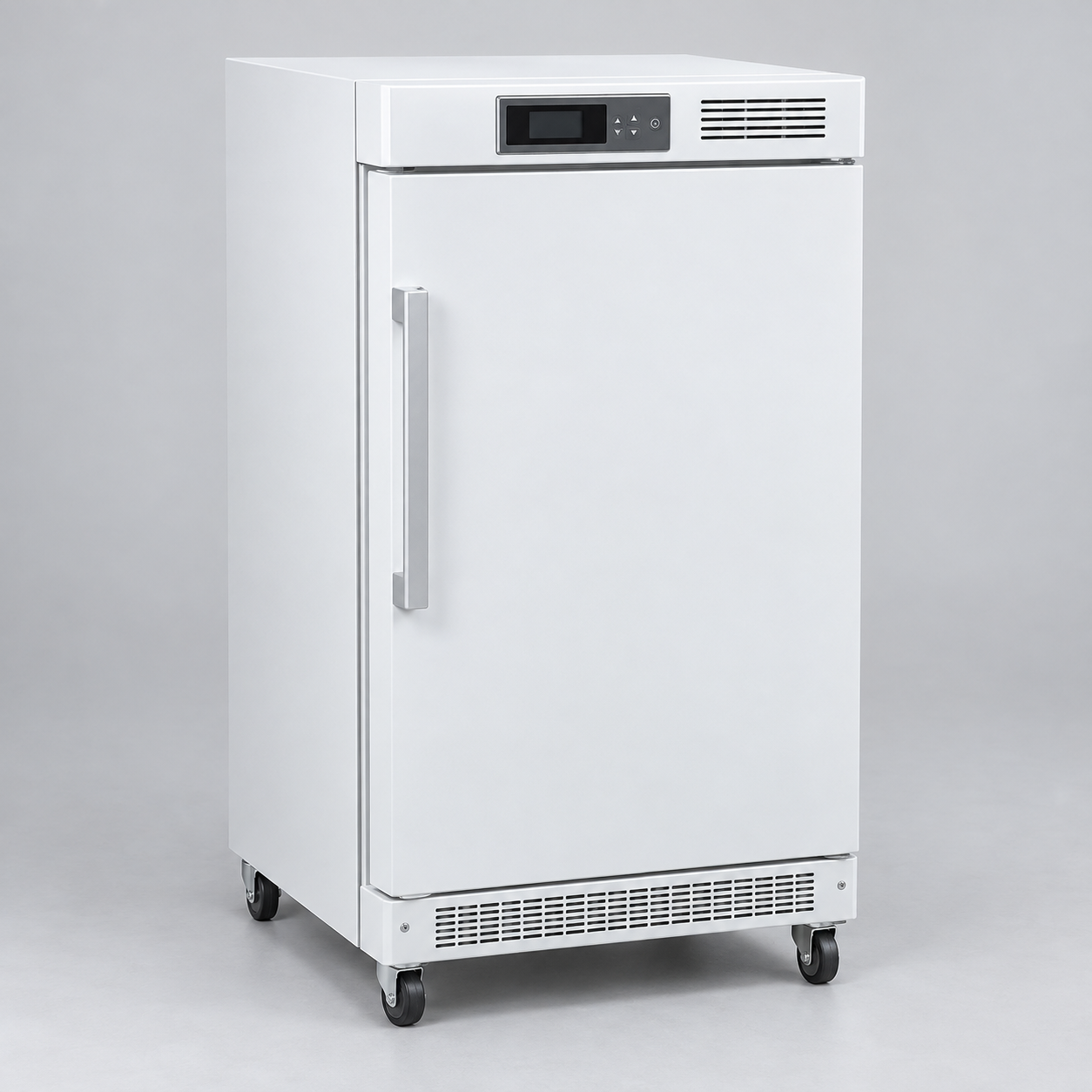
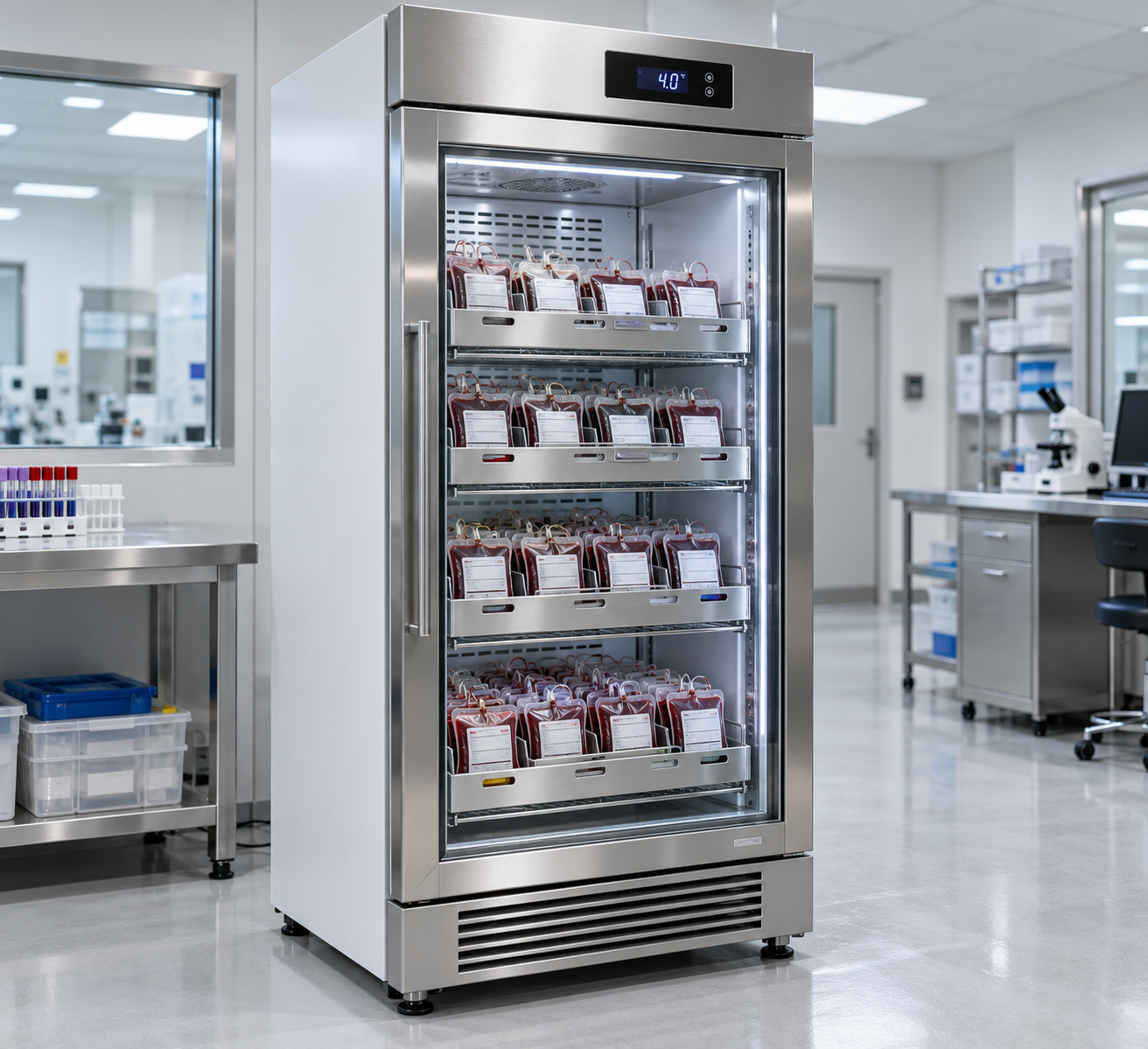
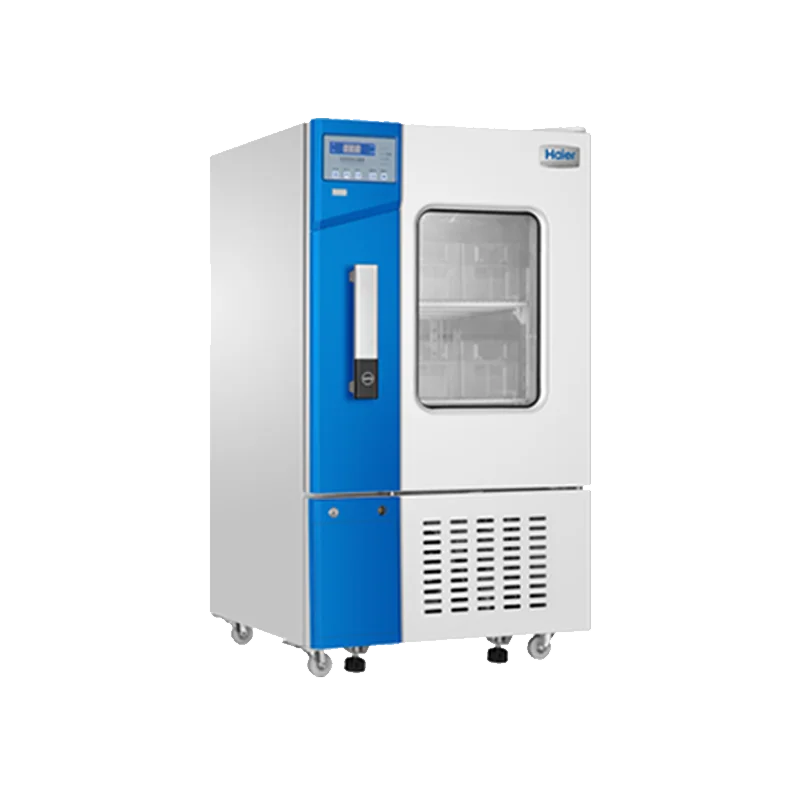
HXC Advanced LED Blood Bank Refrigerator Family
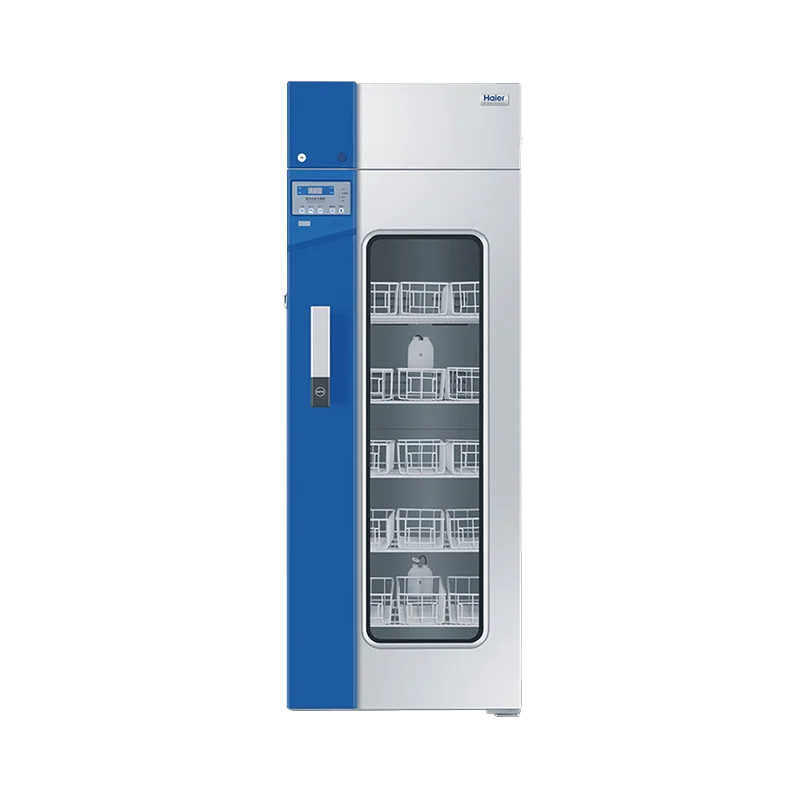
HXC-279 Vehicle-Mounted Blood Bank Refrigerator
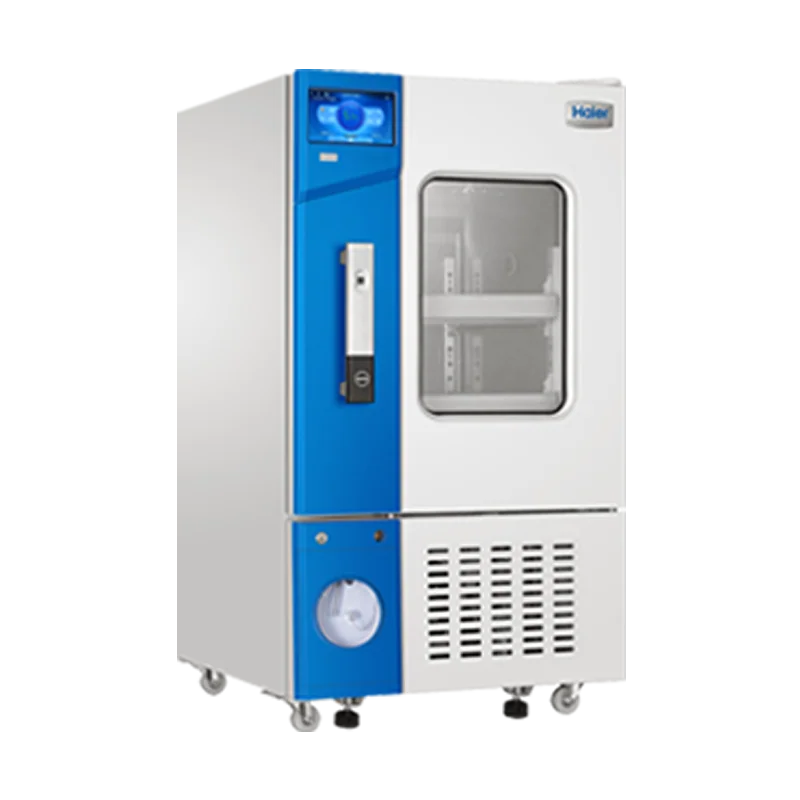
HXC-T Touchscreen Blood Bank Refrigerator Family
Open Franance’s blood bank refrigerator category to compare the two assigned models, then submit a blood bank refrigerator quotation enquiry. You can also inspect the HXC-106 listing or the TSX2304BV listing before you enquire.
Read moreThe leaf category currently has two direct product assignments: Haier Biomedical HXC-106 and Thermo Scientific TSX2304BV. The HXC-106 is the smaller model in this pair by the manufacturers’ stated capacities. TSX2304BV is a 23 cu ft / 650 L upright TSX Series model with a glass door and seven drawers.
Read moreWHO’s blood cold-chain equipment guide gives +2°C to +6°C as a selection range for blood-storage refrigerators and says continuous refrigeration is required for blood storage. Treat that as a procurement reference to reconcile with current national policy, component-specific requirements and your facility’s approved procedure. A quality lead should define the required setpoint, operating range, alarm thresholds, acceptable excursion duration and response before the appliance is selected.
Read moreFranance lists two blood bank refrigerators for quotation in Nigeria: the Haier Biomedical HXC-106 and the Thermo Scientific TSX2304BV. Compare the exact model specification with your blood service’s written storage range, usable capacity, monitoring plan and electrical supply before requesting an order. This is a quote-led catalogue: submit your model and facility requirements, and Franance will follow up by phone or email. There is no online checkout. Start with the transfusion service’s quality lead and biomedical engineering team. Confirm which component will be stored, the governing procedure, acceptable temperature limits, inventory and response plan. A refrigerator’s category label and setpoint do not establish compliance, validate loaded performance or replace a site acceptance test. The manufacturer variants listed here also differ in temperature range and electrical configuration, so check the precise item offered.
Open Franance’s blood bank refrigerator category to compare the two assigned models, then submit a blood bank refrigerator quotation enquiry. You can also inspect the HXC-106 listing or the TSX2304BV listing before you enquire.
Franance’s process is a quotation order, not an online purchase. State your facility, required quantity, intended blood component and delivery destination in Nigeria. Ask the team to confirm the exact manufacturer reference, supplied electrical variant, available documents, quotation validity, price, stock or lead time, delivery, installation, commissioning, warranty and service in writing. None of those commercial or service terms is guaranteed by the product listing.
The leaf category currently has two direct product assignments: Haier Biomedical HXC-106 and Thermo Scientific TSX2304BV. The HXC-106 is the smaller model in this pair by the manufacturers’ stated capacities. TSX2304BV is a 23 cu ft / 650 L upright TSX Series model with a glass door and seven drawers.
These product references help you find the catalogue records; they are not an endorsement that either appliance meets your protocol. A plasma freezer belongs in a separate plasma-freezer category, and a blood transport box is separate again. Keep the requirement tied to the component and workflow your transfusion service has approved.
WHO’s blood cold-chain equipment guide gives +2°C to +6°C as a selection range for blood-storage refrigerators and says continuous refrigeration is required for blood storage. Treat that as a procurement reference to reconcile with current national policy, component-specific requirements and your facility’s approved procedure. A quality lead should define the required setpoint, operating range, alarm thresholds, acceptable excursion duration and response before the appliance is selected.
The distinction matters when comparing these two listings. Haier specifies the HXC-106 at 4°C ±1°C, which is a stated control range of 3°C to 5°C. Thermo lists TSX2304BV at a 4°C setpoint with an operating range of 3°C to 7°C. The published TSX range reaches 7°C, above the cited WHO generic upper bound of 6°C. Do not infer compliance from its 4°C setpoint: ask the responsible blood-bank team and the supplier to assess the complete current specification against the actual protocol and any required validation evidence.
Different blood components can have different storage conditions. Do not use this page to set a clinical storage protocol. The service’s transfusion medicine and quality leads must specify the appropriate appliance and operating limits.
Haier’s HXC-106 product information identifies a 106 L / 3.75 cu ft blood bank refrigerator. Its capacity table states 54 bags based on 400 mL blood bags. Haier lists power options of 220–240 V at 50 Hz or 220–240 V at 60 Hz in the model table. The same manufacturer source describes microprocessor control, temperature control at 4°C ±1°C, 0.1°C temperature accuracy and multiple fault alarms and safety features.
Use those facts as a starting point for a specification review, not a promise about the offered serial unit. Confirm the exact model suffix, country electrical variant, basket or bag layout, alarm list, backup behavior, data-recording options and documents in the written quote. Capacity measured by standard bags does not guarantee that your actual bag type, basket arrangement or inventory will fit with the clearances and circulation required by the manufacturer.
For current catalogue details, open the Haier HXC-106 exact listing. Ask Franance for the current Haier HXC-106 product information and operating manual for the precise variant quoted.
Thermo Scientific identifies TSX2304BV as a 23 cu ft / 650 L TSX Series high-performance blood bank refrigerator. The listed variant has a glass door, a CEE 7/7 plug and electrical requirements of 208–230 V, 50 Hz. Thermo’s product details give a 4°C factory setpoint and a 3°C to 7°C operating range, seven stainless-steel drawers, a standard chart recorder, a microprocessor display, alarm and recorder monitoring options and dual-zone temperature display probes. The page lists a standard chart recorder; still confirm its configuration and consumables for the item supplied.
That published 3°C to 7°C range is not identical to WHO’s generic +2°C to +6°C procurement reference. The figure should be reviewed explicitly with the blood service before ordering; do not interpret the 4°C setpoint as proof that every point in a loaded cabinet remains inside a required range. Ask for current model documentation and the test or validation evidence your facility needs.
The electrical variant is material in Nigeria. Do not substitute a different suffix or assume a 115 V or 60 Hz TSX configuration is interchangeable with this BV variant. Check the Thermo Scientific TSX2304BV catalogue listing and ask the supplier to identify the exact part number, plug, voltage, frequency, circuit and site requirements in the quote.
Start with the maximum inventory you expect to hold, not the appliance’s advertised litres alone. Estimate routine and peak stock by component and package, delivery frequency, segregation rules and the service’s reserve policy. The HXC-106’s 54-bag figure assumes 400 mL bags; if your service uses another size or requires separate trays and zones, ask for the usable layout. The TSX2304BV has a much larger nominal 650 L capacity and seven drawers, but its actual arrangement still needs to be checked against your containers and workflow.
Ask the manufacturer or supplier for the current interior drawing, usable storage volume, drawer or basket dimensions, recommended loading pattern and clearances. Check how staff identify and retrieve units without blocking airflow, obscuring the temperature display or holding the door open. The quantity that fits in an empty cabinet is not automatically the safe working capacity after labelling, segregation and circulation are considered.
Plan for growth only where it is supported by expected workload and budget. An oversized unit can increase the footprint and energy burden without resolving monitoring, backup power or staff workflow. If two smaller units would improve service continuity or zoning, discuss that option with the technical team rather than assuming one large unit is best.
Ask what is standard, optional and separately supplied. Haier describes multiple fault alarms for HXC-106, but its public HXC-106 summary does not enumerate every alarm threshold or recording interface. Thermo lists alarm and recorder monitoring options for the TSX series and a standard chart recorder on the product page. Confirm the exact alarm conditions, audible and visual indications, remote contacts or alerts, data retention, download method, chart paper or other consumables, and which components are included in the offered model.
A display is not a complete monitoring procedure. Define who checks and records temperatures, how often, how alarms are acknowledged and escalated, how excursions are documented, and where products are moved during an outage or failure. WHO’s blood cold-chain guidance covers equipment selection as part of a wider storage and transport system. If you need a separate electronic logger, see Franance’s temperature data logger category and confirm its logger, sensor, calibration, alerting and record-export characteristics against your SOP.
Ask whether the quote includes installation checks, temperature mapping or qualification. A product brochure cannot certify the installed cabinet’s temperature uniformity under your load, room temperature and door-opening pattern. Have the facility’s quality and biomedical engineering teams set the acceptance criteria and retain their own evidence.
Share the destination city and state, room access, doorway and lift dimensions, final position, ventilation clearances and ambient conditions. The HXC-106 table lists 220–240 V, 50 Hz and 220–240 V, 60 Hz options. Thermo’s TSX2304BV variant is listed as 208–230 V, 50 Hz with a CEE 7/7 plug. Those specifications describe variants; they do not prove that a circuit at your facility is compatible or stable. A qualified facility electrical professional should confirm the measured supply, earthing, circuit capacity, plug and backup-power arrangement against the exact manufacturer manual.
For TSX2304BV, Thermo lists exterior dimensions of approximately 96 × 71.1 × 199.6 cm and shipping weight around 240 kg. Plan the route from receiving bay to room, including turns, thresholds, elevator limits and floor loading. Check the packing dimensions with the supplier because a product’s operating dimensions do not necessarily match its shipping crate.
Record the site’s room temperature, ventilation and available service access. Confirm how the appliance will be positioned, connected, levelled and commissioned, who handles packaging removal, and whether the supplier can support the destination. Franance’s listing does not promise Nigerian stock, delivery, warranty territory, installation or local repair coverage; these points belong in the quote.
Ask for the exact model and serial-specific documentation, installation and operating manuals, wiring and electrical requirements, alarm instructions, maintenance schedule and available calibration or verification records. Agree who is responsible for positioning, installation, commissioning and acceptance testing, and which tests or records will be provided. If temperature mapping, IQ/OQ or another validation is required, name the protocol and confirm whether it is included or separately quoted.
Confirm the warranty’s territory, duration, exclusions and start date. Ask who supplies preventive maintenance, replacement parts and emergency response, what response time applies at your location, and what happens if the cabinet or monitoring system fails. A brand’s global capabilities do not prove that a particular service is available in a Nigerian state.
Establish an outage and excursion plan before first use. Include an alternate approved storage unit or transport plan, responsible staff, contact escalation and records. The blood bank’s quality lead must approve the procedure. Neither the product listing nor this guide can validate your equipment, decide the clinical release of a component or replace applicable regulation and facility policy.
Send Franance the model, quantity, intended component, required setpoint and operating limits, and the document or policy that defines those requirements. Include peak stock and bag dimensions; the monitoring, alarm and recording functions required; exact destination city and state; site voltage, frequency and backup plan; access and floor constraints; and whether installation, mapping, qualification, training or maintenance is required.
Ask the quote to state the full manufacturer reference and electrical variant, included drawers or baskets, recorder or logger scope, all accessories, documentation, price, currency, stock or lead time, delivery, installation, warranty and local service terms. Have the blood service’s quality lead review the proposed temperature range before placing the quotation order. Franance will follow up by phone or email to clarify the enquiry; checkout and online payment are not available.
You can start with the blood bank refrigerator category, then open the exact HXC-106 or TSX2304BV listing. For adjacent equipment, browse plasma freezers and the wider medical refrigeration catalogue.
Model details were checked on 20 October 2026 against Haier Biomedical’s HXC-106 4°C blood bank refrigerator page, Thermo Scientific’s TSX2304BV product page and the manufacturer’s TSX blood bank refrigerator installation and operation manual. The general procurement context comes from WHO’s Blood cold chain: guide to the selection and procurement of equipment and accessories and its blood cold-chain overview.
Manufacturer specifications can change and may vary by regional variant. The WHO range is a generic procurement reference, not a substitute for the current blood-component protocol or local regulation. Franance’s catalogue does not establish stock, price, approval, suitability, delivery, installation, warranty, service or site performance. Confirm all of these for the exact quote and Nigerian destination.
The current leaf category lists Haier Biomedical HXC-106 and Thermo Scientific TSX2304BV. Exact availability, price, electrical variant, delivery and service require confirmation in a written quotation.
No. Compare the complete published operating range and installed performance evidence with the current component-specific procedure. TSX2304BV is listed with a 4°C setpoint and 3°C to 7°C range, which extends above WHO's generic +2°C to +6°C selection reference.
No. Franance accepts quotation enquiries and follows up by phone or email; it does not offer online checkout for this catalogue.
The listing does not establish local installation or service. Give Franance the delivery destination and ask the written quote to state the available delivery, commissioning, warranty and repair scope.
Send the exact model, written blood-service temperature requirement, peak capacity, monitoring and alarm scope, site electrical details, destination, and installation or validation needs. Franance will follow up by phone or email to clarify a quotation order.
Request a blood bank refrigerator quoteAdd the models you need to a quote order, or send us your equipment list.