
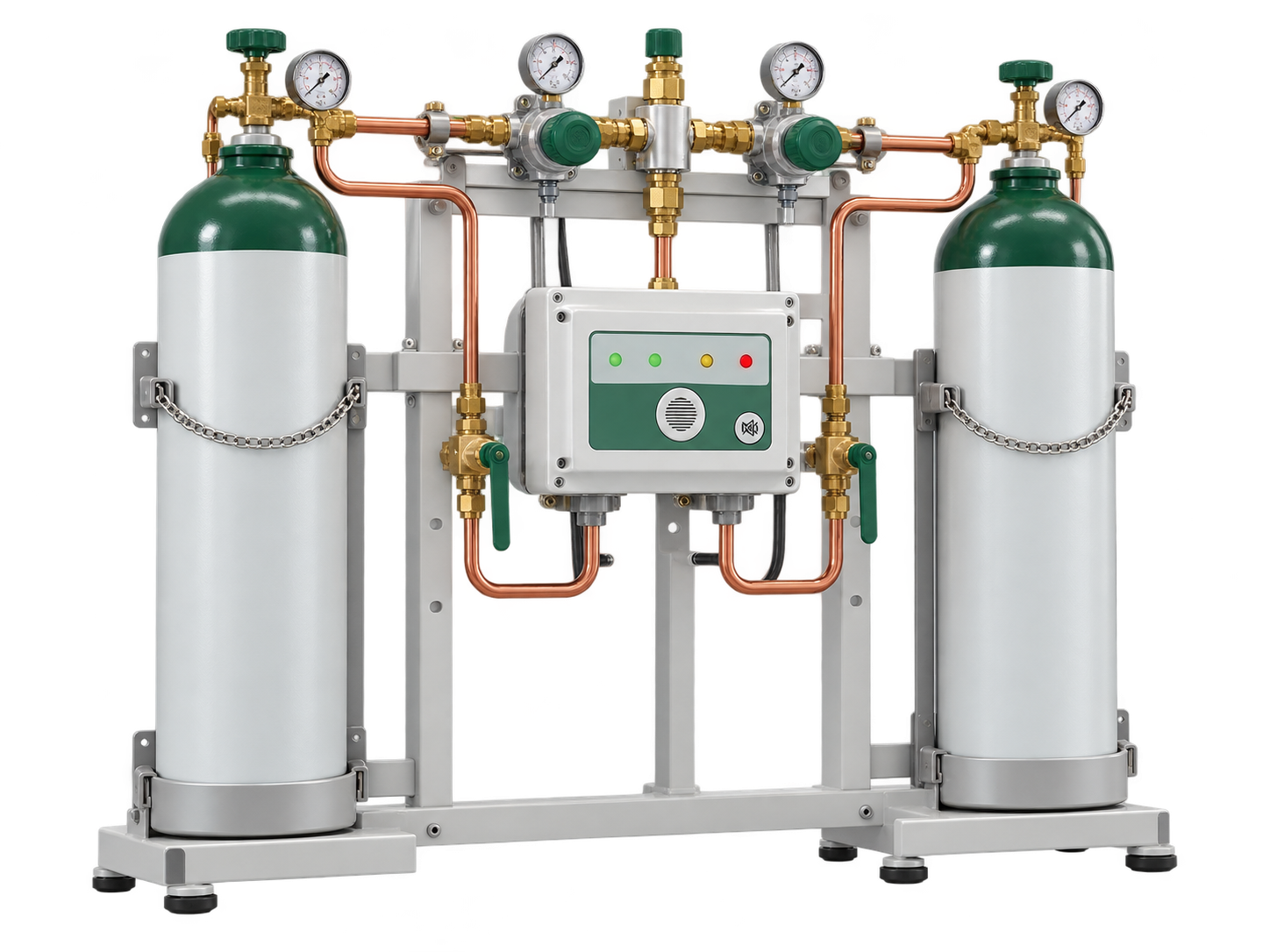
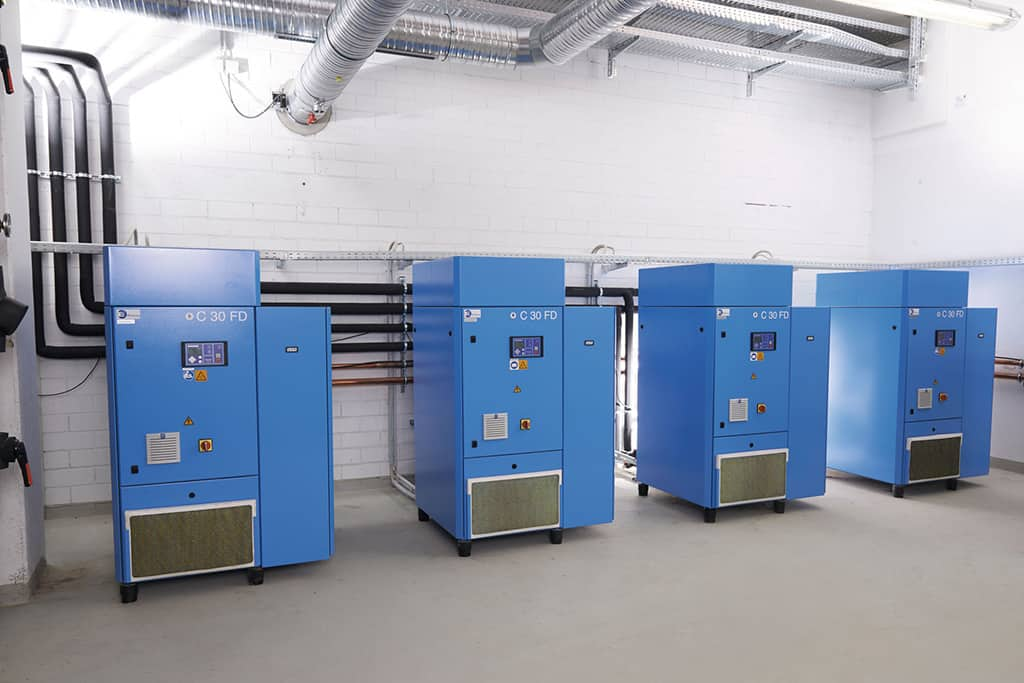
Medical Compressed Air System
Configured central medical compressed-air supply system
Price on request

Medical equipment and biomedical engineering.
Abuja, Nigeria.
Buy medical air and vacuum systems in Nigeria through Franance. Compare medical air compressor systems separately from medical vacuum pump systems, then request a quotation against a project-specific demand, plant-room survey, pipeline interface, redundancy and commissioning brief.
7 models
Configured central medical compressed-air supply system
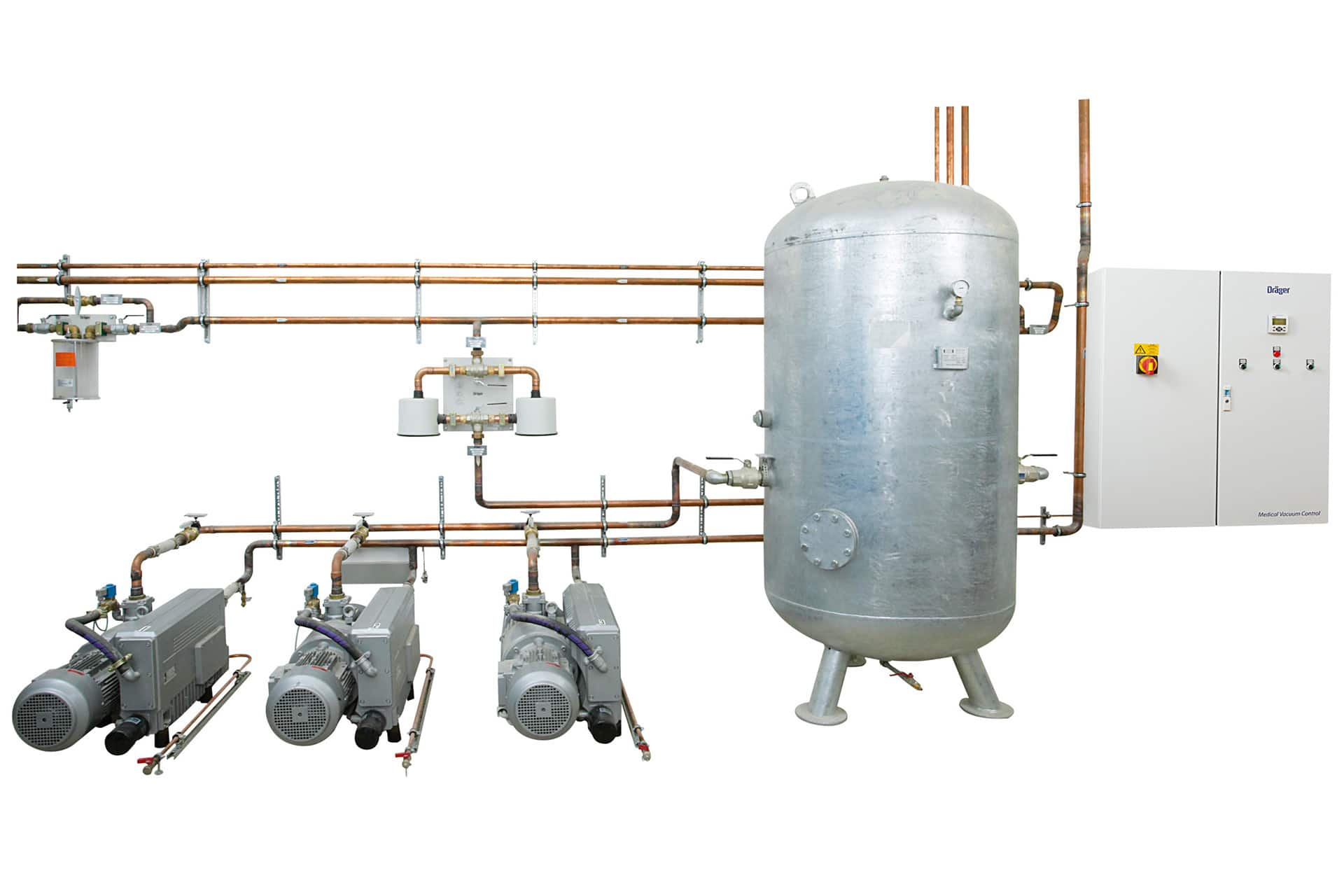
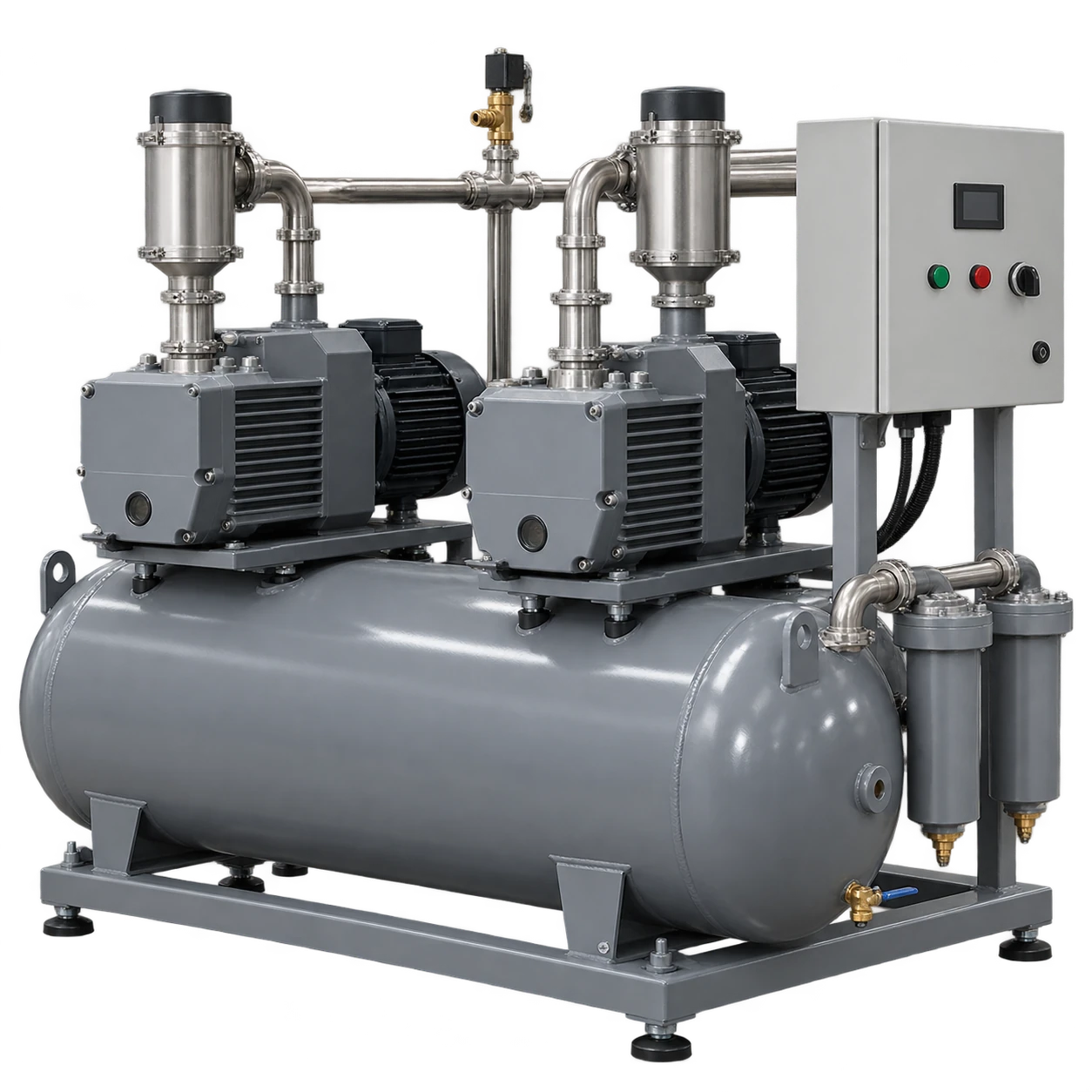
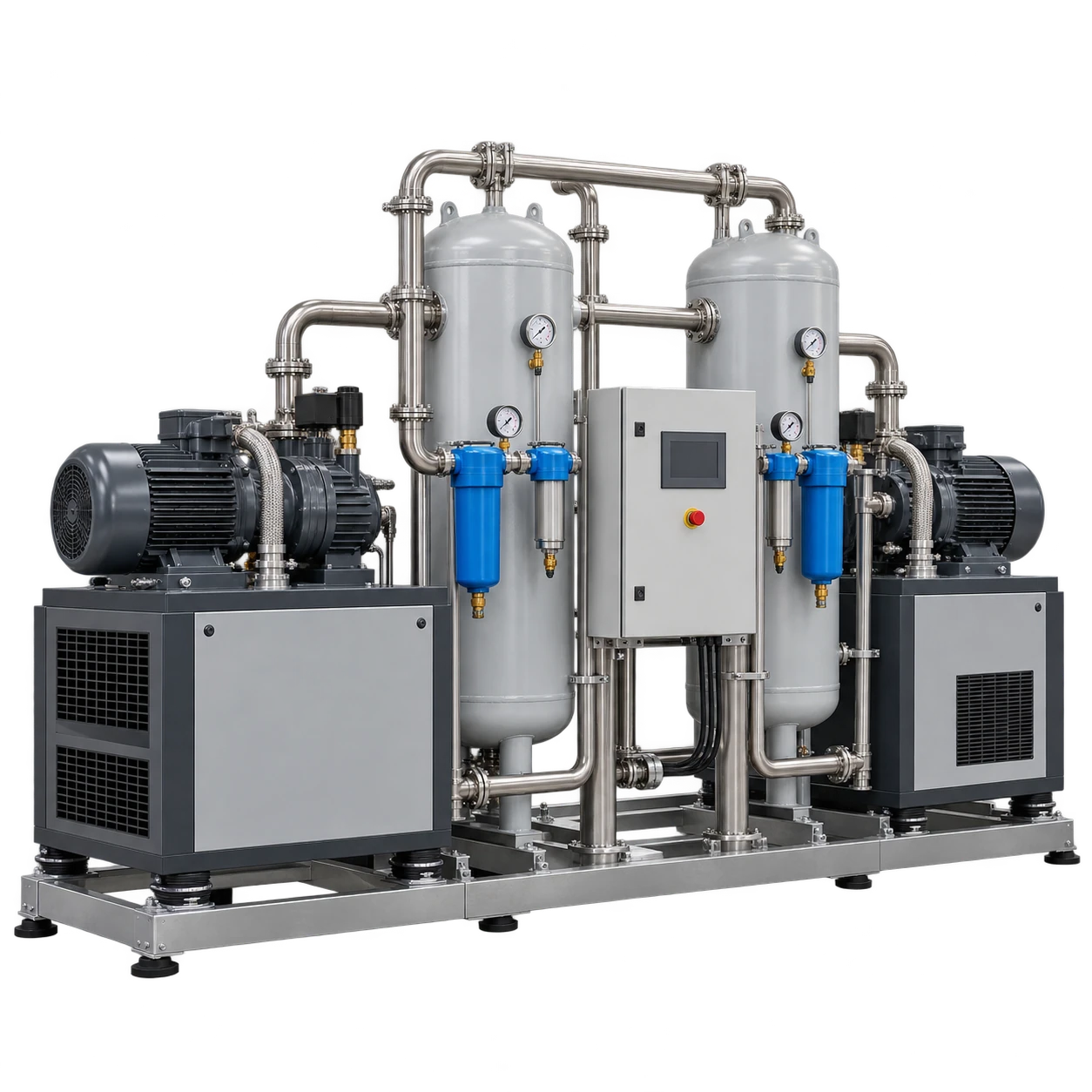
Configured medical air supply system with PMA XL1 purification module
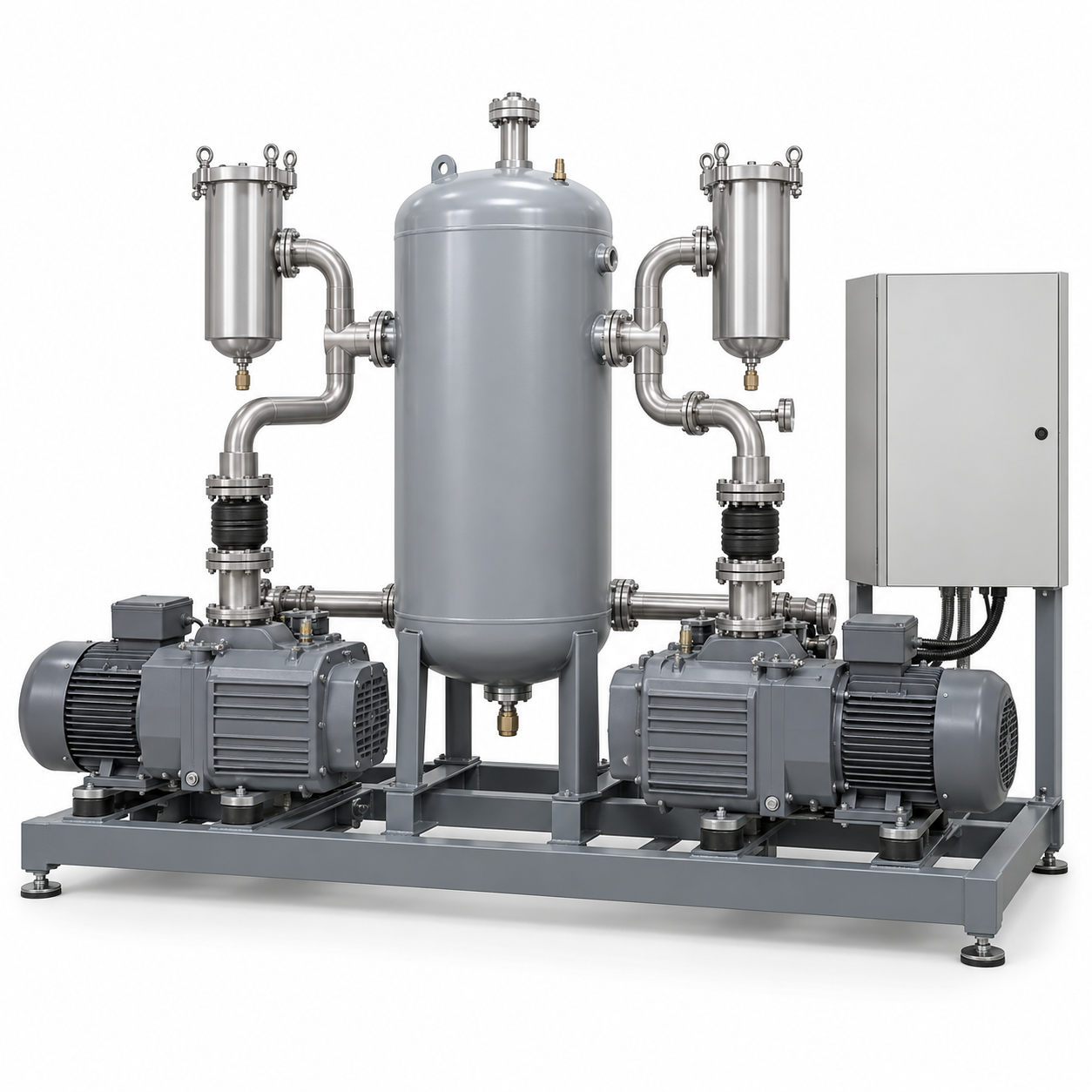
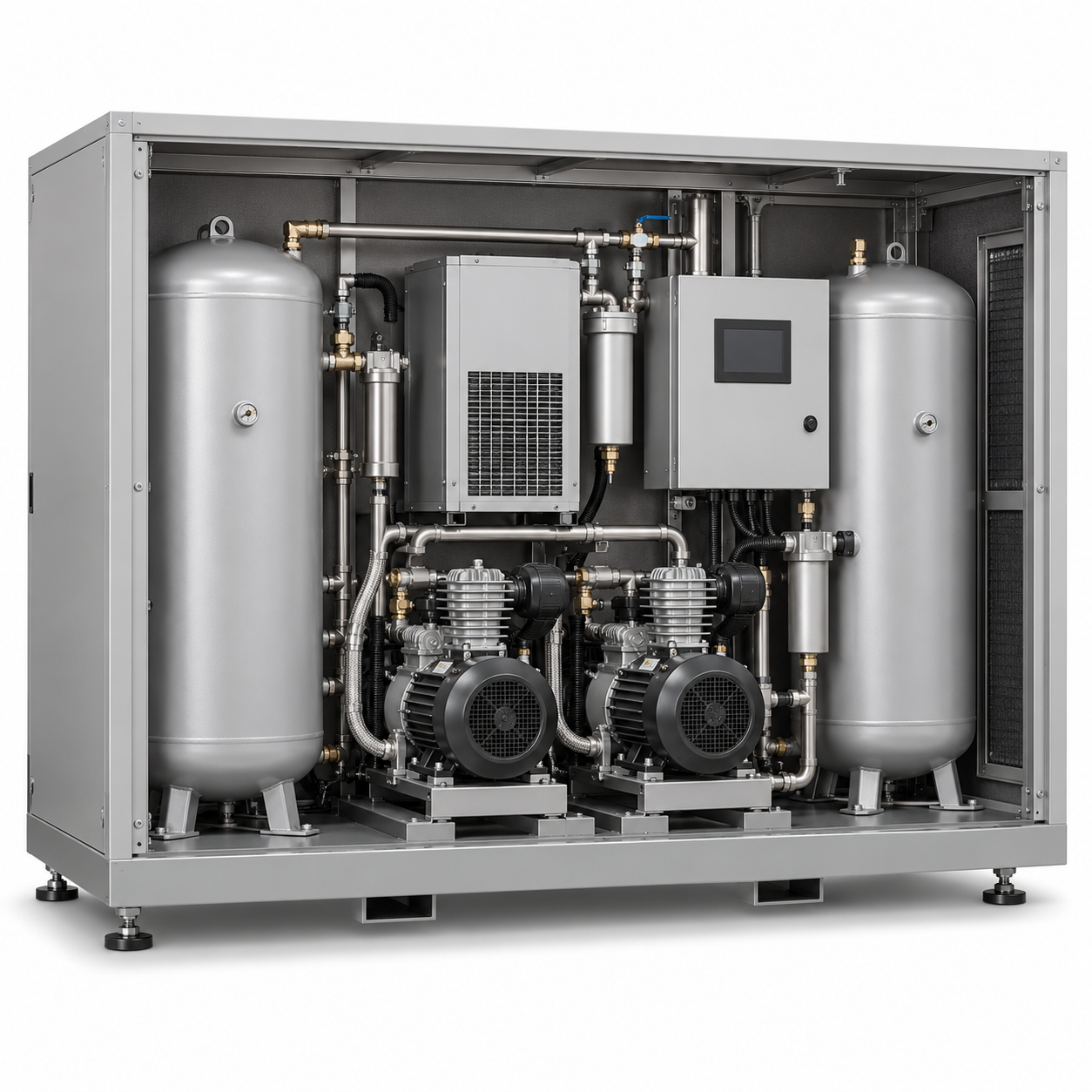
The category has two distinct equipment groups. See medical air compressor systems for three Dräger and BeaconMedaes references, and medical vacuum pump systems for three Dräger and BeaconMedaes references.
Read moreThe three listed air-system references are Dräger Medical Compressed Air System, BeaconMedaes PMA XL1 Medical Air System and BeaconMedaes TMA Medical Air System.
Read moreThe three current listings are Dräger Medical Vacuum System, BeaconMedaes mVAC-2560-Q-HTM02-01 Medical Vacuum System and BeaconMedaes Magnis MSV Rotary Screw Medical Vacuum System.
Read moreBuy a medical air compressor system or a medical vacuum pump system in Nigeria through Franance by first establishing what your facility must supply, to which departments, at what design demand and through which pipeline. These are separate plant systems. A medical air plant compresses, treats, stores and monitors air for medical applications; a medical vacuum plant removes gas through suction and maintains a specified vacuum service for connected clinical areas. Each needs a different design basis, plant arrangement, alarm strategy and pipeline interface. They cannot substitute for each other, and a quotation for the machinery alone should not be assumed to include a complete gas pipeline project. The current Franance catalogue lists six product references across medical-air compressor systems and medical-vacuum pump systems. Browse the relevant leaf, provide the facility’s engineering brief, and submit a quote order. Franance follows up by phone or email; these systems are not bought through an online payment checkout. Qualified medical-gas engineers and the responsible hospital teams must develop and approve the demand, design, installation, validation, verification and operating arrangements under standards and regulations applicable to the project in Nigeria.
The category has two distinct equipment groups. See medical air compressor systems for three Dräger and BeaconMedaes references, and medical vacuum pump systems for three Dräger and BeaconMedaes references.
The product records include project-configured systems. In particular, a manufacturer family name does not define the capacity, pump count, vessel, dryer, filter, controls or site scope for a specific facility. Use the listings to identify the product family, then request the actual proposed system schedule and engineering documentation. Avoid comparing headline horsepower, flow or pump technology in isolation: the basis must reflect the total connected demand, operating pressure or vacuum, quality requirements, redundancy, pipeline losses and agreed operational reserve.
The ISO 7396-1 pipeline-system standard addresses compressed medical gases and vacuum, including design, installation, performance, documentation, testing and commissioning, plus supply, distribution, controls, monitoring and alarms. At research date, ISO listed the 2016 edition with a 2017 amendment and indicated that revision was underway, so the responsible designer should confirm the version and amendments applicable to the project. NHS England’s Health Technical Memorandum 02-01 gives design, installation, validation, verification and operational-management guidance in its own context. Use these as engineering references for the project brief; identify the requirements adopted by the Nigerian authorities and project instead of assuming UK guidance is local law.
The three listed air-system references are Dräger Medical Compressed Air System, BeaconMedaes PMA XL1 Medical Air System and BeaconMedaes TMA Medical Air System.
Dräger describes its medical compressed-air offering as a configurable system that may be central or decentral, and describes system variants with multiple compressors, redundant components, air treatment, monitoring and alarms. Those are manufacturer portfolio characteristics; the proposed Dräger project configuration and exact supply scope must be requested. Identify whether the requirement is for a complete source plant, a replacement plant, an extension or an equipment-only supply.
BeaconMedaes distinguishes the PMA and TMA approaches. PMA is described as a modular air-purification package matched with a selected compressor technology and size. Its PMA XL1 press release identifies the XL1 purifier/filter configuration separately from XL2 and describes several outlet pressure configurations for the PMA range. The reference product here is PMA XL1, not XL2: ask the supplier to identify the complete compressor arrangement, selected filter train and design rating in the offered schedule. Avoid carrying a range-level maximum flow figure into a facility design without verifying the exact proposed model, operating conditions and performance data.
BeaconMedaes describes TMA as an all-in-one system with duplex compressors, dryers, coolers, controls and instrumentation in one enclosure. Its published material describes factory integration and testing, separated compartments for service interventions, and optional carbon-monoxide/carbon-dioxide sensing. Confirm which capacity, vessel arrangement, dryer, monitoring, alarms and sensors are included in the Nigerian offer. “All-in-one” describes the equipment package; it does not by itself establish pipeline distribution, building electrical work, installation, local testing or service support.
The three current listings are Dräger Medical Vacuum System, BeaconMedaes mVAC-2560-Q-HTM02-01 Medical Vacuum System and BeaconMedaes Magnis MSV Rotary Screw Medical Vacuum System.
Dräger describes its medical vacuum systems as modular, with pumps, tanks, filters and controls selected to match hospital requirements. The manufacturer’s published overview describes redundant reserve units and monitoring. Specify the required vacuum service and demand profile, and ask for the exact included pump count, reserve arrangement, vessel and bacterial-filter configuration, controller, alarms and connections. Do not treat the Dräger family description as a fixed configuration or a confirmation of local installation services.
BeaconMedaes mVAC is a lubricated rotary-vane system with a central controller; the manufacturer describes floor- or tank-mounted arrangements, built-in redundancy, a vacuum vessel and monitored bacterial filters. Its product page states that the vessel acts as a buffer and a backup if pumps are unavailable. The listing’s model code is mVAC-2560-Q-HTM02-01; ask the supplier to confirm what that code means for pump configuration, rated performance, vessel size, controls, filters and compliance documentation in the proposed supply.
BeaconMedaes Magnis MSV is a rotary-screw vacuum-system family with variable-speed-drive and central-control features described by the manufacturer. Its operating principle and control approach differ from the mVAC rotary-vane reference. Evaluate the actual technical submission against the same demand, pressure/vacuum, resilience, maintenance and plant-room criteria rather than treating one pump technology as automatically superior. If the facility has a preferred maintenance skill base or existing spare-parts plan, include it in the evaluation.
Have a qualified medical-gas engineering team survey the existing or proposed plant room and pipeline before accepting a system size. Provide the building and plant-room drawings, source locations, room dimensions, access route and clearances for delivery and future maintenance. Confirm floor loading, ventilation, heat removal, ambient conditions, acoustic limits, drainage where required, environmental exposure and any fire or room segregation requirements against the project design and equipment documentation. These points affect installation feasibility; this guide does not specify structural or building-system design.
For medical air, record the departments and terminal units to be served, the approved design pressure, demand and diversity assumptions, simultaneous use, future expansion allowance, air-quality specification and existing plant performance. Identify dryer and filter requirements, condensate handling, receiver arrangements, monitoring, alarms and equipment isolation. State if the air is intended for patient-connected medical use, surgical-air applications, instrument use or another specified service; those service types can have different quality and pressure requirements. Do not combine them under a generic “compressed air” requirement.
For vacuum, document served areas and terminal units, design vacuum level at the point of use, demand assumptions, expected peaks, leakage and pipeline losses, reserve capacity and evacuation or discharge requirements. Identify existing vacuum vessels, bacterial filters, isolation valves, alarms, control points and maintenance intervals where a plant is being replaced. Existing supply performance and pipeline condition should be checked by the responsible engineers; plant nameplate values alone do not establish sufficient performance at remote terminals.
For both systems, share the electrical one-line diagram or verified supply details, motor starting/load information, generator or alternate supply arrangement, existing transfer switches where present, building-management interface and alarm destinations. Document whether site work includes foundations, electrical feeders, ventilation, drains, headers, pipework, controls, monitoring or commissioning. Assign who surveys, designs, supplies, installs, tests, validates and hands over each work package.
Write resilience into the requirement rather than assuming that any system with two or more pumps satisfies it. The facility’s designers should specify the required normal and reserve capacity, redundancy philosophy, ability to isolate equipment for service while maintaining required service, storage or receiver volume, changeover behaviour, alarms, monitoring and response arrangements. Have the design team model the actual connected demand, peak conditions, planned future connections and credible component failures using current project requirements.
For compressed medical air, ask how many compressors are proposed, the expected duty/standby sequence, the air-treatment path, storage, pressure control, quality monitoring and alarms. Confirm which components are duplicated and which remain common to multiple trains. For vacuum, separately identify pump redundancy, vessel or buffer requirements, filtration arrangement, isolation provisions and how alarms reach a staffed location. A pump count on a product description does not reveal the capacity available with one unit unavailable or the response to a power or control fault.
Nigeria site conditions belong in the design brief. Confirm actual electrical supply quality and availability, generator capacity and transfer scheme, voltage and frequency, room temperature and ventilation, service access, local spares strategy, duty cycles and planned maintenance windows. Ask the engineering supplier to state any operating limitations or site prerequisites. Do not assume the system is generator-ready or has a universal voltage arrangement based on its market name; verify the specific electrical configuration and plant loads.
The central plant is one component of an overall medical gas pipeline system. The specification should distinguish plant supply from the pipe network, zone and area isolation, alarms, terminal units, pressure/vacuum controls, monitoring and commissioning responsibilities. ISO 7396-1 explicitly treats supply systems and pipeline distribution systems, controls, alarms, testing and commissioning as connected parts of the medical gas system. It also includes gas-specific non-interchangeability provisions. A compressor or vacuum pump package does not automatically provide all these downstream components.
For new builds, identify source-to-terminal-unit scope, building zones, target point-of-use criteria, integration with existing or new pipelines and the applicable testing and handover plan. For extensions or replacements, document the existing pipeline as-built drawings, pipe material and size, zone valve and alarm schedule, existing gas/vacuum identity, terminal-unit types, known defects, previous test results and system downtime constraints. Have an authorized engineer assess the interface; do not splice or modify a medical gas line based only on a machinery quote.
Coordinate source planning with the facility’s other gas-supply and pipeline work. See the oxygen generation and supply guide, PSA oxygen plants, oxygen manifold systems, medical-gas cylinder manifolds and pipeline and bedhead interfaces. These categories cover related supply and distribution equipment; they do not make oxygen, compressed air and vacuum interchangeable services.
Ask for clear separation of equipment, pipeline, electrical and controls work in the proposal. Require a defined commissioning, validation and verification plan, acceptance criteria, test documentation, operating manuals, maintenance schedule, training and handover records. NHS HTM 02-01 describes staged test and commissioning checks such as leakage, cross-connection, valves, terminal units, alarms and supply-system performance. Use the current project’s adopted standard and local authority process to determine the applicable tests. Do not represent any listed machine as certified for a full Nigerian installation without project-specific evidence.
Send Franance the exact listing, intended system role, facility name, city and state, and whether the request is for new construction, plant replacement, expansion or equipment-only supply. Attach the site survey, existing drawings and demand schedule if available. Separate the medical-air design basis from the medical-vacuum basis and specify which departments, terminal units and future phases are included.
Ask the written offer to identify the manufacturer, system family and configured model; rated capacity at stated conditions; operating pressure or vacuum; number and type of compressors/pumps; vessels; dryers and filters; valves and control equipment; monitoring and alarms; electrical requirements; connections; dimensions and weights; acoustic and ventilation requirements; accessories; documentation and applicable conformity evidence. Request explicit included/excluded schedules for pipework, installation, electrical work, commissioning, validation, training, spare parts, maintenance and service. Ask which design calculations, factory tests, site tests and handover records will be supplied.
For a Nigerian project, state the required delivery address, site access limits, power source and backup, project timeline, local authority or consultant requirements, procurement terms and contacts for engineering review. Ask Franance to confirm availability, delivery, warranty and service arrangements for the specific order in writing. The manufacturer’s regional pages, published configurations or standards claims do not establish Nigerian stock, regulatory approval, local warranty or service coverage.
Choose the medical-air compressor system listing or medical-vacuum pump system listing, then select the product family matching your project brief. Submit the quote request with the quantity or system requirement, facility location and engineering documents. For a complete system, include the site-survey information and clarify whether plant, distribution pipeline, installation, controls, testing, training and maintenance must be quoted together or separately.
Franance will follow up by phone or email to clarify scope and provide the next steps. Before approving the order, confirm the system capacity and performance basis, redundancy and backup, air or vacuum quality requirements, pipeline tie-in scope, applicable testing, documentation, delivery and post-installation responsibilities in writing. Contact Franance for a medical air and vacuum quotation.
If the project also needs other equipment groups, browse medical products in Nigeria and add the relevant requirements to a separate part of the enquiry.
Medical air is compressed and treated air supplied through a medical air plant. Medical vacuum is suction service produced by a vacuum plant. They serve different functions and require separate pipeline identities and designs.
Not automatically. Ask the quote to list plant, pipeline, terminal units, valves, alarms, electrical work, installation, commissioning and testing as included or excluded scopes.
A qualified medical-gas engineer should use the facility’s approved demand, connected departments, simultaneous-use and design assumptions, performance at terminal units, future phases, redundancy and adopted project standards.
Share plant-room drawings and access, electrical supply and backup, ventilation and heat-removal information, existing plant/pipeline drawings, current test records, delivery location and site readiness constraints.
No. BeaconMedaes distinguishes the XL1 and XL2 purification configurations. The assigned catalogue record is PMA XL1; ask the quote to confirm its exact filter train, compressor, pressure, flow and included system components.
Request the configured duty/reserve arrangement, capacity available during a fault or maintenance, duplicated and common components, vessel/storage basis, control behavior and alarm destinations.
No. Confirm the project’s applicable standards and Nigerian authority requirements, exact equipment documentation, installation scope and site-specific testing, validation and handover evidence.
No online checkout is used. Submit a quote order, and Franance will follow up by phone or email to clarify the project and next steps.
Send the facility demand brief, site survey, pipeline interface, redundancy requirements, applicable standards basis and delivery location for an itemised system proposal.
Request a medical-gas system quoteAdd the models you need to a quote order, or send us your equipment list.