

Buy PSA Oxygen Plant in Nigeria.
Browse psa oxygen plant and request a quotation for your facility in Nigeria. Include the configuration, quantity and delivery location you need.
Products
3 models
Where can I buy a PSA oxygen plant in Nigeria?
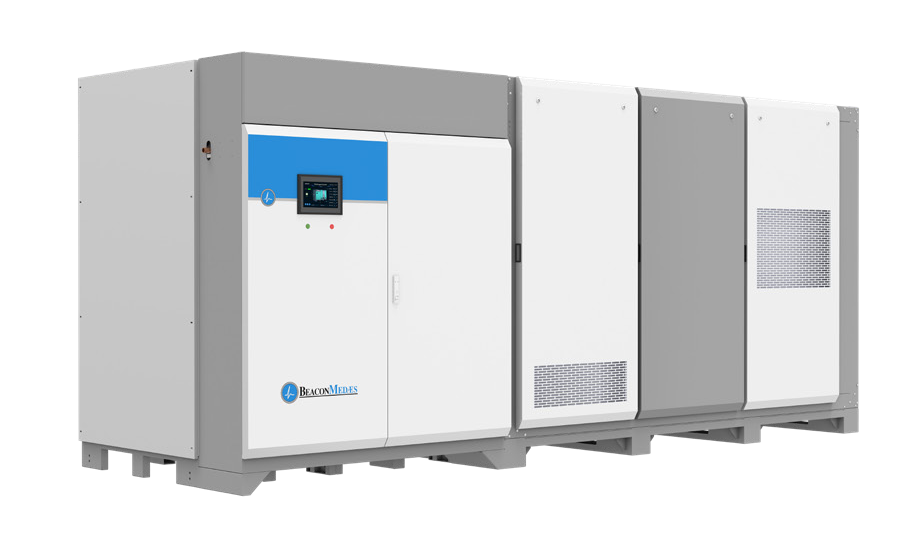
Review the PSA oxygen plant category in Nigeria and the current listings for BeaconMedaes BMO-6000 and BeaconMedaes OGP+ MED. The filtered listings identify catalogue records; they are not a confirmation that a specific plant is available or that it is suited to your facility.
Read moreWhich PSA oxygen plant models does Franance list?
The current catalogue assigns two BeaconMedaes records to this category: the BMO-6000 PSA Medical Oxygen Plant and the OGP+ MED Modular Oxygen Concentrator. BeaconMedaes describes the OGP+ MED as a modular oxygen concentrator and publishes model documentation through its technical documentation portal. Its exact capacity, output pressure, included modules and configuration must be confirmed in the applicable current specification sheet and quotation.
Read moreHow does a PSA oxygen plant fit into a hospital oxygen system?
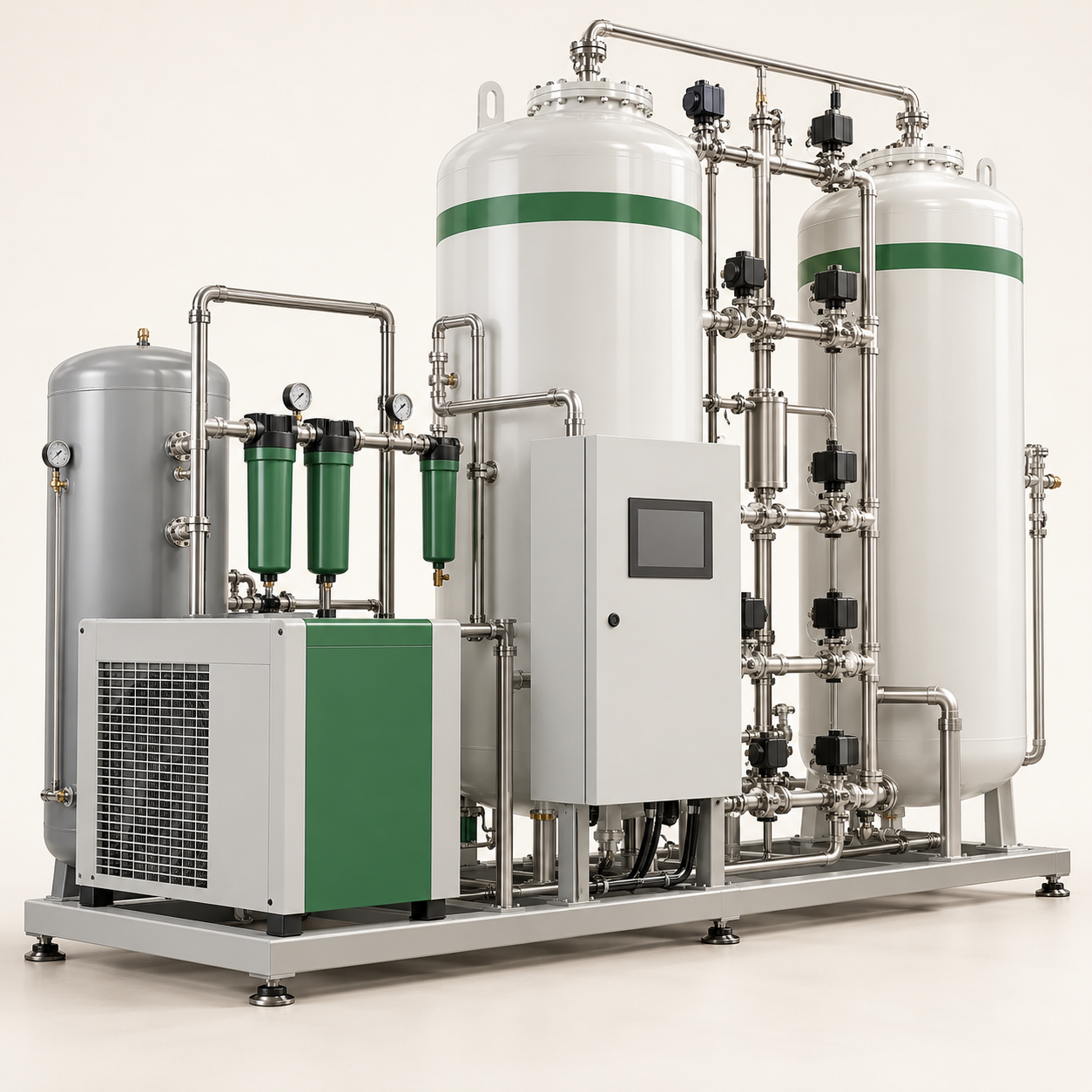
Pressure swing adsorption separates oxygen-enriched product gas from ambient air using adsorbent beds and pressure cycling. The plant is only one part of a medical oxygen system. WHO describes the complete pathway in terms of source, distribution, regulation and conditioning, delivery and patient monitoring. Depending on the design, a health facility may also need air compression, filtration and drying, oxygen generation, product storage, booster or cylinder-filling equipment, backup supply, control and alarm arrangements, pipeline distribution, pressure regulation and suitable terminal units.
Read moreBuy a PSA Oxygen Plant in Nigeria: Plan Capacity, Distribution and Support
Buy a PSA oxygen plant in Nigeria by sizing the complete medical oxygen system around measured demand, required outlet pressure and purity, backup sources, distribution, power availability and qualified maintenance. Franance currently lists the BeaconMedaes BMO-6000 PSA Medical Oxygen Plant and OGP+ MED Modular Oxygen Concentrator in this category. Confirm the exact model, output configuration and project scope in a written quote; the catalogue does not establish current stock, price, registration, installation or service availability. Franance accepts quotation orders and follows up by phone or email. There is no online checkout.
Where can I buy a PSA oxygen plant in Nigeria?
Review the PSA oxygen plant category in Nigeria and the current listings for BeaconMedaes BMO-6000 and BeaconMedaes OGP+ MED. The filtered listings identify catalogue records; they are not a confirmation that a specific plant is available or that it is suited to your facility.
PSA oxygen generation is a facility infrastructure project. Before requesting a quote, gather the facility’s clinical and engineering requirements: current and projected oxygen demand, number and type of outlets, expected simultaneous use, distribution layout, cylinder filling or backup needs, operating hours, available electrical supply, plant location, environmental conditions and service capability. Identify the intended delivery city and state, project stage, preferred commissioning date and existing medical-gas infrastructure. Ask Franance to follow up by phone or email and provide a written, configuration-specific quotation with clear inclusions and exclusions.
If the facility has not yet completed an oxygen-demand study or pipeline design, say so. Request an initial technical discussion rather than treating a headline litre-per-minute figure as a design. The system’s output, pressure and quality must be matched to the intended use and the downstream distribution design by qualified medical-gas professionals.
Which PSA oxygen plant models does Franance list?
The current catalogue assigns two BeaconMedaes records to this category: the BMO-6000 PSA Medical Oxygen Plant and the OGP+ MED Modular Oxygen Concentrator. BeaconMedaes describes the OGP+ MED as a modular oxygen concentrator and publishes model documentation through its technical documentation portal. Its exact capacity, output pressure, included modules and configuration must be confirmed in the applicable current specification sheet and quotation.
The catalogue title for BMO-6000 identifies a PSA medical oxygen plant; the offer must identify the precise configuration and component schedule. Do not infer rated output, purity, redundancy, pressure or cylinder-filling capability from the model name. A project offer should show model code, number of operating and standby trains, compressor and treatment package, storage and controls, product-gas monitoring, alarm functions, delivery pressure, rated and turndown capacity, and applicable design standards. Request manufacturer documentation for every offered item.
The two records are procurement starting points, not a complete comparison. Franance can clarify the enquiry and prepare a quotation once the facility’s design basis and scope are defined. Ask the written proposal to distinguish the generation equipment from the pipeline, terminal units, manifolds, backup source, installation work, testing and ongoing maintenance.
How does a PSA oxygen plant fit into a hospital oxygen system?
Pressure swing adsorption separates oxygen-enriched product gas from ambient air using adsorbent beds and pressure cycling. The plant is only one part of a medical oxygen system. WHO describes the complete pathway in terms of source, distribution, regulation and conditioning, delivery and patient monitoring. Depending on the design, a health facility may also need air compression, filtration and drying, oxygen generation, product storage, booster or cylinder-filling equipment, backup supply, control and alarm arrangements, pipeline distribution, pressure regulation and suitable terminal units.
The plant’s product must meet the quality requirements for its intended medical use. WHO’s interim PSA plant specification identifies medical oxygen at 93% ±3 from ambient air as the PSA target. Verify the current applicable standard, the manufacturer’s guaranteed performance conditions and the facility’s regulatory requirements. This concentration is not a general permission to use any output gas for patients; the system must be designed, installed, verified and operated for medical use, with monitoring and procedures that protect product quality.
Do not confuse a PSA source plant with a complete medical-gas project. A generator skid does not by itself demonstrate that oxygen can be safely delivered at the correct flow and pressure to every clinical outlet. The design must coordinate source capacity, storage, backup, pipeline sizing, pressure loss, outlet demand, alarms, testing, commissioning and maintenance. Define those interfaces before comparing proposals.
How should I size a PSA oxygen plant for a Nigerian facility?
Start with a demand assessment led by the facility’s clinical, biomedical, engineering and medical-gas teams. Document the services that will use oxygen, the number of beds and outlets, expected patient flow, oxygen delivery devices, peak simultaneous demand, seasonal or emergency surges, expansion plans and the reliability of the existing source. Identify current consumption data where available, but validate it against actual service needs rather than using historic cylinder purchases alone. A new ICU, theatre or maternity service can change both peak demand and redundancy requirements.
State the required flow and pressure at defined operating conditions, the quality specification, expected annual operating hours, control philosophy, acceptable downtime and backup autonomy. Ask the supplier to show the plant’s rated and minimum turndown performance under the site’s expected ambient temperature, humidity, altitude, power quality and maintenance conditions. Request the assumptions behind any capacity figure and confirmation that the plant can satisfy the design peak while the specified equipment is unavailable for service.
Sizing should consider duty/standby strategy, storage volume, backup cylinders or another source, alarm response, and how demand is managed if the generator or power supply fails. Cylinder filling is a distinct duty that can materially affect compressor, booster, storage, power and safety requirements. If needed, specify the target filling rate, cylinder types and connections, operating schedule, quality verification and responsibilities. A qualified designer should document the basis of design and verify capacity across the complete system.
What site and utility requirements should I check before ordering?
Request the manufacturer’s site-planning information for the exact offered package. Confirm plant-room or container dimensions, equipment weights, floor loading, ventilation, ambient temperature and humidity limits, access for delivery and service, maintenance clearances, noise considerations, drainage, heat rejection and environmental protection. For outdoor or containerised equipment, establish foundation, weather protection, security, access, lifting, and safe separation from exhausts, flammable materials or other site hazards through the qualified project team.
Electrical supply is a critical design input. Confirm voltage, phase, frequency, starting current, load profile, earthing, protection, power-quality tolerance and required generator or backup-power capacity. PSA systems depend on continuous power; assess generator changeover, fuel autonomy, power conditioning and alarm integration where relevant. These values vary by package and should be documented by the manufacturer, electrical engineer and supplier. Do not estimate a facility’s power requirement from a generic model label.
Map the complete pipeline route from the plant to clinical areas. Have qualified medical-gas designers review pipe material and sizing, pressure losses, isolation zones, terminal units, alarm panels, ventilation, plant and storage locations, and access for inspection. If a pipeline already exists, request condition and capacity surveys before assuming it can support a larger source. Include delivery, rigging, civil work, installation, pipework, testing, commissioning, training and handover explicitly in the scope schedule.
What quality, standards and safety evidence should I request?
Ask for manufacturer specification sheets, installation and operation manuals, maintenance requirements, quality certificates, component schedules, performance guarantees, alarm descriptions and the applicable conformity or regulatory documentation. Request the test method and acceptance limits for oxygen concentration, flow, pressure, dew point or other specified gas-quality measures under the offered operating conditions. Require clear identification of what is measured continuously, what is periodically tested and who is responsible for calibration and records.
Medical oxygen is not interchangeable with industrial oxygen. WHO warns that industrial oxygen may not have the purity controls, contamination safeguards, production practices, storage or distribution controls needed for patient use. The plant, storage and pipeline must be specified and managed as a medical-use system. Ask for documented procedures covering sampling, quality release, changeover to backup, nonconforming gas, alarms, maintenance, emergency response and return to service after repair.
The project team should identify applicable Nigerian requirements and standards for the plant, medical-gas pipeline system, electrical work, fire and life safety, infection prevention and the intended clinical applications. Request the applicable conformity evidence and regulatory documents for the exact devices and manufacturer. Engage qualified medical-gas and regulatory specialists; a product page or this guide is not a code-compliance determination. Before use, the facility should complete documented installation verification, acceptance testing, training and operational handover.
What installation, maintenance and backup support should the proposal include?
Medical oxygen production depends on trained people, reliable utilities, preventive maintenance and available parts. Request a maintenance schedule for compressors, filters, dryers, valves, adsorbent beds, sensors, controls, alarms and any booster or cylinder-filling equipment. Ask for component service intervals, expected replacement parts, consumables, local service arrangements, escalation contacts, response hours, remote support prerequisites and the process for reporting a fault. Confirm who performs routine checks and what competency or tools are required.
Specify the backup strategy and how staff will know when the primary source is interrupted or the gas falls outside requirements. Depending on the design, this may involve a secondary plant train, cylinder manifold, bulk supply or another approved source. The design should define automatic or manual changeover, alarms, storage autonomy, connection points, responsibility for replenishment and regular drills. Do not regard a backup manifold or storage cylinder as included unless it appears in the equipment schedule and quote.
Request an itemised service and warranty plan with start date, covered equipment, exclusions, labour and travel, response commitments, preventive visits, parts, software or controls support, and conditions that void coverage. Ask whether installation, commissioning, pipeline testing, staff training, documentation and handover are included or separately priced. A dependable lifecycle plan needs a named owner at the facility, records, maintenance budgets and a source of technical support, not only a warranty period.
What affects the price of a PSA oxygen plant in Nigeria?
The cost depends on capacity and redundancy, compression and treatment components, storage, product monitoring, control and alarms, booster or cylinder-filling equipment, pipeline work, backup supply, building and electrical modifications, delivery, installation, commissioning, training and service. Site access, distance from the delivery point, import and clearance arrangements, taxes, currency and schedule can also change the total. Consequently, a model name or starting price cannot establish the cost of a commissioned oxygen system.
Ask for a written quotation that separates plant equipment from pipeline and facility work. Request separate lines for source equipment, storage, backup, cylinder filling if applicable, controls, monitoring, freight and insurance, installation, acceptance testing, training, warranty and annual support. State whether import documentation and regulatory evidence are in scope, who owns customs and clearance steps, the quote currency, validity period, delivery point, lead-time assumptions, milestones and exclusions. If the facility expects construction or pipeline work, require a site survey and clear responsibility schedule before contract approval.
To compare offers, issue all bidders the same demand assumptions, technical schedule, site information and service requirements. Ask each to identify deviations, unavailable items, options and assumptions. Evaluate lifecycle cost and operational capability alongside purchase price: power use, planned downtime, consumables, replacement parts, service response and backup autonomy affect the cost and resilience of oxygen supply over time.
How do I request a PSA oxygen plant quotation from Franance?
Open the PSA oxygen plant category and review the current BMO-6000 and OGP+ MED catalogue records. In your quote order, include the facility name, destination city and state, contact person, project stage and schedule, oxygen demand study, design pressure and quality, pipeline status, backup and cylinder-filling needs, available power, site drawings, required documentation and requested installation or service scope.
Franance will follow up by phone or email to clarify the enquiry and prepare a written quotation for review. Ask the offer to identify the exact equipment model and configuration, rated output and assumptions, included components, regulatory documents, site requirements, installation boundaries, acceptance criteria, warranty, support plan, availability, price basis and exclusions. Have the facility’s clinical, engineering, biomedical and medical-gas stakeholders review the technical response before any purchase decision.
To discuss a facility project, request a PSA oxygen plant quotation from Franance. A quote request starts a conversation; it is not an online purchase, a statement of stock or a promise that the proposed package is suitable until the requirements and configuration are confirmed.
Common questions
Does a PSA oxygen plant include the hospital pipeline?
Not necessarily. The quotation should separate the generator package from storage, backup, pipeline design and installation, alarms, testing and commissioning.
What oxygen concentration does a PSA plant produce?
WHO's interim technical specification describes 93% ±3 oxygen from ambient air for PSA plants. Confirm the applicable specification and guaranteed performance for the exact proposed system.
Can I pay for a PSA oxygen plant online from Franance?
No. Franance accepts quote orders and follows up by phone or email with a written quotation; there is no online checkout.
Does this listing confirm plant capacity or stock?
No. Confirm the exact configuration, rated capacity, site assumptions, availability and price basis in a written quotation.
Request a PSA oxygen plant quotation from Franance.
Send your facility and destination, oxygen demand and design status, pipeline and backup needs, power and site information, preferred configuration, project timeline and requested installation or service scope. Ask the written proposal to confirm the exact system, output assumptions, regulatory documents, price basis, delivery, inclusions and exclusions.
Request an oxygen plant quoteNeed an equipment quote?
Add the models you need to a quote order, or send us your equipment list.