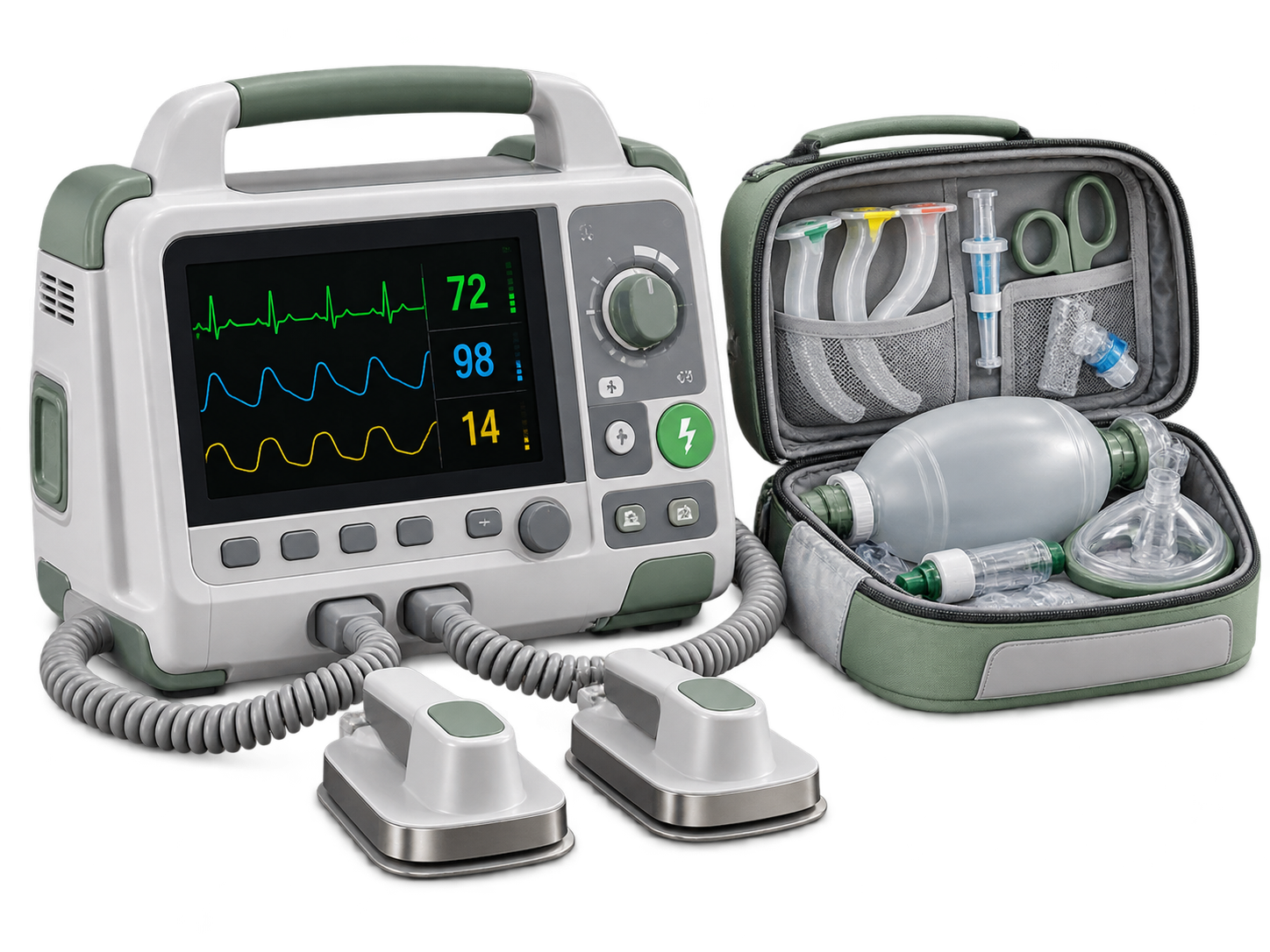
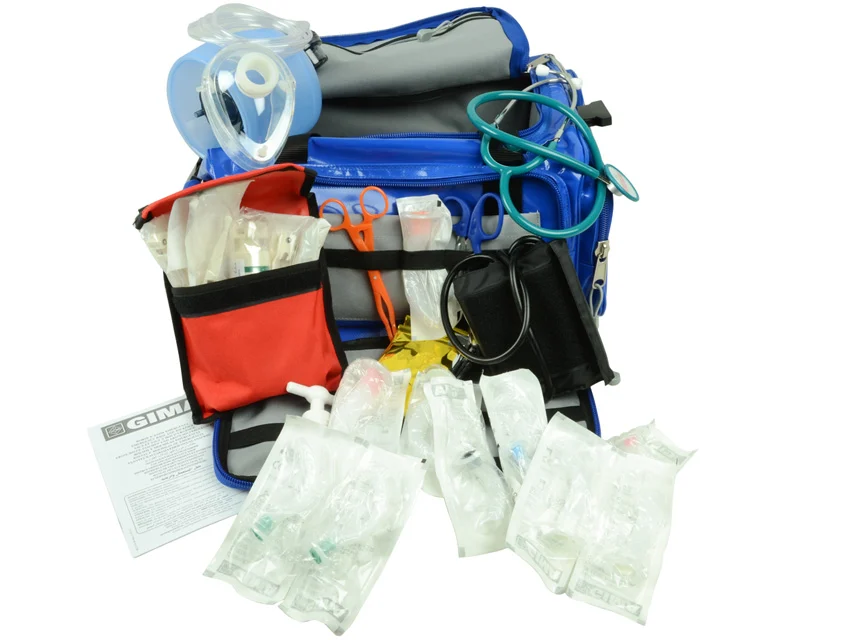
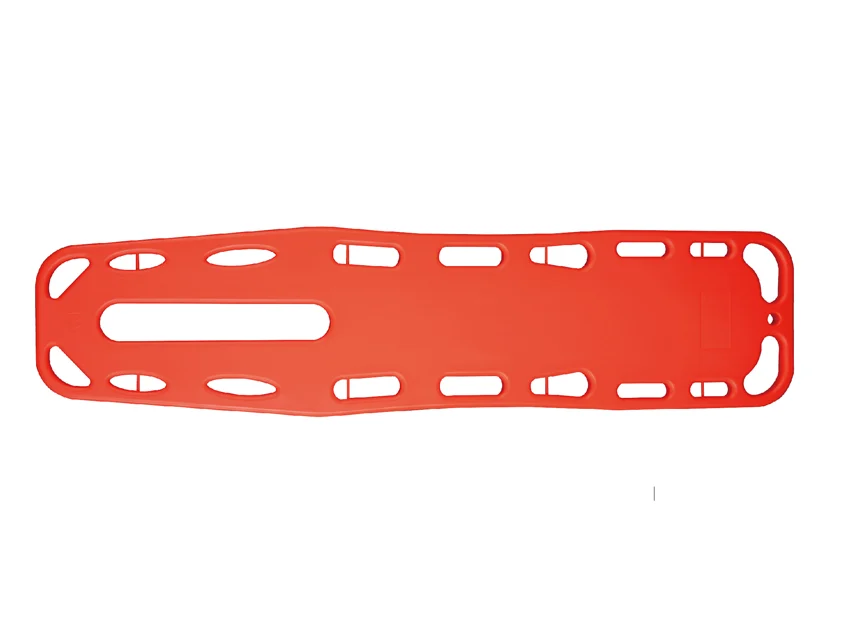
Buy emergency transport and station equipment in Nigeria through Franance across four distinct roles: ambulance cots, hospital patient stretchers, convertible wheelchair-stretchers and crash carts. The current parent category assigns 15 products. Browse the right group, confirm vehicle or facility fit and exact accessories, then request a quotation with your Nigerian destination and project requirements.
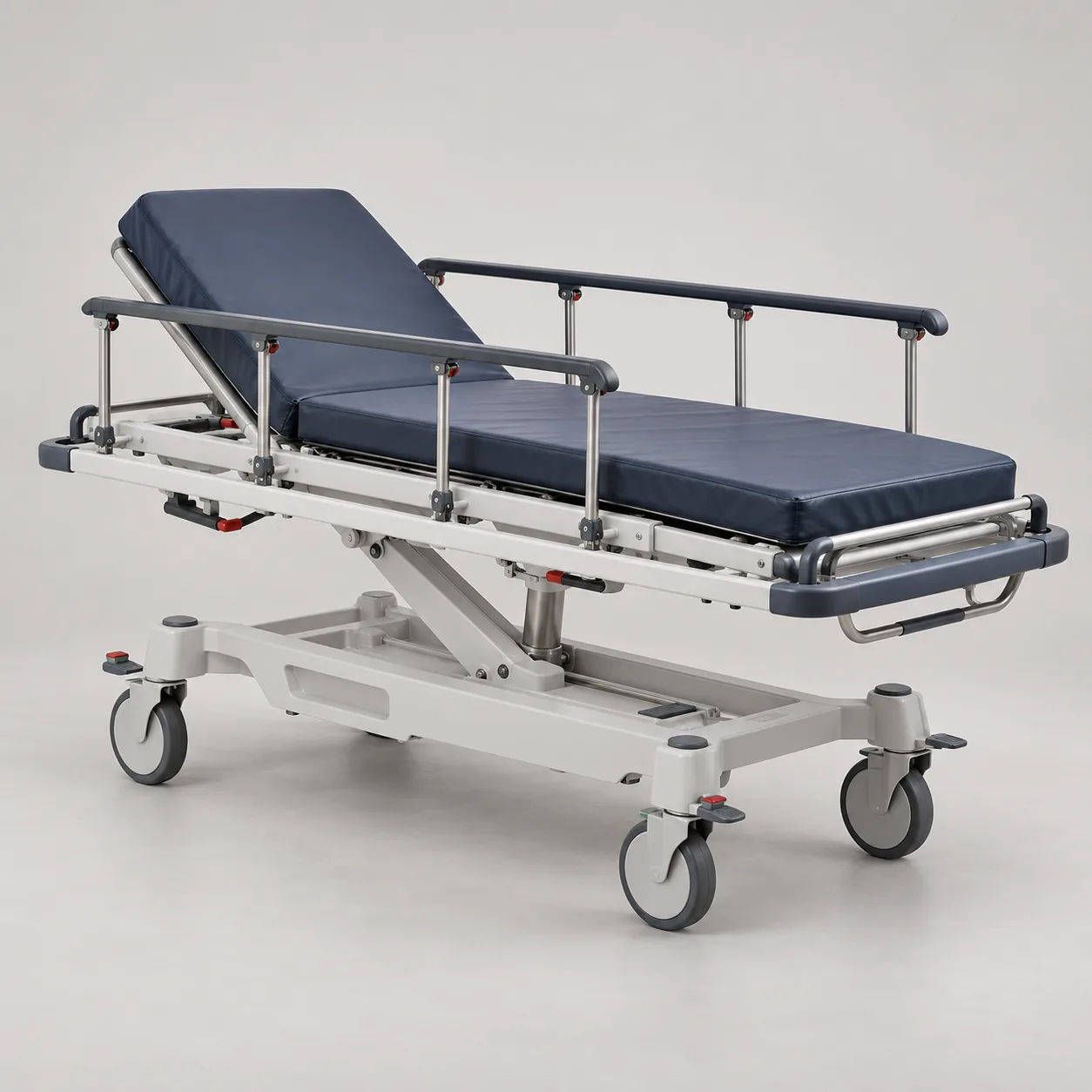
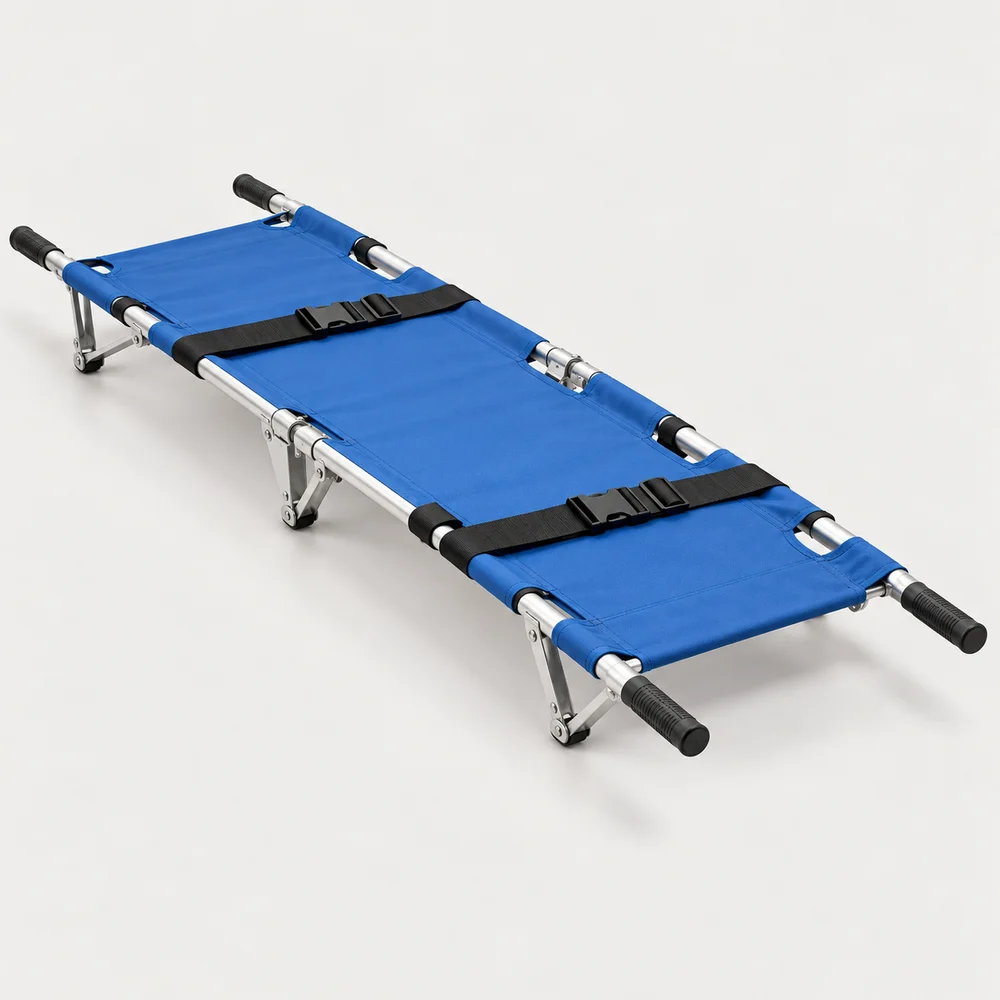
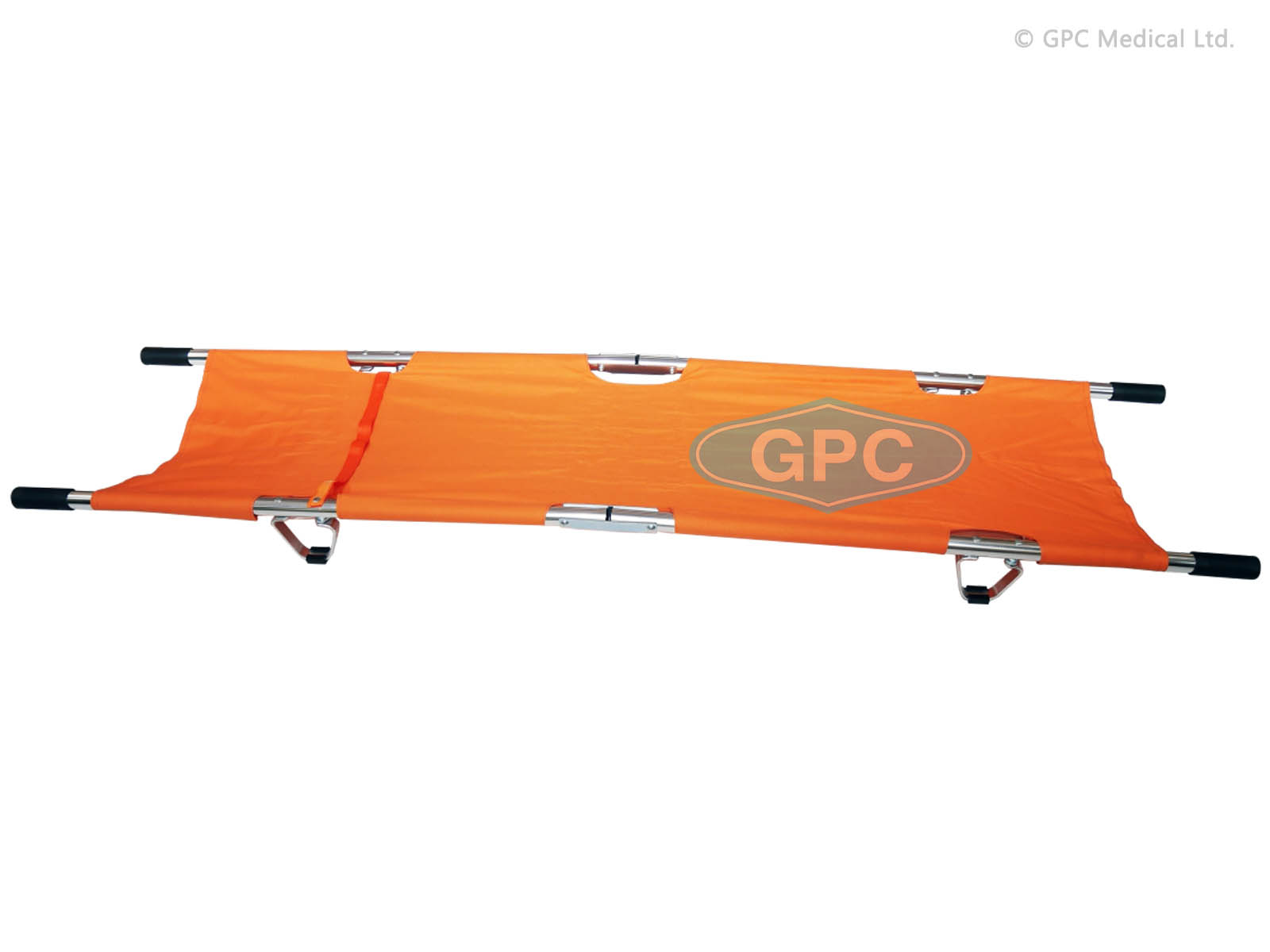
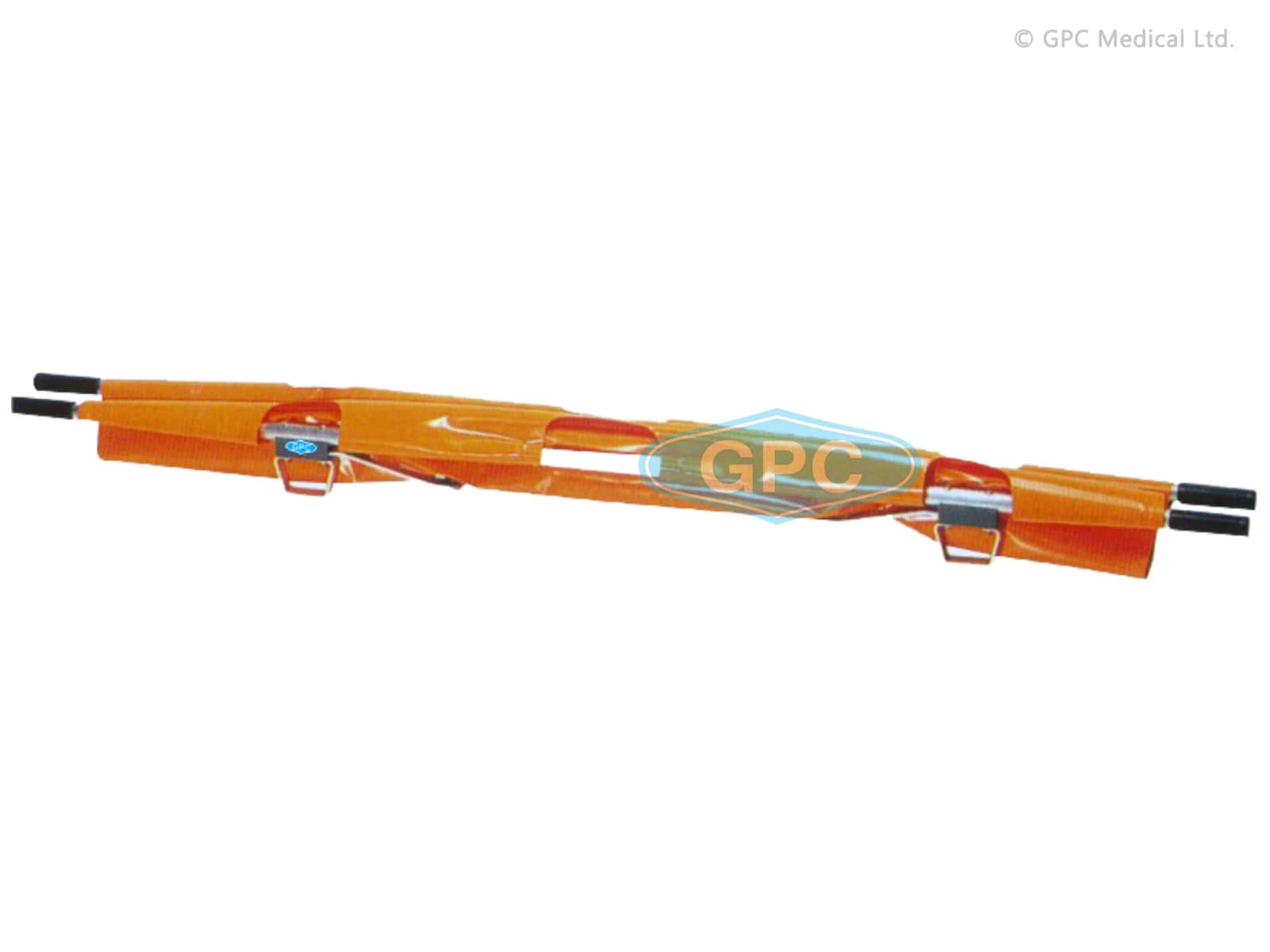
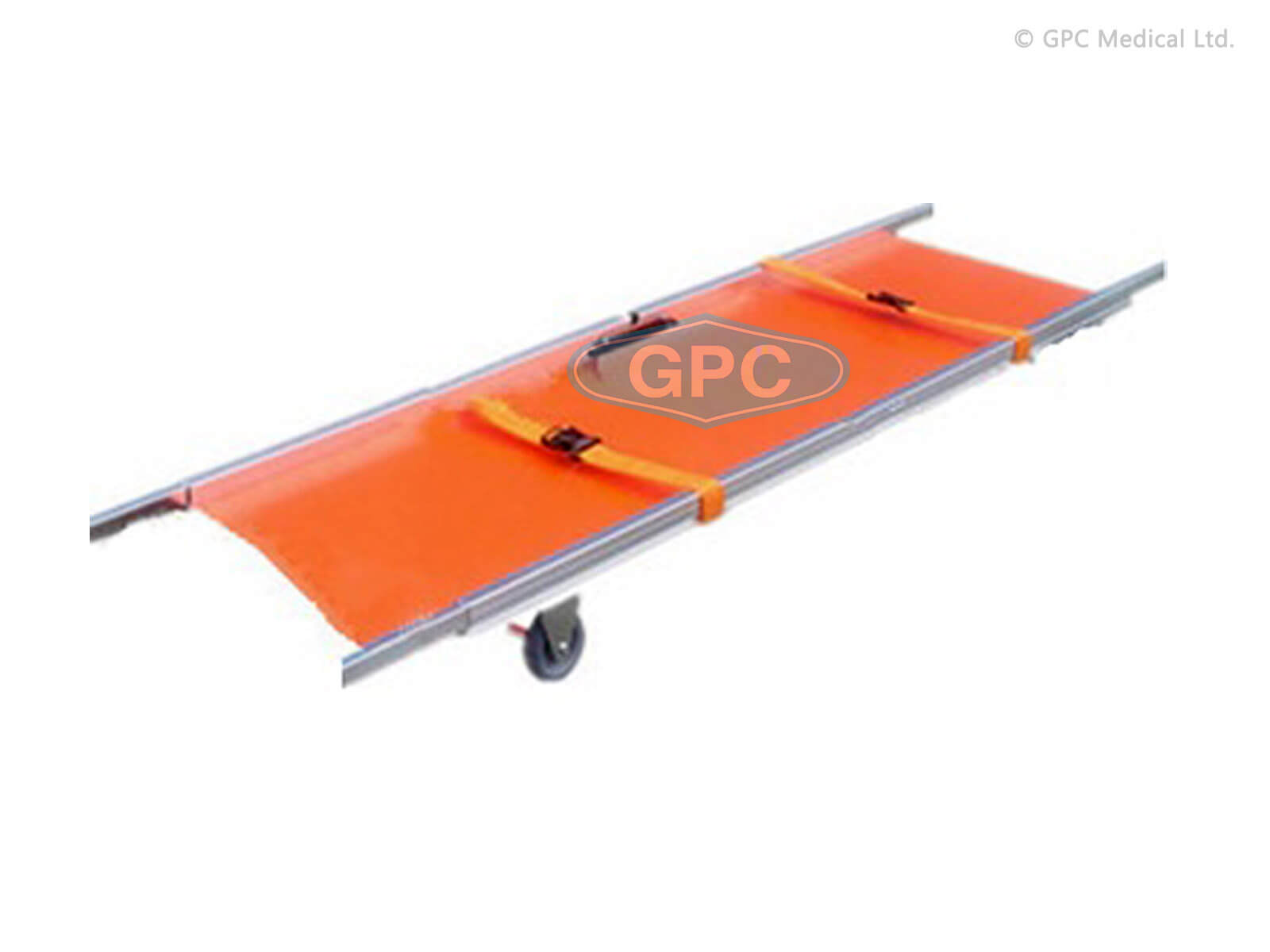
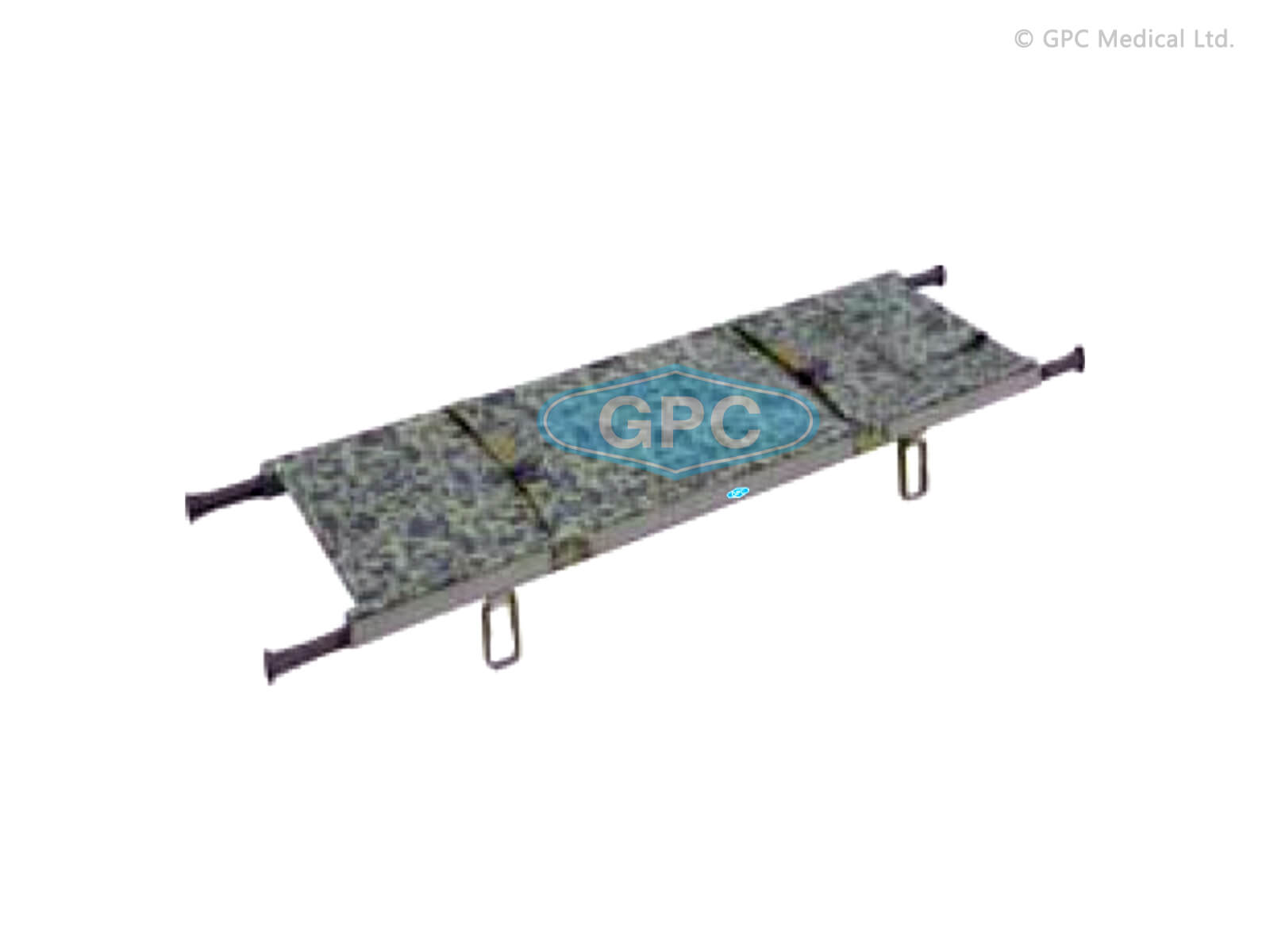
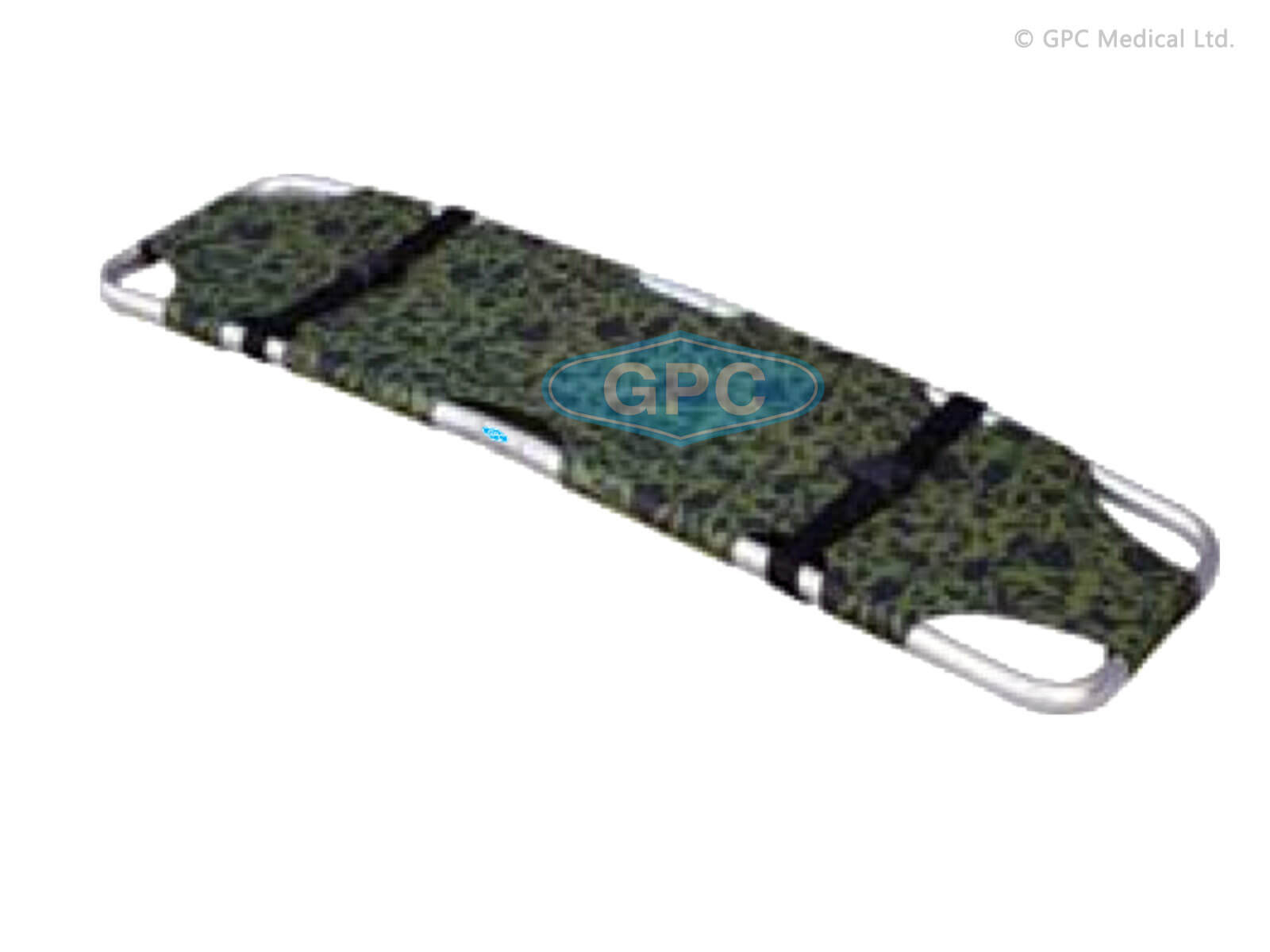
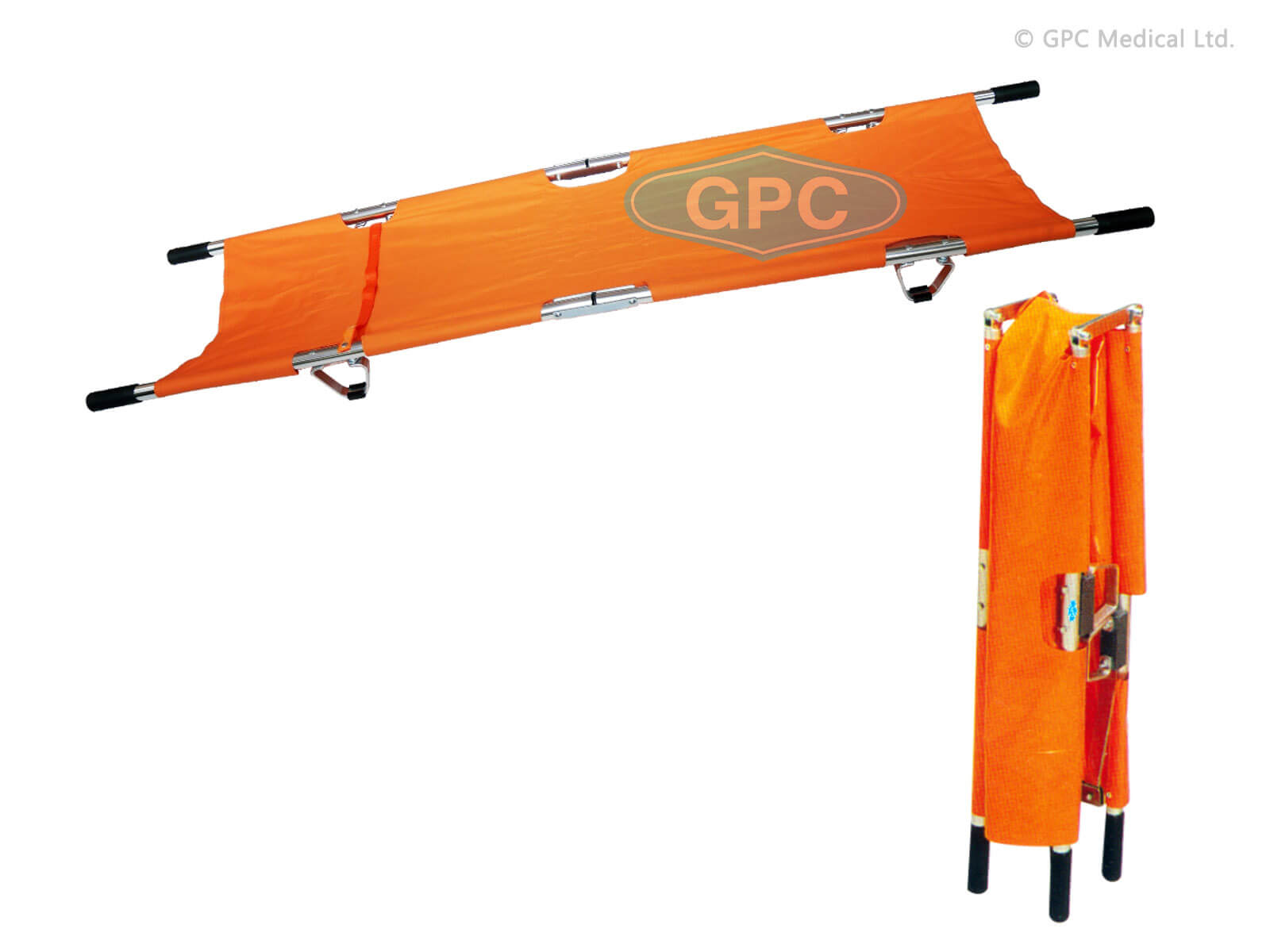
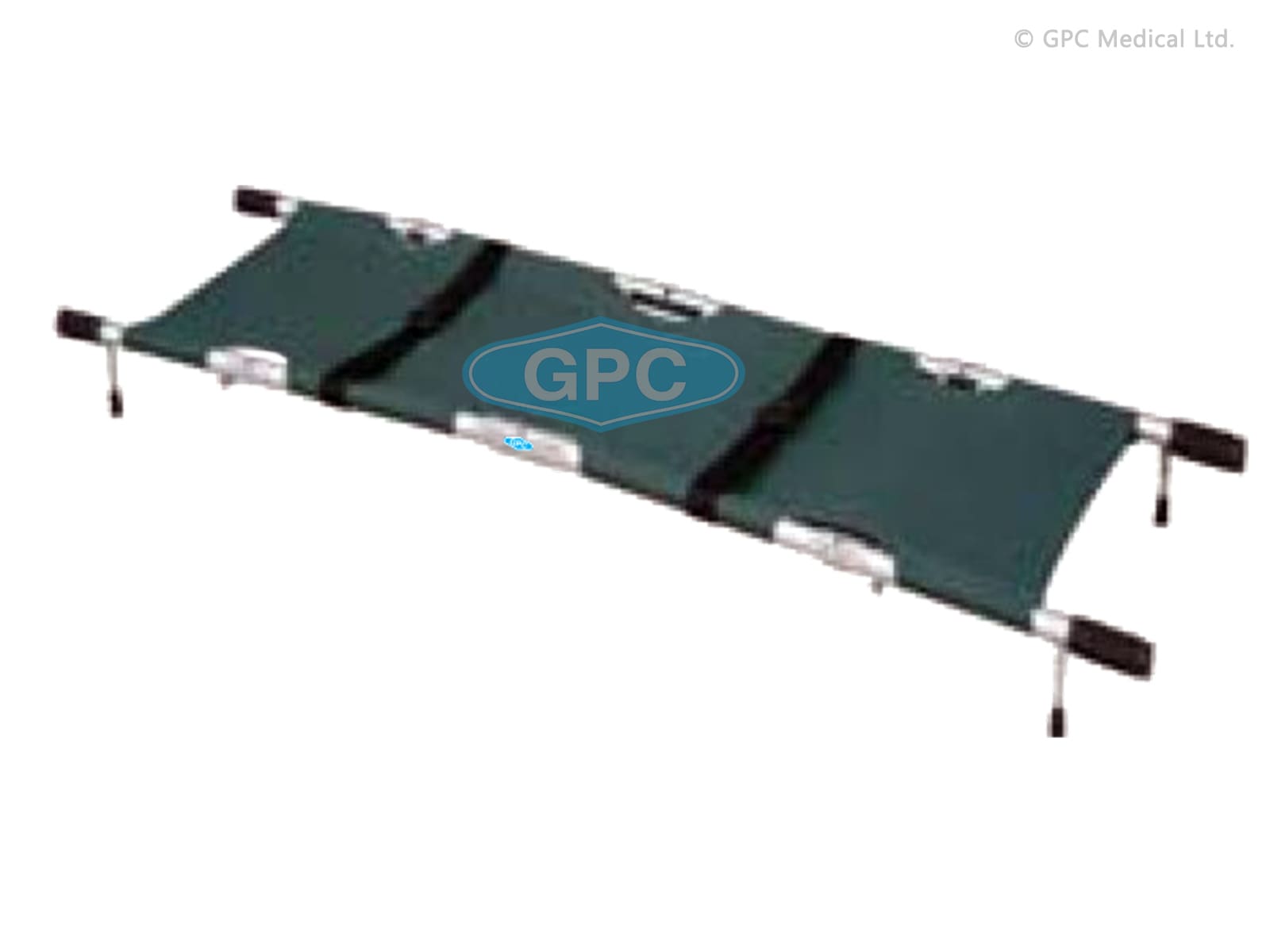
The patient stretcher category includes three models: Stryker Prime Series 1105 hospital stretcher, GPC Medical GHF60.01 patient stretcher trolley, and GPC Medical GHF66.10 foldable patient stretcher.
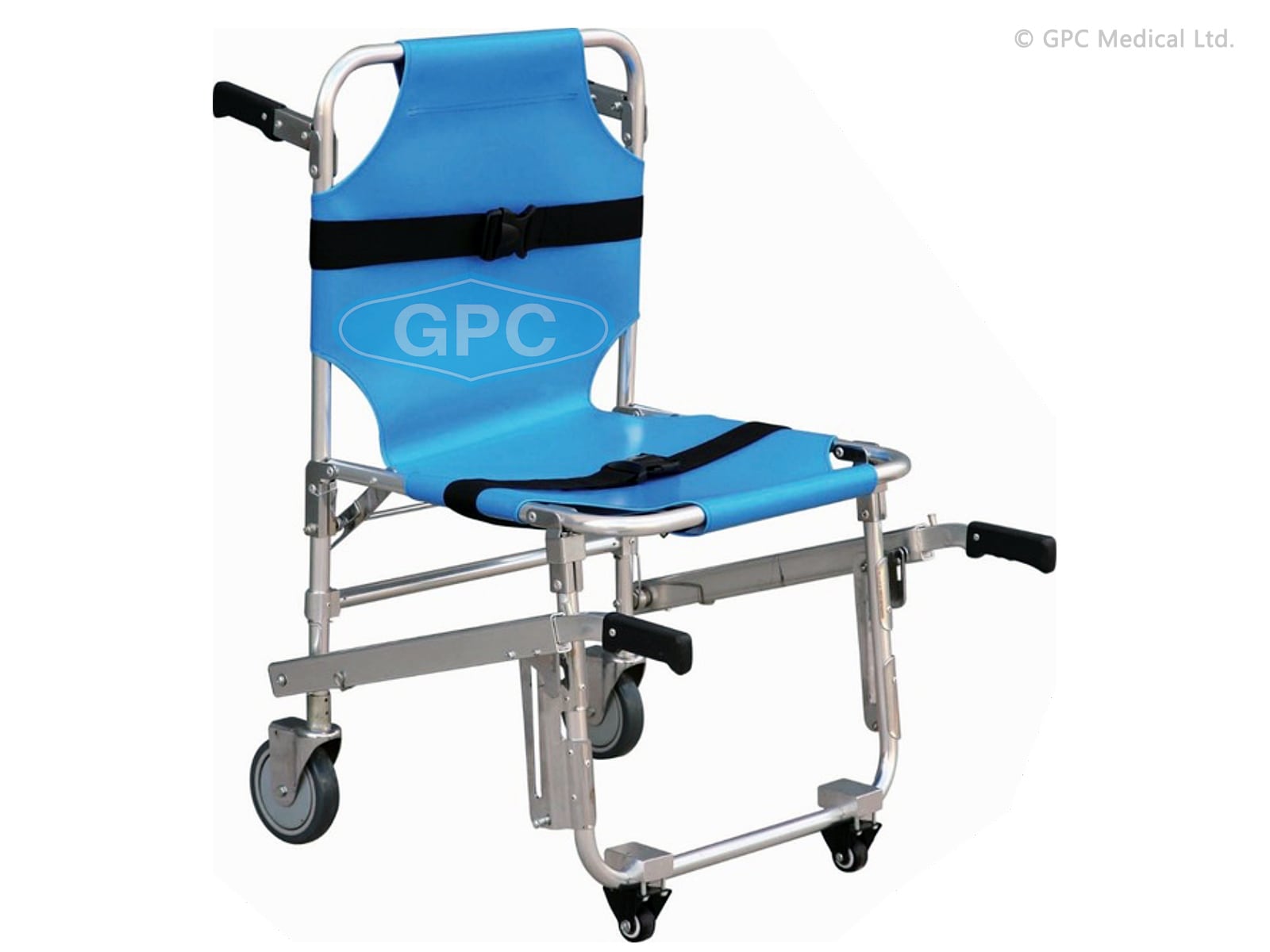
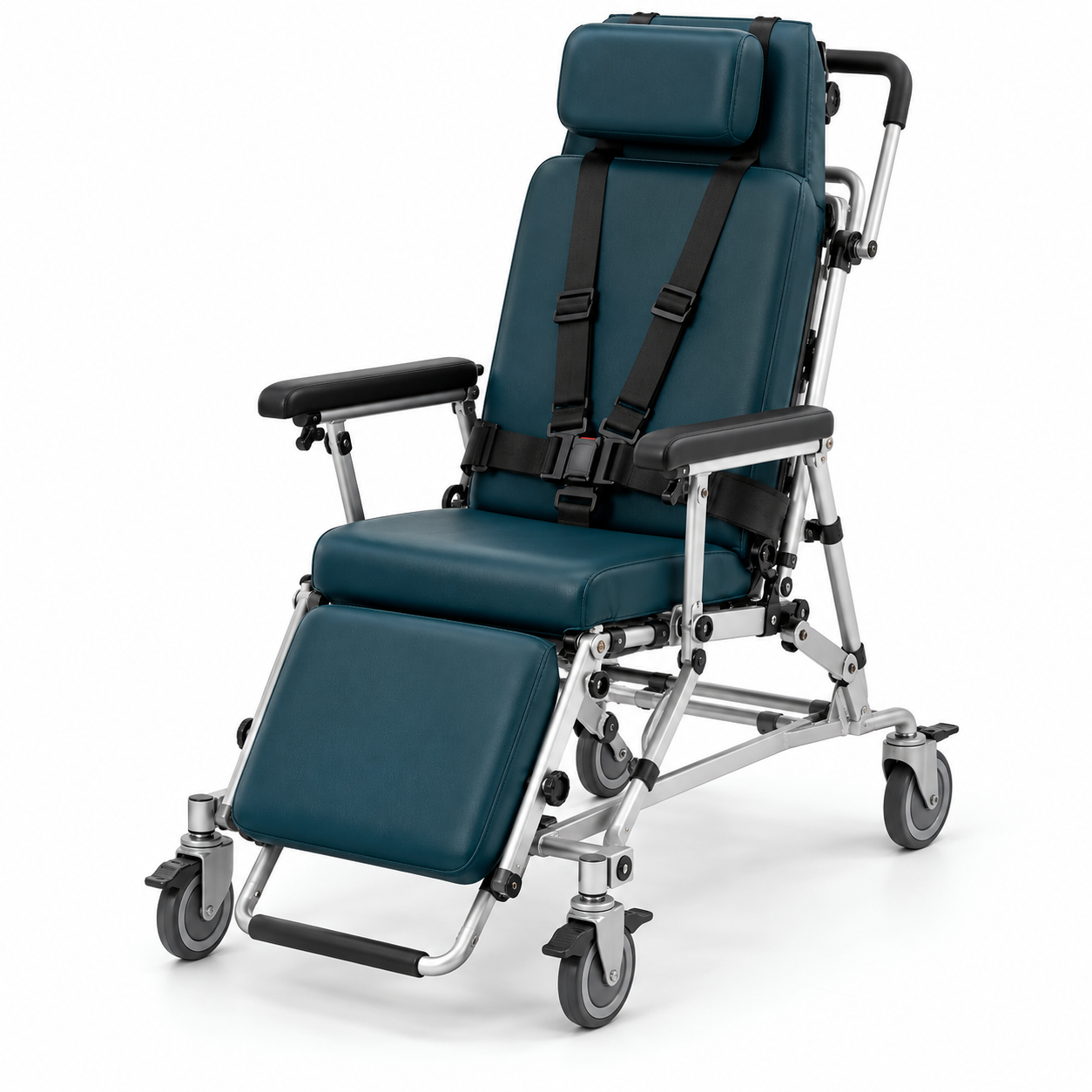
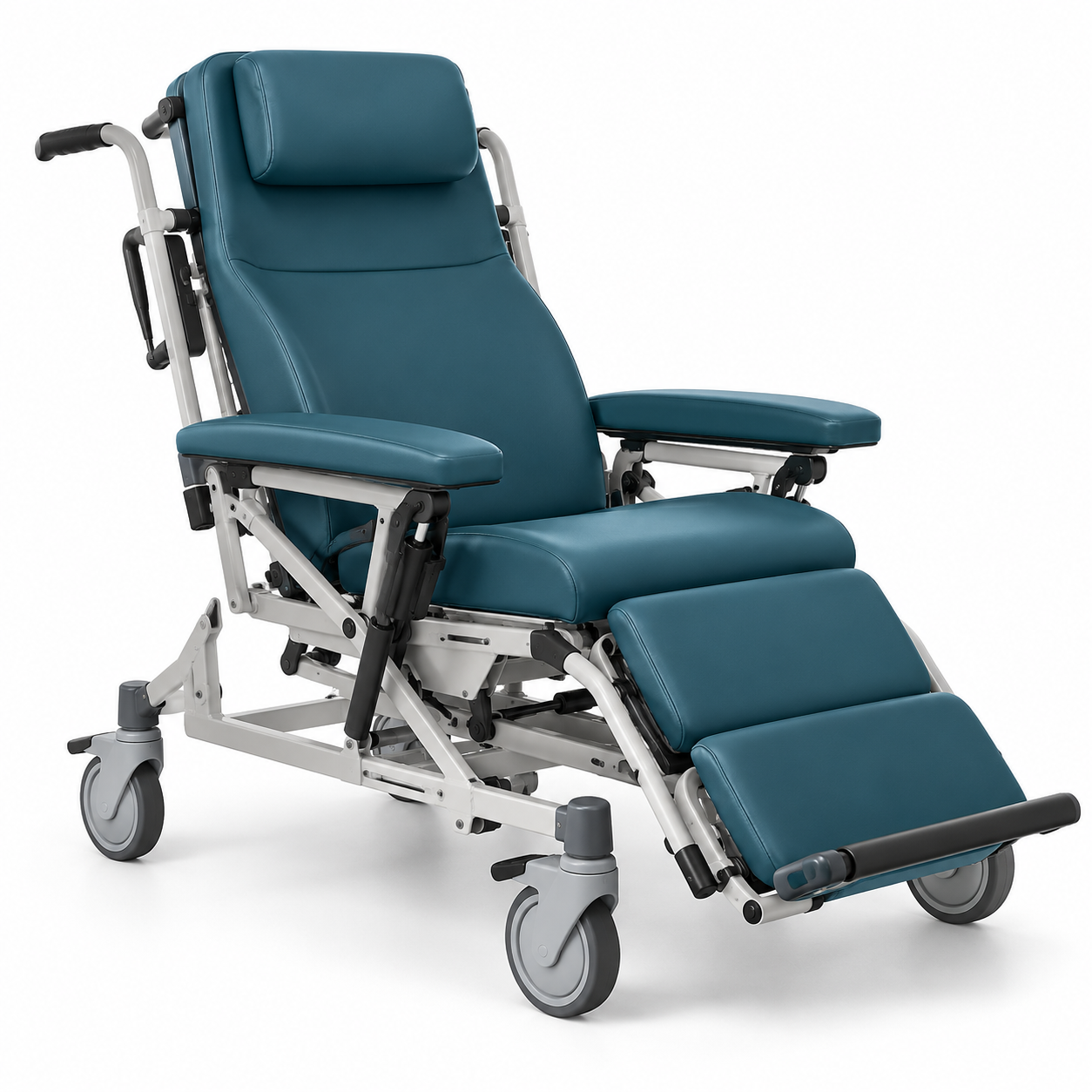
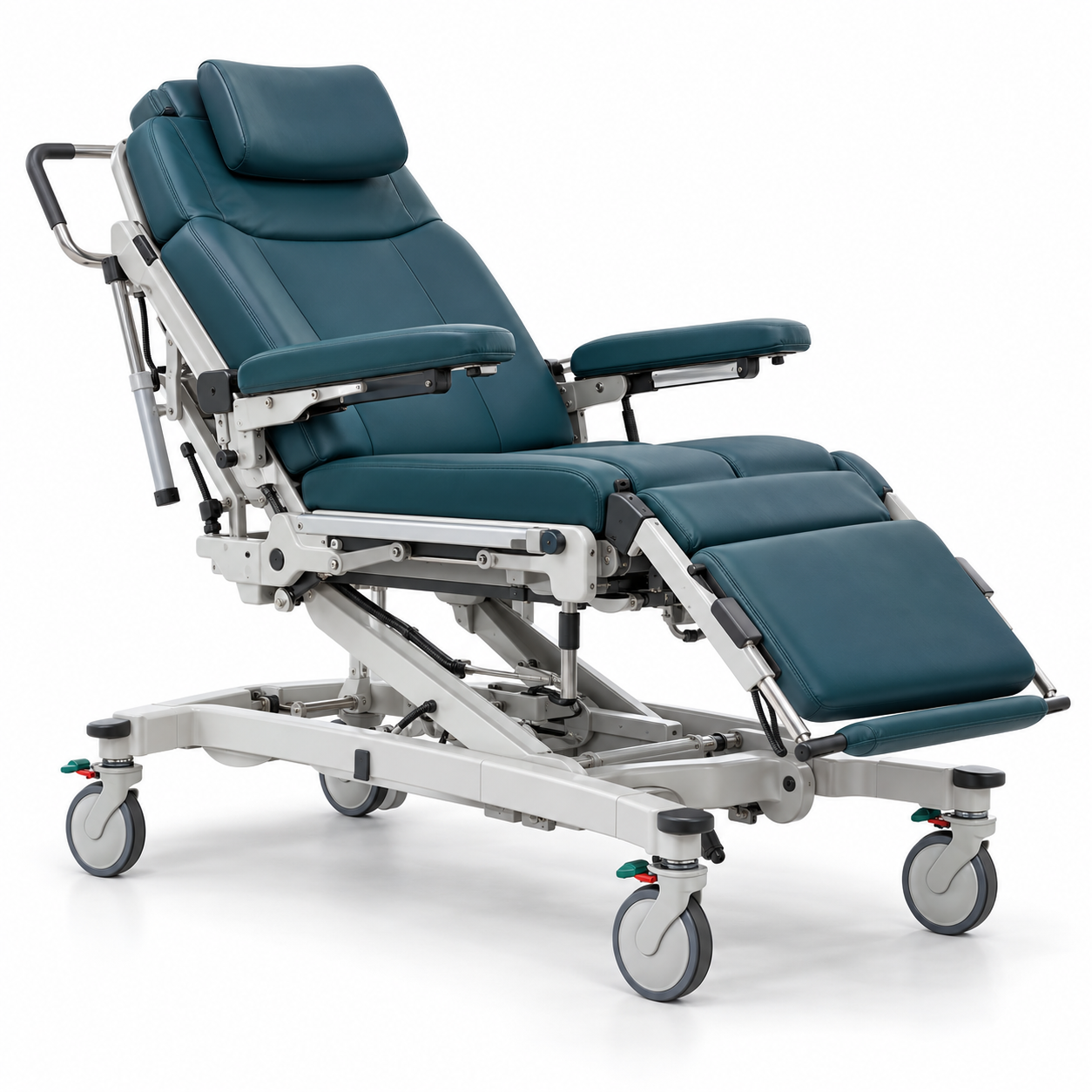
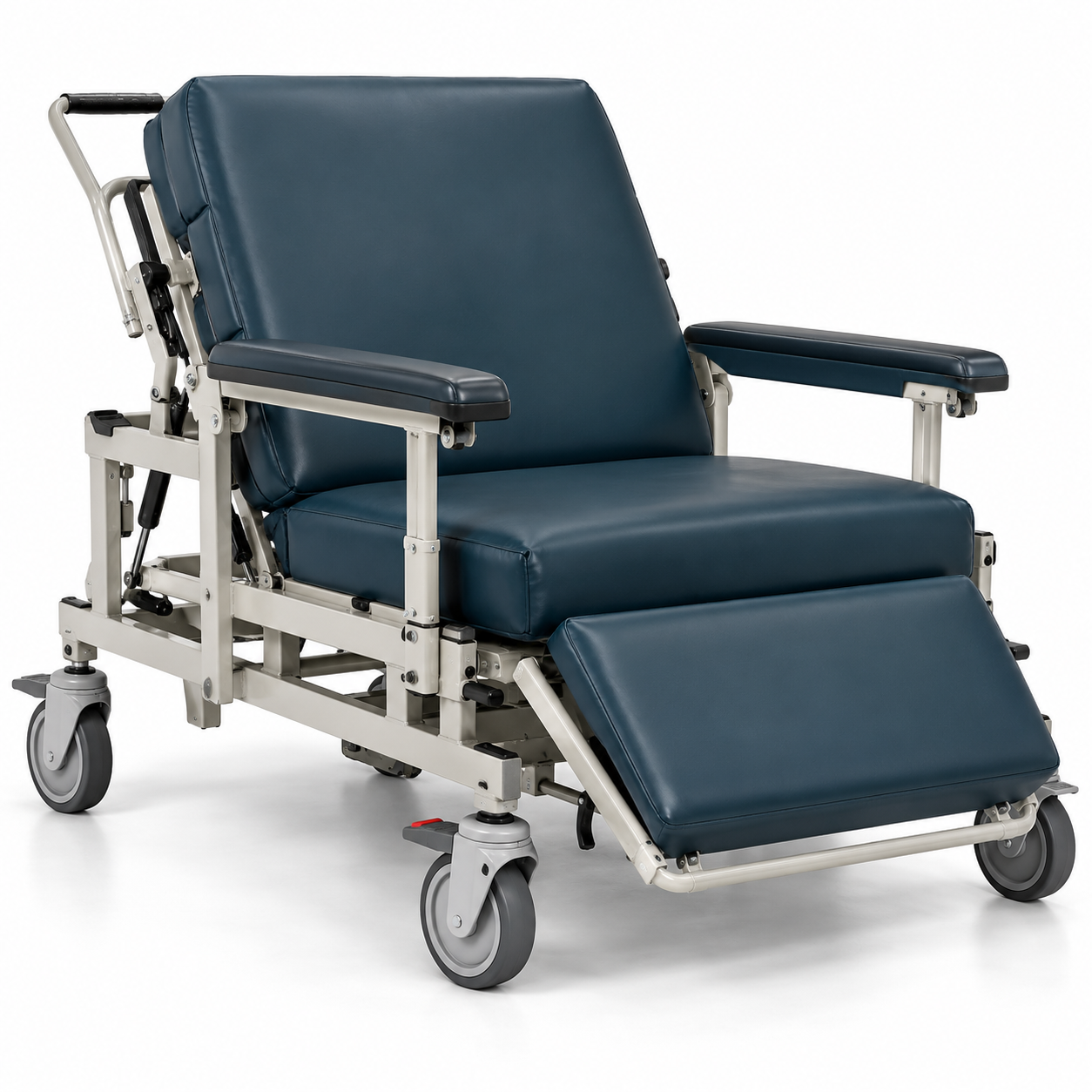
The wheelchair stretcher category contains six assigned products: GPC Medical GHF62.05 wheelchair stretcher, GIMA 34057 Multiposition Auto Stretcher-Wheelchair, Human Care Barton H-250, I-400, I-400X and I-700 convertible chairs.
Read more
Buy emergency transport and station equipment in Nigeria
Buy emergency transport and station equipment in Nigeria through Franance by matching each item to the movement or response task it is meant to support. The current Emergency Transport & Stations category assigns 15 products across four roles: ambulance cots, hospital patient stretchers, convertible wheelchair-stretchers and emergency/crash carts. These product groups serve different workflows. An ambulance cot must be checked with the vehicle loading and restraint interface; a hospital stretcher is for facility movement; a convertible transfer chair supports a separate seated or reclining movement workflow; and a crash cart organizes emergency supplies. None of these product types replaces another by name alone.
Use the Emergency Transport & Stations category to browse the child groups below. Share the fleet or facility context, drawings, dimensions, quantities, accessories and Nigerian destination when you request a quote. Franance handles quote orders and follows up by phone or email; the catalogue is not an online checkout.
Buy ambulance stretchers and ambulance cots in Nigeria
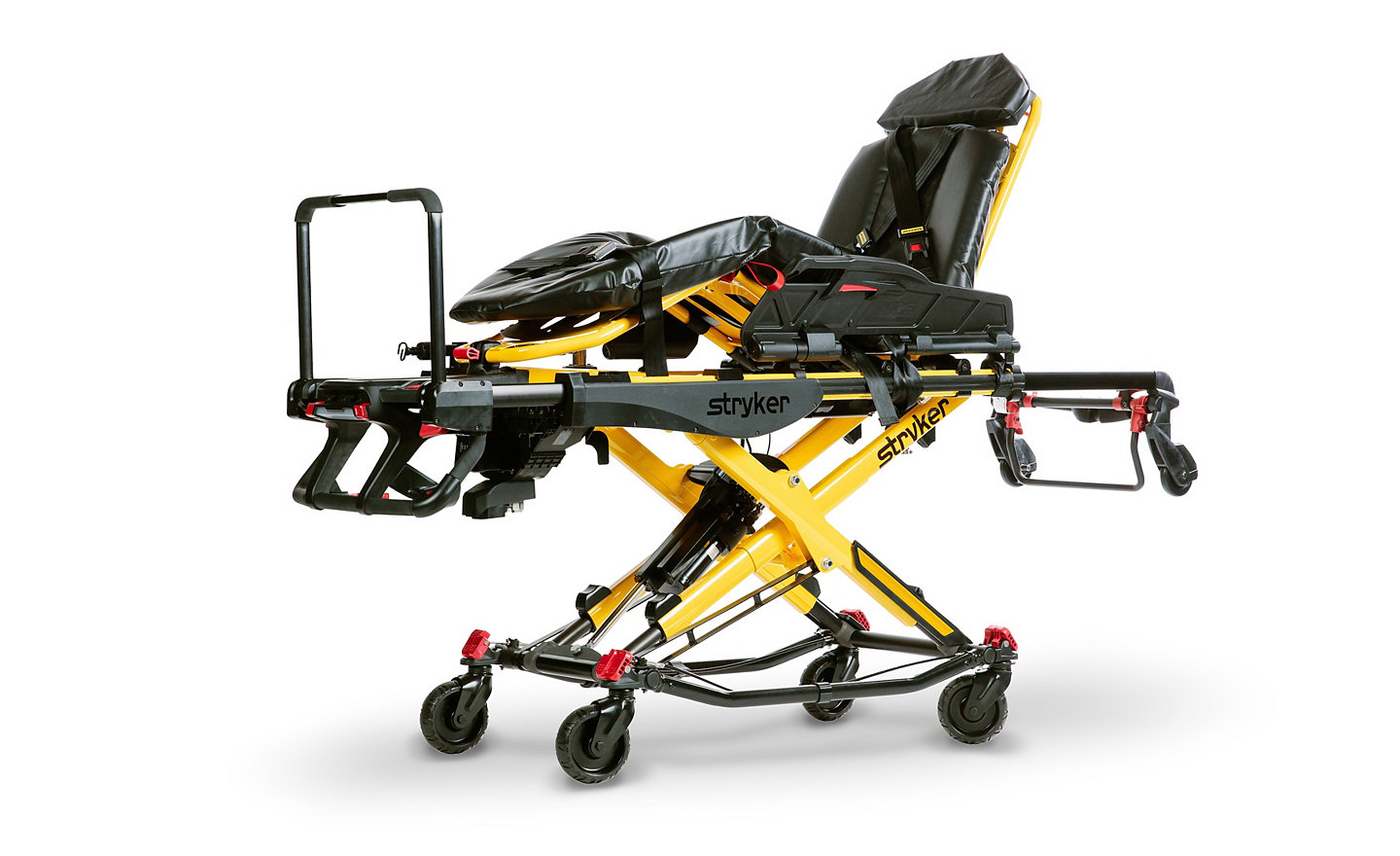
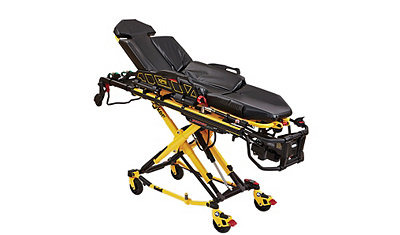
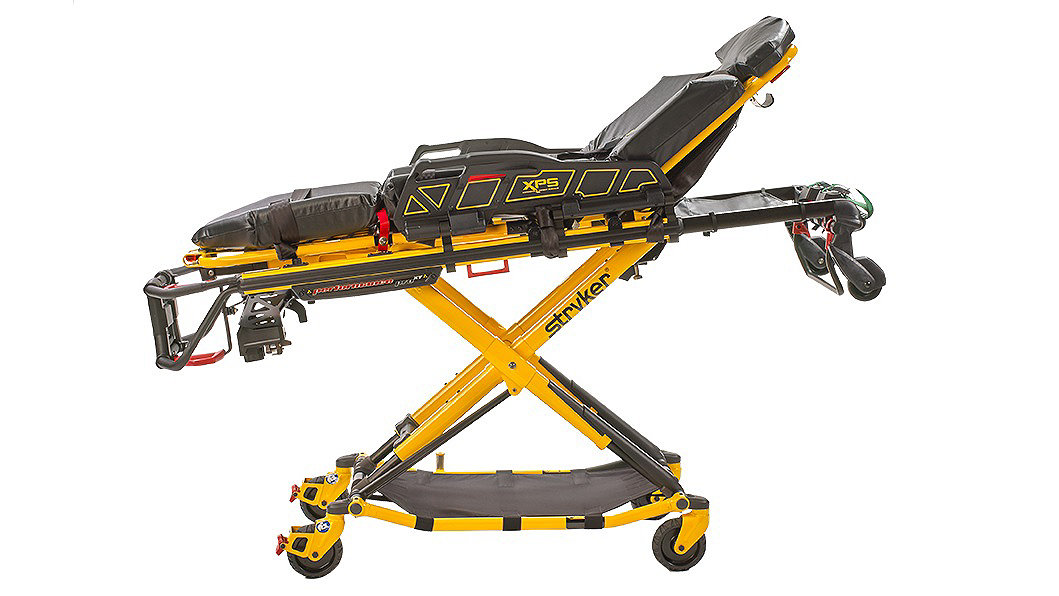
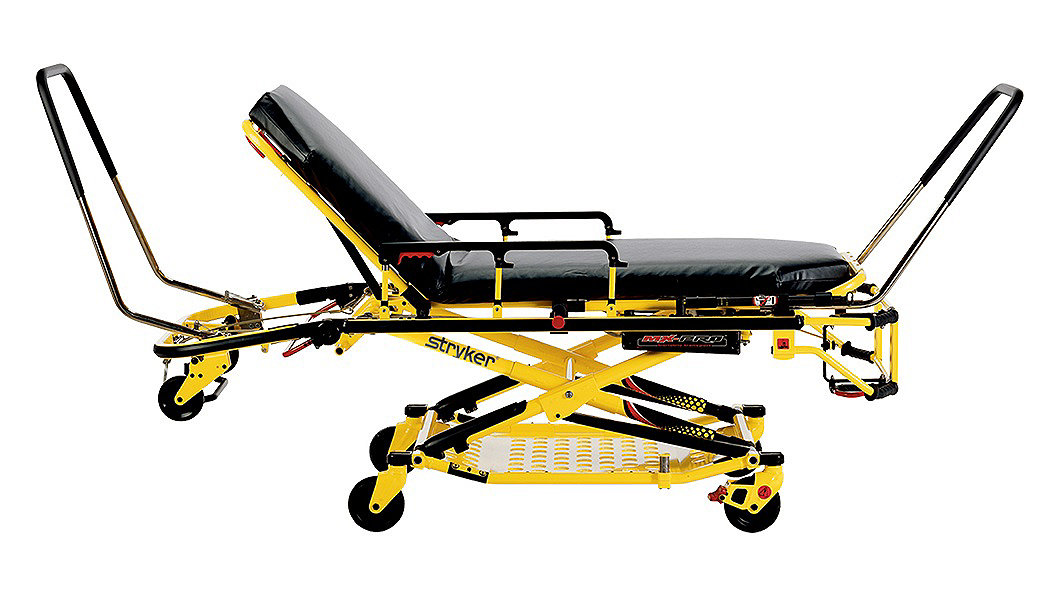
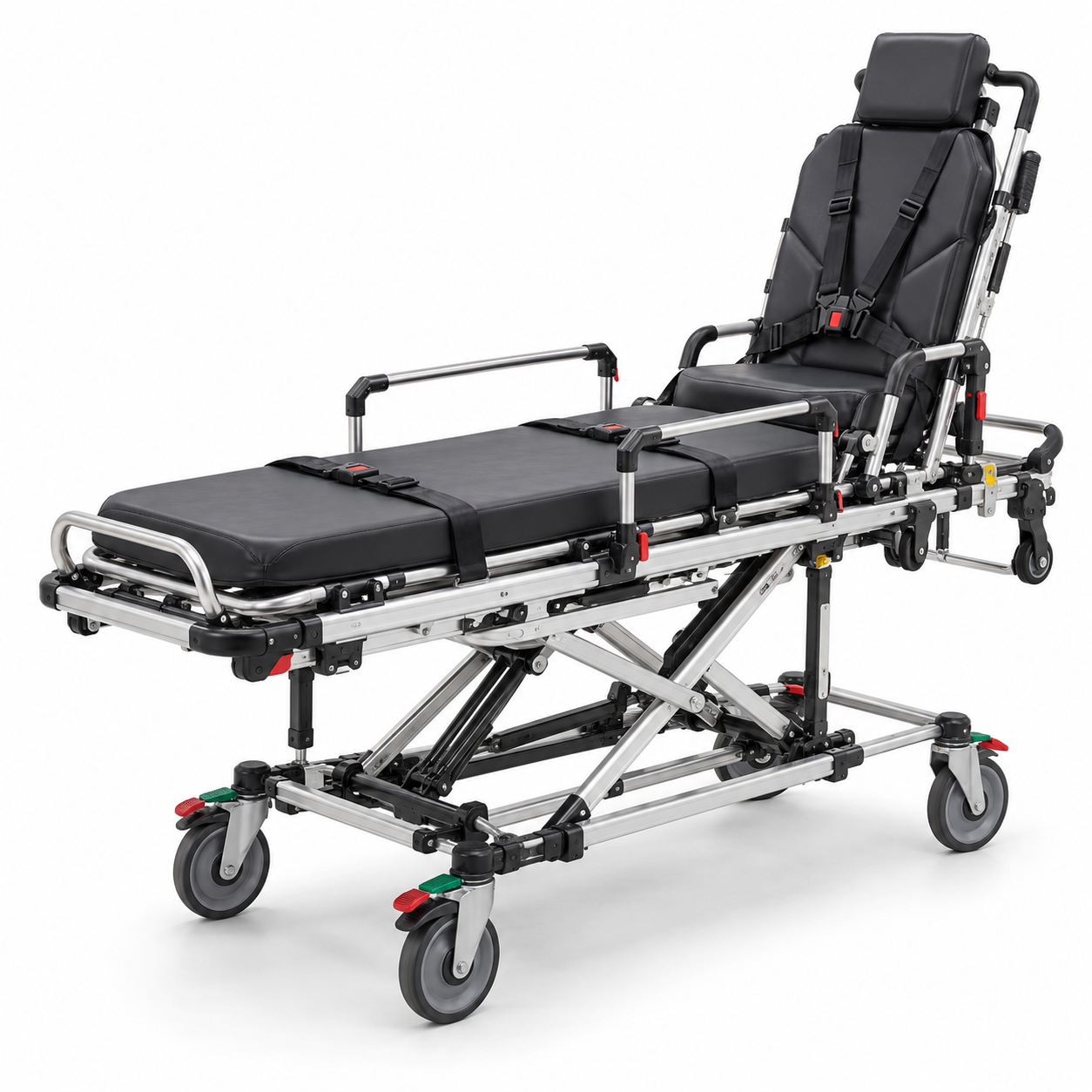
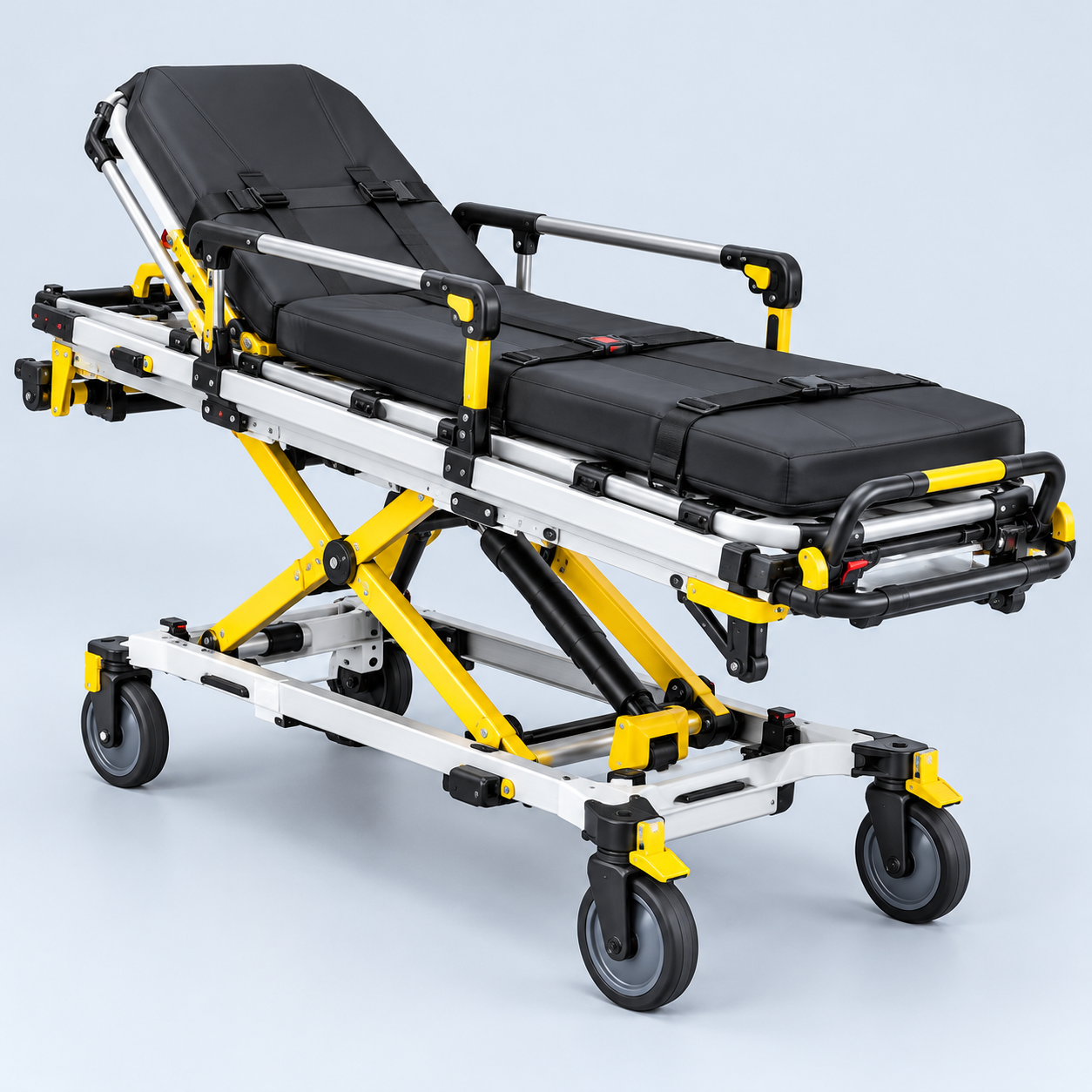
The ambulance stretcher category contains four assigned Stryker ambulance cots: powered Power-PRO 2, powered Power-PRO XT (6506), manual Performance-PRO XT (6086), and manual bariatric MX-PRO (6083). The model-filtered records are:
Stryker identifies Power-PRO 2 as a powered ambulance cot and lists specific cot fasteners; its published crash-test statement applies only with named fasteners, restraints and floorplate. Stryker describes Power-PRO XT 6506 as a battery-powered hydraulic cot with a manual backup. The Performance-PRO XT 6086 and MX-PRO 6083 are different manual models, with MX-PRO specifically intended as a bariatric ambulance cot. Current configurations, capacities and accessory options must be checked in the applicable product documents and labels.
An ambulance cot is a vehicle system component. Before selection, identify the ambulance make, model, year, body builder, loading deck height, interior clearances, floorplate, existing fastener or powered loader and restraint configuration. Have the vehicle upfitter confirm the exact cot, loader/fastener, floor installation and vehicle fit together. Do not assume that two cots from the same manufacturer share the same fastener, battery, charger, parts or tested vehicle configuration.
The detailed ambulance stretcher buying guide covers the four Stryker models, vehicle measurements, bariatric capacity conditions, loading compatibility and Nigeria quotation checklist. Use it for the full cot-level comparison, then return here to compare the wider emergency transport and station inventory.
Buy hospital patient stretchers in Nigeria
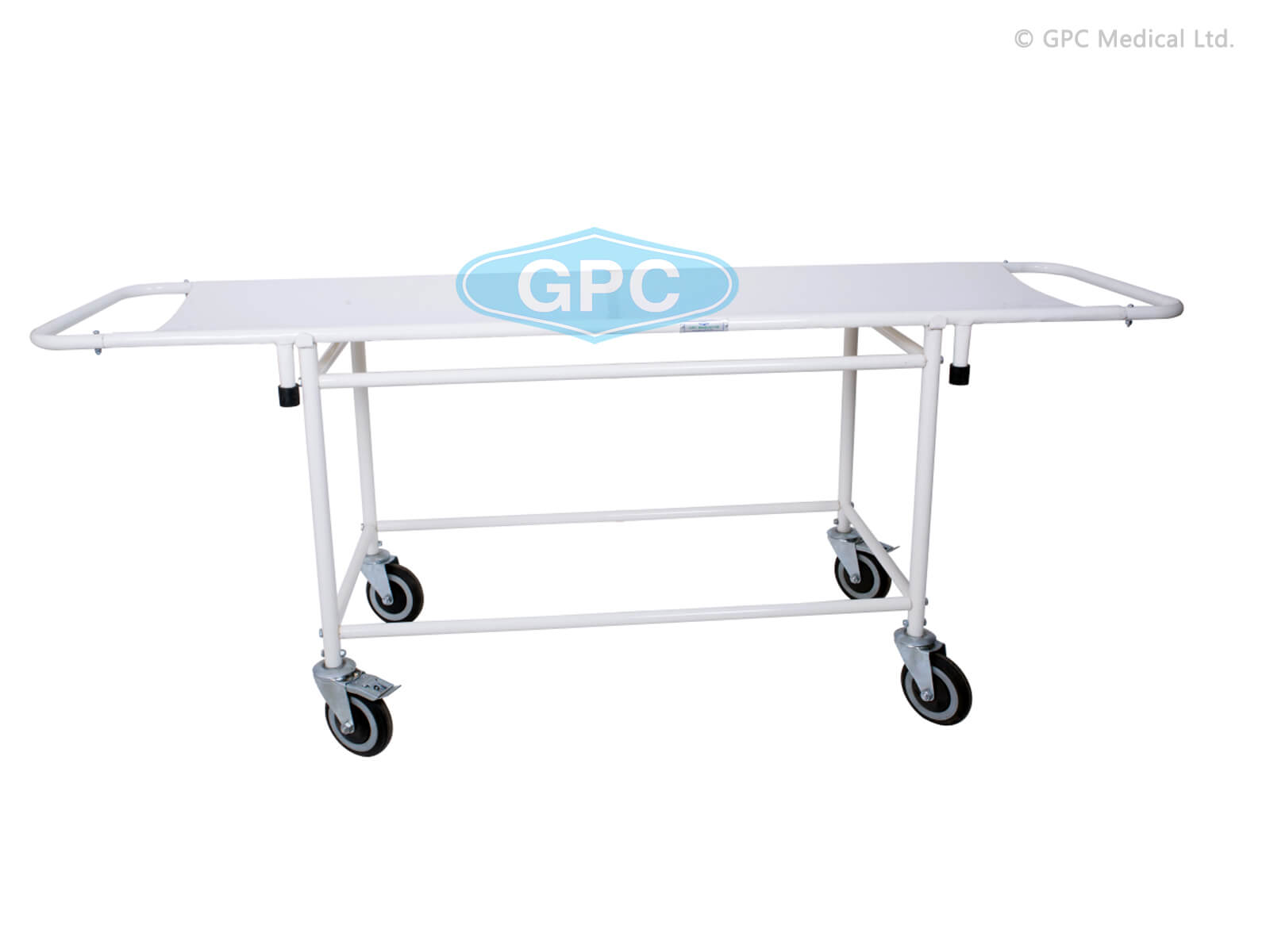
The patient stretcher category includes three models: Stryker Prime Series 1105 hospital stretcher, GPC Medical GHF60.01 patient stretcher trolley, and GPC Medical GHF66.10 foldable patient stretcher.
These are for movement within a healthcare facility, with design and dimensions confirmed for the intended ward, emergency department, procedure area or transfer route. Stryker groups Prime as a hospital stretcher family and notes fifth-wheel mobility applies to specified 1105/1115 models. The GPC GHF60.01 page describes a stretcher trolley with four castors, two brakes, a removable top and optional mattress or side rails; GHF66.10 is a separately listed foldable stretcher. Confirm the exact configuration in the quote; optional equipment shown in a catalogue does not imply that it is included.
Check doorway and lift dimensions, corridor turning space, bed height and transfer compatibility, wheel and brake arrangement, mattress size, side rails, working load, push handles, cleaning method and parking footprint. If a model is moved between departments or used with another bed, verify height and transfer requirements with the clinical and facilities teams. A hospital stretcher trolley is not an ambulance cot unless the manufacturer specifically documents a matching vehicle use and loading interface.
Buy wheelchair stretchers and convertible transfer chairs in Nigeria
The wheelchair stretcher category contains six assigned products: GPC Medical GHF62.05 wheelchair stretcher, GIMA 34057 Multiposition Auto Stretcher-Wheelchair, Human Care Barton H-250, I-400, I-400X and I-700 convertible chairs.
This category combines equipment that can change between seated and stretcher-like positions with products designed for patient transfer and movement. GIMA describes model 34057 as a multiposition ambulance stretcher whose upper section can become a wheelchair; the manufacturer's page also provides a declared load and dimensions for that exact item. Human Care describes its Barton convertible chairs as transfer and mobilization equipment, with different sizes and configurations across H-250, I-400, I-400X and I-700. The I-400X includes a height-adjustable feature according to its product page; the I-700 is positioned for higher-capacity use. Confirm all dimensions, safe working loads, accessories and intended operating context from current instructions for the exact quoted model.
These products are not interchangeable with a conventional wheelchair, a mechanical patient lift, a transfer board or a dedicated ambulance cot. Ask the clinical team to define whether the workflow is seated transport, repositioning, lateral transfer or ambulance use. Specify whether the product is expected to convert to a flat transport surface, any height-adjustment needs, required belts or transfer accessories, user and patient clearances, turning radius, seat width and cleaning protocol. A product that can change position does not establish that it is appropriate for a particular patient-handling technique; follow local safe patient-handling policy and manufacturer instructions.
Buy crash carts and emergency trolleys in Nigeria
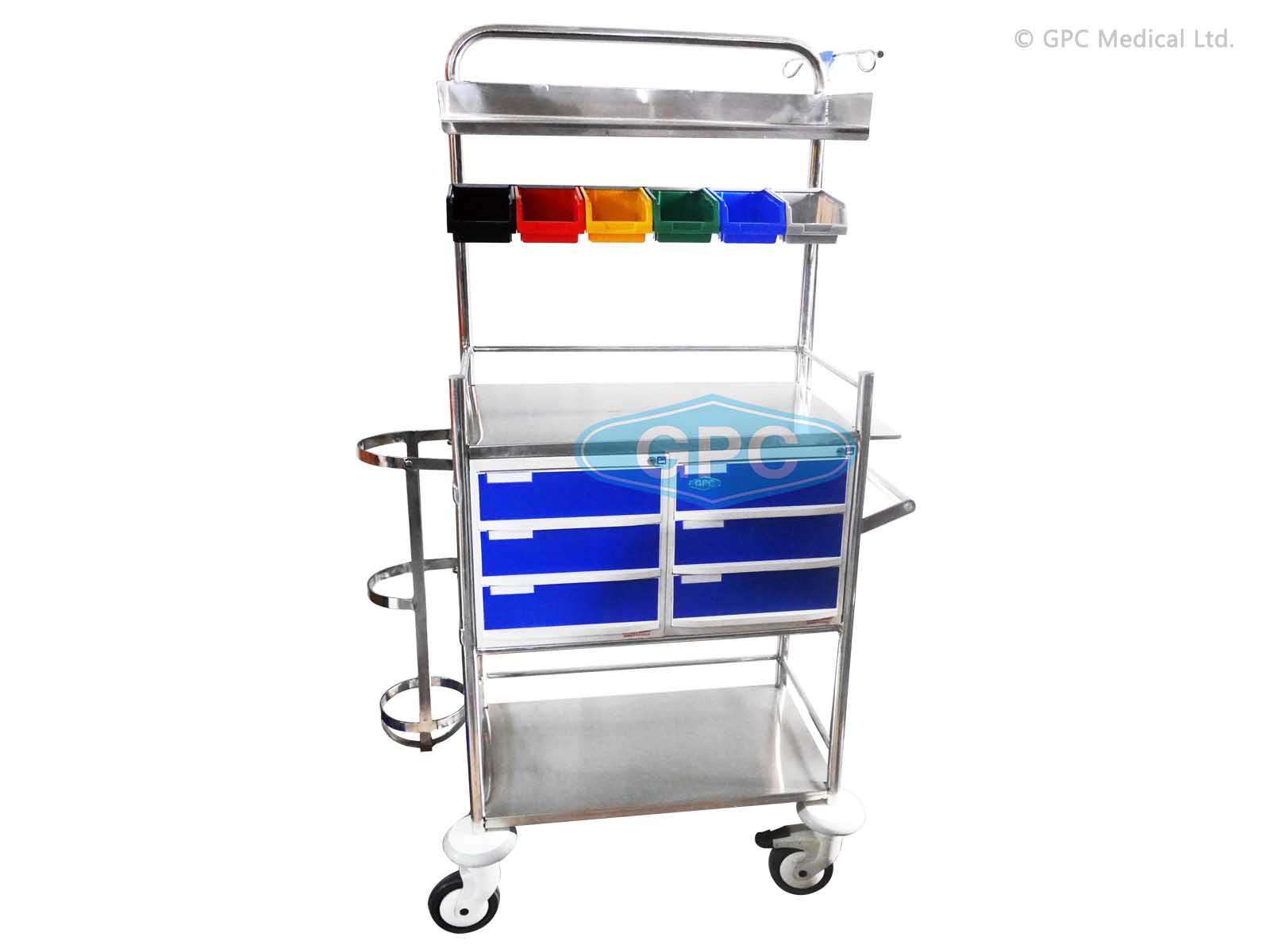
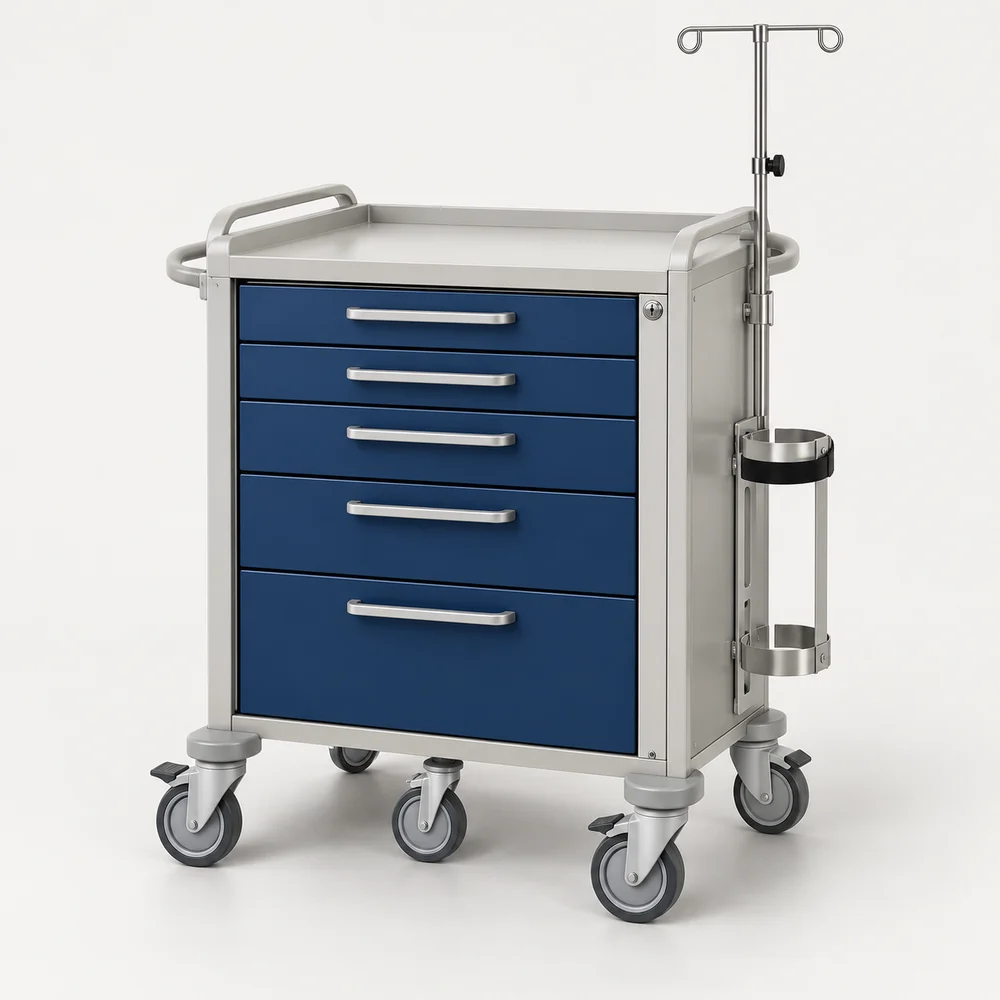
The crash cart category contains two emergency cart models: GPC Medical GHF92.01 Crash Cart Trolley and Capsa Healthcare Avalo Series Emergency Cart, standard blue AM-EM-STD-BLUE.
Crash carts are mobile storage and organization stations for emergency response supplies. They do not transport a patient. Confirm the facility's standard drawer or tray layout, lock or seal method, accessory rails, defibrillator or monitor shelf requirements, oxygen cylinder holder if needed, handles, brakes, caster size, dimensions and color coding. Request the exact configuration schedule and state whether drawers, dividers, seals, IV poles or other accessories are included. A color name or product family does not identify the complete cart build.
Plan where the cart will be parked, how staff access it, which corridors or lifts it must traverse and how its contents are secured and replenished. Coordinate the proposed layout with the hospital's emergency response protocol and procurement schedule. Confirm cleaning compatibility and maintenance requirements with the manufacturer for the exact materials and configuration.
How do I check vehicle, facility and equipment fit?
First identify the role. Ambulance cot fit depends on the vehicle loading geometry and the entire cot/fastener/loader/restraint arrangement. Hospital stretcher fit depends on room-to-room movement, doorways, lifts, corridor turns and transfer heights. Wheelchair-stretcher and convertible-chair fit depends on seating dimensions, posture range, access, operator handling and the intended transfer process. Crash cart fit depends on supply layout, drawer access, parking space and the routes staff need to move it through.
For ambulance equipment, submit the fleet make, model year, body builder, deck height, door opening, loading-bay measurements, floorplate/fastener/loader part number, restraints, existing cot model and any vehicle modifications. Request written confirmation for the exact cot configuration and vehicle; a manufacturer's generic compatibility statement or a similar ambulance model is not enough. For facility transport equipment, measure narrowest doors, elevator door and car dimensions, corridor widths, tight turns, ramps, thresholds, bed transfer heights and storage locations. Share measured drawings and photographs only if permitted by the facility.
For every product, confirm the manufacturer's technical sheet, dimensions, safe working load and its conditions, included accessories, packaging, assembly needs, training, cleaning and service support. If the quote proposes an alternative, ask for its exact manufacturer model and differences to be itemized. Do not compare capacity values without checking how the manufacturer defines them and whether they vary by position or configuration.
How should I plan equipment readiness across the transport route?
Map where the patient or emergency response equipment starts, every transition point, and its destination. A route may involve a ward-to-imaging move on a hospital stretcher, a bed-to-chair transfer with a convertible chair, a crash cart moving from its assigned station, or an ambulance cot loading into a response vehicle. Each step has a different interface and readiness check. The equipment category and model should match the task and the route; the name “stretcher” alone does not establish that a device can pass through a doorway, fit an ambulance or perform a transfer.
For hospital transport, measure the narrowest doorway, lift, corridor turn and threshold on the actual route, and confirm where the stretcher can be staged without blocking access. Stryker's Prime Series documentation describes model-specific mobility features and available configurations; confirm which features are included on the quoted 1105 rather than assuming every Prime option is present. For bed-to-chair movement, Human Care identifies its Patient Transfer System as an accessory used to move a client between a convertible chair and a bed or stretcher. Confirm the accessory, compatible chair model and handling protocol as a complete package if that transfer is part of the workflow.
For a crash cart, map its assigned station, accessible route to the response area, parking position and replenishment process. Confirm that doors, lifts and equipment parked in corridors do not obstruct movement, and check that staff can reach the needed drawers and accessories at the intended location. For ambulance response, include the cot fastener, loading system, vehicle, crew workflow, charging/storage arrangements for powered models and the applicable training. The facility or EMS operator should document inspections, battery readiness, brake checks, cleaning, accessory presence and who returns the equipment to service under its own procedures.
Use this route map to build the quotation schedule: device and model, task, start and destination points, measurements, accessories, storage, charging if relevant, operator training, cleaning, inspection and service responsibilities. Have clinical leads, facilities, EMS operations and equipment engineers confirm the workflow before the order is approved.
How do I request an emergency transport equipment quote in Nigeria?
Create a separate product schedule for each destination and function. Include exact brand and model, quantity, accessory configuration, intended role, preferred condition, relevant vehicle or room measurements, facility or fleet information, delivery city and state, full receiving address, timeline, tender documents and any installation or training request. For ambulance cots, identify the upfitter and current vehicle interface. For hospital and transfer equipment, provide room dimensions and workflow. For crash carts, include the approved drawer and accessory layout.
Ask the written Franance quotation to state product model, configuration, included parts, current availability, price and currency, applicable taxes and shipping, packaging, delivery estimate, warranty, quote validity, exclusions and payment terms. Request separate lines for vehicle fitment, loading system, facility assembly, installation, training, maintenance or local service. Confirm who is responsible for final compatibility, installation and acceptance, and request the relevant documentation for the exact configuration.
Franance follows up by phone or email to clarify quote orders. The current catalogue does not establish Nigerian stock, final price, delivery date, vehicle or site fit, installation coverage, regulatory approval, warranty or service availability. Have the responsible EMS, clinical, facilities and vehicle specialists review the exact offer before order approval.
Manufacturer specifications and compatible configurations may vary by model, market, serial range, accessories and vehicle or facility installation. This page supports product discovery and procurement planning only; it is not a patient-handling protocol, emergency-response procedure, vehicle engineering approval or clinical recommendation. Confirm current documents and local project requirements with the manufacturer, clinical lead, facilities team and responsible vehicle integrator before ordering.
Common questions
Which emergency transport products are listed?
The current parent category contains 15 products across ambulance cots, hospital patient stretchers, wheelchair-stretchers and convertible transfer chairs, and crash carts. Use the group links to see all assigned products and model filters.
Can I use a hospital stretcher as an ambulance cot?
Do not assume so. Ambulance cots require an approved match with the exact vehicle, fastener or loader, restraints, floorplate and installation. Confirm the model-specific fit with the vehicle upfitter and manufacturer.
Are wheelchair-stretchers the same as transfer chairs?
They are related catalogue groupings but can serve different roles and configurations. Check each model's current instructions and define whether the need is seated transport, repositioning, lateral transfer or ambulance use.
Does a crash cart include drawers and accessories?
Confirm the exact configuration in the quotation. Drawer layout, dividers, seals, shelves, poles and other accessories vary by model and selected build.
What information should I send for a Nigeria quotation?
Provide the exact model and quantity, vehicle details for ambulance cots or facility dimensions for hospital equipment, required accessories, destination, timing, tender needs and any installation, training, warranty or service requirements.
Request an emergency transport equipment quotation.
Send the model-by-model list, quantity, intended workflow, vehicle or facility measurements, accessory configuration, Nigerian delivery location and any fitment, training or service requirements. Franance will follow up by phone or email to clarify the quote order.