

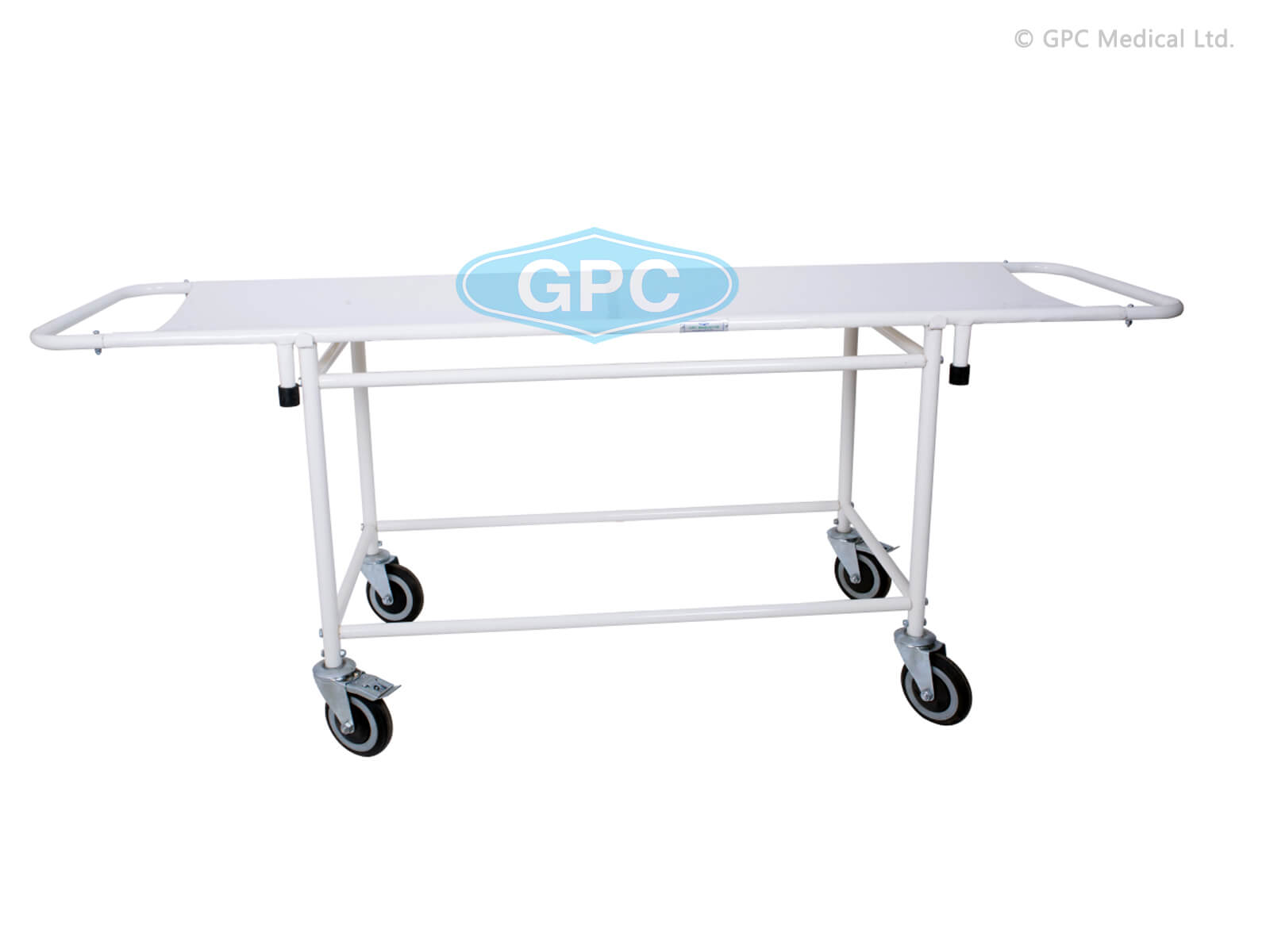
Buy Patient Stretcher in Nigeria.
Browse patient stretcher and request a quotation for your facility in Nigeria. Include the configuration, quantity and delivery location you need.
Products
23 models
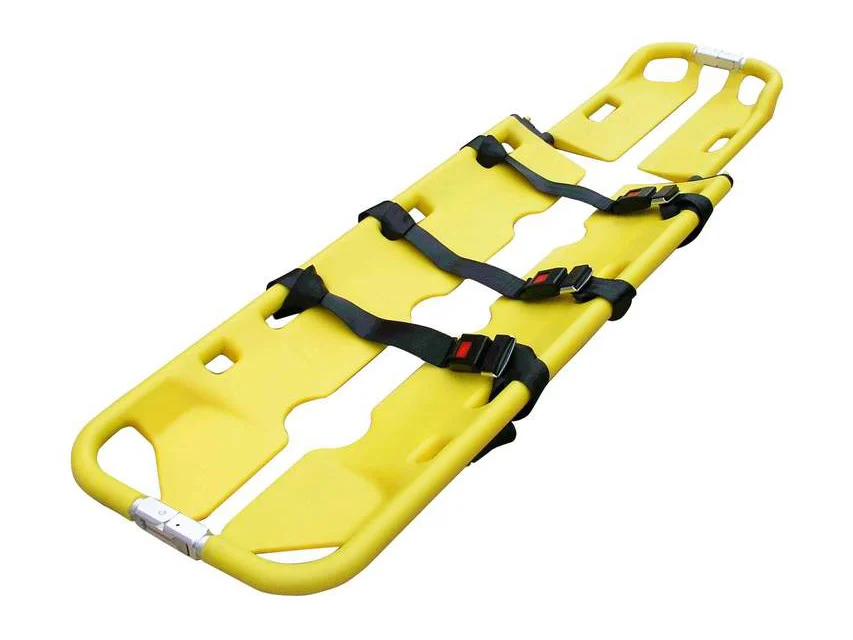
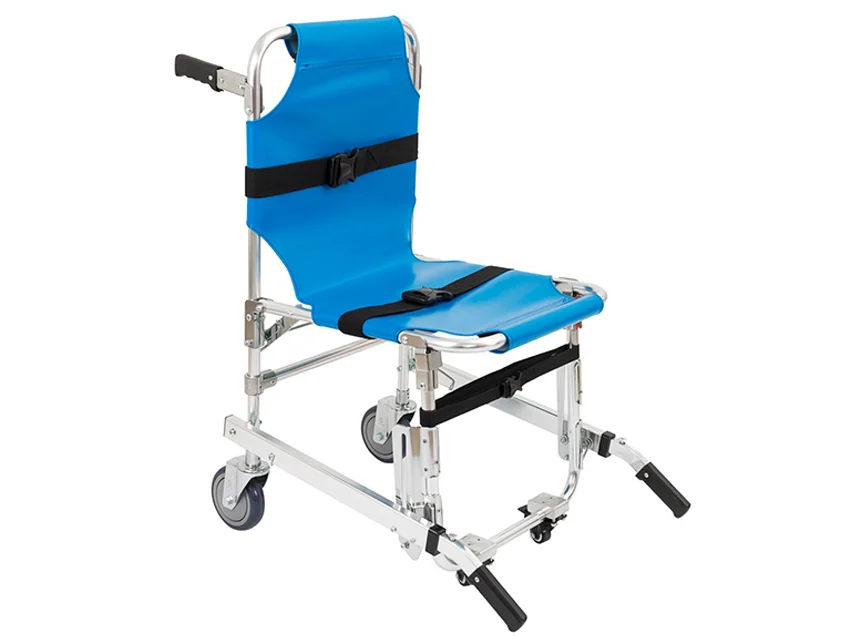
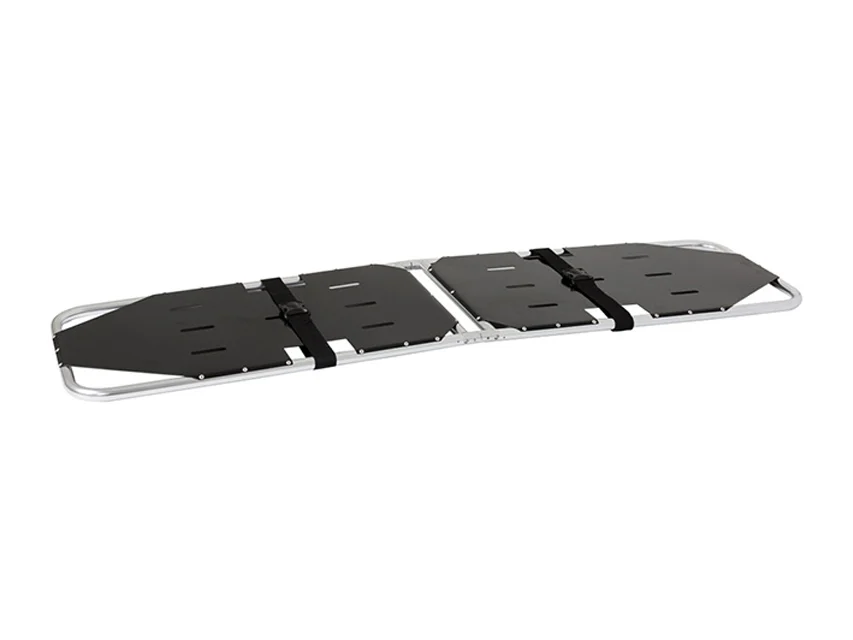
Which patient stretcher models can I buy in Nigeria?
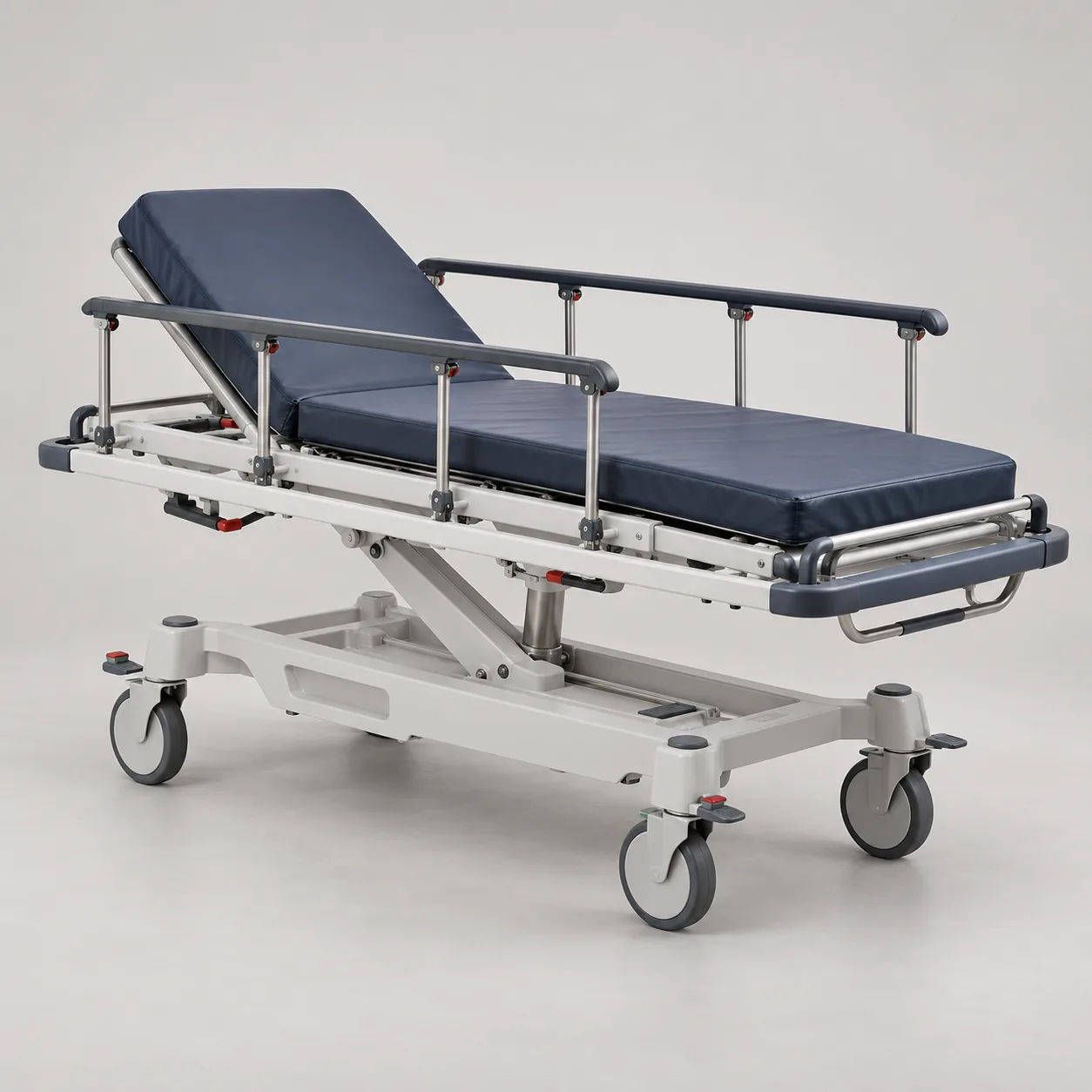
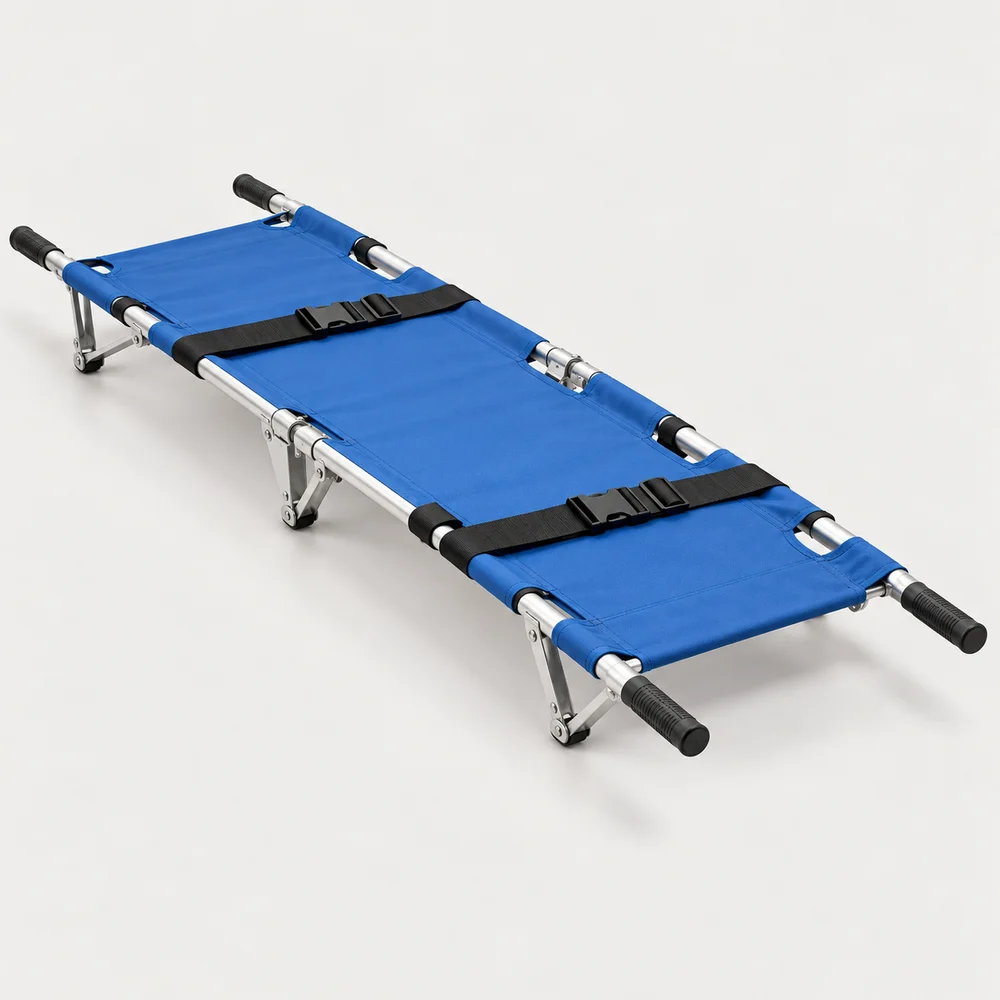
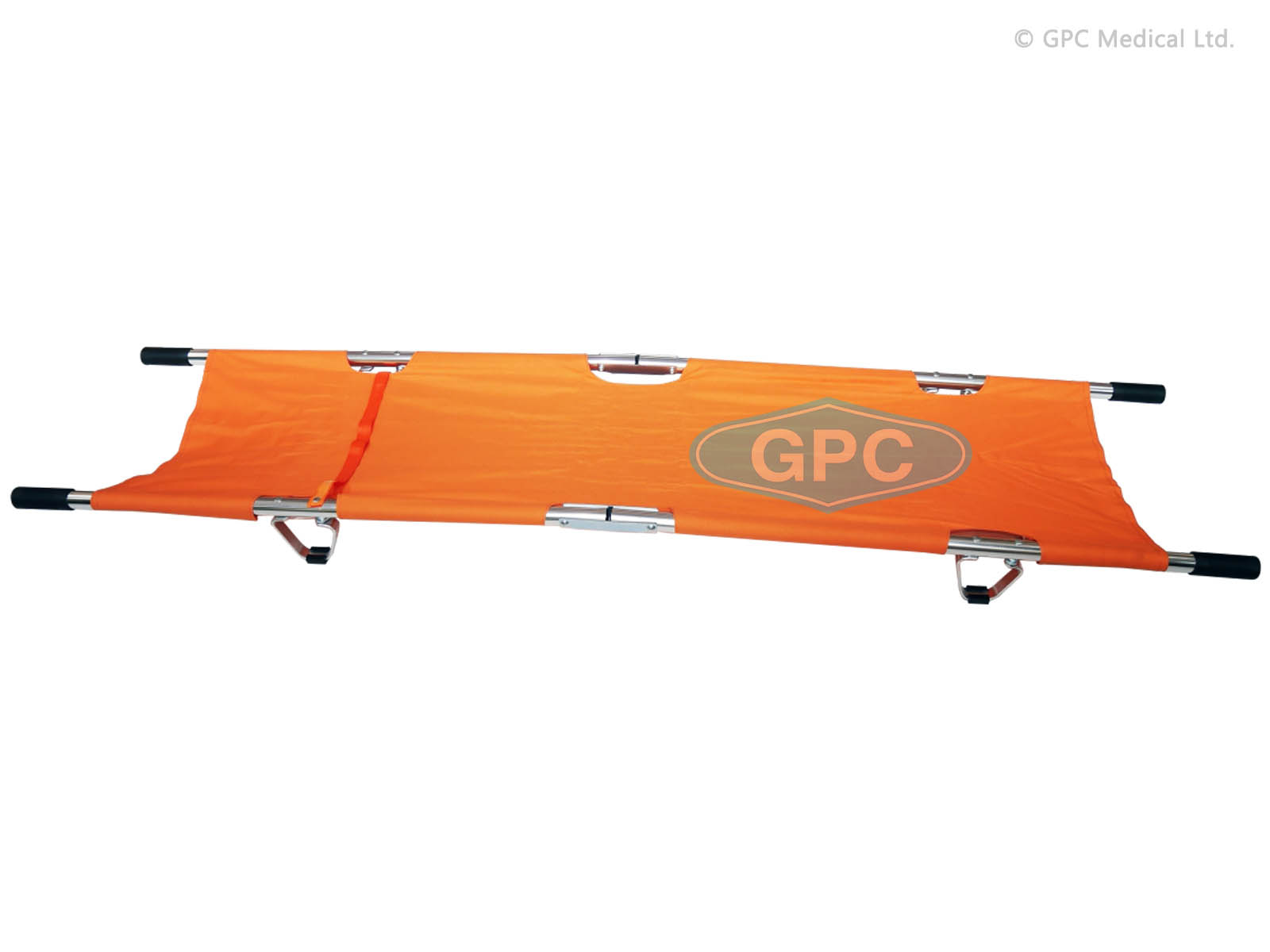
The present category contains three specific records. Stryker Prime Series model 1105 is a hospital stretcher with fifth-wheel mobility. GPC Medical GHF60.01 is a wheeled patient stretcher trolley with a removable top. GPC Medical GHF66.10 is listed as a foldable patient stretcher. Open each filtered listing for model 1105, GHF60.01 or GHF66.10 to review the matching catalogue item. The full patient stretcher category shows the current set, while the broader emergency transport and stations category separates these from ambulance cots, wheelchair-stretchers and crash carts.
Read moreWhat is the difference between a hospital stretcher trolley and a foldable stretcher?
A wheeled hospital stretcher supports movement over the facility’s floors, corridors, doorways and lifts. The 1105 and GHF60.01 records are trolley-style equipment, but they have different construction and mobility features. Stryker describes the 1105 as a fifth-wheel hospital stretcher; GPC describes the GHF60.01 as a frame on four casters with a removable stretcher top. The correct comparison therefore includes maneuverability, brakes, steering, height and positioning, transfer surfaces, patient access and the path it must travel.
Read moreWhat should I know about Stryker Prime Series 1105?
Stryker identifies model 1105 as the Prime Series Fifth Wheel stretcher. The manufacturer’s product materials describe Fifth Wheel mobility, recovery-chair positioning, Glideaway side rails, a Lift Assist backrest and a power-washable design. Stryker’s specification sheet lists a 700 lb (318 kg) weight capacity for Prime Series configurations, including 1105; its exact conditions and the offered unit’s documentation must be checked. Dimensions and option availability depend on the litter and configuration. Confirm the required litter width, overall width, surface dimensions, side-rail positions, height range, brake and steer controls, mattress or support surface, IV receptacles, accessories and electrical functions from the quotation and current model documentation.
Read moreBuy Patient Stretchers in Nigeria through Franance
To buy a patient stretcher in Nigeria, first distinguish an in-facility wheeled stretcher from a manually carried foldable stretcher, then confirm dimensions, rated load, transfer workflow, accessories, cleaning, storage and delivery access against the facility’s written requirements. Franance currently lists three models in this category: the Stryker Prime Series 1105 hospital stretcher, GPC Medical GHF60.01 patient stretcher trolley, and GPC Medical GHF66.10 foldable patient stretcher. These are different types of equipment and are not interchangeable. Review the model and configuration, then send Franance a quotation request with quantity and the Nigerian destination; Franance follows up by phone or email, with no online checkout. This guide is a procurement aid for hospitals, clinics, emergency departments, patient-transfer teams and biomedical engineering or facilities staff. It does not establish clinical suitability, safe patient-handling technique, transport approval, stock, registration, price, warranty, delivery time or local service. Use the current model-specific instructions, the facility’s approved procedures and qualified staff assessment before selecting or using equipment.
Which patient stretcher models can I buy in Nigeria?
The present category contains three specific records. Stryker Prime Series model 1105 is a hospital stretcher with fifth-wheel mobility. GPC Medical GHF60.01 is a wheeled patient stretcher trolley with a removable top. GPC Medical GHF66.10 is listed as a foldable patient stretcher. Open each filtered listing for model 1105, GHF60.01 or GHF66.10 to review the matching catalogue item. The full patient stretcher category shows the current set, while the broader emergency transport and stations category separates these from ambulance cots, wheelchair-stretchers and crash carts.
Do not infer a product’s exact features solely from its title, photograph or an adjacent model in a manufacturer family. The GHF60.01 page documents its own trolley configuration. GHF66.10 has its own model reference; obtain its current technical sheet rather than transferring dimensions or load information from another GHF66 stretcher. Likewise, the Prime Series includes several mobility configurations, but this listing is specifically model 1105. Ask that the written offer state the exact reference and what is included.
What is the difference between a hospital stretcher trolley and a foldable stretcher?
A wheeled hospital stretcher supports movement over the facility’s floors, corridors, doorways and lifts. The 1105 and GHF60.01 records are trolley-style equipment, but they have different construction and mobility features. Stryker describes the 1105 as a fifth-wheel hospital stretcher; GPC describes the GHF60.01 as a frame on four casters with a removable stretcher top. The correct comparison therefore includes maneuverability, brakes, steering, height and positioning, transfer surfaces, patient access and the path it must travel.
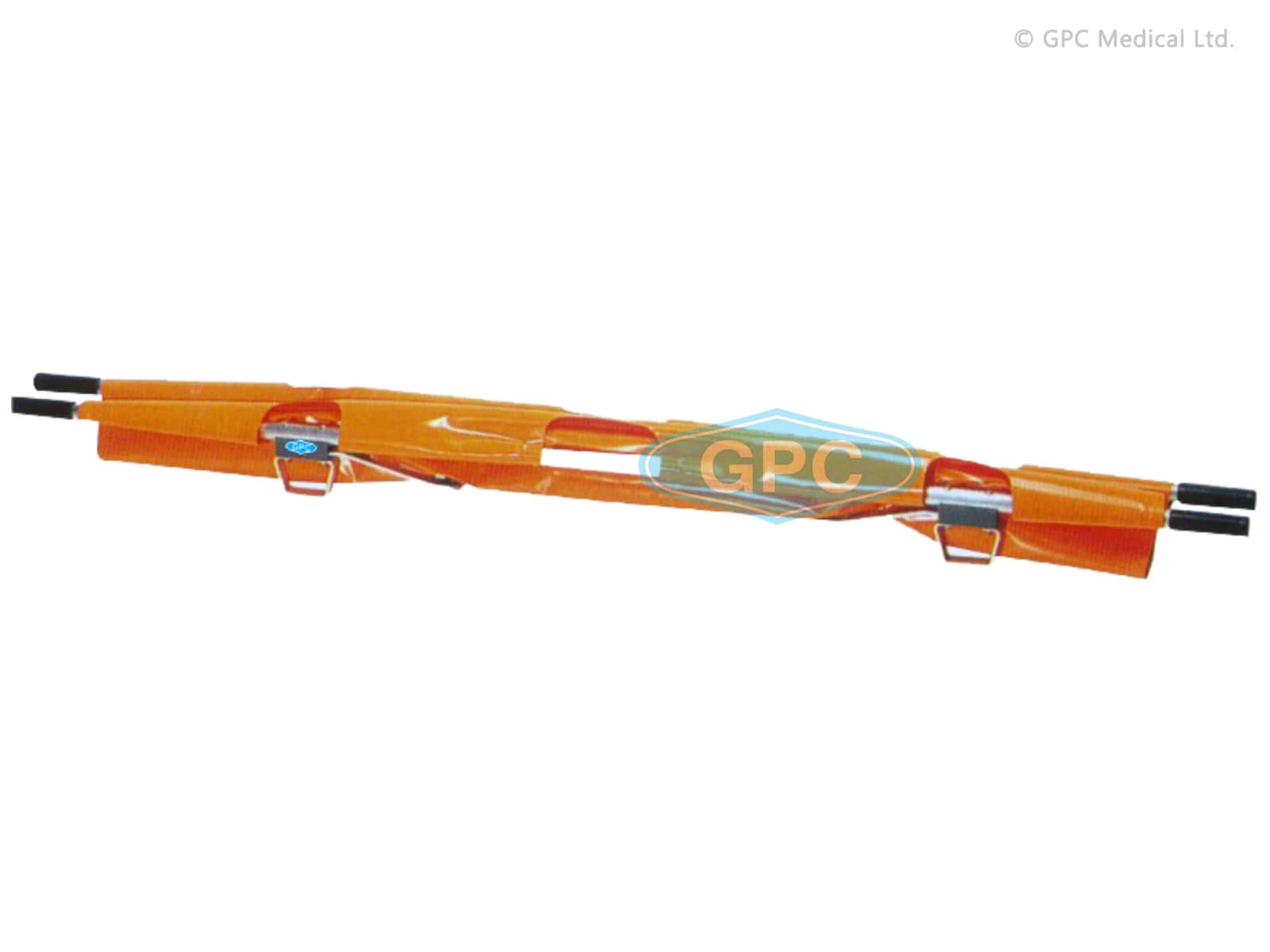
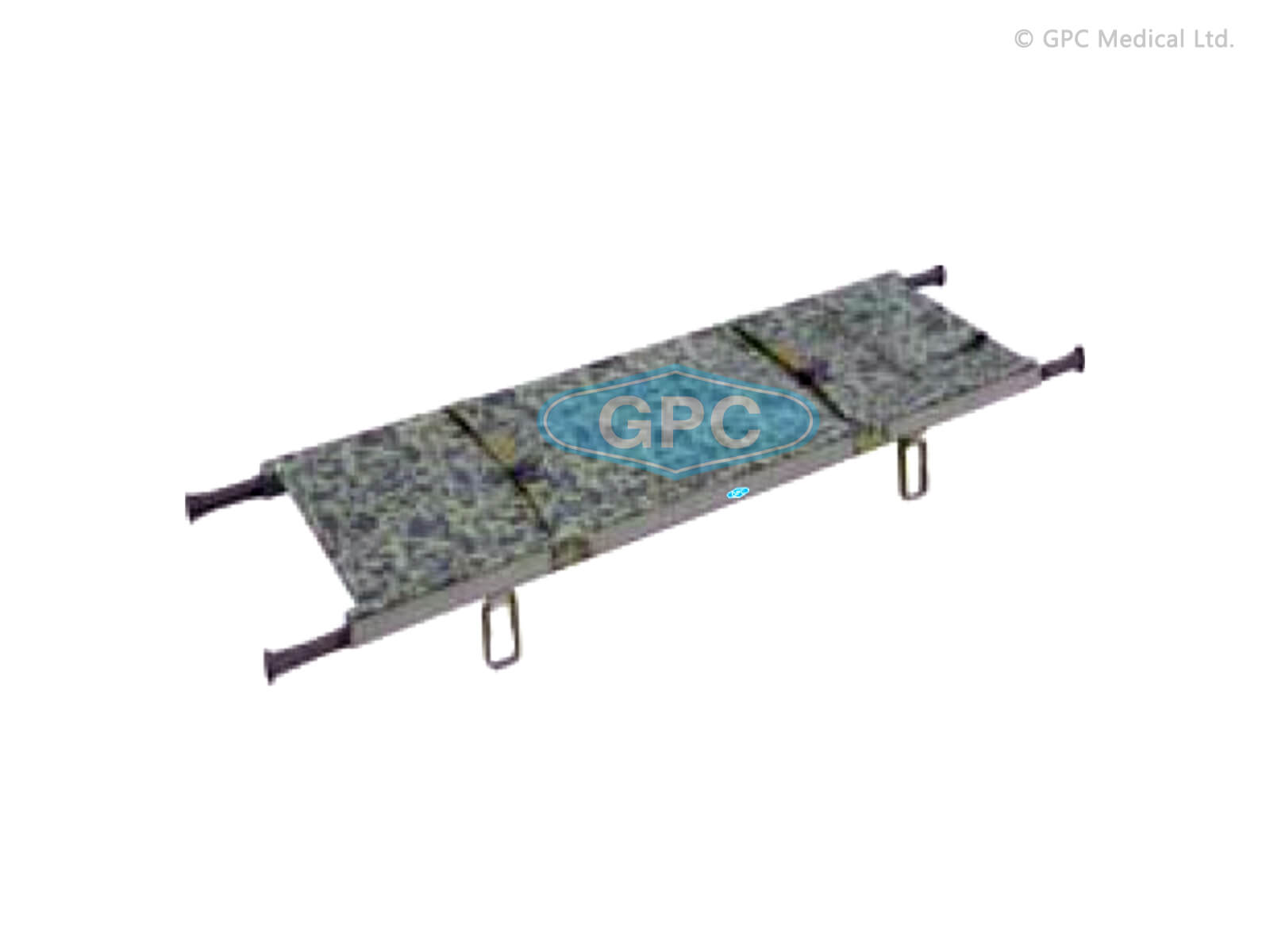
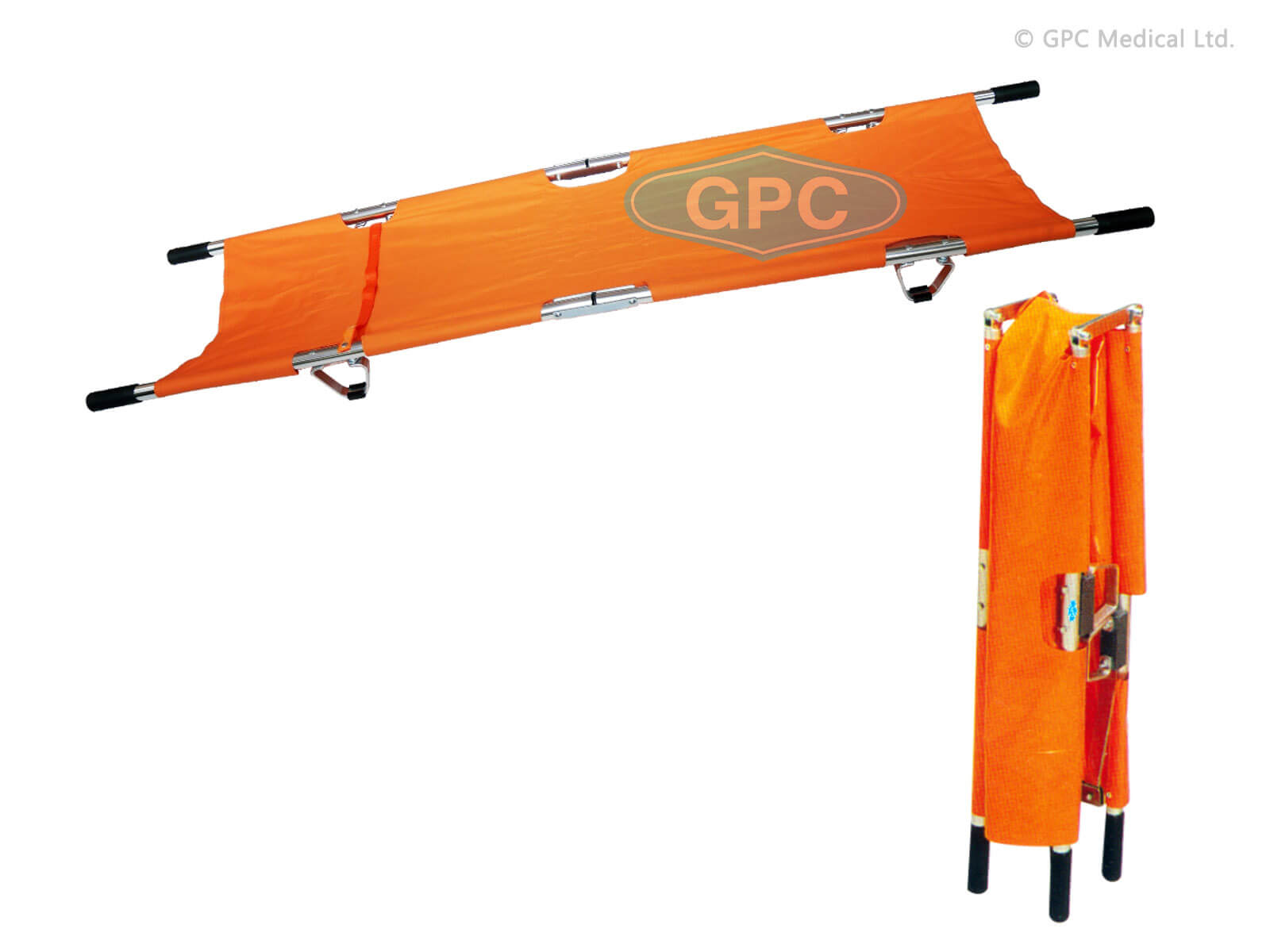
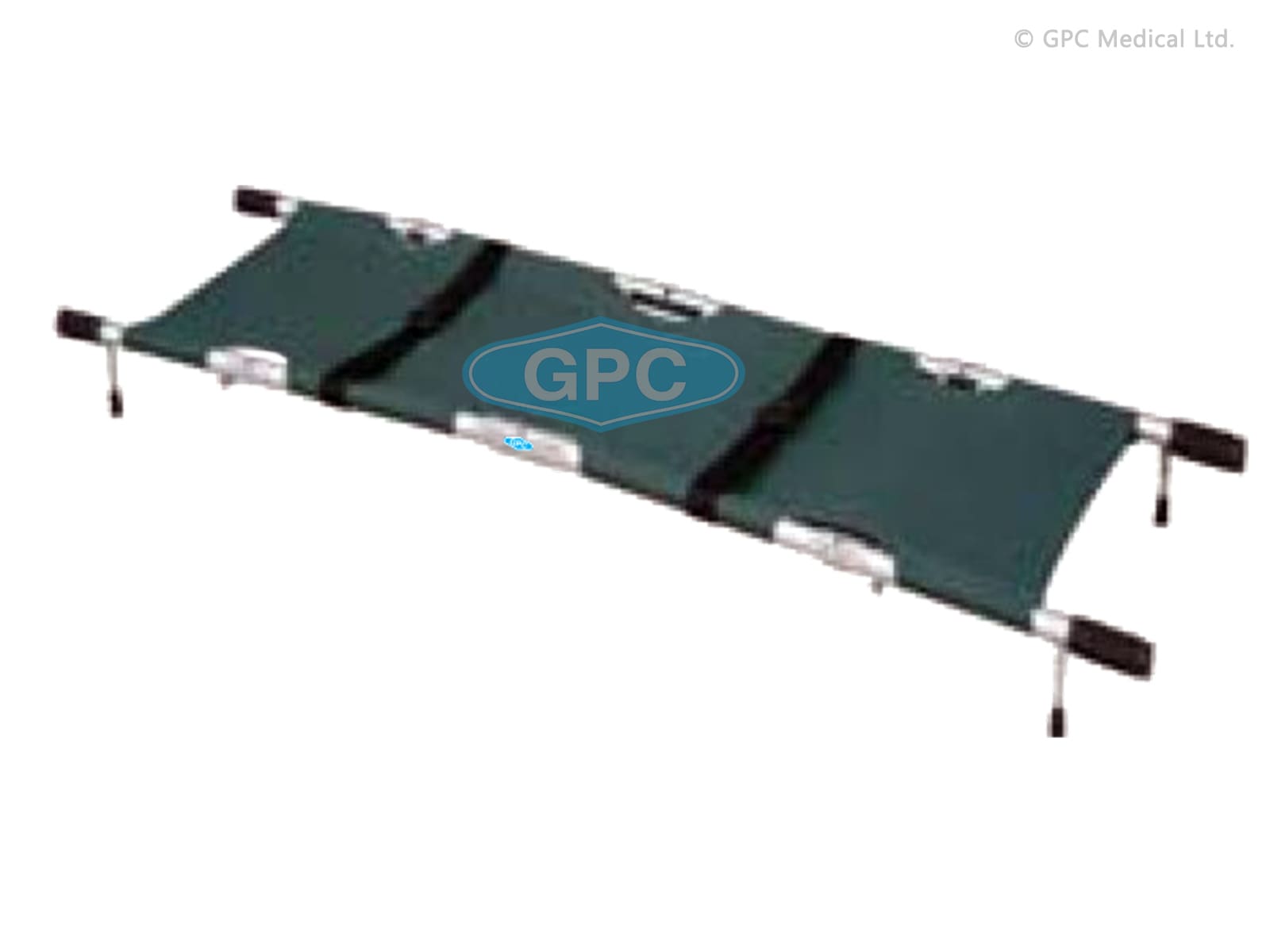
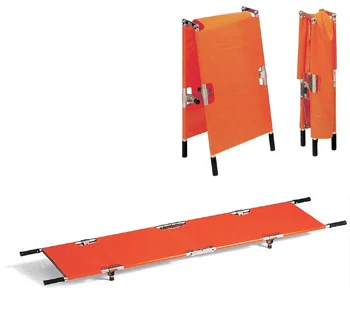
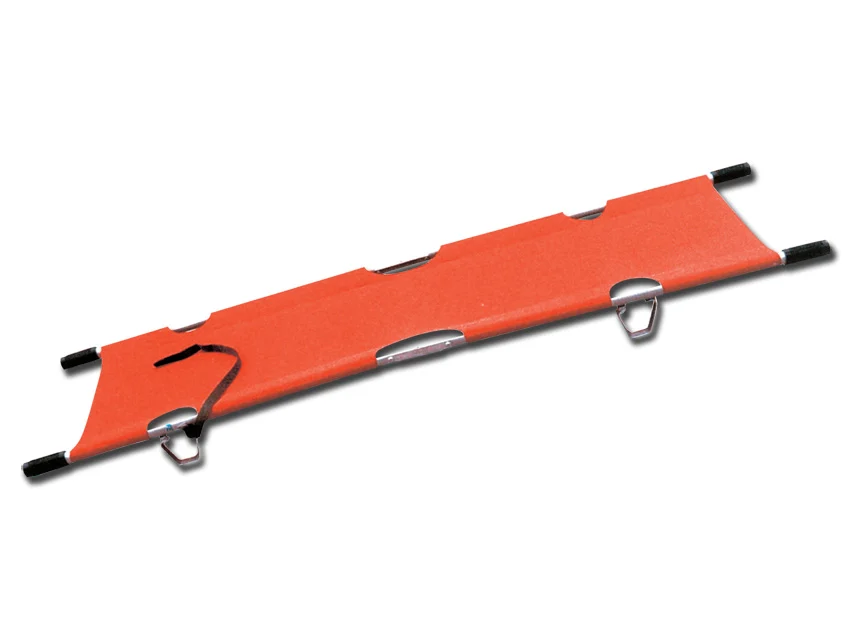
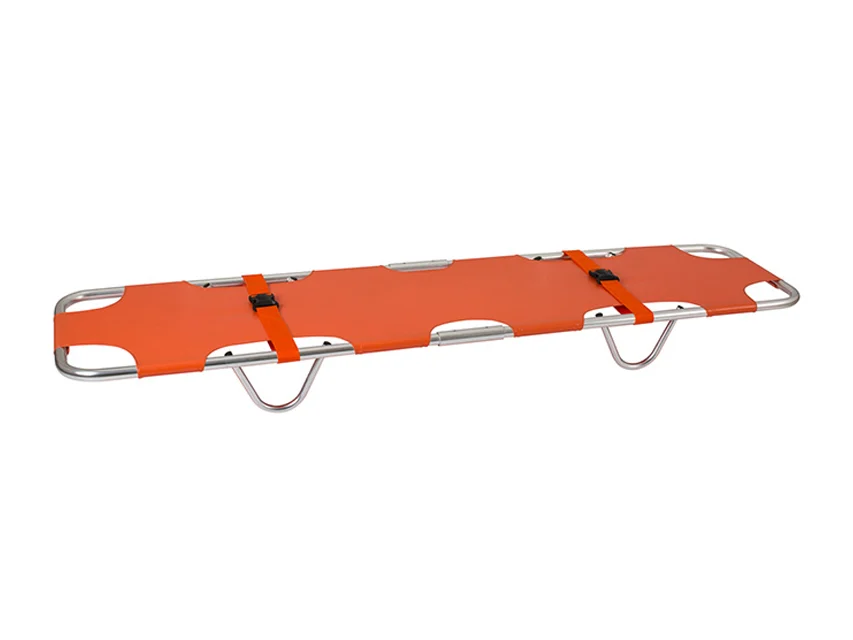
The GHF66.10 is a foldable stretcher record. A carry stretcher must be assessed for its folded and deployed dimensions, handling points, storage method, rated load, inspection requirements and the number and training of personnel required under local procedures. Do not plan a two-person carry or any particular transfer method from the word “foldable”; refer to the current instructions and facility-approved manual-handling protocol. A carry stretcher does not replace a wheeled trolley simply because both support a patient horizontally.
The ambulance stretcher category is separate because vehicle transport requires an approved cot, loading or fastening interface and compatible ambulance installation. The hospital 1105 or GPC patient stretcher should not be assumed suitable for road use. If the need is a seated or convertible transfer product, review wheelchair-stretchers instead.
What should I know about Stryker Prime Series 1105?
Stryker identifies model 1105 as the Prime Series Fifth Wheel stretcher. The manufacturer’s product materials describe Fifth Wheel mobility, recovery-chair positioning, Glideaway side rails, a Lift Assist backrest and a power-washable design. Stryker’s specification sheet lists a 700 lb (318 kg) weight capacity for Prime Series configurations, including 1105; its exact conditions and the offered unit’s documentation must be checked. Dimensions and option availability depend on the litter and configuration. Confirm the required litter width, overall width, surface dimensions, side-rail positions, height range, brake and steer controls, mattress or support surface, IV receptacles, accessories and electrical functions from the quotation and current model documentation.
Prime Series product literature also presents optional items and other mobility variants, including Big Wheel model 1115 and Zoom model 1125. Those are not the 1105 Fifth Wheel listing. Options such as a scale, powered features, monitoring or selected surfaces must not be treated as standard or included unless the offer identifies them. Use the 1105 filtered category listing and ask Franance to identify the precise model, serial applicability, accessory package, warranty and support scope in writing.
Before specifying this model, map the circulation route: ward and treatment-room door clear widths, lift dimensions, thresholds, turning areas, parking locations and any slopes. Compare those measurements with the actual stretcher configuration and its movement envelope. Request a site review if fit or maneuverability is uncertain. These checks support procurement and facilities planning; they do not replace the manufacturer’s user instructions or an assessment by the receiving clinical team.
What can be confirmed about GPC Medical GHF60.01?
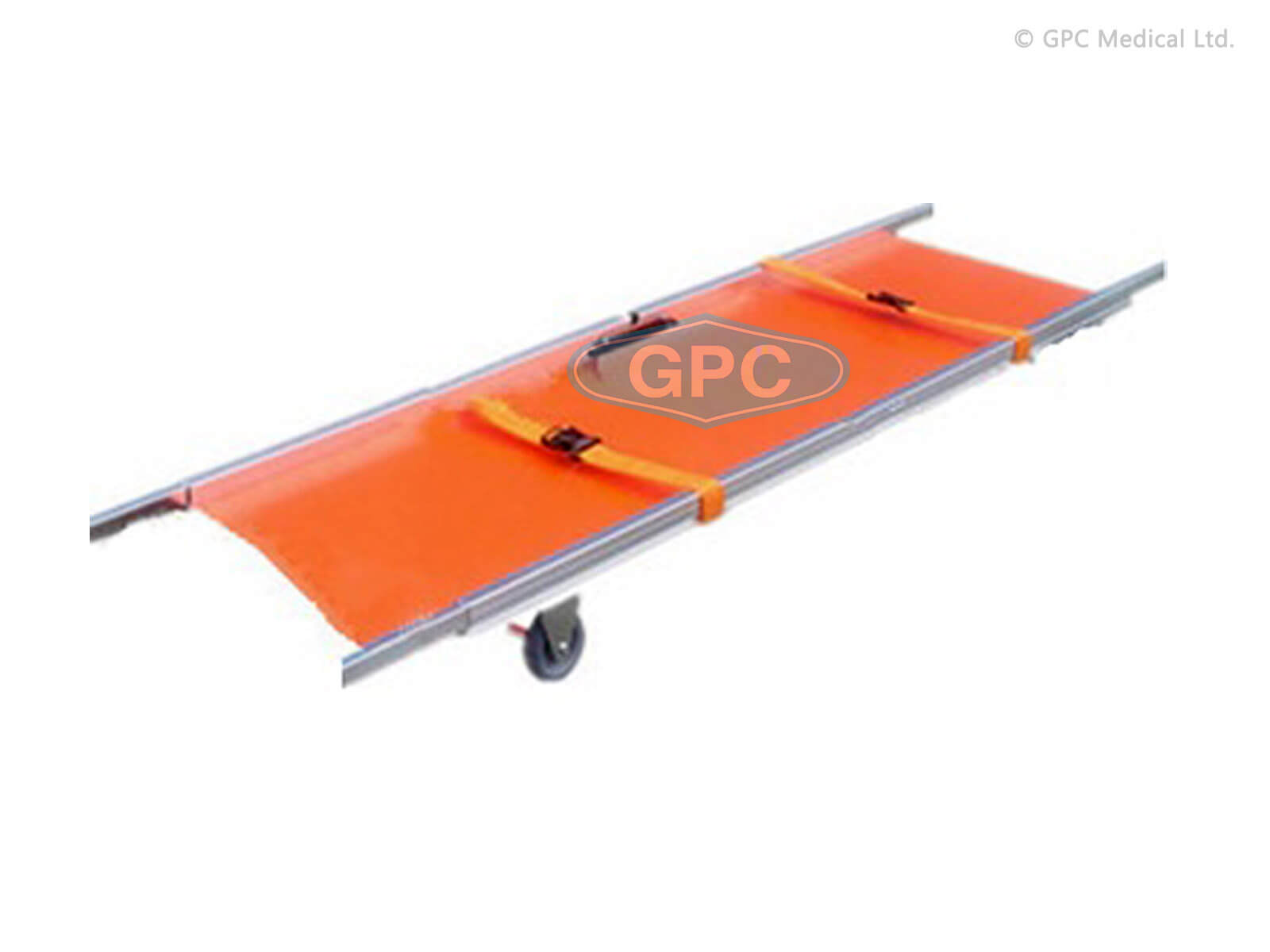
GPC Medical’s manufacturer page identifies the GHF60.01 as a patient stretcher trolley. Its published specification describes an ERW tubular-pipe framework, four 15 cm diameter castors with two brakes, a removable CRCA sheet top pressed on a tubular frame, pushing handles at both ends, knock-down construction and a pre-treated, epoxy powder-coated finish. The listed dimensions are 2,100 × 560 × 820 mm. GPC names a mattress and side railings as optional, and separately lists a canvas-top variant under GHF60.011. These details refer to GHF60.01 and should be verified against the exact configuration offered.
The product record does not provide a published load rating in the information reviewed for this guide. Ask the supplier for the manufacturer’s current rated load, the exact top and mattress configuration, rail compatibility, dimensions, assembly requirements, cleaning guidance and maintenance documentation. Do not assume an optional mattress or rails appear in the base price. If a removable top is important to your workflow, clarify how the manufacturer intends it to be handled, stored and secured.
The frame’s nominal dimensions are only one part of a fit check. Confirm the space needed to steer with a patient and mattress, the doorway clearance with side rails in the intended position, elevator access, storage location and any threshold or ramp constraints. Specify whether the trolley will be used between departments, for examinations, or in another defined facility workflow. Ask the clinical and facilities teams to review movement and transfer requirements before selection.
How should I assess GPC Medical GHF66.10?
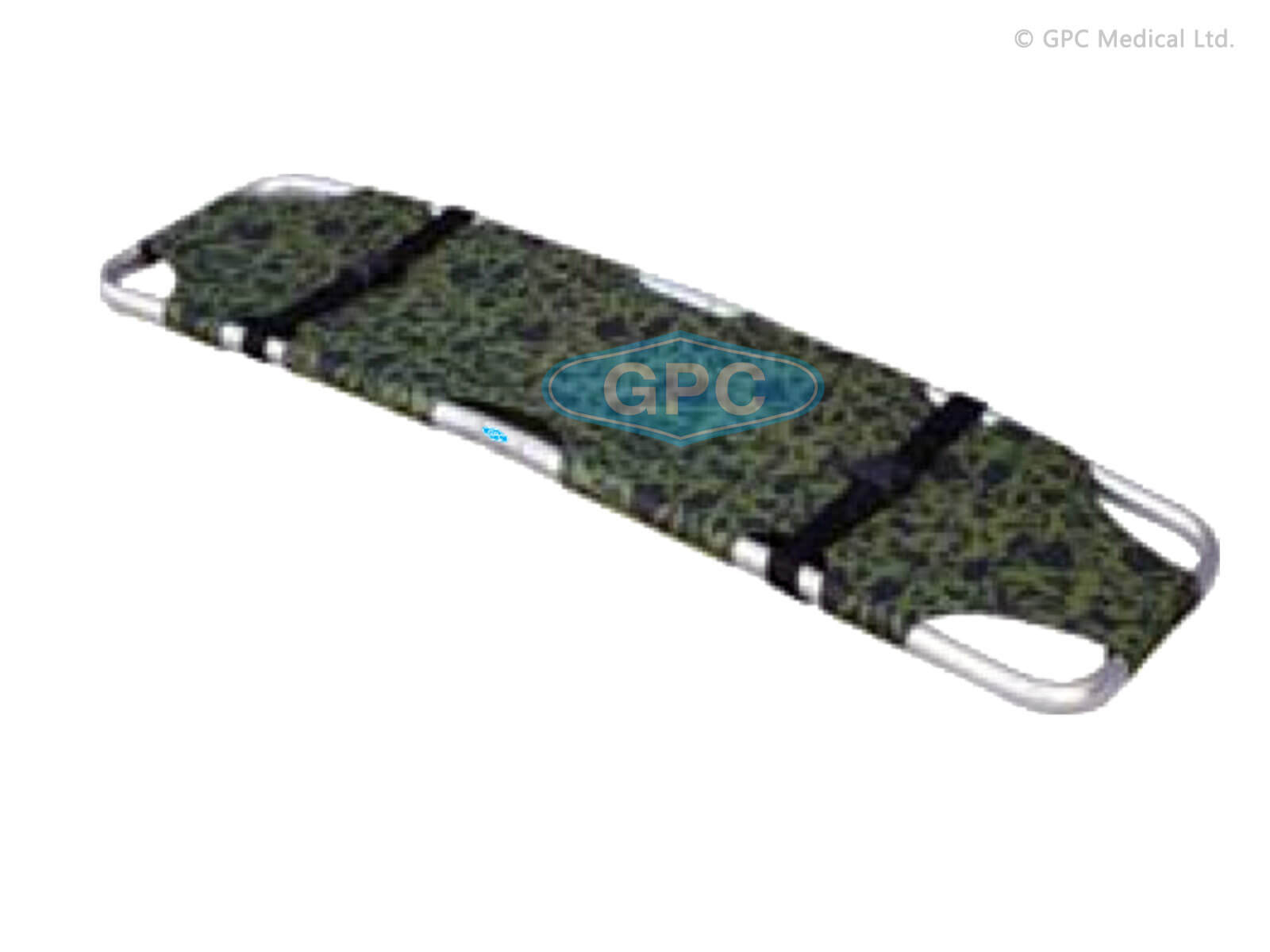
Franance’s category records GHF66.10 as a foldable patient stretcher and links it to the manufacturer’s GPC Medical product page. The exact model and assignment are confirmed in the filtered GHF66.10 listing. Obtain the current manufacturer specification and instructions for this exact model before making a technical comparison. The live source page for a related GPC foldable stretcher, GHF66.09, describes that separate model’s anodized aluminium construction, coated fabric surface, folding arrangement and dimensions. Those details cannot be assumed to describe GHF66.10, so this guide does not transfer the .09 specification to the .10 record.
For an accurate request, ask GPC or the supplier to identify the GHF66.10’s open and folded dimensions, frame and fabric materials, safe working load and conditions, grip and foot configuration, locking or deployment checks, approved cleaning method, replacement parts and included carry case or accessories if relevant. Confirm the exact model marking and document revision on the item supplied. If a tender or project specification requests a particular stretcher type, have the procurement and clinical stakeholders confirm that the documented configuration matches the intended role.
Plan storage as well as use. A compact folded envelope can be useful where equipment needs to be stored, but available cupboard or vehicle space does not prove safe fit, load capacity or approved road-transport use. Ask the supplier for the folded envelope and handling information and compare it with the designated storage location. For any emergency-response or patient transfer activity, follow the organisation’s established equipment readiness, training and inspection process.
How do I compare load limits, surfaces and accessories?
Compare the manufacturer’s rated load for the exact model and configuration, not a figure remembered from a family brochure or a different version. Ask what the stated limit includes and whether options, mattress, support surfaces or accessories change it. Record the maximum patient-weight requirement separately from total equipment load where the manufacturer makes that distinction. A catalogue title without a verified load value is not enough to approve a stretcher for a specific use.
Next, compare the patient support surface and transfer requirements. Identify mattress type and thickness, litter width and length, side rails, straps or restraints, IV support, oxygen provision, positioning and access needed by the clinical team. Verify every accessory by manufacturer part number and compatibility. “Shown in image” or “available as an option” does not mean supplied with the base model. For a foldable stretcher, request the material and construction details for the exact model and the instructions for deployment, folding and inspection.
Cleaning and maintenance are procurement requirements too. Ask for compatible cleaning agents and method, inspection interval, wear parts, service documents, warranty exclusions and the route for obtaining spares. Do not interpret “power-washable” on a Stryker variant as authorization to use any pressure, detergent or procedure; use Stryker’s model-specific instructions. Similarly, confirm the finish and cleaning limitations for the exact GPC trolley. Include these details in the technical evaluation so the purchase decision covers the operating life, not only the initial item.
What facility and delivery checks matter in Nigeria?
For hospital trolleys, measure entrances, corridor turns, lifts, ramps, thresholds, floor surfaces, parking and storage points. Compare these with the dimensions and operating envelope of the selected configuration, allowing room for staff to guide it. For a foldable model, document where it will be stored, how it will be inspected and which staff are authorized and trained to use it under local procedures. If the equipment is part of a project, coordinate with biomedical engineering, nursing or clinical leadership, procurement, infection prevention, facilities and transport teams as appropriate.
For delivery within Nigeria, specify the state and city or facility address and any access constraints, receiving hours, unloading arrangements, assembly, commissioning or handover requirements. These are quote inputs, not assurances that a service is available or included. Ask Franance to confirm the delivery scope, timing, installation or assembly responsibilities, training, documentation, warranty and service terms for the exact destination. If the procurement is tender-based, share the required technical schedule and document list early enough for the quotation to address it.
The buyer should request the current technical datasheet, instructions for use, maintenance information, warranty terms and any required conformity or registration documents for the exact model being offered. The listing does not establish Nigerian registration, local stock or authorization. Ask the supplier to state whether each requested document is available and applicable to that item, rather than relying on documents for another model or region.
What should a patient stretcher quotation include?
Send Franance the manufacturer and exact model number, quantity, intended facility workflow and delivery state/city. For a Prime 1105, specify litter width and requested features or accessories, then ask which are included, optional or unavailable. For GHF60.01, state whether the mattress, side railings or another top configuration is required. For GHF66.10, request its current specifications and identify any storage or deployment requirements. Include dimensions, load requirement, cleaning, power or accessories only as requirements to be reviewed—not assumptions about supply.
Ask the written quotation to identify the exact item reference and configuration; unit and total price or starting-price basis if provided; currency, taxes and quote validity; what is and is not included; expected availability and delivery terms; assembly or installation scope; required documents; warranty and service arrangements; and any assumptions or exclusions. A starting price is not a final offer for an unspecified configuration. If the offered model differs from the one requested, require a clear comparison and written approval before purchase.
Use the contact form to request a patient stretcher quote from Franance. Franance will follow up by phone or email to clarify the quote order. There is no online purchase checkout. Keep the quotation, configuration schedule and approved technical documents together so the receiving team can verify the item at delivery.
Frequently asked questions about patient stretchers in Nigeria
### Can a hospital stretcher be used in an ambulance?
Do not assume it can. Road transport requires a stretcher or cot and vehicle interface approved for the intended ambulance installation. Confirm the exact equipment, fixation or loader, vehicle and restraints with the manufacturers and vehicle upfitter. The hospital patient stretcher listings are not evidence of ambulance compatibility.
### Are mattress and side rails included with GHF60.01?
GPC identifies the mattress and side railings as optional. The quotation should state whether each is included and identify the compatible reference and configuration.
### Does the GHF66.10 have the same dimensions as GHF66.09?
Do not assume so. Obtain the current product sheet for the exact GHF66.10 model. Dimensions and features documented for a different model number are not a substitute.
### Does Stryker 1105 include all Prime Series options?
No such inclusion is established by the category listing. Stryker describes optional configurations and variants across its range. Ask the quote to specify the 1105 configuration and each selected accessory or powered feature.
### Can I buy a patient stretcher online from Franance?
No. Submit a quote order through the contact form or enquiry link. Franance will contact you by phone or email to confirm requirements and prepare a quotation.
Manufacturer sources and limitations
This guide uses Stryker’s Prime Series product page, specification sheet and 1105 technical information, plus GPC Medical’s individual GHF60.01, GHF66.10 and related GHF66.09 pages. WHO’s medical-device technical specification and maintenance resources inform the procurement and lifecycle questions. Sources are manufacturer or official technical resources; they do not confirm Nigerian availability, local registration, an authorized supplier relationship, offer terms or current stock. Recheck the current model-specific documents and written quotation before procurement.
Common questions
Which patient stretcher models are listed?
The category currently lists the Stryker Prime Series 1105 hospital stretcher, GPC Medical GHF60.01 patient stretcher trolley and GPC Medical GHF66.10 foldable patient stretcher.
Can a hospital stretcher be used in an ambulance?
Do not assume vehicle compatibility. Ambulance use requires an approved cot, vehicle interface and installation for the exact ambulance. Confirm compatibility with the relevant manufacturers and upfitter.
Are mattress and side rails included with GHF60.01?
GPC lists mattress and side railings as optional. Ask the written quotation to state exactly which items are included and their compatible references.
Does GHF66.10 have the same dimensions as GHF66.09?
The models have different numbers. Obtain current dimensions and performance information specifically for GHF66.10; the .09 specifications do not establish the .10 specifications.
Does the 1105 listing include every Prime Series option?
No. The manufacturer describes multiple options and other Prime Series models. Confirm the exact 1105 configuration and each included accessory in the offer.
Can I buy a stretcher online from Franance?
No. Submit a quotation request. Franance follows up by phone or email to confirm requirements and commercial terms; there is no online checkout.
Request a patient stretcher quotation from Franance.
Send the exact manufacturer and model, quantity, intended facility workflow, load and dimensional requirements, requested accessories, technical documents and Nigerian delivery destination. Franance will follow up by phone or email to clarify the quote order.
Request a patient stretcher quoteNeed an equipment quote?
Add the models you need to a quote order, or send us your equipment list.