Buy Emergency and Resuscitation Equipment in Nigeria.
Buy emergency and resuscitation equipment in Nigeria through Franance. Browse AEDs and defibrillators, video laryngoscopes, ambulance and patient stretchers, wheelchair stretchers, and emergency carts. Compare exact models and configurations, then submit a quote order. Franance follows up by phone or email; online payment is not available. Catalogue listings do not confirm Nigerian availability, price, registration, delivery or service.
Buy Emergency and Resuscitation Equipment in Nigeria
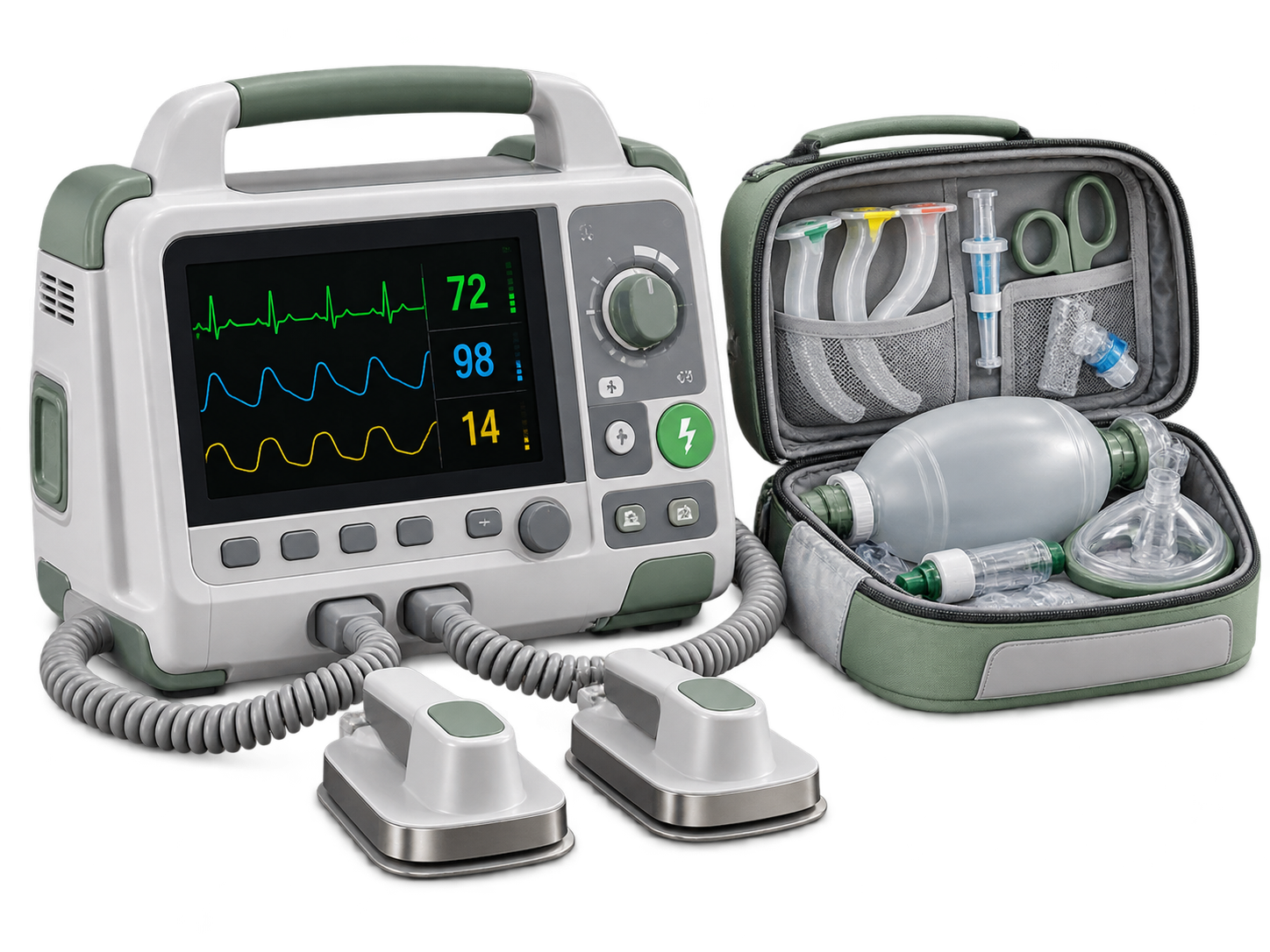
Franance lists 30 emergency and resuscitation products across defibrillators, video laryngoscopes, ambulance and patient transport, wheelchairs that convert for transport, and emergency carts. You can browse each equipment group, compare the exact listed models and submit a quote order. Franance follows up by phone or email; payment is not taken online.
Start with the equipment's intended role in your facility or fleet. Defibrillators, video laryngoscopes, emergency carts and patient transport equipment serve different purposes and should be evaluated by the responsible clinical, biomedical, procurement and operations teams against their local requirements. This guide helps buyers organize an enquiry; it is not clinical or operational instruction.
Where can I buy emergency and resuscitation equipment in Nigeria?
The live catalogue contains 30 unique product records across these groups. A product may also appear in a parent category listing, so parent and child counts should not be added as though every appearance were a separate model.
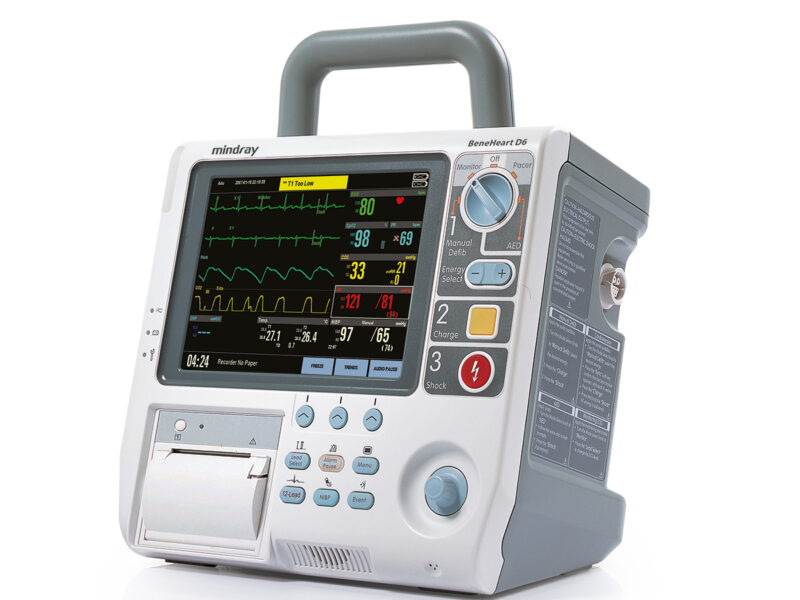
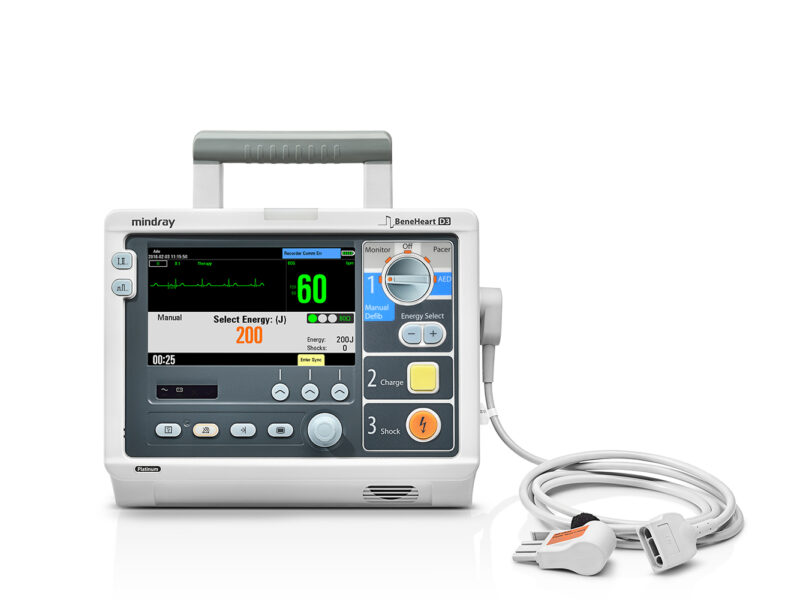
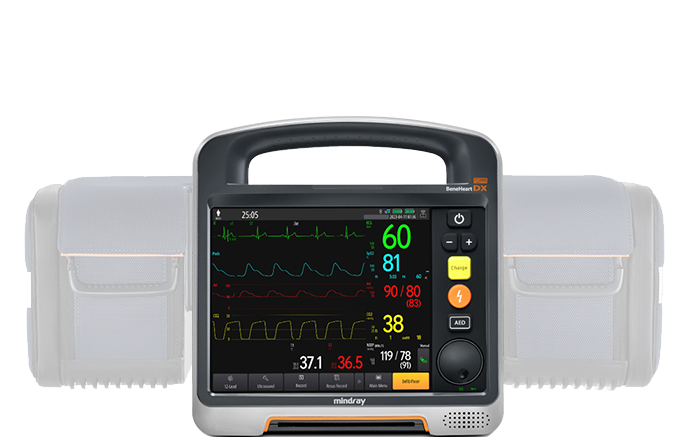
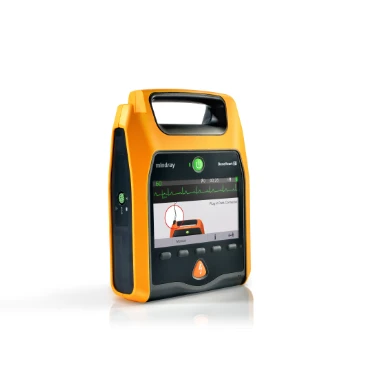
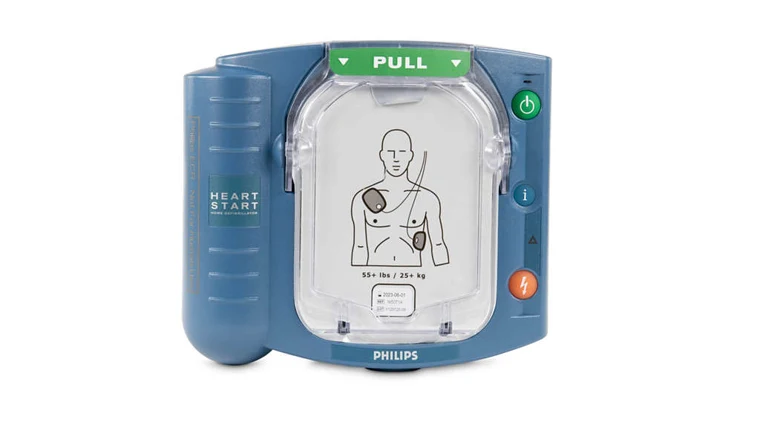
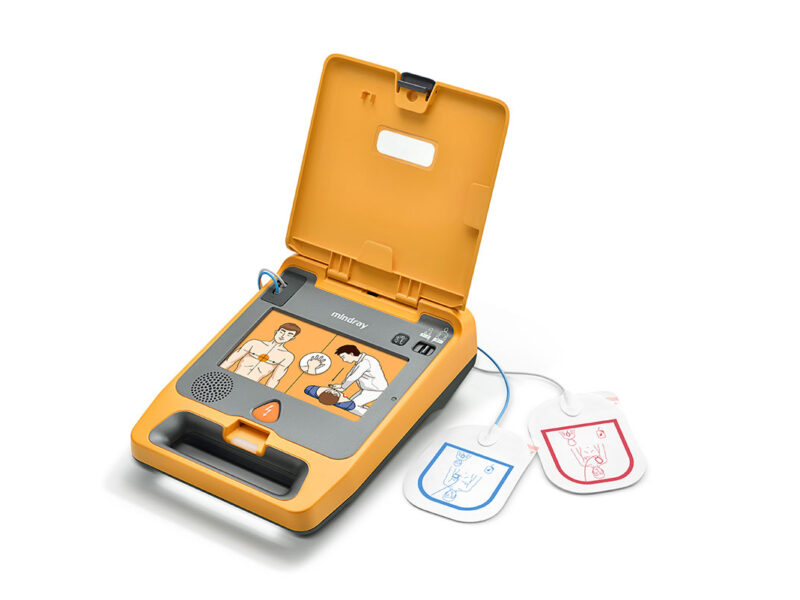
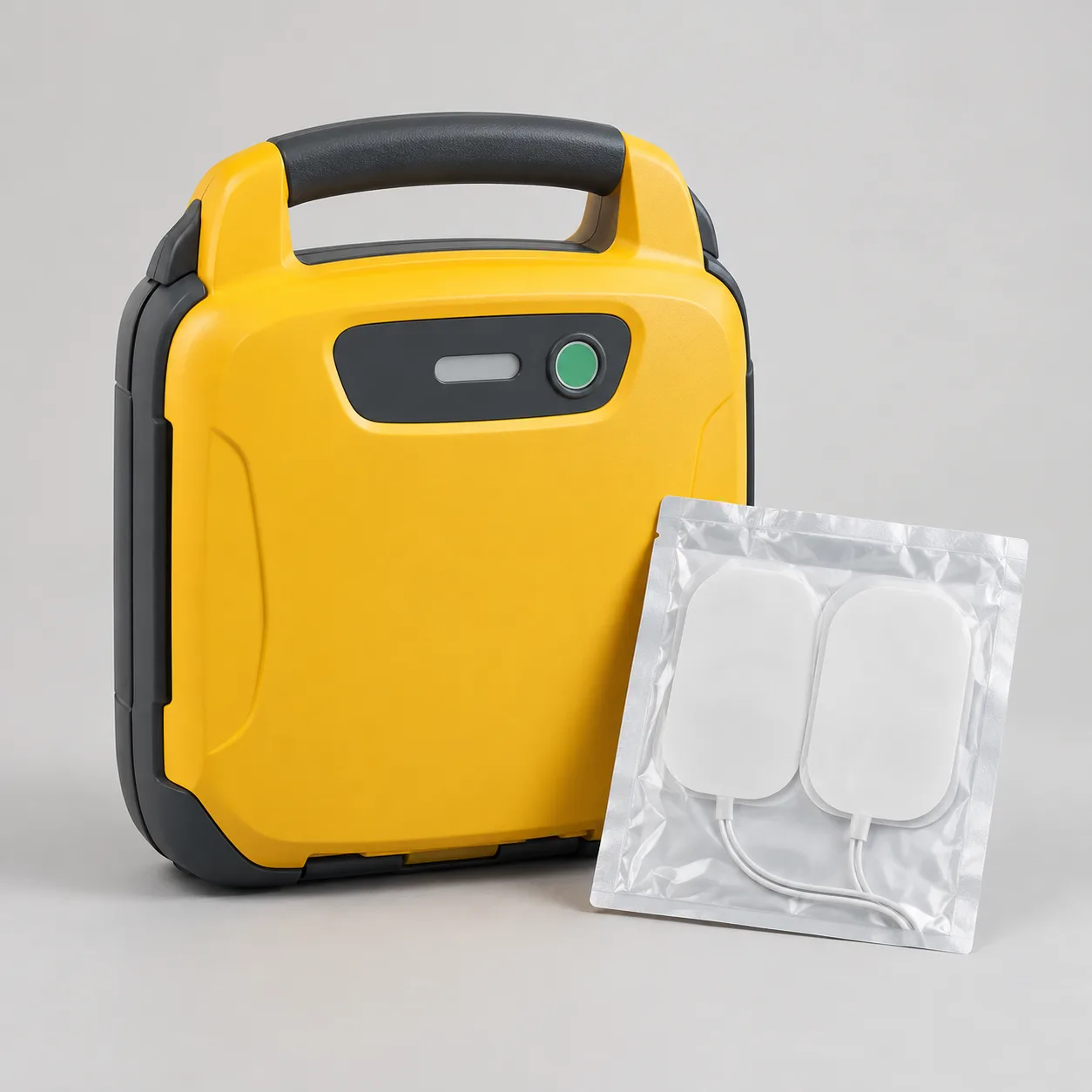
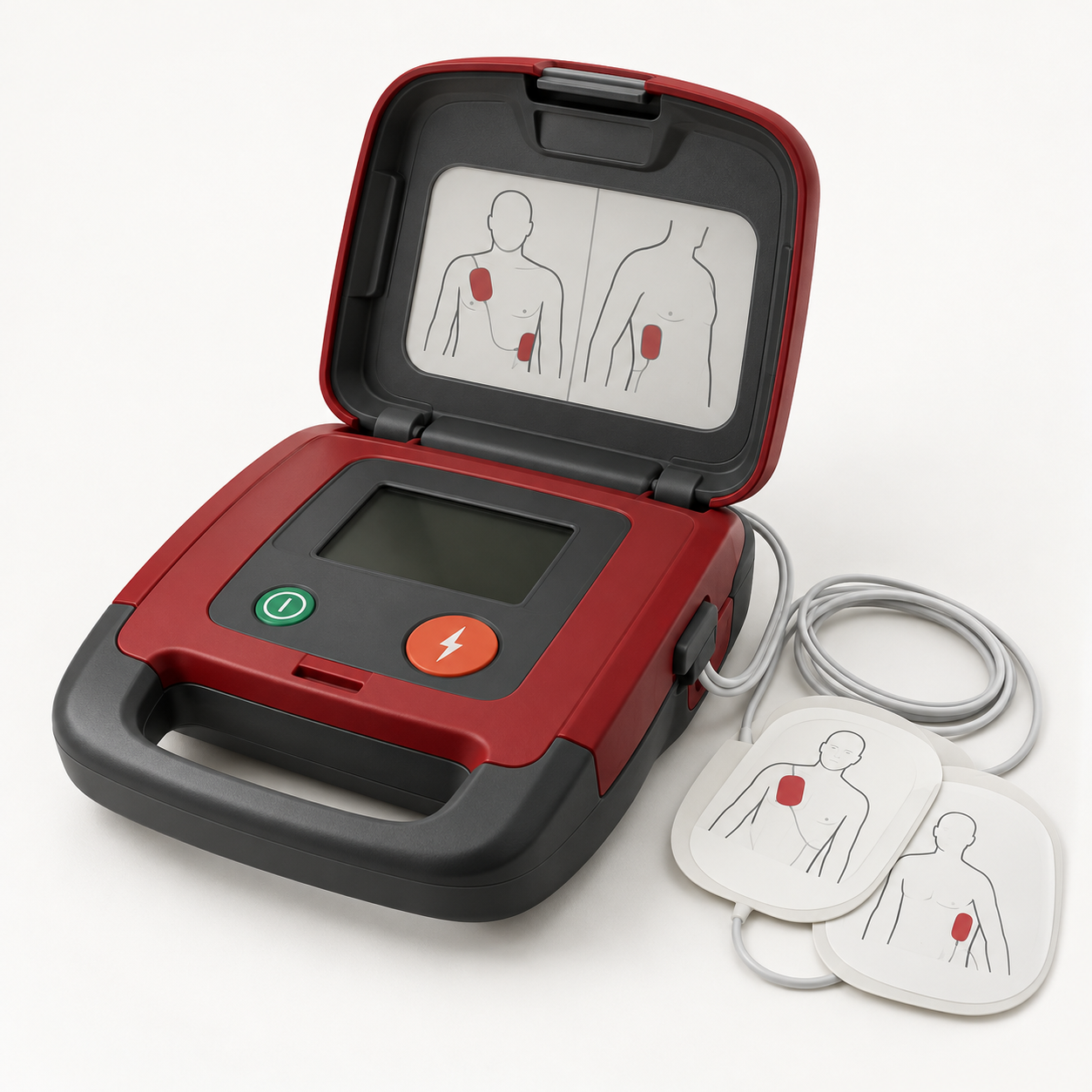
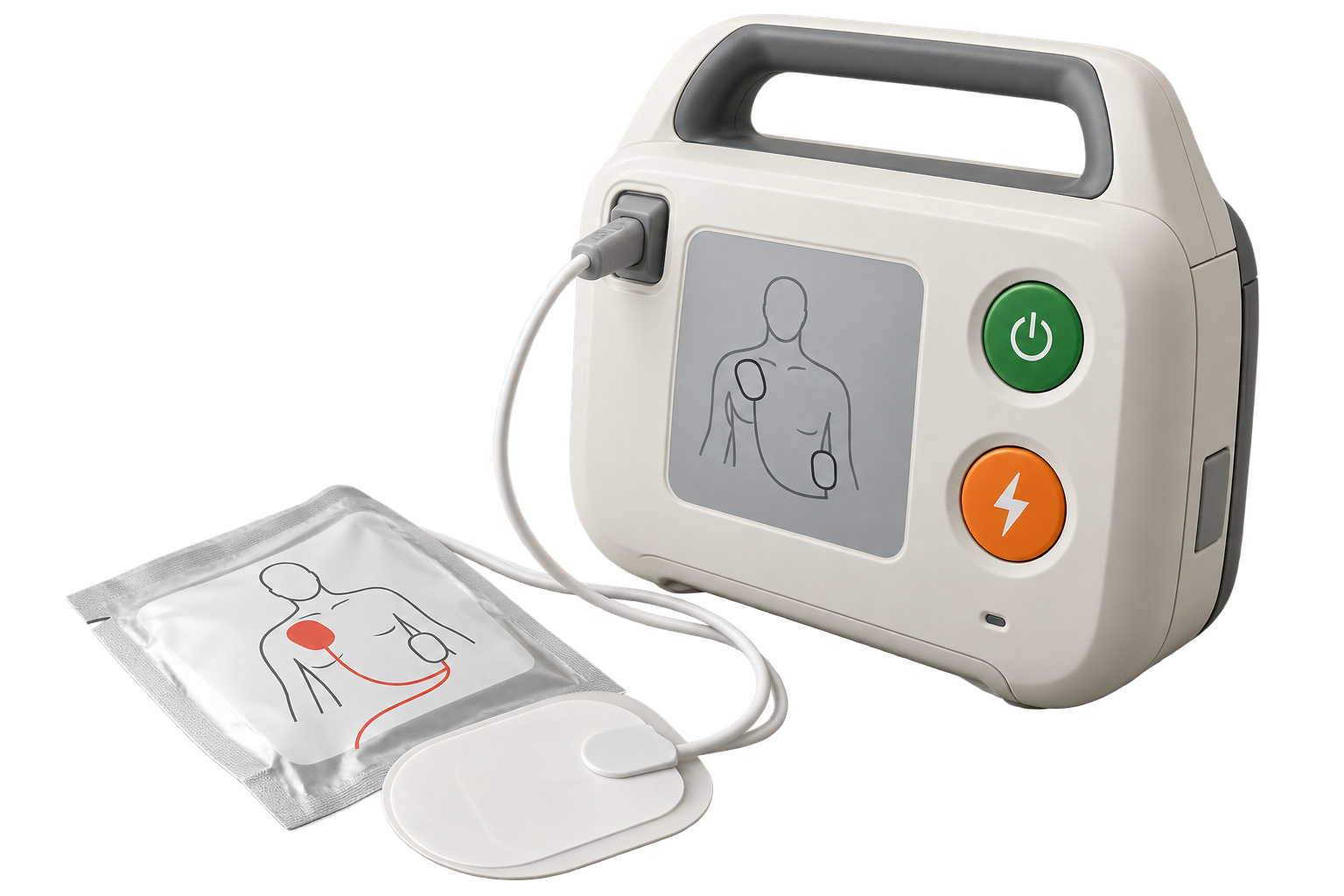
Compare the model, configuration, intended-use labeling, electrode or pad references and expiry management, battery and replacement arrangements, accessories, instructions and maintenance requirements with the procurement specification prepared by your facility. The catalogue is not a clinical selection tool and does not establish which device is appropriate for a particular patient population or response program. Do not assume that consumables, replacement pads, batteries, training or a service plan are included unless they appear in the written quotation.
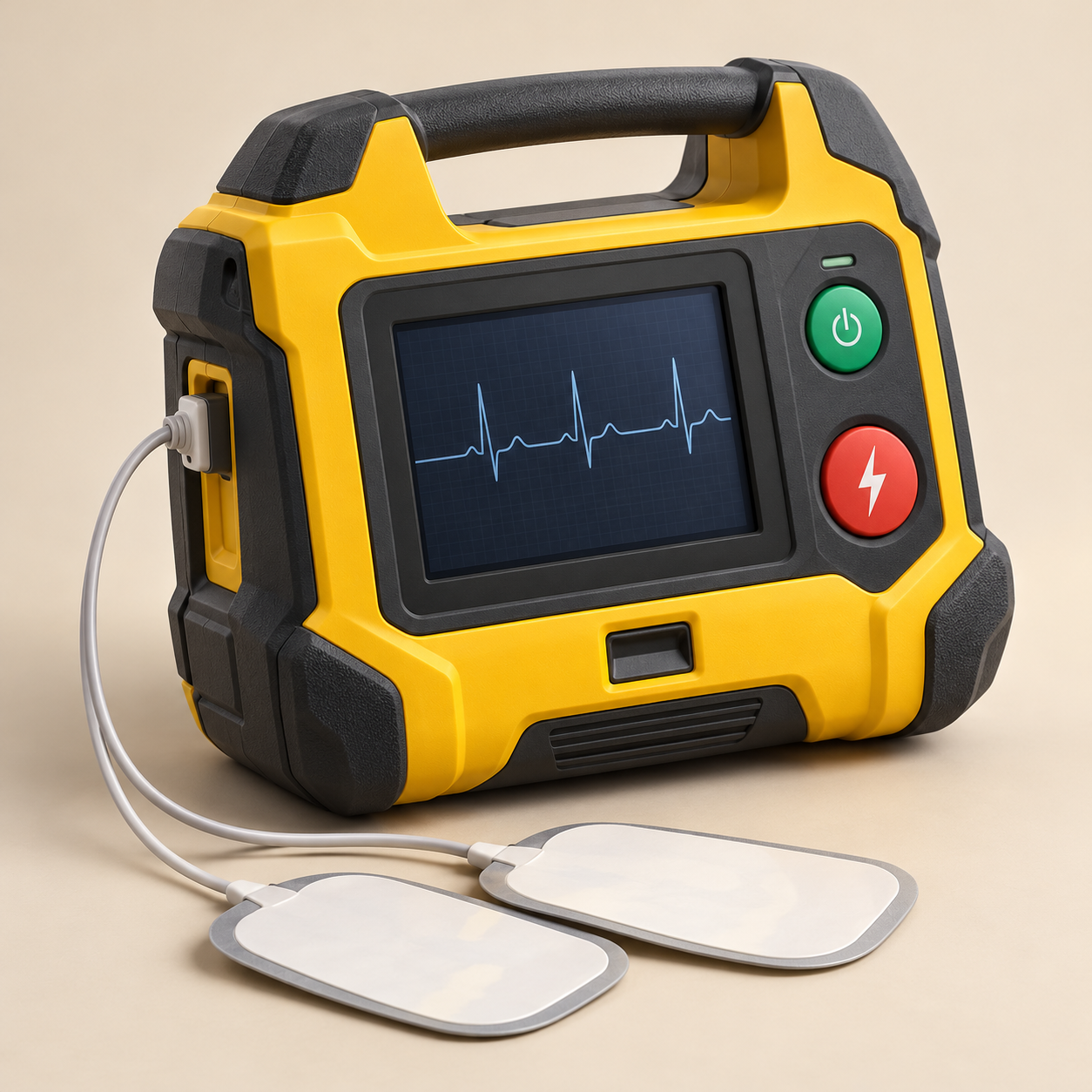
When requesting a quote, identify the precise model and configuration and ask the supplier to itemize the monitor/defibrillator, accessories, reusable and disposable components, power options, documentation and requested service. Confirm compatibility with existing equipment only from manufacturer documentation and a qualified technical review. A category assignment or matching brand does not establish interoperability.
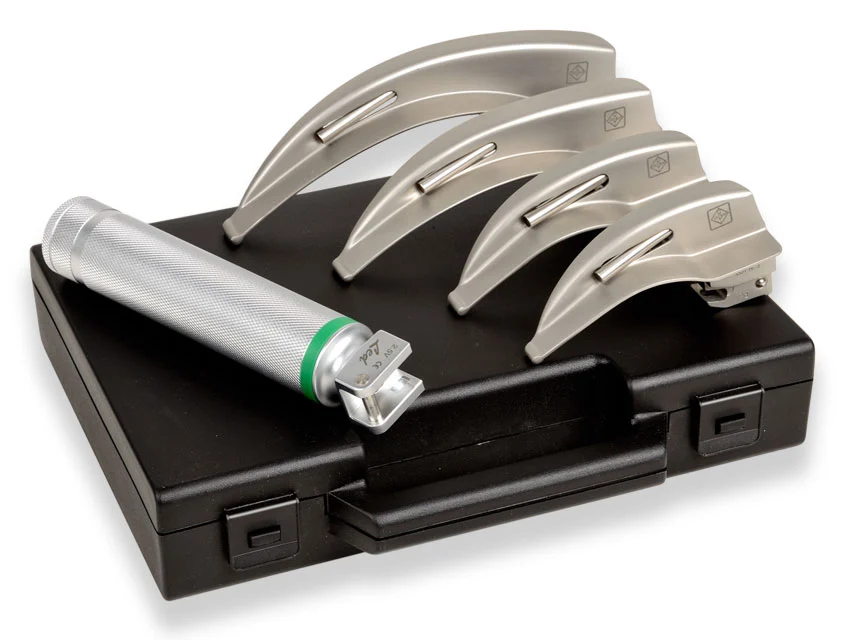
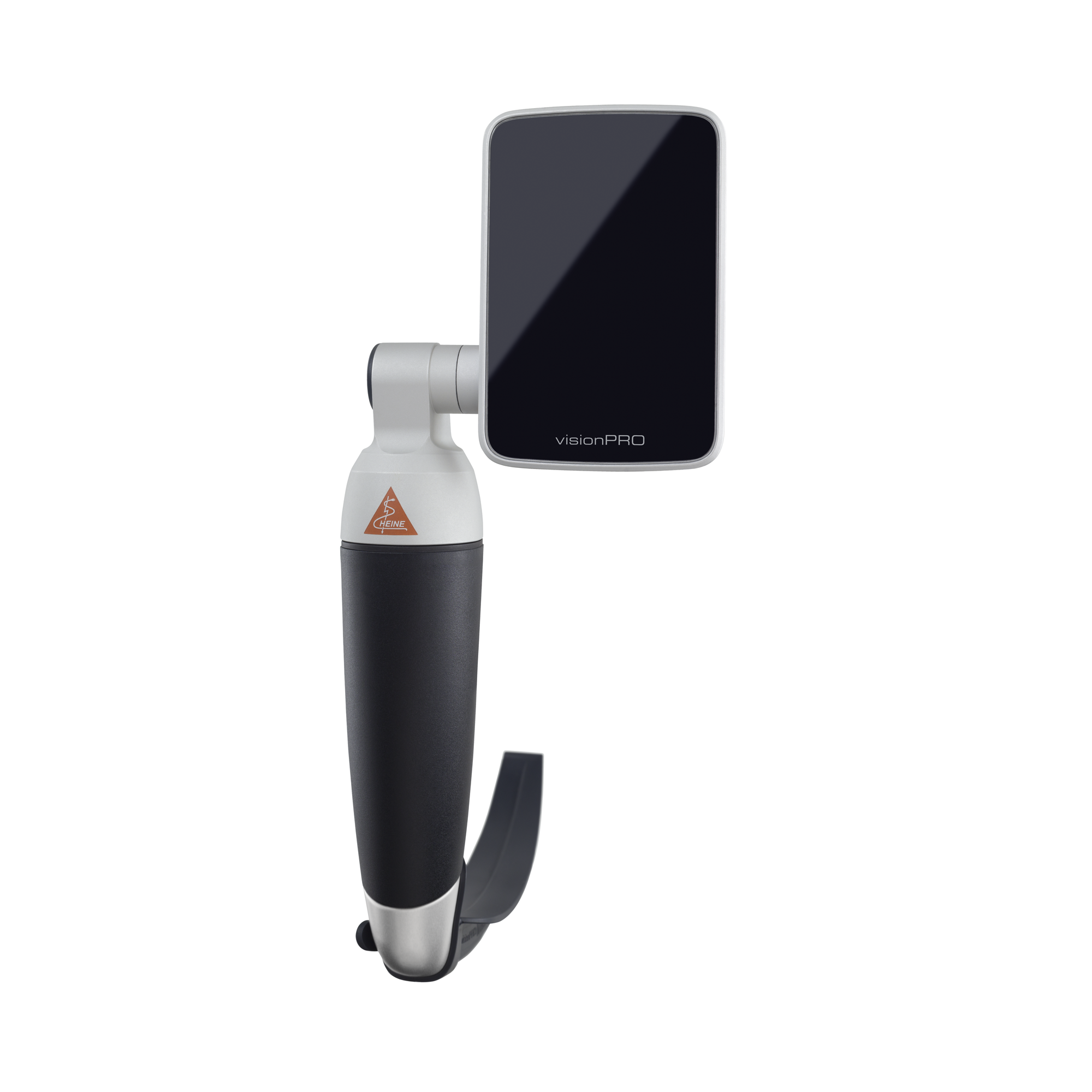
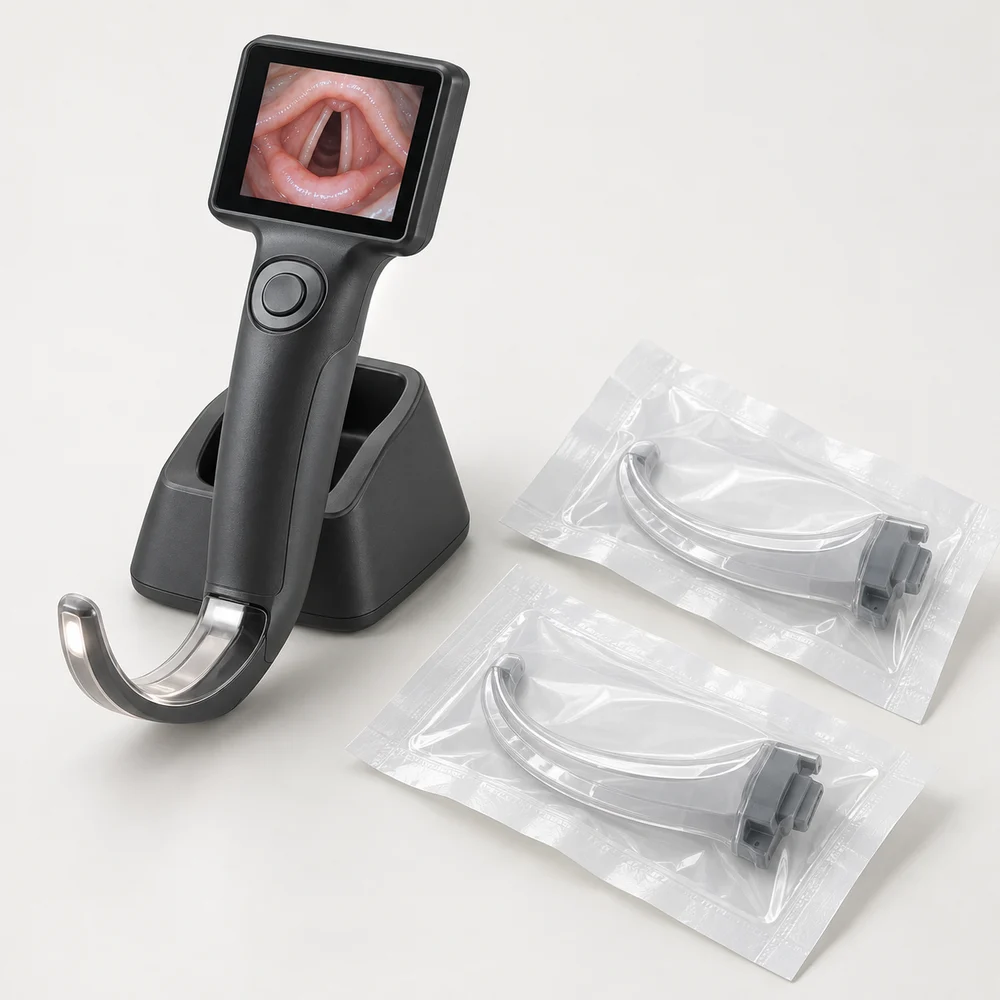
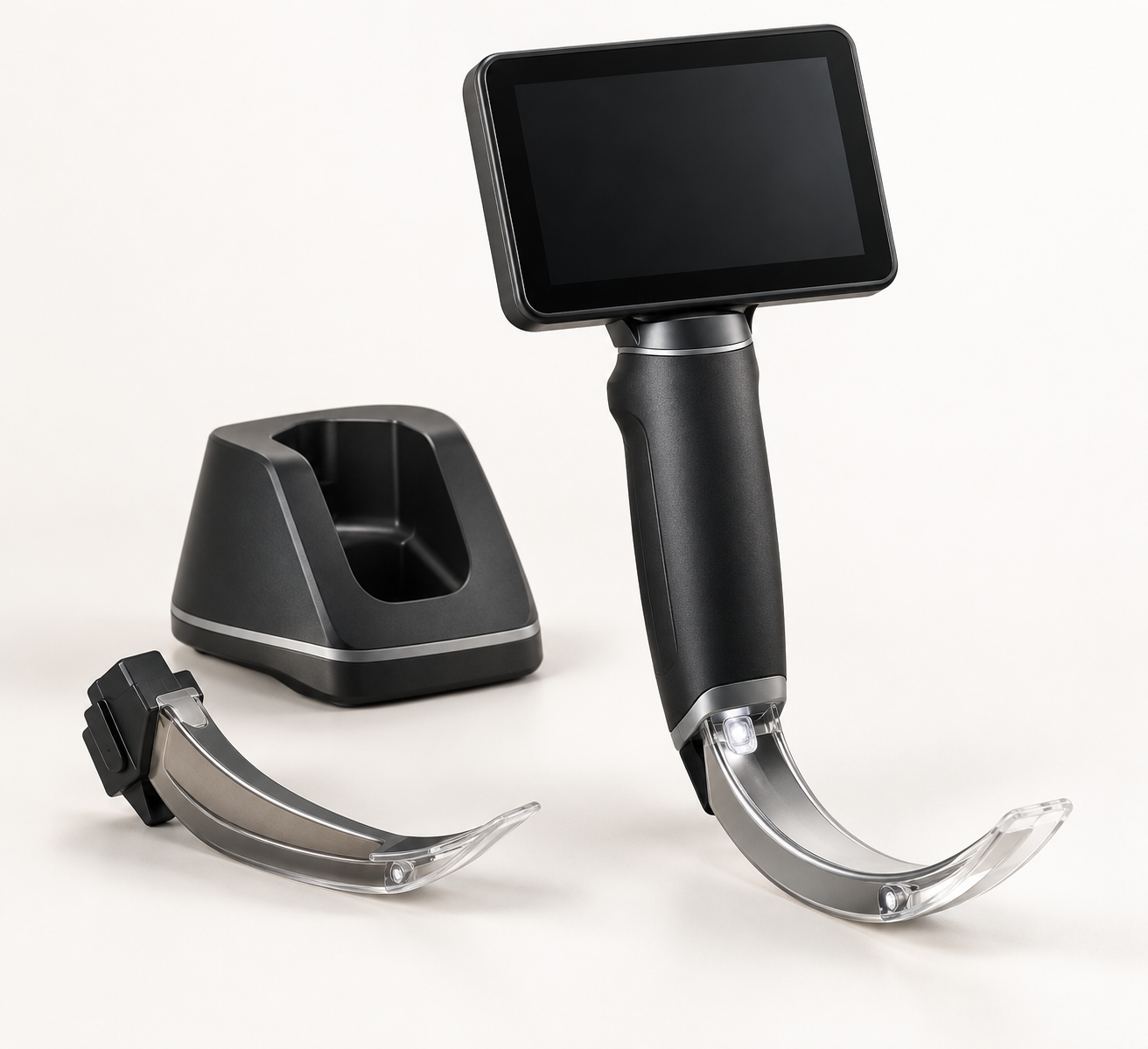
For procurement comparison, record the exact system generation and included handle, display, charging or power components, compatible blade or baton family and sizes, any single-use items, reprocessing instructions, storage, warranty, service and staff-training scope. Ask the quotation to distinguish a base system from accessories and recurring consumables. Facility airway policies, intended users and competency requirements belong to the relevant clinical governance process; this guide does not recommend a device or technique.
Buy ambulance stretchers and ambulance cots in Nigeria
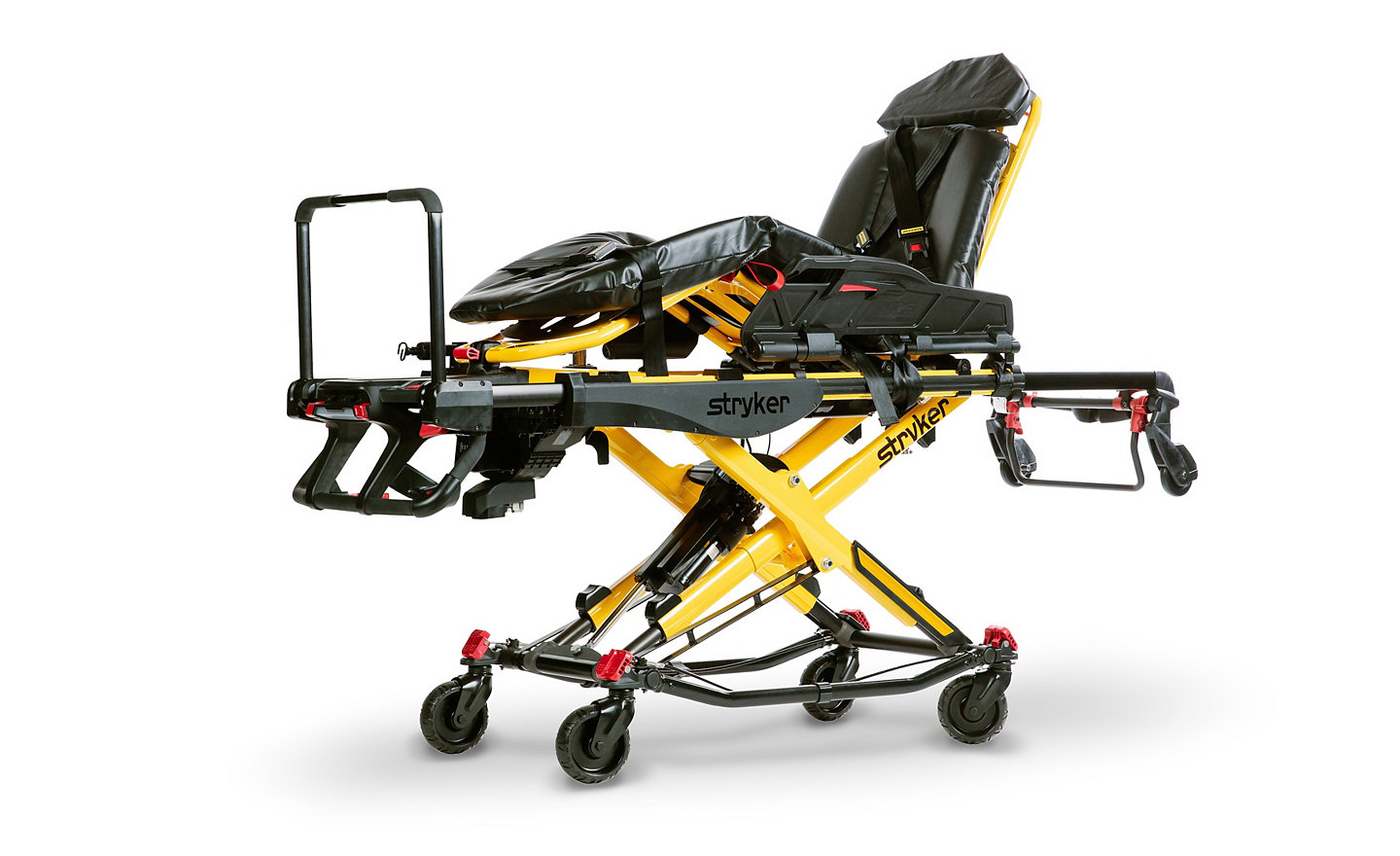
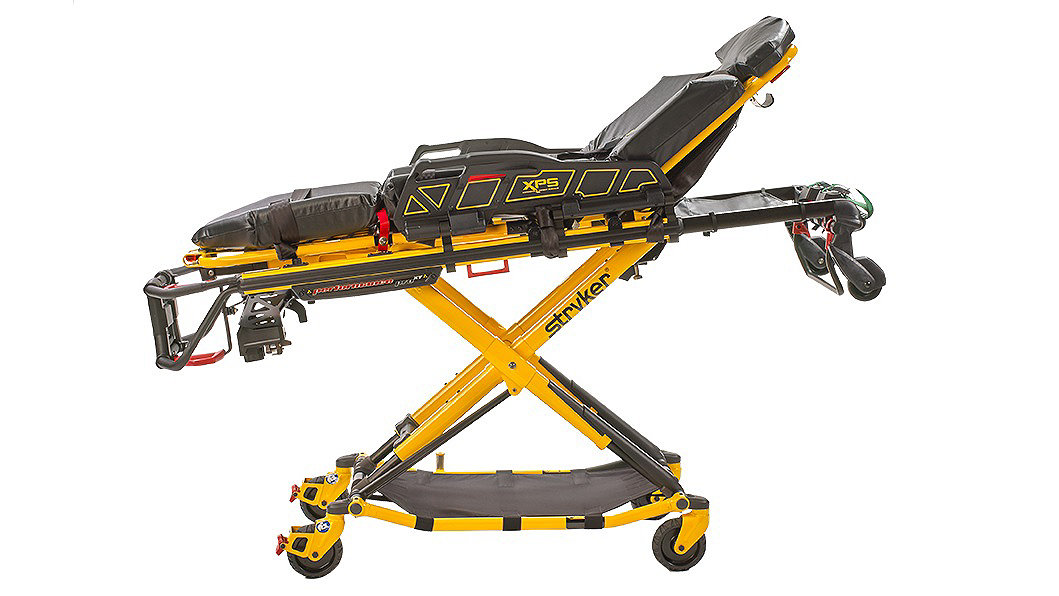
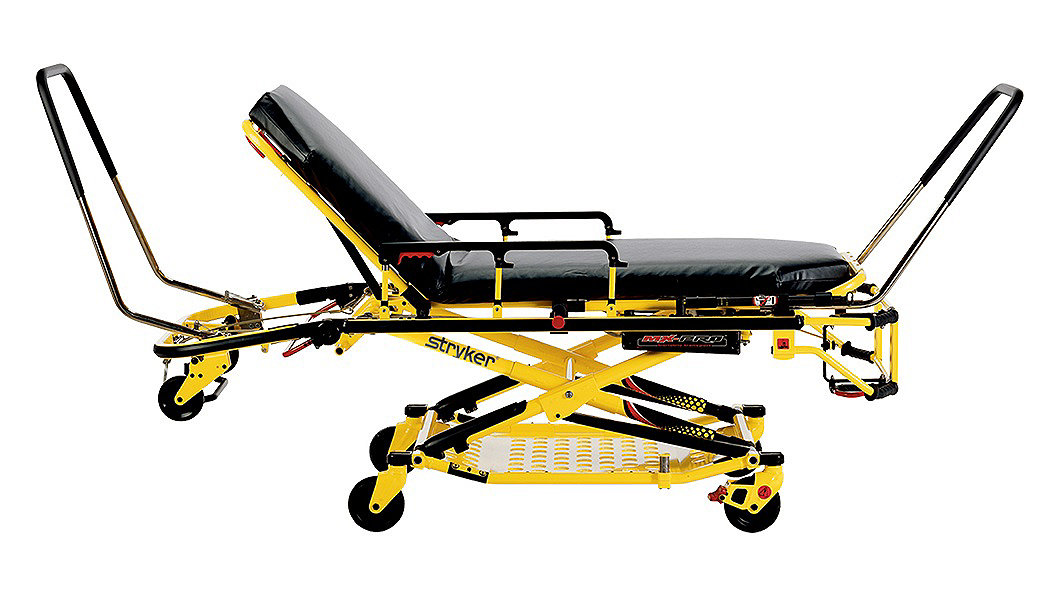
The ambulance-stretcher range includes Stryker MX-PRO Bariatric Manual Ambulance Cot, Performance-PRO XT Manual Ambulance Cot, Power-PRO XT Powered Ambulance Stretcher and Power-PRO 2 Powered Ambulance Cot. View the ambulance stretcher listing, with exact filters for MX-PRO Bariatric, Performance-PRO XT, Power-PRO XT, and Power-PRO 2.
Before comparing cots, specify ambulance make and model, loading-system or fastener compatibility, patient and equipment load requirements established by the fleet, cot dimensions, powered or manual configuration, battery and charger provisions, restraints, accessories, maintenance, replacement parts and staff familiarization needs. Have the fleet and technical leads check the ambulance layout, loading interface and applicable manufacturer instructions. Do not infer a safe working load or vehicle fit from the product family name; verify the current model documents and the exact proposed configuration.
Buy patient stretchers and wheelchair stretchers in Nigeria
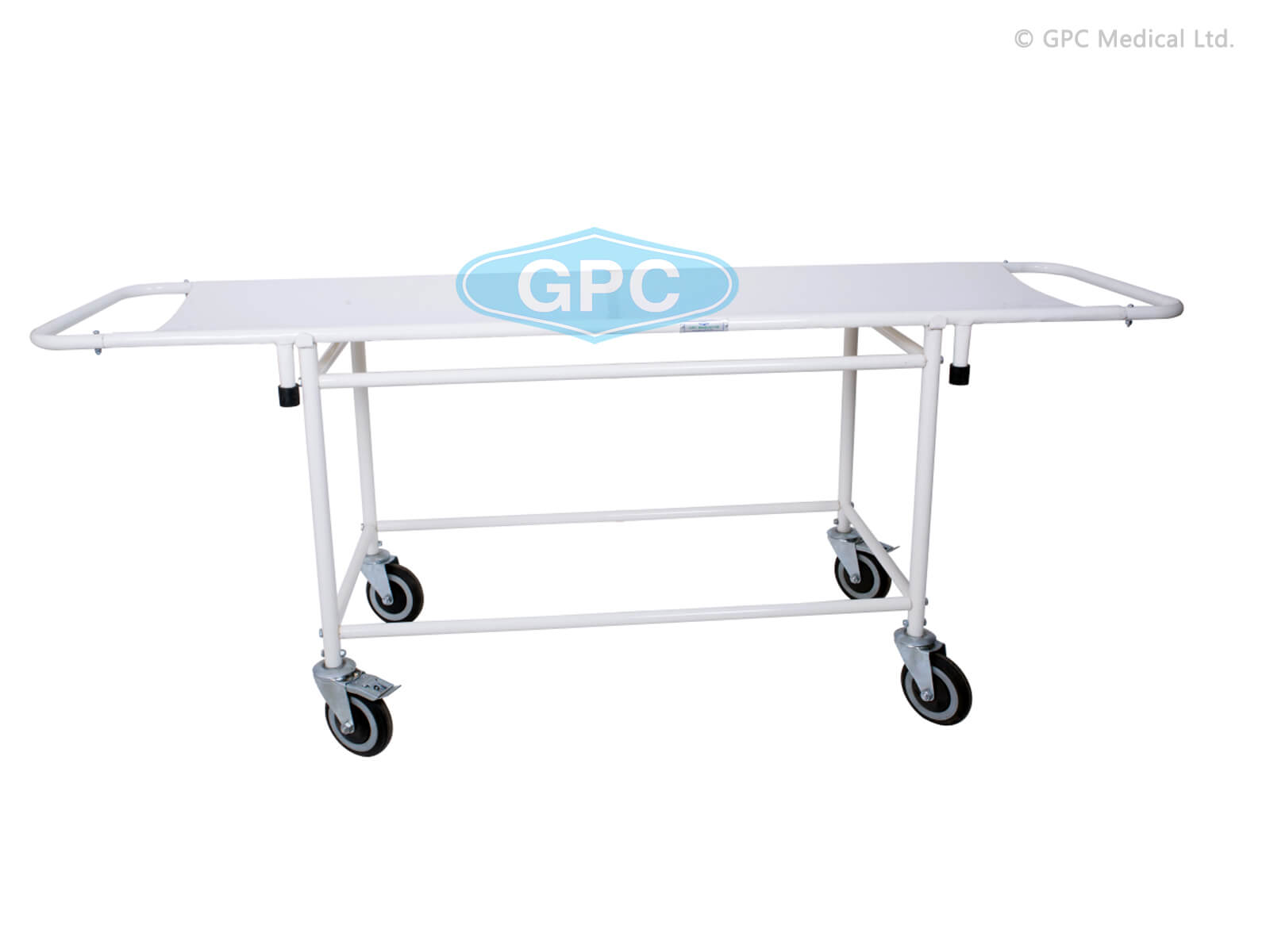
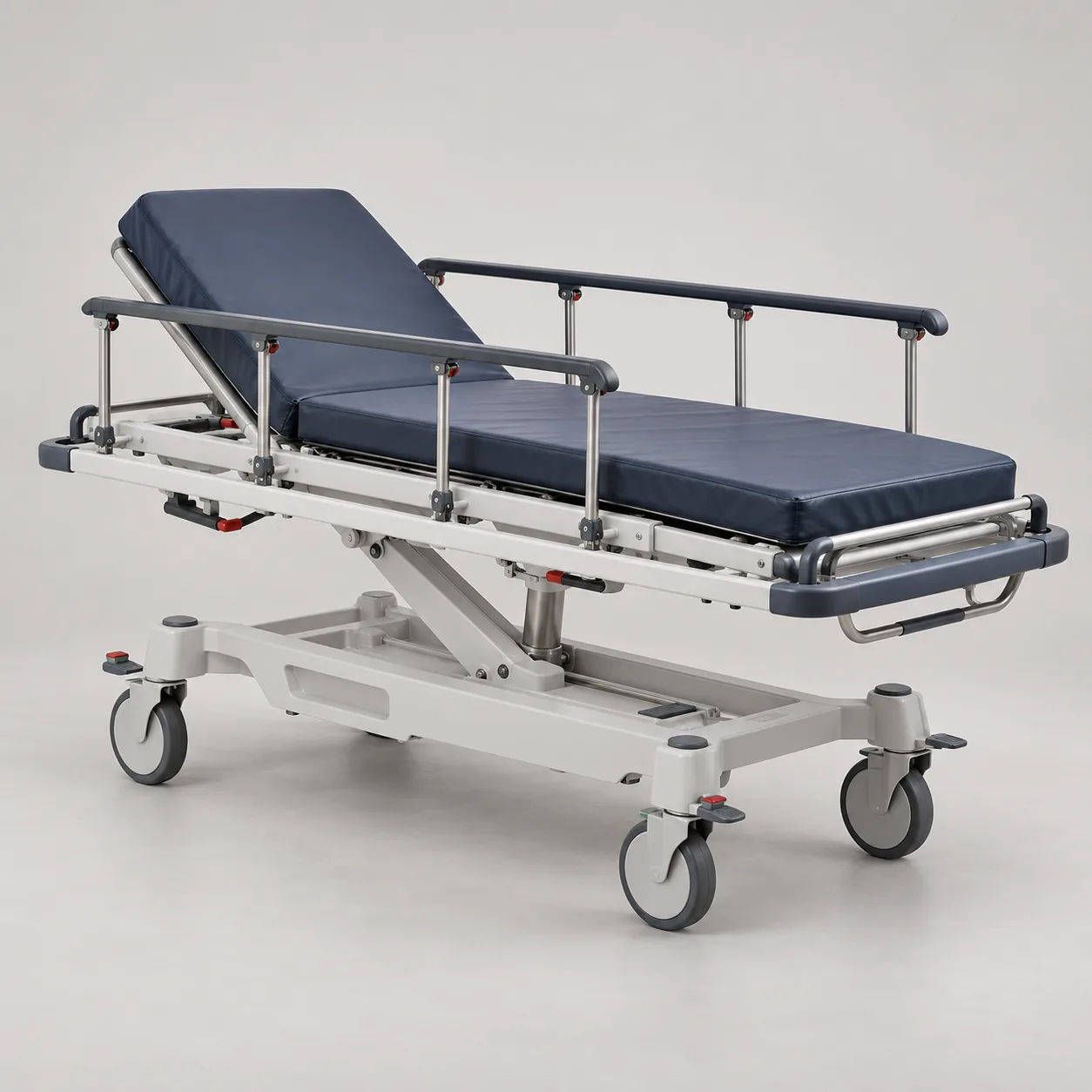
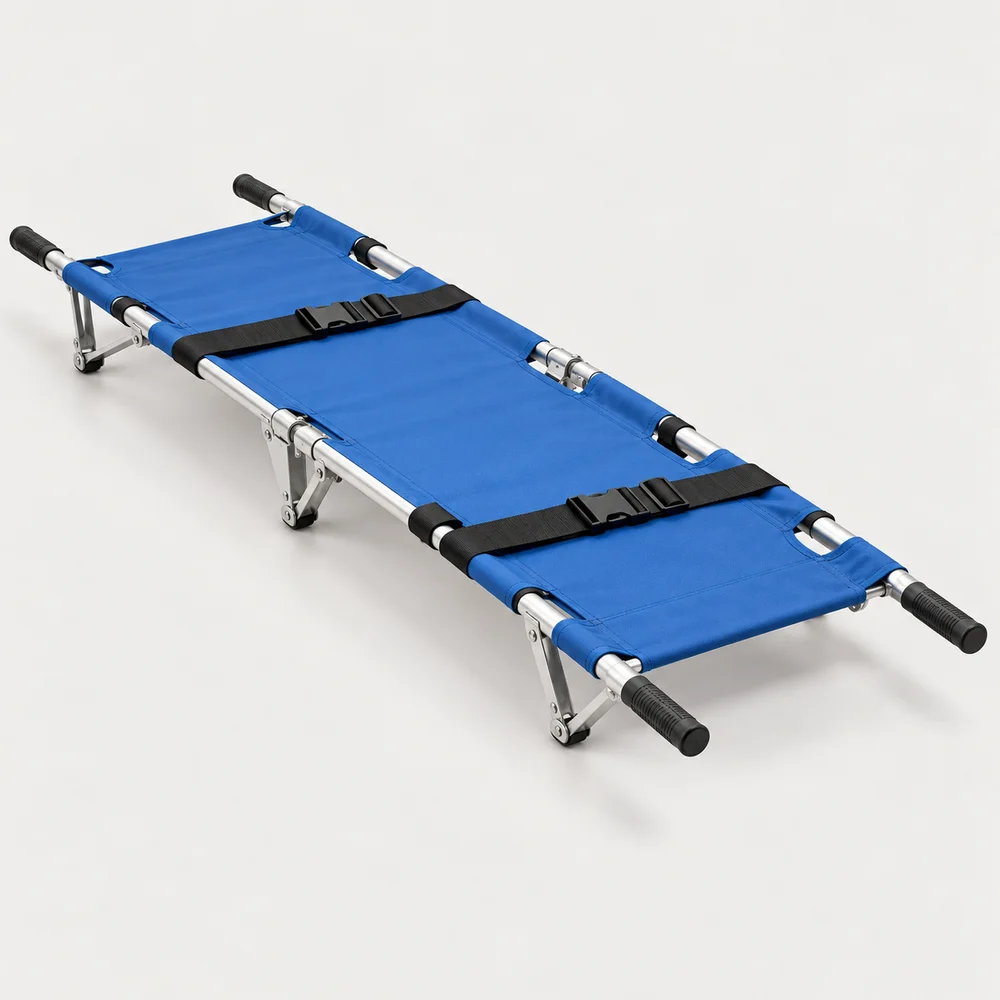
For facility movement, the patient-stretcher range includes GPC Medical GHF66.10 Foldable Patient Stretcher, Stryker Prime Series 1105 Hospital Stretcher and GPC GHF60.01 Patient Stretcher Trolley. Browse patient stretchers, including the GPC GHF66.10, Stryker Prime Series 1105, and GPC GHF60.01 model filters.
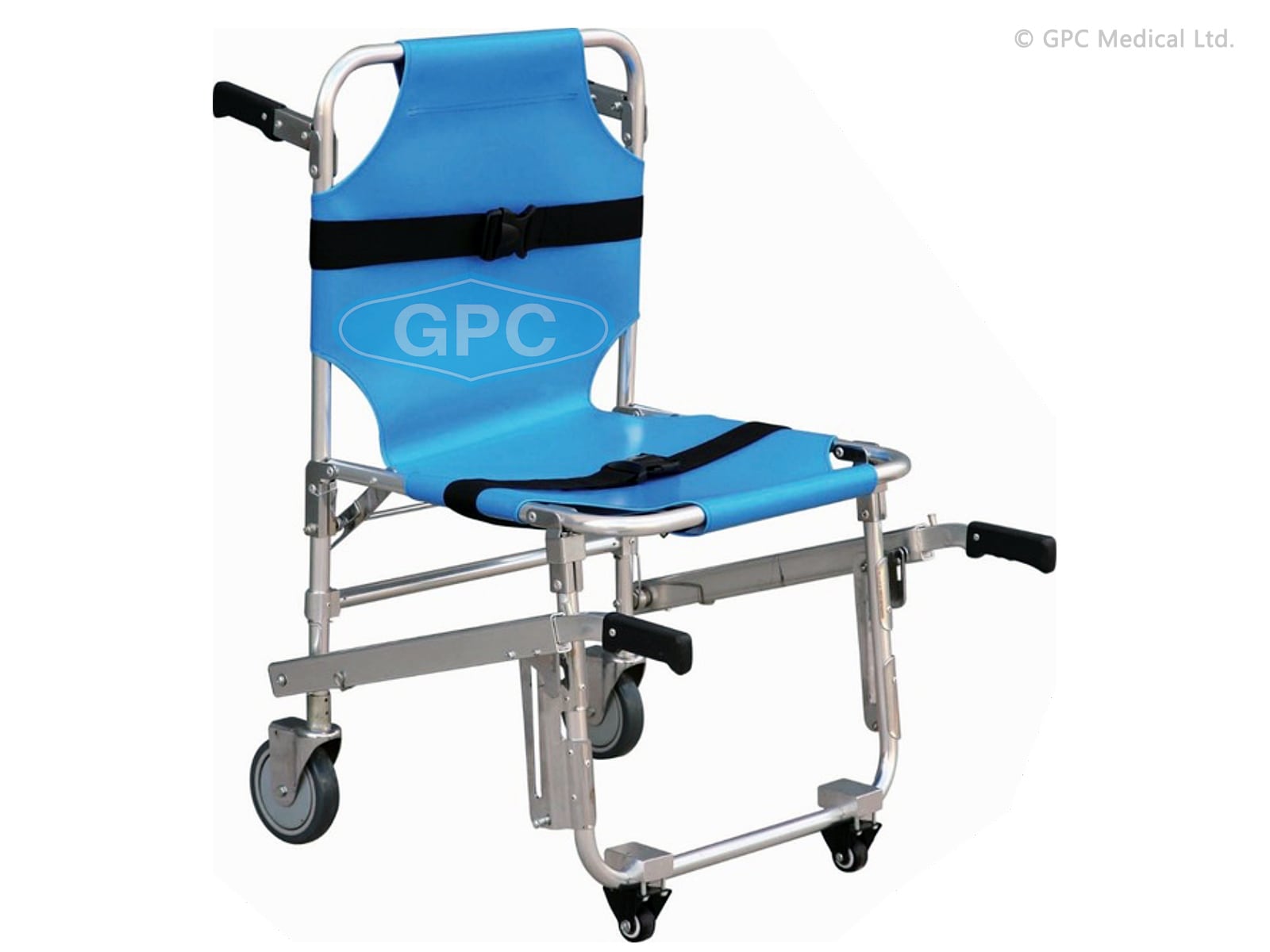
For products categorized as wheelchair stretchers or convertible chairs, the catalogue includes Human Care Barton I-700, I-400X, I-400 and H-250; GIMA 34057 Multiposition Auto Stretcher-Wheelchair; and GPC GHF62.05 Wheel Chair Stretcher. Browse wheelchair stretchers, including filters for Human Care Barton I-700, GIMA 34057, and GPC GHF62.05. These product labels describe different configurations. Confirm whether the requested item is a patient stretcher, an adjustable hospital stretcher, a transport chair, or a convertible device, and check where it is intended to be used.
In the enquiry, state the number of units and intended facility or transport context. Ask for current product dimensions, load limits, adjustment or conversion features, wheels, brakes, rails, restraints, mattress, accessories, cleaning instructions and maintenance requirements as applicable to the exact model. Ensure procurement, facilities and clinical stakeholders approve the specification. No category label substitutes for checking handling, compatibility or local operating procedures.
Buy emergency carts and crash trolleys in Nigeria
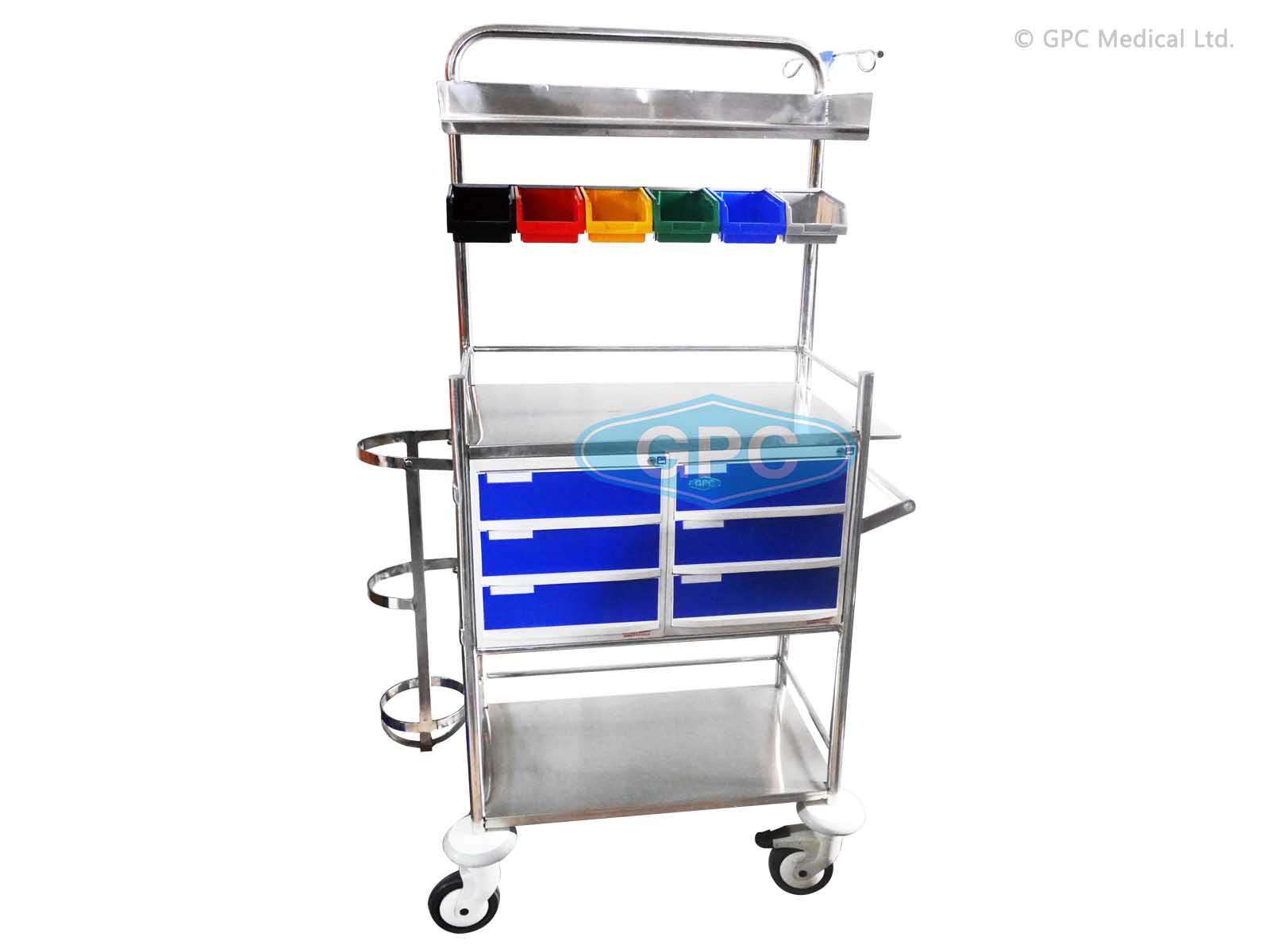
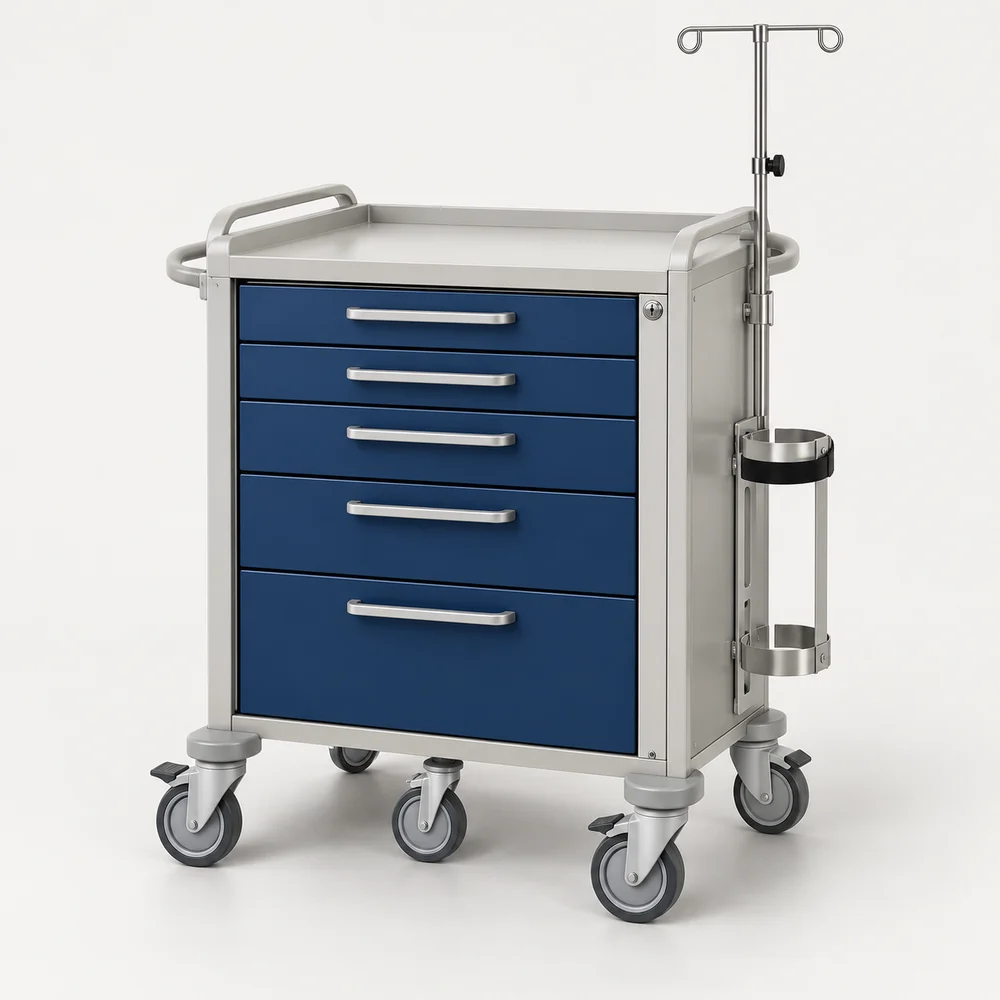
The emergency-cart category lists Capsa Healthcare Avalo Series Emergency Cart, Standard Blue, and GPC Medical GHF92.01 Crash Cart Trolley. Open emergency carts and crash trolley listings.
The written specification should state cart dimensions and configuration, drawer or storage layout, locking or access requirements, mobility and braking, accessories, finish, cleaning instructions, load expectations and any facility-defined workflow requirements. Ask for an itemized list of included accessories and confirm the exact color or model variant. A cart listing does not mean it is stocked with medicines, devices or consumables; contents and organizational protocols are separate decisions for the facility.
How should a facility organize emergency-equipment procurement?
Start with a written requirements document that defines each device's role, quantity, destination, intended environment and essential technical characteristics. WHO's medical-device procurement guidance recommends using technical specifications to support selection, procurement, implementation planning, infrastructure and resource planning. For complex equipment, specifications should also address accessories and consumables, utilities, installation, training, documentation, warranty, maintenance and decommissioning. Convert those needs into clear, model-neutral requirements where possible, then evaluate each quoted configuration against the approved specification.
Keep operationally distinct equipment in separate lines. An AED is not the same procurement as a manual defibrillator; a video laryngoscope is not a stretcher; an ambulance cot is not automatically compatible with every vehicle or loading system; and a crash cart is not the contents placed on it. If the request covers multiple departments, list each device family, exact model or acceptable criteria, quantity and site separately. That makes exclusions, accessory needs and delivery responsibilities easier to review.
For multi-site orders, provide a delivery schedule and destination for each facility or fleet base. Identify who will receive and inspect the goods, who will review documents, who is responsible for installation or familiarization if requested, and how warranty and service requests should be handled. Include the biomedical engineering, fleet maintenance, procurement and clinical stakeholders needed to assess the proposed equipment. Ask the quote to state which services Franance can provide and which are outside the supply scope; the catalogue does not confirm that any specific service is available.
What regulatory and product documents should I check in Nigeria?
Ask for current, model-specific product documentation and verify applicable Nigerian requirements through the appropriate regulatory and facility channels. NAFDAC publishes medical-device guidance, including current guidance for registration of medical devices. This page does not confirm the registration, import status or market authorization of any particular listed product. Before an order is approved, ask the supplier for documents relevant to the specific model and intended transaction, such as manufacturer and model identity, instructions for use, labeling, applicable conformity or registration documentation and authorized-supply evidence where required by your process.
Do not treat a manufacturer's general product page, a catalogue listing or a guide as proof of regulatory status. The procurement and compliance team should confirm the exact model, configuration and documentation required for the intended use and procurement route. Keep model identifiers consistent across the request, quotation, technical documents and acceptance record.
How can I request an emergency-equipment quote from Franance?
Use the emergency and resuscitation catalogue to select the relevant category and listed product. Submit your quote order with manufacturer, exact model, product identifier where available, quantity, configuration, accessory and consumable requirements, delivery address, requested timeline and required documentation. For ambulance equipment, include vehicle details and the loading system; for carts, describe required configuration; for defibrillators and video laryngoscopes, list requested accessories and recurring components separately.
Franance will follow up by phone or email to clarify the enquiry and prepare a quotation. The site does not take payment for online purchases. A product listing is not confirmation of current price, stock, delivery timing, installation, training, warranty, service coverage, regulatory status or suitability. Ask the written quotation to specify availability, price, included and excluded items, delivery, any requested services and responsibilities.
How much does emergency and resuscitation equipment cost in Nigeria?
The catalogue does not publish a confirmed fixed price for these products. Quote scope can depend on exact model, configuration, accessories, batteries or consumables, quantities, delivery destination, installation or training requests, and any service terms. Provide these details so Franance can respond to the actual requirement; verify currency, taxes, delivery, validity period and all exclusions in the written quotation.
Does Franance deliver emergency equipment to Lagos, Abuja and other states?
The catalogue does not confirm location-specific availability or delivery coverage. Include the full destination, site access constraints and requested delivery window in your quote order. Ask Franance to confirm the route, timing, charges, offloading or installation responsibilities and any other project conditions for each location in writing.
Can I order online and pay immediately?
No. The site supports quote orders rather than online checkout. Choose listed products, enter the requested quantities and requirements, then submit the enquiry. Franance contacts you by phone or email to clarify and provide a quotation.
Request an emergency-equipment quotation
Franance helps Nigerian healthcare facilities and emergency-service buyers review listed equipment by product family and exact model, then prepare a quote order. Send the models, quantities, configuration, required accessories, destination and documentation or support requests. Ask for an itemized proposal that confirms what is included and identifies availability, delivery, service and other commercial terms for your review.
Common questions
Where can I buy emergency and resuscitation equipment in Nigeria?
Browse the emergency and resuscitation categories on Franance, choose the exact listed model and configuration, then submit a quote order with quantity and destination. Franance follows up by phone or email.
Which emergency equipment does Franance list?
The catalogue includes AEDs and other defibrillators, video laryngoscopes, ambulance stretchers, patient and wheelchair stretchers, and emergency carts or crash trolleys. See each linked category for current models.
Can I buy emergency equipment online from Franance?
No online payment is taken. Submit a quote order; Franance contacts you by phone or email to clarify it and prepare a quotation.
Does Franance confirm stock, delivery or service in every Nigerian state?
No location-specific availability, delivery, installation, training or service is confirmed by a catalogue listing. Include the destination and requested scope, then ask Franance to confirm each term in writing.
Does the catalogue confirm that a listed medical device is registered in Nigeria?
No. Request model-specific documentation and verify applicable requirements through NAFDAC and your facility's compliance process. This guide does not determine a product's regulatory status.
What should I include in an emergency-equipment quote request?
Provide manufacturer and exact model, quantities, configuration, accessories or consumables, destination, requested timeline, required documents, and any requested delivery, installation, training, warranty or service scope. For ambulance cots, include vehicle and loading-system details.
Request an emergency-equipment quotation from Franance.
Send the exact models, quantities, configurations, accessories, required documents and destination. For vehicle equipment, include vehicle and loading details. Ask the written proposal to confirm availability, price, included items, delivery and any requested support scope.