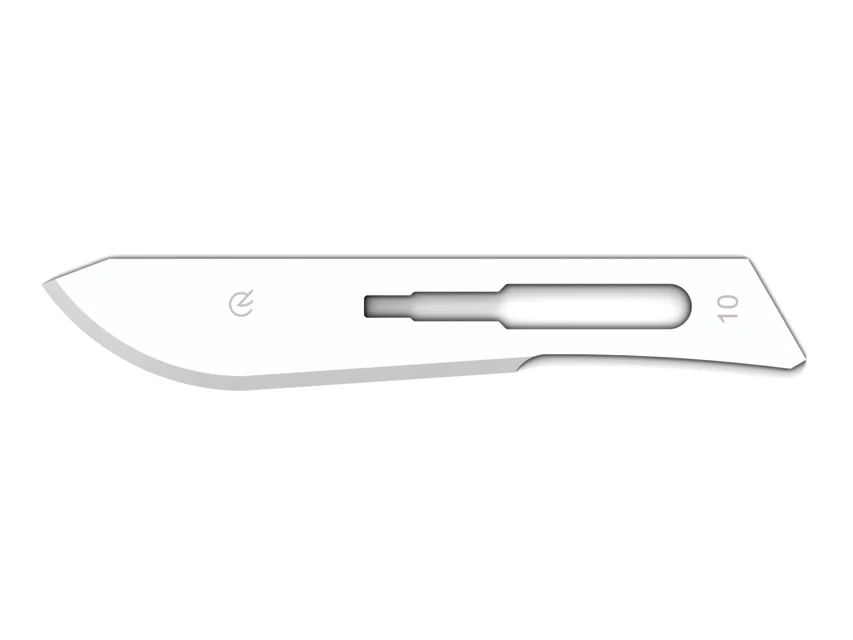
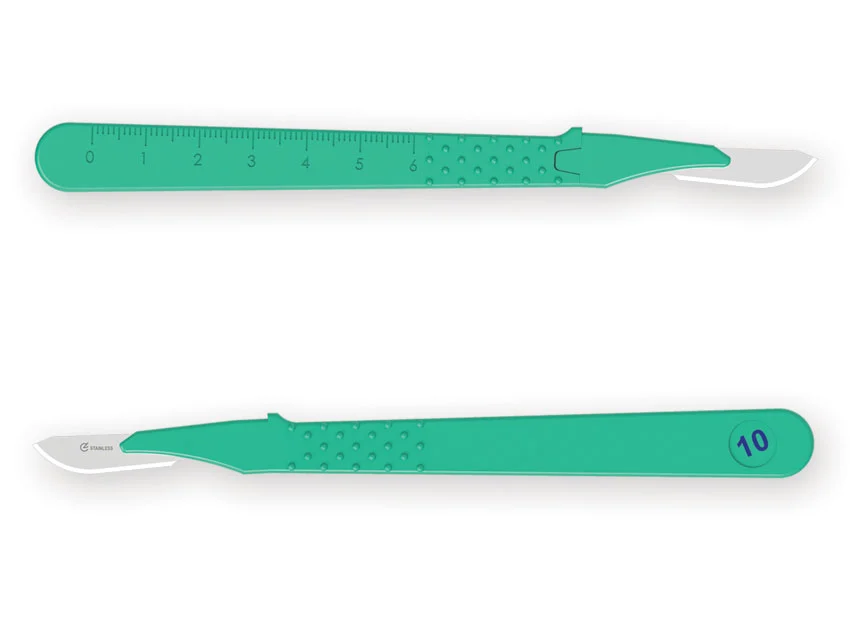
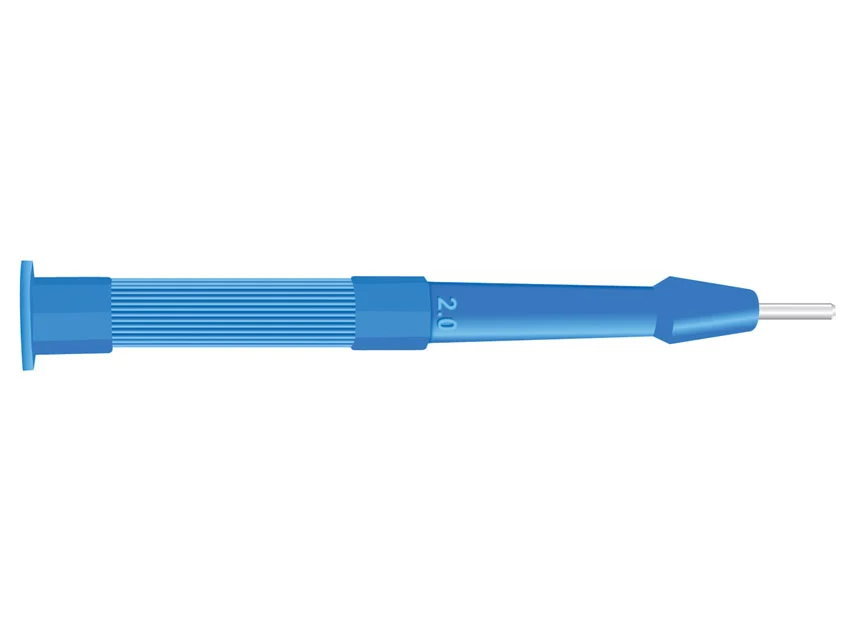
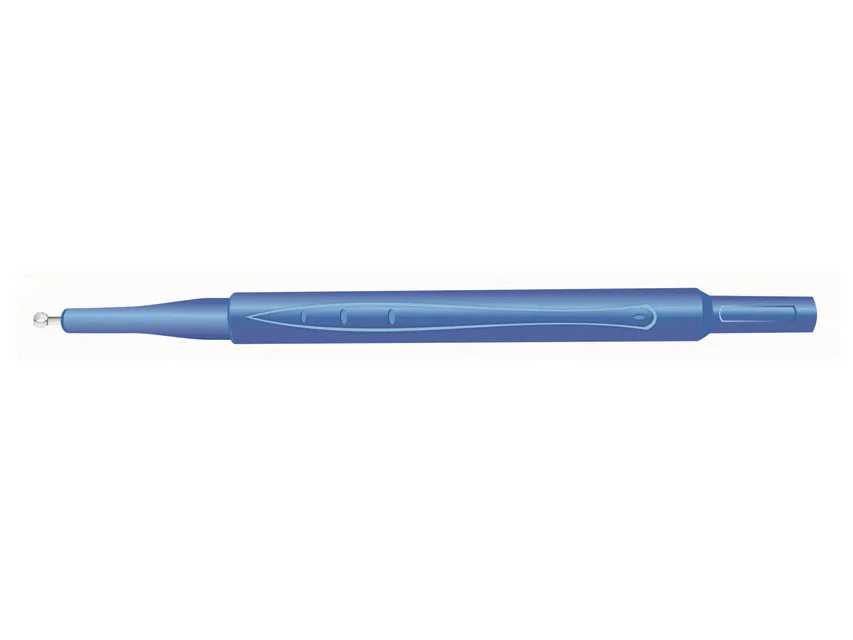
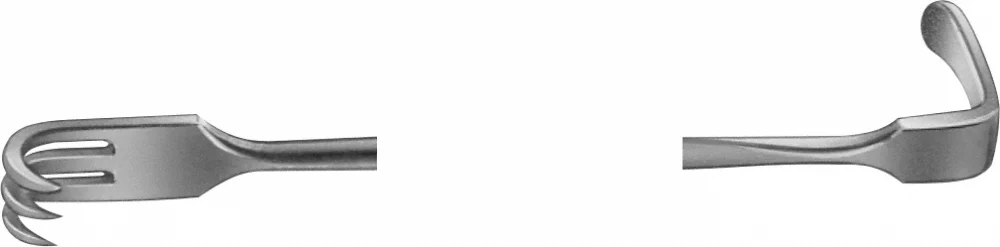
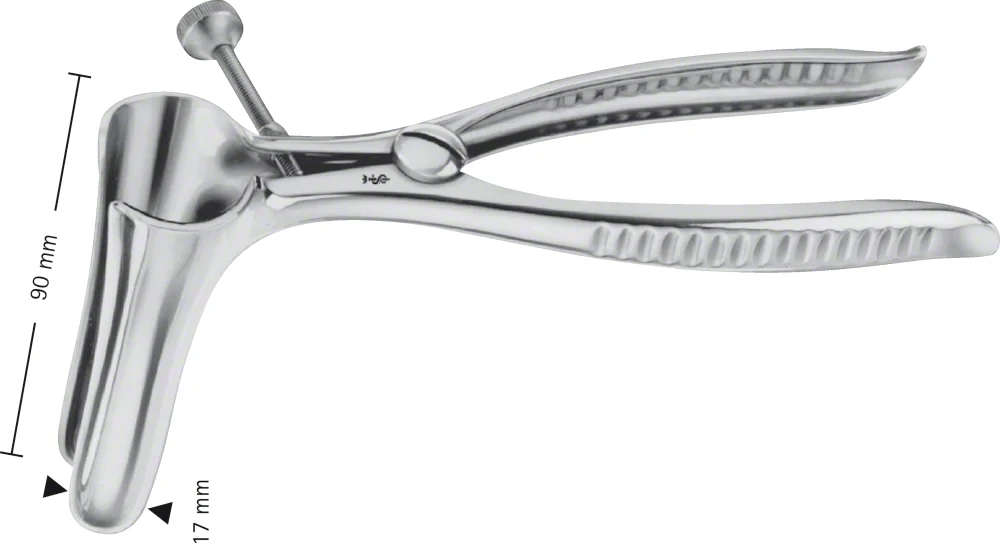
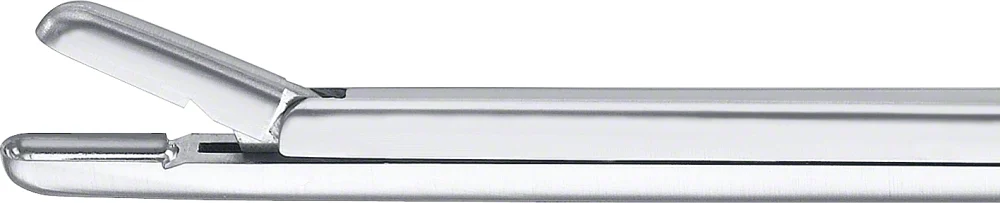
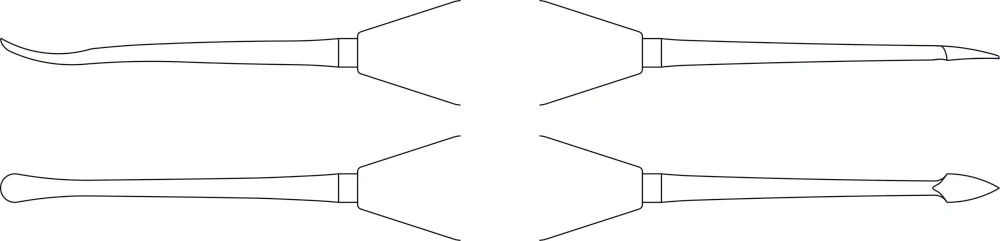
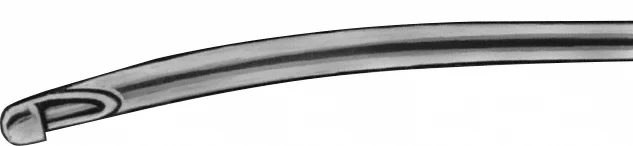
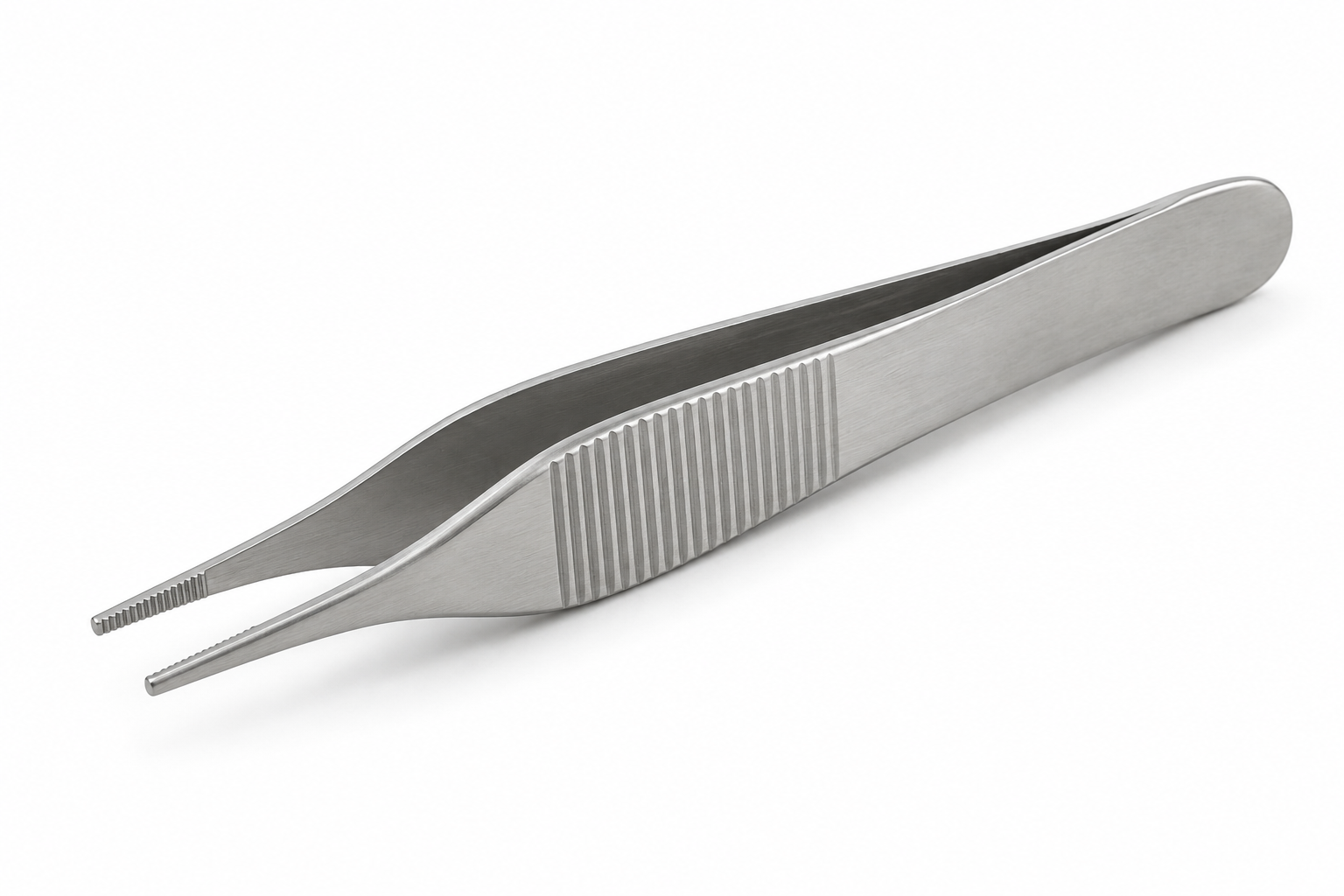
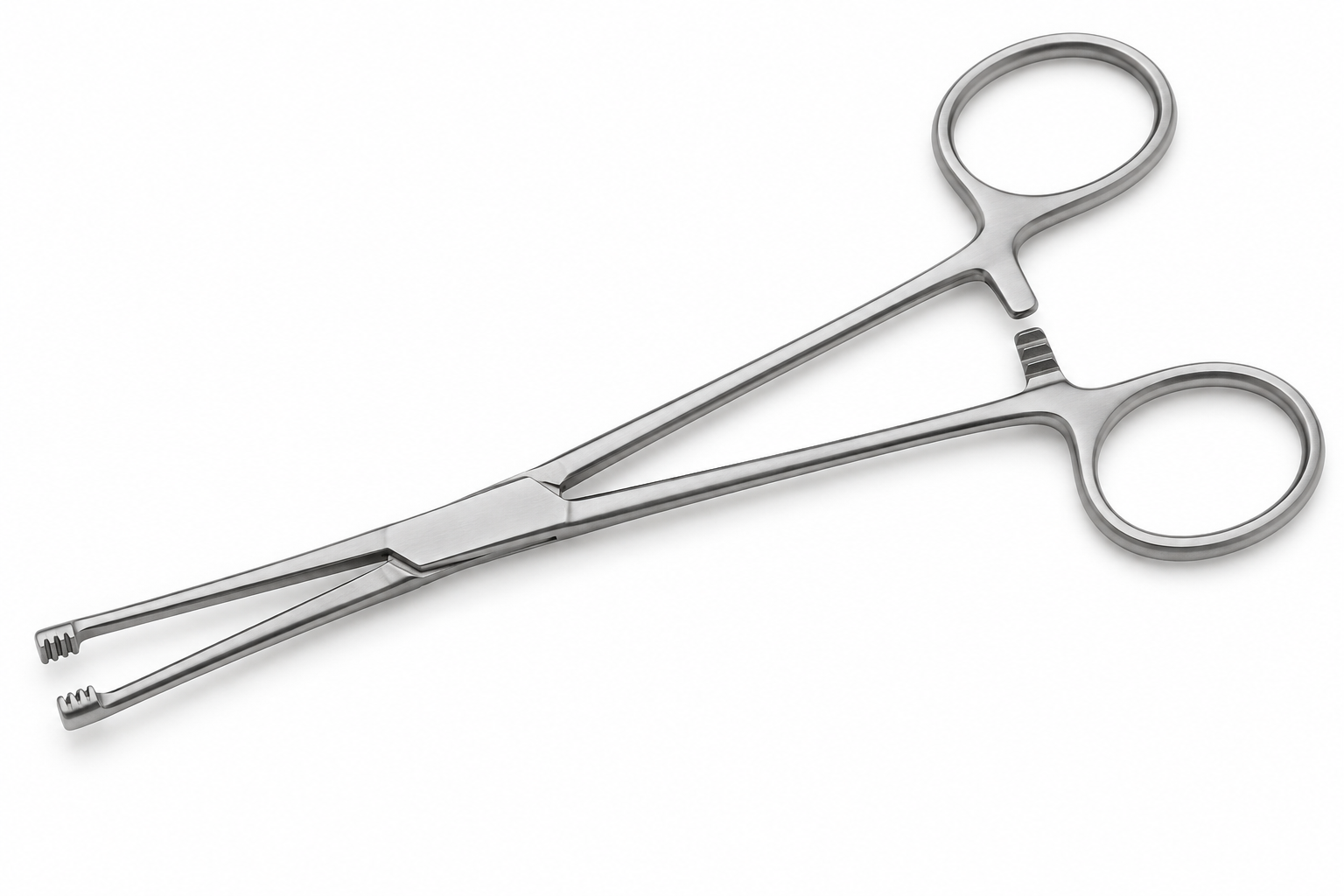
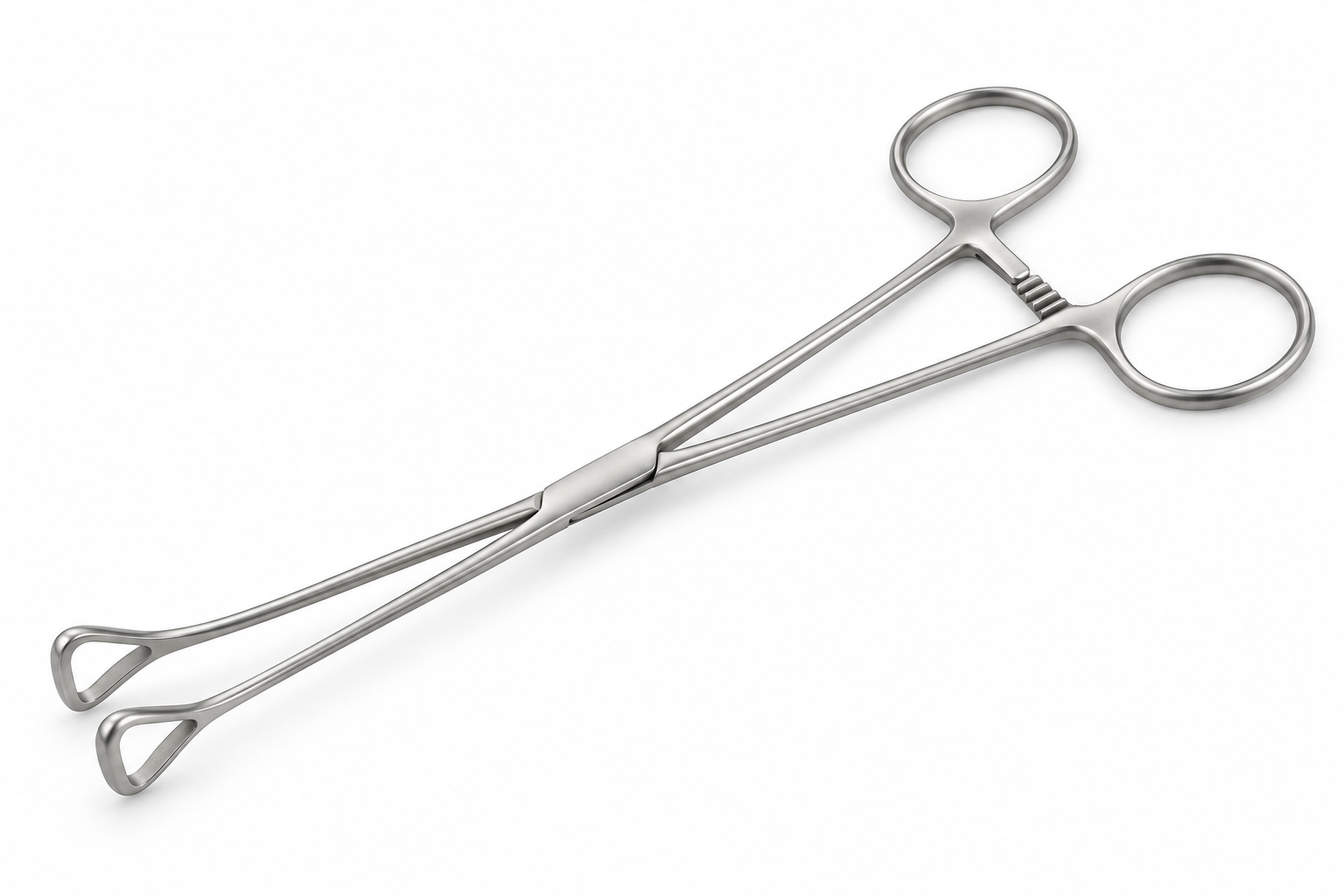
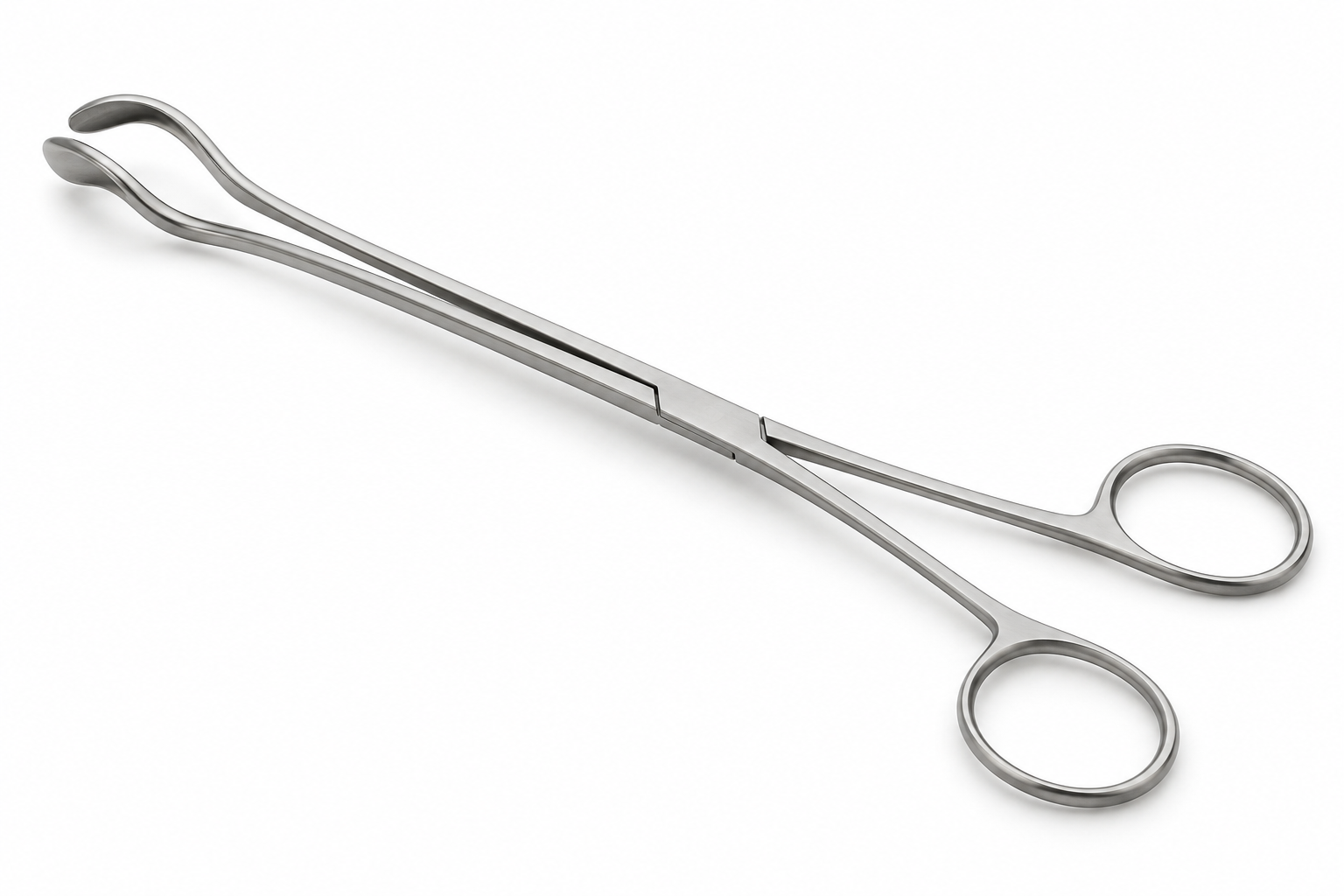
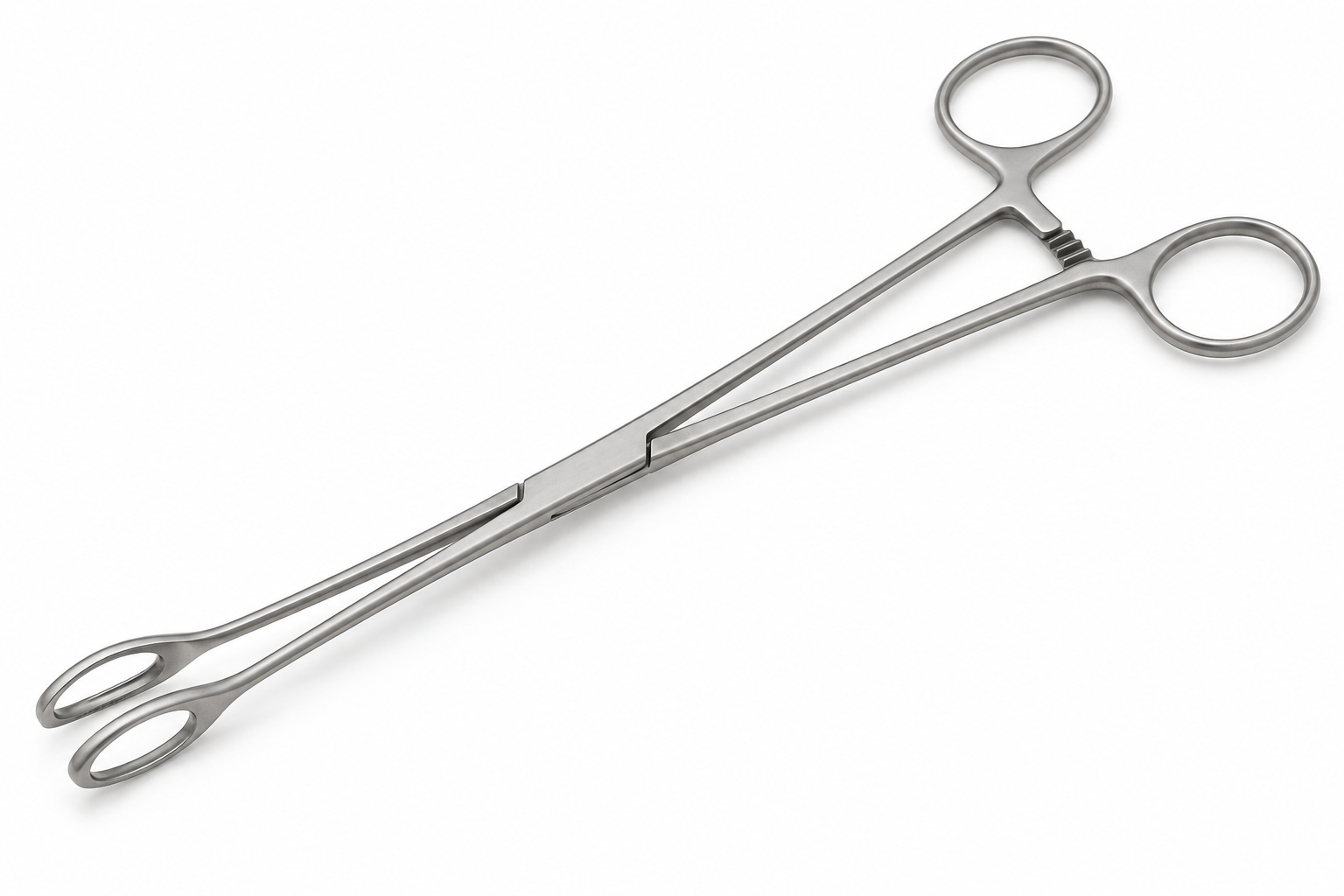
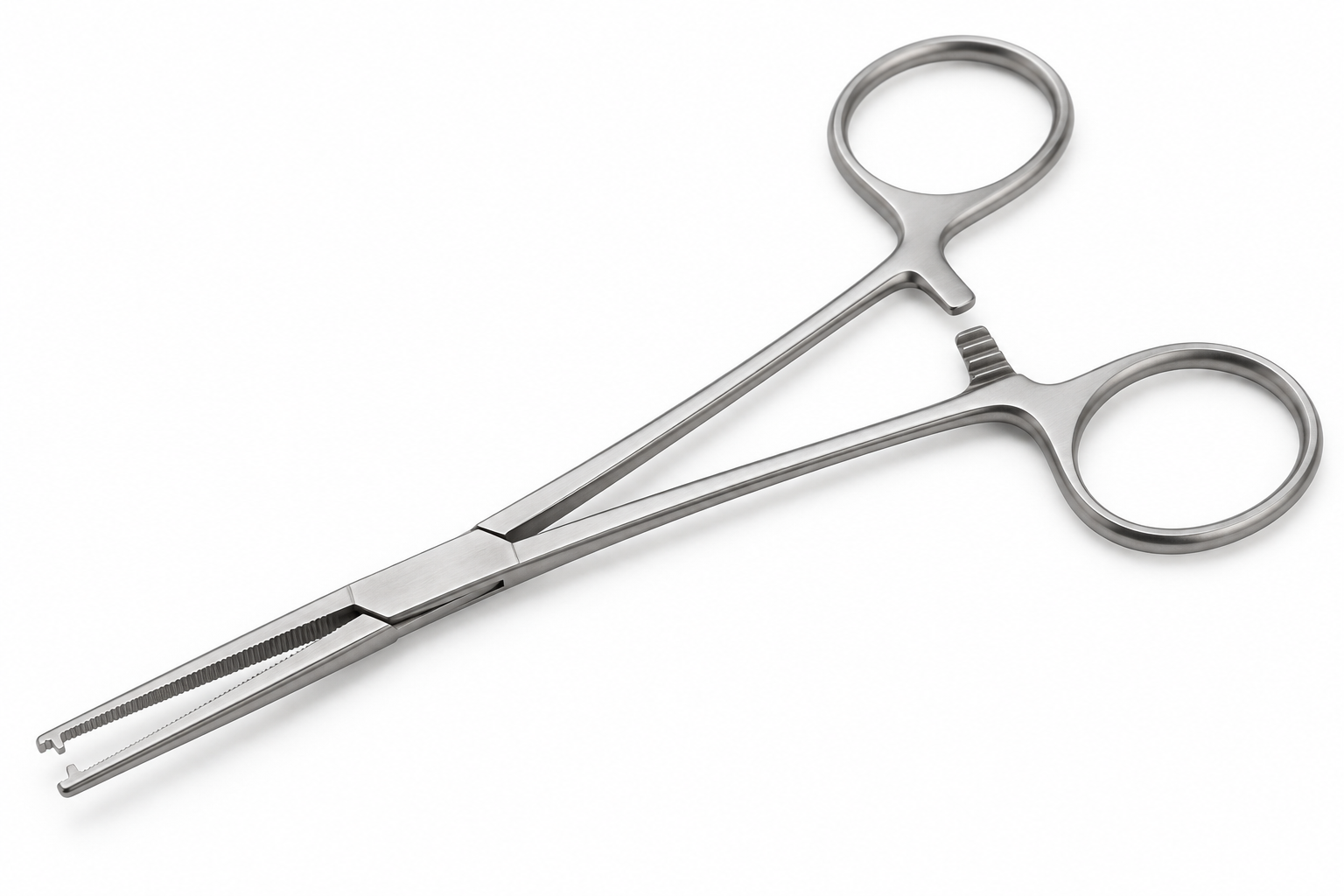
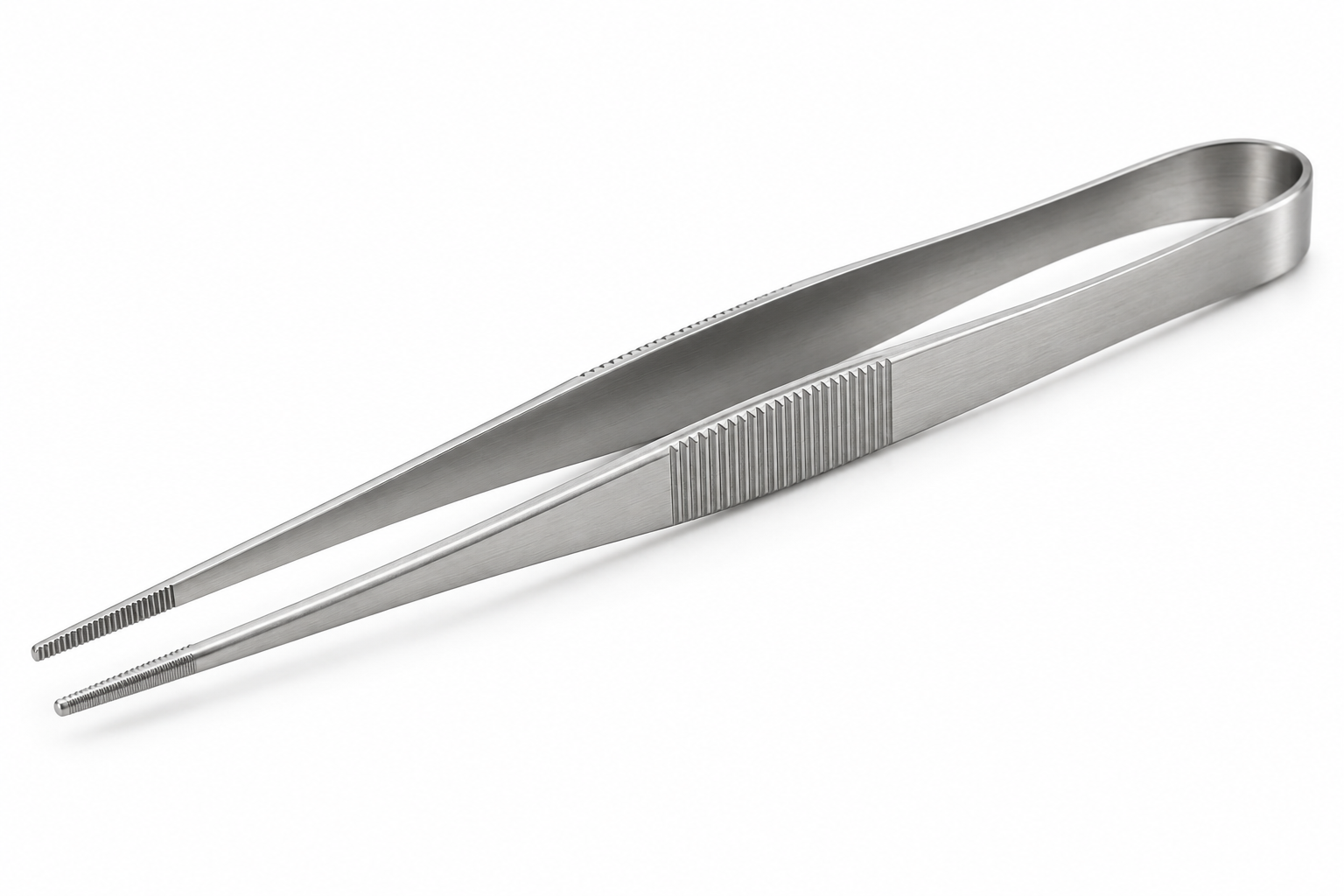
Browse general surgical instruments in Nigeria through Franance. Specify the manufacturer, exact instrument pattern, catalogue code, dimensions and quantity, then request a written quotation for your facility.
Buy general surgical instruments in Nigeria through Franance by specifying the instrument family, exact pattern, size, material, reusable or single-use status, documentation and delivery requirements. Send an itemized schedule with the manufacturer references and quantities your facility requires, and ask Franance to confirm the offered configuration and supply terms in a written quotation.
Which instrument families belong in a general surgical instruments enquiry?
General surgical instruments cover distinct families rather than one interchangeable set. GPC Medical’s catalogue includes artery, dressing, tissue-holding, sponge-holding and specialty forceps; scissors; needle holders; retractors; scalpel handles; specula; punches and curettes; dilators; sounds; towel forceps; tongue instruments and other specialty patterns. Begin with the kind of instrument your approved schedule names, then identify its exact manufacturer pattern and code. For a focused scissors request, use the surgical scissors category guide.
Start by making an approved schedule of instruments and quantities. Use the manufacturer’s pattern name and model or item code where available. Do not group a family of variants under one line if the facility needs a particular jaw, tip, size, length or finish. If the team has an existing inventory code or approved specification, include it for cross-checking.
How should a facility define its required instrument pattern?
The instrument name is a starting point, not a complete specification. A family can contain straight and curved versions, different lengths, tip forms, jaw patterns and locking or non-locking designs. The person responsible for the clinical specification should identify the required pattern and approved alternatives; procurement should then match that description to the manufacturer’s exact item code. This guide does not recommend a pattern for a procedure or instruct clinical use.
For each line, capture the name used by the facility, the manufacturer’s description, model or catalogue number, requested size, shape or tip, quantity and any approved equivalent. If staff refer to a legacy name, add the preferred contemporary catalogue term as a second identifier rather than silently replacing the requested item. Ask the supplier to identify any discrepancy before substitution. For a mixed set, request the instrument schedule item by item and avoid a broad “surgical set” description unless the quotation lists its contents.
When the exact product page describes several lengths or configurations, select the code that matches the approved schedule. If no code is provided, ask for the current catalogue or drawing and have the end user confirm the relevant dimensions. A photograph can help identify an item, but it does not prove the exact material, finish, size or supplied contents.
Which construction details should appear on the comparison sheet?
Compare the instrument using the details that identify the offered item: pattern, overall length, working-end dimensions, tip or jaw form, straight or curved orientation, handle design, joint construction and any stated surface treatment. These details are not universal requirements for every instrument. Use the specification approved by the facility and obtain the manufacturer’s dimensions for the exact code rather than inferring them from a product family name or image.
For multi-part or set purchases, ask whether instruments are supplied individually or in a set, how set contents are defined, and whether trays or holders are included. The phrase “set of instruments” can hide differences in line count, pattern and size. Request an itemized schedule with manufacturer codes and quantities so the facility can compare like with like and receive the expected items.
If a product is described as reusable, ask for the manufacturer’s instructions for cleaning, inspection, packaging and any validated disinfection or sterilization methods for that exact device. A generic catalogue statement or material label is not an instruction for use. If the source does not provide a specification, mark the point as unconfirmed and obtain the current manufacturer document before approving the line.
How should materials and finish be verified?
Confirm the manufacturer-stated material and finish for each catalogue code. Do not assume that all instruments in a family are stainless steel of the same grade, have the same surface finish or are suitable for a particular cleaning chemistry. A supplier should identify the offered material and provide the relevant product documentation. If a facility has an approved material specification, compare the offered product against it and record any deviation for review.
Ask how the manufacturer identifies the reusable status, any product-specific limitations, and the care instructions that apply to the offered version. If the item has a coating, insulation, insert, spring, lumen, joint or dissimilar material, request instructions that address that feature. The product’s appearance does not establish its material or reprocessing compatibility. Avoid relying on a broad claim such as “surgical grade” without a precise source and specification.
For a mixed instrument order, keep material and finish evidence attached to each line rather than applying one description to the whole set. That creates a traceable comparison and helps receiving staff resolve a mismatch before the product enters inventory. If a proposed replacement has a different pattern or finish, treat it as a substitution requiring review rather than assuming equivalence.
What reprocessing documentation should accompany reusable instruments?
Reprocessing is product-specific. The US FDA’s guidance on reusable medical devices addresses the manufacturer’s development and validation of reprocessing instructions and the content of device labeling. FDA explains that device design can affect how effectively a device can be cleaned and that users need the manufacturer’s stated materials, equipment and parameters. The WHO manual on decontamination and reprocessing covers facility infrastructure, staffing, cleaning, preparation and packaging, disinfection, sterilization and transport. These sources support asking for reliable instructions; they are not a universal reprocessing recipe for every instrument.
Before purchase, ask for the current instructions for use and reprocessing for the exact instrument or family, including any version-specific details. The facility’s infection-prevention and sterile-services leads should review whether their equipment, supplies, staff and workflow can follow those instructions. Ask about any required cleaning accessories, disassembly steps, inspection points, packaging limits and manufacturer restrictions, but do not infer them from another instrument in the same family.
A reusable claim by itself is insufficient. Confirm how the manufacturer defines reuse, which components the instructions cover and what documentation will accompany the supply. If the supplier cannot provide the applicable instructions, keep that line open for verification rather than inventing a cycle, temperature, chemical concentration or number of reuse cycles.
What quality, traceability and compliance evidence should I request?
Ask the supplier to state the manufacturer, exact product code, lot or batch identification where applicable, supplied quantity, packaging description and country-of-origin information available for the transaction. Request product labeling, instructions and any conformity or registration documents relevant to the specific item and market. A certificate or registration for a different model should not be treated as evidence for the quoted instrument.
For Nigeria, the buyer should confirm applicable import and medical-device requirements with the responsible regulatory and institutional teams. This guide does not make a legal determination or claim that a candidate is registered. Ask the supplier to identify what evidence is available for the exact offered item, who is responsible for any required approval, and whether the quotation excludes any regulatory, customs or delivery costs. Record the answer in the procurement file.
When comparing a manufacturer catalogue with a quotation, check that both name the same product code and pattern. Compare the label and supplied document at receiving, and retain a record linking the purchase order to the product code and lot. For any discrepancy, pause acceptance and obtain written clarification from the supplier and manufacturer.
How can procurement avoid substitutions and incomplete sets?
Attach a numbered line schedule to the request. Each line should state the exact family, pattern, manufacturer code if known, size or dimensions, finish or material requirement, quantity, reusable status, required documents and approved alternatives. Leave a field for the supplier to identify the offered code and any deviation. For an instrument set, state whether the facility wants a standard manufacturer set or a custom schedule, then require the contents list to match the quote.
Agree in advance how substitutions will be handled. If a product is unavailable, request a proposed alternative with its own manufacturer code, description and documentation. The clinical specification owner can decide whether the replacement is suitable; purchasing should not approve a substitution solely because the name is similar or the item is in the same broad category. Keep the original request and the revised offer together so the final order remains auditable.
Also check delivery packaging, order quantities, replacement-part availability if relevant, warranty terms and handling of damaged or incomplete deliveries. These commercial terms vary by offer and are not established by a manufacturer category page. Ask Franance to write the confirmed terms into the quotation rather than treating catalogue text as an order commitment.
How do I request a Franance quote in Nigeria?
Add the required catalogue products to the Franance quote cart, set the quantity for each item and enter configuration or document requirements against the relevant line. Review the model codes and quantities in the cart, then submit the quote request with the facility name, delivery destination, contact details and requested timeline. The cart prepares an enquiry; it is not an online payment or confirmed stock reservation. Franance follows up by phone or email to discuss the quotation.
For a new or proposed instrument family, include the manufacturer page or item code and ask the supplier to confirm the exact product being offered. Request an itemized response that states description, code, dimensions or selected variant, material, quantity, documentation, delivery terms, price basis, exclusions and any assumptions. Ask separately about installation or service only where the product requires it; do not assume those services are included.
Before approval, compare each response with the facility’s schedule and obtain the relevant clinical, sterile-services, biomedical, infection-prevention and procurement reviews. If a model or requirement is unclear, ask a focused follow-up question rather than accepting a broad substitution. Use the surgical scissors child category for a focused scissors shortlist and return to this parent category to plan other instrument families.
Does the general surgical-instruments category identify one exact instrument?
No. It groups distinct instrument families. Include the manufacturer, exact pattern or catalogue code, required dimensions and quantity so the quotation can identify the item you need.
Can I use the instrument name alone to request a quotation?
A family name may include several patterns and sizes. Include the manufacturer code, dimensions, required features and quantity, then ask the supplier to repeat the offered code in writing.
Does a reusable or stainless-steel description tell me how to reprocess an instrument?
No. Request the current manufacturer instructions for the exact item and have the facility’s sterile-services team check its equipment and process against them.
Can a similar catalogue item be substituted if my requested instrument is unavailable?
Ask for the alternative’s own code, dimensions, material, finish and documentation. The responsible specification owner should approve it before purchasing.
Can I pay online through Franance’s quote cart?
No. The cart organizes item quantities and requirements for an enquiry. Submit the request and Franance follows up by phone or email with a quotation.
Prepare a surgical-instrument quote request.
Add exact product codes and quantities to the quote cart, include dimensions and document requirements, and provide the facility and delivery destination. Franance will follow up to discuss the offer.