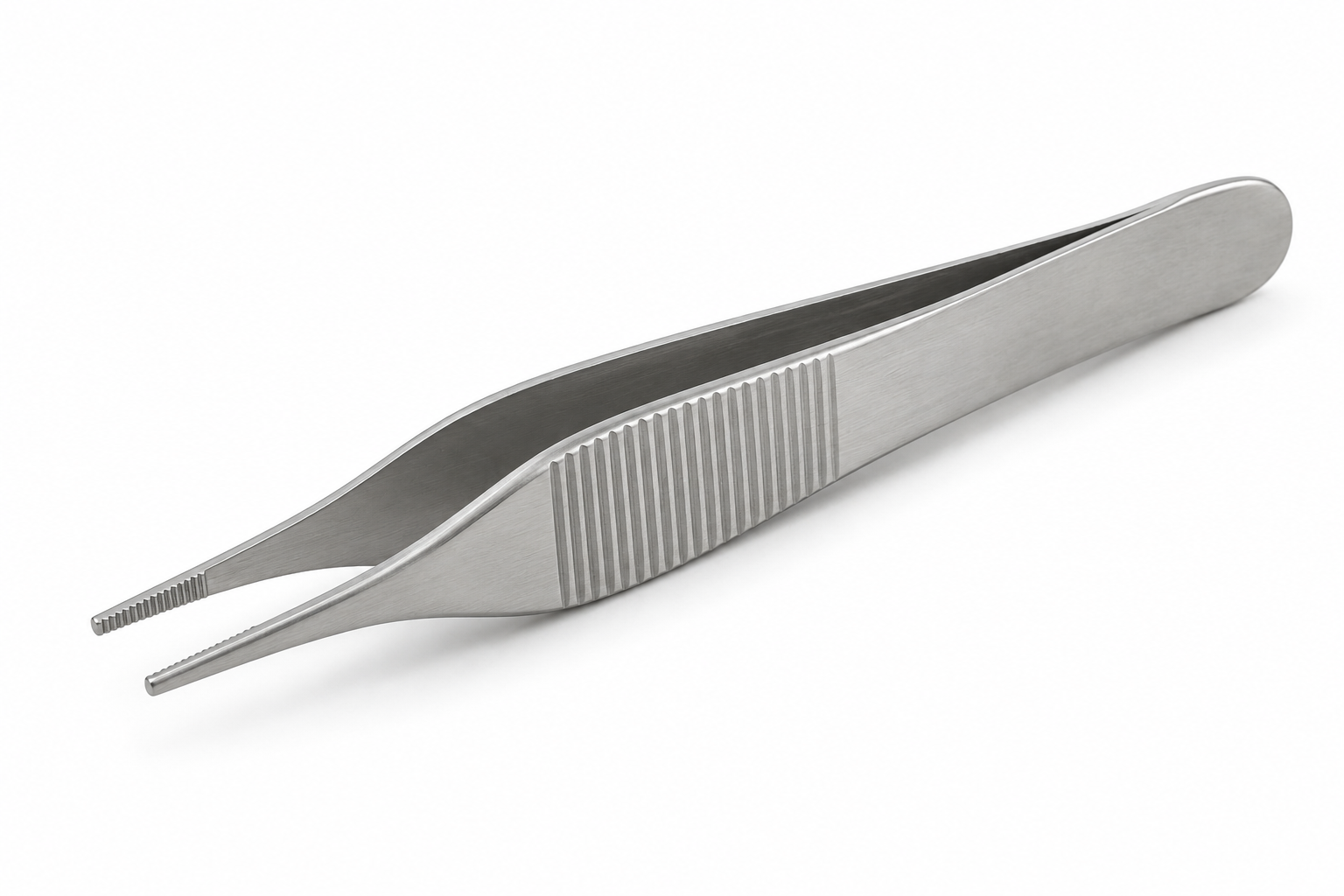
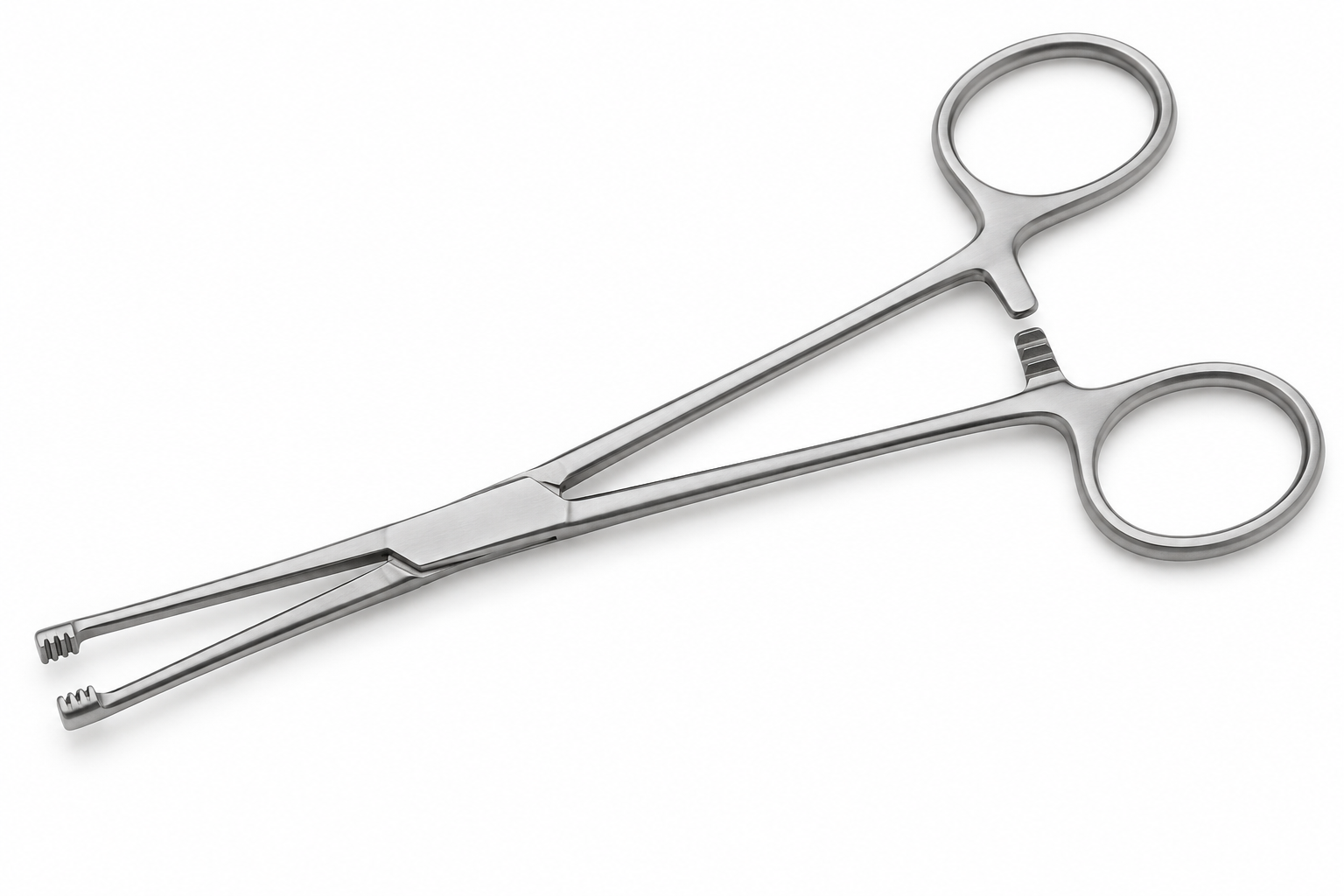
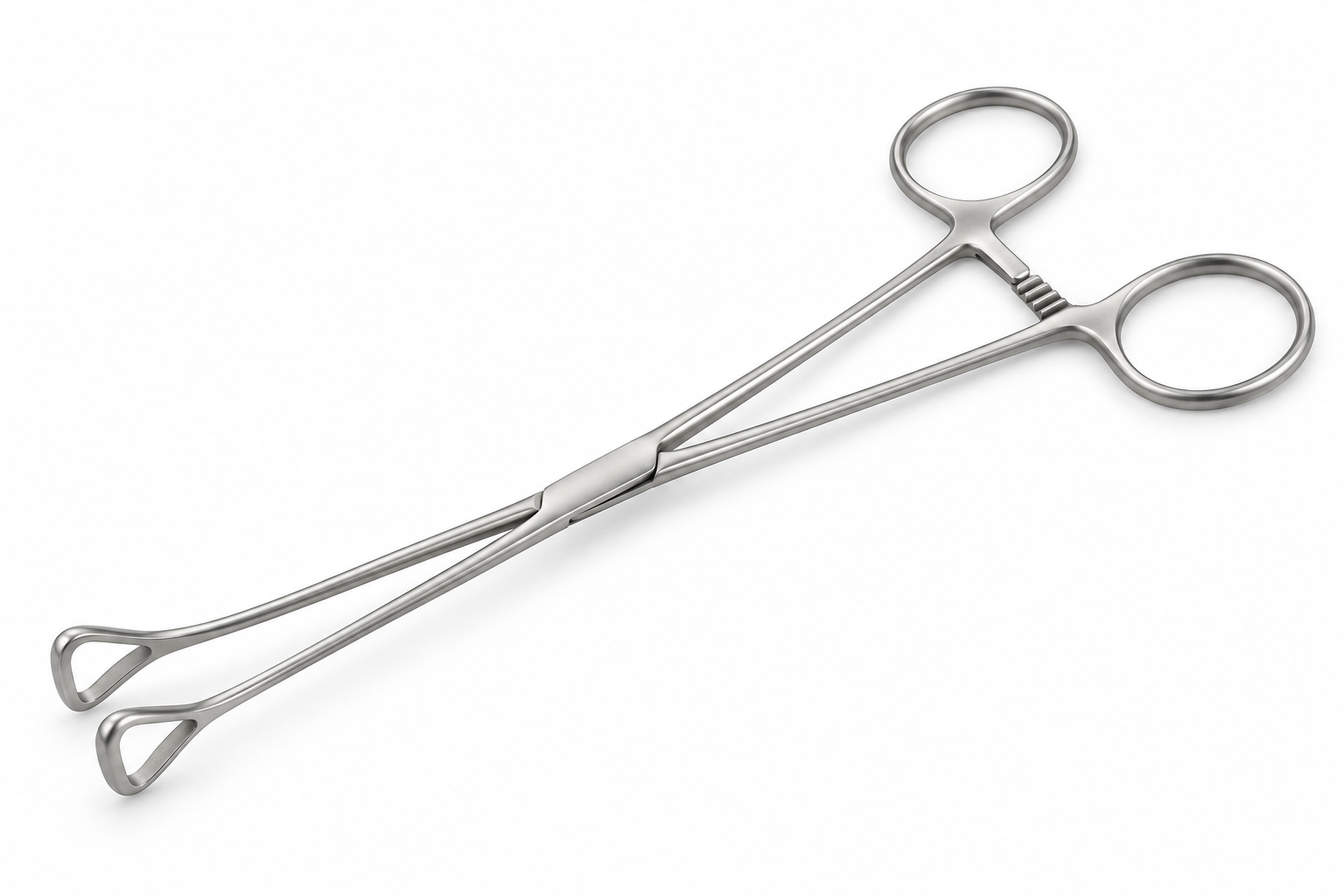
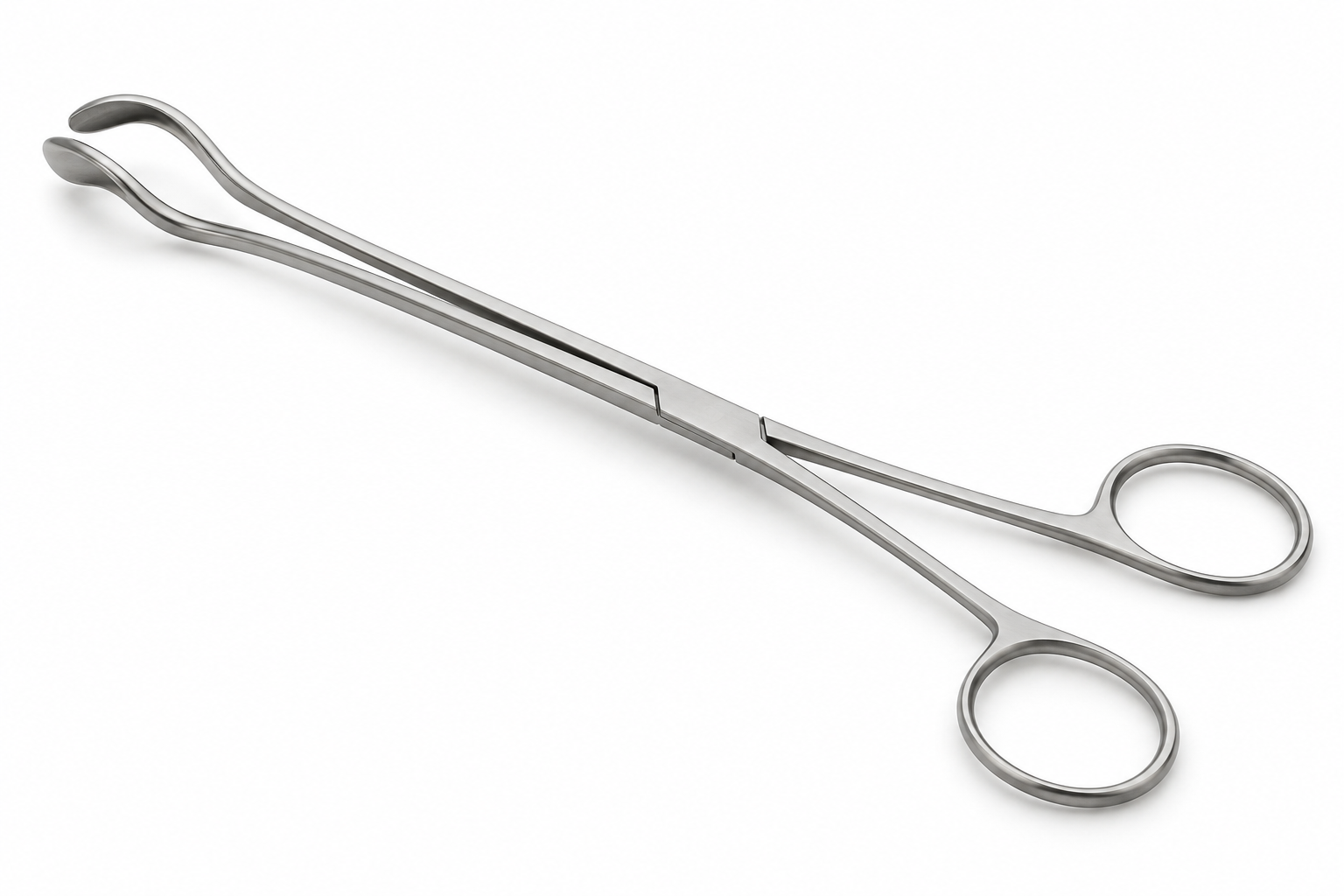
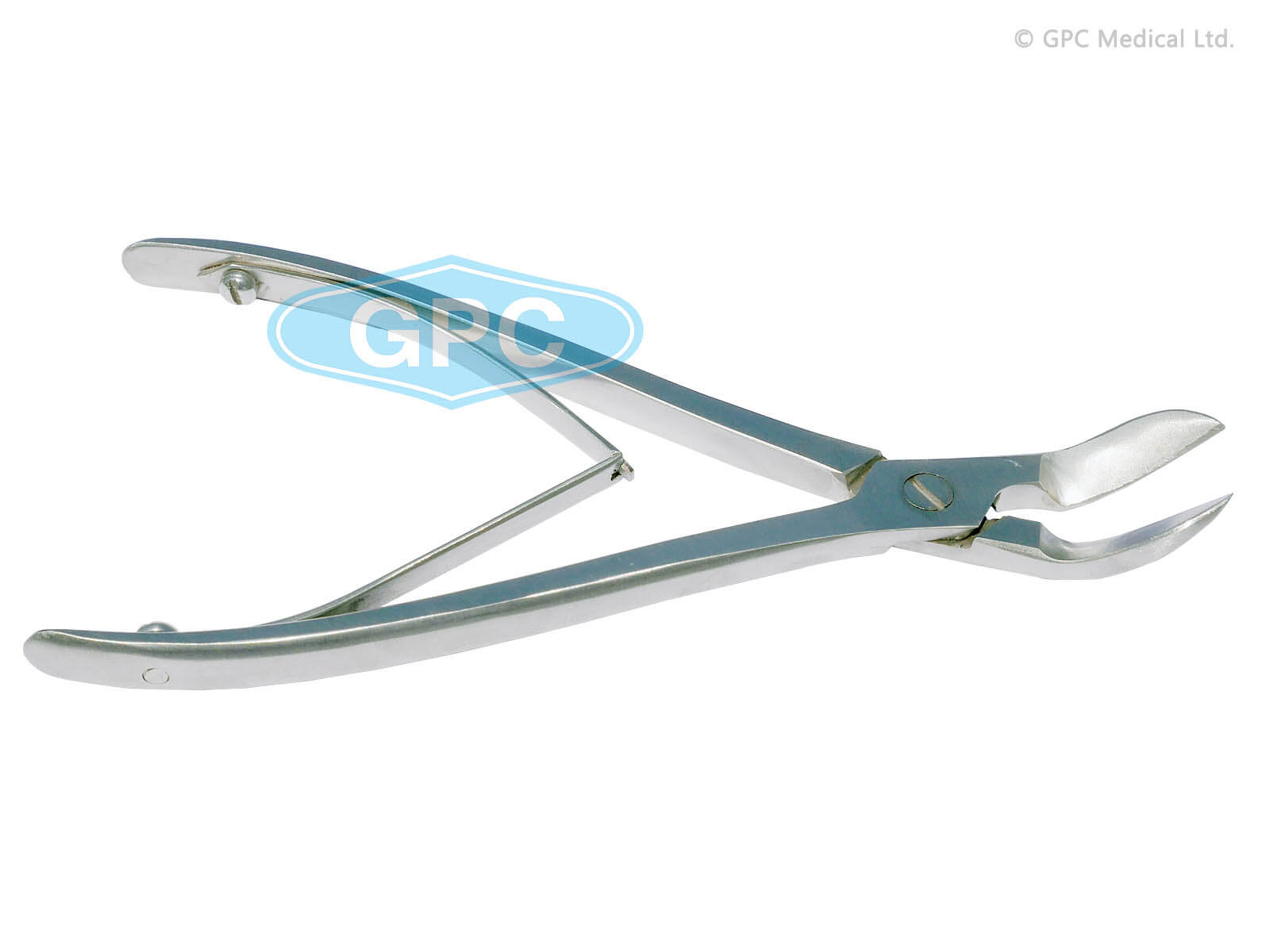
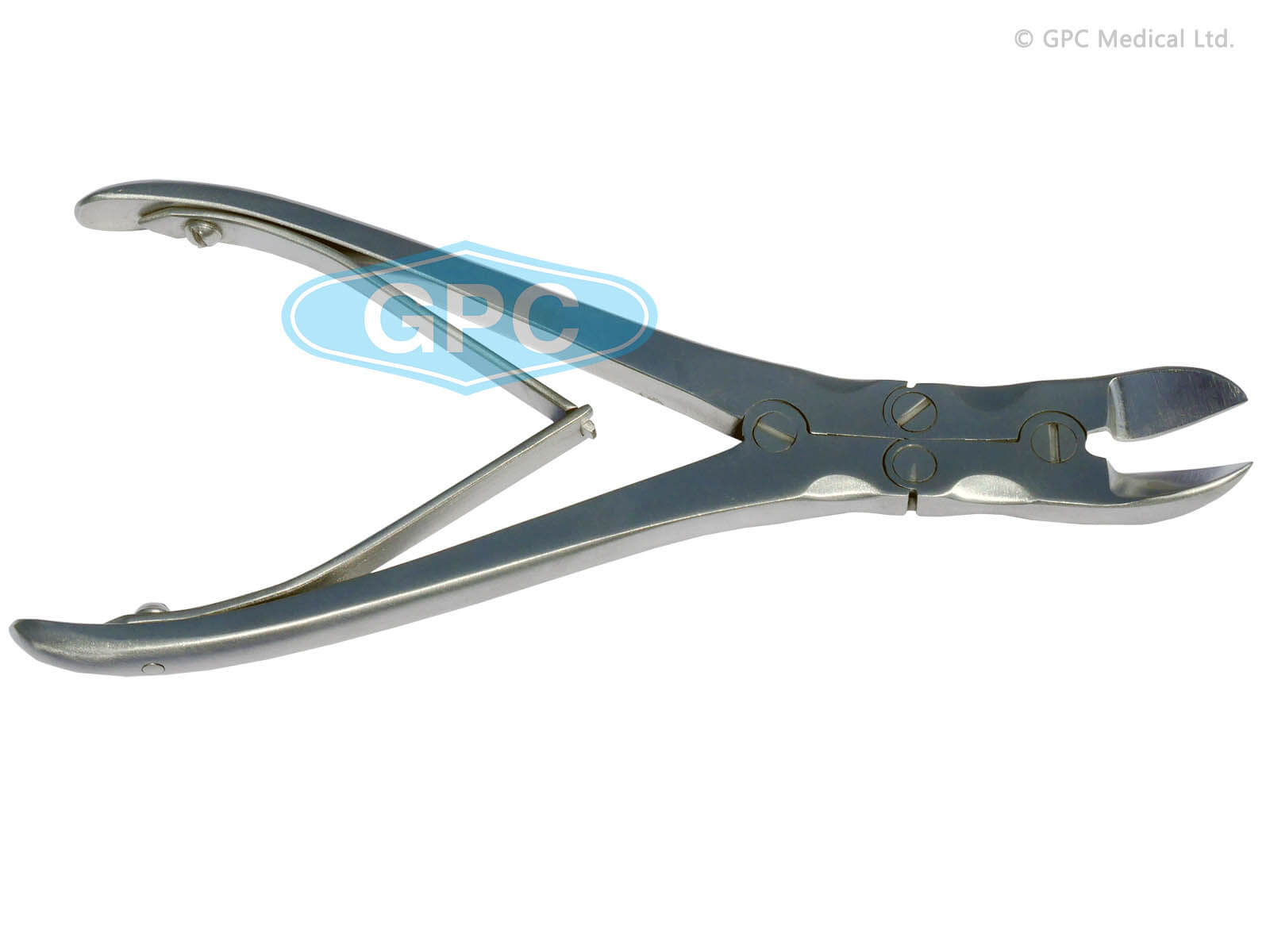
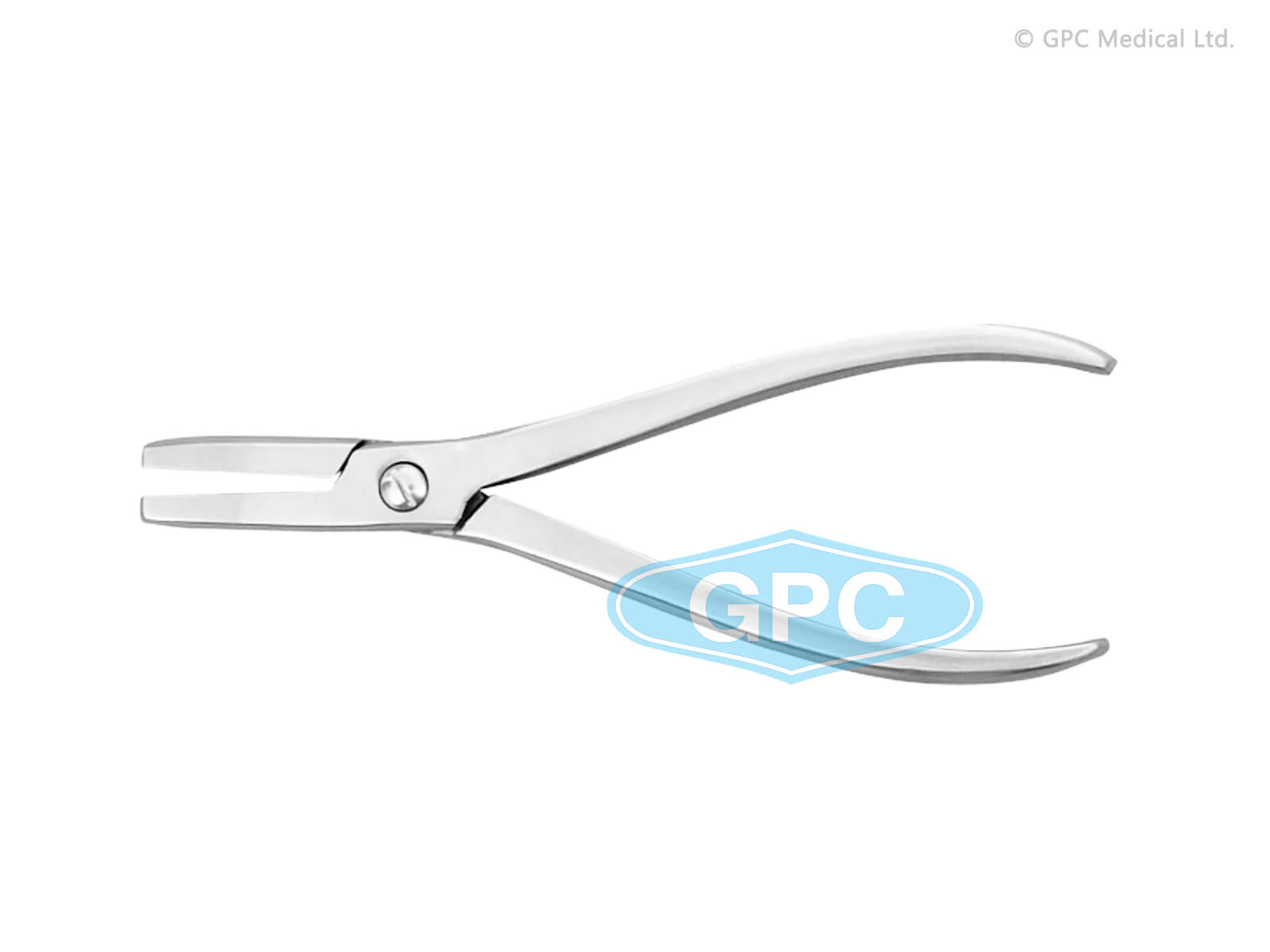
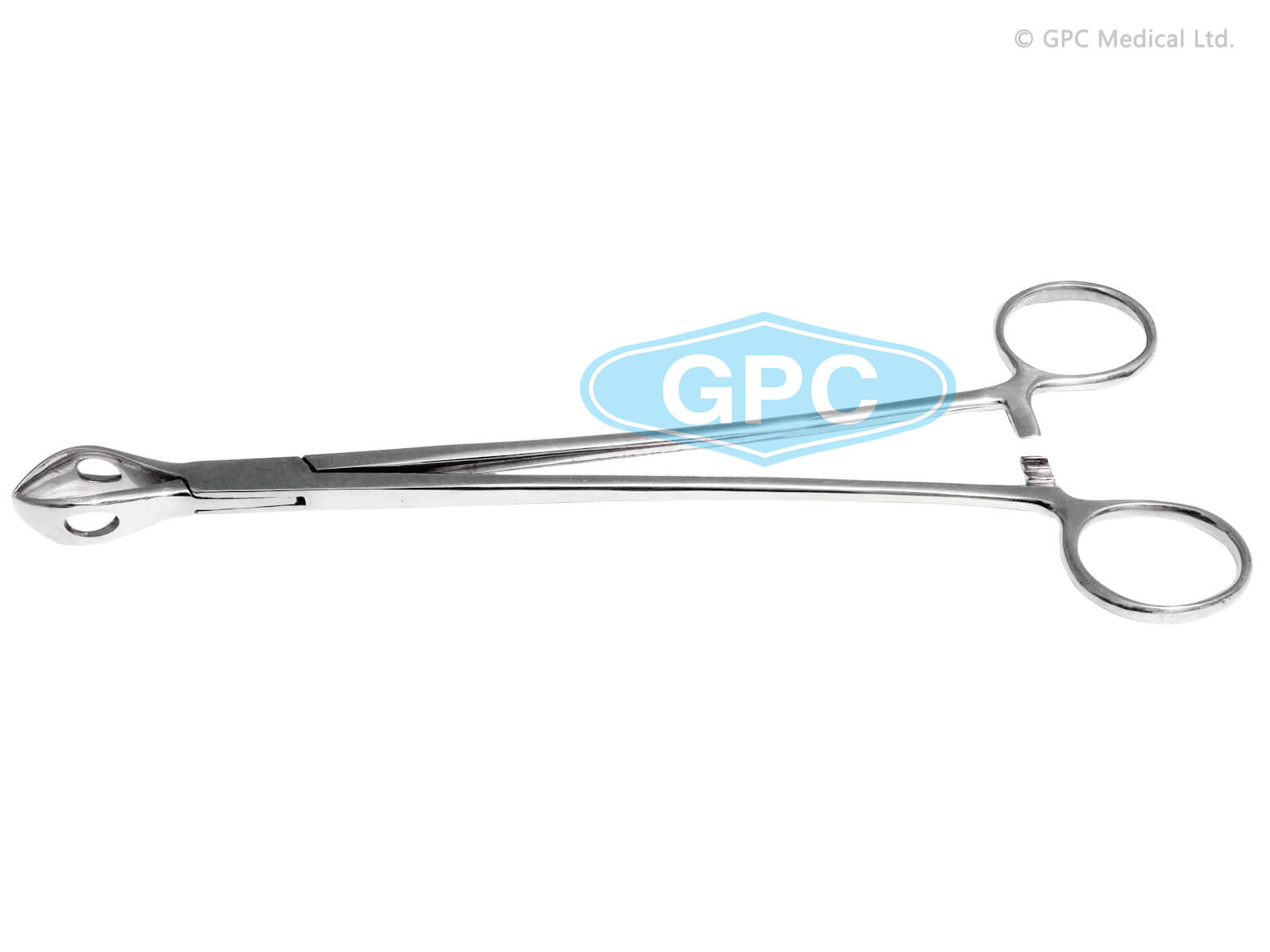
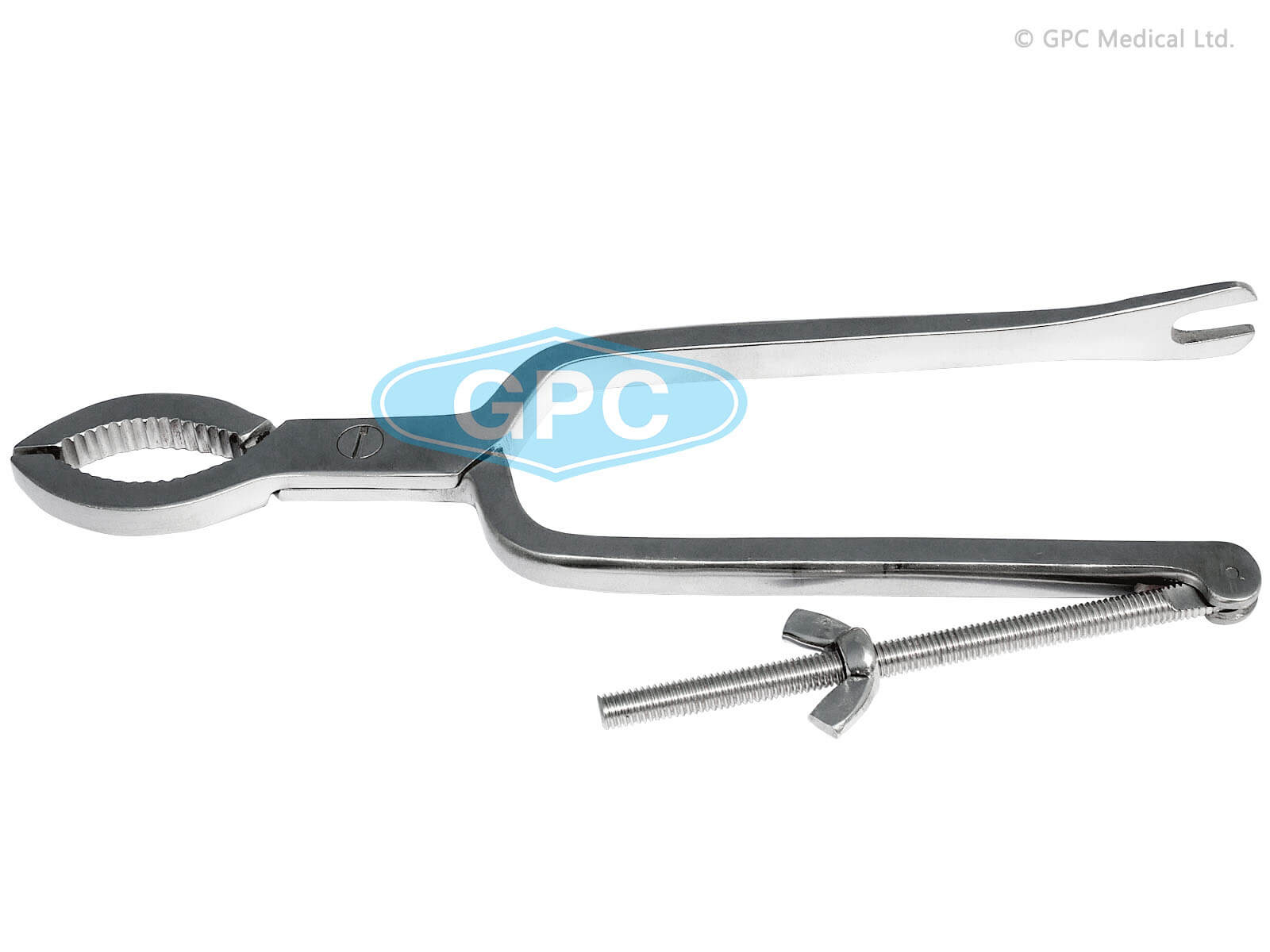
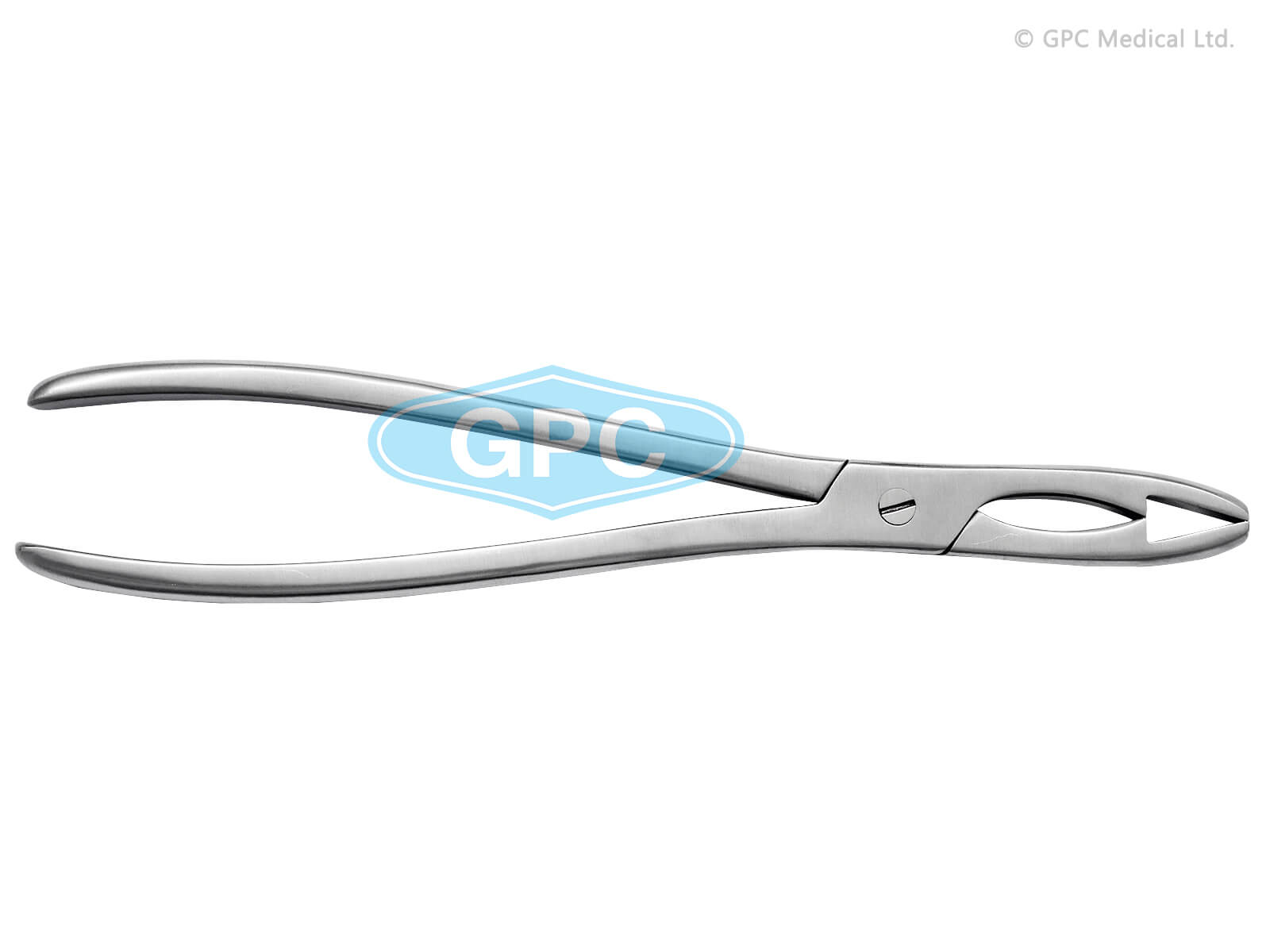
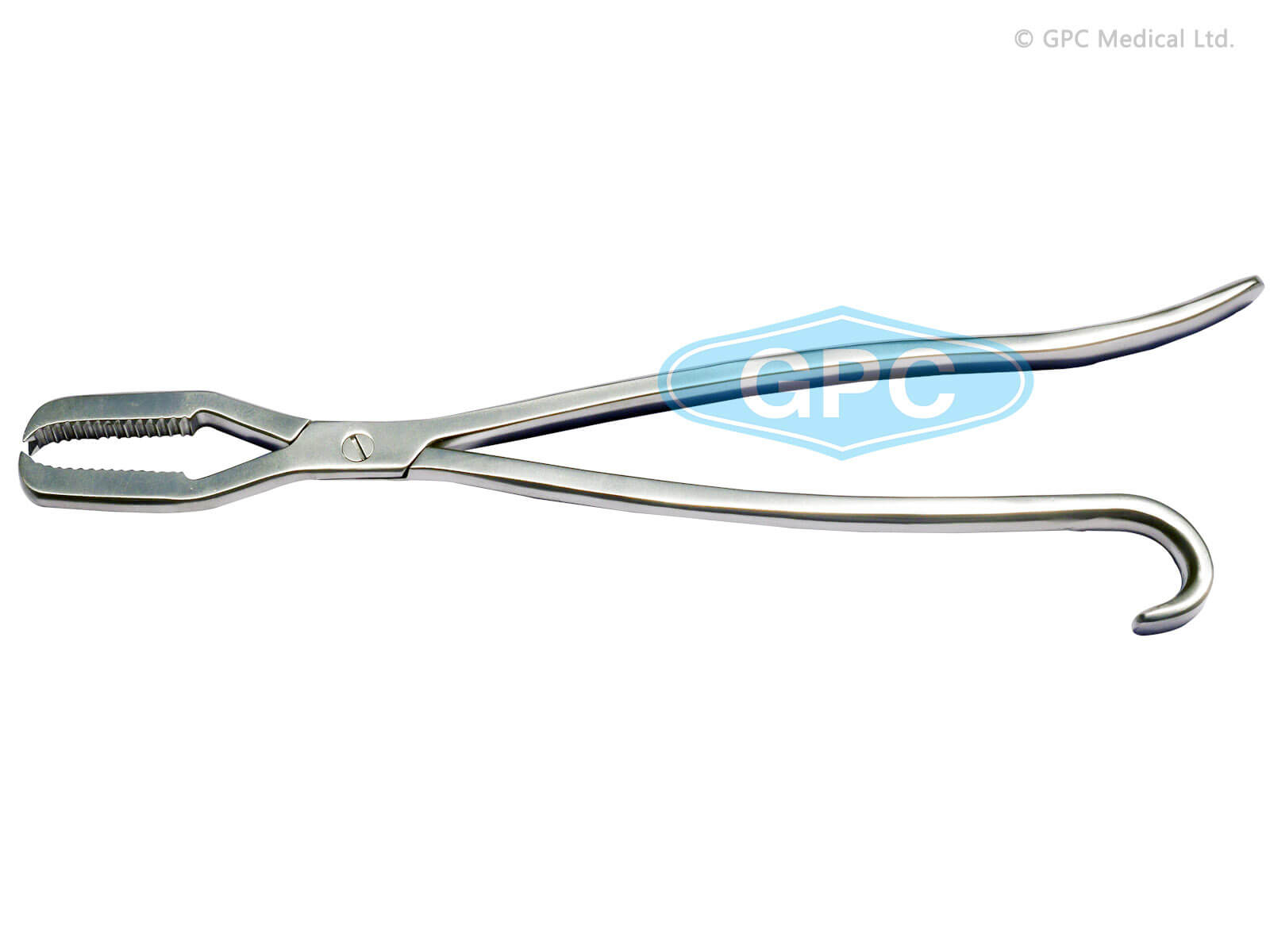
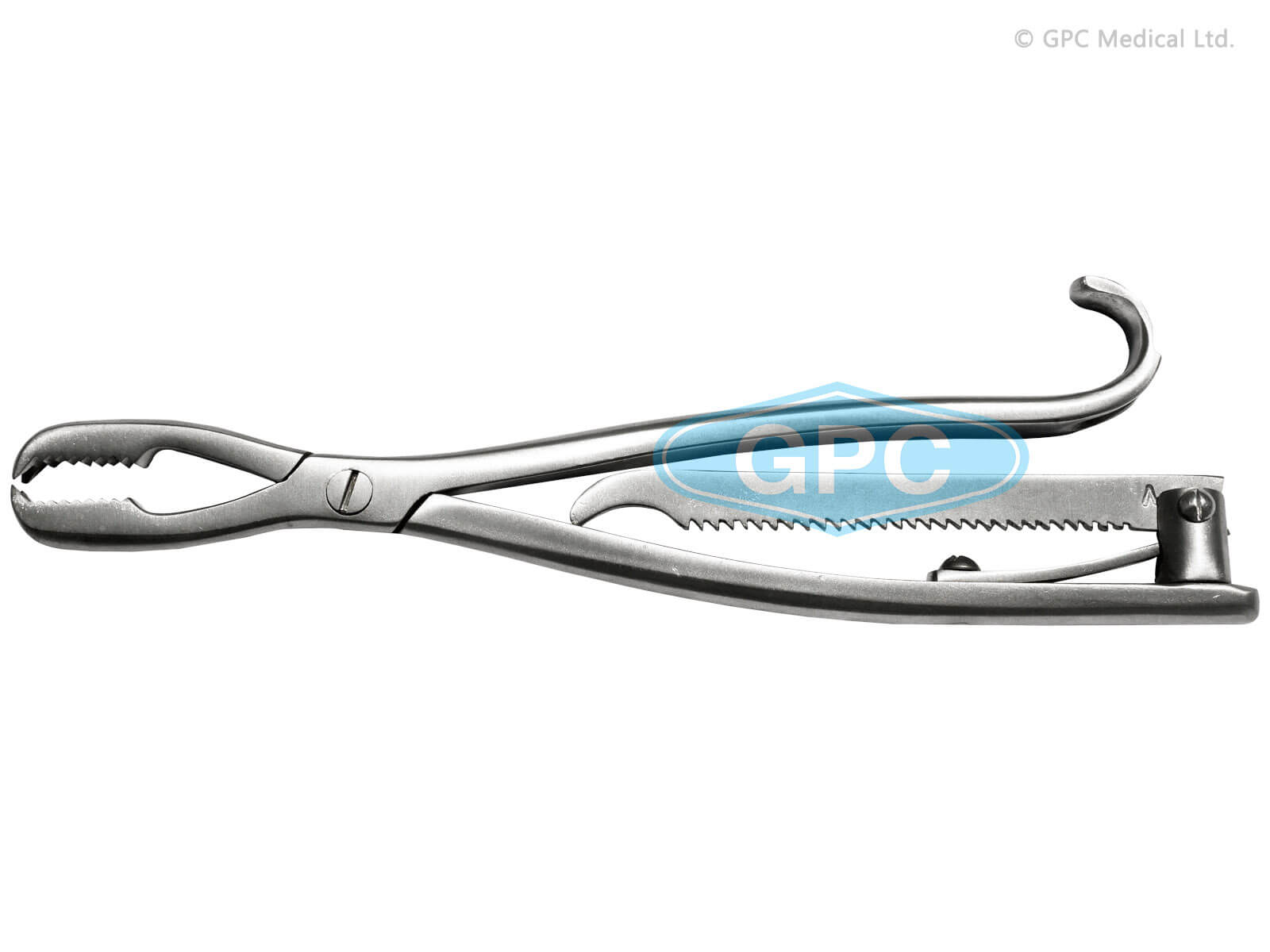
Browse surgical forceps in Nigeria through Franance. Identify the exact forceps family and manufacturer code, then request an itemized quotation for the facility.
Buy Surgical Forceps in Nigeria: A Procurement Guide
Franance helps healthcare organisations in Nigeria request quotations for GPC Medical surgical forceps. The catalogue spans several instrument families, including artery, dressing, sterilizing, sponge-holding, tissue-holding, organ-holding and towel forceps. Those names identify distinct catalogue patterns; they do not replace a facility’s own product specification.
When planning a purchase, write down the exact catalogue reference, pattern, required dimensions, quantity, documentation and delivery destination. This makes it easier to compare a quotation with the item your team intended to order. A named pattern alone may not identify length, jaw detail or orientation.
What types of surgical forceps can I compare?
Forceps is a broad catalogue term. GPC’s instrument listings separate artery forceps from dressing forceps, sterilizing forceps, sponge-holding forceps, tissue and organ-holding forceps, and towel forceps. They differ in their overall form and the details a buyer should confirm. Start with the family named in the specification you have been given, then verify the catalogue number against the manufacturer page and quotation.
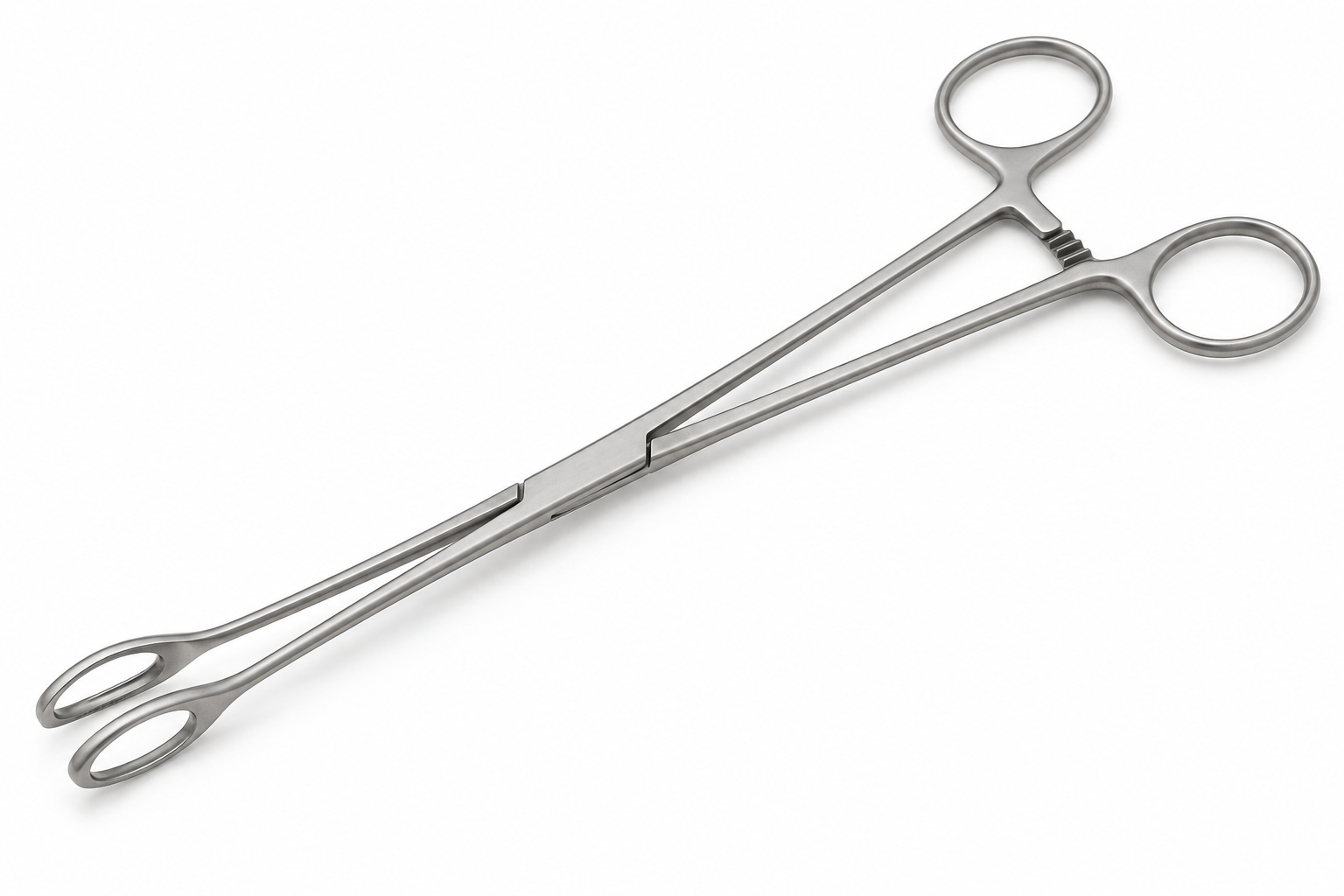
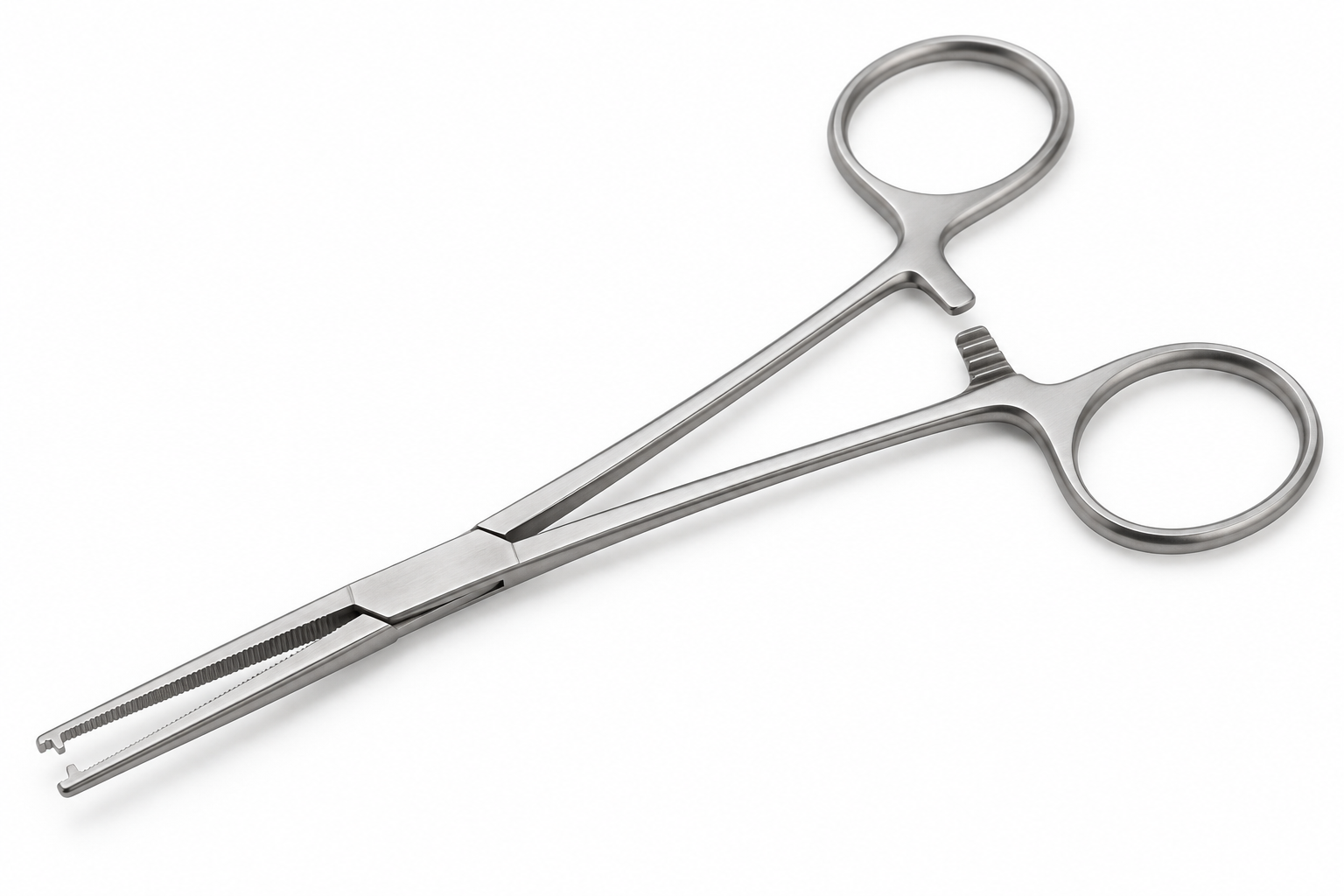
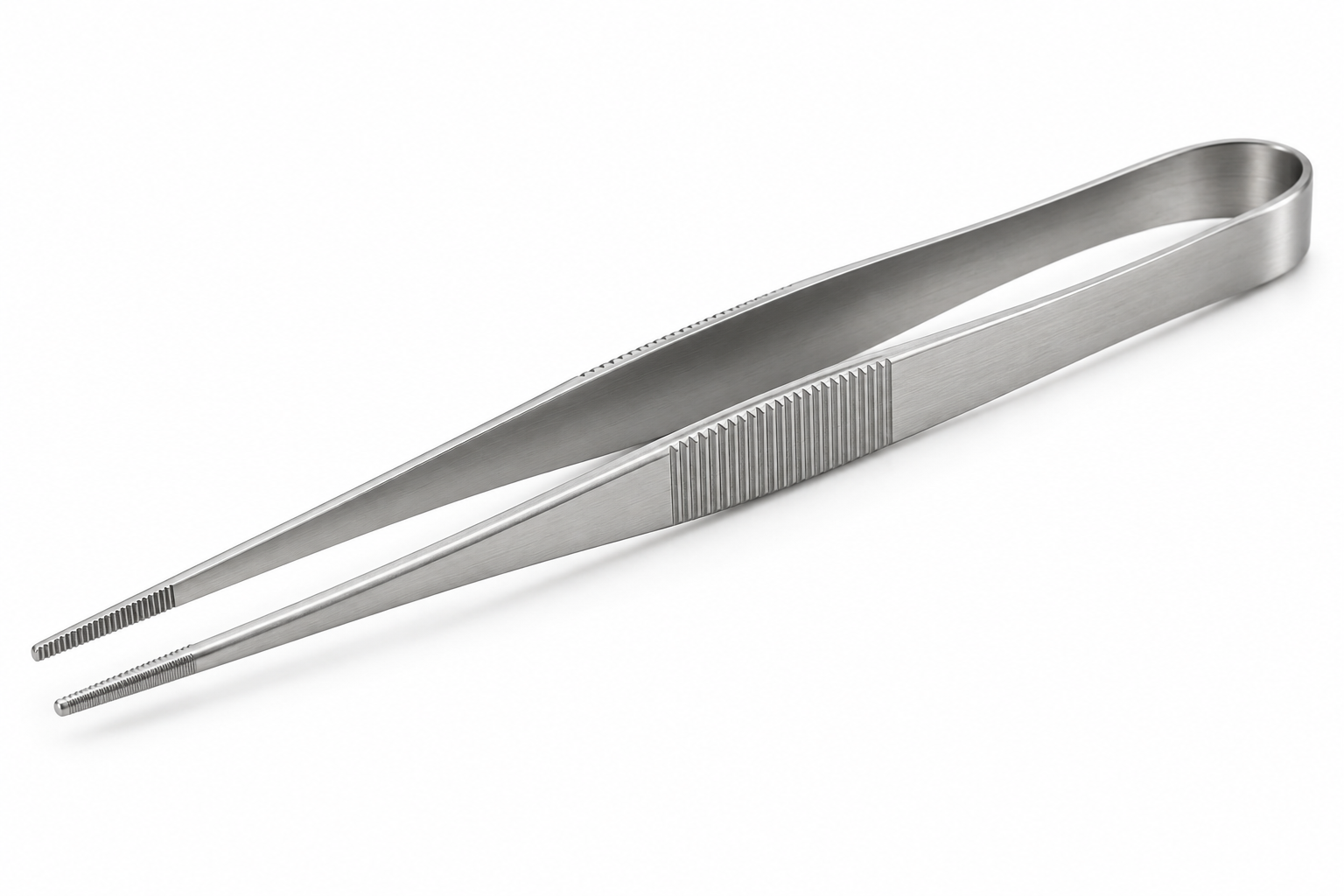
For example, GPC identifies artery-forceps families such as Kelly SI981, Baby-Mixter SI985, Halsted-Mosquito SI945, Crile SI969, Spencer-Wells SI971 and Kocher-Rochester SI1005. Separate pages name dressing patterns including Standard SI1096, Semken SI1105, Adson SI1116 and McIndoe SI1118. The manufacturer also lists Cheatle sterilizing forceps SI1524, Foerster sponge-holding forceps SI1072, Allis tissue-holding forceps SI1059, Babcock organ-holding forceps SI1063 and Backhaus towel forceps SI1050.
These are examples of catalogue families, not a recommendation about which instrument should be used for a particular task. If a procurement schedule uses a local shorthand or a legacy name, ask the responsible department to map it to an exact manufacturer reference before requesting a quote. Similar names can refer to different jaw, tip, lock or dimension details.
How should I specify the exact pattern and size?
Write the manufacturer and complete model code beside the description. If the manufacturer offers suffixes, include the selected suffix rather than stopping at the family code. GPC’s Kelly artery-forceps page, for example, lists SI981a as straight at 14 cm and SI981b as curved at 14 cm. Its Baby-Mixter SI985 page lists slightly curved and curved 14 cm configurations. These distinctions are part of the product identity; do not assume that the unsuffixed family number communicates the requested configuration.
Length can also vary within a family. GPC’s Halsted-Mosquito SI945 page lists straight and curved options in 12.5 cm and 14 cm lengths. The Kocher-Rochester SI1005 page lists multiple straight and curved sizes. Select the exact option from the source specification, and have the final written offer repeat that code and its manufacturer description.
For patterns without a clearly stated configuration on the product page, ask for a current manufacturer catalogue sheet, drawing or written confirmation. Confirm whether the stated dimension is overall length or another measurement; do not infer what an unspecified measurement refers to. Record any required tip form, jaw profile, teeth arrangement, locking or handle detail exactly as specified by the facility.
What jaw, tip and locking details should be stated?
For a ring-handled clamp, the procurement specification may need to identify the jaw pattern, tip profile, locking arrangement and overall length. For dressing forceps, record the required tip width, surface and tooth arrangement, where specified. For sponge-holding patterns, name the requested family and the jaw form rather than relying on a general phrase such as “ring forceps.” A towel forceps specification should name its exact pattern and the facility’s required dimensions.
Use the current manufacturer wording wherever it is available. If a specification uses terms such as smooth, serrated, toothed, fenestrated, straight or curved, ensure those words describe the required offered model and are supported by a product document. Do not let a supplier substitute a near-sounding pattern without written approval from the responsible specification owner.
These details are procurement checks, not instructions for choosing an instrument for a clinical procedure. Franance can carry the stated requirements into an enquiry, while the customer’s clinical and procurement teams retain responsibility for approving the intended pattern.
Which material, finish and construction documents should I request?
Do not infer material grade, surface finish, corrosion resistance or manufacturing method from a family name or a catalogue photograph. Ask for the current documentation for the exact code being quoted. Useful records may include the manufacturer’s technical description, material statement, dimensions, product drawing, labeling and any applicable conformity information.
Compare only like-for-like references. If two offers use the same family name but different catalogue suffixes, dimensions, stated materials or supplied components, identify those differences in the comparison. Ask the supplier to explain each mismatch and revise the offer if the proposed model does not match the approved specification.
Also state whether a single instrument or a defined set is required. If a set is offered, require an itemised list of its contents, catalogue numbers and quantities. A photograph or package name is not a substitute for a written contents schedule.
What reprocessing and traceability information should accompany reusable forceps?
For a reusable device, request the manufacturer’s current instructions for the exact quoted product and confirm that the facility can review them before purchase. Do not apply one instrument’s instructions to another family, material or model. Do not assume that the catalogue page itself provides a complete reprocessing method.
The World Health Organization’s facility guidance treats decontamination and reprocessing as a system involving infrastructure, staffing, policies, equipment and documented stages. The US Food and Drug Administration’s guidance discusses the formulation and scientific validation of manufacturer reprocessing instructions for reusable medical devices. These are useful references for procurement teams when requesting the appropriate documentation; neither replaces the instructions supplied for the specific forceps or the facility’s own approved process.
Ask what identification is supplied with the instrument and packaging, including manufacturer, catalogue code and any lot or batch details provided. Retain the written quotation and the delivered item’s labeling with the purchasing record. If the delivered code, description or documentation differs from the accepted offer, ask for written clarification before treating the order as matching the specification.
How can I compare offers without accepting an unintended substitution?
Build a comparison row for each required reference. Include the manufacturer, full catalogue code, family name, configuration suffix, length, requested tip or jaw details, quantity, documentation, offered condition, packaging, price and delivery terms. Mark items as “confirmed,” “different” or “not stated” so that missing information remains visible.
Ask each supplier to quote the same specification and identify every proposed alternative separately. A substitute should not appear under the original model code. If the facility is open to alternatives, have the responsible team review the difference and approve it in writing before purchase. This is especially useful where familiar family names have several sizes or straight and curved versions.
For multi-item orders, request a line-by-line quotation. Confirm whether prices apply per instrument or per set, whether listed accessories are included and how quantities are counted. Confirm the delivery address, expected dispatch or delivery terms, taxes and any other commercial conditions in the written offer. A quotation request does not reserve stock or confirm a delivery date.
How do I request a surgical-forceps quotation from Franance?
Add the required forceps to Franance’s quote cart and enter the quantity for each line. Include the complete manufacturer reference and any suffix, required dimensions, documentation needs and delivery destination in Nigeria. If your order contains multiple patterns, list them as separate lines instead of combining them under a generic “forceps” description.
Review the cart before submitting it. Check that each line still shows the intended model and quantity, and add notes for any approved alternatives or required documents. The cart sends an enquiry; it does not process online payment or confirm stock. Franance follows up by phone or email to clarify the request and prepare a quotation.
Before accepting an offer, compare the written quotation with the specification you submitted. Confirm exact codes, descriptions, quantities, offered condition, included items, price, delivery terms and available documentation. If a detail is absent, ask for it to be written into the offer rather than relying on an assumption based on a similar catalogue name.
Frequently asked questions about surgical forceps
### Are Kelly, Crile and Spencer-Wells artery forceps interchangeable?
They are separately named manufacturer catalogue families. Confirm the exact code, configuration and dimensions required by the approved specification; do not substitute based on a shared broad category name.
### Does a family code identify the exact size and shape?
Not always. Some GPC pages list suffix codes for different lengths or straight and curved configurations. Put the selected complete code and stated dimensions on the purchase request.
### Can I choose the forceps pattern based on this guide?
No. This guide supports procurement comparison. The responsible clinical or specification owner should determine the required pattern and approve any alternative.
### Does Franance’s quote cart confirm stock or take payment?
No. The cart submits a quotation enquiry. Franance follows up by phone or email; stock, price, condition and delivery terms must be confirmed in the written offer.
### What should I do if the offered code differs from my request?
Ask the supplier to identify the difference and provide an amended quotation. Have the responsible specification owner approve any alternative in writing before accepting it.
Common questions
Are Kelly, Crile and Spencer-Wells artery forceps interchangeable?
They are separately named manufacturer catalogue families. Confirm the exact code, configuration and dimensions required by the approved specification; do not substitute based on a shared broad category name.
Does a family code identify the exact size and shape?
Not always. Some GPC pages list suffix codes for different lengths or straight and curved configurations. Put the selected complete code and stated dimensions on the purchase request.
Can I choose the forceps pattern based on this guide?
No. This guide supports procurement comparison. The responsible clinical or specification owner should determine the required pattern and approve any alternative.
Does Franance's quote cart confirm stock or take payment?
No. The cart submits a quotation enquiry. Franance follows up by phone or email; stock, price, condition and delivery terms must be confirmed in the written offer.
What should I do if the offered code differs from my request?
Ask the supplier to identify the difference and provide an amended quotation. Have the responsible specification owner approve any alternative in writing before accepting it.
Request a surgical-forceps quotation from Franance.
List each manufacturer code, selected configuration, quantity, documentation requirements and Nigerian delivery destination. Franance will follow up by phone or email.