

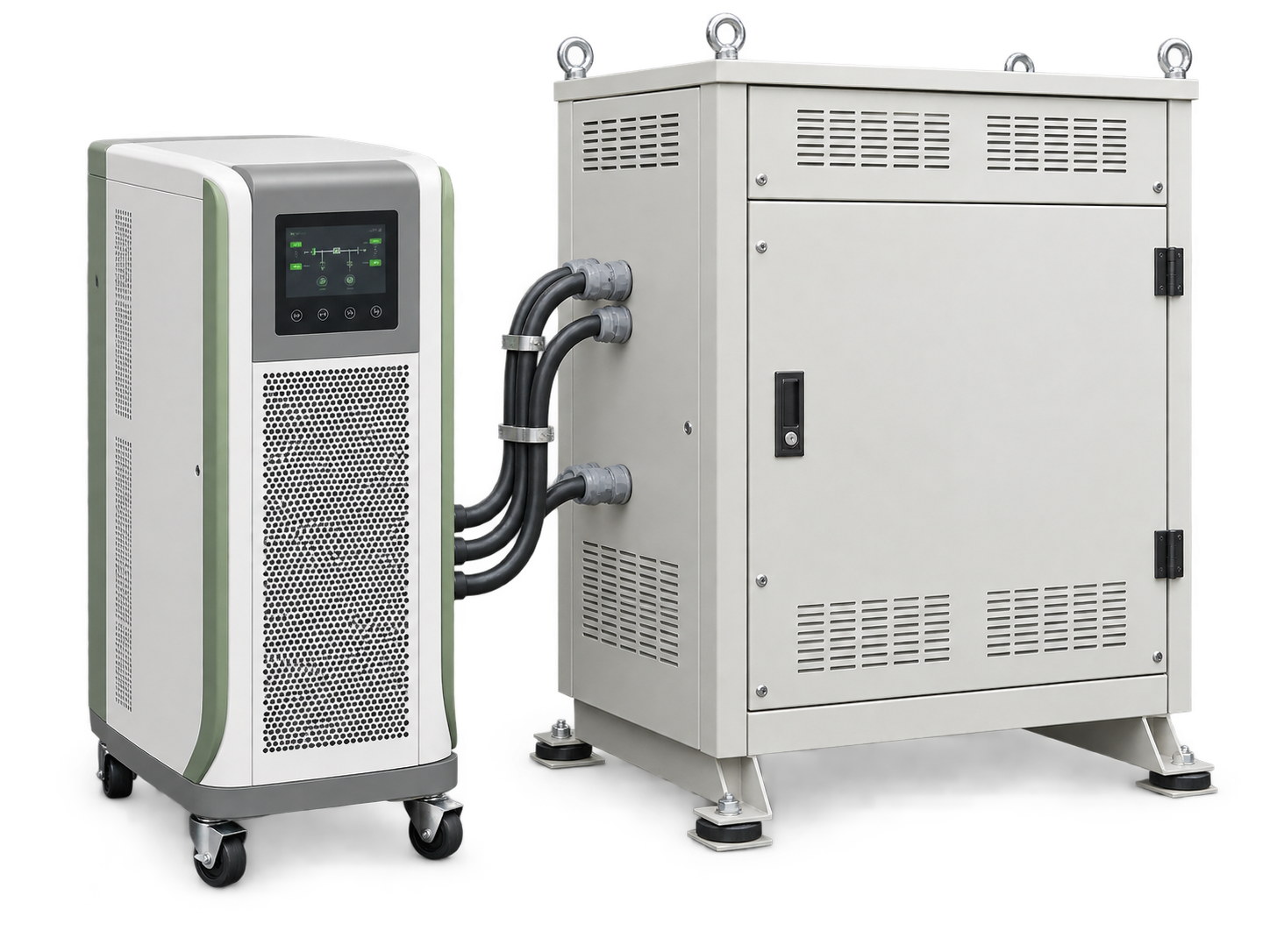
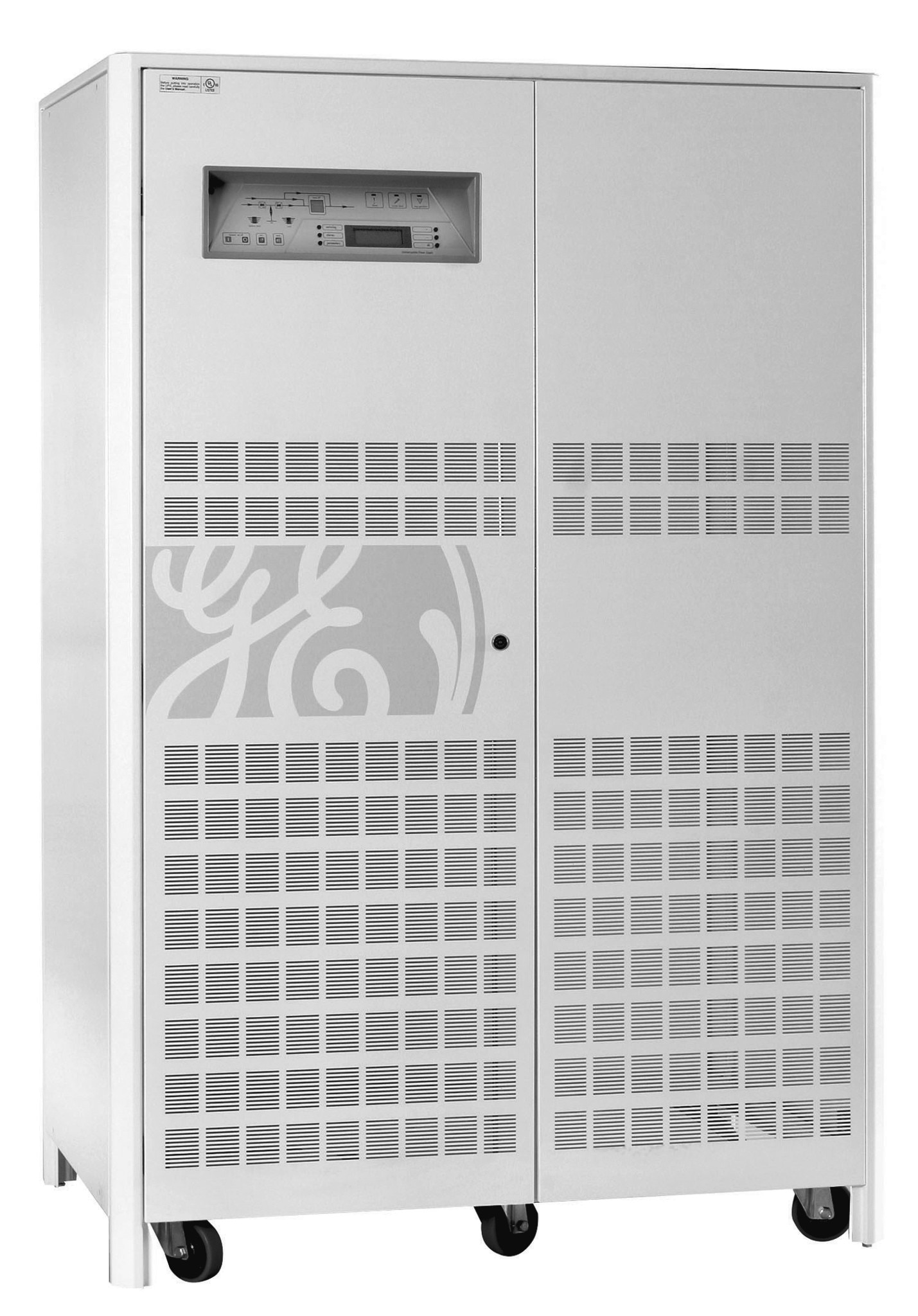
Buy Power Quality in Nigeria.
Buy power quality and protection equipment in Nigeria through Franance by matching each item to the electrical load, facility design and exact installed equipment. The current category has 14 products across medical-grade UPS, medical IT isolation transformers, automatic transfer switches and servo voltage stabilizers. These devices serve different functions and are not substitutes for one another.
Browse this range
Products
16 models
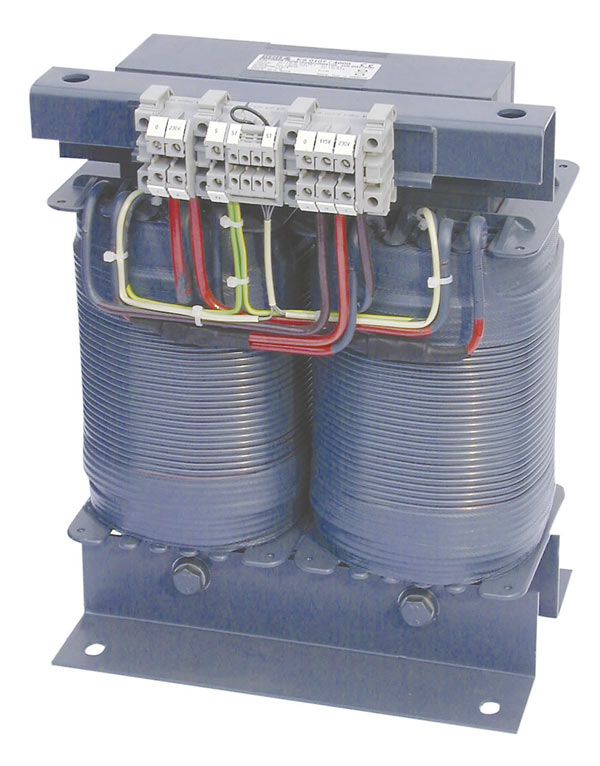
ES710/3150 Medical IT Isolation Transformer
Single-phase isolation transformer for medical IT systems
Price on request
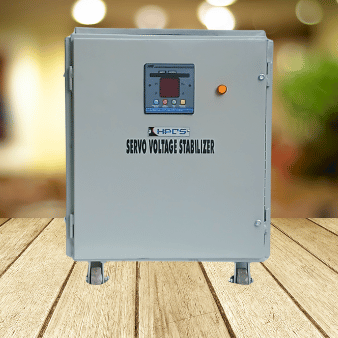
HPCS 10SSA8-90 single-phase 8 kVA servo voltage stabilizer
Single-phase air-cooled servo voltage stabilizer
Price on request
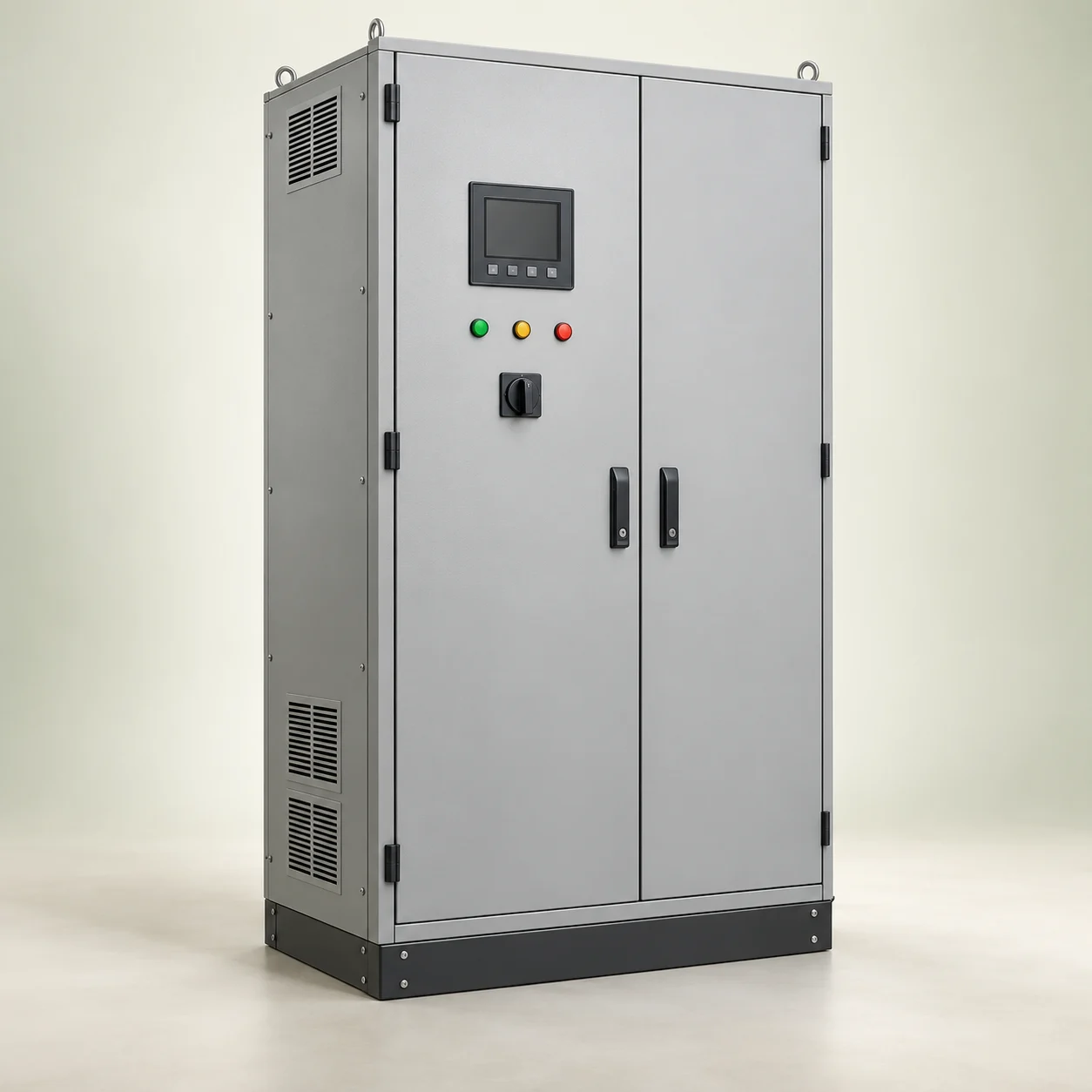
ATyS p 87734020 4-Pole 200 A Automatic Transfer Switch
Enclosed automatic transfer switch
Price on request
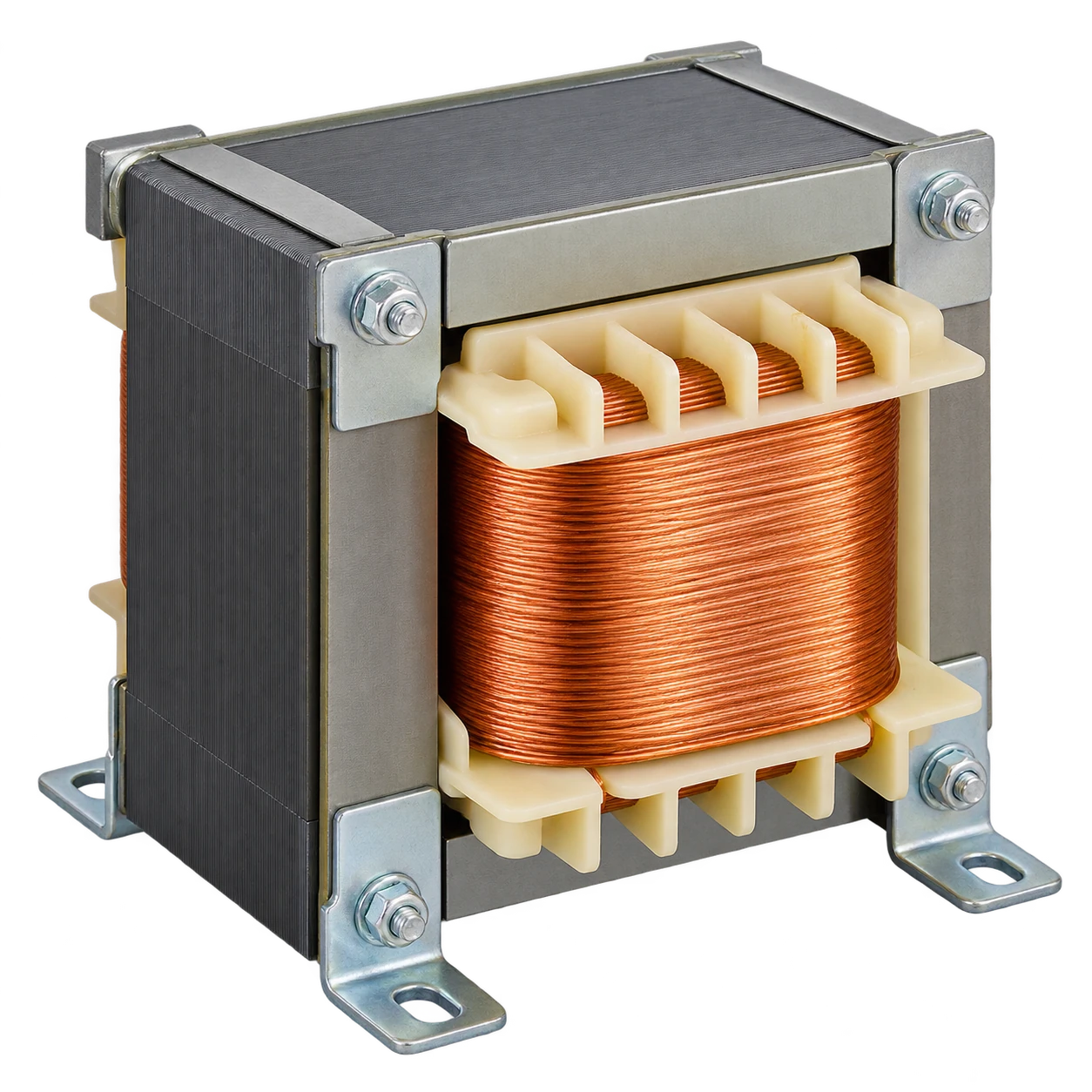
ES710/5000-GL Medical Isolation Transformer
Single-phase isolating transformer for medical IT system installations
Price on request
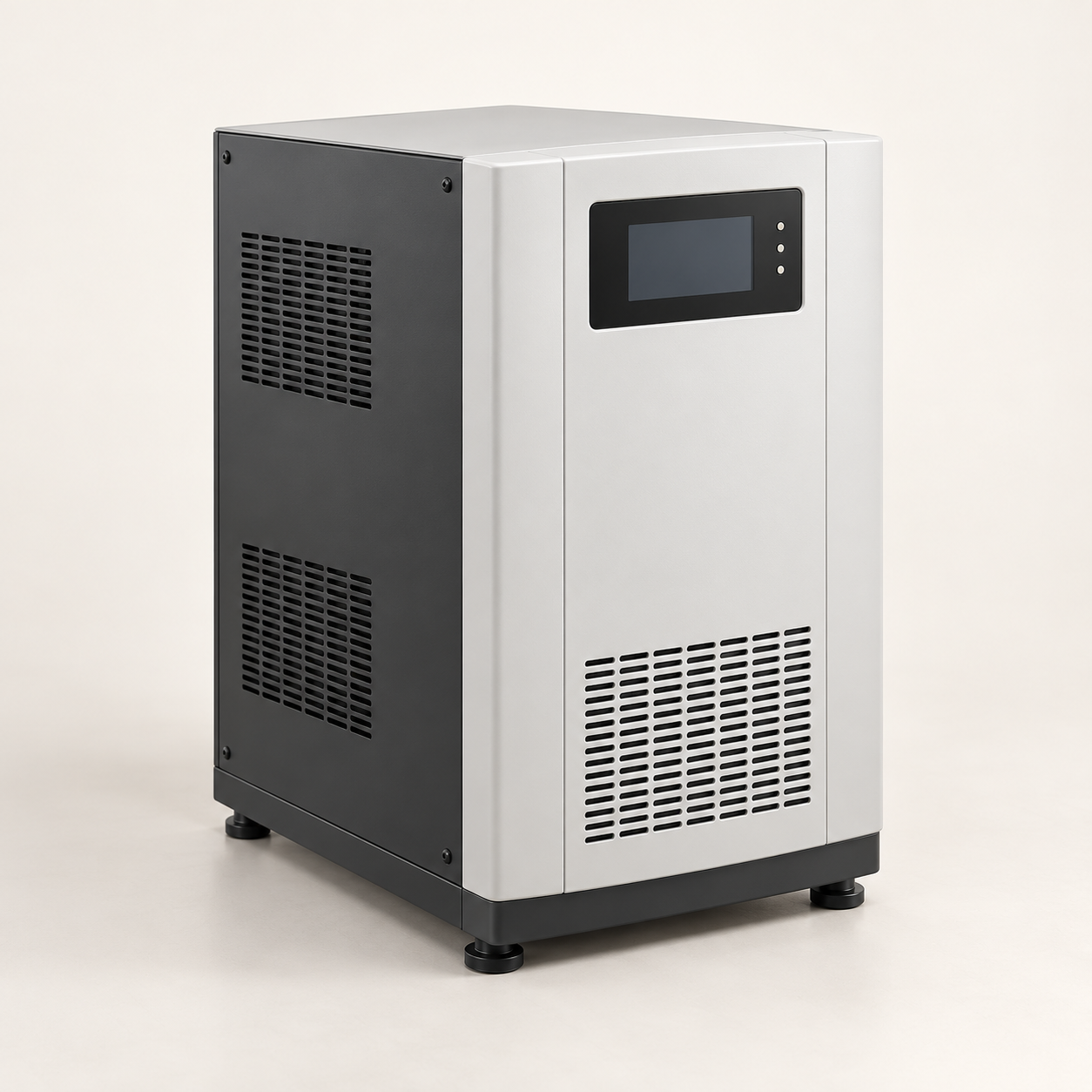
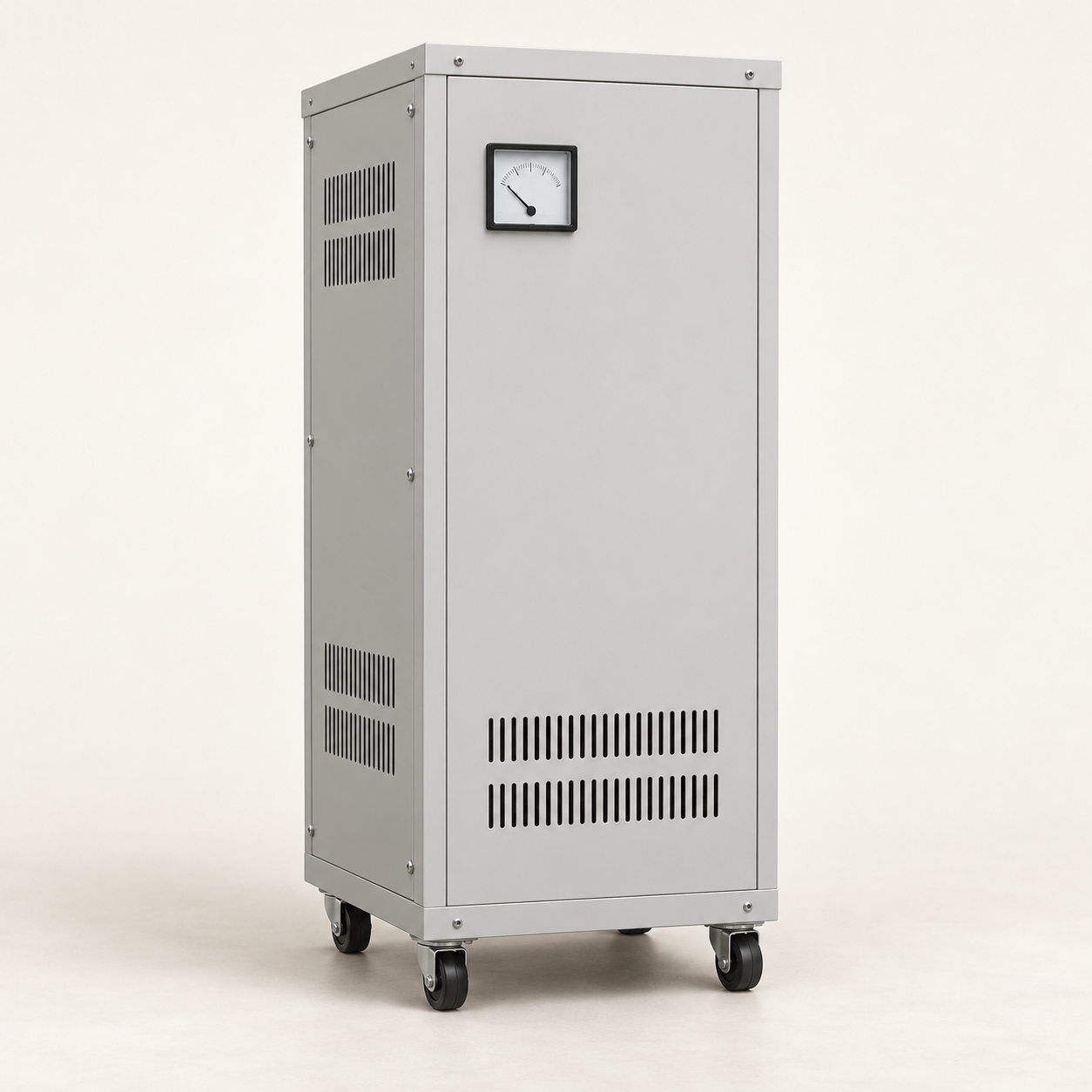
HPCS 10SSA10-140 Single-Phase 10 kVA Servo Voltage Stabilizer
Single-phase air-cooled servo voltage stabilizer
Price on request
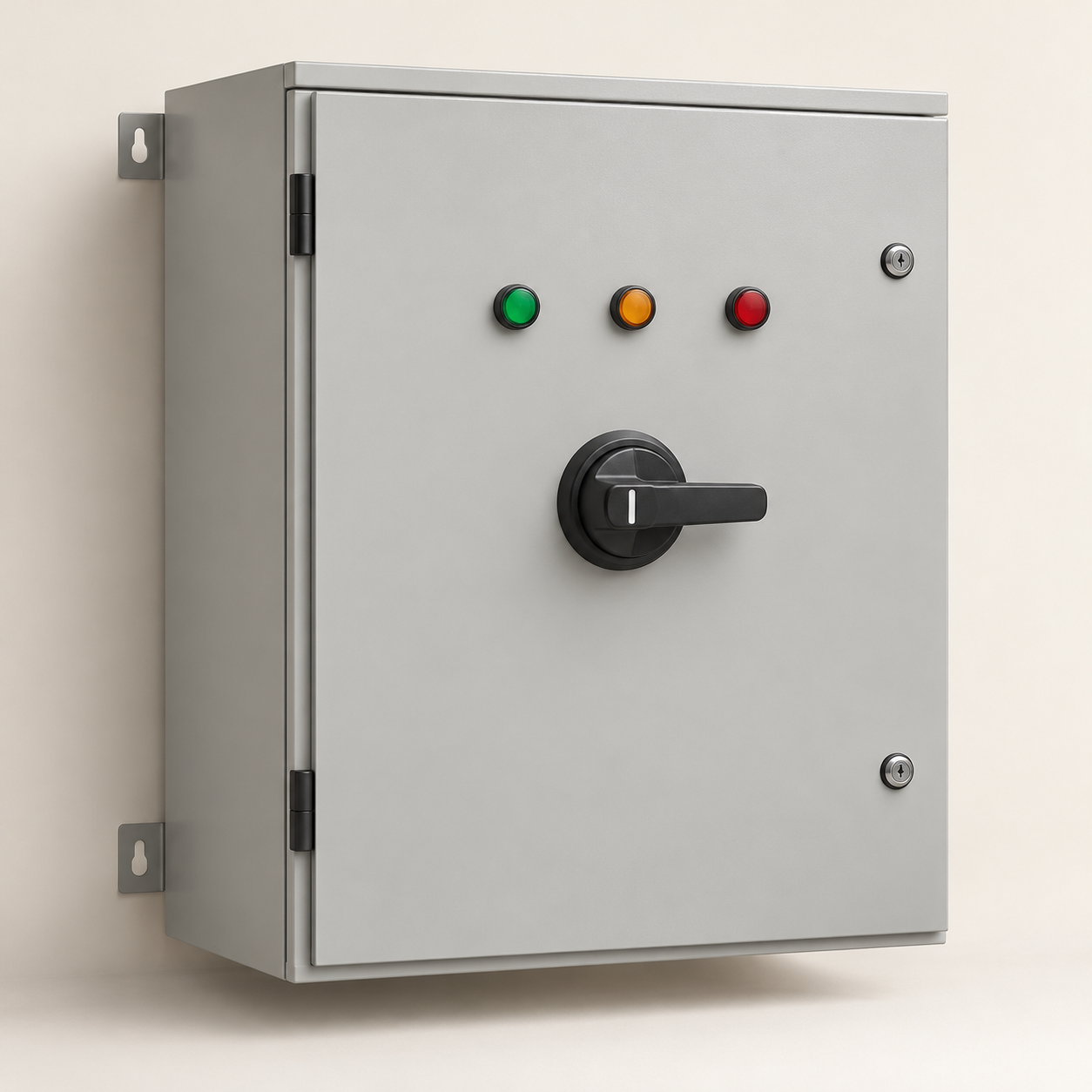
ATyS g 87534020 4-Pole 200 A Automatic Transfer Switch
Enclosed automatic transfer switch
Price on request
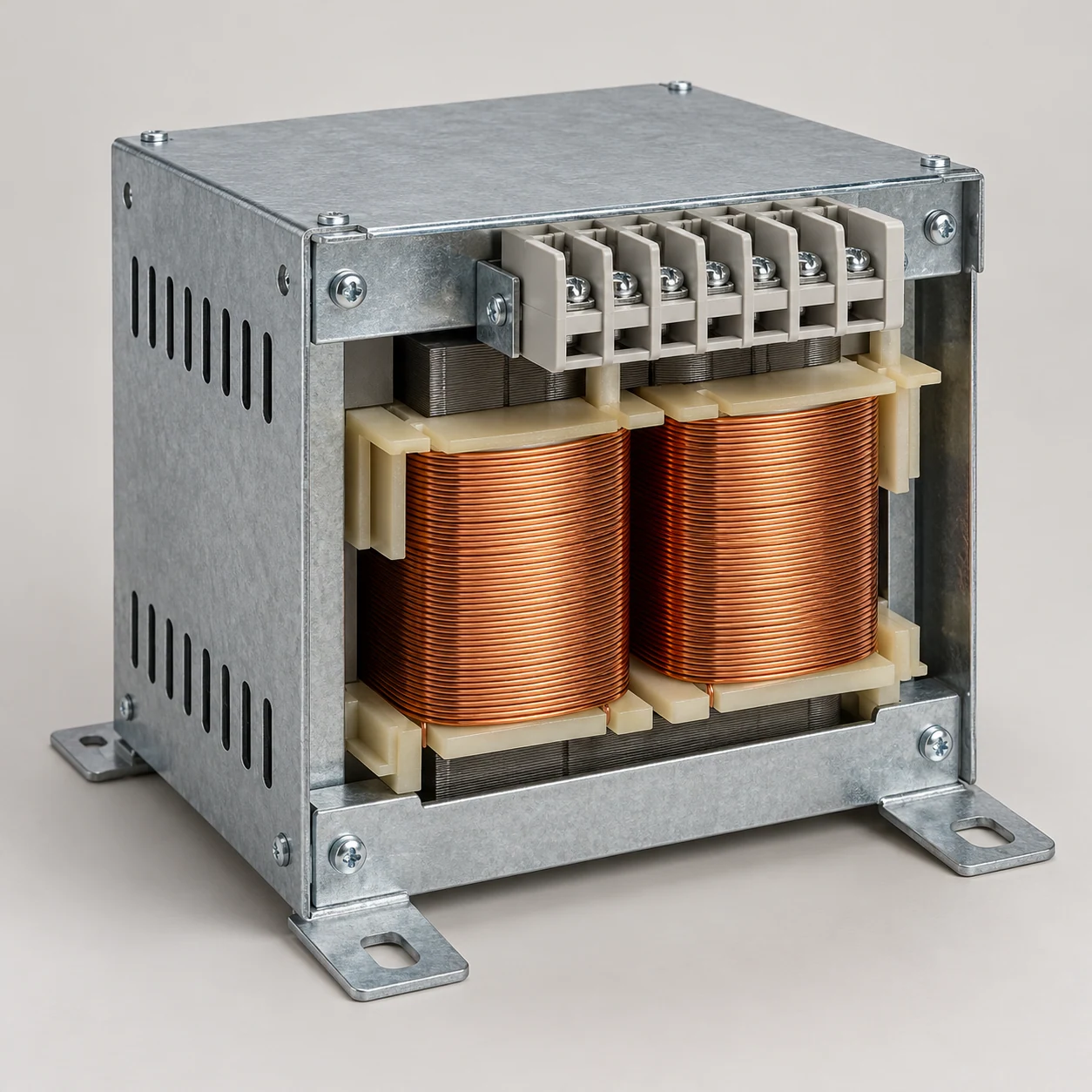
ES710/4000-GL 4 kVA Medical IT Isolation Transformer
Single-phase medical IT isolation transformer
Price on request
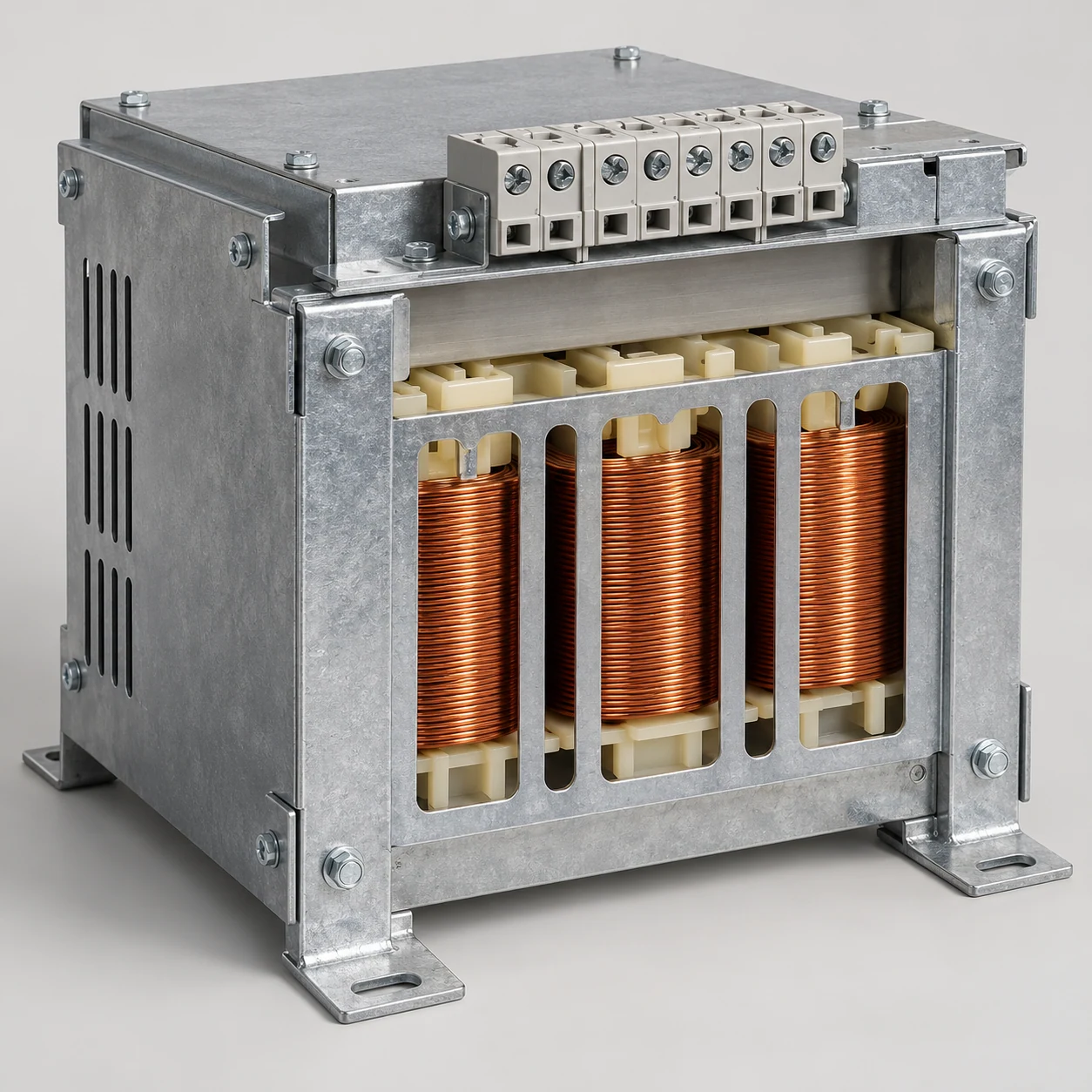
ES710/6300-GL 6.3 kVA Medical IT Isolation Transformer
Single-phase medical IT isolation transformer
Price on request
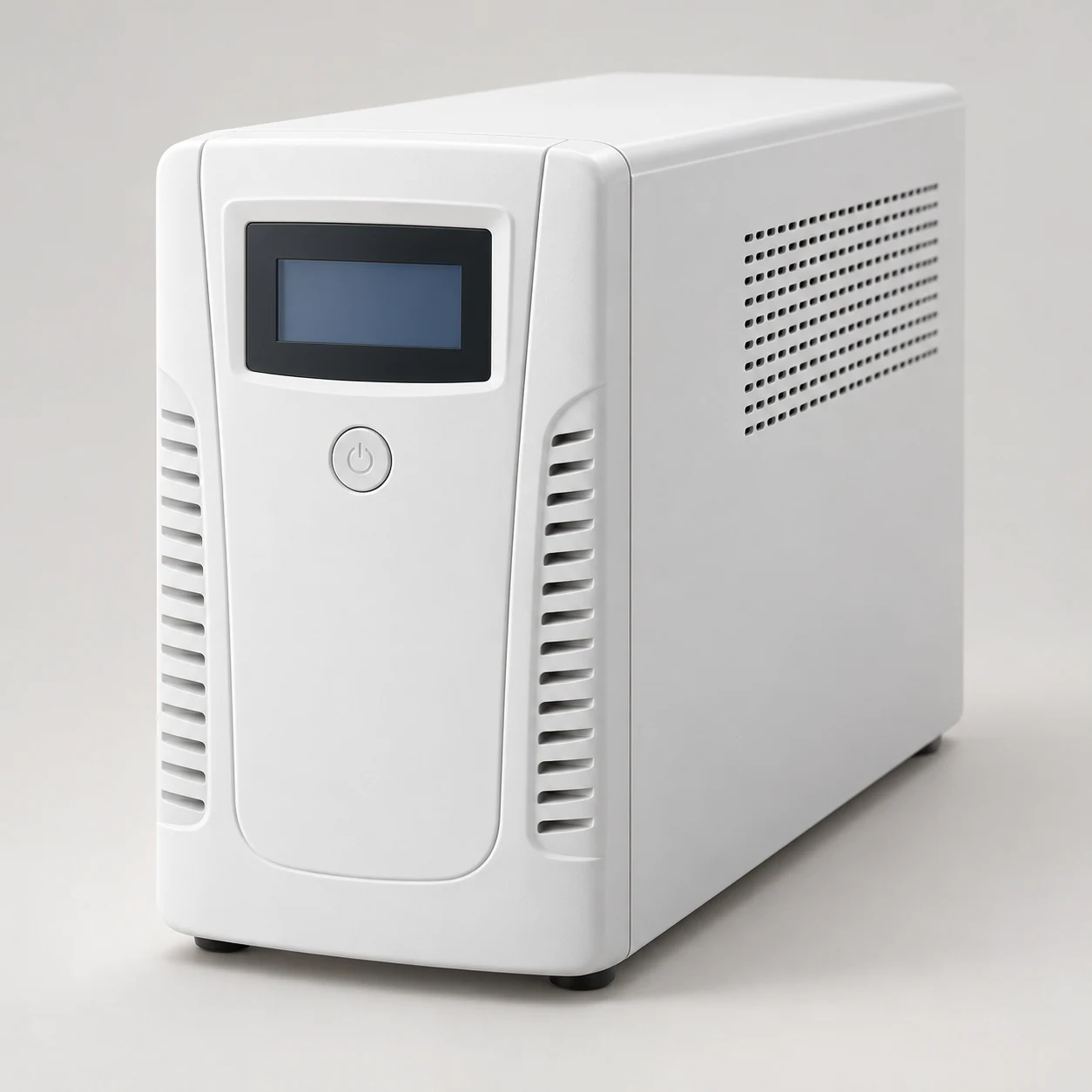
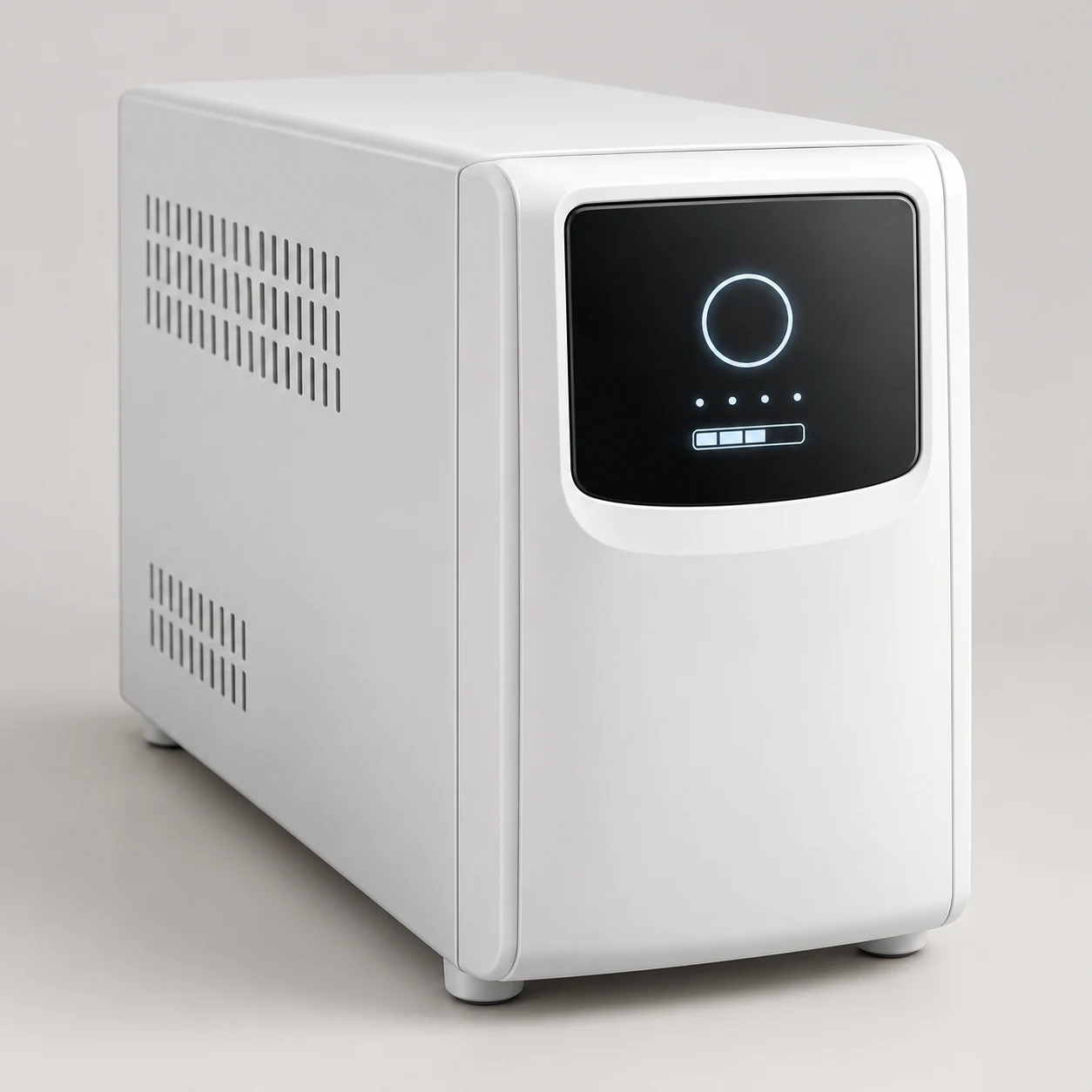
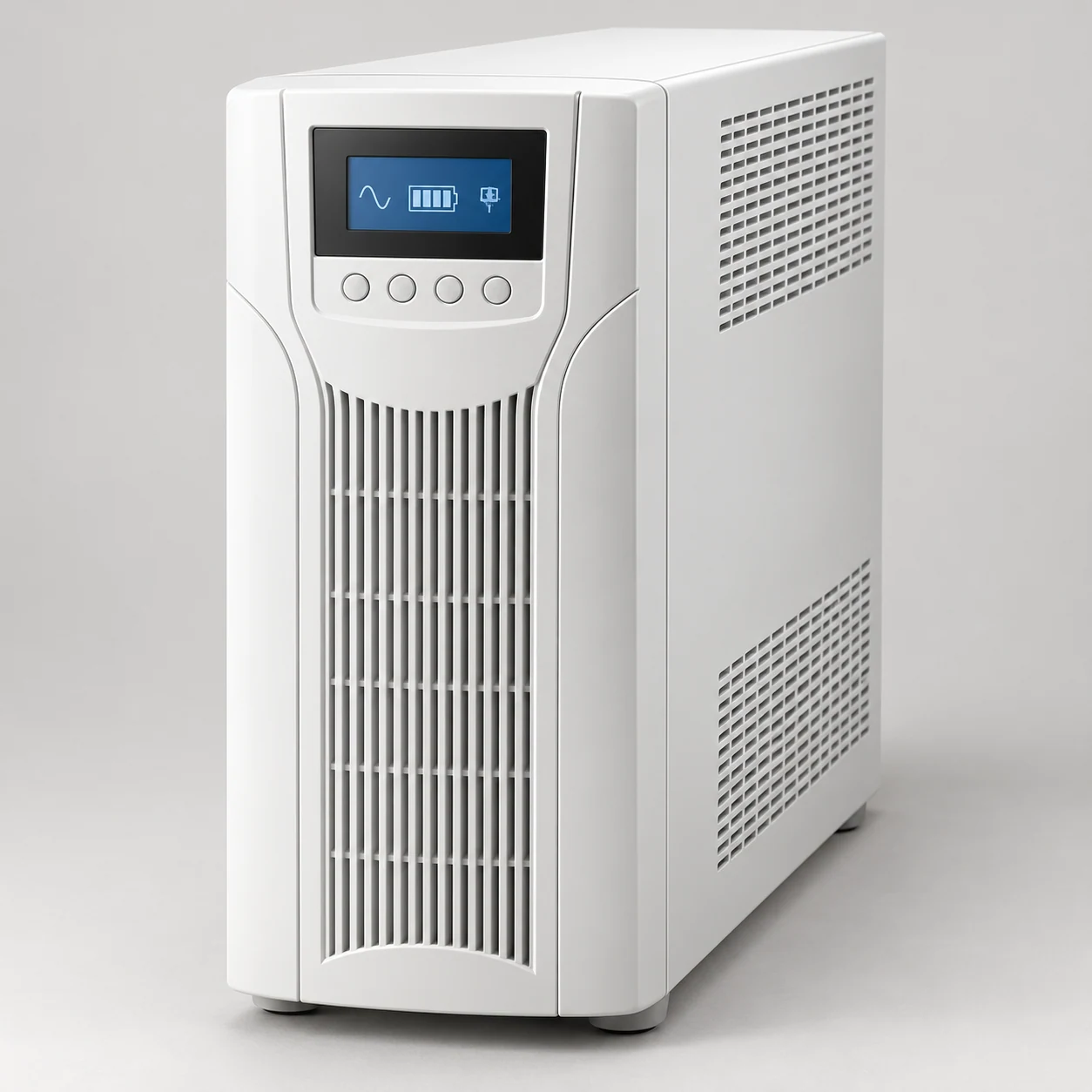
Eaton Tripp Lite SmartPro SMX1200XLHGL 1 kVA Medical-Grade UPS
Medical-grade uninterruptible power supply
Price on request
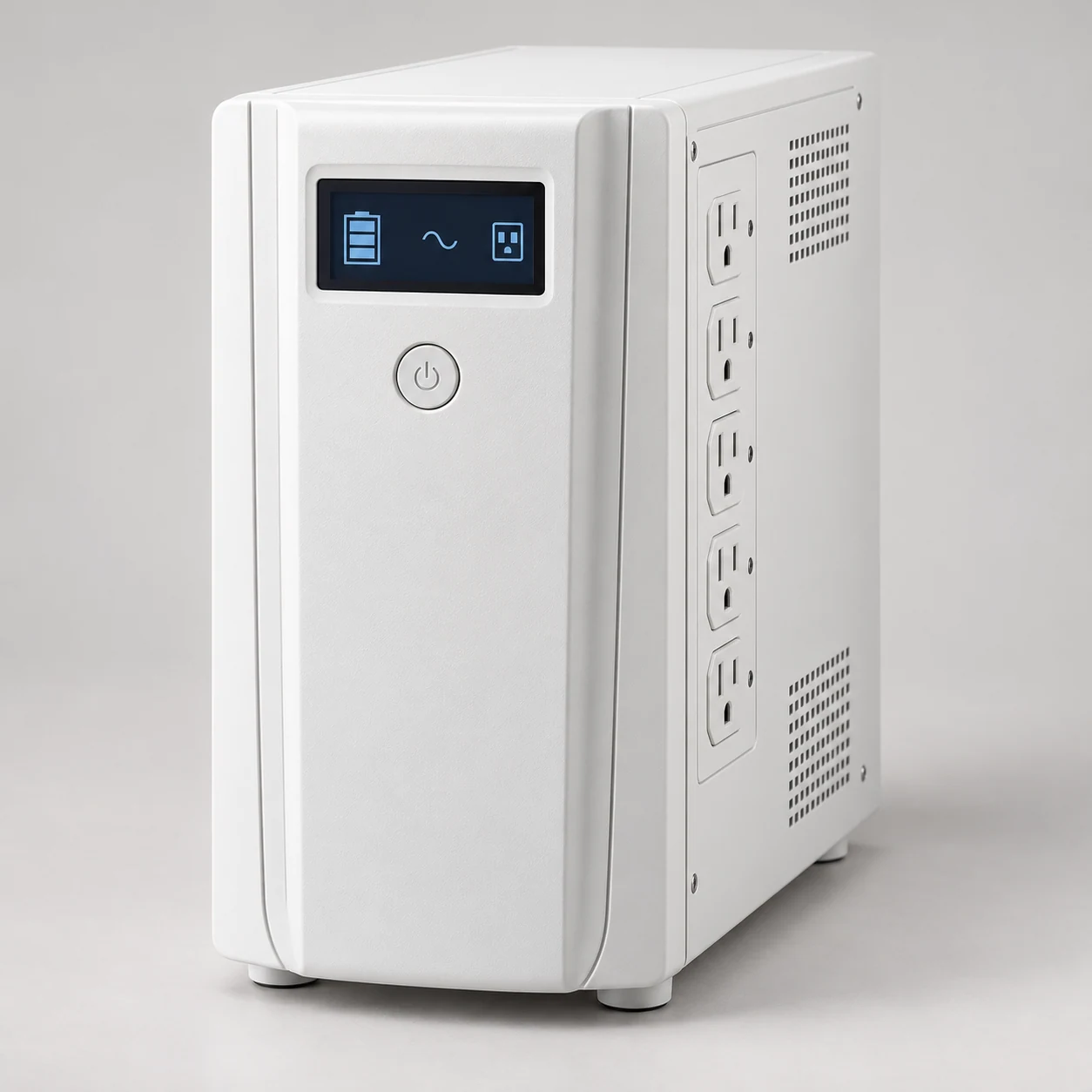
Eaton Tripp Lite SmartPro SMX700HGL 700 VA Medical-Grade UPS
Medical-grade uninterruptible power supply
Price on request
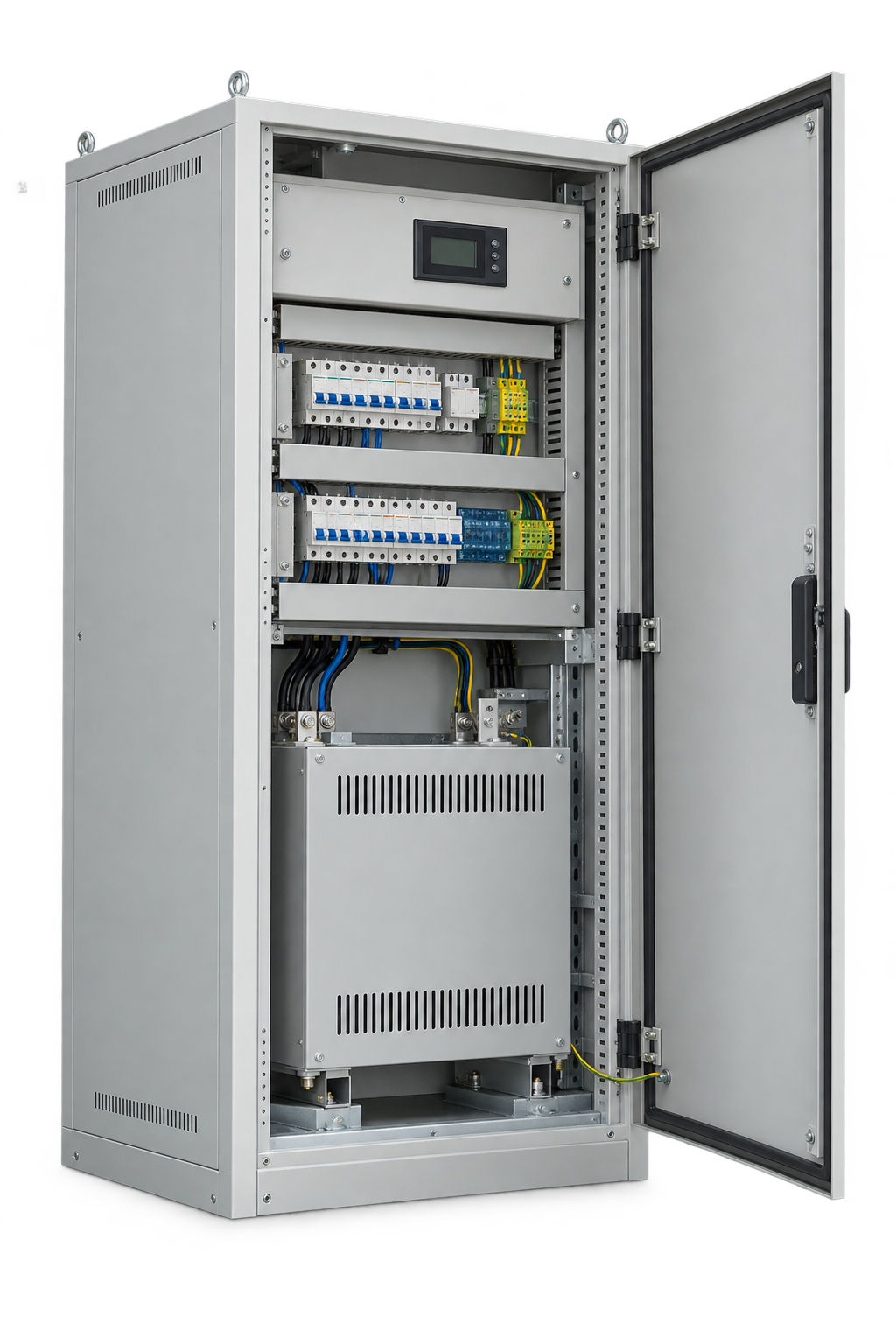
Which power quality products are listed by Franance?
The current category has four equipment groups. Medical-grade UPS listings include GE HealthCare E8249PA, GE HealthCare E8349PA, CyberPower M550L, CyberPower M750L, Eaton Tripp Lite SMX700HGL, and Eaton Tripp Lite SMX1200XLHGL.
Read moreWhat electrical problem are you trying to solve?
Begin with a power-quality assessment rather than a device name. Record normal and worst-case supply voltage, frequency, outages, sags and surges, generator changeover behaviour, waveform quality, load current, equipment fault history and the consequences of interruption. Identify whether the problem is brief outage, extended outage, voltage fluctuation, transfer between utility and generator, electrical separation for a medical location, or a mix. Different devices address different parts of that problem, and facility backup architecture may include several coordinated components.
Read moreWhen should I compare medical-grade UPS systems?
Use a UPS when the defined requirement involves temporary backup, power conditioning or controlled shutdown for a compatible load. Compare rated VA and watts, output voltage and frequency, waveform, topology, outlet and plug types, battery type, runtime at the actual load, transfer characteristics, alarm interface, isolation features, physical installation and maintenance. Ask for a runtime curve at the planned wattage and any recommended battery replacement or service interval. Do not size from the VA number alone: the load must remain within both the VA and watt limits, and any inrush or power-factor conditions must be supported.
Read moreBuy Power Quality and Protection Equipment in Nigeria
Buy power quality and protection equipment in Nigeria through Franance by matching each item to the electrical load, facility design and exact installed equipment. The current power quality category covers 14 assigned products across medical-grade UPS systems, medical IT isolation transformers, automatic transfer switches and servo voltage stabilizers. These devices solve different electrical problems. A UPS provides a specified backup and conditioning function, an automatic transfer switch changes between power sources, a stabilizer regulates voltage within its stated operating range, and an isolation transformer is a component of a designed medical IT system. They are not substitutes for one another. Franance takes quotation orders rather than online payments. Share the facility location, equipment load and project scope so the proposed configuration can be reviewed. Franance can follow up by phone or email; availability, price, delivery, compatibility, installation, commissioning, warranty and support must be confirmed in a written offer. Electrical design and clinical-equipment compatibility must be verified by the responsible qualified professionals and manufacturers.
Which power quality products are listed by Franance?
The current category has four equipment groups. Medical-grade UPS listings include GE HealthCare E8249PA, GE HealthCare E8349PA, CyberPower M550L, CyberPower M750L, Eaton Tripp Lite SMX700HGL, and Eaton Tripp Lite SMX1200XLHGL.
Medical IT isolation transformers are the four Bender ES710 records: ES710/3150, ES710/4000-GL, ES710/5000-GL, and ES710/6300-GL. The published medical IPS category guide provides the deeper transformer and system-specific explanation; this page links to that guide rather than replacing it.
The transfer switch listings are Socomec ATyS g 87534020 and Socomec ATyS p 87734020. The servo voltage stabilizers are HPCS 10SSA8-90 and HPCS 10SSA10-140. These are catalogue records; only a quote can establish the exact commercial and technical offer for a given site.
For brand-specific filtered views, browse GE HealthCare E8249PA, GE HealthCare E8349PA, CyberPower M550L, CyberPower M750L, Tripp Lite SMX700HGL, and Tripp Lite SMX1200XLHGL. For Bender, see ES710/3150, ES710/4000-GL, ES710/5000-GL and ES710/6300-GL. Also see Socomec ATyS g 87534020 and ATyS p 87734020, plus HPCS 10SSA8-90 and 10SSA10-140. These filters show the assigned catalogue models within their brand/category silo.
What electrical problem are you trying to solve?
Begin with a power-quality assessment rather than a device name. Record normal and worst-case supply voltage, frequency, outages, sags and surges, generator changeover behaviour, waveform quality, load current, equipment fault history and the consequences of interruption. Identify whether the problem is brief outage, extended outage, voltage fluctuation, transfer between utility and generator, electrical separation for a medical location, or a mix. Different devices address different parts of that problem, and facility backup architecture may include several coordinated components.
Make a load inventory from equipment nameplates and manufacturer installation data. Include steady-state watts and VA, power factor, inrush or start-up demand, duty cycle, electrical phase, nominal voltage and frequency, plug and receptacle type, leakage or isolation requirements, planned runtime and shutdown behaviour. For medical systems, have the equipment manufacturer confirm that the proposed supply arrangement is compatible. A marketing label such as “medical grade” does not by itself prove suitability for every device, room or clinical workflow.
When should I compare medical-grade UPS systems?
Use a UPS when the defined requirement involves temporary backup, power conditioning or controlled shutdown for a compatible load. Compare rated VA and watts, output voltage and frequency, waveform, topology, outlet and plug types, battery type, runtime at the actual load, transfer characteristics, alarm interface, isolation features, physical installation and maintenance. Ask for a runtime curve at the planned wattage and any recommended battery replacement or service interval. Do not size from the VA number alone: the load must remain within both the VA and watt limits, and any inrush or power-factor conditions must be supported.
The listed UPS options are not all electrically identical. For example, CyberPower's M550L and M750L manufacturer pages describe 120 V AC products with US hospital-grade receptacles, while the Eaton Tripp Lite SMX700HGL listing is a 230 V, 700 VA unit and the GE accessories are model-specific medical-grade UPS records. A US input or output configuration is not made compatible with a Nigerian facility simply by using an adapter. Confirm nominal input/output voltage, frequency, receptacle, earthing, isolation and local equipment compatibility with the manufacturer and facility engineer before quotation or installation.
GE HealthCare identifies E8249PA and E8349PA as 1440 VA medical-grade UPS models in its power-quality catalogue, and E8349PA has a system compatibility guide. Confirm the exact supported ultrasound or imaging console, configured system and regional variant. For a UPS that supports orderly shutdown, verify that the required software or device interface is present and that the runtime is sufficient to complete the intended shutdown sequence. Do not describe backup time as guaranteed without a stated load and battery condition.
When is a medical IT isolation transformer appropriate?
Medical IT systems are a specific electrical design for locations where applicable standards and the facility risk classification call for that arrangement. The Bender ES710 transformer category has four variants in this catalogue, but the transformer is one component of the complete designed system. It is not a UPS, a voltage stabilizer, an automatic transfer switch, or a ready-made IPS panel. A complete project may involve additional monitoring, alarm, protective and switching equipment, distribution, bonding, installation and commissioning scope.
Have a qualified electrical engineer assess the room and establish the system requirements against applicable current standards, manufacturer instructions and Nigerian regulatory requirements. Confirm the exact transformer variant and article number, voltage and rating, enclosure, location, connected loads and complete system boundary. Keep the medical IPS guide as the detailed source for ES710 differences, room planning, system components and quote documents. No product listing on this page or the medical IPS leaf page approves a design or establishes compliance.
When does a servo voltage stabilizer fit the requirement?
A servo stabilizer is intended to regulate voltage within a manufacturer's stated input and output range; it does not create backup power during an outage. The two listed HPCS models have different stated input windows and output/rating details. Compare the site voltage range and load against the specific model's current datasheet, including phase, input current, output tolerance, load type, efficiency, cooling, environmental limits and protection functions. Ask the manufacturer to verify compatibility with the equipment's supply specification and power-quality needs.
HPCS lists medical and laboratory equipment among application areas for these stabilizer products, but its stabilizer manual cautions against use with life-support machines. Do not treat general “medical equipment” application language as approval for a particular life-support, diagnostic or treatment system. Obtain explicit written compatibility confirmation from the equipment manufacturer and stabilizer supplier before connecting a sensitive or clinically essential load. Stabilizer capacity does not provide UPS runtime, generator backup, surge protection or medical IT isolation unless the particular documented system separately includes those functions.
How do I specify an automatic transfer switch?
An automatic transfer switch (ATS) changes a defined electrical load between sources such as utility and generator according to its control logic. It is not a UPS: transfer can involve an interruption, and an ATS does not itself create a stable source. The two Socomec products listed here are distinct references, ATyS g 87534020 and ATyS p 87734020, each described by Socomec as an enclosed four-pole, 200 A ATS. The g and p variants must not be treated as the same control package; ask for the exact reference, operating mode and configuration in the quotation.
Provide the system voltage and frequency, phase, number of poles, continuous and fault-current requirements, source characteristics, generator start/stop interface, neutral and earthing arrangements, transfer timing, interlocks, bypass or maintenance needs, enclosure location and downstream load schedule. Have the project engineer verify coordination with generator, switchboard, protection and emergency-power design. Ask for control wiring, commissioning checks, settings, manual operation, alarm/status contacts and training scope. Do not infer that a 200 A device rating means the existing switchboard, cable or generator can support that current.
How do I coordinate UPS, stabilizer, ATS, generator and IPS?
Build a single power architecture that shows each source and device, the order of connection, supported loads, protective devices, isolation points, neutral and earth references, alarms, bypass paths and failure modes. A generator and ATS may provide source transfer for a building or selected circuits; a UPS may bridge a short interruption or enable shutdown; a stabilizer may regulate voltage inside its stated window; and a medical IT transformer belongs within its designed medical-location system. They can coexist when a qualified designer approves the configuration, but combining devices without reviewing waveforms, transfer behaviour, neutral switching, earthing, fault current and manufacturer constraints can cause incompatibility or unsafe conditions.
For each clinical or diagnostic system, document what happens during utility failure, generator start, source transfer, overload, battery depletion, stabilizer over/under-voltage and device fault. Confirm which alarms reach staff and who responds. Ask the equipment and protection-system manufacturers to review the one-line diagram and identify any prohibited combinations. Neither the product listings nor this guide establish a site architecture or guarantee uninterrupted service.
What Nigeria facility and installation details should I prepare?
Record the facility state and city, utility service, typical and extreme voltage, outage pattern, generator size and performance, phase and wiring, earthing arrangement, distribution-board capacity, grounding and bonding documentation, environmental conditions and access. Include the specific room, equipment location and intended load schedule, room classification where relevant, future expansion, existing power devices, downtime constraints and any previous failures. Obtain current technical data from each connected equipment manufacturer rather than estimating load from product names.
For installation planning, share one-line diagrams, panel schedules, cable and protective device information, generator documentation, available space, ventilation and temperature, dust or humidity exposure, mounting surface, delivery and lifting access, network or alarm interfaces, and site safety restrictions. Identify the qualified electrical contractor and engineer responsible for design, installation, testing and approval. For medical IPS, provide the room assessment and the medical-system design boundary. For UPS units, provide plug/receptacle and voltage details. For ATS, provide source/control interfaces and load schedule. For stabilizers, provide input-voltage measurements and load characteristics.
What commissioning, testing and maintenance should be included?
Have the quote identify the scope: equipment only or delivery, installation, configuration, site wiring, integration, commissioning, training and documentation. Ask which party supplies cables, breakers, panels, enclosures, batteries, alarms, bypass arrangements, mounts and any required service tools. Request the applicable installation manual, technical datasheet, conformity documents, test/acceptance plan, as-built diagram, settings record, operating guide, warranty and maintenance schedule for the exact item.
Commissioning should be planned by qualified personnel according to the equipment instructions and project design. Define how the site will verify voltage, frequency, load capacity, transfer logic, alarms, output quality, battery/runtime assumptions, protection and any system-specific checks. Do not use a generic test checklist as authorization for live electrical work. Confirm who has authority to approve return to service for each connected clinical system and what records are required by the facility and applicable Nigerian authorities.
Ask for battery type and replacement availability, stabilizer service requirements, ATS inspection and exercise procedures, IPS monitoring and alarm testing, and manufacturer-defined preventive maintenance. Clarify warranty start and duration, exclusions, remote assistance, local service coverage, response expectations, travel cost, spare parts and lead time for the destination state and city. A product page or quote request does not prove an engineer is locally available.
What should I send for a power quality quotation in Nigeria?
Send the facility and delivery address, state and city, project contact, equipment list and nameplate data, voltage/frequency/phase, measured supply variation, outages and generator details, load and runtime requirement, room or system classification, existing electrical drawings, protective devices, earthing and neutral arrangement, space and environment, interface requirements, target timeline, quantity and required installation/service scope. Identify the exact product reference if known, but invite the supplier to confirm the correct category and model against the project.
Request an itemized written quote that states manufacturer and exact model/reference, supported input/output conditions, included accessories, required options, compatibility evidence, new or refurbished condition if applicable, batteries and expected runtime assumptions, installation and commissioning scope, exclusions, documentation, warranty, freight, lead time, taxes or other charges, and Nigeria-based service terms. For IPS projects, request the complete bill of materials and system boundary, not only the transformer line. For ATS, specify source and load conditions. For stabilizers, include real voltage measurements. For medical UPS, list the exact equipment and outlet requirements. Submit through the Franance contact page; Franance will follow up by phone or email.
Browse power quality equipment and request a quote
Start at the power quality parent category, then browse the medical-grade UPS category, servo voltage stabilizers, medical IPS transformers and automatic transfer switches. Use the exact filtered links in this guide to see the current catalogue records. Category membership and brand filters help locate products; they do not certify suitability for a clinical location or specific equipment.
Send Franance the technical details and destination in Nigeria and ask for a written proposal with manufacturer-backed compatibility, exact configuration and defined project responsibilities. Confirm availability, regulatory documentation, delivery, installation, commissioning, warranty and service before making a procurement decision. Request a power quality quotation.
Common questions
Can I use a voltage stabilizer as a UPS?
No. The listed servo stabilizers regulate voltage within their specified range; they do not provide backup energy during an outage. Confirm any other function only from the exact manufacturer's documentation.
Are medical-grade UPS products compatible with every hospital device?
No. Verify input and output voltage, frequency, watt and VA load, waveform, outlet, isolation, runtime and exact equipment model with the equipment manufacturer and facility engineer.
Is a medical isolation transformer a complete IPS?
No. It is a component in a designed medical IT system. The engineer must define the complete monitoring, alarm, protection, switching, distribution, installation and commissioning scope.
Does an ATS provide no-break power?
Do not assume so. Transfer behaviour depends on the exact switch, sources, control settings and connected system. An ATS transfers between sources; a UPS may serve a different backup function.
Can I order these products online from Franance?
No. Submit a quotation request with facility, load, power and installation details. Franance will follow up by phone or email; price, availability, compatibility and local service must be confirmed in writing.
Request a power quality quotation from Franance.
Send facility state and city, electrical drawings, supply measurements, load schedule, equipment model/nameplate data, generator/source information, phase, voltage and frequency, room classification, interfaces and installation requirements. Ask Franance to confirm exact references, compatibility, scope, exclusions, delivery, warranty and service terms in a written quote. Product listings do not constitute an approved electrical design or guarantee supply.
Request a power quality quoteNeed an equipment quote?
Add the models you need to a quote order, or send us your equipment list.