

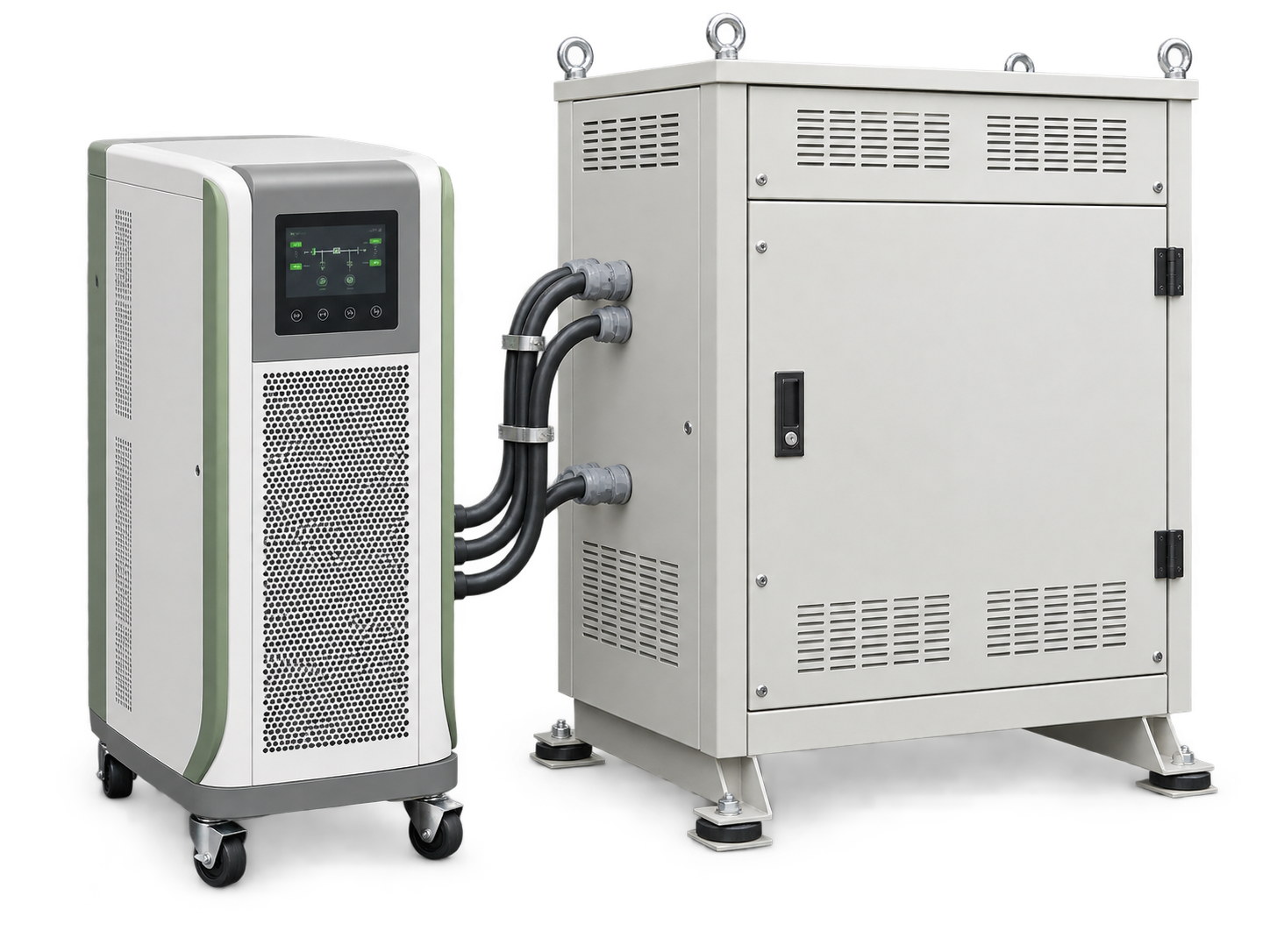
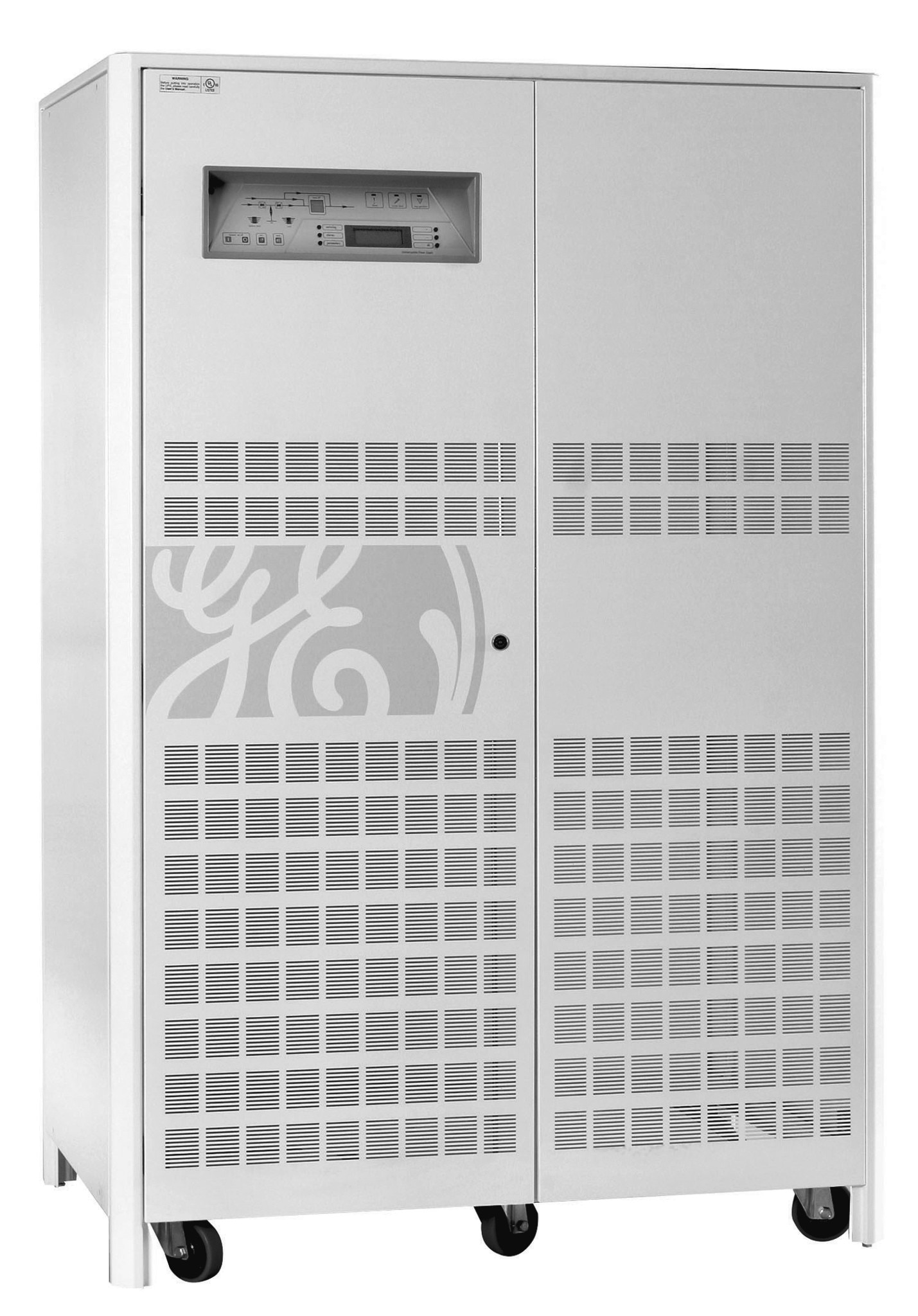
Buy Power protection in Nigeria.
Buy power protection equipment in Nigeria through Franance. Compare medical-grade UPS systems, servo voltage stabilizers, medical isolation transformers and automatic transfer switches as distinct functions. Share the approved electrical schedule, exact models, connected equipment, source details, quantities and delivery location; Franance will follow up by phone or email with a quotation.
Equipment groups
Products
16 models
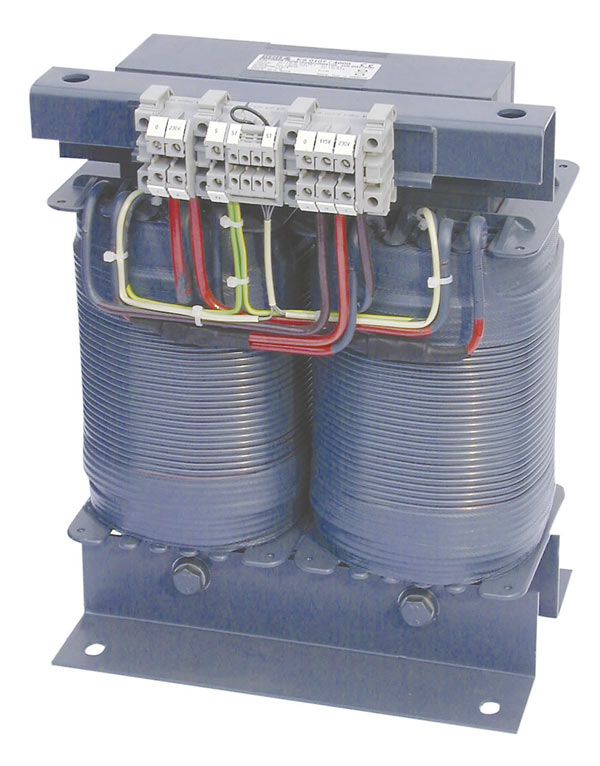
ES710/3150 Medical IT Isolation Transformer
Single-phase isolation transformer for medical IT systems
Price on request
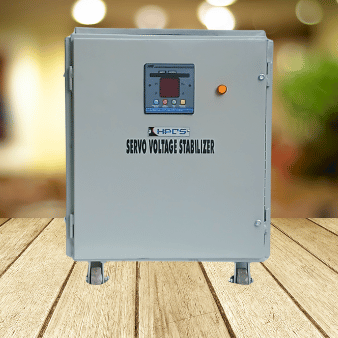
HPCS 10SSA8-90 single-phase 8 kVA servo voltage stabilizer
Single-phase air-cooled servo voltage stabilizer
Price on request
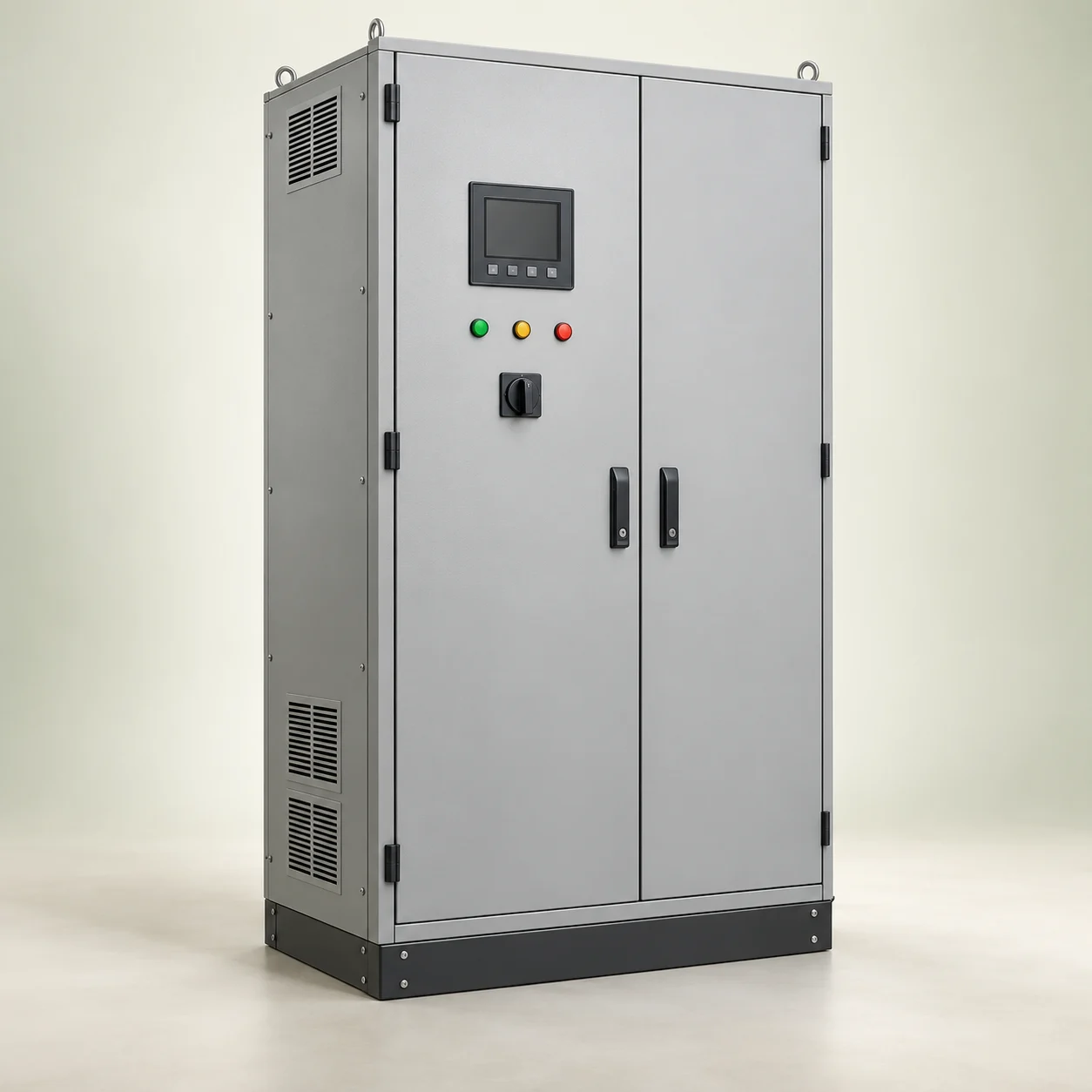
ATyS p 87734020 4-Pole 200 A Automatic Transfer Switch
Enclosed automatic transfer switch
Price on request
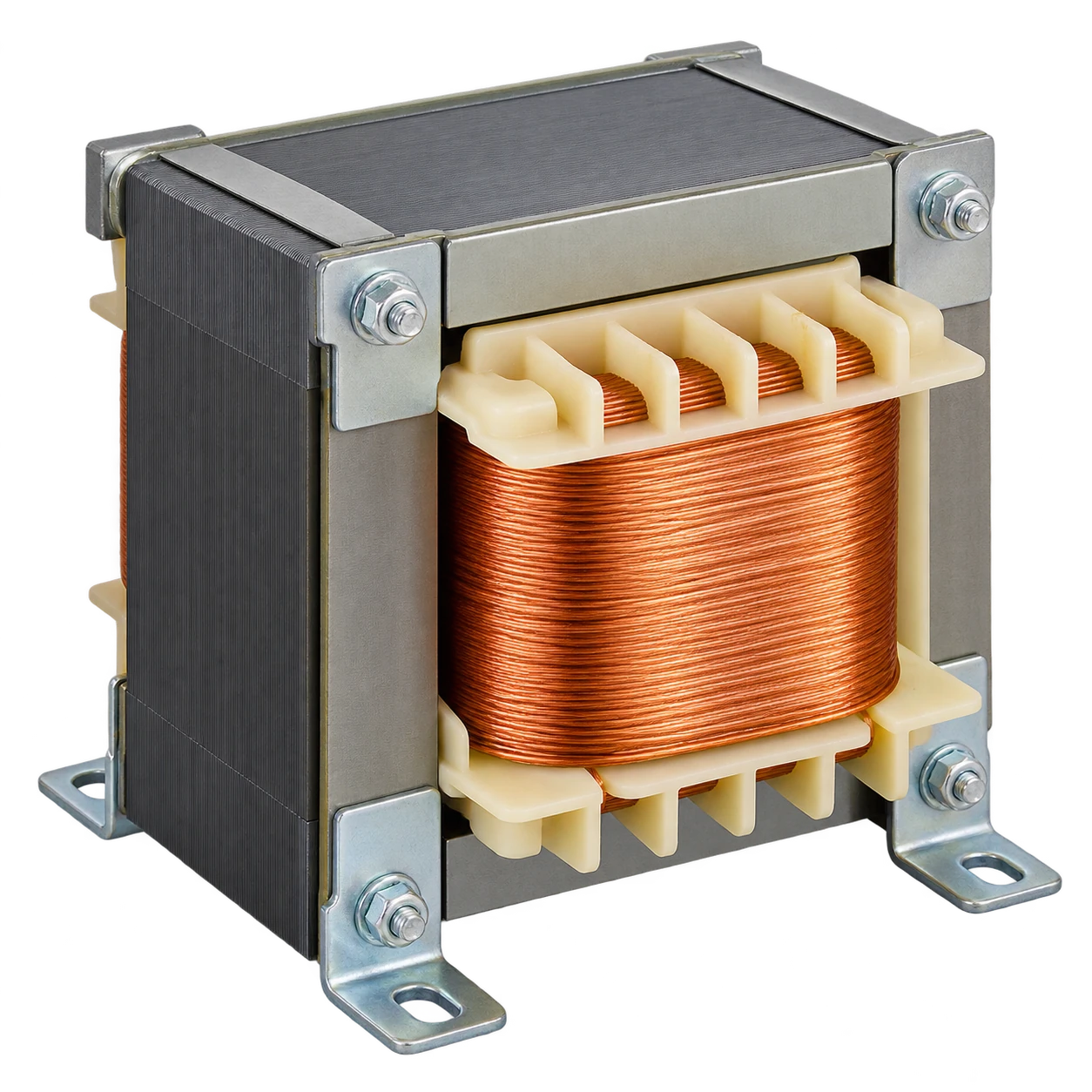
ES710/5000-GL Medical Isolation Transformer
Single-phase isolating transformer for medical IT system installations
Price on request
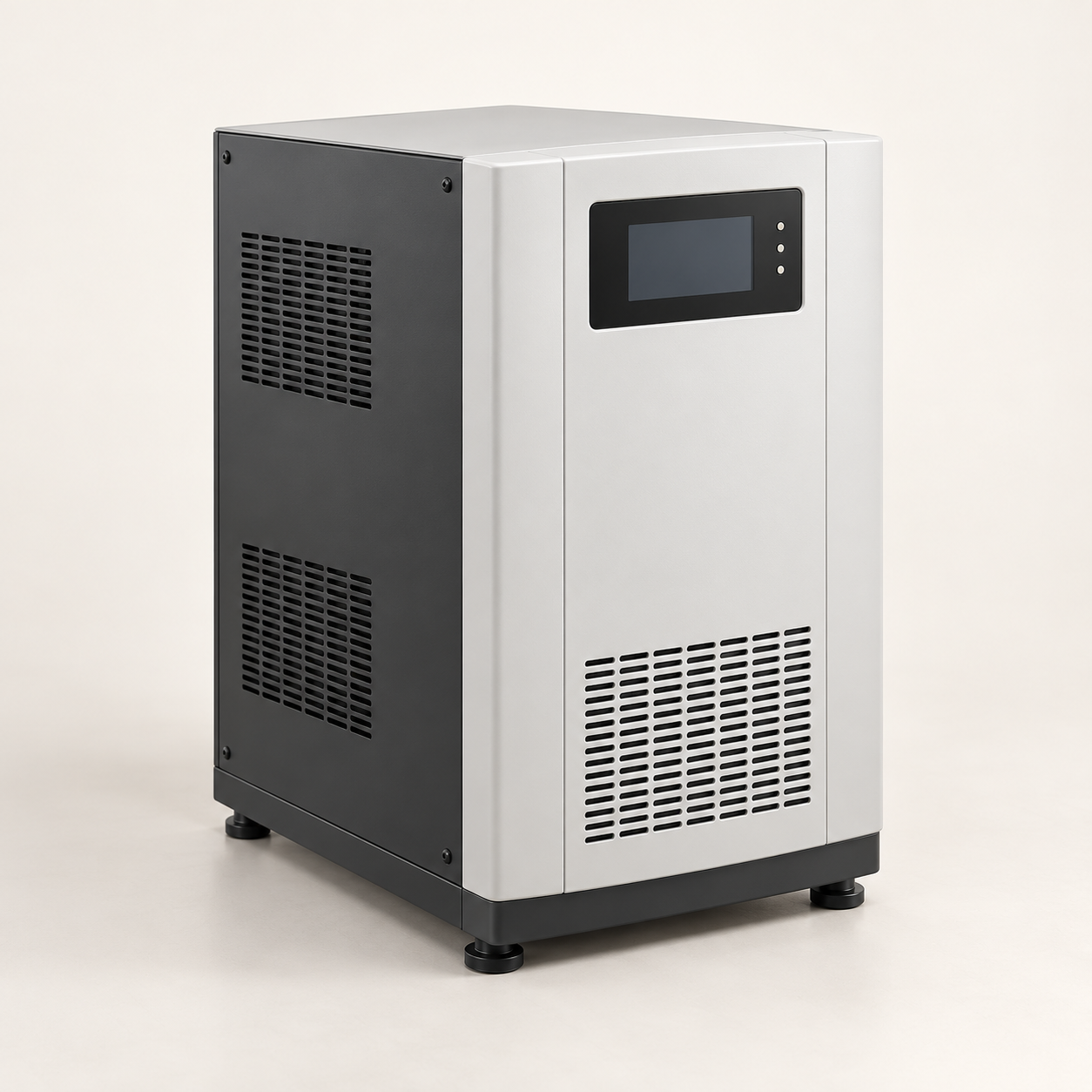
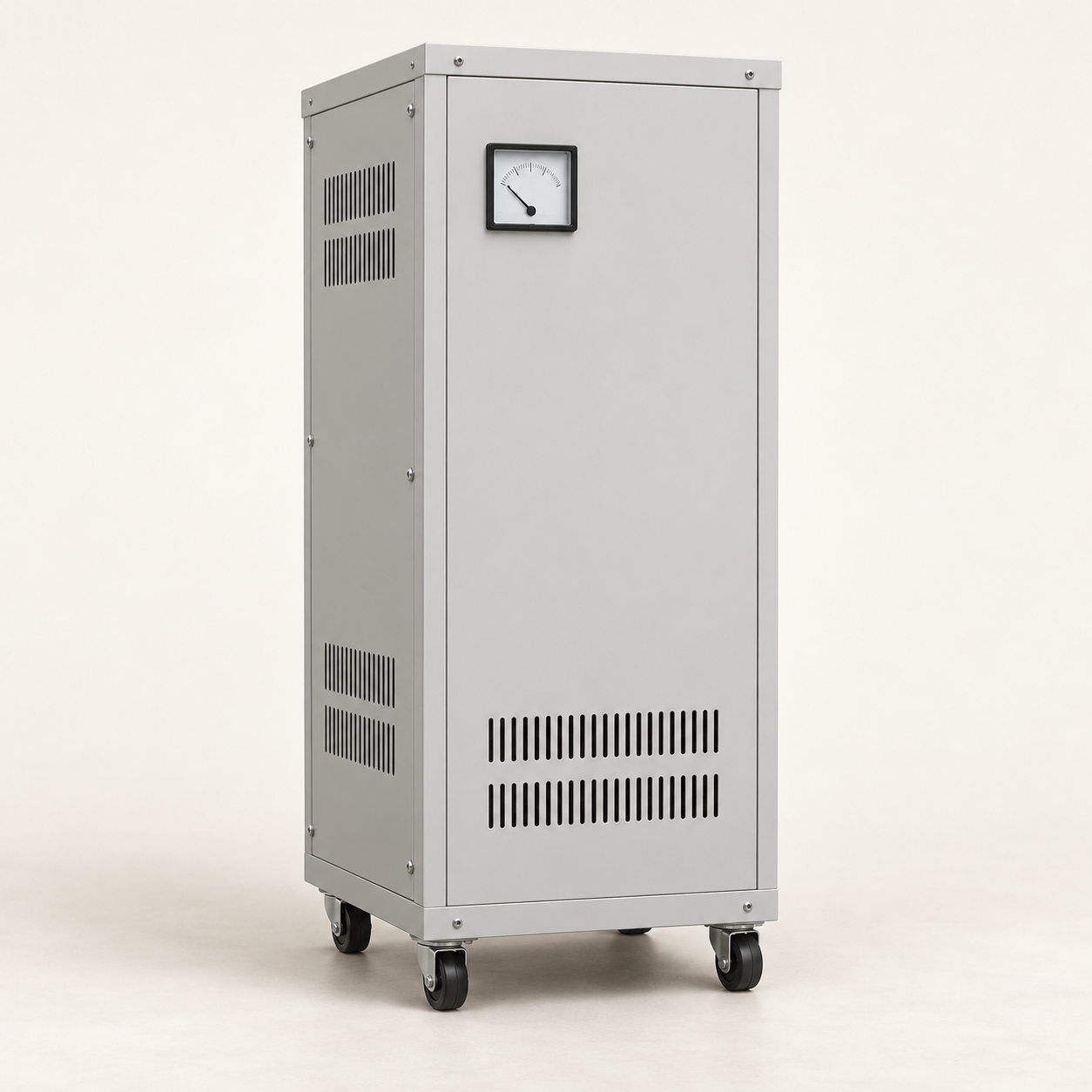
HPCS 10SSA10-140 Single-Phase 10 kVA Servo Voltage Stabilizer
Single-phase air-cooled servo voltage stabilizer
Price on request
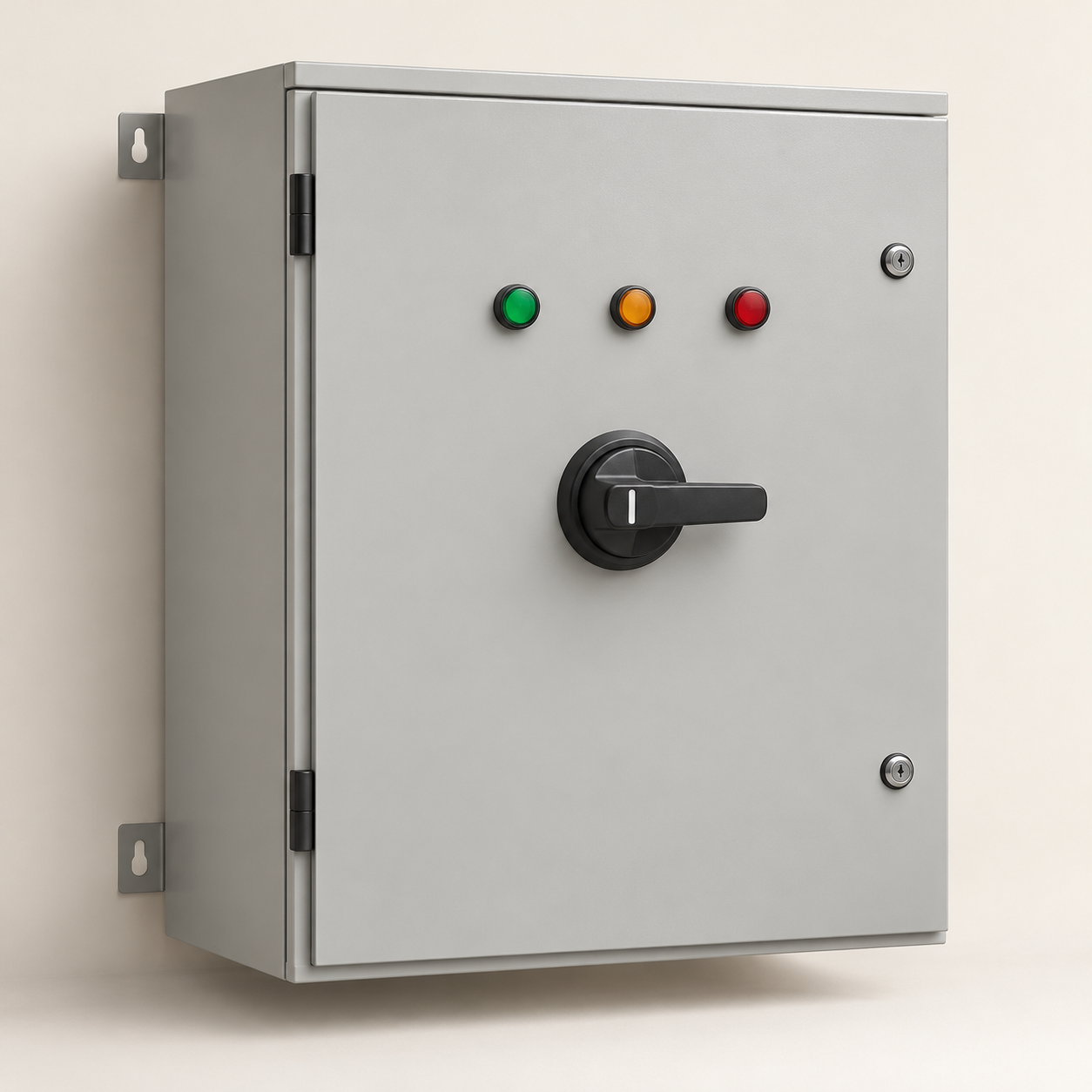
ATyS g 87534020 4-Pole 200 A Automatic Transfer Switch
Enclosed automatic transfer switch
Price on request
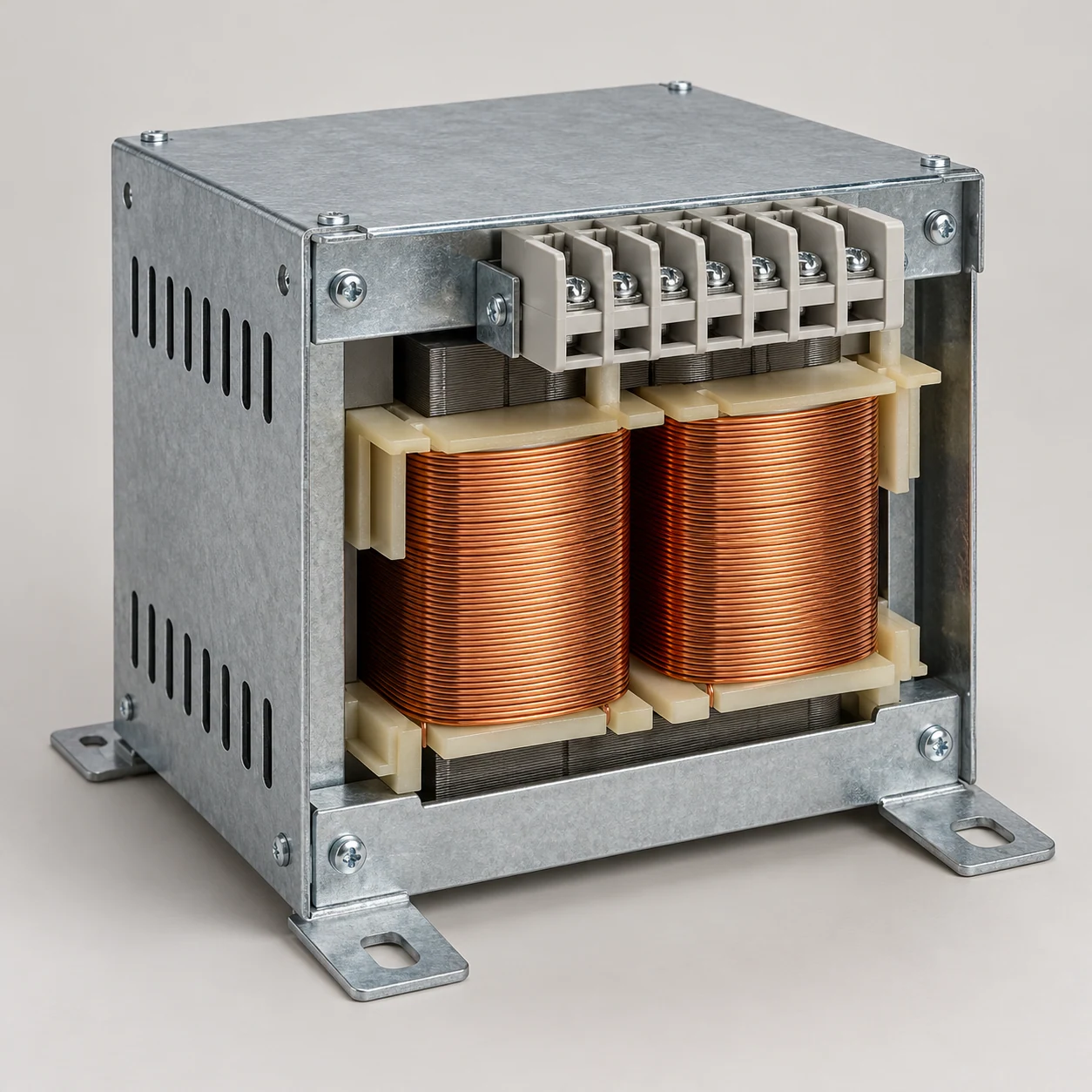
ES710/4000-GL 4 kVA Medical IT Isolation Transformer
Single-phase medical IT isolation transformer
Price on request
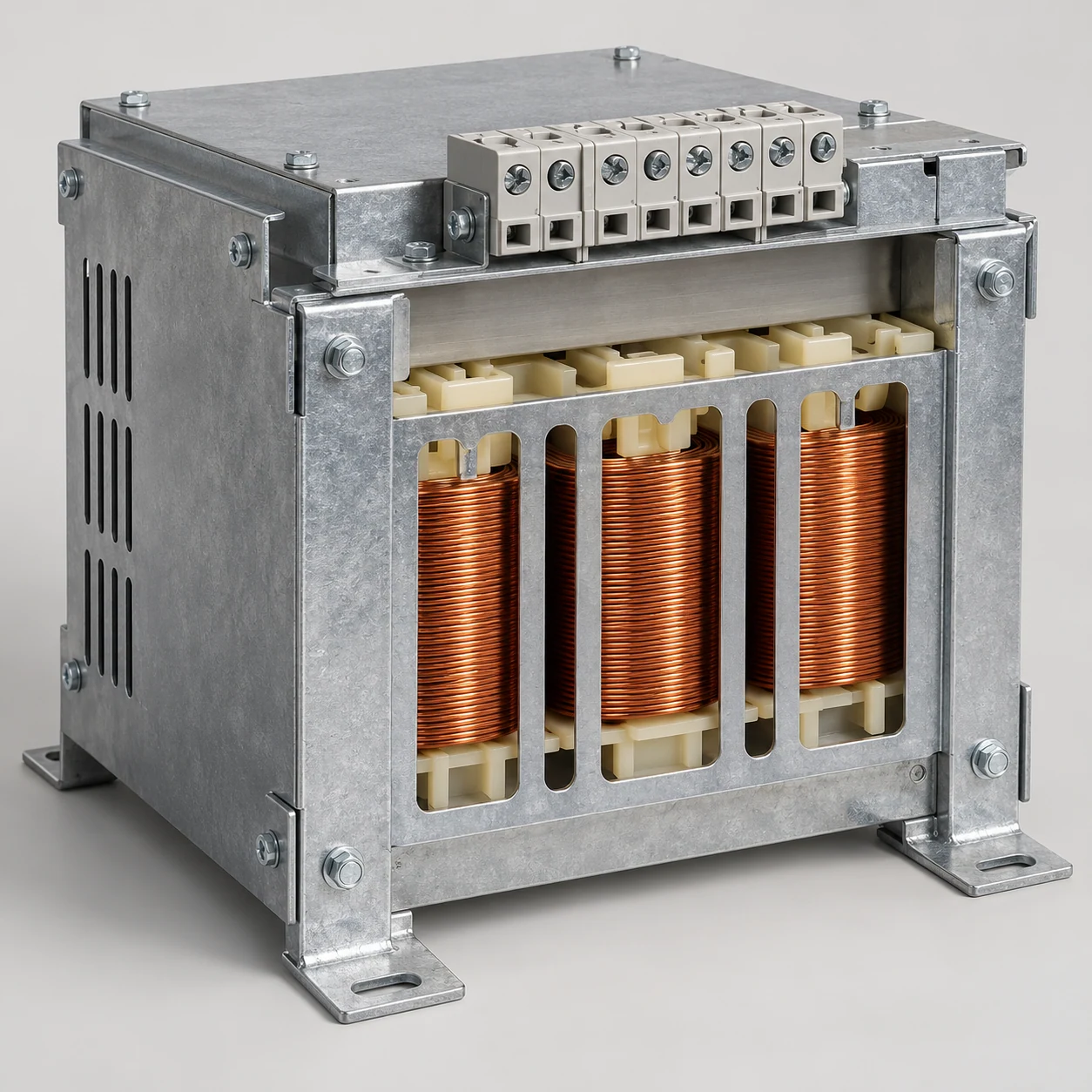
ES710/6300-GL 6.3 kVA Medical IT Isolation Transformer
Single-phase medical IT isolation transformer
Price on request
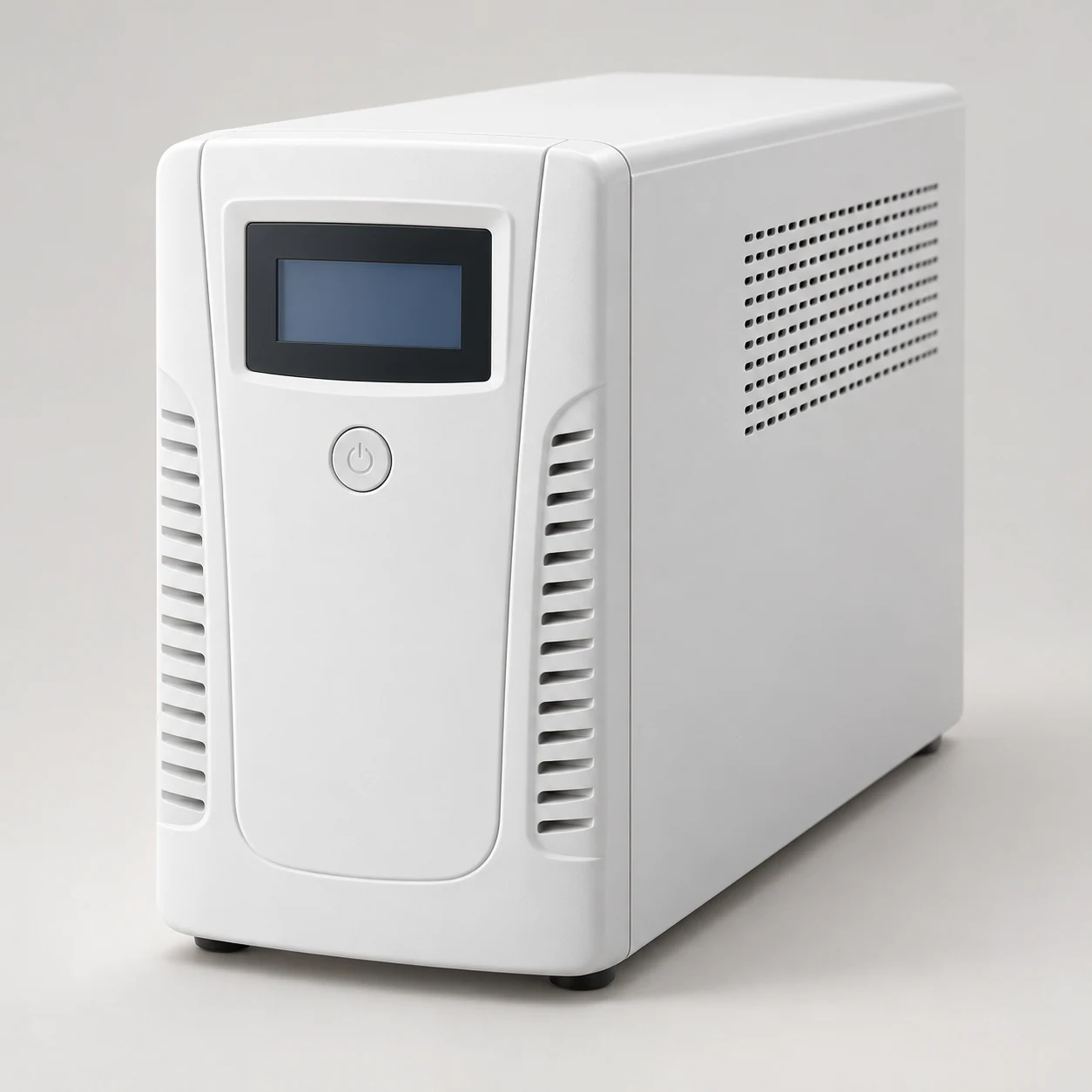
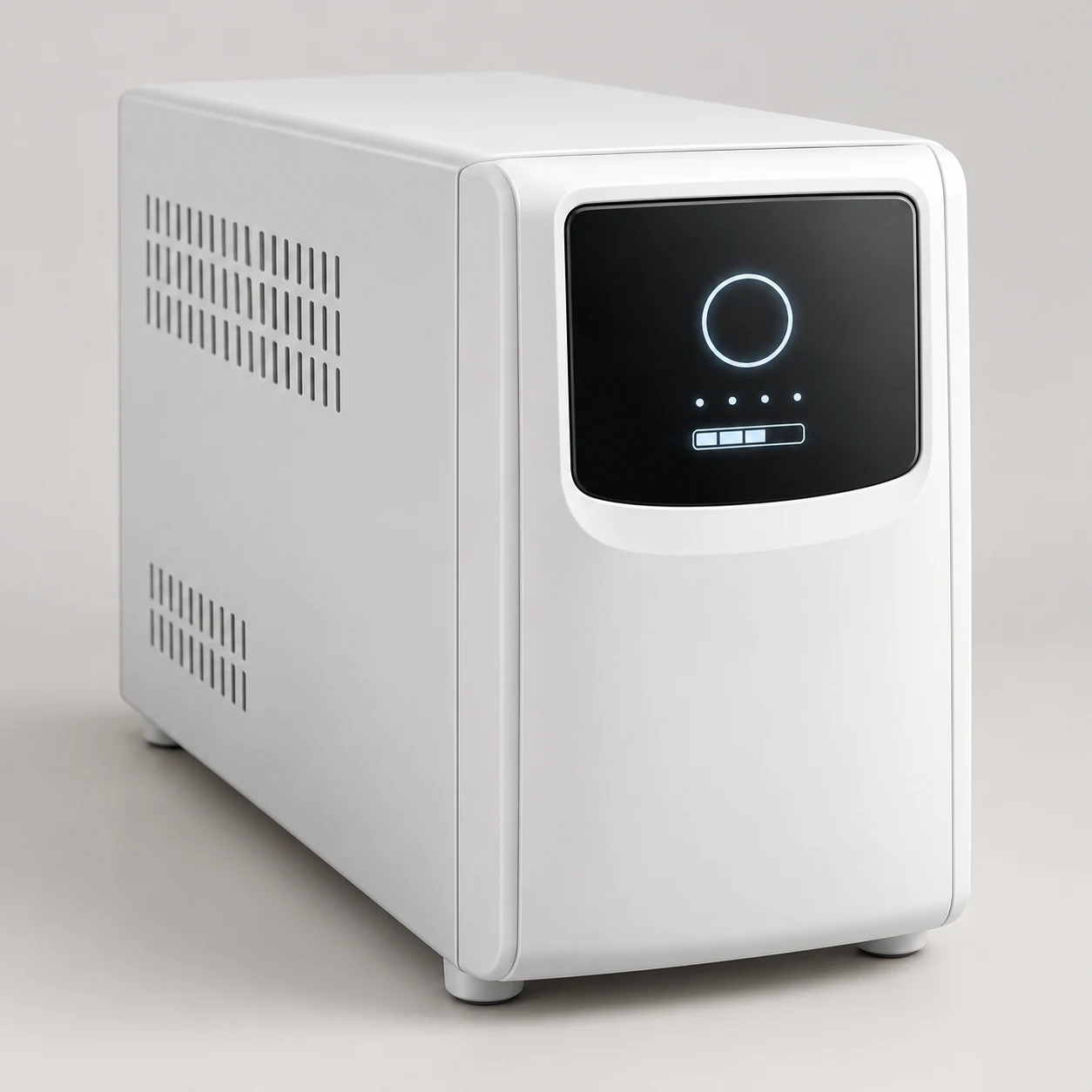
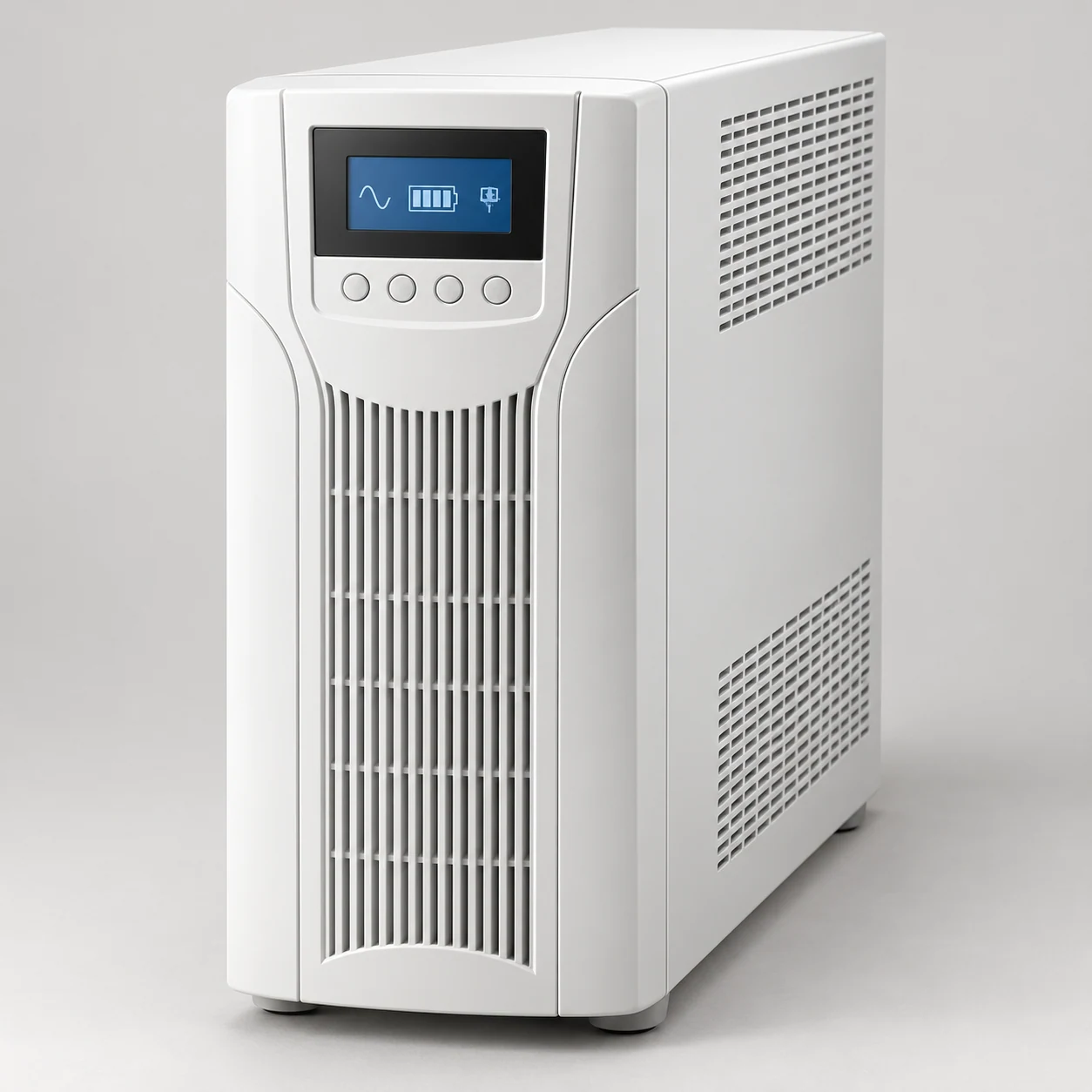
Eaton Tripp Lite SmartPro SMX1200XLHGL 1 kVA Medical-Grade UPS
Medical-grade uninterruptible power supply
Price on request
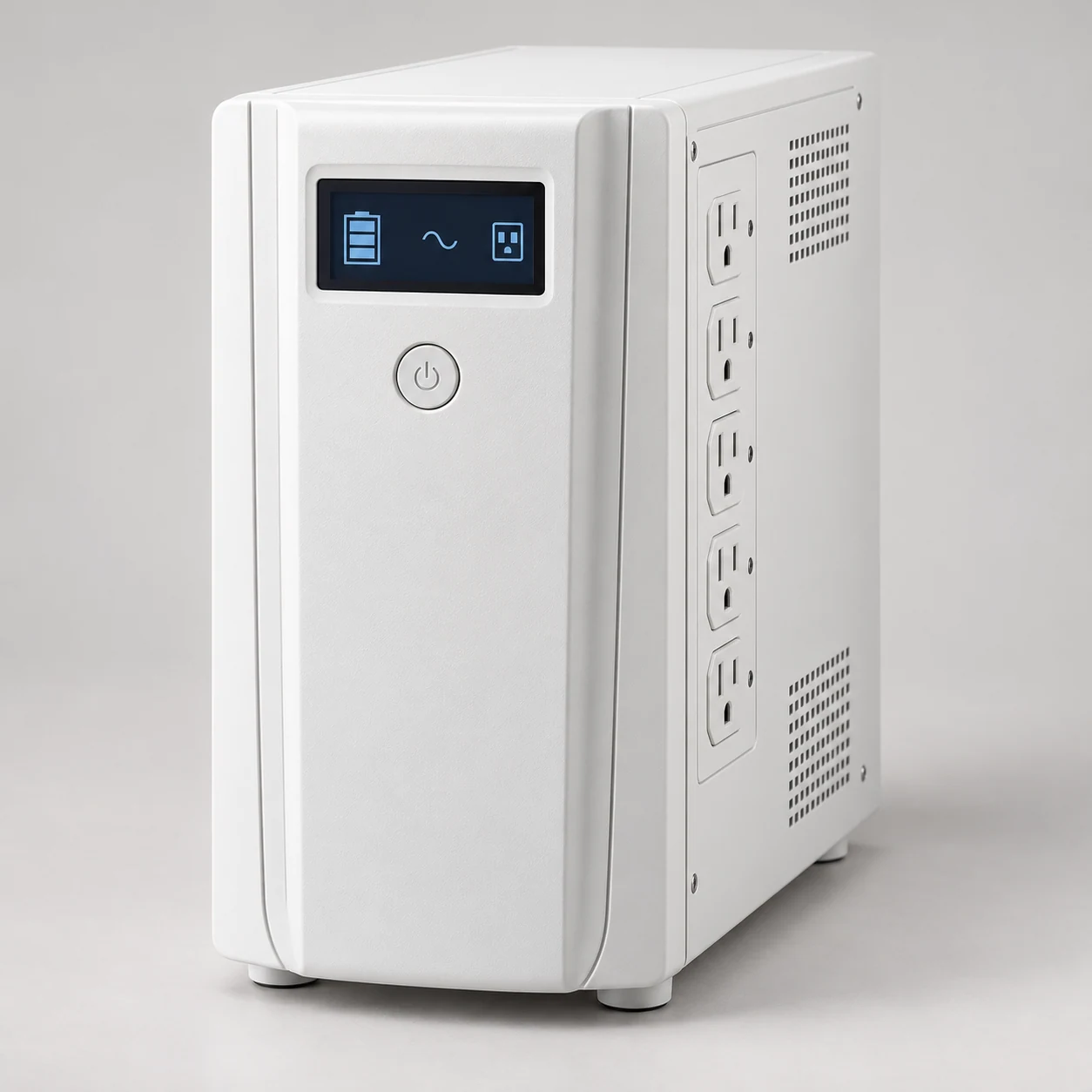
Eaton Tripp Lite SmartPro SMX700HGL 700 VA Medical-Grade UPS
Medical-grade uninterruptible power supply
Price on request
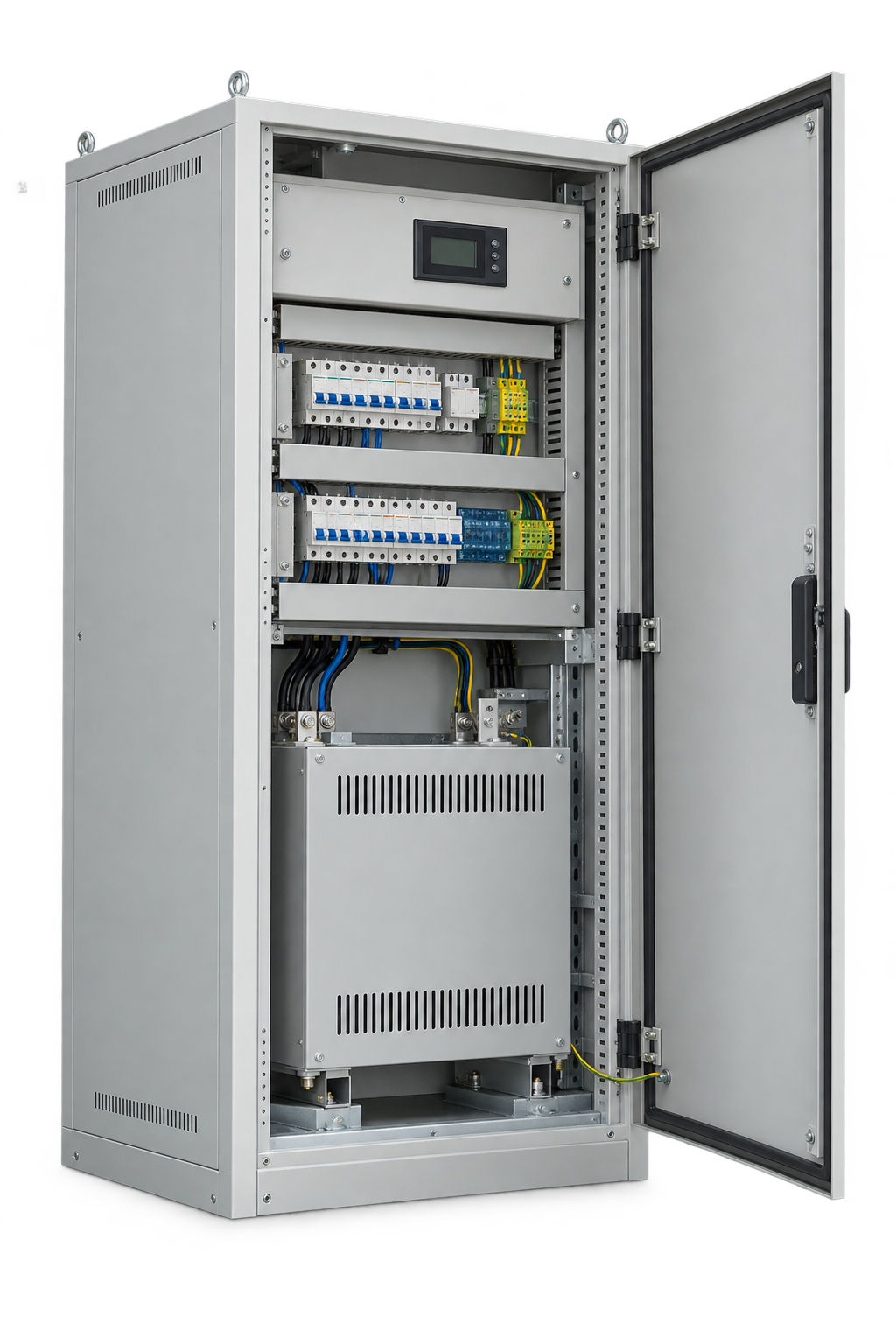
What power protection equipment can I buy in Nigeria?
Franance’s power protection category currently groups four product families under Power Quality: medical-grade UPS systems, servo voltage stabilizers, medical isolation transformers and automatic transfer switch panels. The catalogue contains 14 assigned product records across those four child categories. The correct route depends on the electrical problem and the approved facility design, not just on a general request for “backup power.”
Read moreWhich power-protection products are currently listed?
The medical-grade UPS category includes six records: GE HealthCare E8349PA, GE HealthCare E8249PA, CyberPower M550L, CyberPower M750L, Eaton Tripp Lite SMX700HGL, and Eaton Tripp Lite SMX1200XLHGL.
Read moreWhen should I request a medical-grade UPS in Nigeria?
Request a UPS when the equipment schedule calls for a battery-backed supply, protection against defined supply disturbances, or time to save data and perform an orderly shutdown. Begin with the connected device’s manufacturer requirements and the facility’s engineering design. Ask the vendor to identify the exact UPS output rating in both VA and watts, topology, input and output voltage, frequency, waveform, outlets, battery configuration, expected runtime at the actual load, transfer time, communications, environmental conditions and service requirements.
Read moreBuy Power Protection Equipment in Nigeria
Buy power protection equipment in Nigeria through Franance by identifying what the electrical design must accomplish, then requesting a quotation for the correct equipment group. The current catalogue covers medical-grade UPS systems, servo voltage stabilizers, medical isolation transformers and automatic transfer switches. These products address different parts of a power plan: battery ride-through, voltage correction, electrical isolation and switching between supply sources. They are not interchangeable. Review the child categories and exact models below, then send your approved electrical schedule, load information, facility location and requested installation scope to Franance. Orders are handled by quotation; Franance follows up by phone or email.
What power protection equipment can I buy in Nigeria?
Franance’s power protection category currently groups four product families under Power Quality: medical-grade UPS systems, servo voltage stabilizers, medical isolation transformers and automatic transfer switch panels. The catalogue contains 14 assigned product records across those four child categories. The correct route depends on the electrical problem and the approved facility design, not just on a general request for “backup power.”
A UPS stores energy and supplies connected loads for a defined period when the input supply is interrupted; its transfer behaviour, output waveform, capacity, battery and permitted load vary by model. A servo voltage stabilizer corrects variations in incoming voltage within a specified range but does not itself provide battery backup. An isolation transformer provides galvanic separation for a designed electrical arrangement; a medical isolation transformer is one component of a medical IT system and should not be treated as a stand-alone UPS. An ATS changes a connected load between two available power sources according to its configured control logic. It is not a battery system and does not by itself stabilize the quality of either source.
For an imaging suite, patient-care area, laboratory or general facility, coordinate protection at the equipment and building level. The equipment manufacturer’s site and power requirements, facility distribution design, generator characteristics, earthing arrangement and applicable standards all affect the selection. Have the responsible electrical or biomedical engineering team establish the design and confirm the proposed equipment against it.
Which power-protection products are currently listed?
The medical-grade UPS category includes six records: GE HealthCare E8349PA, GE HealthCare E8249PA, CyberPower M550L, CyberPower M750L, Eaton Tripp Lite SMX700HGL, and Eaton Tripp Lite SMX1200XLHGL.
The servo voltage stabilizer category has two HPCS units: 10SSA8-90, 8 kVA and 10SSA10-140, 10 kVA. The medical isolation transformer category has four Bender ES710 units: ES710/3150, ES710/4000-GL, ES710/5000-GL, and ES710/6300-GL. The automatic transfer switch category contains two Socomec enclosures: ATyS p 87734020 and ATyS g 87534020.
The catalogue is a selected range, not a complete specification for a facility or confirmation that two similarly named models perform identically. In particular, the two GE records share a 1440 VA family description in the catalogue; request current manufacturer documentation that distinguishes the exact reference and confirms compatibility for the connected GE system before ordering.
When should I request a medical-grade UPS in Nigeria?
Request a UPS when the equipment schedule calls for a battery-backed supply, protection against defined supply disturbances, or time to save data and perform an orderly shutdown. Begin with the connected device’s manufacturer requirements and the facility’s engineering design. Ask the vendor to identify the exact UPS output rating in both VA and watts, topology, input and output voltage, frequency, waveform, outlets, battery configuration, expected runtime at the actual load, transfer time, communications, environmental conditions and service requirements.
“Medical-grade” is not a universal guarantee that any UPS is suitable for any clinical application. For example, CyberPower says its M550L and M750L family is tested to UL 60601-1 for patient-care vicinity use, but its M750L page expressly says the model is not intended for critical-care or life-support applications. Read the manufacturer’s M750L specifications and limitation and ask for current documentation for the exact offered model. Do not infer a particular regulatory classification, clinical suitability or permissible use from a marketing label alone.
The catalogue’s CyberPower references are 550 VA / 440 W and 750 VA / 600 W in the manufacturer’s published family data. Eaton’s SMX700HGL product page identifies that offered line-interactive model as 700 VA / 450 W, with a 230 V output variant and lithium battery. Eaton’s SMX1200XLHGL data sheet should be checked for the exact larger model configuration. GE’s UPS overview describes UPS use for imaging and PACS systems, but the available catalogue source does not establish the precise distinction between E8349PA and E8249PA. Confirm those records individually with an up-to-date technical offer.
A UPS sized only from a device’s nominal rating may fail to account for start-up demand, other connected loads, battery ageing, the required ride-through duration, ambient temperature or the source changeover sequence. The responsible engineer and equipment manufacturer should set the acceptance criteria. Franance can quote the identified models and project requirements, but final electrical design and validation belong to the appropriately qualified project team.
How do I specify UPS voltage and battery requirements for Nigerian facilities?
State the site’s actual nominal supply, phase, frequency, plug and socket type, earthing, upstream protection, generator or alternate-source arrangement, and the device’s electrical nameplate requirements. Do not assume a product intended for another market will match the facility because its VA rating seems adequate. The CyberPower M750L page, for example, specifies 120 VAC and NEMA 5-15 connections; Eaton lists SMX700HGL with 230 V variants and C14/C13 connections. Request written confirmation of the offered unit’s exact regional configuration and whether any adaptation has been approved by the equipment manufacturers and responsible facility engineer.
Specify the required load and runtime as part of the project brief rather than choosing from a headline runtime at half load. Ask the supplier to state the load basis, battery condition assumptions, runtime curve, replacement-battery availability, warranty, service interval, monitoring method and alarm interface. Confirm whether the unit is intended for a single device, a workstation or a defined equipment package. Do not connect additional devices without verifying the approved configuration and total load.
For long interruptions, coordinate the UPS with the generator and the intended shutdown or transfer sequence. Confirm compatibility with the actual source’s voltage and frequency behaviour and with the protected equipment. A UPS may bridge a short interruption or provide shutdown time; it is not a substitute for a facility’s primary backup power design. Quote installation and testing separately where required, and request the supplier’s exact responsibilities in writing.
What does a servo voltage stabilizer do?
A servo voltage stabilizer regulates output voltage within its rated input range; it does not store energy for an outage. The listed HPCS 10SSA8-90 8 kVA stabilizer is described by its manufacturer as single phase with 90–270 VAC input and 230 VAC output. The 10SSA10-140 10 kVA model is described with 140–275 VAC input and 230 VAC output. HPCS notes that specifications may change, so these published values are reference points to confirm, not a site design approval.
Compare the expected input range at the installation, phase and load type with the current product documentation. Confirm capacity, maximum current, output tolerance, correction speed, bypass, high/low cut-off, overload and short-circuit protection, generator compatibility, installation and warranty. The stabilizer’s rated kVA alone does not establish suitability for a particular imaging system, laboratory line or combined load. Have an engineer compare the offered stabilizer with the equipment manufacturer’s electrical limits and the facility distribution plan.
If a project requires both voltage correction and battery ride-through, ask the design team to specify each function and how the selected devices interact. Do not treat “stabilizer” as another name for UPS, and do not assume one device can replace the other.
What is a medical isolation transformer and when is it needed?
The catalogue’s Bender units sit in a separate medical isolation transformer / medical IT category. Bender describes the ES710 as a single-phase isolating transformer for medical IT systems and publishes the ES710 technical data sheet. The listed sizes are ES710/3150, ES710/4000-GL, ES710/5000-GL and ES710/6300-GL. Their ratings and GL variant should be verified against the exact current order code and system design.
An isolation transformer does not provide battery backup and is not a general voltage stabilizer. In a medical IT system it works as part of an engineered assembly whose monitoring, protective devices, wiring, location and commissioning must be designed together. Specify the complete system context and ask the supplier to identify what is included in the transformer line and what must be provided separately. Have the electrical designer confirm the applicable standards and protective arrangement for the intended medical location; this guide does not prescribe wiring or certify compliance.
What does an automatic transfer switch do?
An ATS transfers a connected load between two supply sources when its configured conditions are met. The listed Socomec ATyS p 87734020 and ATyS g 87534020 are 4-pole, 200 A enclosed products in the catalogue. Socomec identifies the p series as fully programmable and the g series as programmable for generator applications; both are source-changeover devices. The two references must be quoted by exact order code, enclosure, ratings and control configuration.
The project engineer should identify both sources, load current, pole and neutral switching requirements, acceptable transfer interruption, source monitoring and control logic, enclosure and installation conditions, generator interface, bypass or maintenance arrangements, and required coordination with upstream protection. Confirm the current datasheet and standards for the exact reference. An ATS does not create a second power source, store energy, correct voltage disturbances or ensure a seamless transfer for every connected device. If continuity during the transfer matters, the system designer must define the required arrangement.
What should I send with a power protection quotation request?
For each line, provide the category, exact manufacturer and model, quantity, connected equipment and its nameplate data, approved electrical schedule, site city and state, nominal supply and source details, installation environment, and requested delivery timing. Attach the equipment manufacturer’s power requirements or relevant project schedule when available. Identify whether the request is for new installation, replacement, expansion or spare equipment.
For UPS enquiries, state the required load, runtime or shutdown objective as set by the engineering team, permitted voltage and frequency, battery and monitoring expectations, installation and testing scope, and exact connected system. For a stabilizer, provide the measured or specified input range, phase, load, output requirement and generator context. For medical isolation transformers, include the approved medical IT design and related monitoring and protection schedule. For ATS panels, provide both source details, the load and current rating, generator interface and control requirements.
Ask Franance to show the offered order code, configuration, included accessories, exclusions, delivery and installation responsibilities, warranty, technical documents and any required commissioning or training in the written quotation. The catalogue may contain similar or related products, but only the written model-specific offer defines what is being quoted. Do not rely on an abbreviated title to resolve the E8349PA/E8249PA distinction; request current documentation for both.
How do I order power protection equipment from Franance in Nigeria?
Start with the power protection catalogue, open the relevant child category, and use the exact model listing to identify the intended line. Send Franance a quote enquiry with the approved schedule, quantities, destination and project context. There is no online payment or checkout; Franance contacts you by phone or email to clarify the quote order. Confirm availability, regional electrical configuration, final price, delivery, installation, warranty, documents and service terms in writing before placing the order.
For projects covering several functions, list each separately: UPS, voltage regulation, medical IT isolation and source transfer. Have the responsible facility and engineering professionals confirm system design, compatibility, installation, testing and acceptance. This keeps the quotation precise and gives Franance the information needed to scope a suitable proposal for the site.
Common questions
Can I buy power protection equipment online from Franance?
No. Franance handles product enquiries as quote orders. Submit the exact models, quantities and site requirements; Franance will follow up by phone or email.
Is a medical-grade UPS the same as an isolation transformer?
No. A UPS supplies battery-backed power during a defined interruption. An isolation transformer is an electrical component used in a designed medical IT system. Confirm the intended design with the responsible engineer.
Will a 120 V medical UPS work in Nigeria?
Do not assume so. Check the exact regional input and output voltage, frequency, connectors and connected-device requirements against the facility design. Obtain written confirmation for the offered variant.
Does a voltage stabilizer provide backup during an outage?
A stabilizer regulates voltage within its rated range; it does not provide battery runtime. Quote a UPS separately if battery ride-through is part of the approved design.
Need an equipment quote?
Add the models you need to a quote order, or send us your equipment list.