Buy rehabilitation and mobility equipment in Nigeria through Franance. Browse physiotherapy equipment, wheelchairs, crutches and walkers, then send the exact model, quantity, assessment-led requirements and Nigerian delivery destination. Franance will follow up by phone or email to clarify your quotation order.
Buy rehabilitation and mobility equipment in Nigeria from Franance
Buy rehabilitation equipment in Nigeria through Franance by matching the item to the user's assessed needs, the service's workflow and the facility's approved specification. The current catalogue groups physiotherapy equipment separately from mobility aids. It lists 22 unique product records across six leaf categories: TENS and electrotherapy systems, ultrasound therapy units, traction tables, wheelchairs, crutches and walkers. Some therapy equipment is assigned to more than one therapy category, and two wheelchair models also appear in hospital-furniture taxonomy. These are category relationships, not duplicate products.
Browse the filtered category listings below, identify the exact model and configuration, then send Franance the quantity, destination and project requirements. Franance will follow up by phone or email to clarify the request and prepare a quotation. The catalogue supports quote orders; it does not offer online purchase or payment. There are no dedicated patient-transfer or rehabilitation-assessment product categories currently assigned beneath this hub. Keep transfer and assessment requirements as distinct procurement needs rather than treating wheelchairs, therapy units or traction tables as substitutes.
Where can I buy rehabilitation equipment in Nigeria?
For an equipment enquiry, give Franance the exact item or model, quantity, delivery city and state in Nigeria, the purchasing organisation and a technical contact. For a clinical or rehabilitation service, include the approved equipment specification and the intended service context so the supplier can confirm which listed model should be quoted. If you are buying for an individual, have the responsible clinician or rehabilitation professional identify fit, configuration and support needs before selecting a device. The product listing alone cannot determine suitability for a particular person.
How do I separate mobility aids from transfer equipment?
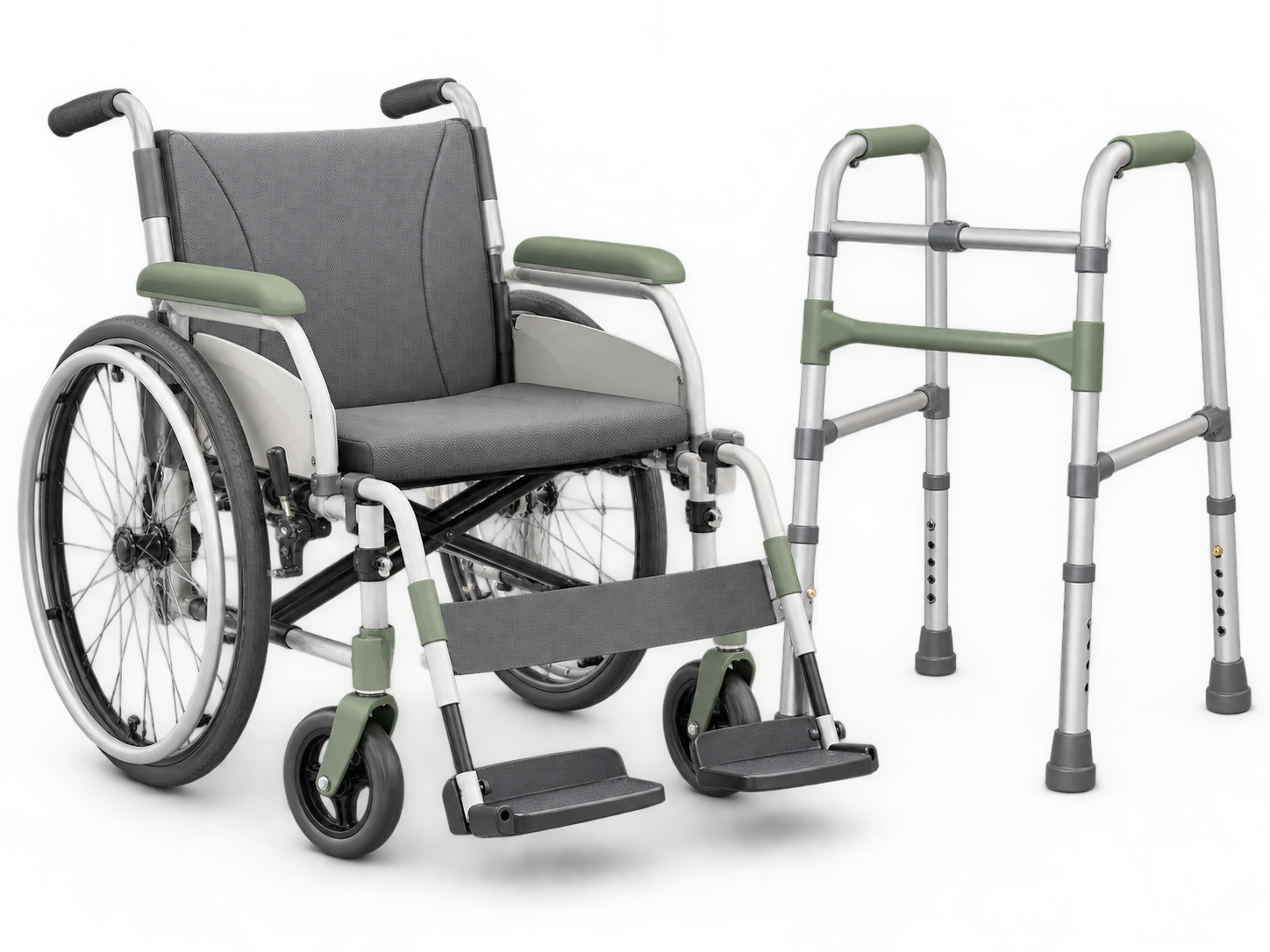
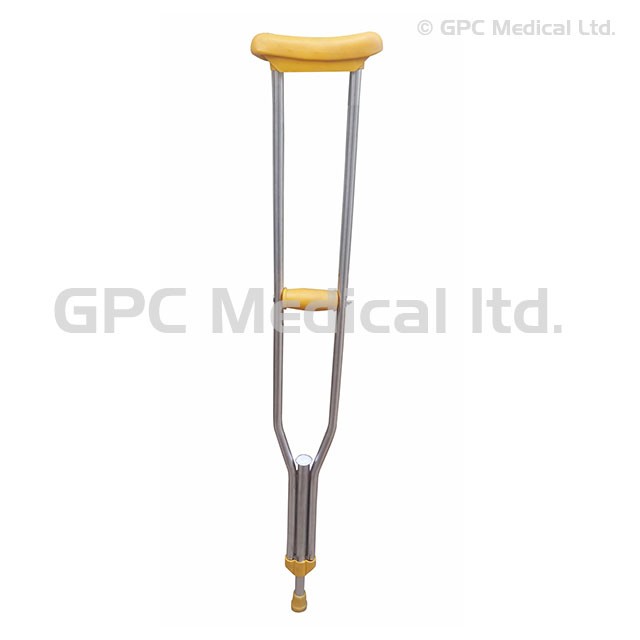
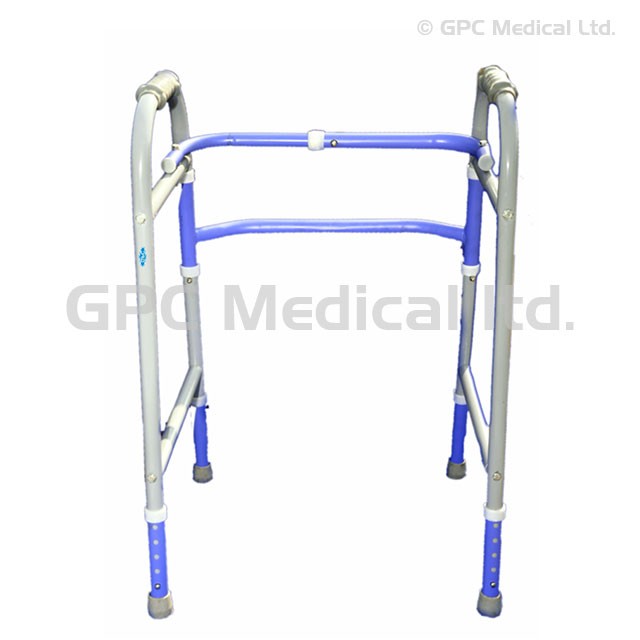
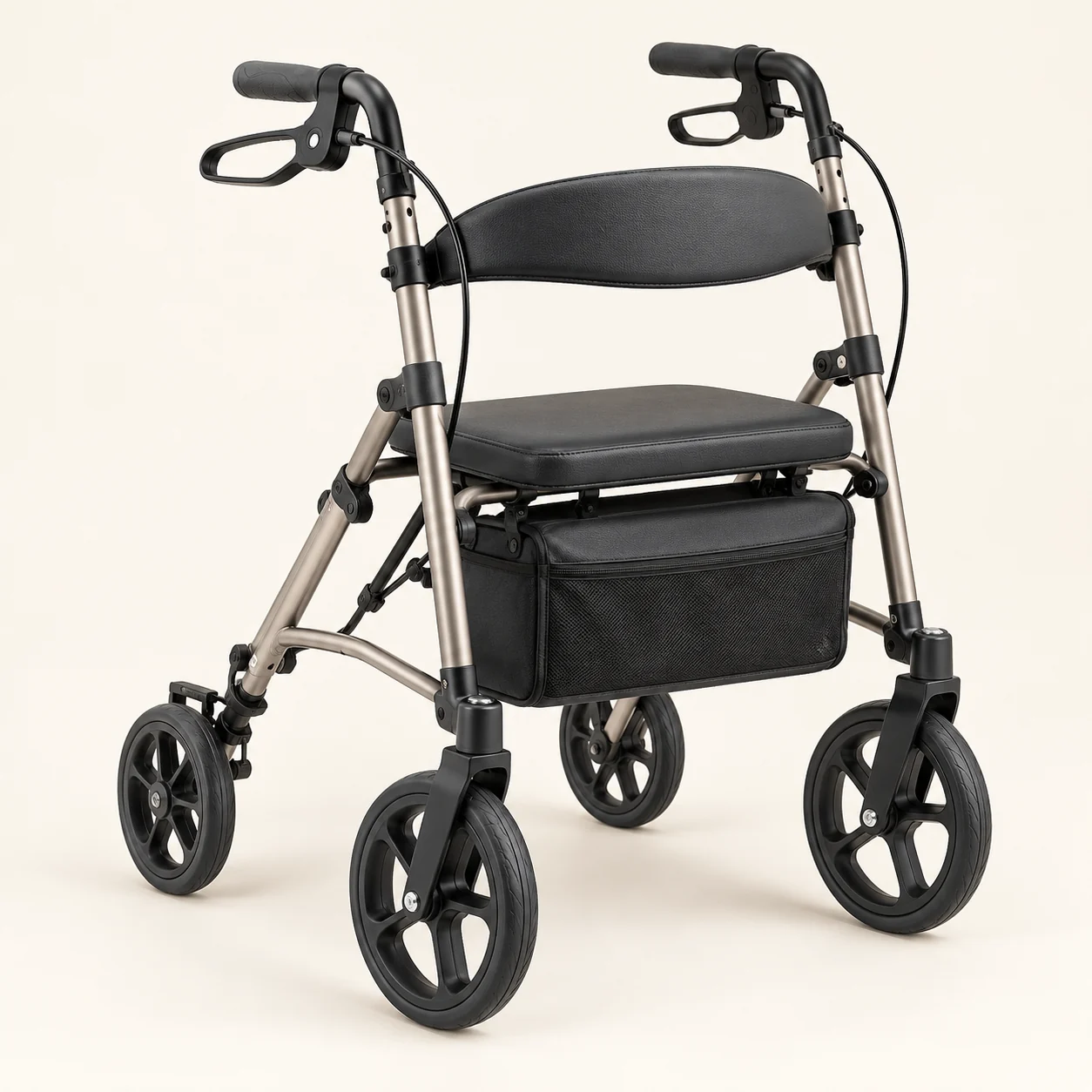
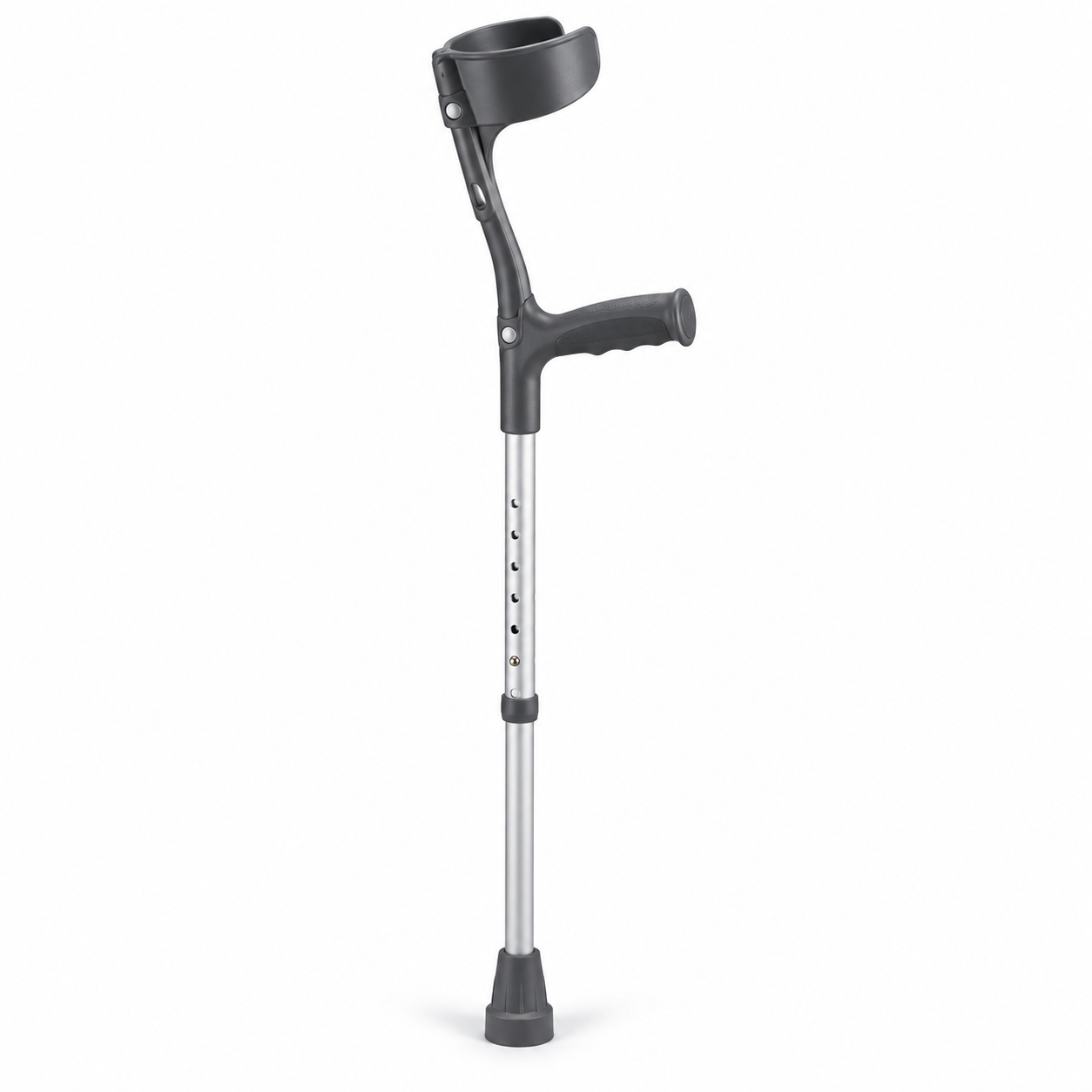
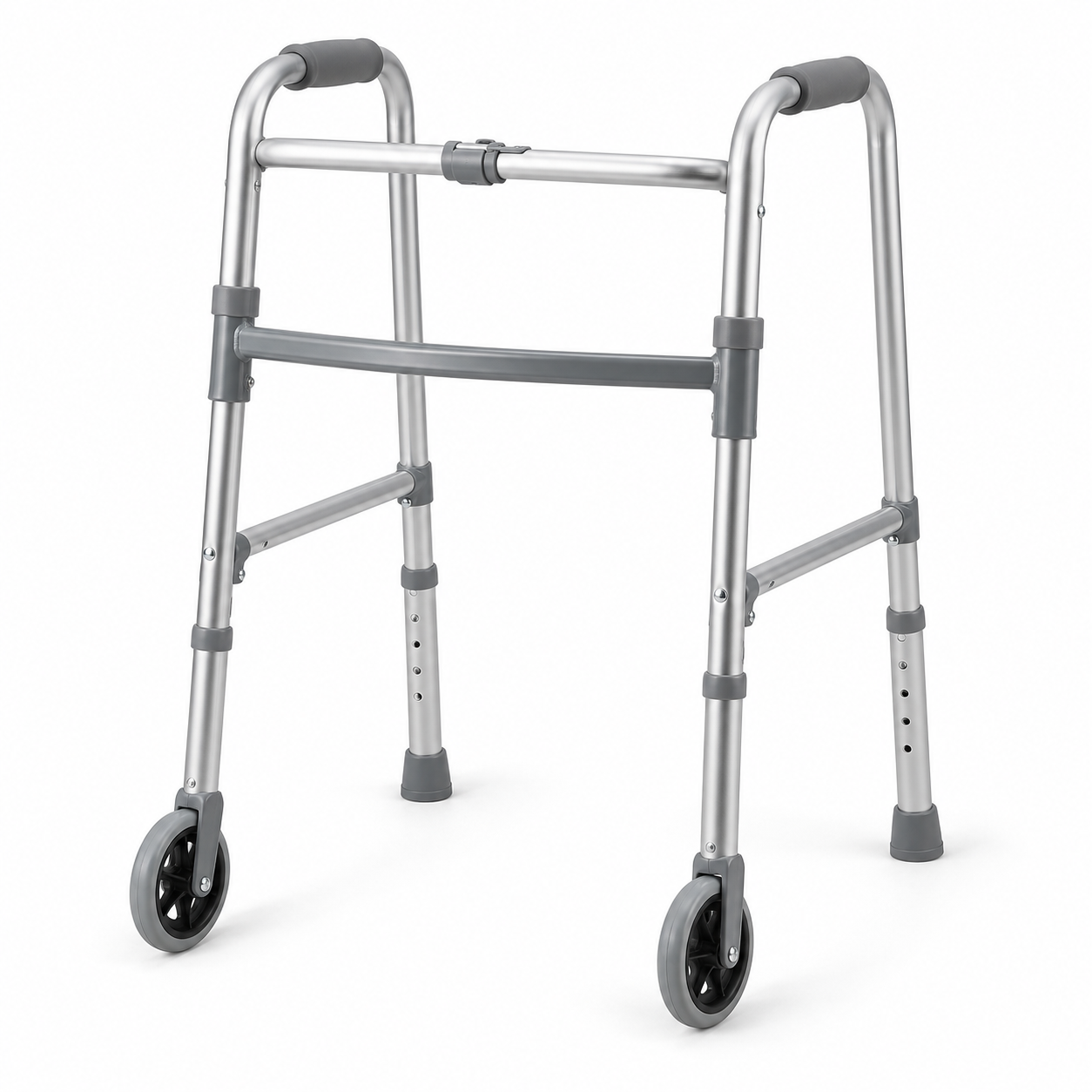
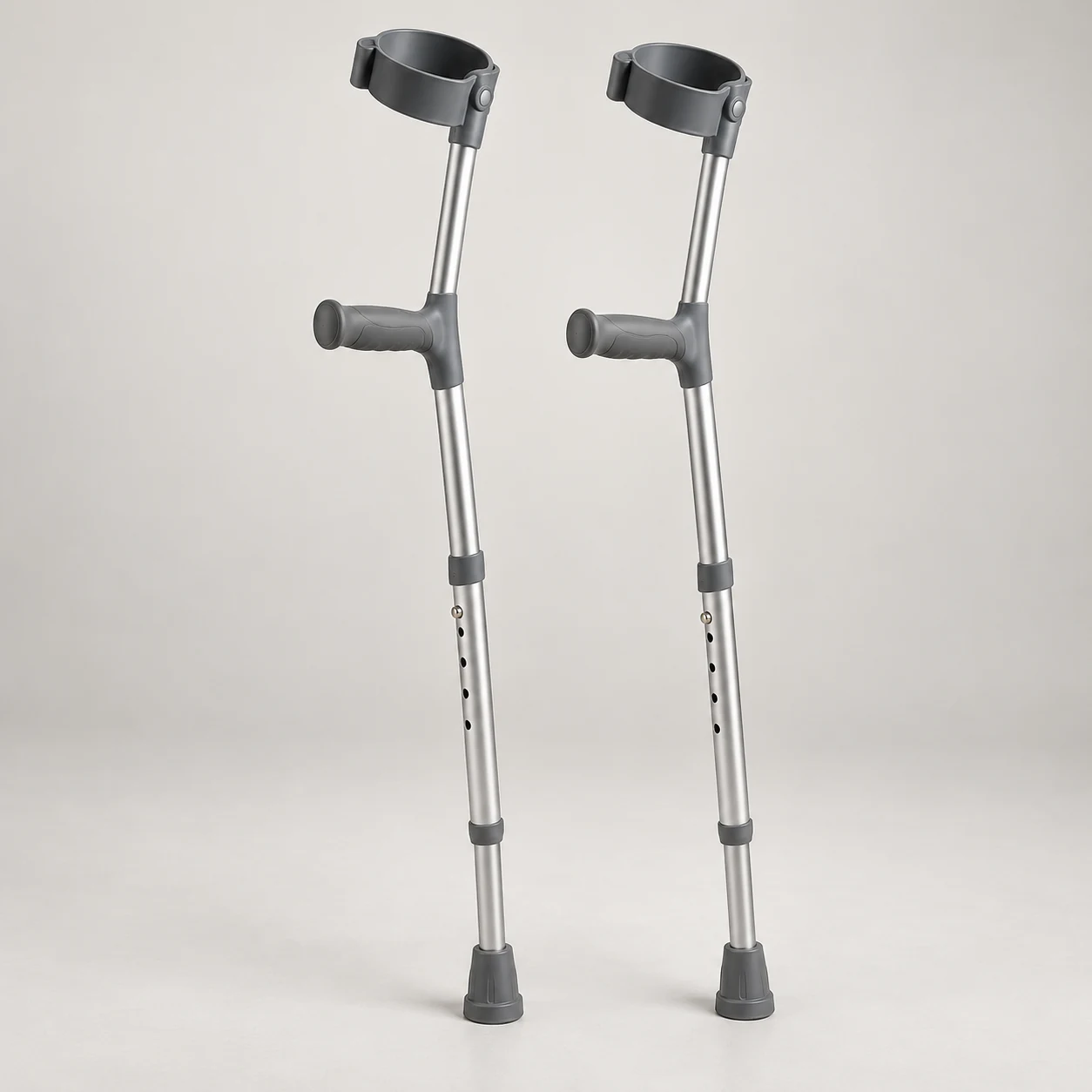
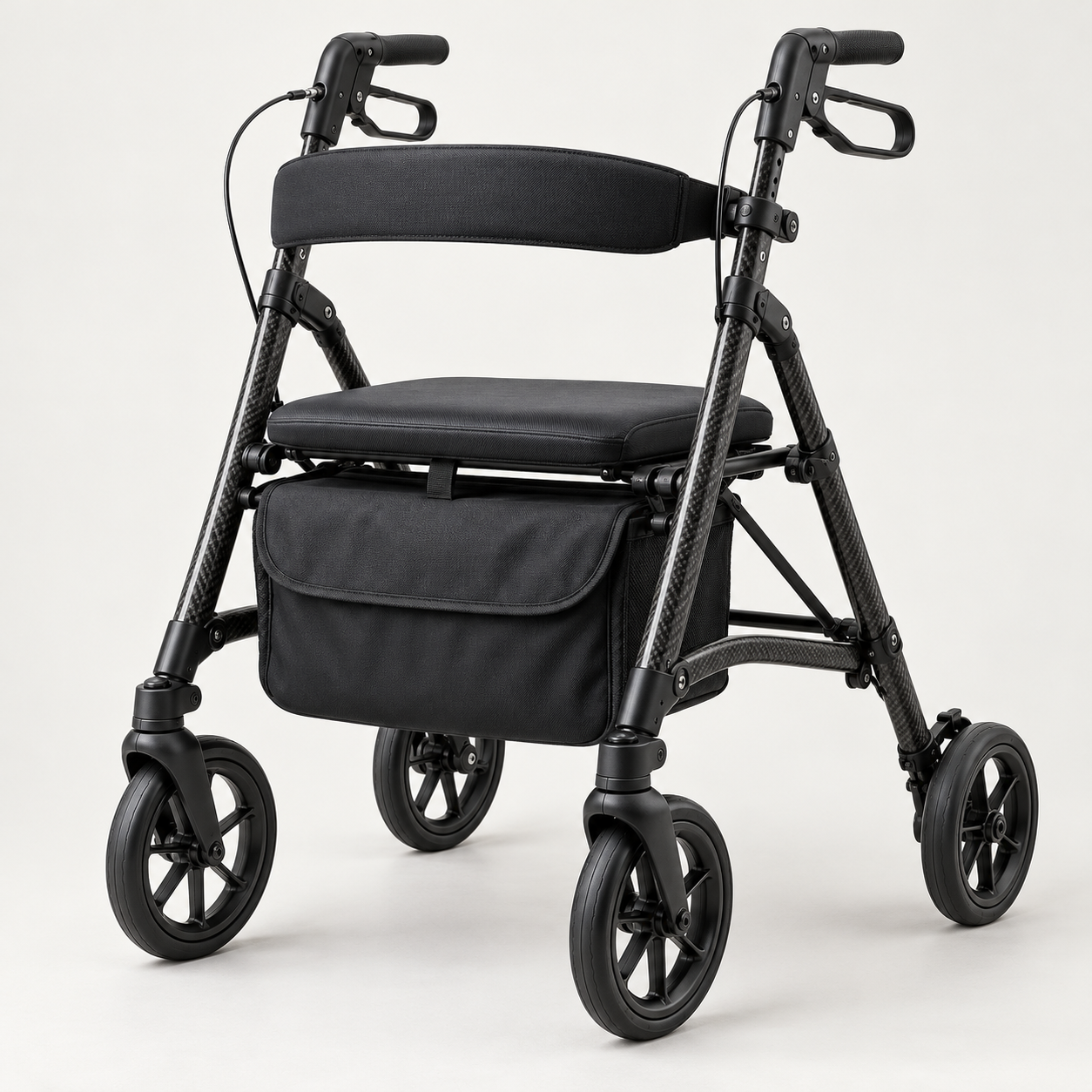
Mobility aids support movement and positioning within the limits of the product and the user's assessed needs. This catalogue currently lists manual wheelchairs, forearm or underarm crutches, and walkers including rollator-type models. These aids do different jobs and are not interchangeable: a wheelchair is a seated mobility device, crutches are walking aids that require appropriate fit and instruction, and a walker provides a handhold and support during walking as assessed by a trained professional.
Patient transfer equipment serves a different purpose, such as helping move a person between a bed, chair or other surface. The rehabilitation hub has no dedicated patient lift, transfer sling, transfer board or hoist category with current assigned products. Do not treat a wheelchair or walker as a patient-handling device. If a project requires transfer equipment, state that requirement explicitly in your enquiry and ask Franance whether the item is within the supply scope; a future catalogue addition should give it its own taxonomy and specification.
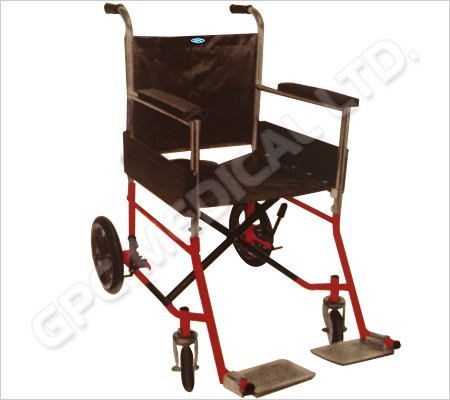
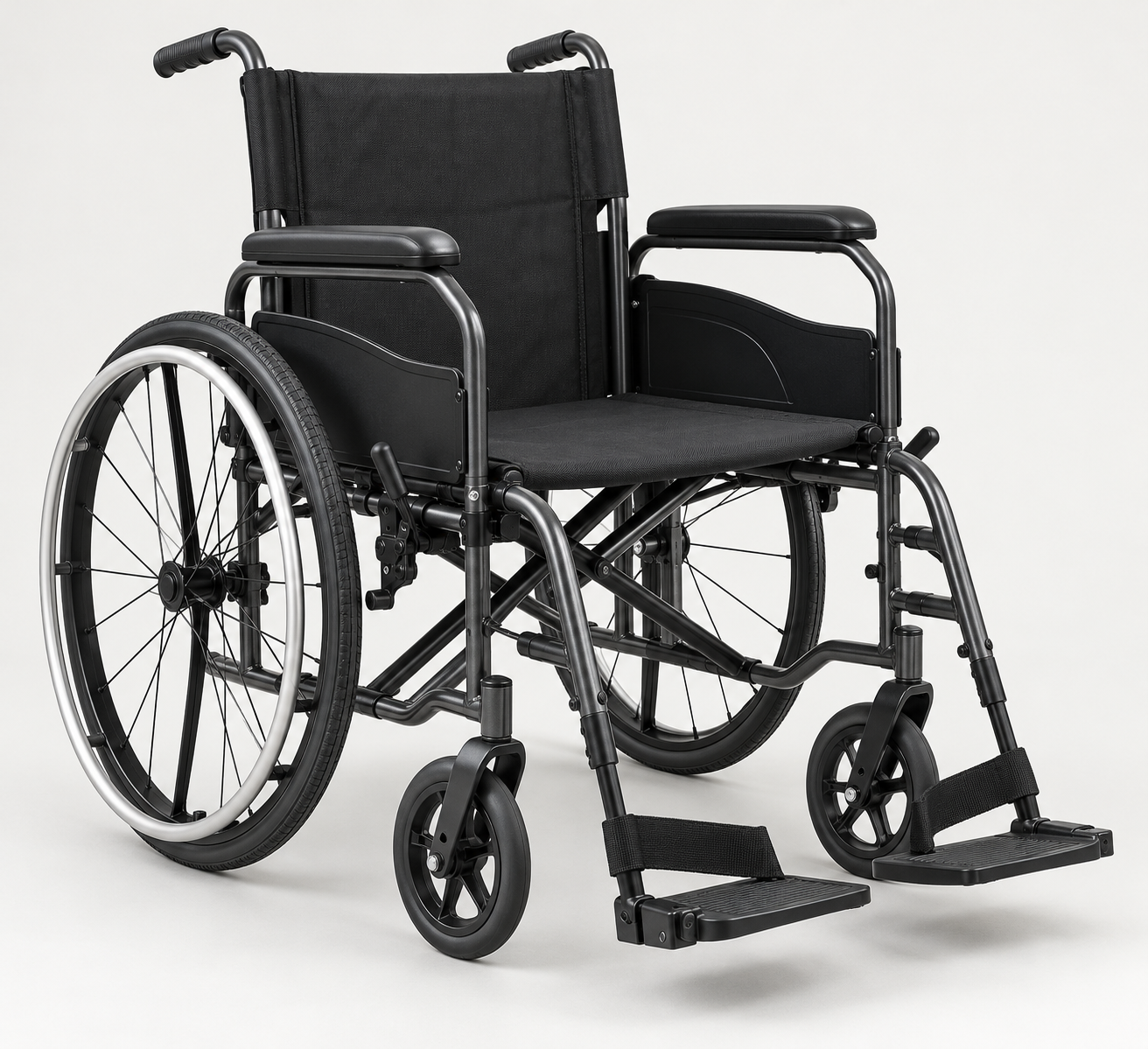
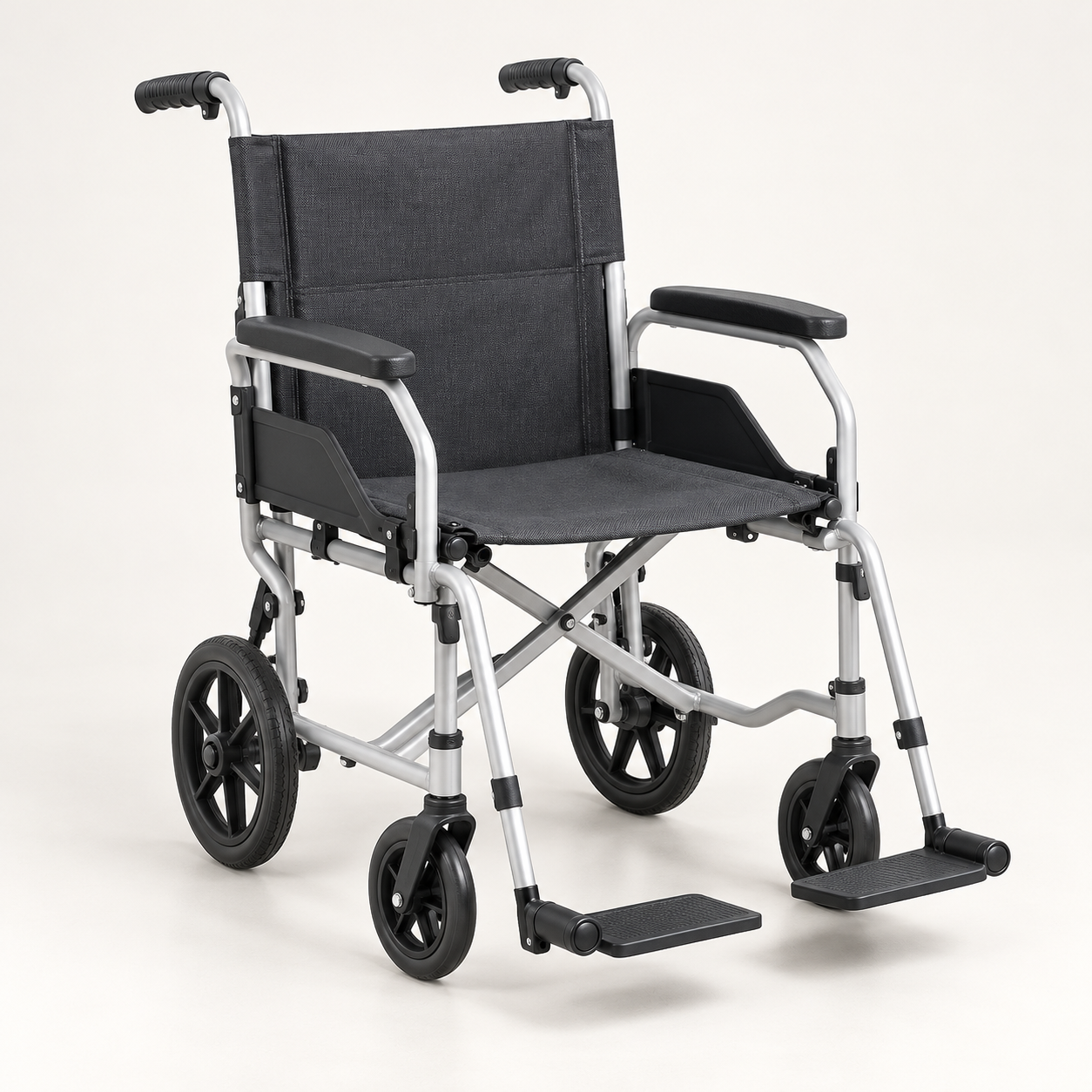
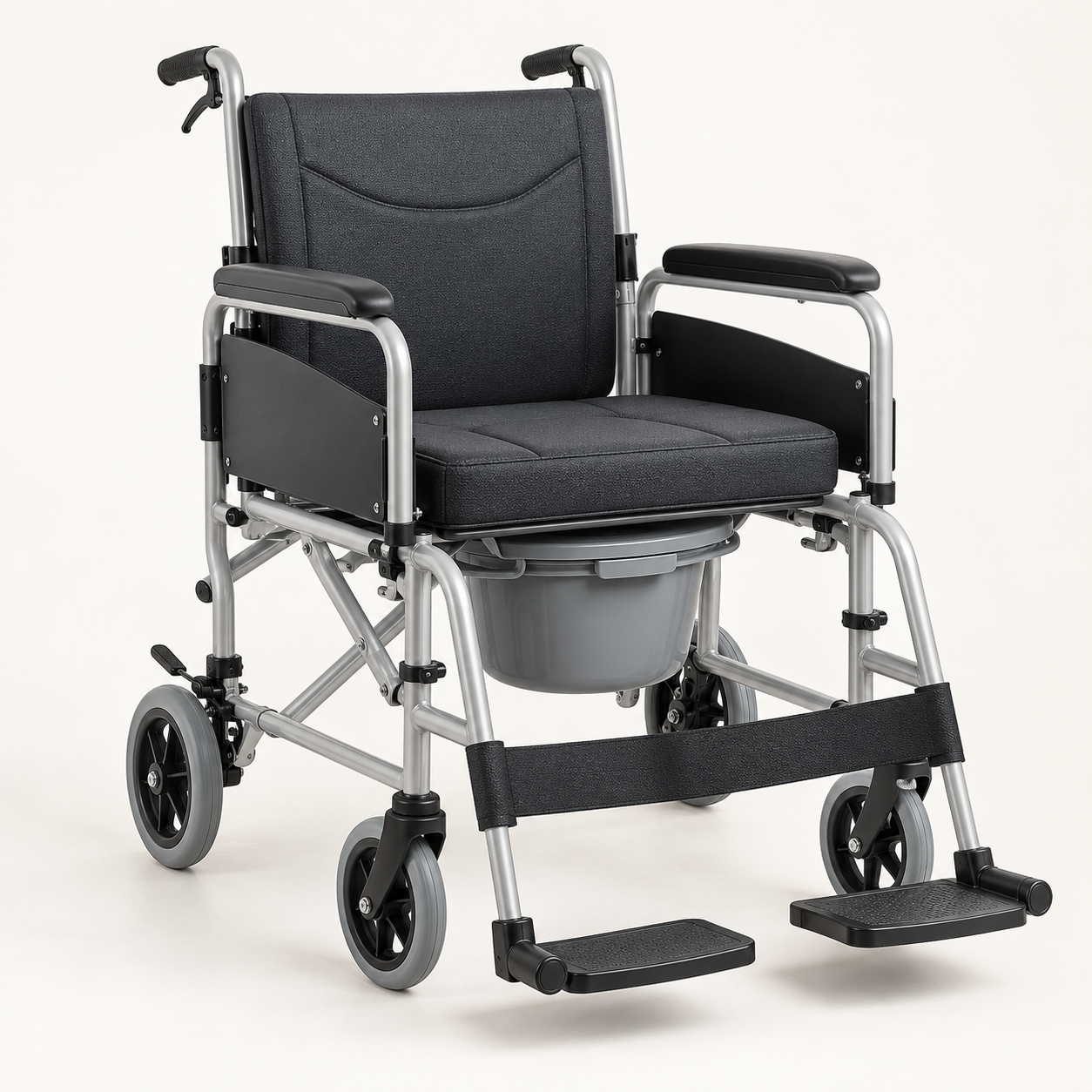
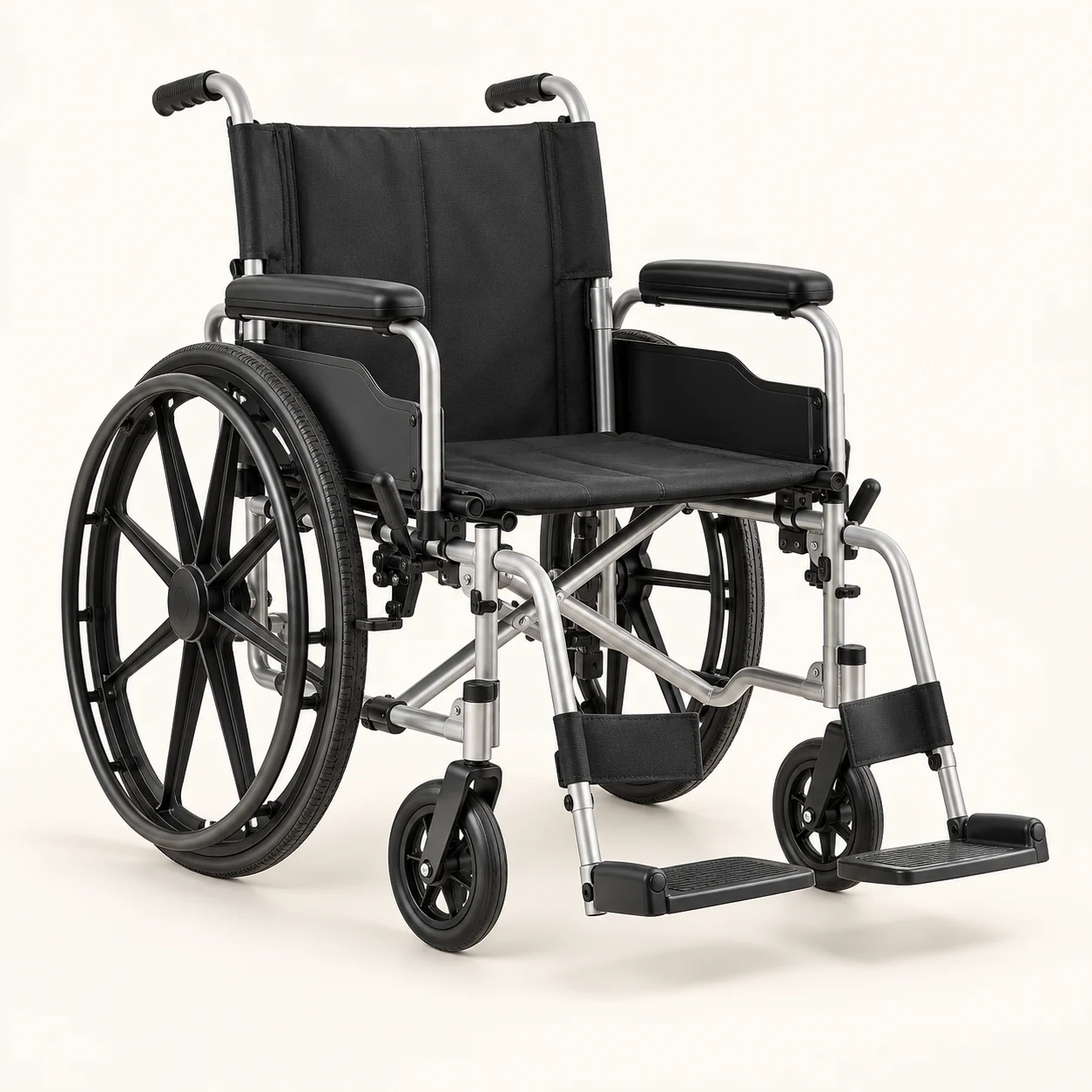
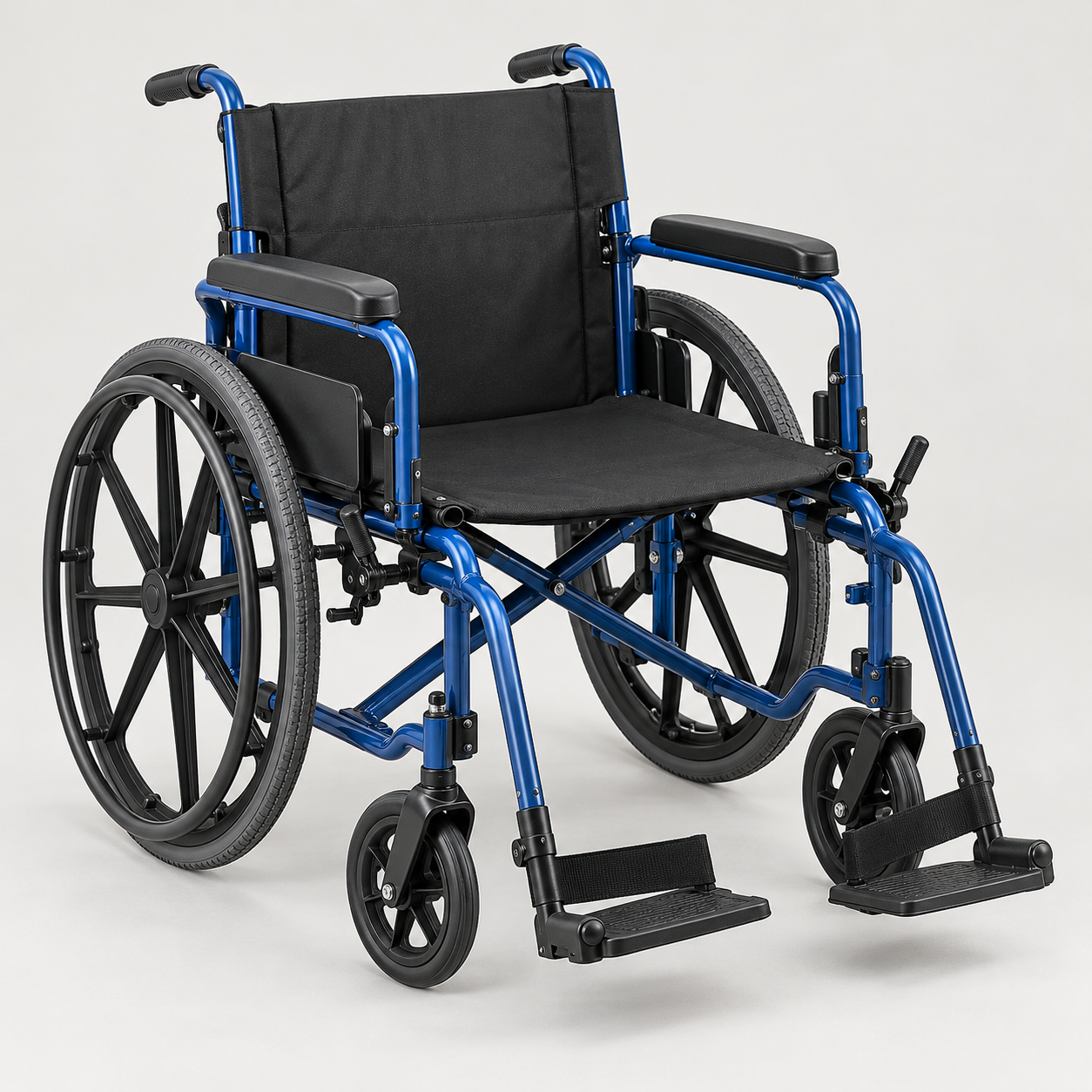
For a wheelchair enquiry, use the wheelchair listing and compare the exact frame and configuration references. The current models are the GPC Medical WC501, GPC Medical WC502, GPC Medical WC504 folding wheelchair with commode, Drive Cruiser III, Drive Silver Sport 2 and Drive Blue Streak. Make the exact variant, seat size, intended environment, transport and folding requirements clear in the request; have a qualified wheelchair service team assess fit and support needs. The WC502 and WC504 also have hospital-wheelchair taxonomy assignments, so they may appear in another catalogue route without representing extra models.
How do I choose crutches or a walking frame?
Start from an assessment of the person's mobility, balance, strength, environment and ability to use the aid safely. The listing groups crutches separately from walkers and walking frames, because they differ in their contact points, adjustment and handling. A product's material or design description does not establish that it is right for a specific user or task.
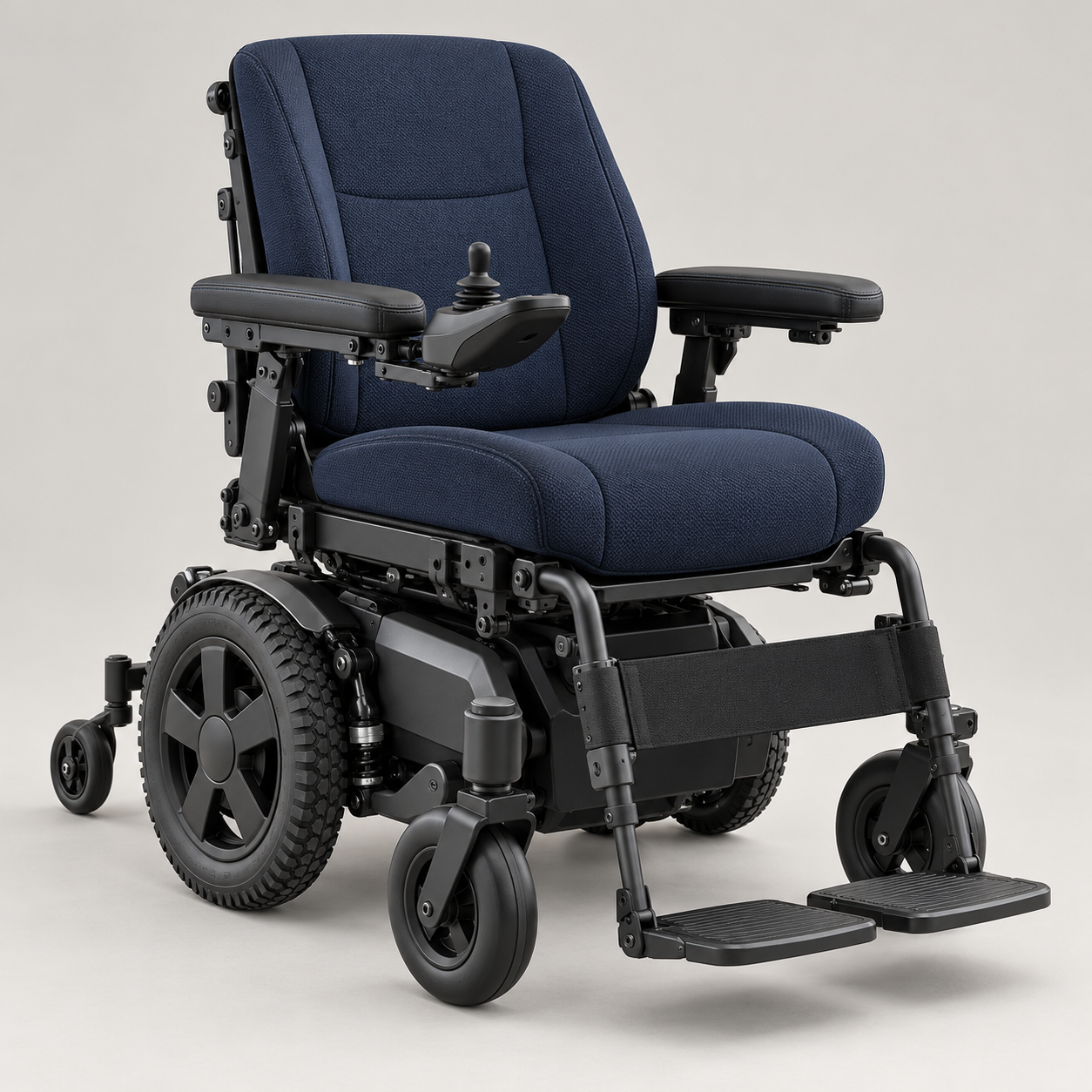
Wheelchair procurement needs to connect the device with a person-centred provision process. WHO's wheelchair provision guidelines emphasize individual assessment, fitting, training and follow-up by trained personnel. That guidance matters to purchasing: a single standard chair cannot suit every user, and model selection should not be reduced to choosing a frame from a product photo. A service should define how assessment, fit, delivery, adjustment, user instruction and follow-up will be handled alongside the equipment order.
For an institutional purchase, specify the required model references and quantities, the population and use context defined by the responsible service, the seat and frame requirements, transport and storage needs, accessories, maintenance expectations and delivery destination. For an individual order, request professional selection and fit confirmation before purchase. Ask whether the quote includes setup, adjustment or training; do not assume those services are bundled with the wheelchair. Where a wheelchair is being considered for a particular user's posture, pressure management, transfers or long-term use, the clinical and wheelchair service team must define the appropriate configuration.
The current catalogue contains six manual wheelchair records from GPC Medical and Drive DeVilbiss. Open the wheelchair category for the complete current listing and use the model links above to narrow the enquiry. Check that the quotation identifies the exact model code and any selected variant, because a family name such as “Silver Sport” or “Cruiser” may have multiple sizes and accessory combinations.
Which physiotherapy equipment is currently listed?
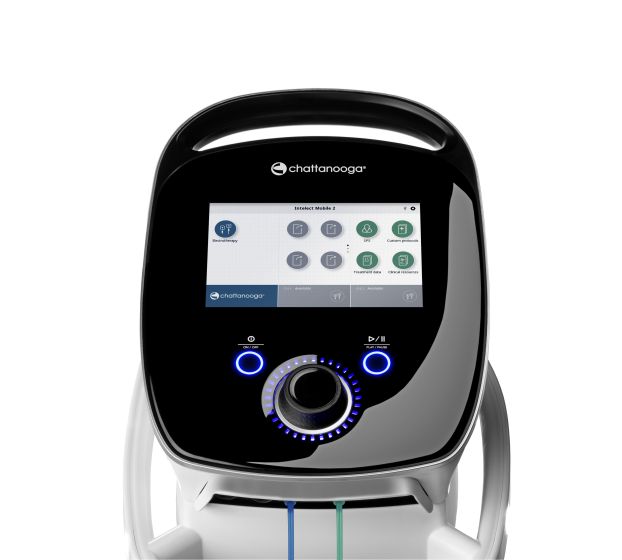
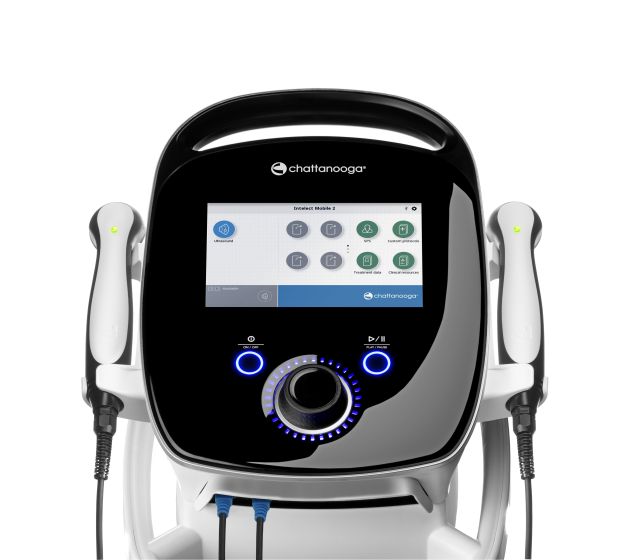
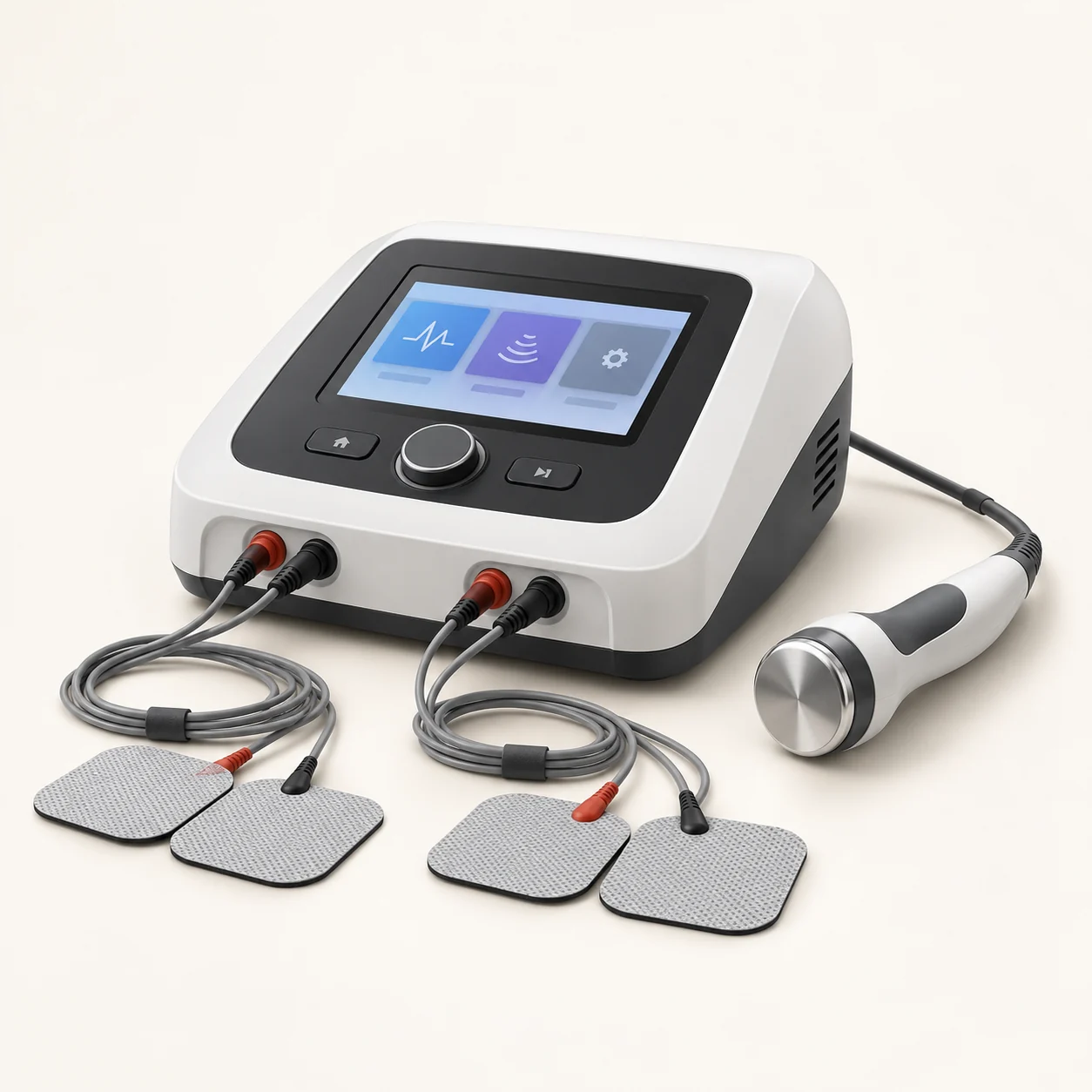
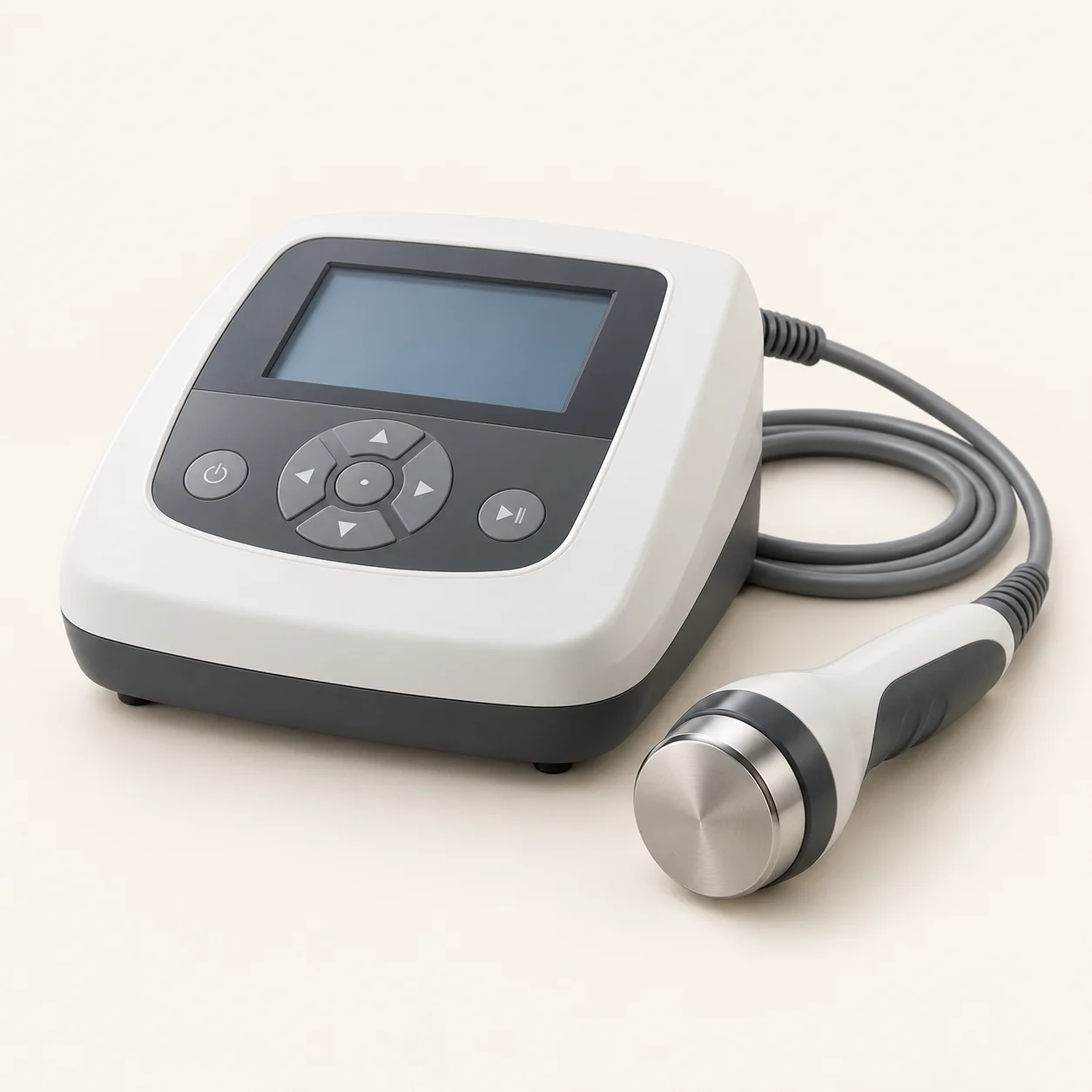
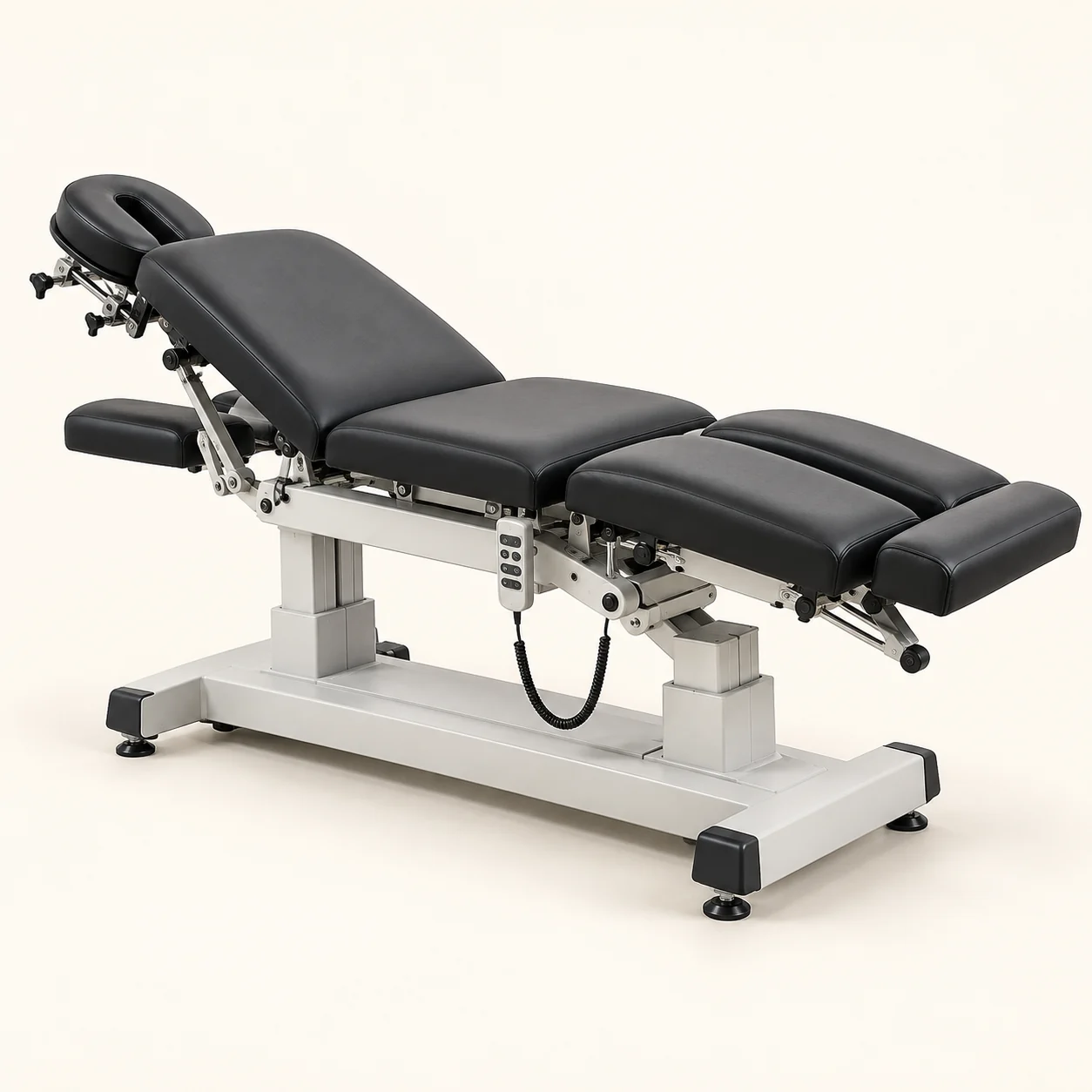
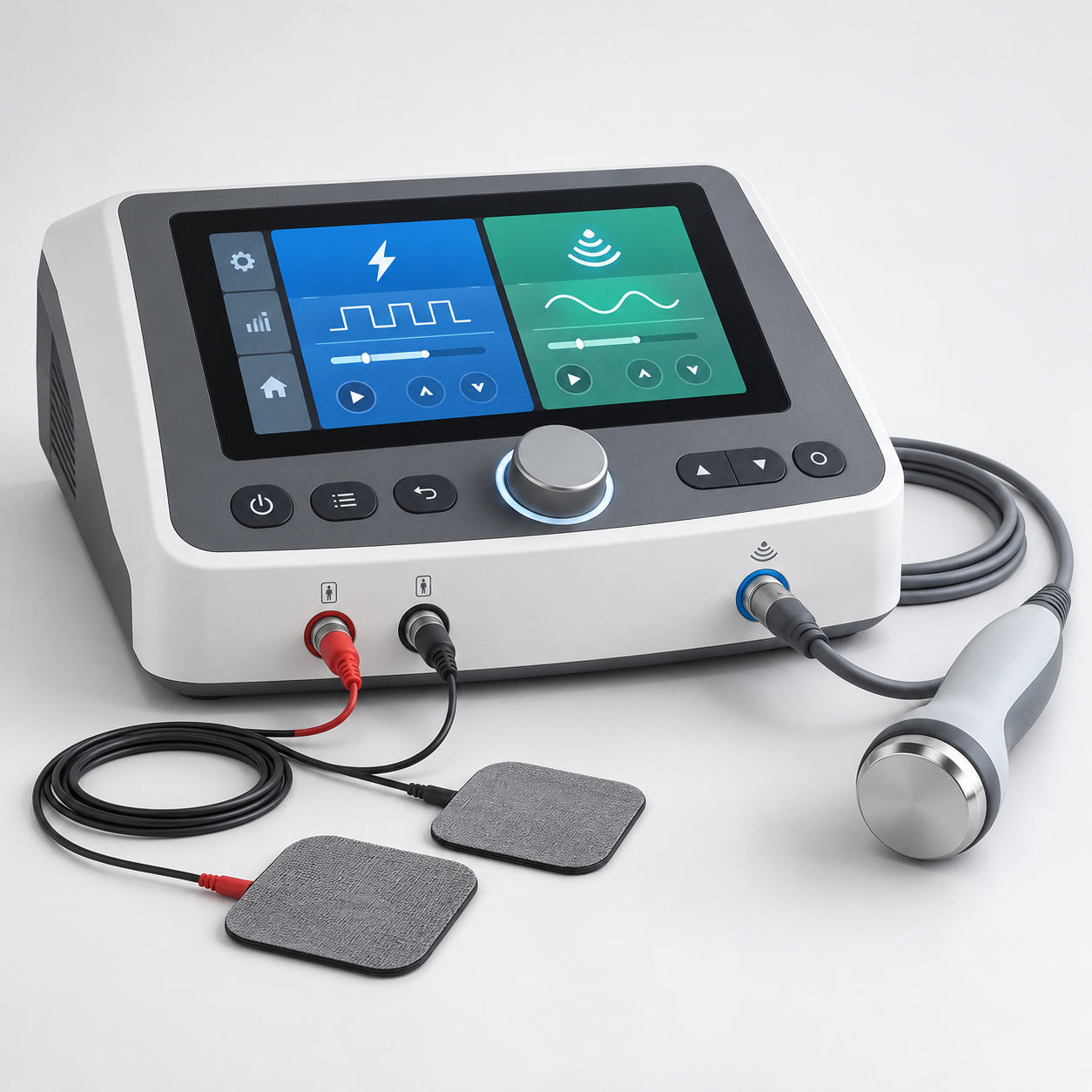
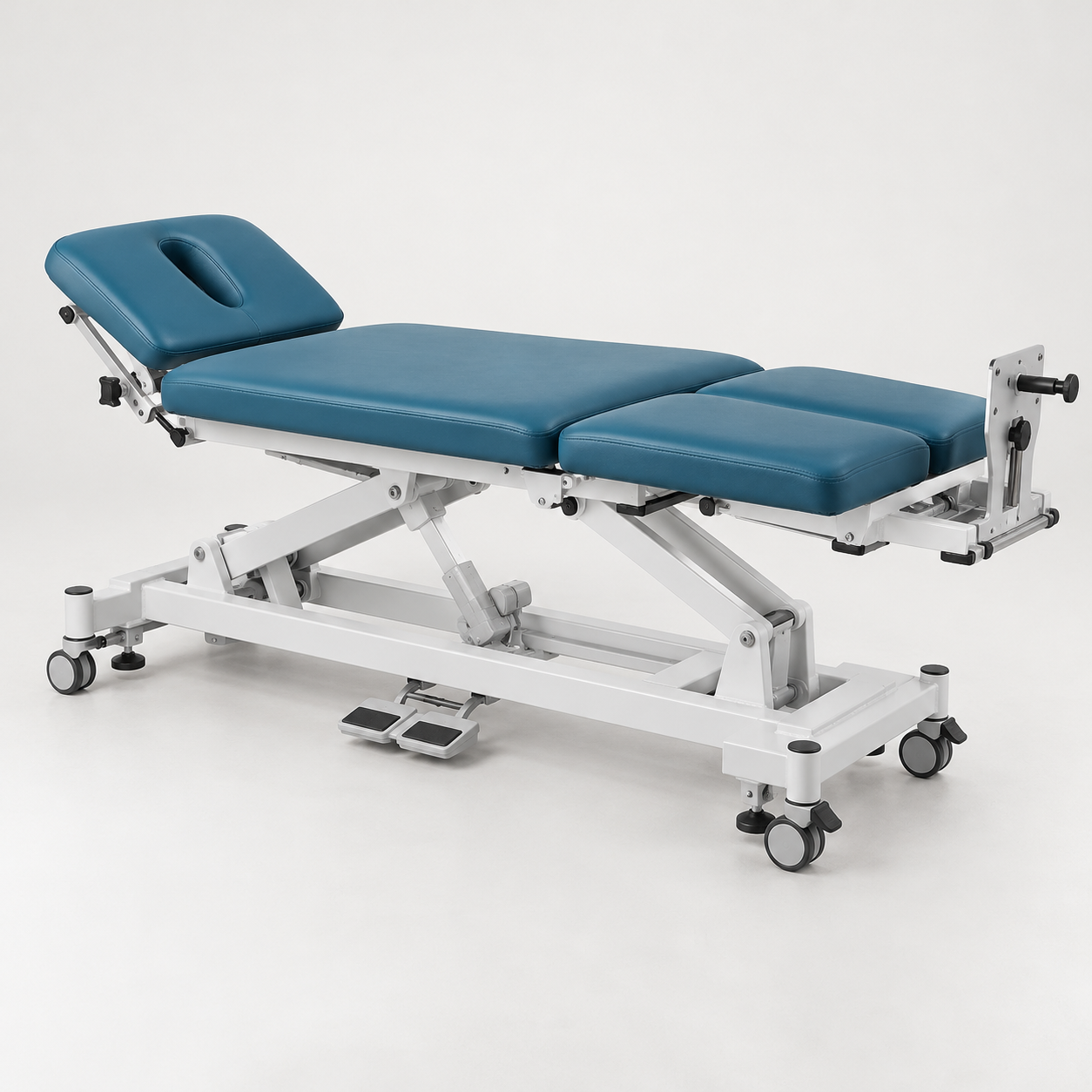
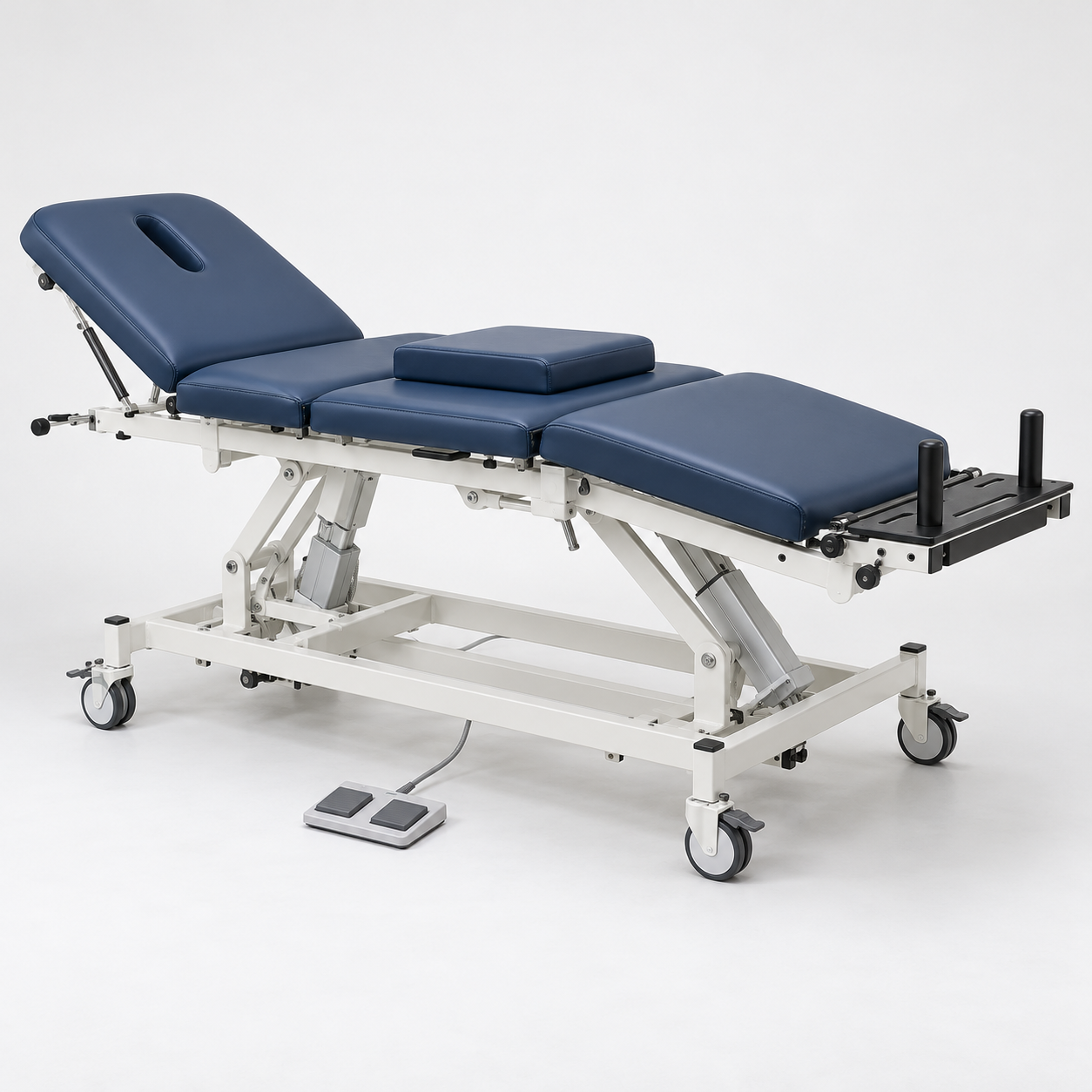
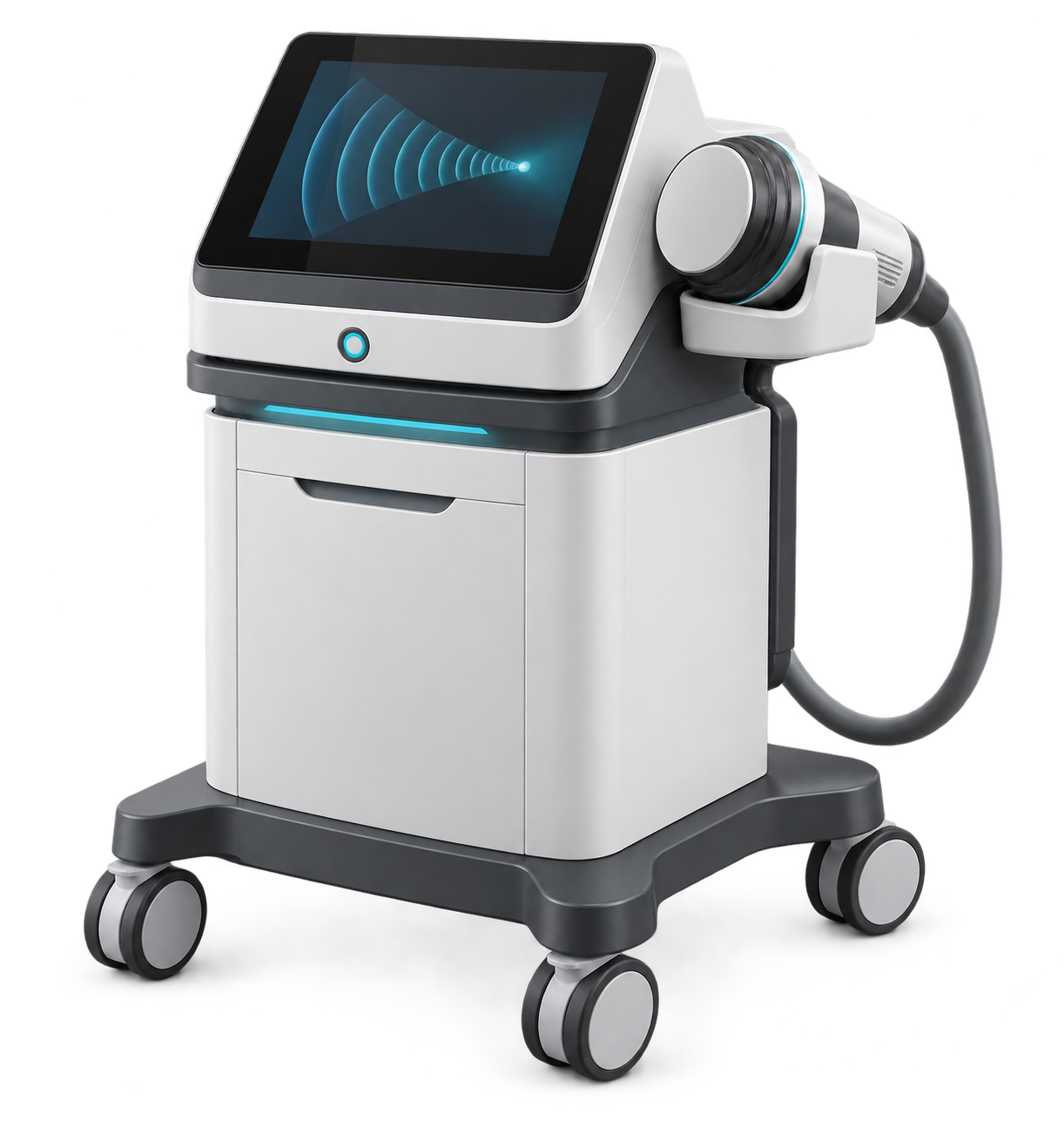
The physiotherapy listings contain electrotherapy or TENS equipment, therapeutic ultrasound units and traction tables. These categories organise equipment for a clinic or rehabilitation service; they do not recommend a treatment, dosage or clinical protocol. A qualified clinician must decide whether a modality is appropriate and specify the needed equipment and application. A product listing cannot assess a patient's condition or replace professional evaluation.
For a modality enquiry, state whether the service is seeking a stand-alone unit or a combo configuration, the intended clinical department, the available accessories and consumables schedule, the electrical and room requirements, training needs, and the requested documentation. Ask the supplier to confirm exactly what is included with the model offered. Do not assume that a combo unit has every function, accessory or treatment option enabled or included.
Have the responsible physiotherapist define the clinical and functional requirements and the biomedical or facilities team review the room, electrical and maintenance needs. The presence of a traction table in the catalogue is not clinical advice or a recommendation to use traction. Confirm the manufacturer instructions, intended use, cleaning requirements and user training for the quoted version before acceptance.
Are transfer and assessment products available under this category?
The current rehabilitation taxonomy has two direct groups and six leaf categories: mobility aids (wheelchairs, crutches and walkers) and physiotherapy equipment (TENS units, ultrasound therapy units and traction tables). It does not currently assign products to dedicated patient-transfer or rehabilitation-assessment categories. That distinction helps prevent misleading browsing: transfer equipment such as hoists or slings has different purpose and specification fields, while assessment equipment needs its own clinical and measurement use case.
If you need either equipment class, describe it directly in a quotation enquiry and share the approved specification. Do not treat a product in an adjacent category as a substitute. For future catalogue expansion, a separate taxonomy should group patient transfer equipment and rehabilitation assessment equipment independently, then assign products only after confirming the product's intended role and manufacturer reference. This keeps category listings, product pages and the buying guide accurate as the catalogue grows.
What should I send with a rehabilitation equipment quote request?
Send the exact product model, quantity, destination city and state in Nigeria, delivery timing and the purchasing organisation. For a clinic, hospital or rehabilitation programme, include the approved schedule, intended service, room and utility requirements, requested accessories, training, documentation, maintenance and any installation or acceptance requirements. List these services separately and ask Franance to confirm whether each is included in the proposed offer.
For mobility equipment, provide the specifications identified by the person-centred assessment and the staff member responsible for fitting and training. For therapy equipment, state the modality and configuration selected by the clinical team. For transfer or assessment equipment not shown in the current taxonomy, state that item explicitly so the supplier can confirm whether it can be quoted. Attach relevant product references or images only as identification aids; the approved specification and professional assessment remain the basis for selection.
Franance handles enquiries as quotation orders. After receiving the request, the team will contact you by phone or email to clarify the selected equipment and proposed terms. Current stock, final price, delivery, warranty, installation and service availability are confirmed for the specific quotation; they are not inferred from the category or model listing.
How can Franance help with rehabilitation equipment procurement in Nigeria?
Franance can help organise a clear quotation request across the currently listed mobility and physiotherapy product families. Start at the Rehabilitation & mobility hub, move into the appropriate category and send the exact models and quantities to be considered. When the request involves several product types, group the lines as mobility aids, therapy equipment and any separate transfer or assessment requirements so each item receives the right technical review.
Request a quotation from Franance with the approved product schedule, project contact and delivery destination. Franance will follow up by phone or email to discuss the quote order. The catalogue provides a starting point for product discovery; clinical suitability, wheelchair fitting, therapy modality, training and ongoing follow-up should be defined by the responsible rehabilitation professionals.
Common questions
Can Franance sell rehabilitation equipment online?
No. Submit a quote order with the model, quantity and delivery requirements. Franance will follow up by phone or email to clarify the requested quotation.
Does Franance currently list patient transfer lifts or rehabilitation assessment equipment in this category?
The current rehabilitation taxonomy has no dedicated transfer or assessment categories with assigned products. State those requirements separately in an enquiry so availability and scope can be confirmed.
How should a wheelchair be selected?
WHO guidance emphasizes individual assessment, fitting, training and follow-up by trained personnel. Ask the responsible wheelchair service team to confirm the model, fit and required support before ordering.
Does this guide recommend a physiotherapy treatment or device setting?
No. It organises catalogue and procurement information. A qualified clinician must decide which modality, equipment and clinical protocol are appropriate.
Request a rehabilitation equipment quotation from Franance.
Send the model references, quantities, assessment-led requirements, project documents, requested support scope and delivery destination. Franance will contact you by phone or email to clarify the quote order.