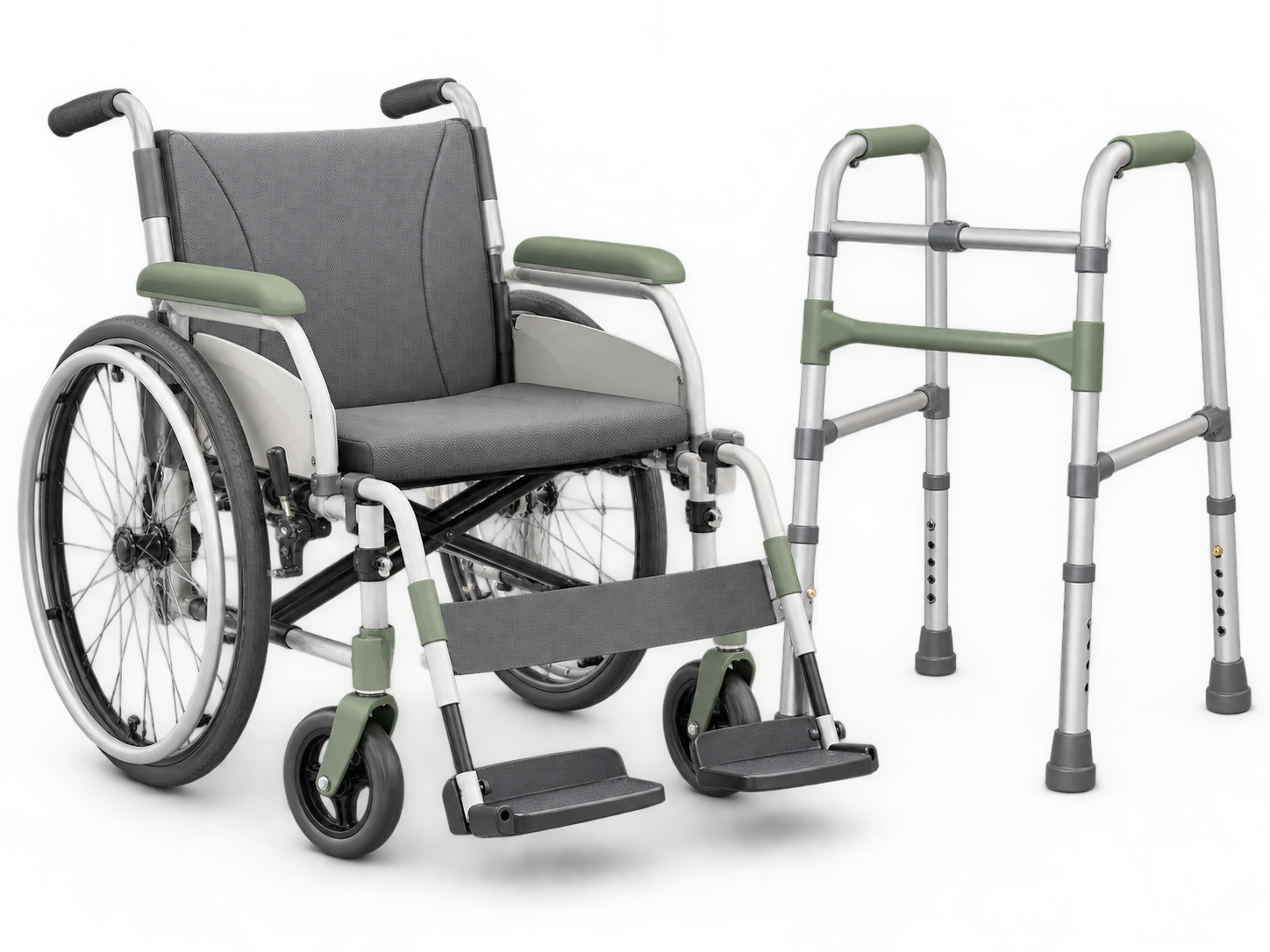
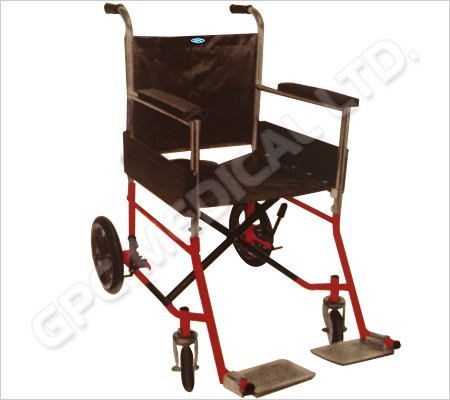
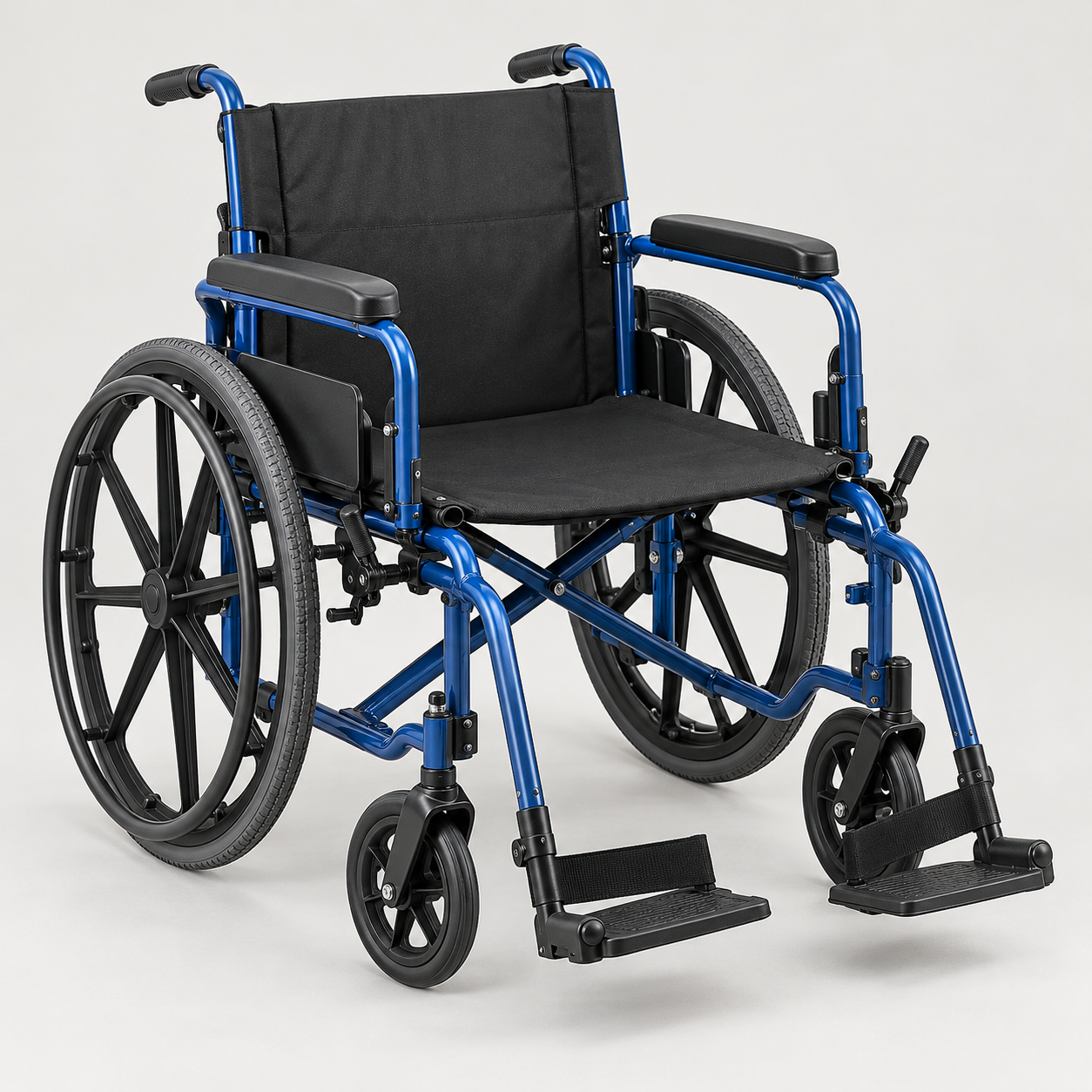
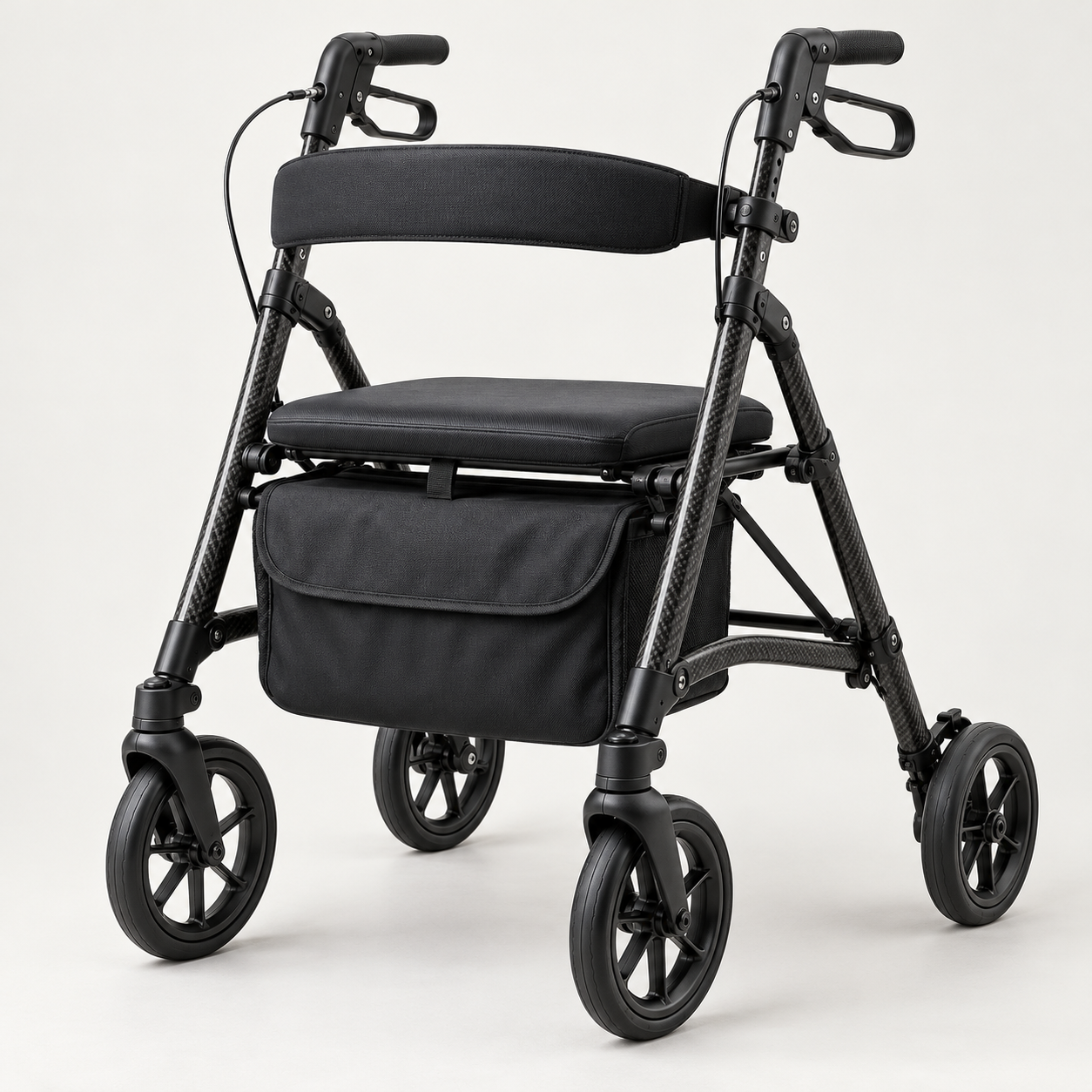
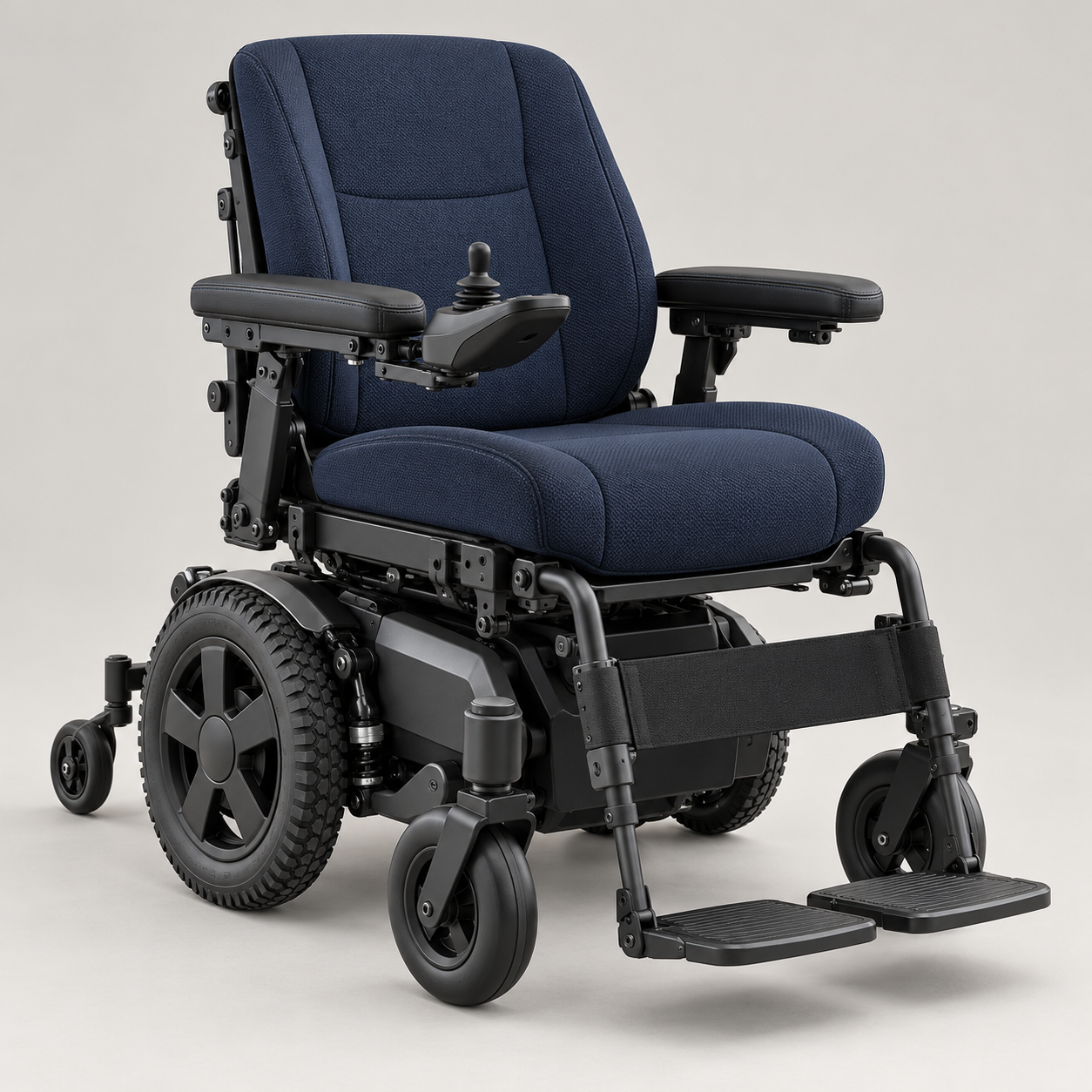
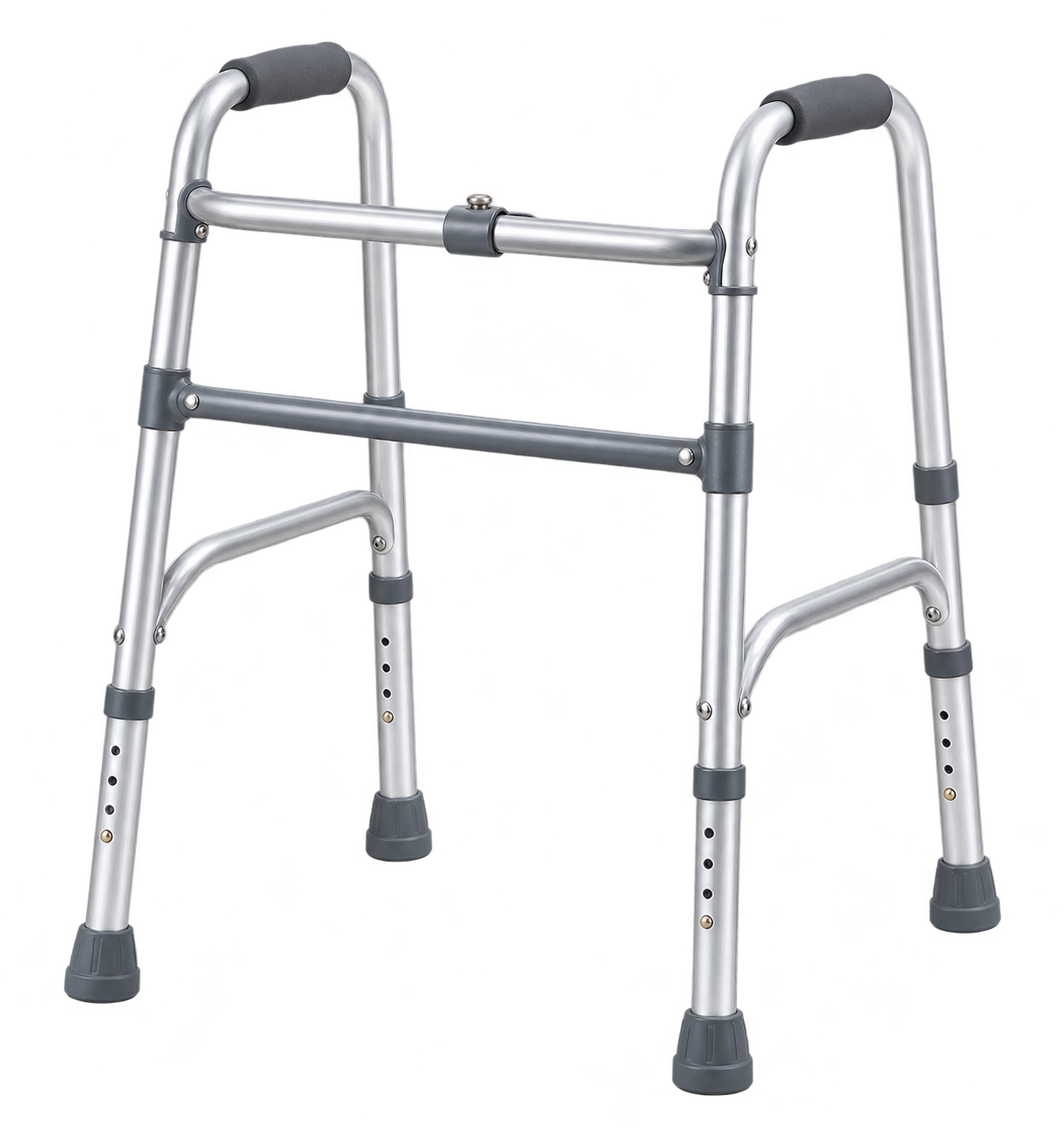
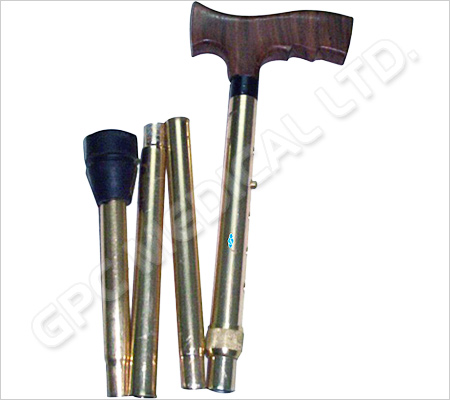
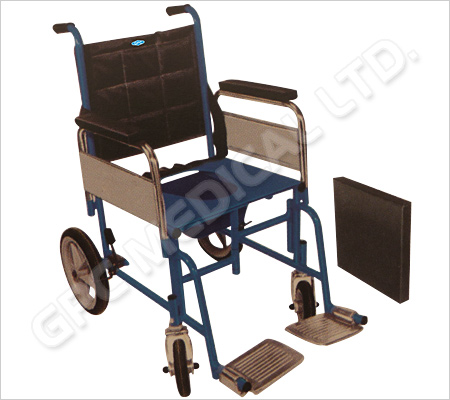
Buy mobility aids in Nigeria through Franance. The current category contains 13 distinct quote-order products: six wheelchairs, three crutch models and four walkers or rollators. Compare the assigned models, confirm fit and options with the responsible professional, and request a quotation for your facility or delivery destination. Franance follows up by phone or email; checkout and online payment are not available.
Franance lists wheelchairs, crutches and walking frames for quote-order in Nigeria. The current mobility-aids filter returns 13 distinct products across three child categories: six wheelchairs, three crutch models and four walkers or rollators. Two GPC wheelchairs, WC502 and WC504, are also assigned to the hospital-wheelchair category; they appear in both category filters, so the total here counts each distinct product once. Browse the matching mobility-aids products in Nigeria, then send Franance the exact model, quantity and delivery destination. Franance follows up by phone or email with a quotation; this is not an online checkout.
Which mobility aids can I request in Nigeria?
The catalogue groups these products by their assigned mobility role: manual wheelchairs, crutches and walkers or rollators. This guide covers only those current records. It does not include patient-transfer chairs, stretcher trolleys, patient lifts or other equipment whose primary purpose is assisted transfer between surfaces. Those products belong to separate hospital-furniture categories and should not be substituted based on a broad search for “mobility.”
Use the category links to compare the listed records: manual wheelchairs, crutches, and walkers and walking frames. The category labels organise the catalogue; they are not an assessment of which aid is appropriate for a person. Selection and fitting should follow an individual assessment by suitably trained personnel and the model’s current instructions.
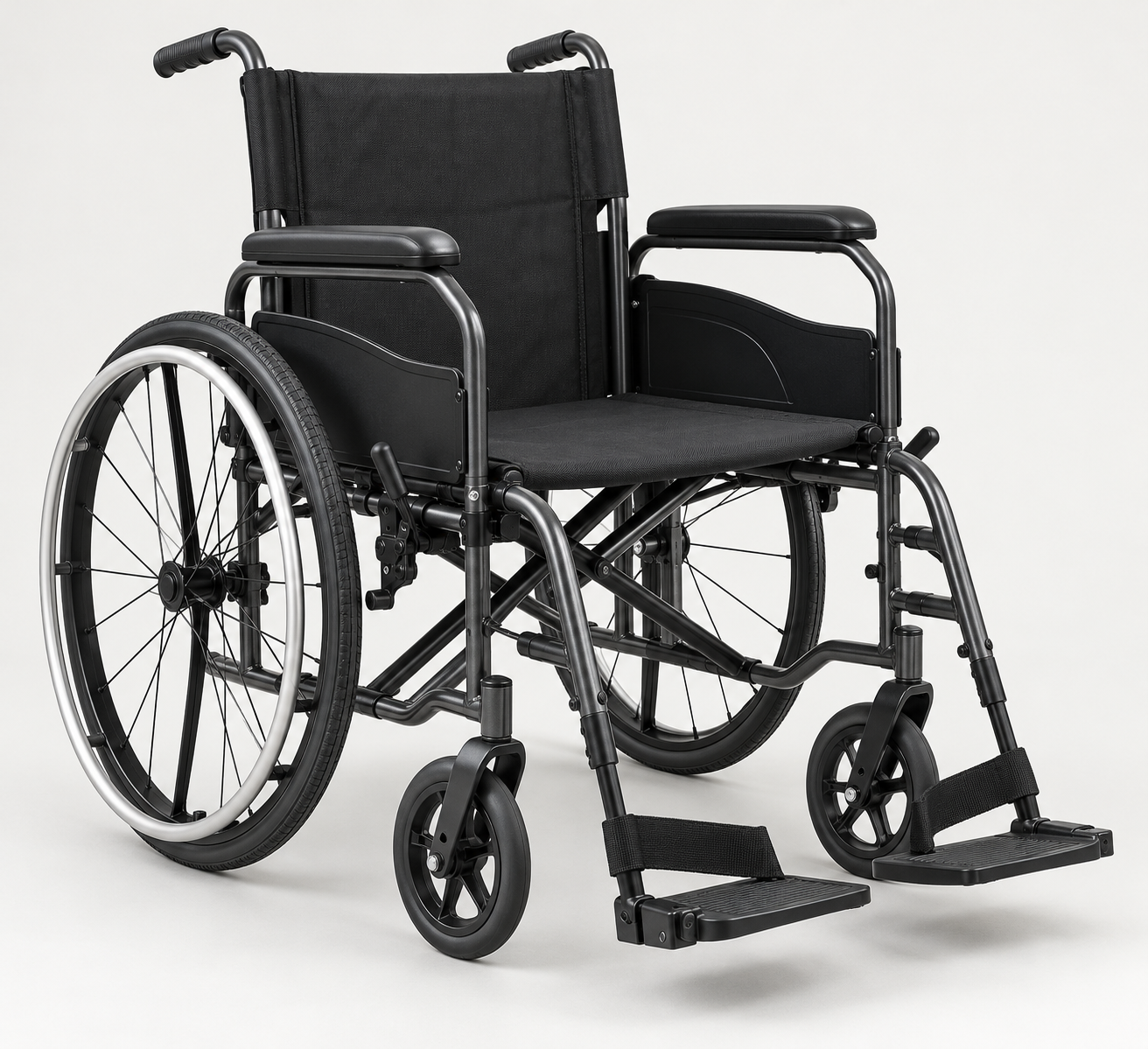
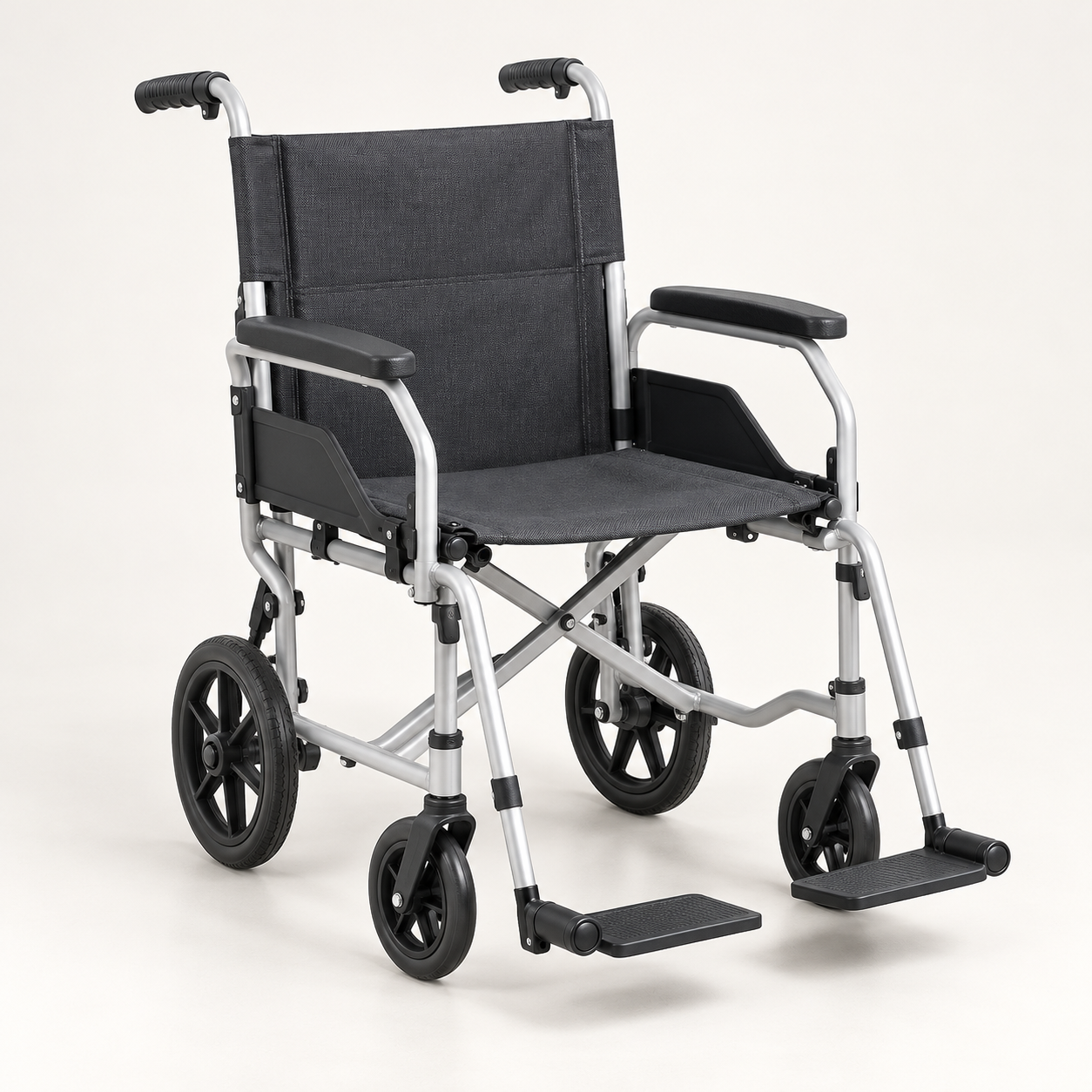
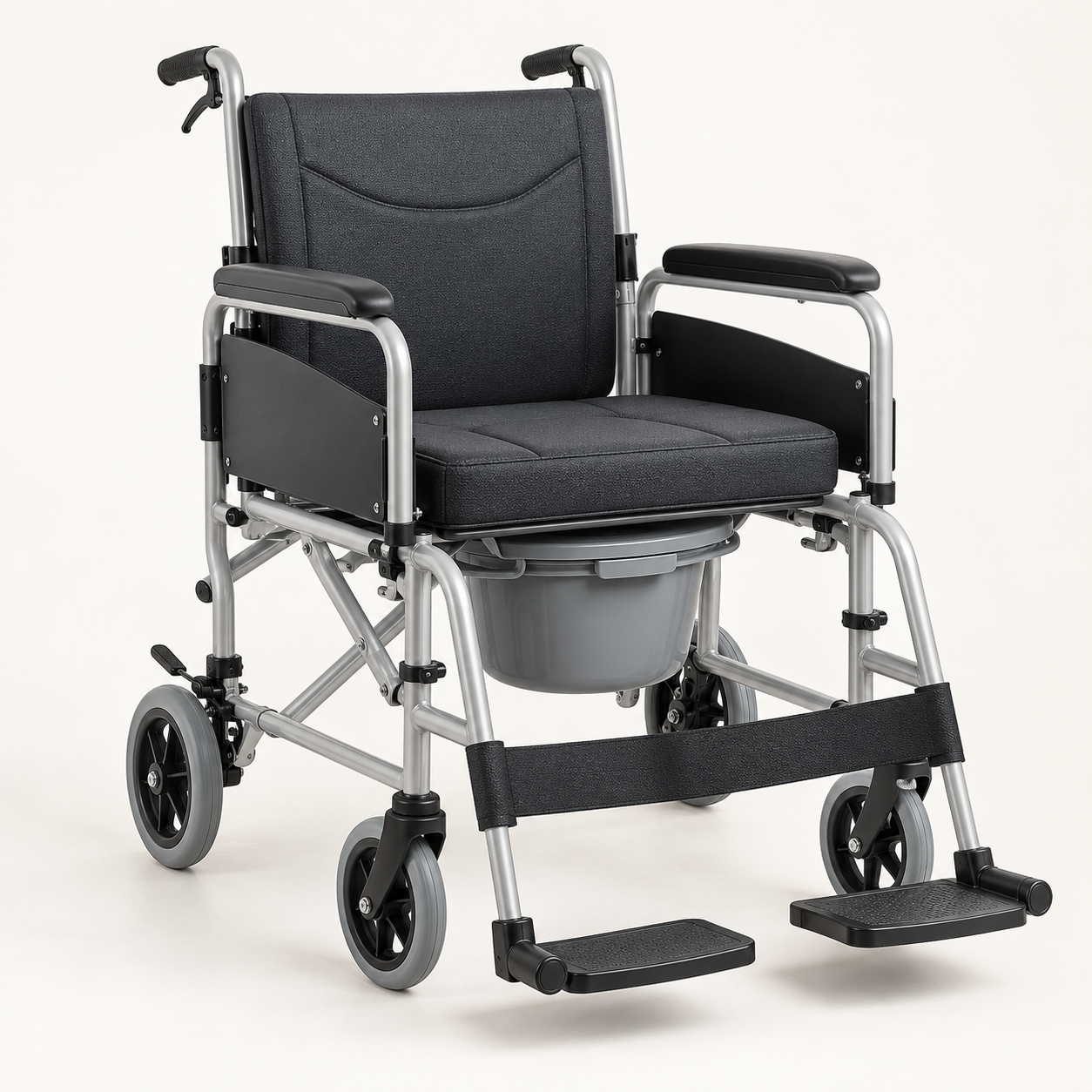
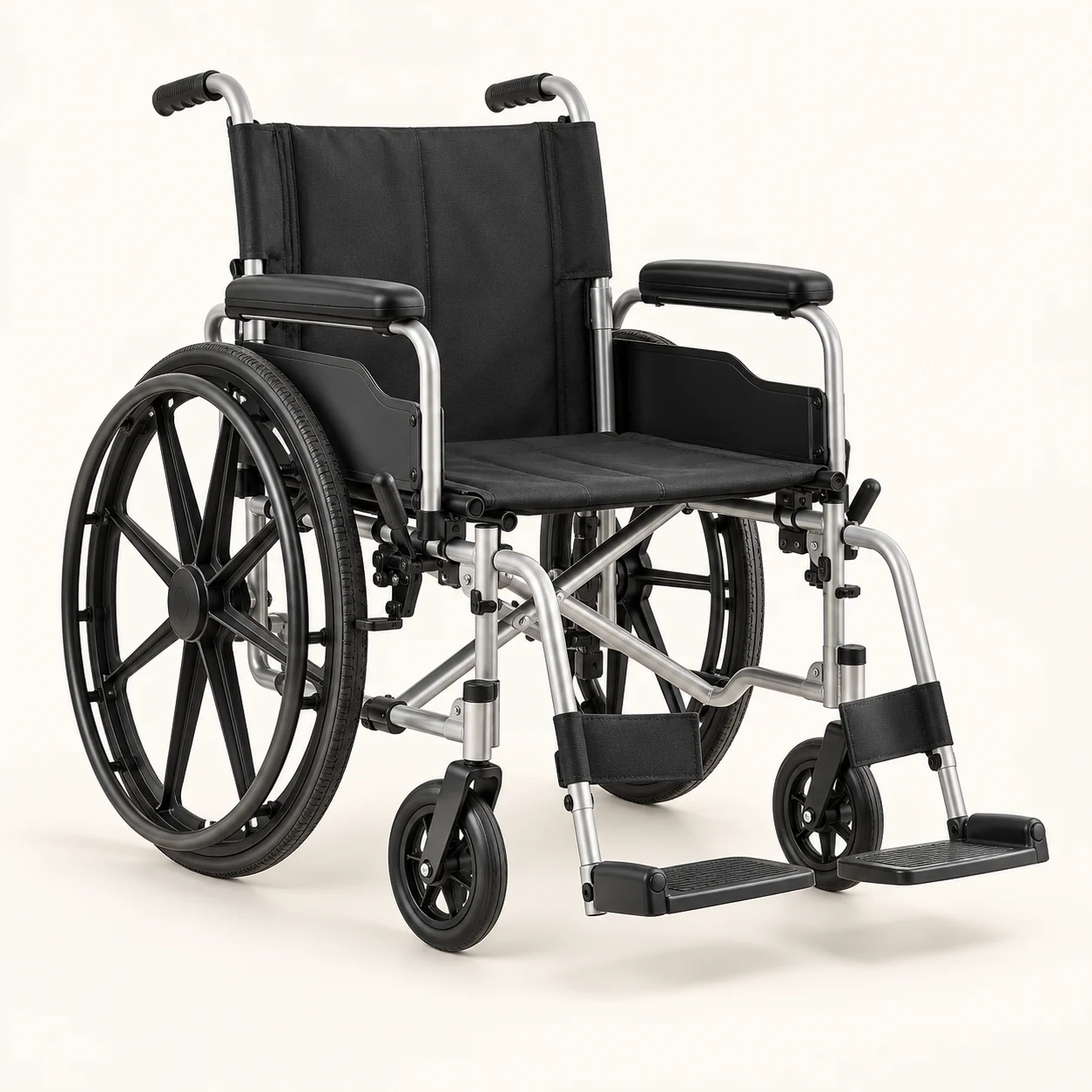
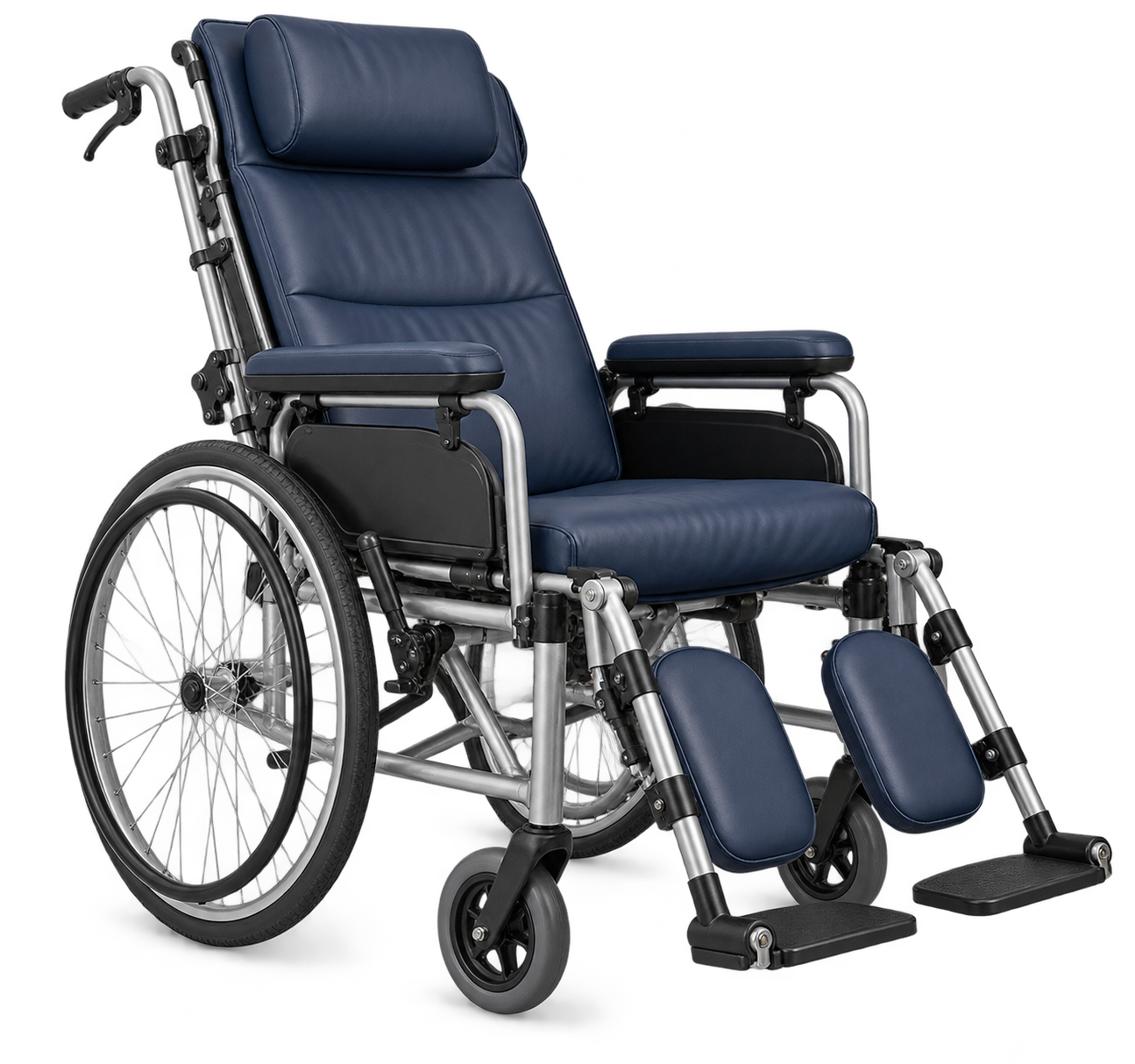
Drive DeVilbiss listings are Cruiser III Folding Wheelchair, Silver Sport 2 18-inch Wheelchair, and Blue Streak 18-inch Wheelchair. The manufacturer Cruiser III product sheet and Blue Streak product sheet show that product families can have multiple seat widths, arm configurations and footrest options. The catalogue’s title or model code identifies the assigned record, but a quote must confirm the actual offered item code and full configuration. Compare the prescribed seat dimensions, overall width, seat-to-floor height, arm and leg support, folding and transport needs, user capacity, accessories and maintenance requirements with the intended user and setting.
How do crutch models differ in the Nigeria catalogue?
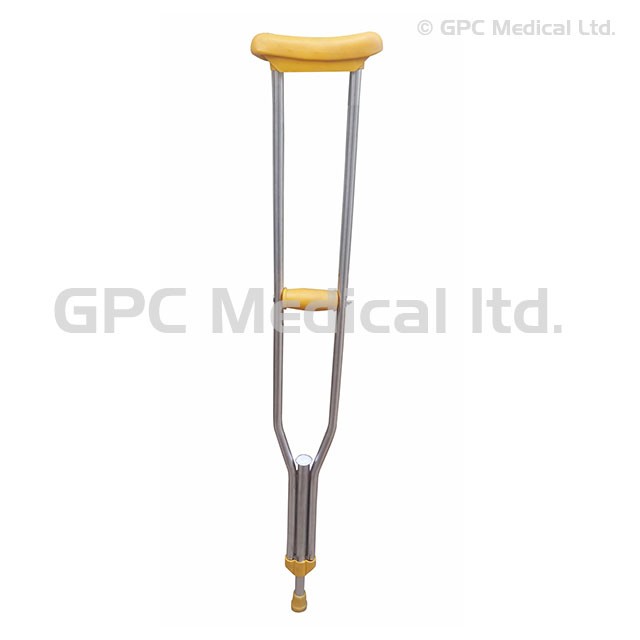
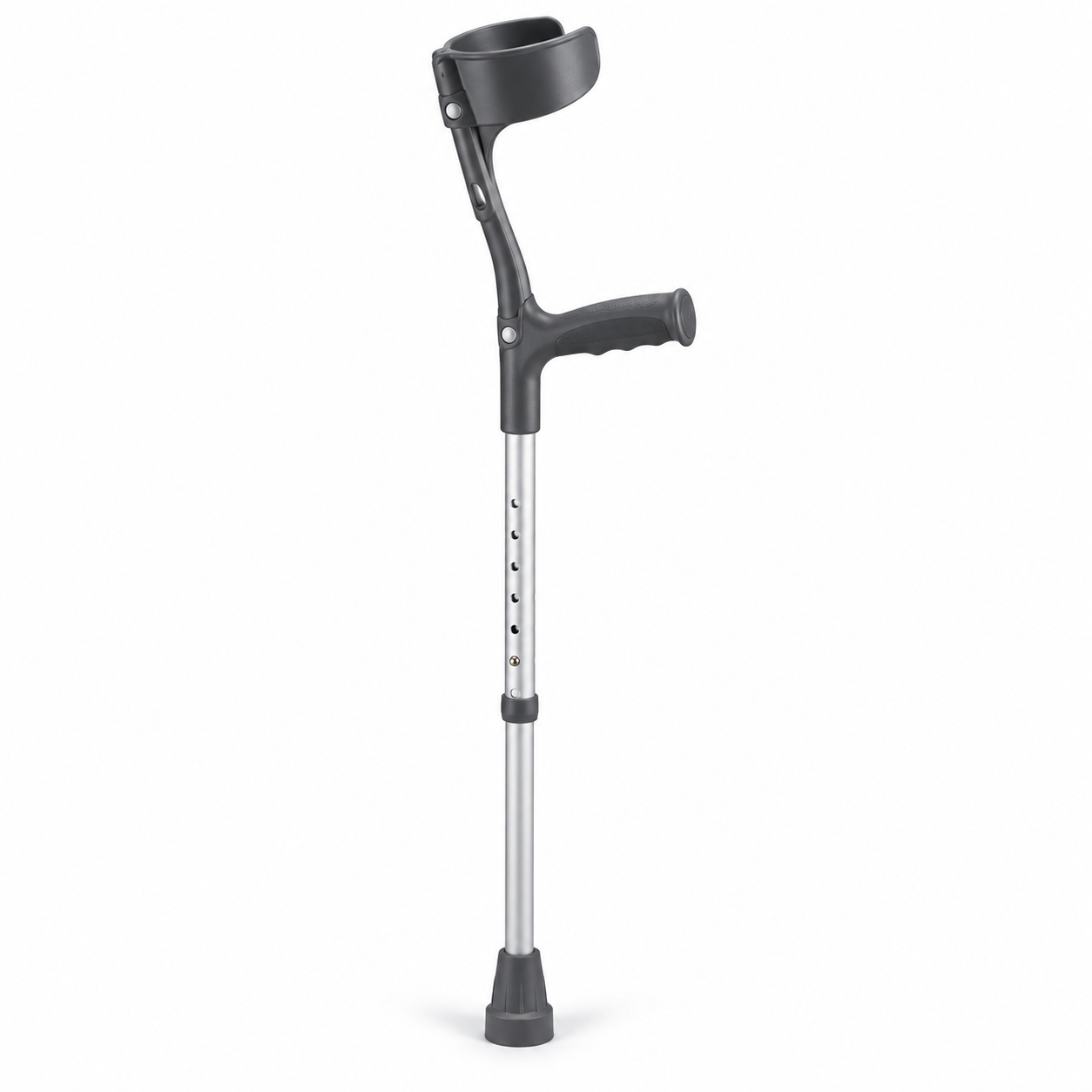
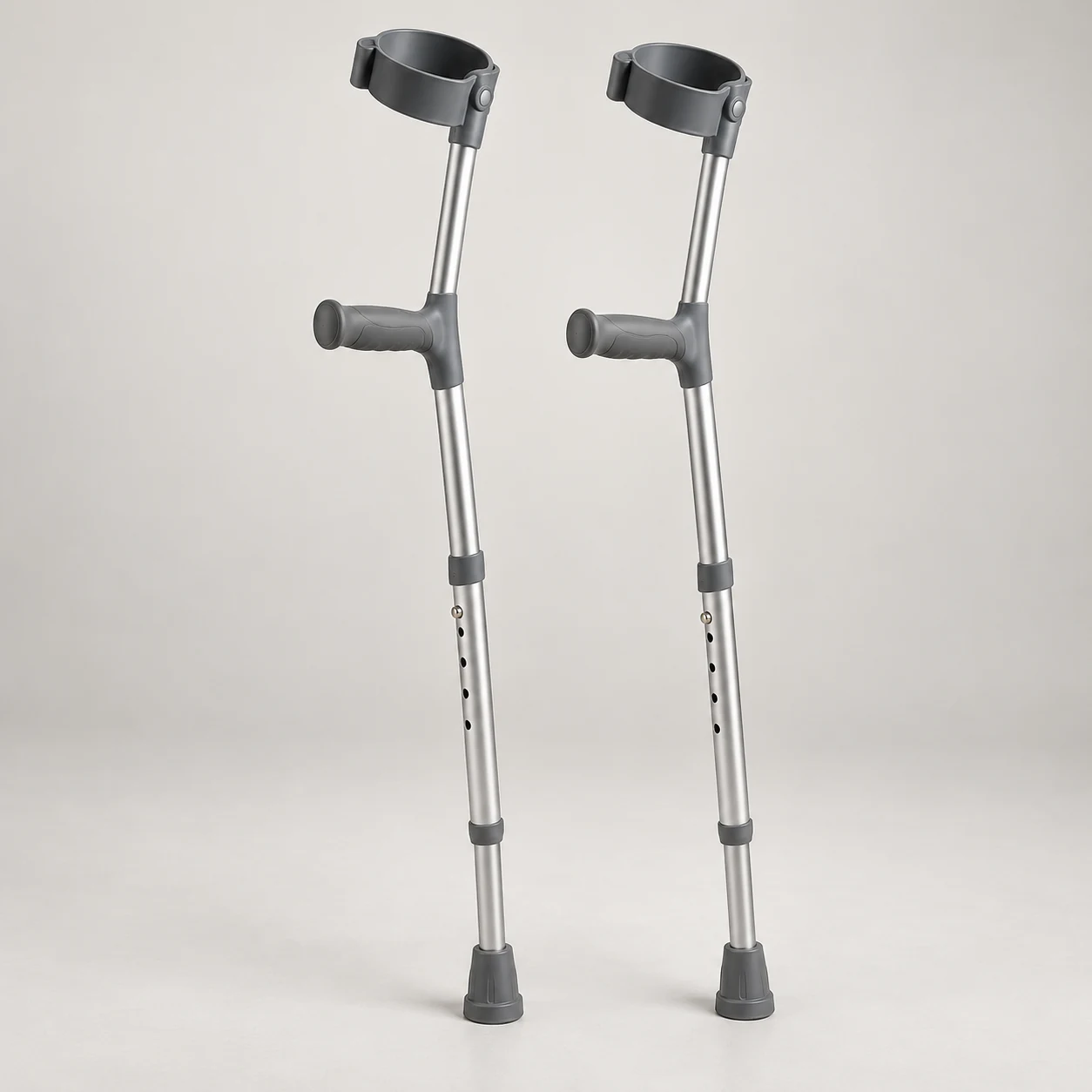
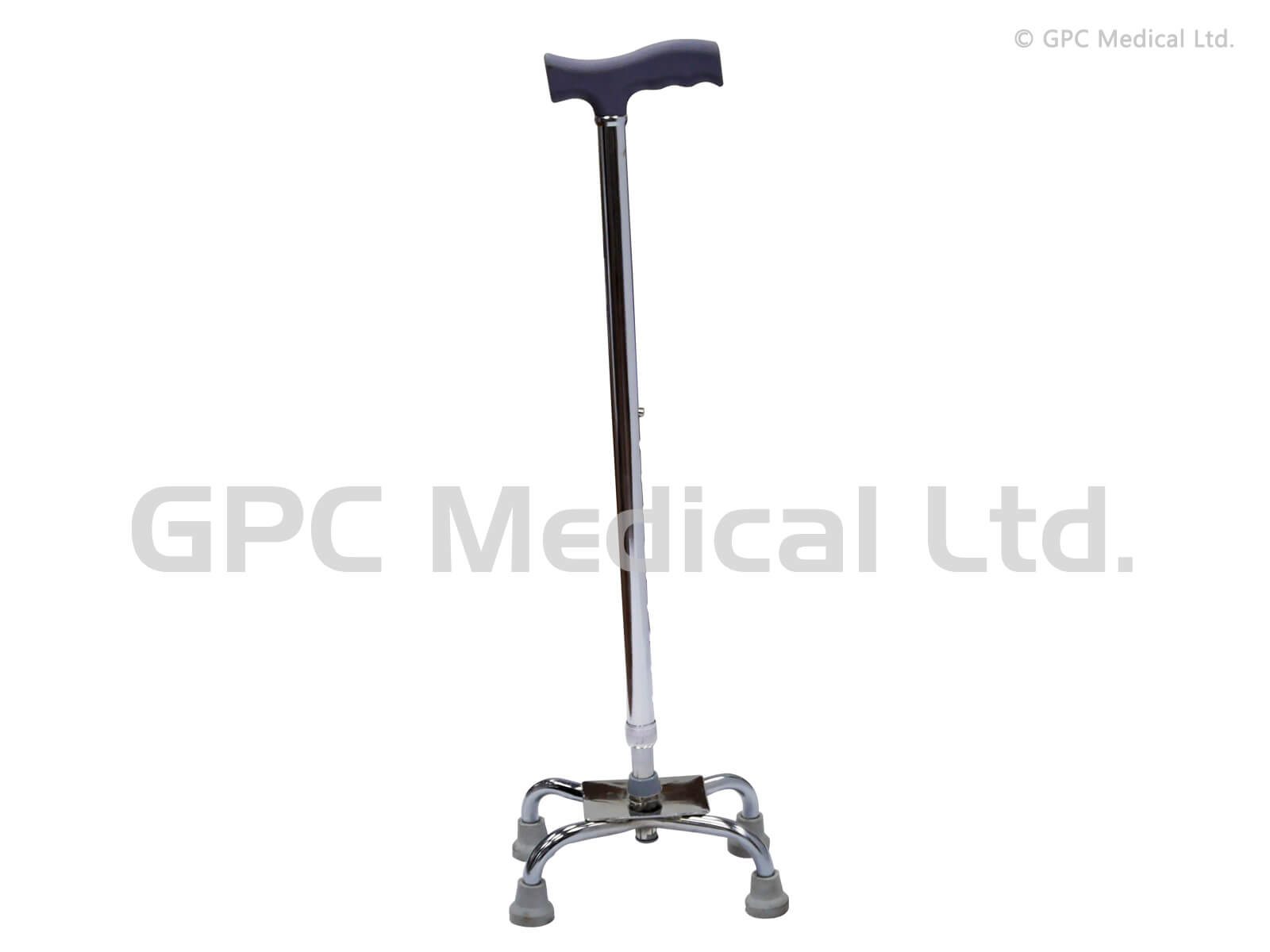
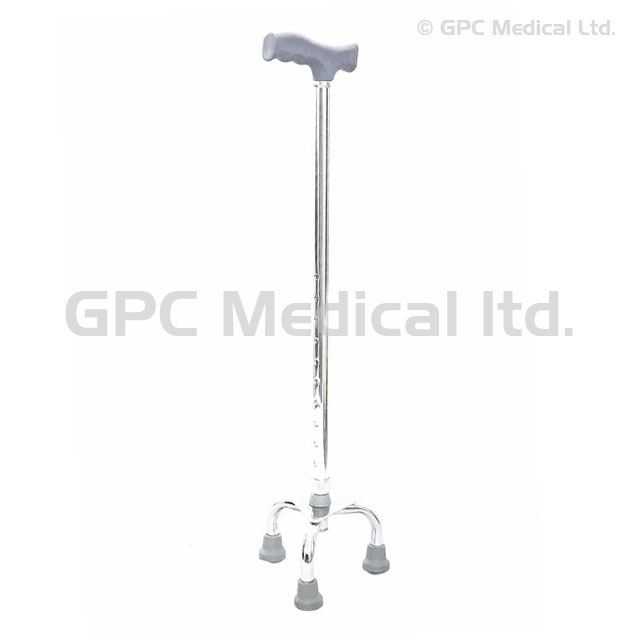
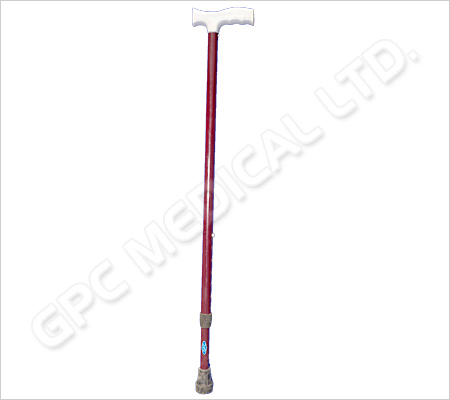
The product names identify different support interfaces: underarm, elbow and closed-cuff forearm. They are not interchangeable configurations. GPC’s WS552 product page identifies an aluminium underarm-crutch family and adult and paediatric sizes; its page also describes adjustment and contact points. GPC’s WS548 product page identifies elbow crutches, but procurement should confirm the exact material, adjustment, cuff and grip details for the model offered. Ossenberg identifies the EASY closed-cuff forearm crutch as model/SKU M521/5211E and states a maximum body weight of 130 kg for that product family. Confirm that the exact item, grip, adjustment style, colour and capacity meet the assessed specification before ordering.
Crutch height and contact fit must be checked by a qualified professional using the manufacturer instructions. Do not rely on a generic measurement or fit the aid solely from a product photograph. Ask what components contact the user, how adjustment locks, what replacement tips or cuffs are available, and whether the quoted variant comes as a pair or individual unit. State the required adult or paediatric size where applicable.
Which walkers and rollators are available in Nigeria?
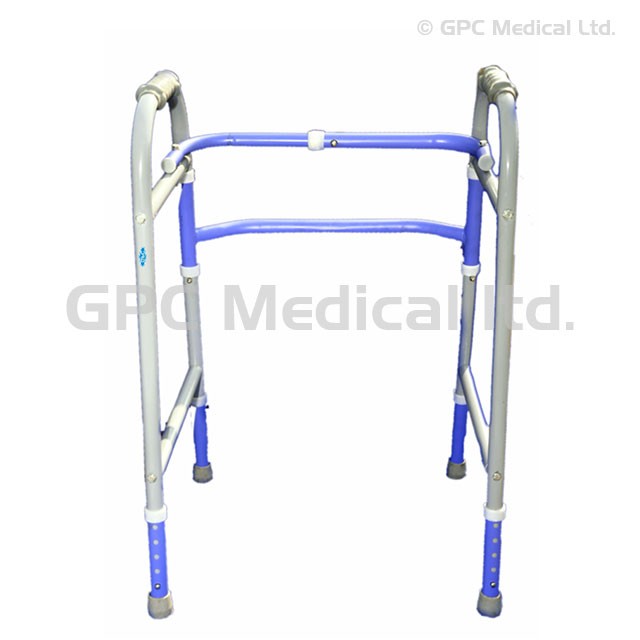
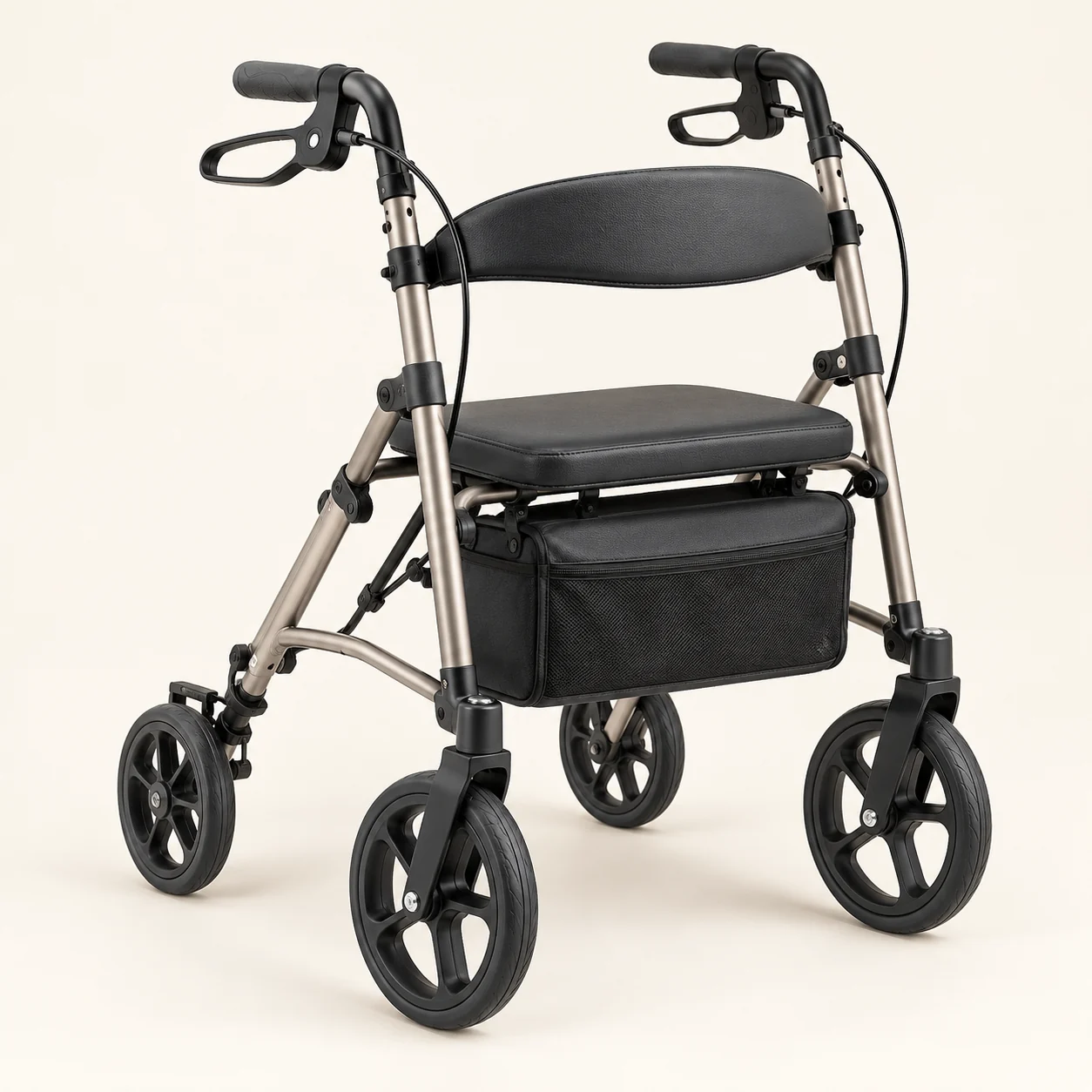
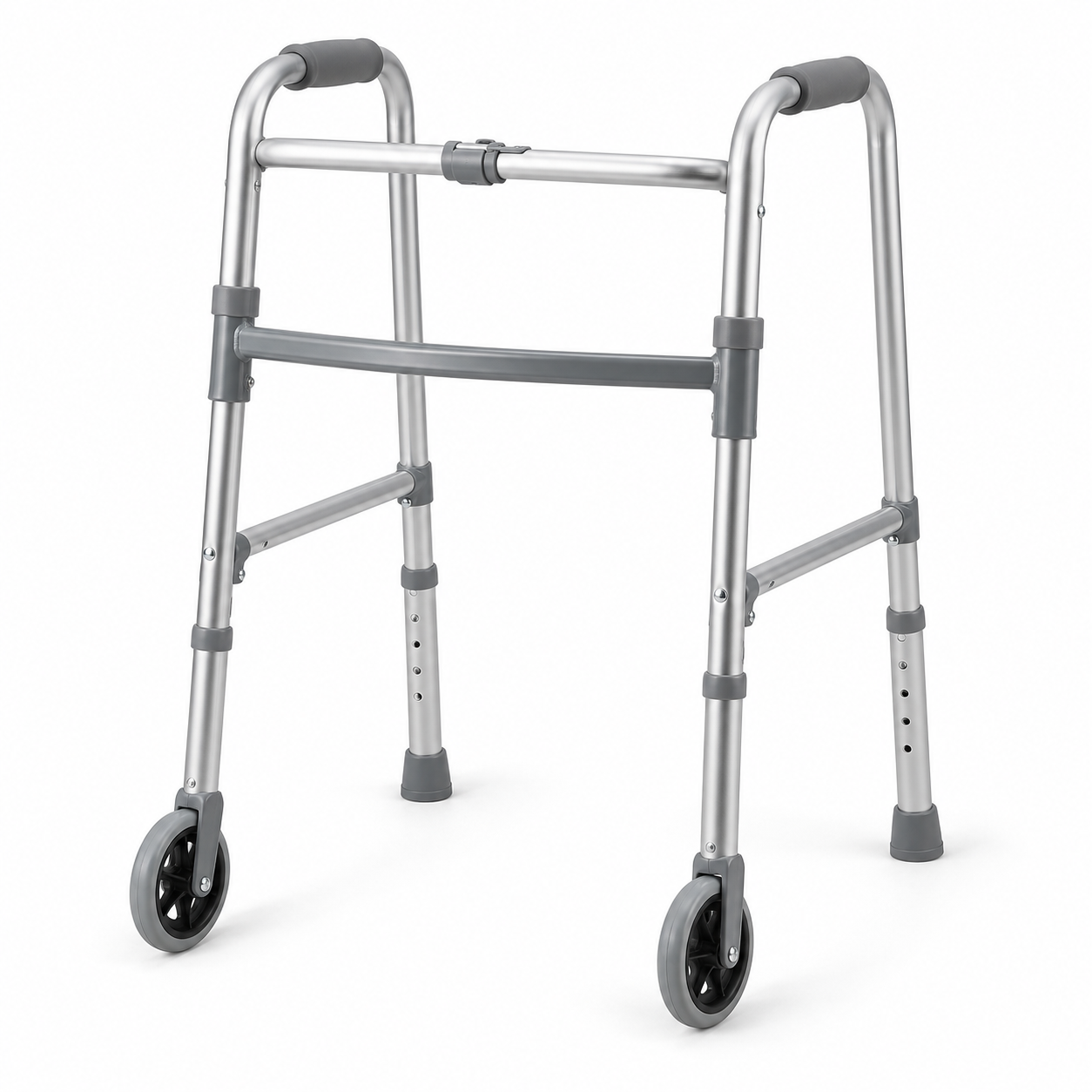
WS560 is listed by GPC as a folding walker without wheels; its product page gives an adjustable height of 76–86 cm and describes rubber shoes and hand grip. WS565 is a folding walker with wheels; the public GPC walking-aids catalogue does not specify enough detail to infer its wheel placement, brake type, capacity or height range, so request the current datasheet. Drive’s Nitro DLX and Nitro Elite CF are four-wheel rollators with seating; the CF record identifies a carbon-fibre frame. Drive lists different product codes for the DLX colour variants and model RTL10266CF for the Nitro Elite CF. Confirm which code, accessories, braking arrangement and dimensions are offered.
The listing does not include every walker style or imply that every aid is suitable for indoor, outdoor or community use. Ask the responsible professional to assess handle height, stability needs, turning and braking ability, frame width, path surfaces, storage and transport. For any rollator, confirm that the user can operate the specific brakes and that the seat and accessories match the intended use. Do not infer fit from a stated weight capacity alone.
How should I compare fit, capacity and configuration?
Begin with the assessment or specification from the clinician, rehabilitation professional or facility team responsible for the user. For a wheelchair, confirm seat width and depth, posture and support requirements, total dimensions, user capacity, seat height, wheel and brake configuration, armrests, footrests and accessories. If a family page lists several options, record the full item code for the exact seat width and fittings. Verify that the chair can pass through doorways and lifts and can be moved or stored in the available vehicle or room.
For crutches and walkers, specify the required adjustment range and contact interfaces, overall footprint, folded size, handle or handgrip type, tips or wheels, and any user capacity requirement. Ask the manufacturer or supplier for the current instructions and model-specific limits. Do not copy a figure from a related model into a quote request. A missing public specification is a point to confirm, not a reason to assume the product matches a requirement.
WHO wheelchair provision guidance recommends individual selection and assessment, preparation and fitting, training for users and assistants, and follow-up. That framework is useful when planning the complete wheelchair service, but a catalogue page alone does not supply those services. Include any required assessment, assembly, fitting, training, maintenance or follow-up in the enquiry and ask Franance to confirm which services can be quoted for the destination.
How do I plan mobility-aid delivery to a Nigerian facility or home?
Give the destination state and city, facility or recipient, exact delivery address, contact person and required date. State whether items are for a home, clinic, hospital, rehabilitation service, loan pool, outreach programme or tender. For wheelchair deliveries, provide doorway and lift dimensions, storage location, loading access and transport constraints. For walking aids and crutches, mention stairs, thresholds, terrain, available storage and whether assembly or adjustment support is needed. These details help the quotation account for the actual destination; they do not establish local availability or guaranteed delivery to every area.
For multiple sites, submit quantities and addresses separately by location. Identify whether products will be individually issued or shared, and who will inspect condition, keep instructions, manage cleaning or maintenance, and request repairs or spare parts. Ask whether the quote includes packaging, freight, delivery, assembly, user fitting, training and after-sales support. Have each included or excluded item stated in writing.
What should a Nigerian mobility-aid quotation include?
Send the exact product name, manufacturer, model or item code, variant, required quantity, approved dimensions and any required accessories. For wheelchairs, include seat size, arm and footrest option, capacity and any support or transport requirements. For crutches, specify underarm, elbow or closed-cuff forearm type, size, adjustment and whether a pair is required. For walkers, identify no-wheel frame, wheeled frame or rollator and list the height, wheel, brake and accessory requirements. Attach the approved specification if the request is for institutional procurement.
Ask Franance to confirm the offered model and current datasheet, starting price or quoted unit price, currency, quote validity, stock or lead time, delivery cost to the named Nigerian city, warranty, accessories, spare parts and service scope. For imports or project procurement, ask which documents can be supplied and confirm freight, installation or fitting responsibilities and exclusions before issuing an order. The online product record is a catalogue reference; it does not promise a price, stock position, delivery date, warranty coverage, regulatory status or service availability.
Can I buy mobility aids online from Franance?
No. Franance accepts quote orders rather than online payment. Add the products you want to the enquiry or contact the team with exact models, quantities and destination details. Franance will follow up by phone or email to clarify the request and provide the quotation. Place an order only after the written offer confirms the supplied configuration, price, delivery arrangements and commercial terms.
Where can I browse mobility-aid models and request a quote in Nigeria?
How many mobility-aid products are currently listed?
The current taxonomy filter returns 13 distinct products: six wheelchairs, three crutch models and four walkers or rollators. WC502 and WC504 also appear in the hospital-wheelchair category, but each is counted once here.
Are hospital wheelchairs and patient-transfer equipment the same category?
Two GPC wheelchairs are cross-assigned to Mobility Aids and the hospital-wheelchair category. Patient-transfer chairs, lifts and stretchers are separate product classes and are not included in this guide's 13 distinct records.
Does the category tell me which aid is right for a person?
No. Category membership is for catalogue navigation. A qualified professional should assess individual needs, fit, intended use and safe operation using current manufacturer instructions.
Can I buy mobility aids online from Franance?
No. Franance accepts quote orders and follows up by phone or email. The written quotation confirms the offered configuration, price and commercial terms.
What should I include in a Nigerian mobility-aid quote request?
Provide exact models and item codes, quantities, sizes and options, accessories, delivery state and city, site details and any required fitting, training or service scope.
Request a mobility-aids quotation from Franance.
Send exact model codes, sizes and configuration, quantities, accessories, destination city and state, and any requested fitting or support scope. Franance will follow up by phone or email with a quote order.