

Buy Mobility & Transfer in Nigeria.
Buy hospital mobility and transfer equipment in Nigeria through Franance by specifying the handling task, exact model, patient-care workflow, room and route constraints, accessories, quantity and destination. The current category lists 11 assigned records across patient lifts, transfer and hygiene chairs, and hospital wheelchairs. These products serve different workflows; the category does not establish clinical suitability or safe-use decisions.
Browse this range
Products
17 models
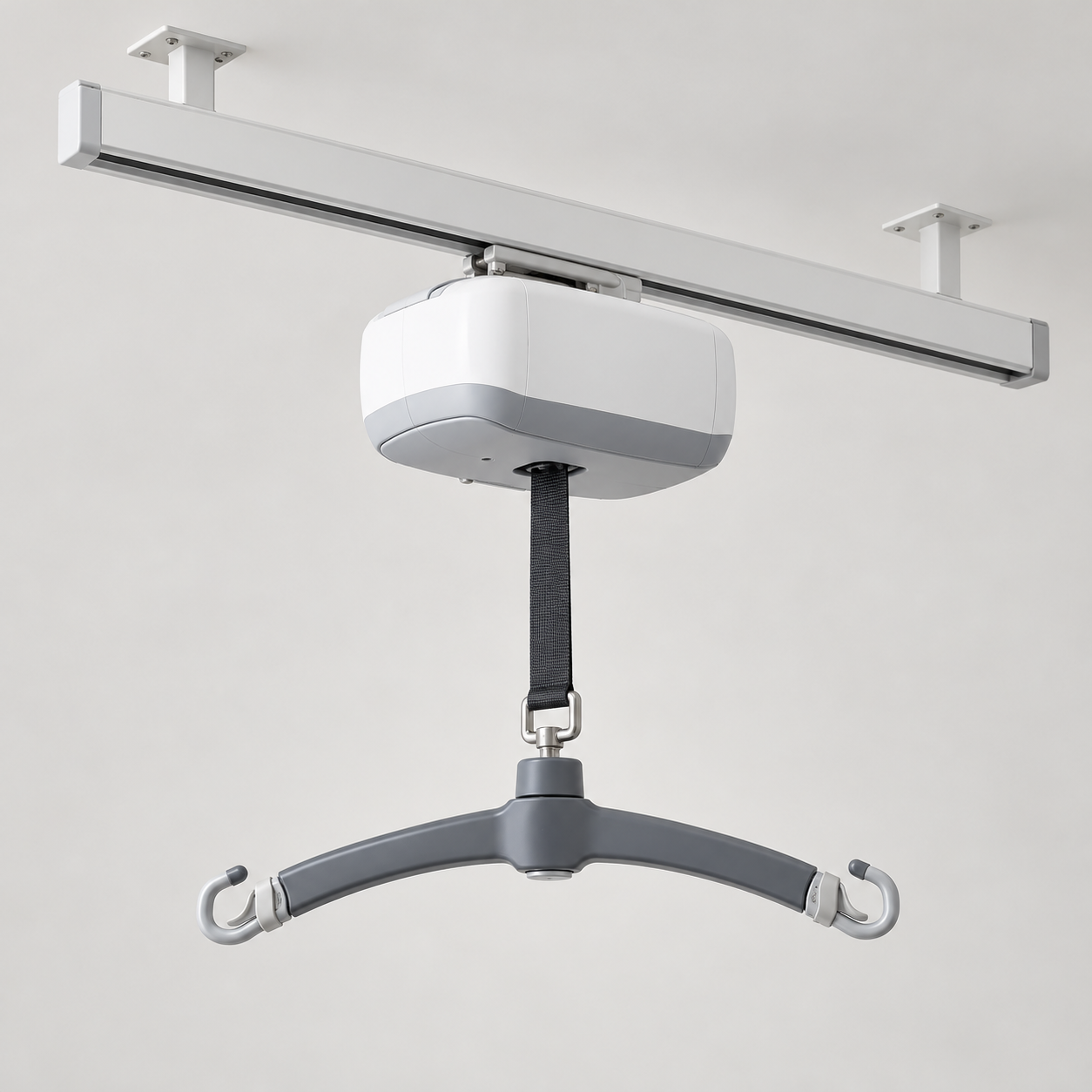
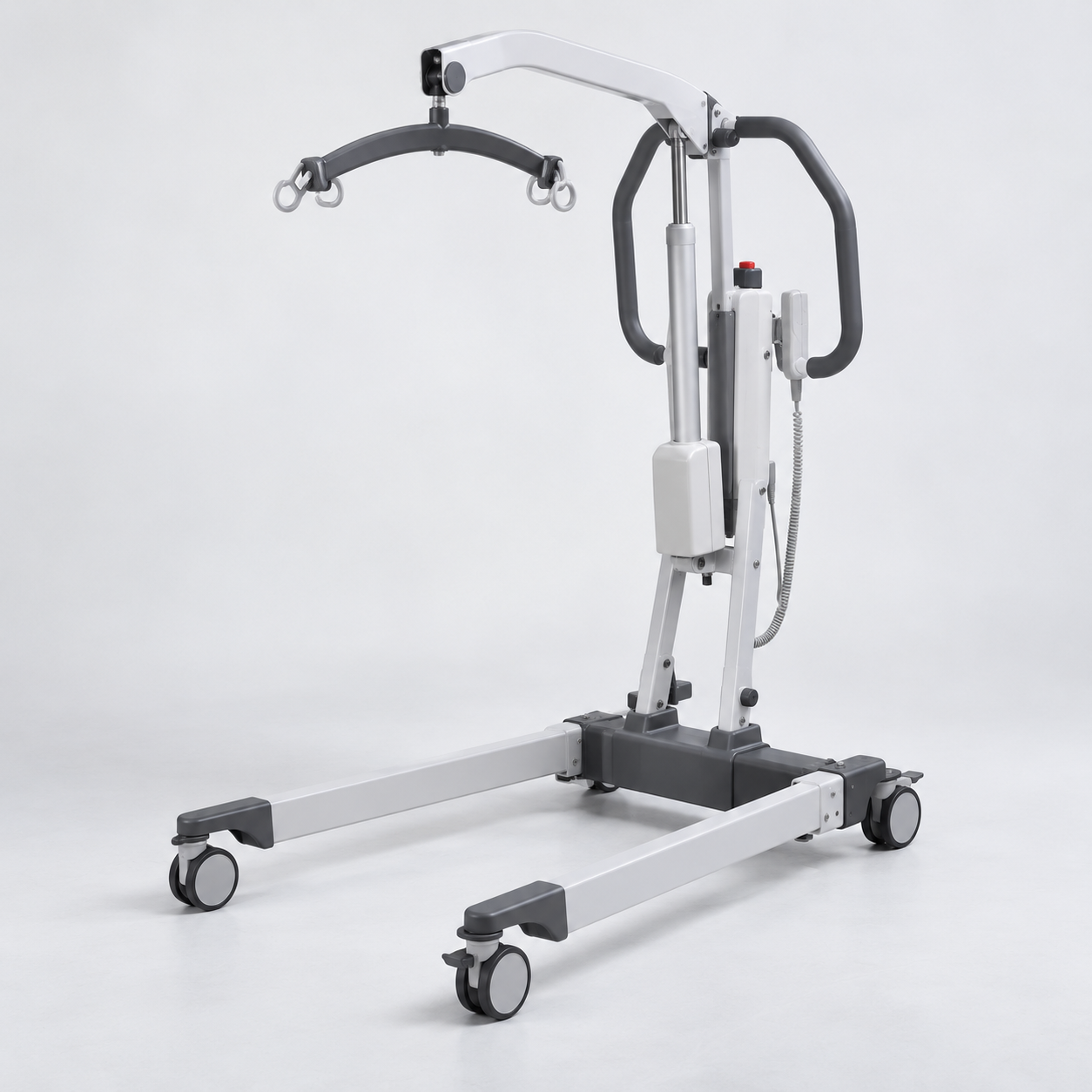
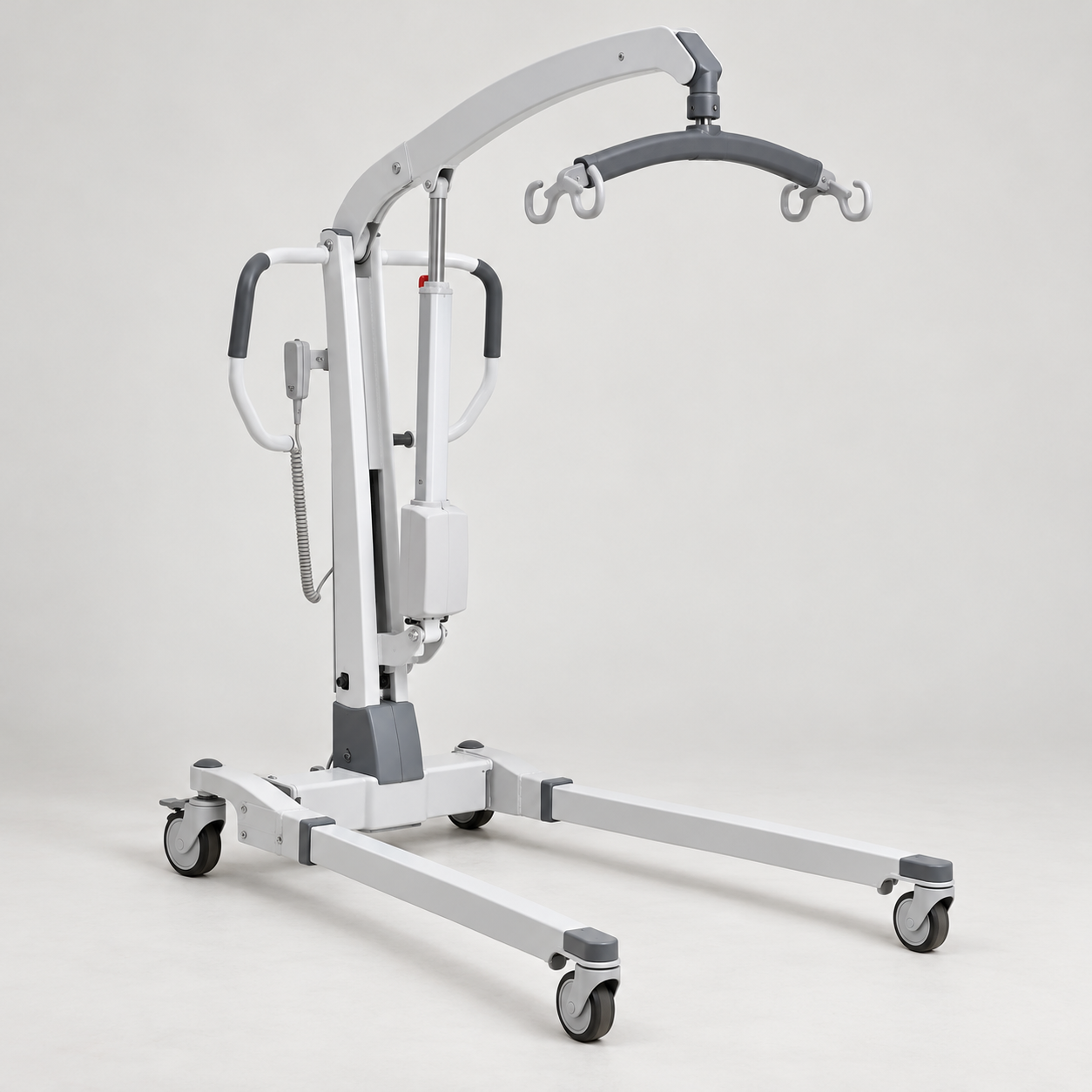
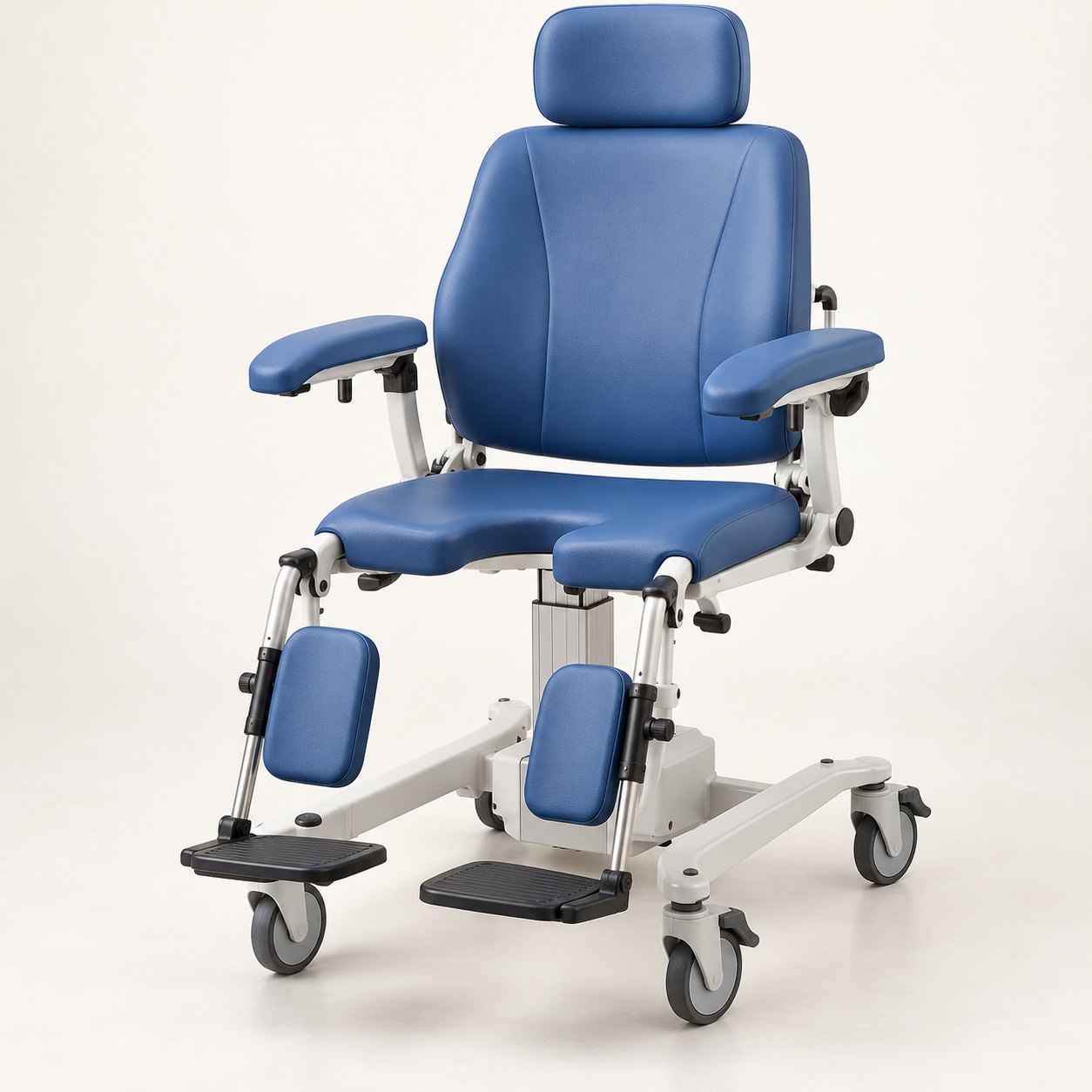
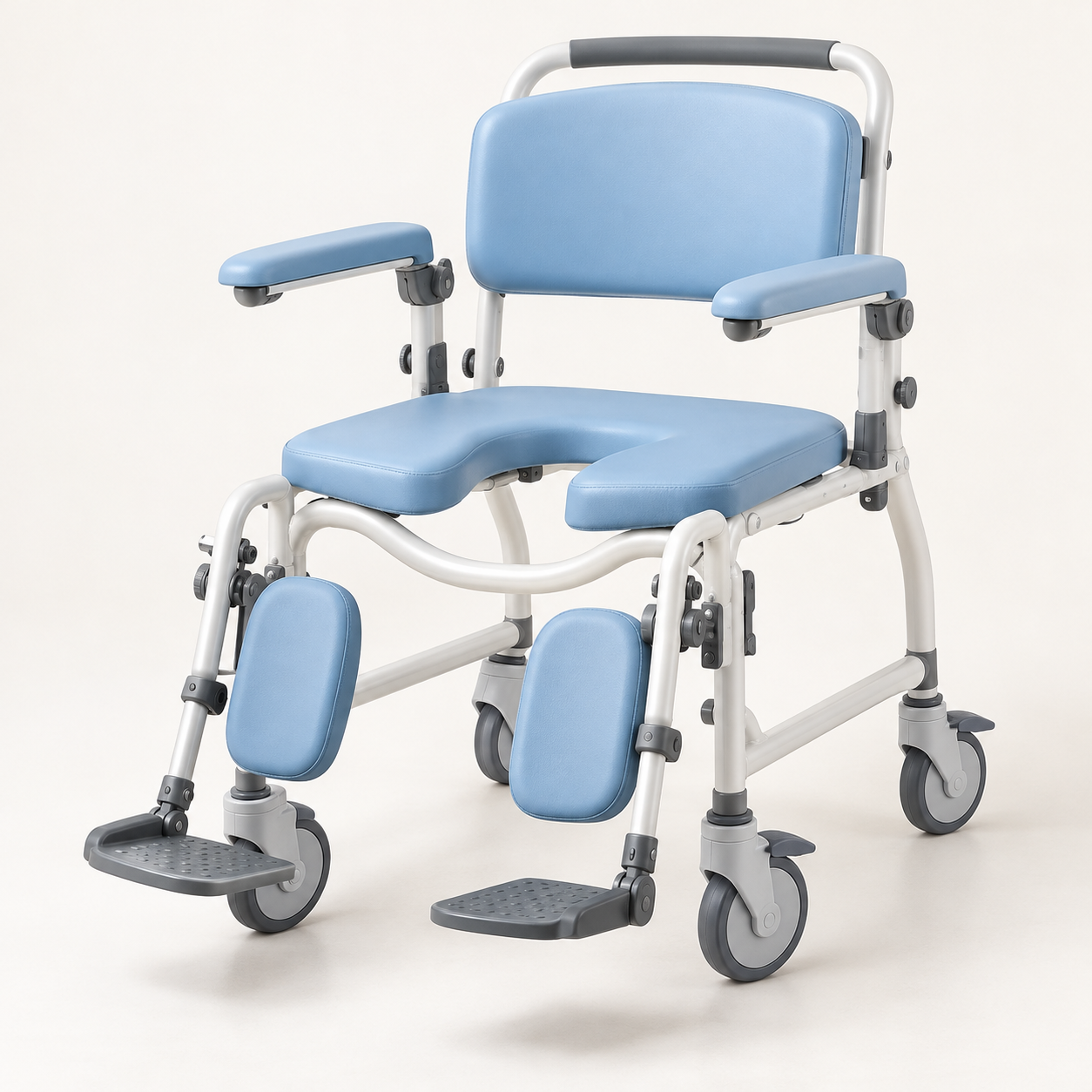
Carino Height-Adjustable Shower and Hygiene Chair
Height-adjustable shower and hygiene chair
Price on request
Which hospital mobility and transfer products can I buy in Nigeria?
The Mobility & Transfer category has three practical groups. The patient-lifting hoist section lists Arjo Maxi 500, Maxi Move 5, Maxi Twin, Maxi Twin Compact and Maxi Sky 1000. The patient-transfer chair section lists Sara Stedy, Carino, Carendo and Stryker Prime TC. The hospital-wheelchair section lists GPC Medical WC502 and WC504 plus Stryker Prime TC.
Read moreHow is hospital patient handling in Nigeria different from rehabilitation mobility aids?
This page is about ward movement, transfer, hygiene and hospital handling workflows. The taxonomy assigns the GPC WC502 and WC504 wheelchair models to both this hospital-furniture category and Rehabilitation & Mobility Aids, under its wheelchair leaf. Those two records are shared across classifications; they are not extra models. Other rehabilitation listings, such as crutches, walkers and general wheelchair options, remain in that separate category and are not part of the 11 Mobility & Transfer assignments.
Read moreWhich patient lift type should I compare for a Nigerian hospital?
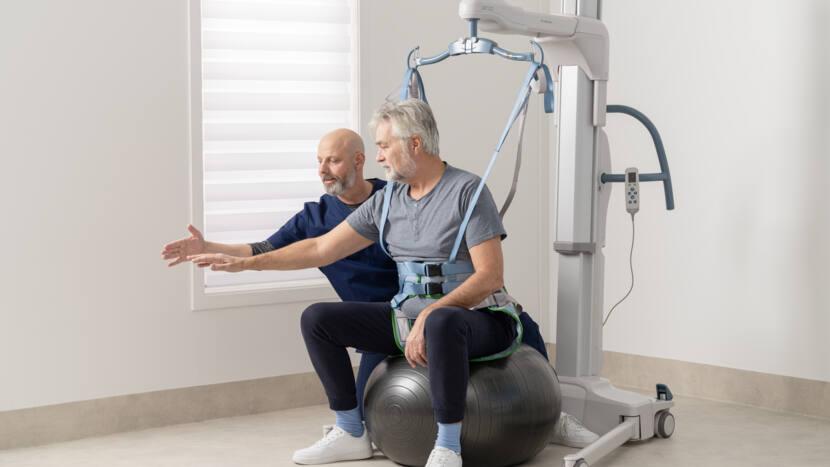
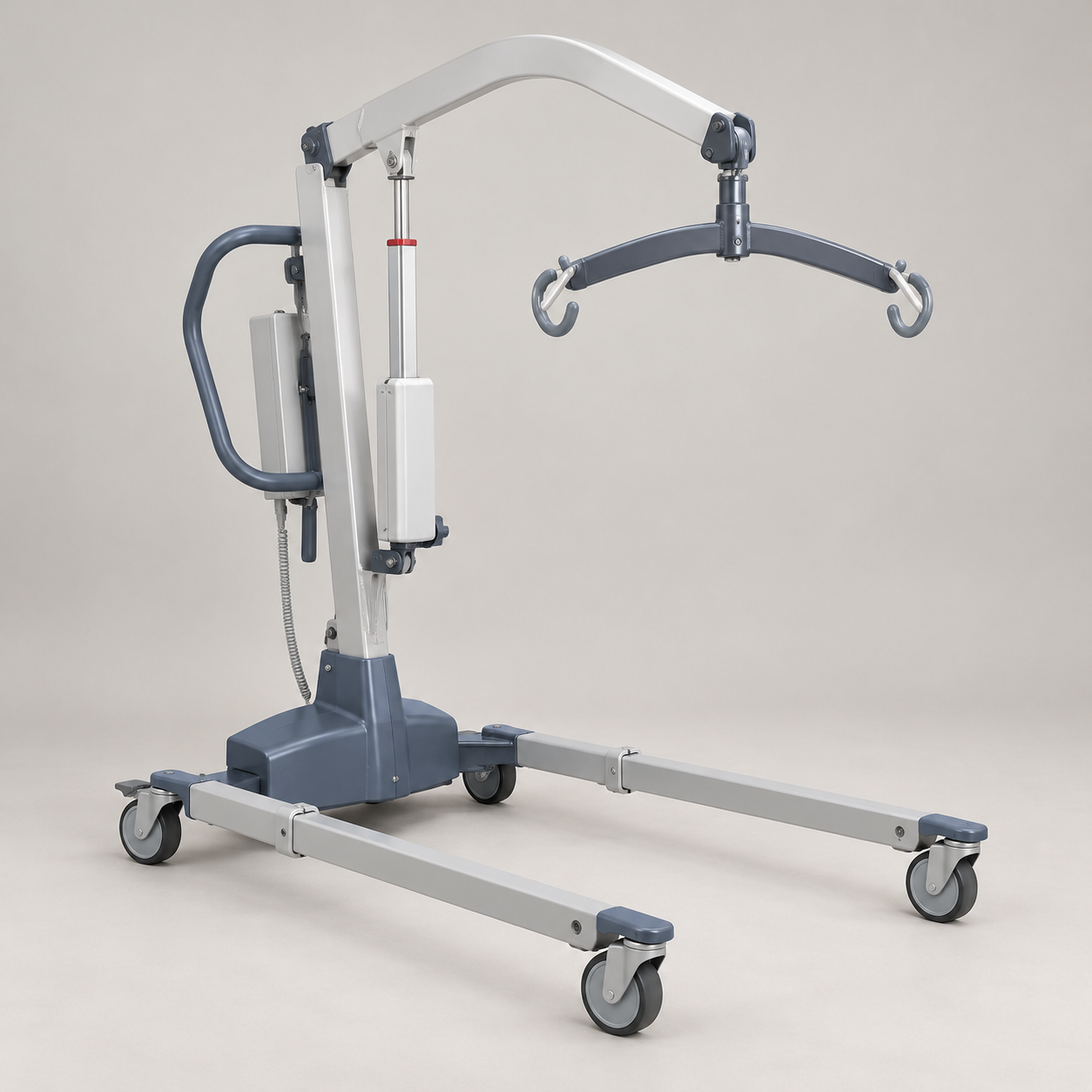
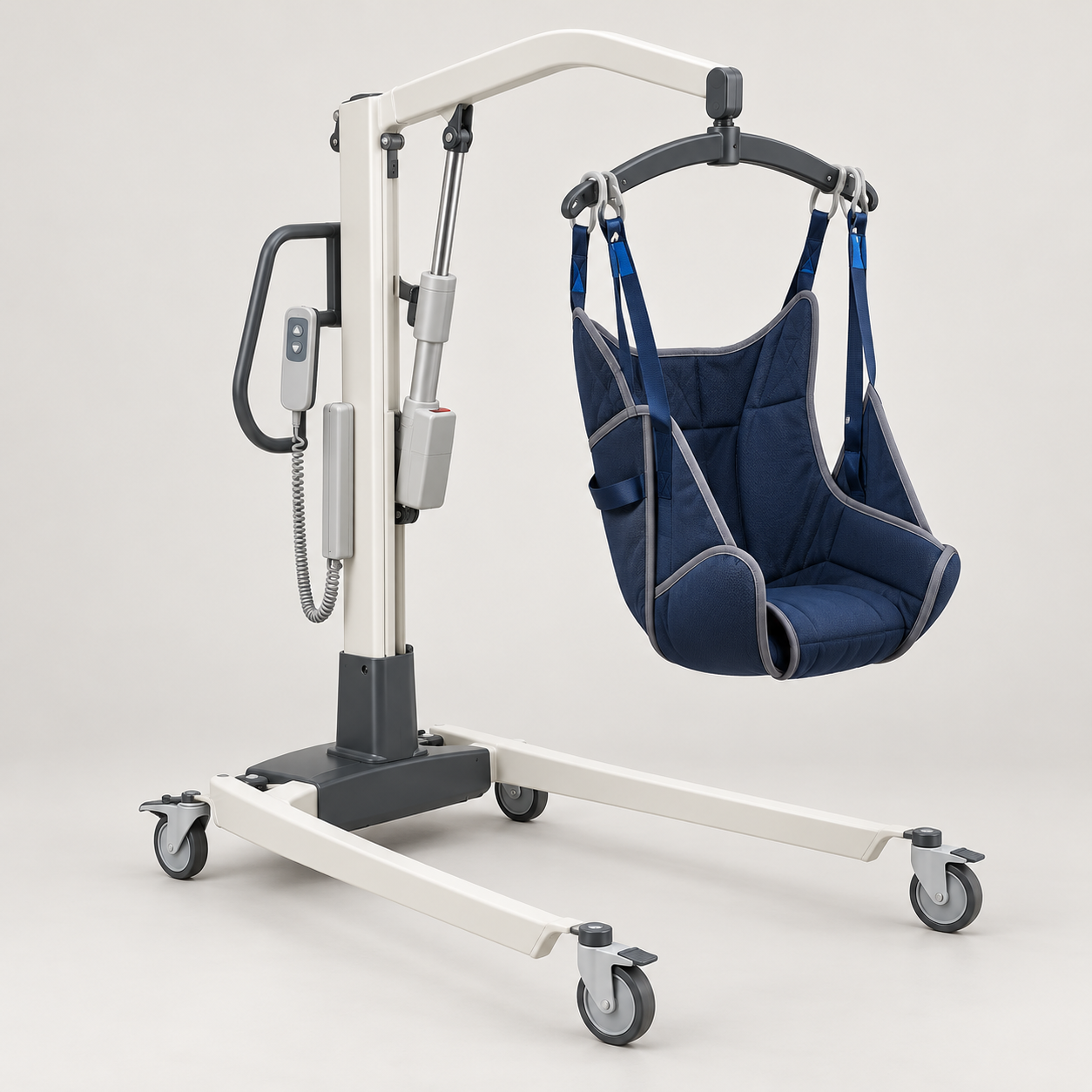
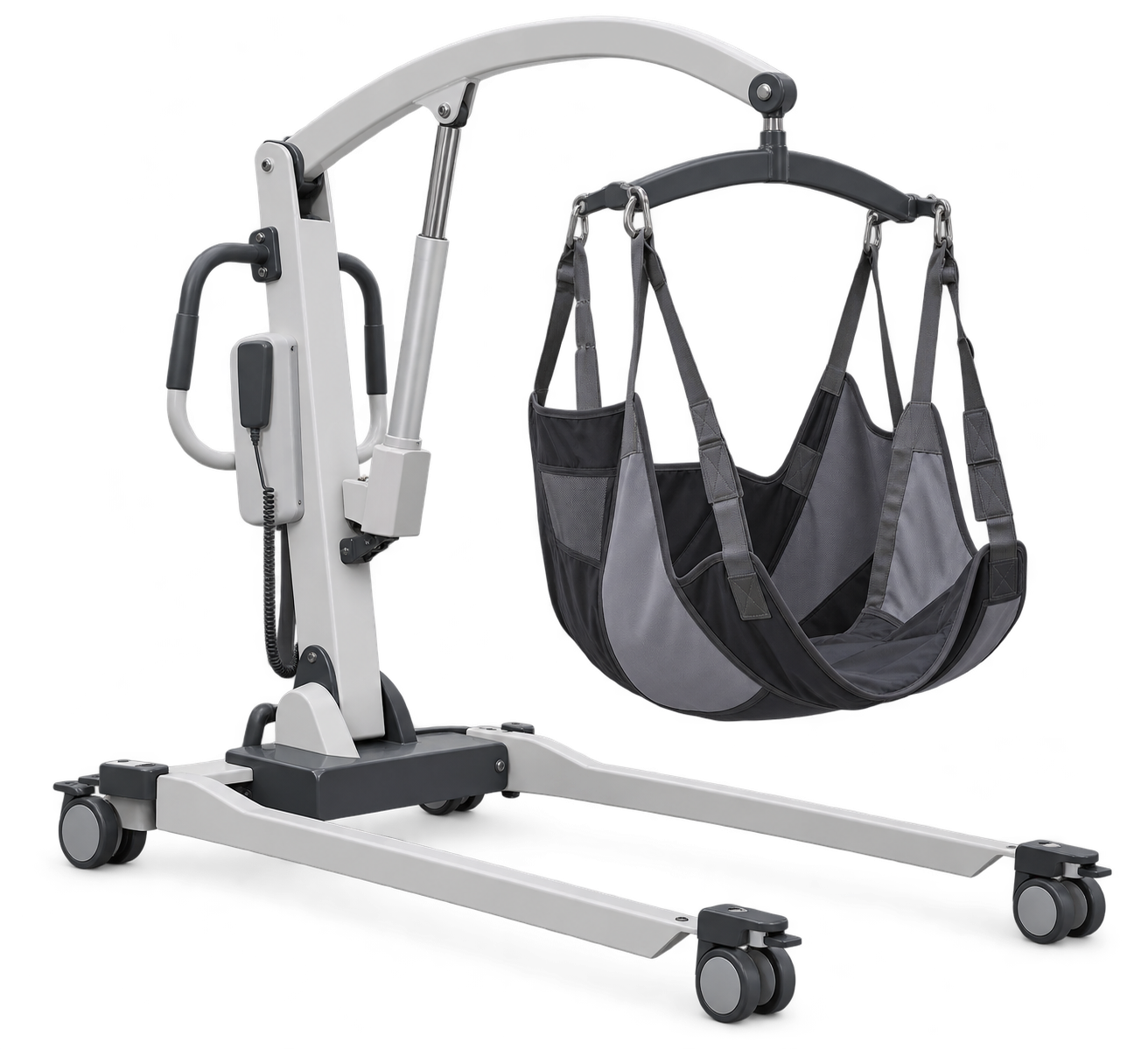
The current lift group includes mobile floor lifts and one ceiling lift system. Floor lifts move on castors between care spaces and require a route and turning area suitable for the lift, bed, sling and staff. Arjo lists four mobile floor-lift records: Maxi 500, Maxi Move 5, Maxi Twin and Maxi Twin Compact. Their product pages describe different designs and intended configurations; check current manufacturer specifications for the exact model and accessories being quoted.
Read moreBuy hospital mobility and patient transfer equipment in Nigeria
Franance’s Mobility & Transfer category brings together equipment used to move patients through hospital wards, support assisted transfers and hygiene routines, and manage dependent-patient handling. It contains patient lifts, transport and hygiene chairs, and two hospital-wheelchair records. These products address different tasks. A wheeled chair does not replace a patient lift, a sit-to-stand aid is not a full-body hoist, and a lift’s rating alone does not determine whether it suits a patient or a facility. The current category has 11 assigned product records: five Arjo mobile floor or ceiling lifts, Arjo Sara Stedy, two Arjo hygiene chairs, two GPC Medical wheelchairs, and the Stryker Prime TC patient transport chair. Browse patient lifting hoists, patient transfer chairs, and hospital wheelchairs. Send Franance a quote order with the intended workflow, exact model, quantity and Nigerian delivery destination; the team will follow up by phone or email.
Which hospital mobility and transfer products can I buy in Nigeria?
The Mobility & Transfer category has three practical groups. The patient-lifting hoist section lists Arjo Maxi 500, Maxi Move 5, Maxi Twin, Maxi Twin Compact and Maxi Sky 1000. The patient-transfer chair section lists Sara Stedy, Carino, Carendo and Stryker Prime TC. The hospital-wheelchair section lists GPC Medical WC502 and WC504 plus Stryker Prime TC.
Open the exact filtered records for the Arjo Maxi 500, Maxi Move 5, Maxi Twin Compact, Maxi Sky 1000, Sara Stedy, Carino, Carendo, GPC Medical WC502, GPC Medical WC504, and Stryker Prime TC model 1460. The Arjo Maxi Twin filter also returns Maxi Twin Compact because the names overlap; compare the exact title rather than treating the filtered results as a unique match.
How is hospital patient handling in Nigeria different from rehabilitation mobility aids?
This page is about ward movement, transfer, hygiene and hospital handling workflows. The taxonomy assigns the GPC WC502 and WC504 wheelchair models to both this hospital-furniture category and Rehabilitation & Mobility Aids, under its wheelchair leaf. Those two records are shared across classifications; they are not extra models. Other rehabilitation listings, such as crutches, walkers and general wheelchair options, remain in that separate category and are not part of the 11 Mobility & Transfer assignments.
A hospital’s handling plan may include short-distance transport between departments, transfer between bed and chair, assisted standing, full-body lifting, showering and toileting. Each task needs a product and workflow selected for the person, staff, route and room. Do not interpret this catalogue as a clinical protocol or assume that items sharing a category are interchangeable. The task, patient assessment and facility procedure should guide selection.
The U.S. Occupational Safety and Health Administration (OSHA) describes mechanical lifting and transfer equipment as part of a broader safe patient handling program that includes hazard assessment, suitable equipment, training, maintenance, staff participation and review. Its guidance is not Nigerian regulation, but it is a useful planning reference for hospitals considering equipment as part of an operational program rather than a standalone purchase.
Which patient lift type should I compare for a Nigerian hospital?
The current lift group includes mobile floor lifts and one ceiling lift system. Floor lifts move on castors between care spaces and require a route and turning area suitable for the lift, bed, sling and staff. Arjo lists four mobile floor-lift records: Maxi 500, Maxi Move 5, Maxi Twin and Maxi Twin Compact. Their product pages describe different designs and intended configurations; check current manufacturer specifications for the exact model and accessories being quoted.
Maxi Sky 1000 is a ceiling lift system. Arjo describes it as a single-cassette system for plus-size patients and residents, with a dedicated spreader bar and sling options. A ceiling solution requires project planning for track layout, structure, rooms covered, access, installation and service. A ceiling lift cassette alone does not prove that a building’s structure or proposed track layout is suitable.
Compare the transfer tasks, patient population assessed by the clinical team, room dimensions, handling equipment already used, frequency and route between spaces, cleaning regime, storage and staff access. Request the exact model, rated limits, lift range, available accessories, battery or power arrangements, emergency lowering details and compatible sling list from the current manufacturer documentation. A headline safe working load is an equipment limit and must not be treated as clinical suitability advice.
When should a Nigerian hospital compare a sit-to-stand aid with a full-body hoist?
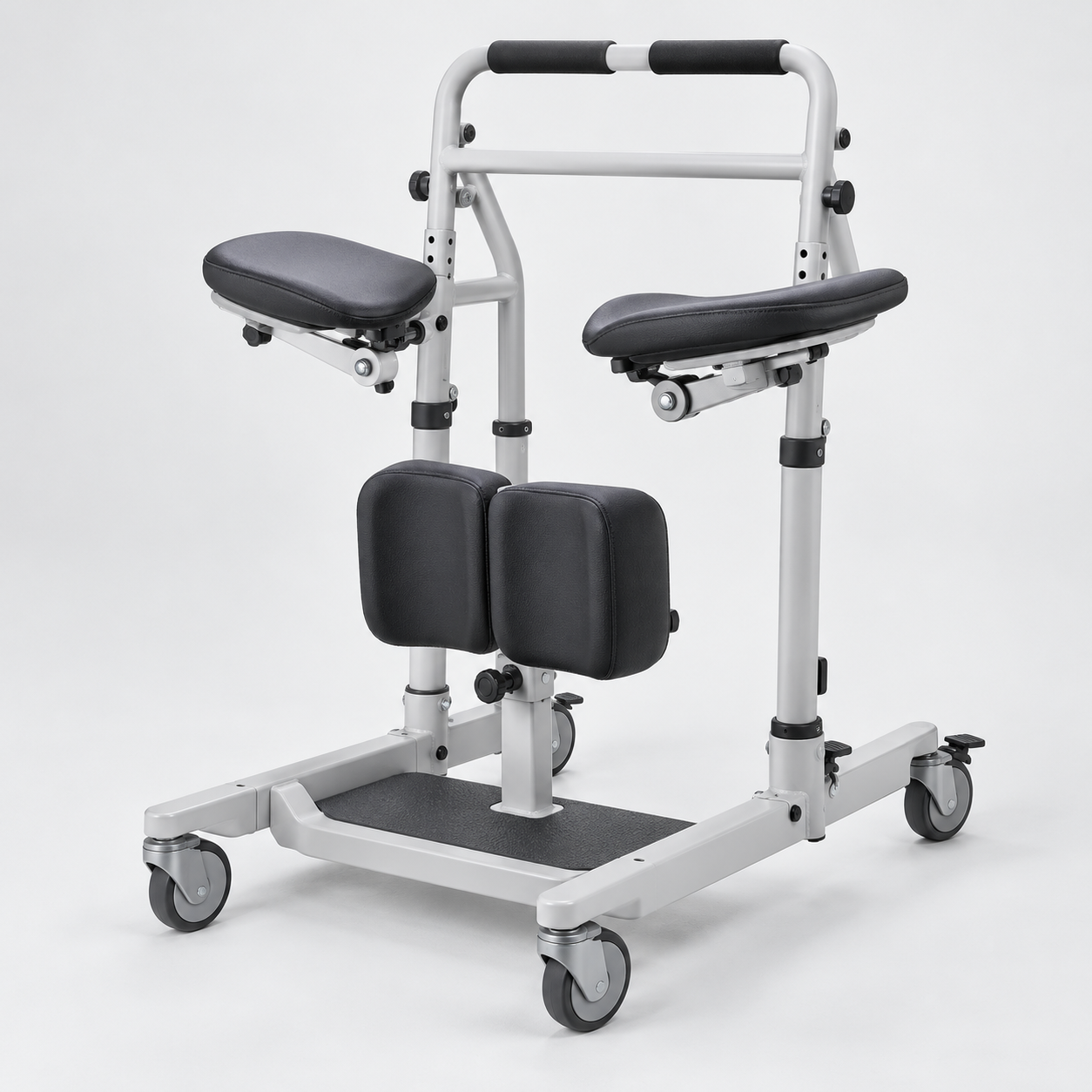
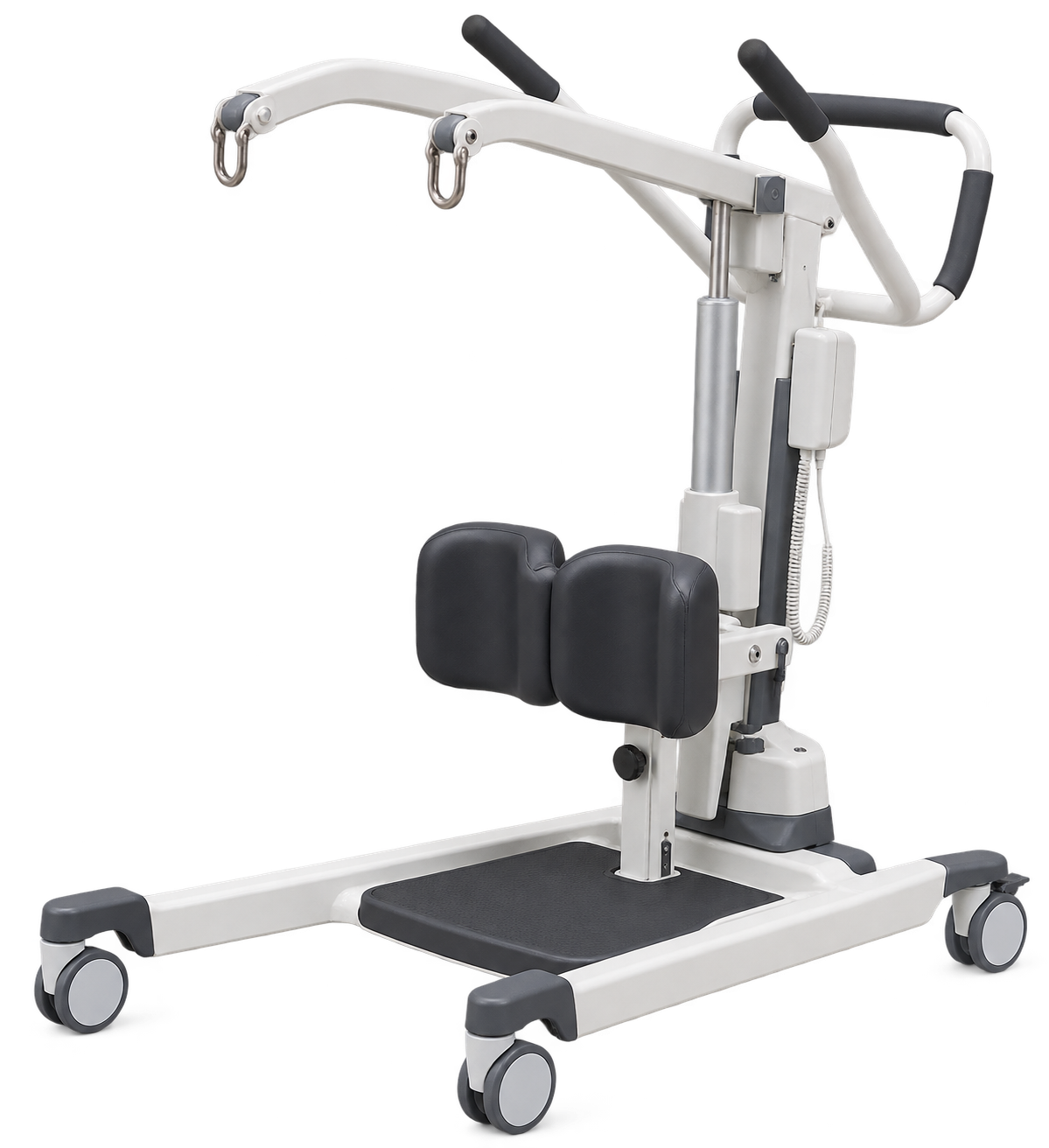
The listed Arjo Sara Stedy is a non-powered sit-to-stand transfer aid. Arjo’s product materials describe a device intended to support sit-to-stand movement and active transfers. This is a different task from a mobile or ceiling lift that supports a patient in a compatible sling during a full-body lift. The facility’s trained team must assess the patient and transfer method; do not decide from a product photo or title.
When requesting Sara Stedy, specify whether you mean Sara Stedy or the Compact variant, the product code, accessories and quantity. The authored record includes model codes NTB2000 and NTB3000 for those variants, so the quote should identify which is offered. Ask for the current instructions, selection criteria and safety limits, and ensure staff are trained on the exact model and local transfer procedure.
For a patient who cannot participate in standing or needs a different transfer method, the clinical team may specify another handling device. This guide does not prescribe which individual should use a sit-to-stand aid or lift. It helps the procurement team distinguish the equipment families and ask the supplier for the exact item and configuration required by the facility.
Are hygiene chairs and transport chairs patient lifts in Nigeria?
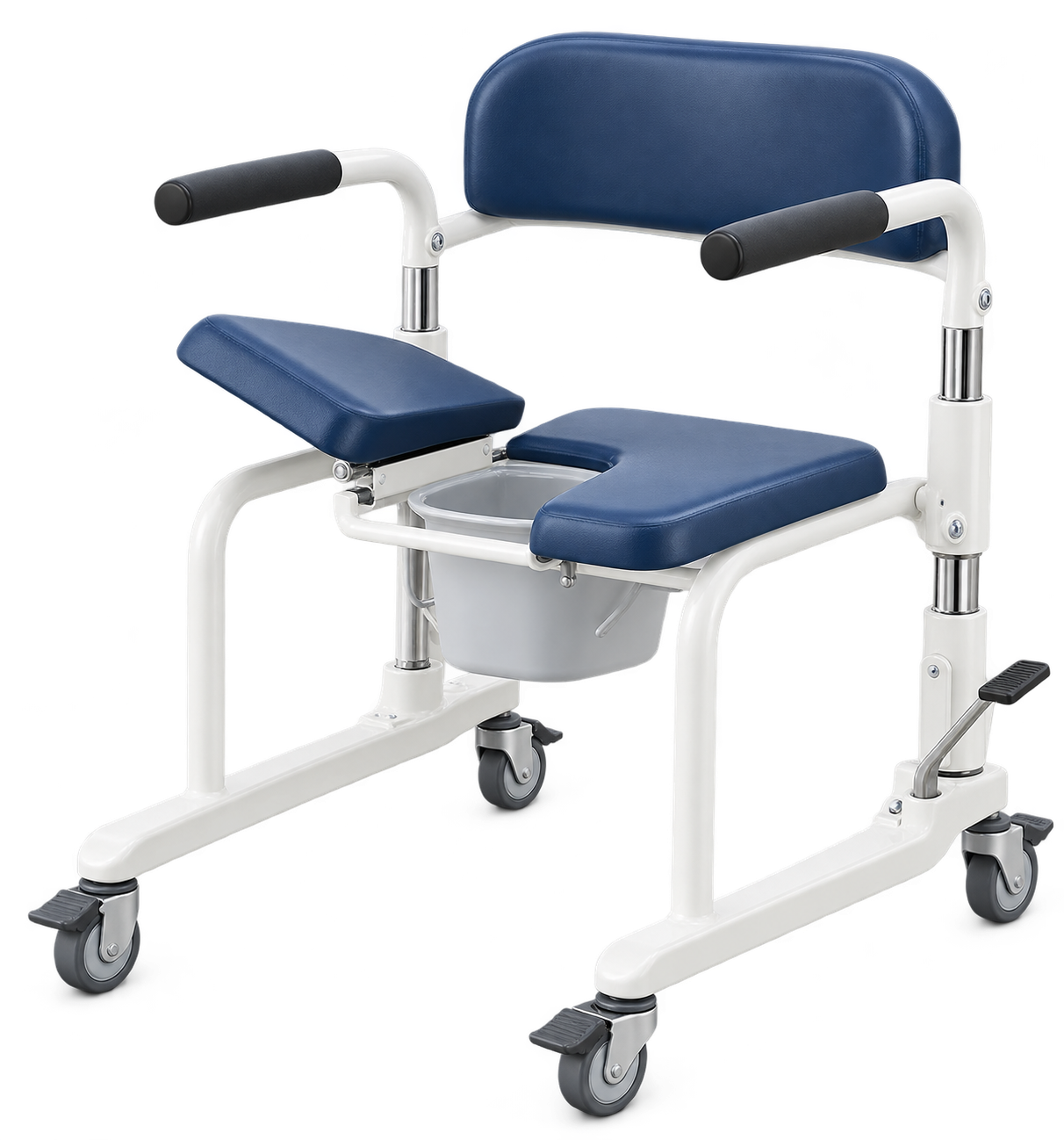
No. The listed Arjo Carino is described by Arjo as a height-adjustable shower and hygiene chair. The manufacturer says it can support assisted showering and hygiene routines and can reduce the number of transfers during those tasks. Arjo Carendo is described as a multipurpose hygiene chair for dressing, toileting, showering and related care tasks. These are hygiene-care products; confirm transfer functions and compatibility against the exact current model information and facility workflow.
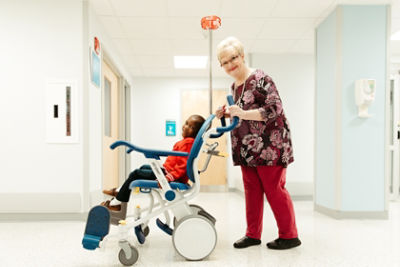
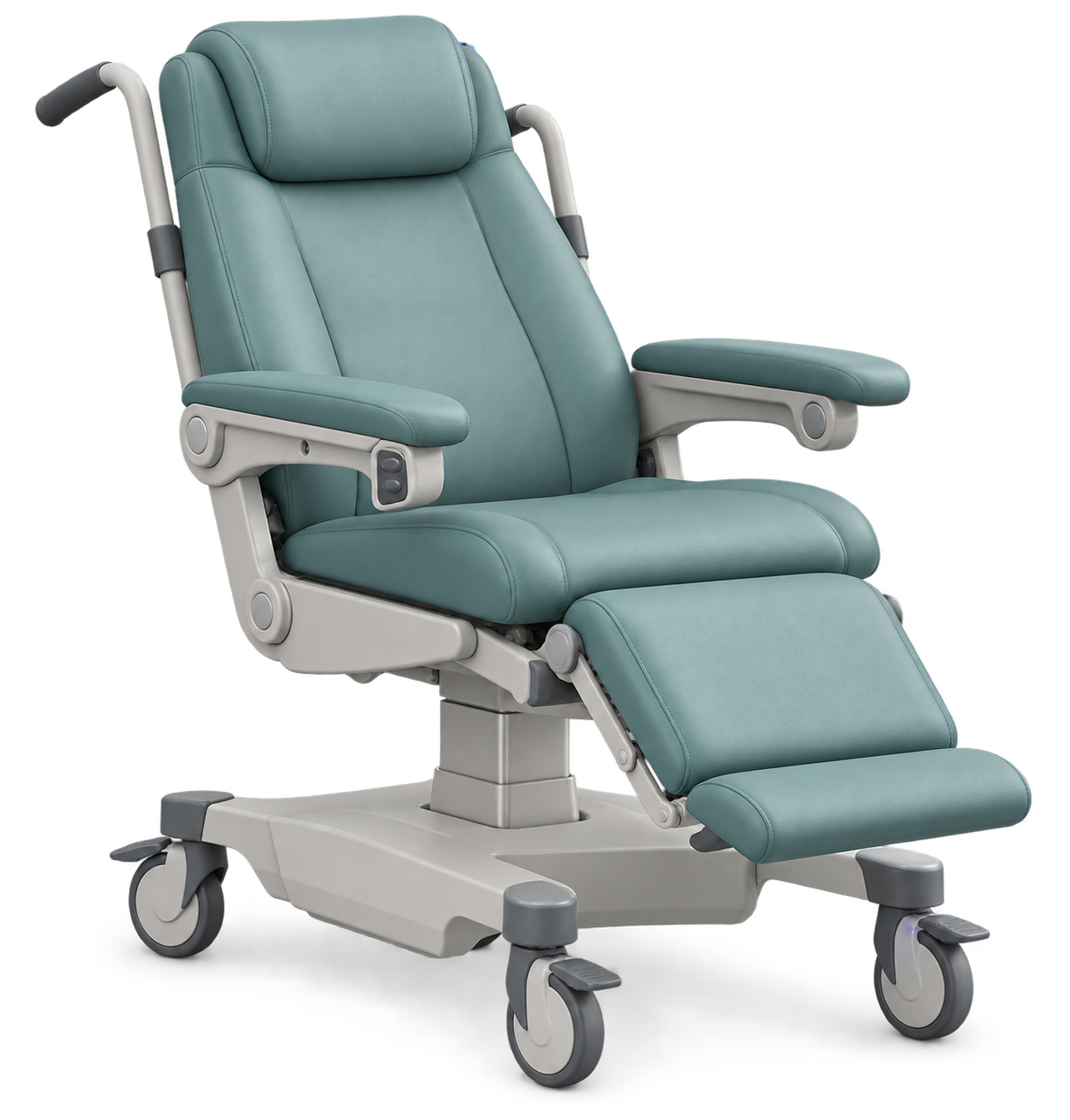
The Stryker Prime TC is a seated patient transport chair, not a patient lift or general-purpose wheelchair substitute. Stryker’s product page describes features such as a central brake, stand-assist armrests, flip-up footrests and a rigid nestable frame. Verify options, dimensions and model details from the current manufacturer documentation for the offered chair.
When comparing these chair types, specify the complete path of use: approach to the bed, patient entry and exit, transfer method, transport route, hygiene task, room turning space, surface, storage and cleaning. A chair may support one part of the workflow while another device is required for lifting. Do not infer transfer capacity or suitability from a category label.
What should I check when selecting hospital wheelchairs in Nigeria?
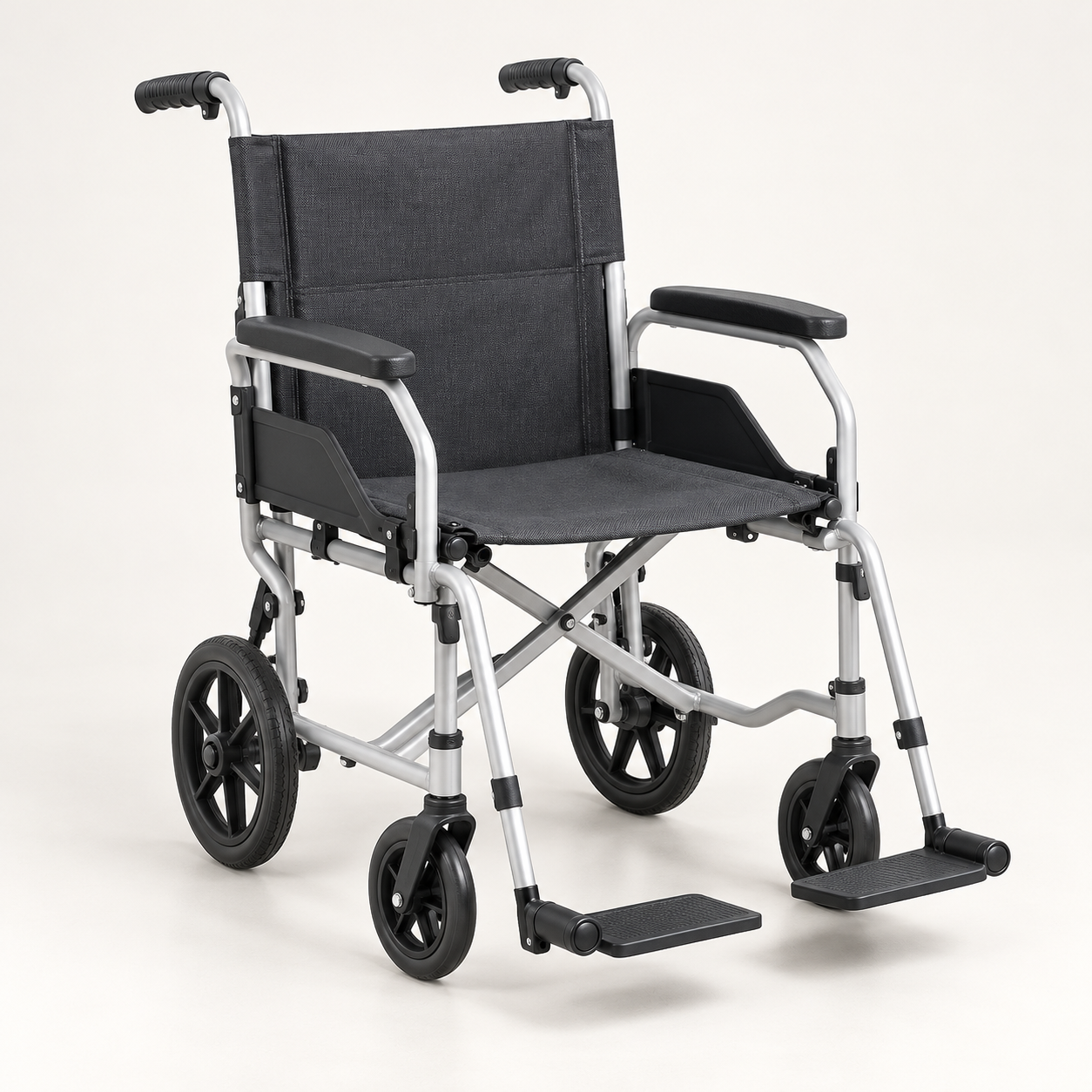
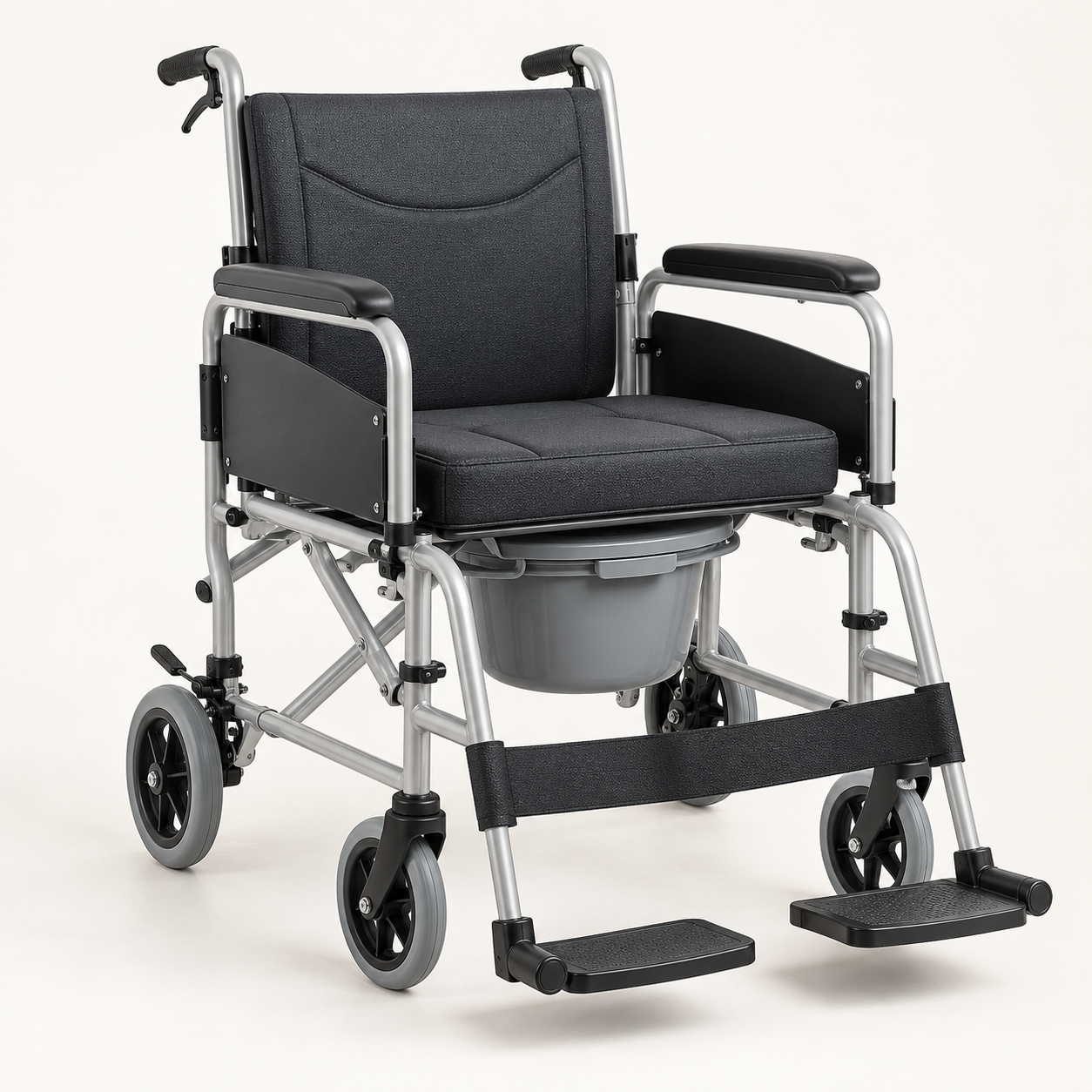
The hospital-wheelchair group contains GPC WC502 and GPC WC504, plus Stryker Prime TC model 1460. GPC describes WC504 as a folding wheelchair with commode; the product listing identifies WC502 as a super deluxe folding wheelchair. Stryker identifies Prime TC as a patient transport chair. Confirm the exact model and options, intended hospital role, packaging and included accessories in the quote.
For an institutional order, document the ward or department, transport route, doorway widths, lift and corridor access, chair storage, cleaning method, required quantities and maintenance expectations. If the chair is for an individual patient, the responsible clinical or rehabilitation service should decide whether it is appropriate and whether an assessment, fitting or training service is needed. This guide does not assess a person’s mobility needs.
The WC502 and WC504 also appear under Rehabilitation & Mobility Aids because each has a second taxonomy assignment to that wheelchair leaf. That cross-assignment does not mean all general mobility aids belong in hospital furniture. Browse the Rehabilitation category when searching for the wider mobility range, and use this page for ward handling and transfer equipment.
What sling and accessory information belongs in a Nigeria lift quotation?
A lift and its accessories form a configured system. Ask for the exact lift model, compatible spreader bar or attachment, sling model and size range, attachment style, patient positioning and any optional scale or support. Confirm that the current manufacturer’s allowed-combination information covers the offered lift, bar and sling combination. Do not assume a sling from one model or product family works with another because the attachment looks similar.
For ceiling systems, include the cassette, spreader bar, slings, track layout, charging or parking station as applicable, track installation and structural review. For mobile floor lifts, confirm the chassis, castors, hand controls, battery, charger, spreader bar, emergency controls and storage footprint. Specify whether accessories are included, supplied separately or require a different product code. The written quote should list each component rather than using a broad phrase such as “complete lift.”
Have the facility’s patient-handling lead and biomedical team confirm that the offered configuration fits the intended workflow and the hospital’s existing accessories. Request operating instructions, inspection requirements, cleaning guidance and staff training for the exact delivered configuration. Confirm that replacement accessories and consumables can be identified by a reference number in future orders.
How should I plan room layout and access before ordering patient lifts in Nigeria?
Send a room or ward plan with doorway widths, bed and trolley dimensions, route turns, floor transitions, lifts and ramps, storage positions, charging points, bathing-room layout and access to the intended patient. For a mobile lift, ask the supplier to verify the chassis route, turning space, leg clearance under beds and access around furniture against manufacturer drawings. A compact model may help with restricted spaces, but only a site check can establish whether it works in the actual room and task.
For a ceiling lift, include ceiling plans, structural information, room-to-room transfer requirements, track endpoints, service access and the proposed installation phasing. Request an engineering review of the building structure and track design; the manufacturer’s description of a ceiling lift does not certify the existing ceiling or guarantee a retrofit. Include electrical supply and charging requirements where relevant, as well as emergency access and maintenance approach.
In Nigeria, identify the hospital state and city, delivery entrance, road and loading restrictions, offloading method, installation hours and any site induction or infection-control conditions. If the project is a new build or renovation, coordinate lifting equipment routes and storage with bed, furniture, door and corridor planning before construction is finalized. Include photographs and measurements, but arrange a qualified on-site survey where the proposal depends on structure or precise clearance.
What training, cleaning and maintenance should a Nigerian hospital include?
Patient handling equipment only supports a safe workflow when it is accessible, maintained and used by trained staff under facility procedures. OSHA’s safe patient handling guidance highlights staff participation, assessment of high-risk tasks, suitable equipment, education, maintenance and program review. Use this as a general planning reference; the hospital must apply its own local policy, competent professional judgement and relevant Nigerian requirements.
Ask Franance to identify any manufacturer training, handover, maintenance schedule, inspection checklist, cleaning and disinfection instructions, battery care, spare parts, service support and warranty terms included in the quote. Confirm the responsible owner for routine inspection, recordkeeping, fault isolation, accessory inventory, charging and replacement slings. For hygiene chairs, ask for the instructions for cleaning and water exposure for the exact model. Do not assume that every product tolerates the same disinfectants, washdown or wet environment.
Plan availability at point of care. OSHA notes that equipment needs to be easy to access and kept operational, with supplies such as slings maintained and available. Decide where each lift or chair will be stored, how staff will find it, how it is charged and who can respond to a fault. A procurement list should match the workflow and distribution of equipment across wards, rather than assume that one device can be shared across the hospital without delays.
What should I send for a mobility and transfer equipment quote in Nigeria?
Identify the hospital or care facility, state, city and delivery address; project contact; ward or department; required product models and quantities; and intended workflow. For lifts, state whether the request is for mobile floor or ceiling equipment, how many rooms and tasks it should support, and which sling, spreader-bar, scale or other options must be quoted. For chairs, identify whether the requirement is patient transport, sit-to-stand assistance or shower and hygiene care. Include model references and any required variant.
Attach room plans, route measurements, site photographs, door and lift access details, storage and charging locations, ceiling and structural information for track systems, cleaning requirements and planned installation timing. Ask for current model specifications, compatible accessories, training, commissioning, service, maintenance, warranty and replacement-part information. Separate equipment supply from site works, installation, structural reinforcement, electrical changes and ongoing service so responsibilities are clear.
For Nigeria delivery, ask the written quotation to confirm price, currency, validity, availability, lead time, freight, customs or duties where applicable, offloading, installation travel, warranty and service coverage for the named city. A catalogue listing does not confirm stock or local service in every state. Franance receives quote orders and follows up by phone or email; it does not take online payment for these items. Start a mobility and transfer equipment quote request with the model and site details.
Buy hospital mobility and transfer equipment in Nigeria from Franance
Browse mobility and transfer equipment, then narrow your search to patient lifting hoists, patient transfer chairs or hospital wheelchairs. The current range includes Arjo lifts and hygiene chairs, GPC Medical hospital-wheelchair records and the Stryker Prime TC transport chair. Each requires confirmation of exact model, options, fit with the facility workflow and Nigerian delivery terms.
Franance can review a quotation request and follow up by phone or email. Send the intended task, model, configuration, quantity and destination, and ask the offer to confirm included accessories, site work, training, installation and service. Consult trained patient-handling and rehabilitation professionals for individual assessment and safe-use decisions; a catalogue page cannot determine patient suitability. Request a Nigeria mobility and transfer equipment quote to begin.
Common questions
Can a patient transfer chair replace a patient lift?
No. The listed items serve different tasks: a patient transport chair moves a seated person, hygiene chairs support specified care routines, a sit-to-stand aid supports an assessed standing transfer, and floor or ceiling lifts support other lifting workflows. The facility's trained staff must determine the appropriate equipment and method.
Which Mobility & Transfer products also appear in Rehabilitation & Mobility Aids?
GPC Medical WC502 and WC504 each have assignments in the hospital-wheelchair and rehabilitation-wheelchair taxonomies. They are the same two product records shown in both categories.
Does the Maxi Twin filter show only the regular Maxi Twin model?
No. The current search matches the shared words in both Maxi Twin and Maxi Twin Compact. Compare the exact product title; the guide links the regular Maxi Twin record directly as well as the filtered listing.
Does a lift's safe working load determine patient suitability?
No. It is an equipment rating and does not decide clinical suitability or transfer method. Follow the facility's assessment and procedure and verify the complete lift, bar, sling, track and site configuration.
Does the catalogue confirm installation or service in my Nigerian city?
No. Submit the exact model and destination, then ask the written quotation to confirm availability, delivery, installation, training, warranty and service terms for that facility.
Request a mobility and transfer equipment quote from Franance.
Provide the hospital location, ward workflow, exact model and variant, accessories, quantity, room and route measurements, installation requirements, training and service needs. Ask the written offer to confirm configuration, supply, delivery, installation and support terms for the facility. The listing does not determine patient suitability or guarantee availability.
Request a mobility and transfer quoteNeed an equipment quote?
Add the models you need to a quote order, or send us your equipment list.