

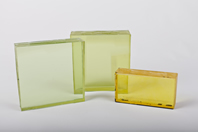
Buy Radiation Shielding Glass in Nigeria.
Buy radiation shielding glass in Nigeria through Franance with the exact glass grade, pane specification, frame and room design identified in a written quotation. The current category lists SCHOTT RD 30, SCHOTT RD 50 and Ray-Bar 5/16-inch X-ray lead glass. Their manufacturer-described applications and technical data differ. Provide the approved room shielding schedule, opening dimensions, X-ray qualities, processing and safety-glazing requirements. A product name or nominal lead equivalence does not determine a room's glazing or establish regulatory compliance.
Products
3 models
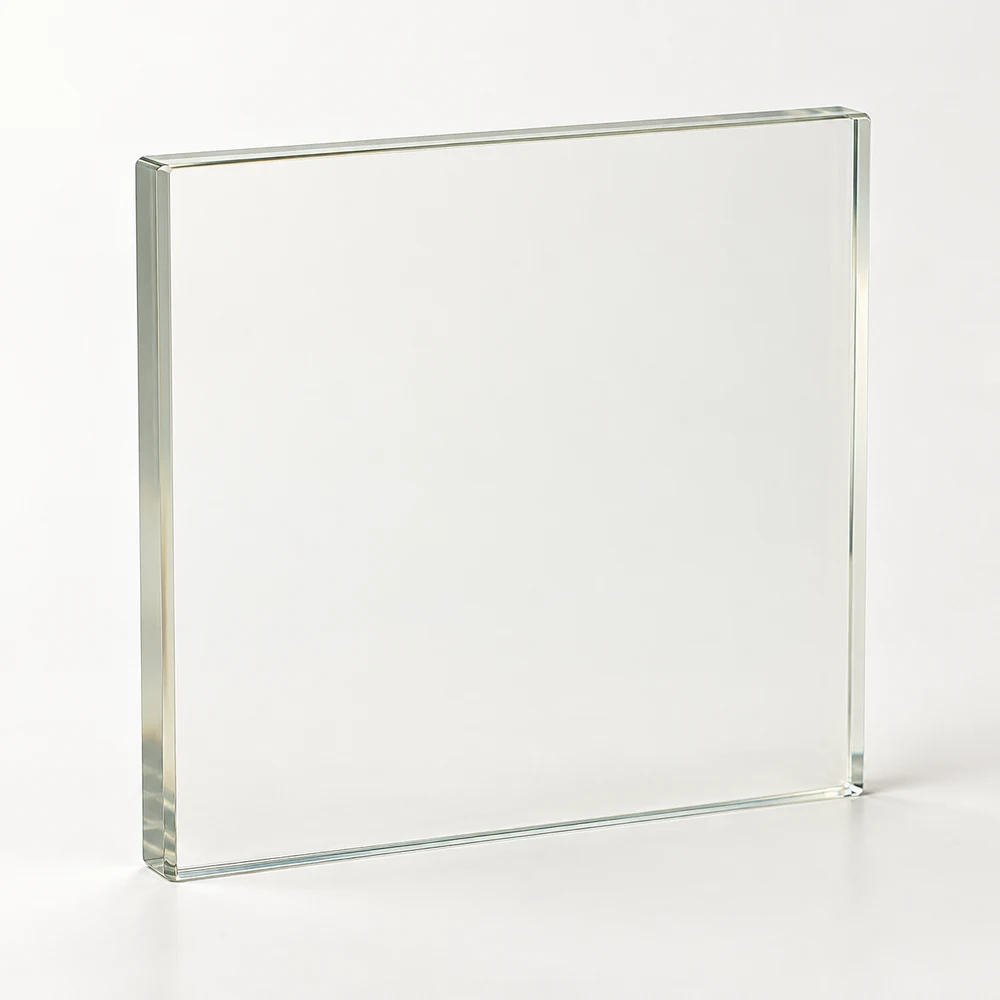
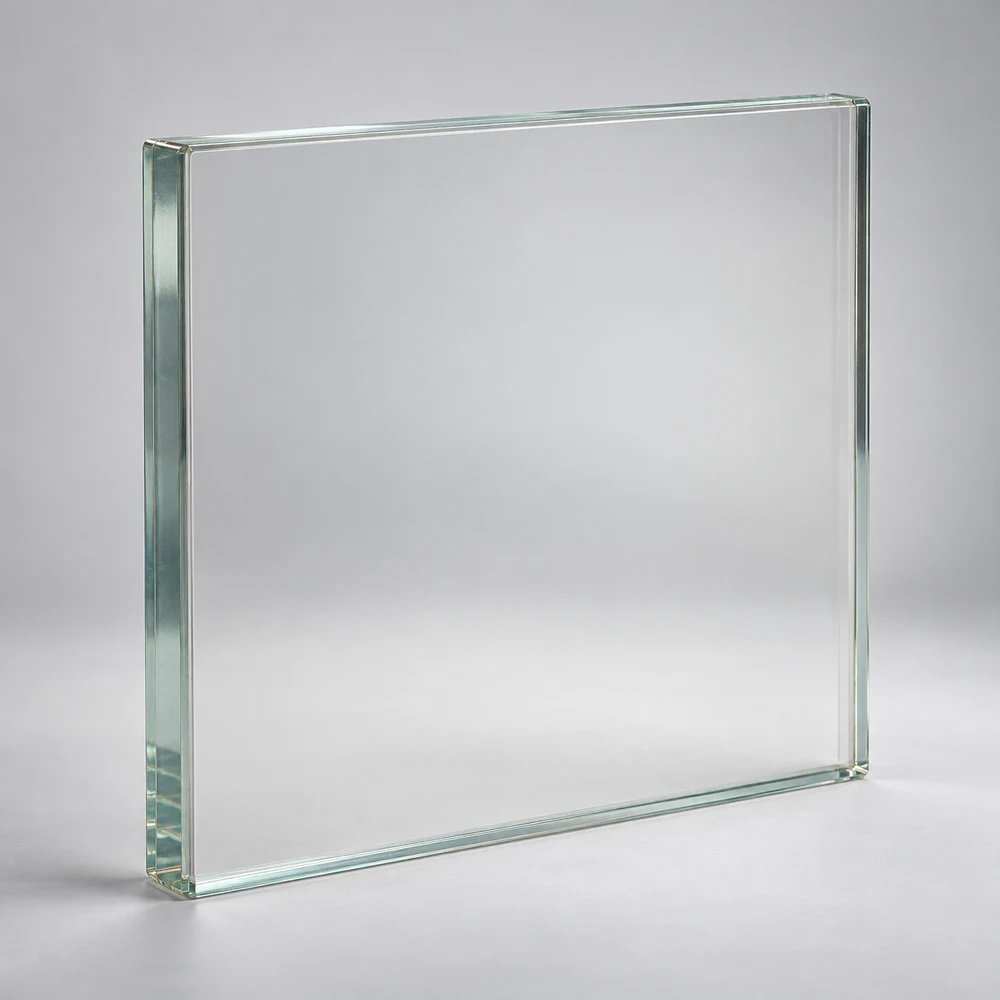
Where can I buy radiation shielding glass in Nigeria?
Browse the Radiation Shielding Glass category for the three current assignments. SCHOTT RD 30 and RD 50 are listed under SCHOTT; Ray-Bar’s 5/16-inch X-ray lead glass is listed separately under Ray-Bar. Open the exact RD 30 listing, RD 50 listing, or Ray-Bar 5/16-inch listing to prepare an enquiry against the exact catalogue entry.
Read moreWhich radiation shielding glass products are listed?
The current category lists three product records. SCHOTT RD 30 is described in SCHOTT’s product-variant information as radiation protection glass developed for analogue and digital mammography applications. Its technical data includes a stated lead-equivalence reference for a particular glass construction and application; that manufacturer data is not a room-design instruction. View the RD 30 result.
Read moreHow do RD 30, RD 50 and Ray-Bar lead glass differ?
Start with the manufacturer-described application and exact data sheet, not the highest-sounding number. SCHOTT positions RD 30 specifically for analogue and digital mammography. RD 50 is a different high-density grade whose published attenuation references depend on both glass thickness and X-ray tube voltage. Ray-Bar’s record is for its 5/16-inch X-ray lead glass product family; its public data lists a nominal physical thickness and a range of lead-equivalence values. The categories and model filters let a buyer compare the right exact manufacturer record rather than treating them as generic glass panes.
Read moreBuy radiation shielding glass in Nigeria
Buy radiation shielding glass in Nigeria through a project quotation that identifies the exact glass grade, design requirement, pane fabrication and surrounding frame. Franance currently lists three products: SCHOTT RD 30, SCHOTT RD 50, and Ray-Bar 5/16-inch X-ray lead glass. These are distinct products with different manufacturer-described applications and data. A grade name, pane thickness, or nominal lead equivalence cannot determine the glazing for a particular room. For a Nigeria quote, first obtain the facility’s project-specific shielding schedule from its qualified radiation-protection professional. Then provide the exact viewing opening, dimensions, application, relevant X-ray qualities, edge and cut-out requirements, frame details, any impact-safety or fire requirements, quantity and delivery location. Ask the quotation to identify what glass, frame, glazing components and services are included. Franance handles quote orders by following up by phone or email; there is no online payment. Confirm technical documents, Nigerian authorization needs, availability, delivery and installation scope in writing.
Where can I buy radiation shielding glass in Nigeria?
Browse the Radiation Shielding Glass category for the three current assignments. SCHOTT RD 30 and RD 50 are listed under SCHOTT; Ray-Bar’s 5/16-inch X-ray lead glass is listed separately under Ray-Bar. Open the exact RD 30 listing, RD 50 listing, or Ray-Bar 5/16-inch listing to prepare an enquiry against the exact catalogue entry.
This is a quote-led catalogue, not an online checkout or a design service. You can also browse the broader Radiation Protection category. A filtered listing helps identify a product record; it does not establish a project’s glass thickness, lead equivalence, regulatory acceptance, installation method or stock status. Give the destination and project requirements and request an offer that names the selected product and its exact configuration.
Which radiation shielding glass products are listed?
The current category lists three product records. SCHOTT RD 30 is described in SCHOTT’s product-variant information as radiation protection glass developed for analogue and digital mammography applications. Its technical data includes a stated lead-equivalence reference for a particular glass construction and application; that manufacturer data is not a room-design instruction. View the RD 30 result.
SCHOTT RD 50 is a separate, high-density radiation shielding glass grade. SCHOTT’s product-variant page presents it for medical X-ray applications and its technical details describe data that varies with thickness and X-ray tube voltage; the published family includes multiple configurations. It is not simply another name for RD 30, and the two should not be substituted for one another from a product title alone. View the RD 50 result.
Ray-Bar 5/16-inch X-ray lead glass is a specified glass product family with a nominal 5/16-inch reference. Ray-Bar’s product and technical information publishes physical thickness and lead-equivalence ranges, pane sizes and edge-treatment information, with shielding levels and configurations selected for the application. Those published ranges do not identify the appropriate value for a specific room. View the Ray-Bar result.
These are the three products assigned to this category, not every radiation-protective window or glazing option. Specialty laminated, impact-resistant, framed, curved or multi-layer products may have separate specifications and should not be assumed included in the assigned catalogue records. Permanent lead-lined doors and wall assemblies are covered separately in Lead Doors & Partitions.
How do RD 30, RD 50 and Ray-Bar lead glass differ?
Start with the manufacturer-described application and exact data sheet, not the highest-sounding number. SCHOTT positions RD 30 specifically for analogue and digital mammography. RD 50 is a different high-density grade whose published attenuation references depend on both glass thickness and X-ray tube voltage. Ray-Bar’s record is for its 5/16-inch X-ray lead glass product family; its public data lists a nominal physical thickness and a range of lead-equivalence values. The categories and model filters let a buyer compare the right exact manufacturer record rather than treating them as generic glass panes.
The optical appearance and physical properties also matter to the design. A viewing panel must provide the required sightline and opening dimensions while fitting the approved shielding design. Light transmission, visible color, clarity, pane weight, thickness, edge finishing, holes or cut-outs and the frame can affect the architectural and installation details. Confirm current values for the exact offered thickness and processing; do not generalize one variant’s published data to the whole product family.
When evaluating alternatives, ask the manufacturer or supplier to provide comparable data for the exact variants being offered, including the test or X-ray quality associated with stated attenuation values. Compare like-for-like documented configurations only. The responsible radiation-protection professional must determine whether any offered option meets the project schedule.
What does lead equivalence mean for a glass quotation?
Lead equivalence is a manufacturer- or test-defined comparison under stated conditions; it is not a universal property detached from the specific product and test setup. The glass thickness and the X-ray quality or tube voltage used for the reference matter. A number in a product table should therefore be read together with the exact glass grade, thickness, test conditions and supporting documentation. Values from RD 30, RD 50 and Ray-Bar glass should not be compared as if they came from one interchangeable configuration unless the supporting data confirms a like-for-like basis.
The project schedule should define the required shielding for each viewing opening based on the room design. Ask the vendor to quote a glass configuration with documented data that matches that approved requirement. Do not use this guide, a web calculator, a catalogue’s maximum value or a product family’s nominal range to choose a lead equivalence or physical thickness. The right selection depends on the room and its complete shielding boundary.
If the product data is unclear, request the technical sheet and a written explanation of which product variant, thickness, test conditions and shielding value apply to the offered pane. Have the project’s qualified radiation-protection professional review that documentation before substitution or purchase.
Why must radiation shielding glass be specified for the room?
Glazing is one part of a room’s radiation barrier. Its design relates to the imaging equipment, workload, operating assumptions, distances, opening position, surrounding barriers and the occupancy of adjoining spaces. The glass, frame and wall interface need to coordinate with the rest of the shielding plan. A pane with a stated equivalence does not by itself establish that the complete viewing window or room meets a project requirement.
The International Atomic Energy Agency’s SSG-46 Safety Guide covers radiation protection and safety in medical uses of ionizing radiation and describes professional responsibilities, including the role of medical physicists. In Nigeria, the NNRA requirements for diagnostic radiology practice call for a detailed diagnostic-room layout and shielding assessment by a qualified medical physicist. Follow the current Nigerian regulator’s requirements and obtain project-specific review from appropriately qualified professionals.
The NCRP Report No. 147 reference addresses structural shielding design for medical X-ray facilities. Use such radiation-protection resources through the qualified professional responsible for your project; they are technical references, not a substitute for the facility’s actual assessment, current Nigerian requirements or a specific approval.
Do not select a glass grade or thickness by copying another hospital’s specification. A change in modality, workload, room arrangement, adjacent use, viewing area or equipment can change the design basis. Send revisions to the responsible professional and obtain an updated schedule where required.
What glazing and frame details should I provide?
Provide the finished opening width and height, wall thickness and construction, glass orientation, quantity, room location and drawing reference. Identify any cut-outs, holes, notches, edge finish, shape, laminate or other processing requirement. Ask whether the supplier’s dimensions refer to the glass pane, frame opening or finished viewing window. Make clear tolerances and site measurement responsibilities before fabrication.
Specify the frame and installation interface separately from the glass. Confirm frame material, its shielding details, glazing stops, seals, shims or other accessories, wall overlap and how the complete assembly connects to the adjacent barrier. Ray-Bar lists lead-lined framing and glazing accessories in its product information, but this guide does not assume those are included with a pane. Identify who supplies, installs and inspects each element.
Coordinate the window with the door, wall, adjacent shielding board, equipment control position, electrical and mechanical services and architectural finish. Avoid late field drilling or cutting: the project team should approve any modified pane or opening with the manufacturer and radiation-protection designer before work proceeds. Record approved drawings and revisions so the fabricated pane corresponds to the opening and schedule.
Is radiation shielding glass also impact-resistant or fire-rated?
Do not assume so. Radiation attenuation, impact resistance, fire performance and other safety properties are separate requirements. Ray-Bar states on its standard X-ray lead-glass page that the standard glass is not tempered or fire-rated; its specialty glass information describes separate safety-glazing products and options. A standard pane should not be represented as impact-resistant, laminated, tempered or fire-rated unless documentation identifies the exact selected configuration and applicable tested assembly.
If the opening is in a location requiring safety glazing, ask the project architect or code consultant to identify the applicable requirement and ask the supplier for the exact product evidence. If fire performance is required, verify the complete tested assembly and frame details rather than relying on a general material description. For SCHOTT grades, confirm which processing options and safety evidence apply to the actual supplied variant. A grade-level page does not prove that a particular pane has been processed or certified for every condition.
The quotation should identify any laminated or impact-rated construction as a distinct selected product, with supporting documentation, dimensions, edging and frame compatibility. Have the responsible professionals review the glazing and the room shielding schedule together.
What documentation should accompany radiation shielding glass?
Request a technical data sheet for the exact manufacturer and glass grade, the offered thickness and dimensions, the stated lead-equivalence or attenuation data with its test conditions, edge-processing information, and any product-specific limitations. Ask for cut-size and tolerance confirmation, handling and storage requirements, and the exact frame or accessory references if included. If impact resistance or fire performance is specified, request evidence for the precise pane and tested assembly.
The project team should retain the approved shielding assessment, drawing and glazing schedule, supplier submittals, accepted shop drawings, material identification and installation records. Confirm whether a post-installation survey, inspection or other verification is required by the facility’s professional advisers and current NNRA process. Do not treat a manufacturer’s general product claim or a quotation description as proof that an installed room has passed a survey or has regulatory authorization.
SCHOTT and Ray-Bar product pages describe manufacturer data and options in their own context. International standards mentioned by a manufacturer do not, by themselves, establish Nigerian approval or project compliance. Ask the facility’s qualified professionals and relevant authority which current documentation and approvals apply.
What should I send with a glass quotation request in Nigeria?
Include the exact brand and grade under consideration, the room and imaging application, approved design shielding requirement, X-ray qualities or test basis identified by the designer, rough and finished opening dimensions, wall construction, frame and interface details, quantity, destination and project timeline. Attach the applicable drawing, schedule and technical specification. If you are still comparing options, identify the open decisions and request a budgetary quotation rather than implying the design is approved.
List edge finish, holes, cut-outs, shape, lamination, impact-safety or fire requirements where relevant. State whether measurement, shop drawings, packaging, delivery, installation, frame supply or post-installation verification is requested. Ask Franance to identify whether each item is included, excluded or subject to technical confirmation. Do not send a guessed shielding value as the design basis; reference the value approved by the qualified professional.
For a Nigerian facility, confirm the full delivery address, access restrictions, offloading plan and who is responsible for freight, import clearance, duties and local transport. Ask for current availability, price validity, lead time, warranty, payment terms and the documents to be supplied with the order in writing. None of these commercial details is established by the product listing.
What affects radiation shielding glass prices in Nigeria?
The offer can vary with the selected grade, physical thickness, pane size, shape, processing, edge finish, cut-outs, laminate or safety-glazing requirements, frame and accessories, quantity, packaging and delivery destination. Project drawings, custom fabrication, import and installation arrangements may also affect total cost if included in the requested scope. Compare quotations using the exact product and configuration, not only a generic “lead glass” label.
Request itemized pricing for the pane, frame and accessories, fabrication, freight, insurance, import-related costs, delivery, installation and any requested verification services. Confirm currency, taxes and duties, price validity, lead time, warranty and exclusions. Franance’s catalogue is for quote orders and does not display a guaranteed live price or stock position. Franance follows up on enquiries by phone or email, and the organization places an order only after reviewing and accepting the written offer.
Can I order radiation shielding glass online from Franance?
There is no online payment checkout for these products. Use the catalogue to identify a product and submit a quote order. Franance will follow up by phone or email to clarify the specification and provide an offer for the confirmed glass and requested scope. The offer should state the grade, pane size, configuration, quantity, delivery destination, price and agreed terms.
A quote request is not a confirmed order, technical approval, stock reservation or shielding calculation. Before accepting the quotation, have the facility’s responsible professionals review the proposed glass data, frame and opening details against the approved design, and confirm the relevant Nigerian regulatory requirements. Resolve alternatives or changes in writing before fabrication.
How do I request a radiation shielding glass quotation?
Start with the Radiation Shielding Glass category and open the exact SCHOTT RD 30, SCHOTT RD 50, or Ray-Bar 5/16-inch lead-glass result. Send Franance the project drawing, approved shielding schedule, exact opening and processing details, quantities and Nigerian delivery destination through the quotation enquiry.
Ask the written offer to name the exact grade and configuration, provide the applicable manufacturer documentation, confirm frame and accessory inclusions, and state availability, delivery, warranty and installation scope. Franance will follow up by phone or email. Have the shielding designer and facility reviewers approve the proposed glass and complete assembly before placing the quote order.
Common questions
Which radiation-shielding glass products are currently listed?
The current category assignments are SCHOTT RD 30, SCHOTT RD 50, and Ray-Bar 5/16-inch X-ray lead glass. They are distinct manufacturer products; review the exact technical information and approved project schedule before requesting a configuration.
Are SCHOTT RD 30 and RD 50 interchangeable?
No. SCHOTT describes RD 30 for analogue and digital mammography and RD 50 as a distinct high-density shielding-glass grade. Their manufacturer-described applications and technical data differ. Have the project professional determine which, if any, matches the room design.
Can I select glass thickness from the listed lead-equivalence range?
No. Manufacturer values refer to specific product configurations and test conditions. A qualified radiation-protection professional must specify the required glazing for the room using its equipment, use, geometry and neighboring occupancy.
Does radiation-shielding glass automatically meet impact or fire-safety requirements?
No. Radiation attenuation, impact resistance and fire performance are separate properties. Verify the evidence for the exact selected pane and complete tested assembly; do not infer those ratings from a grade name.
Can I pay for radiation shielding glass online?
No online payment is offered. Submit a quote order with the approved glazing schedule, dimensions, quantity and Nigerian destination; Franance follows up by phone or email with a written offer.
Request a radiation shielding glass quotation.
Send Franance the approved glazing schedule, opening and wall details, exact SCHOTT or Ray-Bar reference, processing and safety requirements, quantity and Nigerian destination. Confirm the offered data, complete frame assembly, documentation, delivery and service scope in writing, then have qualified professionals review it against the project-specific shielding design.
Request a glass quotationNeed an equipment quote?
Add the models you need to a quote order, or send us your equipment list.