

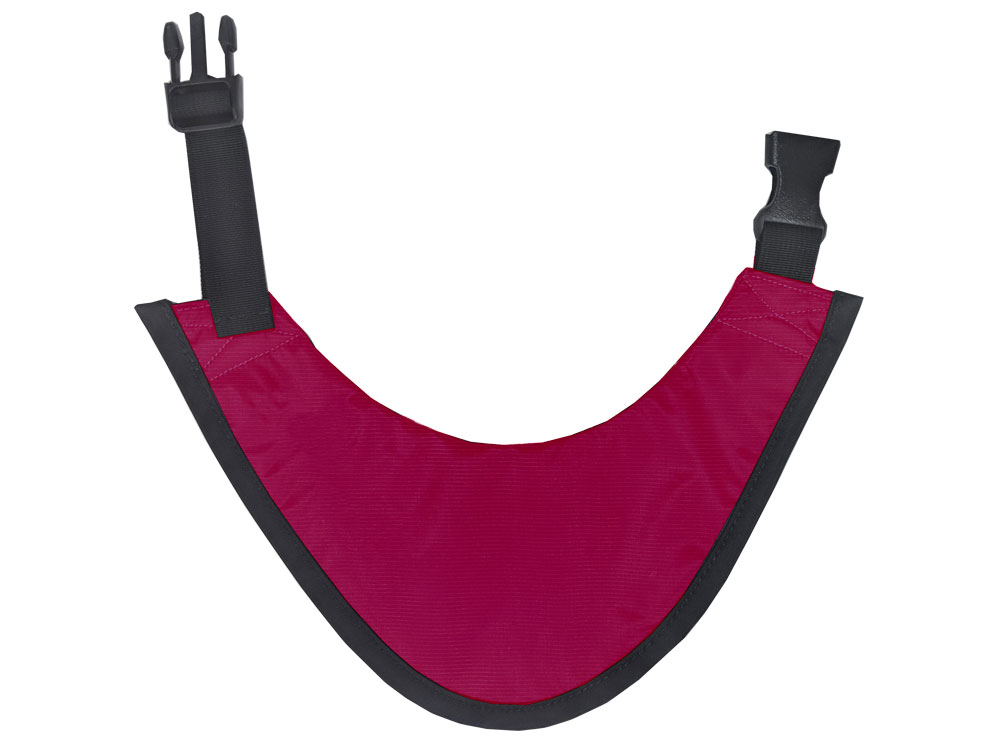
Buy Thyroid Shield in Nigeria.
Buy thyroid shields in Nigeria through Franance by requesting a quotation for the exact collar and configuration your facility's radiation-safety team has specified. The current category lists two Protech Medical models: Original Thyroid Collar AP-TCO and Standard Thyroid Collar AP-TCS. Compare their neck fit, wearer measurements, closure and documented core configuration, then confirm the offered reference and commercial terms in writing.
Products
2 models
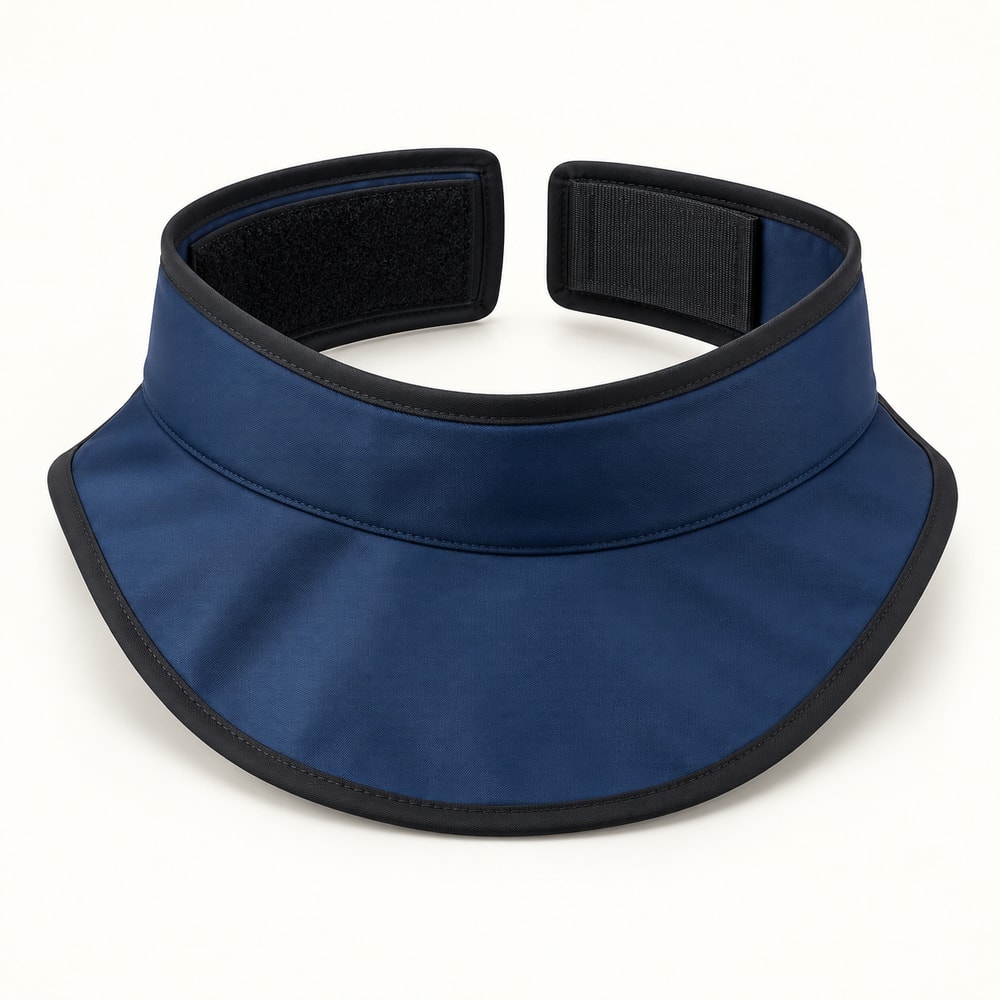
Where can I buy thyroid shields in Nigeria?
Start with the two models shown in Franance's thyroid shield listing. Both current assignments are Protech Medical collars: Original AP-TCO and Standard AP-TCS. The filtered brand links help a procurement team move from a broad category phrase to the exact catalogue reference. Franance can prepare a quotation order after you send the required specification, wearer information, quantity and Nigerian delivery address.
Read moreWhich thyroid shield models are listed by Franance?
Franance currently lists two Protech Medical models under this category. The Original Thyroid Collar, SKU AP-TCO, is described by the manufacturer as an original-style collar that sits lower on the neck. Protech says its end fastening allows adjustment and lists Velcro, magnetic and buckle closures. The manufacturer lists custom sizing by enquiry, along with choices for attachment, fabric and core material. Review the current AP-TCO manufacturer page and request the exact selected configuration in the quote.
Read moreWhat is the difference between AP-TCO and AP-TCS?
The clearest documented difference is where each style is designed to sit: Protech describes the AP-TCO Original collar as lower on the neck and the AP-TCS Standard collar as higher on the neck. Both product pages describe closure options and offer configurable details, so choose by the facility-approved fit and documented requirement rather than treating the two model names as interchangeable. Compare the AP-TCO listing with the AP-TCS listing.
Read moreBuy thyroid shields in Nigeria
Buy thyroid shields in Nigeria through Franance by requesting a quotation for the exact collar and configuration your facility's radiation-safety team has specified. The current Thyroid Shield category lists two Protech Medical models: Original Thyroid Collar AP-TCO and Standard Thyroid Collar AP-TCS. Compare their neck fit, wearer measurements, closure and documented core configuration, then confirm the offered reference and commercial terms in writing. Franance handles quotation orders, not online payment. Send the model, approved requirement, quantity and full facility destination; the team follows up by phone or email. The facility's Radiation Safety Officer (RSO) or medical physicist should decide whether a thyroid collar is appropriate for a particular task and review the exact product documentation. A listing is a procurement reference, not individual radiation-safety advice, proof of Nigerian regulatory acceptance, stock or delivery.
Where can I buy thyroid shields in Nigeria?
Start with the two models shown in Franance's thyroid shield listing. Both current assignments are Protech Medical collars: Original AP-TCO and Standard AP-TCS. The filtered brand links help a procurement team move from a broad category phrase to the exact catalogue reference. Franance can prepare a quotation order after you send the required specification, wearer information, quantity and Nigerian delivery address.
For a new room or staff programme, agree the requirement with the facility's responsible radiation-safety personnel before asking a supplier to quote. For a replacement, provide the existing reference and explain what must be matched; do not assume a familiar product name means the same core, fit, closure or accessories as an earlier purchase. Ask the quotation to identify its offered model and options in writing. Franance will follow up by phone or email to clarify the enquiry and confirm price, availability and delivery terms for the actual request.
The category belongs under Diagnostic Imaging and the broader Radiation Protection range. It covers two wearable thyroid collars only. The page does not list every style the manufacturer may sell, and it does not establish that either model is currently stocked locally or suitable for every imaging task.
Which thyroid shield models are listed by Franance?
Franance currently lists two Protech Medical models under this category. The Original Thyroid Collar, SKU AP-TCO, is described by the manufacturer as an original-style collar that sits lower on the neck. Protech says its end fastening allows adjustment and lists Velcro, magnetic and buckle closures. The manufacturer lists custom sizing by enquiry, along with choices for attachment, fabric and core material. Review the current AP-TCO manufacturer page and request the exact selected configuration in the quote.
The Standard Thyroid Collar, SKU AP-TCS, is described as a higher-fitting collar. The Protech product page lists adjustable Velcro, magnetic or buckle closures, custom sizing by enquiry, attachment choices and fabric options. The current Franance catalogue record also identifies size and closure choices that should be confirmed against the current manufacturer documents. See the AP-TCS manufacturer page and the AP-TCS filtered Franance listing.
These descriptions explain a product-style difference, not a medical recommendation. The words “Original” and “Standard” are model names; the relative neck position is a manufacturer description, not evidence that one collar fits every wearer or provides a better clinical result. Do not infer a specific core material, rating, closure, colour or included attachment from the category card or photograph. The quotation should name the exact variant.
What is the difference between AP-TCO and AP-TCS?
The clearest documented difference is where each style is designed to sit: Protech describes the AP-TCO Original collar as lower on the neck and the AP-TCS Standard collar as higher on the neck. Both product pages describe closure options and offer configurable details, so choose by the facility-approved fit and documented requirement rather than treating the two model names as interchangeable. Compare the AP-TCO listing with the AP-TCS listing.
Have the intended wearer try the proposed style or verify dimensions and neck measurements against manufacturer sizing instructions, where that can be arranged. Check whether the collar stays positioned as intended during the relevant movement and work posture, whether it interferes with clothing or the intended apron, and whether the closure can be operated consistently. Those are procurement-fit questions for the facility and supplier; this guide does not prescribe a clinical workflow or assume local fitting service is available.
Ask the offer to separate every option: collar style, wearer size or measurement, core material, stated lead-equivalence specification, closure, attachment, exterior and interior fabric, and any custom work. An option shown on a manufacturer page is not automatically included in a Franance quotation. If the required feature is not shown in the local catalogue, send the exact written specification and ask whether it can be quoted rather than assuming that all manufacturer variants are available in Nigeria.
How should I specify collar fit, size and closure?
Use the facility's written specification and the exact manufacturer sizing guidance. Provide the neck circumference measured in the way the product instructions require, the number of wearers, and any size distribution. If the team prefers the AP-TCO or AP-TCS style, name that model and SKU. If more than one collar is required, prepare a schedule by wearer or size rather than sending a single total that leaves the sizing unclear.
State the closure requirement explicitly. Protech lists Velcro, magnetic and buckle choices for these collars, but the exact offered model and current choices should be reconfirmed. Ask how the selected closure adjusts, what attachment is included or selected, and whether the garment needs to connect to another compatible accessory. Do not assume an apron includes a detachable collar, that a collar fits every apron, or that all attachment methods work with another product. Confirm compatibility from current manufacturer documents for both exact references.
Core material and the documented protection specification also need to be explicit. The manufacturer lists several material and rating configurations across its collar range. A stated lead-equivalence value is a test-related specification, not a universal performance guarantee: it does not by itself establish identical attenuation across materials, beam qualities, operating conditions, sizes or actual use. IAEA Safety Guide SSG-46 advises specifying protective-equipment lead equivalence at the maximum X-ray tube potential applicable to the intended use and urges expert review of claimed equivalence for non-lead materials. Ask the RSO or medical physicist to define the requirement and review the documentation for the exact offered configuration.
For a quote comparison, request the model code, core material, stated rating and test documentation, size or measurement, closure, attachment, fabric and included accessories on the same schedule. If a vendor proposal substitutes a material or specification, flag it for the facility's qualified reviewer instead of assuming that similar wording means technical equivalence.
Who should decide when thyroid protection is used?
The facility's RSO or medical physicist should determine whether personal protective equipment is required for the work and which specification is suitable. IAEA SSG-46 describes thyroid shields as one type of personal protective equipment, alongside aprons, protective eyewear and gloves. Its diagnostic-radiology guidance says the need for PPE should be established by the responsible radiation protection officer or medical physicist when structural shielding and administrative controls alone do not afford the required occupational protection. That guidance helps frame a professional review; it is not an instruction that every worker or patient must wear a collar in every examination.
The NNRA's published minimum requirements for diagnostic and interventional radiology facilities in Nigeria address radiation-protection programmes, designation of an RSO, staff monitoring arrangements, written local rules and facility shielding assessment, among other matters. Check the current NNRA diagnostic and interventional radiology requirements and applicable rules with the responsible professionals. This buying guide cannot establish what is required for an individual facility, authorize a practice, or certify that a product satisfies a Nigerian requirement.
Before purchase, let the local safety lead define the intended work, who will use the equipment, the approved specification, how use will be supervised and how the programme will verify fit and condition. If the enquiry concerns a patient shield or a specific clinical protocol rather than occupational PPE, make that clear and obtain direction from the clinical and radiation-safety team. The two products listed here are manufacturer-described wearable thyroid collars; they are not patient shields or room-shielding assemblies by default.
Is a thyroid collar the same as an apron or room shield?
No. A thyroid collar is a wearable accessory for the neck. An apron covers a different area and is a separate garment. Protective gloves and eyewear are also distinct items with their own coverage, fitting and use considerations. Structural room shielding, mobile barriers and ceiling-suspended screens are engineering or in-room devices, not garment accessories. A dosimeter monitors exposure; it does not shield the wearer. IAEA SSG-46 treats these items as separate protective equipment or devices.
Browse Franance's separate lead apron category, lead gloves category, and full radiation protection range when the facility's schedule includes more than collars. Ask the quote to list each model and quantity on its own line so the team can see what is included. Do not treat the collar as a substitute for an apron, shielding design, eyewear, dosimetry, training, local rules or other controls.
Protective gloves need particular care in fluoroscopy: IAEA notes that hands entering the area monitored by automatic brightness or dose-rate control can increase exposure for both staff and patient, and reduced tactile sensitivity can affect procedures. That warning applies to facility evaluation of gloves, not as a reason to add gloves to this thyroid-collar purchase. Keep each equipment decision specific to its role and have the RSO or medical physicist review the combined plan.
How should a thyroid collar be cared for and checked?
Request the current instructions for use for the exact collar and material. Protech's product pages provide model-specific care and storage information; verify whether the instructions supplied with the quoted configuration are current and applicable. Its page says lead garments should not be sharply folded or creased and describes approved cleaning and storage practices. Follow the exact product instructions and the facility's approved infection-prevention process; do not apply another manufacturer's wipe or chemical compatibility statement to this item without confirmation.
Include a written process for issue, return, cleaning, storage, visual checks, damage reporting and withdrawal from use. Staff should know not to force a closure, sharply crease or improvise a repair on a protective garment. If fabric, seams, closure or the internal core appear damaged, tag the collar and follow the facility's process for professional assessment. Keep a record of the product identity and checks required by local policy. The selected supplier should provide the applicable care instructions and explain any manufacturer-defined repair or replacement route in the quote documents.
IAEA SSG-46 recommends that personal protective equipment be examined under fluoroscopy or radiography periodically to confirm shielding integrity. It does not establish a universal time interval for every collar or a Nigerian schedule. The facility should set its programme in line with current NNRA requirements, manufacturer instructions and advice from the qualified radiation-safety professional. Do not use an arbitrary annual or other interval from a generic web page as a replacement for that review.
What should I include in a Nigeria thyroid-shield quotation?
Send Franance a concise, complete procurement brief with:
- the product reference, AP-TCO or AP-TCS, and number required;
- the facility-approved protection specification and any requested manufacturer documentation;
- wearer neck measurements or sizes, plus a size schedule when ordering for several people;
- core material, closure, attachment, fabric and other required options, stated separately;
- any compatibility requirement with an existing apron or accessory, supported by exact model information;
- facility name, state, city, full delivery address, receiving contact and any site-access requirements;
- procurement documents, quotation validity and requested delivery or project dates.
Ask the written offer to identify the exact model and variant, itemized configuration, included and excluded components, supplied documents, price validity, availability, transport and delivery terms. If installation or local fitting is needed, list it as a requirement and ask Franance to confirm whether it is in scope; do not assume it is included. A quotation response is where the commercial details for the actual order are confirmed. Franance will follow up by phone or email; there is no online payment checkout.
Your facility's RSO or medical physicist should review technical substitutions and documents before approval. Procurement can then compare like with like: same collar style, wearer fit, material, protection specification, closure, quantity and destination. If a model or option cannot be confirmed, pause the comparison until the supplier responds in writing rather than treating an unfilled field as an included feature.
What affects thyroid shield prices and delivery in Nigeria?
There is no verified public price for these catalogue items in this guide. The final quotation may depend on the exact model, core material and protection specification, size or custom configuration, closure and attachment, fabric, order quantity, shipping and confirmed delivery destination. A price for one configuration or a manufacturer-market page should not be read as the Franance offer for another variant or a Nigerian facility.
Include your city and state for routing, but provide the full address for a delivery quote. Franance will confirm availability, price, quote validity, shipping, delivery timing and any agreed service or accessory scope in its response. No current stock, delivery time or particular city coverage is assumed. The same quote process applies for a hospital in Lagos or Abuja and for a facility elsewhere in Nigeria: give the destination and procurement constraints so the team can confirm the actual terms.
To begin, send Franance the AP-TCO or AP-TCS listing, quantity, approved specification, wearer schedule and destination through the contact page. Franance can then respond by phone or email with a quote order for review. Before purchase approval, confirm the exact product configuration with the supplier and have the facility's responsible safety professional accept the technical details.
Common questions
Where can I buy a radiation thyroid collar in Nigeria?
Review the AP-TCO and AP-TCS listings in Franance's Thyroid Shield category and request a quotation with the facility-approved specification, wearer measurements, quantity and Nigerian destination. Franance follows up by phone or email; confirm the quoted model and terms before ordering.
Which thyroid-collar models are listed by Franance?
The current category lists Protech Medical Original Thyroid Collar AP-TCO and Standard Thyroid Collar AP-TCS. The manufacturer describes AP-TCO as a lower-sitting style and AP-TCS as a higher-fitting style. Check the exact configuration in the written quote.
Which lead-equivalence rating should our facility choose?
This guide does not prescribe a rating. Ask the RSO or medical physicist to define the requirement for the intended use and review the exact material, stated value, test conditions and manufacturer documents for the offered configuration.
Does a thyroid collar replace a lead apron?
No. A thyroid collar and an apron are distinct personal protective equipment items, and a collar is not room shielding, eyewear, a dosimeter or a complete radiation-protection programme. Follow the facility's qualified radiation-safety review.
How often should a thyroid collar be inspected?
Follow applicable Nigerian requirements, the exact manufacturer instructions and the facility's written PPE quality-control programme. IAEA SSG-46 says PPE should be examined periodically for shielding integrity but does not establish a universal interval for this category or Nigeria.
Can I pay for a thyroid collar online through Franance?
No. These are quotation orders, not online checkout. Franance follows up by phone or email, and the written quotation confirms price, availability and delivery terms.
Need an equipment quote?
Add the models you need to a quote order, or send us your equipment list.