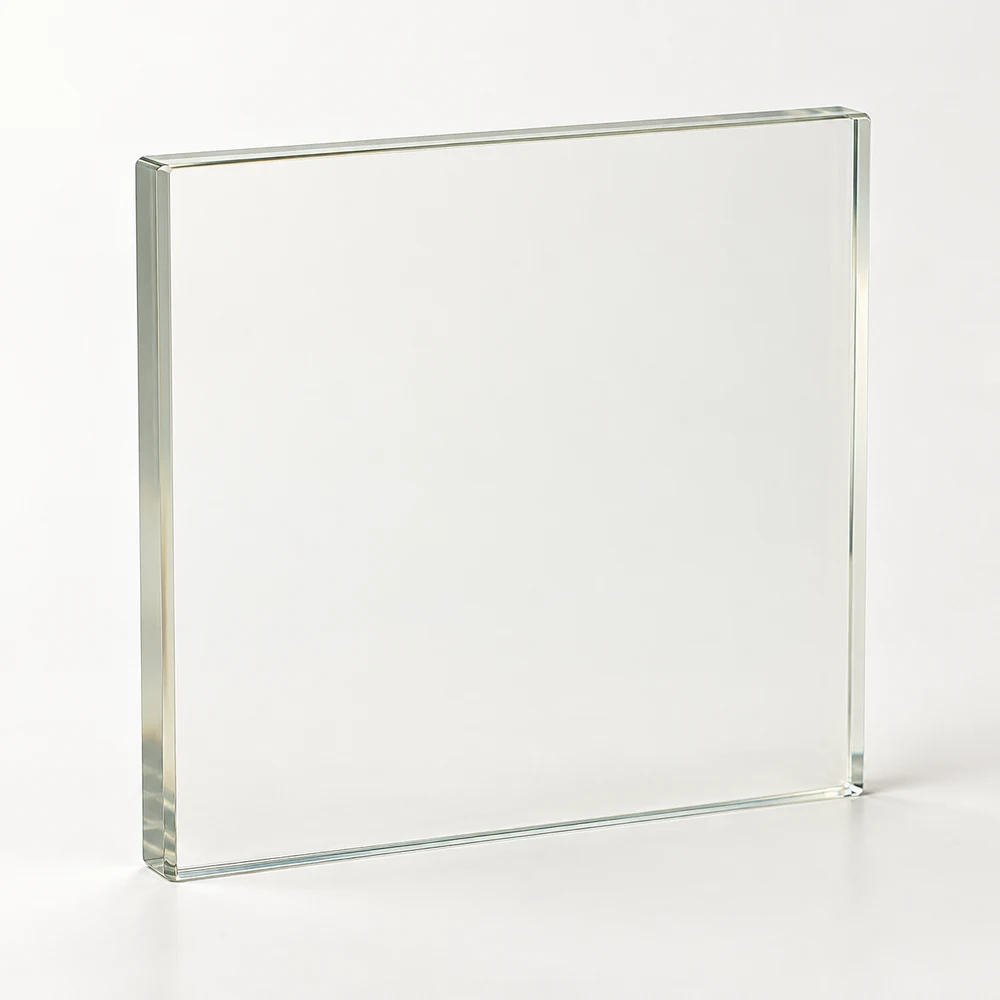
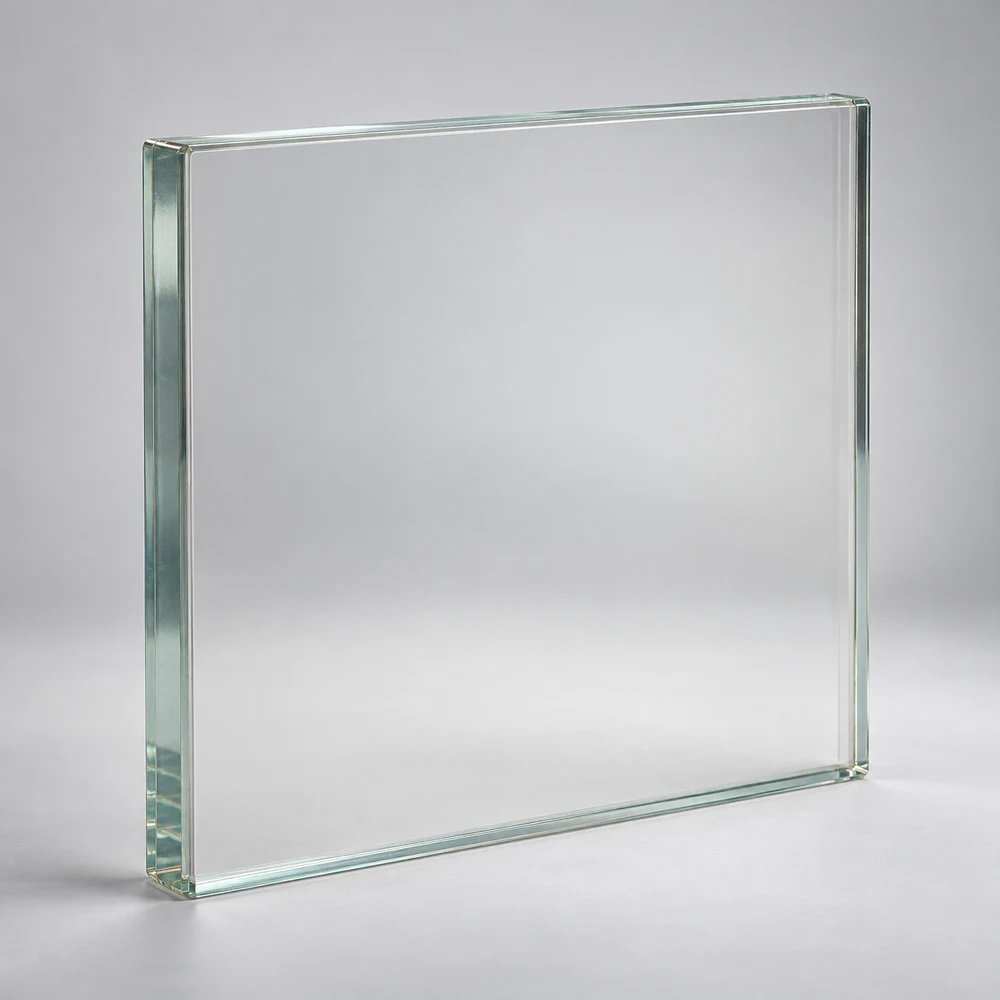
Browse SCHOTT radiation shielding glass product ranges listed by Franance. Tell us the imaging-room application, opening size and shielding specification so requirements can be reviewed for quotation.
Buy SCHOTT Diagnostic imaging in Nigeria through Franance. The current catalogue lists SCHOTT RD 30 Radiation Shielding Glass; SCHOTT RD 50 Radiation Shielding Glass. For a quotation order, provide the RD 30 or RD 50 reference, required dimensions and thickness, frame details and the project shielding specification approved for the room. Include quantities and delivery destination; Franance will follow up by phone or email.
Buy SCHOTT Radiation Protection Equipment in Nigeria through Franance. The current catalogue lists SCHOTT RD 30 Radiation Shielding Glass; SCHOTT RD 50 Radiation Shielding Glass. For a quotation order, provide the RD 30 or RD 50 reference, required dimensions and thickness, frame details and the project shielding specification approved for the room. Include quantities and delivery destination; Franance will follow up by phone or email.
Send exact model references, quantities by location and the intended facility requirements. Ask Franance to confirm the offered configuration, accessories, delivery and any separately requested technical services in the written quotation.
Buy SCHOTT Radiation Shielding Glass in Nigeria through Franance. The current catalogue lists SCHOTT RD 30 Radiation Shielding Glass; SCHOTT RD 50 Radiation Shielding Glass. For a quotation order, provide the RD 30 or RD 50 reference, required dimensions and thickness, frame details and the project shielding specification approved for the room. Include quantities and delivery destination; Franance will follow up by phone or email.
Send exact model references, quantities by location and the intended facility requirements. Ask Franance to confirm the offered configuration, accessories, delivery and any separately requested technical services in the written quotation.
Send exact model references, quantities by location and the intended facility requirements. Ask Franance to confirm the offered configuration, accessories, delivery and any separately requested technical services in the written quotation.
Buy SCHOTT radiation shielding glass in Nigeria: RD 30 and RD 50 guide
Request a quotation from Franance for SCHOTT RD 30 or RD 50 radiation shielding glass for a Nigerian imaging facility. State the room and application, required shielding design, opening dimensions, glass format, quantity and destination. Franance accepts quote orders and follows up by phone or email to clarify the request; there is no online checkout.
The current Franance catalogue assigns two SCHOTT references, RD 30 and RD 50, in radiation shielding glass. SCHOTT publishes technical information and application guidance for the family. The shielding value depends on the exact glass grade, thickness, radiation conditions and installation design. A named glass product alone does not establish that a room, window or door meets its shielding requirement. The responsible radiation protection and building professionals must determine and verify the design.
Where can I buy SCHOTT radiation shielding glass in Nigeria?
Send Franance a quote order naming RD 30 or RD 50, the intended medical imaging application, quantity, project location and target schedule. Include the architect, radiation protection adviser, medical physicist or other responsible technical contact, as appropriate to the project. Attach the approved design specification, opening schedule and any tender requirement so the quotation can be scoped against the actual installation.
Ask the proposal to identify the exact glass grade, thickness, format, dimensions, processing and delivery scope. Clarify whether cutting, holes, curved shapes, lamination or other fabrication is required and who is responsible for each operation. Have the proposed shielding performance, standards, installation detail and documentation reviewed before acceptance. The catalogue does not confirm stock in Nigeria, a fixed price, project delivery date, installation service or warranty entitlement.
Franance follows up by phone or email after receiving a quote order. The final quotation should identify the commercial terms, currency, validity, taxes, destination, handling responsibilities and any quoted technical work. Confirm the exact glass configuration and shipment conditions before placing the order.
Which SCHOTT products are listed by Franance?
The current brand assignments are SCHOTT RD 30 and RD 50 radiation shielding glass. Both are in the diagnostic imaging radiation-protection category for radiation shielding glass. The SCHOTT technical pages describe these as distinct products with different densities and shielding behaviour. They are not interchangeable specifications simply because both are transparent radiation-shielding materials.
Use the SCHOTT brand hub and the brand-filtered radiation-shielding-glass category to review both assigned references. A query for RD 30 or RD 50 narrows the listing to the named item. The current pages are catalogue assignments rather than proof of regional stock or available configurations. Review the current manufacturer datasheets for the exact product variant and have the project’s technical reviewers approve the required thickness and performance.
The broader SCHOTT shielding glass family also includes other ranges for applications outside this Franance assignment. Their existence on manufacturer pages does not mean they are listed here. If your specification calls for another named glass, provide the exact product and technical documents for separate review rather than assuming that RD 30 or RD 50 is suitable.
What is the difference between SCHOTT RD 30 and RD 50?
SCHOTT identifies RD 30 by a minimum density of 3.13 g/cm³ and RD 50 by a minimum density of 5.05 g/cm³. Its technical FAQ says their applications and protective effect differ, with RD 50 providing significantly higher protection. SCHOTT lists RD 30 with a minimum lead equivalent of 0.5 mm Pb at 6 mm glass thickness. RD 50 lead-equivalent values vary with the selected thickness and tube voltage; SCHOTT gives a range of 1.4 to 6.3 mm Pb across its stated conditions.
These figures should not be used as a stand-alone specification for a particular Nigerian room. The required shielding depends on the radiation source, workload, geometry, surrounding materials, occupancy and applicable local requirements. The responsible radiation protection professional must calculate or validate the design and specify the corresponding glass thickness and installation details.
Ask the quotation to state RD 30 or RD 50, the exact thickness and lead-equivalent evidence applicable to that configuration. If the design calls for a higher value, request a written technical review of the proposed option. Do not select the product by density, appearance or a generic phrase such as lead glass. Keep the manufacturer datasheet and approved room calculation together in the project file.
How do I select shielding glass for an X-ray or mammography room?
Begin with the approved shielding design prepared for the actual room and equipment. Provide the imaging modality, equipment information, tube-voltage range, workload assumptions, viewing opening, surrounding wall construction and occupancy details to the responsible design professional. Ask that professional to identify the necessary shielding performance and the glass product and thickness that meet it.
SCHOTT describes RD 30 as suited to mammography applications and lists a minimum lead equivalent of 0.5 mm Pb at 6 mm thickness. Its application material describes RD 50 for X-ray-related protection and other medical settings. These are manufacturer application descriptions, not a substitute for a project calculation. Confirm whether the intended equipment and design call for the specific glass variant and whether additional protective layers or a different construction are necessary.
Check sightline, opening size, frame, wall overlap, adjacent shielding and the interface between materials. The continuous shielding barrier matters: SCHOTT says the wall-side radiation protection and glass must overlap, and materials should not simply meet edge to edge. Have the project team draw and approve the frame detail before ordering. A transparent panel that fits the opening can still be inadequate if the surrounding assembly leaves an unprotected gap.
What dimensions and glass format should I specify?
Provide finished width and height, nominal thickness, edge treatment, tolerance, quantity and drawing revision. Identify whether the panel is monolithic, laminated, curved, drilled, cut out or combined with another glazing layer. SCHOTT lists format and processing options for its range, but the permitted dimensions and available formats vary by grade and configuration. Ask for a confirmation against the current datasheet and production limits.
The quotation should identify whether dimensions are finished or nominal and state how measurement is to be confirmed. Include frame clearances, support conditions, installation direction, protective film requirements and any restrictions on machining. For more than one opening, use a unique tag and dimensions per location. Do not order from approximate dimensions taken from a visual mock-up or an unapproved plan.
RD 50 can be supplied in laminated constructions for additional stability or surface protection according to SCHOTT’s technical information. SCHOTT also describes curved shapes, cut-outs and screen printing as processing possibilities for the family. Confirm that the exact requested treatment is available for the selected grade and that it preserves the required shielding performance. Any fabrication, lamination and edge preparation should be named in the purchase schedule and final documentation.
How should SCHOTT shielding glass be installed in Nigeria?
Installation should follow the project design, manufacturer instructions and applicable local requirements. SCHOTT’s technical guidance emphasizes overlap between the shielding glass and wall-side radiation protection so the barrier is continuous. It advises against butt joints without an overlap. The final framing detail, seal, support, gap and overlap must be reviewed by the project’s competent radiation protection and construction professionals.
For RD 50, SCHOTT references DIN 6812 installation requirements in its brochure and states that sufficient radiation-protection overlap must be ensured. Confirm which standards and local rules apply to your facility and how they are incorporated into the design. Do not treat a brochure detail as approval for a specific building or jurisdiction.
Have the project team assign responsibility for receiving inspection, handling, installation, protection-film removal, cleaning and final radiation survey. Ask whether installation services are part of the quotation and identify the provider and scope. This guide does not assert that Franance or the manufacturer will install the glass in Nigeria. Record the installed product identification and test evidence with the room documentation.
What should I consider for transport and storage?
The quotation should confirm packaging, dimensions, gross weight, transport method, handling instructions, delivery address and receiving responsibilities for the selected panels. Large glass sheets can require careful access planning and appropriate lifting and storage. Ask the supplier for current shipment-specific information rather than assuming a generic package size or handling plan applies.
Give the destination facility’s complete address, city and state, receiving contact, access restrictions and project date. Confirm delivery charges, insurance responsibility, unloading and inspection arrangements, and any site readiness prerequisites in writing. If panels are being sent to multiple locations, identify each opening and destination separately. No nationwide delivery time, shipping charge or stock position is implied by the product pages.
Store and protect the panels as directed by the current manufacturer instructions. Inspect packaging and glass at receipt and document any visible issue under the agreed process. Preserve protective films until the manufacturer’s stated point in installation. Ask the quote provider to state who is responsible for transit damage and how claims are handled before the order is approved.
How do I clean and maintain SCHOTT radiation shielding glass?
Follow the current manufacturer installation, cleaning and maintenance instructions for the exact product. SCHOTT advises water, mild detergent and a soft cloth for cleaning. Its brochure notes that RD 50 and RD 30 can be disinfected using commercially available disinfectants SCHOTT has approved. Verify the current approved-agent guidance before using any cleaning product, particularly if the glass has additional coatings, laminates or printed features.
SCHOTT warns against exposing the glass to moisture or temperature fluctuations in combination with moisture and acidic air. It also recommends acid- and alkali-free sealants during installation, noting that adhesive labels may cause discoloration if their adhesive reacts with the surface. Keep these instructions available to facilities staff and installers so routine cleaning does not damage the material or compromise its appearance.
Do not use sharp objects to remove protective film, and remove the film only as directed. Ask the supplier to provide the latest maintenance document with the quotation. This guide does not replace manufacturer instructions or facility cleaning procedures. If the pane is damaged, altered or processed after supply, obtain technical guidance before assuming its shielding or structural properties remain unchanged.
What affects SCHOTT radiation shielding glass price in Nigeria?
The price depends on grade, thickness, dimensions, format, quantity, processing, packaging, destination and any related project work. RD 30 and RD 50 are different materials, and a panel with custom cut-outs or a laminated construction is not equivalent to an unprocessed sheet. Ask the quotation to itemise each panel, processing step, handling and delivery term.
Provide current drawings and the approved specification so the supplier can confirm whether the requested configuration can be offered. Ask for currency, taxes, quote validity, payment terms and any shipping or insurance responsibilities to be stated. If an alternative grade or thickness is proposed, require its technical basis and lead-equivalent comparison to be documented for the project reviewer.
There is no universal price for Nigerian projects in this guide. Franance accepts quote orders, then follows up by phone or email. The catalogue does not take payment online. Confirm the exact product and commercial terms in the final quotation before authorising procurement.
What documents should I request before placing an order?
Request the current RD 30 or RD 50 datasheet, applicable technical safety information, installation and maintenance instructions and any project documentation required by the specification. Ask for the quote to identify the exact grade, thickness, dimensions, format and processing. Verify that all submitted documents refer to the same product variant and revision.
For shielding design, retain the room calculation, approved drawings, equipment assumptions, material schedule and responsible reviewer’s sign-off. Ask the project team what evidence is required after installation, including any inspection or radiation survey. A manufacturer brochure does not demonstrate that the installed room meets its design requirement.
Confirm any required declarations or certificates directly for the proposed product and intended jurisdiction. SCHOTT provides downloads for its radiation shielding glass family, but the specific documents applicable to a purchase should be checked at order time. This guide does not claim Nigerian regulatory approval for a particular pane, room or finished installation.
How do I request a SCHOTT glass quote from Franance?
Send Franance the selected grade, RD 30 or RD 50, the project use, approved shielding value, thickness, dimensions, processing and quantity. Attach the opening schedule, current drawing and technical requirement. Provide the facility city and state, delivery contact, desired timing and contacts for the project designer and radiation protection reviewer.
Use the filtered SCHOTT radiation-shielding-glass category and query the exact product to review RD 30 or RD 50 listings. Franance follows up by phone or email to clarify the quote order. Ask the resulting proposal to confirm product configuration, price, validity, delivery, packaging and responsibilities for technical review, installation and acceptance.
Before approval, have the responsible specialists confirm shielding calculations, construction details and local requirements. Ensure the final product documentation and commercial scope match the approved design. Franance can discuss the quote request, but the institution and its appointed professionals remain responsible for selecting and validating the shielding design for their facility.
Common questions
Can I order SCHOTT RD 30 or RD 50 online in Nigeria?
No. Franance accepts quote orders and follows up by phone or email to clarify the specification and proposed terms.
Which glass is right for my X-ray room?
Use the shielding design approved for your actual equipment and room. A qualified radiation protection professional should specify grade and thickness.
Does RD 50 always provide the right protection?
No single grade is universally right. SCHOTT lists different performance by thickness and conditions; have the project requirement assessed.
Can SCHOTT glass be cut or curved?
SCHOTT describes processing options for the product family, but confirm feasibility for the exact grade, dimensions and design in writing.
Does Franance confirm delivery or installation across Nigeria?
Provide the project location and request a written scope. Delivery and any installation arrangements depend on the specific quotation.
Request a SCHOTT RD 30 or RD 50 quotation.
Send the approved shielding design, grade, thickness, panel dimensions, processing, quantity and project destination. Franance will follow up by phone or email to clarify the quote order.