

Buy Critical Care Lab in Nigeria.
Buy critical care laboratory equipment in Nigeria through Franance. Review the blood-gas range and specify dedicated electrolyte requirements separately, with actual models, materials and reporting scope.
Browse this range
Products
11 models
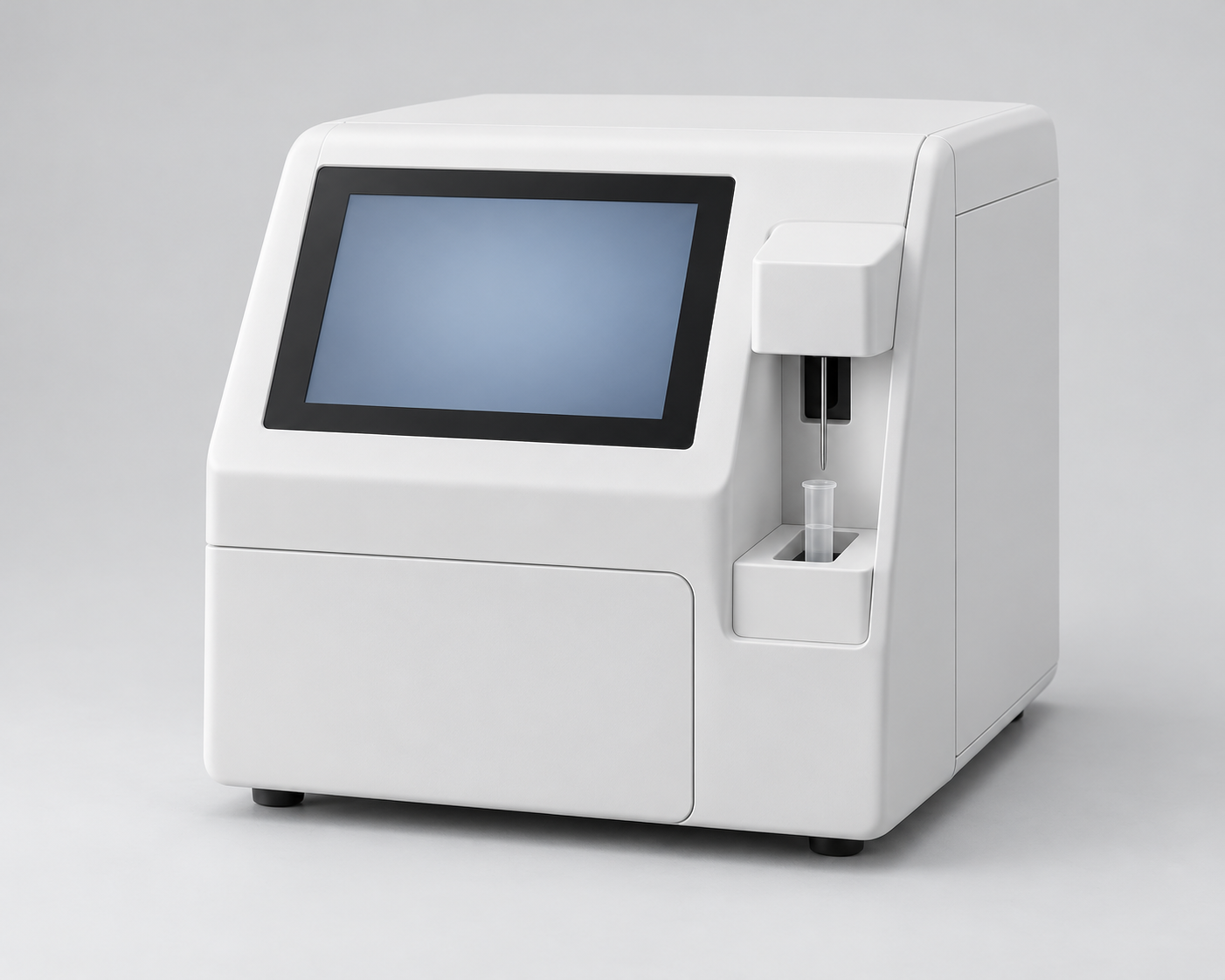
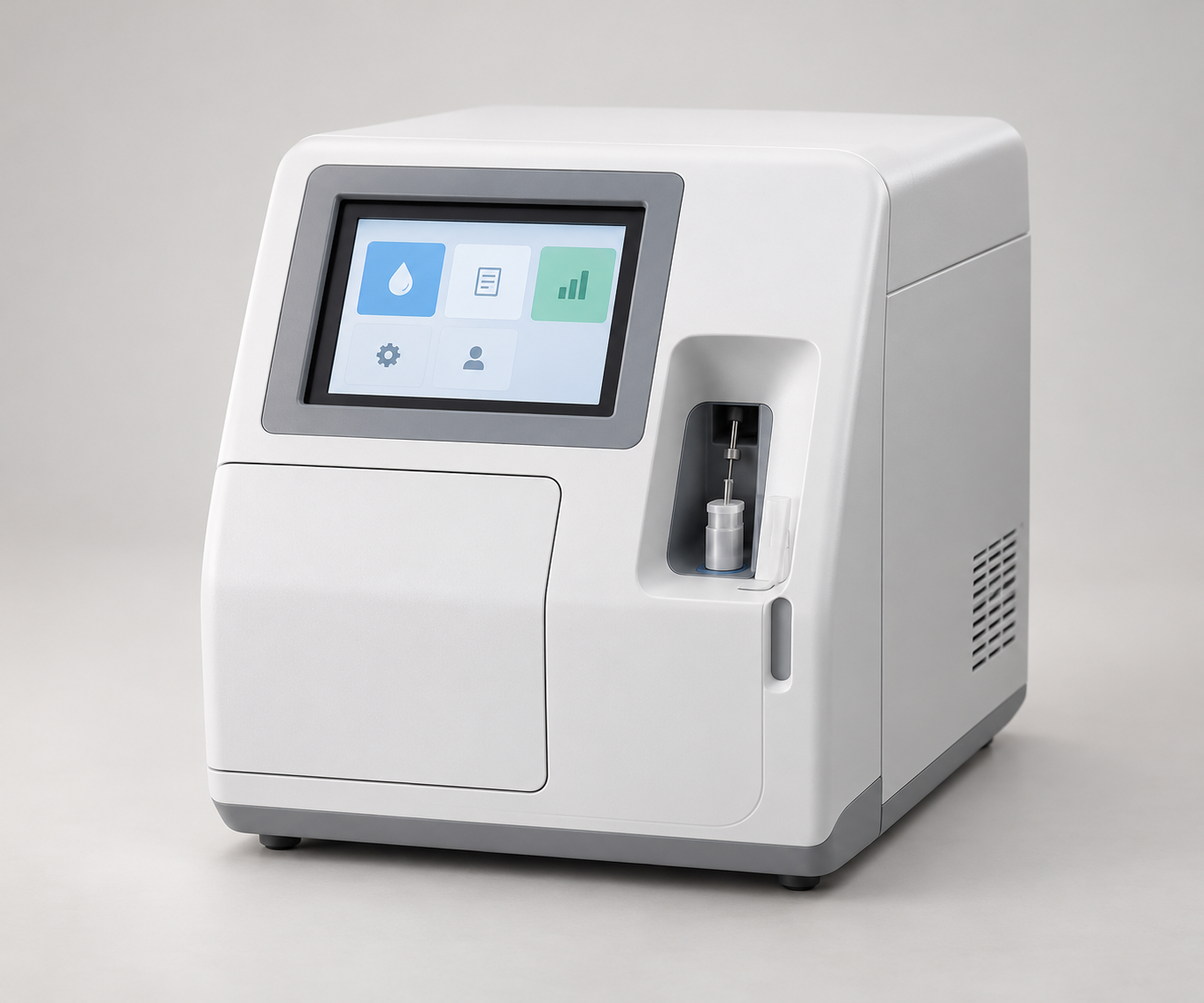
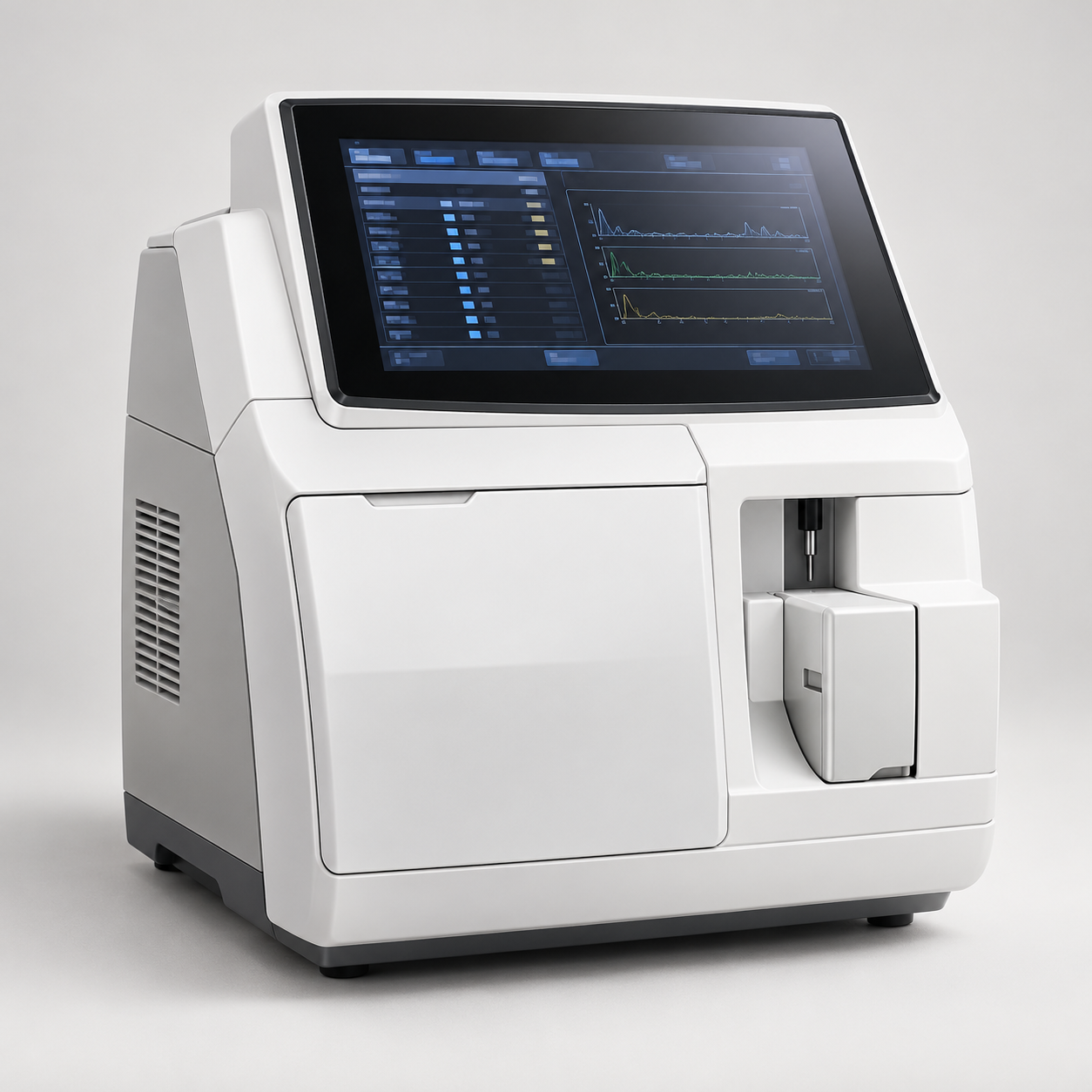
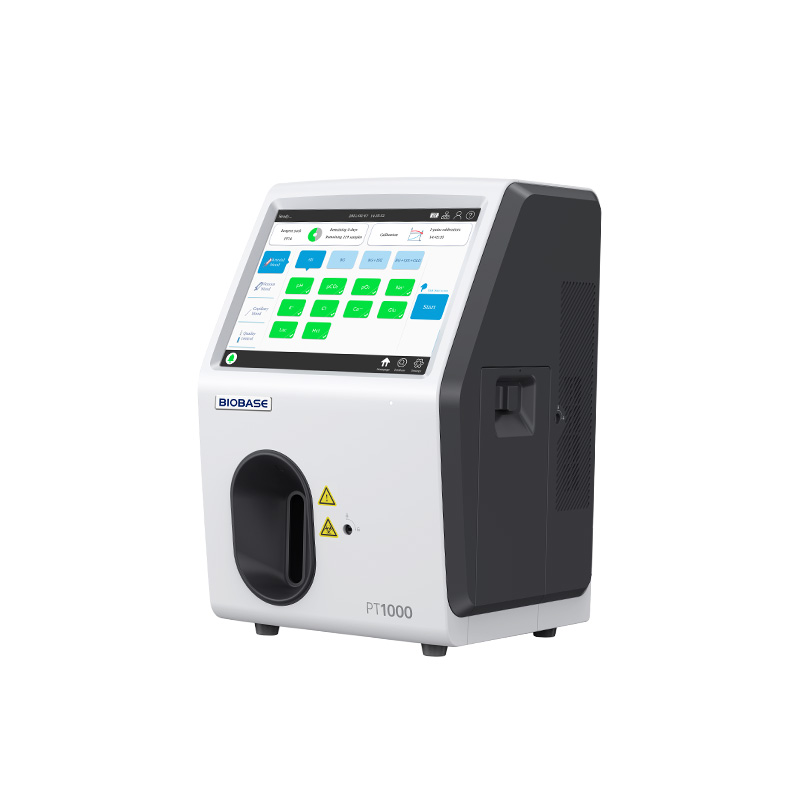
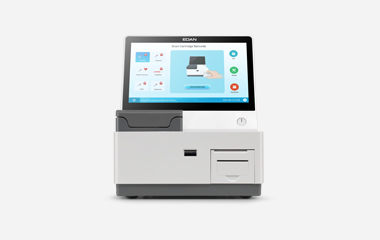
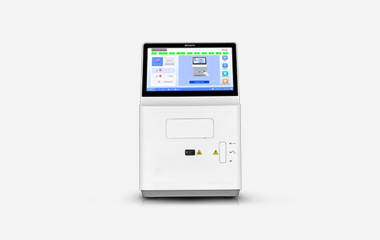
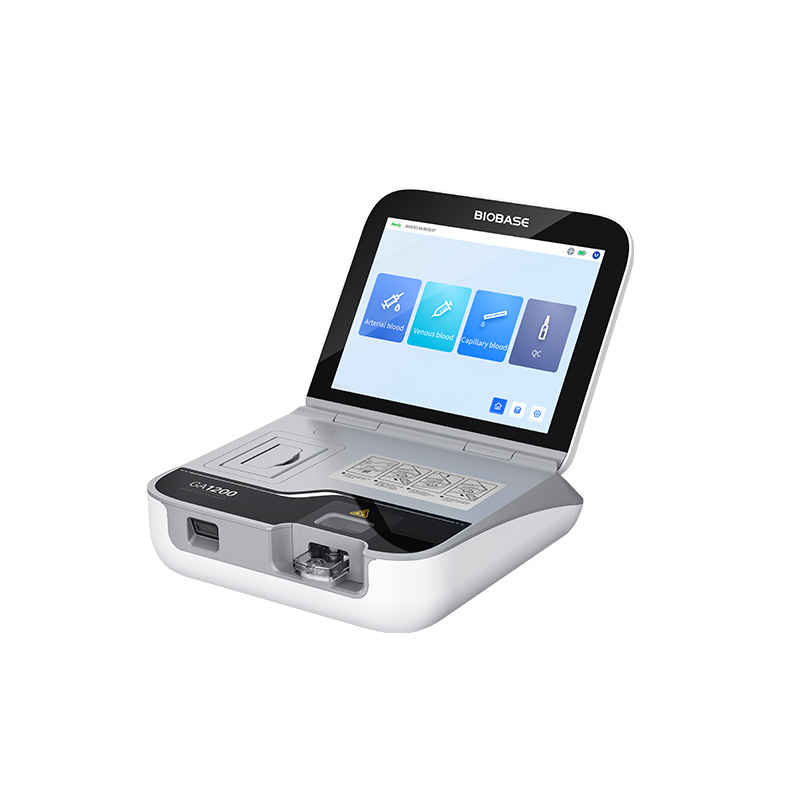
GA1200 Portable Blood Gas and Chemistry Analyzer
Portable Blood Gas and Chemistry Analyzer
Price on request
Where can I buy critical care laboratory equipment in Nigeria?
Request a quotation from Franance with your approved equipment and material schedule, quantities and facility locations. Identify the instruments required, their intended equipment roles and any reporting, installation or familiarisation work your institution wants considered.
Read moreHow is critical care laboratory equipment organised in Nigeria?
The current hierarchy separates Blood Gas Analysers and Electrolyte Analysers beneath this family. Select the narrower requirement and use its product and buying-guide links rather than assuming one parent-category description resolves every instrument choice.
Read moreWhich critical care laboratory product is currently listed in Nigeria?
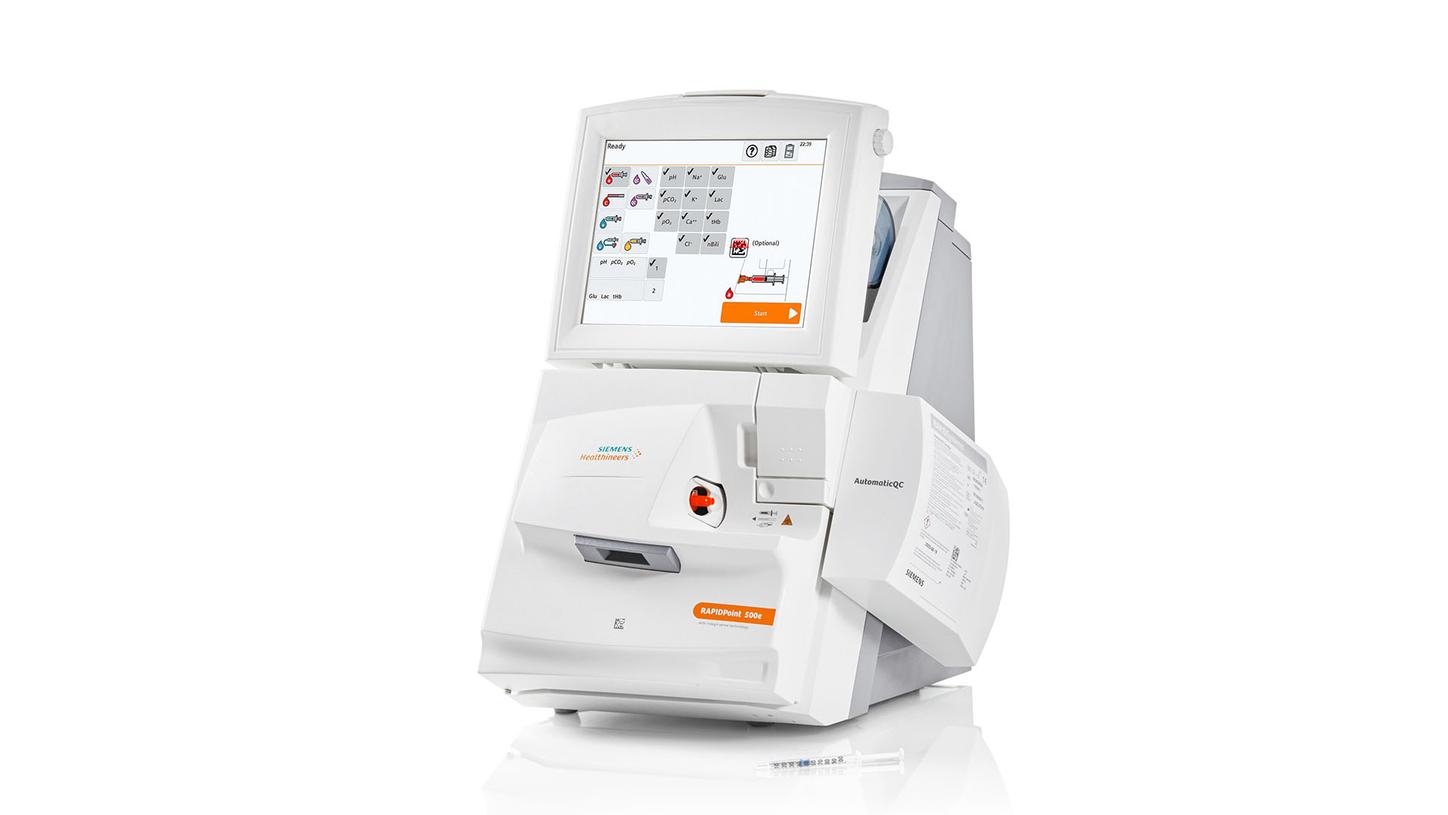
Siemens Healthineers RAPIDPoint 500e is the current named reference in this family, assigned to the Blood Gas Analysers category. Its product guide addresses the cartridge-based instrument, parameter schedule, initial materials and reporting connection.
Read moreBuy Critical Care Laboratory Equipment in Nigeria
Buy critical care laboratory equipment in Nigeria through Franance. Start with the blood-gas or electrolyte equipment requirement, identify the approved instrument and parameter specification, and request a quotation with materials, reporting and technical work. The current named product is Siemens Healthineers RAPIDPoint 500e in the blood-gas range. This parent category organises related purchasing requirements without treating their instruments as interchangeable. It sits within Clinical Laboratory and links to narrower buying guides and actual product listings. Use it when planning equipment for an institution or several testing locations, while retaining the specific model, intended role, supporting-material allocation and responsible participants for each proposed system.
Where can I buy critical care laboratory equipment in Nigeria?
Request a quotation from Franance with your approved equipment and material schedule, quantities and facility locations. Identify the instruments required, their intended equipment roles and any reporting, installation or familiarisation work your institution wants considered.
A request can cover one replacement analyser or several locations in a larger project. Keep each model and material allocation identifiable, and state whether alternatives may be proposed. This allows the technical review to assess the actual offered configuration instead of comparing broad phrases such as critical-care laboratory package.
If your institution has an approved tender or technical schedule, attach its exact criteria and required response format. Ask for separate equipment, material and service lines where they help comparison. Franance can discuss the request around that schedule, while the relevant professional reviewers determine technical suitability and acceptance. The presence of a product in this catalogue does not establish stock or substitute for confirmation of the actual proposed supply and commercial terms.
How is critical care laboratory equipment organised in Nigeria?
The current hierarchy separates Blood Gas Analysers and Electrolyte Analysers beneath this family. Select the narrower requirement and use its product and buying-guide links rather than assuming one parent-category description resolves every instrument choice.
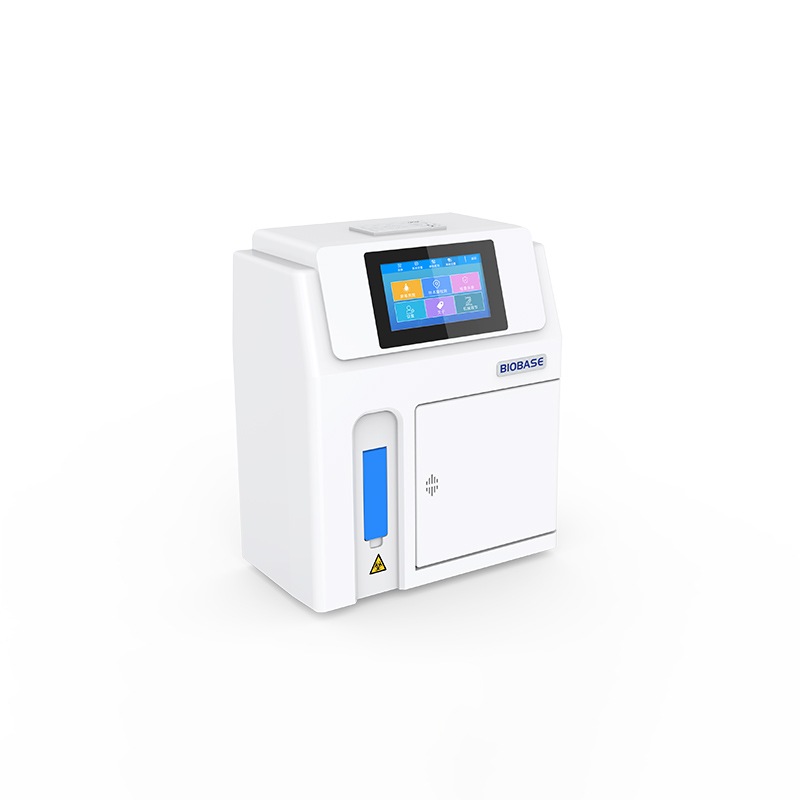
A blood-gas analyser may include electrolyte functions within its menu. That does not mean a standalone electrolyte analyser is automatically the same purchase. Keep the equipment role, approved parameter requirement, compatible materials and reporting expectations visible on the relevant line in your schedule. Where more than one instrument class is required, specify them separately.
The wider Clinical Laboratory hub provides routes to core analysers, microbiology and molecular equipment, and general laboratory equipment. Use those links for a coordinated department purchase while retaining each category's actual specification. Internal navigation helps you find related requirements; it is not a compatibility claim and does not establish that every listed brand manufactures or supplies every possible instrument type in the hierarchy.
| Equipment intent | Current catalogue treatment |
|---|---|
| Blood gas analysers | RAPIDPoint 500e product and focused buying guide |
| Standalone electrolyte analysers | Separate requirement; named inventory still under review |
| Other clinical laboratory functions | Use the appropriate department branch and actual product identities |
Which critical care laboratory product is currently listed in Nigeria?
Siemens Healthineers RAPIDPoint 500e is the current named reference in this family, assigned to the Blood Gas Analysers category. Its product guide addresses the cartridge-based instrument, parameter schedule, initial materials and reporting connection.
Use the Siemens brand-filtered destination to retain that manufacturer and equipment class together. The individual record gives a clearer basis for an enquiry than a general brand name because it preserves the actual model and configuration questions. Other exact instruments can be submitted to Franance with the approved specification for review.
An unpopulated category is not presented as though it contains researched inventory. In particular, the current catalogue does not turn the RAPIDPoint's electrolyte functions into a separately verified standalone electrolyte product. Keep a dedicated requirement explicit and request a named response. This preserves distinct buying intents as the catalogue grows and helps your institution assess actual equipment rather than infer a complete manufacturer portfolio from one visible model.
How should a Nigerian institution define the parameter and equipment requirement?
Have the responsible team write the approved parameter and equipment specification before commercial comparison. Identify the required functions and ask each proposal to show how its actual instrument and material configuration addresses those criteria.
Blood gases, electrolytes, metabolites and co-oximetry are different menu groups in the reviewed RAPIDPoint example. A request for all tests or a complete critical-care panel does not define the same technical scope for every model. Preserve any distinctions between measured parameters, calculated outputs and reporting functions where they matter to your approved criterion.
This guide does not choose a clinical test menu, specimen procedure or interpretation method. The institution retains those professional decisions. It helps procurement obtain a traceable response that identifies the offered model, applicable documentation and relevant exclusions. If an alternative is proposed, ask the technical reviewers to assess the differences before the purchasing team treats the commercial totals as comparable.
How should I plan consumables for critical care laboratory equipment in Nigeria?
Request an actual material schedule for every proposed instrument, with compatible references, purchasing units, initial quantities and applicable storage and use-life information. Keep material allocation distinct from instrument count and from any future replenishment proposal.
For cartridge-based systems, nominal test capacity is only one purchasing consideration. Storage expiry, onboard time and the laboratory's expected demand can affect how an allocation should be reviewed. Ask for the actual offered material documentation rather than applying one brochure description to every cartridge or test menu.
Quality materials and other supporting items also need identifiable references and quantities. Describe whether the enquiry covers an initial installation allocation or a proposed recurring procurement period. Have your institution review receiving, storage and inventory responsibilities. Franance can discuss those requirements, but a future supply arrangement needs its own agreed terms; it should not be assumed from the original equipment listing or from a general promise of consumable availability.
What reporting and governance questions matter for critical care laboratories in Nigeria?
Name the actual reporting system and responsible teams and request a defined assessment of the proposed connection. Identify any software, licence, network, access-management and acceptance work that needs to accompany the equipment supply.
For a distributed arrangement, show which instrument is planned for each location and how the institution intends reporting and oversight to be coordinated. A central purchasing schedule does not automatically establish that every site has the same technical readiness or staff responsibilities. Keep those differences in the project plan and request a response for the actual implementation.
Manufacturer automation, connectivity and security descriptions provide information for review, not proof that every local reporting requirement is already fulfilled. Have laboratory and information-system personnel assess current documentation and the offered version. Ask for any third-party contribution and recurring terms to be stated. Avoid sending patient data in the commercial enquiry; system and equipment identities can begin the authorised technical discussion without exposing confidential records.
What installation and acceptance scope should I request in Nigeria?
Specify the site assessment, equipment attendance, familiarisation and acceptance support your institution requires. Ask the proposal to distinguish those services from transport, material supply and the laboratory's own professional acceptance activities.
Request current site requirements for the actual instrument and have facilities staff review space, power, access and supporting arrangements. For replacement equipment, identify retained connections and peripherals needing assessment. For new testing locations, record any tasks still needed before technical handover. A delivered analyser is not evidence that the entire reporting and quality arrangement is ready.
Agree who provides each activity and what records are expected. The receiving team should be able to compare the instrument, materials and documents against the accepted schedule. If work is to happen after delivery, record that milestone explicitly. Franance can review the requested support as part of the enquiry without implying that every possible service, qualification or institutional acceptance task is automatically included with the product.
How do I compare critical care laboratory equipment prices in Nigeria?
Compare current quotations for the same approved technical and material scope. Ask Franance to identify instrument versions, initial cartridges or reagents, quality materials, reporting work, delivery and requested technical services rather than provide an unexplained package amount.
Keep optional items separate and ask for exclusions to be stated. Where alternatives are allowed, obtain a technical comparison before treating different instruments or test menus as commercially equivalent. An instrument-only offer and a proposal containing implementation work and a defined material allocation do not describe the same purchase.
State quantities, facility locations and commercial requirements in the enquiry. Confirm currency, taxes, validity, transport responsibilities and payment conditions from the actual offer. Manufacturer pages do not establish Nigerian stock, fixed lead times or a local entitlement to services. A researched catalogue supports the discussion, while the accepted quotation and supporting documents define the actual proposed supply and responsibilities for your institution.
How do I request critical care laboratory equipment across Nigeria?
Send Franance a complete destination and allocation schedule for Abuja, Lagos, Port Harcourt, Kaduna or any other Nigerian location in your project. Identify the equipment, material quantities, receiving contacts and requested technical attendance for each facility.
Keep transport, room delivery, installation and institutional acceptance as separate responsibilities where applicable. Several sites can share an approved instrument specification while requiring different access arrangements, reporting assessments and handover dates. A clear schedule helps your institution coordinate those differences and compare the proposed scope without relying on generic coverage wording.
Before agreement, review model identities, mandatory parameters, compatible materials and unresolved technical questions with the responsible team. Retain the accepted offer and documents for receiving and later support enquiries. Franance can discuss the actual equipment schedule and follow-up requirements using those references. The strongest request is specific enough to produce a practical proposal while preserving the institution's professional decisions and the conditions that still need confirmation.
Common questions
How can Franance quote critical care laboratory equipment in Nigeria?
Provide instrument allocation, compatible material references and quantities, site and reporting information, requested services and Nigerian destinations.
Does this category establish the complete manufacturer portfolio?
No. Use the actual named product records or send exact additional references and approved specifications to Franance for review. Availability and the offered package require confirmation.
Request critical care laboratory equipment from Franance.
Provide instrument allocation, compatible material references and quantities, site and reporting information, requested services and Nigerian destinations.
Request a laboratory quoteNeed an equipment quote?
Add the models you need to a quote order, or send us your equipment list.