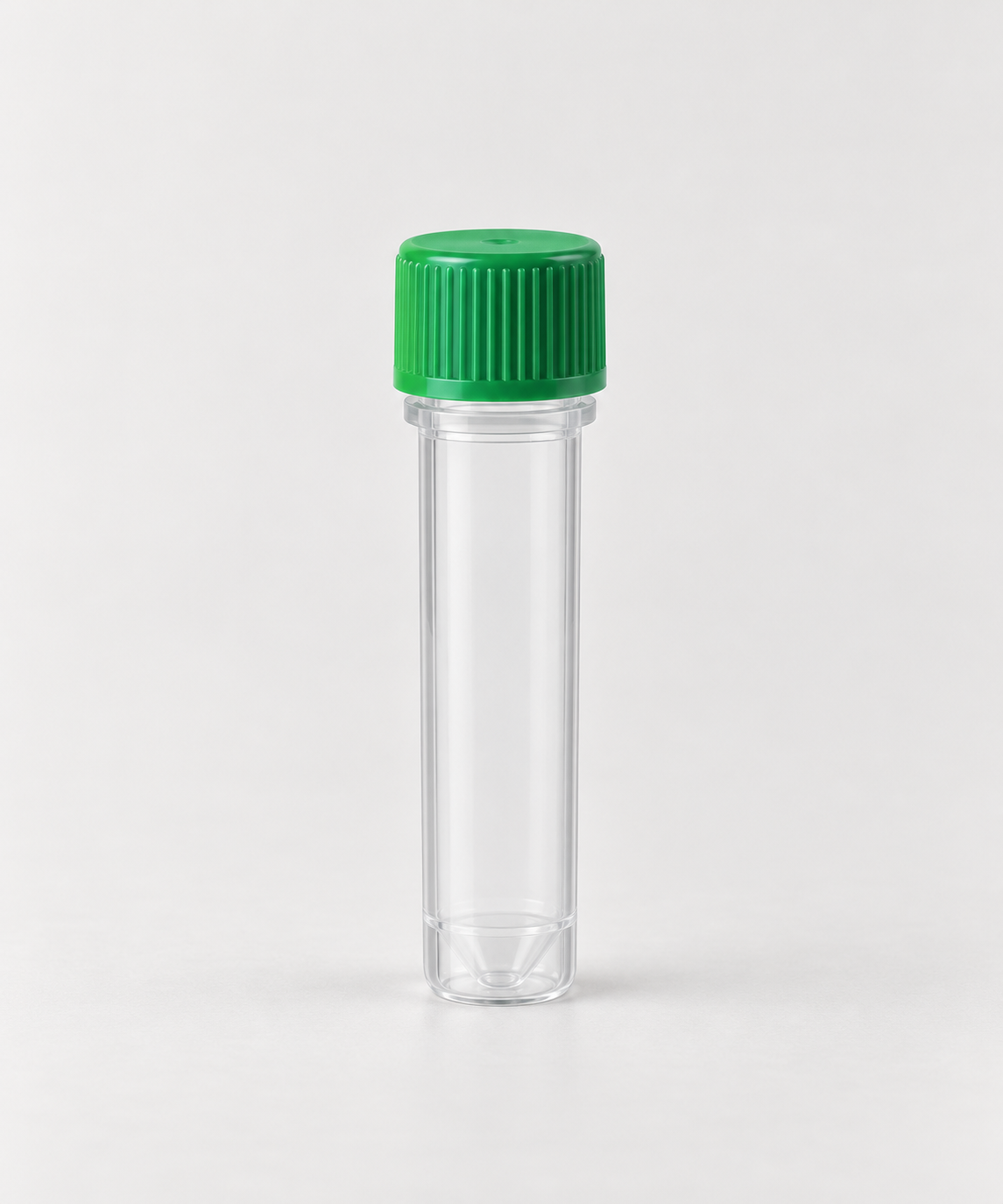
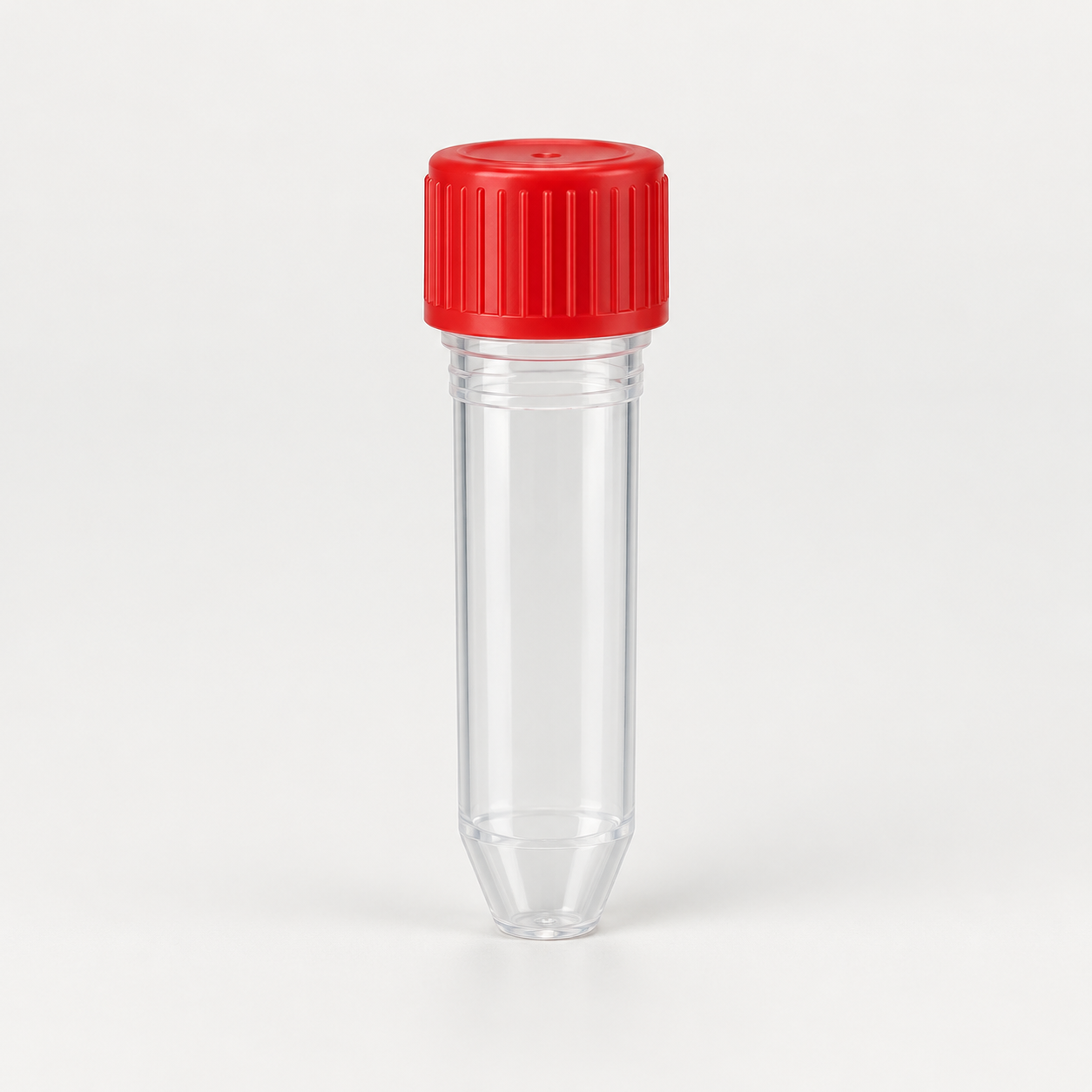
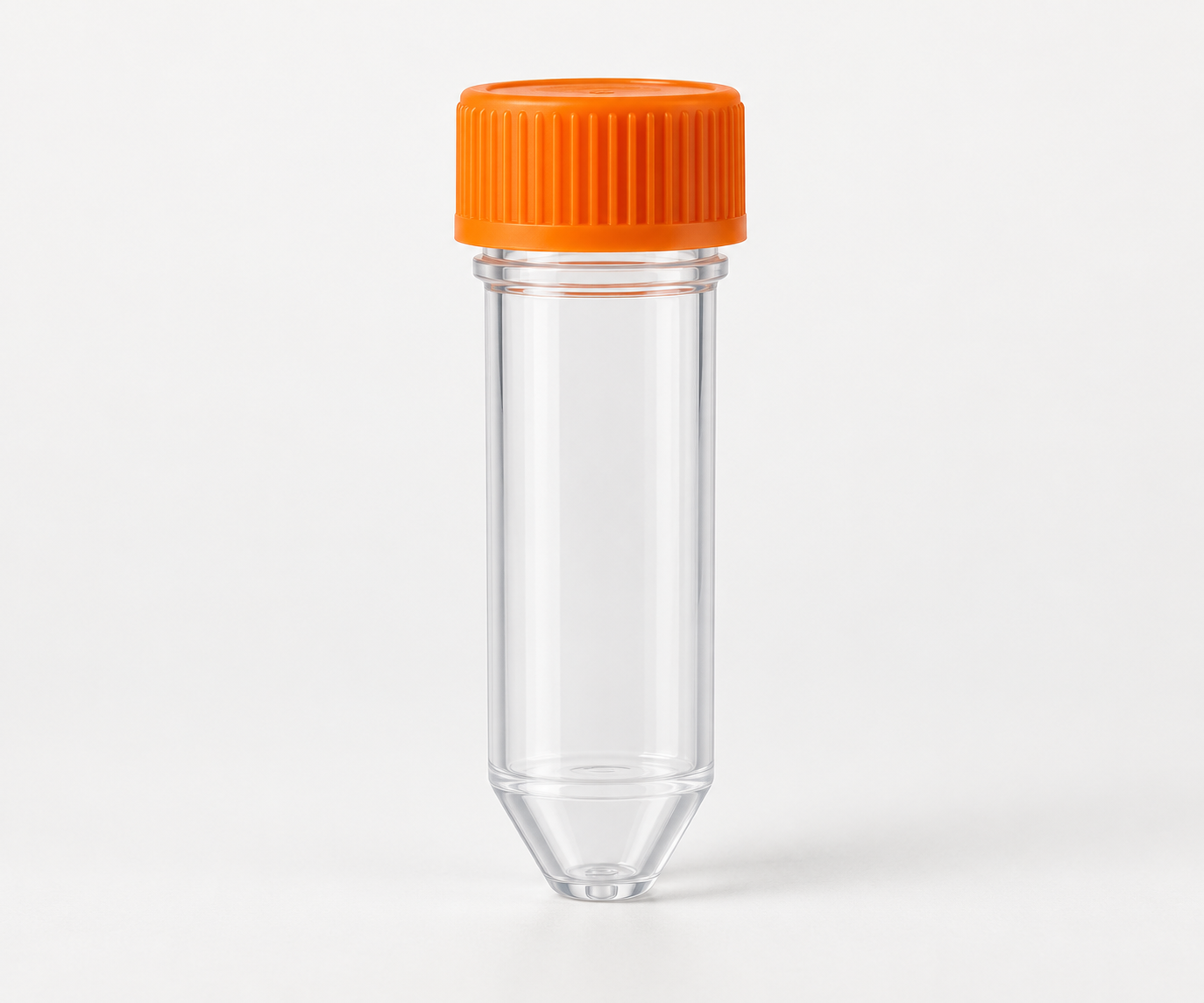
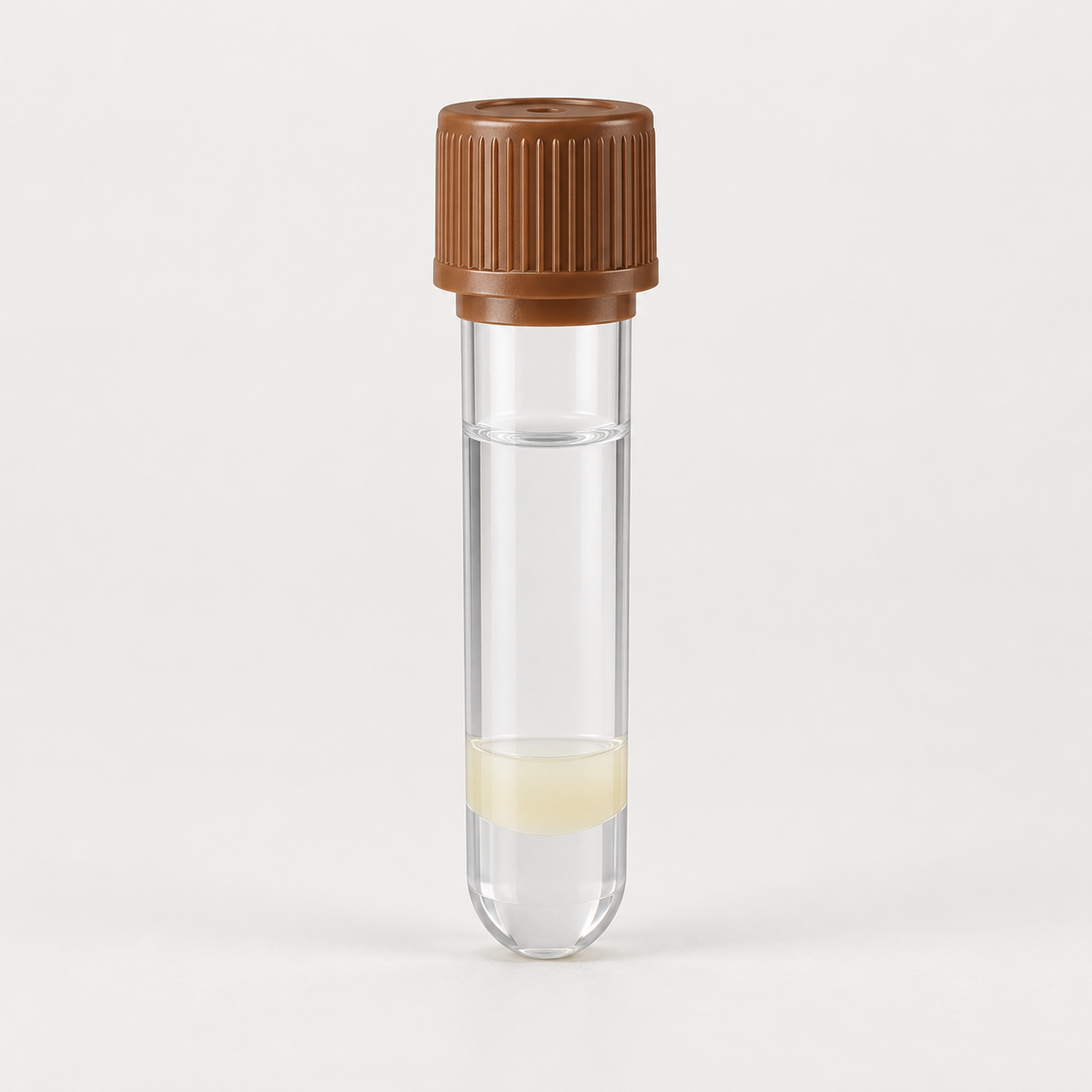
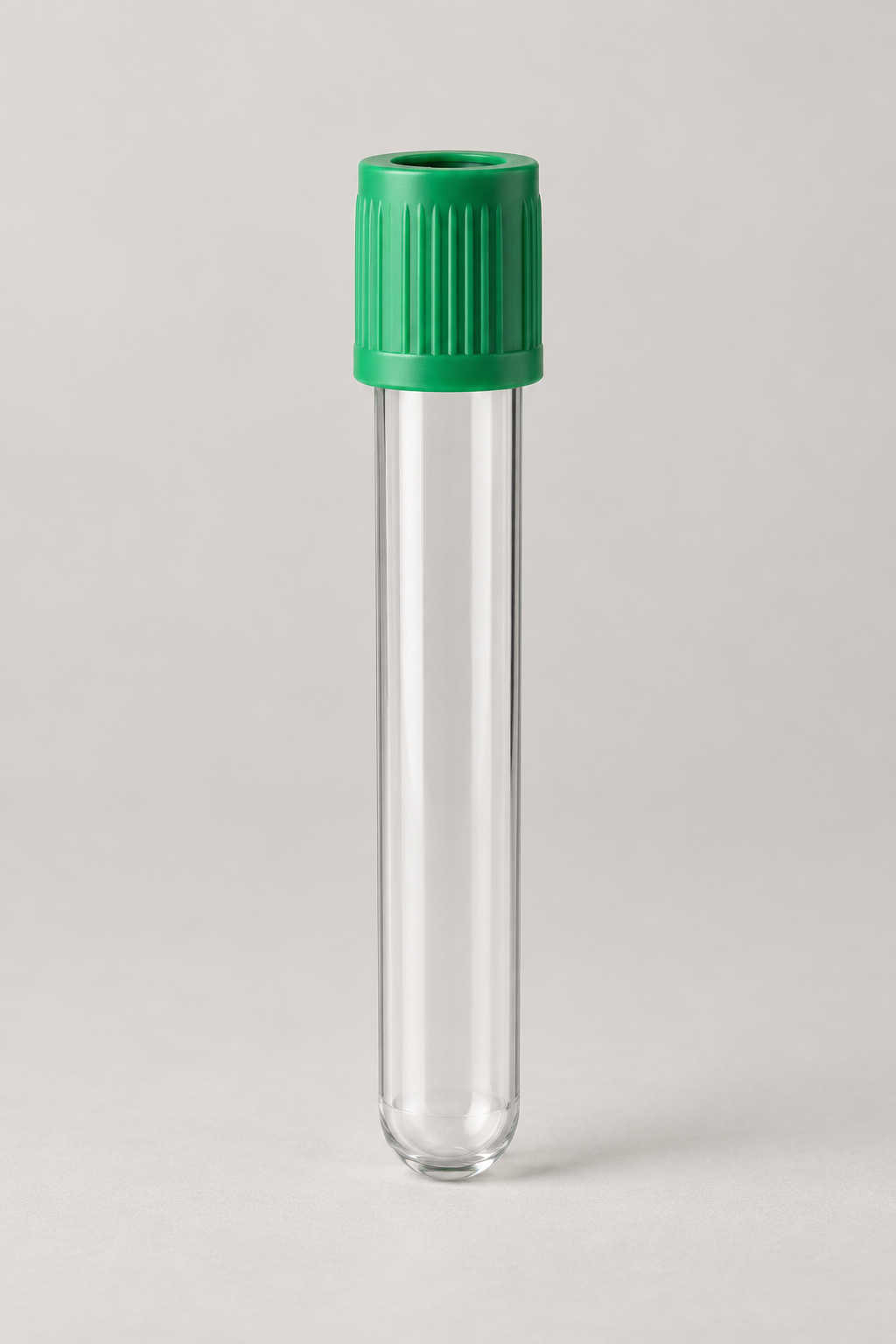
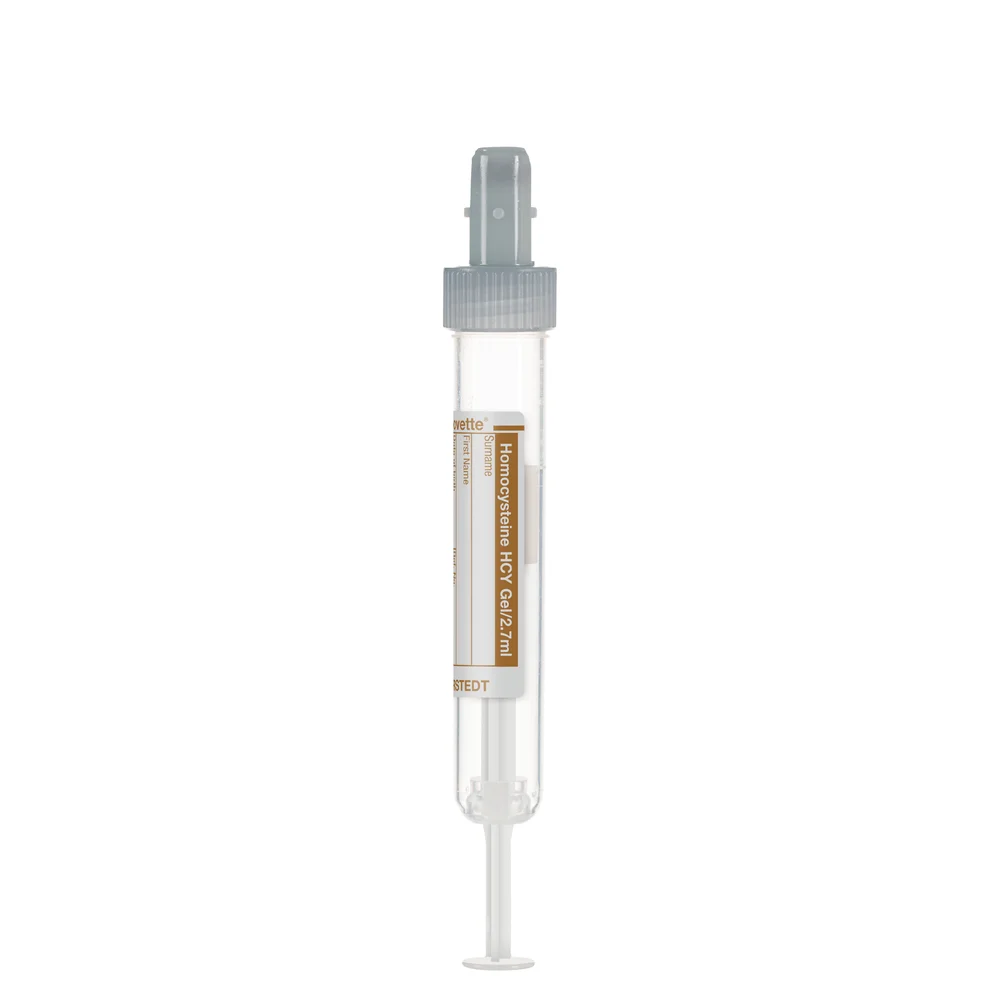
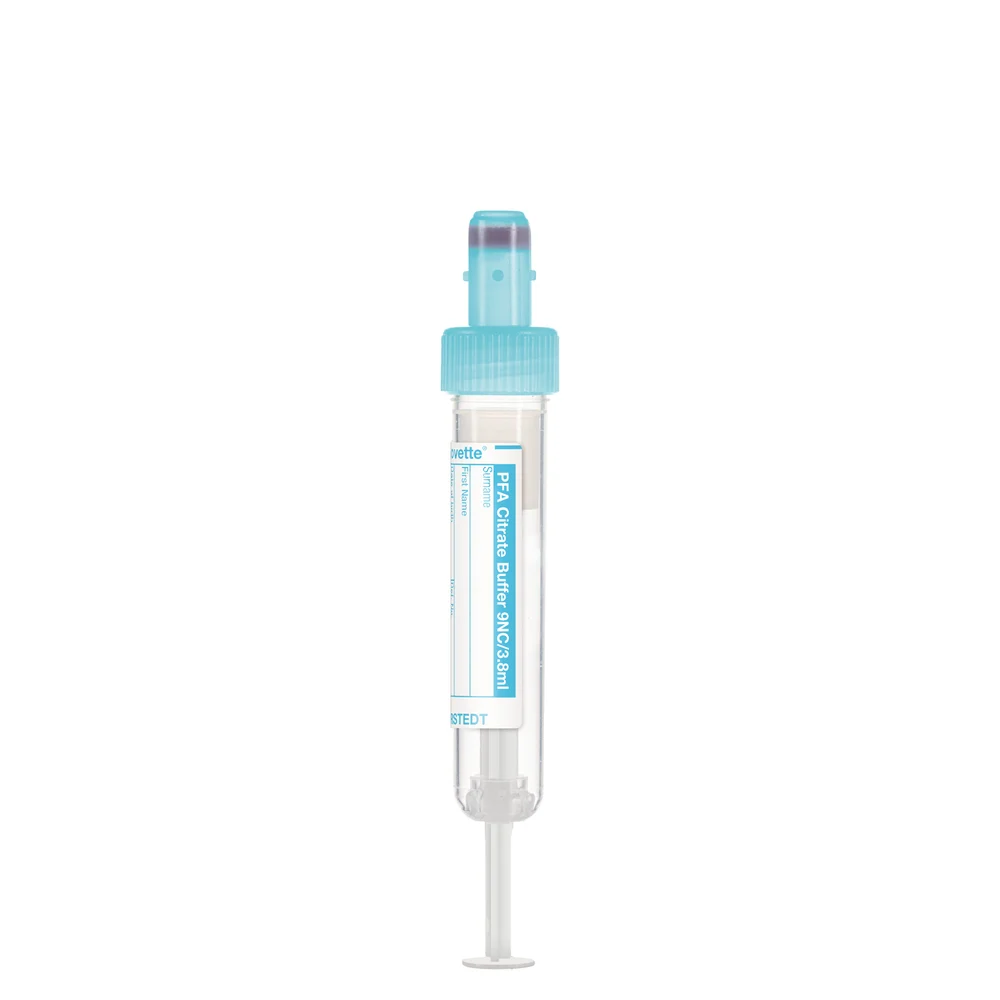
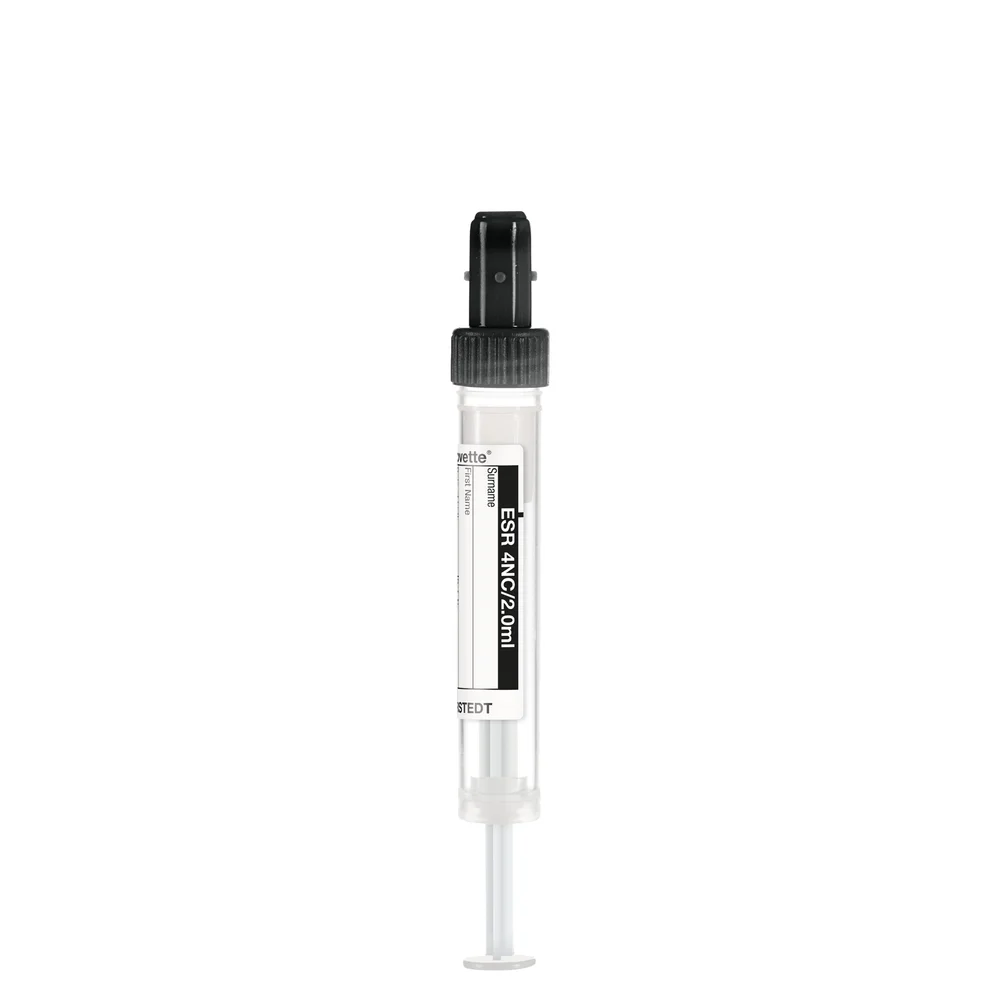
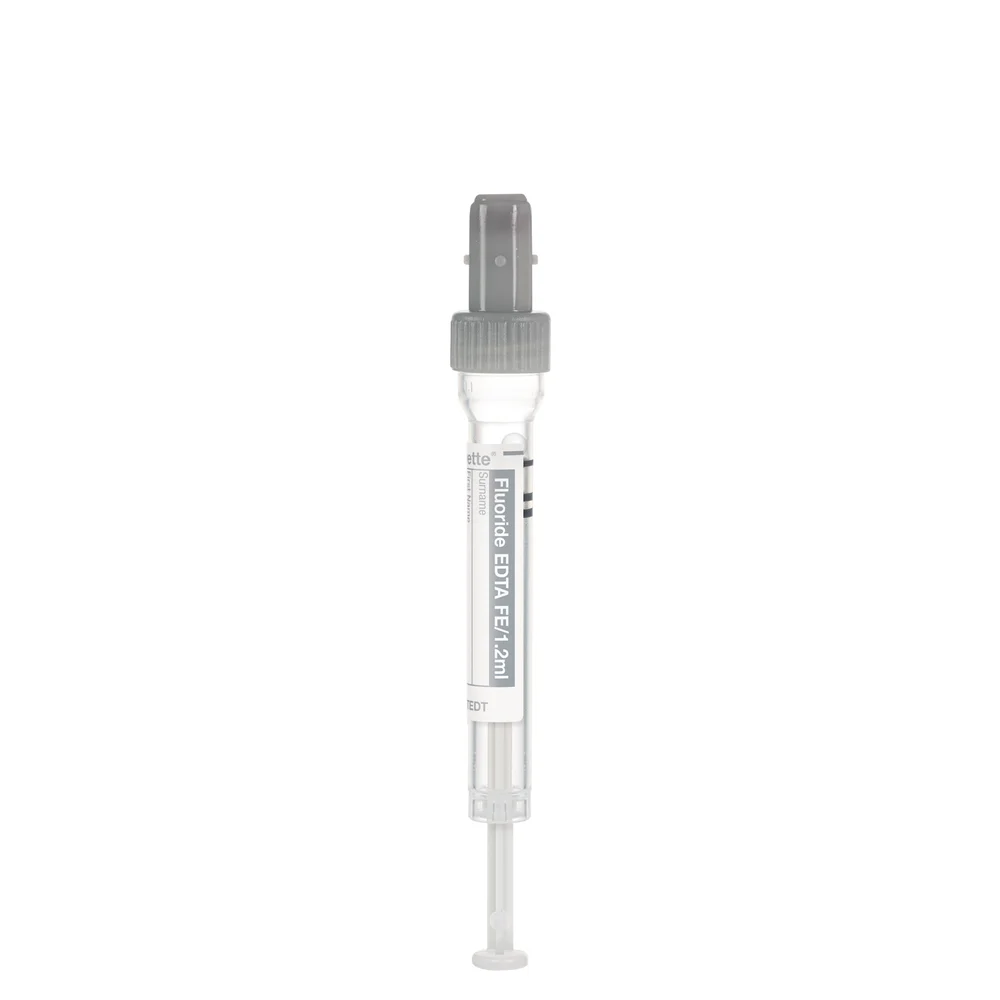
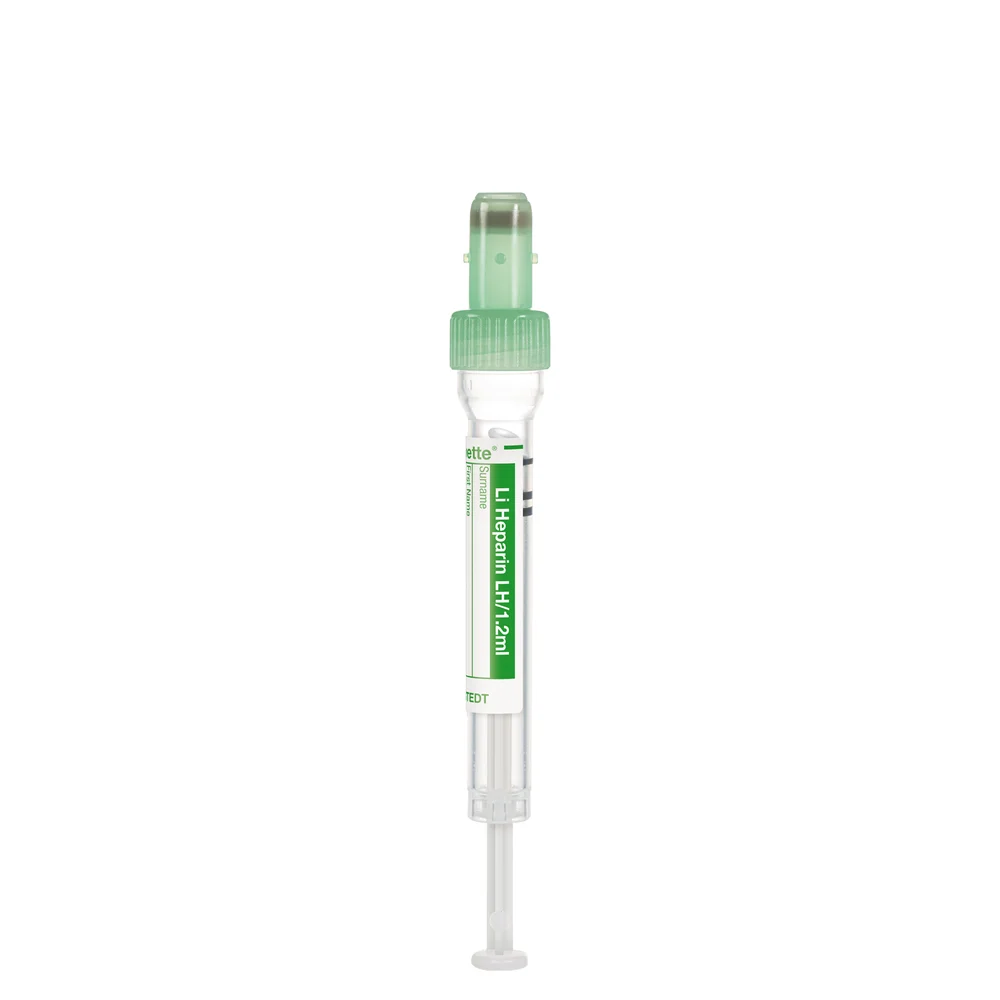
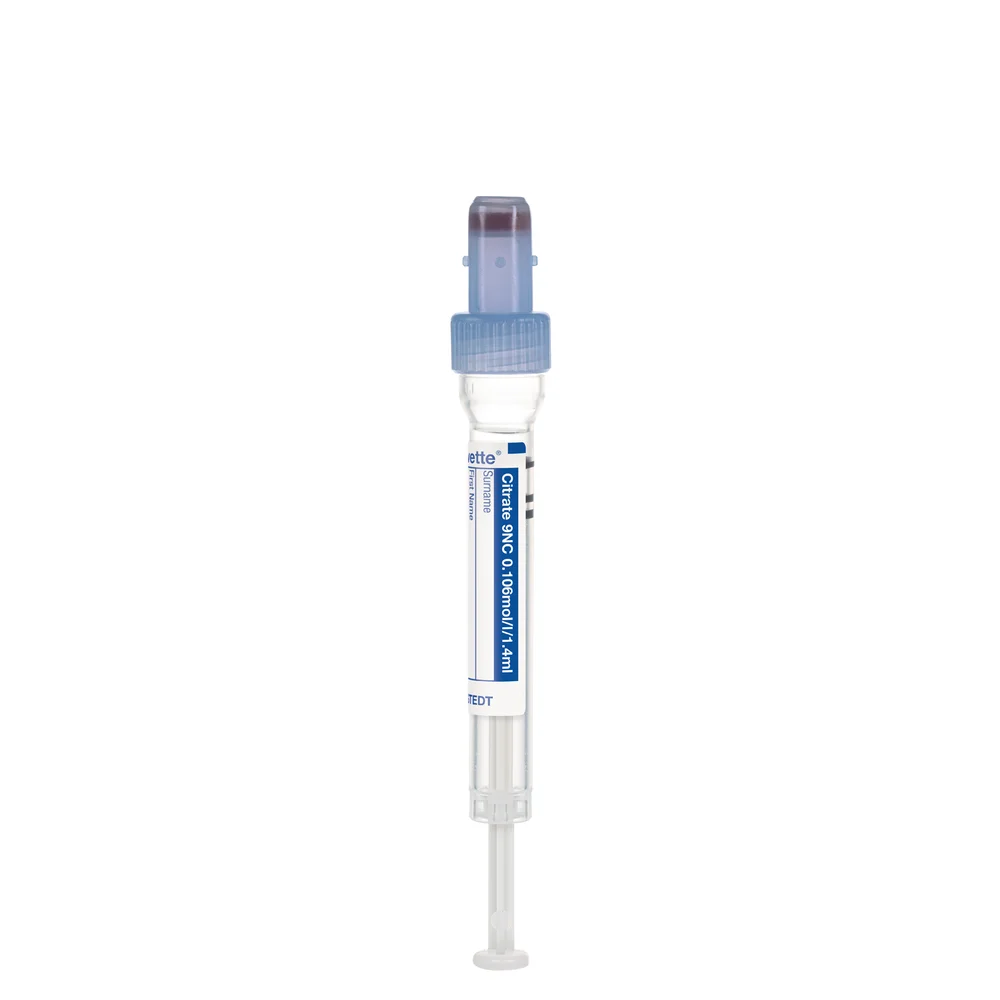
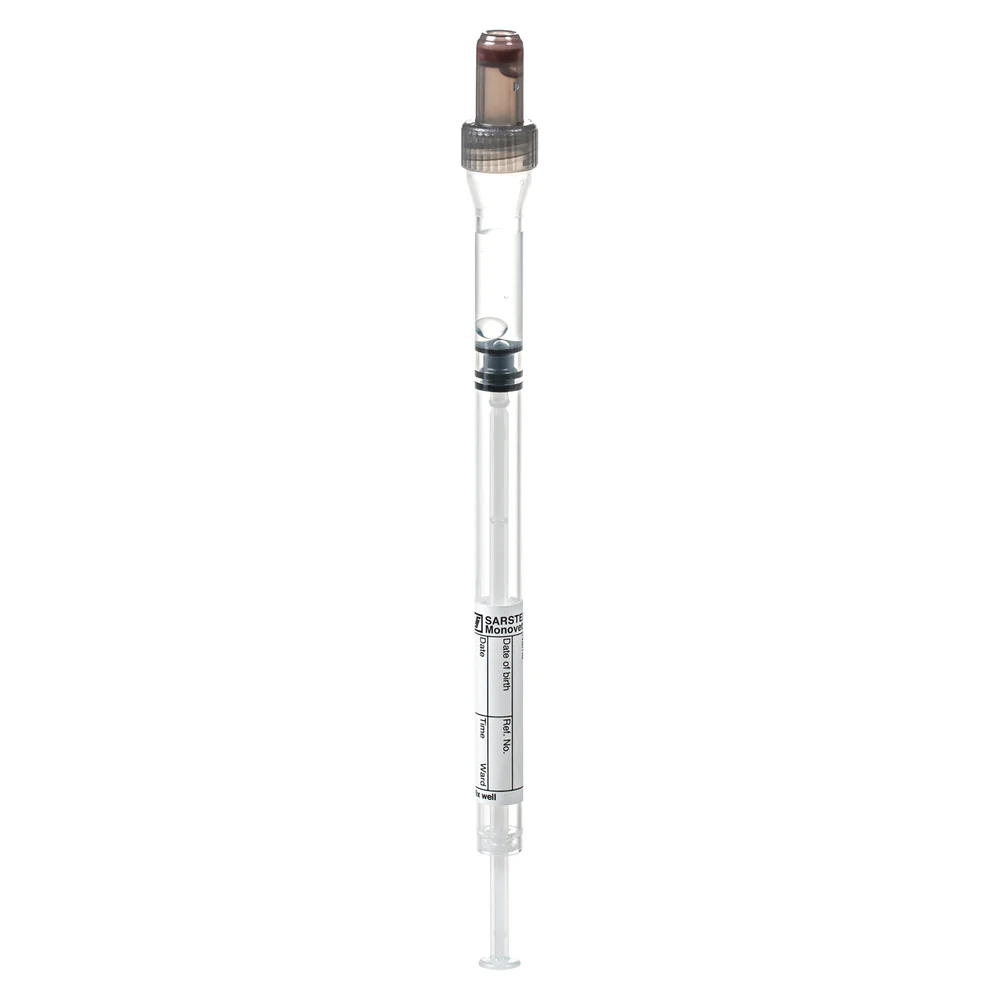
Buy blood collection tubes in Nigeria through Franance by specifying the exact manufacturer, product reference, additive preparation, draw volume and pack quantity your laboratory has approved. The category brings together clinical venous blood collection tubes for different specimen workflows. It is a quotation catalogue: submit a clear tube schedule and Nigerian delivery location, and Franance will follow up by phone or email. A category match does not confirm availability, regulatory status, or suitability for a test.
Buy Blood Collection Tubes in Nigeria: exact references and quotation requirements
Buy blood collection tubes in Nigeria through Franance by specifying the exact manufacturer, product reference, additive preparation, draw volume and pack quantity your laboratory has approved. The category brings together venous blood collection tubes for different specimen workflows, including EDTA, serum-gel, citrate, sodium-heparin and specialist trace-element preparations. These are not interchangeable items. Use the manufacturer's current instructions and your laboratory's validated method to define the required tube.
Franance provides quotation orders rather than online checkout. Send a clear schedule and the Nigerian delivery location; the team will follow up by phone or email. A catalogue entry identifies a possible product for an enquiry. It does not establish local stock, import authorization, NAFDAC status, clinical suitability, price or delivery time. Those details need confirmation for the exact item and order.
Where can I buy blood collection tubes in Nigeria?
Request a blood collection tube quotation from Franance with each approved manufacturer reference, additive, volume and pack quantity. Include any system-specific needle or adapter, document requirements and the facility's city and state. Franance can then review the products on your schedule and respond with a quote order for the requested Nigerian destination.
For an efficient request, attach the laboratory's current purchasing list or approved specification. Avoid shortening names to phrases such as purple tube or coagulation tube: a colour-based description can be ambiguous across systems and countries. Include the item code exactly as printed in the current manufacturer catalogue or instructions. Keep sterile presentation, packaging unit and required quantity explicit, especially when the clinical unit and outer carton have different counts.
The catalogue is designed to help facilities identify equipment and supplies before requesting a quotation. It is not a live inventory feed. Product pages and category pages should therefore be read as structured catalogue information, while availability, current regional part number, delivery terms and supply documents are confirmed in the quotation process. For a multi-site request, list an allocation for each destination rather than combining all tubes into one unexplained quantity.
How do I match a blood collection tube to a laboratory method?
Start with the laboratory's validated test procedure and the current instructions for the test reagents or analyzer. The test method determines which specimen type and collection preparation are acceptable. SARSTEDT's instructions for its S-Monovette system state that additive selection depends on the analytical method and the instructions of the manufacturer of the test reagents or analysis equipment. That makes the exact preparation more important than a generic tube label.
Ask the technical owner of the method to confirm whether the required specimen is serum, plasma or whole blood and which additive, concentration or preparation is specified. Then match that answer to the manufacturer's precise product reference. A tube with an additive, a tube with an additive plus separator gel, and a tube intended for a special analysis may have similar-looking names but different purposes. Do not infer interchangeability from appearance, cap colour, nominal capacity or a supplier's broad category.
This page is a procurement guide, not a clinical recommendation or phlebotomy procedure. Qualified personnel should determine the collection method, order of draw, fill requirements, mixing, storage and processing using validated institutional procedures and current product instructions. If a specification is unclear, route it to the laboratory's method owner before ordering. Franance can help quote a named reference but should not replace that clinical or laboratory decision.
What is the difference between EDTA, serum, citrate and heparin tubes?
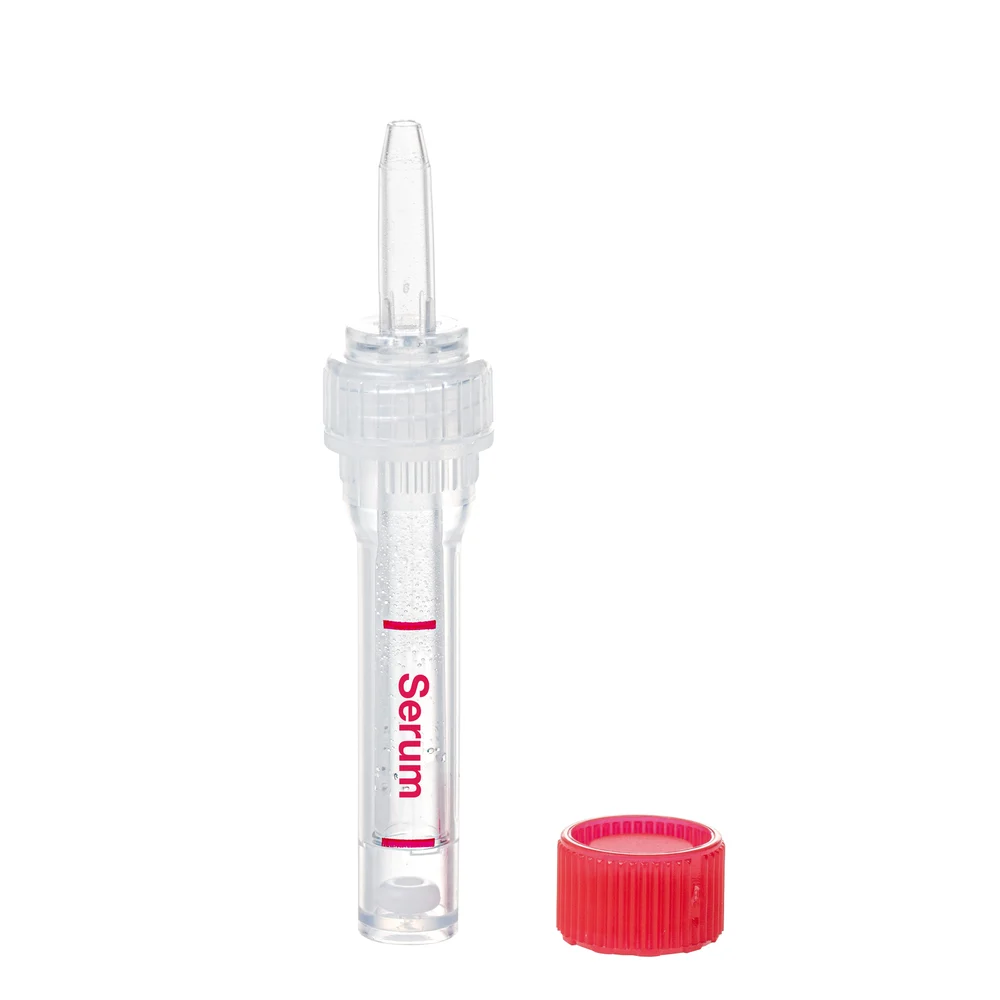
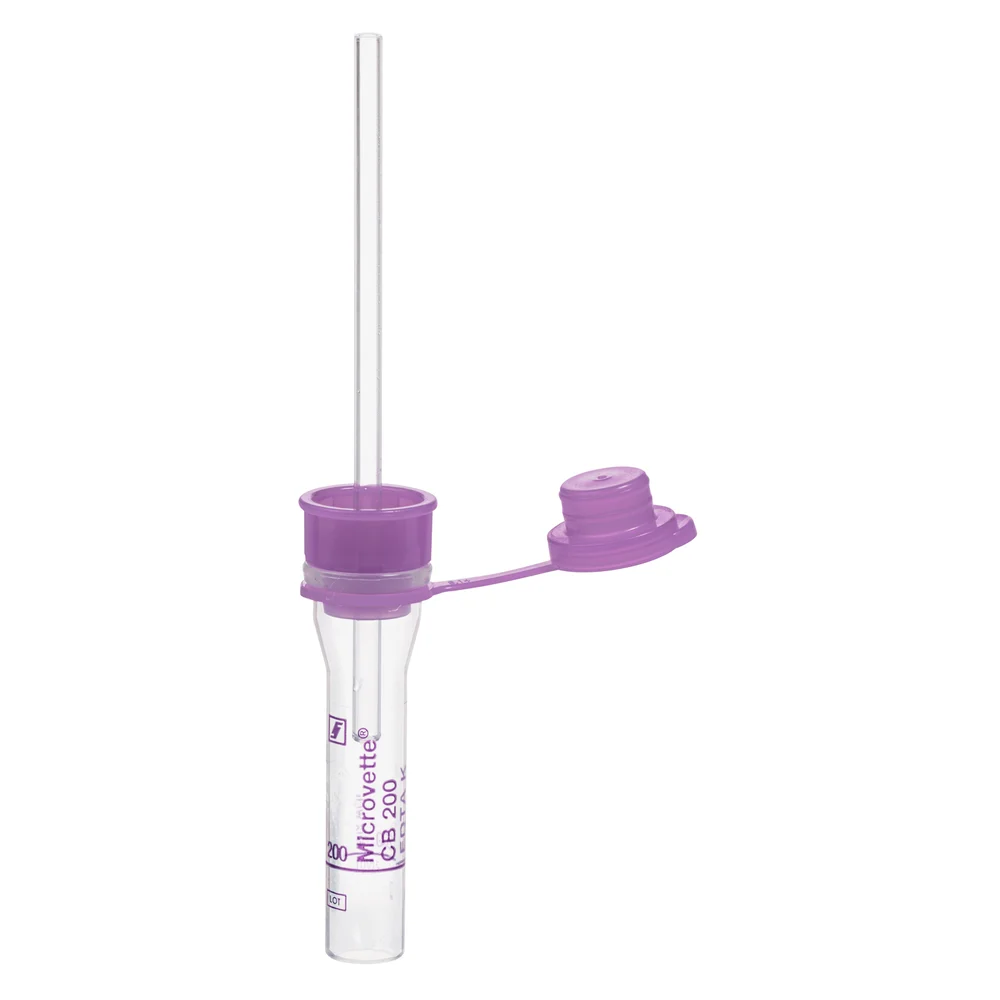
These terms describe different tube preparations. An EDTA tube contains an EDTA preparation; serum tubes may use a clotting activator and may include a separator gel; citrate tubes contain citrate at a specified concentration; and heparin tubes contain a heparin preparation. The correct option is method-specific. A product listing must retain the exact manufacturer's name and catalogue number so the chosen preparation is clear to purchasing, the laboratory and receiving staff.
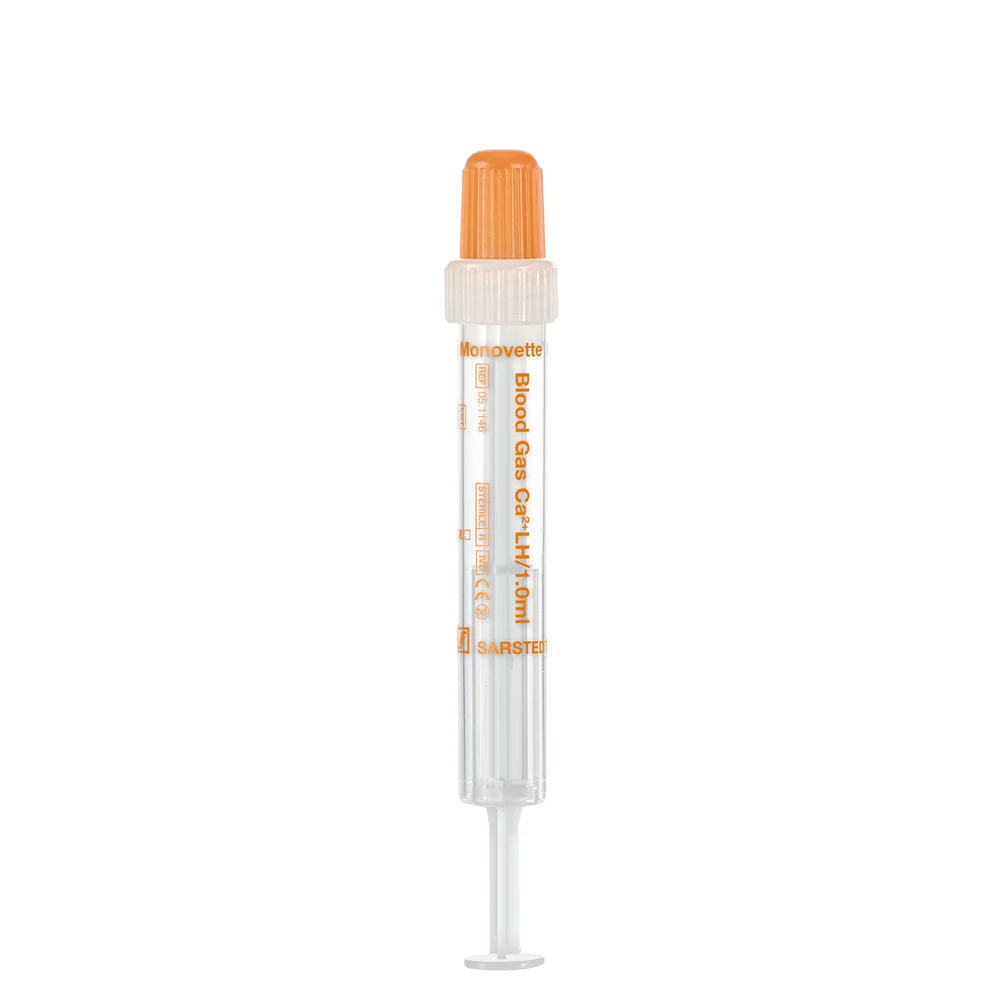
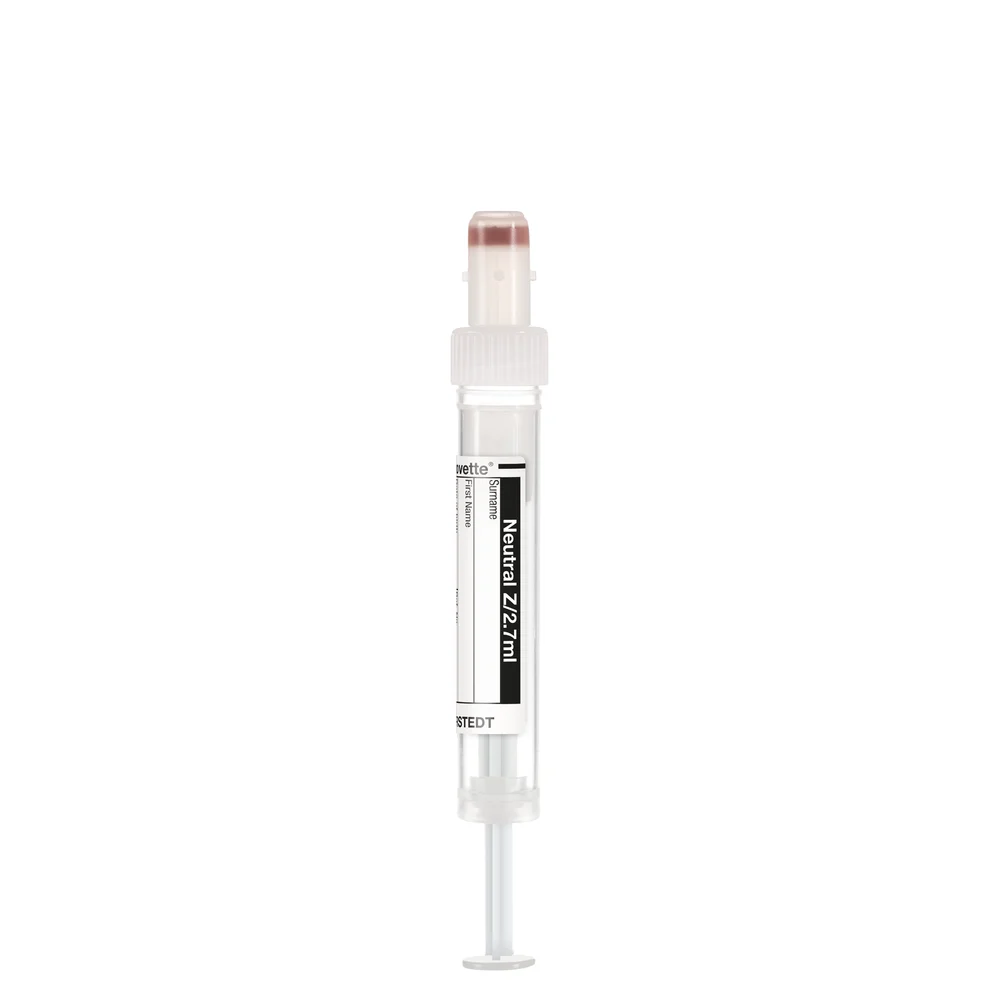
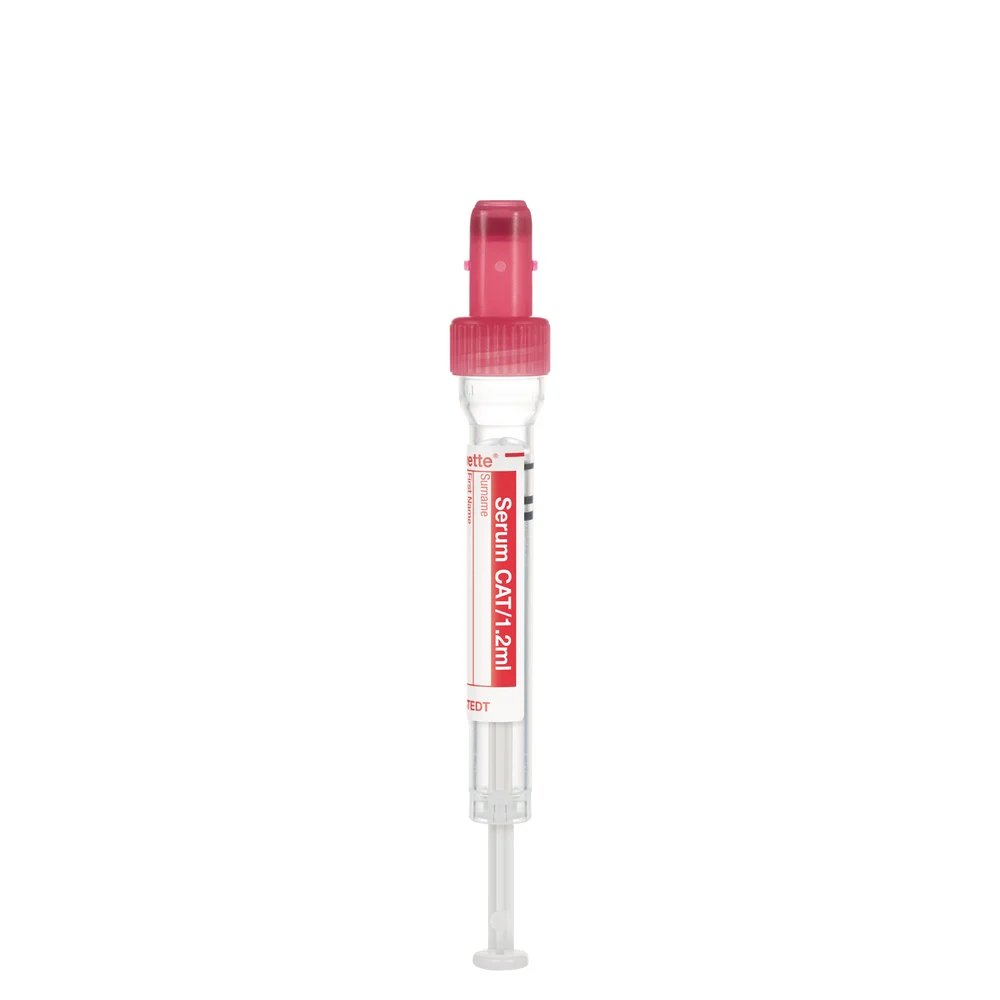
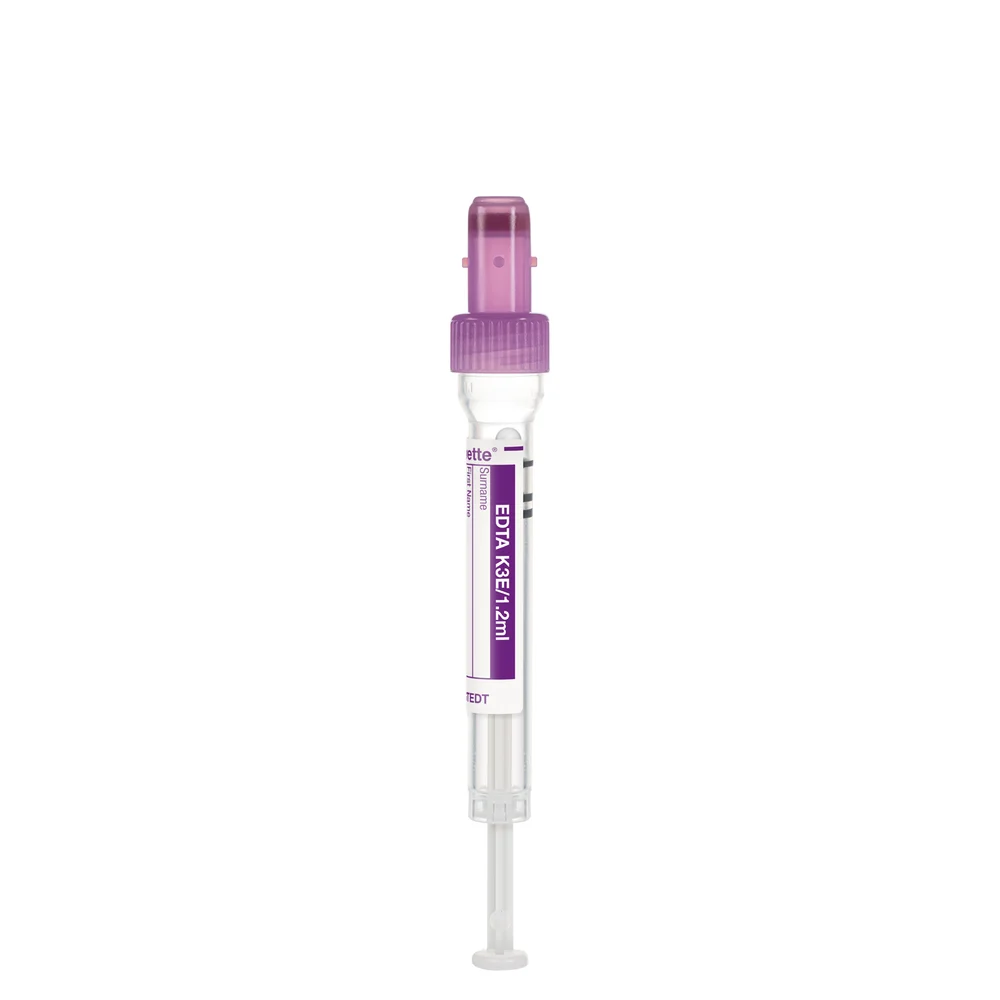
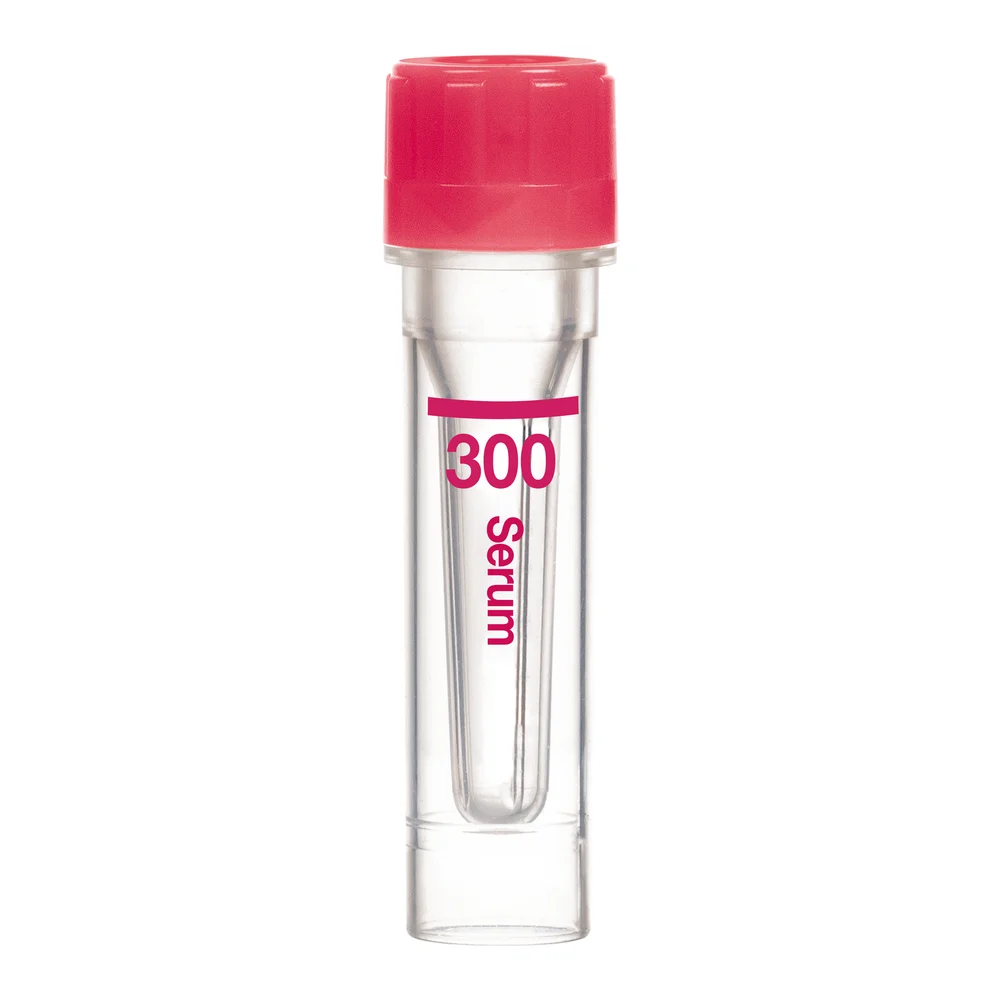
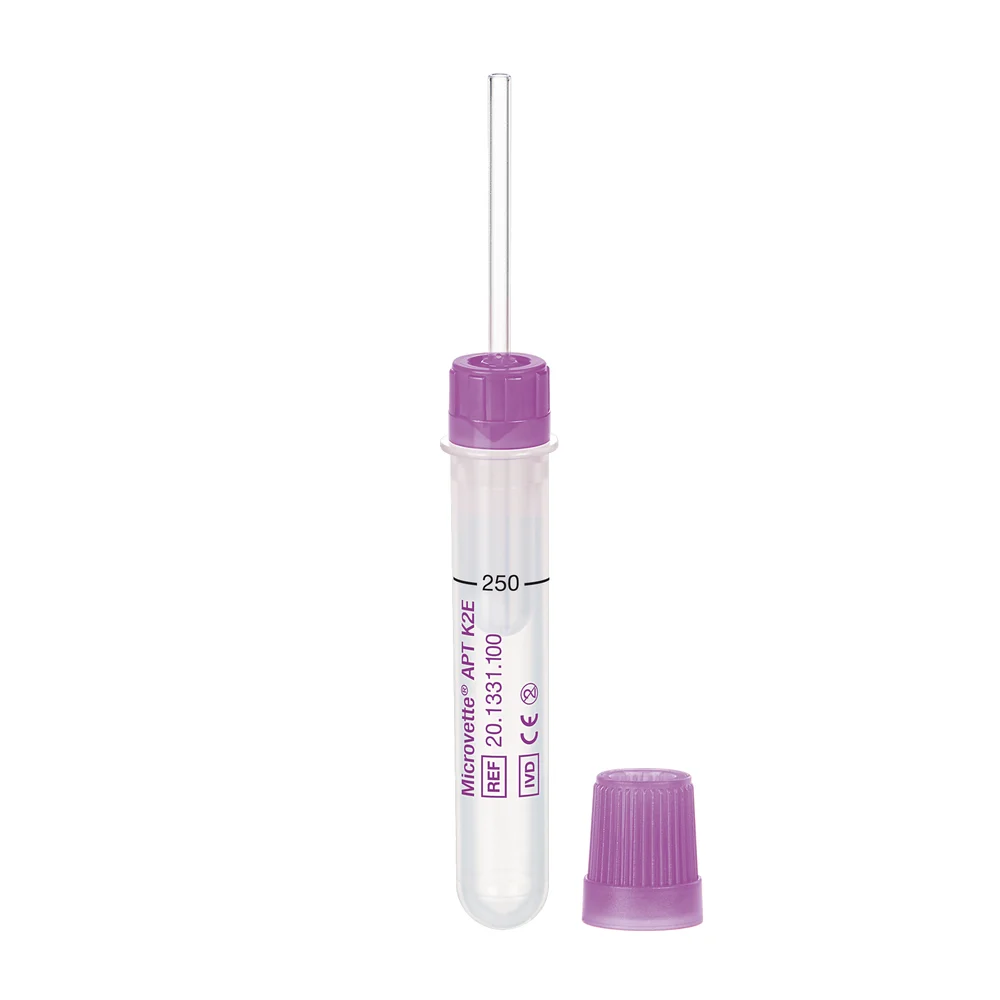
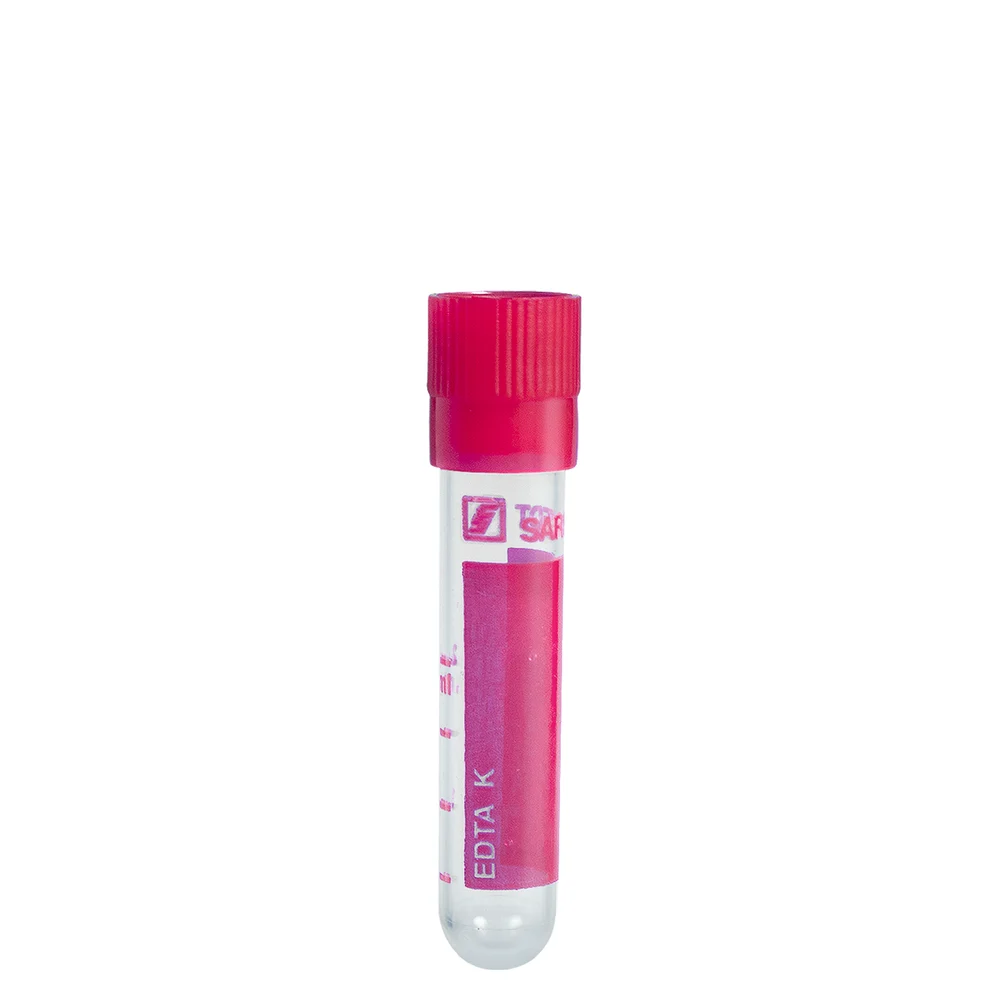
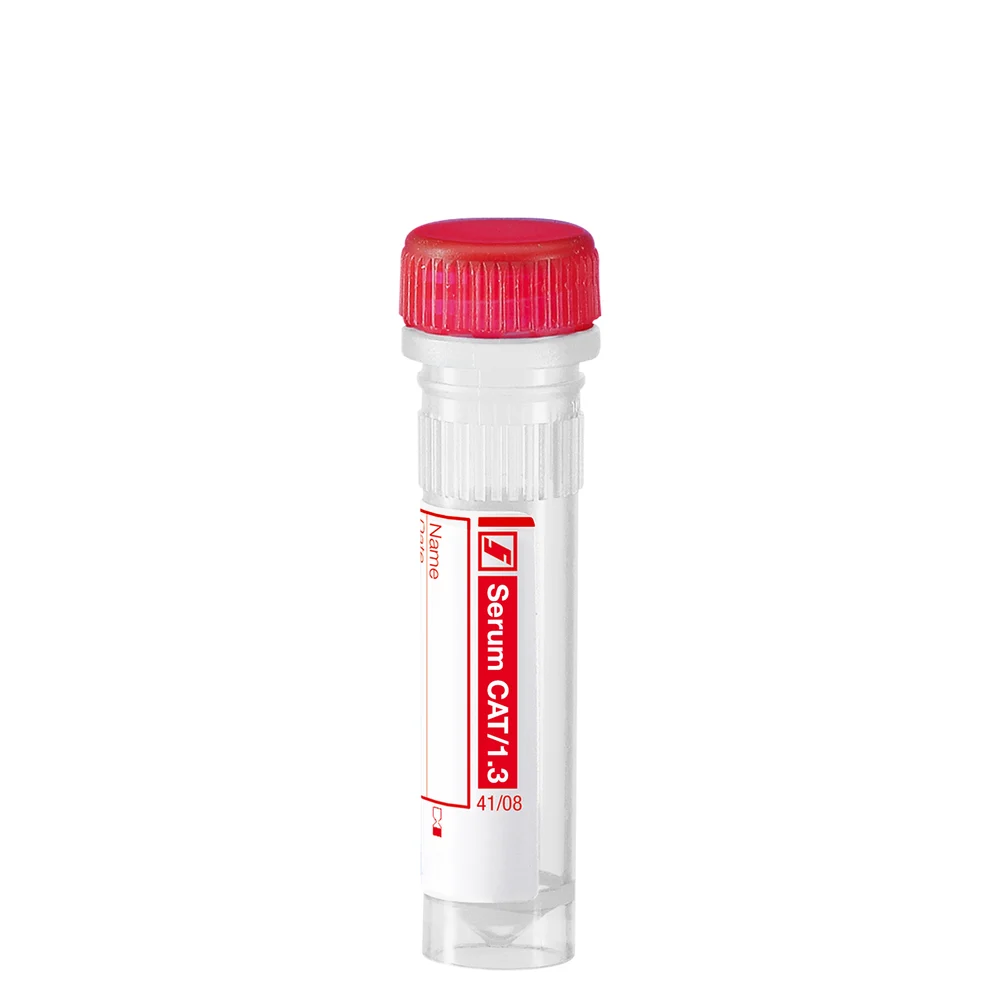
The current held examples in this catalogue include SARSTEDT S-Monovette EDTA K3E 04.1901, Serum Gel CAT 01.1602, Citrate 9NC 05.1165, Sodium Heparin NH 04.1913.100 and Metal Analysis LH 01.1604.400. Their distinct preparations and intended collection contexts are manufacturer-defined; these names are shown to illustrate why the specific model reference matters. They do not imply that every listed reference is in stock in Nigeria or accepted by every test method.
Use the method's required specimen, additive and draw volume as the comparison criteria. Keep product families separate when creating purchase orders, quotations or receiving logs. If the laboratory permits alternatives, have a qualified reviewer document acceptance against the method before procurement. Do not ask a supplier to choose a substitute based solely on colour or a broad application label.
What model and draw-volume details should a tube enquiry include?
Provide the manufacturer, complete catalogue number, product name, additive or preparation, nominal volume and packaging unit. Include the required count as tubes, inner packs or cases, with the number of each. If the reference has multiple versions, identify the exact one from the manufacturer's current specification. Check whether a label, cap type, sterility presentation, tube material or region-specific suffix is material to the facility's approved requirement.
Volume is part of the product identity and specimen-to-additive ratio, not merely a convenience. Do not assume a larger or smaller tube is an acceptable substitute. For citrate products in particular, the laboratory's procedure and the current product instructions govern fill requirements. A quote request should preserve the manufacturer's stated capacity while the method owner confirms what is appropriate for the test. The purchasing team should not recalculate or modify a product requirement independently.
For specialist trace-element or metal-analysis tubes, name the specific preparation and compatible collection accessories where required. The SARSTEDT product information for the cited 01.1604.400 example calls out a special needle requirement in the research record. That detail should not be lost when the product is placed into a schedule. Ask the laboratory to verify the accessory requirement against its current instructions before sending the quotation request.
How should I check collection-system compatibility?
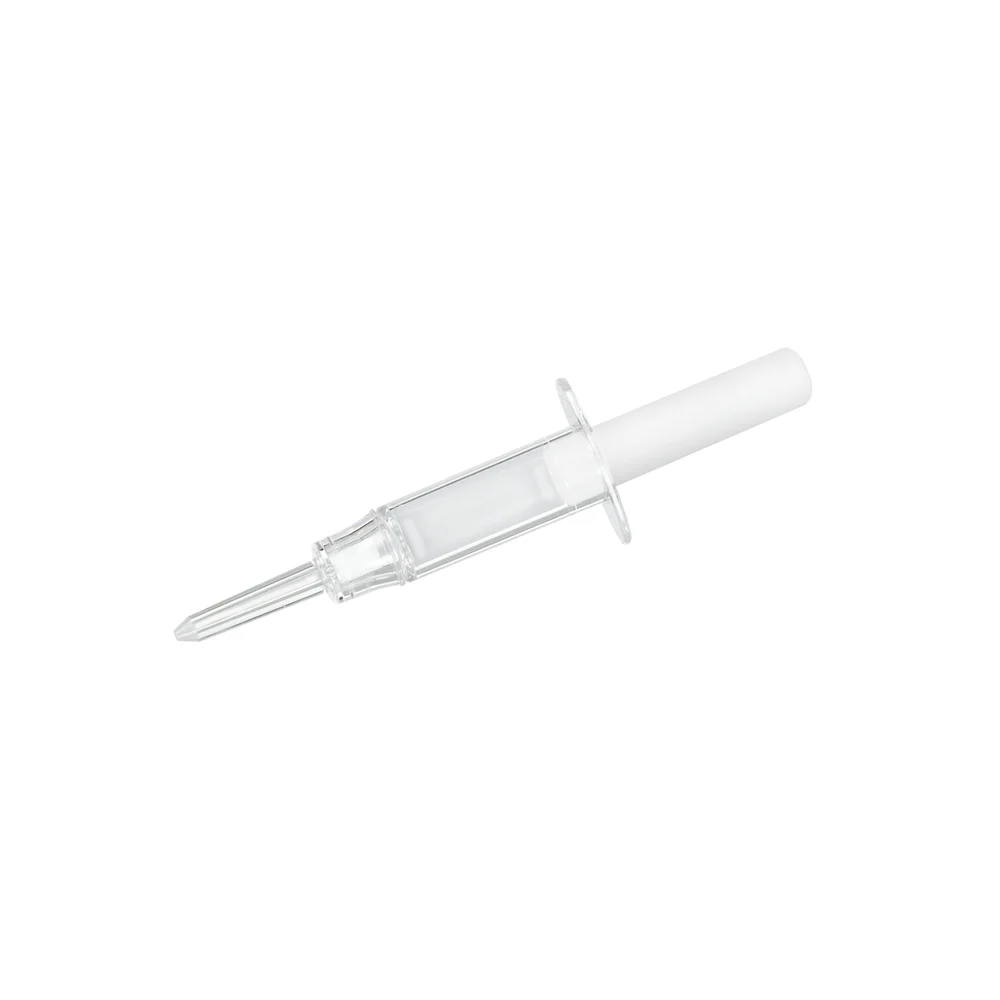
Confirm the tube, needle, adapter, holder or collection method as a complete combination under the manufacturer's instructions. Some systems use proprietary connections or offer aspiration and vacuum collection options; one component cannot automatically be assumed to work with another manufacturer's tube. Record any required needle gauge, adapter, holder, collection wing or special accessory as separate lines when the laboratory has specified them.
Compatibility also extends downstream. Check that the named tube is accepted by the test procedure, analyzer or reagent instructions and that the facility's centrifugation, aliquoting, transport and storage arrangements support the specified system. Those decisions belong to qualified clinical and laboratory personnel. Do not infer compatibility from a product image, a brand match or a general claim that two items are used for blood collection.
When the request includes more than one system, identify each tube/accessory pairing and intended destination. If alternatives are allowed, state who may approve them and what evidence is required. Franance's quotation can then keep each proposed line identifiable, with included and excluded components visible for technical review before an order is accepted.
How do collection and specimen handling affect the purchasing specification?
WHO's phlebotomy guidance notes that every step can affect specimen quality and diagnosis. The tube is only one part of the pre-analytical chain. Patient and specimen identification, collection practice, fill, handling, processing and transport all need to follow the laboratory's procedure and relevant product instructions. A commercial listing cannot validate that workflow.
Use this fact when writing a purchasing specification: decide in advance what the laboratory needs from the container and how the receiving workflow will preserve those requirements. The laboratory may require exact label fields, a defined sterile presentation, specific packaging, or controlled delivery and receipt. State the requirements in the enquiry rather than assuming they are standard across all suppliers or product variants.
Keep training and clinical procedures under the responsible institution. This guide does not set an order of draw, handling technique, storage temperature or centrifugation condition. Those are technical details that vary with the specific method and product. Refer to the current approved procedure and manufacturer documentation, and ask for assistance from the laboratory's quality lead if the purchasing schedule and method appear inconsistent.
What documents and receiving details should I request?
For each quoted product, ask the supplier to identify the full manufacturer reference, supplied preparation, units per pack, quantity, applicable batch documentation and any stated expiry or shelf-life information. State any minimum remaining dating requirement that the facility has established. If the product has a specific sterile presentation or lot certificate, name it. Confirm that the offered item matches the requested identity before a purchase order is issued.
Include the final receiving address in Nigeria, a named receiving contact, delivery access or timing restrictions and the process for inspecting the items. For multi-site requests, assign each line to a location. A quotation should state commercial and delivery terms, availability, warranty where relevant, document scope and any conditions or exclusions. These details require direct confirmation for the order and cannot be derived from a manufacturer's page aimed at another region.
ISO 15189:2022 describes requirements for medical laboratory quality and competence. It does not mean a particular tube or supplier is approved by virtue of appearing in this catalogue. Laboratories should map procurement and receiving expectations to their own quality system and applicable requirements. Ask the supplier for documents that the laboratory specifically needs and have the designated quality reviewer determine whether they meet the requirement.
How do I compare blood collection tube quotations fairly?
Compare only offers that match the laboratory's approved product identity and quantity basis. A lower price for a different additive, volume, material or pack count is not an equivalent offer. Normalize prices to the same requested unit only after the full manufacturer reference and packaging are confirmed. Keep freight, taxes, delivery conditions, documentation and any accessories visible rather than hiding them in an unexplained unit total.
Ask each quote to identify the exact reference and any proposed alternative. Require approval before a substitution. Compare confirmed availability and lead time as written for the Nigerian destination; a public product page or foreign checkout status cannot prove local availability. If there is a risk that a model code is market-specific, ask the supplier to verify the offered region and provide the corresponding current manufacturer document.
For repeat use, the laboratory may prepare a standardized schedule with forecast quantities and separate facility allocations. That helps the team request comparable replenishment quotations, while still checking each order's batch, dating, quantity and delivery. Franance can receive that quote order and follow up by phone or email; the site does not process online payment.
How can I request a blood collection tube quote from Franance?
Send the exact product schedule, number of tubes or packs, approved alternatives, accessories, documentation requirements and destination in Nigeria. Include the method owner or laboratory contact who can resolve technical questions and the purchasing contact who will review commercial details. If the request is for more than one site, provide the allocation and contact for each destination.
Franance will review the enquiry and follow up by phone or email with the quotation process. Before accepting an offer, check the product reference, preparation, volume, pack size, quantity, stated availability, delivery terms and included documents. Ask for any uncertainty to be resolved in writing. A clear, reviewed schedule helps keep technical requirements intact while procurement confirms what can be supplied to the facility.
The category page is intentionally a single focused destination for blood collection tubes. It groups relevant products under one taxonomy page and provides supporting procurement guidance without splitting every additive, pack size or tube volume into a thin page. As the reviewed catalogue grows, additional subcategories should be introduced only where distinct search intent and a substantial assortment justify them. This keeps navigation understandable while the exact manufacturer products remain separately identifiable.
Common questions
Can I choose a collection tube by cap colour?
No. Specify the exact product reference and additive preparation. Colour codes and tube variants can differ between manufacturers and regions; the laboratory method and current instructions determine the accepted tube.
Does a listing mean a tube is available in Nigeria?
No. The listing helps identify a quotation request. Franance must confirm the exact product, local availability, applicable documentation, supply terms and delivery in writing.
Can Franance recommend which additive to use for my test?
The laboratory's validated method and test-system instructions must define the collection requirements. Franance can help identify the quoted manufacturer's product and reference, but this guide is not a clinical tube-selection protocol.
Request a blood collection tube quotation from Franance.
Send exact product references, additive preparations, volumes, quantities, document requirements and delivery details for your laboratory in Nigeria. Franance will review the quote order and follow up by phone or email.