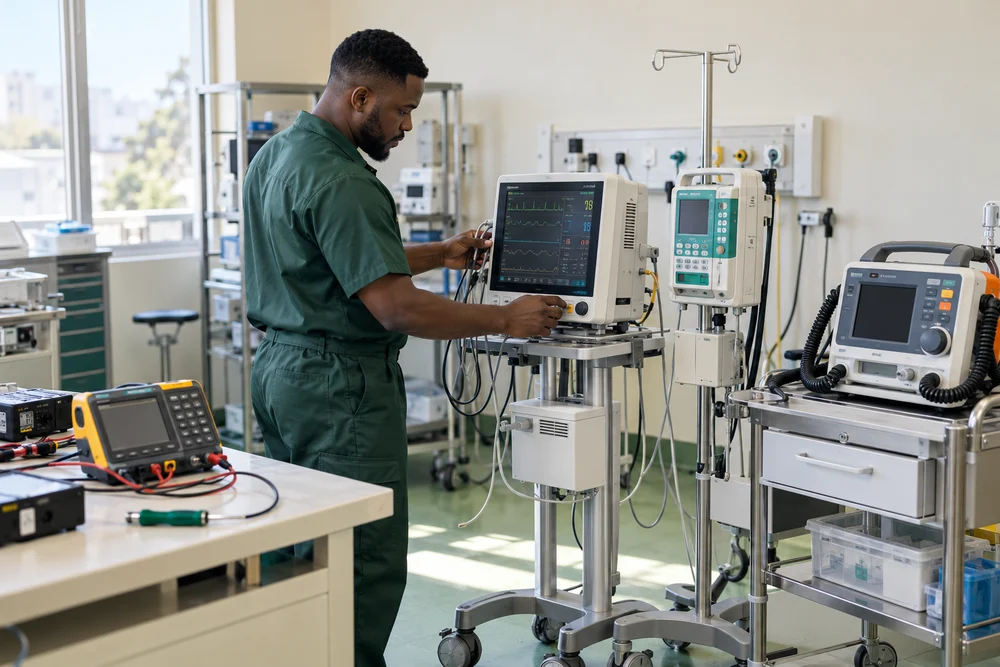
GPC Medical equipment service enquiries in Nigeria
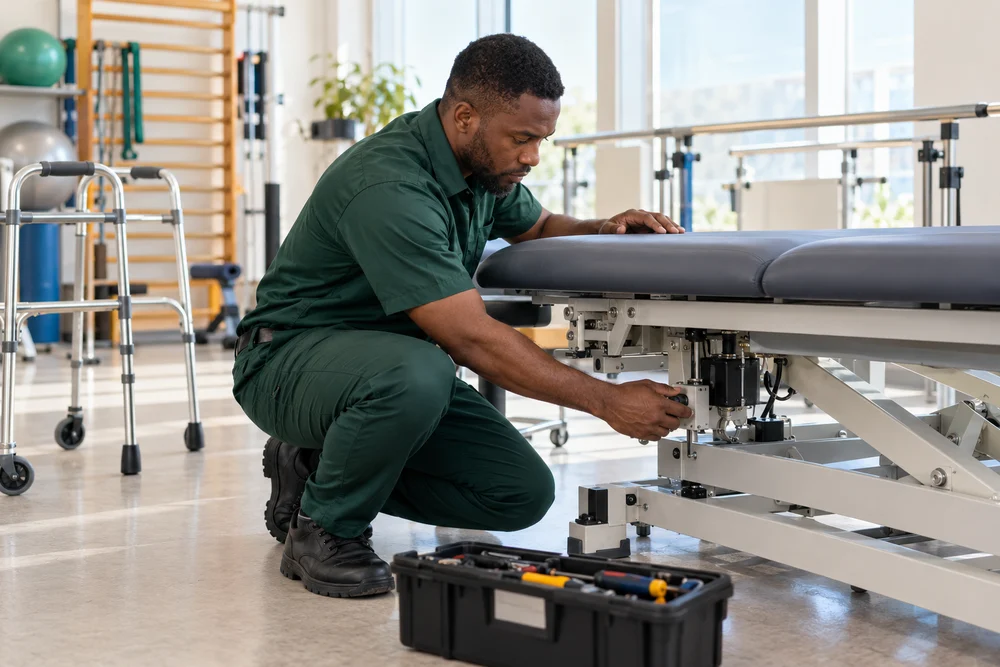
GPC stretcher and trolley service enquiry in Nigeria
Name the exact stretcher or trolley, model, serial if marked, facility, ward and the issue or project. If it is a transfer chair, ambulance stretcher, crash cart or standard patient trolley, state that distinction because dimensions, restraint, wheel and mounting details can differ.
For ward procurement, start with the job the equipment must perform and the exact asset family, then list each model separately. A stretcher trolley, wheelchair stretcher, crash cart and patient bed are not interchangeable purchasing lines: each may have different dimensions, restraint points, wheel assemblies or room accessories. If the request covers new units and service for existing units, split those into separate schedules. Record the room or ward, door and lift constraints, quantity and receiving contact. Ask Franance to identify the exact GPC reference in the written response so a quotation for one transport product is not mistaken for another. If the serial is missing, give the facility asset number and a clear label photograph so procurement can still identify the product family before the quotation is prepared.
GPC stretcher, cart and bed repair assessment in Nigeria
Describe the movement or structural concern in observed terms: braking, steering, height adjustment, side rail, mattress platform, wheel, accessory mount or frame condition. Do not use a generic “bed repair” line for several different products.
For a repair enquiry, report the observed movement or structural concern against the product label: braking, steering, height control, rail movement, deck, wheel or accessory mount. For GHF60.01 or GHF62.05, state which model is on site and the observed trolley or transfer issue; for a crash cart, identify the GHF92.01 reference and drawer or wheel concern. A written assessment request should keep the asset and the symptom together. Avoid a generic “stretcher repair” description where several models share a ward, and ask the quotation to separate inspection from any additional work or component supply. If the symptom changes with load, movement or location, describe when it occurs and the equipment position without asking the enquiry to prescribe a repair method.
GPC patient transport equipment maintenance in Nigeria
Build a facility list with each bed, trolley and stretcher on a separate row, together with location, last inspection or repair date, known condition and the window when staff can make it available.
A maintenance schedule is easier for procurement to compare when each bed, trolley and stretcher has its own line with model, serial or asset number, ward, condition and last recorded inspection. Add the intended availability window and the staff member who can present the equipment. Separate furniture by function: ward beds, patient transport trolleys and emergency carts require different records and accessories. If a facility uses a common asset register, include its reference and ask that findings be returned against that identifier. The maintenance plan should state the proposed checks and records for the listed model; do not carry an interval from another product family without confirming its documentation. For a tender, define whether the request is a one-time inspection or a recurring service proposal, and state which records the facility needs returned.
GPC ward and ambulance equipment relocation in Nigeria
For a new room or relocation, include access route, floor constraints, lift dimensions, receiving location, quantity, required transfer aids and room contact. Ask for delivery, assembly and handover as separate quoted tasks.
Before a new placement or relocation, give procurement the equipment dimensions, destination, route, lifts or doorways, floor conditions and any vehicle interface relevant to the specific stretcher. A request for a crash cart or ward bed should identify where it will be received and which accessories or fittings are part of the proposed supply. For existing equipment, distinguish delivery coordination from assembly, placement, adjustment and documentation in the request. Ask Franance to list the facility’s preparation responsibilities and the proposed equipment tasks separately, so the quote can be reviewed against the actual room and model rather than a generic furniture package. Identify whether transport to another ward, ambulance loading or room placement is in scope; those are distinct access questions for the purchasing schedule.
GPC GHF stretcher and crash-cart equipment service in Nigeria
GHF60.01 and GHF62.05 are distinct patient transport products. Identify whether your request concerns a trolley, wheelchair stretcher or another specific transfer model; do not infer a load rating, mounting arrangement or accessory fit from a similar product name.
Use model references to keep procurement categories distinct: GHF60.01 and GHF62.05 are identified in the source material as separate patient transport products, while GHF92.01 is a crash cart trolley. Keep those model lines separate even if the products are requested for one hospital project. Include any configuration suffix or listed accessory that appears on the equipment record. If the purchase is a mixed fleet, show quantities by exact model and intended ward, not just a total for “trolleys.” Ask the written scope to identify each supplied or assessed item and any remaining question about configuration before the facility approves a purchase order. If the model label is unclear, include the catalogue reference and a focused product image; do not substitute a similar GHF model based on appearance.
For patient transport furniture, describe the journey the equipment must support: ward transfer, ambulance loading, examination-room movement or emergency response. Record the route and any lift, doorway or vehicle interface that affects the assessment. A stretcher trolley, wheelchair stretcher and crash cart should each have its own asset line. Include visible labels and the facility’s observed concern, such as braking, steering, height movement, rail or drawer function. For beds, identify manual or powered movement and the particular deck, rail or accessory in question. This allows the proposal to address the product’s actual construction and intended role instead of treating all wheeled equipment as interchangeable.
For a planned furniture project, provide quantities, room list, destination, access route, receiving contact and desired handover date. Ask the written scope to distinguish transport, assembly, placement, adjustment, inspection and record preparation. For a fleet, request findings and proposed tasks by asset, with parts assumptions separated from labour and any follow-up visit. State who at the facility will approve additional work and accept each unit after the agreed task. This structure makes a purchase or service proposal easier to compare across wards while keeping delivery responsibilities and equipment identity clear.
GPC stretcher and cart parts procurement in Nigeria
For ward furniture, list the bed model, manual or powered function, side rails, mattress deck and accessories separately. For crash carts, identify drawer or configuration needs and the exact product reference rather than assuming every cart package includes the same fittings.
For replacement wheels, rails, mattresses, drawers or other fittings, provide the host model and the exact part reference if available. A brand name alone does not establish that a fitting matches a particular stretcher, trolley or crash cart. Keep consumables, replacement parts and whole equipment on different quote lines, and ask for compatibility to be confirmed against the model before ordering. If the item is worn or damaged, a label photograph and a close view of the relevant component can help identify what the facility means; remove patient information and unrelated access details from attachments. The response should state whether it covers identification, supply or installation. Procurement should keep freight, assembly and any requested inspection as separate lines where they apply, so the commercial offer states what each amount covers.
GPC patient transport equipment records in Nigeria
Provide service history, label photographs with sensitive information removed, and a concise chronology. Separate repair assessment from parts supply and request the quote to identify frame, wheel, mattress, rail or other components as individual items.
For a facility fleet review, include the equipment label, previous service report, procurement reference and any asset-register number that connects each finding to the correct ward item. A short chronology of the observed condition can help distinguish a recurring issue from a newly reported one. Keep photographs focused on the equipment and remove patient identifiers. For a mixed GPC range, separate stretchers, crash carts, beds and transfer equipment in the records so a department can review the relevant asset group. Ask the proposed written response to name any additional documentation needed and to return its report against the model and asset line provided. A facilities contact can note whether the unit is in routine use or held for review, without adding patient or incident details to the request.
GPC patient furniture service quotation in Nigeria
Compare the quote by asset and task: assessment, maintenance, adjustment, parts, assembly, delivery, testing and records. Ask who handles site access, lifting and disposal, what is included, and how unplanned findings are approved before additional work proceeds.
A useful written quotation separates each GPC asset and requested outcome: assessment, maintenance planning, parts identification, supply, assembly, delivery coordination or records. For a stretcher, check that the exact reference and any requested fitting are named; for a crash cart, confirm the configuration the quote actually includes. Ask for assumptions, site responsibilities, access, timing and price basis on the same line. If the request combines new products with an assessment of existing equipment, keep those scopes distinct. This gives procurement a direct comparison without implying that a product page confirms local stock, service availability or compatibility. For several wards, request a room-by-room schedule with quantities and receiving contacts; this keeps distribution planning distinct from product service scope.
When requesting a callback, name the facility contact who can answer access and asset questions, and give the city and a suitable time window. A purchasing contact can be copied on the written scope so the technical asset list and commercial proposal stay aligned. If the request covers several wards, say whether you prefer a consolidated visit or separately scheduled work, then let the proposal state what is practical. Keep each delivery, assembly or repair task visible as its own line. Identify whether any assets are currently in use or can be made available together.
Common questions about gpc medical equipment services in Nigeria
What details should I provide first?
Send the exact model, serial or asset ID, site, department, requested outcome and relevant service history. List each unit separately.
Can one request cover several equipment families?
Yes. Separate each family and asset so the proposed tasks, parts and records can be reviewed independently.
What happens after I send an enquiry?
Franance reviews the equipment details and requested work, then can prepare a written response with scope, assumptions and commercial terms for the listed assets.
What should a written quote include?
Ask it to identify equipment, tasks, parts assumptions, access and downtime, deliverables, exclusions and price basis.
How do I request a callback?
Use the Franance service enquiry and callback form and include a facility contact, department, city and convenient time.
Tell us what your facility needs.
Send the equipment details, your requirement and the facility location. We’ll discuss the information needed to review the scope and prepare the next step.
Contact Franance