
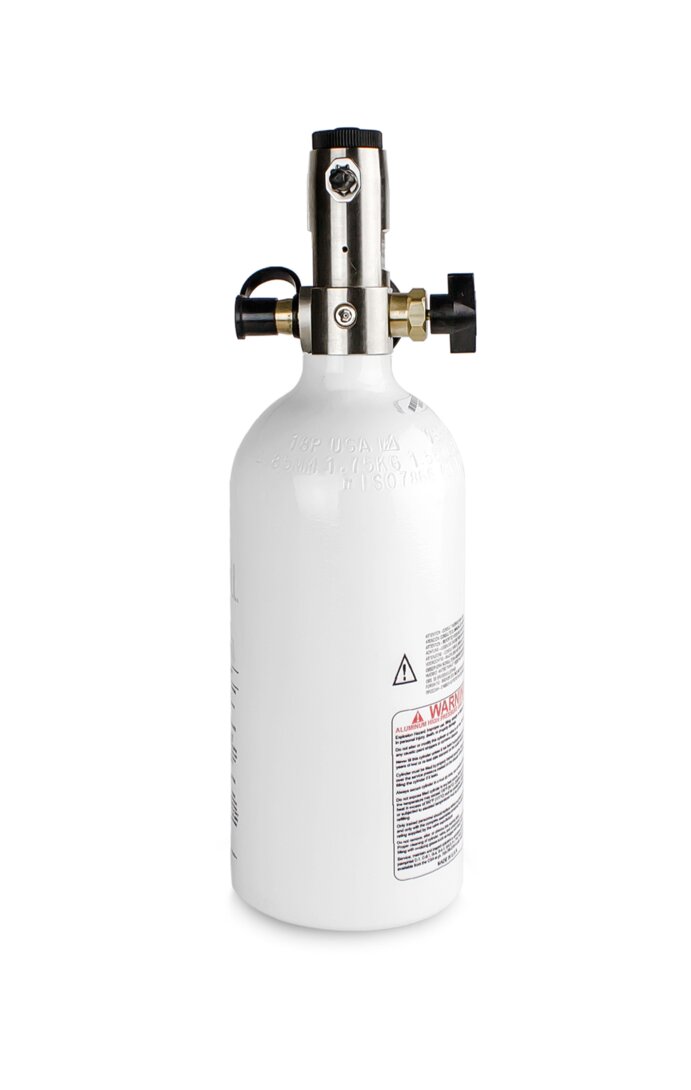
Drive DeVilbiss iFill 535I-C-CF 1.8 L Oxygen Cylinder
iFill-compatible oxygen cylinder with continuous-flow regulator
Price on request

Medical equipment and biomedical engineering.
Abuja, Nigeria.
Buy medical oxygen cylinders in Nigeria through Franance. The current category lists the Drive DeVilbiss iFill 535I-C-CF continuous-flow cylinder and two Luxfer L7X Type 2 cylinders, P7040S and P7050S. Check the exact filling system, valve, regulator, stamped pressure rating, cylinder test status, refill availability and transport plan before requesting a quote. Franance follows up by phone or email; there is no online checkout.
3 models
iFill-compatible oxygen cylinder with continuous-flow regulator
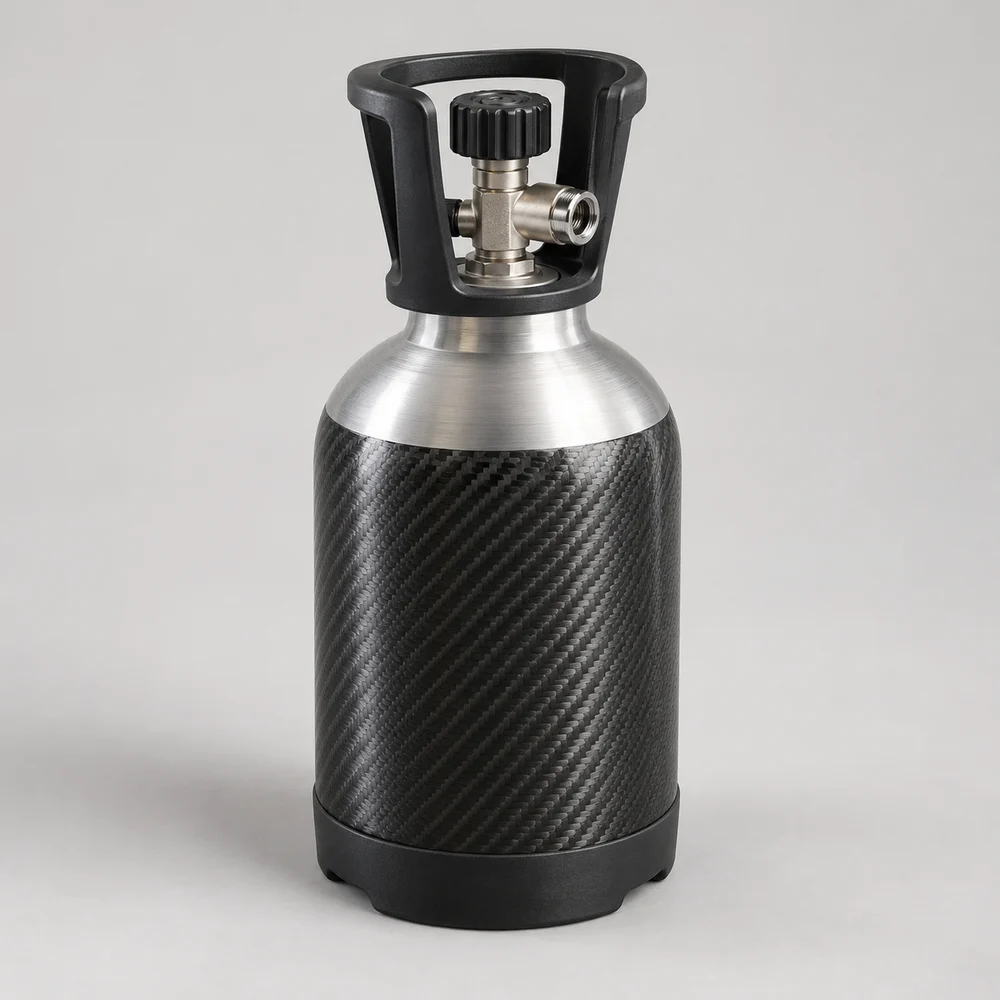
Type 2 hoop-wrapped medical oxygen cylinder
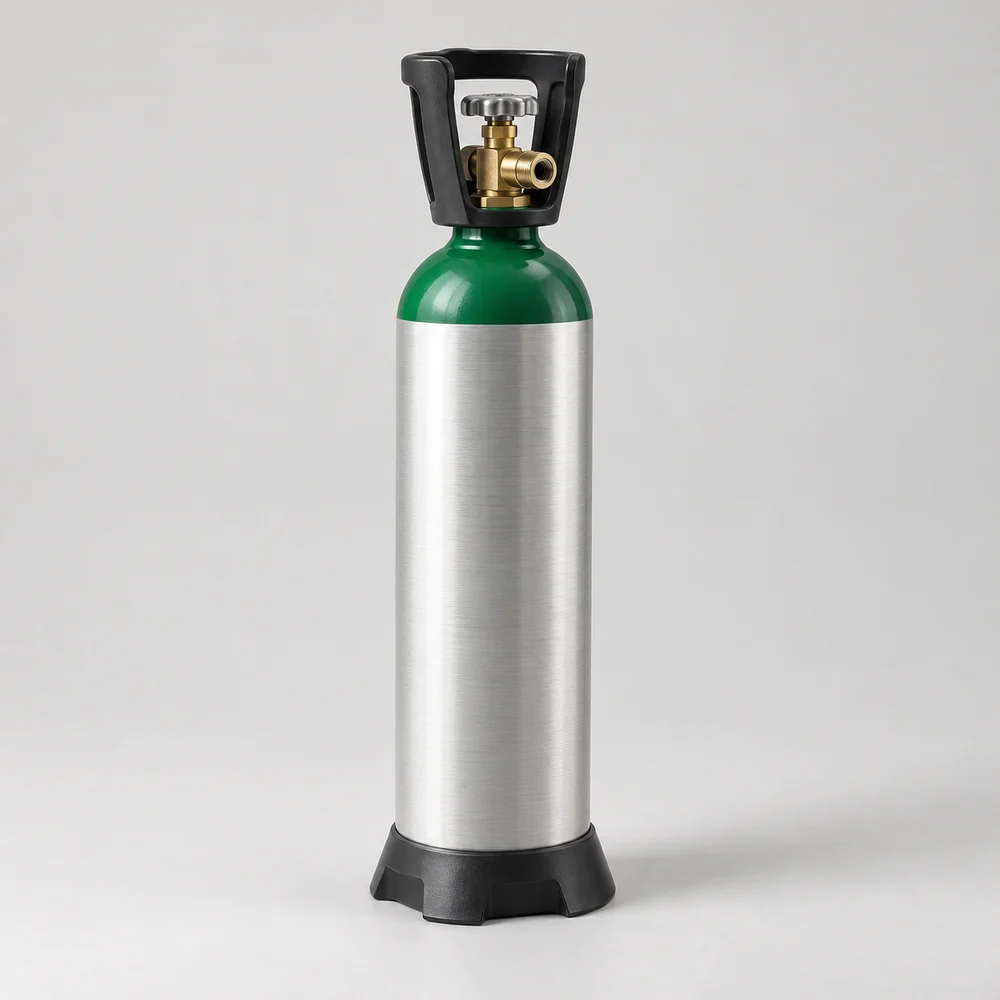
Type 2 hoop-wrapped medical oxygen cylinder
The current Franance category assigns these three products:
Read moreThe Drive 535I-C-CF is an iFill-system cylinder with a continuous-flow regulator configuration. Drive Medical’s product page identifies it as “1.8 L - CF” and specifically names item number 535I-C-CF. Its product identity is tied to the intended iFill filling system and exact compatible filling equipment. Confirm the iFill station model, cylinder interface, regulator, refill instructions and approved accessories before ordering. A different portable cylinder or a standard cylinder valve should not be assumed to work with the iFill station.
Read moreUse the manufacturer name and part number together with the permanent cylinder markings and current certification. Check the gas service, serial or batch identification, water volume, service pressure, manufacturing and test dates, standard or approval, valve connection and any limitations on filling. The actual stamped cylinder is the authoritative object for identifying the pressure it is designed and approved to hold; web pages, quotations, photos and catalog copy cannot replace its markings or inspection record.
Read moreFranance lists three portable oxygen-cylinder products: the Drive DeVilbiss iFill 535I-C-CF cylinder with a continuous-flow regulator, and two Luxfer L7X hoop-wrapped Type 2 cylinders, P7040S and P7050S. The Drive model is part of the proprietary iFill filling system; the Luxfer products are pressure-rated cylinder bodies with different water volumes and service-pressure specifications. They are not interchangeable just because they contain oxygen. Before ordering, match the cylinder, valve, regulator, filling source and delivery setup; verify its markings and inspection status; and plan safe storage, transport and refilling through the qualified supplier. Franance follows quote requests by phone or email; there is no online checkout.
The current Franance category assigns these three products:
- Drive DeVilbiss iFill 535I-C-CF, 1.8 L continuous-flow cylinder
- Luxfer L7X P7040S, 3 L Type 2 medical oxygen cylinder
- Luxfer L7X P7050S, 2 L Type 2 medical oxygen cylinder
Drive Medical identifies 535I-C-CF as its 1.8 L CF iFill cylinder. Luxfer describes the P7040S and P7050S as L7X Type 2 hoop-wrapped medical cylinders with aluminum liners and carbon-fibre wrap. Luxfer currently lists P7040S at 3 L water volume and 200 bar service pressure, and P7050S at 2 L and 300 bar on its product page. However, Luxfer’s 2026 brochure appears to list P7050S at 200 bar, conflicting with that page. This must be reconciled against the exact cylinder’s stamped markings and current manufacturer certificate before filling or using it. Do not make a purchase or refill decision from an unverified product-title or catalogue text alone.
Franance’s product records are quotation listings. They do not establish whether a cylinder is empty or filled, its inspection/test status, valve/regulator package, local refill availability, final price or delivery date. Make these points part of the enquiry.
The Drive 535I-C-CF is an iFill-system cylinder with a continuous-flow regulator configuration. Drive Medical’s product page identifies it as “1.8 L - CF” and specifically names item number 535I-C-CF. Its product identity is tied to the intended iFill filling system and exact compatible filling equipment. Confirm the iFill station model, cylinder interface, regulator, refill instructions and approved accessories before ordering. A different portable cylinder or a standard cylinder valve should not be assumed to work with the iFill station.
The Luxfer P7040S and P7050S are L7X Type 2 hoop-wrapped pressure cylinders, with different water volumes, dimensions and listed pressure ratings. The manufacturer lists P7040S as 3 L, 200 bar, 111 mm diameter by 425 mm long and 2.1 kg; P7050S is listed as 2 L, 300 bar, 97 mm diameter by 390 mm long and 1.9 kg on its current product page. Luxfer lists a 25E thread size for both EU product entries. These details describe the cylinder, not a guarantee that a particular regulator, valve, trolley, refill source, filling adapter or clinical delivery set is supplied with it.
Capacity is not the same as usable gas at the point of care. The delivered amount depends on cylinder pressure, regulator and flow setting, residual pressure, leakage, conditions and intended application. Do not promise a fixed duration from a nominal capacity number. Have the clinical team determine the appropriate delivery setting and the facility calculate its reserve and replenishment plan using the exact equipment and a qualified gas supplier.
Use the manufacturer name and part number together with the permanent cylinder markings and current certification. Check the gas service, serial or batch identification, water volume, service pressure, manufacturing and test dates, standard or approval, valve connection and any limitations on filling. The actual stamped cylinder is the authoritative object for identifying the pressure it is designed and approved to hold; web pages, quotations, photos and catalog copy cannot replace its markings or inspection record.
This point is especially important for Luxfer P7050S. Luxfer’s official product page currently reports 300 bar, while a 2026 Luxfer brochure search result reports 200 bar for the same part number. Until the manufacturer or supplier resolves that difference for the supplied cylinder revision, treat the pressure as unconfirmed. Never ask a filling station to use a pressure based only on the brand, part number, a previous unit or a catalogue field. Ask for written manufacturer confirmation and verify that the stamp, certificate, valve and approved filling station all agree.
Do not modify, paint over or replace identity markings. Do not mix cylinder gases, attempt an unauthorized refill, overfill, transfer oxygen between cylinders or attach an unknown regulator. A medical oxygen cylinder and valve must be maintained and serviced by qualified personnel under the manufacturer instructions and applicable local requirements. If a cylinder is damaged, overdue for test, unidentifiable, contaminated, leaking or fitted with an uncertain valve, isolate it according to facility procedures and contact the supplier or cylinder owner for assessment.
Ask the facility’s safety officer to identify an appropriate, clean, dry, ventilated and controlled storage location based on cylinder quantity, turnover and the applicable fire and occupational-safety requirements. Keep cylinders protected from impact, heat, direct sunlight and corrosion; secure them against falling; and separate full cylinders from empty or awaiting-inspection stock with clear status labels. Keep cylinder identification visible and preserve the manufacturer’s protective cap or guard where provided and required for storage. Use the cylinder’s specified carrying case, trolley or rack rather than rolling or dragging it.
Oxygen supports combustion. Keep oxygen equipment and cylinders away from oil, grease, petroleum products and other contamination, and prohibit smoking, open flames and ignition sources in the designated oxygen storage and use areas. Do not store oxygen alongside incompatible flammable gas cylinders or combustible stock. Facility policy and local fire/safety requirements determine the exact segregation distances, quantity limits, signage, fire protection and room design; have the responsible safety professional set those controls for the actual site.
For a small home-care supply or emergency department stock point, do not assume a cylinder is safe simply because it is lightweight or has a composite wrap. Secure it, control access, maintain visible full/empty status, and follow the exact manufacturer instructions. Train staff who receive, move, store or inspect cylinders. Keep inspection, refill and service records linked to the unique cylinder identifier so that the correct unit can be tracked.
Include cylinder movement and replenishment in the purchase plan. The Nigerian occupational-safety Approved Code of Practice for health and safety on construction sites includes controls for cylinder identification, inspection, secured vertical transport with valves shut, protective valve caps, suitable trolleys, and separation of oxygen from flammable gases. Because its scope is construction workplaces, do not treat that document alone as a complete rule for every healthcare facility or every transport mode. Ask the facility safety officer and the supplier to confirm applicable current requirements for the intended transport route and location.
For delivery and internal movement, ensure cylinders are secured against rolling, impact and falling, protect valves, keep them separated from incompatible cargo, and use trained handlers and appropriate cylinder carts. A vehicle used to transport cylinders should be suitable for the load and route; the supplier should confirm packaging, ventilation, segregation, hazard labels and paperwork required for road or air transport. Never put a filled cylinder in passenger aircraft or commercial transport without checking the carrier’s current dangerous-goods rules and getting written approval. A hand-carried iFill cylinder for an individual user may have different rules from commercial bulk distribution, but it still must follow applicable transport instructions.
Before purchase, confirm that a qualified gas supplier in the destination area can refill the exact cylinder using its approved gas, valve, pressure and filling interface. Ask whether the supplier accepts customer-owned cylinders, recognizes the cylinder standard, will inspect/test it, and can return it on a reliable schedule. A specialty iFill cylinder may depend on its compatible filling station; a Luxfer cylinder needs a compatible, approved valve and a supplier authorized to fill that specific cylinder at its marked pressure. Do not assume a refill station can service all makes and pressures.
List every interface from cylinder to point of use: cylinder valve and outlet, regulator, pressure gauge, flowmeter or other control, tubing, connectors, delivery accessory and any filling station or trolley. Have the supplier confirm exact compatibility by part number and the cylinder’s markings. Do not infer interchangeability from thread size alone. A regulator that physically attaches may still have the wrong pressure rating, gas service, flow range, valve interface or output for the intended application.
For the Drive model, state “535I-C-CF” and ask the supplier to confirm the offered CF regulator, compatible iFill station, filling method, included case or trolley, and maintenance parts. The manufacturer describes iFill cylinders as part of its iFill system and lists several different cylinder sizes and valve arrangements; choosing a visually similar cylinder can produce a different connection or function. For the Luxfer products, state P7040S or P7050S, the stamped pressure, valve and standard required by your approved filling supplier. Confirm if valve, cap, regulator, trolley, carrying case or fill adapter is included rather than assuming it is bundled.
Ask for current instructions, compatibility tables and a gas-quality or cylinder-conformity document applicable to the exact offered unit. Procurement teams should specify whether the offer includes a cylinder only, cylinder with valve, cylinder with regulator, or a complete ready-to-use configuration. Have the supplier and facility biomedical team verify the assembled system before acceptance.
Send Franance the exact manufacturer and part number, quantity, destination city and facility, and whether you need a cylinder only or a configured set. State whether the request is for Drive iFill 535I-C-CF and identify the existing or planned iFill station. For Luxfer, specify P7040S or P7050S and request confirmation of the stamped service pressure and manufacturer documentation. Tell Franance whether the required supply is empty cylinders, filled cylinders, or a replacement/return arrangement; also identify your approved refill supplier and valve/regulator interface.
Ask the quote to itemize cylinder, valve, regulator, filling adapter, cap, carrying case or trolley, gas fill status and any installation or staff training. Request cylinder certificate and conformity documents, inspection/test status and date, serial number, condition, warranty, refill compatibility, shipping and handling requirements, lead time, quote validity and applicable return policy. For P7050S, specifically ask the supplier to reconcile the 200/300 bar specification discrepancy against the actual cylinder markings and a current manufacturer certificate before accepting the order.
For the Nigerian destination, confirm local medical-gas refill support, delivery method, storage arrangements, transport paperwork, periodic inspection, and turnaround when cylinders are away for refill. Ask Franance to state what is verified locally and what remains subject to supplier confirmation. The catalogue alone does not establish that cylinder gas, refilling, transport, registration, training, warranty or after-sales support is included.
Franance handles catalogue products as quote orders: there is no online checkout or card payment. Choose the exact cylinder record and send the model, required quantity, fill status, compatible valve/regulator and refilling system, facility location and transport requirements. Franance will contact you by phone or email to clarify the product configuration and terms. Do not approve a cylinder order until identity, pressure rating, regulator and refill path are confirmed in writing for the exact supplied unit.
For ongoing supply, ask the procurement team to quote both the initial cylinder pool and the replacement/refill workflow. Specify how full, empty and quarantined units will be tracked, who owns the cylinders, the accepted test interval and the expected refill turnaround. A dependable supply plan should include qualified refill capacity and safe transport, not only a cylinder purchase. Browse all oxygen cylinder models in the Franance catalogue or request an oxygen cylinder quotation.
Browse Franance’s oxygen cylinder category and send a quote order with the exact cylinder model, valve/regulator and filling-system requirements, quantity and delivery destination. Franance follows up by phone or email; there is no online checkout.
The current category assigns Drive DeVilbiss iFill 535I-C-CF, Luxfer L7X P7040S and Luxfer L7X P7050S. Confirm the exact markings, pressure, configuration and fill status of the offered cylinders.
Drive Medical identifies it as a 1.8 L CF cylinder within the iFill system. Confirm the compatible iFill station and exact continuous-flow regulator; do not assume it works with an unrelated filling station or valve.
Luxfer’s current product page lists P7040S as 3 L and 200 bar, and P7050S as 2 L and 300 bar. A Luxfer 2026 brochure appears to give P7050S as 200 bar, so verify the exact permanent cylinder stamp and current certificate with the supplier before filling or using it.
No. Confirm gas service, valve outlet, pressure rating, flow range and device interface by exact model and cylinder marking. Thread compatibility alone does not prove a regulator is suitable.
Use a qualified supplier that confirms it can accept the exact cylinder standard, pressure, valve and medical oxygen service, and that the cylinder is within its inspection/test period. The iFill model also depends on compatible iFill equipment.
Plan secure, protected storage; visible cylinder identification and status; separation from incompatible cargo; trained handling; a suitable trolley or restraint; and required transport paperwork. Confirm current local and carrier rules with the supplier and facility safety officer.
No. Franance accepts quotation requests and contacts the requester by phone or email to confirm the cylinder configuration and commercial terms.
Send the exact part number, pressure and inspection information, filling system, valve/regulator, quantity and Nigerian destination. Franance will follow up by phone or email to clarify your quote order.
Request an oxygen cylinder quoteAdd the models you need to a quote order, or send us your equipment list.