

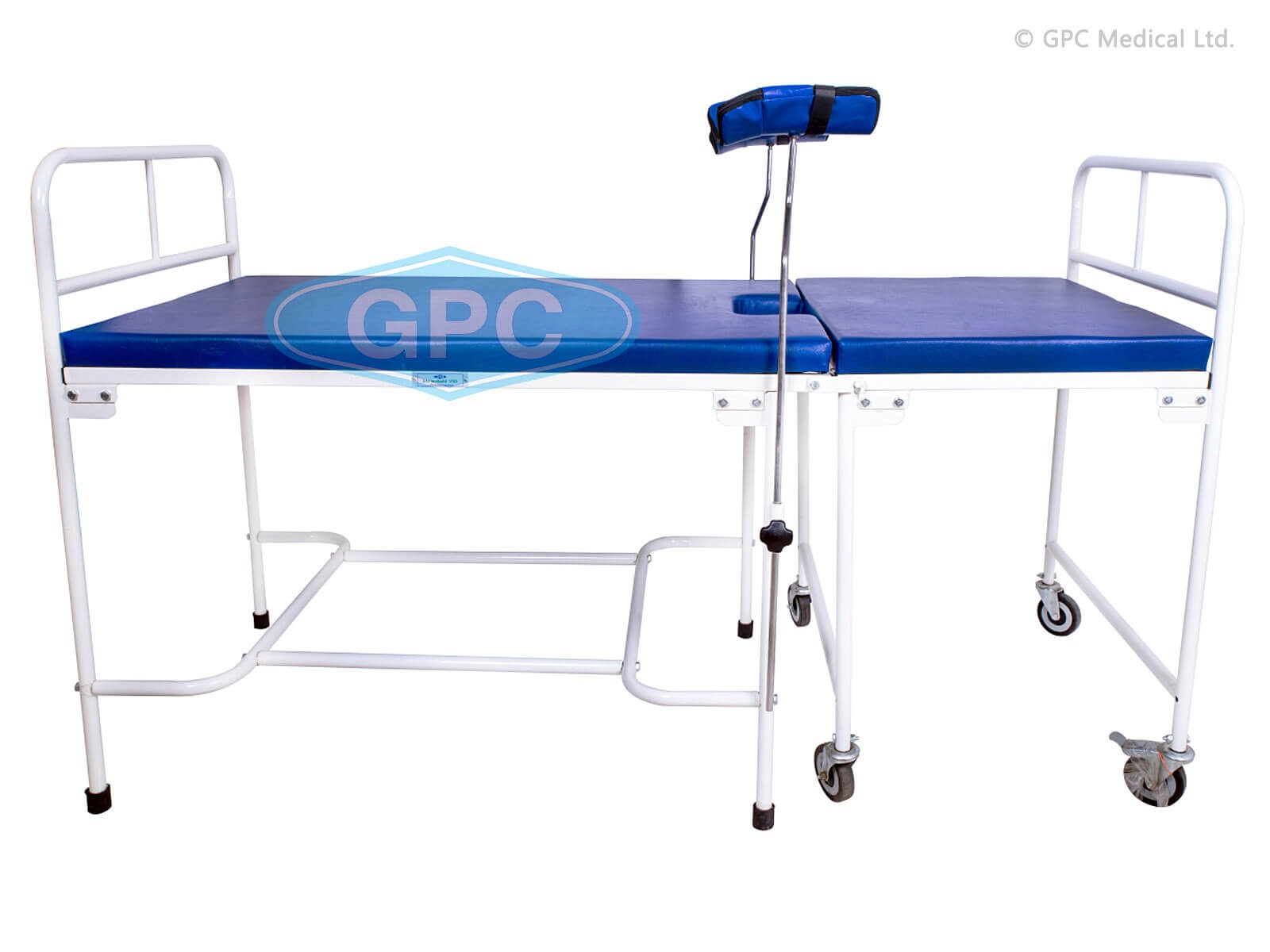
Buy Delivery Bed in Nigeria.
Buy delivery beds in Nigeria through Franance. Compare GPC Medical GHF30.02, GHF30.11 Electric and Hillrom Affinity 4 by exact model, adjustment, sections, supports, mattress, room fit, power and accessories, then request a written quotation.
Products
12 models
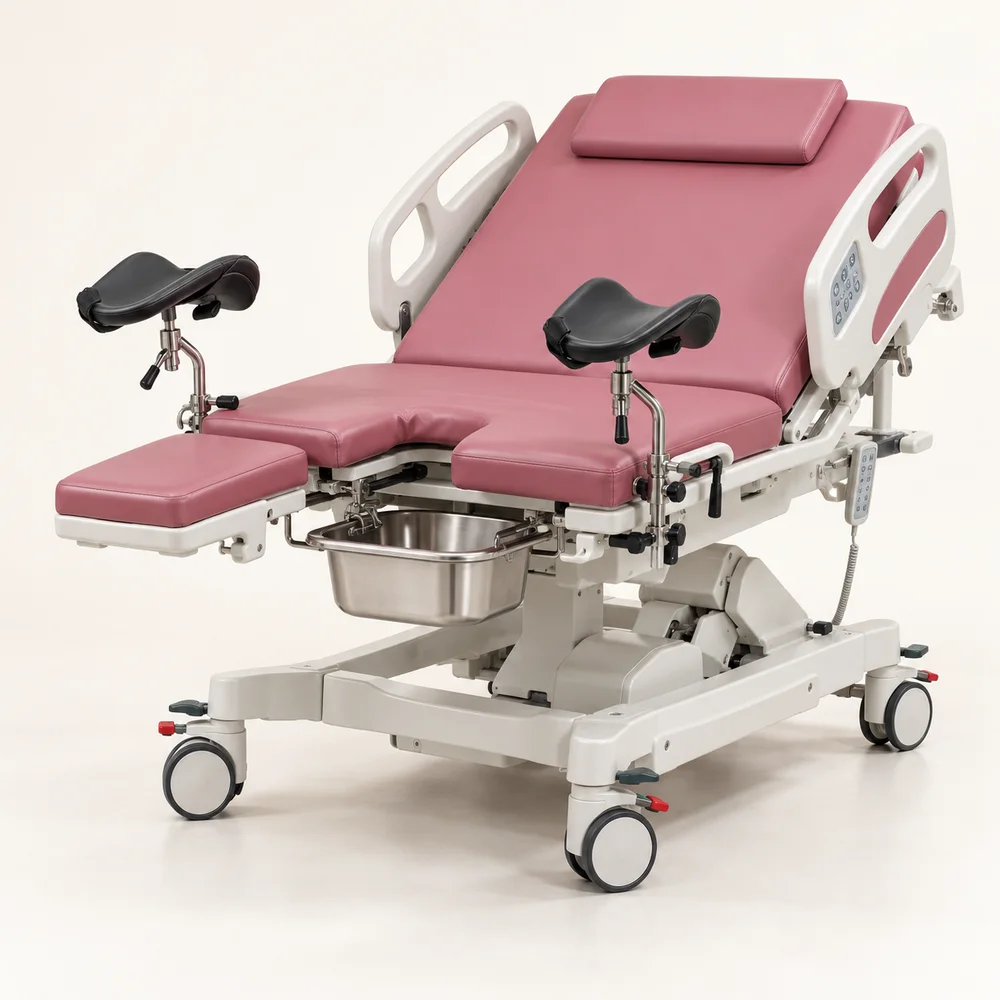
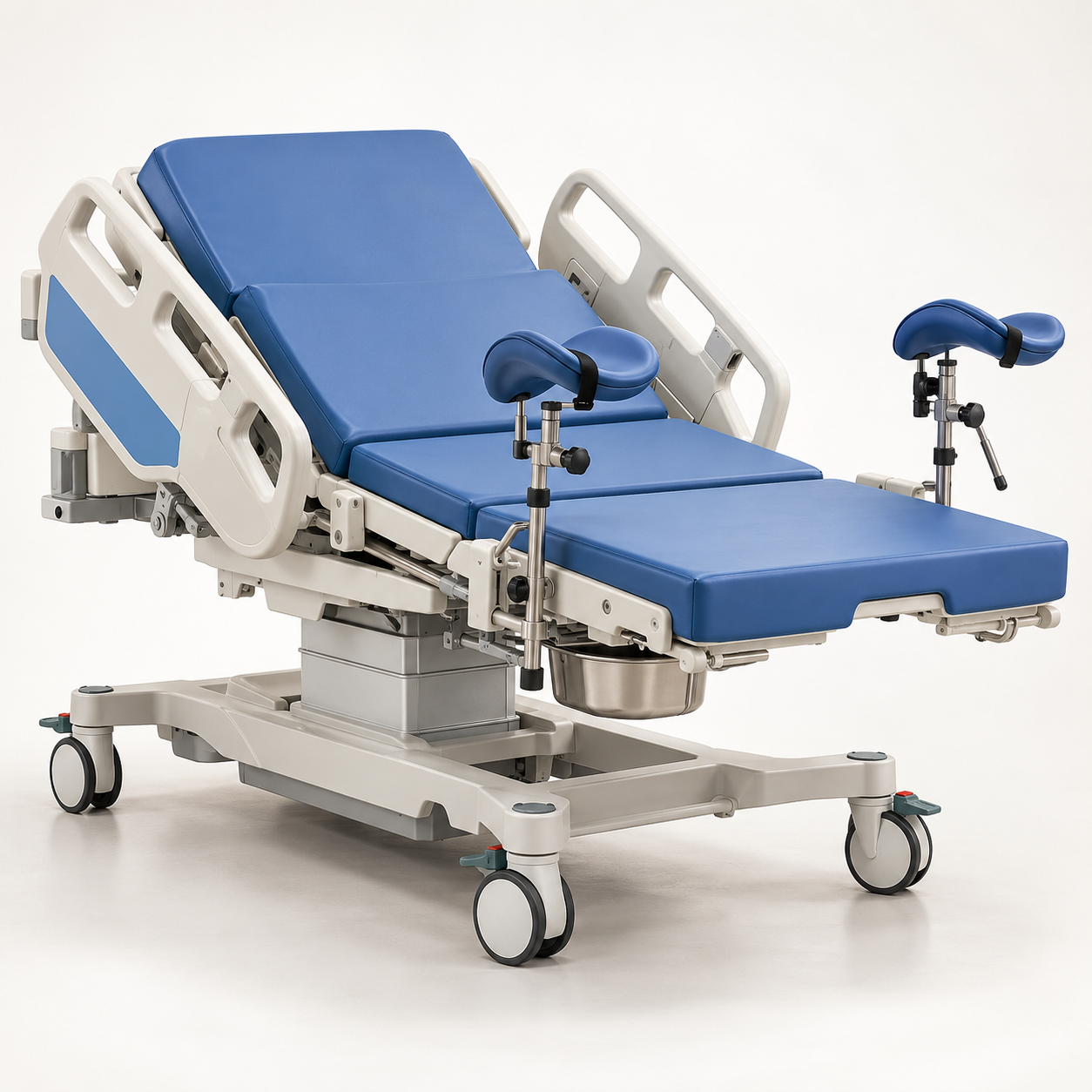
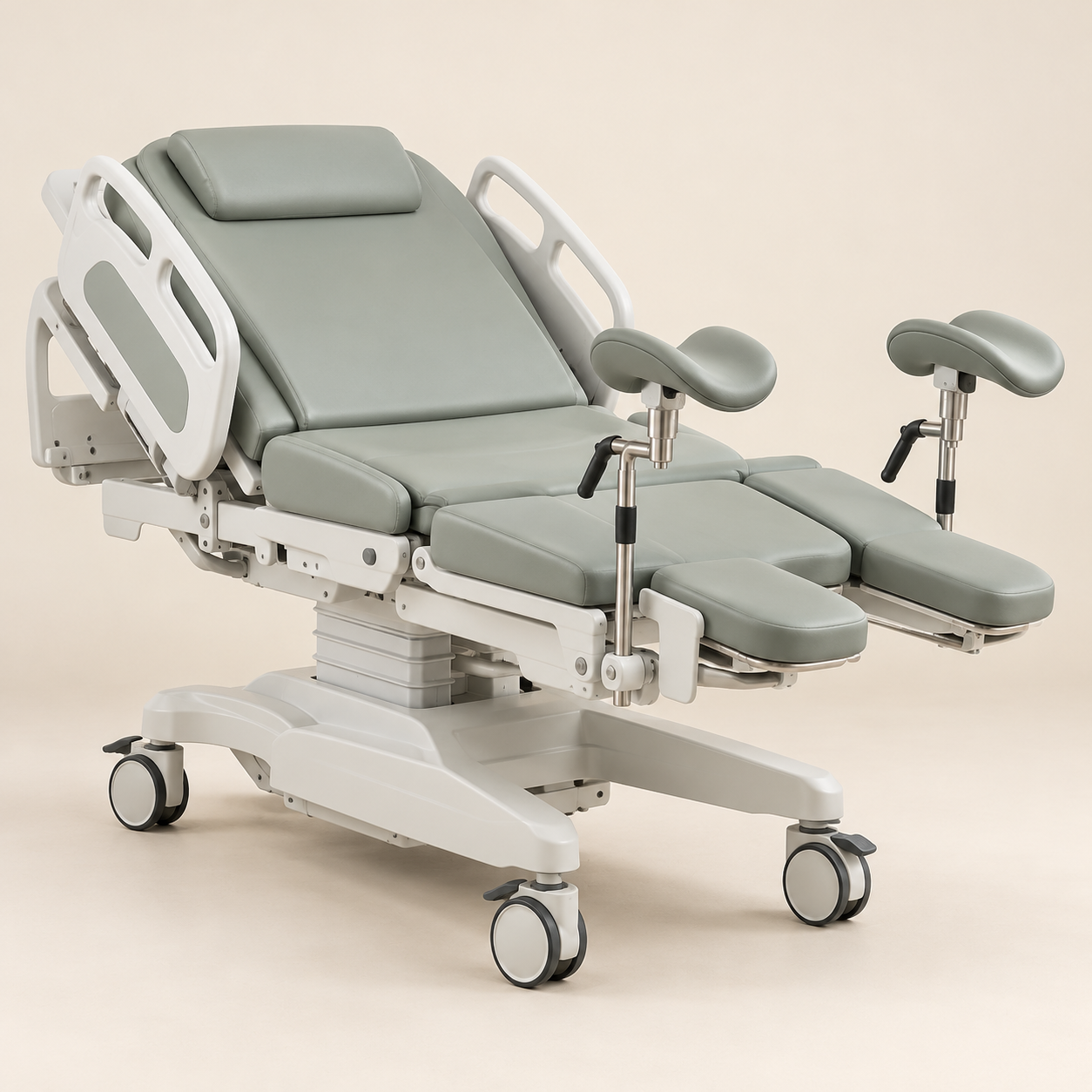
Which delivery beds can I request in Nigeria?
The current delivery-bed leaf contains three records, each linked below through the GPC Medical or Hillrom brand, this category and a model-specific search query:
Read moreHow should I compare delivery beds for a Nigerian maternity unit?
Start from the room and service specification, then compare equipment. Ask the clinical lead to describe the intended care setting and bed functions the team requires. Translate this into measurable procurement questions: total length and width, height range, section arrangement, manual or powered adjustments, access to controls, removable or retractable foot section, side rails, supports, mattress construction, castors and brakes, accessory mounting, and the specified safe working load. Request current manufacturer dimensions for the exact variant and compare them with room drawings and access routes.
Read moreShould I buy GPC Medical GHF30.02 in Nigeria?
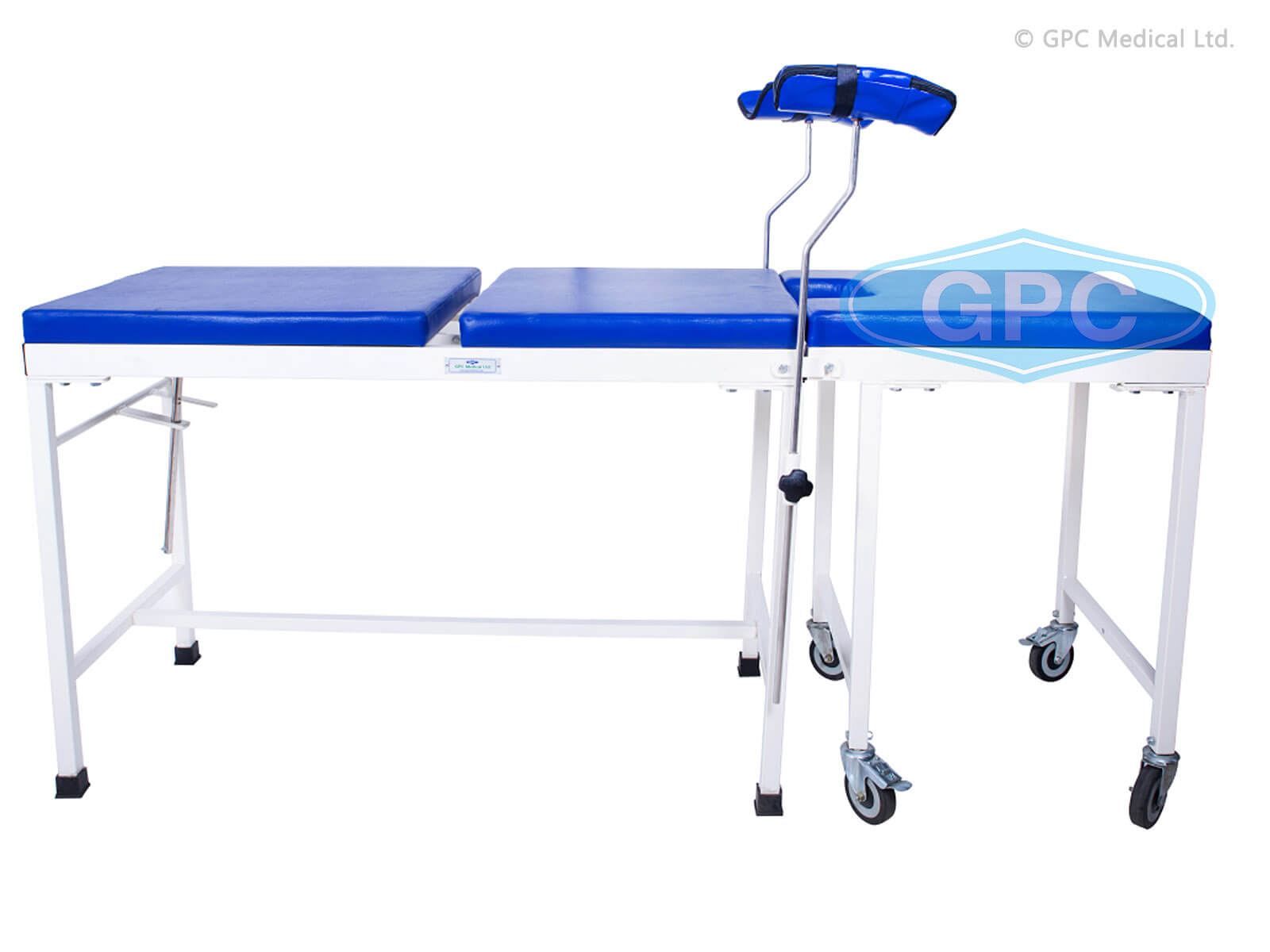
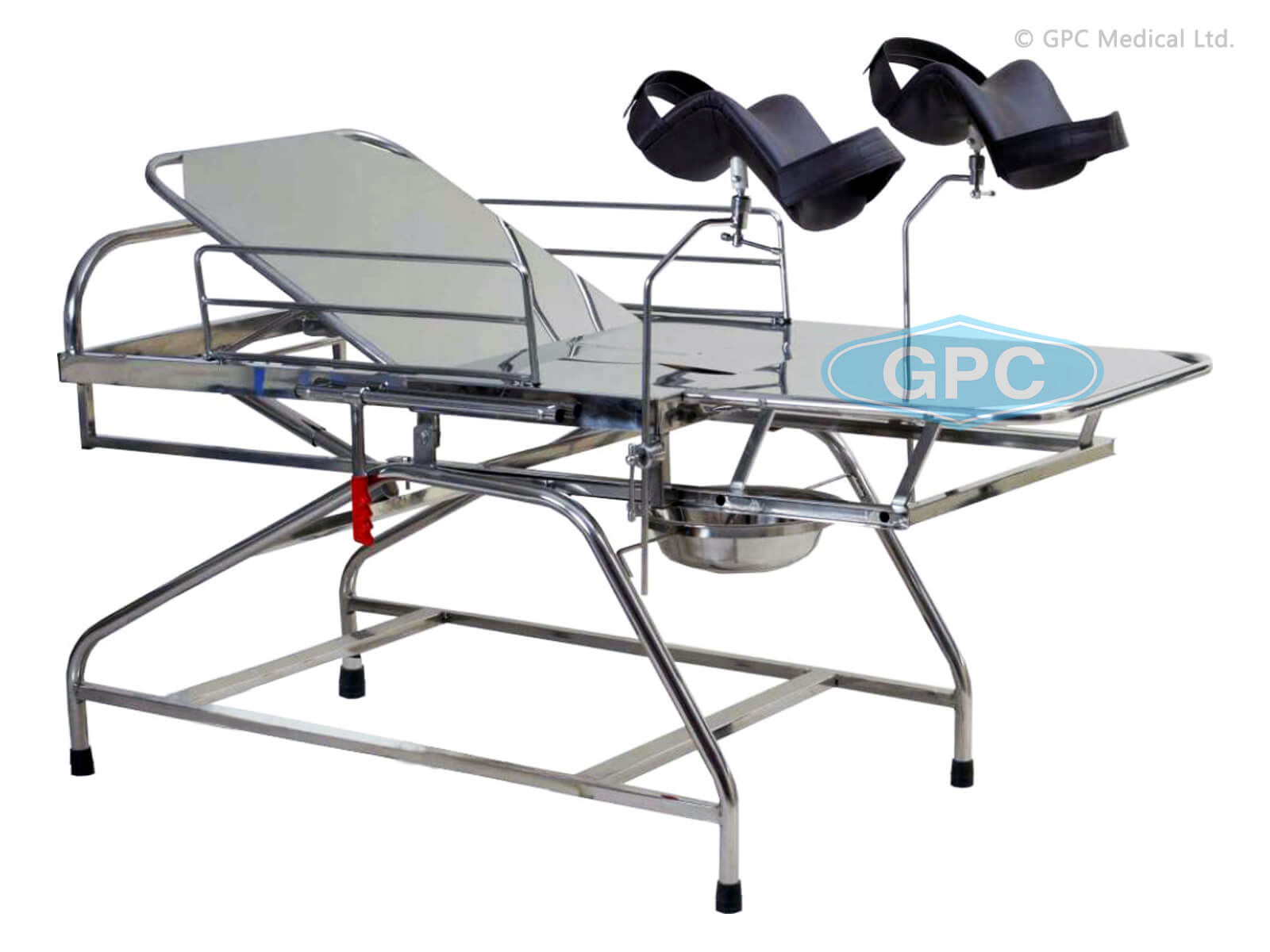
GPC Medical identifies GHF30.02 as a two-section delivery bed. The current product record likewise lists the model and section count. The manufacturer’s product URL is the best starting point for a model-specific enquiry, but the accessible information reviewed for this guide did not establish the bed’s complete dimensions, section articulation, support design, mattress details or accessory package. Treat those points as unanswered until GPC or Franance confirms them for the exact product.
Read moreBuy delivery beds in Nigeria
Franance lists three delivery beds for Nigerian facilities: GPC Medical GHF30.02, GPC Medical GHF30.11 Electric and Hillrom Affinity 4 Birthing Bed. Request a quotation by exact model and configuration. Compare bed sections, adjustment method, supports, mattress and accessories, room fit, electrical needs and service scope against the facility’s written specification. Franance follows up by phone or email and confirms the proposed supply and terms; catalogue pages are not online checkout or confirmation of stock. A delivery or birthing bed is specified for a labour-and-delivery care setting. It is distinct from a general medical bed used for routine ward accommodation and from an operating table designed as a surgical platform. A product’s category assignment does not establish clinical suitability, an obstetric outcome, regulatory status or availability in Nigeria. Qualified maternity, biomedical engineering and procurement teams should assess the exact device documentation and facility needs. This guide helps organize that purchasing review and does not offer clinical or obstetric advice.
Which delivery beds can I request in Nigeria?
The current delivery-bed leaf contains three records, each linked below through the GPC Medical or Hillrom brand, this category and a model-specific search query:
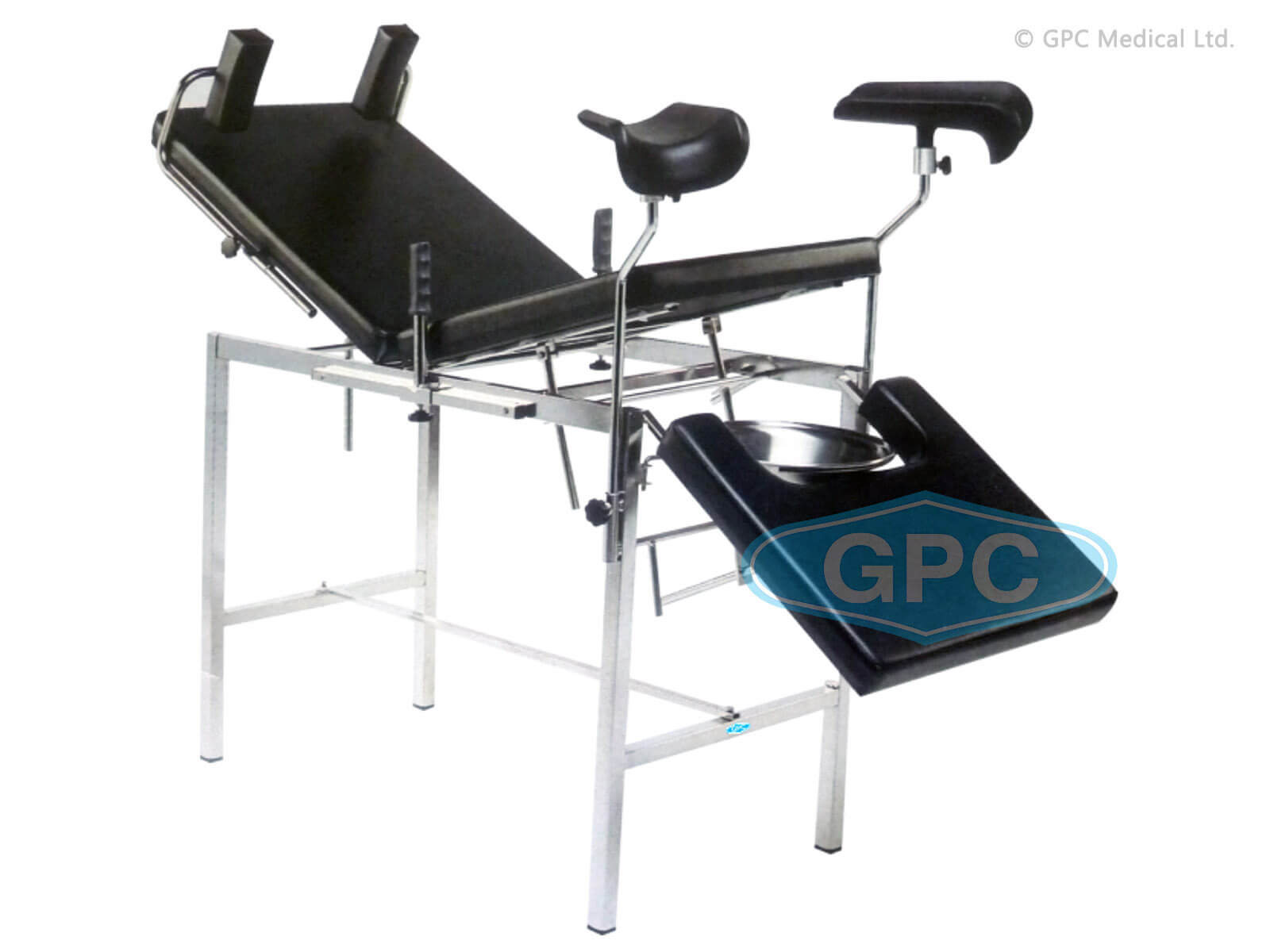
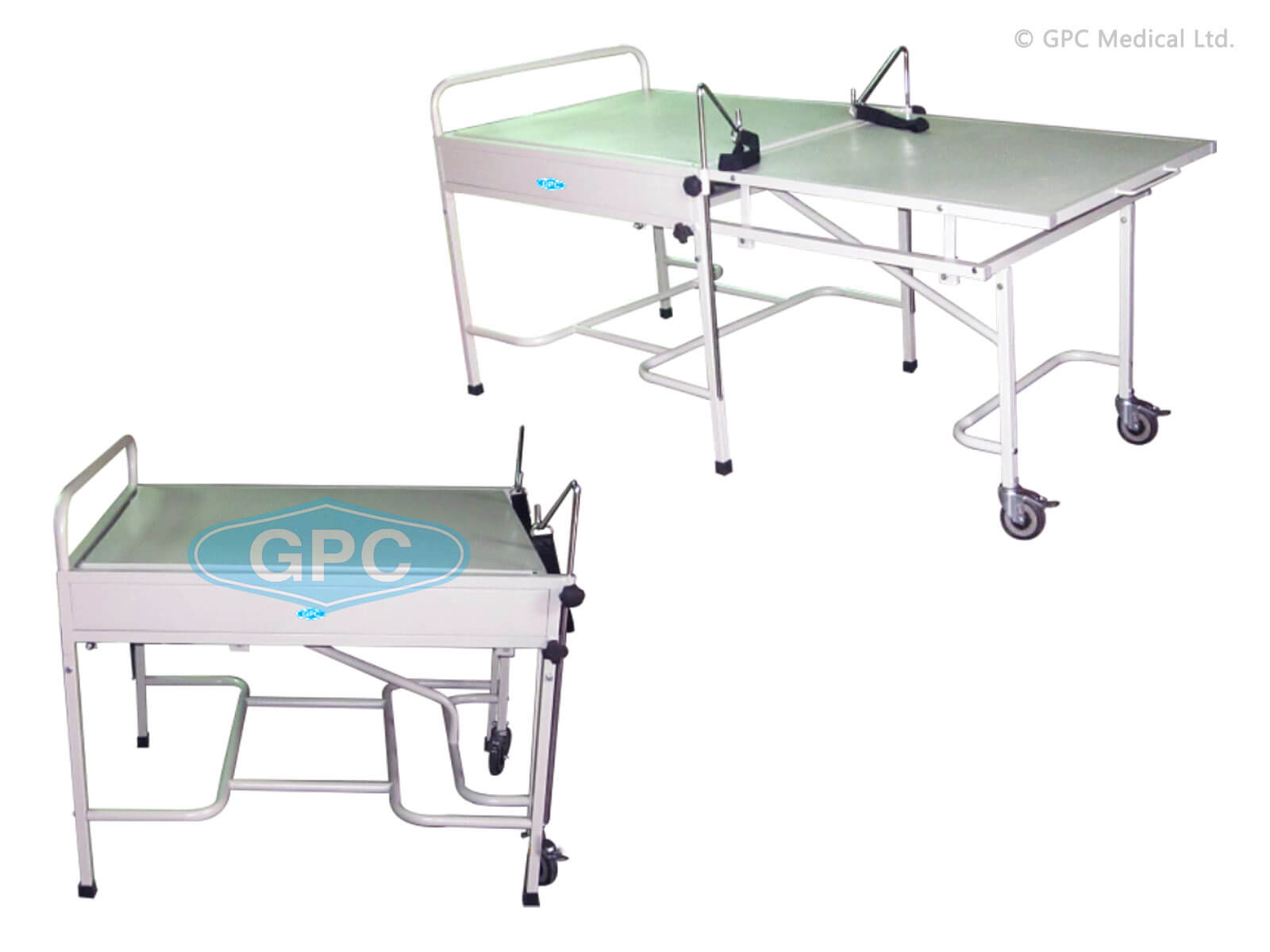
- GPC Medical GHF30.02 two-section delivery bed
- GPC Medical GHF30.11 electric delivery bed
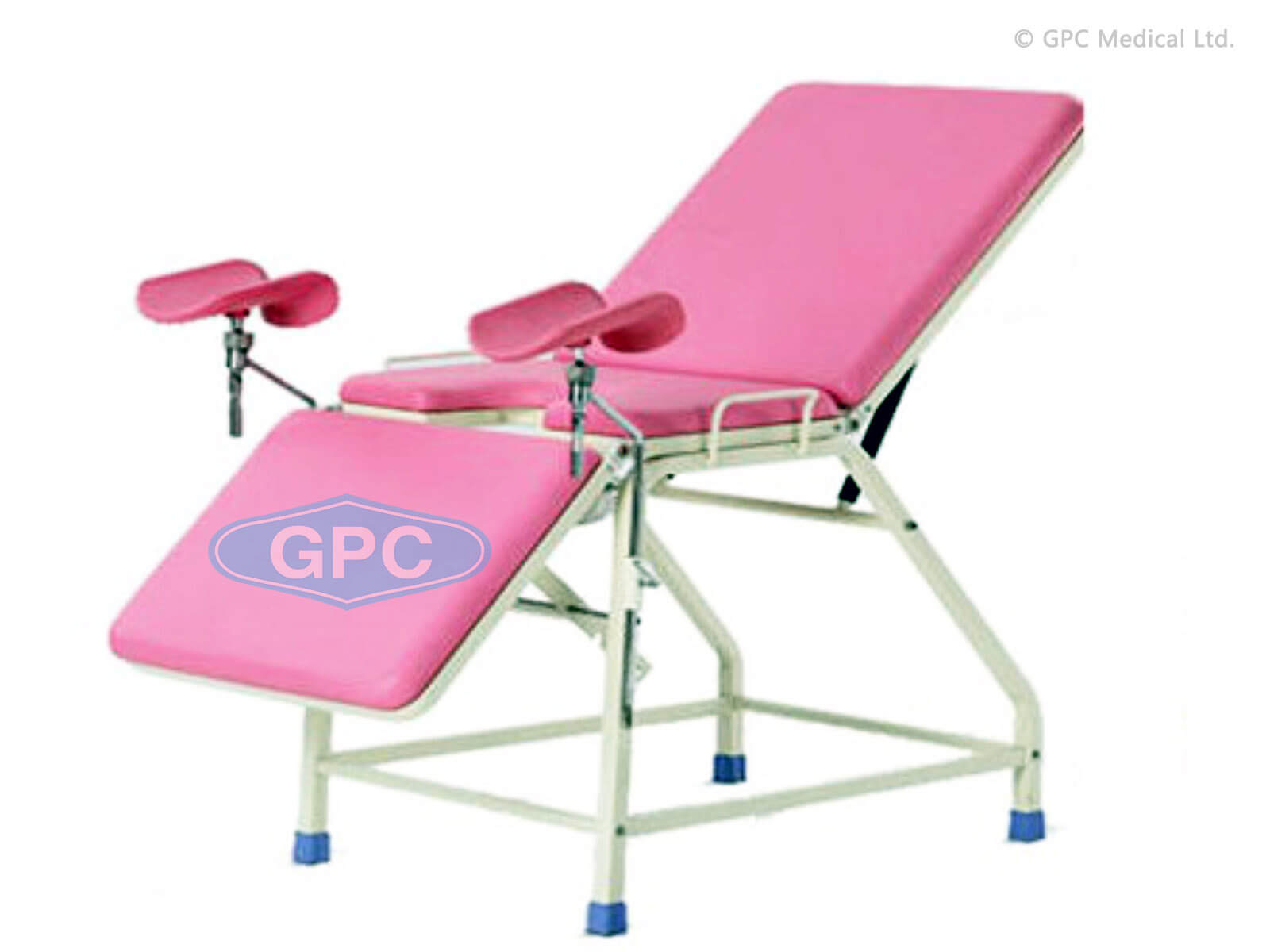
- Hillrom Affinity 4 birthing bed, P3700 family
GPC lists GHF30.02 as a two-section delivery bed. Its model page did not provide enough accessible detail to verify included accessories or dimensions, so put these items on the quotation checklist. GHF30.11 is a three-section electric delivery bed with electric height adjustment and a crank-adjusted back section on the manufacturer page. Hillrom’s Affinity 4 is a birthing-bed family with P3700 suffix variants; the exact suffix and foot-section configuration for the offered unit must be confirmed.
The Obstetrics and Gynaecology equipment category groups maternity equipment. Browse the delivery-bed leaf to review its three current records. The assignment count describes the catalogue today, not the entire range available from a manufacturer.
How should I compare delivery beds for a Nigerian maternity unit?
Start from the room and service specification, then compare equipment. Ask the clinical lead to describe the intended care setting and bed functions the team requires. Translate this into measurable procurement questions: total length and width, height range, section arrangement, manual or powered adjustments, access to controls, removable or retractable foot section, side rails, supports, mattress construction, castors and brakes, accessory mounting, and the specified safe working load. Request current manufacturer dimensions for the exact variant and compare them with room drawings and access routes.
The three listings have different evidence levels. The GHF30.02 product record confirms a two-section obstetric bed but does not state its included support set or dimensions. GHF30.11 manufacturer documentation lists a three-section design, electric height adjustment, backrest adjustment by crank, lithotomy supports, detachable bowl and listed overall dimensions. Hillrom’s Affinity 4 material describes a P3700 family with different suffixes and foot-section designs. Do not fill gaps in one model’s specification by copying features from another.
Use a compliance matrix with required, optional and supplier-confirmed items. Ask the supplier to state deviations and exclusions line by line. This makes the comparison about verified equipment configuration and facility fit, rather than broad descriptions such as “delivery bed” or “premium birthing bed.”
Should I buy GPC Medical GHF30.02 in Nigeria?
GPC Medical identifies GHF30.02 as a two-section delivery bed. The current product record likewise lists the model and section count. The manufacturer’s product URL is the best starting point for a model-specific enquiry, but the accessible information reviewed for this guide did not establish the bed’s complete dimensions, section articulation, support design, mattress details or accessory package. Treat those points as unanswered until GPC or Franance confirms them for the exact product.
Before requesting a quote, specify which parts the facility needs documented: overall and working dimensions, height and section adjustment, included mattress, lithotomy or other supports, bowl, IV pole or other attachments, castor and brake configuration, safe working load, upholstery and cleaning instructions, warranty, assembly and service access. Do not infer that a feature is supplied because it is common on other obstetric beds or appears in another GPC product family.
The model-specific filter returns the catalogue record for GHF30.02. Ask Franance to confirm the manufacturer code on the proposed unit, accessories, documentation and Nigerian destination terms in writing. View the GHF30.02 listing and GPC Medical’s two-section delivery-bed page.
What is different about GPC Medical GHF30.11 Electric?
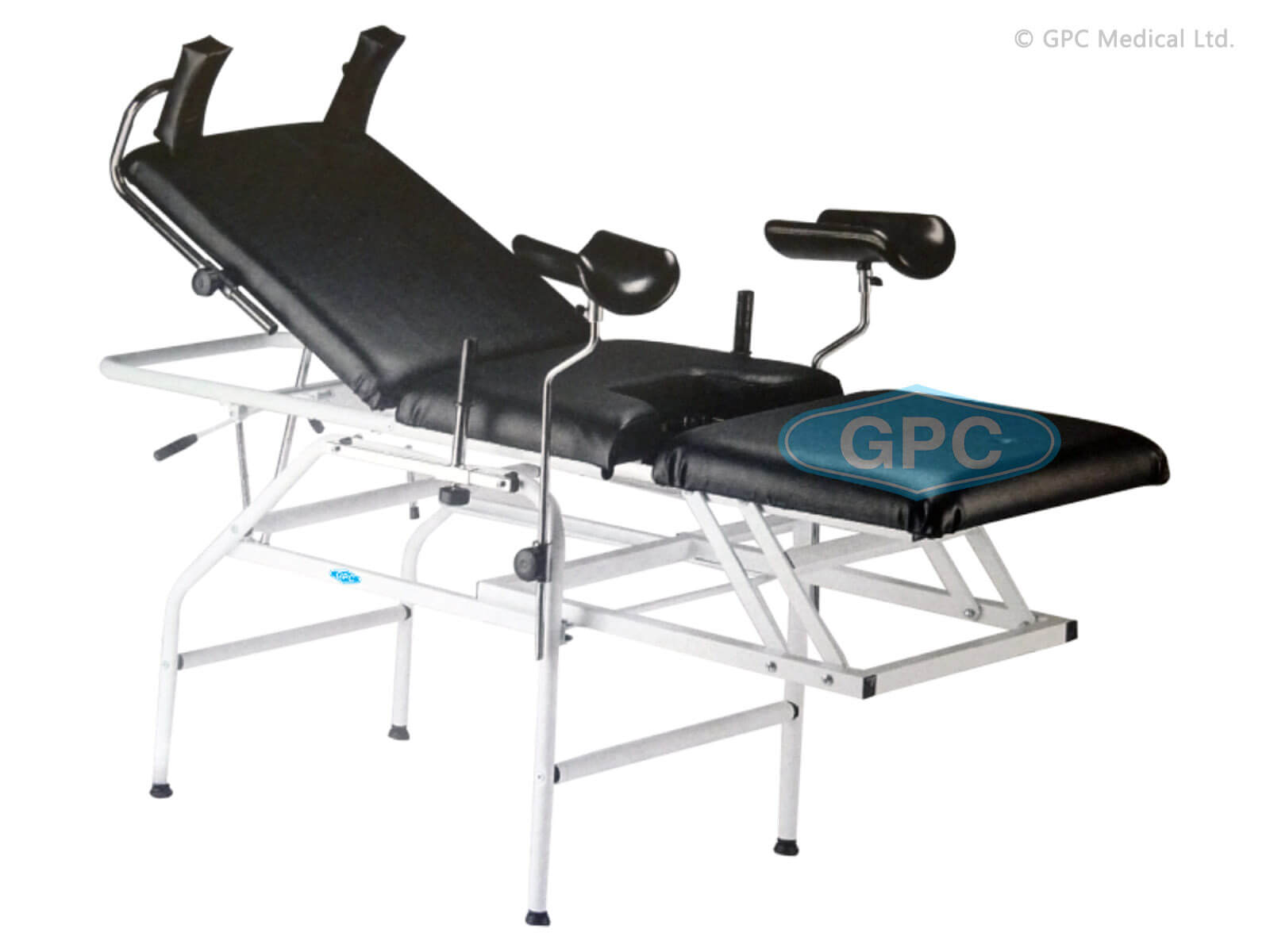
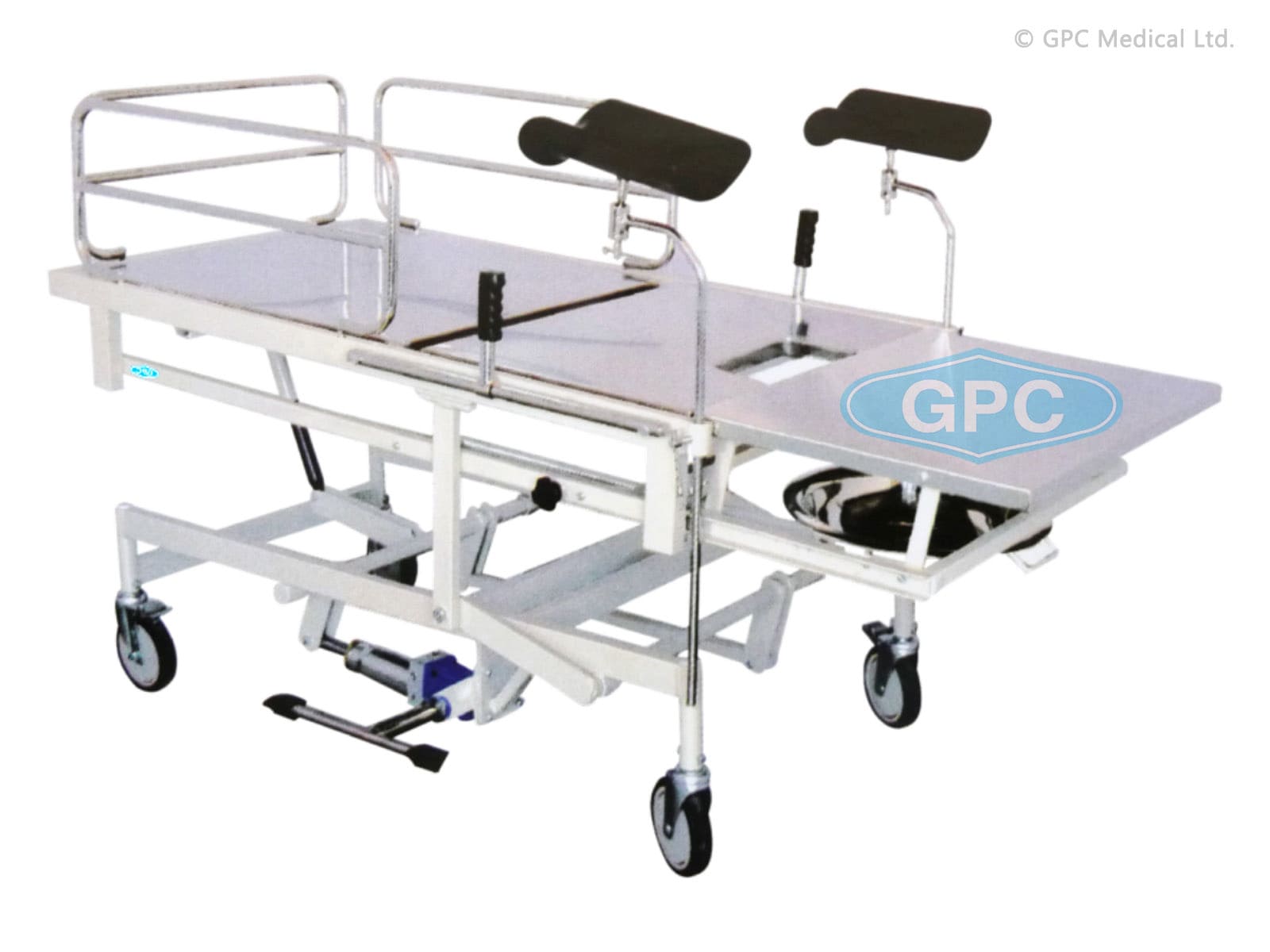
GPC identifies GHF30.11 as an electric delivery bed. Its official page describes a three-section frame with fixed cushioned mattress, electric actuator for height adjustment, crank adjustment of the back section, a leg-end section that slides under the main section, upholstered lithotomy supports, a telescopic rod and a detachable stainless-steel bowl. GPC lists dimensions of 1,880 × 900 × 600–800 mm. These are manufacturer-listed product details; verify the quote and delivered unit against the current technical documents.
Confirm electrical actuator supply, controls, power cord and any facility electrical requirements. Ask whether a mattress, supports, telescopic rod and bowl are included, and whether the offered variant matches the manufacturer-listed dimensions. Have facilities staff check doorway and lift clearance, turning radius, bed location, cable routing, cleaning access and safe use of castors. Ask for assembly, commissioning, training and maintenance scope if needed.
Do not assume that “electric” means every adjustment is powered: GPC describes the back section as crank adjusted. Do not assume a compatible facility power connection or that any requested accessories are part of the base supply. View the GHF30.11 listing and check GPC Medical’s official electric delivery-bed specifications.
What must I confirm about Hillrom Affinity 4 in Nigeria?
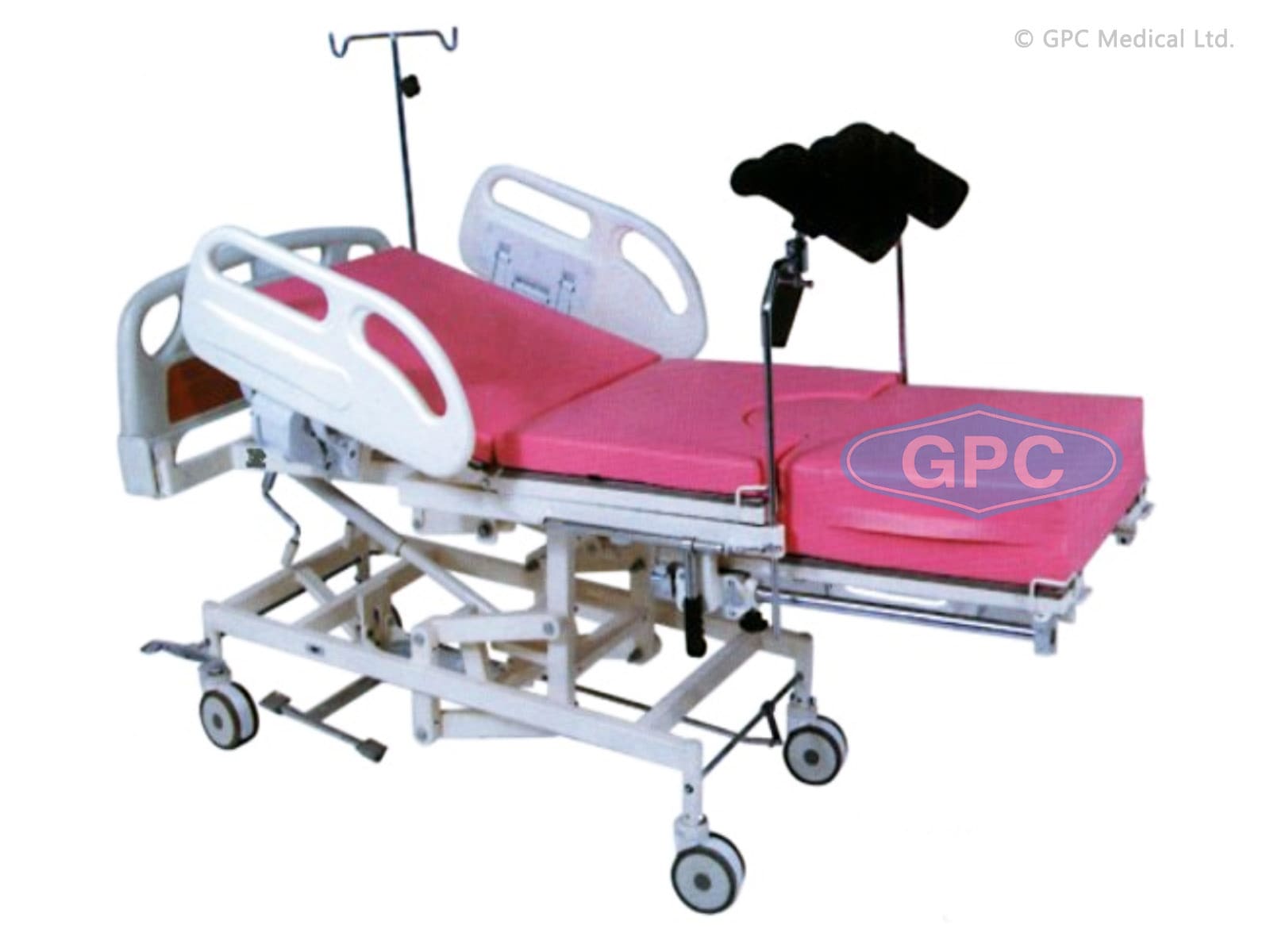
Hillrom identifies Affinity 4 as a birthing-bed family under product number P3700. The official product information describes design variants including a lift-off foot section and a Stow and Go foot section. Product literature associates different P3700 suffixes with model revisions and features, so a generic “Affinity 4” listing does not identify the exact bed. The catalogue record says to confirm the model suffix; request that suffix, serial or revision identity, voltage and plug configuration, mattress, foot-section design and accessories in the offer.
The manufacturer’s technical information includes dimensions that vary by suffix group. Room planning should use the exact model’s current documentation and include the full bed envelope, mattress and accessories. Confirm whether features such as battery backup, powered foot section, caster/brake arrangement, controls, supports, IV pole, basin, and any transfer or line-management accessories are included or optional on the specific offer. Do not assume that a US or European brochure establishes Nigerian electrical configuration, stock, installation, warranty or service.
Hillrom provides product documentation and instructions for the P3700 family. Ask Franance for the current applicable user manual, technical specifications, warranty terms, maintenance requirements and support route for the quoted unit. View the P3700 family listing, Hillrom’s Affinity 4 product information, and the Affinity 4 instructions for use.
How is a delivery bed different from a general hospital bed?
A general hospital bed supports routine ward accommodation and commonly prioritizes positioning, side rails, mattress platform, patient transfers and ward workflow. A delivery bed is specified for a labour-and-delivery setting, and its configuration may include section changes, supports or accessories associated with the unit’s stated birthing-bed role. The exact functions vary by model and should be verified from the technical documentation. Neither label alone proves suitability for a particular care protocol.
If the facility needs beds primarily for inpatient wards, compare the manual hospital bed, semi-electric hospital bed and fully electric hospital bed categories. Those are separate catalogue taxonomies and should not be treated as synonyms for a delivery bed. A maternity unit may have requirements for both types, but each should have its own bill of quantities and verified specification.
For any comparison, check dimensions, working load, mattress, controls, supports, cleaning, transfer requirements and serviceability against the intended room and user workflow. Avoid selecting a general ward bed merely because it has electric height adjustment, or selecting a delivery bed as a general ward bed based only on a familiar frame shape. Ask the clinical and facilities teams to document the role before quotation.
Why is a delivery bed not an operating table?
An operating table is a separate surgical platform with its own positioning, accessory interface, imaging or procedure compatibility and load requirements. A delivery bed is classified for maternity and birthing use. Some configuration terms may sound similar across the two groups, but they do not establish interchangeability. Do not use a delivery bed where the facility specification calls for a surgical operating table, and do not assume a surgical table provides the maternity workflow or accessories required by an obstetric service.
If the project is for a theatre, compare the operating tables and surgical lights category and its product documentation. For delivery suites, define the role and identify whether the equipment will be used in a dedicated labour room, birthing suite or another care area. Request manufacturer confirmation for the exact intended environment and accessories.
Keep operating tables and delivery beds in separate specification lines, room plans and service schedules. This avoids cross-category confusion during procurement and helps ensure that room dimensions, supports, controls, safe load, electrical connections, maintenance and user training are assessed for the correct equipment class.
What accessories, mattress and support details should I request?
Ask for a complete bill of materials for the exact quoted configuration. Identify the mattress and its sections, upholstery, replacement availability and cleaning instructions. Specify any supports, leg sections, lithotomy supports, bowl, telescopic rod, IV pole, side rails, line holders, transfer handles, foot-section storage, battery, power cord or cart required by the written facility specification. Confirm which items are standard, optional, excluded or supplied separately.
For each accessory, request its manufacturer part number and compatibility with the exact model suffix. This is particularly important for the Hillrom P3700 family because variants and foot-section designs differ. For GHF30.02, obtain written confirmation of details not established in the current manufacturer page. For GHF30.11, confirm that the listed supports and bowl are part of the proposed supply rather than relying on a general description.
Ask how accessories are cleaned, inspected, stored and replaced according to the manufacturer instructions. Clarify whether any mattress or upholstered part has a separate warranty or expected replacement cycle in the supplier documentation. A photograph or product title is not a sufficient substitute for a coded accessories schedule.
What room, power and service planning matters in Nigeria?
Before ordering, measure the room and route from receiving area to the final bed position. Check doors, lifts, corridors and turning space against the bed’s actual transport dimensions, packaging and accessories. GPC lists GHF30.11 at 1,880 × 900 × 600–800 mm; ask whether those figures describe the quoted configuration and obtain packed dimensions for transport planning. For Hillrom, account for suffix-specific bed length, width, height, mattress and foot-section type using the model-specific documentation. Do not design the room from a generic product-family page.
For an electrically adjusted bed, ask for the offered voltage and frequency, power cord and plug, actuator supply, battery backup if applicable, electrical safety documents and requirements for inspection or maintenance. Confirm the facility’s outlets, power backup, cable routing, cleaning access and whether the bed can be moved without disconnecting unsafe or inconvenient connections. Electrical and biomedical teams should verify the actual unit’s nameplate and documentation.
Ask Franance to confirm destination-specific delivery, installation, assembly, handover, user orientation, warranty, service contact, spare parts and response process. Include city and state, loading access, floor or lift constraints, timing and any required regulatory or procurement documents. No current catalogue data confirms local stock, delivery date or service coverage throughout Nigeria.
What should the maternity, biomedical and procurement teams review?
The maternity service should write down the equipment role and required functions, accessories, workflow and training scope. This guide does not advise on labour management, birthing positions, patient handling technique or clinical outcomes. Staff should use the actual model’s instructions and local policies, and the facility should determine who is authorized to operate the equipment and what orientation is required.
Biomedical engineering should verify exact make and model, suffix or revision, power configuration, device dimensions, safe working load and maintenance requirements from current manufacturer documentation. Review mattress and upholstery care, castor and brake checks, controls, battery if supplied, accessory compatibility and the acceptance-test documentation. Facilities and infection-prevention staff should check room clearance, cleaning access and the manufacturer’s approved cleaning directions.
Procurement should compare offers against the same requirements table: base bed, configuration, included and optional accessories, delivery, assembly, documentation, warranty, service, spare parts, price validity and exclusions. Record any uncertainty as a clarification rather than silently treating an unverified feature as included. Confirm regulatory documentation required by the facility and applicable Nigerian authorities with the supplier before purchase approval.
What should I include in a Franance delivery-bed quote request?
Provide enough detail for the supplier to identify the model and plan delivery:
1. Exact product: GPC Medical GHF30.02, GPC Medical GHF30.11, or Hillrom Affinity 4 with the required P3700 suffix or revision identified.
2. Required section arrangement, adjustment method and documented functions; do not infer these from another model.
3. Mattress, supports, bowl, IV pole, foot section, battery, power cord, castors, brakes and any other required accessories, each listed with compatibility confirmation.
4. Quantity, maternity unit, facility name, Nigerian city and state, room location, receiving access and requested delivery period.
5. Room measurements, door/lift route, power supply and any site survey, assembly, installation or commissioning requirement.
6. Current user manual, technical specifications, nameplate or regional model identification, conformity documents and facility procurement records.
7. Requested handover, operator orientation, maintenance, warranty, service contact and spare-part scope.
Ask the quote to identify the exact manufacturer part number, supplied configuration, included items, exclusions, optional parts, delivery assumptions, price validity, warranty and service route. For Hillrom, resolve the model suffix and foot-section variant. For GHF30.02, request the missing dimensions, adjustment and accessory information. Franance will follow up by phone or email and confirm availability and commercial terms in writing; a request does not guarantee supply.
Open the GHF30.02 listing, GHF30.11 listing, or Hillrom Affinity 4 listing, then contact Franance to request a delivery-bed quotation.
Can I buy a delivery bed online from Franance?
No. Franance handles these medical equipment enquiries as quote orders, not immediate online purchases. Identify the exact model, specify the configuration, accessories and facility destination, then submit a request. The Franance team will follow up by phone or email to clarify requirements and confirm the proposed package and commercial terms in writing.
Use the delivery-bed category to compare its three listed products. If your project calls for general ward accommodation, review the hospital-bed categories separately; if it calls for a surgical platform, review operating tables. Confirm equipment role, model identity, documentation and destination-specific supply details before procurement approval.
Common questions
Which delivery beds are listed in the Franance category?
The current category lists GPC Medical GHF30.02, GPC Medical GHF30.11 Electric, and Hillrom Affinity 4 Birthing Bed. Confirm the exact configuration and package in a written quotation.
Is Hillrom Affinity 4 one exact model?
No. Hillrom identifies the Affinity 4 family as P3700 and documents different suffixes and foot-section designs. Ask Franance to confirm the exact model suffix, revision, electrical configuration and accessories offered.
Does GPC Medical GHF30.02 include a particular set of supports or accessories?
The source reviewed for this guide confirms the model and a two-section description but does not establish the complete accessory package or dimensions. Request written confirmation for the offered bed.
Is a delivery bed interchangeable with a hospital bed or operating table?
No. They are separate equipment roles and catalogue categories. Compare the written facility requirement with the specific manufacturer's documentation rather than inferring interchangeability from appearance or one shared adjustment feature.
Can I order a delivery bed online from Franance?
No. Franance handles these enquiries as quote orders and follows up by phone or email to confirm the proposed configuration and commercial terms.
Request a delivery-bed quotation from Franance.
Send the exact manufacturer model and suffix, required configuration, accessories, quantity, room and power details, facility, Nigerian city and state, and any delivery, installation, documentation, handover or service needs. Franance will follow up by phone or email and confirm the proposed package and destination-specific commercial terms in writing.
Request a quotationNeed an equipment quote?
Add the models you need to a quote order, or send us your equipment list.