

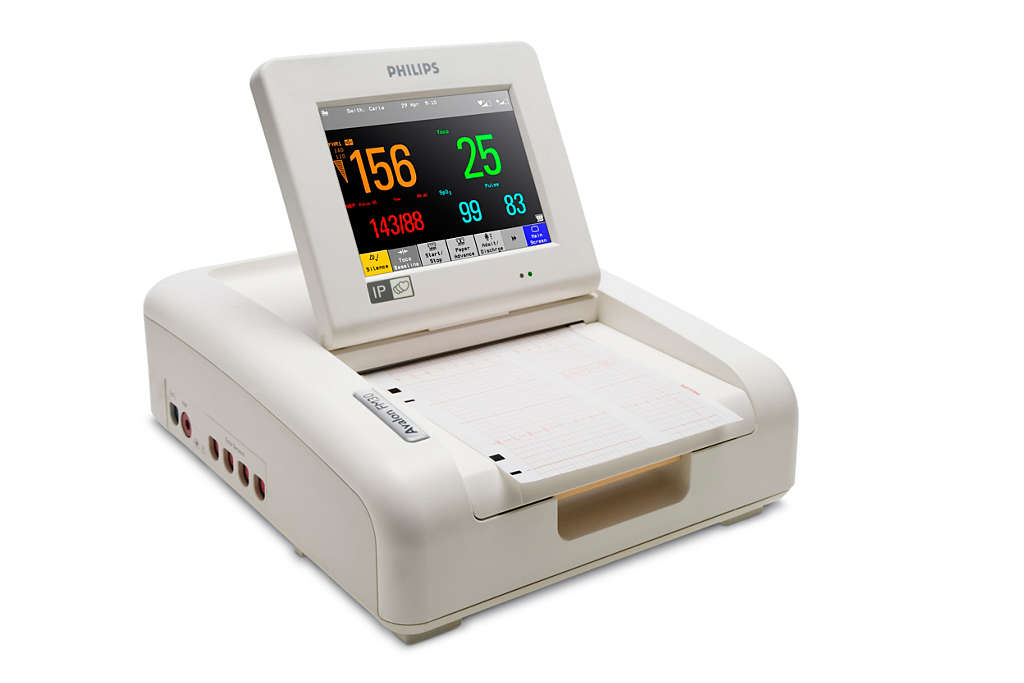
Buy Fetal Monitor (CTG) in Nigeria.
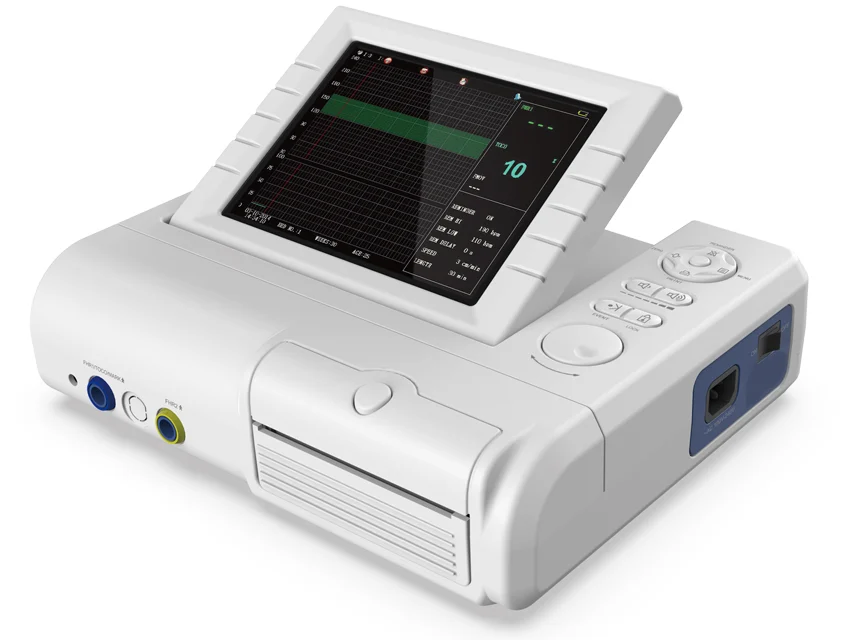
Buy fetal monitors in Nigeria through Franance by matching the CTG configuration to the maternity unit’s planned use, required fetal and uterine activity channels, twin-monitoring workflow, transducers, recording method and service expectations. The current category lists Philips Avalon FM20, FM30 and FM50, plus the GE HealthCare Corometrics 250cx Series. Franance accepts quote orders and follows up by phone or email; this is not online checkout.
Products
17 models
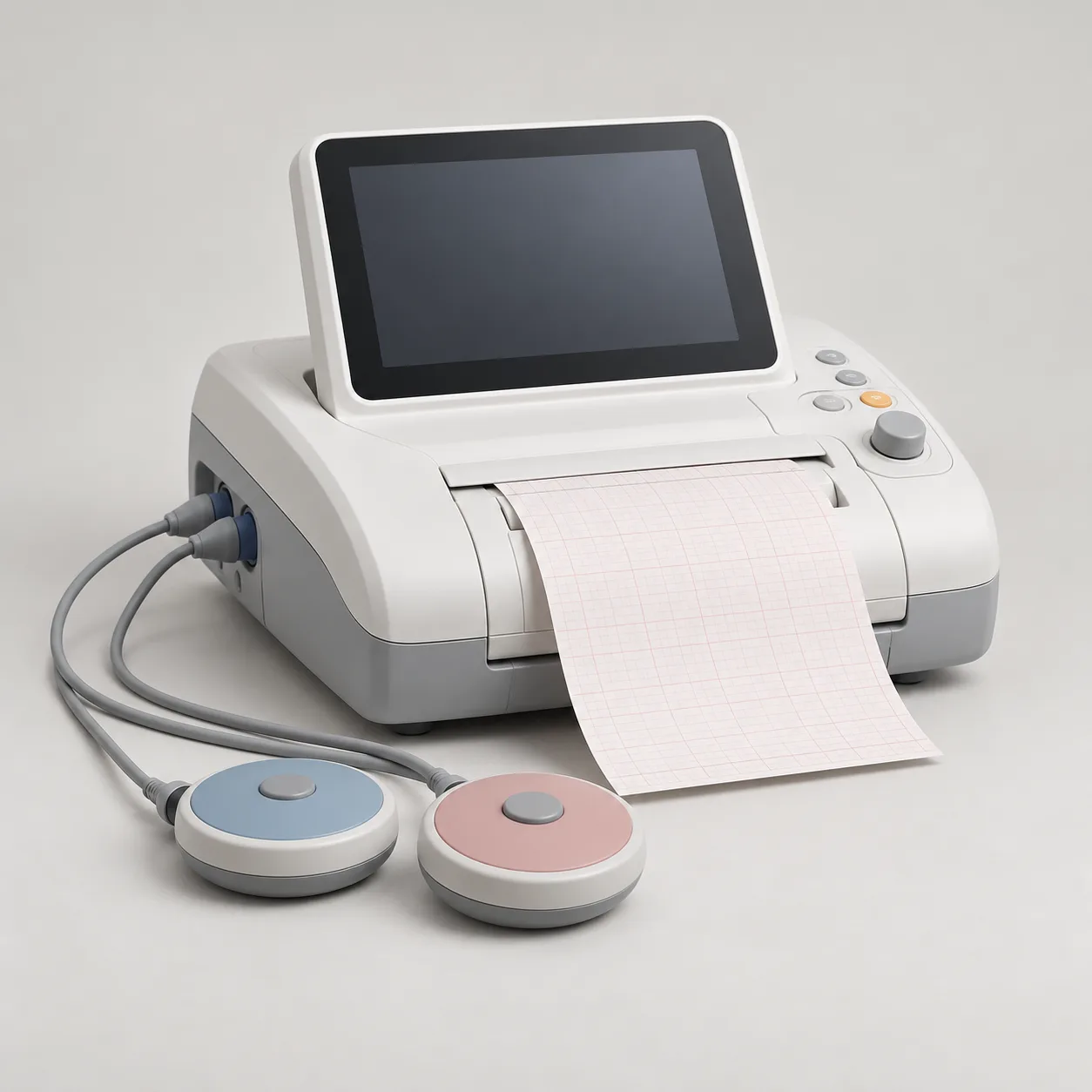
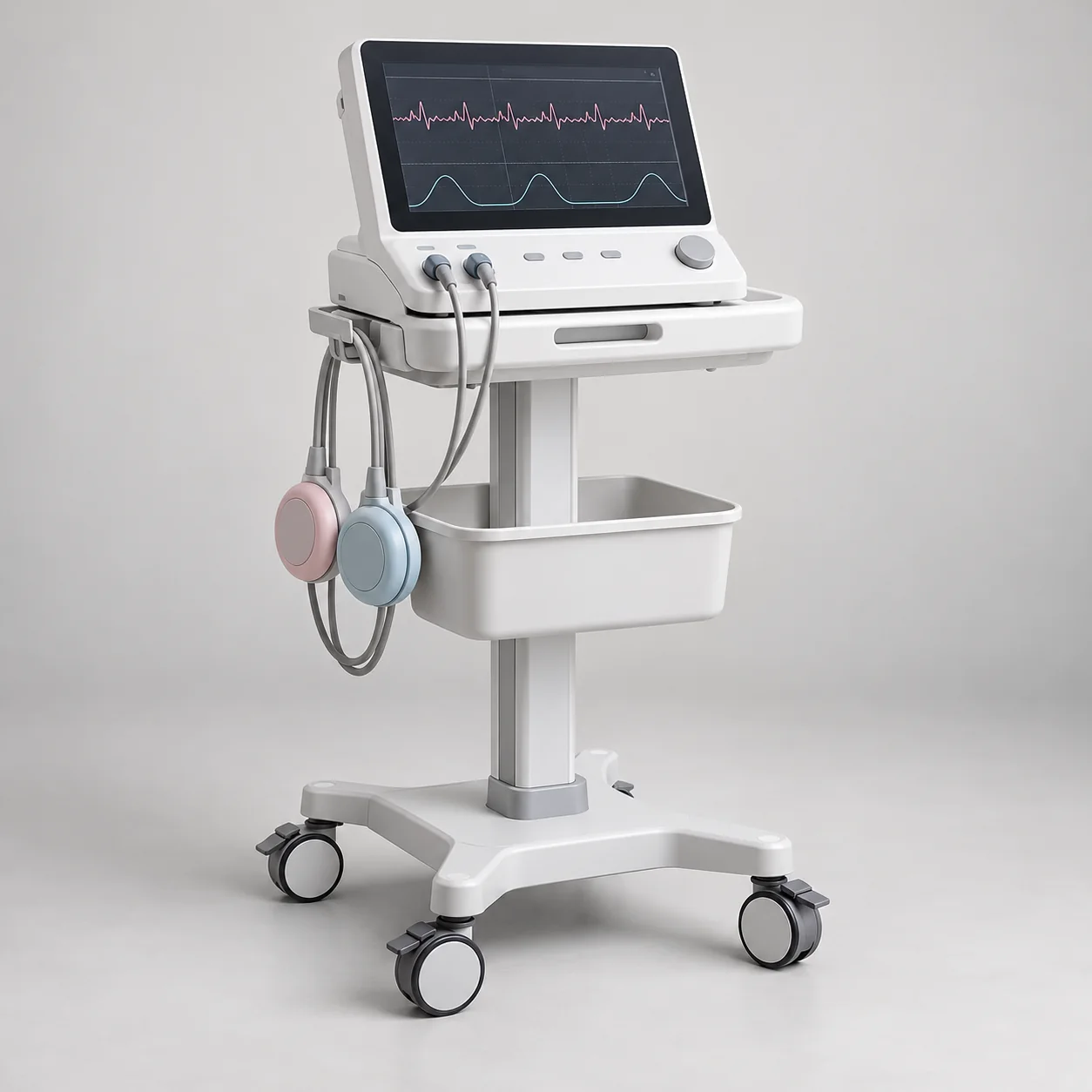
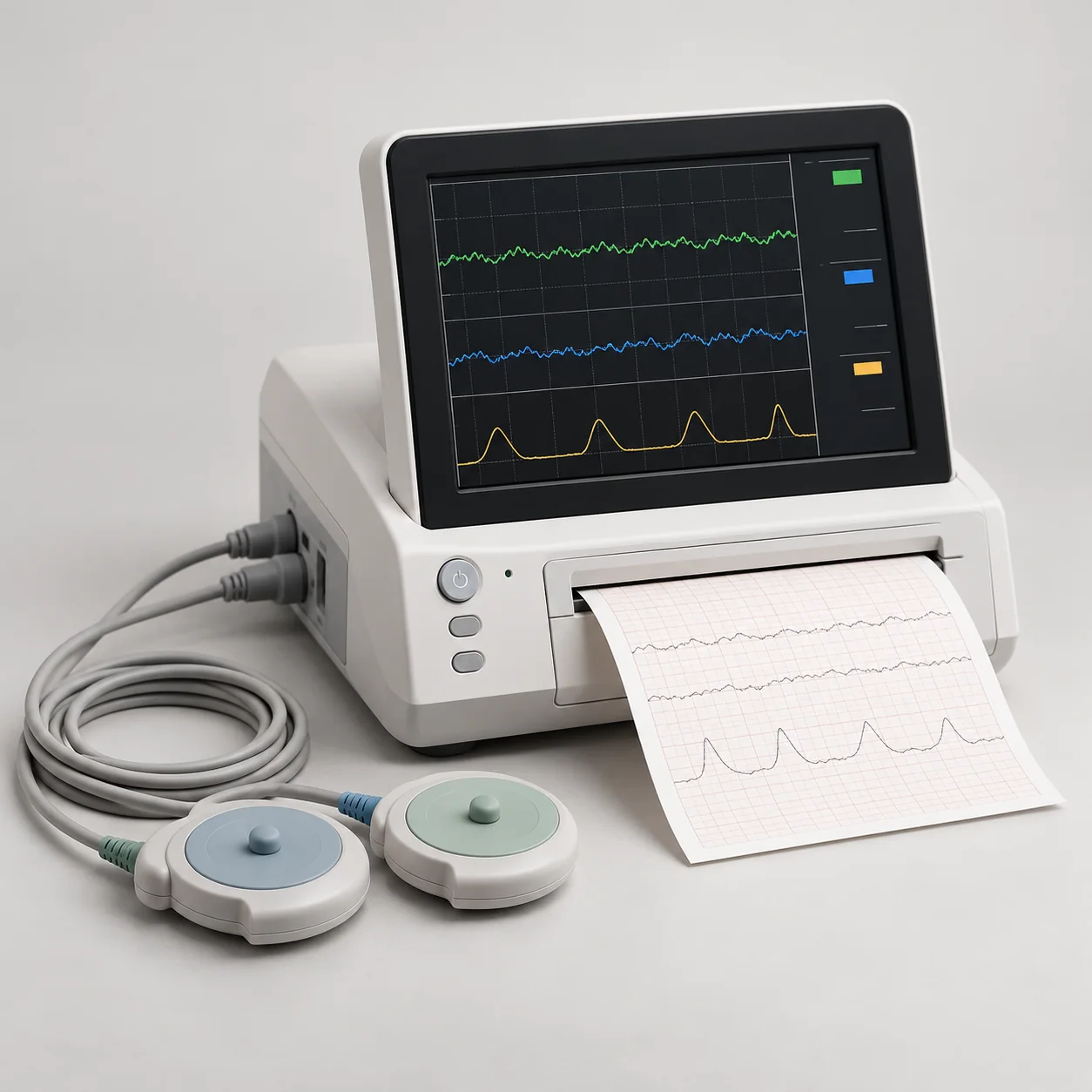
Which fetal monitors can I request from Franance in Nigeria?
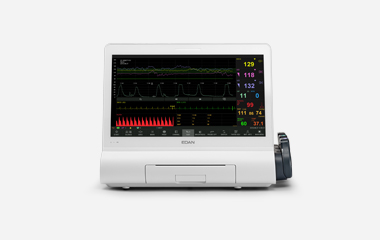
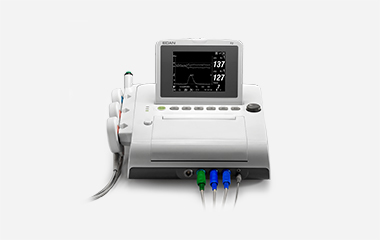
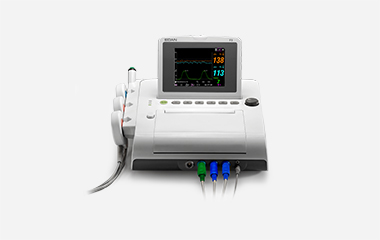
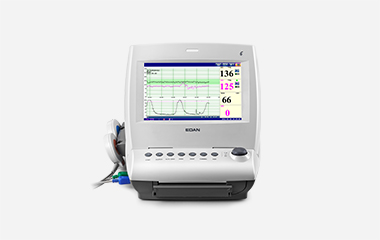
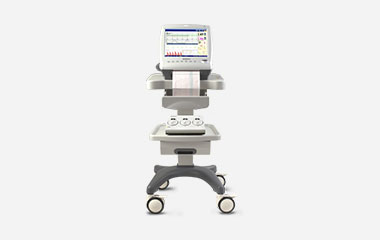
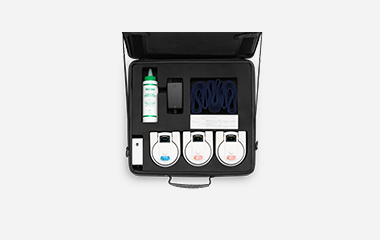
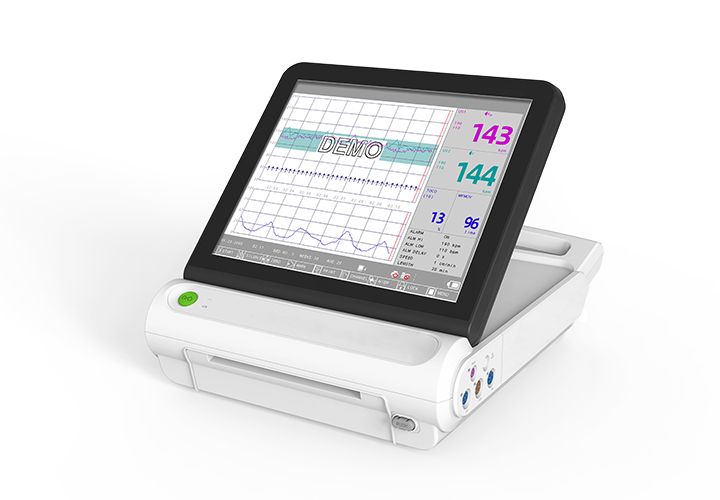
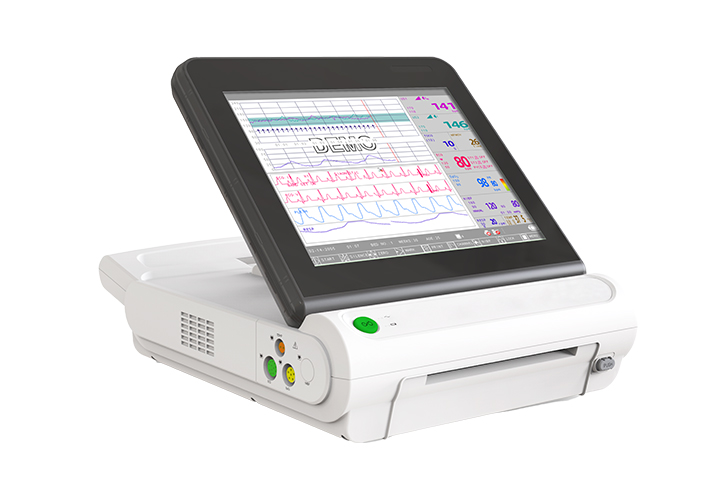
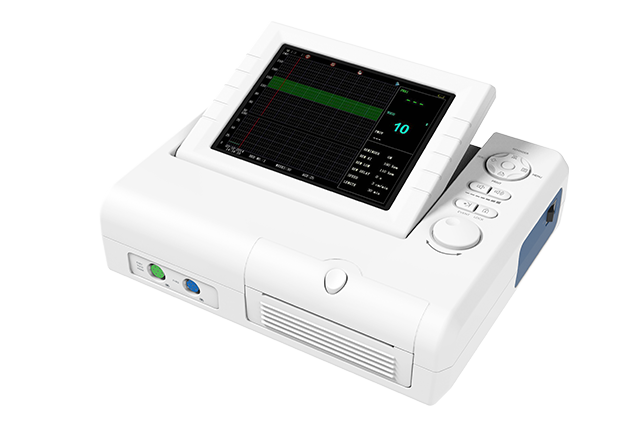
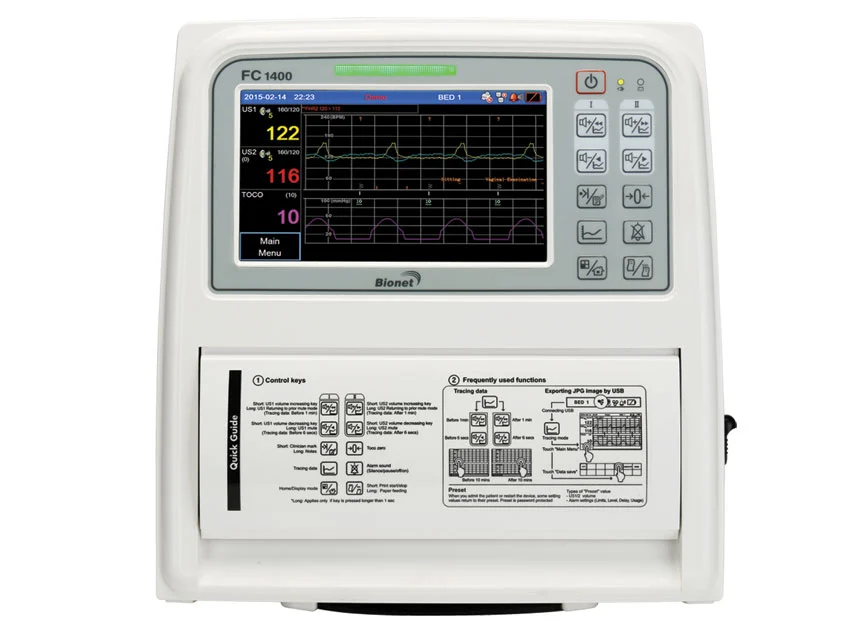
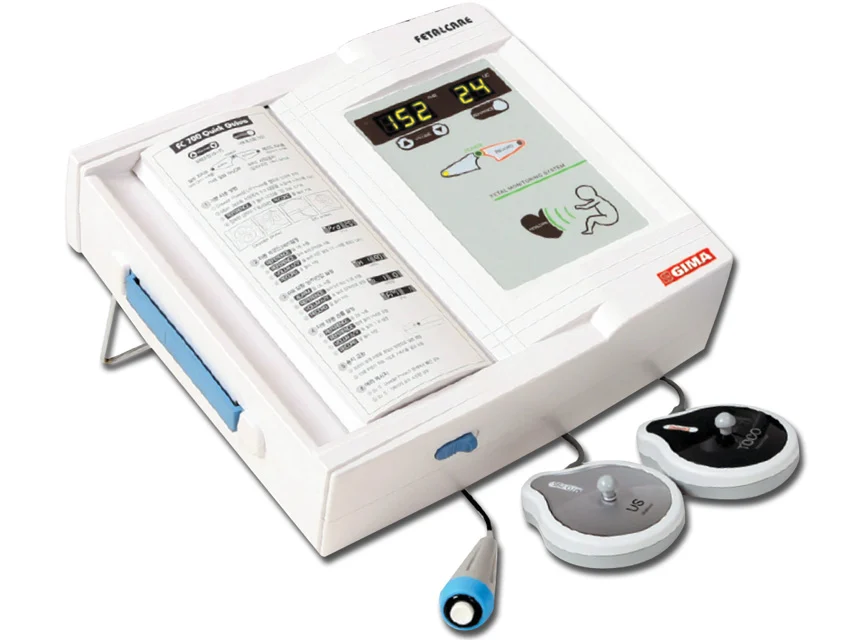
The current category assignment contains four records. Philips Avalon FM20 is listed as an external fetal monitor; FM30 and FM50 are fetal and maternal monitor configurations; GE HealthCare Corometrics is listed as the 250cx Series, with the catalog record explicitly asking buyers to confirm whether the offered unit is a 256cx or 259cx. Use the category-filtered links above to check each current record. You can also browse the Philips range or GE HealthCare fetal monitor range.
Read moreWhat do a fetal heart-rate channel and uterine activity channel measure?
A cardiotocograph (CTG) brings together fetal heart-rate information and uterine activity information over time. External ultrasound transducers detect fetal heart-rate signals; a separate tocodynamometer (toco) senses changes associated with uterine contractions at the maternal abdomen. These traces represent different signals and should not be treated as interchangeable. The monitor and recorder display or print measurements for review by trained maternity clinicians under the facility’s protocol.
Read moreShould the CTG be used for antepartum monitoring, labour, or both?
State the intended care setting before selecting equipment. Antepartum testing and intrapartum monitoring can have different workflow, duration, mobility, recording and integration needs. Philips identifies the FM20 as an antepartum fetal monitor on its product page; Philips describes FM50 as intended for more complex antepartum and intrapartum cases. GE describes the 250cx Series as an antepartum/intrapartum fetal monitoring system. The FM30 page lists external and internal fetal parameters and maternal options, but buyers should request the applicable instructions and configuration rather than infer the facility’s use case from a family name.
Read moreBuy Fetal Monitors (CTG) in Nigeria
Buy fetal monitors in Nigeria through Franance by matching the CTG configuration to the maternity unit’s planned use, required fetal and uterine activity channels, twin-monitoring workflow, transducers, recording method and service expectations. The current fetal monitor category lists four models: Philips Avalon FM20, FM30 and FM50, plus the GE HealthCare Corometrics 250cx Series. Review the FM20 listing, FM30 listing, FM50 listing and Corometrics 250cx listing. Franance accepts quote orders and follows up by phone or email; this is not online checkout. For a useful quotation, send the exact model or series, the clinical team’s intended antepartum or labour-and-delivery workflow, singleton/twin/triplet requirements, external or internal monitoring needs, transducer and accessory list, paper or electronic record preference, quantity and installation destination in Nigeria. Franance can then clarify the requested configuration and provide a written quote. The listings do not by themselves confirm stock, price, lead time, regulatory status, warranty or support for a particular location.
Which fetal monitors can I request from Franance in Nigeria?
The current category assignment contains four records. Philips Avalon FM20 is listed as an external fetal monitor; FM30 and FM50 are fetal and maternal monitor configurations; GE HealthCare Corometrics is listed as the 250cx Series, with the catalog record explicitly asking buyers to confirm whether the offered unit is a 256cx or 259cx. Use the category-filtered links above to check each current record. You can also browse the Philips range or GE HealthCare fetal monitor range.
Model family names do not settle the final configuration. Optional maternal parameters, internal fetal monitoring capability, multiple-fetus features, system interfaces, display accessories and bundled transducers can vary. Ask for the exact model suffix, hardware/software revision, included accessories and applicable regional configuration in writing. The GE record is a series listing rather than a specific 256cx or 259cx unit, so ask the supplier to state which model is being offered before comparing it with another quote.
What do a fetal heart-rate channel and uterine activity channel measure?
A cardiotocograph (CTG) brings together fetal heart-rate information and uterine activity information over time. External ultrasound transducers detect fetal heart-rate signals; a separate tocodynamometer (toco) senses changes associated with uterine contractions at the maternal abdomen. These traces represent different signals and should not be treated as interchangeable. The monitor and recorder display or print measurements for review by trained maternity clinicians under the facility’s protocol.
An external toco trace is not the same as a direct measurement of intrauterine pressure. Where the clinical team requires internal measurement options, specify them explicitly: Philips lists direct fetal ECG (DECG) and intrauterine pressure (IUP) among FM30/FM50 capabilities; exact availability and the required compatible consumables must be confirmed for the quoted model. The Philips FM20 page lists external US/Toco fetal parameters and no internal fetal parameters. This distinction helps a facility avoid requesting an FM20 configuration when its approved workflow requires capabilities the manufacturer does not list for that model.
The monitor is an acquisition and display device. It does not make a diagnosis or replace the clinical team’s interpretation, bedside assessment, local protocol or escalation process. Recording a trace, showing an alarm, or providing software interpretation support should not be represented as a clinical decision on its own. Confirm the intended use with the obstetric team and use the current manufacturer instructions for the delivered equipment.
Should the CTG be used for antepartum monitoring, labour, or both?
State the intended care setting before selecting equipment. Antepartum testing and intrapartum monitoring can have different workflow, duration, mobility, recording and integration needs. Philips identifies the FM20 as an antepartum fetal monitor on its product page; Philips describes FM50 as intended for more complex antepartum and intrapartum cases. GE describes the 250cx Series as an antepartum/intrapartum fetal monitoring system. The FM30 page lists external and internal fetal parameters and maternal options, but buyers should request the applicable instructions and configuration rather than infer the facility’s use case from a family name.
For antenatal assessment rooms, specify the expected test workflow, trace review and print or archive needs, battery requirement if movement between rooms is planned, and the appropriate probe and belt set. For labour and delivery, consider continuous-use logistics, cable reach and management, trolley position, backup power arrangements, bedside visibility, paper supply, cleaning between patients and whether the unit must communicate with a central surveillance or information system. These are planning questions, not clinical criteria for deciding when monitoring is indicated.
If a unit will serve more than one area, write down each intended location and workflow. Ask the vendor to confirm that the exact offered configuration and accessories support those workflows and that users can receive model-specific orientation. A shared device may need a mobile stand, spare probe set or spare paper, but verify the actual quantities and compatibility in the quote rather than assuming they are included.
How should I compare FM20, FM30, FM50 and Corometrics 250cx?
Use the intended monitoring channels and supported workflow as the comparison baseline. Philips’ product information distinguishes FM20 external monitoring from the FM30 and FM50, which add internal fetal-monitoring parameters. The FM20 model page lists ultrasound and toco, standard twin capability and optional triplet capability; Philips lists DECG and IUP options for the FM30 and FM50, with details dependent on the model and configuration. The FM50 product page describes broader parameters and a more complex antepartum/intrapartum use case. Verify all options in the current data sheet for the exact unit.
GE lists two configurations within the 250cx Series: 256cx as a dedicated fetal monitor and 259cx as a fully equipped maternal/fetal monitoring system. The series page also describes fetal and uterine activity monitoring and enhanced maternal parameters. Because the catalogue record spans both variants, ask for the model number and whether maternal NIBP, SpO₂, ECG or other requested options are included, optional or absent. Do not compare “250cx Series” as if it named one fixed bill of materials.
Build a short requirements matrix for each offer: intended care setting; external channels; internal fetal ECG or IUP needs; twin or triplet support; maternal parameters; display and controls; printer/recording; network or central-station interface; included transducers and belts; consumables; power and battery; warranty; installation; training; and service. This turns family-level marketing descriptions into an equipment specification that the facility’s obstetric and biomedical staff can review.
What probes, transducers and accessories should be specified?
List each sensor by its role, compatible model and required quantity. Typical external CTG configurations use an ultrasound transducer for fetal heart rate and a toco transducer for uterine activity, with belts or straps to hold them in place. Multiple-fetus monitoring can require additional compatible ultrasound transducers, clear channel identification and model-specific functions. If internal monitoring is part of the approved workflow, ask which compatible direct fetal ECG and intrauterine-pressure components are needed and whether those are included or supplied separately.
Ask the quote to identify every transducer, cable, belt, mounting part, charger or battery, trolley or wall mount, paper tray and other requested accessory by manufacturer part number where available. Include replacement probes and reusable parts in a separate line if needed. Clarify whether the offered package includes reusable patient-contact parts, any disposable electrodes or catheters required for the facility’s internal-monitoring workflow, and the intended cleaning and storage instructions. Do not assume a sensor marketed for one monitor family works with another brand or revision.
For twins or triplets, state the maximum number of simultaneous fetal heart-rate channels the team expects to use and ask the supplier to confirm the monitor’s supported configuration, transducer count, channel labelling and any required options. Manufacturer pages describe twin and optional triplet capabilities for parts of the Philips Avalon family and twin-oriented features on GE’s 250cx Series, but that does not establish that a particular offered unit includes all sensors or settings. Confirm the exact package and training needs before purchase.
Do I need a paper recorder, electronic records, or both?
Decide how the maternity unit needs to create, retain and retrieve CTG records. Ask whether the quoted model includes its built-in recorder and which paper format, speed and part number it uses; whether paper is included at delivery; what spare rolls or packs are available; and whether the facility also needs an electronic archive. Paper supplies are model-specific consumables. Confirm the compatible part number and a realistic replenishment plan for the destination rather than relying on a generic “CTG paper” description.
If traces or patient data must be sent to a central station or obstetric information system, name the system, version and network design. Philips describes IntelliSpace Perinatal connectivity for Avalon monitors; the specific interface, licensing, connection hardware and compatible software version still need to be verified. GE describes central-system options and protocol dependencies for its 250cx Series. A LAN port alone does not prove that a monitor will connect to a facility’s particular software, archive or medical-record workflow.
Ask the biomedical and IT teams to review network addressing, time synchronization, user access, cybersecurity, data retention and any interface or server costs. Confirm which party supplies and configures the workstation, central station, cables, licenses, network ports and data migration. If the facility only needs printed traces, say so and request the printer and paper details without adding an unneeded integration package.
What room, power and service planning is needed in Nigeria?
Share the room location, care area, trolley or wall-mount preference, number of beds served, outlet position and required cable reach. Plan for patient privacy, staff access, cleaning, storage of accessories and paper, and safe cable routing around beds and walkways. Confirm the device’s physical dimensions, operating environment, mains input, protective earthing, battery option and any site requirements from current manufacturer documentation. A local biomedical engineer should review electrical safety and installation at the receiving facility.
For installations outside the supplier’s immediate service base, include the Nigerian state and city in the enquiry. Ask who will handle delivery, installation, acceptance checks, user orientation, preventive maintenance, breakdown response and replacement parts; whether the service visit is on-site or remote; and what travel, freight or call-out charges may apply. Ask for warranty length, exclusions and start date, and whether service arrangements cover the exact model and configuration. Do not assume that a product’s global web page confirms stock or a service technician in every Nigerian state.
Prepare an asset and maintenance plan with the receiving facility: serial-number capture, user and biomedical training, cleaning instructions, periodic inspection, functional checks, probe/cable replacement pathway and consumables stock. WHO’s medical-device procurement guidance recommends specifications that support purchasing, implementation, maintenance and training. Use it as a procurement planning reference alongside the manufacturer’s manuals and the facility’s own procedures.
What information should I send for a Nigeria CTG quotation?
Send Franance the exact model or series, quantity, department and facility name, state and city, and whether the unit is for antepartum testing, labour and delivery, or both. Describe singleton/twin/triplet needs, external and any required internal parameters, maternal measurements, transducer and belt quantities, paper recording, electronic system connections, mounting and battery requirements. If you are replacing an existing monitor, include its model and the accessories or interface that need to remain compatible.
Ask for a written, itemized quote that separates the monitor from transducers, consumables, trolley or wall mount, paper, software, central-system integration, delivery, installation, training and service. Request confirmation of the exact manufacturer model, included options, compatibility, current availability, quote validity, price and currency, taxes or other charges, delivery destination, estimated lead time, warranty, support scope and payment milestones. For a public or donor-funded procurement, attach the required technical specification, bid format and delivery terms so the response can be evaluated fairly.
Franance handles quotation requests rather than online payments. Submit a quote request for fetal monitoring equipment and include the procurement contact details. Franance can follow up by phone or email to clarify requirements and prepare a proposal. Treat the quotation as the point to confirm local commercial terms; this guide does not claim fixed pricing, Nigerian stock, regulatory approval or a guaranteed delivery date.
What should a CTG procurement specification include?
Define functional requirements before naming a preferred model: intended location and care stage; number of simultaneous fetal channels; external ultrasound and toco requirements; internal DECG/IUP needs if clinically approved; maternal parameters; paper or electronic record workflow; integration and display; battery or mobility needs; number and compatibility of sensors; installation, training and service. Set acceptance criteria with the clinical, biomedical and procurement teams. Ask bidders to state compliance, exclusions and deviations line by line.
WHO guidance on technical specifications describes their use in tendering, procurement and purchasing, as well as planning maintenance and arranging training. For this equipment, that means evaluating lifecycle items alongside the monitor price: transducers, accessories, paper, compatible electrodes or pressure components where applicable, software interfaces, training, warranty, maintenance and spare-part access. A low headline price may not represent the total system cost if essential parts or installation are quoted separately.
Before order confirmation, reconcile the offer against the requested model, options and delivery site. Request current manufacturer documentation for the proposed revision, evidence of any required local registration or import documentation from the responsible supplier, and a clear statement of commissioning and handover responsibilities. These checks support procurement due diligence; they do not replace legal, regulatory or clinical review by the relevant Nigerian authorities and facility owners.
Buy fetal monitors in Nigeria from Franance
Franance helps Nigerian hospitals, clinics and maternity facilities request fetal-monitor quotations across the currently listed Philips Avalon and GE HealthCare Corometrics models. Compare the category records, specify your exact CTG channels and workflow, then send the destination, quantities, accessories and service requirements. Start with the fetal monitor listings or contact Franance for a Nigeria quote. Franance will follow up by phone or email; the submitted order is a quotation request, not an online purchase.
Is this guide clinical advice?
No. This page supports equipment comparison and procurement only. It does not provide instructions for interpreting a CTG, determine when monitoring should be used, recommend clinical interventions, or establish that a particular monitor is suitable for an individual patient or facility. The responsible clinical team should determine use and interpretation under current guidelines and local protocols. Confirm configuration, limitations, maintenance and safety information in the current manufacturer instructions for the exact delivered unit.
Common questions
Which fetal monitors are listed by Franance in Nigeria?
The current fetal-monitor category assigns Philips Avalon FM20, FM30 and FM50, plus the GE HealthCare Corometrics 250cx Series. The GE catalogue record spans 256cx and 259cx, so confirm the exact model, options, availability and quote terms in writing.
What is the difference between fetal heart-rate and uterine activity monitoring?
An ultrasound transducer detects fetal heart-rate signals; an external toco transducer senses uterine activity at the abdomen. They are separate channels and do not represent the same measurement. The clinical team determines how to use and interpret the traces under its protocols.
Can every listed monitor support twins or triplets?
Philips lists twin capability as standard and triplet capability as optional for the Avalon family. GE describes twin-related features for the 250cx Series. Confirm the exact monitor configuration, number of compatible transducers, options and training rather than assuming all accessories are included.
Does the FM20 support internal fetal monitoring?
Philips lists FM20 external US/Toco parameters and no internal fetal parameters. Philips identifies FM30 and FM50 as supporting internal fetal parameters including direct fetal ECG and intrauterine pressure, subject to exact model configuration and compatible accessories.
Can I purchase a fetal monitor online from Franance?
No. Submit a quote order with the exact model, configuration, quantity and Nigerian destination. Franance will follow up by phone or email to clarify the request and provide a written quotation.
Request a fetal monitor quotation from Franance.
Send the exact model, intended care setting, required fetal and uterine activity channels, number of simultaneous fetal heart rates, transducers, maternal parameters, paper or electronic record requirements, quantity, destination state and city, installation and service needs. Ask the written quote to identify the offered GE variant where applicable and itemize accessories, availability, delivery, warranty, training and support.
Request a fetal monitor quoteNeed an equipment quote?
Add the models you need to a quote order, or send us your equipment list.