

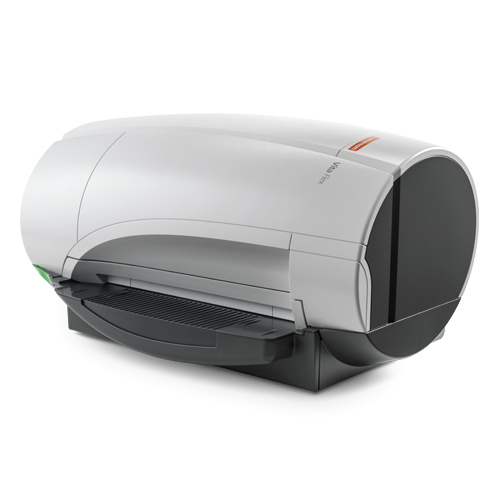
Buy Computed Radiography (CR) System in Nigeria.
Buy computed radiography systems in Nigeria through Franance. Compare Carestream Vita Flex and Vita XE with Fujifilm FCR CAPSULA XLII and FCR PRIMA T2. CR uses reusable imaging plates in cassettes taken to a separate reader; it is distinct from direct flat-panel DR acquisition. Confirm plates, cassette sizes, throughput, software, compatibility, current support and Nigerian delivery requirements in a quote order.
Products
4 models
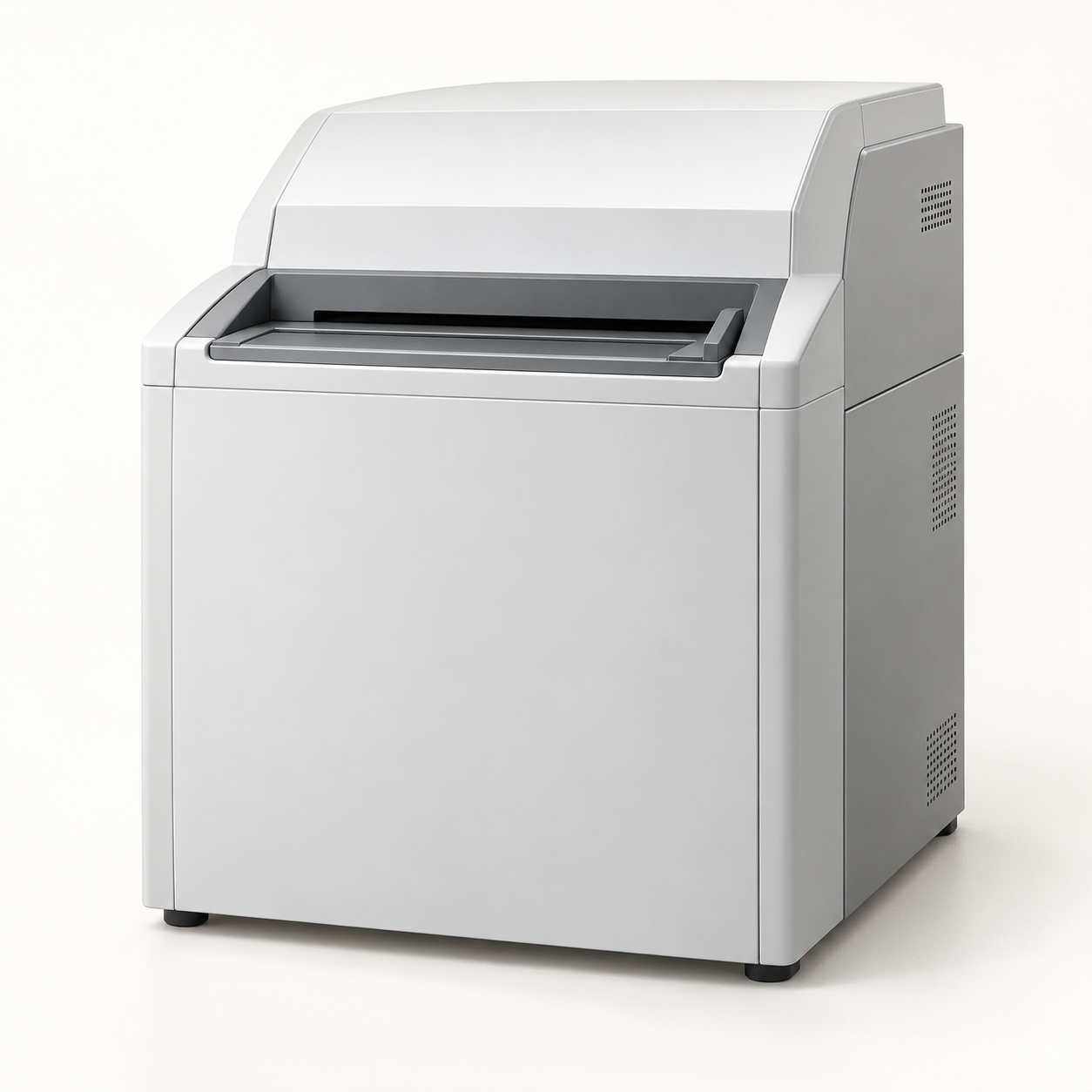
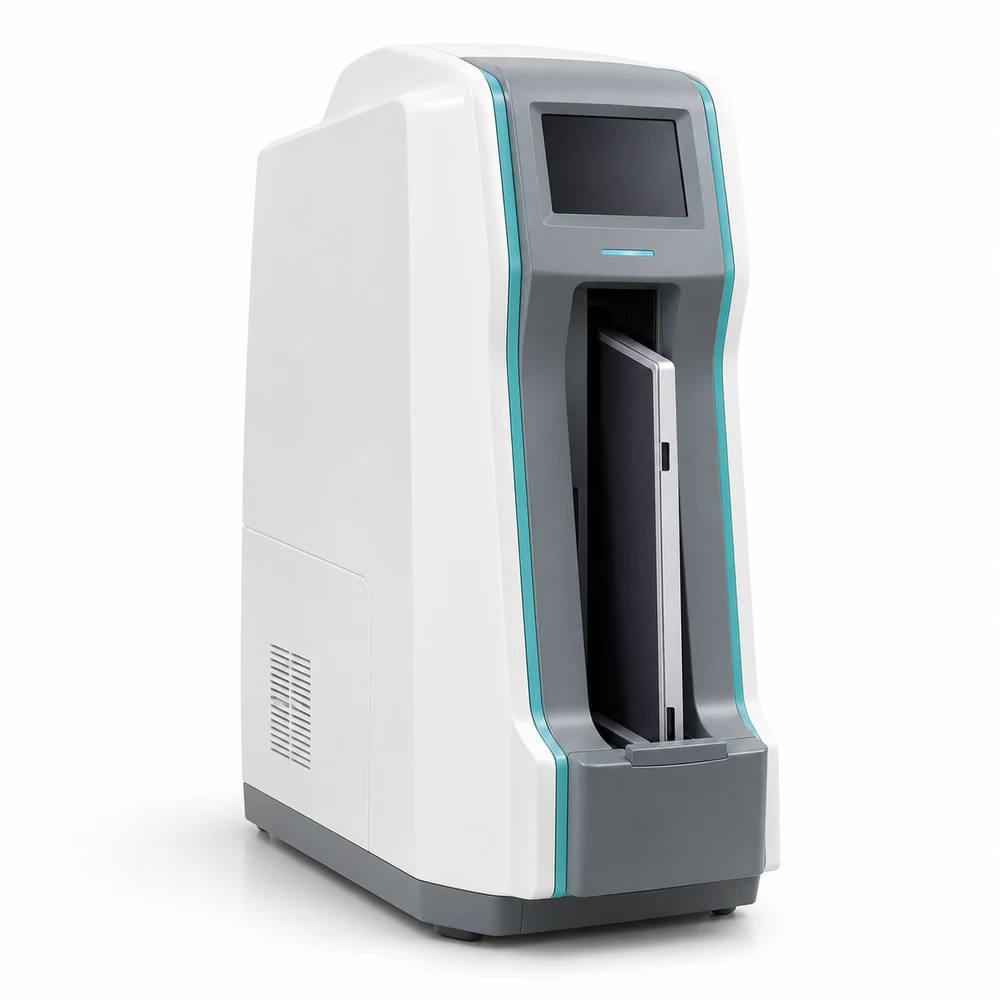
Fujifilm FCR CAPSULA XLII Computed Radiography System
Compact computed radiography image reader
Price on request
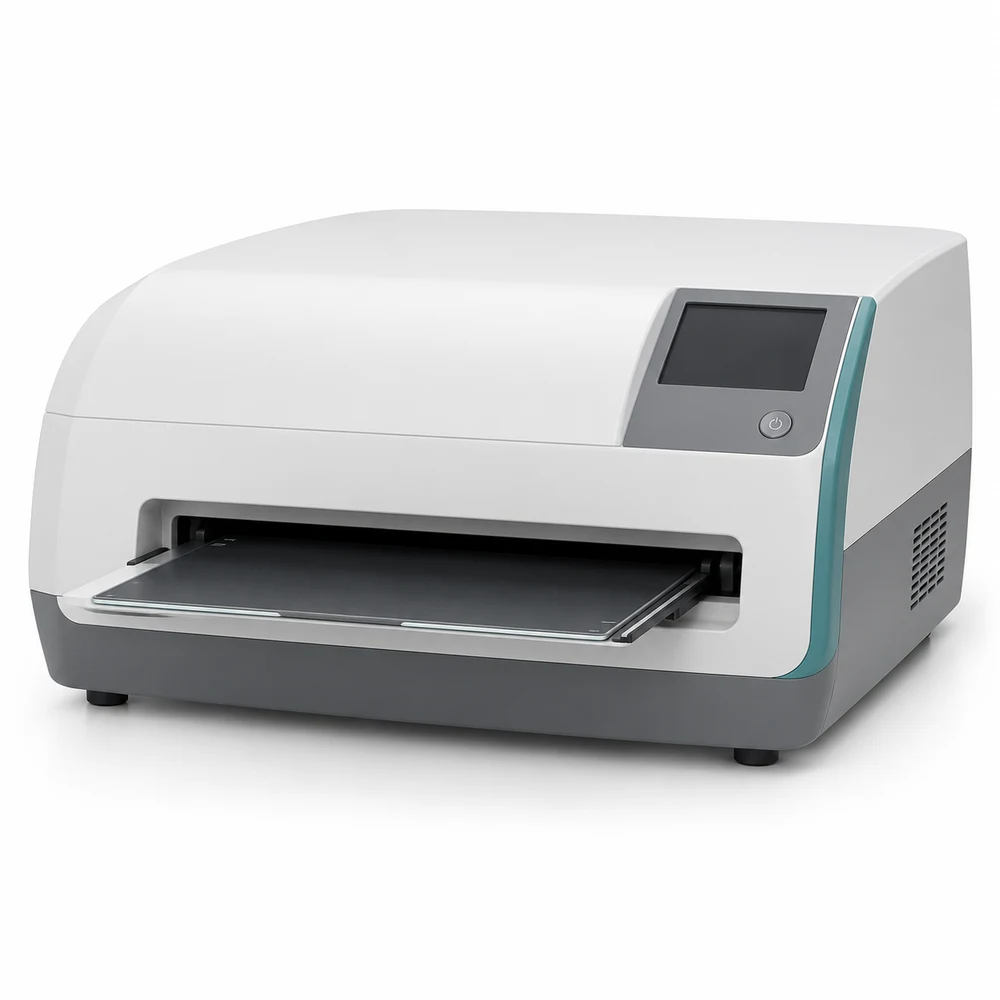
Where can I buy computed radiography systems in Nigeria?
Franance’s Computed Radiography (CR) System category lists four quote-order systems. The category sits within X-Ray and Digital Radiography, alongside distinct categories for fixed digital X-ray systems, mobile digital X-ray systems, DR detector panels, and X-ray grids and cassettes. These are related but separate product classes. The wider diagnostic imaging catalogue also includes other modalities.
Read moreWhat is computed radiography and how does it differ from digital radiography?
A CR system uses a reusable photostimulable phosphor imaging plate (IP) held in a cassette. After exposure, the cassette is taken to the CR reader. The reader scans the latent image on the plate, turns it into digital image data, erases the residual signal and returns the plate for reuse. This means plate handling, cassette transport and reader capacity are part of the workflow. Fujifilm’s FCR PRIMA T2 specifications list the image reader, imaging plates and IP cassette sizes as separate system components. The IAEA radiography reference likewise describes CR as a phosphor imaging plate in a cassette that is read and erased by a reader.
Read moreWhich CR systems does Franance list?
The Carestream Vita Flex CR System is described by Carestream as a compact system with horizontal or vertical feed orientation, several cassette sizes and 30, 45 or 60 plates per hour (PPH) configurations. The Franance record also identifies the speed as a configuration to confirm. Ask the quote to specify the exact throughput option, included software, supported cassettes and plates, installation arrangement and any long-length or other optional package. Carestream’s medical Vita Flex brochure discusses the medical CR system; make sure the quote uses the clinical configuration rather than a veterinary software or accessory package shown elsewhere on the manufacturer site.
Read moreBuy Computed Radiography Systems in Nigeria
Buy a computed radiography (CR) system in Nigeria through Franance by matching the reader, reusable imaging plates, cassettes, software and X-ray-room workflow to your facility’s approved requirements. Franance currently lists four CR systems: Carestream Vita Flex, Carestream Vita XE, Fujifilm FCR CAPSULA XLII and Fujifilm FCR PRIMA T2. CR uses an imaging plate in a cassette that is exposed and then carried to a reader for digitisation; it is not the same acquisition workflow as a flat-panel digital radiography (DR) detector. Use the exact model-filter links below, confirm current availability and compatibility with the X-ray equipment, then request a written quote. Franance processes orders by quotation and follows up by phone or email.
Where can I buy computed radiography systems in Nigeria?
Franance’s Computed Radiography (CR) System category lists four quote-order systems. The category sits within X-Ray and Digital Radiography, alongside distinct categories for fixed digital X-ray systems, mobile digital X-ray systems, DR detector panels, and X-ray grids and cassettes. These are related but separate product classes. The wider diagnostic imaging catalogue also includes other modalities.
For current listings, compare the Carestream Vita Flex CR, Carestream Vita XE CR System, Fujifilm FCR CAPSULA XLII / CR-IR 359, and Fujifilm FCR PRIMA T2 / CR-IR 392. These links filter existing catalogue records; they do not imply stock, regional regulatory status or a specific accessory package.
What is computed radiography and how does it differ from digital radiography?
A CR system uses a reusable photostimulable phosphor imaging plate (IP) held in a cassette. After exposure, the cassette is taken to the CR reader. The reader scans the latent image on the plate, turns it into digital image data, erases the residual signal and returns the plate for reuse. This means plate handling, cassette transport and reader capacity are part of the workflow. Fujifilm’s FCR PRIMA T2 specifications list the image reader, imaging plates and IP cassette sizes as separate system components. The IAEA radiography reference likewise describes CR as a phosphor imaging plate in a cassette that is read and erased by a reader.
DR usually refers to an electronic flat-panel detector that captures and transfers image data directly after exposure, without taking a CR cassette to a separate plate reader. The ACR, AAPM and SIIM digital radiography guideline distinguishes CR’s photostimulable storage phosphor readout from the immediate acquisition workflow historically associated with flat-panel DR. Some CR systems can modernise an existing X-ray room with less change to receptor workflow; some DR products are retrofit detectors, while others are complete fixed or mobile systems. Confirm the exact scope rather than using “digital X-ray” as if it described a single device.
CR is also not computed tomography. Both names abbreviate “computed,” but CR is cassette-based projection radiography. It does not create CT cross-sectional studies. For a flat-panel solution, compare the separate DR detector and fixed or mobile system listings rather than assuming a CR reader includes a DR panel.
Which CR systems does Franance list?
The Carestream Vita Flex CR System is described by Carestream as a compact system with horizontal or vertical feed orientation, several cassette sizes and 30, 45 or 60 plates per hour (PPH) configurations. The Franance record also identifies the speed as a configuration to confirm. Ask the quote to specify the exact throughput option, included software, supported cassettes and plates, installation arrangement and any long-length or other optional package. Carestream’s medical Vita Flex brochure discusses the medical CR system; make sure the quote uses the clinical configuration rather than a veterinary software or accessory package shown elsewhere on the manufacturer site.
The Carestream Vita XE CR System is represented in an older Carestream Vita XE brochure. That document describes cassette and phosphor screen options and lists features such as DICOM and HL7 support, DICOM print and optional archiving. Because the brochure dates from 2014, use it as a product-family reference, not confirmation of present-day manufacturing, software support, included features or supply. Ask Franance and Carestream to verify the exact regional version, service availability, workstation software and licensing for any offered unit.
The Fujifilm FCR CAPSULA XLII / CR-IR 359 is a compact CR reader family. Fujifilm’s regional product page identifies the model name and describes compatible imaging plates and selected configurations. Fujifilm notes that approved uses and commercial availability vary by country. Its regional notice about production discontinuation for most CAPSULA XLII serial groups, with specified exceptions, reinforces the need to confirm the exact offered serial range, condition, parts support and service path in writing. That Brazil-specific notice does not establish the status of any Nigerian offer; it is a reason to request current local evidence rather than infer it from a product page.
The Fujifilm FCR PRIMA T2 / CR-IR 392 is a tabletop CR reader. Fujifilm’s PRIMA T2 brochure lists compatible IP sizes, reader specifications and console options. Manufacturer regional material identifies the product by CR-IR 392 and notes that specifications and regional approvals can vary. Ask which console, plate type, cassette quantity and image output components are included with the exact system being quoted.
Which plates, cassettes and reader throughput should I specify?
Start with the examination mix and approved cassette-size schedule. CR plates are reusable but are not generic supplies: plate type, dimensions, cassette style and reader support must match the reader and intended examination. PRIMA T2 documentation lists several image plate and cassette dimensions, while Carestream documentation shows its own supported Vita Flex and Vita XE size ranges. Do not assume a cassette from another system fits or that a model supports every size marketed by its manufacturer.
Estimate workflow requirements using the full path from exposure to plate return, not only headline reader PPH. Number of cassettes, rooms served, travel distance to the reader, peak studies, plate-size mix, repeat workflow, cleaning and plate replacement all affect throughput in practice. Ask the supplier to state which throughput configuration is quoted and what the manufacturer’s PPH figure represents. The advertised maximum does not by itself establish how many studies a department can complete in a shift.
Include initial plate and cassette quantities, sizes and types in the quote. Request costs and lead times for replacement plates, cassettes and other consumables, and ask how the supplier supports damaged or worn plates. Confirm which components are included, which are optional and which are required for the quoted applications. If the project needs long-length image stitching or dental panoramic use, name that requirement and ask for the compatible option rather than assuming it comes with a base reader.
What software, workstation and network integration should I confirm?
A CR reader is one element of an imaging chain. Confirm the acquisition console, patient and exam registration, image processing, review workstation, DICOM services, printing, storage, backup, PACS and RIS connections required by the facility. Identify supported software versions, included licenses, workstation count, image interfaces, network requirements and implementation responsibilities. Ask whether images can be routed to the intended PACS and whether worklist and reporting functions require additional equipment or software.
Do not assume a brochure feature is included in a current quotation. The older Vita XE material, for example, mentions DICOM/HL7 and optional archive modules; the quote should identify exact software modules, implementation, licenses and interfaces. The PRIMA T2 brochure lists compatible Fujifilm consoles and related imagers. Ask the supplier to name the specific console and demonstrate how exams are registered, read, transmitted, stored and retrieved in the proposed configuration. Request confirmation from the facility’s IT and imaging teams before award.
How should I compare CR with DR for a Nigerian facility?
Compare the full lifecycle and room workflow, not only the reader purchase price or a technology label. CR typically requires a plate-and-cassette inventory and a separate readout step. DR acquisition can remove that transport-and-read step, but detector configuration, replacement costs, room or mobile integration, software, service and compatibility requirements vary by system. Your clinical and engineering teams should define examination mix, daily and peak volumes, rooms served, image routing, staffing and any transition from film before comparing quotations.
For CR, verify the local supply and service path for the reader and plates. For DR, verify detector type, size, tethered or wireless arrangement, battery and charging requirements if applicable, generator and system compatibility, image processing and replacement terms. For either approach, ask for applicable technical documents, demonstration criteria, acceptance testing scope and user training in the written proposal. A switch to digital capture does not by itself establish image quality, appropriate exposure practice, regulatory approval or clinical fitness; those require qualified professional review and relevant device documentation.
What should I include in a CR system quotation request?
Send Franance the exact model or models, quantity, facility name, city and state, intended rooms, existing X-ray generator and table or wall-stand details, current film or digital workflow, examination mix, expected daily and peak workload, and any project schedule. Attach nameplate photos and X-ray system details when available. State if this is a new installation, conversion of an existing room, replacement reader, additional room or mobile service.
List required reader throughput, plate sizes and types, cassette quantities, acquisition console, software and license needs, DICOM/PACS/RIS interfaces, printer or archive requirements, installation, testing, training, warranty, preventive service, spare parts and ongoing plate supply. Ask Franance to identify exclusions, compatibility assumptions, documentation and technical support scope. For Vita XE and CAPSULA XLII records, specifically request evidence of current supply condition, serial number range, manufacturer support, software status, parts availability and any refurbishment or warranty conditions. For Vita Flex, request the exact 30/45/60 PPH option. For PRIMA T2, request the specific CR-IR 392 console and compatible plate/cassette configuration.
How do I order computed radiography equipment from Franance?
Browse the CR systems category, select the intended manufacturer and model, and send Franance the project information above. Franance handles enquiries as quotation orders; there is no online checkout. The team will follow up by phone or email to clarify the configuration and destination. Confirm the final model, serial or regional version where relevant, included plates and cassettes, software, delivery, installation, support and commercial terms in writing before placing an order.
For a facility comparing CR and DR, ask for separate proposals with comparable software, installation, interfaces, training, warranty and support scope. Franance can help prepare the quotation against the selected catalogue models and your requirements; the radiology, biomedical engineering, IT and radiation-safety professionals responsible for the project should confirm technical fit, operating workflow and applicable approvals before purchase.
Common questions
Is computed radiography the same as digital radiography?
Both produce digital X-ray images, but CR uses a reusable imaging plate and cassette that is read by a separate CR reader. DR typically uses a flat-panel detector that transfers image data directly after exposure.
Does CR mean computed tomography?
No. Computed radiography is cassette-based projection X-ray imaging. Computed tomography is a separate modality.
Can CR plates be shared across systems?
Do not assume so. Match each plate type and cassette size to the exact reader and obtain written compatibility confirmation.
Can I buy CR systems online from Franance?
No. Franance accepts quote-order enquiries and follows up by phone or email to confirm the requested configuration and Nigerian delivery details.
Need an equipment quote?
Add the models you need to a quote order, or send us your equipment list.