

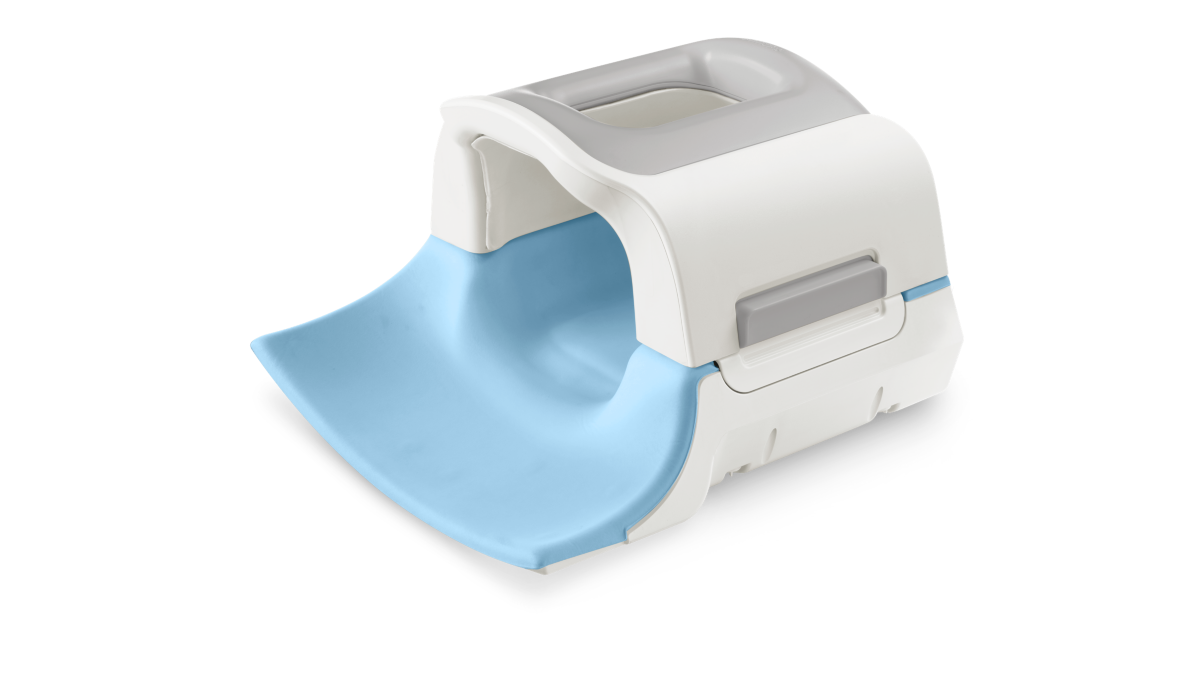
Buy MRI RF Coils (Body/Head/Spine/Knee) in Nigeria.
Buy MRI RF coils in Nigeria through Franance by matching the coil to the exact scanner, field strength, software revision and intended examinations. The current listing contains the GE HealthCare AIR Anterior Array, GE HealthCare SIGNA PremierAIR Multi-Purpose Coil Medium and Philips dStream HeadSpine. These quote-order records do not establish scanner compatibility, stock or supply; submit the installed-system details for review.
Products
3 models
Which MRI RF coils are listed by Franance?
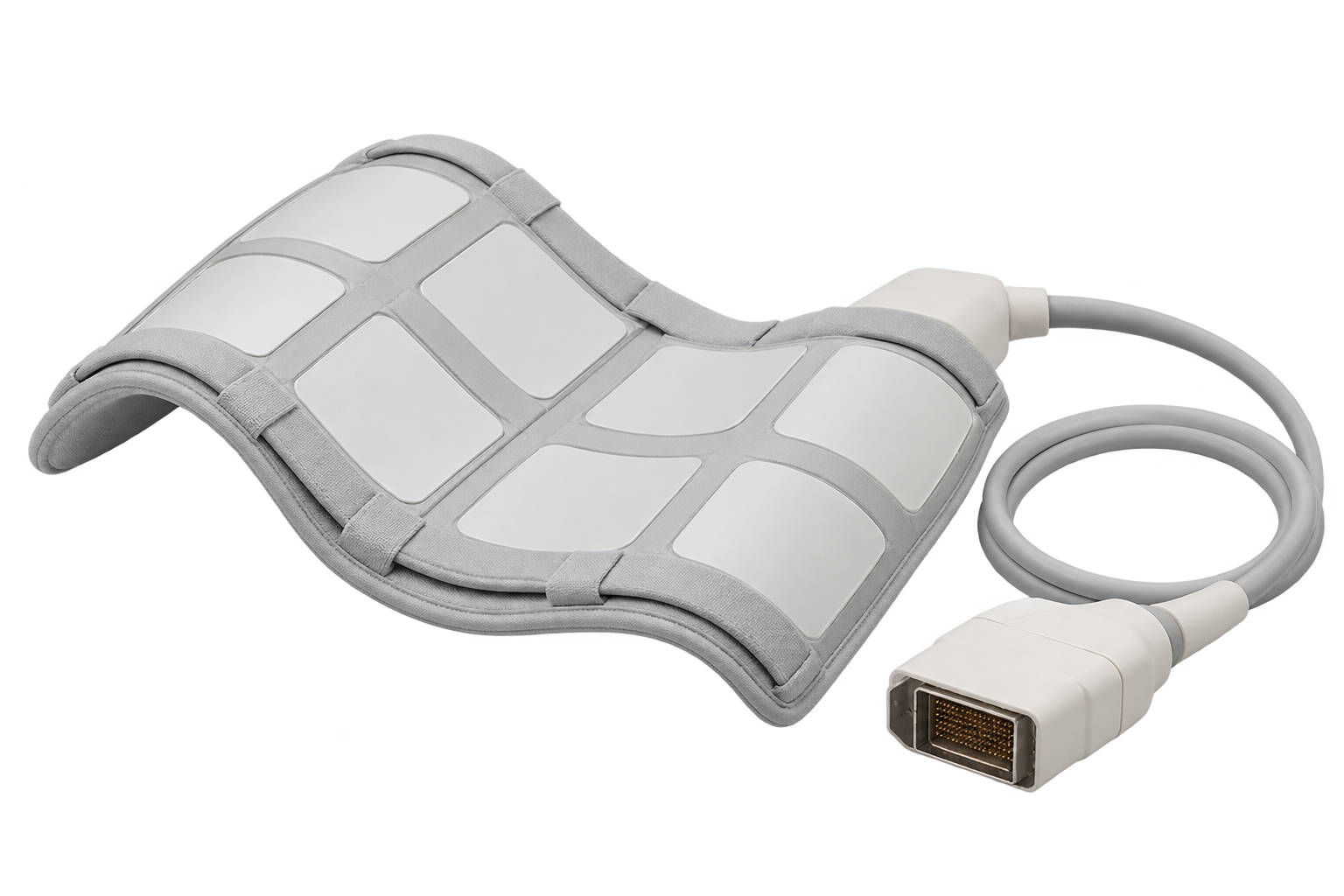
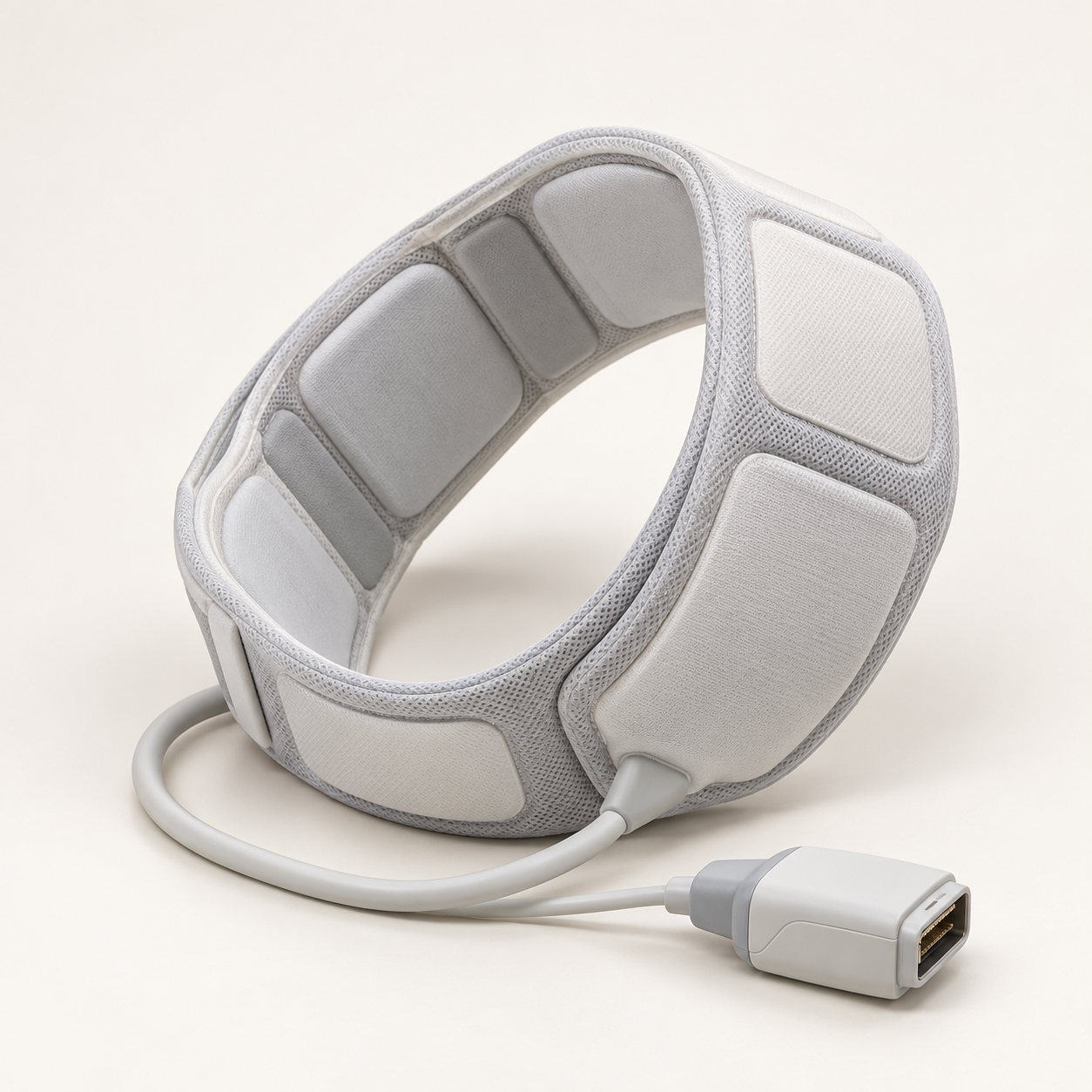
The current category assignment contains exactly three models. GE HealthCare AIR Anterior Array MRI Coil is an anterior array intended to provide broad anterior coverage; GE's product material describes chest, abdomen and pelvis imaging without repositioning the coil. GE HealthCare SIGNA PremierAIR Multi-Purpose MRI Coil Medium is a medium-size AIR multi-purpose coil. GE describes its AIR multi-purpose family as providing 360-degree musculoskeletal coverage and offers different channel designs across the family. Philips dStream HeadSpine MRI Coil is an integrated Philips dStream coil solution for head and spine imaging; the cited Philips product page describes a head coil combined with posterior and base components.
Read moreWhat does an MRI RF coil do?
An MRI scanner creates a magnetic field and uses radiofrequency excitation and signal reception to form images. A local RF coil is positioned around or near the anatomy to transmit RF energy, receive emitted signal, or perform a vendor-defined combination of these functions. Many modern surface coils are receive arrays. A coil’s number of channels, geometry, sensitivity and receiver interface can affect coverage and signal performance, but a higher channel count alone does not prove a better match for a particular protocol or patient.
Read moreHow do I choose body, head, spine and knee coverage?
Begin with the facility’s case mix and the examinations that the MRI service actually performs. For chest, abdomen and pelvis work, discuss whether an anterior array is intended to be combined with a posterior element, table array or other approved coil. GE describes its AIR Anterior Array as supporting chest, abdomen and pelvis coverage; the exact supported scanner and arrangement still need confirmation. For broad musculoskeletal coverage, a multi-purpose array may address several anatomical regions, but verify available sizes, positioning aids and the scanner’s approved coil combinations.
Read moreBuy MRI RF Coils in Nigeria: Body, Head, Spine and Knee
Buy MRI RF coils in Nigeria through Franance by matching the coil to the exact scanner, field strength, software revision and intended examinations. RF coils receive or transmit/receive the radiofrequency signals used for MR image acquisition; they are scanner-specific accessories, not stand-alone scanners. The current MRI RF coil category lists three records: GE HealthCare AIR Anterior Array MRI Coil, GE HealthCare SIGNA PremierAIR Multi-Purpose MRI Coil Medium, and Philips dStream HeadSpine MRI Coil. Product names do not establish that a given coil is compatible with the scanner at your facility. Share its complete system details before requesting a quote. Franance accepts quotation orders; there is no online purchase checkout. Send the model you are considering, installed scanner information, intended anatomy, site address and service needs. Franance can follow up by phone or email to clarify requirements. Price, availability, lead time, delivery, warranty, local support and compatibility must be confirmed in a written offer.
Which MRI RF coils are listed by Franance?
The current category assignment contains exactly three models. GE HealthCare AIR Anterior Array MRI Coil is an anterior array intended to provide broad anterior coverage; GE's product material describes chest, abdomen and pelvis imaging without repositioning the coil. GE HealthCare SIGNA PremierAIR Multi-Purpose MRI Coil Medium is a medium-size AIR multi-purpose coil. GE describes its AIR multi-purpose family as providing 360-degree musculoskeletal coverage and offers different channel designs across the family. Philips dStream HeadSpine MRI Coil is an integrated Philips dStream coil solution for head and spine imaging; the cited Philips product page describes a head coil combined with posterior and base components.
These distinctions help frame a request, but not a clinical protocol decision. The expected anatomy, patient positioning, field of view, coil combination and sequence support must be confirmed by the MRI team and manufacturer for the specific scanner and software. Open the GE anterior-array filtered listing, GE medium multi-purpose filtered listing or Philips HeadSpine filtered listing to review the exact catalogue records.
What does an MRI RF coil do?
An MRI scanner creates a magnetic field and uses radiofrequency excitation and signal reception to form images. A local RF coil is positioned around or near the anatomy to transmit RF energy, receive emitted signal, or perform a vendor-defined combination of these functions. Many modern surface coils are receive arrays. A coil’s number of channels, geometry, sensitivity and receiver interface can affect coverage and signal performance, but a higher channel count alone does not prove a better match for a particular protocol or patient.
Coil selection also concerns safe fit and positioning: the coil must be intended for the scanner, correctly connected and configured, placed as instructed, and used with approved padding and accessories. Cable routing, connectors and patient contact must follow current manufacturer instructions. Do not use an unverified coil, improvised adapter or incompatible accessory in the magnet room. The scanner manufacturer or authorized service organization should verify the assembly and its recognized configuration before clinical use.
How do I choose body, head, spine and knee coverage?
Begin with the facility’s case mix and the examinations that the MRI service actually performs. For chest, abdomen and pelvis work, discuss whether an anterior array is intended to be combined with a posterior element, table array or other approved coil. GE describes its AIR Anterior Array as supporting chest, abdomen and pelvis coverage; the exact supported scanner and arrangement still need confirmation. For broad musculoskeletal coverage, a multi-purpose array may address several anatomical regions, but verify available sizes, positioning aids and the scanner’s approved coil combinations.
For head and spine protocols, distinguish a dedicated head coil from an integrated head-and-spine arrangement. Philips describes the dStream HeadSpine as an integrated solution combining head and posterior components, with a mirror and a tilting head section on wide-bore systems. Ask whether the installed table includes the required posterior element and whether the proposed coil is the same reference and configuration specified by Philips for that system. A separate knee coil or flexible coil is not one of the three current assigned products in this category; do not assume an anterior or multi-purpose array is a substitute for a dedicated knee coil. If knee imaging is a priority, state that requirement so the correct model and category can be identified.
How do field strength, scanner model and software affect compatibility?
Compatibility is the first technical gate, before price or anatomy coverage. Identify the MRI manufacturer, system family and exact model, field strength (for example, 1.5 T or 3 T), bore type, table configuration, software release, coil-interface type, installed coil configuration and system serial number. Provide photographs of the existing coil label and connector only if permitted by your facility. The coil manufacturer's compatibility list or an official system configuration record should confirm the exact part number and supported scanner combination.
Do not infer that two coils fit because they look similar, share the same connector shape, use the same vendor name or have overlapping anatomy descriptions. Field-strength-specific variants, channel counts, connectors, receive electronics, software recognition, table-integrated arrays and accessory combinations can differ. GE's AIR materials describe products in the context of SIGNA systems, while Philips describes dStream coils for Philips dStream architecture. That does not authorize cross-platform use or establish compatibility across every model within either brand. Ask the supplier to obtain written manufacturer or authorized-service confirmation before purchase.
What does channel count and coil configuration mean?
The channel count is a technical characteristic of the array and scanner receive chain. It is relevant to how signal channels can be acquired and reconstructed, but it is only meaningful within the supported system configuration. GE's public AIR material describes multi-purpose coil variants with 20-channel and 21-channel designs. Its AIR Anterior Array materials discuss a 30-channel design for a specific reference and system generation. Do not apply those family-level descriptions automatically to the exact variant in a quote: request the part number, field-strength version and channel configuration.
For Philips dStream, the manufacturer's digital coil architecture and combined component configuration are part of the product description. Request the full bill of materials, including the named head, posterior and base components, relevant cables, straps, pads, storage case and any table-dependent parts. A product title alone may not describe every necessary component. Clarify whether the quotation is for a complete supported coil assembly, a replacement component or a specific service part, and confirm that the scanner software recognizes the configuration.
What room, power and site planning should I consider?
An RF coil generally does not require the same building services as an MRI magnet, but the room and workflow still matter. Verify coil storage conditions, transport route, clean storage, table access, scanner-room handling and any limits on accessories entering the magnet room. Protect the coil from impact, bending beyond its instructions, liquid ingress, cable strain and unsuitable cleaning agents. Identify the equipment model and service-access route to plan safe delivery and inspection.
For a new scanner or major upgrade, coil planning belongs in the broader MRI project review. Confirm magnet room layout and clearances, console and equipment-room arrangements, HVAC, electrical quality, UPS or backup strategy for scanner systems, network and PACS connectivity, shielding/RF enclosure integrity, patient access, emergency procedures and vendor installation requirements with the MRI project team. A coil-only purchase does not validate or modify the room. If a new coil must be integrated into an existing scanner, obtain a compatibility and installation assessment from authorized technical personnel; do not attempt local connector changes or software modifications.
How should a coil be serviced and kept usable?
Ask the manufacturer or authorized service provider for the inspection, cleaning, storage and preventive-maintenance instructions for the exact reference. Staff should inspect the housing or flexible surface, cable, connector, strain relief, fasteners and accessories before use, and remove a damaged coil from service according to facility policy. Do not open the coil, repair its cable, replace components or conduct electrical testing with improvised equipment. Coil faults can produce recognized errors, degraded images or safety concerns; route them through qualified service personnel.
For Nigeria, the quotation should identify who provides technical assessment, warranty handling, replacement parts, return logistics, travel and call-out fees, response expectations, and any local or remote support. State the hospital's location, state and city, and whether the scanner is operational. If downtime is affecting service, provide the fault code, date and operating context without sharing identifiable patient information. Ask the vendor to confirm whether service is performed by the manufacturer, authorized partner or another named provider.
What should I include in a Nigeria MRI coil quote request?
Send the exact coil record or model, hospital and department, destination state and city, MRI manufacturer and model, serial number, field strength, software version, table/interface details, current coil references, intended body regions and quantity. Include whether the need is for a new complete coil, a replacement or a component; attach the relevant coil label and scanner configuration documents where available. Note any compatibility constraints, patient-positioning requirements, accessories, delivery-access limitations and target date.
Ask for a written quotation that identifies the manufacturer's part number and configuration, exact scanner compatibility evidence, new or refurbished condition if applicable, all included items, exclusions, documentation, warranty, service responsibility, freight, installation or configuration support, lead time and payment terms. Confirm whether delivery and any technical integration are included. A quotation request is not confirmation of local stock, authorized distribution, regulatory status, service availability or supply. Franance should confirm these points in the written offer before an order is accepted.
Where can I review the listed coil models?
Browse the MRI RF coils category in Nigeria, then open the exact model-filtered listing for GE AIR Anterior Array, GE SIGNA PremierAIR Multi-Purpose Coil Medium, or Philips dStream HeadSpine. Brand-category views are available for GE HealthCare MRI RF coils and Philips MRI RF coils, subject to each brand's assigned records.
Request an MRI RF coil quotation in Nigeria
Send the installed scanner's model, serial number, field strength and software release; exact coil reference; intended anatomy and workflow; components required; site destination; and desired service scope. Ask Franance to confirm manufacturer-backed compatibility and itemize the exact configuration, condition, accessories, delivery, integration, warranty and support terms. These products are quote-order listings, not online checkout items. Request an MRI RF coil quote from Franance.
Common questions
Will an MRI RF coil work with any scanner?
No. Compatibility depends on the coil part number, scanner manufacturer and exact model, field strength, software, table and coil interface. Obtain manufacturer or authorized-service confirmation for the installed scanner before ordering.
Does a higher channel count guarantee better MRI images?
No. Channel count is only one technical attribute and must be supported by the specific scanner, reconstruction and coil configuration. Choose according to the intended examinations and manufacturer-approved configuration.
Can I use the GE and Philips coils interchangeably?
Do not assume interchangeability. The listed product families are platform-specific, and the manufacturer or authorized service team must confirm the approved coil and configuration for a given MRI system.
Can I buy an MRI coil online from Franance?
No. Submit a quotation request with the scanner details, exact coil reference, destination and support needs. Franance will follow up by phone or email; price, availability, compatibility and service terms require written confirmation.
Request an MRI RF coil quotation from Franance.
Send your MRI manufacturer, exact model and serial number, field strength, software version, table/interface, existing coil references, intended anatomy, requested coil configuration, destination in Nigeria and service scope. Ask for manufacturer-backed compatibility confirmation and a written offer with exact part number, accessories, condition, delivery, integration, warranty and support terms. Listing a coil does not guarantee compatibility or supply.
Request an MRI RF coil quoteNeed an equipment quote?
Add the models you need to a quote order, or send us your equipment list.