

Buy 1.5T MRI Scanner in Nigeria.
Buy a 1.5T MRI scanner in Nigeria through Franance. Compare three current Siemens Healthineers and Philips models by bore, magnet and RF configuration, software and site requirements, then request a quotation for your approved workload and facility. Franance follows up by phone or email; online checkout is not available.
Products
10 models
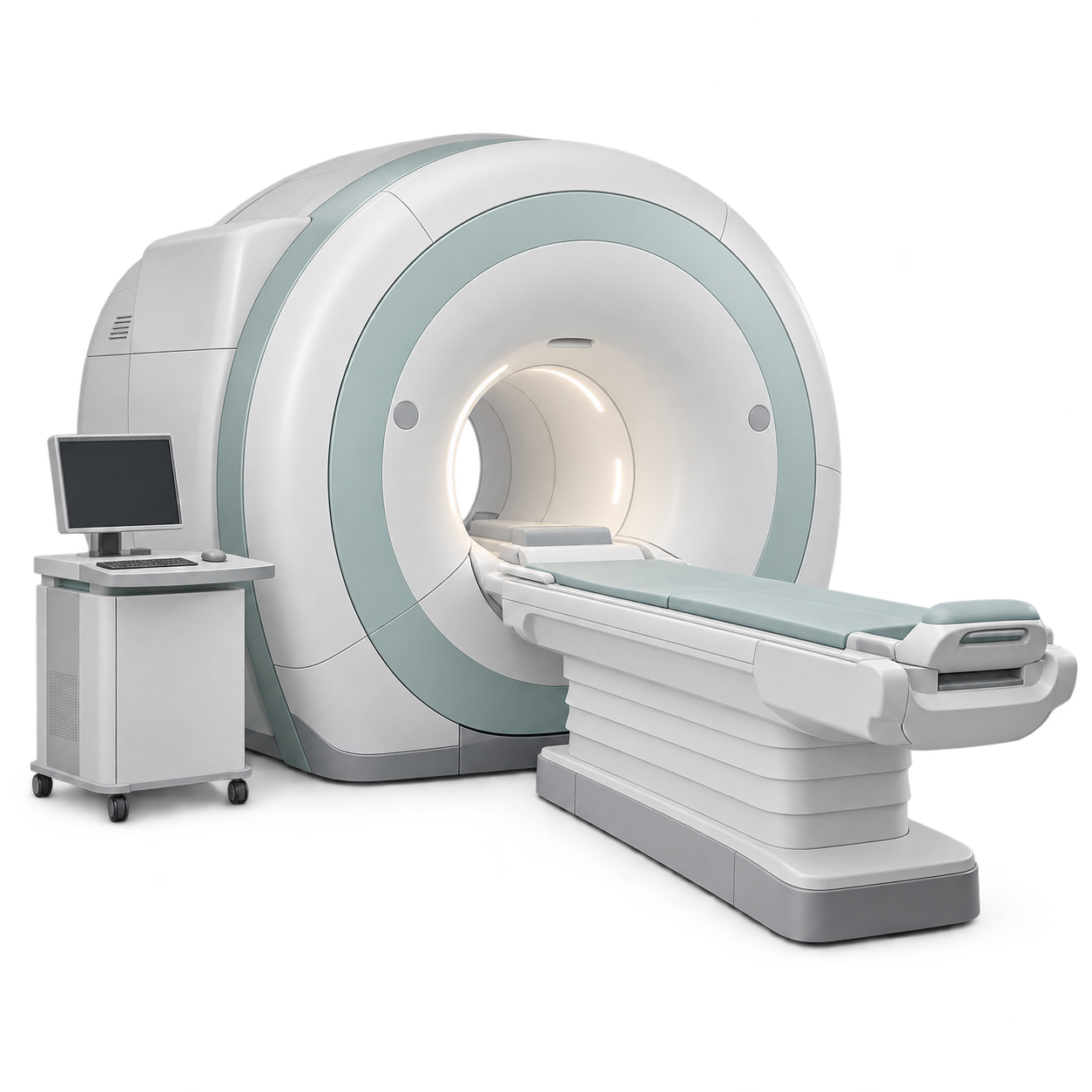
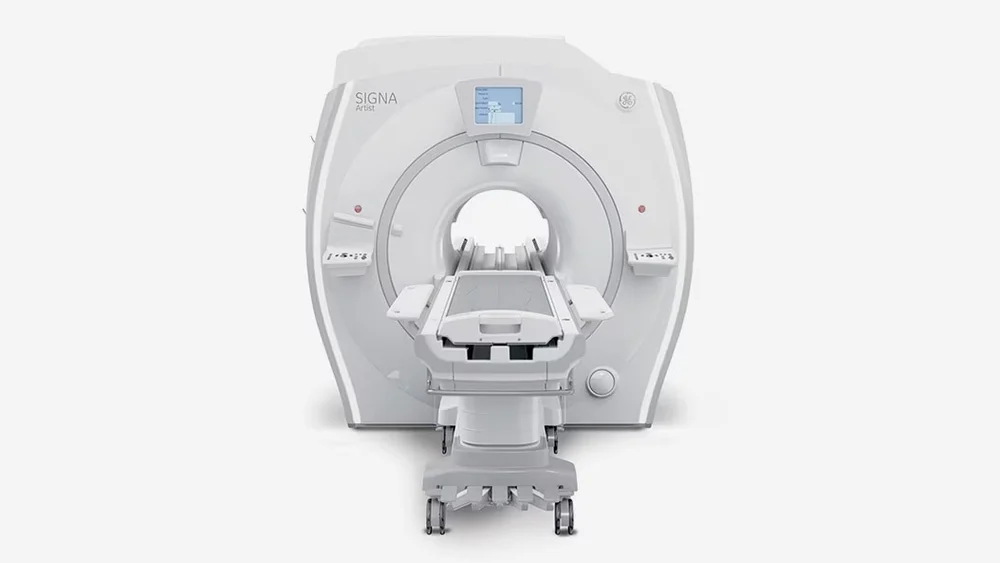
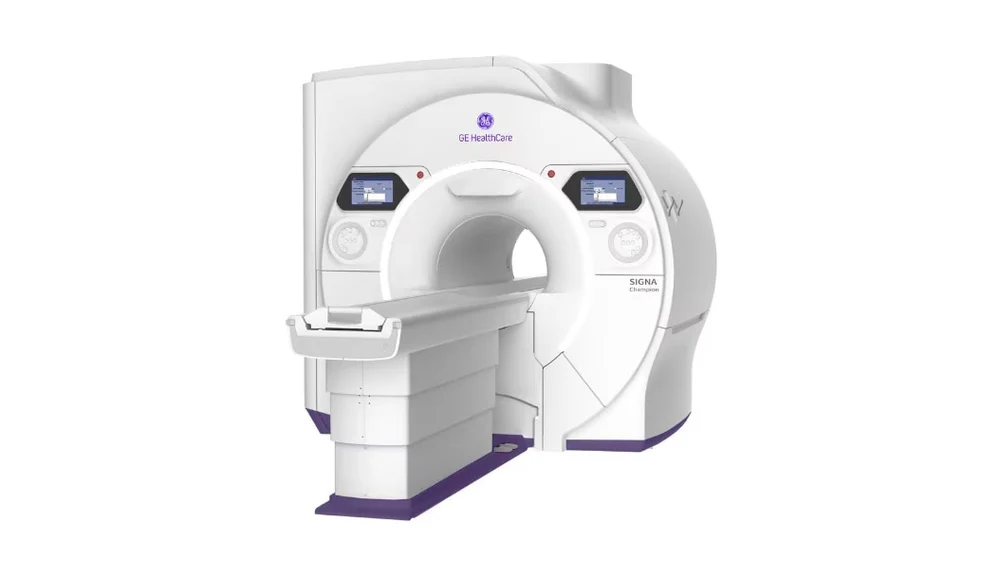
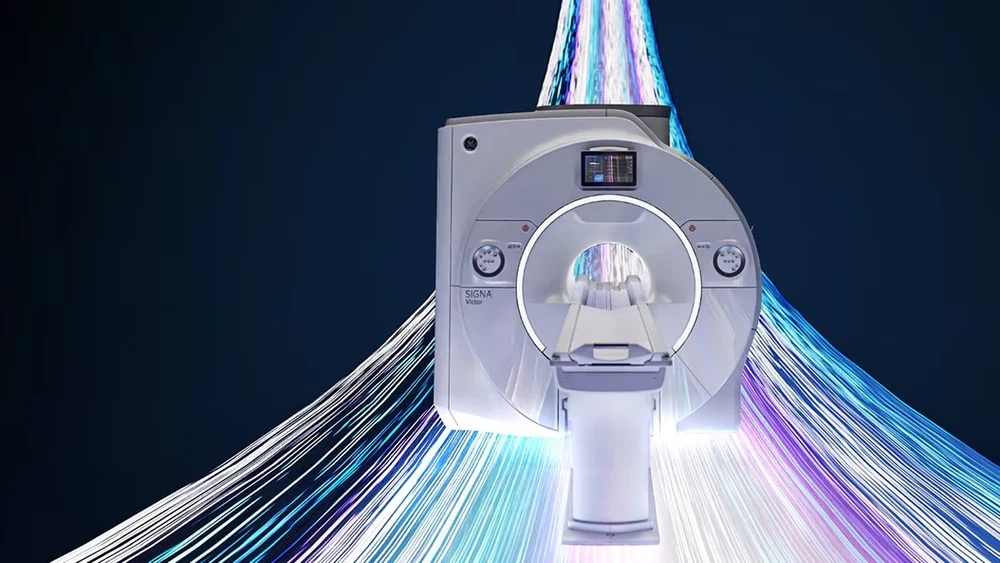
SIGNA Champion 1.5T wide-bore magnetic resonance imaging scanner
1.5T wide-bore magnetic resonance imaging scanner
Price on request
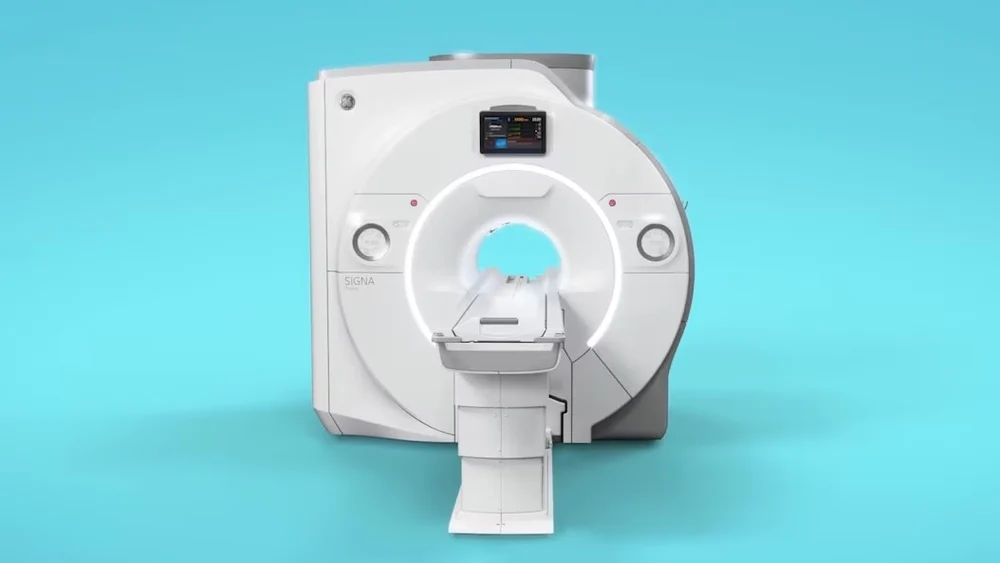
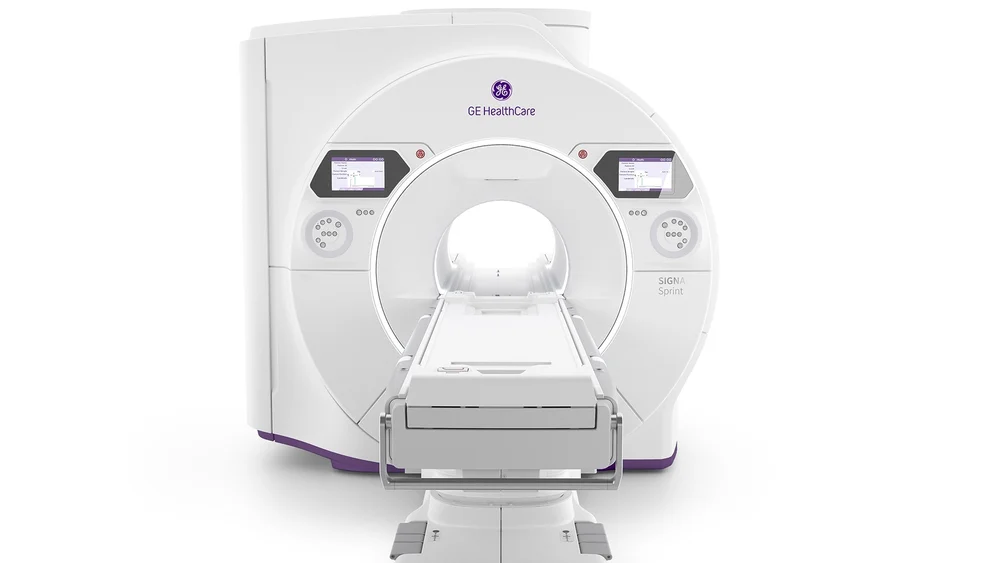
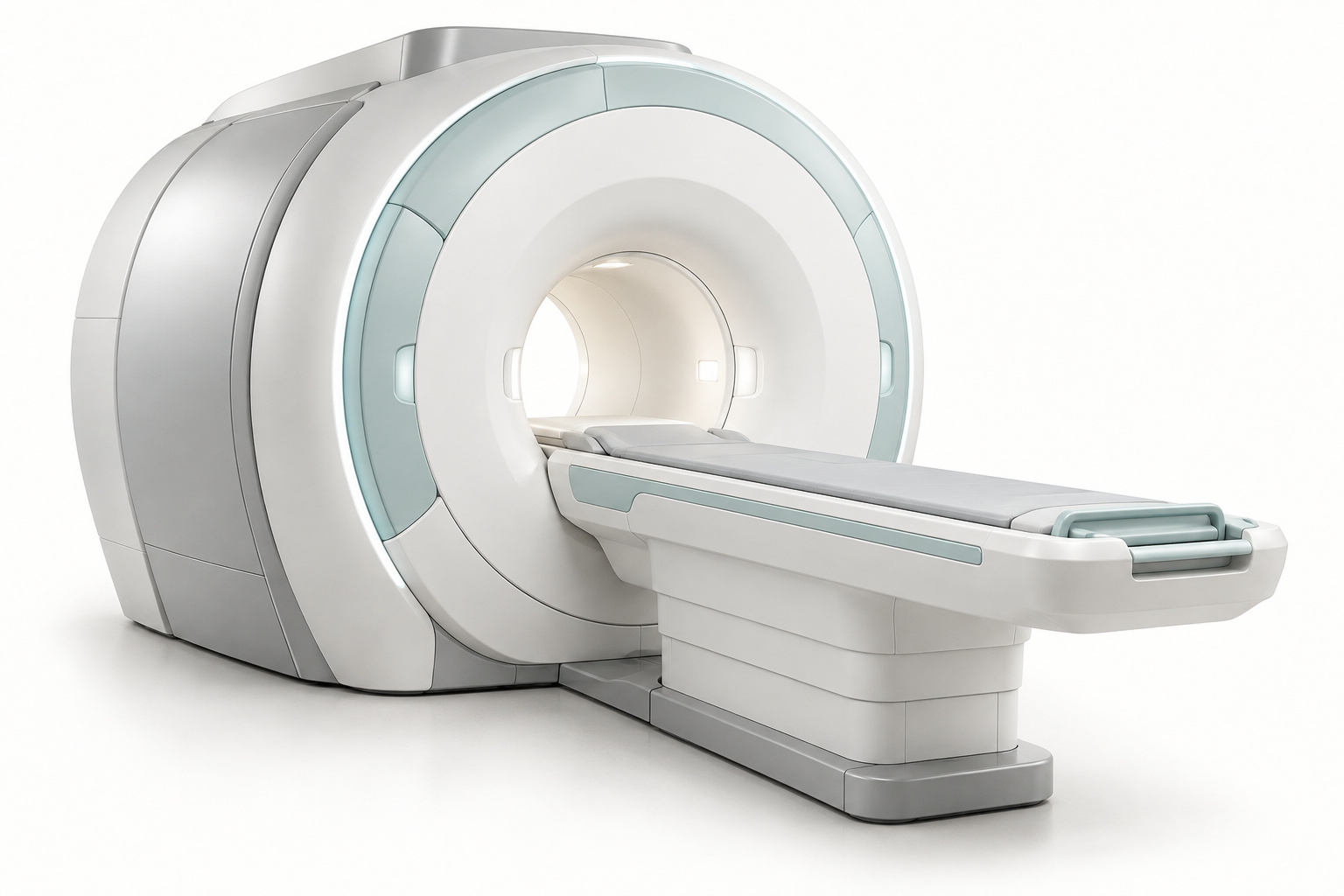
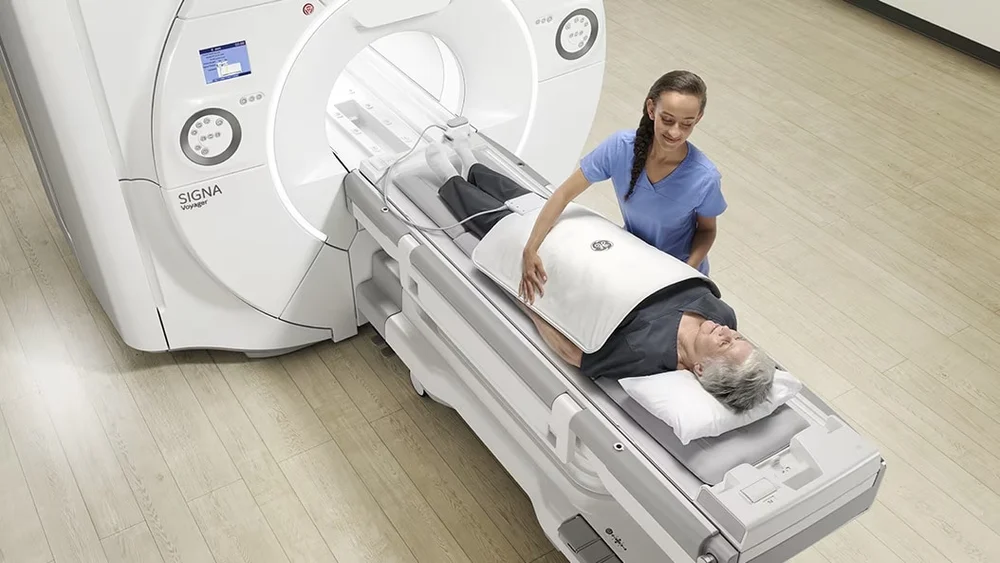
SIGNA Sprint 1.5T wide-bore magnetic resonance imaging scanner
1.5T wide-bore magnetic resonance imaging scanner
Price on request
Where can I buy a 1.5T MRI scanner in Nigeria?
Browse Franance’s 1.5T MRI scanner listings in Nigeria to review the three assigned catalogue records. Use the exact model-filtered links below and send Franance the system name, approved configuration, project type, quantity, facility, city and state. For a new MRI room, replacement or department expansion, say which project it is; the site and schedule scope will differ.
Read moreWhich 1.5T MRI scanner models does Franance list?
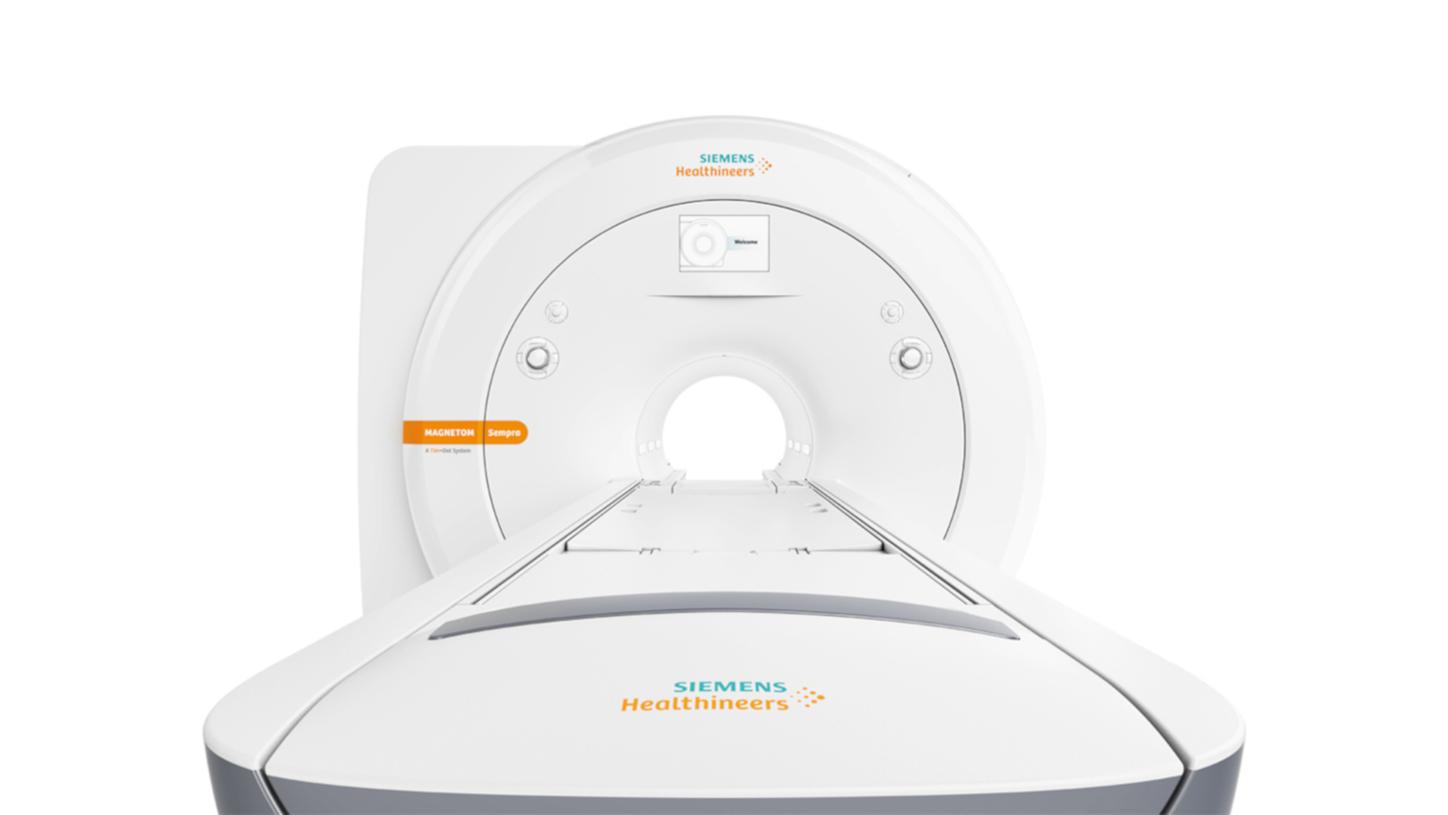
The current category includes the Siemens Healthineers MAGNETOM Sempra 1.5T, the Philips Ingenia Ambition X 1.5T, and the Siemens Healthineers MAGNETOM Sola 1.5T. Each filtered route isolates its current catalogue record.
Read moreWhat does 1.5T mean when comparing MRI scanners?
“1.5T” identifies the nominal magnetic field strength class in these product names. It does not by itself describe the full scanner, prove image quality for a given examination, guarantee a particular scan time or determine the system’s operating cost. Those questions depend on the complete magnet, gradient, RF, coil, software, protocol, workflow and service configuration, as well as the facility’s workload and implementation plan.
Read moreBuy 1.5T MRI scanners in Nigeria from Franance
Buy a 1.5T MRI scanner in Nigeria through Franance by starting with your department’s approved clinical, engineering and project specification. The current Franance 1.5T MRI scanner category lists three quote-order systems: Siemens Healthineers MAGNETOM Sempra, Philips Ingenia Ambition X, and Siemens Healthineers MAGNETOM Sola. Compare the exact model records below, then request a quotation with the required coils, software, site scope, delivery destination and service plan. Franance will follow up by phone or email; there is no online checkout. A scanner’s 1.5T field strength is only one part of the purchase decision. Bore size, gradient and RF configuration, coil portfolio, software licences, patient table, available applications, system interfaces, room planning, installation and lifecycle service all affect whether an offered package matches the facility’s specification. The three listed systems are distinct platforms; their product names and shared 1.5T category do not make them equivalent or interchangeable. This guide supports procurement planning, not clinical protocol selection, patient screening or MRI operation. A qualified radiology, MR safety, biomedical engineering and facilities team should define and approve the project requirements, verify the exact quoted configuration, and use the manufacturer’s current planning and operating documents.
Where can I buy a 1.5T MRI scanner in Nigeria?
Browse Franance’s 1.5T MRI scanner listings in Nigeria to review the three assigned catalogue records. Use the exact model-filtered links below and send Franance the system name, approved configuration, project type, quantity, facility, city and state. For a new MRI room, replacement or department expansion, say which project it is; the site and schedule scope will differ.
Franance handles MRI scanners as quotation orders. The product listing is not a live stock statement or confirmation of Nigerian market availability, price, registration, delivery, installation, commissioning, warranty or service coverage. Ask the written offer to confirm the proposed model and regional order code, new or other offered condition, hardware and software inclusions, lead time, site work assumptions, commissioning, training, warranty and support for the named destination.
The wider MRI systems category also separates 3.0T MRI scanners, open MRI scanners, MRI RF coils, MRI patient tables, MRI chiller units and MRI contrast injector systems. These are different equipment and project requirements. Review what is assigned to each category rather than assuming the base scanner listing includes every accessory or room system.
Which 1.5T MRI scanner models does Franance list?
The current category includes the Siemens Healthineers MAGNETOM Sempra 1.5T, the Philips Ingenia Ambition X 1.5T, and the Siemens Healthineers MAGNETOM Sola 1.5T. Each filtered route isolates its current catalogue record.
The records represent three system families from two manufacturers. Use each model’s current manufacturer site-planning data, technical configuration and commercial documentation when preparing a tender. Product-family information on a manufacturer’s website may describe options or regional packages that are not part of a particular Nigerian offer. Ask Franance to identify the exact proposed configuration and provide applicable technical documentation for it.
What does 1.5T mean when comparing MRI scanners?
“1.5T” identifies the nominal magnetic field strength class in these product names. It does not by itself describe the full scanner, prove image quality for a given examination, guarantee a particular scan time or determine the system’s operating cost. Those questions depend on the complete magnet, gradient, RF, coil, software, protocol, workflow and service configuration, as well as the facility’s workload and implementation plan.
Franance also lists a separate 3.0T MRI scanner category. A higher field-strength number should not be treated as an automatic upgrade or universal performance comparison. Have the radiology service define its required clinical applications and image-quality expectations, then ask vendors to demonstrate those requirements using the offered system and licensed software. The technical team should compare equivalent coils, sequences, reconstruction options and support scope rather than relying on a headline field-strength figure.
Bore diameter is another important physical distinction. Siemens lists Sempra with a 60 cm bore, while its Sola technical page lists a 70 cm open-bore design. Philips describes its Ambition 1.5T family, including Ambition X, as a 70 cm-bore platform. Check the exact local quotation and current datasheet for the version offered. Compare patient table, accessories, positioning space and facility workflow with the clinical team; a bore label alone does not decide whether a system meets your department’s needs.
How do MAGNETOM Sempra, MAGNETOM Sola and Ingenia Ambition X differ?
Siemens describes MAGNETOM Sempra as a 1.5T system with a 60 cm bore, passive and active shimming, zero-helium-boil-off technology and a maximum of 96 RF channels, with 8 or 16 independent receiver channels available simultaneously according to its U.S. technical page. Siemens lists a 28 m² minimum total space requirement for the magnet, electronics and console room. Use these as manufacturer-published reference details, not as a complete Nigeria site plan or confirmation of the quoted regional build.
Siemens describes MAGNETOM Sola as a 1.5T system with a 70 cm open-bore design, zero-helium-boil-off technology, 204 maximum RF channels and simultaneous receiver-channel configurations shown as 32, 48 or 64. The manufacturer page lists XJ and XQ gradient options and a 28 m² minimum room area for magnet, electronics and console. That published range illustrates why the offer must identify its gradient and channel configuration rather than simply state “Sola 1.5T.”
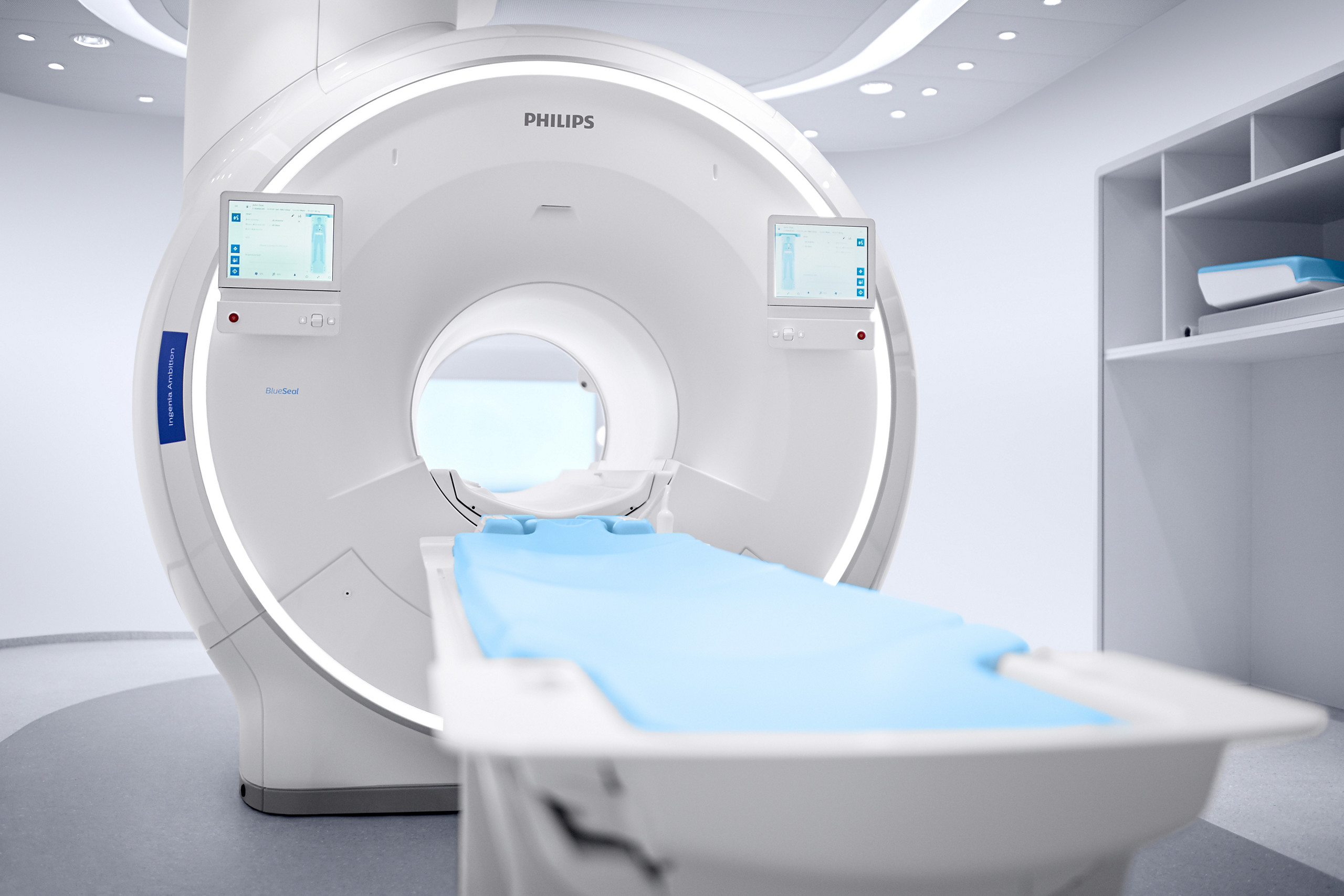
Philips describes Ingenia Ambition X as a 1.5T platform based on its BlueSeal fully sealed magnet. Philips calls it “helium-free” for operations, while its own explanation states that the magnet contains a very small, permanently sealed amount of helium (less than 0.5% of a conventional magnet’s amount). This is not literally a magnet with no helium. Philips says the sealed design does not require a quench pipe and is intended to reduce siting constraints, but facility engineers still need the current model-specific site-planning documents and a documented design review.
These distinctions matter for engineering and total project planning, not as a stand-alone ranking. Philips and Siemens publish differing channel definitions, gradient versions, room measurements and magnet approaches. Ask for the same information in a comparable format: exact bore and table, selected gradient package, RF channel/coil support, included software and licences, site footprint and loads, cryogen/quench requirements, electrical and cooling needs, and service assumptions. Have qualified imaging and engineering teams evaluate the quoted system against the approved workload.
Which coils, software and interfaces should be part of the MRI quote?
Specify the anatomical workload and the required coil schedule rather than requesting “standard coils.” Include each anatomy and exam group the department expects to support, coil reference or model, whether it must be included in the base system, required positioning accessories, and any special applications. Confirm the number and types of RF channels supported by the quoted system and how they relate to the requested coils. A manufacturer’s published maximum does not mean every channel or coil is included in the offer.
Ask the proposal to list software applications and licence terms clearly. Depending on your specification, this can include image acquisition and reconstruction options, clinical application packages, workflow automation, cardiac or advanced imaging capabilities, post-processing, reporting, DICOM services, workstations, data storage and upgrades. If a brochure highlights a feature, request confirmation that it is enabled, licensed, supported and available in the quoted market configuration. Do not assume that the exact options shown in a promotional page are included in a base model.
Document the required patient table and positioning accessories, physiological monitoring equipment where applicable, injector and contrast interfaces if part of the project, and the number and location of operator consoles. Confirm compatibility of any separately purchased MRI coils, monitors, injector equipment, patient aids and service tools with the exact field strength and system. MR safety status and conditions must be confirmed for each accessory and implant by qualified personnel using its manufacturer documentation; a generic “MRI compatible” claim is insufficient.
What MRI room and site requirements should I plan before purchase?
A 1.5T scanner is a major construction and infrastructure project. Request the exact manufacturer site-planning manual before selecting or renovating a room. Have the manufacturer or qualified installation partner review room dimensions, access path, door and corridor clearances, floor loading, vibration, electrical supply, grounding, cooling and HVAC, equipment-room and console requirements, RF shielding, magnet fringe-field management, quench/venting design where applicable, fire and emergency interfaces, and delivery route. A listed minimum room area is not a complete architectural or engineering plan.
For example, Siemens’ public Sempra and Sola pages list 28 m² minimum total space for the magnet, electronics and console room. That figure does not specify every required support space or prove that an existing room meets the manufacturer’s requirements. Philips’ BlueSeal description states no quench pipe is required for that magnet design, but the entire project still needs review of MRI room layout, RF shielding, fringe-field control, power, cooling, structural load and the manufacturer’s current design instructions.
Before contract award, record the survey date, responsible site-planning parties, customer-prepared works, supplier scope, dependencies, drawing approvals, delivery route and acceptance criteria. Ask the quote to distinguish the scanner price from construction, RF cage, electrical or cooling upgrades, shipment, installation, calibration, acceptance testing, applications training and ongoing service. Clarify which party is responsible for each requirement and what could change the price or schedule after the survey.
How should an MRI department plan safety, training and commissioning?
MRI procurement must include an operational safety and acceptance plan. The U.S. FDA explains that the MR environment involves a strong static magnetic field, time-varying gradient fields and radiofrequency energy, each with distinct safety considerations. The American College of Radiology’s Manual on MR Safety is a detailed professional reference for MR safety programs. It is not Nigerian law, but it can inform questions to put to the local MR safety team and vendor.
Before commissioning, assign qualified local responsibility for the MRI safety programme, controlled access, staff roles, screening processes, emergency response, MR-safe/conditional/unsafe equipment management, patient monitoring and vendor training. Include the required documentation, training audiences, competency records and refresher scope in the project plan. Confirm that any MR conditional implants or devices have been positively identified and that use conditions are checked by authorized clinical personnel; procurement staff must not infer safety from a brand or product family.
For acceptance, agree on the manufacturer’s installation checks, image-quality and performance tests, coil checks, network and DICOM work, protocol or application setup, user training, service contacts, spare parts and handover documents. Ensure biomedical engineering receives the model and serial numbers, asset information, manuals, preventive-maintenance schedule, warranty start date and escalation route. A scanner arriving on site does not mean it has been installed, accepted, commissioned or cleared for clinical operation.
What Nigerian regulatory and product documents should I request?
For a major medical-imaging purchase, ask for the documents required for the exact model, configuration and import pathway. Depending on the procurement, this may include manufacturer authorization or supply-channel evidence, product registration or authorization documentation, conformity documents, country-specific labelling, user and service manuals, serial-number traceability, installation and acceptance records, warranty terms and evidence supporting the offered configuration. Specify document names in the tender so proposals can be assessed consistently.
NAFDAC publishes current medical-device registration and regulatory guidelines. Consult the applicable current guidance and your organization’s regulatory/compliance team for requirements affecting the exact unit. A U.S. or European manufacturer page does not prove Nigerian registration or import eligibility, and this guide does not determine the status of any listed model. Ask Franance to state which model-specific documents can be supplied and verify them through the appropriate Nigerian process before award.
What should I include in a Nigerian 1.5T MRI quotation request?
Send the exact listed model or approved equivalent criteria, intended clinical workload, required coils and software, system and channel configuration, site address, project type, room drawings or survey status, electrical and cooling information, delivery route, target timeline, requested service duration and tender documentation. Include the relevant clinical, biomedical, facilities, IT/PACS, MR safety and procurement contacts so scope questions can be resolved with the responsible teams.
Ask for a written quote that separates the magnet and scanner from coils, applications, software licences, workstations, patient accessories, injector or monitoring equipment, shipping, installation, construction, shielding, commissioning, training and service. Request the exact regional order codes, model condition, configuration and document list. Have the vendor identify exclusions and dependencies, assumptions about customer site works, price validity, lead time, warranty, maintenance response and recurring licence or support costs. If a proposed alternative differs from the specified field strength, bore, coil schedule, gradient or software package, require a documented comparison for the radiology and engineering reviewers.
Can Franance deliver and install an MRI scanner anywhere in Nigeria?
MRI delivery and installation require destination-specific planning. Include the full facility address, city and state, room readiness, building access, floor and lift information, construction schedule and requested installation scope. Franance will confirm availability, logistics, lead time, costs, installation responsibilities and site requirements in its quotation. The catalogue does not confirm stock, nationwide delivery, construction availability or the same service coverage for every Nigerian state.
For a multi-campus or public-sector project, identify each destination and whether the request is for one scanner, multiple sites or phased procurement. Ask each proposed delivery and installation arrangement to be stated separately. Confirm that the selected system’s site plan has been reviewed for the actual receiving location before contract commitment.
Can I buy a 1.5T MRI scanner online from Franance?
No. Franance handles scanners as quote orders and does not offer online checkout. Start with the 1.5T MRI category, select the exact model record and submit an MRI scanner quotation request with the clinical, technical, site and destination requirements. Franance will follow up by phone or email to clarify the request. Confirm the final system configuration, site scope, delivery, installation, documents and commercial terms in writing before placing an order.
Common questions
Which 1.5T MRI scanners does Franance list?
The current category lists Siemens Healthineers MAGNETOM Sempra, Philips Ingenia Ambition X 1.5T and Siemens Healthineers MAGNETOM Sola. Request the exact regional configuration, coils, software and project scope in a written quote.
Is a 1.5T scanner automatically better than a 3.0T MRI?
Field strength alone does not establish system performance or suitability. Compare the approved clinical workload against the exact magnet, gradients, coils, software, workflow, site requirements and service package with qualified imaging and engineering teams.
Does an MRI scanner quote include coils, software and installation?
Do not assume so. Ask the written proposal to itemize coils, licences, workstations, patient accessories, site works, delivery, installation, commissioning, training and service, including exclusions and dependencies.
Does the Franance catalogue confirm NAFDAC registration or local availability?
No. The listing is not confirmation of registration, availability, price or market eligibility. Request model-specific documentation and verify applicable requirements through current Nigerian regulatory channels.
Can I buy an MRI scanner online from Franance?
No. Send a quote order with the exact system, approved configuration, site and destination details. Franance will follow up by phone or email and confirm commercial and project terms in writing.
Request a 1.5T MRI scanner quotation from Franance.
Send the exact system or approved requirements, clinical applications, coils and software schedule, site survey status, facility address, target timeline and requested installation, training and service scope. Franance will follow up to clarify the quote order and confirm configuration and project terms in writing.
Request an MRI quotationNeed an equipment quote?
Add the models you need to a quote order, or send us your equipment list.