

Buy Fixed Fluoroscopy System in Nigeria.
Buy fixed fluoroscopy systems in Nigeria through Franance. Compare five listed room-based systems by imaging workflow, equipment geometry, configuration, room requirements and project scope, then request a written quotation.
Products
9 models
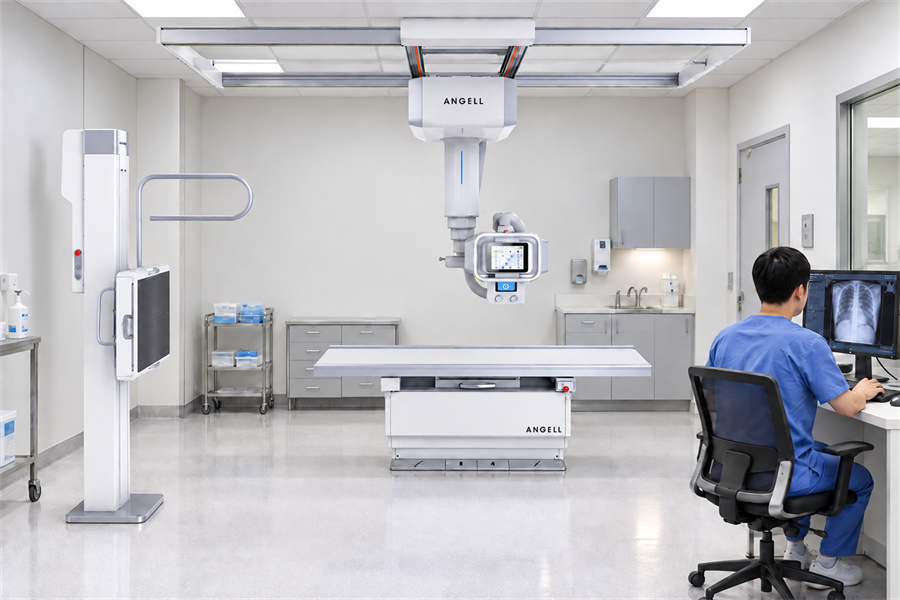
Angell DTP580 Series UC-Arm Dynamic DR and Fluoroscopy System
UC-arm dynamic digital radiography and fluoroscopy system
Price on request
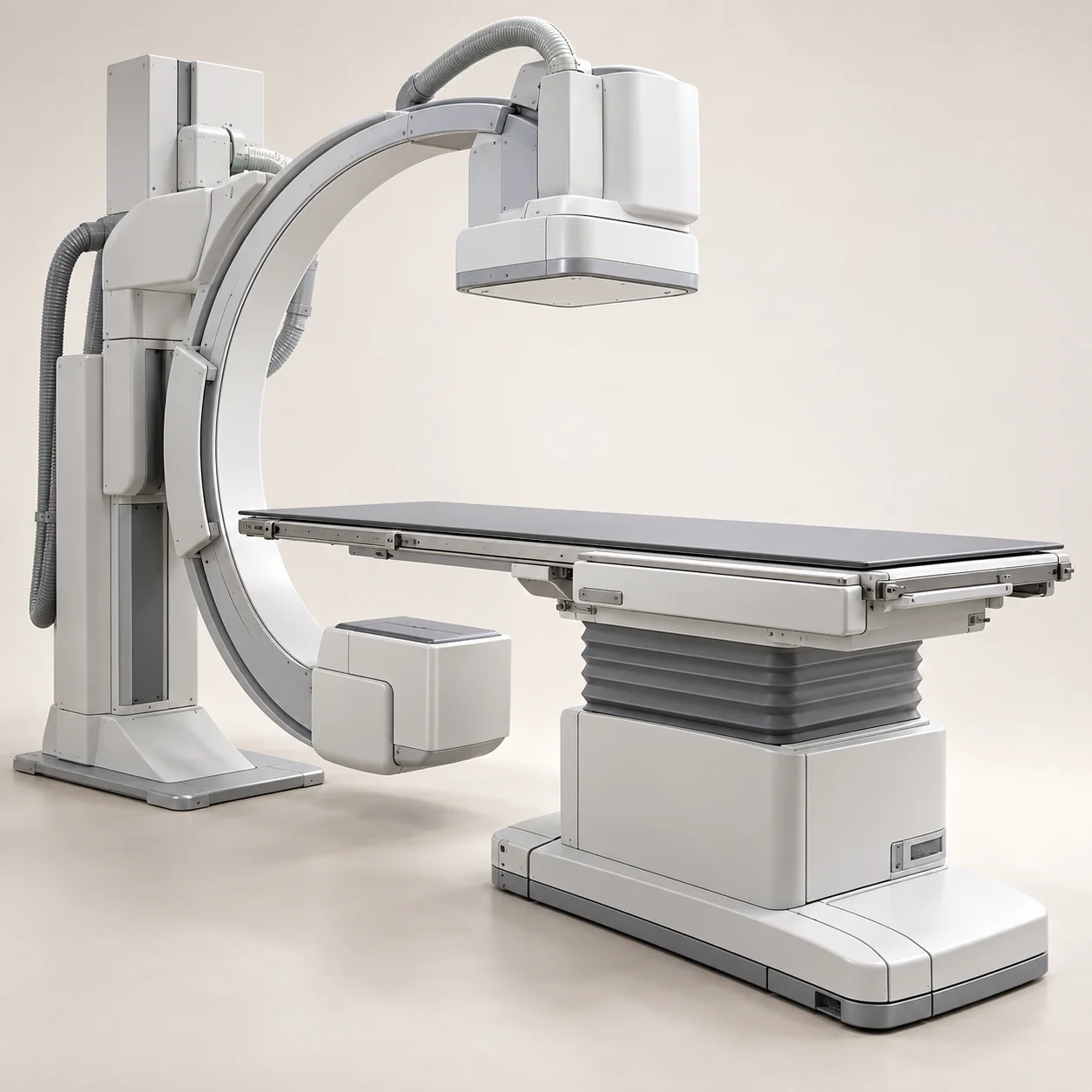
Ultimax-i FPD Fixed Fluoroscopy System
Fixed multipurpose radiography and fluoroscopy system
Price on request
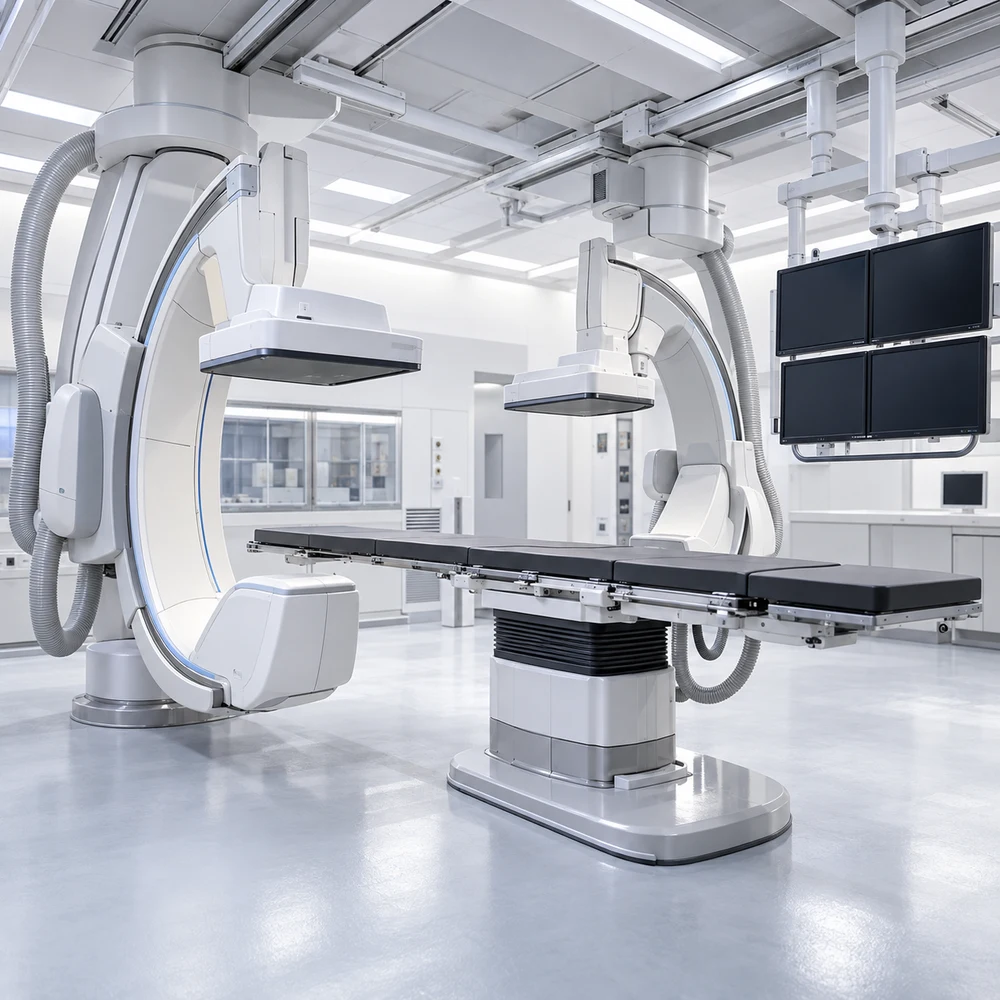
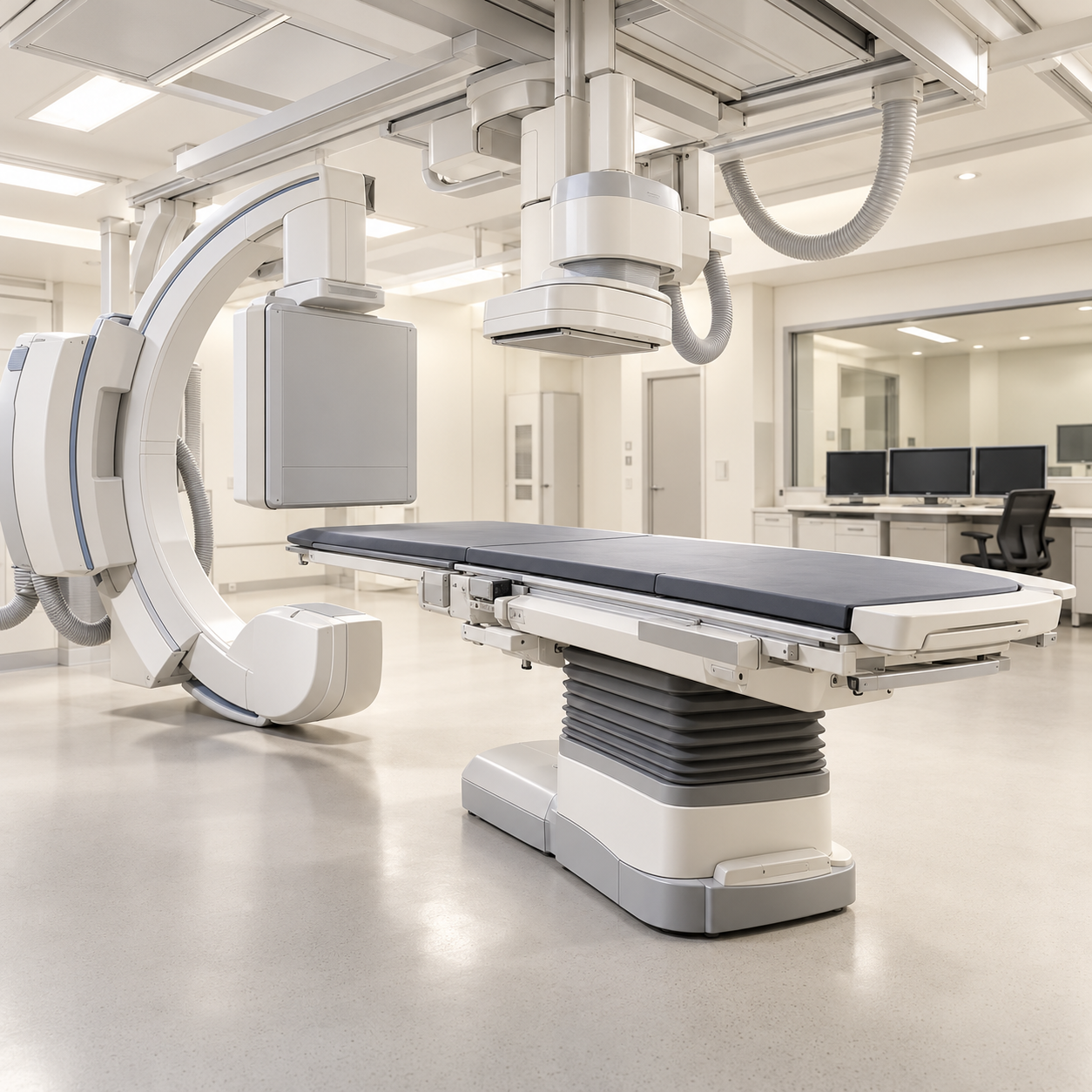
Philips Azurion 7 B20/15 Biplane Fluoroscopy System
Biplane image-guided fluoroscopy system
Price on request
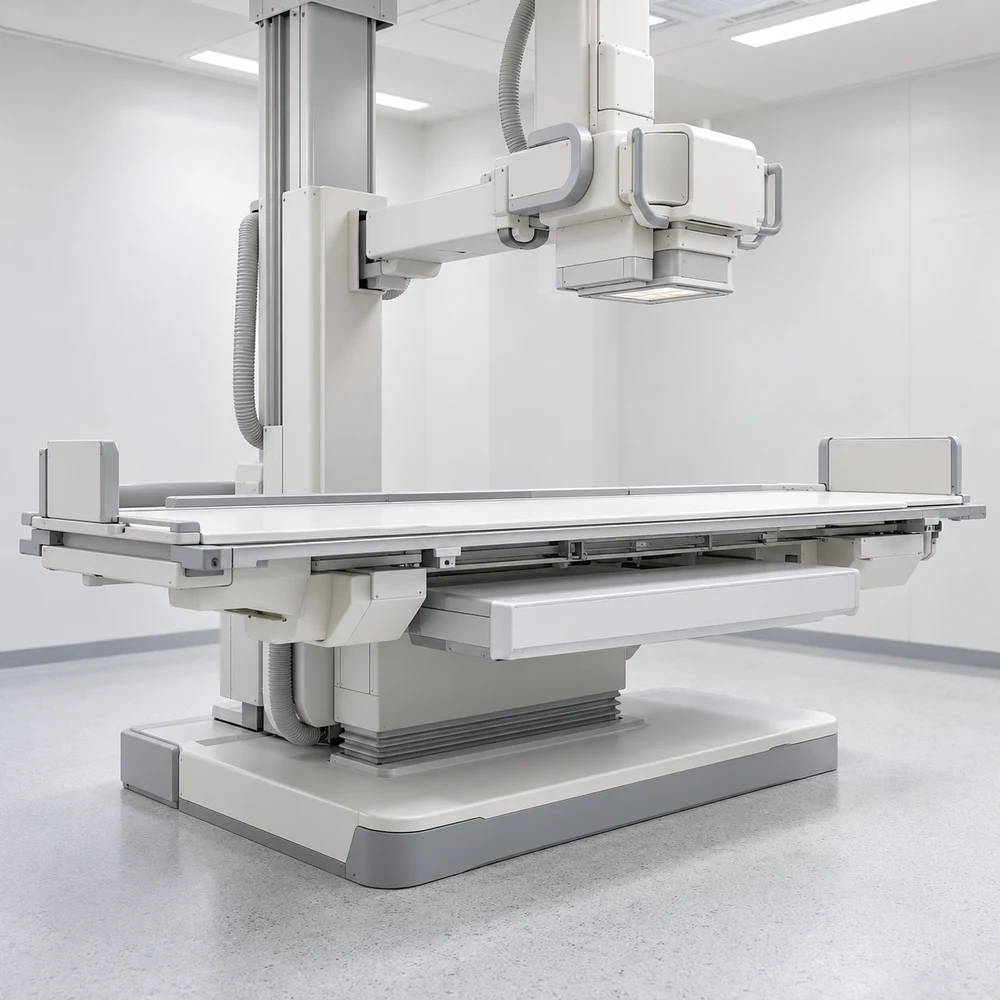
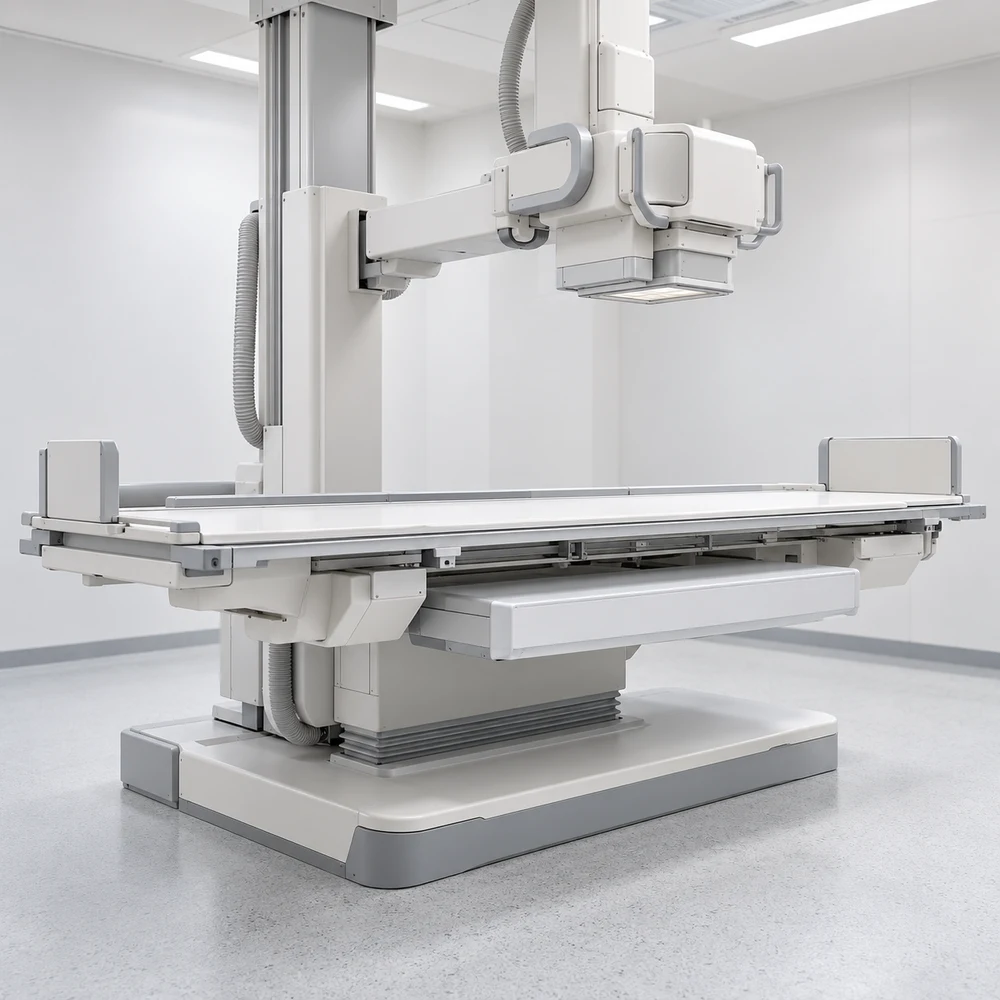
SONIALVISION G4 LX Edition Digital Multipurpose R/F System
digital multipurpose radiography and fluoroscopy system
Price on request
Discovery RF180 Radiography and Fluoroscopy System
radiography and fluoroscopy system
Price on request
Fujifilm Persona RF PREMIUM+ Multi-Use Radiography Fluoroscopy System
multi-use radiography and fluoroscopy system
Price on request
Which fixed fluoroscopy systems can I request a quote for in Nigeria?
The current category contains five records. Open the model-specific listing to review each one:
Read moreWhat counts as a fixed fluoroscopy system?
In this catalogue, “fixed” means a room-based X-ray imaging installation rather than a mobile unit that can be wheeled between rooms. But fixed systems still differ greatly. A remote-controlled radiography/fluoroscopy table, a ceiling-mounted dynamic radiography room, a rotating UC-arm room and a biplane image-guided therapy suite have distinct geometry, equipment packages and operating workflows.
Read moreHow do the listed fixed systems differ?
Begin with the clinical service and room workload, not the most impressive feature list. A high-use general radiology department may be comparing table-based R&F with room-based radiography capability. A department seeking a multipurpose room may assess whether the system supports its required positions, table movements and examinations. A neurovascular or interventional service may need a dedicated biplane system, where two separately positioned detector planes and an interventional workflow matter more than routine table fluoroscopy. These are distinct procurement briefs.
Read moreBuy fixed fluoroscopy systems in Nigeria
Franance lists five fixed fluoroscopy and dynamic X-ray system records in this category: Angell QOMO Series, Angell DTP580 Series, Canon Ultimax-i FPD, Philips Azurion 7 B20/15 and Siemens Healthineers Luminos dRF Max. They represent different room layouts and workflows, from multipurpose radiography and fluoroscopy to biplane image-guided therapy. Compare the exact system and approved configuration with your department’s requirements, then request a written quotation from Franance. The category groups fixed, room-based systems; it does not mean that every record is interchangeable or that every model supports the same fluoroscopy workflow. This guide supports procurement planning only. Clinical protocols, radiation protection, room design, shielding, regulatory approvals, installation and acceptance must be set or reviewed by the facility’s qualified professionals under applicable requirements. Franance’s catalogue uses quote orders, not online checkout: after an enquiry, the team follows up by phone or email and confirms commercial and technical scope in writing.
Which fixed fluoroscopy systems can I request a quote for in Nigeria?
The current category contains five records. Open the model-specific listing to review each one:
- Angell QOMO Series
- Angell DTP580 Series UC-Arm Dynamic DR and Fluoroscopy System
- Canon Ultimax-i FPD Fixed Fluoroscopy System
- Philips Azurion 7 B20/15 Biplane Fluoroscopy System
- Siemens Healthineers Luminos dRF Max Fluoroscopy System
The list is a starting point for an equipment enquiry, not a statement of stock, pricing, country availability or readiness for installation. The specific room configuration, generator, detector, table, software, accessories and service scope must be established from the manufacturer’s current documentation and the quotation. Browse the wider fluoroscopy and C-arm category to compare mobile C-arm systems, flat-panel detector fluoroscopy and image-intensifier fluoroscopy separately.
What counts as a fixed fluoroscopy system?
In this catalogue, “fixed” means a room-based X-ray imaging installation rather than a mobile unit that can be wheeled between rooms. But fixed systems still differ greatly. A remote-controlled radiography/fluoroscopy table, a ceiling-mounted dynamic radiography room, a rotating UC-arm room and a biplane image-guided therapy suite have distinct geometry, equipment packages and operating workflows.
The five assigned records illustrate that range. Canon describes Ultimax-i as a multipurpose flat-panel system for radiography and fluoroscopy in an R&F room. Siemens describes Luminos dRF Max as a two-in-one remote fluoroscopy and radiography system. Angell describes DTP580 as a UC-arm dynamic DR system that integrates fluoroscopy with radiography and other imaging modes. Philips Azurion 7 B20/15 is a biplane image-guided therapy system with one 20-inch frontal and one 15-inch lateral flat detector. Angell calls QOMO a ceiling-mounted dynamic DR system; although this record is assigned to the fixed fluoroscopy category, its product description does not by itself establish every fluoroscopy function your department may require.
Use the category filter as a catalogue map, then confirm that each proposed system satisfies the requested modality and workflow. Do not assume that dynamic DR means the same thing as fluoroscopy, or that a biplane interventional suite is a substitute for a general-purpose R&F room. If the main requirement is mobile intraoperative imaging, compare the dedicated C-arm category instead.
How do the listed fixed systems differ?
Begin with the clinical service and room workload, not the most impressive feature list. A high-use general radiology department may be comparing table-based R&F with room-based radiography capability. A department seeking a multipurpose room may assess whether the system supports its required positions, table movements and examinations. A neurovascular or interventional service may need a dedicated biplane system, where two separately positioned detector planes and an interventional workflow matter more than routine table fluoroscopy. These are distinct procurement briefs.
The listed manufacturer descriptions support these initial distinctions:
- Canon Ultimax-i FPD: Canon positions this as a multipurpose radiography and fluoroscopy system for R&F room space, with a 17 × 17 inch flat-panel detector and configurable system elements. Confirm table, C-arm, tube and detector configuration for the offered version.
- Siemens Luminos dRF Max: Siemens presents remote fluoroscopy and radiography in one system. Its public specifications describe a tilting table and dynamic detector, with room-planning and installation details that need to be checked against the exact room and offered configuration.
- Angell DTP580 Series: Angell describes a UC-arm dynamic DR system with digital fluoroscopy and static radiography functions, including rapid switching between dynamic and static imaging. Confirm which applications, detector configuration, software and PACS workflow are included.
- Angell QOMO Series: Angell describes a ceiling-mounted dynamic DR room with dynamic and static detectors and ceiling-mounted movement. Verify in writing whether the offered QOMO configuration includes the exact fluoroscopy modes and applications required; do not infer them solely from its assignment to this category.
- Philips Azurion 7 B20/15: Philips identifies a biplane image-guided therapy system with a 20-inch frontal detector and a 15-inch lateral detector. This is a dedicated interventional system, with room layout, ceiling and floor equipment, tableside workflow and service requirements that differ from general R&F equipment.
Manufacturer names and model families can include options or market-specific configurations. Ask for a configuration schedule that identifies the room geometry, detector sizes, tube/generator arrangement, table, imaging modes, software, workstation, displays, dose-management options, integration and included accessories. Have the clinical department define the approved procedure mix, and ask the supplier to map the proposed configuration to that list without claiming unsupported applications.
Which fixed fluoroscopy system suits a Nigerian hospital?
There is no universally best model. The right shortlist depends on whether the facility needs a general R&F room, a multipurpose dynamic DR room, a dedicated interventional lab or some combination of those services. A hospital should define its workload, room count, staffing and engineering capacity before comparing offers. A lower purchase price or larger detector specification alone does not establish lifecycle value.
For routine radiography plus remote fluoroscopy in one room, compare the Canon and Siemens system descriptions against the actual examination schedule, table requirements and available space. For a department that needs a UC-arm dynamic DR arrangement, evaluate the Angell DTP580 and confirm that its included dynamic modes and software meet the approved use cases. Treat QOMO as a ceiling-mounted dynamic DR candidate and ask Angell or the supplier to confirm required fluoroscopy capability explicitly. For neurovascular or other image-guided therapy, evaluate Philips Azurion B20/15 as an interventional biplane suite rather than as a generic R&F replacement.
Have the department’s radiologist or relevant clinical leads identify the intended workflows and have the biomedical engineering and medical physics teams review the proposed equipment, room services, radiation-safety programme, service plan and lifecycle implications. For a multi-room project, separate the requirements per room rather than asking for a single system to cover an ambiguous list. Franance can quote against an approved specification, but the clinical and engineering teams must make the selection decision.
What room, installation and integration information is needed?
Fixed fluoroscopy affects the room plan, building work, equipment movement and day-to-day workflow. Before requesting a firm offer, assemble the facility’s approved room information and identify what still needs a site survey. The exact manufacturer drawings and site-planning documents for the quoted model should govern; this guide cannot determine shielding, structural capacity, room dimensions, electrical installation or compliance for a particular site.
The project team should consider these procurement inputs:
- room dimensions, access routes, ceiling height and the approved equipment layout;
- structural or floor-loading data where required by the specific installation;
- electrical supply, grounding, generator and power-quality conditions as documented by site engineers;
- cooling, environmental and other building-service requirements in current manufacturer planning documents;
- control room, operator console, display placement and patient-transfer workflow;
- detector, table, tube, ceiling suspension or gantry configuration and required accessories;
- image storage, DICOM/PACS connectivity, workstations, reporting, network and cybersecurity requirements;
- delivery, rigging, installation, commissioning, acceptance, user training and service responsibilities.
Ask the supplier to distinguish equipment supply from building preparation and project services. Request the applicable site-planning drawings and a clear list of site prerequisites, then let qualified local professionals review the design and any radiation-protection or regulatory submissions. Confirm responsibility for each step in writing before the project schedule is agreed.
What radiation-safety and regulatory checks should buyers plan for?
Fluoroscopy uses ionizing radiation. Procurement planning should therefore include the facility’s qualified radiation-protection and medical-physics professionals from the specification stage. The International Atomic Energy Agency’s radiation protection guidance for image-guided interventional procedures addresses professional responsibilities and radiation protection in those settings. The IAEA’s SSG-46 safety guide provides broader requirements and recommendations for medical uses of ionizing radiation.
For a project in Nigeria, the facility must establish which current local approvals, licensing, room assessments, shielding design, acceptance tests, quality-control processes, staff training and operating procedures apply to the intended service. Those determinations belong to qualified facility personnel and relevant authorities; this guide does not offer shielding calculations, procedure settings, dose instructions or site-specific safety advice.
When comparing manufacturers, request current documentation for the exact system and configuration, including its radiation-safety and dose-management features, intended use, operator instructions, acceptance and quality-control requirements, and any market-specific approvals or restrictions. Treat vendor statements such as “low dose” as product claims that still require evaluation against approved protocols and the facility’s quality and radiation-protection programme. Confirm the room is approved and ready before installation or clinical use.
What should I include in a fluoroscopy system quotation request?
A structured request helps Franance distinguish an R&F room from an interventional suite and identify the right manufacturer configuration. Include:
1. The requested model or an approved technical specification and the clinical service or workflow it must support.
2. Facility name, project contact, quantity, delivery city and state in Nigeria, and target procurement schedule.
3. Room drawings, dimensions, access constraints and current site-planning information for supplier review.
4. Required table, detector, tube, generator, ceiling/floor support, imaging modes, displays and operator console.
5. Required applications, software, workstations, DICOM/PACS connections and image-storage or reporting interfaces.
6. Electrical and building-service information from the facility’s qualified engineers, plus any requested site survey.
7. Requested radiation-protection documentation, installation, commissioning, acceptance, training, warranty and service scope.
8. Any required regulatory documentation and the named facility professionals who will review the proposal.
Ask Franance to return a model-specific offer that identifies the complete configuration and part numbers, included and excluded accessories, site prerequisites, documents, delivery assumptions, installation and acceptance responsibilities, warranty, service options, price and quote validity. If a system’s compatibility or application is unconfirmed, ask the supplier to resolve it against current manufacturer documentation before your team approves the offer.
Use Franance’s contact form to request a fixed fluoroscopy quotation. The form starts a quote order, not an online purchase. Franance will follow up by phone or email, and the written offer should confirm the commercial terms and agreed scope.
Can Franance quote for delivery to every Nigerian state?
You can submit an enquiry from any state, but a catalogue page does not guarantee stock, delivery date, freight, installation or service coverage in every location. Provide the facility’s city and state, room location, receiving access and project timeline. If the system needs site preparation, installation, rigging, commissioning or training, identify those items separately so Franance can confirm what can be included for that destination.
For a multi-site programme, send a room-by-room schedule with the preferred system, configuration, quantity, delivery location and project services for each site. Franance can review each destination and confirm applicable terms in the written quotation. Do not assume that a nationwide enquiry confirms any particular route, lead time, local service response or regulatory status.
Can I buy a fixed fluoroscopy system online from Franance?
No. Franance does not offer online checkout for these systems. Choose a model or send the facility’s approved specification and submit a quote-order enquiry. Franance follows up by phone or email to clarify configuration, quantity, delivery and requested project scope. Review the written quotation for exact equipment, availability, price, delivery, installation, warranty and agreed services before approval.
Start with the fixed fluoroscopy model list, browse the fluoroscopy and C-arm hub, or request a quotation from Franance. This helps keep the system shortlist tied to the facility’s workflow and project requirements.
Common questions
Which fixed fluoroscopy models does Franance list?
The current category lists Angell QOMO Series, Angell DTP580 Series, Canon Ultimax-i FPD, Philips Azurion 7 B20/15 and Siemens Healthineers Luminos dRF Max. Ask for the exact configuration and current availability in a written quotation.
Is a fixed fluoroscopy room the same as a mobile C-arm?
No. Fixed systems are room-based installations; mobile C-arms are a separate catalogue category. Their room geometry and workflows differ, so compare the model to the approved department requirement.
Does the Angell QOMO listing confirm every required fluoroscopy mode?
No. Angell describes QOMO as a ceiling-mounted dynamic DR system. Confirm the exact fluoroscopy functions and configuration required for your workflow directly against the current manufacturer documentation and written quotation.
Does Franance provide room design or radiation-safety approval?
This guide does not establish those services. Have qualified facility professionals and applicable authorities review room design, shielding, licensing, installation and acceptance; ask Franance to identify any project services explicitly in the quotation.
Can I purchase a fluoroscopy system online from Franance?
No. Submit a quote-order enquiry. Franance follows up by phone or email and confirms price, availability, delivery and agreed project scope in writing.
Request a fixed fluoroscopy system quotation from Franance.
Send the exact system or approved specification, room workflow, facility details, project quantity, city and state, and requested installation or service scope. Franance will follow up on the quote order and confirm commercial terms in writing.
Request a quotationNeed an equipment quote?
Add the models you need to a quote order, or send us your equipment list.