

Buy Bone Densitometry in Nigeria.
Buy bone densitometry equipment in Nigeria through Franance. The broad category has no products assigned directly; the DEXA Bone Densitometry System child category lists three current DXA records from GE HealthCare and Hologic. Review the exact models and request a quotation for your facility and configuration.
Browse this range
Products
3 models
Where can I buy bone densitometry equipment in Nigeria?
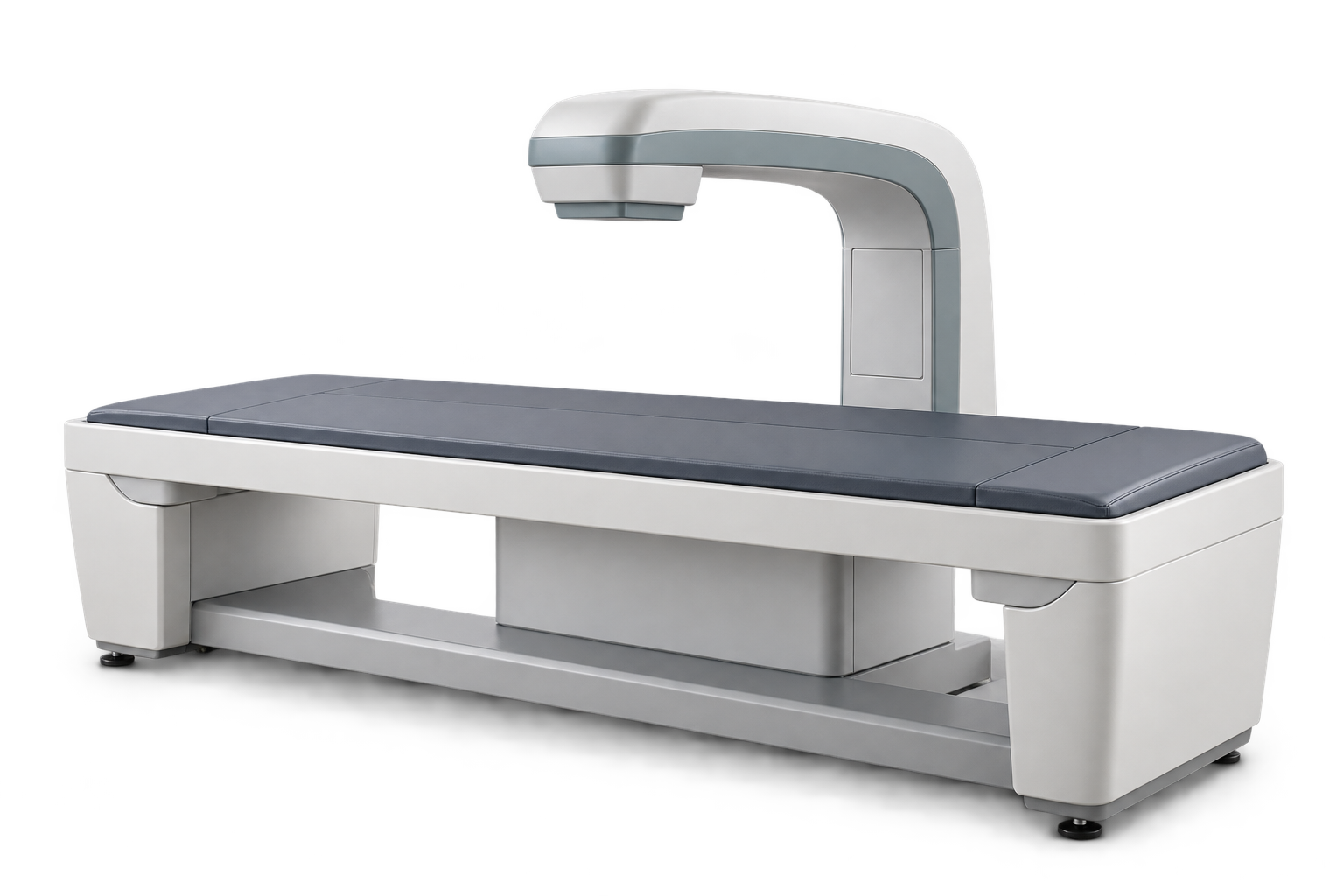
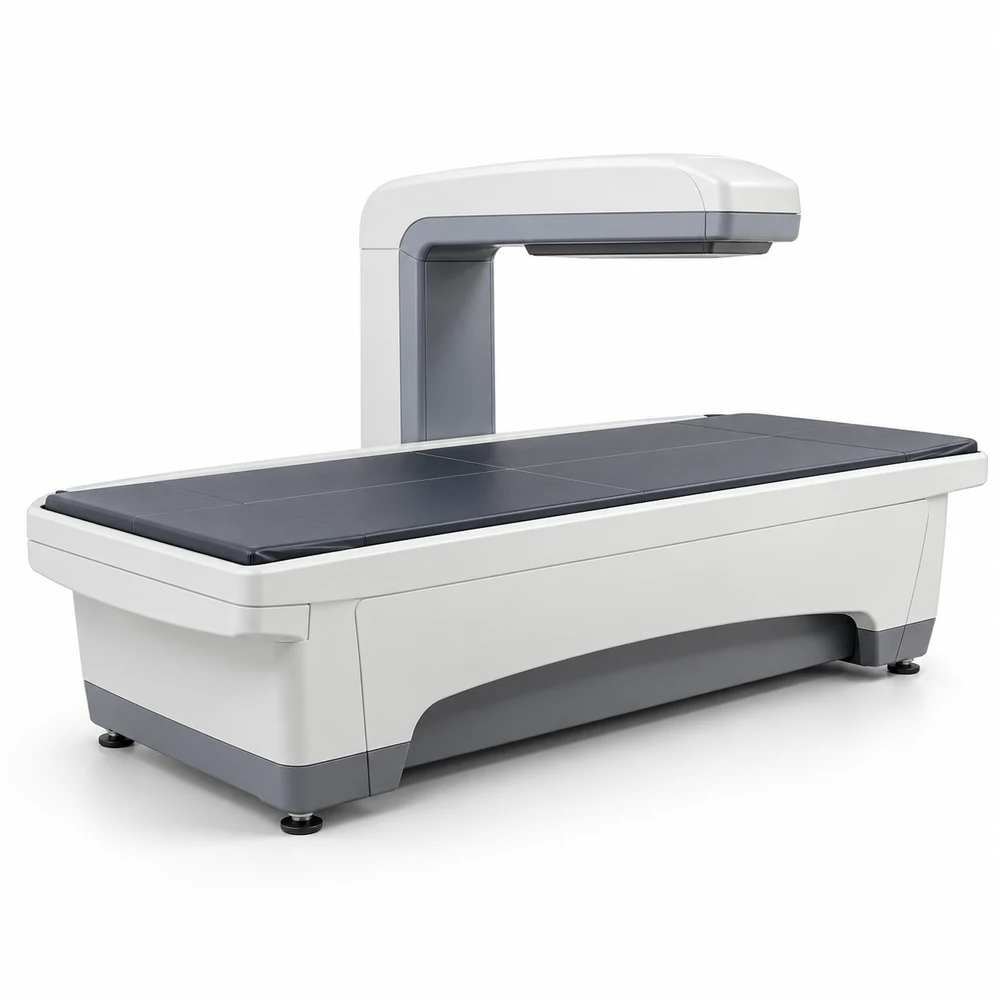
Request a quotation from Franance and identify the DXA system or approved technical requirements you want reviewed. The catalogue currently lists the equipment under its narrower DEXA bone densitometry category; the broader Bone Densitometry category is a parent taxonomy with zero directly assigned product records. The three products beneath it are GE HealthCare Prodigy DXA, GE HealthCare Lunar iDXA and Hologic Horizon DXA. You can also open the exact Prodigy DXA listing, Lunar iDXA listing or Horizon DXA listing.
Read moreWhat equipment is included in the bone densitometry category?
The current taxonomy contains one child equipment category: DEXA Bone Densitometry System. The broad category itself has no directly assigned products, and the child has three assigned products. This guide therefore directs buyers to that child listing instead of presenting unrelated X-ray, ultrasound or laboratory equipment as bone densitometry systems. It also avoids treating a model's optional applications as a separate product unless the catalogue has an independently assigned record for them.
Read moreWhat is a DXA bone densitometry system used for?
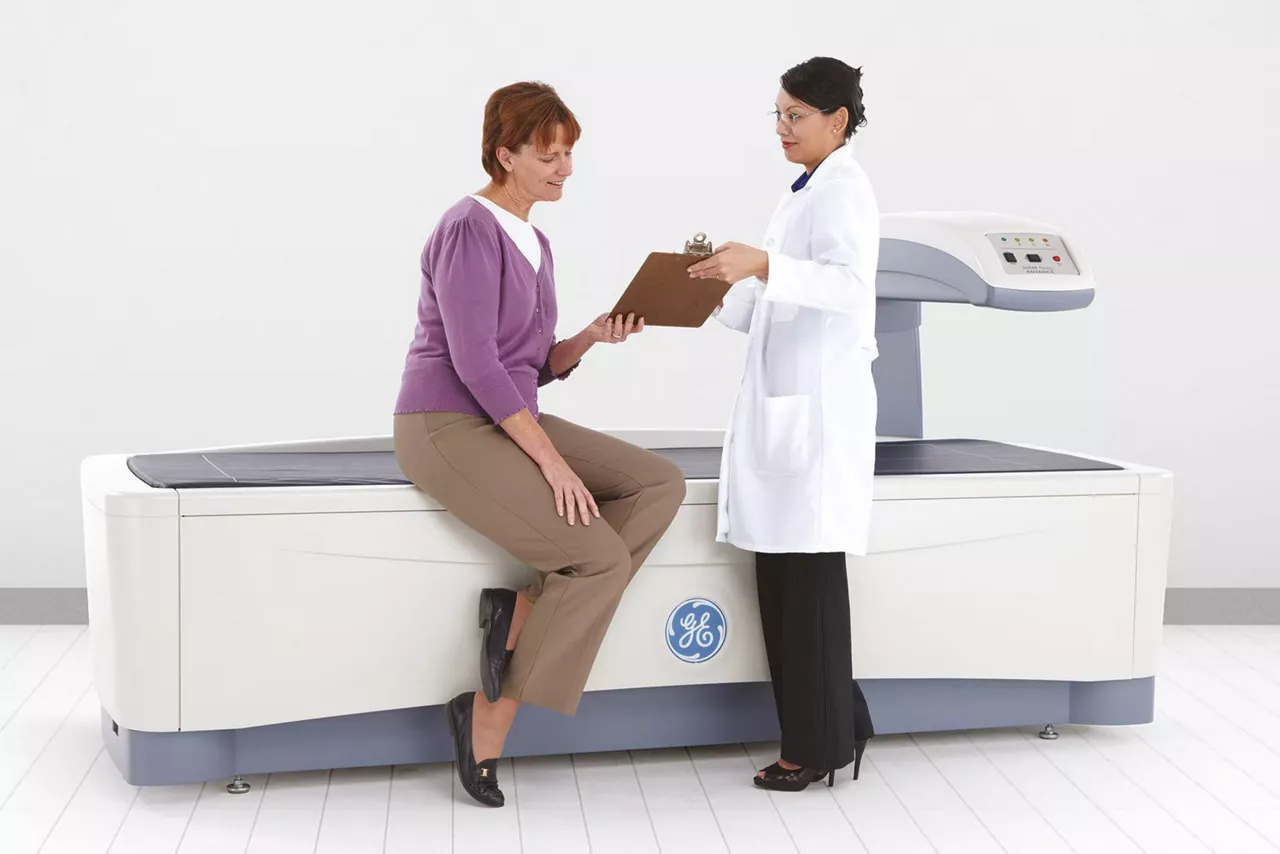
DXA, also written DEXA, means dual-energy X-ray absorptiometry. It is an imaging method used to estimate bone mineral content and density at selected measurement sites. Manufacturer platforms can include additional software for body-composition or other analyses, but included applications vary by system, licence, region and software release. For example, GE lists bone-density and body-composition functions for Prodigy and describes Lunar iDXA for bone health and body composition; Hologic describes Horizon for bone density and body composition. These statements describe product families, not every available local configuration.
Read moreBuy bone densitometry equipment in Nigeria
Buy bone densitometry equipment in Nigeria through Franance by first identifying the DXA system and clinical workflow your facility intends to support, then requesting a quotation for the exact configuration, site requirements and services. The catalogue's broad Bone Densitometry category has no products assigned directly to it. Its child category, DEXA Bone Densitometry System, currently contains three records: GE HealthCare Prodigy DXA, GE HealthCare Lunar iDXA and Hologic Horizon DXA. Those are the complete products represented under this taxonomy at the time of review; the list should not be read as every system each manufacturer makes or as confirmation of Nigerian stock. Franance processes quote orders rather than online payment. Use the child listing to review the models, then tell Franance which system or requirements to quote, the number of units and the facility's Nigerian destination. The team can follow up by phone or email to clarify your request. Availability, price, regulatory status, delivery, installation, training, warranty and local service need confirmation in the written offer for the exact product and destination.
Where can I buy bone densitometry equipment in Nigeria?
Request a quotation from Franance and identify the DXA system or approved technical requirements you want reviewed. The catalogue currently lists the equipment under its narrower DEXA bone densitometry category; the broader Bone Densitometry category is a parent taxonomy with zero directly assigned product records. The three products beneath it are GE HealthCare Prodigy DXA, GE HealthCare Lunar iDXA and Hologic Horizon DXA. You can also open the exact Prodigy DXA listing, Lunar iDXA listing or Horizon DXA listing.
This distinction matters when you compare search results and prepare a procurement schedule. A category page describes an equipment family; it is not a promise that an item is in stock. A product record is a catalogue reference, not a confirmation that a particular configuration can be supplied or that a manufacturer has appointed Franance as an authorised distributor. Ask for the exact model and supply scope in writing. If your required system is not among the three records, send the requested manufacturer, model or performance specification for review rather than assuming an unlisted product is available.
What equipment is included in the bone densitometry category?
The current taxonomy contains one child equipment category: DEXA Bone Densitometry System. The broad category itself has no directly assigned products, and the child has three assigned products. This guide therefore directs buyers to that child listing instead of presenting unrelated X-ray, ultrasound or laboratory equipment as bone densitometry systems. It also avoids treating a model's optional applications as a separate product unless the catalogue has an independently assigned record for them.
The child listing brings together the GE HealthCare Prodigy DXA Bone Densitometry System, GE HealthCare Lunar iDXA Bone Densitometry System and Hologic Horizon DXA Bone Densitometry System. GE describes Prodigy for bone-density and body-composition analysis, with full and compact sizes and optional applications. GE describes Lunar iDXA for bone health and body-composition workflows. Hologic describes Horizon for bone-density and body-composition applications. The offered software, licences and accessories must be confirmed for the actual version and region.
This catalogue map can change as verified inventory is added or assignments are reviewed. The listing is a point-in-time view of records, not an exhaustive market survey. If your tender describes a peripheral bone measurement device, a different imaging method, or a specialized research system, do not assume it fits the DEXA category: send the technical specification so the right taxonomy and product identity can be checked before a quote is prepared.
What is a DXA bone densitometry system used for?
DXA, also written DEXA, means dual-energy X-ray absorptiometry. It is an imaging method used to estimate bone mineral content and density at selected measurement sites. Manufacturer platforms can include additional software for body-composition or other analyses, but included applications vary by system, licence, region and software release. For example, GE lists bone-density and body-composition functions for Prodigy and describes Lunar iDXA for bone health and body composition; Hologic describes Horizon for bone density and body composition. These statements describe product families, not every available local configuration.
The equipment is one part of a clinical service. The facility must decide which examinations it will offer, who will operate the system, how results will be reviewed and reported, and how the service will maintain consistent procedures. The procurement team should obtain input from the clinical lead, radiology staff, biomedical or clinical engineering, information technology and the radiation-protection professional responsible for the site. Clinical indications, patient selection and interpretation belong to qualified health professionals; this buying guide does not provide medical advice or a diagnostic protocol.
Before comparing models, write down the intended applications and the users who need to access results. Separate essential requirements from options. If body-composition, vertebral assessment or a fracture-risk analysis tool is requested, name it as a required application and ask whether it is available, licensed and included on the proposed model in Nigeria. Do not infer availability from a global marketing page or from another country's configuration.
How should I compare the DXA systems listed in Nigeria?
Compare the exact proposed configuration rather than the manufacturer name alone. Ask each supplier to identify the model, system size or configuration, software release, workstation, detector or scanning approach as documented for that version, licensed applications, accessories, manuals and any excluded items. Then compare the stated package against your facility's approved specification.
The three current catalogue records are from two manufacturers. GE HealthCare lists both Prodigy DXA and Lunar iDXA. Its Prodigy product information describes full and compact sizes, bone mineral density and body-composition analysis, with certain optional tools subject to configuration and regional availability. GE's Lunar iDXA product page describes bone-health and body-composition use, and the catalogue record calls for confirming the software and licensed applications in the offer. Hologic's Horizon page describes a DXA platform for bone density and body composition and links configuration-specific product documentation. These descriptions help frame questions; they do not establish that a feature is included in a Franance quotation.
Build a like-for-like comparison around: the examinations and analysis applications required; patient positioning and access; software licences and reference resources; reporting and data export; workstation and network requirements; quality-control accessories; room and power requirements; installation and acceptance; training; warranty; preventive maintenance; and service availability at the Nigerian destination. Require bidders to mark each item as included, optional with a separate price, unavailable, or not applicable. Include written exclusions so that an attractive base price is not mistaken for a complete service-ready project.
Do not assume results or workflows transfer directly between brands. Each system has manufacturer-specific acquisition, calibration, analysis software and reference resources. If your facility is replacing a scanner or adding a second platform, have the clinical and technical leads decide how the change affects prior examinations, longitudinal comparison, reporting and any cross-calibration plan. The procurement specification should ask for the documentation needed to support that review without claiming that readings are automatically interchangeable.
What room and installation requirements should I check before buying?
Obtain the current pre-installation documents for the exact system and configuration before selecting or modifying the room. Compare the system footprint and table movement with operator space, patient transfer and wheelchair access, cleaning routes and service clearance. Ask for shipping dimensions and weight, installed dimensions and weight, entrance clearances, lift capacity and any floor-loading requirement so the delivery route can be reviewed before the equipment is dispatched.
Have the facility engineer check the stated electrical supply, earthing, environmental limits, ventilation, network points and workstation location. Ask the manufacturer or supplier to state which services are required, what site preparation must be complete before delivery, who will inspect readiness and who pays for remedial work. A brochure for one system or a room plan for one country is not a substitute for the current installation guide for the exact equipment being offered. Do not copy the requirements of Lunar iDXA to Prodigy or Horizon, or vice versa.
DXA equipment uses ionizing radiation. Have qualified professionals assess radiation protection and site requirements for the equipment and intended installation, and confirm applicable Nigerian requirements with the responsible authorities. Do not rely on a general product claim or a different country's guidance to decide local shielding or licensing. Keep the site review, approved room drawings and radiation-protection decisions in the project file before clinical operation.
What software, reporting and connectivity should be included?
List how the facility expects examinations and reports to move. State whether the scanner must send images to a PACS, use a worklist, export reports, or connect with an electronic medical record or another system. Ask for the relevant DICOM conformance statement and the supported versions, licences, interfaces, network prerequisites and party responsible for configuration and testing. These are project requirements to confirm with the vendor; a system's listing does not establish that integration is bundled.
Specify the workstation configuration and lifecycle as part of the proposal: operating system, storage, monitors, backup, user accounts, software support term and update process. Name every application your service needs and request its version, licence basis, permitted use and renewal cost. If remote analysis or service is proposed, ask what data leaves the site, how it is secured, which network access is needed and whether the facility can operate if connectivity is interrupted. Do not assume that every feature shown on a manufacturer website is available in the software release or region being quoted.
The clinical owner should decide which report outputs, measurement references and quality-control records are needed. Ask the supplier to demonstrate the proposed workflow with the actual system and included software, and record what the demonstration does not cover. If reports need to be reconciled with an existing scanner, retain the approved method and version details so later comparisons can be interpreted appropriately by qualified staff.
How should I plan quality control, acceptance and staff training?
Ask for the manufacturer's acceptance and commissioning procedure for the exact system, plus the quality-control materials and records supplied. The installation plan should state who checks the delivered model and configuration, who conducts acceptance tests, which results form the baseline, what criteria determine pass or remediation, and how unresolved issues are documented. Request a handover pack with the equipment identification, installed software versions, manuals, test results and service contacts.
Define a quality-control plan before go-live. It should identify the facility's responsible roles, the applicable manufacturer procedures, the reference or phantom equipment, the frequency of checks, where results are recorded and how an out-of-tolerance result is escalated. The IAEA's diagnostic-radiology guidance describes acceptance and commissioning testing as part of ensuring installed equipment meets the procurement specifications and establishing routine quality-control baselines. The actual testing details must still come from the exact model documentation and qualified local personnel.
Ask for training by role: operators, clinical reviewers, biomedical or clinical engineers and IT staff may need different instruction. The proposal should state whether initial application training, quality-control instruction, interface testing, refresher training and follow-up support are included. Confirm the language, format, number of attendees and whether training happens before acceptance or after the room is ready. Training scope and competency expectations should be agreed with the facility's clinical and technical leads.
What Nigerian regulatory and radiation-safety checks should I request?
Ask the supplier to identify the exact device and supply route and to provide the product documentation required for your institution's review. NAFDAC's medical-device registration guidance states that devices imported, sold, distributed or used in Nigeria are subject to registration requirements. The facility should confirm the current status and applicable requirements for the specific proposed device with NAFDAC or its responsible regulatory adviser; this page does not claim that any listed product is currently registered for sale in Nigeria.
Separately, confirm the radiation-protection and facility approvals that apply to the installation and intended operation. The responsible Nigerian authorities and qualified radiation-protection professionals determine the applicable requirements. Ask the quotation to identify which regulatory documents the supplier can provide and which submissions or approvals remain the purchaser's responsibility. Keep regulatory documentation, room assessment, acceptance tests, training records and service arrangements together for the facility's governance process.
The NAFDAC and IAEA references in this guide are starting points for procurement review, not a legal opinion or site approval. Rules and guidance can change. Verify current requirements directly with the responsible authorities before ordering or commissioning equipment.
What should I include in a DXA quotation request to Franance?
Send the facility name, destination state and city, department, quantity, intended examination and analysis applications, expected workload, preferred model or approved technical criteria, room drawings, access route, electrical and environmental information, network and reporting requirements, target installation timing, and the technical contacts who can review the proposal. State whether the purchase is a new service, a replacement or an additional scanner. If replacing equipment, include the existing manufacturer, model and software version where relevant, while avoiding patient-identifying information in the enquiry.
Ask the written proposal to identify the exact product and configuration, included software and licences, accessories, workstation, shipping and delivery scope, installation and acceptance responsibilities, training, warranty, preventive service, response assumptions, exclusions and any fees or recurring costs. Request the applicable site-planning and acceptance documents, regulatory materials for your review, and confirmation of price, availability, delivery estimate and support for your actual Nigerian location. These details must be confirmed for the specific offer; a catalogue listing does not guarantee them.
Franance receives quote orders rather than online payments. Use the contact form to request a bone densitometry quotation. Include the relevant product reference or specification and enough project context for the team to follow up by phone or email. You can then review the itemized proposal with your clinical, procurement, engineering, IT and radiation-safety stakeholders before making a purchase decision.
Where can I review DXA bone densitometry systems in Nigeria?
Open the DEXA Bone Densitometry System category to see the three current catalogue records. Compare the filtered GE HealthCare Prodigy DXA, GE HealthCare Lunar iDXA and Hologic Horizon DXA listings. The separate GE HealthCare DXA category and Hologic DXA category show the records assigned to those brands in this catalogue.
These links are navigational aids to the current assignments, not a statement that every product family is represented or supplied locally. If the category listing or quotation differs from the specification you need, tell Franance what should be checked. The manufacturer's current instructions and the written Nigerian offer take precedence over assumptions based on another configuration.
Request a bone densitometry equipment quote in Nigeria
Send Franance your intended applications, preferred system or technical criteria, quantity, Nigerian facility location, room and access information, electrical and network details, requested software, installation, acceptance, training, warranty and service scope. Ask for a model-specific, itemized quotation that identifies included and optional components and confirms availability and local terms. Franance can then follow up by phone or email to clarify the quote order. No online purchase or payment is taken through the catalogue.
Common questions
Where can I buy bone densitometry equipment in Nigeria?
Request a quote order from Franance with the exact DXA system or technical requirements, quantity and Nigerian destination. The catalogue currently lists GE HealthCare Prodigy DXA, GE HealthCare Lunar iDXA and Hologic Horizon DXA under its DEXA child category.
Are products assigned directly to the Bone Densitometry category?
No. The current catalogue assigns zero products directly to the parent category. Its DEXA Bone Densitometry System child category contains three records: GE HealthCare Prodigy DXA, GE HealthCare Lunar iDXA and Hologic Horizon DXA System.
Does a catalogue listing confirm a DXA system is in stock in Nigeria?
No. Price, availability, supply configuration, regulatory status, delivery and local service must be confirmed for the exact product and destination in a written quotation.
Can I order a DXA system online from Franance?
No. Franance accepts quotation enquiries rather than online payments. After receiving the quote order, the team follows up by phone or email to clarify requirements.
What should I send for a bone densitometry quote?
Send the intended applications, model or approved technical criteria, quantity, facility state and city, room and access information, electrical and network details, software, installation, training, acceptance, regulatory-review and service requirements.
Request a bone densitometry equipment quotation from Franance.
Share your required DXA applications, preferred model or technical criteria, quantity, facility location, room and access information, power and network details, software, installation and acceptance scope, training, regulatory review, warranty and service needs. Ask for the exact configuration, documentation, inclusions, exclusions and confirmation of price and availability for your destination.
Request a DXA quotationNeed an equipment quote?
Add the models you need to a quote order, or send us your equipment list.