Buy QIAGEN extraction kits and laboratory equipment in Nigeria.
Browse QIAGEN DNA, RNA, miRNA and combined purification kits alongside QIAcube Connect sample-preparation equipment. Compare the sample, target, catalogue reference and workflow, then add the required products to your quote cart for Franance to review.
Buy QIAGEN laboratory products in Nigeria through Franance. Browse QIAcube Connect and DNA, RNA, miRNA and AllPrep purification kits, then select exact product references and quantities for your quote order.
Buy QIAGEN nucleic acid purification equipment and kits in Nigeria through Franance. Compare QIAcube Connect with the DNA, RNA, miRNA and combined extraction-kit families below. Manual-kit selection and instrument compatibility are separate checks.
Send Franance the sample material, target analytes, exact kit or instrument reference, quantity and delivery destination. For automation, include the instrument model and supported protocol. Our team will review the requested supply and configuration before confirming the written quotation.
Buy QIAGEN DNA, RNA, miRNA and combined nucleic acid extraction kits in Nigeria through Franance. Browse QIAamp, DNeasy, RNeasy, miRNeasy and AllPrep families, choose the reference suited to your sample and add the required quantity to your quote cart.
Tell Franance the starting material, target nucleic acid, downstream workflow, exact catalogue number, pack requirement and destination. Request instrument compatibility only for a named supported protocol; a manual kit listing does not establish QIAcube compatibility. Pricing, availability and supply terms are confirmed in your written quotation.
Send Franance the sample material, target analytes, exact kit or instrument reference, quantity and delivery destination. For automation, include the instrument model and supported protocol. Our team will review the requested supply and configuration before confirming the written quotation.
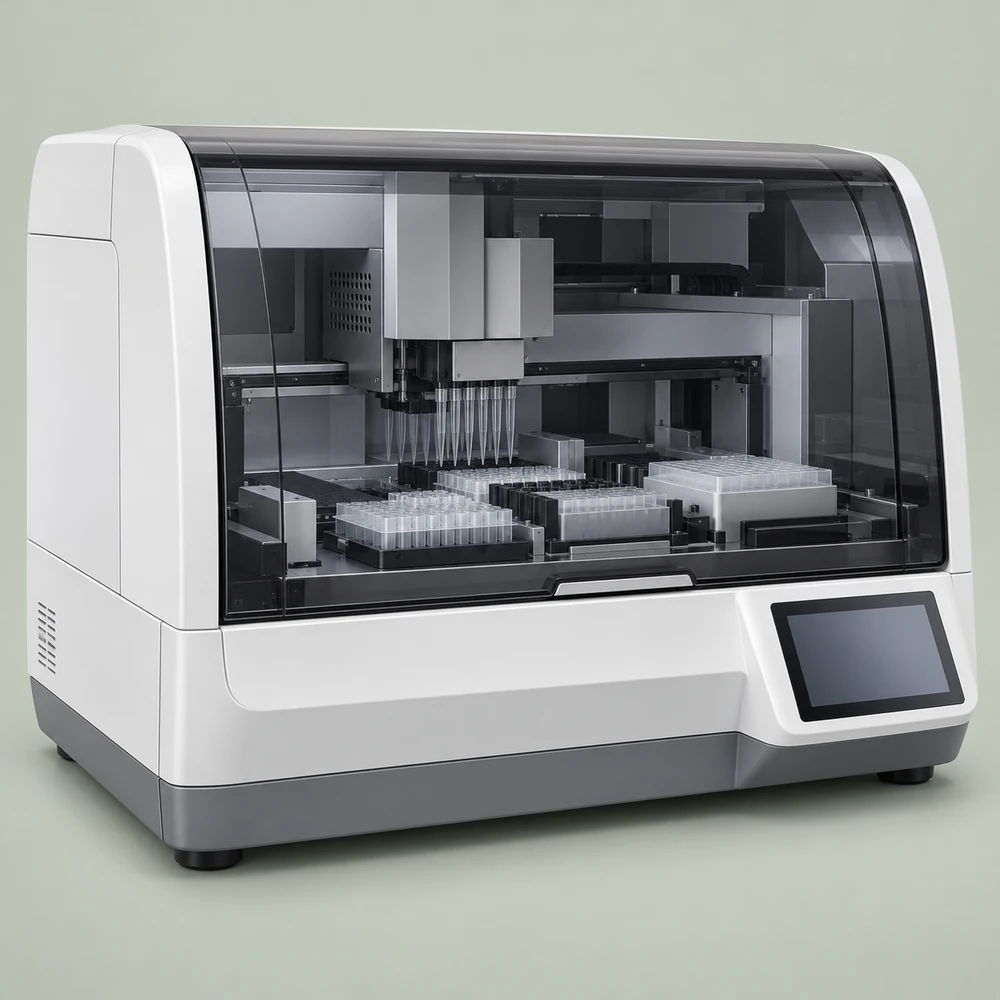
Open the QIAGEN QIAcube Connect listing and request a quotation from Franance. Include the laboratory name, city and state, contact person, quantity, project stage and intended use. Name the kit or protocol you plan to automate, sample type, expected samples per day or week and whether the lab requires a demonstration, installation, operator training, data connectivity or a service agreement. Attach the tender schedule or approved technical specification if one exists.
Buy QIAGEN Products in Nigeria: Extraction Kits and QIAcube Connect
Buy QIAGEN products in Nigeria from Franance by matching the exact kit or instrument to your laboratory workflow, then requesting an itemised quotation. The current QIAGEN catalogue range shown here includes QIAcube Connect and 27 DNA, RNA, miRNA and combined nucleic-acid purification kit families. Start with the QIAGEN nucleic-acid purification range, then review DNA extraction kits and the QIAGEN-specific extraction-kit listing as you narrow the requirement.
Choose by starting material, DNA or RNA target, downstream use, pack and catalogue number. Automation is a separate compatibility question: do not assume a manual kit works on QIAcube Connect unless the current manufacturer compatibility list names the exact kit and protocol. Franance handles quote orders rather than online payment; send your laboratory location and requirements so the exact proposed configuration, price, availability and supply terms can be confirmed in writing. The instrument sections below cover QIAcube Connect; the final three sections cover QIAGEN DNA, RNA/miRNA and AllPrep kits, with links to the individual product listings.
Where can I buy a QIAGEN QIAcube Connect in Nigeria?
Open the QIAGEN QIAcube Connect listing and request a quotation from Franance. Include the laboratory name, city and state, contact person, quantity, project stage and intended use. Name the kit or protocol you plan to automate, sample type, expected samples per day or week and whether the lab requires a demonstration, installation, operator training, data connectivity or a service agreement. Attach the tender schedule or approved technical specification if one exists.
Franance can review the requirement and respond with a written quote order. Ask for the proposed instrument configuration, included accessories, software and connectivity components, kit or consumable items, installation and training scope, and any optional services. QIAGEN's international product pages provide product information but do not confirm availability in Nigeria or indicate that Franance is an authorized distributor. Ask Franance to confirm the supply route, regulatory documentation, price, delivery, warranty and support terms for your project before accepting an offer.
What does the QIAcube Connect do?
QIAGEN describes QIAcube Connect as an instrument that automates selected manual spin-column sample preparation procedures. It automates lysis, binding, washing and elution steps for supported QIAGEN kits, with capacity up to 12 samples in one run. Manufacturer material describes a robotic system with centrifuge, heated shaker, pipetting elements, touchscreen and connected workflow options. The specific protocol and sample preparation steps depend on the supported kit, sample type and software.
Before choosing the system, confirm that the lab's required extraction method appears in the current QIAcube Connect protocol and kit documentation. Some sample types require manual lysis or other pre-processing, and a protocol for a different QIAcube instrument may not apply. The QIAcube Connect is not evidence of compatibility with non-QIAGEN kits, custom methods or every assay. Ask QIAGEN's current compatibility information to be checked for the exact application. The lab's molecular biology lead should approve workflow suitability and validate the method under its quality system before routine use.
Which samples and QIAGEN kits are compatible with QIAcube Connect?
Compatibility is protocol-specific. QIAGEN describes automation for selected kits covering genomic DNA, RNA, plasmid DNA, viral nucleic acids, proteins and nucleic-acid cleanup, and it publishes lists of dedicated QIAcube kits and protocols. Do not use broad application categories as proof that a particular kit, specimen or extraction process is supported. Provide the exact catalog number and protocol version so the compatibility can be checked against current manufacturer documentation.
For each proposed workflow, record specimen type, sample input volume, pre-treatment, kit name and catalog number, throughput, expected yield or output requirements, elution volume and downstream assay. Identify any special bead, rotor adapter, tube, reagent bottle or accessory requirement. Ask Franance to state which kits and accessories are part of the quote and which are separate items. Confirm kit storage, expiry, replenishment and applicable instructions. If your method includes mechanical disruption, unusual matrices or modified lysis, ask the lab's scientific lead and QIAGEN technical documentation to confirm whether that step is manual or validated before the automated protocol.
Is QIAcube Connect the right throughput for my laboratory?
QIAcube Connect processes up to 12 samples per run and QIAGEN positions it as a low-throughput automated alternative to manual spin-column preparation. Estimate daily and weekly sample counts, batch size, time per protocol, number of operators, instrument utilization and peak workload. Include repeat or control samples, invalid runs and workflow interruptions in the plan. If the required sample volume regularly exceeds the system's practical capacity, ask whether a higher-throughput instrument better fits the workflow rather than assuming that parallel runs will meet turnaround targets.
Consider the type and number of workflows, not just sample count. A lab may need multiple kits and protocol changes during a day, and preparation work before loading can affect overall time. Map sample receipt, lysis, automated processing, elution, post-run cleaning, result recording and downstream testing. Discuss current protocol availability and any customization requirement. Do not assume third-party or user-authored protocols can be loaded without compatibility or validation. The lab manager should compare expected throughput with operator capacity, quality controls, space, service and consumable costs before requesting a final configuration.
What should I specify in a QIAcube Connect quotation?
List the instrument, required sample and kit protocols, annual or monthly workload, and number of laboratories. State whether a starter accessory or reagent package is needed, such as rotor adapters, disposable filter tips, reagent bottles, sample tubes or other kit-specific consumables. Ask for the precise item codes, quantities and pack sizes. Specify whether QIAsphere connectivity, a local network connection, barcode reading, remote monitoring or reports are required. Confirm which components are included in the proposed package and which require separate purchase.
Ask whether your intended order includes installation, qualification or inspection service, operator training, warranty period, preventive maintenance, repair response, software updates and technical support. QIAGEN product materials may describe regional packages and service offerings; do not assume those apply to the Nigeria quote. Include local voltage and power requirements, bench dimensions, access route, temperature and ventilation conditions, network policy and space for accessories. Request a written offer that clearly separates instrument, accessories, kits, services and recurring supplies so the lab can assess the full project cost.
What site, power and network planning is needed?
Prepare a site checklist from the current QIAcube Connect user manual. Confirm instrument dimensions and weight, bench capacity, electrical supply, environmental operating limits, ventilation, clearance for the lid and robotic movement, access for service and safe movement into the laboratory. Identify the receiving and installation route, bench location, backup-power strategy and any facility electrical requirements. The laboratory should not rely on a generic equipment image or a prior instrument layout in place of the current manufacturer installation requirements.
For connected functions, involve IT before ordering. QIAGEN publishes a security and privacy guide for QIAcube Connect; review the current version to understand connectivity and information security requirements. Clarify whether the lab's network permits the requested connection, whether a QIAsphere Base or other network device is part of the configuration, what data are transmitted and how user access is controlled. Do not connect the instrument to a production network before IT and security approval. The quote should identify infrastructure prerequisites and who is responsible for configuration, cybersecurity review and testing.
What training, maintenance and validation should I plan?
Plan operator training for instrument setup, protocol selection, loading, run monitoring, unloading, cleaning, routine checks and error recovery. QIAGEN's user manual contains safety warnings and task-specific handling instructions; train staff on the current version and the protocols they will run. Assign responsibility for instrument logs, cleaning, preventive maintenance, kit lot tracking and troubleshooting. Ask the quotation to state who provides training, how many users it covers, whether it is on site or remote and how follow-up assistance is handled.
Method validation is a separate laboratory responsibility. Before reporting results, confirm the assay and extraction performance for the lab's specimen types, kit lots, controls, acceptance criteria and downstream methods under its quality system. Determine whether installation qualification, operational checks, protocol verification or other documentation is included in the offer. Ask for any service records and calibration or maintenance requirements that apply. Do not equate successful instrument installation with clinical or research method validation. If the system is intended for diagnostic testing, confirm intended use and applicable regulatory status for the specific instrument, kit and local laboratory.
What determines QIAcube Connect prices in Nigeria?
The quotation may depend on instrument package, included accessories, kit or reagent quantities, QIAsphere components, installation, training, inspection or service agreement, freight and destination. QIAGEN's published material can show different regional packages; those packages and prices are not a Nigerian quote. Request Franance to provide an itemised written offer for the intended configuration, facility and usage requirements. Confirm currency, validity, taxes or duties if applicable, payment milestones, delivery charges and exclusions.
Compare offers only when they include the same instrument, software or connectivity components, rotor adapters, starter consumables, service terms and training. Ask whether reagents or kits are recurring purchases, identify catalog numbers and pack sizes, and verify any annual license or connectivity costs. State whether installation and inspection are essential so they are not omitted from a price comparison. No local stock, price, warranty or lead time is established by this guide. Franance's written quotation and accepted order define the commercial terms; submitting an enquiry does not purchase the instrument.
Can Franance deliver and support QIAcube Connect across Nigeria?
Provide the laboratory's city, state, full delivery address, receiving contact and site access requirements. Franance can review the destination and confirm the proposed supply, delivery and service terms in writing. A catalogue listing or QIAGEN product page does not prove Nigerian stock, nationwide coverage, delivery timing, authorized distribution, installation capacity or service response. Ask which entity supplies the instrument and how warranty, parts, repairs and technical support are handled for the intended site.
For projects outside major urban centres, discuss transport, safe receipt, installation scheduling, network access, operator availability and service logistics before accepting a proposed timetable. For multiple sites, list each laboratory and equipment allocation separately. Confirm the responsibilities for unpacking, installation, commissioning, training, maintenance and handover. Inspect model number, serial number, package contents and documents against the accepted quotation. The final supply and after-sales arrangement depends on terms expressly confirmed for the order, not a general description on a global product page.
What should I verify before accepting a QIAcube Connect quotation?
Check that the offer names QIAcube Connect, not another QIAcube model or QIAcube Connect MDx. Verify exact kits and protocols, sample capacity, supported specimen types, included accessories, software version, QIAsphere or network components and any optional protocol customization. Confirm the site requirements, local power, training, installation, inspection and service terms. Request current instructions for use, protocol lists, security documentation and any applicable regulatory documents for the specific product and intended use.
Confirm quote currency, validity, taxes, freight, delivery, warranty, service coverage, exclusions, recurring costs and payment schedule. Have the lab director, molecular biology lead, IT security, biomedical engineering, quality manager and procurement team review the proposal as appropriate. QIAGEN documentation may be region-specific and may describe an instrument or service package that is not included in the offer. Ask Franance to clarify any difference in writing. Accept only after the instrument, technical scope, regulatory documentation and commercial terms match the laboratory's approved specification.
How do I request a QIAcube Connect quotation from Franance?
Use the QIAGEN nucleic-acid purification listing and send Franance the instrument name, quantity, laboratory location, contact information and procurement requirement. Include sample types, QIAGEN kit catalog numbers, protocol versions, expected throughput, kit and consumable needs, accessories, network requirements and installation or training expectations. Attach a tender schedule or room and IT checklist if helpful. Do not attach patient-identifiable data or confidential sample information to an unapproved enquiry.
Franance can assess the request and provide a quote order for technical and commercial review. Ask the offer to specify the exact instrument and package, consumables, installation, training, warranty and service scope, delivery, price and exclusions. Confirm kit compatibility and intended use using current QIAGEN documentation and the laboratory's approval process. The quotation request is not an online purchase and does not reserve stock or guarantee supply in a Nigerian state or city.
Which QIAGEN DNA extraction kits can I buy in Nigeria?
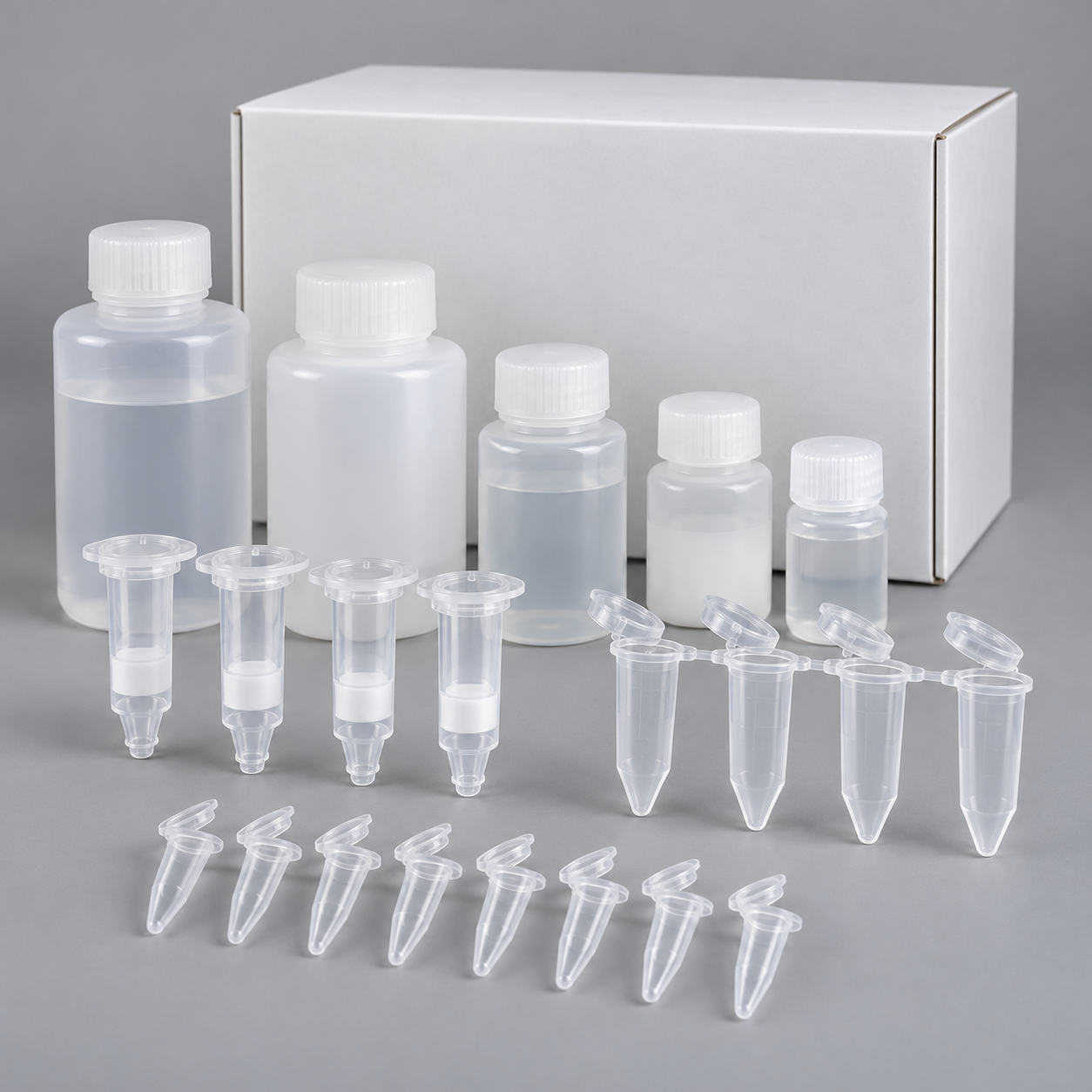
QIAGEN’s listed DNA purification range is organised around the starting material and target workflow. The catalogue includes QIAamp kits for genomic DNA, blood, micro samples, investigator workflows, stool and FFPE tissue; DNeasy kits for blood and tissue, plants, soil and water; and ultraclean or pathogen-focused options. These names describe different product families, not interchangeable kits. Select the exact sample class in the current manufacturer documentation, then ask Franance for a quote on the matching catalogue reference.
For a request, provide sample category, target DNA type, approximate workload, exact item or pack requirement, downstream application and destination. Soil, water, FFPE, stool, blood and plant samples require product-specific selection; a shared “DNA kit” label does not prove they use the same kit or workflow. Ask for the current handbook or product instructions for the quoted reference and confirm intended use with the responsible laboratory lead. Use the national nucleic-acid extraction-kit category for the category range and the QIAGEN-filtered category listing to browse that same leaf within this brand silo.
Which QIAGEN RNA and miRNA kits are listed for Nigeria?
QIAGEN’s range includes total-RNA kits, plant and tissue-specific RNA kits, low-input or ultraclean product families, and kits named for viral RNA or miRNA workflows. Match the product to the sample class and target described in its product documentation. Viral nucleic-acid kits can have a different scope from general total-RNA purification; a miRNA product name does not establish compatibility with every sample matrix or downstream assay.
When asking Franance for a quotation, identify sample type, desired RNA target, input range as specified by the relevant instructions, whether the request concerns total RNA, viral RNA, circulating nucleic acid or miRNA, and the downstream workflow. Include exact catalogue reference, pack size and quantity. The lab should review the current instructions for use and confirm that the named kit suits its validated workflow. No single extraction kit should be treated as a universal RNA solution, and the displayed listings do not imply local stock or a particular delivery date.
When should I consider a QIAGEN AllPrep DNA, RNA or protein kit?
AllPrep families are designed for workflows that recover more than one analyte from the same cell or tissue sample. QIAGEN describes AllPrep DNA/RNA Mini for simultaneous DNA and RNA purification, and AllPrep DNA/RNA/Protein Mini for simultaneous purification of DNA, RNA and protein. The added analytes matter only when they fit the laboratory’s study design, sample input, downstream methods and documentation; choose the exact family and reference rather than assuming all AllPrep products have the same scope.
For a Franance quote, state whether the requirement is DNA plus RNA or DNA plus RNA plus protein, identify the source material and exact reference, and list pack quantity and destination. Ask the written offer to identify the named kit and any separately quoted accessories or consumables. Review the current QIAGEN handbook for sample-specific requirements and confirm that the downstream work is supported by the method selected by your laboratory. These are research and laboratory-supply listings; they do not constitute clinical advice or establish diagnostic intended use, assay authorization or local regulatory status.
Common questions
How many samples can QIAcube Connect process per run?
QIAGEN describes workflows for up to 12 samples per run. Confirm the supported sample type, kit, protocol and run time for your application in the current documentation.
Does the QIAcube Connect include purification kits?
The instrument listing does not establish included kit quantities. Ask Franance to itemise the instrument, kits, reagents, plastics and accessories in the proposed quotation.
Is QIAcube Connect available in Nigeria?
The catalogue listing does not confirm local stock or supply status. Submit your facility location and requirements to Franance and request written confirmation of the offer and delivery terms.
Which QIAGEN kit should I request for a specific sample?
Match the exact sample class and target to the current QIAGEN handbook, then send Franance the product name, catalogue reference, quantity and destination for a written quotation.
Are all QIAGEN extraction kits compatible with QIAcube Connect?
No blanket compatibility should be assumed. Check the current QIAcube Connect kit and protocol compatibility list for the exact catalogue reference and workflow.
What do QIAGEN AllPrep kits purify?
QIAGEN describes AllPrep DNA/RNA Mini for DNA and RNA from the same cell or tissue sample, and AllPrep DNA/RNA/Protein Mini for all three analytes. Confirm sample and downstream-method fit in current documentation.
Request a QIAGEN kit or instrument quotation
Share the exact QIAGEN product or catalogue reference, sample type, required analytes or supported instrument workflow, quantity and Nigerian destination. Franance can review the request and confirm the proposed supply and service terms in writing.