
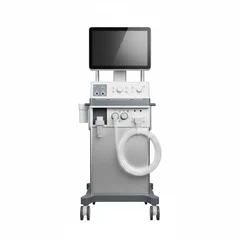
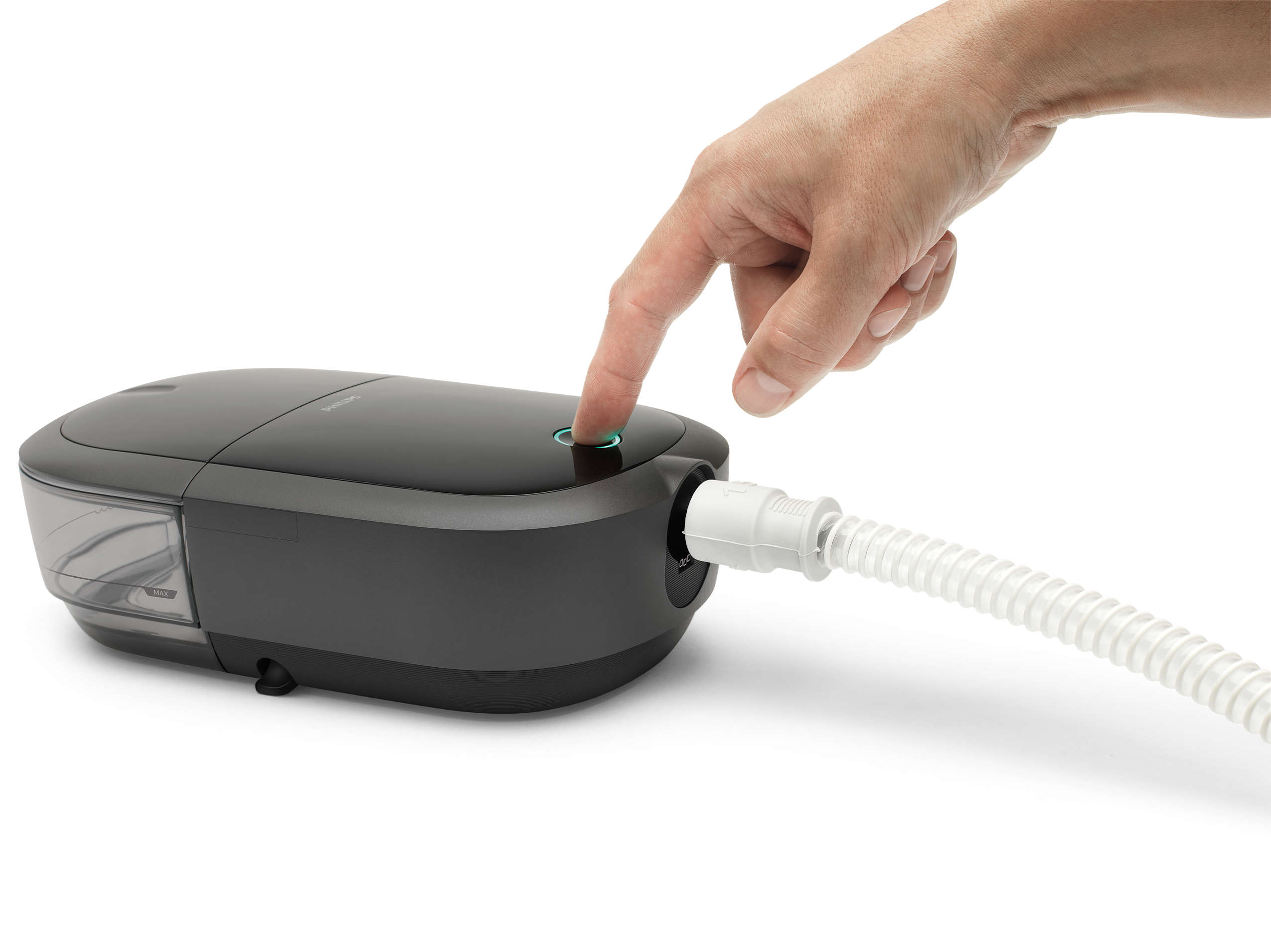
Philips Respironics DreamStation 2 Auto CPAP Advanced
Auto-adjusting continuous positive airway pressure device
Price on request

Medical equipment and biomedical engineering.
Abuja, Nigeria.
Buy CPAP and BiPAP equipment in Nigeria through Franance across seven listed Philips Respironics and ResMed models. Compare the CPAP/APAP devices separately from bilevel PAP and S/T noninvasive ventilator configurations. Confirm the clinician-specified device type, exact regional model, included accessories, power requirements and service scope, then submit a quotation order for follow-up.
14 models
Auto-adjusting continuous positive airway pressure device
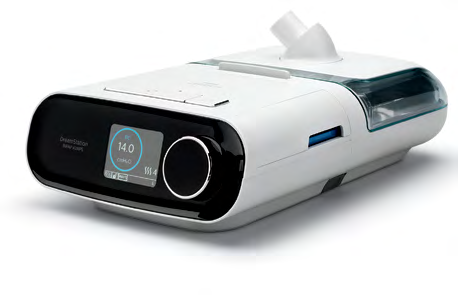
Non-invasive bilevel ventilator
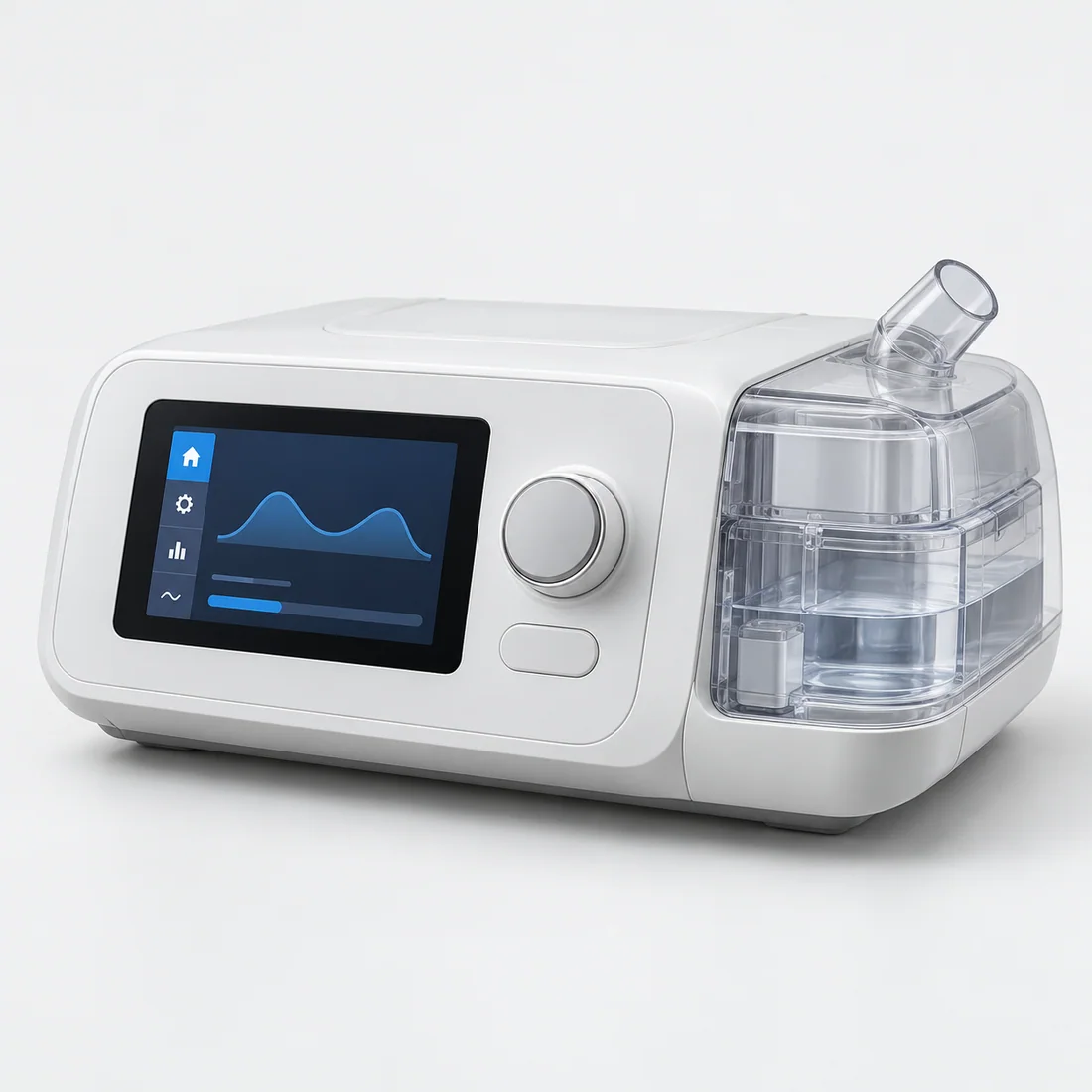
Auto-adjusting bilevel positive airway pressure device
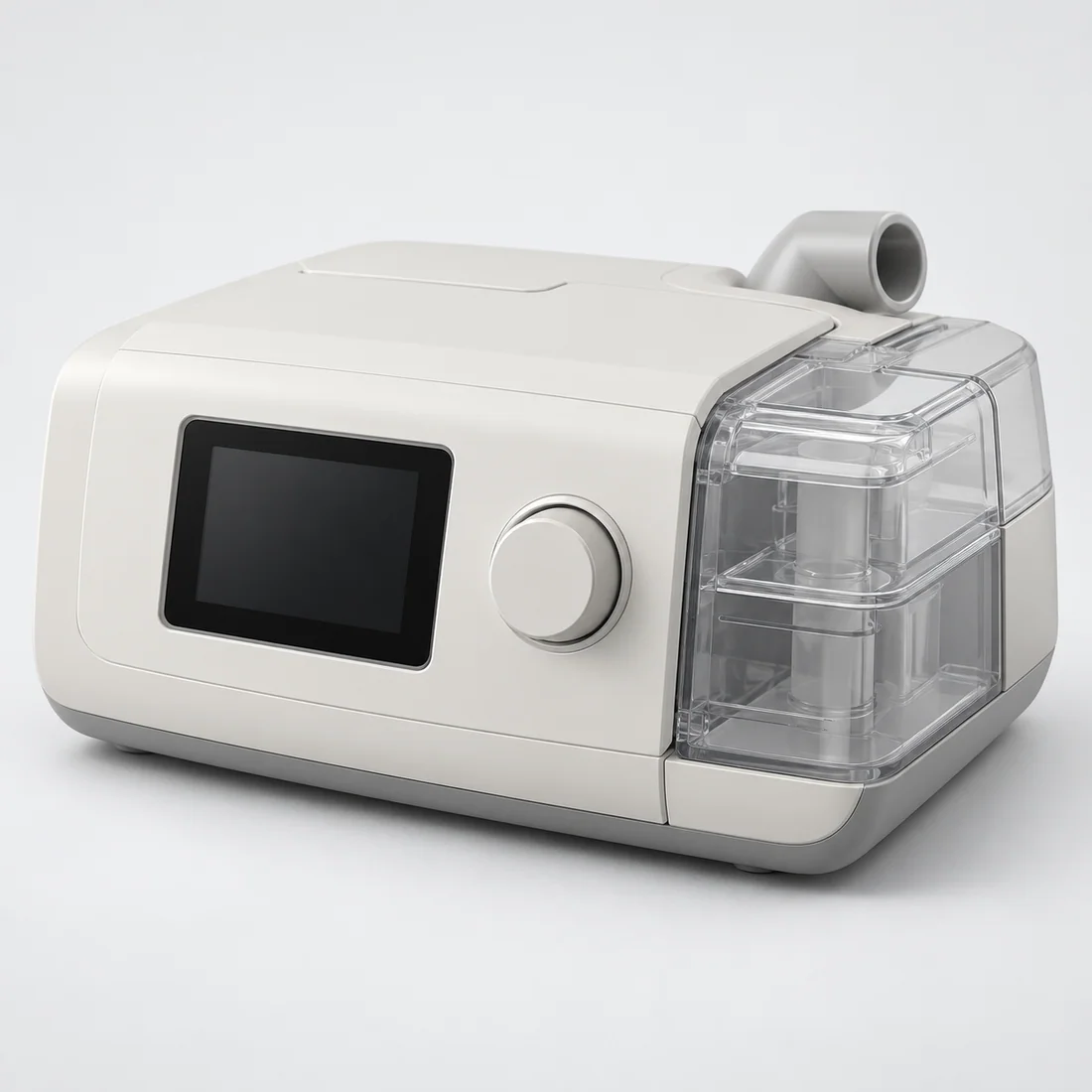
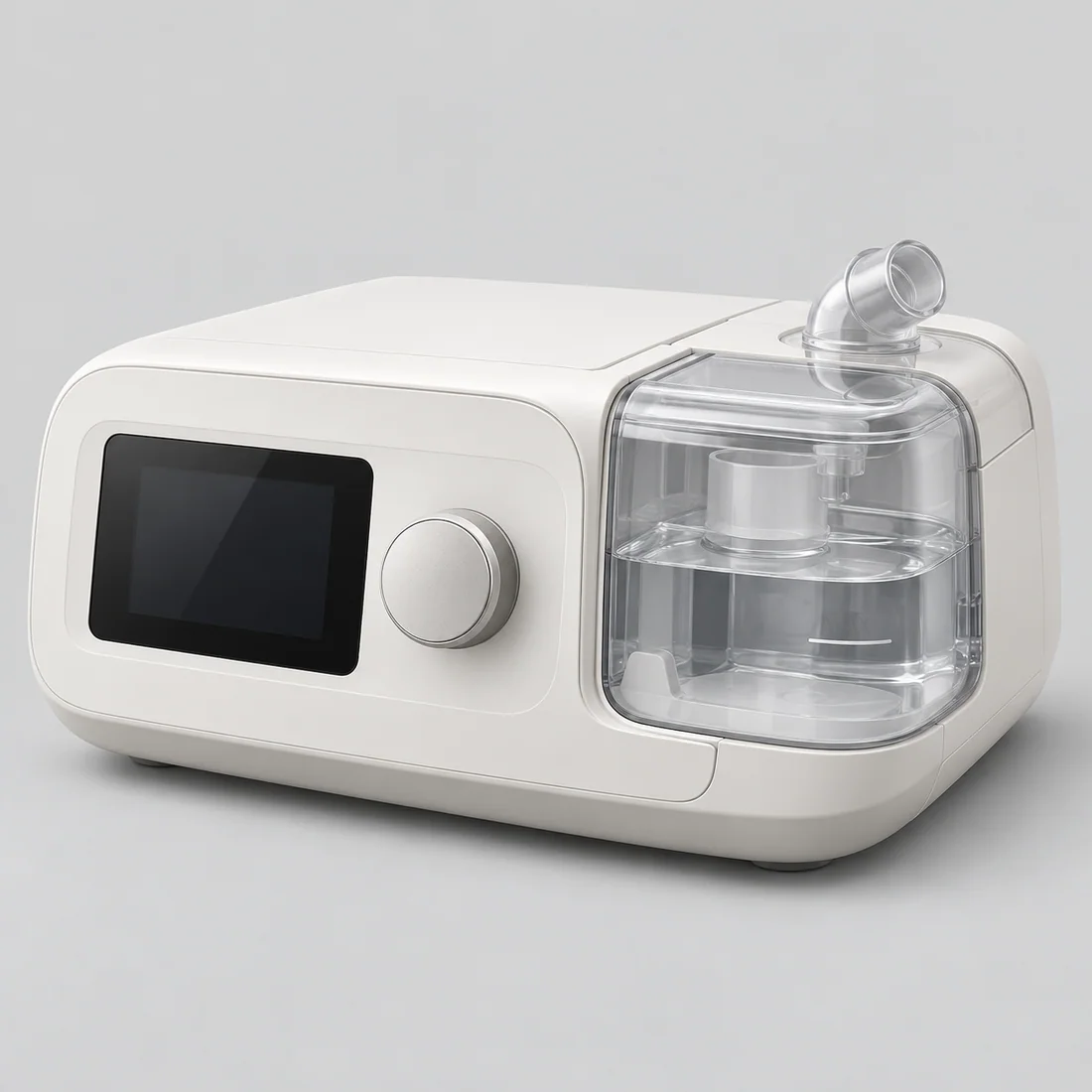
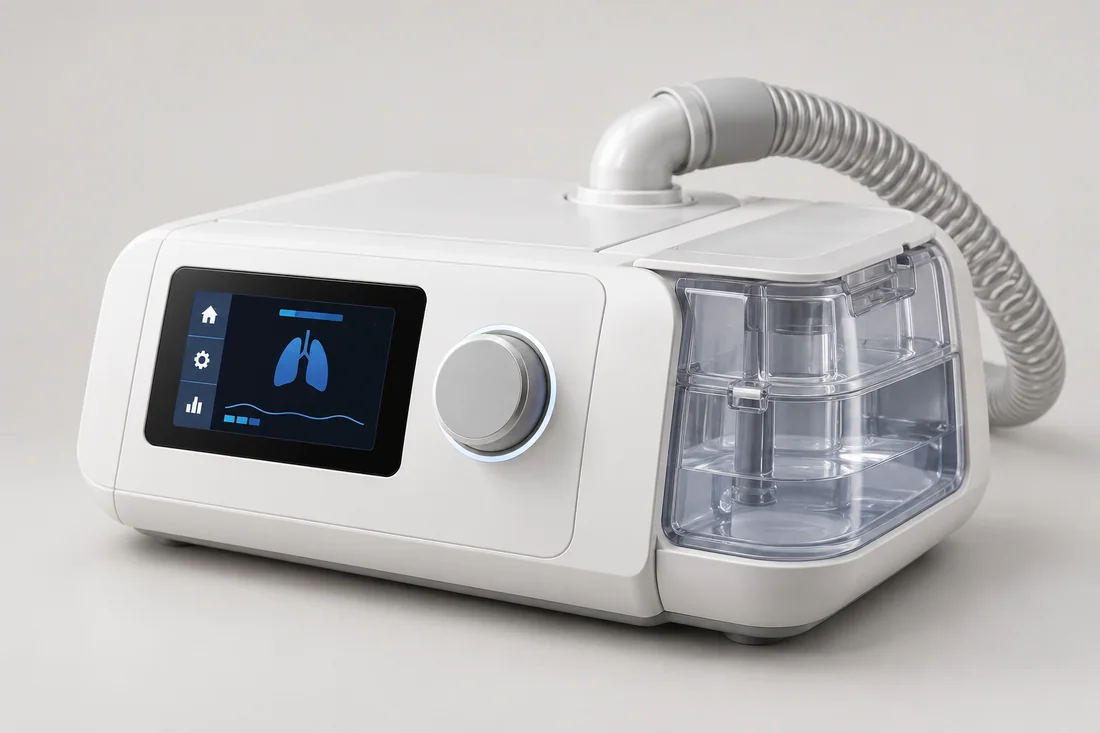
Bilevel positive airway pressure non-invasive ventilator
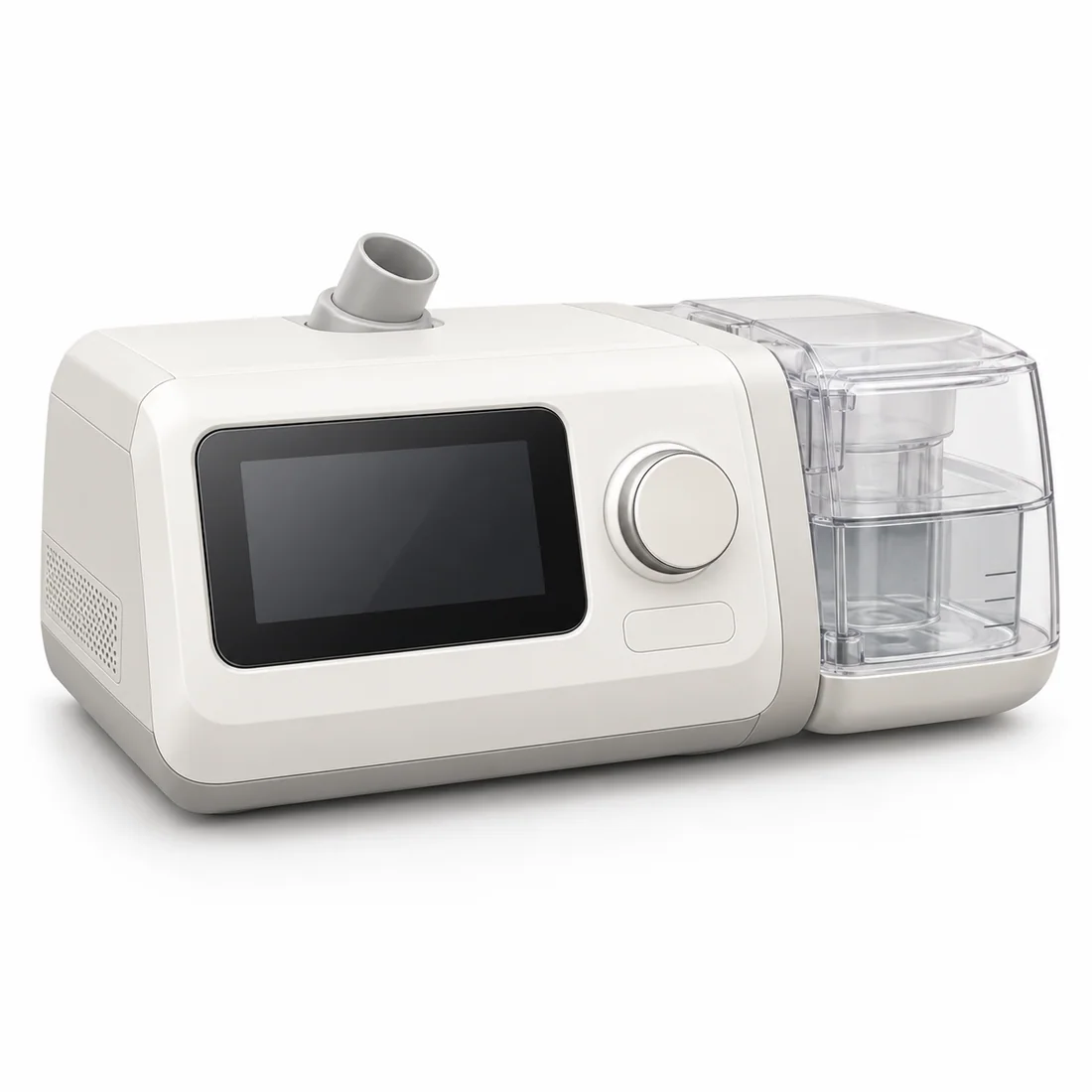
Bilevel positive airway pressure non-invasive ventilator
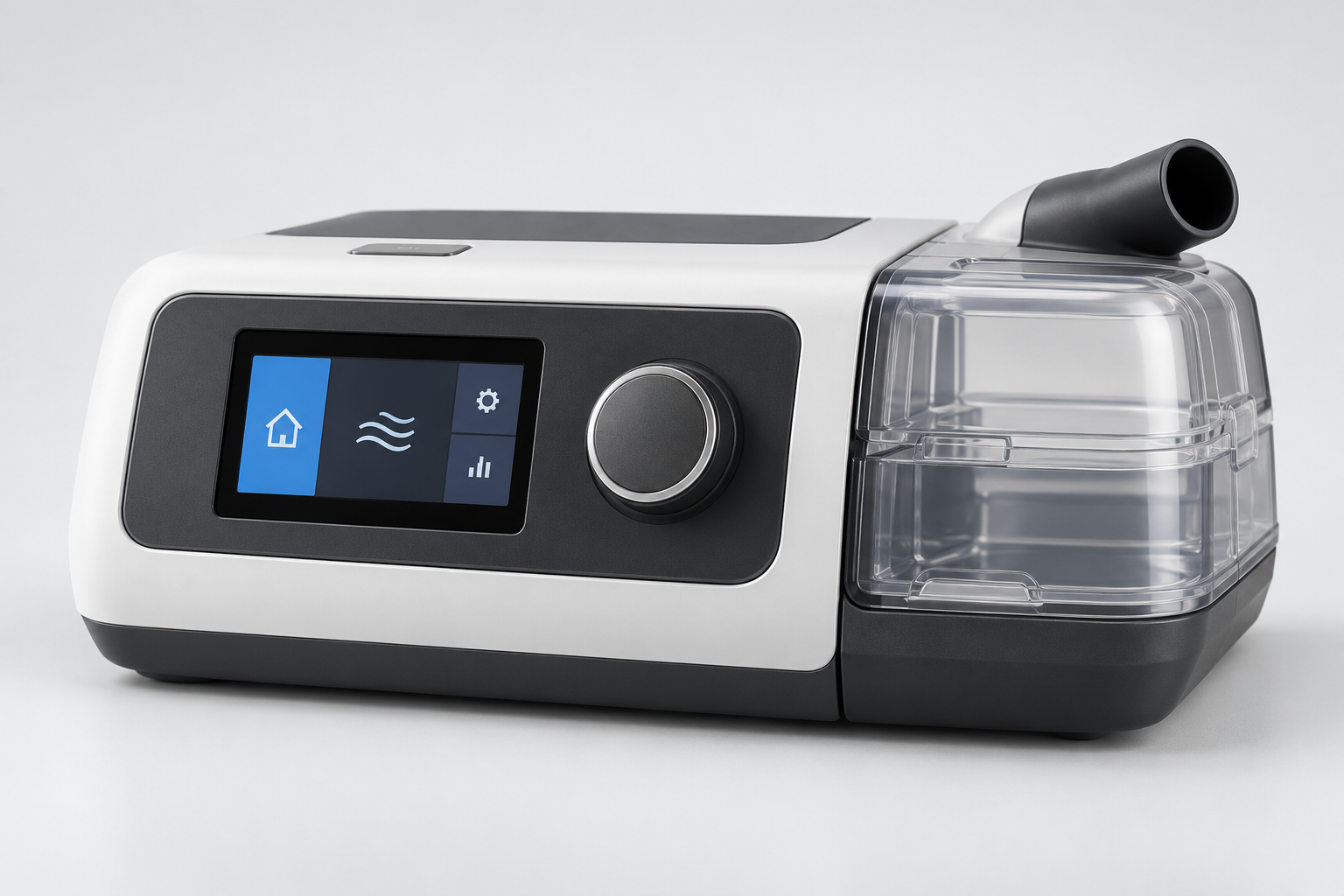
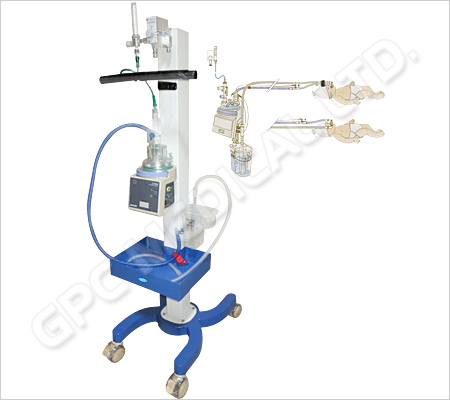
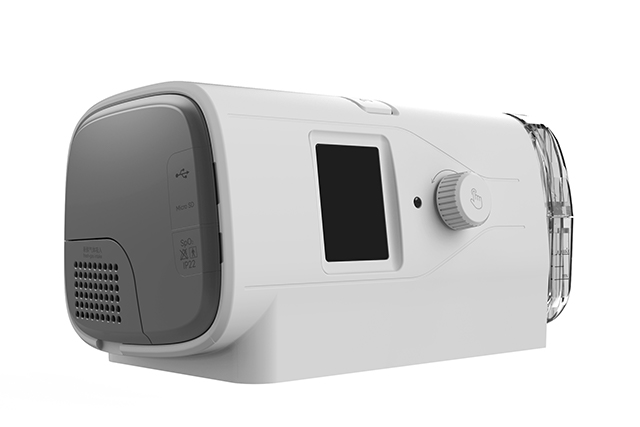
Positive Airway Pressure Device (CPAP/Auto-CPAP)
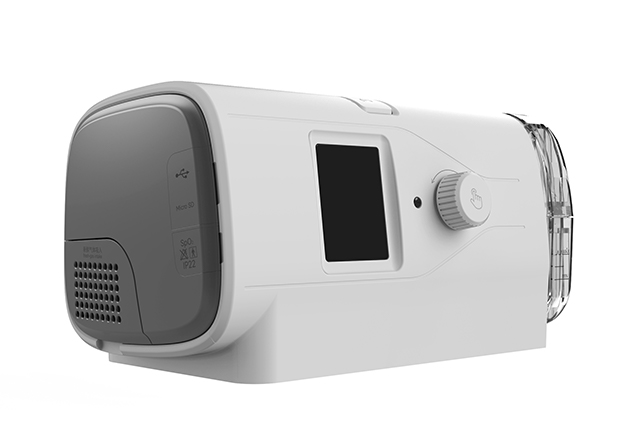
Bi-level Positive Airway Pressure Device
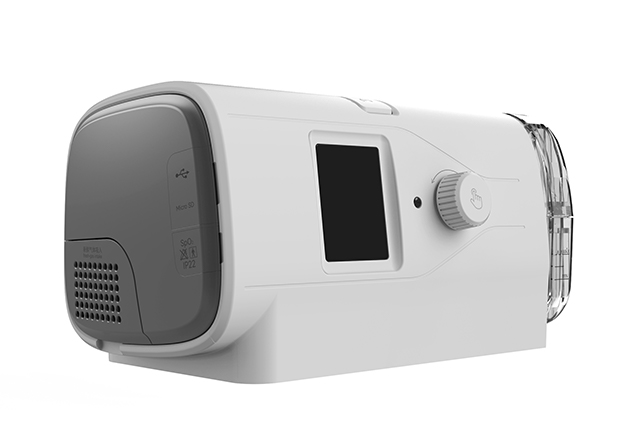
Bi-level Positive Airway Pressure Device
You can request the listed models from Franance by sending a quote order with your exact model, quantity, facility and delivery location in Nigeria. Franance does not take online payments for product orders. The team follows up by phone or email to confirm configuration and commercial information. Begin with the CPAP/BiPAP category, then browse CPAP machines or BiPAP machines.
Read moreThe seven current assignments divide between three products in the CPAP Machine category and four in the BiPAP Machine category. CPAP assignments are Philips Respironics DreamStation 2 Auto CPAP Advanced, ResMed AirSense 10 AutoSet and ResMed AirSense 11 AutoSet. The bilevel group is Philips Respironics DreamStation BiPAP S/T, ResMed AirCurve 10 VAuto, ResMed Lumis 100 VPAP ST and ResMed Lumis 150 VPAP ST. These category labels are catalogue navigation; some bilevel models also appear under the broader non-invasive ventilator category.
Read moreThe catalogue CPAP group contains auto-adjusting models: Philips Respironics DreamStation 2 Auto CPAP Advanced, ResMed AirSense 10 AutoSet and ResMed AirSense 11 AutoSet. Their manufacturer pages describe them within the CPAP or AutoSet product families. A family name such as AutoSet or Auto CPAP is not a prescription and does not determine a patient's treatment plan. Have the prescribing clinician state the required modality, settings and any product configuration in the procurement specification.
Read moreFranance lists seven CPAP and bilevel positive airway pressure devices from Philips Respironics and ResMed. The range includes three CPAP/APAP models and four bilevel models, including S/T noninvasive ventilation devices. Use the category to compare exact product families; a clinician must specify which modality and configuration is appropriate. Franance handles enquiries as quotation orders and follows up by phone or email.
You can request the listed models from Franance by sending a quote order with your exact model, quantity, facility and delivery location in Nigeria. Franance does not take online payments for product orders. The team follows up by phone or email to confirm configuration and commercial information. Begin with the CPAP/BiPAP category, then browse CPAP machines or BiPAP machines.
For institutional purchasing, include the hospital or clinic, state and city, named department, contact person and required delivery date. Say whether the equipment is intended for a facility program or a homecare supply arrangement, since the relevant accessories, service expectations and quote details may differ. If the request concerns a replacement device or a new patient setup, identify the exact existing model and the written technical requirement. Do not send patient-identifiable records in an initial product enquiry.
The product listings help locate models, but they do not constitute a clinical recommendation. A licensed clinician should specify the prescribed device modality and configuration for a patient. The facility purchaser and supplier can then use those written requirements to identify the exact regional model, accessories and supply terms.
The seven current assignments divide between three products in the CPAP Machine category and four in the BiPAP Machine category. CPAP assignments are Philips Respironics DreamStation 2 Auto CPAP Advanced, ResMed AirSense 10 AutoSet and ResMed AirSense 11 AutoSet. The bilevel group is Philips Respironics DreamStation BiPAP S/T, ResMed AirCurve 10 VAuto, ResMed Lumis 100 VPAP ST and ResMed Lumis 150 VPAP ST. These category labels are catalogue navigation; some bilevel models also appear under the broader non-invasive ventilator category.
The model names distinguish different product families and modes. “Auto CPAP” or “AutoSet” identifies automatic pressure adjustment within the manufacturer's product designation. “VAuto” is an auto-adjusting bilevel family name, while “VPAP ST” and “BiPAP S/T” identify bilevel products with an S/T designation. This description explains product naming only; it does not say which model, mode or setting is suitable for a specific person.
Explore all CPAP listings and all bilevel listings separately. Check the full model, suffix, regional reference and manufacturer documentation when matching a purchase request. Similar brand names do not make models interchangeable, and the presence of humidification, a mask, tubing or a power supply on a product image does not confirm that the part is included in a particular order.
The catalogue CPAP group contains auto-adjusting models: Philips Respironics DreamStation 2 Auto CPAP Advanced, ResMed AirSense 10 AutoSet and ResMed AirSense 11 AutoSet. Their manufacturer pages describe them within the CPAP or AutoSet product families. A family name such as AutoSet or Auto CPAP is not a prescription and does not determine a patient's treatment plan. Have the prescribing clinician state the required modality, settings and any product configuration in the procurement specification.
Compare the requested reference, humidification configuration, tubing, mask/interface, filters, power supply, data or connectivity needs, documentation, maintenance and local support. Manufacturer package contents can vary by region and order code. Ask the supplier to itemize the base device and every included or optional component, and to identify all recurring consumables and compatible replacement parts. Confirm whether the intended interface and tubing are part of the quote or need separate lines.
If your requirement calls for a particular brand, use the model filters: ResMed AirSense 10 AutoSet, ResMed AirSense 11 AutoSet, or Philips DreamStation 2 Auto CPAP Advanced. Each query matches one catalogue assignment in the current model listing. Open the DreamStation 2 catalogue listing for its catalogue record.
ResMed's CPAP assignments are AirSense 10 AutoSet and AirSense 11 AutoSet. The manufacturer's AirSense 10 AutoSet page lists user and accessory documentation for the product; the AirSense 11 product page describes the model family and its AutoSet and CPAP variants. Use the exact AutoSet product required on the quote rather than relying on “AirSense” alone, since the family includes different configurations.
Choose the correct catalogue item with the filtered AirSense 10 AutoSet listing or AirSense 11 AutoSet listing. Both searches match one model in the current ResMed/CPAP filter. Ask Franance to confirm the exact regional order reference, whether the humidifier is included or optional, the tubing and mask/interface, filter type, power supply and plug, and available manufacturer documentation.
ResMed's materials and package configurations vary by region and model revision. A US or UK ordering reference should not be assumed to be the Nigerian part number. State the requested model family in your enquiry and ask the supplier to provide the exact reference being offered, included parts, warranty terms, availability and lead time. If your facility requires data or connectivity features, specify the system and workflow and request confirmation for the exact device and local service plan.
The current Philips CPAP assignment is the DreamStation 2 Auto CPAP Advanced. Philips describes DreamStation 2 Auto CPAP Advanced as an automatic CPAP product and provides an official product page. Its documentation distinguishes US product references; the catalogue model field includes references HH1551/01 and DSX520H11C/DSX520T11C from Philips materials, but they are not asserted here as Nigerian ordering codes.
Use the single-model DreamStation 2 filtered listing or open the direct catalogue listing. Ask the supplier to verify the exact regional variant, humidifier and chamber, standard or heated tubing, mask/interface, filters, power supply and plug, connectivity features, current instructions for use and replacement components. Confirm whether each accessory is included, optional or separately quoted.
Philips' US product page currently labels DreamStation 2 Auto CPAP Advanced “Not for sale in the United States” and notes that US market status is subject to Philips' discussions with the FDA. That is a US-market notice; it does not establish the product's commercial, regulatory or supply status in Nigeria. Before ordering, ask Philips or the authorized supply channel to confirm the current product status and applicable notices for the Nigerian market, and ask Franance to state its basis for availability and warranty in writing.
Four products sit in the bilevel category: ResMed AirCurve 10 VAuto, ResMed Lumis 100 VPAP ST, ResMed Lumis 150 VPAP ST and Philips Respironics DreamStation BiPAP S/T. The category includes both bilevel PAP devices and models described by their manufacturers as non-invasive ventilators. These names denote different equipment families and configurations; they should not be treated as a generic equivalence or a substitute for the clinician's written device specification.
ResMed’s overview of CPAP, APAP and bilevel device types distinguishes fixed-pressure CPAP, auto-adjusting APAP and bilevel devices with separate inhalation and exhalation pressure levels. A bilevel model may offer different modes, backup features, controls and configuration options depending on the exact device. This distinction is explanatory, not clinical advice. The responsible clinician must determine what device type and settings are required. A buyer should not select a bilevel product, change a setting or infer a treatment indication from this guide.
Use the exact catalogue filters for ResMed AirCurve 10 VAuto, Lumis 100 VPAP ST, Lumis 150 VPAP ST and Philips DreamStation BiPAP S/T. Each brand/category/model query has been checked against the current local catalogue and returns the assigned product only.
The ResMed bilevel assignments comprise AirCurve 10 VAuto, Lumis 100 VPAP ST and Lumis 150 VPAP ST. ResMed describes AirCurve 10 VAuto as an auto-adjusting bilevel PAP device and publishes a manufacturer page and product documentation. Lumis 100 and 150 VPAP ST are within the manufacturer's Lumis non-invasive ventilator family, with model-specific guides available. The product names and manufacturer references should be checked against the exact requested configuration.
Filter the AirCurve 10 VAuto listing, Lumis 100 VPAP ST listing or Lumis 150 VPAP ST listing. The three queries each return one product in the ResMed bilevel taxonomy. Ask for the exact unit, humidification option, compatible tubing, circuit and interface, power supply, accessories and user guide appropriate to the regional version. For a Lumis request, keep the 100 and 150 references distinct and have the clinician specify the required model and mode rather than choosing by number alone.
For facility procurement, confirm whether the unit is intended for homecare supply, a ward, sleep service or another approved setting and whether its accessories, cleaning process, training and maintenance support match the organization's needs. These setting descriptions help define the order scope; they do not assert that every model is intended or cleared for every environment. Rely on current local manufacturer documentation and the responsible healthcare team's requirements.
Philips lists DreamStation BiPAP S/T as a noninvasive ventilator. Its official product page describes the S/T family and identifies the exact product page reference INX1030T19. Philips documentation also names possible device, humidifier and heated-tube order references; those references can identify a US or regional configuration and should not be treated automatically as Nigeria order codes.
Use the DreamStation BiPAP S/T model filter to locate the single current assignment, or open its direct catalogue detail%2C%20DSX1030H11%20(humidifier)%20and%20DSX1030T11%20(humidifier%20plus%20heated%20tube)%20in%20cited%20US%20ordering%20table). Specify whether the required quote includes the device only or a documented humidifier and heated-tube configuration, and list the required accessories and circuit/interface references supplied by the clinician or biomedical team. Ask Philips or the authorized channel to verify product configuration, included parts, current IFU, service and commercial status for Nigeria.
A manufacturer's feature description is not a patient-specific recommendation or an interoperability approval. If connectivity, monitoring or data transfer is important, name the receiving software/service and required workflow, then request confirmation of the exact product option, regional availability, account requirements, data handling and support. Do not assume a modem, app, cloud service, humidifier, mask or accessory comes in the base package unless it is listed in the written quote.
First obtain the written technical requirement from the responsible clinician. It should name the required modality and device family, the intended configuration and any manufacturer-specific options that are required. Franance can then help locate matching catalogue items and confirm the quoted model with the manufacturer or authorized supply channel. A patient, caregiver or buyer should not use a product comparison page to diagnose a condition, select a modality or alter treatment settings.
For procurement comparison, create a table with manufacturer, full model name, exact order reference, category, included device components, humidification, tubing, mask/interface requirements, filters, power supply, connectivity, cleaning instructions, warranty, service and replacement supplies. Record the source for each statement and mark whether the detail is confirmed, optional, not included or still unknown. For similar product families, list the differences as the manufacturer documents them rather than treating names such as AutoSet, VAuto, VPAP ST or BiPAP S/T as interchangeable shorthand.
Ask suppliers to identify any assumptions. If the required interface or setting isn't represented in an offer, pause the comparison and refer it back to the prescribing clinician or biomedical team. The World Health Organization's medical-device technical-specification guide offers a procurement framework for writing clear requirements. Use it to make the quote comparable, not to infer a clinical choice.
Confirm the specific device reference, rated supply, frequency, plug, adapter or power-supply unit and any other local electrical requirements on the proposed device. Do not infer that a US, UK, EU or APAC manufacturer listing has the correct power configuration for the destination. Ask the supplier to state the exact regional order code and what power components will be delivered. A qualified facility representative should determine local electrical requirements for the intended installation.
Identify whether the quote includes humidifier, water chamber, heated or standard tubing, mask/interface, headgear, filters, carrying case, data card or connectivity options. Check the compatible replacement items and cleaning instructions for the specific model. If equipment will be supplied to a facility, identify how devices and patient-contact accessories will be cleaned, stored, maintained and allocated; follow the manufacturer IFU and facility policy. The supply scope should state consumable quantities and reorder references without implying that one size or interface fits all users.
For service, request warranty terms applicable in Nigeria, local support contact, authorized repair arrangements, training, maintenance and spare-parts availability. Confirm whether device setup or configuration is included and who is authorized to perform it. For digital services, ask whether regional connectivity works, whether subscriptions or accounts are required, and what data path and support apply. Do not assume that a manufacturer app or cloud feature listed on another country's site is enabled or supported locally.
A complete Nigeria request includes the facility or purchaser name, state and city, delivery address, quantity, required date and contact for technical follow-up. List each model separately with brand, full product name, exact regional reference if known and the clinician-specified modality. Identify whether the request is for homecare or institutional procurement and attach non-identifying technical requirements only. Do not send medical records or patient-identifiable information in the product request.
Ask the quotation to itemize the base device, humidifier, chamber, tubing, mask/interface, filters, power supply, plug, data or connectivity options, consumables, accessories, manuals, training, installation/setup, warranty, service, shipping, taxes and lead time. Require clear descriptions of included, optional and excluded items. Ask the seller to verify model and accessory compatibility using current manufacturer documentation; request written confirmation for configuration and regional commercial availability.
Franance uses quotation orders rather than online checkout. Submit the CPAP and BiPAP equipment quote request with the model list and delivery details. Franance can then follow up by phone or email to clarify the proposal. The written quote should state availability, price, delivery timeline, payment terms, applicable warranty and service scope rather than leaving those points implied by a manufacturer page.
Product identity and family distinctions in this guide are based on the linked manufacturer pages and documentation for Philips DreamStation 2 Auto CPAP Advanced, Philips DreamStation BiPAP S/T, ResMed AirSense 10 AutoSet, ResMed AirSense 11 AutoSet, ResMed AirCurve 10 VAuto and ResMed Lumis. The WHO specification guide is referenced for procurement preparation.
Manufacturer pages and order references are region-specific and subject to change. Philips' US-market status notice is explicitly a notice for the United States, not confirmation of status in Nigeria. This guide does not verify Nigerian inventory, device registration, import eligibility, commercial status, warranty, service, delivery or pricing. Confirm those points in writing with the manufacturer or authorized source and Franance. The guide does not select a device, set pressure, recommend therapy or replace current instructions for use. The prescribing clinician and facility's qualified teams are responsible for clinical, biomedical, electrical, infection-control and procurement decisions.
Franance handles these catalogue products through quotation orders. Send the exact model, quantity, facility location and configuration requirements; Franance follows up by phone or email with availability and commercial details.
They refer to different device modalities and product families. CPAP generally denotes continuous positive airway pressure, while bilevel devices provide distinct inspiratory and expiratory pressure levels; named modes and options differ by model. A licensed prescribing clinician must specify the required device and settings for an individual.
No assumption of interchangeability should be made. They are distinct ResMed product families and include CPAP/APAP, bilevel PAP and noninvasive ventilator models. Confirm the prescribed modality and exact model with the clinician and manufacturer.
No. Manufacturer pages can be region-specific. Ask Franance to confirm the exact local order code, included power and accessory configuration, availability, applicable notices, warranty, service and delivery terms in writing.
Send the clinician-specified device type, exact models and regional references, quantities, Nigerian delivery location, intended homecare or institutional setting, required humidifier/tubing/mask configuration, power, consumables, training, warranty and service scope. Ask the written quotation to confirm included components, exclusions, availability, lead time and price.
Request a CPAP/BiPAP quoteAdd the models you need to a quote order, or send us your equipment list.